UK Welcomes Fall Of ‘Barbaric Regime’ In Syria, Keir Starmer Says

The UK welcomes the fall of Bashar al-Assad’s “barbaric regime” in Syria, Keir Starmer said.

The prime minister spoke on Sunday, after rebel forces ousted the country’s authoritarian leader by seizing the capital, Damascus.

Starmer also called for civilians to be protected – the UK had been evacuating its own citizens in the days leading up to peak of the rebellion.

According to PA news agency, he said: “The developments in Syria in recent hours and days are unprecedented, and we are speaking to our partners in the region and monitoring the situation closely.

“The Syrian people have suffered under Assad’s barbaric regime for too long and we welcome his departure.

“Our focus is now on ensuring a political solution prevails, and peace and stability is restored.

“We call on all sides to protect civilians and minorities, and ensure essential aid can reach the most vulnerable in the coming hours and days.”

His remarks echo the comments from deputy prime minister Angela Rayner this morning.

Speaking to Sunday Morning with Trevor Phillips, she said: “Well, the situation looks very serious and if the Assad regime has fallen, then I welcome that news.

“But what we need to say is a political resolution in line with the UN resolutions. And we need to see civilians and infrastructure protected.

“Far too many people have lost their lives – we need stability in that region.”

She continued: “If Assad has fallen and that regime is over, I welcome that.

“He wasn’t exactly good to the Syrian people.

“So we want to see a political resolution so that we can get that stability for Syrians and make sure that they have their infrastructure so that they have a political government there that is working in the interest of the Syrian people.”

Assad has fled Damascus but his exact whereabouts remain uncertain.

Some reports suggest he may try to flee to Russia as Vladimir Putin is a key ally and his regime was propped up by the Kremlin until this latest rebellion.

It’s also not clear who will fill the power vacuum now, although one of the leading rebel groups originated in Al-Qaeda.

Starmer is set to travel to the Middle East this week to meet with the UAE and Saudi Arabia, although his trip was planned before Assad’s regime collapsed.

Share Button

It’s Time To Retire The Beyoncé vs. Taylor Swift Debate

“When you’re talking about greatness, and when you’re talking about greatness for the 21st century specifically, no one has a longer or fuller track record than Beyoncé.”

That’s how Billboard announced the musical icon as the greatest pop star of the 21st century this week. The declaration came on the heels of the publication announcing its runner-up pick, Taylor Swift, who earned the No. 2 spot for catapulting modern pop stardom to heights many didn’t think were possible across her 17-year (and counting) career. The contest was close, given Swift’s astronomical album sales, streams and touring numbers, but in the end, Billboard explained that Beyoncé topped the list “based on her full 25 years of influence, evolution and impact.”

Of course, the result didn’t sit well with Swifties, who argued that their idol’s accomplishments could’ve satisfied Billboard’s top-spot criteria. And it didn’t take long for members of the Bey Hive to chime in with their own retorts to defend their Queen Bey.

For weeks, the two fan bases had speculated about the music outlet’s hotly anticipated rankings, reigniting the tiresome debate that pits the superstars’ legacies against each other. The discussion hit a fever pitch last year while Beyoncé and Swift were both riding high on their economy-boosting international concert runs (Renaissance and the Eras Tour, respectively), which, according to Pollstar, were the two highest-grossing tours of 2023. And the discourse was reignited after the tours hit the big screen last fall, despite the two singers supporting one another at their Hollywood premieres.

That should’ve been enough to end all catty chatter among fans. But after Billboard’s rankings, now feels like as good a time as any to retire the Beyoncé vs. Taylor Swift argument that’s way past running its course.

Yes, it’s easy to compare the two global juggernauts when none of their peers have reached the same level of cultural dominance in this century. In nearly any arena that matters for pop stars — historic music sales, record-breaking numbers, awards acclaim, etc. — Swift and Beyoncé almost always lead the pack. However, contrary to what stan culture believes, numerous instances prove that Swift and Beyoncé are incomparable in the lanes that make them all-time greats.

Swift’s unequivocally sharp pen has made her one of the most illustrious songwriters of her time, which she demonstrates time and time again with every chart-topping album she releases. Her successful crossover from country to pop superstardom proved her talents were as boundless as her ambitions, charting a path to hit-making, award-winning success. To this day, Swift, according to Forbes, is the only woman in music to build a billion-dollar fortune solely from her musicianship. Even with a later start in the millennium, she’s achieved what many in the pop world can only dream of.

Over the last 20-plus years, Beyoncé, meanwhile, has far exceeded what anyone could’ve expected from the former frontwoman of a ’90s and early aughts girl group, Destiny’s Child (one of the most successful in history). Her talents aren’t limited to music — her roles in films like “Dreamgirls” and “Cadillac Records” have proven that. But as many well know, Beyoncé’s name will be forever etched in the history books for consistently raising the bar for musical excellence (live performances, outstanding visuals, genre-bending projects, you name it), no matter the genre. Her ability to disrupt industry conventions has inspired many, including Swift, to be originators in their own right. But what truly sets the legend apart from Swift and everyone else is that she’s remained the standard of pop stardom for decades and is still reaching above and beyond to cement her legacy.

It does us all a disservice to try and assert why Beyoncé and Swift are better than one another when they’re two vastly different symbols of greatness. Where one dominates with statistics and chart numbers, the other has had an immeasurable cultural impact. But as with many polarising conversations about music, it’s more fun to fuel a narrative that keeps these two icons in constant competition, even when they oppose it.

Swift said it best in her 2023 Time Person of the Year profile: “Clearly it’s very lucrative for the media and stan culture to pit two women against each other, even when those two artists in question refuse to participate in that discussion.”

The media and stans will likely cash in on that discourse again for the 2025 Grammy Awards — where Swift and Beyoncé are both nominated for record, song and album of the year — but don’t count on the pop stars to feed the frenzy.

As history has shown, Swift and Beyoncé have held nothing but reverence for each other’s work over time. Last year, in an Instagram post, Swift praised her contemporary for being “a guiding light throughout my career” who’s also “taught me and every artist out here to break rules and defy industry norms.” Beyoncé was just as generous with her words years prior when she held space for Swift to finish her acceptance speech at the 2009 Video Music Awards — where Kanye West infamously interrupted Swift to argue that Beyoncé should’ve won instead.

Even when people expect Swift and Beyoncé to pick sides against each other, they show that they know better than to entertain such negativity — it’s served their groundbreaking legacies well. When will fans finally learn to do the same?

Share Button

Pantone’s Colour Of The Year Is Hitting A Nerve — For More Reasons Than One

On Thursday, Pantone announced its much-awaited “Colour of the Year 2025.” (Well, “much-awaited” if you’re into this sort of thing.)

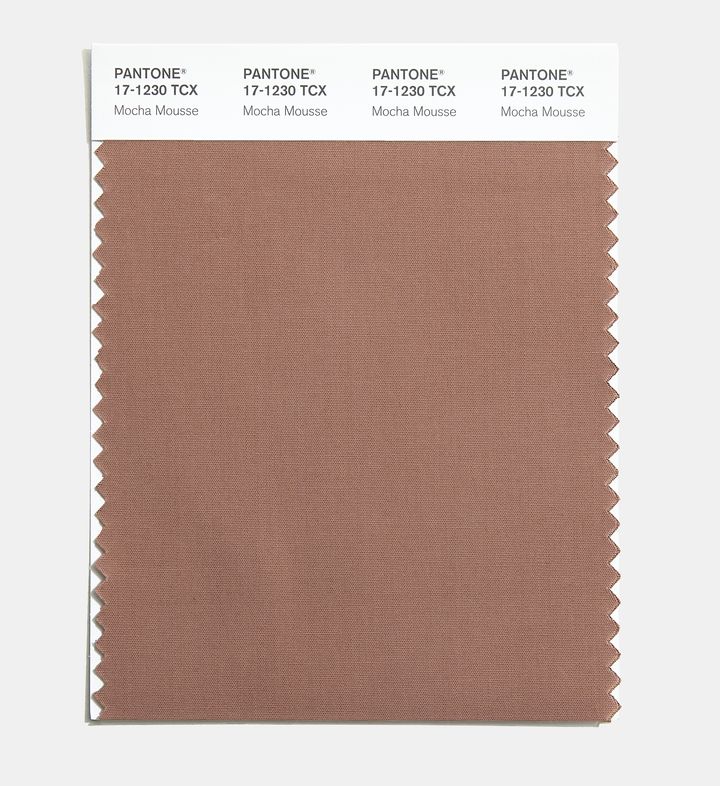
The big winner? Mocha Mousse (17-1230), a shade that the Pantone Color Institute calls “an evocative soft brown that transports our senses into the pleasure and deliciousness it inspires” while “appealing to our desire for comfort.”

Here it is:

The Pantone Color Institute calls the shade “an evocative soft brown that transports our senses into the pleasure and deliciousness it inspires."

BRYAN GARDNER

The Pantone Color Institute calls the shade “an evocative soft brown that transports our senses into the pleasure and deliciousness it inspires.”

The Washington Post heralded the shade as a “win for quiet luxury.” Vanessa Friedman of The New York Times said her “mind went immediately to comfort eating.”

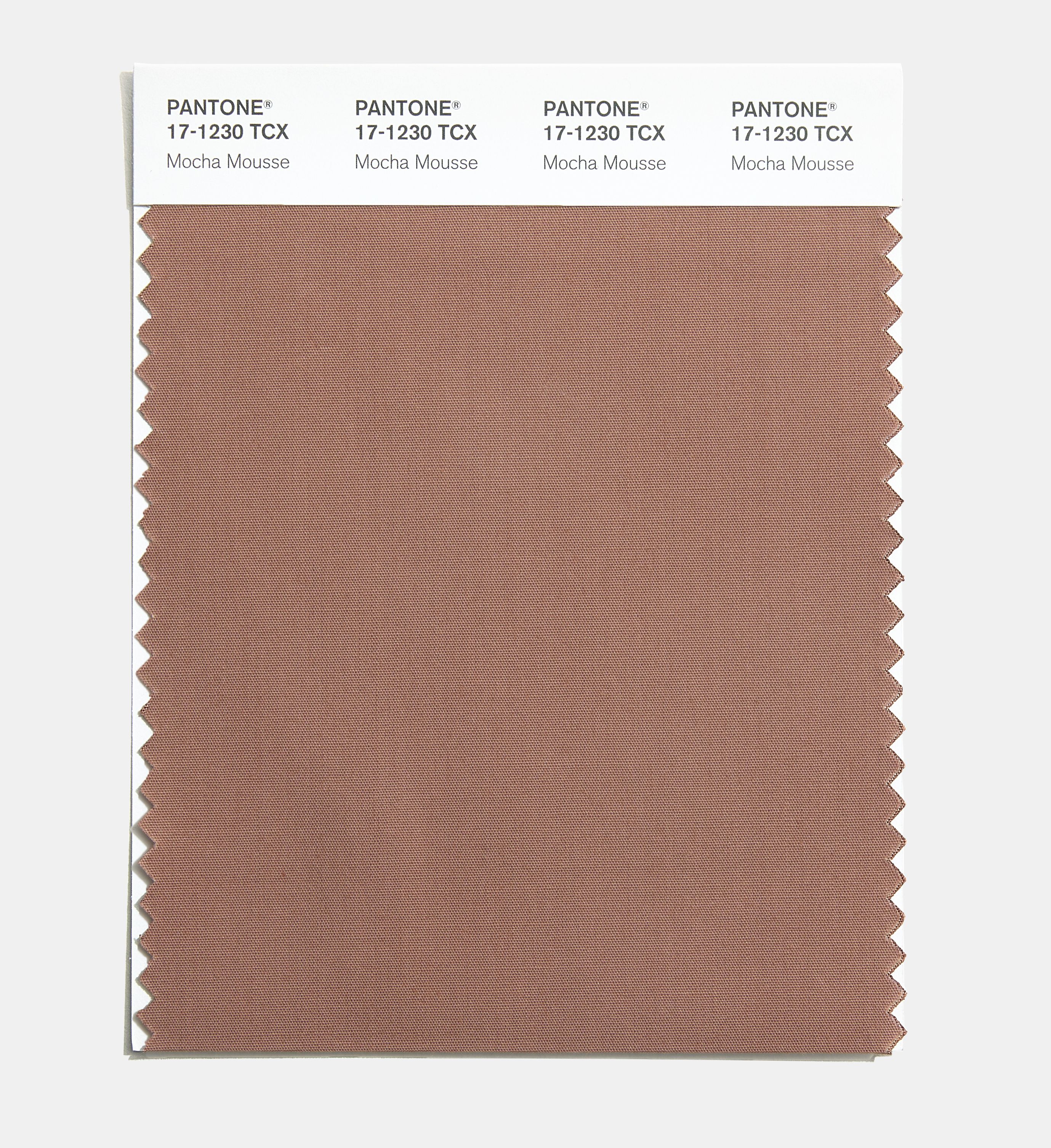
On social media, the feedback was a little more mixed. Because of the visuals released by Pantone, some pointed out that the color bore a certain likeness, to, well ― there’s really no delicate way to put this ― poop.

Some on social media remarked that the color looked a little like, well, poop.

The Development and Designliga/Pantone

Some on social media remarked that the color looked a little like, well, poop.

Some sample scatological quips from Threads and X?

Others compared it to Nazi uniform brown or “the shade of lightly soiled mop water.” Several said it felt like just the right shade to welcome in 2025.

“Instantly depressed seeing Pantone’s Color of the year for 2025, which I guess is on par with the theme of 2025. Touché, Pantone, touché,” one person wrote on Threads.

Colour consultant Laury Rosenthal gave props to Pantone for choosing a shade of brown for the first time in its 25 years of selecting a colour of the year. Still, she wishes the colour was a tinge darker.

“It’s great to eat chocolate mousse but the colour looks a bit like a poo emoji,” she wrote to HuffPost. “It will look worse when in paint as Pantone ink is clear and base paint starts out blue white before pigment gets added. I’d rather have a darker taupe, if asked.”

But elsewhere online, women of colour celebrated the pick, noting that others’ dismissiveness of the shade was a little white-centric.

Charnaie Gordon, a teacher and children’s book author, is among the fans of the pigment. As a Black woman, she sees the color as “rich, grounding, and unapologetically bold.”

“Pantone finally caught up to what we’ve been knowing all along: melanin magic is unmatched,” Gordon told HuffPost. (She shared a similar sentiment on Threads.)

“To me, this color represents a statement about resilience, beauty, and depth,” she said. “I couldn’t be more excited that this is the energy we’re stepping into for 2025, it feels like an unspoken ode to Black and brown people everywhere.”

“It’s richness, warmth, and melanin on full display,” she said. “If you can’t see the beauty in that, the problem isn’t the colour, it’s your perception.”

Amy Ellzey, a colour consultant and owner of Colour Me Beautiful LA, thinks folks should get their mind out of the gutter with the colour.

“Although some may draw comparisons of this colour to unappealing aspects of nature, you could also positively consider [it] a desirable milk chocolate or opaque latte,” she said.

Given the emphasis on millennial gray and other flat neutrals (namely, white and black), Lauren F. Battistini of LFB Color Consulting is thrilled with Pantone’s choice.

“It’s a clear indicator that the fashion, home, interiors and other industries are shifting to something with more comfort, warmth and earthy appeal,” she said. “The colour pendulum shifts about every 3-4 years, and we have been witnessing a shift for some time over to a warmer, earthy colour palette.”

Plus, Battistini said, this particular shade of mocha plays nicely with other colours.

“A neutral such as Mocha Mousse doesn’t necessarily hold much presence on its own, but when you pair it with the right colours, it serves as a visual comfort within the overall colour palette,” she said.

“I see it as a perfect anchoring neutral to combine with colours such as cream, aqua, ochre, warm red, aubergine, blush, cinnamon and warm greens,” she added.

One thing everyone can agree with? If Mocha Mousse gives us a break from Brat green, we’re all winners.

Share Button

Forget The Amalfi Coast. This City Is Italy’s Most Underrated Destination.

Take A Break is your ultimate guide to the perfect trips to recharge, rediscover yourself and your relationships, and reengage with the world. We’ll cover shopping stops, great bars, restaurants worth your money, photo opportunities, memorable drives and experiences, and other important details you need before you book.

Year after year, Italy remains one of the most popular international destinations for American travelers. During the peak summer season, tourists from all across the United States flock to Rome, Florence, the Amalfi Coast and other Instagram hotspots.

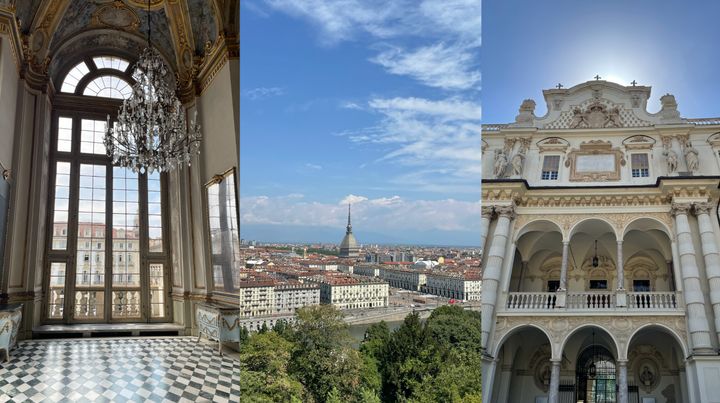
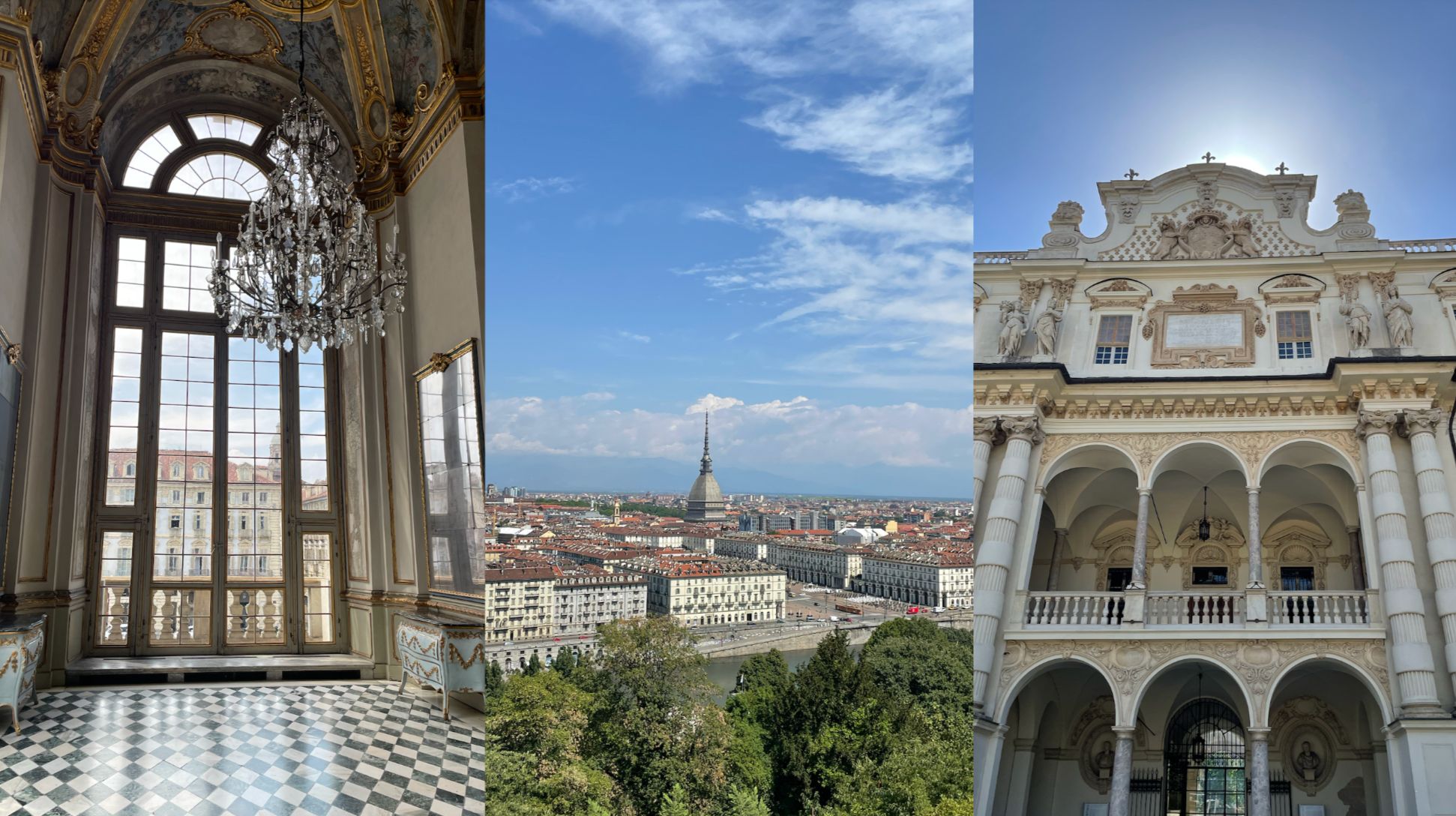
But another amazing place in Italy that often gets overlooked is Turin. Known as Torino in Italian, the impressive city is the capital of the Piedmont region in the northwest (and was even the first capital of the unified Kingdom of Italy in the 19th century). Visitors to Turin can enjoy beautiful mountain landscapes, opulent palaces, world-class museums and more.

On the culinary side, the city boasts a vibrant restaurant scene, featuring prominently in an episode of Stanley Tucci’s food and travel show “Searching for Italy.” And as the host of the 2006 Winter Olympic Games and two World Cups, Turin has plenty to offer sports and history fans.

Despite all this cultural clout, Turin is rather overshadowed by its more famous counterparts, at least among American travellers. When I had the opportunity visit last summer, I was immediately charmed by the city’s unassuming elegance, welcoming locals and sense of tranquility, free from the endless hordes of tourists that overrun many other destinations in Italy at this time of year.

To compel more travellers to add Turin to their Italian vacation itineraries, I’ve compiled my favourite dishes, attractions and more highlights from the “Città Magica.”

Where To Stay

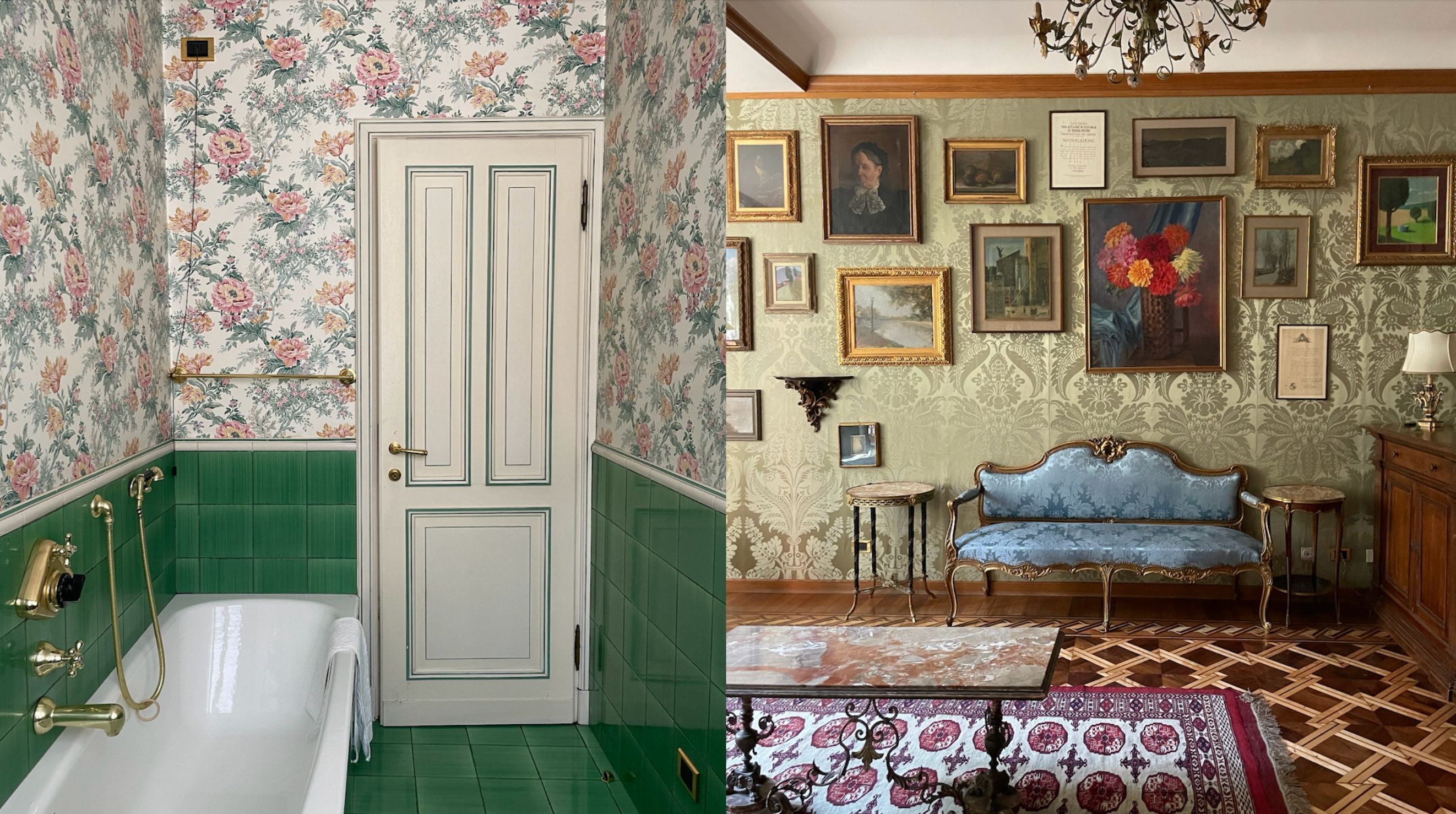
I visited Turin with a large group of friends, and we stayed at an Airbnb that felt like our own mini palazzo. Spanning three floors, the apartment was ornately decorated with lots of wallpaper, upholstered furniture, framed art and other embellishments.

Scenes from our palatial Airbnb.

Caroline Bologna/HuffPost

Scenes from our palatial Airbnb.

Those looking for a hotel experience will find plenty of options as well. The Turin Palace Hotel is in a restored building right in the city centre. The nearby Grand Hotel Sitea is a historic property with spacious rooms and a Michelin-starred restaurant.

For something with a more contemporary feel, the NH Collection Torino Piazza Carlina is also a popular option.

What To Eat

Italian food is famously delicious, but this cuisine is not a monolith by any means. So, I always aim to eat regional delicacies wherever I travel in Italy.

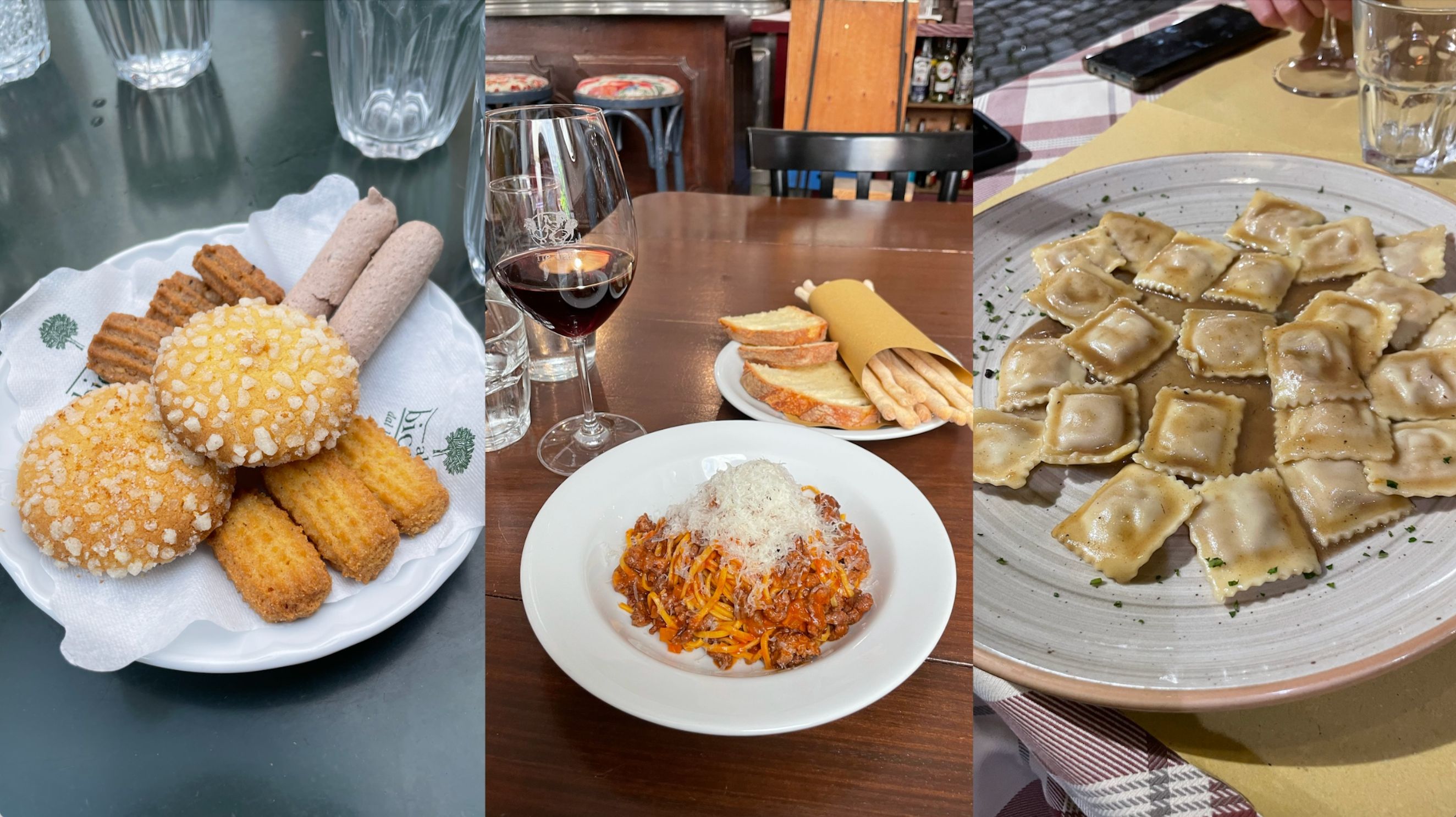
In Turin, my favorite Piedmontese dish was tajarin ― a rich, egg-heavy pasta typically served with truffles and butter or a local meat sauce called sugo d’arrosto. The meat-filled agnolotti pasta is another tasty specialty.

Other classic dishes to try include vegetables dipped in bagna cauda, a warm sauce made with garlic and anchovies, and crunchy breadsticks known as grissini. Although I wasn’t a massive fan, I’m glad I sampled vitello tonnato ― cold, thinly sliced veal topped with a creamy tuna sauce.

From left: assorted Piedmontese cookies, tajarin with meat sauce and agnolotti.

Twitter/Canva

From left: assorted Piedmontese cookies, tajarin with meat sauce and agnolotti.

My best meal in Turin was a lovely solo lunch at a restaurant called Tre Galli. I also enjoyed classic Torinese food at Osteria al Tagliere and L’Osto del Borgh Vej. The Mercato Centrale Torino food hall offers something for everyone, which is perfect when traveling with a group. You might also want to make time to visit the world’s very first Eataly as well.

Spazio7 and Piola da Cianci also came highly recommended, as did the historic Caffè Platti and Caffè Mulassano. And to cap off any meal with a sweet treat, look no further than Gelateria Pepino.

What To Drink

The Piedmont region is famous for its Barolo and Barbaresco wines, which pair well with many dishes or even as a key ingredient (as in brasato al Barolo or risotto al Barolo).

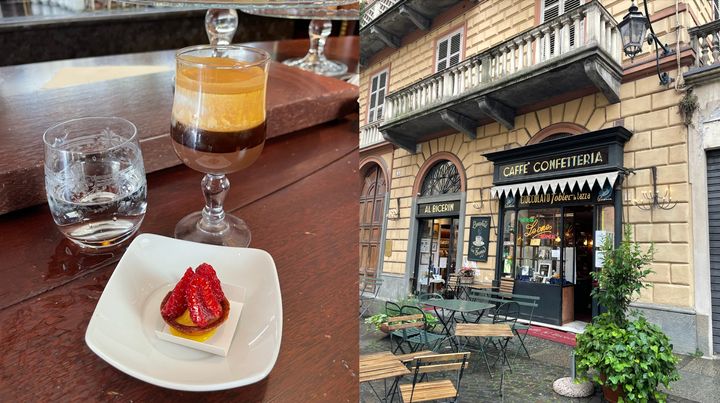
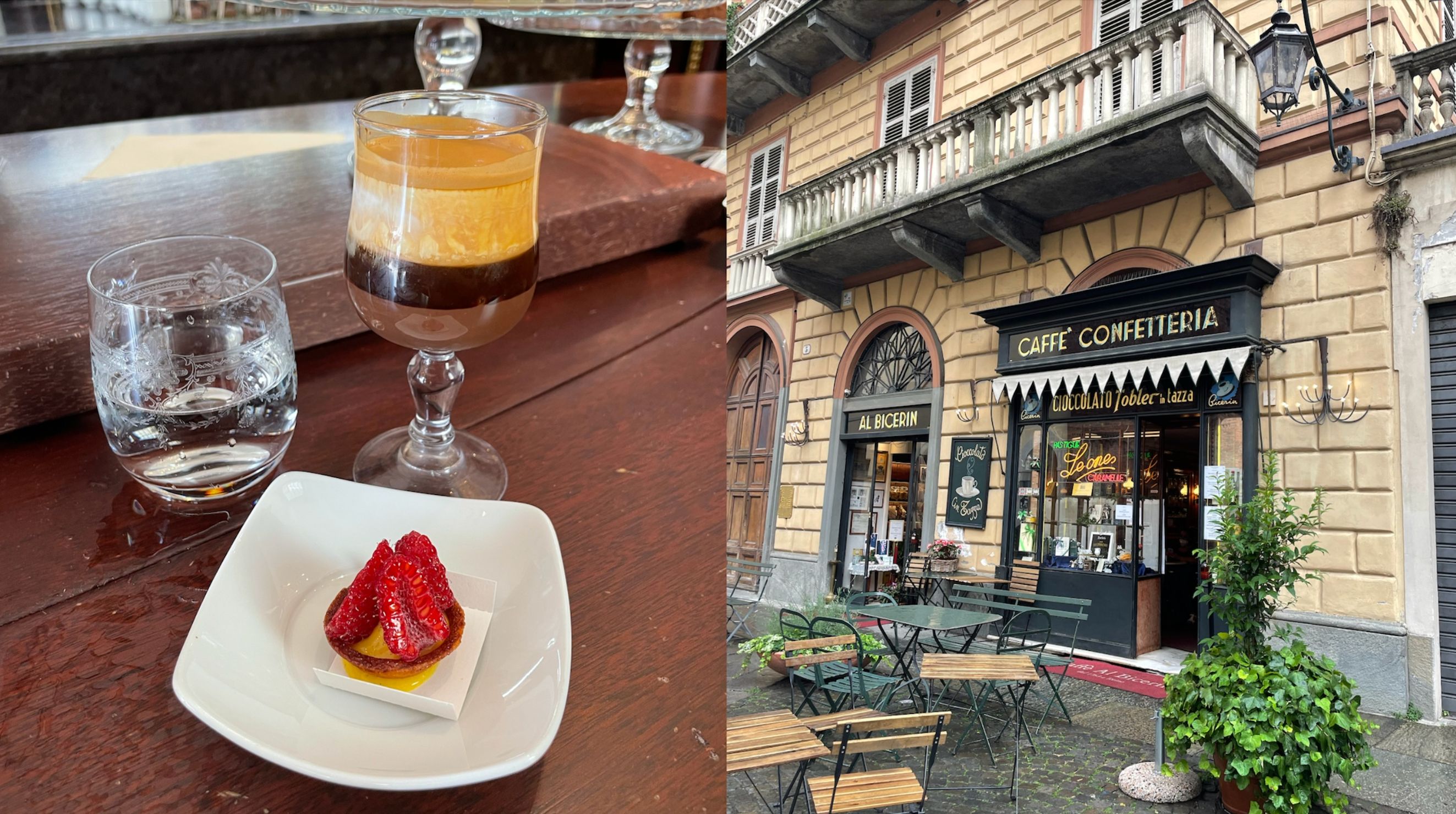
But truly no visit to Turin is complete without at least one bicerin. This decadent drink is made with coffee, chocolate and milk, perfectly layered in a way that just screams to be photographed. I’m pleased to report it also tastes amazing.

From left: A bicerin and a fruit tart at Farmacia del Cambio, and the exterior of the historic Caffè Al Bicerin.

Caroline Bologna/HuffPost

From left: A bicerin and a fruit tart at Farmacia del Cambio, and the exterior of the historic Caffè Al Bicerin.

My bicerin-tasting journey led me to delicious and picturesque establishments like Farmacia del Cambio, Caffe al Bicerin dal 1763 and Caffé Baratti & Milano.

I even tried an alcoholic version of a bicerin at Piano35 ― a lounge at the top of the Intesa Sanpaolo Skyscraper. The breathtaking views alone made it worth the visit, but the creative cocktails were an added bonus.

Casa Proseccheria was another nice spot for aperitivi, with plenty of prosecco, cocktail and snack offerings.

What To Do

On my first morning in Turin, I began the day with a hike up to Chiesa di Santa Maria del Monte dei Cappuccini, a hilltop church with gorgeous views of the city. I later visited another church, the Baroque-style Chiesa di San Lorenzo.

For something farther afield, you can make a journey to the famous Basilica di Superga. And if you’re into royal history, you might also want to schedule a visit to La Venaria Reale ― a large palace estate just outside city and one of the area’s many UNESCO World Heritage Sites.

For a taste of grand architecture, tourists hardly need to venture beyond Turin’s city centre, however. There’s Piazza San Carlo, a stately square surrounded by Baroque buildings, and Piazza Castello, home to the majestic Palazzo Madama Torino (now an art museum). The nearby Royal Palace of Turin transports visitors back in time to the city’s regal past.

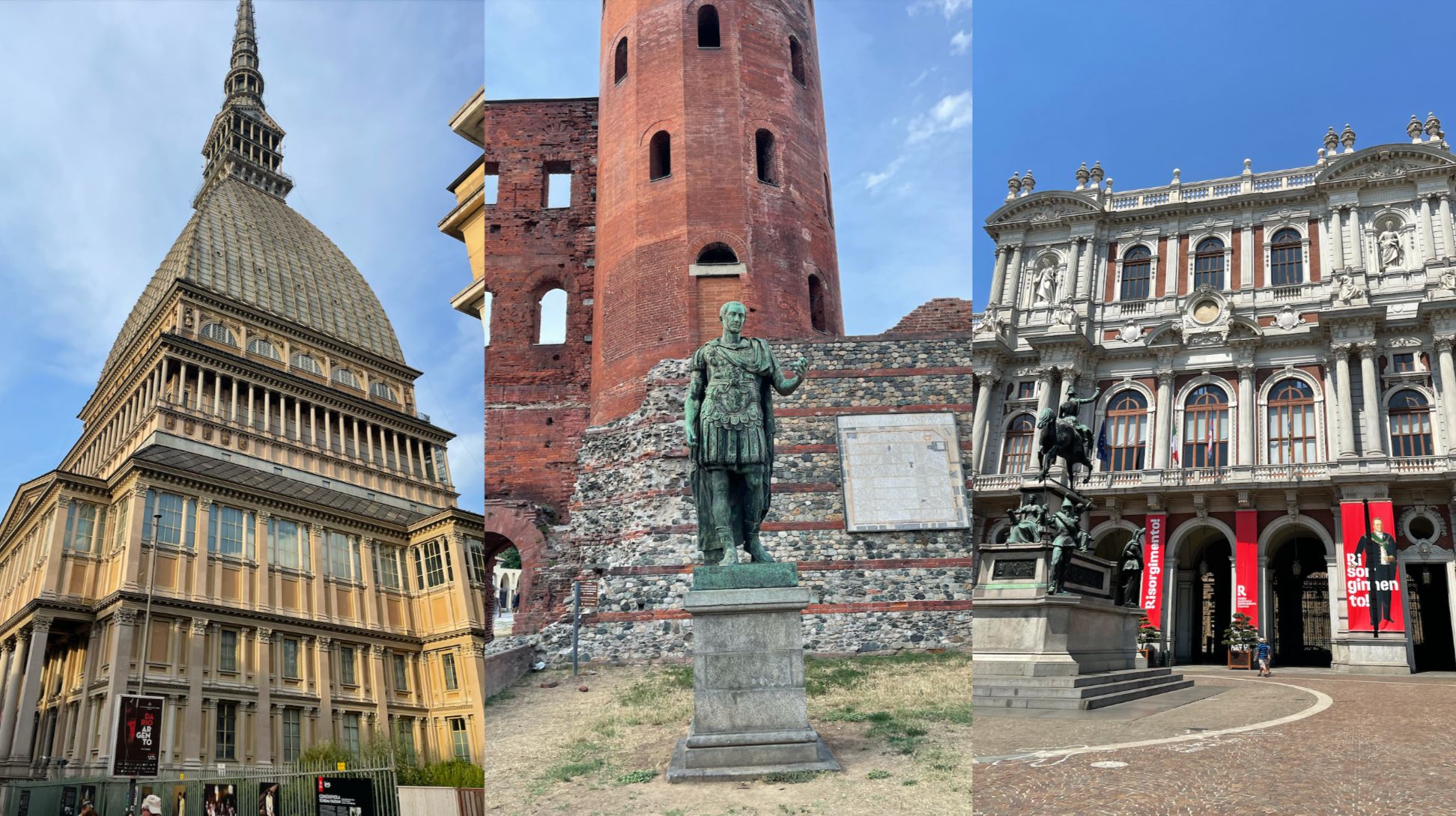
From left: the Mole Antonelliana, Palatine Gate and Palazzo Carignano.

Caroline Bologna/HuffPost

From left: the Mole Antonelliana, Palatine Gate and Palazzo Carignano.

Perhaps the most iconic part of Turin’s skyline is the Mole Antonelliana, which houses the film museum ― Museo Nazionale del Cinema. Another notable museum is the Museo Egizio, where history buffs can find an extensive collection of Egyptian artefacts.

Fans of contemporary art will enjoy the Castello di Rivoli, a former royal residence that now showcases cutting-edge exhibitions juxtaposed against its restored 17th-century castle backdrop. Don’t sleep on the Pinacoteca Giovanni e Marella Agnelli art gallery, either.

Those interested in the unification of Italy will no doubt want to explore the Museum of the Risorgimento, which is located in another famous old building, Palazzo Carignano. And for some ancient history, don’t forget to check out the Palatine Gate, a well-preserved gateway dating back to the first century BC.

From left: Palazzo Madama Torino, view from Chiesa di Santa Maria del Monte dei Cappuccini and Castello del Valentino.

Caroline Bologna/HuffPost

From left: Palazzo Madama Torino, view from Chiesa di Santa Maria del Monte dei Cappuccini and Castello del Valentino.

In addition to my climb up to the hilltop church, I also stretched my legs quite a bit by strolling along the River Po and exploring the expansive Parco del Valentino. The park boasts a number of notable attractions, like the distinguished Castello del Valentino and Borgo Medievale, a reconstructed medieval village and open air museum.

Getting more into modern times, Turin is strongly associated with the Italian automotive industry, with iconic brands like Fiat, Lancia and Alfa Romeo headquartered in the city. It’s unsurprisingly also home to the Museo Nazionale dell’Automobile (National Automobile Museum).

And of course, sports fans should check the schedule to see if the famous Juventus football club or its rival Torino have any matches scheduled during their time in the area.

With so much to offer tourists of all ages and interests, Turin is truly a hidden gem that captivates visitors with its incredible cuisine, deep history and vibrant charm. As Americans flock elsewhere in Italy, Turin visitors don’t need too much advance booking to experience the rich cultural tapestry that makes the city so magical.

Share Button

Mum given 65 blood bags to save her life

Adele was losing so much blood she needed the equivalent of three people’s worth.

Share Button

Engage 6: Why It’s Wise to Have More Fun in Life and Business

Lesson 6 of the free Engage course covers how and why to elevate the role of fun in your life, including the many lasting benefits to your productivity, finances, and overall life satisfaction.

How will your life change if you make FUN a higher priority than money, success, achievement, discipline, and even peace?

Feel free to share your feedback in the YouTube comments as well.

Join the Engage Email List

Join the Engage notification list to get an email whenever a new Engage lesson is published. I also encourage you to subscribe to my YouTube channel to follow the course there.

Enjoy!

Share Button

Less is more: Why an economical Iridium catalyst works so well

In the future, hydrogen will be needed in a climate-neutral energy system to store energy, as a fuel, and a raw material for the chemical industry. Ideally, it should be produced in a climate-neutral way, using electricity generated from harnessing the sun’s or wind energy, via the electrolysis of water. In that respect, Proton Exchange Membrane Water Electrolysis (PEM-WE) is currently considered a key technology. Both electrodes are coated with special electrocatalysts to accelerate the desired reaction. Iridium-based catalysts are best suited for the anode, where the sluggish oxygen evolution reaction occurs. However, iridium is one of the rarest elements on earth, and one of the major challenges is to significantly reduce the demand for this precious metal. A rough analysis showed that to meet the world’s hydrogen demand for transport using PEM-WE technology, iridium-based anode materials should contain no more than 0.05 mgIr/cm2. The current, best commercially available catalyst made from iridium oxide contains about 40 times as much as this target value.

P2X-catalyst needs less Iridium

But new options are already in the pipeline: Within the Kopernikus P2X project, a new efficient iridium-based nanocatalyst was developed by the Heraeus Group, consisting of a thin layer of iridium oxide deposited on a nanostructured titanium dioxide support. The so-called ‘P2X catalyst’ requires only an extremely small amount of iridium, reducing precious metal loading substantially (four times lower than in the current best commercial material).

A team at HZB led by Dr. Raul Garcia-Diez and Prof. Dr.-Ing. Marcus Bär, together with colleagues from the ALBA synchrotron in Barcelona, have studied the P2X catalyst, which shows remarkable stability even in long-term operation, and compared its catalytic and spectroscopic signature with the benchmark commercial crystalline catalyst.

Operando measurements at BESSY II

The HZB team has thoroughly investigated the commercial benchmark catalyst as well as the P2X catalyst at BESSY II during water electrolysis (operando measurements). “We wanted to observe how the two different catalyst materials change structurally and electronically during the electrochemical oxygen evolution reaction using operando Ir L3-edge X-ray absorption spectroscopy (XAS),” says Marianne van der Merwe, a researcher in Bär’s team. They also developed a new experimental protocol to ensure that the results are measured in both samples under exactly the same oxygen production rate. This made it possible to compare the two catalysts under equivalent conditions.

Different chemical environments explored

“From the measurement data, we were able to conclude that the mechanisms for OER in the two classes of iridium oxide catalysts are different, and this is driven by the different chemical environments of the two materials,” says van der Merwe. The measurement data also show why the P2X catalyst performs even better compared to its more crystalline benchmark: in the P2X sample, the bond lengths between iridium and oxygen decrease significantly more than in the reference catalyst at OER relevant potentials. This reduction in Ir-O bond lengths can be associated to the participation of defective environments that are proposed to be key players in highly active pathways of the oxygen evolution reaction.

“In addition, the electronic state observations also correlate with local geometric information,” van der Merwe points out. “Our work provides valuable key information about the different mechanisms of iridium oxide-based electrocatalysts during the oxygen evolution reaction and deepens our understanding of catalyst performance and stability, while our newly proposed in situ spectroscopic electrochemical protocol approach is generally applicable to all anode materials studied under relevant OER conditions.”

Share Button

Why people remember certain things and not others

Exactly why do people remember what they remember? A recently published review paper from researchers at Rice University sheds light on this fundamental question and the relationship between factors that influence human memory.

“Tell me why: The missing w in episodic memory’s what, where and when” appears in a special issue of Cognitive, Affective & Behavioral Neuroscience focusing on individual differences in memory modulation. Authors Fernanda Morales-Calva, a graduate student in psychological sciences at Rice, and Stephanie Leal, an adjunct assistant professor of psychological sciences, examined existing research to create a comprehensive analysis of the “three Ws” of memory — what, where and when we remember — to answer the central question of why people remember.

Specifically, the researchers explore how emotional significance, personal relevance and individual differences shape memory retention. Unlike experimental studies, this review gathers and interprets existing findings to advance the understanding of episodic memory.

The review categorizes memory research into three primary domains centered on what, where and when people remember. Morales-Calva and Leal found that memories are often shaped by emotional content, personal significance, repetition and attention. For example, individuals are more likely to remember events with deep emotional resonance or details on which they actively focus.

However, what we remember is also influenced by factors such as where the event happened. What is known as spatial memory is often studied in animals, and the researchers said it is also an important aspect of what we remember that applies to human experiences. New environments command greater attention and therefore foster stronger memories when compared to familiar, routine settings.

Finally, the researchers said when the event occurs makes a difference in what people remember. How individuals sequence events and recognize transitions between them plays a critical role in memories. Specific events are often compartmentalized into distinct episodes and therefore can be easier for individuals to recall.

In addition to the what, where and when of memory, Morales-Calva said individual circumstances, including cultural, personal and cognitive differences, can have a significant impact in shaping how individuals remember.

“Memory is not a one-size-fits-all phenomenon,” Morales-Calva said. “What’s memorable for one person might be entirely forgettable for another depending on their unique background and cognitive priorities.”

The researchers said that examining why we remember certain experiences over others can have significant implications for both clinical and everyday settings. For instance, professional memory assessments often rely on standardized tests developed in specific cultural contexts, which have the potential to overlook critical individual differences, the researchers said. Such tests may yield skewed results when applied in diverse populations, highlighting the need for more tailored approaches.

As the global population ages and memory impairments become increasingly prevalent, understanding the specific factors that shape memory could inform interventions for conditions like dementia and cognitive decline, the researchers said.

“This review highlights the importance of considering subjectivity and context in memory research,” Leal said. “By accounting for these variables, we can develop more accurate diagnostic tools and effective interventions.”

The authors argue that complexity of memory can be better understood when the researchers incorporate individual differences into experimental designs. By doing so, they say they hope to bridge gaps between laboratory findings and real-world applications to foster a deeper understanding of the human experience.

Share Button

Getting to the bottom of things: Latrine findings help researcher trace the movement of people and disease

A McMaster researcher has uncovered evidence of intestinal parasites in a 500-year-old latrine from Bruges, Belgium, and while the finding may induce queasiness in some, it is expected to provide important scientific evidence on how infectious diseases once spread through travel and trade.

The findings, which have been published in the journal Parasitology, present some of the earliest evidenceof schistosomiasis outside its endemic region of Africa.

“Many of the parasites we see today have been around for centuries. One of our goals in infectious disease studies is to understand where in the world people had these parasites in the past and how their epidemiology has changed through time,” says Marissa Ledger, a post-doctoral fellow at McMaster’s Ancient DNA Centre, who led the research.

Schistosomiasis is caused by Schistosoma mansoni, a water-borne parasitic flatworm that can burrow into the skin, move through the bloodstream and establish itself in the intestines. There it reproduces and releases eggs, which are passed through human waste. Ledger discovered a preserved egg in the contents of a 15th-century latrine in present-day Belgium, thousands of kilometers away from its endemic region.

The latrine had been uncovered in an excavation in 1996, but its artifacts and organic remains were only recently examined as part of a larger research project at Ghent University focused on the many foreign communities living and trading in medieval Bruges and its former harbor towns.

Researchers say the latrine came from a house known as the Spanish nation house, the administrative seat and meeting place of the Castilian merchant community. The parasite in question is likely associated with one of these Spanish traders who facilitated the import of African commodities like gold dust, ivory and various spices. There’s also evidence they were involved in the early Atlantic slave trade.

The combination of this rich historical record with the archaeological and parasitological data is quite unique and helps us better understand human migration and disease transmission in the past and underscores the historical significance of this Belgian-Canadian collaboration.

“Our findings speak to the complexity of medieval urban life and how interconnected this world was centuries ago. It not only provides novel insight into daily life of people in medieval Bruges but also shows how the city, known as an international hub for people, goods and ideas, inevitably also facilitated the spread of diseases through its strong maritime trade networks,” says Maxime Poulain, archaeologist at Ghent University.

It also demonstrates the importance of analyzing organic remains from these types of archaeological finding, as it can provide information on the health, hygiene and mobility of populations.

Ledger plans to analyze the genetics of the parasite to understand how its makeup compares to that of its modern counterparts.

“Understanding these parasites over a broader time frame provides more information on how they are impacted by factors like migration. Even in the past as people were migrating over these long distances, they were still very effectively moving infectious diseases across long distances. That’s incredibly useful to know.”

Share Button

CAST mouse model: A crucial tool for future COVID-19 outbreaks

Researchers at The Jackson Laboratory and Trudeau Institute have identified the first mouse strain that is susceptible to severe COVID-19 without the need for genetic modification. This development, reported in Scientific Reports, marks a pivotal step forward in infectious disease research, providing an essential tool to develop vaccines and therapeutics for future coronavirus variants and potential pandemics.

The CAST/EiJ mouse, part of a research panel including eight genetically diverse mouse strains, stands out for its severe response to SARS-CoV-2 infection, including beta, omicron, and delta variants. While other strains either recovered or showed mild symptoms, the CAST mice displayed acute illness, highlighting their unique susceptibility to the virus.

“Although most mice strains have negligible symptoms from infection with SARS-CoV-2 variants, CAST mice exhibit a lethal response, making them an invaluable resource for studying the virus’s impact and testing next-generation therapies,” said Nadia Rosenthal, scientific director and professor at JAX, and one of the senior authors of the study.

Originally collected on the island of Castania and brought to JAX in 1971, CAST mice were bred at JAX to maintain a genetically pure line, creating a model as true to the mouse genome as possible. This characteristic makes them an ideal model for investigating severe COVID-19 symptoms on a clean genetic background.

These mice not only carry high viral loads in the lungs but also display severe lung damage, mirroring the kind of hyperinflammatory response seen in human patients with severe COVID-19. This unique strain offers researchers a model that closely parallels the human response to the virus without brain infection — an issue in previous models of COVID-19.

Initial trials using antiviral treatments have shown promising results, boosting survival rates in CAST mice and sparking hope for their role in developing therapies for future coronavirus outbreaks. As new variants continue to emerge, the CAST mouse model stands ready to accelerate a response, providing insights that could ultimately save lives.

Diversity in mouse models offers new perspectives

The study explored eight genetically diverse mouse strains, including A/J, B6J, CAST, 129S1, NSG, NZO, PWK, and WSB, encompassing traits like type 1 and type 2 diabetes susceptibility, obesity, and leanness. These diverse genetic backgrounds enabled the team to uncover differences in virus susceptibility.

Rosenthal and Candice Baker, director of research projects at JAX and first author of the study, started with all eight strains of mice and found the CAST mouse stood out as a highly susceptible mouse for Sars-CoV-2 infection. While the CAST mice didn’t recover, some strains did but displayed lingering symptoms resembling long-COVID.

“The CAST mice gave us insight into the acute symptoms of COVID-19, but now we are going to look at the long-term effects,” said Baker.

In follow-up work, Rosenthal and Baker plan to investigate long-term impacts using this same panel of eight mice.

Overcoming the early challenges of COVID-19 research

When the pandemic began, traditional mouse models were unsuitable for SARS-CoV-2 research, as their cells lack the receptors needed for the virus to bind. In 2023, Rosenthal and her team at JAX and NIH’s Rocky Mountain Laboratories addressed this by using mice engineered with human versions of these receptors, but the resulting infections were overly severe and failed to mimic the spectrum of human responses.

By crossing genetically engineered mice with diverse strains, Rosenthal’s team replicated a range of human-like responses. But these engineered human receptors don’t always give a clinically relevant disease phenotype. The CAST mouse is invaluable, as its genetic background avoids artificial receptor modifications, making it a more natural model for studying severe COVID-19.

“CAST mice stand poised to transform COVID-19 research and prepare us for future challenges,” said Rosenthal. “Equally important, the work reinforces the critical role of genetic diversity in science.”

Share Button