Exclusive: Labour Ministers’ Popularity In ‘Freefall’ As Make-Or-Break Budget Looms

It was, according to one Labour MP, a “barnstormer” of a speech.

Pat McFadden, the Chancellor of the Duchy of Lancaster and the most powerful man in the country you’ve probably never heard of, was addressing the Parliamentary Labour Party in Committee Room 14 last Monday.

Not noted for his rousing oratory, the slightly-built, taciturn Glaswegian had decided that it was necessary to reassure those colleagues beginning to worry that being in government is not all that it was cracked up to be.

“Stability is underpriced in politics,” McFadden told them. “Having a stable government with a big majority has sent a powerful signal around the world.

“Don’t believe for a moment any notion of equivalence between recent headlines and the billions lost in Covid fraud, VIP lanes, lockdown parties in No.10 and the degradation of standards under the Tories.”

He then went on to list the things the Labour government has done in its first three months in office, before telling them that the upcoming Budget will have investment at its heart.

“That’s how we modernise the country, make people better off and generate wealth for public services,” McFadden said.

“Compare that to the Tory leadership election, where they are doubling down on arguments that had seen them lose, preaching to the choir not the public, with nothing to say about the economy, living standards, public services or the future.”

One newly-elected MP in attendance told HuffPost UK that McFadden had clearly wanted to “put some steel in our spines”.

However, he said there was no disguising the hidden message in the Cabinet Office minister’s address to his troops.

“He was telling us that things are going to get worse before they get better,” the MP said. “It felt a bit like we were being pushed off the top of a ski slope, which is fine until you take off and realise there’s nothing between you and the ground.”

Rachel Reeves will stand up at the Despatch Box on October 30 and explain how she plans to raise £40 billion by putting up taxes and slashing the welfare bill.

That would be a tough enough sell at the best of times, but polling by Savanta, seen by HuffPost UK, shows that the popularity of Keir Starmer and his top team is now in “freefall”.

The prime minister himself has seen his personal approval ratings plummet from plus 10 immediately after Labour’s landslide election victory to minus 17 today.

The last time he was that unpopular was back in 2021, in the wake of the disastrous Hartlepool by-election, which Labour lost to the Tories.

Reeves, meanwhile, is now the most unpopular member of the cabinet, with an approval rating of minus 19 (compared to plus 4 on July 5).

The poll also makes grim reading for deputy PM Angela Rayner (approval rating minus 15), David Lammy (minus 13), Yvette Cooper (minus 11) and Wes Streeting (minus 10).

Chris Hopkins, Savanta’s political research director, said: “The prime minister and his senior cabinet minister’s favourability ratings are in freefall, according to our research.

“Starmer’s popularity among the public hasn’t been this low in a Savanta poll since May 2021 – the nadir of his leadership, which he has since shared that he considered resigning at the time.

“This should be particularly concerning to Starmer and his colleagues, ahead of what already feels like a premiership-defining Budget from Rachel Reeves.

“She will do so with the lowest favourability ratings since Savanta began tracking this with the public. This is a real drop for the chancellor, who used to be one of the most popular members of the cabinet.”
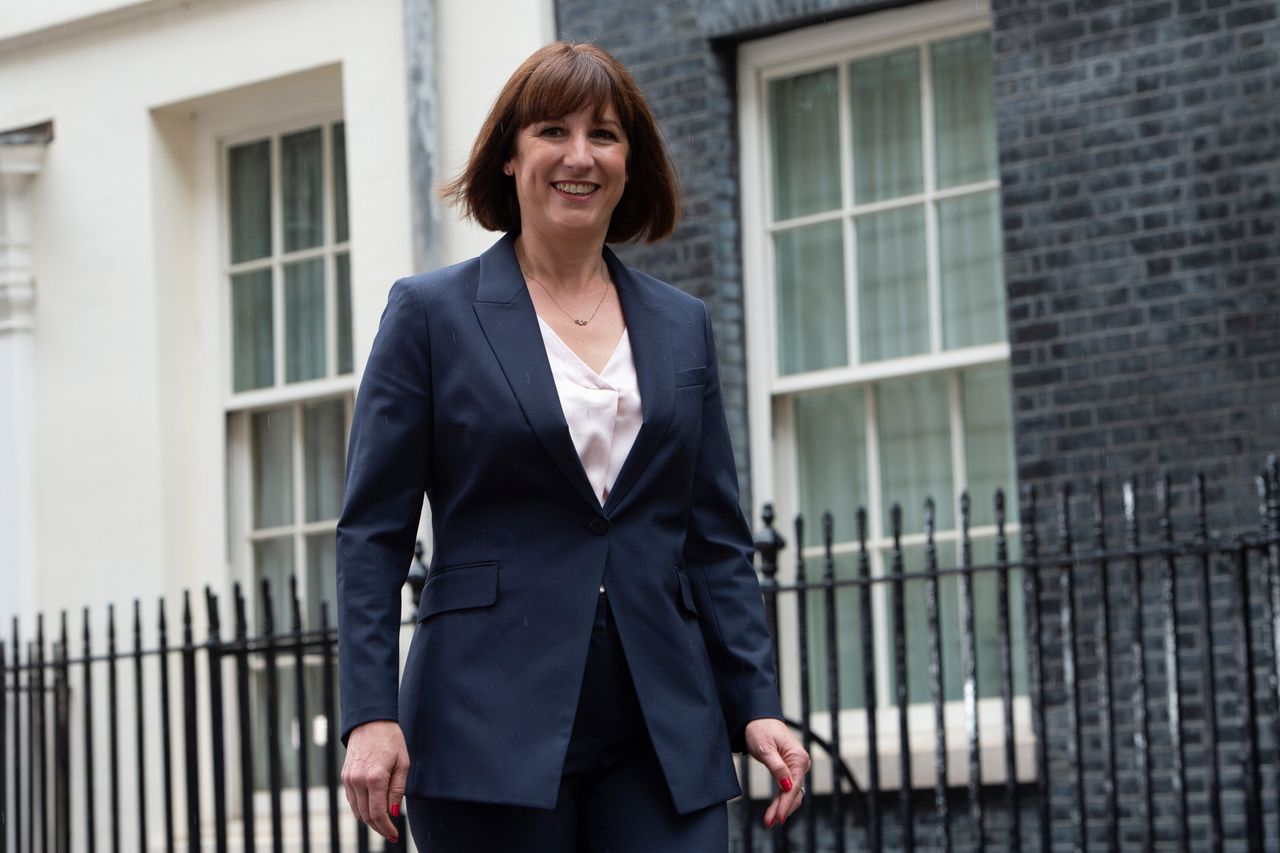
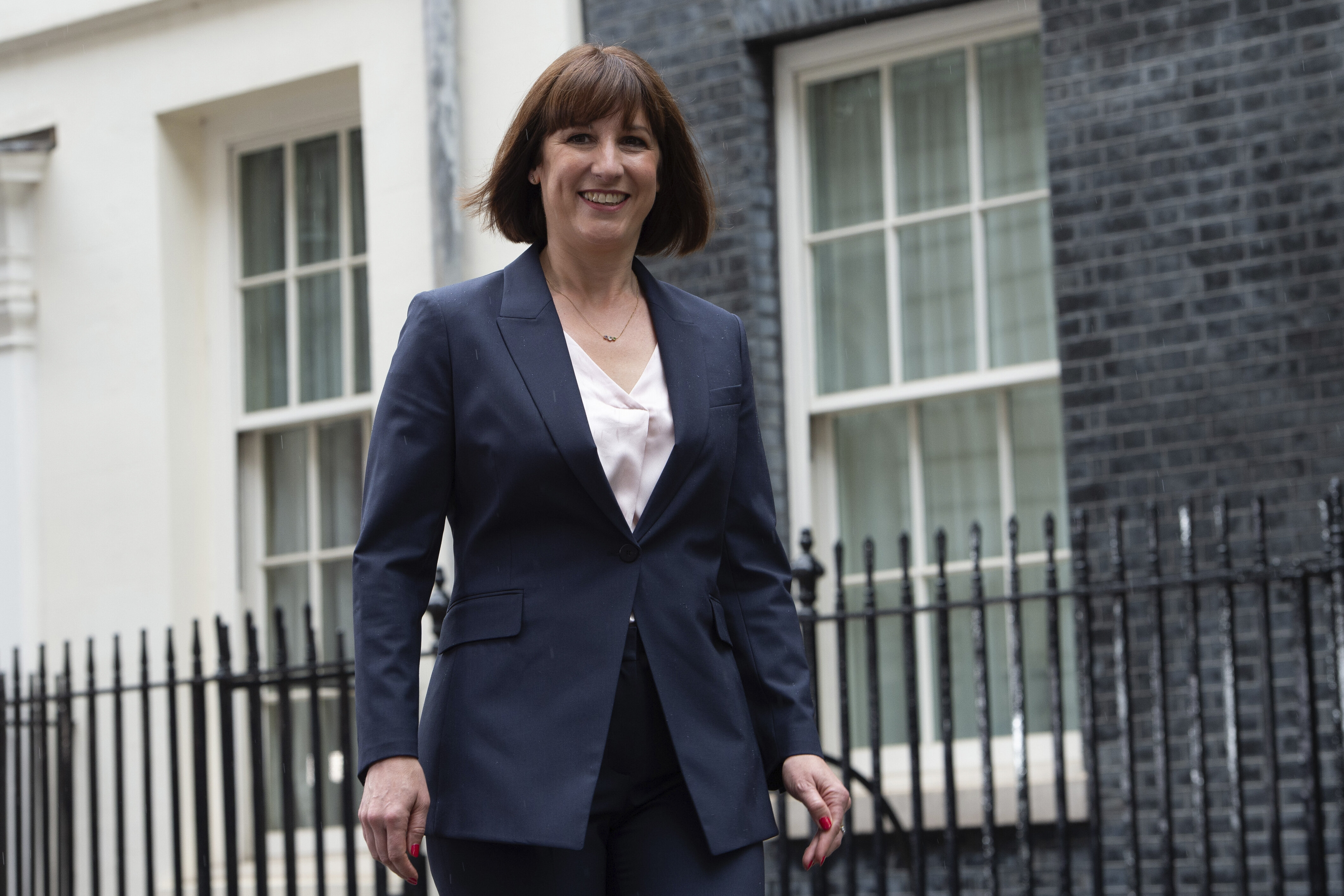
All eyes will be on Rachel Reeves on October 30.

via Associated Press

The findings will do little to improve the mood among an already-fractious cabinet.

Rayner, transport secretary Louise Haigh and justice secretary Shabana Mahmood have all written to the PM complaining about the huge cuts to their departmental budgets being sought by the chancellor.

That in turn has sparked its own backlash, with one cabinet minister telling HuffPost UK that his colleagues were “defending the severe Tory legacy”.

Another senior government figure said: “There’s no problem with people lobbying for money. It’s their job to do that.

“But if they are too public about it, it will backfire on them because if they don’t get more money they will look weak.”

A separate poll by the More in Common think-tank did provide a glimmer of hope for the prime minister and his chancellor, however.

It showed that around one-third of voters are not opposed to Reeves’ apparent plan to increase the employers’ rate of National Insurance.

Tory claims that this would break a Labour manifesto commitment also appear to have fallen on deaf ears, with only 34% of the public agreeing.

Luke Tryl, More in Common’s UK director, told HuffPost UK: “With only a third of voters saying they’d oppose a rise in employers’ National Insurance, for now at least it seems like raising the tax would be some low-hanging fruit for Labour as they seek to put together a Budget that balances the books without a return to austerity.”

But unless Reeves produces the mother of all rabbits out of her hat, there is unlikely to be much for the public to cheer on October 30.

The decision to remove the winter fuel allowance from millions of pensioners, taken shortly after the election, remains a running sore among voters.

One MP said: “It’s not costing us support, but it is costing us the loyalty of voters, and that’s even more dangerous.”

Pat McFadden may have to produce a few more barnstormers in the coming years to soothe Labour’s increasingly worried MPs.
Share Button

‘No More Excuses’: Keir Starmer Condemns Israel Over ‘Dire Humanitarian Situation’ In Gaza

Keir Starmer has warned Israel that the world is running out of patience with it over the “dire humanitarian situation” in Gaza.

The prime minister said there cannot be “any more excuses” as he called on Tel Aviv to allow vital aid to get into the war-torn territory.

He also said the killing on Thursday of Hamas leader Yahya Sinwar by Israel “provides an opportunity for a step towards that ceasefire that we have long called for”.

Starmer was speaking in Berlin following talks with American president Joe Biden, German chancellor Olaf Scholz and French president Emmanuel Macron.

The PM said “no-one should mourn” the death of Sinwar, who he said had “the blood” of both Israelis and Palestinians on his hands.

“Allies will keep working together to de-escalate across the region, because we know there is no military-only solution,” he said.

“The answer is diplomacy and now we must make the most of this moment.

“What is needed now is a ceasefire, immediate and unconditional release of all hostages, immediate access to humanitarian aid and a return to the path towards the two-state solution. as the only way to deliver long-term peace and security.”

Starmer said the UK continues to “strongly support” Israel’s right to self-defence, but urged Tel Aviv to do more to help Gazans suffering due to the war.

He said: “The dire humanitarian situation cannot continue and I say once again to Israel, the world will not tolerate any more excuses on humanitarian assistance.

“Civilians in northern Gaza need food now. The UK strongly supports [the United Nations Relief and Works Agency] in the vital work it does in Gaza, across the [occupied Palestinian territories] and the region.

“UNRWA must be allowed to continue its life-saving support. The suffering must end, including in Lebanon, where we also need a ceasefire to implement a political plan.”

Share Button

Take Forever To Fall Asleep? This Method Can Help You Nod Off In 2 Minutes

It’s happened again; this morning, I missed my pre-work gym session because I hadn’t gotten enough sleep.

Despite my strict 9:30 pm bedtime, I regularly fail to get my full eight hours in ― like many of us, I find going to bed and falling asleep two completely different challenges, with the latter behind much harder.

If you also struggle to snooze, though, there may be hope: the University of Minnesota says the “Military Sleep Method” can help you nod off far faster.

One fan of the method said it cut their falling asleep time down to two measly minutes.

What is the military sleep method?

Per the University of Minnesota (UMN), the technique involves a mix of visualisation and muscle relaxation.

“You lie on your back, being still, and intentionally relax each muscle group, one at a time, while focusing on slow, calming breaths,” they say.

That includes your eyelids, tongue, jaw, and more ― make sure your sleep “scan” is thorough.

You should move from the top of your head to the bottom of your toes, imagining yourself sinking into the bed the entire time.

After that, the Sleep Foundation says you should clear your mind for ten seconds, imagining something soothing like rolling hills or lying in a treehouse in a forest.

If you can’t clear your mind, don’t fight your thoughts, they add; just let them float into and out of your head.

UMN says that what you do before sleep matters too ― overstimulating yourself or getting too distracted won’t help, they suggest.

Why is it called the military method?

The Sleep Foundation explains that the method got its name because it was used by some soldiers.

Military service isn’t exactly conducive to a good night’s sleep, they say, so the “military sleep method was used by World War II soldiers to fall asleep within two minutes.”

It was later “popularized in the [1981] book Relax and Win: Championship Performance,” they add (for some reason, a copy of that book is going for over £200 on Amazon).

Share Button

Breast cancer patients denied life-extending drug in cost row

Jeannie Ambrose, one of about 1,000 affected patients, says the drug should be made available on the NHS

Share Button

Weight loss injections: How do drugs like Wegovy and Mounjaro work?

NHS experts report unprecedented demand for the new generation of obesity treatments.

Share Button

‘We’re Completely Devastated’: One Direction Release Joint Statement Following Death Of Liam Payne

The former members of One Direction – Harry Styles, Louis Tomlinson, Niall Horan, and Zayn Mailk – have issued a joint statement following the death of their bandmate Liam Payne.

The 31-year-old passed away on Wednesday October 16 following a fall from a hotel balcony in Buenos Aires. Tributes have poured in from fellow X Factor contestants, celebrities and fans across the globe following the news.

Now, One Direction themselves have addressed the tragic loss.

In a joint statement, they said: “We’re completely devastated by the news of Liam’s passing. In time, and when everyone is able to, there will be more to say.

“But for now, we will take some time to grieve and process the loss of our brother, who we loved dearly.

“The memories we shared with him will be treasured forever. For now, our thoughts are with his family, his friends, and the fans who loved him alongside us.

“We will miss him terribly. We love you Liam. – Louis, Zayn, Niall and Harry.”

The band met in 2010 after auditioning separately for The X Factor, before being brought together as a band by Simon Cowell. The band went on an indefinite break in 2015, with Liam pursuing a solo career.

Louis Tomlinson has since penned his own personal tribute to his bandmate on Instagram, writing: “His experience from a young age, his perfect pitch, his stage presence, his gift for writing. The list goes on. Thank you for shaping us Liam.

“I want you to know that if Bear ever needs me I will be the Uncle he needs in his life and tell him stories of how amazing his dad was.

“I wish I got a chance to say goodbye and tell you one more time how much I loved you.”

Share Button

I’m A Doctor ― You Should Never Eat From Cans With These 5 Signs

Most of us grew up hearing that dented or chipped cans are no good to eat from, as there’s a higher likelihood that the food’s sterile environment has been ruined.

But being possibly too honest here, my family for one would simply eat them anyway.

According to Dr Karan Rajan, who’s known for dispelling medical myths on TikTok, however, there’s a better way to check when you really have to bin the tin.

“If you have dented cans, here’s what to look for to know if it’s safe,” he began.

What should I keep an eye out for?

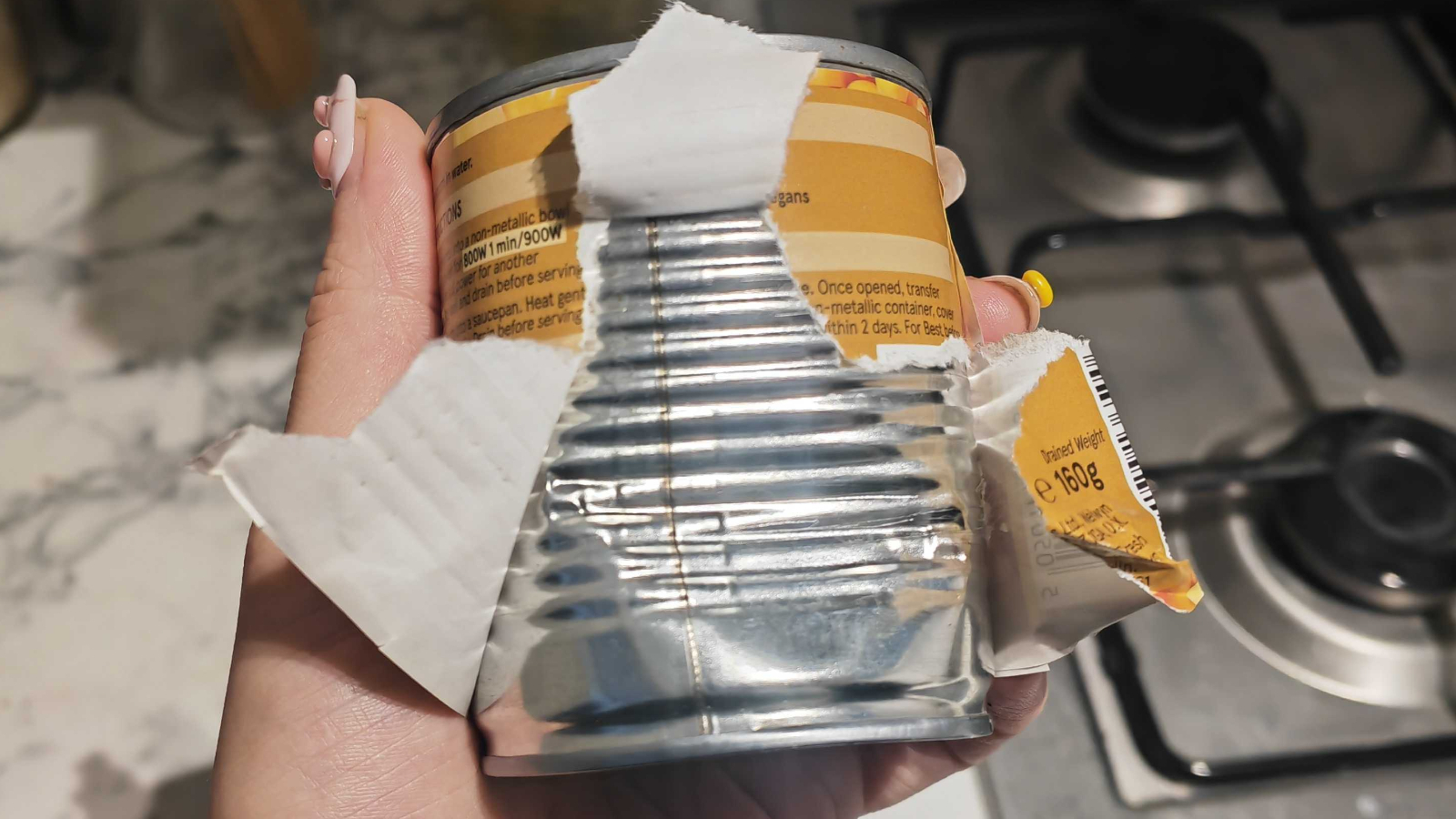
You should “look for dents on the side seam” of the tin, the doctor explained.

These are the lines on the can that show where the material has been fused together.

They’re usually hidden by the products’ label “so make sure you peel if off to inspect it carefully,” Dr Rajan advised.

If the dent covers that area of the can, the doctor says we should “throw the can away because it’s likely compromised.”

There’s a higher chance of oxygen, bacteria, and other food-spoiling nasties making their way into the can if its weakest point has been damaged.

A side dent which doesn’t involve the side seam and doesn’t cause a sharp pointy edge is “okay to use,” the doctor shared.

If there’s a sharp edge at the end of your dent, there’s a higher risk a small hole has been created at its point ― meaning the bad stuff has a way in.

Dents which include the top seam of the can (the rim you place your can opener under), dents which make your can look like it’s been crushed, and cans that look like they’re about to explode all mean your tin needs to be thrown away.

What if I’m not sure?

“Not every single dented or damaged can needs to be thrown away,” Dr Rajan says.

“But if you find yourself with a dented can and you’re unsure, if in doubt, throw it out.”

The USDA writes: “If a can containing food has a small dent, but is otherwise in good shape, the food should be safe to eat. Discard deeply dented cans.”

“A deep dent is one that you can lay your finger into. Deep dents often have sharp points,” they add.

“A sharp dent on either the top or side seam can damage the seam and allow bacteria to enter the can. Discard any can with a deep dent on any seam.”

Share Button

Forever Chemicals found in bottled and tap water from around the world

Scientists have discovered toxic ‘Forever Chemicals’ present in samples of drinking water from around the world, a new study reveals.

Researchers found 10 ‘target’ PFAS (perfluoroalkyl substances) — chemicals which do not break down in nature — in tap and bottled water available for consumption in major cities in the UK and China. Perfluorooctanoic acid (PFOA) and perfluorooctane sulfonate (PFOS) were detected in over 99% of samples of bottled water sourced from 15 countries around the world.

They observed significant differences in PFAS concentrations between tap water samples from Birmingham, UK, and Shenzhen, China, with Chinese tap water found to have higher concentrations of PFAS compared to UK tap water.

However, the study demonstrates that measures such as boiling and/or activated carbon filtration — typically using a ‘jug’ water filter — can substantially reduce PFAS concentrations in drinking water, with removal rates ranging from 50% to 90% depending on the PFAS and treatment type.

Publishing their findings today (17 October) in ACS ES&T Water, researchers from the University of Birmingham, Southern University of Science and Technology, Shenzhen, and Hainan University, Haikou, reveal a wide range of PFAS contamination for target PFAS, starting at 63% of bottled waters tested.

Co-author Professor Stuart Harrad, from the University of Birmingham, commented: “Our findings highlight the widespread presence of PFAS in drinking water and the effectiveness of simple treatment methods to reduce their levels. Either using a simple water filtration jug or boiling the water removes a substantial proportion of these substances.

“While current PFAS levels in most water samples are not a major health concern, ongoing monitoring and regulation are crucial to protect public health. We provide valuable data on the presence of PFAS in drinking water alongside practical solutions to mitigate consumer exposure via drinking water. This is a significant step towards ensuring safer drinking water for communities worldwide.”

Bottled water from various countries showed varying levels of PFAS, with natural mineral water containing higher concentrations than purified water, but the concentrations were generally below health advisory levels set by regulatory agencies.

Co-author Professor Yi Zheng, from Southern University of Science and Technology, commented: “Increased awareness about the presence of PFAS in both tap and bottled water can lead to more informed choices by consumers, encouraging the use of water purification methods.

Our findings also suggest that the potential health risks of PFAS in drinking water may be influenced by lifestyle and economic conditions, highlighting the need for future research to further explore these factors from a socio-economic perspective.”

Except for comparisons between natural mineral and purified water, the researchers observed no significant difference in target PFAS concentrations between glass and plastic or still and sparkling bottled water.

While concentrations of most individual PFAS were well below corresponding health-based reference values, average PFOS concentrations in tap water samples from Shenzhen, China exceeded the maximum contaminant level (MCL) of 4 ng/L newly promulgated by the US Environmental Protection Agency (USEPA) in 2024.

Researchers purchased 112 bottled water samples from local shops and online supermarkets in the UK and China including 89 still and 23 sparkling waters in either plastic or glass bottles. The samples covered 87 brands with water sources originating from 15 countries in Asia, Europe, North America, and Oceania

They collected 41 tap water samples from homes in Birmingham and the nearby cities of Worcester, Coventry, and Derby — provided by two suppliers: South Staffordshire Water and Seven Trent Water, with a further 14 tap water samples collected from homes in Shenzhen, China.

PFAS are used widely in industry, in fire-fighting foams, and consumer products from waterproof clothing and school uniforms to personal care products because of their water and stain repellent properties. While some have been banned by government regulation, others are still widely used and their toxic effects not yet fully investigated.

The chemicals are already known to enter the body in different ways, for example being breathed in, ingested via food or drinking water, or absorbed through the skin. They are known to cause adverse health effects such as a lowered immune response to vaccination, impaired liver function, decreased birth weight, and increased risk of some cancers.

Share Button

HRT prescriptions in England up 22% in a year

Some 13m items of HRT were prescribed on the NHS to 2.6m women in England, figures reveal.

Share Button

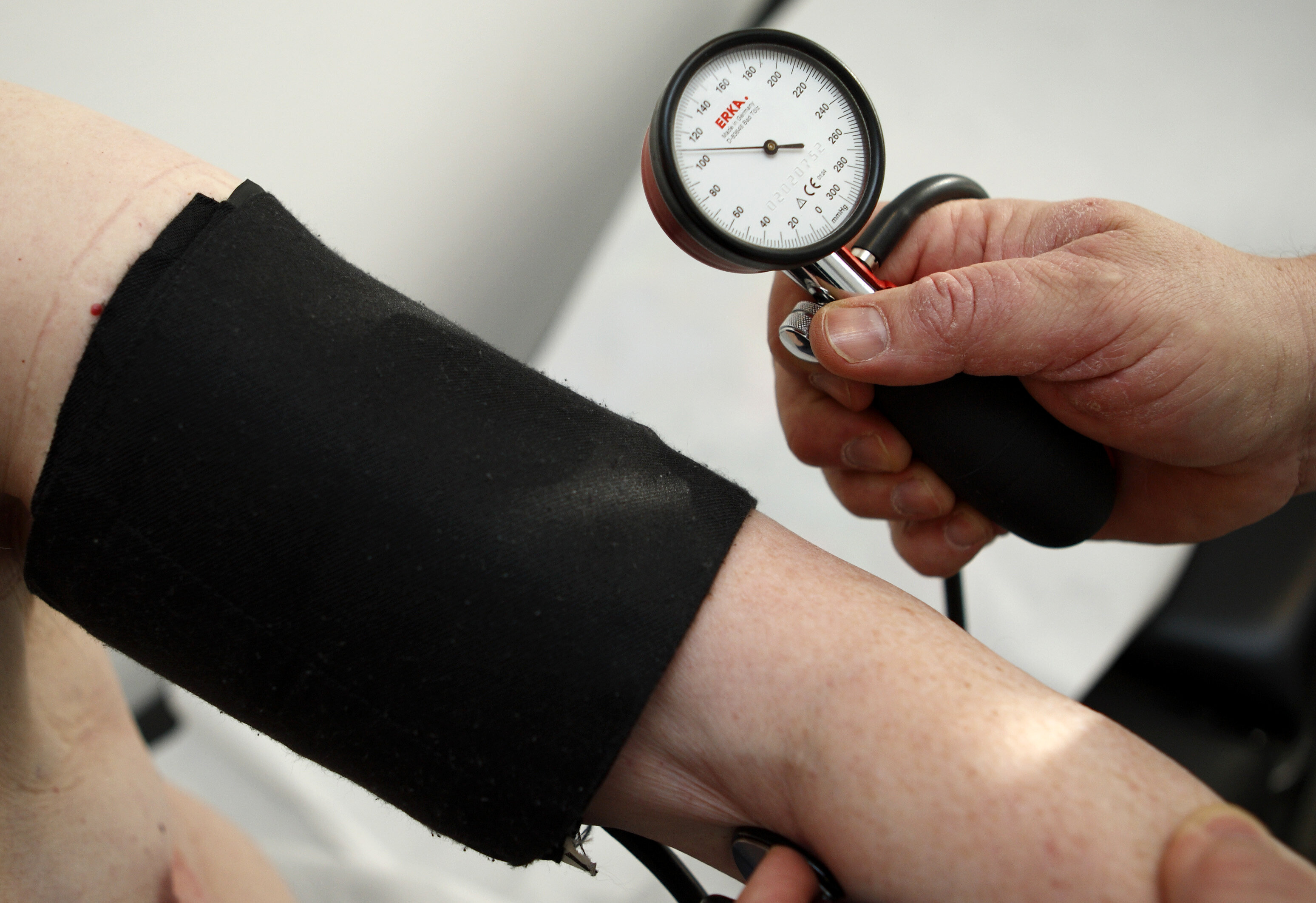
Healthy Blood Pressure Changes With Age — Here’s What’s Normal For Each Age Group

We all hear a lot about blood pressure, but depending on how often you take a trip to your doctor’s, you might not know what yours is.

The term refers to “the strength with which your blood pushes on the sides of your arteries as it’s pumped around your body,” the NHS says (how bad is it that I didn’t know that?).

Low blood pressure isn’t usually a concern, though it can make some of us feel dizzy and sometimes causes fainting.

But high blood pressure “can increase your risk of developing serious problems, such as heart attacks and strokes, if it’s not treated.”

You can get your blood pressure checked using a blood pressure machine (if you’re over 40, you can get this done for free in participating pharmacies).

Once you get those numbers you might be wondering what’s normal for your age ― and according to the Heart Research Institute, “normal blood pressure varies from person to person” and by age and gender.

These are:

1) Newborns up to 1 month

  • Systolic (top number): 60–90 mm Hg
  • Diastolic (bottom number): 20–60 mm Hg

2) Infants

  • Systolic (top number): 87–105 mm Hg
  • Diastolic (bottom number): 53–66 mm Hg

3) Toddlers

  • Systolic (top number): 95–105 mm Hg
  • Diastolic (bottom number): 53–66 mm Hg

4) Preschoolers

  • Systolic (top number): 95–110 mm Hg
  • Diastolic (bottom number): 56–70 mm Hg

5) School-aged children

  • Systolic (top number): 97–112 mm Hg
  • Diastolic (bottom number): 57–71 mm Hg

6) Adolescents

  • Systolic (top number): 112–128 mm Hg
  • Diastolic (bottom number): 66–80 mm Hg

7) 18–39 years

  • Women: 110/68 mm Hg
  • Men: 119/70 mm Hg

8) 40–59 years

  • Women: 122/74 mm Hg
  • Men: 124/77 mm Hg

9) 60+ years

  • Women: 139/68 mm Hg
  • Men: 133/69 mm Hg

Why does age and gender affect normal blood pressure levels?

According to the National Institute of Aging, “normal” blood pressure levels differ among different age groups because “Your body’s network of blood vessels, known as the vascular system, changes with age.”

“Arteries get stiffer, causing blood pressure to go up,” they add. That’s true even for very health and heart-conscious people.

And “Although the mechanisms responsible for the gender differences in blood pressure control are not clear, there is significant evidence that androgens, such as testosterone, play an important role in gender-associated differences in blood pressure regulation,” a research paper published by the American Heart Association (AHA) says.

The AHA wrote on a separate page that pre-menopausal women tend to have lower blood pressure than men, but added that “after menopause, however, blood pressure increases in women to levels even higher than in men.”

Share Button