All newborn babies are set to have a heel prick test for Spinal Muscular Atrophy (SMA) in England.


All newborn babies are set to have a heel prick test for Spinal Muscular Atrophy (SMA) in England.

Keir Starmer’s final appearance in the House of Commons as prime minister left multiple supporters looking rather emotional.
The PM stood in the Chamber for his last prime minister’s questions on Wednesday afternoon and exchanged friendly barbs with the leader of the opposition, Kemi Badenoch.
Advertisement
Right behind him, his ally and chancellor Rachel Reeves – who is widely expected to lose her job under Starmer’s successor Andy Burnham – looked downtrodden and on the cusp of tears.
And the final question of the session went to a close friend of the prime minister’s, Labour MP Carolyn Harris, who struggled to hold back her emotions while singing Starmer’s praises.
She said few had believed he could make the necessary changes to Labour when Starmer became party leader in 2020.
Advertisement
“But today, because of his service and his leadership, children are growing up in a fairer Britain. We stand tall on the world stage. And every day we’ve seen his decency and his courage shine through,” she said, as her voice broke.
The prime minister, on the other hand, seemed completely composed as he thanked Harris for her friendship.
Advertisement
He closed out his last session from the despatch box as PM by saying: “Every prime minister knows when they take up the torch that the day will come when they have to pass it on. That day has come for me.
“This is the end of my political journey.
“In six years, we went from historic defeat in 2019 to historic victory in 2024, and in two years in government I leave the country in better shape than I found it.
I’m proud of everything that we have achieved.”
He added: “To all those in the gallery, whose lives have been changed or improved by this Labour government, and all across the country who struggle to be seen or heard, you’re the reason I came into politics.
Advertisement
“To my wife and children, I love you. Goodbye!”
All of the Labour MPs and Lib Dem MPs gave Starmer a standing ovation as he exited the chamber.
According to Patrick Maguire from The Times, some ministers “wept” when deputy PM David Lammy paid tribute to the outgoing leader during his final cabinet meeting on Wednesday, too.
Starmer’s exit comes two months after Labour’s catastrophic performance in the May elections in England, Scotland and Wales.
As Labour MPs called for the PM to resign, a path was cleared for Burnham, then Greater Manchester mayor, to return to the Commons and replace Starmer.
Advertisement
He won the Makerfield by-election comfortably last month, prompting Starmer’s resignation.
Burnham will be crowned as Labour leader on Friday and is set to receive the keys to Downing Street on Monday while Starmer returns to the backbenches.
Listen to Commons People, the podcast that makes politics easy. Every week, Kevin Schofield and Kate Nicholson unpack the week’s biggest stories to keep you informed. Join us for straightforward analysis of what’s going on at Westminster.
Advertisement

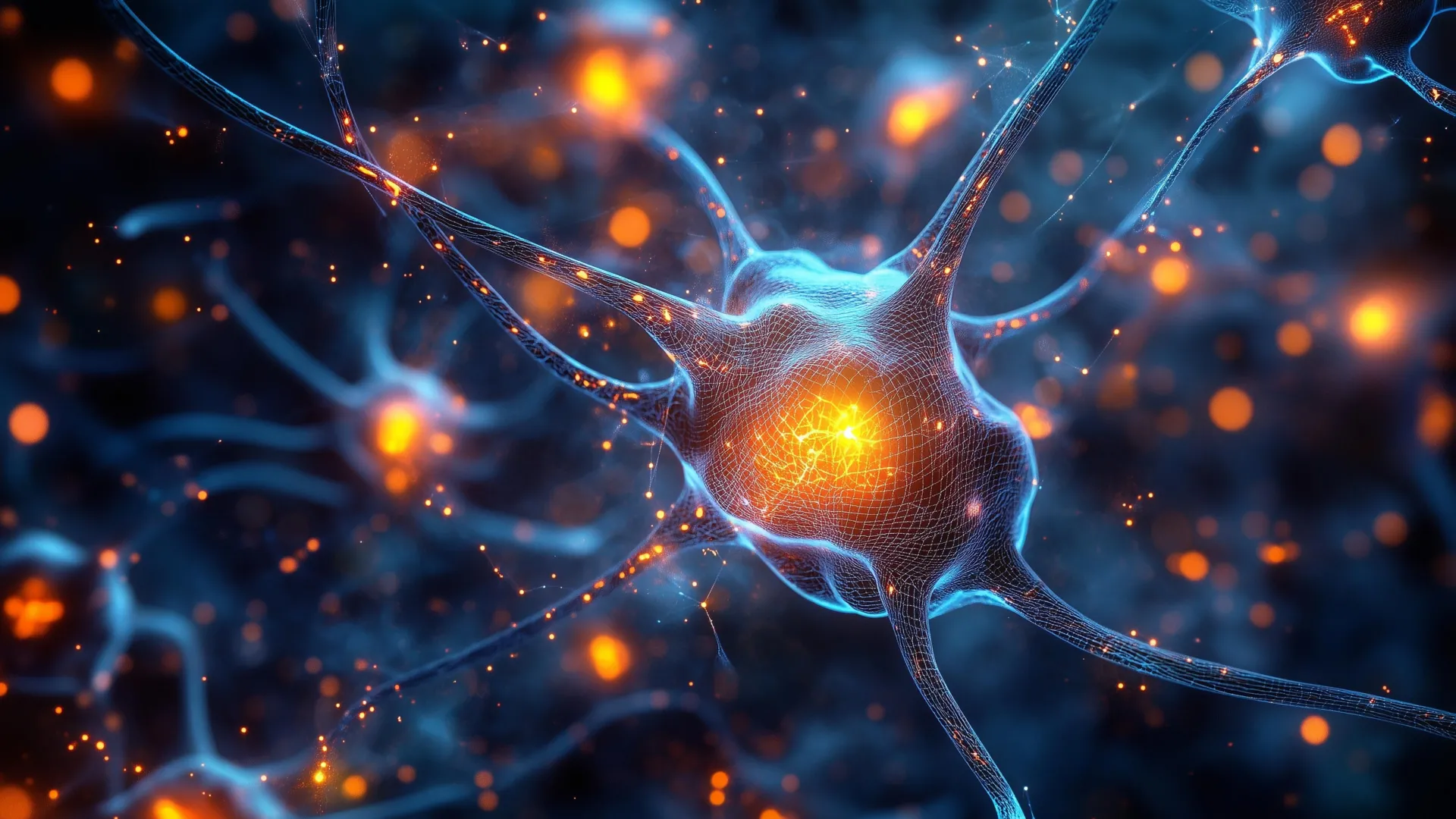
Brain cells continually pull material from the fluid around them, including nutrients, signaling molecules, and fragments of their own outer surfaces. This process, called endocytosis, supports learning, memory, and the routine maintenance of neurons.
Penn State researchers have now identified a previously unrecognized structure that may control much of this activity. The structure is a lattice located just beneath the surface of neurons and is known as the membrane-associated periodic skeleton, or MPS.
A Hidden Gatekeeper Inside Neurons
In findings published in Science Advances, the team showed that the MPS acts as a physical gatekeeper for nearly every major type of endocytosis. Built from repeating rings of proteins, the structure was already known to help neurons retain their shape. The new results indicate that it also plays a much more active role by controlling where and when substances enter the cell.
“For many, many years we have been trying to understand this molecular mechanism, what kind of machinery will help to facilitate this process, because it’s connected to neurodegenerative diseases,” said Ruobo Zhou, assistant professor of chemistry, of biochemistry and molecular biology, and of biomedical engineering, at Penn State and corresponding author on the study. “When endocytosis — this nutrient uptake and regulation — goes wrong, then there’s protein aggregation that will build up in the brain, which is the hallmark of neurodegenerative diseases such as Alzheimer’s and Parkinson’s.”
Zhou helped discover the MPS in 2013 while working as a postdoctoral researcher on a Harvard team. At the time, scientists believed the structure mainly served as a passive internal support system. In the new study, Zhou and colleagues used super-resolution imaging on neurons grown in the laboratory and found that the MPS behaves more like a cellular traffic controller, regulating all major forms of endocytosis.
Watching Cellular Uptake at the Nanoscale
The researchers relied on advanced super-resolution microscopy, which can reveal structures at the nanoscale — about 10,000 times smaller than the thickness of a human hair. They studied neurons grown in petri dishes and caused selected proteins to form inside the cells so those proteins could be tracked.
The scientists then exposed the neurons to different molecules and observed how the cells absorbed them while the MPS remained intact. They also altered the structure by damaging or protecting specific sections, allowing them to see how neurons responded when the lattice changed.
When the MPS was disrupted, the neurons began absorbing material much faster. This indicated that the lattice normally slows the process and prevents excessive uptake.
The researchers also discovered that the structure can contribute to its own breakdown. Faster endocytosis weakened the lattice and triggered a positive feedback loop. Increased uptake activated molecular signals that directed proteins inside the neurons to cut apart sections of the skeleton. That opened additional entry points and allowed even more nutrients and proteins to enter.
“We discovered that this membrane skeleton is actively regulating the nutrient uptake process of neurons,” Zhou said. “You can think of it as a gatekeeper, guarding this physical barrier to not allow nutrient uptake to happen. When a neuron needs to take in a specific nutrient, this gatekeeper will open the gates and let it in.”
Zhou explained that this flexibility may allow neurons to increase their activity when they need to respond quickly. However, the same mechanism could become harmful if it is no longer properly controlled.
A Possible Link to Alzheimer’s Disease
To investigate that possibility, the researchers created cellular experiments that resembled the early stages of Alzheimer’s disease. They caused neurons to produce higher levels of amyloid precursor protein (APP), a key marker associated with the disease.
Weakening the MPS caused neurons to take in APP more rapidly. After entering the cells, APP was cut into amyloid-B42, a toxic fragment strongly associated with Alzheimer’s disease. Neurons with a damaged MPS accumulated increasing amounts of this harmful molecule and displayed more markers of cell death.
“We created a model which is very much like Alzheimer’s disease and found that in some aging neurons, or neurons under pathologic conditions, the endocytosis of toxic proteins was enhanced, which caused stressing conditions, ultimately leading to neuron deaths,” said Jinyu Fei, a graduate student in the chemistry department in Penn State’s Eberly College of Science and lead author on the study.
A Potential New Treatment Target
The results suggest that the MPS may act as a protective barrier in neurons by slowing APP uptake and limiting the accumulation of toxic molecules. Because the structure is known to deteriorate during aging and neurodegenerative disease, its breakdown could push neurons into a damaging cycle involving greater amyloid production, further structural weakening, and eventual cell death.
The researchers said that protecting or stabilizing this lattice may offer a new way to slow neurodegeneration.
“We think this could open the door for future therapies such as a protein target for neurodegenerative disease treatment,” Fei said. “Preserving or stabilizing the MPS might offer a way to slow the early, hidden cellular changes that precede Alzheimer’s symptoms.”
Other authors on the paper are Yuanmin Zheng, doctoral candidate in biomedical engineering; Caden LaLonde, fourth-year undergraduate student majoring in biochemistry and molecular biology; and Yuan Tao, graduate student at Penn State’s Huck Institutes of Life Sciences.
The National Institutes of Health funded this work.
We hope you love the products we recommend! All of them were independently selected by our editors. Just so you know, HuffPost UK may collect a share of sales or other compensation from the links on this page if you decide to shop from them. Oh, and FYI — prices are accurate and items in stock as of time of publication.
Like every kind of trend, what we’re looking for from our beauty routine swings in pendulums. One year we want matte skin, the next we don’t.
Well, in case you missed it, this year just so happens to be all about the glow. Of course, summer generally comes with a penchant to want to look like you’re in some eternal golden hour.
But this year is different: everyone is chasing the glossiest glass skin there is, and while K-beauty gets all the credit, there’s also another key player on the court: J-beauty.
Beloved by TikTok, Japanese brand Tatcha sells one of its Dewy Skin creams per minute, thanks to the fact it’s loaded with tons of botanicals that plump up the skin in a matter of weeks.

Powered by Tatcha’s fermented skin complex Hadasei-3 – which includes red algae, Japanese purple rice, and green tea – the Dewy Skin Cream supposedly reduces the appearance of dry, fine lines and wrinkles in just two weeks.
But if you’re not willing to wait that long to see results, one spoonful of the decadent golden scoop included in the pot will deliver a 225% moisture boost to your skin immediately, to give it that plump and dewy appearance.
Tatcha also promises that using the skin cream over time will provide antioxidant protection against ageing. And, so you can keep coming back to it, you can buy refill pods to go inside that beautiful purple container so you never have to throw it away.
But don’t take Tatcha’s word for it, the thousands of 4.8-star reviews speak for just how glossy the cream makes your skin look.
“I have been using Tatcha Dewy moisturiser for a year and honestly I have been repurchasing this again and again,” says one five-star reviewer. “I have a sensitive combination skin and this has calmed my skin and restored firmness and hydration to my skin. Never purchasing any other cream.”
Another fan of the cream, who says it’s the ‘best cream ever’ shared: “I genuinely love this cream, it’s such a rich hydration and texture is so good my skin feels so good and glowy love this cream such a beautiful touch and love how they made it and the packaging is fantastic.”
To be honest, that’s all the convincing we need, shall we make it two bought this second?



It came up on my TikTok feed first.
“Thousands of women in June either missed a period or had two periods,” content creator @thrivingwithhannah said.
The comments section of the post, which has garnered over 44,000 likes as of the time of writing, was filled with women sharing their experience.
Advertisement
“I had two [periods] in June! Literally never happened before,” one commenter shared.
Creator Elizabeth Rose shared a similar TikTok post addressing the shift, which garnered thousands of likes, with commenters also revealing unusual menstrual changes they’d experienced.
“Wait, I’m not the only one that completely missed it in June?” asked one respondent.
Another said they’d experienced a perid twice in June, two weeks apart, while one commenter claimed to have had a period for three days, which then stopped for just as many days before coming back again.
So, what’s going on? Well, over on Instagram, GP Dr Nighat Arif suggested she might know what’s happening.
Advertisement
Believe it or not, Dr Arif said the hot weather might be to blame.
“We’re currently in our longest heatwave in the UK,” she said (that’s not to mention the back-to-back hot weather spells we’ve endured throughout the year).
“Here’s the reality; your [menstrual] cycle is very sensitive. It’s sensitive to season changes, weather changes, as well as travel [and] stress – even a recent illness can delay ovulation or bring it forward.”
And your period’s timing depends on ovulation (when your ovaries release an egg), meaning that what seems to be a “double” or “missed” period might just be a shorter or longer cycle due to stressors like heat.
Advertisement
As long as there were no fewer than 21, and no more than 35, days between your periods, this can be normal, Dr Arif continued.
Even a single missed period can be “common”.
If they keep happening, if you get “frequent irregular bleeding ongoing longer than three months”, or if your cycle generally feels out of whack, the GP recommended speaking to your doctor, practice nurse, or even pharmacist.
Advertisement
Keep a track of your cycle’s new irregularity to show them if you can.
Also, you might want to do a pregnancy test too (hey, heatwaves aren’t the only reason for periods to stop). These differences might even be menopause-related.
The NHS said to speak to your GP if:


Humans have earned a reputation as “super-predators” because they hunt, trap, and fish on a scale unmatched by other predators. These activities can reshape animal behavior across entire landscapes. However, new research led by the Centre for Ecological Sciences, Indian Institute of Science (IISc), suggests that wildlife does not respond to every type of human presence in the same way.
Animals consistently show fear when people pose a direct lethal threat, such as through hunting or fishing. Their reactions to non-lethal human activity, however, are much less predictable.
How Wildlife Responds to Human Threats
The meta-analysis, published in Ecology Letters, brought together three decades of research examining how wild animals alter their behavior around humans. The researchers compared changes in feeding, vigilance, and movement across many species and ecosystems to determine whether people are always perceived as an extreme danger.
“The short answer is: no, not always,” says Shawn D’Souza, PhD student at CES and the study’s lead author. “We found strong evidence that lethal humans such as hunters and fishers are indeed perceived as threatening. Animals in areas exposed to lethal humans tend to be more vigilant and spend less time foraging. In contrast, responses to non-lethal humans such as tourists or researchers are weaker and more variable.”
Roads and Settlements Can Feel Safer
One of the more unexpected findings was that human infrastructure, including roads and settlements, sometimes caused animals to become less watchful.
“In certain cases, these areas can function as perceived refuges,” D’Souza explains. “Predators often avoid humans, which can make areas near people feel safer for some prey species.”
Co-author Maria Thaker, Professor at CES, says another factor may be the open vegetation commonly found beside roads. These cleared spaces can provide appealing grazing areas for smaller animals. However, feeding near roads also exposes them to the danger of being struck by vehicles.
The Costs of Staying Alert
The researchers focused on foraging, vigilance, and movement because each behavior reflects the difficult choices animals make when assessing danger.
Every moment spent scanning for threats is time taken away from feeding. Changes in movement can also affect how much energy an animal uses and whether it can reach food, shelter, or other important resources. Because these behaviors influence survival and reproduction, they can reveal how fear of people may shape wildlife populations over time.
Animals Adjust to the Level of Risk
The findings generally support the “risk allocation hypothesis,” which proposes that animals change their behavior according to how severe and predictable a threat appears.
When danger is frequent and intense, animals tend to remain cautious, D’Souza says. When a threat is limited or occurs in a predictable way, wildlife may be more willing to relax and resume normal activities.
These decisions can also have consequences far beyond a single animal. Changes in feeding, movement, and fear can spread through ecosystems, affecting grazing patterns, predator-prey relationships, and broader ecological stability.
Possible Implications for Wildlife Conflict
Co-author Kartik Shanker, Professor at CES, says the behavioral effects of lethal human activity could have implications for managing conflict between people and wildlife. According to Shanker, limited culling may sometimes discourage wild animals from entering human-dominated areas more effectively than several other approaches currently in use.
The researchers say more work is needed to predict how different species will respond in different environments.
“We need more predictive frameworks that link behavioral responses to ecological and evolutionary context. That includes incorporating species traits, past exposure to humans, predator communities, and landscape structure,” says D’Souza.
He adds that long-term and experimental research will be essential for determining whether animals are simply becoming accustomed to human activity or experiencing deeper evolutionary changes.
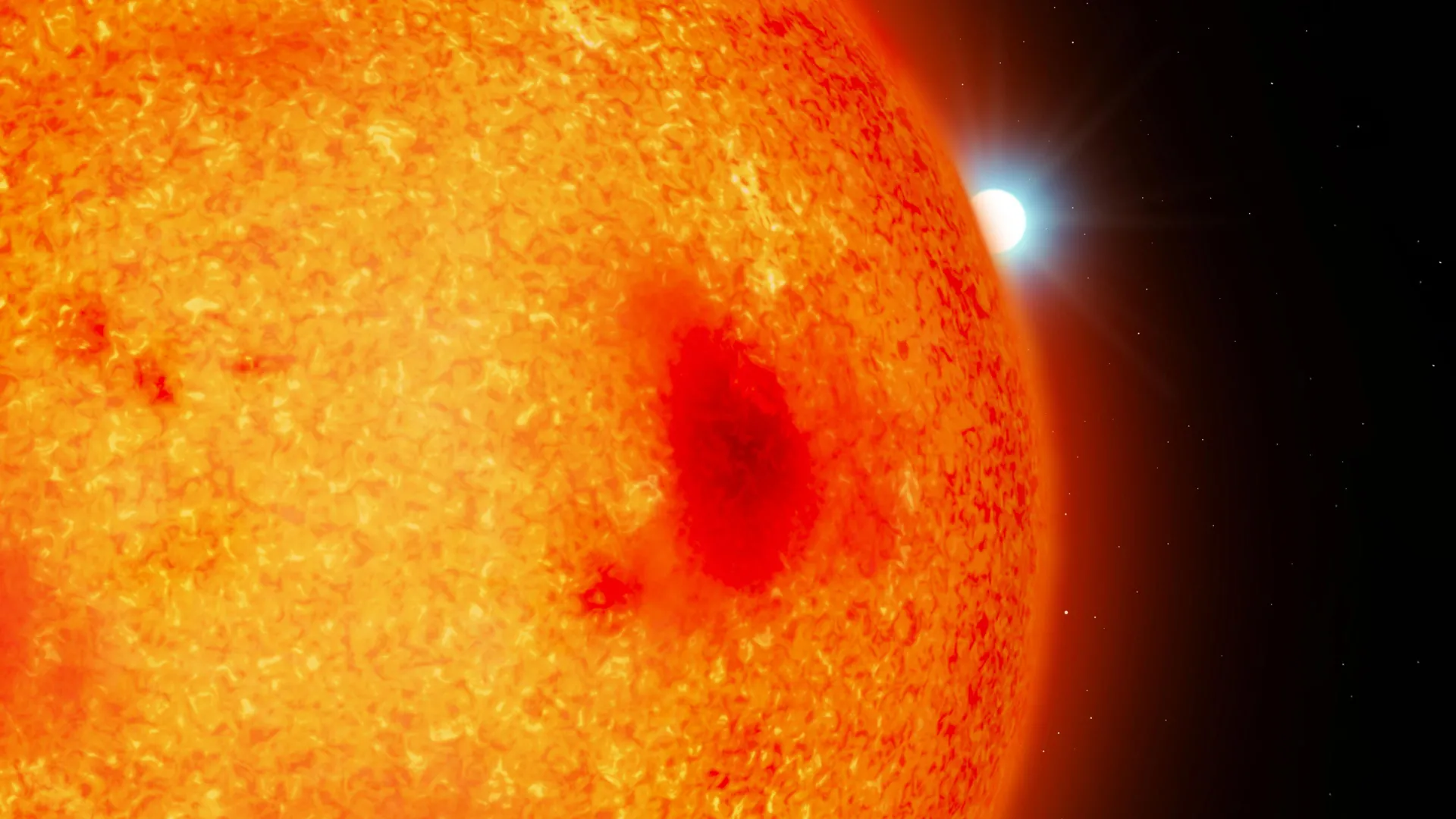
Astronomers have directly confirmed four previously hidden white dwarf stars in nearby binary systems. Every system lies within 65 light-years of Earth, and one contains the ninth closest known white dwarf to the Sun.
The discoveries were made by researchers at the University of Warwick and the University of Colorado Boulder. Their findings were published in the Monthly Notices of the Royal Astronomical Society (MNRAS).
White Dwarfs Hidden by Brighter Companions
Each white dwarf orbits alongside a red dwarf star. Because the red dwarfs appear larger and brighter, the systems looked like they contained only a single star when viewed in visible light.
The new observations revealed that all four nearby red dwarfs were concealing white dwarf companions.
First author, Dr. Mairi O’Brien, Research Fellow, University of Warwick said: “Nearby isolated white dwarfs are usually easy to find, but we couldn’t see these four stars directly in visible wavelengths because their red dwarf companions were drowning out their light. It’s a reminder that even in our own cosmic neighborhood, we can still find surprises if we look in the right way, at the right wavelengths.”
Astronomers have spent decades carefully cataloging stars near the Sun, yet white dwarfs in systems like these remain difficult to detect. The four systems attracted attention because their visible stars showed a pronounced radial wobble.
This motion occurs when a star moves slightly toward and away from Earth as an unseen, massive object pulls on it while orbiting. The wobble suggested that each red dwarf had a hidden companion.
Hubble Ultraviolet Data Reveals the Stars
The researchers used ultraviolet spectrograph data from the Hubble Space Telescope to examine the four systems in greater detail.
White dwarfs are generally much easier to recognize in ultraviolet light. Red dwarfs, however, can produce powerful flares that imitate the ultraviolet signal of a white dwarf, making confirmation more difficult.
To separate the true signals from the effects of stellar flaring, the team developed specialized calibration methods. This analysis officially confirmed that all four systems contained white dwarf stars.
A White Dwarf Hidden for 27 Years
One of the systems, G 203-47, was especially puzzling. Although it is located only 25 light-years away, astronomers needed 27 years after first detecting its radial wobble to identify the hidden white dwarf.
The object is now recognized as the ninth closest white dwarf to the Sun.
G 203-47 also behaves differently from similar binary systems. Its red dwarf takes more than 100 days to complete one rotation, even though it circles the white dwarf every 14.9 days.
Under normal circumstances, the gravitational interaction between two closely orbiting stars would be expected to synchronize their motion through tidal locking. The Moon and Earth provide a familiar example, since the same side of the Moon continually faces Earth.
In G 203-47, however, the red dwarf rotates far too slowly to be synchronized with its orbit.
Coauthor Dr. David Wilson, Research Associate, University of Colorado Boulder, said: “What’s fascinating is that G 203-47 shouldn’t be rotating this slowly if it formed the same way as similar systems. This suggests that these binaries have had very different evolutionary histories. Some underwent violent, prolonged interactions early on that locked them tidally. Others, like G 203-47, experienced gentler, briefer encounters that left them in this unusual state.”
Clues About Binary Star Evolution
The unusual rotation of G 203-47 suggests that not all white dwarf and red dwarf pairs developed through the same process.
Some systems may have experienced long and intense interactions early in their histories, causing the stars to become tidally locked. Others may have interacted for a shorter period and with less force, leaving their rotations unsynchronized.
The four discoveries have also allowed astronomers to revise the census of white dwarfs within 20 parsecs (65 light-years).
Previous population models predicted that roughly 4 to 5 closely orbiting white dwarf and red dwarf systems should exist in this region. The researchers identified exactly four, closely matching those theoretical estimates.
More Hidden White Dwarfs May Be Nearby
The discoveries may not complete the picture. Most nearby red dwarfs have not yet been systematically examined for concealed white dwarf companions.
Professor Pier-Emmanuel Tremblay, Astronomy and Astrophysics Group, University of Warwick, said: “Only about 30 percent of red dwarfs within 20 parsecs have been systematically surveyed for hidden white dwarf companions. We think there could be as many as 9 or 10 additional binary systems in our local stellar environment that we haven’t found yet. If we put more targeted effort into observing red dwarfs, perhaps we will find more surprises like this.”

People who regularly visit museums, theaters, concerts, and movie theaters may be doing more than enjoying themselves. A new study suggests these cultural activities are associated with a younger physiological age, meaning the body may function more like that of a younger person.
The findings, published in the Journal of Epidemiology and Community Health, add to growing evidence that staying socially and culturally active could play an important role in healthy aging.
Cultural Activities and Biological Aging
Everyone grows older, but the rate at which the body ages can vary from person to person. Physiological age reflects how well the body is functioning and may differ from chronological age, which is simply the number of years someone has lived.
Previous research has linked cultural activities, such as going to the movies, museums, and live performances, with better health and well-being in older adults. However, relatively few studies have explored whether these activities are connected to physiological aging itself.
Researchers at the Institute of Science Tokyo in Japan say they have carried out the first longitudinal study to examine this relationship while accounting for unmeasured factors that remain stable over time.
How the Study Measured Aging
The team analyzed data from 1,899 adults participating in the English Longitudinal Study of Ageing, an ongoing population-based study of a nationally representative sample of adults aged 50 and older living in England.
Participants contributed data during at least two survey waves conducted in 2004/2005, 2006/2007, or 2008/2009.
To estimate physiological age, nurses measured 10 indicators of physical health, including pulse pressure, diastolic blood pressure, forced expiratory volume, hemoglobin concentration, fibrinogen, glycated hemoglobin, low-density lipoprotein (LDL) cholesterol, body mass index (BMI), grip strength, and walking speed. These measurements were combined into a single physiological age score.
Participants also reported how often they attended (a) the cinema, (b) a museum or art gallery, and (c) a theater, concert, or the opera. Each activity was scored on a scale from 0 (never) to 5 (twice a month or more), producing a total cultural engagement score ranging from 0 to 15.
Higher Cultural Engagement Linked to Younger Bodies
People with higher levels of cultural engagement, defined as taking part in cultural activities at least every few months, had an average physiological age of 66.9 years. In comparison, those with lower levels of participation had an average physiological age of 69.9 years, a difference of about three years.
Participants with higher cultural engagement were also more likely to be women, have higher socioeconomic status, be employed, and already enjoy better overall health.
After adjusting for factors such as household income, employment, and chronic health conditions, the researchers found that each one-point increase in cultural engagement score was associated with a 0.085-year (31-day) reduction in physiological age.
Why Cultural Activities Might Matter
The researchers suggest several possible explanations for the association. Cultural activities can strengthen social connections, encourage healthier lifestyle habits, and support better mental health, all of which may contribute to slower physiological aging.
Because the research was observational, it cannot determine whether cultural activities directly slow aging. The authors also note that reverse causation is possible, meaning healthier people may simply be more able to attend cultural events.
Even so, they argue that cultural engagement is a modifiable behavior that could become an effective public health strategy. “Notably, the impact can be comparable to frequent physical activity,” they write.
The researchers also say that making cultural events more geographically and financially accessible could allow more people to participate.
Additional research will be needed to determine whether encouraging greater cultural engagement leads to lasting improvements in health and healthier aging over the long term.

Filmmaker Christopher Nolan has claimed that the cast and crew of The Odyssey had “been through it” when the decision was made to stop filming ahead of schedule.
Earlier this week, the Oscar winner paid a visit to The Daily Show to discuss his new movie, where host Jon Stewart asked if it was true that the film was completed “ahead of schedule” and “under budget”.
Advertisement
“Yes,” the filmmaker confirmed, pointing out that this “never happens” in Hollywood. “The reality is, we [scheduled for] 100 days. And by day 91, we couldn’t have taken another step. So we finished.”
“We finished at the right time,” he claimed, pointing out that “everybody was done”.
“I mean, people were just exhausted,” Nolan continued. “They’d been through it. So, it took the right time to make the film. We had enough time to make it.”
Advertisement
Nolan has made no secret of the fact that The Odyssey made for an especially tough shoot, elaborating further on this during a new interview with The Telegraph in which he complimented the crew for being so “game for it”.
Meanwhile, cast members Matt Damon and Robert Pattinson have both shared their experiences of their gruelling time on set.
Last month, Matt told GQ: “The joke on the crew was we didn’t have a single easy location. Every time we’d go somewhere, we’d be like, ‘Well, Iceland will be easier’. And then it’s raining sideways and it’s fucking freezing. Iceland was like, ‘Yeah, easy? Hey, hold my beer’.”
Advertisement
He also admitted that even when the shoot moved from perilous locations to a soundstage in Los Angeles, this came with its own problems.
“Sure enough, we showed up [to the set in LA] and Chris has two jet engines blowing so much water at us,” he explained. “So it was kind of a fitting end. Even the controlled environment was cold, wet, and a little bit miserable.”
Robert then agreed that he had “never seen people look so exhausted” before beginning his work on The Odyssey.
Advertisement
The Odyssey will be released in cinemas worldwide on Friday 17 July.



Andy Burnham has been slammed after Labour blocked a vote which could have forced him to face the Commons on his first day as prime minister.
The Makerfield MP is set to be crowned as the Labour leader on Friday having run unchallenged to be Keir Starmer’s replacement.
Advertisement
However, an MP cannot become party leader and prime minister on the same day – meaning Burnham will get the keys to No.10 on Monday, July 20.
MPs were already scheduled to start their six-week summer recess on Thursday, July 16, so the Commons will not be sitting on the new PM’s first day.
There is no constitutional rule calling for a prime minister to appear before MPs immediately after being appointed by the monarch.
Advertisement
The Conservatives wanted to use their pre-arranged opposition day debate on Wednesday to table a motion saying the Commons should delay recess so Burnham can address MPs next Monday as the new prime minister.
But the leader of the Commons, Labour’s Alan Campbell, announced on Tuesday there had been a change in parliamentary business.
Instead, MPs would have a general debate on the ongoing situation in Iran.
The Tories’ shadow leader of the Commons Jesse Norman said the public would conclude Burnham was “running scared of public scrutiny before he can even take office”.
Advertisement
“The government has a majority of more than 150 and it could not trust its MPs to vote the right way on that motion [delaying the recess], and it could not bear the idea of a new prime minister facing any scrutiny before September,” Norman said.
“A prime minister, let me remind us all, who has been chosen by a coronation not a contest, with no known platform, almost no known policies, and no idea of his priorities or indeed his cabinet team.”
Campbell dismissed Norman’s claim, insisting it was important for MPs to have a chance to debate what was happening in Iran.
Advertisement
He claimed he was unaware of the motion the Tories were going to table on Wednesday, insisting he was “telling the absolute truth” at the despatch box.
The Commons leader also accused the Tories of playing games, saying: “People listening to this… will do so with a degree of incredulity that [the Conservative party] was preferring to go down a route of playing some weird political game while the Middle East is on the brink of conflagration.”
Tory leader Kemi Badenoch wrote on X: In an unprecedented move, Labour have scrapped the Conservative vote to force Andy Burnham to come to Parliament to answer questions when he becomes PM on Monday.
Advertisement
“Labour are running scared because they know the honeymoon will be over the minute he has to tell us his plans.”
Burnham has already faced significant backlash for dodging scrutiny on his hurried journey to No.10.
Since winning the Makerfield by-election last month, he has avoided making any statements in the House of Commons and has not held any press conferences.
There is plenty of mystery around what he plans to do as prime minister, especially since he did not have to have any debates with leadership rivals also vying for Starmer’s role.
Advertisement
Listen to Commons People, the podcast that makes politics easy. Every week, Kevin Schofield and Kate Nicholson unpack the week’s biggest stories to keep you informed. Join us for straightforward analysis of what’s going on at Westminster.