Join Conscious Growth Club by May 1st

Conscious Growth Club

Conscious Growth Club is now open for you to join, from now through May 1, 2021. First started in 2017, this is our most comprehensive personal growth program and support group.

We’re about to start our 5th year together, and you’re invited to join this week. This is the only week you can join CGC in 2021.

What Is Conscious Growth Club?

Conscious Growth Club is a private online club and coaching program to help you make faster and more consistent progress. It turns personal growth into a team game.

The essential purpose of the group is simple: We help each other grow into smarter, stronger human beings, whatever it takes.

CGC is an annual membership that includes:

  • A private member forum – Our forum is active every day (87,000 posts so far). It’s ad-free, spam-free, and troll-free. Members share intentions and goals, update progress, help each other solve problems, and encourage the heck out of each other.
  • A 24/7 video chat channel – Imagine a continuous group video call that never ends. Any member can connect immediately to talk live with other members at any time. Meaningful conversations with conscious, growth-oriented friends are always available.
  • Member progress logs – A popular feature for support and accountability, members can maintain progress logs to share their actions and results. I also record progress logs for my own creative projects such as the deep dive courses, so you can see how they’re developed. This is great for people who love seeing how goals are accomplished behind the scenes.
  • Group video coaching calls – We do live group coaching calls 33 times per year – on different days and times to accommodate all timezones. I happily provide personal help and guidance to any members who want it.
  • Quarterly planning sessions – Every quarter we invite members to participate in a structured 5-day process to assess recent progress, refresh 90-day goals, define action steps, and build momentum going into each new quarter. These quarterly beats will help you stay on track towards your goals, as you align yourself with the ambitious energy of people who are committed to improvement.
  • Course library – Members get access to all deep dive courses past, present, and future, including Deep Abundance Integration, Submersion, Stature, Amplify, and a new self-development course to be co-created with our members in early 2022.
  • Monthly challenges – Similar to my well-known 30-day trial experiments, we invite members to do 12 different challenges (any or all) per year for exploration, skill building, and habit improvement. We all support and encourage each other as we go.
  • Club emails – We send a few emails per month to remind members of upcoming coaching calls, share forum highlights, and to keep everyone in the loop on upcoming happenings.
  • Many extra bonuses – CGC includes lots of extra support material, including a 10-day creative challenge mini-course.

New for 2021: A 3-Day Halloween Online Workshop

This year we’re adding an all new CGC benefit: a 3-day online personal growth workshop for October 29-31, 2021 (Fri-Sun).

This workshop will be content-rich and will include plenty of interactive fun and connection with other members. The structure will be similar to one of our live in-person events but adapted for Zoom. This workshop will be recorded, and you’ll get the recordings too.

I will deliver most, if not all of the workshop content, but it’s possible that we may invite some CGCers to contribute too if there’s interest in that and if any CGCers want to stretch themselves.

Since the last day of the workshop lands on Halloween, we’ll invite everyone to wear costumes that day (totally optional, your choice) to make it even more fun and lively. 😃

Consistency Is Key

Conscious Growth Club is a unique program that was carefully designed and tested to help growth-oriented people support and encourage each other to keep improving their lives. I know of nothing else like this anywhere.

This group serves a powerful need that many of my blog readers have expressed – the need for a strong, stable, conscious, and ambitious peer group to support and encourage them every day. People especially need help staying focused and making consistent progress. I realized that this was a problem I could realistically help people solve – a significant yet achievable goal. Hence Conscious Growth Club was created to serve this need.

I’ve done the heavy lifting for you, so you can instantly add a growth-oriented social circle to your life simply by joining us. Rachelle and I will become a regular part of your social circle too since we’re active in the group every day.

Learn More and Join CGC

Here’s a web page to learn all about Conscious Growth Club, so you can decide if you’re a match for joining us.:

Enrollment Is Open Through May 1st

We’re opening enrollment for a 7-day window only, from now through Saturday, May 1st. This will be our only enrollment period for 2021. So if you want to join this year, now is the time. Visit the Conscious Growth Club page to learn the details.

The reason for opening just once for the year is so we can welcome new members all at once. Then we can focus on serving them well for the rest of the year.

I invite you to join us. It’s fun inside. 😃

Share Button

Amplify Inspiration

On a group call for the Amplify course last week, we did a two-part co-creative exercise. The first part involved connecting with our sorrow, and the second part was to see the invitation in that sorrow to discover a new place of joy. Then members co-created intentions for the world with the purpose of sharing those intentions publicly – with the hope that we may collectively inspire more positive ripples in the world.

I promised to share on my blog the intentions that people wanted to put out into the world. Every group was free to decide what medium to use to express their intentions, as long as it was something we could capture and share in a digital format.

Here are the intentions that people wanted to share with you. I hope you find this inspiring. 😃

Umbrella of Love

Respectful Co-creation
Nurtured by Love and Connection,
a Möbius strip, no beginning or end,
Embracing both result and process.
An umbrella of Love overarching,
Held aloft aloft by Connection

– Group 2

Healing Ripples

Through healing ourselves and taking personal responsibility for our authentic self-expression, we create ripples that heal the world.

– Group 7

A World of Connectedness

We intend a world of connectedness where everyone feels like a part of a community. A world where there’s freedom of speech and expression. A world where people feel deep empathy, recognize each other’s common humanity and find ways to relate to each other irrespective of their backgrounds. A world where they feel safe and a sense of belonging.

– Group 3: Gianfranco, Benjamin, Sean, Christine, and Ranjana

Waking Up Abundance

To combat indifference, apathy and cruelty in the world, let go of scarcity, wake up to abundance, empathy and the power within you.

– Group 5

Feeling Deeply

Lead by example, in this moment, by being open to have our heart broken today. We’ll be able to feel connected to each other, experience profound joy and create change because we feel deeply.

When you have a powerful enough “why”, you’ll find the “how”. Leave space for infinite how’s.

Additionally, eat ice cream every day!

– Group 1: Ellie, Randy, JR, JQ, Théo, Thorsten

On behalf of Group 1, Ellie sings about being the change you want to see in the world.

[embedded content]

Embracing Individual Uniqueness

On behalf of Group 6, Sean shares the intention to connect based on our uniqueness rather than our sameness.

[embedded content]

Elevating Empathy and Compassion

Compassion…there is no “other.” We are interconnected…but what’s it like to be the other?

– Group 4

Phil elaborates on Group 4’s intention to elevate empathy and compassion.

[embedded content]

Welcome Home

On behalf of the Welcome Home Group (Harriet, Bri, Nessy, Darryl, Artem, and Karine), Darryl shares intentions of belonging, wholeness, nurturing, and healing, encapsulated by the words “Welcome home.”

[embedded content]

Celebrating Existence

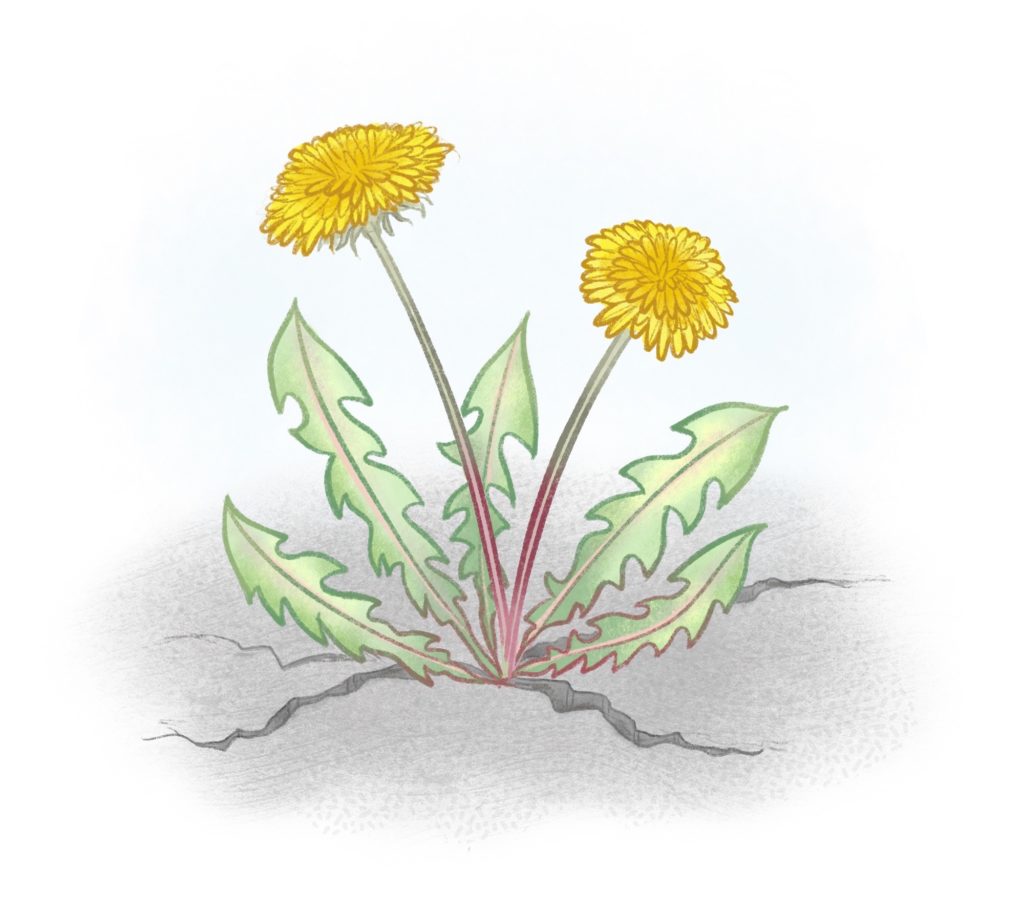
On behalf of Group 9 (aka “The Dandelions”), Manuel celebrates the fact that we’re alive and that you may contribute a verse to the powerful play of life.

[embedded content]

Here’s the poem “O Me! O Life!” that Manuel mentioned in the video.

Oh me! Oh life! of the questions of these recurring,
Of the endless trains of the faithless, of cities fill’d with the foolish,
Of myself forever reproaching myself, (for who more foolish than I, and who more faithless?)
Of eyes that vainly crave the light, of the objects mean, of the struggle ever renew’d,
Of the poor results of all, of the plodding and sordid crowds I see around me,
Of the empty and useless years of the rest, with the rest me intertwined,
The question, O me! so sad, recurring—What good amid these, O me, O life?

Answer.
That you are here—that life exists and identity,
That the powerful play goes on, and you may contribute a verse.

by Walt Whitman (from Leaves of Grass, 1892)

And by the way, Broderick… Walt Whitman isn’t the guy from Breaking Bad. 😉

Here’s an image of a dandelion growing in a sidewalk that Manuel mentioned in the video, drawn by Harriet Knight.

A Community of Higher Selves

Build a community to help us connect to our higher selves. It will require investment from participants (not necessarily money) to join.

– Group 10

On behalf of Group 10, Richad envisions a community of people who want to embrace their higher selves.

[embedded content]

Welcome Home – The Song

This exercise has been inspiring some further creative ripples among Amplify members. In particular, Bri Harris felt inspired to write and sing this beautiful song called “Welcome Home,” shared with her permission.

I have a dream
that one day every being
will feel nurtured, loved, accepted, safe
and welcomed on this earth

And they will know
that they are home
and they belong
yeah, they belong

Standing at the mirror
the young girl does not compare
herself to flawless images
or fear judgmental stares

The voice in her own head
is a kind and caring friend, it says
your body is beautiful
your body is your home

Welcome home
welcome home
you belong
Oh you belong

Playing in the yard
the boy falls down and cries
his tears are not a weakness
he ever has to hide

The feelings in his chest
are openly expressed
holding space for his friends,
he makes them feel at home

Welcome home
welcome home
you belong
you belong

Stepping off the plane
in an unfamiliar place
the woman doesn’t recognize
a single face

But the people in the crowd
wrap their loving arms around her
and say—
Welcome home!

Welcome home
Welcome home
You belong
You belong

Walking through the doors
head bowed down in shame
the man is scared he won’t be forgiven
for all of his mistakes

But the world is there
with its heart open wide
ready to heal
and to welcome him home

Welcome home
welcome home
you belong
you belong

Girl or boy
he, she, they or them
No matter your identity
or the color of your skin

You are welcome here
You always fit in
You are home
And you belong

I have a dream
that one day every being
will feel nurtured, loved, accepted, safe
and welcomed on this earth

And we’ll know
This is our home
and we belong
yeah, we belong

Final Thoughts

Even though each group did this exercise independently (in groups of 5-6 people), it’s fascinating that there’s so much commonality in the themes, especially regarding belongingness and welcoming. Several people noted this during the call as well. There was even a suggestion of getting “Welcome home” tattoos.

I wonder how universal this intention is – to create a world where everyone feels like this is truly their home and that they belong here.

It’s interesting how many spiritual beliefs suggest that there’s a better place after this one, or that we came from a better place before this one. What if we intend to make this world the most welcoming place to be, while we’re here right now?

Share Button

After 80 Years Of Marriage, This Couple Have The Best Love Advice

HuffPost is part of Verizon Media. We and our partners will store and/or access information on your device through the use of cookies and similar technologies, to display personalised ads and content, for ad and content measurement, audience insights and product development.

Your personal data that may be used

  • Information about your device and internet connection, including your IP address
  • Browsing and search activity while using Verizon Media websites and apps
  • Precise location

Find out more about how we use your information in our Privacy Policy and Cookie Policy.

To enable Verizon Media and our partners to process your personal data select ‘I agree‘, or select ‘Manage settings‘ for more information and to manage your choices. You can change your choices at any time by visiting Your Privacy Controls.

Share Button

Relational Goals

A nice way to identify goals, especially for the New Year, is to clarify how you’d like to upgrade your relationships with different aspects of life. Then identify and commit to action-based goals that you expect would improve these relationships.

For example, you have a relationship with:

  • money
  • your body
  • each key person in your life
  • your work
  • your habits
  • your daily routine
  • your exercise routine
  • your diet
  • sleep
  • life
  • reality
  • your skills
  • your emotions
  • your past self
  • your future self
  • your website
  • your home
  • your workspace
  • your lifestyle

You could start by rating each of these relationships on a scale of 1-10. Which of your most important relationships are getting relatively low ratings? These are areas where your current way of relating isn’t working for you. So accept the obvious truth that you must stop relating to these low-rated areas in the same ways you’ve been doing in the past.

Now go another step and describe your existing relationships with the weaker areas. Then contrast this with how you like these relationships to be. You may find clues to your desired relationships within your stronger areas.

Suppose you rated your relationship with money as a 2 out of 10. Perhaps this relationship is full of tension, stress, worry, and anxiety. Clearly your current way of relating to money isn’t working for you. So accept that you must relate to money differently going forward. You must heal the broken relationship.

So where would you like to take this relationship? How would you like to see it improve? Suppose your answer is that you want to relate to money with feelings of ease, lightness, confidence, flow, abundance, playfulness, fun, and trust. Perhaps you want to enjoy and appreciate money and not fear it or stress out about it.

You can transform this relationship with money to make it the way you want it to be, but you have to pick the right kinds of goals that are aligned with this transformation. This means you have to pick different money-related goals than you did in the past. You can’t keep picking goals that stem from a broken relationship. You have to shift to goals that can heal, repair, and upgrade this relationship.

What sense does it make to set income goals such as to make a certain amount of money if you’re piling them on top of a broken relationship? That would be like adding more furniture to a house that’s on fire. If the relationship isn’t working, don’t add more. Set goals to turn that relationship in a more aligned direction.

Often when a relationship isn’t working well, it’s because you aren’t being very strong in your boundaries. It’s the same with relationships among human beings. Without good boundary management, you’ll likely end up miserable.

Targeting a goal like “make more money” is like saying you want to connect with more people – that only works if you’re already good at boundary management. It makes little sense to use this approach if you’re filling your life with abusive relationships. You’re just inviting more conflict and abuse then.

Using our money example, here are some sample goals that may help you transform the relationship in the direction you want it to go:

  • If your job isn’t aligned with ease, lightness, confidence, flow, abundance, playfulness, fun, and trust, quit the job. If the job is keeping you from creating your desired relationship with money, it has to go. Henceforth make sure that your approach to income generation is aligned with your desired relationship with money. Don’t settle for less.
  • Buy a small item or upgrade one of your possessions just because you’ll enjoy and appreciate it. Gift yourself with a joyful expenditure to remind yourself that you can enjoy money with ease and lightness. Each time your mind tries to stress over the minor expense, use this item to remind yourself to align with trust and abundance. Keep it around as a symbol of your pending transformation. Remind yourself that you never would have bought this item if you were stuck in stressful scarcity thinking.
  • Perform a small act of kindness for someone else. Give a small but playful gift. Do a little favor for someone. Lean into the feeling of having excess capacity. So this is another goal to do some specific action that’s incompatible with your old relationship with money. The key is to start taking actions that your old relationship style wouldn’t allow you to take but which are nicely compatible with your new relationship style.
  • Brainstorm a list of 100 different ways to generate income that are aligned with ease, lightness, confidence, flow, abundance, playfulness, fun, and trust. Review this list each day for 30 days in a row. After you review the full list each day, pick one item and let yourself daydream about actually doing it for five minutes. This will begin training your mind to start thinking in a direction that’s more aligned with your new relationship with money.
  • Do a modest-sized passive income project based on something you’ll enjoy. Create a new stream of income in a way that honors your desired relationship with money. For instance, one Conscious Growth Club member recently designed and published a new journal that she sells on Amazon, thereby creating her first passive income stream.

Note that these goals are specific and actionable, and they’re intended to shift the relationship from the undesirable to the desirable. When you focus on the relationship you want, you’ll set different kinds of goals. You won’t just be pushing yourself to go further down an old path with an old relational style that isn’t working for you anyway.

Getting the relationship right is the key to sustainable motivation. How will you motivate yourself to work on income generating projects if you’re relating to this area of life with stress and worry? You’ll probably procrastinate and do something else instead because it will make you feel better.

Remember that all of your relationships with different parts of life exist in your mind. Therefore you have the power to change them.

If you can elevate your relationships with different areas of life to a place of feeling good even when the circumstances look challenging, this creates an intelligent base for further investment. You’ll want to keep investing because it will feel good. The motivation is similar to being in love with someone. You naturally want to spend time together because it feels good to do so. And when a human relationship isn’t working well, you’re more likely to want to avoid each other.

This is a simple but powerful frame for setting goals that not only give you a sense of achievement, but they also improve your day-to-day quality of life. Moreover, this approach helps you gain access to bigger achievements and explorations that require more commitment, investment, and motivation – and to enjoy the process of working towards those goals.

Share Button

Why Socialize at All?

How do you get motivated to reach out and connect with people? What gets you to overcome inertia? What makes you want to risk rejection? Is it worth it to keep sifting through so many mismatches and partial matches? What makes you exert the effort to engage with people socially? What’s your why?

I brainstormed the following list in Conscious Growth Club yesterday in a discussion thread about the motivation for doing anything of a social nature – like connecting with people online or offline, joining groups, maintaining friendships, and doing shared activities. I thought it would be worthwhile to share it here too.

Here’s a personal list of motivations for being social. See if any of these strike a chord with you.

  • because I think it will be fun and interesting
  • because the people in that group have abilities or understandings that I lack, and I’d like to learn from them
  • because I like the people (or think I might like the people) and want to spend more time with them
  • because I can often advance faster in a new direction with more social support (I’ll take more action)
  • because I want to keep in good practice with my social skills
  • because I enjoy the activities
  • because I often create more interesting memories with people than without
  • because I grew up shy and introverted, and I love stretching myself to explore extrovert mode
  • because I find great benefit in following the “embrace the new” heuristic, and connecting with new people is one way to do that
  • because even when I don’t connect so well with a group, I’ve processed that energy that made me wonder about them, and I can let it go and invite something more aligned, so I gain clarity either way
  • because there are a lot of interesting people in the world, and it’s a fun gamble to take a risk that I could meet someone who changes the course of my life
  • because I sometimes enjoy the experience of “hiding” in a new group and seeing how long it takes for someone to recognize me and call out something like, “Hey, wait a minute… you’re that blogger guy, aren’t you? I remember reading about that polywhatsit sleep experiment you did back in the day.”
  • because it will stretch me if I choose the right groups, and it’s not a big loss if I temporarily choose a mismatch
  • because women will be there, and they’re fun creatures to connect with
  • because I’ve noticed that I’m generally happier after hanging out with growth-oriented people, even if I don’t always feel motivated to do it beforehand
  • because I keep getting better at finding quality matches, like learning that paid groups are usually vastly better than free ones (free Facebook groups are mostly dreadful compared to their paid equivalents)
  • because socializing in positive ways is better for my health and the health of others, adding years to our lives and reducing many risks (COVID times are different though)
  • because I like the positive surprises, interesting invitations, and variety that friendships add to my life (such as going to Costa Rica for a week of ayahuasca ceremonies with about 15 friends)
  • because I like seeing my friends learn and grow, especially over 10+ years
  • because I tried the opposite, and that ran its course for me and became boring
  • because I want to enjoy rich and meaningful friendships during my later years as I get older
  • because I enjoy and appreciate my alone time even more when it’s balanced with social time
  • because I’m not the jealous or envious type, and I take pleasure in other people’s successes (compersion)
  • because I get to wear clothes from the other side of the closet
  • because interacting with people helps me sculpt my character
  • because I struggled in business for years before I reached out and got involved with a nonprofit association, and that decision really transformed my life and business for the better
  • because I went bankrupt trying to figure everything out on my own
  • because I learned from someone else how to quickly recover from bankruptcy (his advice worked)
  • because humans don’t thrive in isolation
  • because I wouldn’t have met either of my wives if I didn’t reach out socially (I met Erin on an online forum and Rachelle at the first Conscious Growth Workshop)
  • because I wouldn’t have gotten a book published by a major publisher so easily if I hadn’t stretched myself socially
  • because I would have far fewer hugs and cuddles in my life if I held back
  • because I wouldn’t have seen the opportunity to get into blogging as early as I did (I learned about it from a game developer friend that I connected with online and at in-person conferences – Thanks, Tom!)
  • because other people frequently challenge me to stretch in different ways, and I wouldn’t grow nearly as much without them
  • because this life journey is fun and rewarding to share
  • because investing in people has made me feel less fearful and more at home here
  • because interacting with people helps me explore, deepen, and improve my relationship with life
  • because I used to avoid and mistrust people a lot, and I like that I developed the ability to feel a lot more comfortable around them (it’s lovely to enjoy the fruits of this transformation)
  • because compassion and caring are strong motivators for me
  • because I’d much rather spend 30 days at Disneyland with my best friend, lover, and life partner than alone
  • because many experiences are so much richer and more memorable when shared with one or more people
  • because it’s wonderful to be married to a woman whose cooking skills greatly exceed my own (and who likes to cook, including making yummy raw food)
  • because this is a part of my reality that isn’t going away anytime soon, and if I didn’t accept the invitation to explore it, I’d always wonder if I should have invested in a deeper social explorations
  • because the influence of other people got me traveling internationally, which has enriched my life tremendously
  • because I wouldn’t have otherwise discovered that I really like Canadians
  • because I wouldn’t have otherwise discovered independent theater (I’ve see 200+ plays from independent performers)
  • because most of the value that I give and receive in life flows through people
  • because Conscious Growth Club wouldn’t exist otherwise
  • because I’d never have done any live events otherwise
  • because I’d still otherwise be wondering “What if I had invested in this?” during every remaining year of my life
  • because game developers still keep cranking out the same drivel, and people remain more interesting for now… except Zelda: Breath of the Wild… that game is a bit better than most human interactions, but at least it ends
  • because a common regret of the dying was that they let their friendships fade away
  • because this life and all of our lives are temporary experiences
  • because I like being in love, and I want to spend most of my years that way
  • because The Princess Bride was a labor of love, created by people who enjoyed working together and who had a lot of fun along the way (listen to Cary Elwes’ As You Wish audiobook for some delightful stories about the making of the movie)
  • because if I don’t let myself engage with people, despite the risks, I’ll regret it
  • because many people are socially scared or anxious, and a lot of them secretly appreciate when someone takes the initiative and reaches out to connect
  • because many people feel socially awkward, and it benefits them when someone reaches out to help them practice while accepting them as they are (they still want and need to connect)
  • because socializing teaches patience like nothing else does
  • because social risks add spice to life
  • because rejection isn’t such a big deal once you get used to it
  • because one juicy connection makes it all so worthwhile
  • because we can help each other
  • because the world is facing many problems we cannot solve individually but we can solve collectively
  • because it took me many years to learn how to get in touch with the part of myself that cares, and I’ve invested way too much in that to turn my back on it (it lights me up inside)
  • because I want a life rich in emotional depth, and dealing with growth-oriented people sure stirs up plenty of emotion
  • because if I didn’t invest in this part of life, I’d be living out my days in a much smaller reality without realizing just how small it was
  • and dozens more reasons if I want to keep writing…

Instead of looking for one big why, you could consider the totality of many different whys. See how those stack up against your objections.

Share Button

Hard Cares

What do you care about?

Go ahead and rattle off your initial list – the people you know, doing a good job at work, making a positive difference in the world, etc.

Then dig deeper.

What are your high-risk cares? What do you care about internally but never share because you might be judged for it? What are your unusual cares?

Once you go beyond the the easy-breezy cares, what are the harder cares that require more investment or risk?

Here are some of mine:

  • I care about the long-term future of humanity and where it’s heading.
  • I care about politics. I respect and admire good leadership and intelligent decision making. I find the opposite deplorable.
  • I feel a connection with people who are feeling alone right now, not getting their needs met, wondering if they’ll ever find someone to share their life with or if they’ll even pull out of the slump they’re in. I care about helping them. I like playing the role of being a stable, positive presence in their life, someone who will keep encouraging them with limitless patience.
  • I care about the people who are in hospitals right now, many dying from COVID, especially those wishing they had more time to live. Sometimes I imagine what it’s like to not be able to breath.
  • I care about my relationship with this reality. This is a wondrous dimension of existence. I want to keep this relationship rooted in trust. I want to keep making this relationship stronger as I grow older.
  • I care about my wife. I want her to have a fabulous life full of delightful experiences, playful adventures, warm cuddles, sensual pleasures, inspiring challenges, and cherished memories. I love seeing her stretch herself as we grow together. I love that we are each other’s best friends.
  • I care about death. I want its presence to keep reminding me to live fully and not to settle for partial matches. I like that it keeps me aware of the potential pain of regret, sometimes with gentle reminders and sometimes with powerful ones.
  • I care about animals, especially those in the factory farming system that suffer daily in ways that would be unimaginable to humans. I would love to see humanity graduate to a more caring relationship with animals.
  • I care about technology. Its evolution fascinates me. I love seeing how my relationship with tech has evolved since the 1970s. It’s fun to think about how it will continue to evolve and what possibilities are just over the horizon.
  • I care about my character. I want to look within myself and like and appreciate what I see. I want to delve into the darkest regions of myself and replace shame, fear, and guilt with love, forgiveness, appreciation, and warmth. I want to live as a fully integrated being, not as a collection of parts arguing amongst themselves.
  • I care about my relationship with time. I want it to be my friend and ally, not my enemy. I want to look forward to my later years with positive anticipation and pre-appreciation, not with worry or angst. I want to look in the mirror and smile as I watch myself getting older.

Some of these cares led to major changes in how I live my life or how I run my business.

Hard cares are very motivating, but they’re difficult invitations to accept. It’s challenging to move beyond the easy-breezy cares and to admit that they just aren’t giving you enough motivational juice.

When I imagine doing things that other people seem to care about, like showing up to a corporate job each day, they just seem demotivating and pointless… like why would I want to waste my precious life on that, even for one day?

But I can easily get myself to spend days on end delving into esoteric aspects of personal growth that few people who like corporate jobs would understand or care about, but these explorations matter to me.

If I want to experience a life that flows with lots of motivational juice, I have to pursue and explore what I truly care about, not what society expects me to care about. This includes accepting that my cares are good and that they’re mine to explore and understand.

One care that’s been fascinating me a lot lately is my relationship with aging. I turn 50 in a few months, so knowing that I’m about to enter a new decade of my life is pushing this idea to the front of my mind. Society in general has a tremendously negative relationship with aging. I want to create a vastly more positive relationship with this aspect of life.

My hard cares are mostly relationships with different aspects of life. I care about making those relationships healthy, positive, and rich in appreciation. When I spot a relationship that isn’t working, I ask myself if I truly care about that relationship, and then I think about what changes I’ll need to make to invest in long-term improvement.

Investing in hard cares, especially by defining them as relationships, works very well.

I found it difficult to care about money, but I was able to care about my relationship with money. I didn’t want that relationship to be full of stress and angst. I wanted it to be full of abundance, playfulness, trust, creativity, and fun. I still don’t care much about money, but I love that I’ve been able to create this kind of relationship with money. I appreciate the relationship way more than the money itself.

I found it difficult to care about business, but I definitely care about my relationship with my business. I want this relationship to be rich in exploration, variety, connection, purpose, positive ripples, creative flow, and inspiration. I also want my relationship with my business to be light, playful, and flexible, not so heavy and controlling. I never want to feel trapped by my business. I want to feel engaged and uplifted. The desire to have this kind of relationship led to some careful decisions, including avoiding many “opportunities” that could easily turn the experience into a stressful trap. I love my business, and I want to keep that relationship happy and healthy for many more years.

I encourage you to take a hard look at the relationships with parts of your life that aren’t working so well. Describe the current relationship based on how you feel about it. Then describe how you’d like that relationship to be. Recognize that these are your hard cares, and to get aligned with them, you’ll need to make some hard decisions.

Be willing to say no to relationships that aren’t working for you. Elevate your hard cares from “nice to haves” to the level of “must haves.”

Many years ago I tolerated partial matches in my professional and personal life. I treated my hard cares as soft cares. That was very unsatisfying.

It was tough to go against the social grain and to demand better relationships from life. It was hard to admit the truth that these relationships really do matter a lot to me, and I’m not willing to sacrifice what I want to live up to someone else’s expectations.

It was hard to say, “No, I’m not just going to suck it up and suppress my feelings.”

It was hard to leave… again and again… till I got these relationships right.

But oh it was so worth it.

Share Button

Secure Attachment and Investment

In psychology there are three general ways to relate to other people, depending on how you interpret and manage emotional risk.

  • You can avoid deep emotional investments in people (avoidant attachment).
  • You can try to control other people (anxious attachment).
  • You can intelligently bond with people and invest in secure relationships (secure attachment).

You can generalize these dispositions to consider how you relate to different areas of life. Are you hiding? Are you over-controlling? Or are you securely investing?

There’s really a spectrum here for different aspects of life and for relating with different types of people, so in practice there are a lot more than just three options.

Your root relationship is your relationship with reality itself. That’s the most important one to get right because it’s the one from which all other relationships flow. All of your relationships are a part of your reality, so if your base relationship with reality is shaky, that will negatively affect all the others. This relationship is so important that I created the full 60-day Submersion course to help you explore, improve, and invest deeply in this core relationship to make it stronger and healthier. Do you feel grounded and secure in this life? That answer needs to be a yes.

Another relationship that’s critical to get right is your relationship with yourself. This is what the 65-lesson Stature course delves into in tremendous detail. It’s the deepest and most thorough self-exploration course that I’m aware of. The purpose is to help you face the full-spectrum truth about yourself and and to develop a healthy and empowering lifelong relationship with all aspects of yourself, including your inner critic, your inner child, and more.

From here you can consider relationships with people and with other aspects of life.

Our next deep dive (for the first quarter of 2021) will be about creative productivity. This new course will help you develop a healthy and secure relationship with your own creative flow. This doesn’t just mean doing creative work like writing or game development. It means managing the creative flow of your entire life as well. What kind of life are you creating? Do you like the direction your life is going? Are you over-steering or under-steering? How can you intelligently manage this flow on each time scale, hour by hour, year by year, and decade by decade, especially with an increasing rate of change?

For many years I’ve enjoyed a secure and healthy relationship with my creative flow, but I didn’t always have that kind of relationship. I had to work through issues like procrastination, selecting projects for the wrong reasons, seeing too many projects die on the vine, feeling too anxious about certain modes of expression (public speaking, being live on camera), overplaying the importance of money, etc.

I continue to invest in improving this relationship, which is really a collection of many different relationships. This year I discovered more depth and nuance in my relationship with creative output through the 365-day blogging challenge. If I wasn’t securely bonded in this relationship, it could have been a difficult year requiring a lot of discipline. But I was exploring a relationship that was already very healthy and positive, so I found the overall experience to be beautiful, warm, and relaxing.

Setting and maintaining healthy boundaries connects with these ideas as well. We can’t deeply invest our time and energy in relationships with everyone and everything. Do you know which relationships you want to deepen and which relationships you’d prefer to avoid? Do you know where you want to plant your social and emotional flag? Is that flag securely planted where you want it to be?

I especially love the depth of exploration that comes from secure bonding, so I can really invest long-term.

One of my personal flags is securely planted in a vegan lifestyle and vegan ethics. I’ve invested almost 24 years of my life in this path, and I want to keep investing for the rest of my life. I love being vegan, and my relationship with veganism keeps growing stronger and deeper. Next year I want to deepen this relationship even more by investing in a full year of a raw foods lifestyle.

I also really enjoy the secure bonding I have in my relationship with Rachelle. Lockdowns and social restrictions seem almost trivial when I get to spend each day with her. I never tire of spending time with her. Day after day I always look forward to even more time with her – hours, days, weeks, months, and years ahead. I love investing in our relationship.

Here’s the key that I struggled with for a long time: the notion of settling. I got stuck for so long by trying to settle for less than I really wanted.

The problem with settling for a partial match is that you don’t feel good enough about the relationship to full invest in it. Some part of you always holds back. The thought of investing may even give you a queasy feeling.

That was me in my first business. I liked many aspects of game development, but I too often felt like I was falling short when it came to contributing, making a difference, and really caring about people as much as I could. There was a certain coldness to the work, and I wanted to invest in more warmth. It was always going to be a partial match for me, so I could never unlock 100% of my desire to invest. Some part of me was always going to have doubts, wondering if maybe I should be doing something else.

My first marriage followed a different trajectory. I did feel very invested in it in the early years, but eventually incompatibilities grew, and it became clear that each of us wanted to invest in different directions. Looking back I do feel good about investing in that relationship while it lasted. I also see that it was best for us to move on when we could no longer truly invest in building a life together going forward.

What I love about my life today is that I feel securely bonded with people and aspects of life with which I’m can really invest long-term.

I can also see where I’m not investing as a sign that I may be dealing with a partial match, in which case the solution isn’t to settle but rather to find a full match where I can really invest.

Share Button

A Growth Heartset

You may have heard about the difference between a growth mindset and a fixed mindset and how important a growth mindset is for self-development. You may not have considered how important a growth heartset is too.

While a growth mindset is wonderful, it’s not enough. There are plenty of people with growth mindsets who struggle, burn out, and give up. And even when they don’t give up, it’s painful to watch sometimes because they invite struggle, struggle, and more struggle. They keep trying to “earn” happiness and fulfillment, and it keeps eluding them. They may work hard and try hard, but they always look like they desperately need a massage or a vacation… or a vacation full of massages.

What’s going on? Such people may have a growth mindset, but if they lack a growth heartset, they’re very likely to find themselves grinding through year after year of struggle with no end in sight.

A few lists can help clarify this.

A growth mindset includes:

  • opportunity awareness
  • expecting that you’ll keep learning and growing
  • never using “I don’t know how” as an excuse
  • expecting that you’ll gain new skills
  • expecting that you’ll continue to improve your skills and gain new skills
  • expecting to become more capable over time
  • investing in long-term self-development
  • job and career flexibility
  • adaptability to change
  • deliberately challenging yourself
  • setting stretch goals
  • inviting and embracing new experiences
  • willing and able to make new friends and build new relationships
  • maintaining strong personal boundaries (so your boundaries aren’t being violated by. misalignments)
  • learning and bouncing back from failure (resilience)

A fixed mindset includes:

  • opportunity blindness
  • figuring that you’ve already learned most of what you need to know
  • figuring that school is for learning and life after school is for doing
  • identifying with your job or career
  • identifying yourself based on personality attributes
  • identifying yourself based on what you’re good at or not good at and not expecting that to change much over time
  • resisting change
  • expected to earn a pre-determined annual salary (fixed income mindset)
  • feeling stuck with the same social group (fixed social/family mindset)
  • dismissing ideas and opportunities with the “I don’t know how” excuse
  • tolerating boundary violations
  • avoiding failure by not trying

If you’ve been reading my work for a while, it’s very likely that you lean towards a growth mindset. It’s probably obvious why a growth mindset is better for you.

The next two lists, however, can be more polarizing. For some people these will be at least as obvious as the two lists above. For others there may be some surprises that invite self-examination and reassessment, especially the items related to aging.

A growth heartset includes:

  • seeing your biggest fears as invitations to grow and expecting to eventually master what you fear (such as public speaking)
  • expecting to eventually outgrow your major fears, knowing that someday you will no longer feel fear in those situations
  • feeling pleasure and enjoyment from facing fears
  • weaving playfulness, fun, and other positive emotions into your goals
  • shifting away from overly head-based goals that don’t excite you emotionally
  • expecting that your boldest and most courageous years are still ahead of you
  • doing some things just for fun, completely shamelessly
  • expecting to become happier and to have more fun as you age
  • looking forward to your future years with positive anticipation, including your 70s, 80s, and beyond
  • growing in boldness and courage over time
  • expecting to be emotionally stronger and more confident in your later years
  • expecting to set and achieve more ambitious goals as you age
  • taking alignment problems seriously, knowing that you’ll do whatever it takes to solve them
  • being willing to let go of people who aren’t aligned with the direction you want to go and the kind of life you want to have
  • falling more deeply in love with your life with each passing decade
  • expecting your relationships to become more aligned and harmonious
  • expecting to appreciate and enjoy your relationships even more as you age
  • feeling centered, grounded, and at home here (even while alone)
  • speaking your truth and letting your social circle realign as needed
  • feeling inspired and encouraged by people who are further along similar paths (seeing them as allies, not competitors)
  • feeling patient, persistent, hopeful, and determined
  • being willing and able to fully commit yourself to new actions and behaviors, even when you aren’t sure how they’ll turn out
  • investing in a relationship with reality based on deep and abiding trust
  • expecting to trust life even more as you age
  • appreciating vulnerable honesty in yourself and others
  • embracing intelligent risk taking
  • being coachable and willing to ask for help, advice, or coaching
  • wanting and expecting to care even more as you age (about people, animals, life, social issues, etc)
  • deeply enjoying and appreciating your leisure time
  • knowing that your feelings matter tremendously
  • knowing that you can always invite and tune in to the flow of inspiration

A fixed heartset includes:

  • feeling threatened by change
  • avoiding growth experiences that require facing fears
  • expecting that your fears will always be your fears
  • fearing or worrying about aging (dreading getting older)
  • feeling clingy and attached to what you have and not wanting to risk it
  • worrying about financial decline or financial threats
  • complaining about what you don’t want
  • feeling jealous or envious of people who have what you struggle to achieve
  • feeling discouraged, impatient, or frustrated when your goals take longer than you’d like
  • unwillingness to fully commit yourself
  • unwillingness to take emotional risks that could lead to failure or rejection
  • dismissing your feelings as less important than your logical thoughts
  • avoiding commitments that would require a significant emotional risk or emotional investment
  • feeling like you must justify doing “just for fun” activities (such as to your spouse or to colleagues)
  • feeling guilty or unsettled when taking time off
  • setting vague goals like “make more money” or “get healthier” (no real commitment, no emotional investment, also highly ineffective)
  • being too proud, self-sufficient, or timid to seek help, advice, or coaching
  • feeling alienated, disconnected, and alone (and expecting this to continue)
  • feeling that you must hide your true self from the world
  • avoiding actions that could invite criticism
  • staying emotionally aloof or emotionally anxious
  • expecting to retire someday (in terms of reducing your emotional investment in life)
  • never really knowing if you can trust this reality and therefore holding back on your willingness to invest
  • holding back on expressing your feelings
  • surrendering to the “fact” that no one will ever say “I love you” to you and mean it

Which way does your heartset currently lean?

If you know in your mind that you can grow, but your heart isn’t onboard with that, you’ll likely succumb to a lot of struggle and stuck-in-your-headness. You’ll often be pushing against your own emotions instead of enjoying the long-term benefits of strong, positive motivation that helps you flow through life with lightness and fun.

The good news is that you can use that fancy growth mindset of yours to recognize and acknowledge the importance of developing a growth heartset too. You can learn to spot the predictable problems that could throw your life off track, such as fear of aging and lack of commitment, and you can decide to work on improving these aspects. When you begin to grasp the value of emotional alignment, that’s a big step in the right direction.

Share Button

Your Relationship With Text Messaging

How would you rate your current relationship with texting on a scale of 1 to 10?

A 1 means you really need to improve how you use this tool. A 10 means you’re using the tool in a way that works very well for you, and other people who text you understand and respect your boundaries.

I feel that I have a healthy relationship with text messaging. It’s generally not a distraction, I use it effectively, and my approach works well for me. Boundary issues are uncommon and easily fixed.

So let me share some tips regarding how I use it. See if any of this helps you reassess your own relationship with texting.

  • Define your desired relationship with texting in advance. Instead of addressing issues only in a reactive bottom-up matter, get clear about the role you want this tool to play in your life. What are the justifiable and intelligent use cases for it? What uses would be distracting and should be considered out of bounds? I encourage you to write up your own personal list of do’s and don’ts for the tool.
  • Look at problems behaviorally. Texting is a set of behaviors. If your behaviors are aligned with your intentions, you’ll likely have a healthy relationship with this tool. If you’re not happy with your relationship with this tool, look at your behaviors: what you typed and when. Call out the mistakes you made. Identify exactly what you should have done instead? Example:
    • I initially responded with, “Nice to hear from you.” That was a mistake. I didn’t want to get into a conversation at that time.
    • I should have replied with, “Busy with a project. No texting today please. Thanks for understanding.”
    • Better yet, I should have left notifications turned off and my phone in the other room.
  • Make permanent changes. Review some of your recently texted conversations. Which ones were worthwhile and intelligent uses of the tool, where you used it in the right way and at the right time? Which conversations were distracting or problematic in any way for you? For the problematic ones, state the problem in the most general terms. Then solve that problem permanently with a change in your commitment regarding what you consider fair use of the tool versus off limits.
  • Accept conflict. Your relationship with this tool may not align with how everyone else wants you to use this tool. Decide which is more important: satisfying someone else’s demands and expectations… or having a healthy and productive relationship with the tools and people in your life? If you want the latter, you’ll need to define and enforce boundaries. When someone can’t or won’t respect your boundaries, add them to your blocklist.
  • Finish conversations. How many perpetually open conversations are you having via text messaging? Ideally it’s zero. Open a conversation, have the conversation, and close the conversation. Every conversation that’s left open is an open loop that can distract you. Finish listening to what needs to be heard, and finish saying what needs to be said. Close the loop, and end the conversation. When you’ve closed it, say to yourself, “This is done.”
  • Build a repertoire of conversation closers. Here are a few:
    • Time to get back to work.
    • Bye for now.
    • Glad we figured this out.
    • Glad to be of help.
    • Dinner time for me.
    • Hugs!
    • Ciao!
    • ❤️❤️❤️
  • Keep your phone outside of your workspace. If your phone is your primary texting device, and if your work doesn’t primarily involve texting, leave your phone elsewhere while working. I leave mine in the kitchen while I work in my home office.
  • Respond on your schedule. If you always respond to people immediately when they text you, you’ll train them to expect that. If this works for you, great. But if not, just respond when it’s convenient. I often don’t reply to texts for a day or two.
  • Have the conversations you want. If you don’t want to be having a texting conversation, end it. Say a deliberate yes to the invitations you want. Note that you don’t need anyone’s permission to end a conversation. If you end the conversation on your side, it’s over. If the person keeps peppering you with texts afterwards, ask yourself if you ever want anyone using texting with you in that way. If not, warn them if you’d like, turn on “Do not disturb” for a few hours, and consider the blocklist as a backstop if necessary.
  • Educate people on your preferences. It’s up to you to train people to learn how and why they can text you. If you don’t make adjustments, they’ll likely assume their communication habits are okay. If anything is not okay with you, let the other person know. Don’t blame them. Just specifically share how you’d like them to modify their behaviors. Invite them to commit to that change. Some examples:
    • Don’t text me about typos in articles. Always email or use the contact form on my website for that.
    • Don’t expect an immediate reply from texting. I’m not an immediate reply kind of guy.
    • Text me when you’re about 5 minutes away.
    • Text me after you finish going through Customs.
    • Don’t text me memes.
    • Don’t text me bad jokes. Only good ones. 🙂
  • Practice better texting. For any habits you need to adjust, do a practice texting session by yourself. Use any notes app, and type predictable lines from the other person and your desired responses. Even a few minutes of solo practice can help your brain correct bad habits. Teach your brain how you want it to respond in situations where you need to adjust your behavior.
  • Play is fine, but watch for boundary issues. It’s fine to text playfully when you and the other person are in the mood for it. Same goes for sexy exchanges if they’re consensual. Just consider if you’re engaging for pleasure-based reasons or as a way of distracting yourself from something else you should be doing instead. Playfulness can build stronger relationships, but it can also damage relationships if you overdo it.
  • Trust your instincts. If something feels off to you, it’s off. Sometimes it’s good to verbalize your feelings aloud, like “I don’t want to have this conversation right now” or “I should ask if this is a good time to discuss this first.” Practice acting in alignment with your instincts.

How is your current relationship with text messaging working for you? This type of tool will probably be around for many more years, so it’s wise to make this a healthy and positive relationship. When this relationship isn’t working well, it becomes an added source of stress. When this relationship is working well, it can add meaningful value and connection to your life.

Share Button

How to Handle People Who Easily Become Defensive

I had a great realization when going through Dr. Julie Helmrich’s Science of Conflict course recently. One idea from that course helped me make sense of an issue that had been popping up now and then in my relationships.

She noted that a key reason that people become defensive during conflict is that their inner critic gets triggered. They’ve already gone through many rounds of internal conversation with this inner critic. So when a problem or issue is raised as if it’s new, it’s really not new. The other person is probably well aware of it. They’ve already beat themselves up for it many times before.

Consequently, when you step into a role that resembles their inner critic, this automatically activates the part of them that must push back against that inner critic. They’re really not in conscious control of this. It just happens. They may even catch themselves doing this, dislike it very much, and still feel powerless to stop it.

I’ve lost count of how many times I’ve triggered a person’s defensiveness, and then my response is something like this:

One time, can we just skip past this whole defensiveness thing? It’s such a waste of time and energy. Why don’t we save ourselves a few hours and just skip ahead to solving the actual problem here? You’re not being attacked. I’m not blaming you for anything, so please lower your shields because this isn’t an assault. I just want a solution to this problem, and I could really use your help with that.

Does that ever work? Ha… I wish!

And oh is it so annoying when I just want to get a simple problem solved, and the other person is taking it personally and reacting like a 5-year old caught with their hand in the cookie jar.

Some of these problems could be solved in 5-10 minutes if just a little rational thought and mutual understanding were applied. But if the person’s shields go up, it will take hours, maybe days, if a solution is created at all.

When the person’s shields go up, internally I’m saying to myself:

This is ridiculous. We could be done in a few minutes if s/he would just chill out for long enough to help me solve this. Is a solution really worth this emotional effort? I might as well drop it and find a way to solve this problem on my own… maybe there’s a way to do that. Or I could just ignore the problem for now and try again later.

The Science of Conflict course led me to a different way of framing these situations. Instead of trying to tiptoe around someone’s defensiveness and being annoyed as hell when they began to defend against an imaginary attack, now my attitude is more like Frank Costanza from Seinfeld yelling back:

Oh you want a piece of me?

Trying to avoid the conflict doesn’t work. Oddly it’s better to embrace it. Know there will be a fight, not with the other person but with their inner critic. In a way, I must play the role of the inner critic, so the person can fight back hard against that part of themselves.

If they’re gonna raise their shields no matter what I do, let’s give them good cause to raise them. They expect an attack? Fine… I’ll give them one.

The fight isn’t actually a problem. Just as I was busy thinking that the other person was raising their shields unnecessarily, so was I. I didn’t want to get into an emotional argument, so I pre-shielded myself against that. Their shields were in part a reaction to my own.

It’s very different when you come in with phasers full charged, expecting and even welcoming a fight. Being prepared for a fight is better than wanting to avoid a fight at all costs.

This reminds me of when I trained in martial arts. Practicing self-defense skills with other people made me feel more physically confident and more internally ready for a fight. I’d be walking down the street, almost wanting someone to try to attack me just so I could fight back. I shared this with the other students, and some of them noticed this shift in themselves as well. They also felt that it was less likely for them to get into a fight because they didn’t exude a victim mindset. People are less likely to attack you when your attitude is “I dare you to attack me.”

That may not be quite the attitude that the original course intended, but I do find this framing helpful. If we’re afraid of a fight and would so love to avoid it, we invite the person’s defensiveness to take control and derail the discussion.

The thing is… the other person’s defensiveness never really scared me. I found that aspect of people more annoying than threatening. I found the emotional arguments boring and time-wasting. I felt impatient for faster solutions.

Which is faster though? To ignore someone who keeps trying to bait you into a fight while you’re trying to focus on solving a problem? Or to give your full attention to that annoyance and beat the crap out of it till it surrenders?

Maybe it seems better to avoid a fight. But you could just fight and get it over with. Fight hard. Fight well. Fight honorably. Fight creatively. Fight playfully. Fight till the fighting part is done. Then go into solution mode.

Fights that don’t finish can go on forever. So be willing to fight till the fighting is finished.

I thought that fighting back would be doing people a disservice, but I’m not fighting against them. I’m fighting for a win-win solution.

The other person would like a solution too, and maybe a good pathway to get there is to help them shut down their inner critic, partly by inviting it to spar a few rounds. Then that critic will naturally recede, and we can solve the actual problem.

Martial arts reminds me that fighting can be a lot of fun if you embrace it. It’s especially fun to spar when both people are in the mood for it. There’s something very cleansing about the experience. It moves energy through the body. But if you resist the experience, that energy gets stuck.

This course also pointed out how utterly common it is to activate someone’s defensive response. I always saw this type of conflict as something to be avoided, like I should always do my best to avoid making someone feel defensive. But this only limited my ability to solve problems. Going through that conflict phase is necessary and important.

I can think of some big problems in my past that I punted forward for months or years because I was unwilling to deal with emotional conflict with another person. It was amazing how quickly those got resolved when I finally got sucked into the conflict, which wasn’t necessarily by choice. Getting that stuck energy moving again was such a huge relief.

Like many things in life, when you finally surrender to the inevitable and embrace it, it’s much easier to handle. This attitude of accepting conflict makes it less likely to trigger someone’s defensiveness and less likely to have to invest a lot of time dealing with that defensiveness.

Where in your life are you avoiding conflict because you know it will trigger the other person’s defensiveness? How’s that approach working for you?

Why not try doing the opposite? The path to resolution is through the fire of conflict. The potential for conflict isn’t a threat. It’s an invitation for you to grow stronger. Be a person who will fight for solutions and not settle for non-solutions, and you won’t have to live so much of your life in a cage that’s too small for you.

Share Button