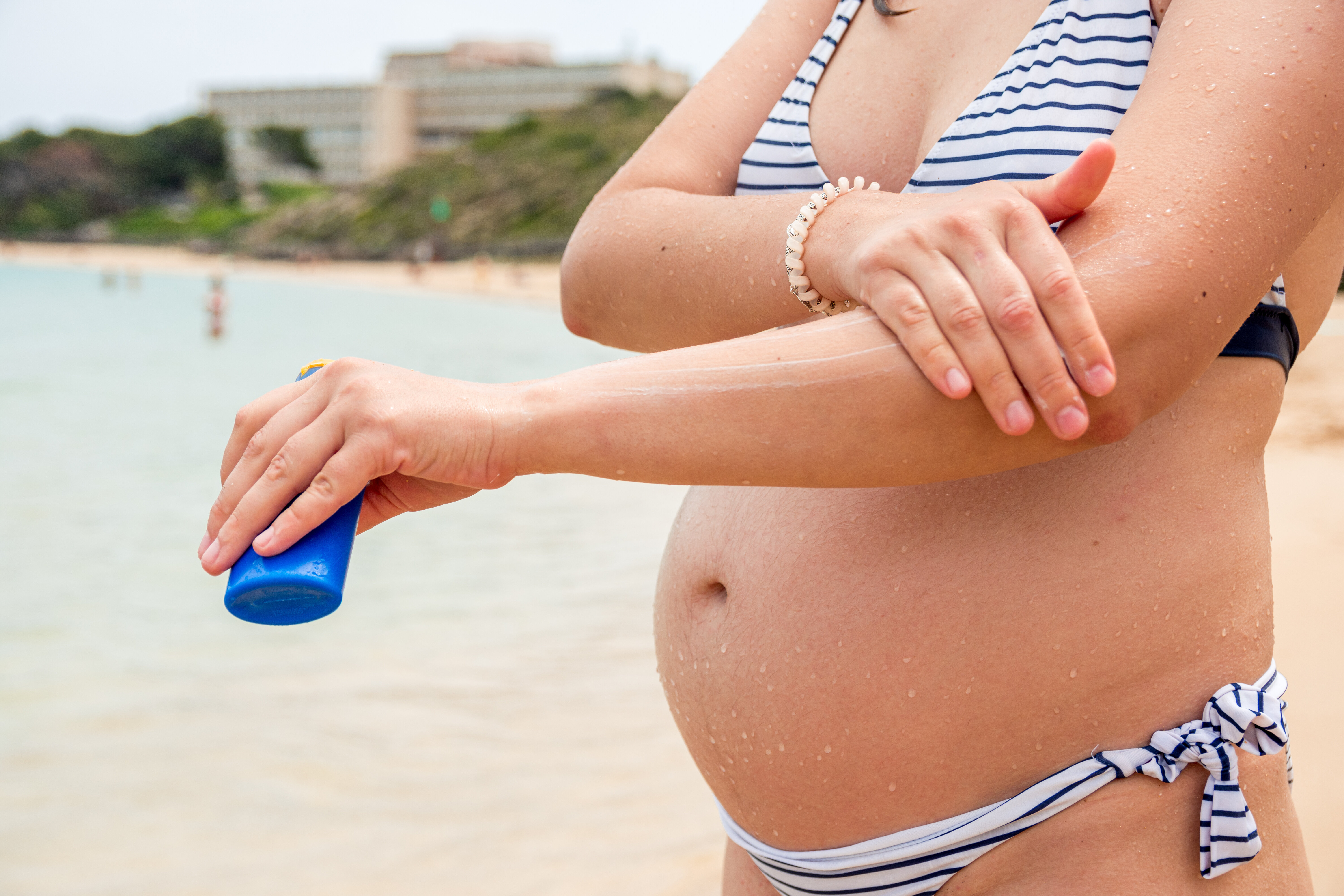
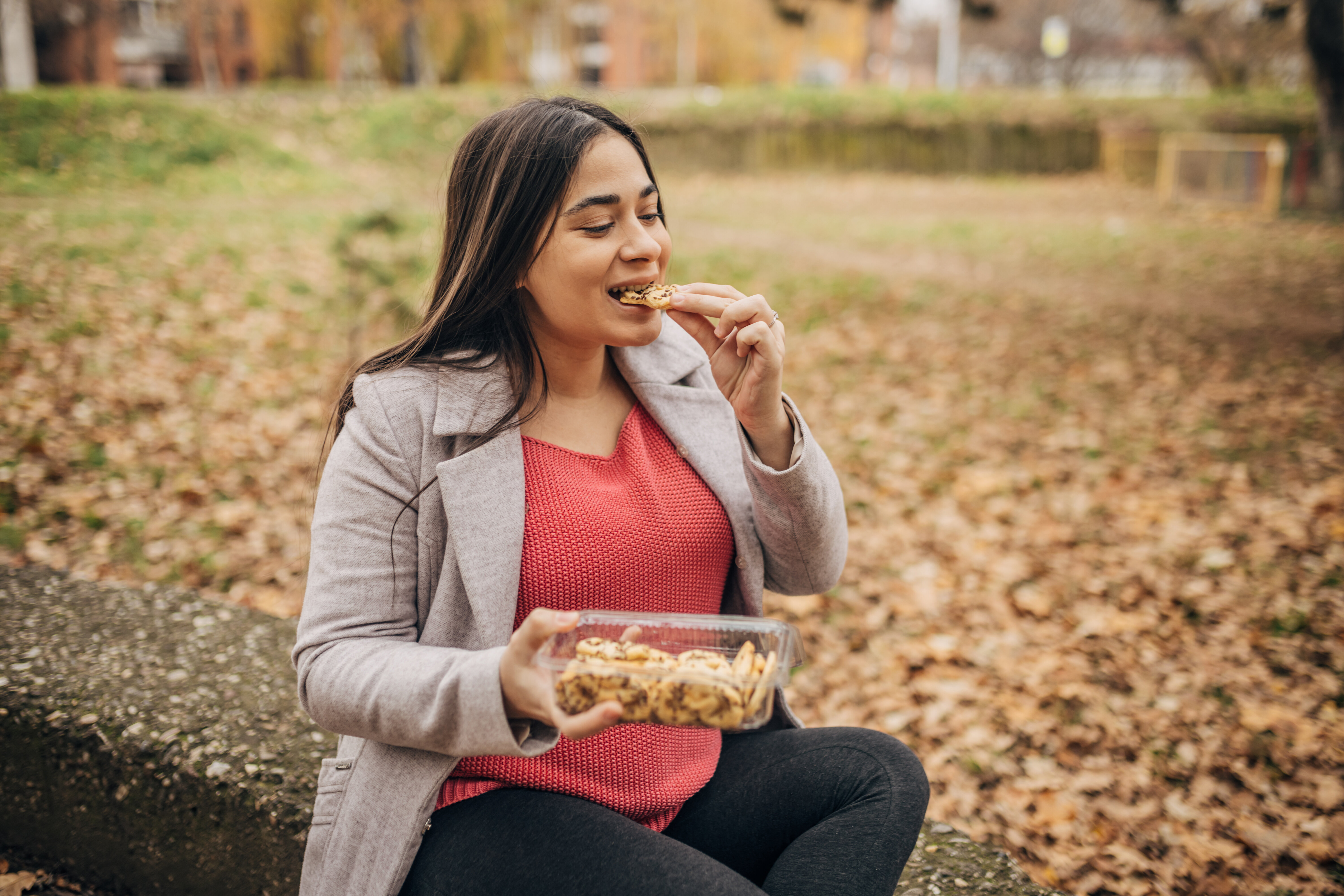
Pregnancy can come with a myriad of symptoms, including nausea and back pain. However, one that’s especially difficult during the summer is feeling that your body is warmer than usual.
According to the NHS, this is due to hormonal changes and an increase in blood supply to the skin. It can also cause you to sweat more.
Advertisement
This is already difficult enough, but during a heatwave, like the one that’s set to hit the UK later this month, staying cool can seem outright unmanageable.
How to cope with hot weather and heatwaves during pregnancy
Stay hydrated, especially if you’re prone to sweating
According to the National Institute of Health, the current recommendation for water intake is drinking 8–10 glasses of water each day. Perhaps up it a little more if you need to or are prone to sweating.
The National Childbirth Trust warned: “You might need to adjust your exercise plan while pregnant, particularly if there’s a heatwave. If your body temperature rises too high in the early stages of pregnancy, there are risks.
“So make sure you aren’t over-exerting yourself, particularly in the first 12 weeks of pregnancy.”
Wear light, cool clothing
Try to wear clothing that is breathable and light-coloured. This means avoiding synthetic fabrics, opting for more airy clothes.
Advertisement
Travel expert Justin Chapman said: “Stick to light-coloured, natural fabrics like cotton and linen in hot weather. These are breathable and will keep you cool, unlike synthetic fabrics that will trap heat, along with bacteria and odour, and make you feel hotter.”
Stay out of the sun where possible
Of course, we all want to make the most of the sun while it’s here, especially in the UK. However, protecting yourself from the sun’s rays will help you to stay cool during hot days.
The NHS recommends staying out of the sun between 11am-3pm, when the sun’s rays are the strongest, and wearing sunglasses and hats to protect yourself and stay cool.
Finally, make sure that you rest! Hot days are tiring as our bodies have to work harder in the heat, so make sure you’re being kind to yourself and resting as much as possible.
It’s summer in the UK which can only mean one thing for music lovers: it’s festival season.
Festivals are famously great for getting together with friends for the weekend, enjoying live music and partying until the early hours. What they’re definitely not famous for is being an ideal spot for getting some restful sleep.
However, according to sleep expert Edward Gorst from Panda London, getting a good sleep at a festival is not only possible but essential.
Advertisement
10 steps to ensuring you sleep well at a festival
Choose the right camping spot for quiet
If possible, choose a camping spot in a quieter area away from stages, walkways and communal spots where noise levels tend to be higher.
Invest in quality camping gear
While festivals aren’t exactly wild camping, having the best camping gear will make a huge difference to your festival sleeping experience.
Gorst said: “A comfortable sleeping bag suited to the weather conditions, along with a good sleeping mat or air mattress, can greatly enhance your sleeping experience.
“These items offer better support and insulation from the cold ground, ensuring you remain warm and comfortable throughout the night.”
Advertisement
Invest in earplugs and an eye mask
Festivals are lively and often run late into the night, and even if you party into the night, chances are the bright lights and chatter will still keep you up when you’re ready to hit the hay.
Gorst said: “Earplugs can help muffle the sounds of music and chatter, while an eye mask will block out ambient light, creating a dark and quiet environment conducive to sleep.”
Establish a bedtime routine (yes, even at a festival!)
Even at a festival, having a routine can signal to your body that it’s time to wind down.
This could include reading a book, listening to calming music, or practising relaxation techniques such as deep breathing exercises. A consistent routine can make it easier to fall asleep in an unfamiliar and potentially noisy environment.
Be mindful of stimulants
While this may sound counterintuitive to going to a festival, limiting the alcohol you consume close to your bedtime can help you get a good night’s rest. Additionally, cut off caffeine before the evening so that your body can wind down effectively.
Stay hydrated as much as possible
Drink plenty of water throughout the day to stay hydrated, but try to reduce fluid intake in the hour or so before bed. This will help minimise nighttime trips to the loo, which can disrupt your sleep.
Advertisement
Wear comfortable clothing to sleep
Opt for comfortable, breathable clothing for sleeping. Layers are ideal, as they allow you to adjust your temperature throughout the night. Being too hot or too cold can interfere with your ability to fall and stay asleep.
Create a comfortable sleep environment
Personalise your tent to make it as comfortable as possible. Bring a small pillow from home, use a soft blanket, and consider using a camping pillow for added neck support. Familiar and comfortable items can help you feel more at ease.
A little bit of home right there in your tent!
Practise good sleep hygiene
Try to go to bed and wake up at consistent times, even at a festival. This helps regulate your body’s internal clock and can improve the quality of your sleep. Avoid screen time before bed as the blue light emitted from devices can interfere with your natural sleep cycle.
Take naps if needed
If you find it difficult to get a full night’s sleep, short naps during the day can help. Even a 20-30 minute nap can refresh you and make up for lost nighttime sleep. Find a quiet spot, use your earplugs and eye mask, and take a quick rest to recharge.
New research from Michigan State University has found that honey bees can detect biomarkers or chemical concentrations associated with lung cancer just by smelling human breath.
Not only that, but these clever little bugs can distinguish between different lung cancer cell types using the smell of the cultures.
Advertisement
Researchers hope that these findings will be used as a model for developing new tests for diagnosing lung cancer earlier.
Debajit Saha, an assistant professor in the Michigan State University College of Engineering and the Institute for Quantitative Health Science and Engineering said that the honey bees have an incredible sense of smell, meaning they can find just a small sample of the cancer.
Saha said: “The honey bees detected very small concentrations; it was a very strong result. Bees can differentiate between minute changes in the chemical concentrations of the breath mixture which is in the parts per 1 billion range.”
This research was done by attaching a 3D-printed harness to a live honey bee while a tiny electrode was attached to the bee’s brain to measure changes in the bee’s brain signals.
Advertisement
Incredible.
What this means for the future of cancer diagnoses
Researcher Autumn McLane-Svoboba said: “What’s amazing is the honey bees ability to not only detect cancer cells, but also distinguish between cell lines of various types of lung cancer.
“The future implications for this are huge as our sensor could allow for patients to receive specific cancer diagnoses quickly which is imperative for correct treatment routes.”
Saha and his team hope that this work will open the door for more scent-based disease detection technologies.
The team plan to develop a noninvasive test which will only require patients to breathe into a device and the sensor inside, based on honey bee brains, would analyse and report on the breath in real time.
Breakfast is the most important meal of the day. You’ve heard it, I’ve heard it, my stomach’s heard it, too. But my stomach doesn’t care, and I’m not alone. According to the American Journal of Clinical Nutrition, a quarter of Americans skip breakfast.
So what are we doing to ourselves? Well, it depends on whom you ask.
A strong case for eating breakfast.
According to Dr. Emily Cooper of Cooper Center for Metabolism, you aren’t doing yourself any favors by skipping breakfast. “When people skip breakfast, a good percent will start disruption in insulin secretion,” Cooper said. In other words, low blood sugar, which can cause fatigue, brain fog and “exaggerated emotional response,” also known as a crappy mood. Having a meltdown? Maybe you just need a smoothie, according to Cooper’s thinking.
Advertisement
People have many reasons for skipping breakfast — they’re rushing to get out the door in the morning, they don’t have reliable food access or maybe, like me, their circadian rhythm is such that their ghrelin — that’s the hunger hormone — doesn’t kick in till later. Cooper doesn’t care. Skipping breakfast is a deal-breaker for her patients.
She practices what she preaches. She’d already had “two pieces of good local bakery sourdough whole grain toast with tahini and apricot jam” and was enjoying a bowl of raisins before 7 a.m. when I spoke to her. That’s complex carbs, protein, iron and healthy fats.
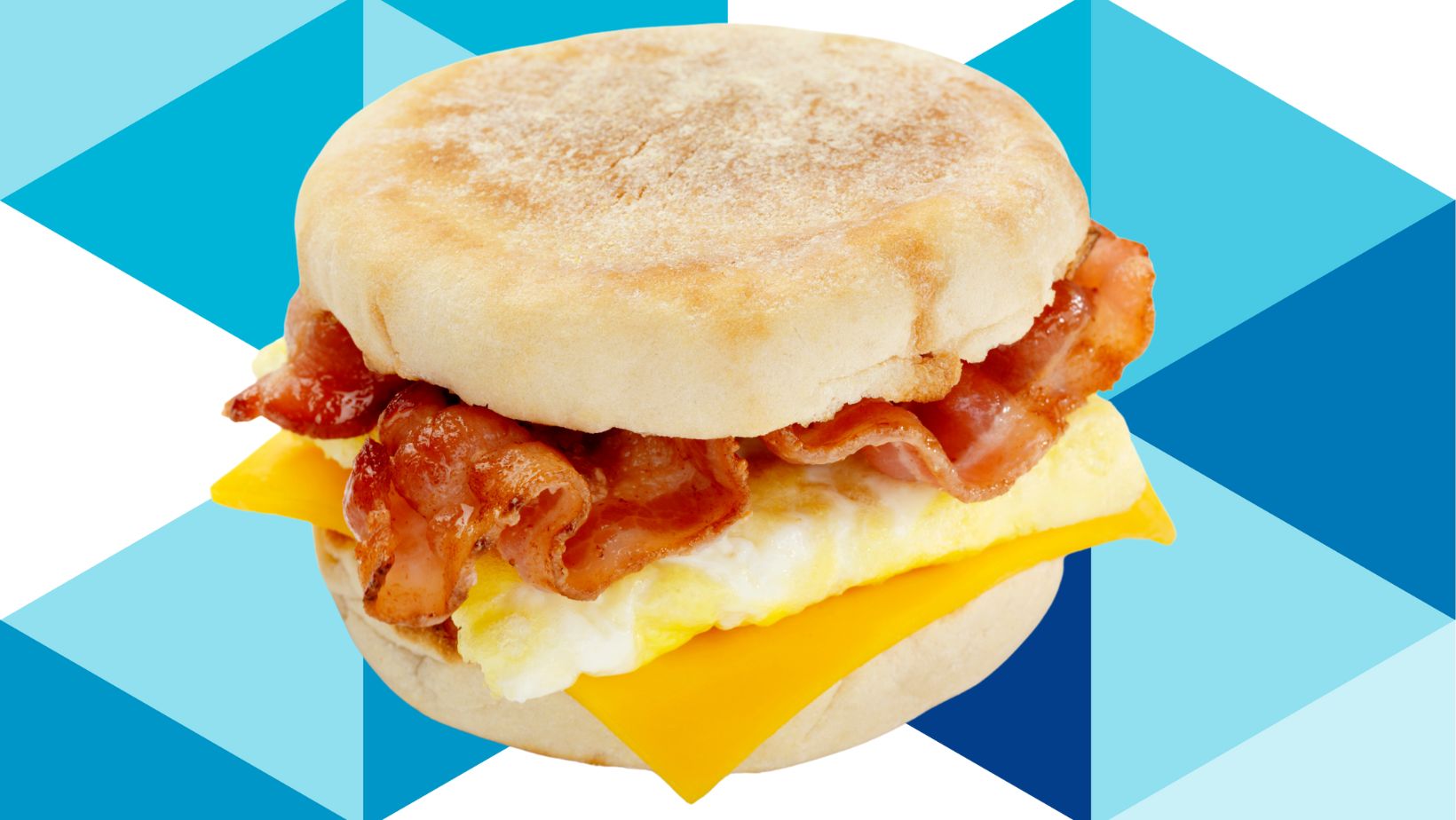
But not every breakfast choice wears that kind of halo. Sugary cereal and processed meats, for example, deliver calories but few nutrients. Even so, Cooper says bad breakfast beats no breakfast.
“If you don’t get enough to eat early in the day, ghrelin levels rise later. Your body is trying to make up for all the stuff you’ve missed,” she explained.
Advertisement
You’re hungry, even hangry, which can lead to making poor choices. You’re liable to grab something that gives you the immediate lift you need, maybe an iced Frappucino, extra whip. So here you are mid-morning, loaded with calories, fizzing with caffeine and sugar, but without enough nutrients to sustain you. You’re a hot mess for your 3 p.m. Teams meeting.
Keep that roller-coaster pattern up, and, studies indicate, including one from Cleveland Clinic, you’re looking at potential weight gain and diabesity — obesity-caused diabetes. That morning toast sounding better to you?
Iryna Veklich via Getty Images
Caffeinated beverages have been shown to be good for brain health.
Breakfast’s effect on your brain cognition.
Dr. Jonathan Rosandhas seen those studies, too. As co-founder of Massachusetts General’s McCance Brain Care Center and professor of neurology at Harvard Medical School, it’s his business to understand factors that may lead to depression, stroke and dementia. Does skipping breakfast make the list?
When I spoke to Rosand, he had eaten his oats this morning but said it’s OK that I hadn’t. He said, “I don’t know. There’s a lot of evidence” between missing breakfast and cognition. In other words, skipping breakfast won’t make me stupid. Unlike Cooper, he focuses not on the when but the what: “Getting more stuff that’s good for you — a diet rich in vegetables and leafy greens,” as well as other foods linked to brain health, including fatty fish, berries and walnuts, which are rich in omega-3s and — caffeine fans, rejoice! — coffee and tea.
Advertisement
Check in with yourself, Rosand advises. “How do you feel? Are you cloudy? Clear?” If you’re feeling fine, don’t worry.
What about young people?
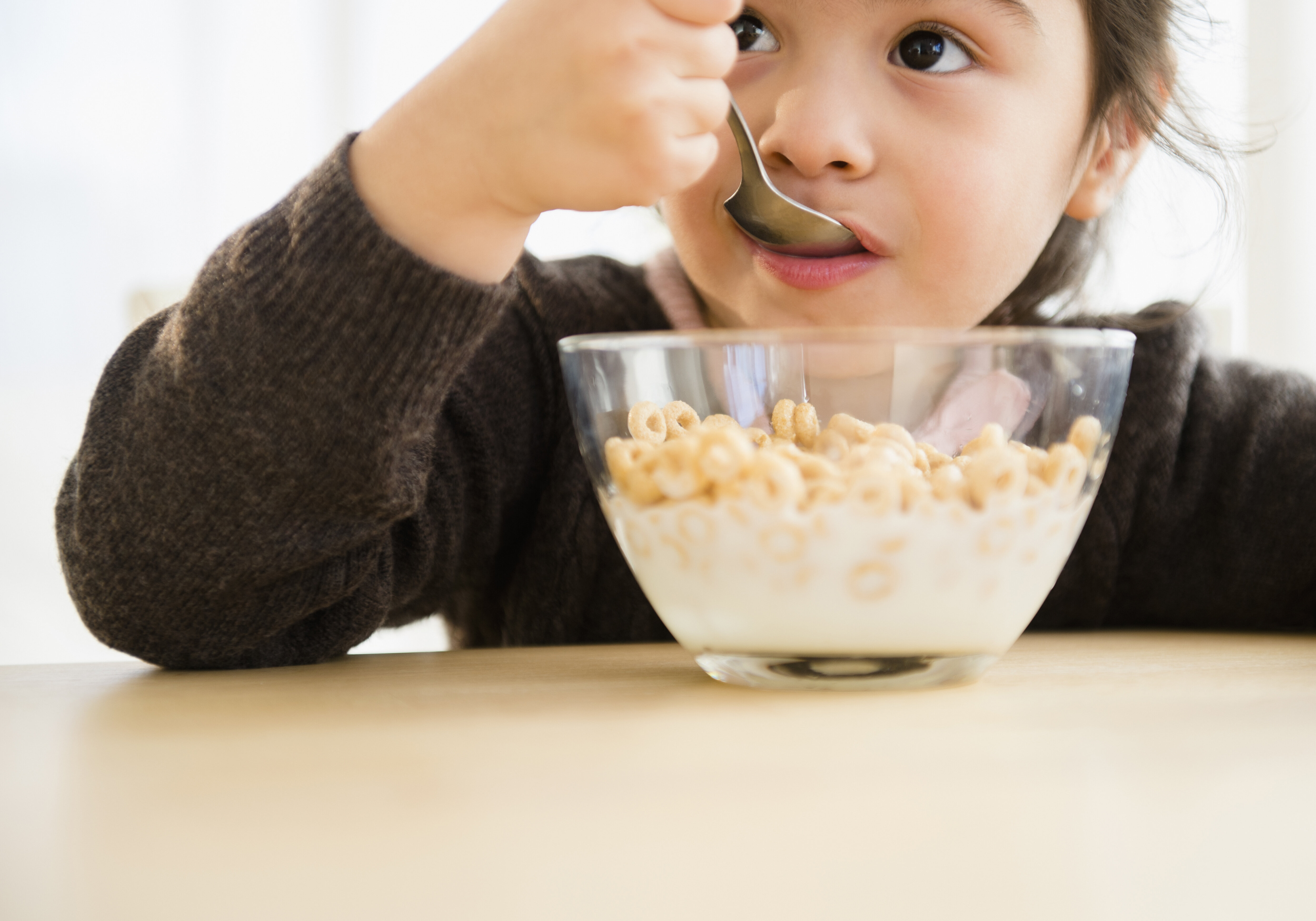
But Rosand suggests that breakfast isn’t a bad idea for children, teens and anyone with health issues. Science backs him up on this. The American Academy of Pediatrics has found that kids who eat breakfast typically learn better at school, have fewer behaviour issues and buck the teen obesity trend by maintaining a healthy weight.
Despite that, many of Yasi Ansari’syounger patients regularly skip breakfast. For Ansari, a registered dietitian nutritionist in Los Angeles, it’s a concern. “The problem with not getting our needs met, especially in the adolescent years, is that it can lead to unhealthy eating habits, unhealthy relationships with food,” she said. “Not getting their needs met during this time period can also put individuals at risk of stunting their growth and not being able to perform their best in the classroom or out on the field.”
But, she admitted, the data is inconclusive. When working with patients, she considers other factors: “Are they meeting enough of their nutrition needs throughout the rest of the day? Do they make time for movement in their day? Are they getting enough sleep? Is there a work-life balance? What do foods at lunch and dinner look like?” Ansariadvises eating “at regular intervals,” but just as important is to “listen to what your body needs.”
Rosand agrees. “Listening to your appetite — that’s helpful,” he said. “Much of what you’re inclined to do for your body is probably OK.”
Advertisement
What about intermittent fasting? Isn’t that supposed to be healthy?
And now the big IF is intermittent fasting. This eating trend du jour indicates fasting, skipping meals or stretching out the time between them forces your body to work more efficiently, so you’re running on ketones and fatty acids for energy, not glucose (sugar). Most people choose to stop eating around 8 p.m. and not eat again until noon the following day, meaning they skip breakfast.
Intermittent fasting isn’t proven for weight loss, but studies like one in the New England Journal of Medicine show it can benefit the body. It decreases the risk of major diseases, including diabetes, reduces inflammation, and potentially leads to living healthier and longer.
JGI/Jamie Grill via Getty Images
The American Academy of Pediatrics has found that kids who eat breakfast on average learn better at school, have fewer behavior issues and buck the teen obesity trend by maintaining a healthy weight.
Does skipping breakfast mean you’re in the ketone-burning club? Quite possibly. And it’s the most common way to practice intermittent fasting. Just don’t tell Cooper. “I’ve never been a fan. All these kinds of trends people get into — nothing good comes of it. It doesn’t make metabolic sense.”
What about breakfast skippers?
If you’re a member of the breakfast-skipping tribe, you’re in good company.
St. Thomas Aquinas wasn’t a morning meal fan either. He believed breakfast led to gluttony, one of your seven deadly sins, and was immoral. Pete Wells, the New York Times restaurant critic, doesn’t think breakfast is immoral, but he just doesn’t eat it. Stands to reason. He tastes food — a lot of it — for a living. It’s not what he wants to do on his time off.
Advertisement
If you’re expecting a lecture from nutrition and public health expert Marion Nestle, guess again. Nestle doesn’t do breakfast, either. “I prefer eating when I’m hungry, and I rarely get hungry before 10:30 or later,” she said.
As for all those studies talking about breakfast being the most important meal of the day, Nestle advises reading the fine print. Who’s funding the study? Money for The International Breakfast Research Initiative, an exhaustive database of breakfast patterns and outcomes, came from Cereal Partners Worldwide in the U.S. and Canada by General Mills.
The decision is up to you.
To eat breakfast or not to eat breakfast?
“One of the challenges when counselling people on a diet is our all-or-nothing culture,” Rosand said. “That’s not how we live.”
Do you want to start eating breakfast? Great! “Make small changes over the course of weeks, months,” Rosand added. “Look for ways to improve.”
Still not sold on the benefits of breakfast? That’s fine, too. “The goal is to feel comfortable, take better care of ourselves,” Rosand said. “Let’s give ourselves a break.”
Which is all well and good ― but what about more fun ways to keep the condition at bay?
Well, in his book How To Prevent Dementia, neurologist Dr. Richard Restak shared that hobbies and “obsessive” interests can be really, really good for your brain health ― and that reading in particular can build up something called “cognitive reserve.”
Advertisement
What’s my “cognitive reserve,” and why does it matter?
Dr. Restak compares people with a high “cognitive reserve” and those without to two people who have lost their homes in a hurricane.
One is a millionaire who barely notices the change, and the other is “wiped out” by the loss as all his assets are tied up in his house.
“As with wealth, cognitive reserves are built up over time,” the neurologist says.
“Cognitive reserve theory refers to the representation stored within the brain of the knowledge, experience, and life events that accumulate during the course of a person’s lifetime,” he adds.
The bigger your “cognitive reserve” is, the more ballast you may have against dementia, the theory suggests ― just as a high muscle mass may help to give you more defences against the side effects of chemotherapy.
Advertisement
“A lifetime investment in building up cognitive reserve leads to healthy cognition and thinking later in life,” Dr. Restak wrote.
So, why reading in particular?
Thanks to the brain’s plasticity, “It is never too late to build your cognitive reserve” by learning something new, or more deeply, or experiencing different things, Dr. Restak says.
No matter what age you are, he says that the best way to build a decent cognitive reserve is to “Pick something that really interests you, grips you in a visceral sort of way, and then obsess (in a good way) about it.”
But that aside, “Reading for pleasure is perhaps the single most effective activity you can engage in for increasing cognitive reserve,” he says.
This is because reading “exerts its most powerful effect on memory,” both episodic and working.
He adds, “Fiction is more brain-challenging than non-fiction because it demands your full awareness of the narrative you are currently reading, while at the same time requiring you to hold in mind the situations and characters described earlier in the book.”
Advertisement
The author referenced a study which found that being immersed in a book was the “magic juice” which improved participants’ cognitive ability over those who did word puzzles.
So before you dismiss your romance novel habit as trashy, remember ― you’re simply strengthening your cognitive reserve.
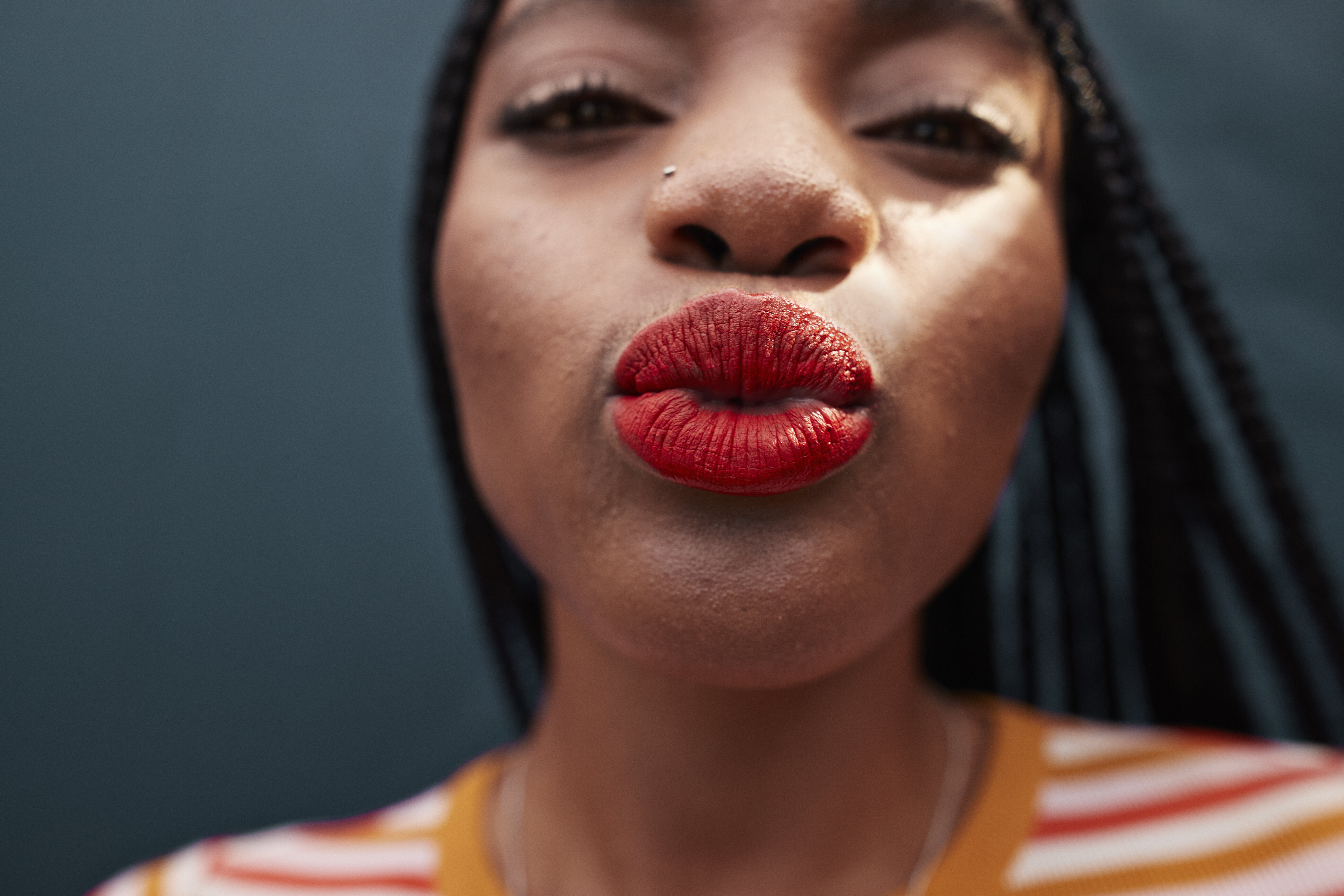
But it turns out your lips can (characteristically) tell all too. According to the NHS, “pink moist lips, tongue, gums and cheeks” are ideal signs of good health.
Advertisement
Here are some signs that something might be wrong:
1) You have pale lips
Per WebMD, pale lips can signify everything from anaemia to vitamin B12 deficiency, oral thrush, low blood sugar, and vitiligo.
The NHS says that blue or grey lips can also be a cause for concern. This is called cyanosis and can arise due to pneumonia, asthma, heart health issues, a blood clot, and certain medications.
You should immediately call 999 if “you or your child’s lips, tongue, face or skin suddenly turn blue or grey – on brown or black skin, this may be easier to see on the palms of the hands, soles of the feet, lips, gums and inside the eyelids,” they add.
2) Scaly patches on your lips
One to two centimetre-long patches on your lips can belie a condition called actinic keratoses, the NHS says.
Advertisement
The “rough, dry, scaly” or “sandpaper-like” patches are usually the colour of your skin or run from pink to brown. They come from sun damage and can also appear on your face, hands and arms, ears, scalp and legs.
You should see a GP if you notice this patch on your lip, spot new ones on your skin, or if “the patches begin to bleed, get bigger, change colour, feel tender or develop into a lump,” the NHS says. They are likely safe, but could be signs of skin cancer.
3) White patches on your mouth
This can come from oral thrush, an easily treatable condition that shows up as white patches on your tongue, mouth, and lips.
It can also create cracks at the corners of your mouth, the NHS says. If you spot these ― along with an unpleasant taste in your mouth, struggling to taste things properly, and possibly a sore tongue or teeth ― get some OTC treatments.
4) Cracked, dry lips
Causes for dry, flaky, and chapped lips range from dehydration, changes in weather, licking your lips, and even some medications. These can be harmless and temporary.
Advertisement
However, Healthline says you should see a doctor if you suspect dehydration or malnutrition. You could also have cheilitis, they say, a condition which sometimes leads to plaques, a dark pink colour, ulcers, and cracks on your lips.
This “is often attributed to infections and inflammatory diseases, such as Crohn’s disease” and might be worth a doctor’s visit, they write.
Speak to your doctor if you notice anything unusual about your lips, especially if it interferes with your day-to-day life.
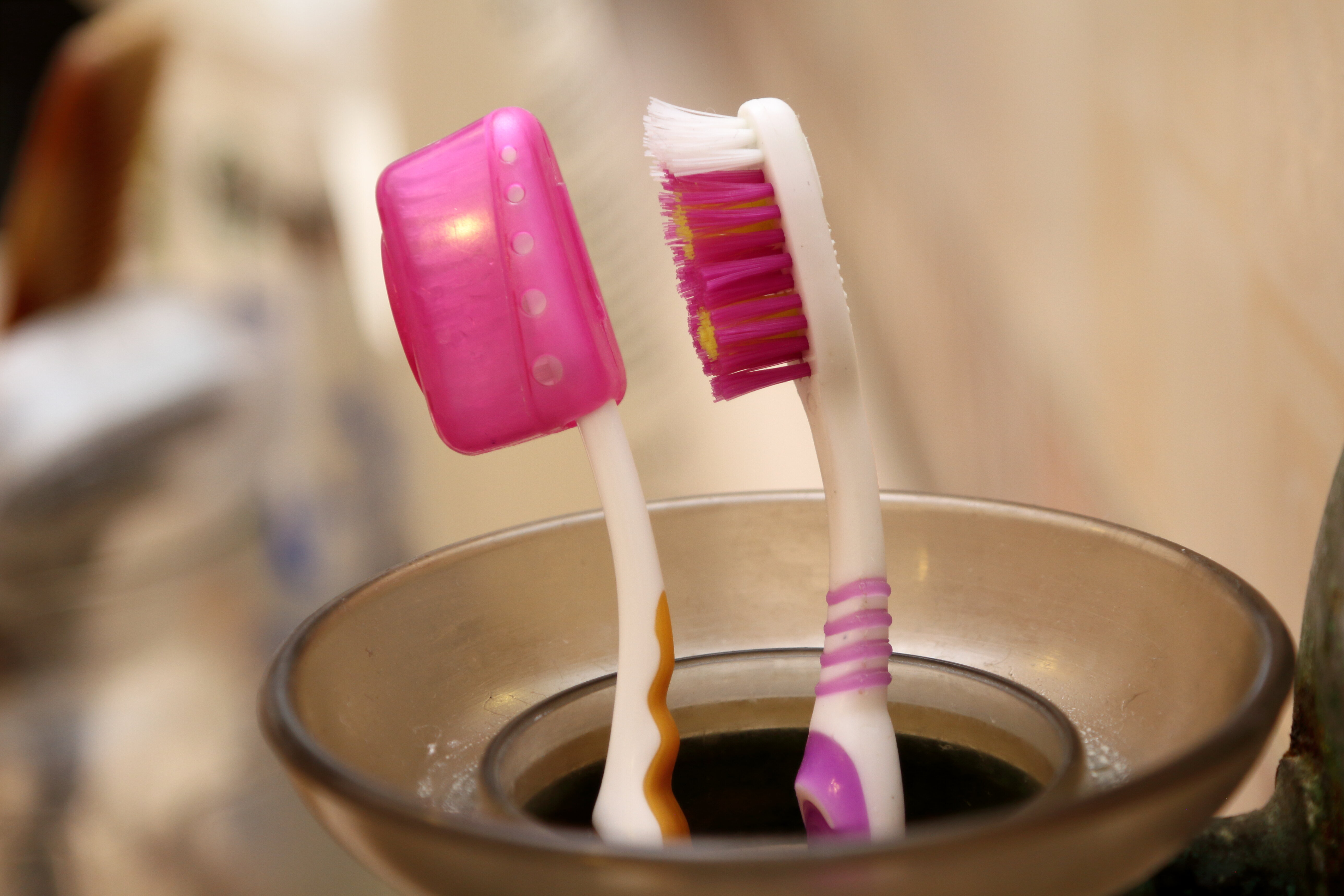
And now, another blow to my dental routine ― it turns out that actually, toothbrush caps can make bacteria worse, not better.
Advertisement
Why?
Though ― and I hate telling you this as much as you’ll hate hearing it ― your bathroom does actually contain poo particles, apparently a cover is its own bacteria breeding ground.
The ADA isn’t alone. Speaking to Self, Mia L. Geisinger, D.D.S., M.S., associate professor and director of the Advanced Education Program in Periodontology at the University of Alabama at Birmingham School of Dentistry, warned against the covers in the longer term too.
Instead, “Toothbrushes should be stored upright in an environment that allows for them to dry out completely between uses,” she advises.
Advertisement
So how do I protect my bristles?
If the thought of leaving your brush uncovered in the land of toilet plumes, perhaps it shouldn’t ― there’s no proof yet that this has negative health outcomes, even though the idea is icky.
But if you hate the idea, perhaps you can leave yours in a medicine cabinet most mornings or move it to your bedroom entirely if you’re really freaked out.
Closing your loo lid when you flush goes far, too. And you should probably keep your toothbrush far away from that of someone who’s been poorly.
The ADA only really advises three “common sense” ways to keep your toothbrush clean, however: not sharing toothbrushes, rinsing the bristles properly after brushing, and allowing the brush to dry completely after use.
To follow that final piece of oral hygiene advice, you might want to restrict your toothbrush cover usage to holidays.
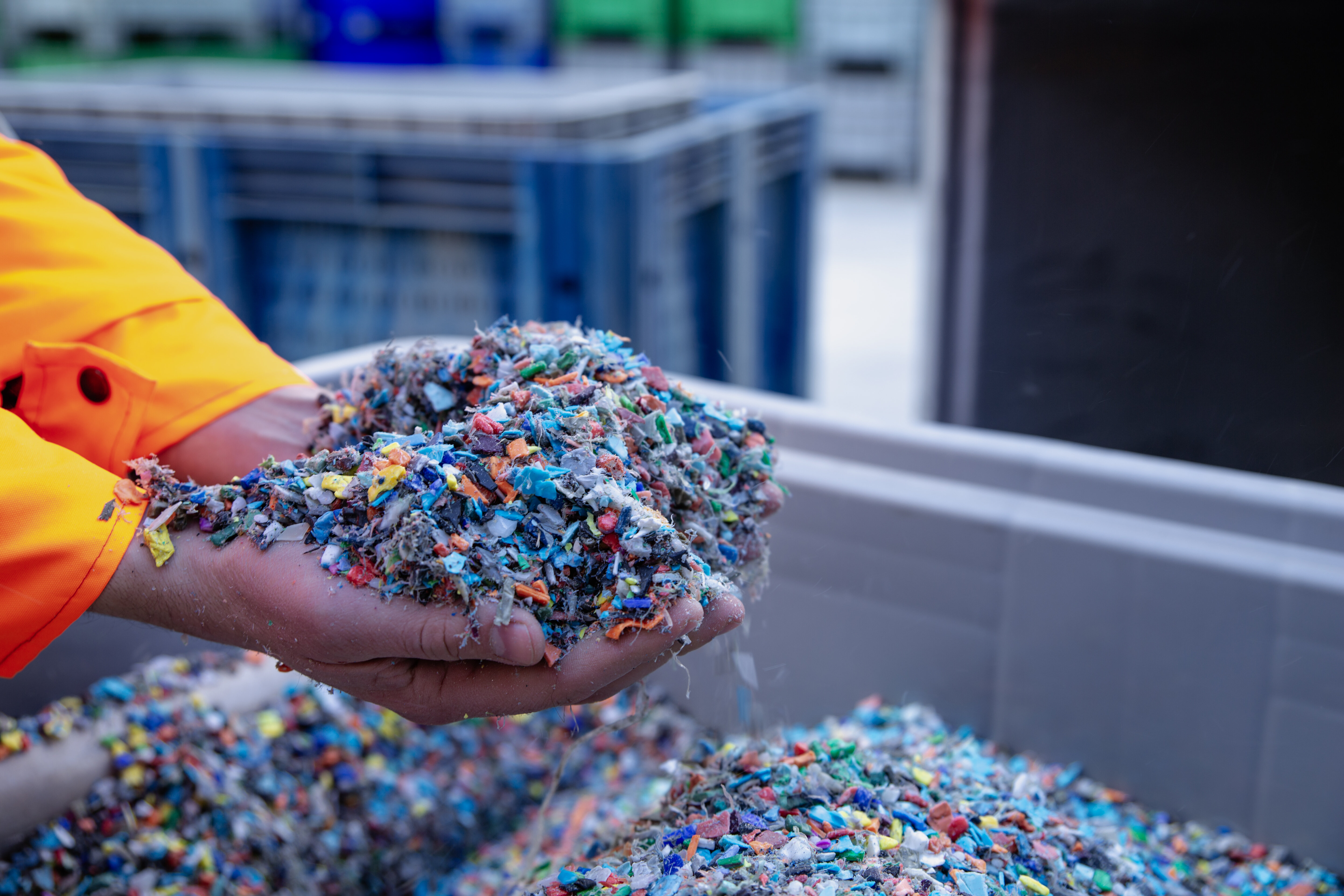
According to Recycle Nation, microplastics have been found in an array of strange places, including bees, table salt, and even bottled water so maybe it was just a matter of time until the tiny fragments were found in human bodies.
Yes, that’s right, researchers at the University of Mexico looked at testicular tissue taken from both dogs and humans, finding microplastics in every sample, with a three times higher count in humans than in dogs.
Advertisement
Aside from being just incredibly concerning as it is, this news has led to researchers questioning whether microplastics are responsible for the decline in male fertility.
The microplastics found in testicles
During the study, 12 different types of microplastics were identified and the most common one was polyethylene (PE) which is used to manufacture plastic bags and plastic bottles and is a major part of our plastic pollution problem.
The researchers couldn’t test human tissue for sperm count but they did do this for canine symptoms. There they found that higher levels of polyvinyl chloride (PVC) plastic correlated to a lower sperm count in the animals.
PVC is widely used in industrial and household products, leading researchers to worry that the plastic could be what’s causing falling sperm counts worldwide, which, according to Science Alert, have already been linked to heavy metals, pesticides and a variety of chemicals.
Advertisement
We still don’t know the full extent of what microplastics can do to the body, but they have been linked with inflammation and problems with digestion.
Is there any work towards reducing microplastics?
According to BBC Future, there is hope. The experts said: “Researchers are developing a number of approaches to help get rid of the plastic pollution in our environment. One approach has been to turn to fungi and bacteria that feed on plastic, breaking it down in the process.
“A species of beetle larvae that can devour polystyrene has also offered another potential solution. Others are looking at using water filtration techniques or chemical treatments that can remove microplastics.”
We all know to check for our keys, our phone, and our wallet before we leave the house.
And if you’re anything like me, you’ll also take what I call an insurance wee ― a last-minute pee that you impose on your bladder, regardless of whether or not you need to go, so that you aren’t caught short on the trip.
So, imagine my horror when ― while researching how long is too long to pee last week ― I found out that I actually shouldn’t be indulging in “just in case” wees at all.
This can help contribute towards leaky or overactive bladders.
Dr. Rachel Peck, a physical therapist who specialises in strengthening bladders, agrees. She said in a recent TikTok, “normally, the bladder fills at a certain rate, and once we get to a certain point, we’ll kind of get the first urge to go.”
We normally ignore that urge, she says, but as the bladder gets fuller, the urges get stronger.
But “when we get into the habit of always peeing ‘just in case,’ we’re going when it’s not totally full, and we’re starting to train our bladder that this is the appropriate filling spot.”
So, you might end up peeing more often ― without really needing to. That may lead to further insurance pees, which may worsen the condition.
Advertisement
Vicious cycle, right?
Am I doomed if I’ve ever done it?
Well, it seems to be more a question of habit than one-off exceptions. If you’re going for an insurance pee every time you leave for work, that could be an issue, for instance.
Gynaecologist Elizabeth Farrell, medical director at Jean Hailes for Women’s Health told ABC: “If you keep going ‘just in case’ too often, the bladder never fills up properly, then it shrinks a bit.” So if you must do it, try to limit it to special events.
If you’re worried you’ve got an over- or under-active bladder, speak with your doctor.
If you’re not, thought ― and want to keep it that way ― sorry, but I guess we’ll both have to leave the safety of pre-peeing for now.
After a particularly gruelling workout, the one food I want to immediately reach for is a giant bowl of chips, coated in vinegar with a buttered bread roll on the side.
Obviously, there is nothing wrong with this and food has no inherent moral value but it’s probably not the ideal meal to opt for to keep my energy up for the rest of the day, and help my body to process the work I put into exercising.
Advertisement
So, what is best to eat after exercising and how can we maximise the workouts we’ve done?
The best food to eat after a workout
In good news, the health experts at ZOE said: “If you have a good-quality, varied, plant-based diet, and you’re only doing gentle to moderate exercise, you don’t need to eat anything different after a workout.”
Alex Platts, one of ZOE’s senior nutrition coaches, said that while we do place too much emphasis on protein and the idea that not consuming protein after a workout makes it a waste of time is a myth.
However, he added: “Total protein intake throughout the day appears to be more important for recovery than timing.
“But consuming a protein-rich meal pre- or post-training can be a good habit to get into to help reach daily goals.”
Advertisement
Platts also pointed out that both animal and plant sources of protein are equally effective for muscle-building but Platts added: “you may need to eat a larger amount of plant sources to get quite the same level of total protein intake [as animal sources provide]”
What are the best protein-rich foods?
According to BBC Good Food, protein-rich foods include:
Eggs
Milk
Yoghurt
Fish and seafood
Chicken and turkey
Soya
Nuts and seeds
Pork
Beans and pulses
Tofu and tempeh
What should you avoid drinking after exercise?
Platts said that as you eat and drink normally following exercise, your electrolytes are naturally replaced.
However, if you have a long, intense exercise, you were exercising somewhere warm or you plan to exercise again shortly, you need to put a little more work into rehydrating and replacing electrolytes.
While a sports drink could be a good solution, Platts warns that some of them do more harm than good.
Advertisement
If you do choose sports drinks, Platts urges you to check for additives, sweeteners and artificial colours. He added: “Sports drinks are very simple, and any attempt to dress them up or make them taste amazing will likely come from these sources.”
Alternately, he said: “Making homemade fruit or veg smoothies (potentially with a little added salt if you’ve had a very long, intense, or hot exercise session) might be a good option.”
Good sources of electrolytes
ZOE recommends the following foods and drinks for replacing fluids and electrolytes without grabbing a sports drink:
sodium: vegetable juices, cheese, fermented foods, and pickles
potassium: avocado, bananas, and sweet potato
magnesium: dark chocolate, whole grains, nuts, and seeds
chloride: prawns, seaweed, and any sodium-rich foods
calcium: okra, kale, dairy foods, almonds, and fortified plant milk