Exclusive: Labour MP Calls For Welfare Bill To Be Slashed By £20 Billion

Labour should slash the welfare bill by £20 billion in an attempt to balance the nation’s books, according to one of its influential MPs.

Chris Curtis, who is co-chair of the Labour Growth Group, said the current rate of spending on benefits was “unsustainable” and that the government’s previous attempts to cut the bill by £5 billion had not been ambitious enough.

His comments, on the Politics Inside Out podcast, come ahead of next week’s Budget, in which Rachel Reeves is set to increase taxes as she seeks to fill a £20 billion hole in the Treasury’s finances.

At the last Budget a year ago, the Office for Budget Responsibility forecast that total government spending on health and disability benefits would rise from £64.7 billion in 2023-24 to £100.7bn in 2029-30.

It is understood that the government has shelved plans to bring down the welfare bill after a backbench Labour rebellion forced ministers to ditch reforms which would have reduced it by £5bn.

But Curtis, the MP for Milton Keynes North, said his party must go much further or else the entire welfare system could collapse.

He said: “We need to be perfectly honest, particularly in the Labor Party. The trajectory of welfare spending cannot and must not continue in the direction it’s currently heading.

“That is unsustainable and in a few years time will be questioning whether the welfare state can continue to exist.”

Curtis said the government’s previous plans “weren’t trying to be ambitious enough”.

“It felt like it was a quite a short-term plan because of a financial hole, to find a quick way of saving £5bn. My view is we should be looking at, potentially over a slightly longer time period, to be saving £20bn, given how big the welfare bill is.

“And that means lots in order to help people with disabilities getting back into work, ensuring that all of the incentives are in the right place, because the incentives are all over the place at the moment.

“At some point, it also means saying to people that unless they go out there and do the right thing, they’re not going to be able to live off the state.”

Share Button

5 Fast, Cheap, Healthy(ish) Dinners I Can Actually Be Bothered To Cook On Weeknights

I know it happens every year, but the ridiculously early sunsets the UK faces each winter never fail to take me by surprise (what do you mean it’s dark at six minutes past four today?!).

That, I’m afraid, has spelt disaster for my dinners. I am frankly not bothered to cook during exhausting, gloomy evenings – even my usual old rotation has failed me.

There are, though, some exceptions. They all take 30 minutes or less, involve no fussy extra steps, and taste good enough to see me through my post-work exhaustion.

So, in case you’re looking for something similar, here they are:

Cook time: about 25 minutes (with pre-cooked lentils)

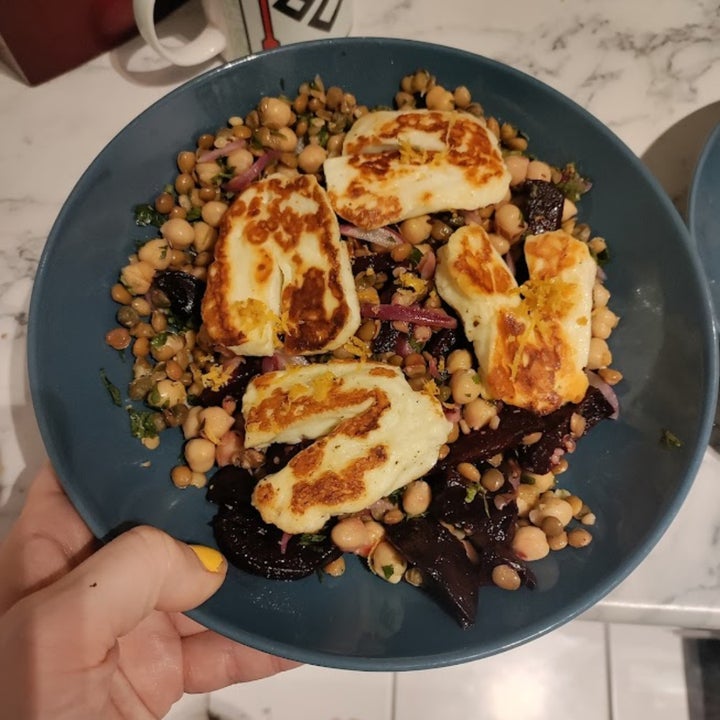
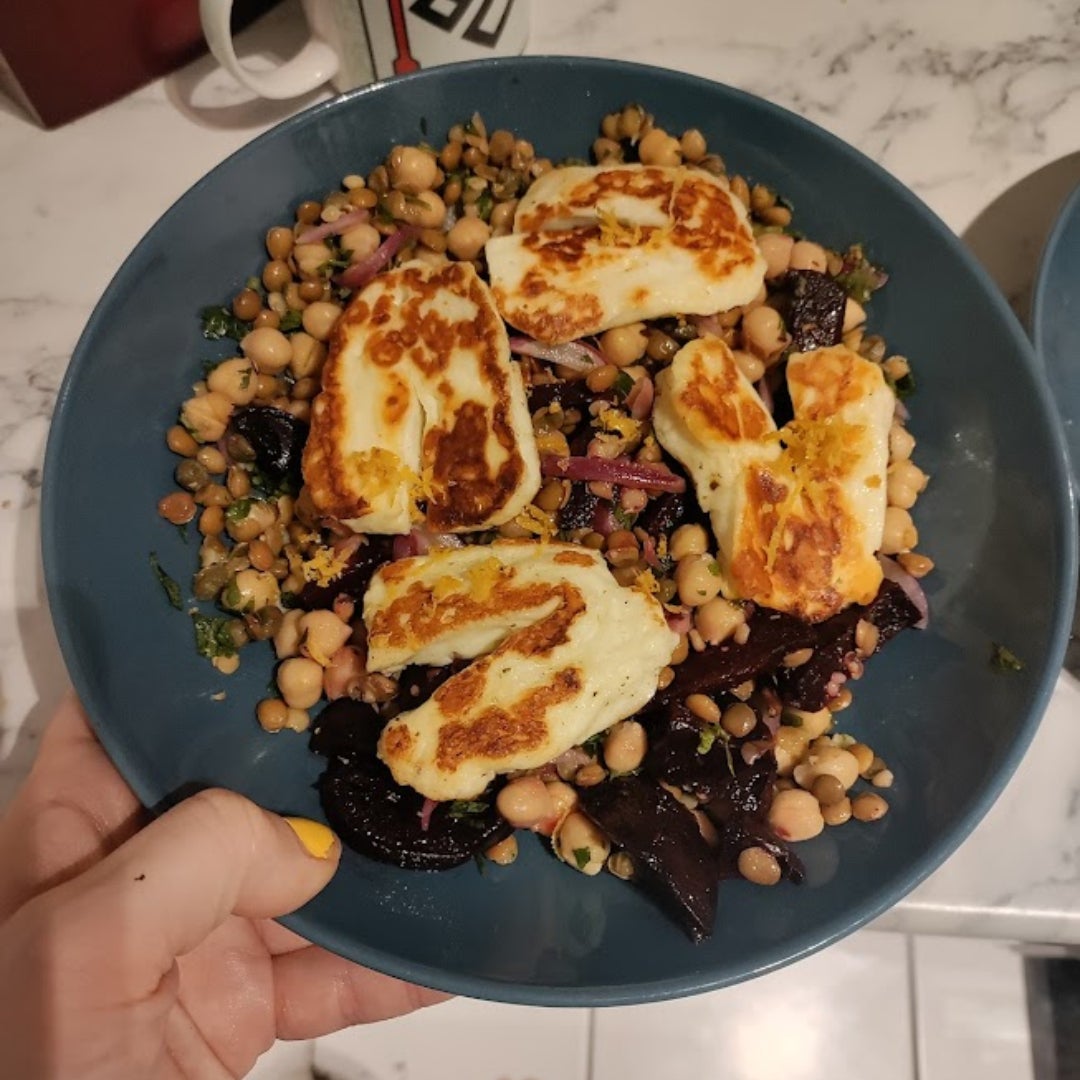
Halloumi, lentil, beetroot salad

Amy Glover / HuffPost UK

Halloumi, lentil, beetroot salad

I know, I know: I don’t want to eat anything called “salad” from August onwards either. But to be honest, this warm version (which, by the way, keeps beautifully in the fridge) barely counts: it’s more of a hearty, seasonal grain bowl.

It’s also perfect for emptying your cupboards, because it’s really adaptable. Replace, or mix, lentils with other pulses and legumes like butter beans, chickpeas, or even nutty bulgur wheat.

And provided you use canned lentils instead of cooking your own (I always do this – I simply warm them in a pan for a couple of minutes before serving), it takes well under 30 minutes.

Cook time: 15 minutes, if that

Prawn noodle soup

Amy Glover / HuffPost UK

Prawn noodle soup

When this five-starred recipe calls itself “super fast,” it means it – I had to double-check the instructions the first time I made it to ensure I hadn’t missed a step, because it came together so quickly.

The light but satisfying flavour is especially soothing after a long day of work, too. One word of caution, though: if, like me, you slurp soup at a rate of knots, slice the bok choi across so you don’t almost choke on a large piece (this has happened to me more than twice, which, though embarrassing, at least proves the soup is good).

For a slightly more wallet-friendly version, the BBC’s similarly speedy chicken noodle soup recipe is perfect, too.

Cook time: about 20 minutes

Creamy gnocchi with mushrooms

Amy Glover / HuffPost UK

Creamy gnocchi with mushrooms

Another five-starred recipe, this one-pot wonder comes together in about half an hour.

Its ridiculously comforting flavour is perfect for cosy nights in, and I find it unbelievably satisfying – and the zing of mustard in its sauce means you won’t feel completely overwhelmed by its creaminess.

I am sure the recommended rocket included in the original recipe would add to that brightness, too, but to be honest, I’ve only ever had baby spinach to hand – thankfully, it still tastes delicious.

Cook time: 15 minutes, with pasta

Pesto

Amy Glover / HuffPost UK

Pesto

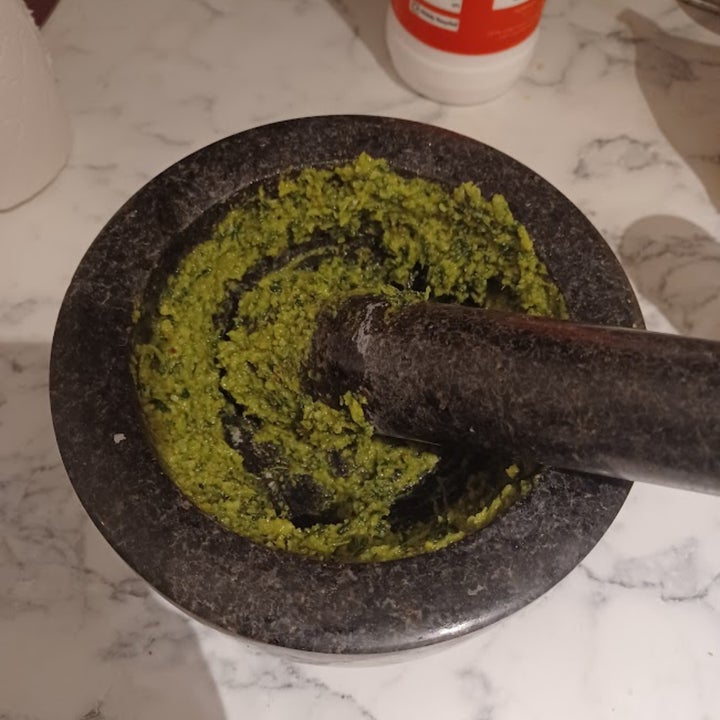
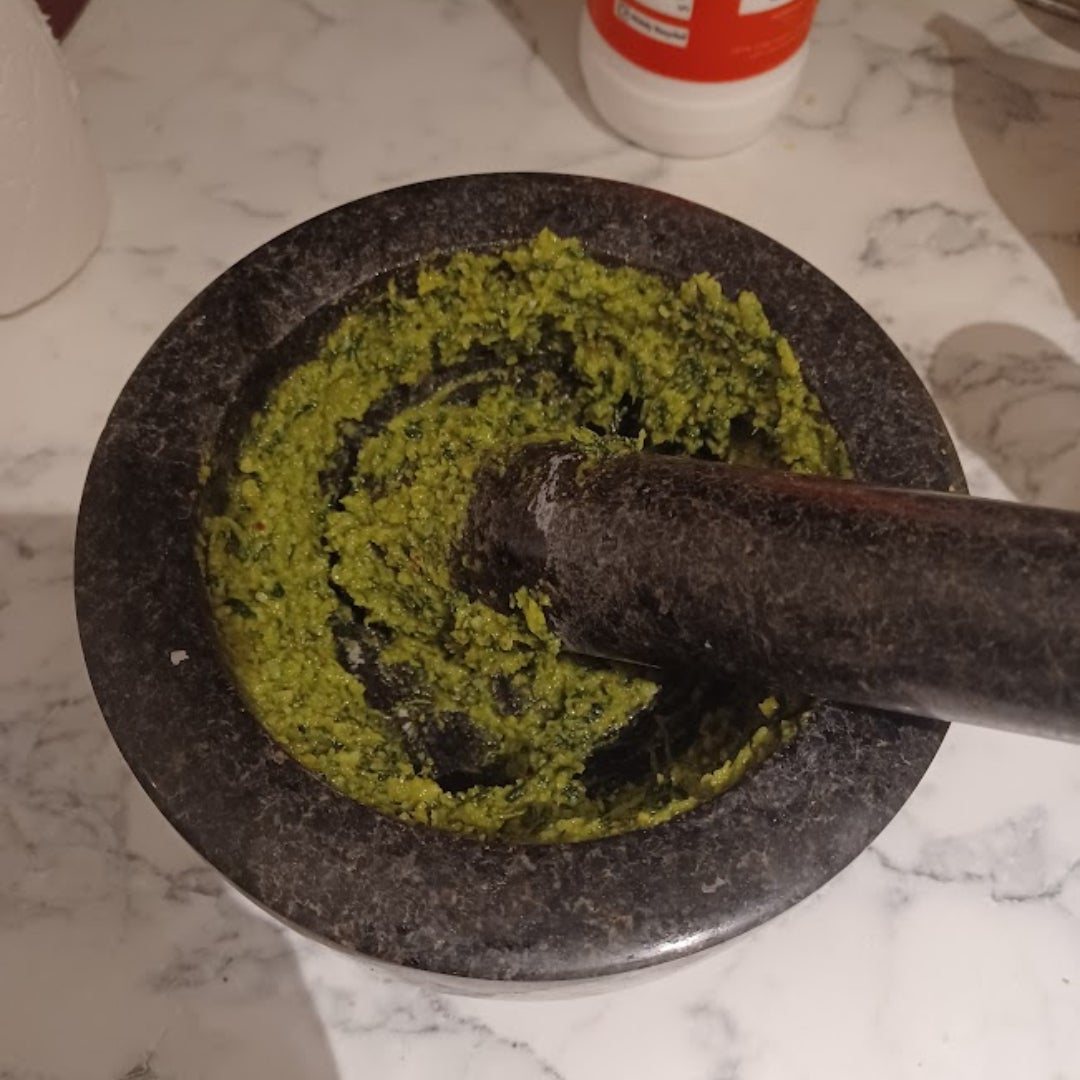
Our young adult selves were onto something with the whole “pesto pasta dinner” thing. But if you fancy something a little more grown up – and about five times as delicious – I recommend whipping up your own pesto while your pasta is bubbling away.

I first made this pistachio version after trying the NYT’s full ravioli recipe. But, while I loved the sauce, I knew there was no way I’d actually whip out my pasta machine of a Thursday night, so I’ve simply kept the pesto and swapped the hard part for pre-made spaghetti.

Pesto is surprisingly forgiving: I didn’t have pine nuts the first time I made this, and it was still delicious.

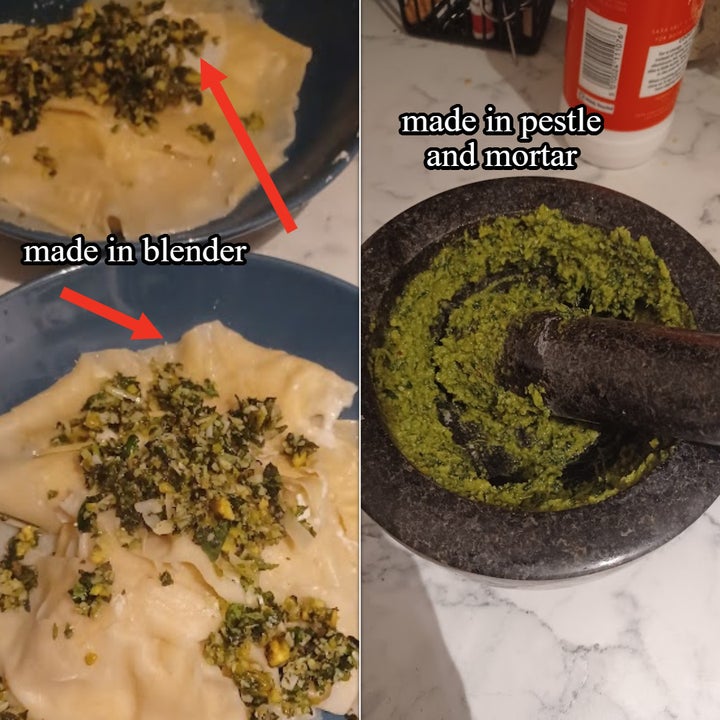
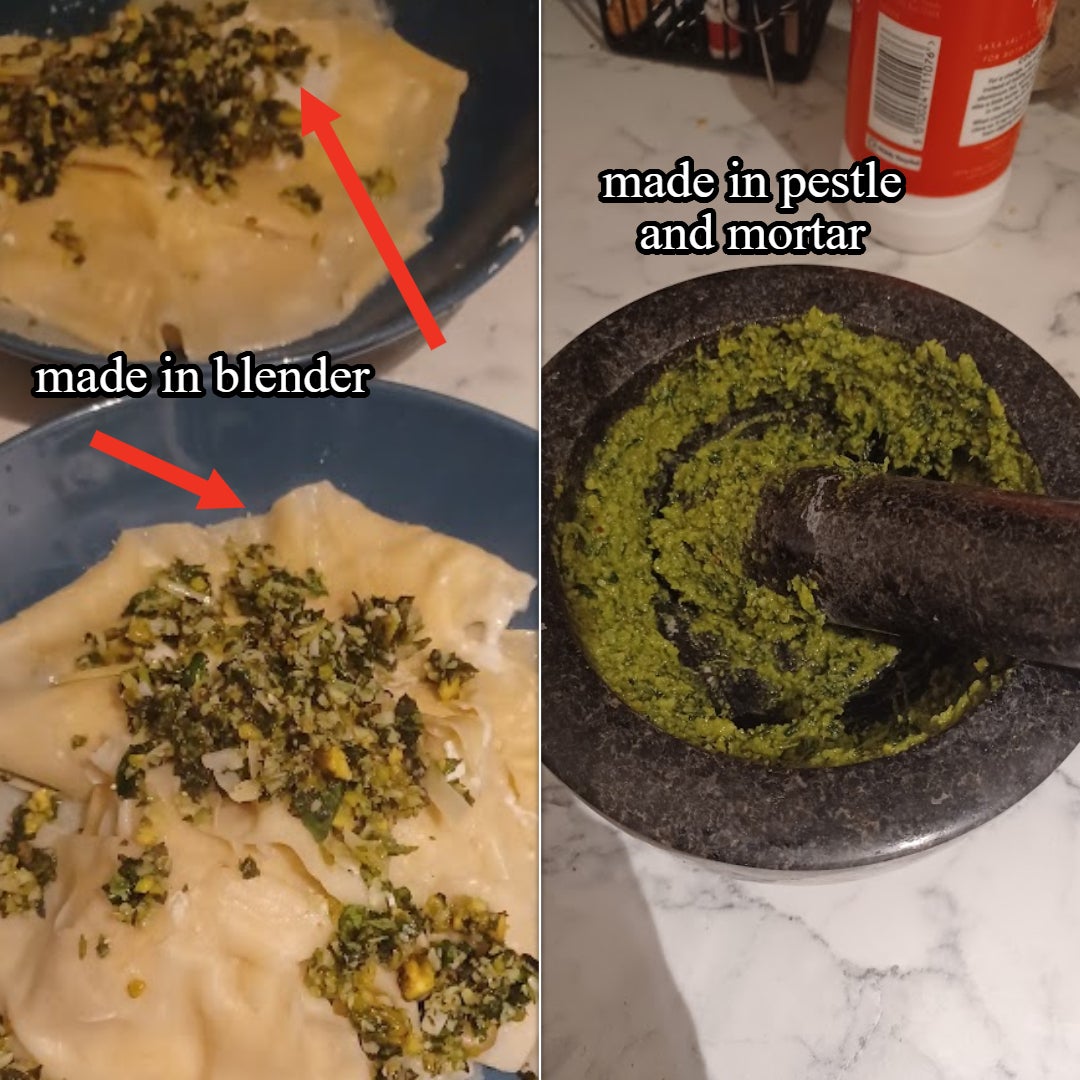
I will say, too, that though it sounds more involved, a pestle and mortar is actually faster and better than a blender: see my (awful) blended results below (left), compared to the two-minute, creamier version (below right).

Blender vs pestle and mortar pesto

Amy Glover / HuffPost UK

Blender vs pestle and mortar pesto

Cook time: about 15 minutes

Chorizo butter bean stew

Amy Glover / HuffPost UK

Chorizo butter bean stew

Oh, how I love a healthy-ish dinner whose instructions basically read “cook onions, pour in cans, eat”.

This one is filled with fibre-rich butter beans, a surprising amount of veg (and fruit, I suppose, if we count tomatoes), and loads of flavour.

It’s a one-pot wonder, too, which I’ll always take if at all possible (less washing up!), and it’s ridiculously hearty when paired with buttered crusty bread.

Share Button

Zack Polanski: ‘Labour Has Lost Its Soul On Immigration, Their Silent MPs Should Be Ashamed’

Last week, when Home Office Minister Mike Tapp fired off his crass “deport, deport, deport” tweet, he wasn’t trying to fix a broken system, he was talking directly to voters Labour have lost to Reform.

He thought he was being tough. And yes, I’m sure Labour strategists smirked. But millions of people across this country weren’t amused. They were horrified. Because this is not leadership. It is cruelty. Cheap, dangerous, divisive cruelty aimed at the people with the least power.

And when I called it out, Tapp threw more playground insults around and called me a communist. That’s McCarthyism. That bleak, paranoid era when smearing people replaced making arguments. That’s where Labour is now.

And of course, all of this bile comes as Westminster prepares for next week’s Budget. Another opportunity for Labour, Reform, and the Conservatives to talk about how they are standing up for ordinary people all while “asking” them to pay more and allowing the very wealthiest to get richer and richer. It’s grotesque.

I obviously disagree with them, but I get why so many people say they’re considering Reform. They can see a truth: the political establishment, of which Reform is part, has been ripping them off for years. Bills through the roof. Wages that don’t stretch. Young people locked out of housing. And into this frustration steps the far right, pointing the finger at migrants and asylum seekers. And instead of confronting that lie head-on, Labour has chosen to echo it.

This week, the Labour government decided, deliberately, to outbid Reform on cruelty. This is morally repugnant and complete political cowardice.

I speak regularly with Labour members. I know how many of them are horrified by their own party’s direction of late. But let’s be honest: out of more than 400 Labour MPs, barely 20 are standing up against these grotesque asylum proposals. Twenty. That’s not courage, that’s capitulation.

Those Labour MPs who are silent should be ashamed. Truly ashamed. The suggestion of confiscating jewellery, to drag children into detention centres, this is indecent, immoral, and indefensible.

And let me say this clearly: we will challenge every single Labour MP who.goes along with this. It’s not enough to just say you regret it or you’re sad about it. Voters still have a moral compass, even if Labour have smashed theirs to pieces.

Labour has lost its soul. Instead of challenging billionaire power, they are embracing a fantasy. A Reform-shaped fantasy that migrants are the reason people are struggling, rather than tax-dodging billionaires, rent-seeking corporations, and a political elite too timid to touch concentrated wealth.

The Green Party is the only party willing to face this truth: the 1% must pay their fair share. Wealth taxes are not radical, they’re popular. Three-quarters of Reform voters support them. The only people who don’t are the politicians who spend their careers fundraising from the ultra-rich.

A Green Budget would flip this broken system on its head. Cut bills. Tax billionaires. It’s that simple. Our plan would raise over £30 billion through taxing wealth fairly. We would put a 1% levy on fortunes over £10 million, rising to 2% over £1 billion. We would say that unearned wealth should be taxed the same as earned income. And we would slash energy bills by hundreds of pounds for households across the country.

This is how you ease a cost-of-living crisis. You don’t cut bills and give people pay rises by scapegoating refugees.

And, of course, we would scrap the cruel two-child benefit cap. This is a policy Labour has disgracefully chosen to keep for 18 months now in government – even as it drives hundreds of thousands of children into poverty. My parliamentary colleagues have consistently called in the Commons for it to be scrapped.

Labour is at a fork in the road. It can honour its tradition of fairness, decency, and compassion, or it can keep chasing Nigel Farage and Donald Trump into the gutter of division and fear.

The Green Party knows exactly which path we’re taking. We are standing for hope, dignity, and real change. And that’s why we’re rising in the polls, with some showing us above Labour now. If Labour can’t stand up for the many then we’re here to replace Labour as the true voice of the 99% and to make hope normal again.

Zack Polanski is leader of the Green Party

Share Button

A 2,000-year mystery in chameleon eyes is finally solved

Chameleons have intrigued observers for thousands of years, largely because their eyes seem to roam independently in nearly every direction. After centuries of curiosity, modern imaging techniques have now uncovered the anatomical feature responsible for this extraordinary ability. Hidden behind each protruding eye are two long, spiraled optic nerves — a configuration not documented in any other lizard species.

“Chameleon eyes are like security cameras, moving in all directions,” explained Juan Daza, associate professor at Sam Houston State University and author of a new study describing the trait. “They move their eyes independently while scanning their environment to find prey. And the moment they find their prey, their eyes coordinate and go in one direction so they can calculate where to shoot their tongues.”

A Surprising Discovery in the Lab

Although chameleons’ shifting gaze is easy to see, the internal structures enabling it have remained unclear. That changed in 2017 when Edward Stanley, director of the Florida Museum of Natural History’s digital imaging laboratory, noticed an unexpected pattern while visiting Daza’s lab. A CT scan of the minute leaf chameleon (Brookesia minima) revealed tightly coiled optic nerves, a shape unlike anything he had encountered.

Despite the excitement, both researchers hesitated at first. Given the long scientific history surrounding chameleons, they assumed someone must have reported this structure before.

“I was surprised by the structure itself, but I was more surprised that nobody else had noticed it,” Daza said. “Chameleons are well studied, and people have been doing anatomical studies of them for a long time.”

Chameleons’ Distinctive Biology

Chameleons inhabit parts of Africa, Europe and Asia, and their remarkable adaptations go far beyond color change. They move through trees using a prehensile tail for balance and mitten-like feet for a careful, measured stride. Their slow pace is compensated by a high-speed weapon: a tongue that can accelerate from zero to 60 miles per hour in about one hundredth of a second. This sticky, elongated tongue can strike prey located at more than double the chameleon’s own body length.

With such striking qualities, it is unsurprising that chameleons have appeared in human culture for millennia. Their recognizable silhouettes, complete with coiled tails, even appear in ancient Egyptian rock carvings. Convinced that someone must have described the optic nerve coils in earlier literature, the research team combed through vast archives. They enlisted language experts to interpret old anatomical works written in French, Italian and Latin, sometimes in a perplexing blend of several languages.

Historical Attempts to Explain Chameleon Vision

More than two thousand years ago, Aristotle incorrectly suggested that chameleons lacked optic nerves entirely. He believed their eyes were connected directly to the brain, which, in his view, explained their independent movement. In the mid-1600s, Roman physician Domenico Panaroli refuted this idea, asserting that chameleons do possess optic nerves, but that they do not cross as they do in many other animals. In most vertebrates, this crossing transfers information from the right eye to the left side of the brain and vice versa. Panaroli reasoned that the absence of this crossing granted chameleons greater freedom of eye movement.

Isaac Newton later supported Panaroli’s conclusions. He referenced chameleons in his 1704 book Optiks, a collection of three decades of his ideas on color and light. However, French anatomist Claude Perrault had already drawn a much more accurate representation in 1669, showing two optic nerves that crossed and then continued straight. His illustration received little attention from Newton’s contemporaries, even though it was one of the clearest early depictions.

Why the Optic Nerve Coils Went Unnoticed

Over time, published diagrams came close to showing the true shape of the optic nerves but never captured it fully. Johann Fischer’s 1852 treatise on lizard neuroanatomy included part of the coil but omitted the remainder, and Fischer never described the curled structure. In 2015, Lev-Ari Thidar, a master’s student at the University of Haifa, noted a C-shaped section of the nerve. Only after a detailed literature search did the modern research team confirm that no complete description of the coil existed.

How such a distinctive feature remained hidden for so long became clear as scientists examined historical research methods. Earlier studies relied heavily on physical dissections. These procedures frequently damaged or shifted the fragile optic nerves, making accurate observations nearly impossible.

“Throughout history people have looked at chameleon eyes because they’re interesting,” Stanley said. “But if you physically dissect the animal, you lose information that can tell the full story.”

CT Imaging and Open Access Data Transform Research

Today, CT scanning is widespread in medical and scientific settings. High-resolution X-ray CT makes it possible to view structures concealed inside preserved specimens, including the interior of a chameleon’s skull.

Spotting a coiled optic nerve in one chameleon provided an important clue, but researchers needed broader evidence. Fortunately, they had access to extensive digital resources through oVert (short for openVertebrate). This project, led by the Florida Museum of Natural History and involving 18 U.S. institutions, offers public access to 3D digital models of vertebrate anatomy.

“These digital methods are revolutionizing the field,” Daza said. “Before, you couldn’t discover details like this. But with these methods, you can see things without affecting the anatomy or damaging the specimen.”

Comparing Chameleons With Other Reptiles

Using oVert datasets, the team examined CT scans from more than thirty lizards and snakes, including three chameleon species representing major lineages. They built 3D brain models for 18 of these reptiles and measured the optic nerves in each. All three chameleon species displayed optic nerves that were significantly longer and more tightly coiled than those of the other lizards. This confirmed that the initial finding in Daza’s lab was representative of the group.

The researchers then investigated how the coils develop in young chameleons. Examining embryos of the veiled chameleon (Chamaeleo calyptratus) at three stages, they noted that the optic nerves start straight and lengthen over time, eventually forming loops before the animal hatches. Hatchlings already possess fully mobile eyes.

Evolutionary Context for the Eye Coils

Determining when this feature evolved is more difficult. The oldest known chameleon fossils date to the early Miocene, about 16 to 23 million years ago, long after many of their arboreal adaptations had appeared. These fossils do not reveal much about the sequence in which traits emerged. However, the newly documented nerve coils provide a clue about why this adaptation may have arisen.

Many vertebrates with large eyes expand their field of view in one of two ways: by turning their head or by moving their eyes extensively. Owls and lemurs rotate their necks to look around. Humans and some other mammals rely on stretchy optic nerves that allow substantial eye movement. Rodents achieve a similar effect with wavy nerve fibers that add flexibility.

Chameleons, however, do not have flexible necks. The researchers suggest that the coiled optic nerve developed as a workaround, giving the eyes extra slack and reducing strain as they pivot. A comparable adaptation has been observed only in a few invertebrates, such as the stalk-eyed fly.

“You can compare optic nerves with old phones,” Daza said. “The first phones just had a simple, straight cord attached to the headset, but then someone had the idea to coil the cord and give it more slack so people could walk farther while holding it. That’s what these animals are doing: They’re maximizing the range of motion of the eye by creating this coiled structure.”

Continuing the Search for Visual Adaptations

Even with thousands of years of interest in chameleons, new surprises continue to emerge. Researchers now wonder whether other tree-dwelling lizards evolved similar solutions. Stanley and Daza plan to explore this question in future work.

“These giants we’ve cited — Newton, Aristotle and others — have inspired natural historians for centuries,” Stanley said. “It’s exciting to be the ones taking the next step along the long road to understanding what on earth is going on in chameleons.”

The authors published their study in the journal Scientific Reports.

Share Button

Ultra-processed food is global health threat, experts warn

It is increasing our risk of a range of chronic diseases, including obesity and depression, a major review says.

Share Button

‘Traumatic wait’ for women facing breast cancer diagnoses

Dr Jilly O’Hagan says she is “hugely concerned” after three patients in her surgery received a late cancer diagnosis.

Share Button

Scientists finally discover what’s fueling massive sargassum blooms

By early June this year, an estimated 38 million tons of Sargassum drifted toward the coastlines of the Caribbean islands, the Gulf of Mexico, and northern South America, setting an unfortunate new record. During the summer, these floating mats of brown algae collect in large amounts on beaches where they decay and release an unpleasant smell. This buildup discourages visitors and stresses coastal ecosystems. Far from shore, however, Sargassum drifting at the surface provides food and shelter for many marine animals.

The algae originate in the Sargasso Sea east of Florida. Since 2011, scientists have tracked the recurring appearance of the Great Atlantic Sargassum Belt, a massive band of gulfweed that moves from the equator toward the Caribbean during periods of strong easterly winds. Until recently, the source of the phosphorus (P) and nitrogen (N) that fueled its rapid growth remained uncertain. Some had proposed that agricultural runoff or nutrients released by rainforest deforestation were responsible. These explanations, however, do not match the steady increase in Sargassum biomass seen in recent years.

Identifying the Forces Behind the Blooms

A team of international researchers led by the Max Planck Institute for Chemistry has now determined the primary process driving these large-scale blooms. They have also identified the climate patterns that set the stage for this growth, allowing them to begin developing a system that could predict future Sargassum arrivals.

In a recent publication in Nature Geoscience, the researchers describe how strong wind-driven upwelling near the equator brings phosphorus-rich deep water to the surface and transports it northward into the Caribbean. The increased supply of phosphorus benefits cyanobacteria that live on the surface of the brown algae. These microorganisms capture atmospheric nitrogen gas (N2) and convert it into a form that Sargassum can use, a process known as nitrogen fixation. Cyanobacteria commonly colonize Sargassum, forming a partnership that provides the algae with an extra nitrogen source. According to the study, this symbiosis offers Sargassum a competitive advantage over other algae in the Equatorial Atlantic and helps explain the changes in Sargassum abundance recorded in past years.

Coral Cores Reveal a Century of Nitrogen Fixation

The team linked algae growth, enhanced nitrogen fixation, and the upwelling of cool, nutrient-rich waters by studying coral cores collected across the Caribbean. Corals serve as long-term environmental archives because their skeletons incorporate chemical traces from the surrounding water as they grow. By examining their yearly growth layers, similar to tree rings, scientists can reconstruct changes in ocean chemistry over centuries.

In this study, the researchers measured the nitrogen isotopic composition in corals to infer how much nitrogen microorganisms have fixed over the past 120 years. During nitrogen fixation, bacteria reduce the ratio of the stable nitrogen isotopes 15N to 14N in seawater. When corals display low 15N to 14N ratios, it signals periods of increased nitrogen fixation. To confirm the meaning of these chemical signatures, seawater samples collected by the research vessel Eugen Seibold were used to calibrate the nitrogen isotopes in modern corals, demonstrating that they reliably record nitrogen fixation.

Coupled Trends Since 2011

Jonathan Jung, a PhD student at the Max Planck Institute for Chemistry and the study’s lead author, explains, “In the first set of measurements we noticed two significant increases in nitrogen fixation in 2015 and 2018, two years of record Sargassum blooms. So we compared our coral reconstruction with annual Sargassum biomass data, and the two records aligned perfectly! At that time, however, it was not at all clear whether there was a causal link.”

A deeper comparison showed that algae biomass and nitrogen fixation have been consistently linked since 2011, including both high and low values. This timing is notable because in 2010 strong winds transported brown algae from the Sargasso Sea into the tropical Atlantic for the first time.

Ruling Out Other Nutrient Sources

After eliminating other ideas, the team concluded that an oversupply of phosphorus is the main factor behind major Sargassum events. Earlier theories that Saharan dust carried iron that could stimulate algae growth did not match biomass records. Similarly, nutrient inputs from the Amazon or Orinoco rivers showed no correlation with the timing or intensity of Sargassum blooms.

A Mechanism That Improves Future Predictions

The researchers describe a process in which phosphorus delivered by upwelling deep water and nitrogen supplied by nitrogen-fixing bacteria together fuel the blooms seen over past decades. Geochemist Jung notes, “Our mechanism explains the variability of Sargassum growth better than any previous approaches. However, there is still uncertainty as to whether and to what extent other factors also play a role.”

The arrival of phosphorus-rich water depends on cooler sea surface temperatures in the tropical North Atlantic and warmer conditions in the southern Atlantic. These temperature differences shift air pressure patterns, creating changes in wind strength and direction that move surface waters aside and allow the deeper phosphorus-rich water to rise.

According to the researchers in Mainz, monitoring wind conditions, sea surface temperatures, and associated upwelling patterns in the equatorial Atlantic can help refine predictions of future Sargassum growth. Alfredo Martínez-García, group leader at the Max Planck Institute for Chemistry and senior author of the study, explains, “Ultimately, the future of Sargassum in the tropical Atlantic will depend upon how global warming affects the processes that drive the supply of excess phosphorous to the equatorial Atlantic.” The team plans to expand their analysis by examining new coral records from multiple locations throughout the Caribbean. They expect that these insights will support efforts to protect coral reefs and help coastal communities manage the growing ecological and economic impacts of Sargassum blooms.

Share Button

Lawyers contact health secretary over botched ops

Solicitors for more than 50 former patients of surgeon Kuldeep Stohr write to Wes Streeting.

Share Button

Everyday microplastics could be fueling heart disease

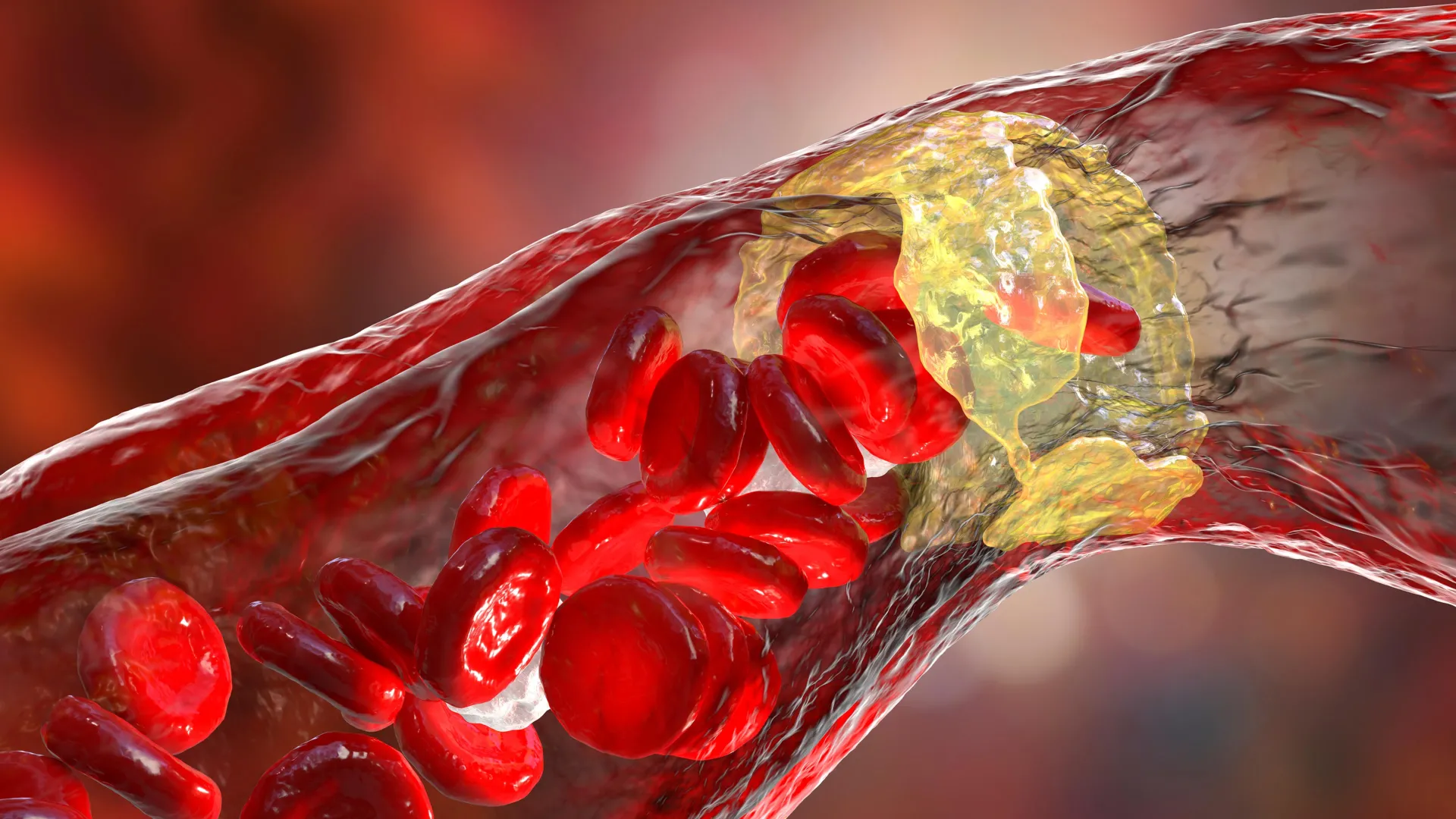
A research team at the University of California, Riverside has found that routine exposure to microplastics — tiny pieces released from packaging, fabrics, and common consumer plastics — may speed up the formation of atherosclerosis, the artery-narrowing condition associated with heart attacks and strokes. The effect appeared only in male mice, offering new insight into how microplastics may influence cardiovascular health in people.

“Our findings fit into a broader pattern seen in cardiovascular research, where males and females often respond differently,” said lead researcher Changcheng Zhou, a professor of biomedical sciences in the UCR School of Medicine. “Although the precise mechanism isn’t yet known, factors like sex chromosomes and hormones, particularly the protective effects of estrogen, may play a role.”

Microplastics Found Throughout the Environment and the Body

Microplastics are found widely in the modern environment, including in food, drinking water, and the air. They have also been detected inside the human body. Recent clinical studies have identified microplastics in atherosclerotic plaques and associated higher concentrations with elevated cardiovascular risk, although it was not clear whether these particles directly cause arterial injury.

“It’s nearly impossible to avoid microplastics completely,” Zhou said. “Still, the best strategy is to reduce exposure by limiting plastic use in food and water containers, reducing single-use plastics, and avoiding highly-processed foods. There are currently no effective ways to remove microplastics from the body, so minimizing exposure and maintaining overall cardiovascular health — through diet, exercise, and managing risk factors — remains essential.”

Study Design Using a Heart Disease Mouse Model

In their paper published in Environment International, Zhou and colleagues describe their use of LDLR-deficient mice, a common model for examining atherosclerosis. Both male and female mice were placed on a low-fat, low-cholesterol diet similar to what a lean and healthy person might eat.

The team then administered microplastics daily (10 milligrams per kilogram of body weight) for nine weeks. This amount reflects levels that could realistically be encountered through contaminated food and water.

Microplastics Intensify Plaque Formation in Male Mice

The results showed a sharp increase in atherosclerosis, but only in males. Male mice exposed to microplastics developed 63% more plaque in the aortic root, the segment of the aorta connected to the heart, and 624% more plaque in the brachiocephalic artery, a major vessel branching from the aorta in the upper chest. Female mice exposed to the same conditions did not show significant plaque progression.

The researchers confirmed that microplastics did not cause weight gain or increased cholesterol in either sex. The mice stayed lean, and their lipid profiles remained unchanged, indicating that traditional risk factors such as obesity or high cholesterol did not explain the heightened arterial damage.

Disruption of Artery-Lining Cells

The study also showed that microplastics interfered with the function and makeup of cells lining the arteries. Using single-cell RNA sequencing, which identifies gene activity in individual cells, the researchers observed that microplastics altered several cell types involved in atherosclerosis. Endothelial cells — the cells that form the inner lining of blood vessels and help regulate inflammation and circulation — were affected the most.

“We found endothelial cells were the most affected by microplastic exposure,” Zhou said. “Since endothelial cells are the first to encounter circulating microplastics, their dysfunction can initiate inflammation and plaque formation.”

Microplastics Enter Arterial Plaques and Alter Gene Activity

Fluorescent microplastics used in the study were found inside plaques and concentrated within the endothelial layer, consistent with reports from human samples that have revealed microplastics in arterial lesions.

Another key observation was that microplastics activated harmful gene pathways in endothelial cells from both mice and humans. This included genes associated with pro-atherogenic (plaque-promoting) activity, suggesting that microplastics trigger similar biological responses across species.

“Our study provides some of the strongest evidence so far that microplastics may directly contribute to cardiovascular disease, not just correlate with it,” Zhou said. “The surprising sex-specific effect — harming males but not females — could help researchers uncover protective factors or mechanisms that differ between men and women.”

Future Research on Sex Differences and Microplastic Types

Zhou and his team emphasize that more work is needed to determine why males appear more susceptible. The group plans to investigate whether humans show similar patterns.

“We would like to investigate how different types or sizes of microplastics affect vascular cells,” Zhou said. “We will also look into the molecular mechanisms behind endothelial dysfunction and explore how microplastics affect male and female arteries differently. As microplastic pollution continues to rise worldwide, understanding its impacts on human health — including heart disease — is becoming more urgent than ever.”

Zhou conducted the study with collaborators from UCR, Boston Children’s Hospital and Harvard Medical School in Massachusetts, and the University of New Mexico Health Sciences.

The work received partial support from the National Institutes of Health.

The title of the paper is “Microplastic exposure elicits sex-specific atherosclerosis development in lean low-density lipoprotein receptor-deficient mice.”

Share Button

What Is Cloudflare, And Why Does It Affect So Much Of The Internet?

Much of the internet has been experiencing issues today as tech company Cloudflare suffered a major technical problem.

X (formerly Twitter) and ChatGPT are some of the sites which could not show all of their content when the problems arose.

A spokesperson for Cloudflare told The Guardian earlier today that they “saw a spike in unusual traffic to one of Cloudflare’s services beginning at 11:20am”.

This then “caused some traffic passing through Cloudflare’s network to experience errors”, they noted.

“While most traffic for most services continued to flow as normal, there were elevated errors across multiple Cloudflare services.

“We do not yet know the cause of the spike in unusual traffic. We are all hands on deck to make sure all traffic is served without errors. After that, we will turn our attention to investigating the cause of the unusual spike in traffic.”

But what is Cloudflare to begin with, and why does it affect so much of the internet if the company experiences an issue?

What is Cloudflare?

Cloudflare describes itself as “one global cloud network unlike any other”.

It helps sites to manage and secure internet traffic, ensures that the content of lots of sites can load safely, and protects sites from malicious attacks.

In layman’s terms, Cloudflare works behind the scenes to get the content sites want to give us to our screens safely.

Why do Cloudflare issues affect so much of the internet?

As we mentioned, the company helps to deliver a lot of the web’s content.

So when it’s down, or if it experiences technical problems, it doesn’t just affect one company.

“Today about 20% of the web runs through Cloudflare’s network,” the company wrote in 2024. This equates to millions of customers.

As a result, Cloudflare hiccups can have knock-on effects on multiple sites.

Which sites are affected by Cloudflare issues?

ChatGPT, X, and some transit sites (reportedly, the New Jersey transit system was affected, for instance) appeared to experience issues which may be linked to Cloudflare’s tech problems.

Shopify, Dropbox, Coinbase, online game League of Legends, Moody’s and NJ Transit also had problems today.

There may be many other sites involved, too (TechRadar, for instance, reported its internal HR system was affected).

When will the Cloudflare outage be fixed?

We don’t yet know when all of the problems will be fixed as of the time of writing.

But there’s good news: Cloudflare’s latest update (14:34, November 18) reads: “We’ve deployed a change which has restored dashboard services. We are still working to remediate broad application services impact.”

Share Button