Boris Has Scrapped Plan B But Scientists Think It’s An Awful Idea

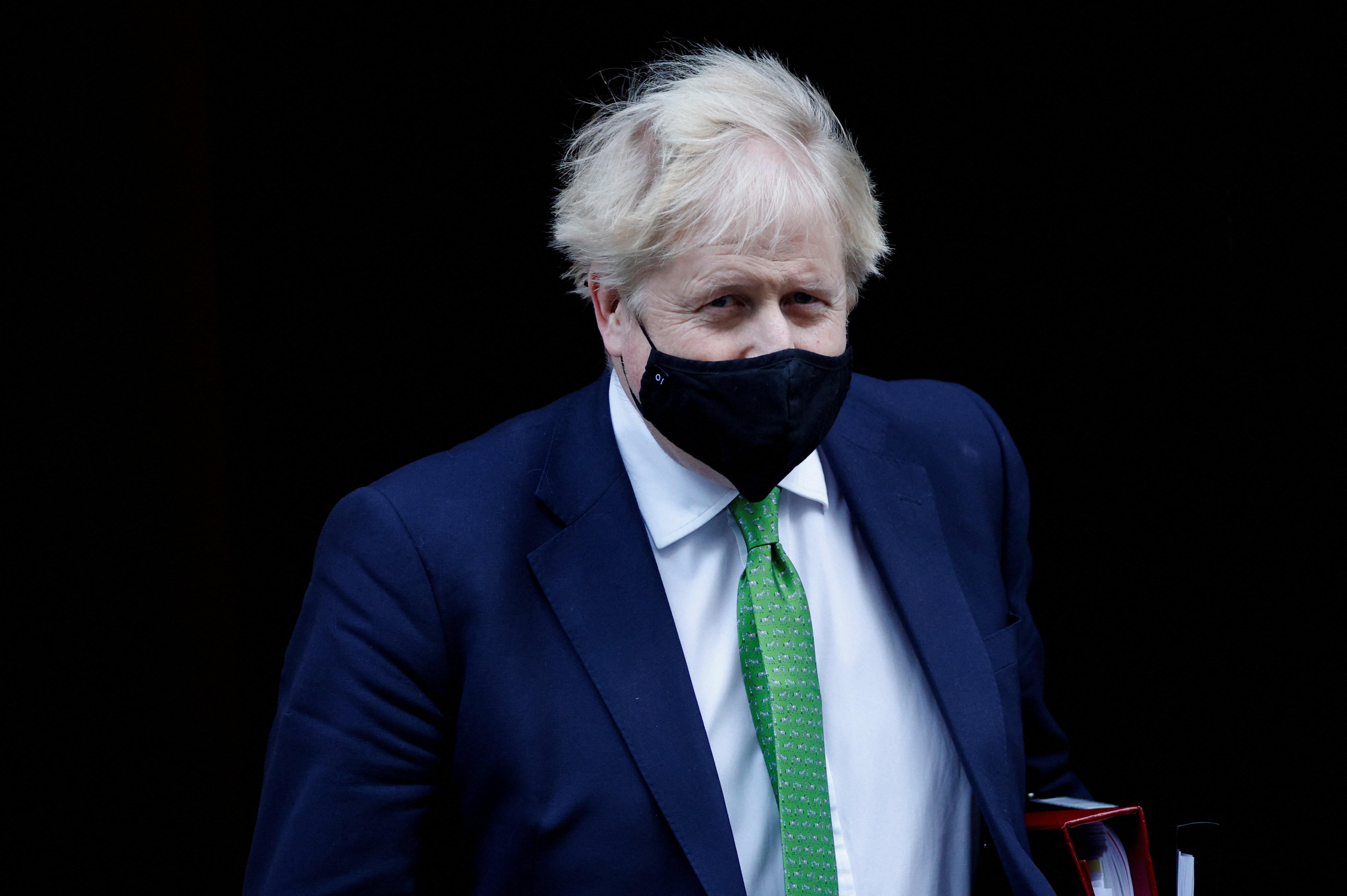
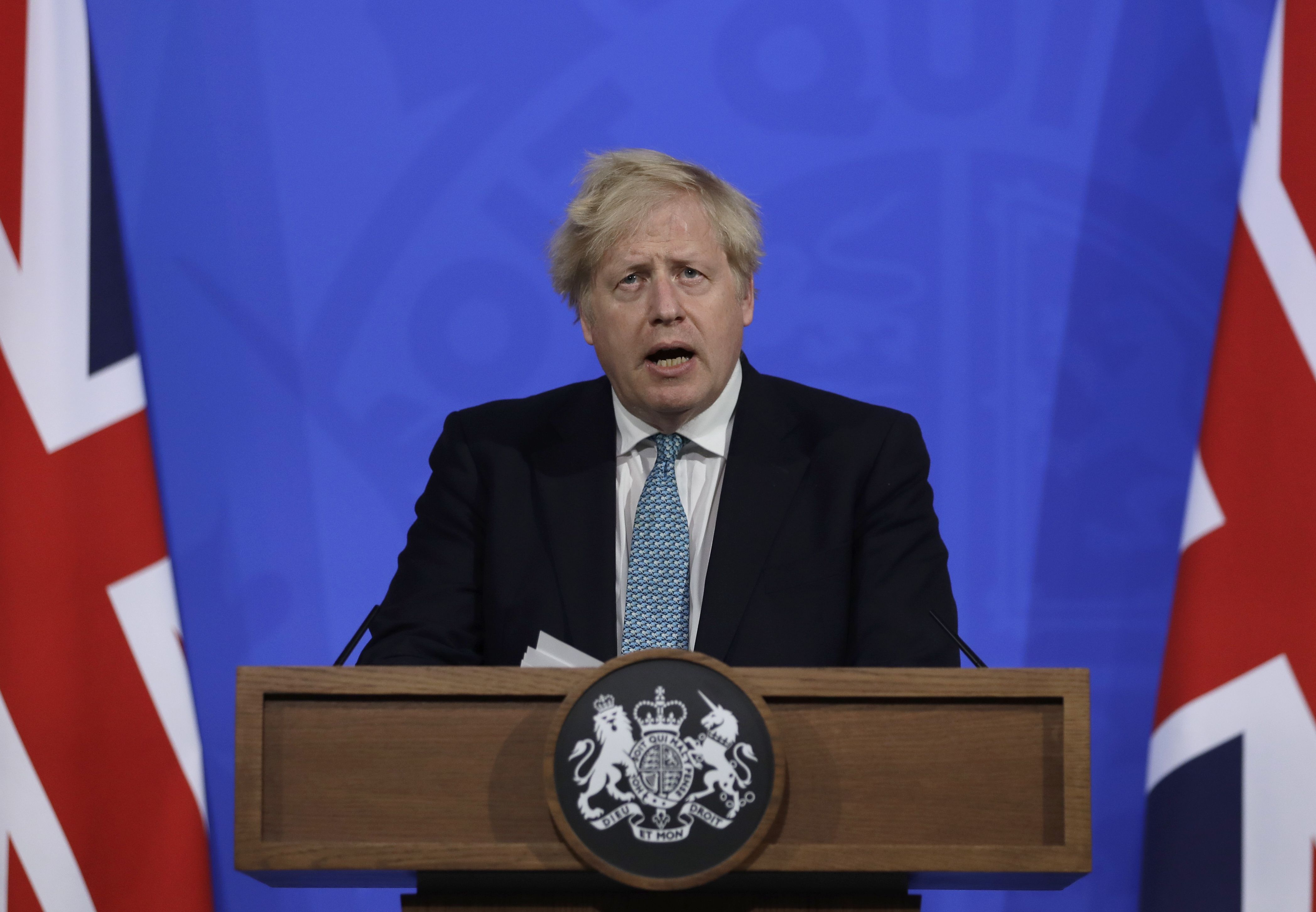
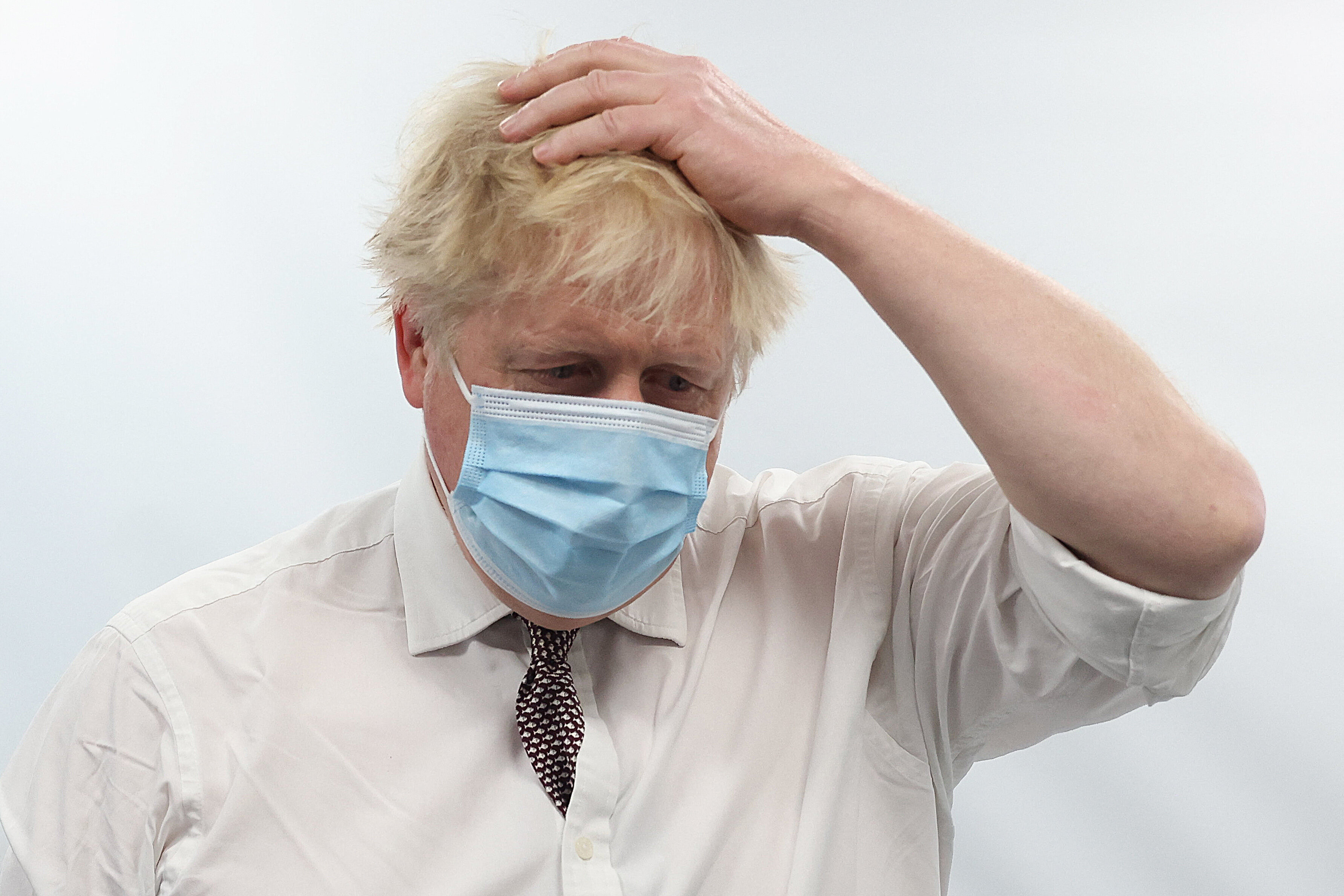
Boris Johnson, fresh off the controversy of party gate, is scrapping Plan B measures in what looks like a bid to please those against Covid restrictions.

The prime minister has signalled the end of work from home guidance, Covid passes and mandatory face masks in public places in England.

Speaking in the House of Commons, Johnson said people were no longer advised to work from home when the Plan B list of rules are ditched on Thursday, January 26, nor will Covid passes be mandatory any longer.

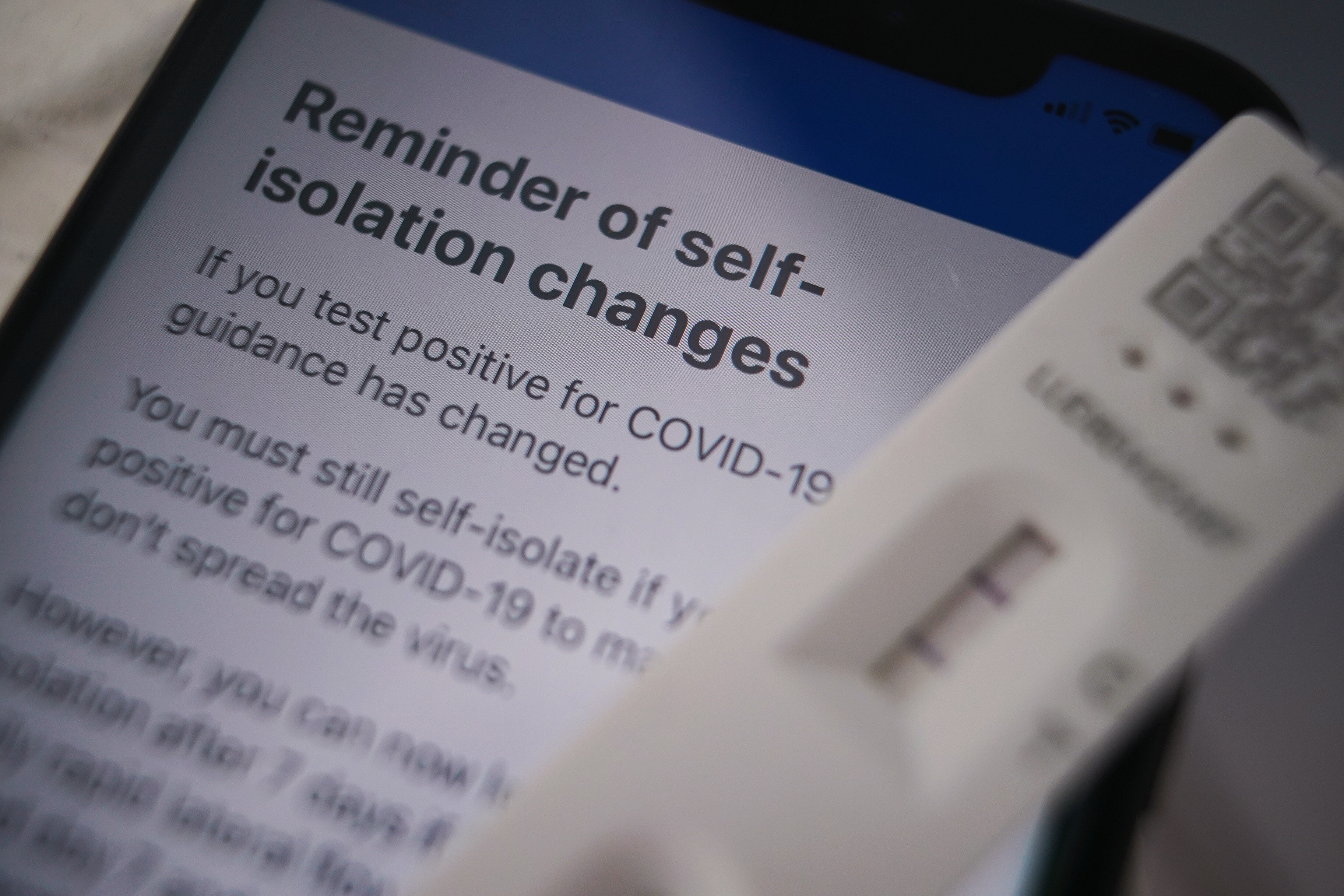
The legal requirement for people with coronavirus to self-isolate will also be allowed to lapse when regulations expire on March 24 – and that date could be brought forward.

When it comes to face masks, the government will no longer make people wear them anywhere from next Thursday, and they will be scrapped in secondary school classrooms in England even sooner, from this Thursday, with school communal areas to follow.

The announcement is seen as the latest move in what has been dubbed Operation Red Meat – a policy splurge by No10 in a bid to win back the support of mutinous Tory MPs and the public after their May 20 party was revealed.

But, leading scientists are unequivocally against the Prime Minister’s plans to lift restrictions.

Professor Francois Balloux, a professor and director at UCL Genetics Institute, said that while Omicron might be receding in the UK, it doesn’t mean that we won’t face future waves that could debilitate the NHS.

“Healthcare remains under severe stress and the transition into a long-term, lower number of daily cases needs to be managed carefully,” he said.

“An overly fast return to pre-pandemic behaviour could lead to viral flares, which could cause considerable problems for the NHS, and may risk further delaying the return to ‘post-pandemic normal’.

Prof Balloux said that we should be aiming to avoid contact rates shooting up immediately, but rather increasing slowly towards their pre-pandemic level over the spring.

This could be achieveable through “entirely non-coercive measures, as the population will likely remain largely careful over the coming months”, he said, adding that precautions such as remote working should still be encouraged.

“Work from home, for those whose job permit it, is often considered to be an acceptable restriction, and it is highly effective at reducing viral transmission.”

Even if we leave pandemic status, an endemic is not without its dangers either, points out Dr Stephen Griffin, associate professor from the University of Leeds.

“It is striking that the government are so adept at moving to reduce restrictions early when they have repeatedly failed to act in a timely fashion to prevent now five consecutive waves of SARS-CoV2 resulting in profound human and economic cost,” Dr Griffin said.

“There is a mistaken notion that the virus is somehow evolving to become less virulent, more transmissible, and this is being inaccurately lauded as endemicity by various parties.

“Endemic, sadly, does not mean benign, as sufferers of Malaria, TB, HIV, and Lassa fever might tell you. Variola (smallpox) and polio were endemic prior to eradication efforts.”

Professor Lawrence Young, a virologist and professor from Warwick Medical School, said: “Removing Plan B measures in the face of extremely high levels of infection is a risk. With over 94,000 cases reported yesterday, talk of an end to the pandemic is premature. Infections are raging across Europe and other parts of the world, reinforcing the need to take a cautious approach to easing restrictions.

Prof Young added: “Perhaps it would have been wiser to wait for another couple of weeks before removing the advice to work from home and the face coverings mandate.

“There’s no guarantee that infection levels will continue to fall and the NHS remains under extreme pressure. It’s important that we learn from previous experience.”
Share Button

UK Daily Covid Cases Fall For Second Day In A Row

The number of UK daily Covid cases has fallen for a second day in a row.

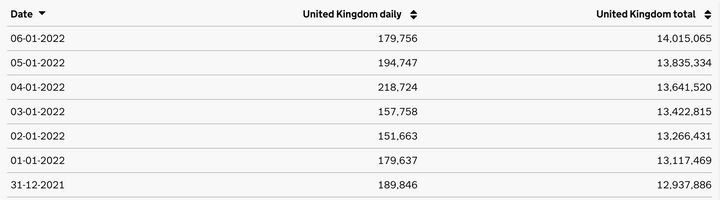
The government said lab-confirmed coronavirus cases were 179,756 as of 9am on Thursday, and a further 231 people had died within 28 days of testing positive for Covid.

On Tuesday, 218,724 infections were reported – a record high – and fell to 194,747 on Wednesday.

Cases in the last seven days

UK Government

It comes as Boris Johnson said hospitals will be offered increased support to deal with the “very difficult circumstances” they face, as he encouraged more people to take up the offer of a booster jab.

The prime minister said that “perhaps 30-40%” of the 17,000 patients in hospital with Covid “haven’t actually been vaccinated at all” as he urged the public to “behave sensibly” in the face of high daily Omicron cases.

Both Johnson and chancellor Rishi Sunak made visits to vaccination centres on Thursday as ministers made a fresh push for people to come forward for their third coronavirus vaccination dose.

Speaking to broadcasters during a visit to Northamptonshire, the prime minister said: “What we’ve got to do is make sure that people understand the pressures that Omicron is causing.

“And the way to deal with it is for everybody to stick to Plan B, which we are, make sure that they behave sensibly, but also recognise the vital importance of vaccination.

“When you look at what’s happening to patients coming into hospital, a large number of them, perhaps 30-40% of them, haven’t actually been vaccinated at all.

“And that’s increasingly true of people who go into ICU, into intensive care – the large majority of them have not been vaccinated at all, and the overwhelming majority of them have not been boosted.”

The Conservative Party leader said that, as well as “increasing support massively” to struggling hospitals – including by helping trusts to source extra staff while dealing with high proportions of the workforce being in self-isolation – a key target was to “make sure that the people who are likely to get ill get vaccinated first”.

Hitting out at anti-vaxxers for posting “mumbo jumbo” on social media, Johnson added: “The saddest words in the English language are too late – when you’re in ICU, and you haven’t been vaccinated, sadly it’s too late to get vaccinated. So get boosted now.”

A total of 247,478 booster and third doses of Covid-19 vaccine were reported across the UK on Wednesday, new figures show, with around 65% of all adults in the UK having now received a booster or third dose.

However, fewer than half of all adults in some of the biggest cities in England are among those to receive a top-up jab.

Figures published by NHS England, accounting for vaccinations delivered up to January 2, estimate that in Liverpool, 49.1% of all people aged 18 and over have had a third jab, along with 46.9% in Birmingham, 45.7% in Manchester and 42.8% in Nottingham.

It is understood that 17 hospital trusts in England currently have critical incidents – an alert to signal that there are fears priority services cannot be safely delivered – as hospitals are confronted by a wave of Omicron admissions.

Share Button

UK Daily Covid Cases Top 200,000 For The First Time

The number of UK daily Covid cases has reached another record high – topping 200,000 for the first time.

The government said lab-confirmed coronavirus cases were 218,724 as of 9am on Tuesday, and a further 48 people had died within 28 days of testing positive for Covid.

On New Year’s Eve, 189,846 infections were reported – the previous high.

Tuesday’s figures contain some delayed reporting of cases because of the holiday period.

It comes as the NHS is facing significant pressure as it copes with the latest wave of Covid-19 despite hopes that cases should start to drop in the coming weeks.

Boris Johnson will lead a Downing Street press conference as No 10 admitted that the health service is facing a “difficult time” during a “challenging winter”.

But health secretary Sajid Javid said there was nothing in the data that suggested England needed to move beyond the current Plan B restrictions.

“I think Plan B, implementing that, has been the right approach and also being absolutely focused on the vaccination programme,” he told reporters during a visit to a vaccination centre in south London.

Officials in Whitehall are keeping an “extremely close eye” on hospital capacity, with admissions and occupancy “increasing significantly”, Downing Street said.

But the prime minister’s official spokesman said: “We’re not seeing that same jump in beds requiring ventilation, which is pleasing, and almost certainly a function of both the nature of Omicron and our successful booster programme.”

He added that the vaccinations and “evidence that Omicron may be milder” means “we are not seeing those huge waves in cases translate into those needing the most serious care that we saw perhaps in previous waves, but that still puts the NHS under significant pressure”.

The government has stuck with the Plan B measures in place in England – including wearing masks in shops and on public transport and working from home where possible – despite tougher restrictions in other parts of the UK.

That optimism may be helped by comments from Professor Neil Ferguson, from Imperial College London, whose data was instrumental to the UK going into lockdown in March 2020, who said infection rates may already be plateauing in London and could fall across the country within weeks.

Prof Ferguson, a member of the government’s Sage scientific advisory panel, told BBC Radio 4’s Today programme: “I would say that, with an epidemic which has been spreading so quickly and reaching such high numbers, it can’t sustain those numbers forever, so we would expect to see case numbers start to come down in the next week, maybe already coming down in London, but in other regions a week to three weeks.

“Whether they then drop precipitously, or we see a pattern a bit like we saw with Delta back in July of an initial drop and then quite a high plateau, remains to be seen.

“It’s just too difficult to interpret current mixing trends and what the effect of opening schools again will be.”

Prof Ferguson said the Omicron variant had not had much time to infect pupils before schools shut for the Christmas break, and a rise in cases is now expected.

Meanwhile, Professor Sir Andrew Pollard, director of the Oxford Vaccine Group, told Sky News it would not be “affordable, sustainable or deliverable” to give regular jabs every six months to cope with waning immunity and the rise of new variants.

“Remember that, today, less than 10% of people in low-income countries have even had their first dose, so the whole idea of regular fourth doses globally is just not sensible,” he said.

Sir Andrew said it may be that future boosters could be targeted at the most vulnerable and it is too early to say whether updated vaccines will be required every year, as with flu.

Downing Street said ministers will also be taking clinical advice and keeping a “very close eye on” the “waning efficacy of second doses and the interplay of Omicron on that as well” as part of a review on whether to make a booster jab a requirement to access a Covid pass.

Elsewhere, Matthew Taylor, chief executive of the NHS Confederation, said the staffing situation in hospitals is “almost impossible” as leaders try to manage their resources.

He told Times Radio that, for many, “the most pressing element of all” is the number of staff who are absent due to Covid.

He added that hospital admissions seem to have “perhaps plateaued in London or there may be a second peak after the new year now, but it’s rising across the rest of Britain”.

Meanwhile, Chris Hopson, chief executive of NHS Providers, said at least “half a dozen” NHS hospitals have declared a critical incident as they try to respond to Covid.

Morecambe Bay NHS Trust and Blackpool Teaching Hospitals NHS Trust were among those declaring critical incidents.

Dr Sakthi Karunanithi, public health director for Lancashire County Council, told Today: “Lancashire is beginning to experience what London did at the beginning of last month and, of course, London is better resourced and the infrastructures are well organised compared to other regions, so we are bracing ourselves for a tsunami of Omicron cases in Lancashire.”

Javid said it was a “fast-moving situation” but the NHS was getting “a huge amount of support” to cope with staff absences caused by the wave of coronavirus cases.

As well as volunteers the NHS is also “widely using an emergency list of workers that has been able to develop over the pandemic so far, and then call on clinicians and others that may have retired for example, to come back and help”, he said.

Share Button

Rylan Clark Shows Off His Body Transformation After Ditching Booze And Hitting The Gym

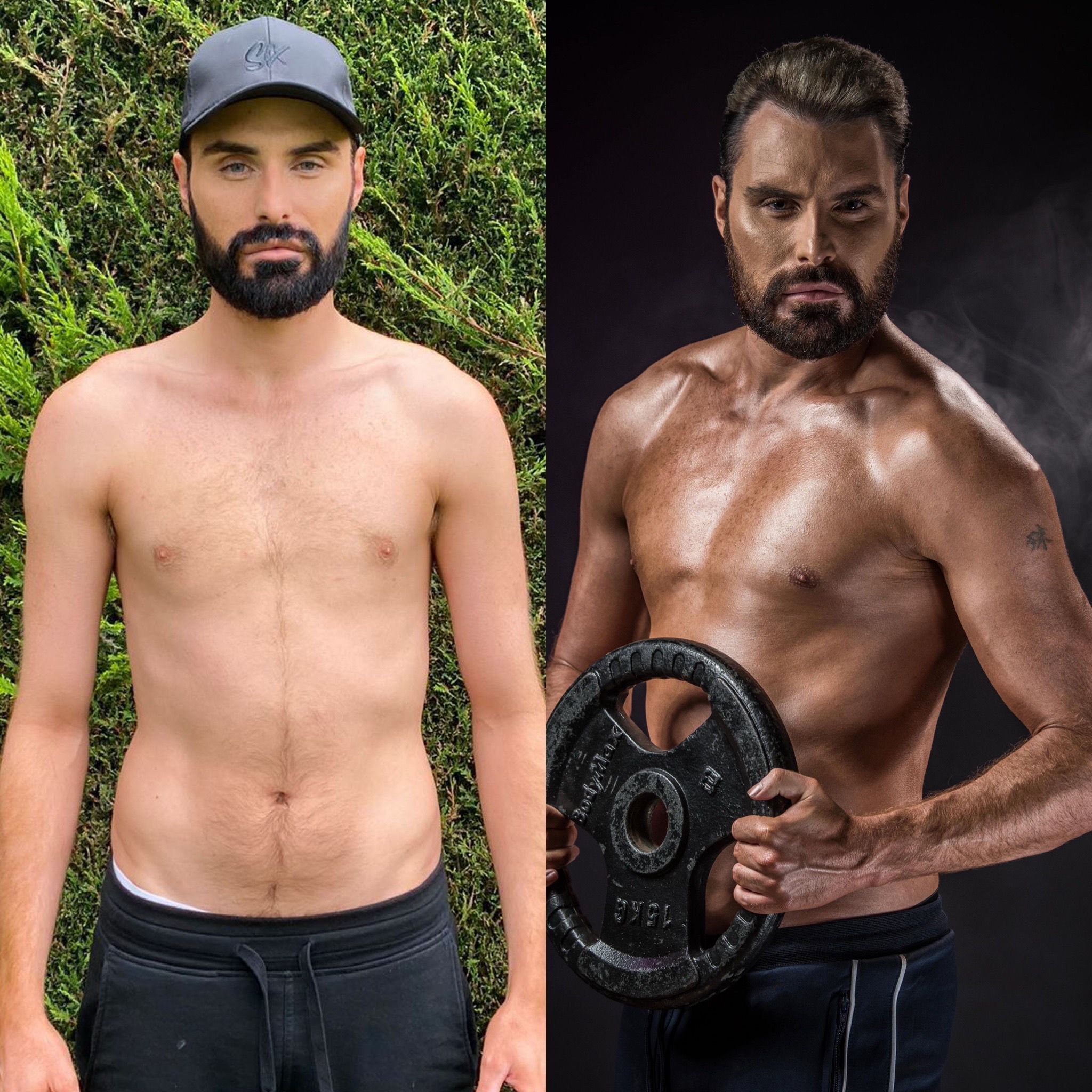
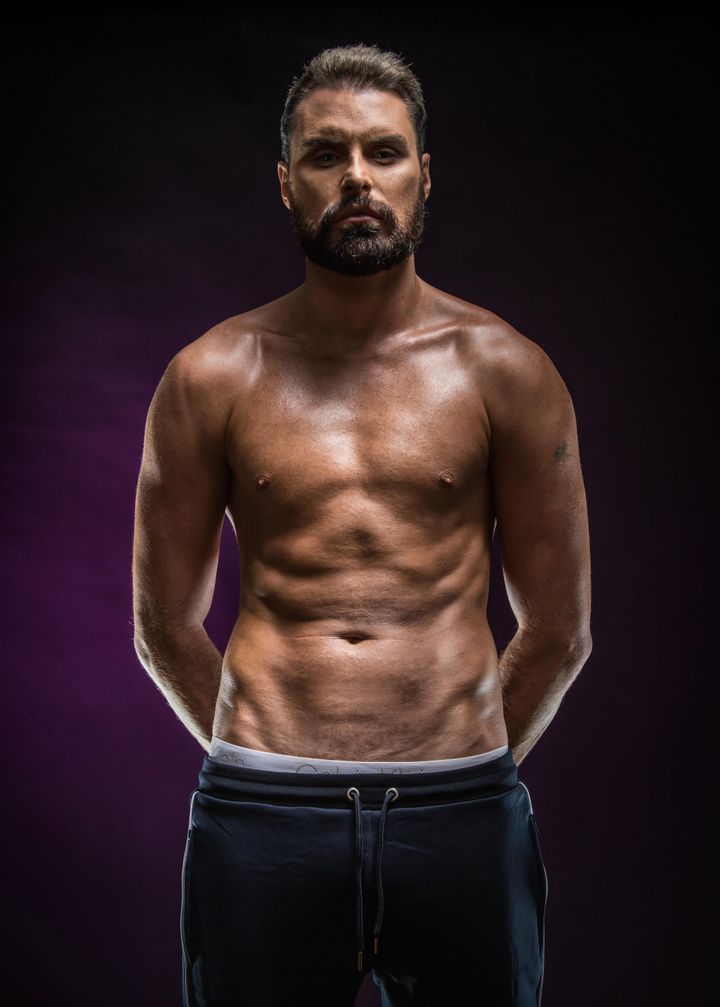
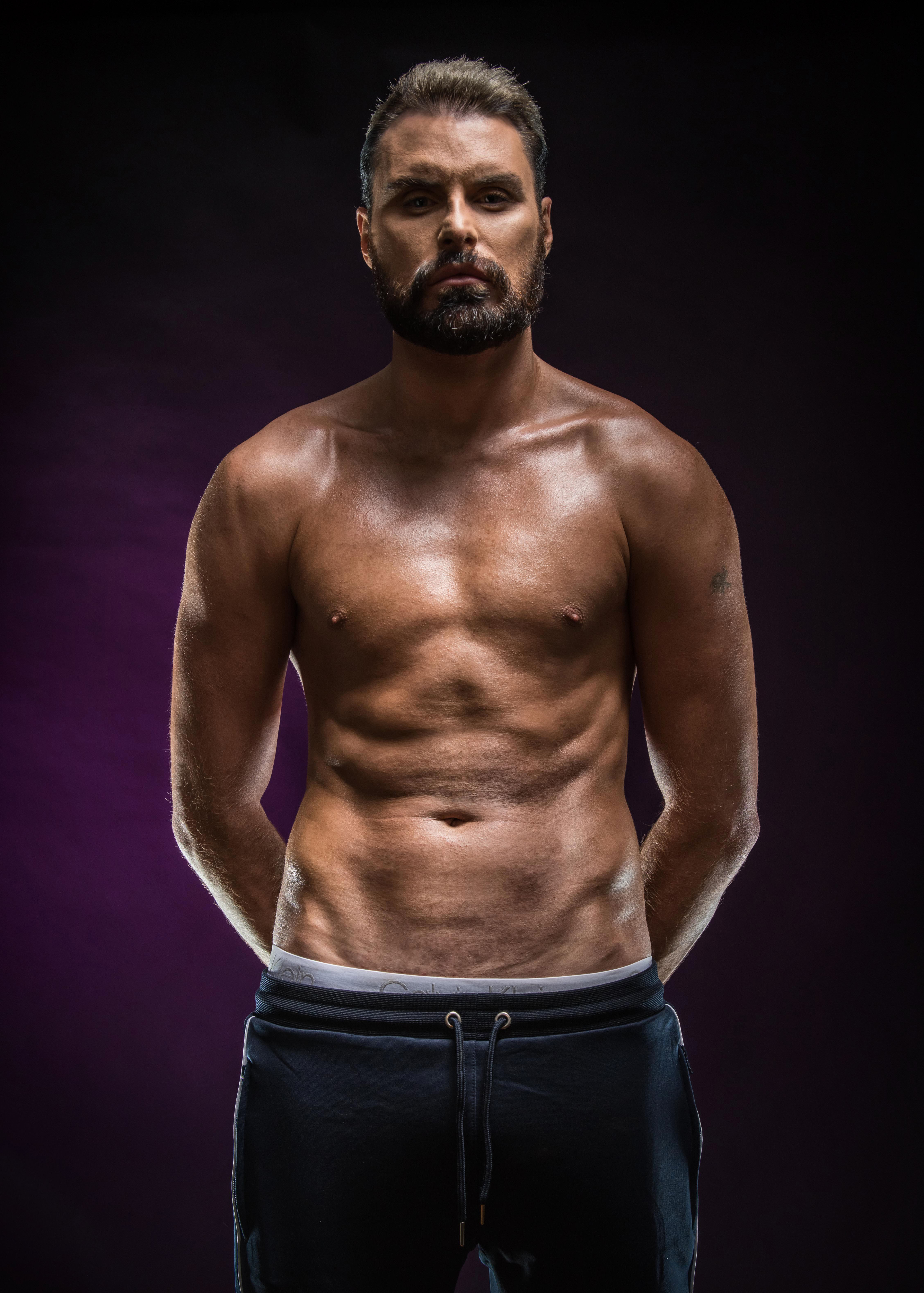
Rylan Clark has stripped off for a series of photographs to show off his impressive body transformation.

The TV presenter has ditched alcohol, hit the gym and embraced a new approach to eating after signing up to The Six Pack Revolution programme.

The 33-year-old has credited the “life-changing” exercise and nutrition routine with not only transforming his body but massively improving his mental health too after a difficult year, which saw him split with his husband of six years.

Rylan Clark
Rylan Clark

Matt Ellis

“My attitude to exercise has done a complete u-turn,” Rylan said. “Not only has my body transformed but my mental health has massively improved too, I’m literally a new man!

“I’ve always worried about taking this step but it really has improved me for the better.”

Rylan Clark
Rylan Clark

Matt Ellis

Rylan Clark
Rylan Clark

Matt Ellis

Rylan Clark
Rylan Clark

Matt Ellis

Personal trainer Scott Harrison worked closely with Rylan at his home gym in Essex, combining weight training with a nutrition plan, which included ditching the booze.

On Sunday, Rylan opened up about his split from husband Dan Neal, and how it had left him feeling “unwell”.

The It Takes Two host revealed his weight plummeted to under ten stone, which led him taking a four month break from the spotlight to focus on his physical and mental health.

The 33-year-old, who is currently going through a divorce from his former policeman husband, told The Sun that the split had been “very difficult”.

Rylan Clark and Dan Neal

Can NguyenCan Nguyen/Shutterstock

He said: “I got ill and I lost weight, I went down to under ten stone — and I’m six feet four inches, so that’s not good.

“The honest truth is that it’s been shit. I didn’t deal with what happened and now I am. I felt unwell and it was a very difficult time for me.”

Rylan credited his new fitness regime with “saving” him after he started working out with Scott.

“Last year I properly lost myself,” he admitted. “I wanted to get me back and make a better version.”

The Six Pack Revolution is open to anyone, anywhere with any ability. www.thesixpackrevolution.com

Share Button

UK Reports New Record Number Of Daily Covid Cases

The number of UK daily Covid cases is in six figures for the third time as another record high was reached.

The government said lab-confirmed coronavirus cases were 122,186 as of 9am on Thursday, and a further 137 people had died within 28 days of testing positive for Covid.

On Wednesday, recorded case rates of Covid across the UK rose above 100,000 for the first time since the start of the pandemic.

Meanwhile, new data has emerged showing that Covid infection levels have reached a new record high after a senior health official said findings that the Omicron variant is milder offer a “glimmer of Christmas hope”.

An estimated 1.7 million people in the UK had Covid-19 in the week ending December 19, the highest number since comparable figures began in autumn 2020, the Office for National Statistics (ONS) said.

The new interim data, published on Friday, also shows that around one in 35 people in private households in England had Covid-19 in the week to December 19 – up from one in 45 in the seven days to December 16.

This is the highest estimate for England since the ONS began estimating community infection levels for England in May 2020, and is equivalent to around 1.5 million people.

The latest figures come after UK Health Security Agency (UKHSA) chief executive Dr Jenny Harries said data suggesting Omicron may be less likely to lead to serious illness than the Delta variant of coronavirus offers a “glimmer of Christmas hope”.

But she warned that it is too early to downgrade the threat from the new strain, which is still spreading rapidly across the UK.

Dr Harries told BBC Radio 4’s Today programme that more information is needed, particularly about the impact on elderly and more vulnerable patients.

She added: “There is a glimmer of Christmas hope in the findings that we published yesterday, but it definitely isn’t yet at the point where we could downgrade that serious threat.”

The UKHSA estimates that someone with Omicron is between 31% and 45% less likely to attend A&E and 50% to 70% less likely to be admitted to hospital than an individual with the Delta variant.

This is a breaking news story and will be updated. Follow HuffPost UK on Twitter, Facebook and Instagram.

Share Button

So, Should You Cancel Your New Year’s Eve Party?

Professor Lawrence Young, a virologist and professor of molecular oncology at Warwick Medical School, University of Warwick, says that having no restrictions for Christmas means we’ll be paying for it later.

“This is a very risky approach and is very likely to result in the need for more stringent restrictions in the near future,” he says.

“Given the extraordinarily and inexorable rapid spread of the omicron variant, it’s never been more important for people to take individual responsibility to protect themselves, their families and friends.”

He adds that it may take individual initiative to curb the spread of Covid (which, unfortunately might mean cancelling any New Year party you may have had planned).

Professor Young adds: “While we are hopeful that vaccines will do a lot of the heavy lifting when it comes to keeping omicron under control, other interventions are also required to prevent case numbers rising and the NHS becoming overwhelmed. Limiting the size of gatherings, avoiding crowded indoor spaces with poor ventilation, wearing a face covering and frequent use of lateral flow tests are all protective measures that we can take to limit the spread of this variant.”

If we aren’t being responsible with our Covid measures, and if the government aren’t more stern, then consequence will be severe, he adds.

“If the omicron variant continues to spread at the current rate, it is inevitable that more restrictions will be necessary in England. Waiting for case numbers and hospitalisations to increase is likely to be too late to suppress the spread of the omicron variant and will subject the NHS to unprecedented pressure.”

Prof. Young believes we need to “buy time” to ensure the booster jabs have taken effect and” not let Omicron continue to spread unfettered”.

“A short circuit break now would have prevented more people from getting infected and from having to isolate which is now impacting many essential services,” he says. “Have we learnt nothing from our previous experiences with coronavirus? Dither and delay will only mean more harsh measures later while we run the very real risk of many folk getting sick and massive disruption due to staff absences.”

So whatever your New Year plans, celebrate safely.

Share Button

Scientists Say Another Pandemic Is Inevitable, Here’s Why

The next pandemic is coming and it could be lethal, says one of the scientists who helped develop the AstraZeneca vaccine.

Dame Sarah Gilbert warned during the 44th Richard Dimbelby lecture, that while this “pandemic is not done with us”, following ones could be even more catastrophic.

The professor of vaccinology at Oxford University and her team developed the AstraZeneca jab, which – despite controversies over rare blood clots – has been used in more than 170 countries.

Speaking at the lecture, she said: “This will not be the last time a virus threatens our lives and our livelihoods. The truth is, the next one could be worse. It could be more contagious, or more lethal, or both.”

Professor Gilbert added that we could be more prepared for future catastrophes, if we take on lessons from Covid-19.

She added: “We cannot allow a situation where we have gone through all we have gone through, and then find that the enormous economic losses we have sustained mean that there is still no funding for pandemic preparedness.

“Just as we invest in armed forces and intelligence and diplomacy to defend against wars, we must invest in people, research, manufacturing and institutions to defend against pandemics.”

Encroaching on animal territory can heighten the risk of future pandemics.

LUIS ROBAYO via Getty Images

Encroaching on animal territory can heighten the risk of future pandemics.

The thought of another pandemic while we’re deep in the throes of a current one seems hugely worrying. But is it completely inevitable? We spoke to some experts to find out.

Dr Julian W Tang, an honorary associate professor and clinical virologist at the University of Leicester, says time will tell.

“Unfortunately, we cannot yet predict the exact nature or timing of pandemics,” he tells HuffPost UK. “The 2009 ‘swine’ flu pandemic was relatively mild, Covid-19 was more severe, the ongoing HIV/AIDS pandemic is still severe if long-term, reliable access to drugs is not guaranteed like in sub-Saharan Africa.”

And the main reason why we may experience future pandemics could be the mixing of animal-human environments, he adds.

“Given the closer interface between humans-animals environment, another zoonotic spillover event is very likely,” Dr Tang says. “But whether it will be like Ebola, avian flu, MERS (Middle East respiratory syndrome–related coronavirus), SARS, or something entirely new, we cannot know for certain.”

Whatever the cause of future pandemics, Dr Tang agrees with Prof. Gilbert that we must be better prepared.

“Professor Gilbert’s talk is really just emphasising the need for increased funding to prepare for any such pandemic – to avoid a last minute scramble (as we have seen in the UK and other Western countries) to set up and maintain such vaccine and drug development programmes, surveillance, testing, isolation/quarantine systems – for if/when the next pandemic arrives.”

Dr Michael Head, a senior research fellow in global health, is less optimistic.

“There will definitely be future pandemics.” he says. “They have occurred throughout human history, and will continue to happen. In the 21st century, we have now had two pandemics, the previous being ‘swine flu’ in 2009. There have also been outbreaks that have caused great concern, including ‘bird flu’, the previous SARS coronavirus and also MERS, and the West Africa Ebola outbreak.”

Dr Head agrees that globalisation, increased agriculture, and taking over animal territory can contribute to the problem.

“Increased human encroachment onto animal habitats means greater opportunities for a pathogen to mix between species and make that perfect jump into humans. Increased globalisation means more travel around the world and thus a greater chance of any new or existing infection spreading widely,” he explains.

“We can of course learn our lessons, and put global plans in place that reduce the chances a pandemic happening, or at least can minimise the impact of the next pandemic. Whether we take that opportunity or not, that’s another matter altogether.”

But, we can of course apply pressure to government and organisations to do better and act more carefully for the preservation of humanity. As the saying goes: fail to prepare, prepare to fail.

Share Button

People Are Ignoring Signs Of Pancreatic Cancer. Could You Spot Them?

A leading charity is worried by the number of people who would put off seeking help for symptoms of pancreatic cancer.

A new survey conducted by Savanta Comres on behalf of Pancreatic Cancer UK found that 31% of people would delay seeking help for longer than usual because of the pandemic.

It also revealed that 28% of people would wait for around three months before seeking help when showing common symptoms of pancreatic cancer. Another 22% said they wouldn’t feel confident recognising jaundice – one of the key symptoms.

Other symptoms for pancreatic cancer include:

  • Back pain

  • Indigestion

  • Stomach pain

  • Weight loss

The charity said anyone should seek help from a GP if these common symptoms persist for more than four weeks.

But anyone with jaundice – yellowing of the skin or eyes – should seek help from A&E as soon as possible as it is one of the “red flag” symptoms of the disease.

Around four in five people who have pancreatic cancer are diagnosed when the cancer is at a late stage which means they’ve missed out on a chance of life-saving treatment.

Half of those with the disease die within three months of diagnosis, Pancreatic Cancer UK said. Each year more than 10,000 people are diagnosed with the disease. But early detection gives people better odds of survival, so the charity is urging the public to seek care if they have any symptoms.

Diana Jupp, chief executive of Pancreatic Cancer UK, said: “It is hugely worrying to hear that so many people would put off seeking help for so long. Pancreatic cancer has not gone away because of Covid-19 and I would urge anyone with persistent, unexplained symptoms to use the NHS.

“There is no time to wait with pancreatic cancer. Thousands of people a year are told it’s too late, that nothing can be done for them. It is vital that people are diagnosed as early as possible to give them the best chance of having life-saving treatment.”

Dame Cally Palmer, director of the NHS Cancer Programme, said: “This research confirms what we know – many people could be risking their lives by putting off medical attention for symptoms that could be cancer, even though it’s vitally important that cancer is discovered at an earlier stage, when it’s easier to treat.

“The NHS is open and ready to treat people with potential cancer symptoms, and cancer referrals and diagnosis are back to pre-pandemic levels – so, whether you or a loved one has a routine appointment, or a potential cancer symptom, please don’t delay and come forward to get yourself checked.”

Share Button

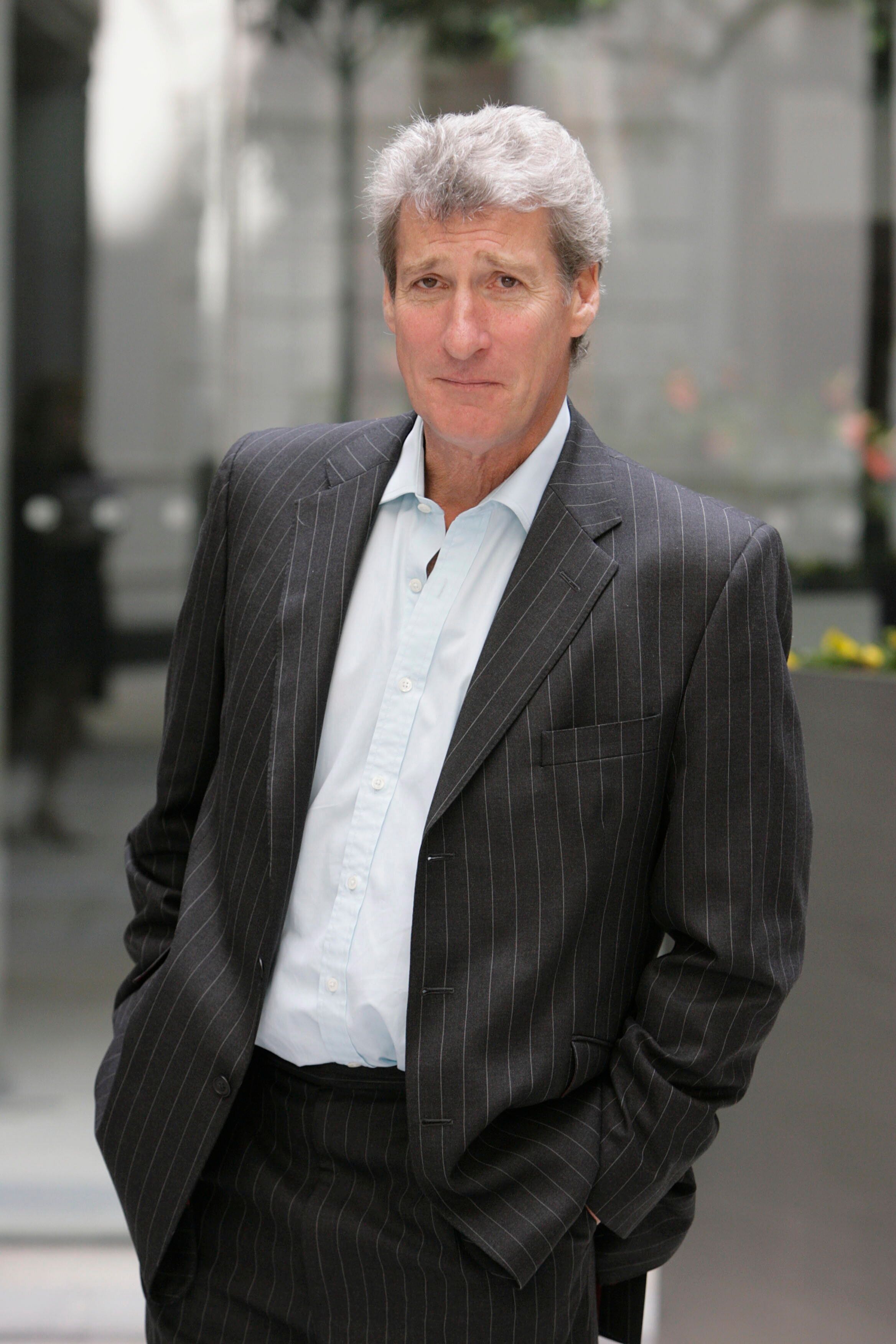
Jeremy Paxman Reveals Parkinson’s Disease Diagnosis

Photoshot via Getty Images

Jeremy Paxman

In a statement to the PA news agency, Jeremy said: “I can confirm I have recently been diagnosed with Parkinson’s disease. I am receiving excellent treatment and my symptoms are currently mild.

“I plan to continue broadcasting and writing for as long as they’ll have me and have written about my diagnosis in more detail for the June issue of the marvellous Saga Magazine.

“I will not be making any further comment.”

Jeremy is perhaps best known as the former host of BBC Two’s Newsnight. 

He presented the flagship current affairs programme from 1989 to 2014, during which time he interviewed high-profile figures from politics and culture.

He has also fronted University Challenge since 1994, making him the longest serving current quizmaster on UK TV.

Share Button

Covid: ‘More Transmissible’ India Variant Threatens June Re-Opening

The Indian Covid variant could make it “more difficult” for England to move further out of lockdown in June, Boris Johnson has said.

After cases of the Indian variant more than doubled in the past week, the prime minister told a Downing Street press conference on Friday that the four-step “road map” we will move to step three in England from Monday as planned – be he raised the possibility of altering the final stage. 

The PM said: “But I have to level with you that this new variant could pose a serious disruption to our progress and could make it more difficult to move to step four in June.

“I must stress we will do whatever it takes to keep the public safe.”

At the briefing, chief medical officer Chris Whitty said there is “now confidence” that the India variant is “more transmissible” than the strain first discovered in Kent.

It is expected that the Indian variant will overtake Kent to become dominant in the UK, though there is currently no evidence to suggest vaccines do not work against it.

Johnson said that if the Indian variant proves to be “significantly more transmissible” than other Covid strains “we’re likely to face some hard choices”.

In recent days, the government has launched a series of measures in a bid to dampen any impact from the Indian variant.

The latest is people over 50 and the clinically vulnerable being offered their second dose of a Covid-19 vaccine eight weeks after the first – rather than 12.

The variant is now in at least 15 areas of England – including Bolton, Blackburn, London, Sefton and Nottingham –  where councils and Public Health England officials are working to contain any clusters.

This includes surge testing, encouraging people to isolate if they test positive and longer opening hours at vaccination centres.

Johnson said that if the variant turned out to be much more transmissible than other variants, the country could face “hard choices” as he warned of the need to be “utterly realistic”. 

He said: “This doesn’t mean that it’s impossible that we will be able to go ahead with step four, I don’t think that’s the case at all. But it does mean there is now the risk of disruption and delay to that ambition. And we have to be utterly realistic about that.”

Share Button