Help, My Kid Is A ‘Whiteatarian’ Who Only Eats Beige Food

It was parents’ weekend at my daughter’s college, and we were treating her to dinner at an off-campus bistro. The waitress arrived, and she gave her order: “I’ll have the baked salmon with a side of sauteed spinach, please.”

I dropped my menu, my jaw and the mistaken notion that I knew what this kid had been up to since we’d dropped her off a couple of months ago. I had spent most of the past 18 years trying to nudge her – sometimes gently, sometimes with growing desperation º into eating something, anything, other than noodles with butter and salt, half a bagel with plain cream cheese or – her true love –Rold Gold Tiny Twist pretzels.

The idea of fish had always made her shudder. The mere mention of “green things” like spinach could lead to tears. So what was up with her dinner order tonight? She shrugged. “They serve salmon in the dining hall sometimes, and my friends all eat it. Everybody at school likes spinach, too.”

I feigned disinterest and changed the subject, but inside I was doing the parental equivalent of a victory dance. I had relinquished my title as mother of the world’s most adamant whiteatarian, all for the low, low cost of tuition at a liberal arts college that was 1,000 miles away from home.

Your kid is hardwired to act like this

Before I do any more gloating about the sight of my beloved progeny actually putting spinach in her mouth, let’s take a step back to those early years, when I was driven to frustration by a girl who refused anything that wasn’t white. What made her act that way, anyhow?

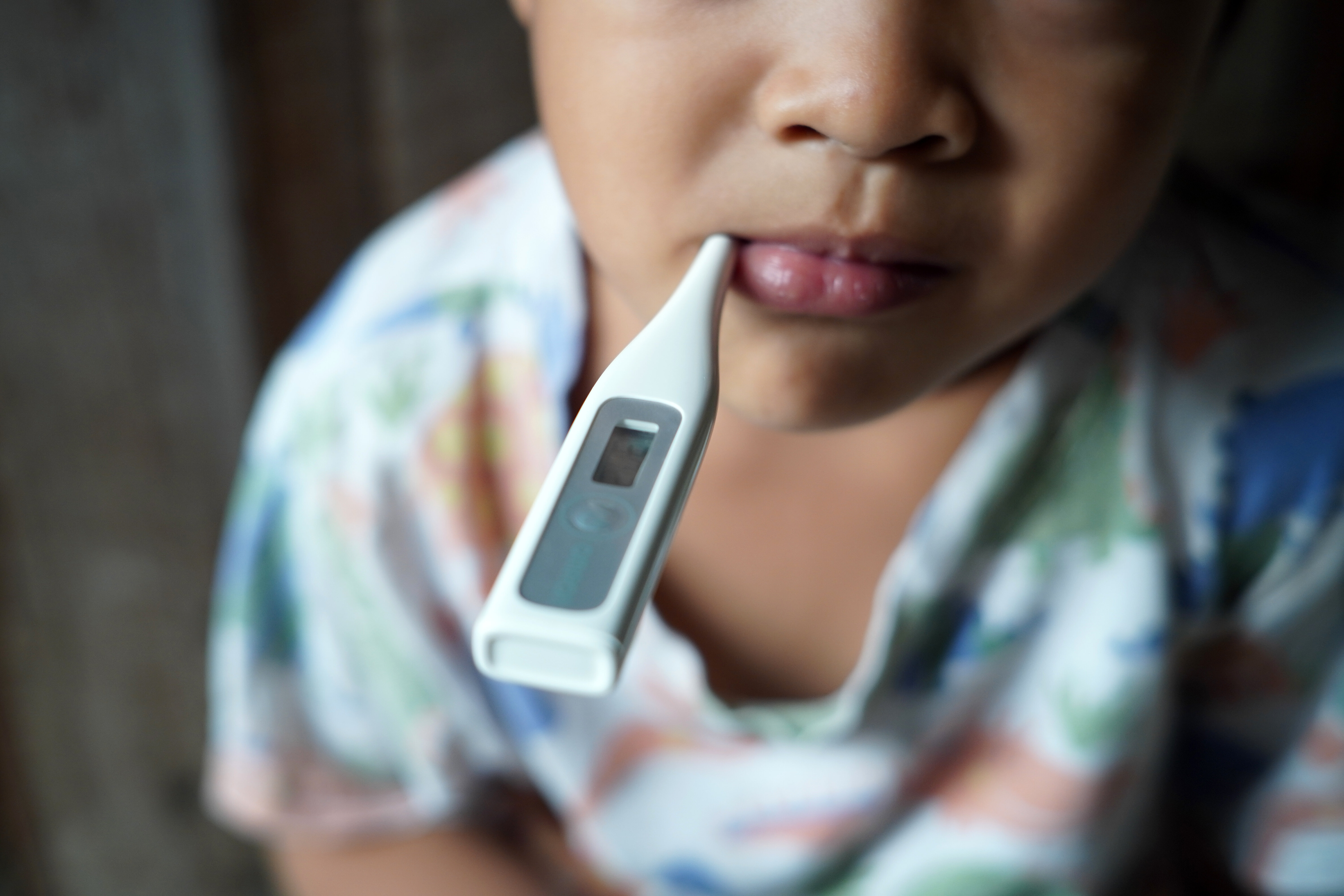
Well, mums and dads, you already know that children are annoying for lots of reasons, including a tendency toward tantrums, a love of pre-dawn wake-up times and, of course, picky eating. Would it help if I told you that their eating preferences are pretty much hard-wired into their sweet-smelling little noggins?

Look familiar?

Look familiar?

The National Institutes of Health says infants have an “innate preference for sweet and salty tastes and tend to reject sour and bitter tastes.”

And, guess what, it gets worse. “After the age of one, vegetables begin to taste very bitter to children,” Alisha Grogan, a paediatric occupational therapist who specialises in picky eating and sensory processing, tells HuffPost.

“When humans had to forage in the wild, children’s sensitive taste buds prevented them from eating anything poisonous.”

Some kids remain loyal passengers of the S.S. Sweet And Salty even as they get older, often to the exclusion of any food that might actually provide, you know, some nourishment. A range of different studies have reported that, by the time they reach age 3, between 6% and 50% of kids are described as picky eaters by their parents.

And if you think they’re doing this just to piss you off, you’re right, at least when it comes to the younger set. “Toddlerhood is when many kids start to exert their autonomy and push boundaries with parents,” paediatrician Dina Kulik tells HuffPost. Not only do they get to remind you who’s boss, they also literally make themselves happy with each bland, beige bite. “Simple sugars are easy to eat, they taste good and they provide a quick dopamine hit, much like other stimulating drugs,” she says.

Can your kid live on beige food alone?

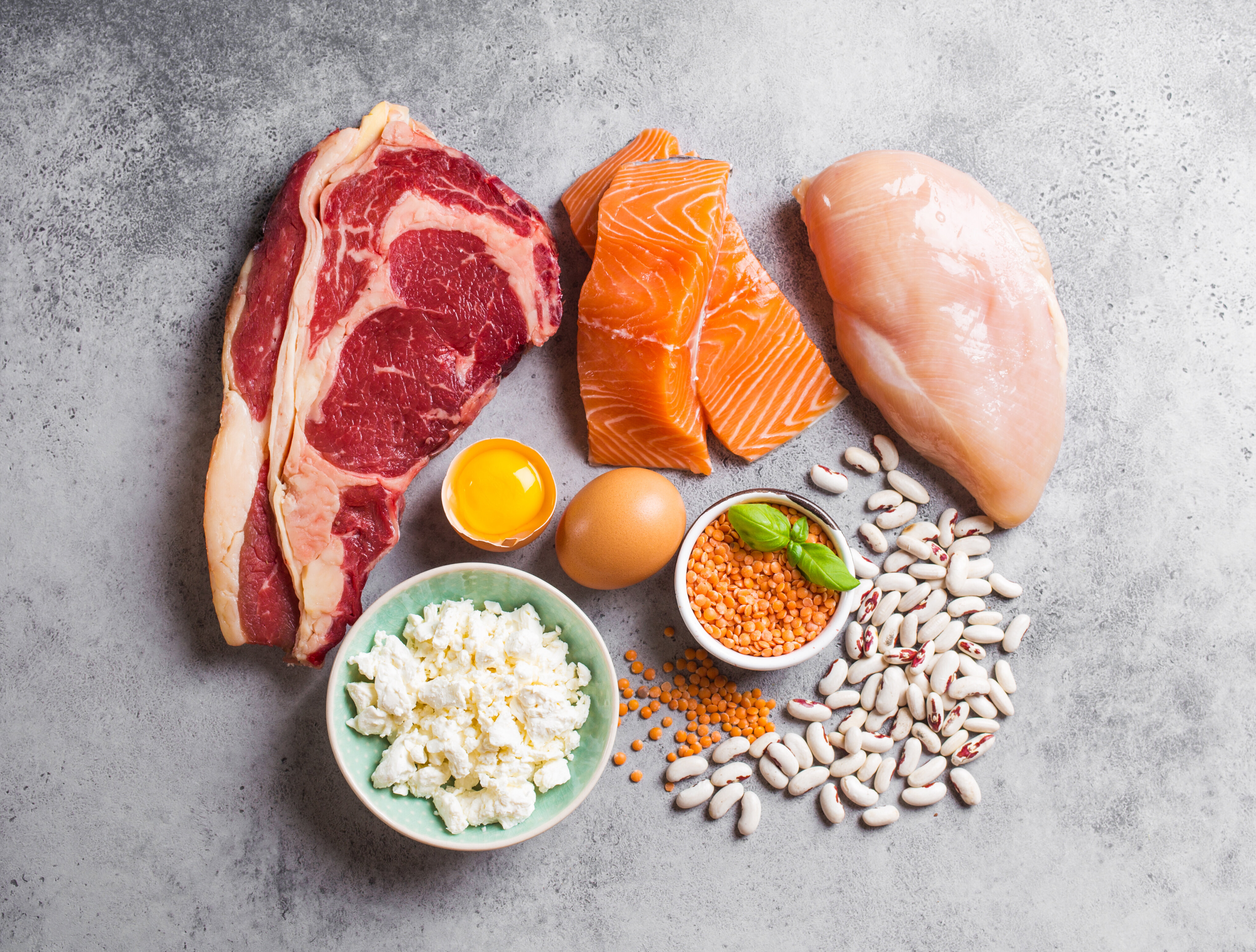
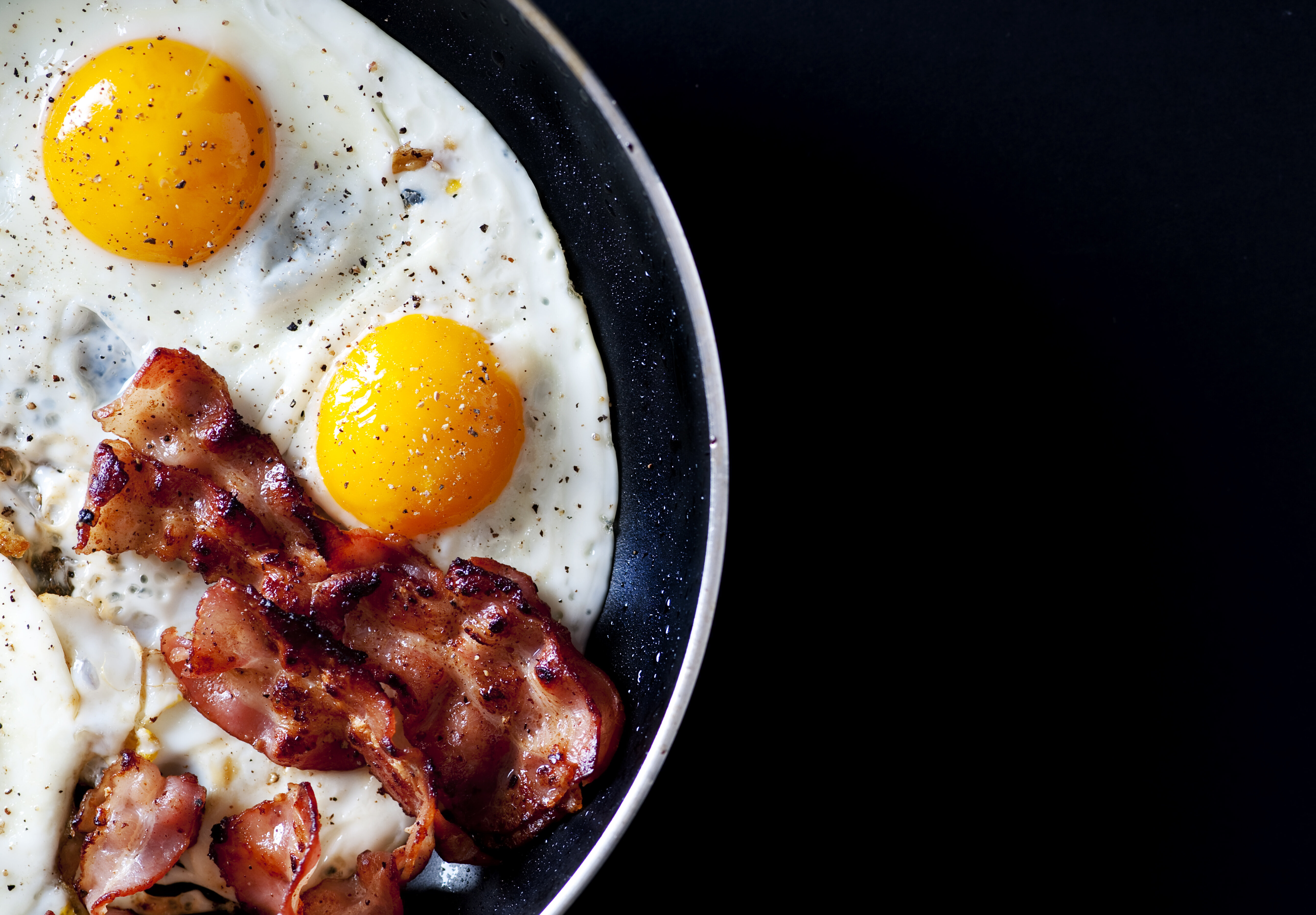
Is a diet of pasta and bread sustainable for health? Kulik said there are concerns. “The risk of iron deficiency, especially, is high on a very starchy diet,” she says. Even though many manufactured grain-based products are supplemented, she said, kids following the whiteatarian plan are often low in iron, vitamin D, calcium and B12.

Think this bagel with cream cheese looks plain enough? Think again – those sesame seeds could even be too much for a picky eater.

Think this bagel with cream cheese looks plain enough? Think again – those sesame seeds could even be too much for a picky eater.

In the short term, anyway, the nutritional prognosis is not totally dire. One study said that, while picky eaters did tend to have lower levels of zinc and iron, their overall macronutrient intakes were not severely reduced. And many of us know at least one adult who still lives on a mostly white diet and seems to survive, if not thrive.

“Many kids can survive on white carbs alone, as long as they’re eating enough of them,” Grogan says. “Carbs often are fortified with all sorts of vitamins and nutrition. However, depending on how limited a child’s diet is, they could have some nutritional deficiencies.”

The only thing you have to fear

In the comedy special John Mulaney & the Sack Lunch Bunch, a boy named Orson Hong sings an ode in which he declares that “a plain plate of noodles with a little bit of butter is the only thing I’ll eat.” His heartfelt song is more a lament than an homage, and it’s clear that his character is anxious and fearful about ingesting anything but this classic whiteatarian meal.


Fear is a big part of what’s going on, said Amanda Smith, a programme director at Walden Behavioral Care, and it’s important for both kids and parents to acknowledge that. “Some kids might be afraid of different textures, or they might fear that a food will make them choke or vomit,” she tells HuffPost. “It can be overwhelming, scary and hard, so it’s important for parents to try to understand that.”

“Short-order cooking and pressuring a child to eat during meals can lengthen the time a child is selective about what colour foods they’ll eat.”

– Alisha Grogan, paediatric occupational therapist

Keep in mind that once they’ve passed toddlerhood, this eating pattern is about them, not you. “If an older child is still eating only white foods, they aren’t trying to punish their parents or stress them out,” Grogan says. “Eating is hard for them. One way to help is to neutralise the topic, and to avoid labelling foods as good and bad or healthy and not healthy.”

Here’s what you can do

“I suggest not fighting or negotiating,” Kulik says. She suggested an attitude of: “Here’s the plate of food. If you want it, great.” Then, she advises, “If not, don’t start a battle. There is evidence kids need to try a food more than a dozen times to realise they like it. When you simply give in and offer the carbs, they don’t learn to try anything new, and the fear and pickiness persist.”

“Short-order cooking and pressuring a child to eat during meals can lengthen the time a child is selective about what colour foods they’ll eat,” Grogan adds.

In extreme cases, a child might have what’s known as Avoidant/Restrictive Food Intake Disorder or ARFID. The disorder, Kulik explains, is characterised by “very selective eating habits or disturbed feeding patterns.”

She cites estimates that anywhere between 5% and 14% of children in inpatient eating disorder programs, and up to 22% of children in outpatient programs, have the disorder. “It’s important to note that this is a true mental disorder, and the vast majority of kids who are whiteatarians don’t have it,” she says.

Don't forget about tan foods, the close cousin to white foods.

Don’t forget about tan foods, the close cousin to white foods.

“If you have concerns, start with a visit to your child’s medical provider,” Smith suggests. “They’ll be able to assess any medical factors that could be playing a role, and they can check your child’s growth progress, weight and vital signs, and then run some lab work.”

You’ll also want to pay attention to patterns that develop at mealtimes. “If kids are having emotional tantrums or breakdowns over new foods being near them or on their plate, or if they’re gagging or throwing up when new or other-colored foods are near them, then it could be something more serious,” Grogan says.

“If your child is limiting intake to fewer than 20 foods, or you’re noticing physical symptoms relating to their diet, consulting with a health practitioner is advised,” says Sarah Appleford, a registered clinical nutritionist with an interest in children’s health, including fussy eating and gut issues.

“It’s more than just a phase if they’re refusing food at most meals, exhibiting anxiety or stress, have undeveloped eating skills or sensitivities based on texture, colour, appearance, noise or smell at the table and away from the table. Physical symptoms can include slow growth, fatigue, pallor of the skin or complaints of tummy pain or gastrointestinal upset such as constipation.”

Look to the rainbow

Along with every other awful thing, this issue is on the rise, according to the experts. “We’re seeing a growing number of kids with anxiety disorders, and extreme fussy eating behaviour is often a component,” Appleford says. But there is some good news, she adds: “Most children will naturally grow out of fussy eating as they gain more skills and confidence around food.”

“Parents can find it to be very stressful to have a child who only eats white foods, because it’s difficult to go to parties or even pack a lunch,” Grogan says. “But kids — even the pickiest — can learn to eat a variety of different coloured foods.”

In the meantime, listen to the experts and try to cut yourself (and your child) a little bit of slack. You might also want to start saving for that liberal arts college experience that will liberate their taste buds and turn them into rainbowtarians, just a few long years from now.

Share Button

How To Watch The Tokyo Paralympics – And How Not To, Please

“I love the Paralympics but this time round they need to be more than just a feel-good story.” Sophie Christiansen CBE is a British dressage rider who has competed in four successive Paralympic Games. Already an eight-times gold champion, she hopes to up that medal tally at this year’s games in Japan.

Post-Olympics, the Paralympics light up Tokyo again this week, starting with Tuesday’s opening ceremony. But something about this year’s games feels different. After all, the games, which celebrate the sporting achievements of disabled people, and have been held every four years since Rome in 1960, are taking place a year later than planned due to (and during) a global pandemic. One in which disabled and vulnerable people are among those most affected.

Christiansen is leading a campaign with Scope and the British Paralympic Association with a rallying call to turn cheers into change. “I want to use them as a platform to show the reality of living as a disabled person in the UK,” she says.

This is because, like so many others in the disabled community, she’s concerned interest in the Paralympics does not translate into support for disabled people.

Sophie Christiansen: 'The Paralympics need to be more than a feel-good story'

Sophie Christiansen: ‘The Paralympics need to be more than a feel-good story’

Channel 4 certainly anticipates an audience for the games, having launched its most ambitious Paralympics schedule yet with a high-budget promo. At first glance, the ad seems like any other piece of media selling disabled people’s lives as a sob story or the ultimate bravery, until you focus on the narrative.

Instead of framing Paralympians as “super humans”, a message that saw the broadcaster heavily criticised in 2016, this new campaign shows the everyday struggles of disabled people and, in turn, para-athletes – from making hospital appointments to taking medication, and the general inaccessibility of life, whether at sporting facilities or, for one woman, her local greasy spoon.

“So you might as well quit, if you haven’t got it,” rings out the Bugsy Malone backing track, echoed in a pointed clip of Boris Johnson saying the same – before the “super” in the phrase “super humans” is smashed right through.

Evidently, the broadcaster want us to know it has listened – and that there’ll be no more switching off the comments on YouTube as in 2016. This year, Channel 4 and More 4 will carry live subtitles. The opening ceremony will have live signing and enhanced open AD/commentary simulcast on 4Seven, while the majority of content on the Paralympics microsite will also have subtitles.

<div class="js-react-hydrator" data-component-name="YouTube" data-component-id="6542" data-component-props="{"itemType":"video","index":14,"contentListType":"embed","code":"

","type":"video","meta":{"url":"https://www.youtube.com/watch?v=OjIP9EFbcWY","type":"video","version":"1.0","title":"Super. Human. | Tokyo 2020 Paralympic Games Trailer","author":"Channel 4","author_url":"https://www.youtube.com/channel/UCz1hQ68G3XPVYEBoFDgSjcQ","provider_name":"YouTube","description":"What does it take to be a Paralympian?\n\nThe Tokyo 2020 Paralympic Games begin on the 24th of August 2021, with 537 events from 22 sports to be contested. They are the culmination of five years of blood, sweat and extreme sacrifices made by all the athletes competing.\n\nAudio Described Version: https://youtu.be/Dy0nPCeruVc\nSigned / Subtitled version: https://youtu.be/L0Durb-J2BE \n\n#SuperHuman #Tokyo2020 #Paralympics \n\nAbout #Channel4: \n\nWelcome to Channel 4’s YouTube channel – a page jam-packed with clips from much-loved classics like Peep Show and The Great British Bake Off, and new hits like We Are Lady Parts and It’s A Sin. \n\nWhether you want to investigate the latest Dispatches, laugh your socks off at The Inbetweeners, or snuggle up on the sofa with your favourite Goggleboxers, there’s something for everyone right here. \n \nFollow Channel 4 on: \nFACEBOOK: https://bit.ly/3g1VMpN \nTWITTER: https://bit.ly/2TckydN \nINSTAGRAM: https://bit.ly/3zdl23Q \nTIKTOK: https://bit.ly/3ingVMH \n\nSUBSCRIBE: https://bit.ly/2v2I6SY \n\n📺 👉WATCH MORE ON #All4: https://bit.ly/3ufmZsY","thumbnail_url":"https://i.ytimg.com/vi/OjIP9EFbcWY/maxresdefault.jpg","thumbnail_width":1280,"thumbnail_height":720,"cache_age":86400,"options":{"_cc_load_policy":{"value":false,"label":"Closed captions"},"_end":{"placeholder":"ex.: 11, 1m10s","value":"","label":"End on"},"_start":{"placeholder":"ex.: 11, 1m10s","value":"","label":"Start from"},"click_to_play":{"label":"Hold load & play until clicked","value":false}}},"fullBleed":false,"flags":[],"enhancements":{},"options":{"theme":"life","device":"desktop","editionInfo":{"id":"uk","name":"U.K.","link":"https://www.huffingtonpost.co.uk","locale":"en_GB"},"slideshowAd":{"scriptTags":[],"otherHtml":""},"slideshowEndCard":{"scriptTags":[{"attribs":{},"scriptBody":"\r\n (function(){\r\n var c = document.getElementById(‘taboola-endslate-thumbnails’);\r\n c.id += ‘-‘ + Math.round(Math.random()*1e16);\r\n \r\n var taboolaParams = {\r\n loader: \"//cdn.taboola.com/libtrc/aol-huffingtonpost/loader.js\",\r\n mode: \"thumbnails-b\",\r\n container: c.id,\r\n placement: \"Endslate Thumbnails\",\r\n target_type: \"mix\"\r\n };\r\n \r\n if (typeof window.modulousQueue === \"function\") {\r\n \twindow.modulousQueue.add(function(){ doTaboola(taboolaParams); });\r\n } else {\r\n \tdoTaboola(taboolaParams);\r\n }\r\n }());\r\n"}],"otherHtml":"

"},"isMapi":false,"isAmp":false,"entryId":"611d17d9e4b0caf7ce2bed90","entryTagsList":"health,disability,sport,equality,move,tokyo-paralympics,","sectionSlug":"lifestyle","deptSlug":null,"subcategories":"","isWide":false,"headerOverride":null,"noVideoAds":false,"isNative":false,"commercialVideo":{"provider":"custom","site_and_category":"uk.lifestyle","package":null},"isHighline":false,"vidibleConfigValues":{"cid":"60afc140cf94592c45d7390c","disabledWithMapiEntries":false,"overrides":{"all":"60b8e525cdd90620331baaf4"},"whitelisted":["56c5f12ee4b03a39c93c9439","56c6056ee4b01f2b7e1b5f35","59bfee7f9e451049f87f550b","5acccbaac269d609ef44c529","570278d2e4b070ff77b98217","57027b4be4b070ff77b98d5c","56fe95c4e4b0041c4242016b","570279cfe4b06d08e3629954","5ba9e8821c2e65639162ccf1","5bcd9904821576674bc55ced","5d076ca127f25f504327c72e","5b35266b158f855373e28256","5ebac2e8abddfb04f877dff2","60b8e525cdd90620331baaf4","60b64354b171b7444beaff4d","60d0d8e09340d7032ad0fb1a","60d0d90f9340d7032ad0fbeb","60d0d9949340d7032ad0fed3","60d0d9f99340d7032ad10113","60d0daa69340d7032ad104cf","60d0de02b627221e9d819408"],"playlists":{"default":"57bc306888d2ff1a7f6b5579","news":"56c6dbcee4b04edee8beb49c","politics":"56c6dbcee4b04edee8beb49c","entertainment":"56c6e7f2e4b0983aa64c60fc","tech":"56c6f70ae4b043c5bdcaebf9","parents":"56cc65c2e4b0239099455b42","lifestyle":"56cc66a9e4b01f81ef94e98c"},"playerUpdates":{"56c6056ee4b01f2b7e1b5f35":"60b8e525cdd90620331baaf4","56c5f12ee4b03a39c93c9439":"60d0d8e09340d7032ad0fb1a","59bfee7f9e451049f87f550b":"60d0d90f9340d7032ad0fbeb","5acccbaac269d609ef44c529":"60d0d9949340d7032ad0fed3","5bcd9904821576674bc55ced":"60d0d9f99340d7032ad10113","5d076ca127f25f504327c72e":"60d0daa69340d7032ad104cf","5ebac2e8abddfb04f877dff2":"60d0de02b627221e9d819408"}},"customAmpComponents":[],"ampAssetsUrl":"https://amp.assets.huffpost.com","videoTraits":null}}”>

[embedded content]

Unfortunately, the messaging that accompanies the campaign lets it down: “To be a Paralympian, there’s got to be something wrong with you.” To non-disabled people, that may read as tongue-in-cheek, but for many people with disabilities, it brings back memories of being taunted with “what’s wrong with you?!”

Causing an even bigger uproar online is the accompanying billboard and bus shelter campaign, which uses the slogan: “It’s rude not to stare”.

It’s clear Channel 4 are trying to be subversive here, but when you’ve grown up being told you don’t fit in, that there is something wrong with you, and that if you don’t control your disability, people will stare, these words can still hurt.

There’s also the fact that most people seeing the advert won’t have experienced bias or hate because of their disability, so to them it won’t read as “watch the Paralympics.” It reads as “make disabled people your inspo porn.” Again.

The ads have certainly divided disabled people, and that’s to be expected. Contrary to some reports, we don’t all think the same about things.

Comedian and presenter Rosie Jones is part of The Last Leg team, presenting live from Tokyo. “I really think since the Paralympics have been on Channel 4, it’s a completely different thing,” she says, while acknowledging her possible bias. “Maybe I’m being naive but I don’t think there’s been an ‘inspiration porn’ aspect. It’s all about balance and it’s like, ‘yeah, great, we know how we got disabled, now can we watch then just smash the rowing or the cycling.’”

Inspiration porn, a term widely used by the disability community, was first coined by activist Stella Young to describe a situation where a disabled person is seen as inspirational purely because of their disability – for example, an Instagram post showing a disabled athlete running a race on prosthetic legs with the text: “If they can do it, what’s your excuse.”

These sort of clichés ignore the hard work disabled people put in to get to the top of their game, despite the ableism thrown at them – whether the game in question is sport, as for Paralympians, or in Jones’s case, stand-up comedy.

For her part, Jones attributes a reduction in inspirational imagery to a rise in disabled talent – for the first time, more than 70% of Channel 4′s presenters for the Paralympics have disabilities themselves. “The storytelling comes with a sense of authenticity you wouldn’t get if the entire team were abled bodied.”

Although what Jones says has some truth in it, much Paralympics coverage still leans on sob stories and in-depth personal details from disabled people’s lives in order to get an emotive response from non-disabled viewers. But former Paralympian wheelchair racer Baroness Tanni Grey-Thompson, who will be commentating the games for Channel 4, believes there’s a clear solution.

“They need to show sport, and they need to commentate on it as just sport.”

– Dame Tanni Grey-Thompson

“If we’re in the studio having a discussion about the politics of disability, then that’s the time to educate and talk about someone’s disability, not when they’re getting ready to compete,” she says. “They need to show sport, and they need to commentate on it as just sport.”

In something of a Catch-22, the very fact that disabled people are ignored or overlooked so much of the time is what leads people to pay closer attention when they are doing something out of the ordinary, like competing in the Paralympics, and to hold them to impossible standards.

Something that could be solved, perhaps, if the world was built more for disabled people

Liz Johnson: 'It&rsquo;s assumed that Paralympians represent all disabled people'

Liz Johnson: ‘It’s assumed that Paralympians represent all disabled people’

“If we invested more attention in creating a world in which everyone was enabled and empowered to get on with their lives, being disabled wouldn’t be seen as something to be ‘pitied’ or dramatised,” says Liz Johnson, former Paralympian swimmer, commentator and co-founder of The Ability People and Podium, a platform for people who are unable to work conventionally, due to disability or impairment, to share and promote their skills and expertise.

“It’s assumed that Paralympians represent all disabled people. But just as not every person wants to be an athlete, nor does everyone with a disability want to be a Paralympian,” says Johnson. “The better representation we give to disabled people from all walks of life, doing all kinds of jobs, the more we’ll level the playing field and stop ‘othering’ people who happen to have a disability.”

Now more than ever, the Paralympics wants to champion sporting excellence while using its legacy to draw attention to the lives of disabled people – but how big a burden is this on an event that happens only once every four years?

Tokyo hope Kadeena Cox at the IPC World Para Athletics Championships.

Tokyo hope Kadeena Cox at the IPC World Para Athletics Championships.

“We can’t expect the Paralympics to do everything. If we wait for the Paralympic movement to raise the bar, it’s never going to raise,” says Grey-Thompson. “We need government and other people to raise the bar. If you just let the Paralympic movement do it, it means government don’t have to take any responsibility.”

London 2012 was widely seen as a high water mark for disabled visibility, with the Paralympic events as packed as their Olympic equivalents. But by no means was it ‘job done’ for equality.

“Yes, 2012 changed the world for disabled people, but, it didn’t stop, “do not attempt resuscitation” orders being put on 1000s of disabled people last year. It hasn’t changed hate crime doubling against disabled children since 2012. It didn’t change my ability to get on the Northern line,” Grey-Thompson adds.

Mike Sharrock, chief executive of ParalympicsGB, sees the urgency of this moment. “Following the disproportionate impact of Covid-19 on so many disabled people, we now believe more than ever that the success of ParalympicsGB must be a catalyst for meaningful, long-term action,” he says.

“Athletes are powerful advocates to turn the nation’s cheers into change and those medals into a UK-wide movement. The Paralympics might only be four weeks every four years but the message from disabled campaigners and Paralympians alike is clear – we won’t be forgotten when the Paralympics end.”

Ultimately, the International Paralympic Committee, the British Paralympic Association and Channel 4 aren’t the ones in power. We can hold them to account for the ways they portray disabled people, but we can’t expect them to enact meaningful change in our lives. For that, we need to lobby government and, disabled or able-bodied, we can all play our part.

“My concern is the after-care and how quickly people go back to their normal lives and they forget about disabled people,” says Rosie Jones, summing it up. “We’re at a point now as a country where we’re just as excited for the Paralympics as the Olympics, but we shouldn’t be grateful that for four weeks, we’re equal to abled-bodied people. That should be happening all the time.”

Share Button