Trials of a daily obesity pill showed patients lost about 12% of their body weight over 72 weeks.


Trials of a daily obesity pill showed patients lost about 12% of their body weight over 72 weeks.

Between his hit song Galway Girl, his clear affinity for traditional Irish music and his ability to “split the G” in a pint of Guinness, Ed Sheeran has made no secret of his appreciation for Irish culture over the years.
The Shape Of You singer opened up about his Irish roots while speaking on The Louis Theroux Podcast earlier in the summer, explaining how he sees himself as “culturally” Irish, despite being born in the UK.
Advertisement
“I class my culture as Irish. I think that’s what I grew up with,” he shared. “We’d spend all of our holidays in Ireland. My first musical experiences were in Ireland, I grew up with trad music in the house.
“So, I identify culturally as Irish, but I was obviously born and raised in Britain.”
However, it seems not everyone took too kindly to those remarks, with an ensuing backlash including accusations of being “plastic paddy”, a derogatory term often attributed to people several generations down the line in the Irish diaspora.
Advertisement
The Nancy Mulligan singer was raised in Suffolk, but his dad is from Belfast, and he spent lots of time in Ireland during his childhood.
Opening up about some of the criticism he received while speaking on The Tracy Clifford Show on RTÉ, the four-time Grammy winner reiterated that his upbringing was steeped in Irish culture.
“I feel like people are a bit like ‘gatekeepey’ sometimes,” he explained. “I think it comes from Americans that are 1/16th Irish… I do understand it.
Advertisement
He added: “But also – no one can tell me what my childhood was, or what the culture that I grew up with, or the music I grew up with, or the humour I grew up with, or the movies I grew up [were]… I grew up with it, therefore, it’s part of me.
“Therefore, I feel like it’s part of my culture and how can someone else tell me what is or isn’t how I feel?”
Ed’s comments come after he posted an initial reaction to his Instagram Story in June aimed at “anyone with an opinion after what I said about my heritage”.
Advertisement
“My dad is Irish. My family is Irish. I have an Irish passport,” he wrote. “The culture I was brought up around is Irish.”
He continued: “The first music I learnt was Irish. [Just because] I was born somewhere else doesn’t change my culture, I can be allowed to feel a connection to a place half my family is from.”
Elaborating about his Irish background while speaking with Louis, Ed said his culture is “something that I’m really proud of and grew up with and want to express”, before adding: “I feel like just because I was born in Britain doesn’t necessarily mean that I have to just be [British], there’s loads of people I know that are half this or quarter this.”
Advertisement
Just this week, Ed surprised fans with a performance in an Irish pub during a music and arts festival in Wexford.



University of Warwick astronomers have uncovered compelling evidence that a nearby white dwarf is in fact the remnant of two stars merging — a rare stellar discovery revealed through Hubble Space Telescope ultraviolet observations of carbon in the star’s hot atmosphere.
White dwarfs are the dense cores left behind when stars exhaust their fuel and collapse. They are Earth-sized stellar embers weighing typically half as much as the Sun, made up of carbon-oxygen cores with surface layers of helium and hydrogen. While white dwarfs are common in the universe, those with exceptionally high mass (weighing more than the Sun) are rare and enigmatic.
In a paper published on August 6 in Nature Astronomy, Warwick astronomers report on their investigations of a known high-mass white dwarf 130 light-years away, called WD 0525+526. With a mass 20% larger than our Sun, WD 0525+526 is considered “ultra-massive,” and how this star came to be is not fully understood.
Such a white dwarf could form from the collapse of a massive star. However, ultraviolet data from the Hubble Space Telescope revealed WD 0525+526 to have small amounts of carbon rising from its core into its hydrogen-rich atmosphere — suggesting this white dwarf did not originate from a single massive star.
“In optical light (the kind of light we see with our eyes), WD 0525+526 looks like a heavy but otherwise ordinary white dwarf,” said first author Dr Snehalata Sahu, Research Fellow at the University of Warwick. “However, through ultraviolet observations obtained with Hubble, we were able to detect faint carbon signatures that were not visible to optical telescopes.
“Finding small amounts of carbon in the atmosphere is a telltale sign that this massive white dwarf is likely to be a be the remnant of a merger between two stars colliding. It also tells us there may be many more merger remnants like this masquerading as common pure-hydrogen atmosphere white dwarfs. Only ultraviolet observations would be able to reveal them to us.”
Normally, hydrogen and helium form a thick barrier-like envelope around a white dwarf core, keeping elements like carbon hidden. In a merger of two stars, the hydrogen and helium layers can burn off almost completely as the stars combine. The resulting single star has a very thin envelope that no longer prevents carbon from reaching the surface — this is exactly what is found on WD 0525+526.
Antoine Bédard, Warwick Prize Fellow in the Astronomy and Astrophysics group at Warwick and co-first author said, “We measured the hydrogen and helium layers to be ten-billion times thinner than in typical white dwarfs. We think these layers were stripped away in the merger, and this is what now allows carbon to appear on the surface.
“But this remnant is also unusual: it has about 100,000 times less carbon on its surface compared to other merger remnants. The low carbon level, together with the star’s high temperature (nearly four times hotter than the Sun), tells us WD 0525+526 is much earlier in its post-merger evolution than those previously found. This discovery helps us build a better understand the fate of binary star systems, which is critical for related phenomena like supernova explosions.”
Adding to the mystery is how carbon reaches the surface at all in this much hotter star. The other merger remnants are later in their evolution and cool enough for convection to bring carbon to the surface. But WD 0525+526 is far too hot for that process. Instead, the team identified a subtler form of mixing called semi-convection, seen here for the first time in a white dwarf. This process allows small amounts of carbon to slowly rise into the star’s hydrogen-rich atmosphere.
“Finding clear evidence of mergers in individual white dwarfs is rare,” added Professor Boris Gänsicke, Department of Physics, University of Warwick, who obtained the Hubble data for this study. “But ultraviolet spectroscopy gives us the ability to detect these signs early, when the carbon is still invisible at optical wavelengths. Because the Earth’s atmosphere blocks ultraviolet light, these observations must be carried out from space, and currently only Hubble can do this job.
“Hubble just turned 35 years old, and while still going strong, it is very important that we start planning for a new space telescope that will eventually replace it.”
As WD 0525+526 continues to evolve and cool, it is expected that more carbon will emerge at its surface over time. For now, its ultraviolet glow offers a rare glimpse into the earliest stage of a stellar merger’s aftermath — and a new benchmark for how binary stars end their lives.
While we have been repeatedly informed that we need to ‘save the bees’ over the past decade or so, researchers from Sheffield’s School of Biosciences say there are two more pollinators we need to look out for, who are just as at risk.
The critters in question are moths and hover flies – not quite as cute and charismatic as bees, but just as essential to our ecosystems.
Advertisement
Looking at urban development and the impact on insects, researchers found that for every 10% increase in impervious surfaces – such as roads and building cover – there was a reduction of up to 7.5% in the variety of pollinating species.
However, the number of moths and hover flies of any species took a far greater hit compared to bees.
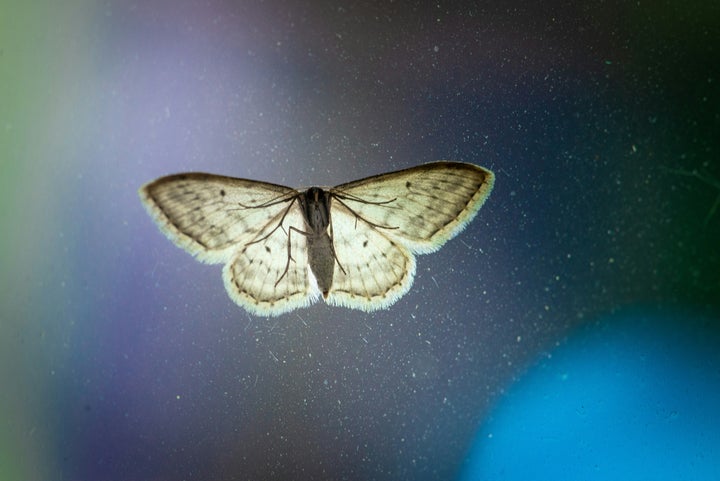
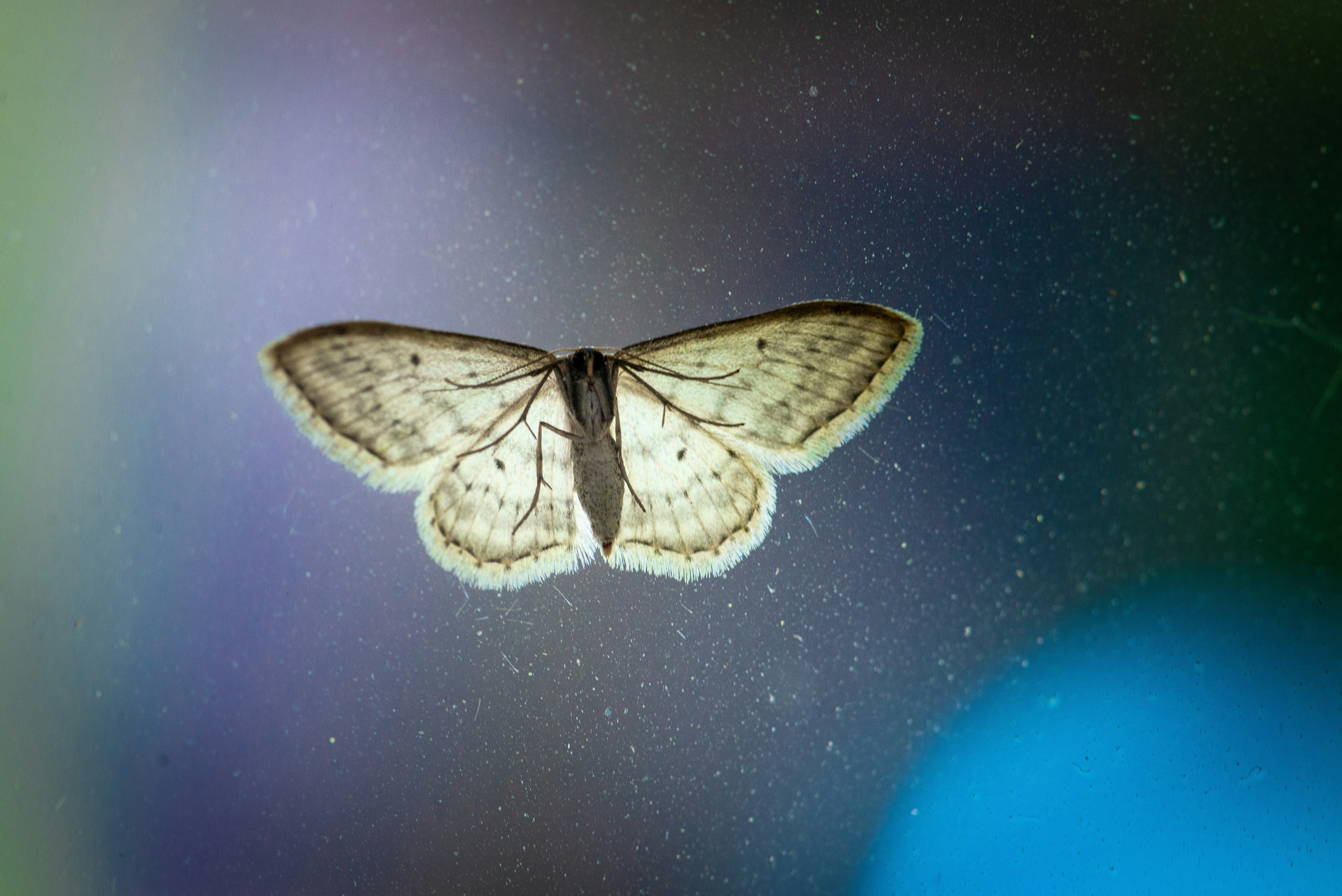
If you’re the kind of gardener who has keenly planted flowers for pollinators such as bees, the researchers urge to continue this kind of proactive approach by inviting moths and hover flies to your garden, too.
Advertisement
Emilie Ellis, lead author of the study, told The Guardian: “It’s just a matter of taking [moths and hover flies] into account and maybe having some more shrubs or a pond or something like that to also benefit those insects.
“The diversity of habitat is the most important – so you need your flower patch, you need a tree, you need some shrubs, you need an untouched bit of grass – and kind of just keeping the patches that you have diverse and catering for all different types of insects and animals.”
Moths – of which there are 2,500 types in the UK – particularly like jasmine, honeysuckle, ivy, sweet rocket and evening primrose, according to the RSPB.
Advertisement
Ellis also advised to get neighbours involved, too, saying: “A huge thing that’s important is collaborating and talking to your neighbours and families and friends and encouraging them to do it too.
“Because an individual allotment or flower garden is pretty small and almost useless, but when you create a whole network of people that are interested and engaged, these small little patches can become these huge habitat networks in cities.”
BRB, getting my gardening gloves out.

Nicotine products designed to appeal to children are being openly sold in shops in Scotland.

If you’re a parent, particularly a mother, you’ll likely be well acquainted with the mental load – or as UCLA Health describes it, the “behind-the-scenes, cognitive and emotional work needed to manage a household”.
Studies have found mums take on 71% of all household mental load tasks (in comparison to dads, who take on 45%), ranging from planning meals and arranging activities to managing household finances.
Advertisement
The impact of this unequal division of tasks, which can often go unnoticed, is not to be underestimated. “It can lead to stress, burnout and even impact women’s careers. In many cases, resentment can build, creating strain between couples,” political scientist Dr Ana Catalano Weeks said.
The weight of the mental load can vary dramatically over the years, depending on a range of factors including the age of your kids, their needs at the time and how many hobbies they have.
One parent took to Reddit recently to ask whether other mums felt there was an age where the mental load peaked.
Advertisement
“I have two kids, different school ages so in two different schools and schedules,” she said. “The mental load feels substantially larger than when they were smaller and only dealing with baby and toddler stages.”
The overarching theme was that there were two key peaks: the baby and toddler years; and then the tween years. But it turns out even university-age kids can come with their fair share of admin, too.
Advertisement
As a member of this camp, I can wholeheartedly say the mental load is exhausting – especially when you’re breastfeeding, as it’s not something you can technically “hand over”.
Similarly, keeping a child from harming themselves 24/7 (we’re currently in the climb everything and try-to-throw-ourselves-down-the-stairs phase of toddlerhood) is tiring.
Then there’s the sheer amount of sickness young kids have – and trying to juggle that around work, and who needs to take which day off to look after who, or who needs to be calling family members for backup childcare – as well as all the cleaning, weaning, and having to take the entire house with you when you go out anywhere for a significant period of time (aka more than 20 minutes).
Advertisement
One mum of four children aged 15, 18, 20 and 24 said the toddler years were “the worst” in terms of mental load.
Another parent noted they experienced “two mental load peaks” which had “very different flavours”, one of which was the baby and toddlerhood peak, “which was very much about keeping them alive and uninjured”.
They continued: “A lot of my mental energy was consumed by constant feeding, cleaning, and supervision of irrational creatures with no self-preservation instinct.” Told you.
Advertisement
The same mum added: “There was another mental load peak in the preteen years. This one was more about keeping everything on the rails. It was a combo of puberty issues like hygiene resistance and emotional meltdowns, and admin issues like keeping track of school schedules, projects, activities, trips, and social engagements.
“It started to settle down for us in high school, when the kids are more reliably handling their own personal, school, and social stuff.”
Another parent agreed that tweens require a lot of extra organisation: “As a parent of teens and tweens, I think there is more mental load for tweens. I’m still texting/arranging with other parents, still in charge of signing them up for things and transportation to/from everywhere, and still needing to support school a lot more.”
Advertisement
Some parents did find that even with older children – we’re talking college-age kids and young adults – their mental load peaked.
“Mine are 17 and 22,” said a mother. “It’s peak emotional mental load. One is transitioning to adulthood after college and struggling to find a career. One is entering last year of high school and is anxious about the future. And I’m transitioning through perimenopause!!! It’s a very different mental load at this stage. It’s by far my worst time.”
Another parent agreed: “I can relate. I have an almost 19 year old and 21 year old. The 19 year old is starting college, and the twenty one year old has about a year and a half to go. And I am in menopause now, so my anxiety is high, and my sleep is all over the place.
Advertisement
“I feel like this is the hardest stage for me because they don’t listen as much to you.”
Regardless of which stage you’re in, know that you’re certainly not alone.
If you’re struggling under the sheer weight of the mental load, UCLA Health experts have shared the following tips:

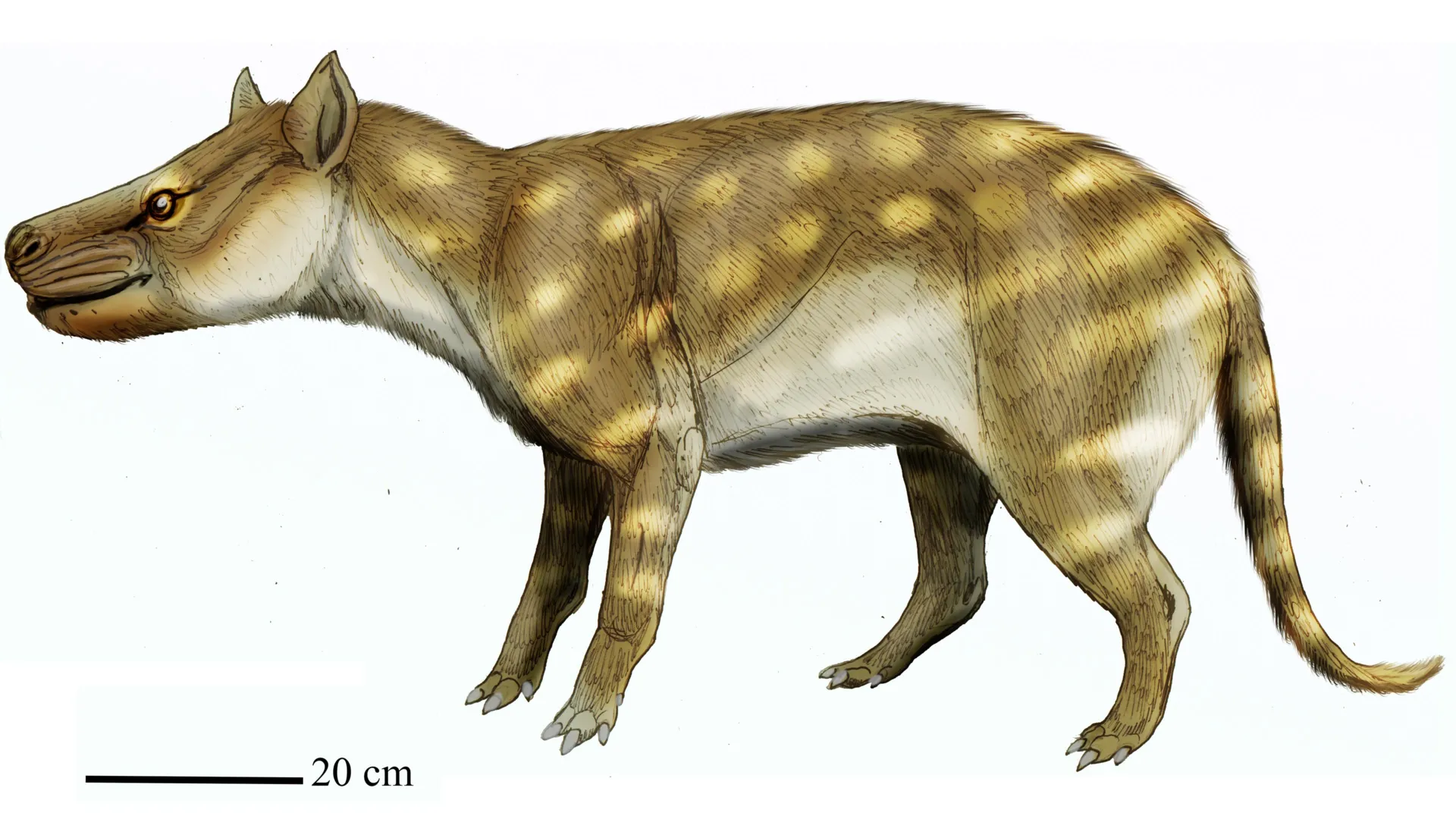
About 56 million years ago, when Earth experienced a dramatic rise in global temperatures, one meat-eating mammal responded in a surprising way: It started eating more bones.
That’s the conclusion reached by a Rutgers-led team of researchers, whose recent study of fossil teeth from the extinct predator Dissacus praenuntius reveals how animals adapted to a period of extreme climate change known as the Paleocene-Eocene Thermal Maximum (PETM). The findings, published in the journal Palaeogeography, Palaeoclimatology, Palaeoecology, could help scientists predict how today’s wildlife might respond to modern global warming.
“What happened during the PETM very much mirrors what’s happening today and what will happen in the future,” said Andrew Schwartz, a doctoral student in the Department of Anthropology at the School of Arts and Sciences, who led the research. “We’re seeing the same patterns. Carbon dioxide levels are rising, temperatures are higher and ecosystems are being disrupted.”
Associate Professor Robert Scott of the Department of Anthropology is a co-author of the study.
Schwartz, Scott and another colleague used a technique called dental microwear texture analysis to study the tiny pits and scratches left on fossilized teeth. These marks reveal what kinds of food the animal was chewing in the weeks before it died.
The ancient omnivore was about the size of a jackal or a coyote and likely consumed a mix of meat and other food sources like fruits and insects. “They looked superficially like wolves with oversized heads,” Schwartz said, describing them as “super weird mammals.” “Their teeth were kind of like hyenas. But they had little tiny hooves on each of their toes.”
Before this period of rising temperatures, Dissacus had a diet similar to modern cheetahs, eating mostly tough flesh. But during and after this ancient period, its teeth showed signs of crunching harder materials, such as bones.
“We found that their dental microwear looked more like that of lions and hyenas,” Schwartz said. “That suggests they were eating more brittle food, which were probably bones, because their usual prey was smaller or less available.”
This dietary shift happened alongside a modest reduction in body size, likely because of food scarcity. While earlier hypotheses blamed shrinking animals on hotter temperatures alone, this latest research suggests that limited food played a bigger role, Schwartz said.
This period of rapid global warming lasted about 200,000 years, but the changes it triggered were fast and dramatic. Schwartz said studies of the past like his can offer practical lessons for today and what comes next.
“One of the best ways to know what’s going to happen in the future is to look back at the past,” he said. “How did animals change? How did ecosystems respond?”
The findings also highlight the importance of dietary flexibility, he said. Animals that can eat a variety of foods are more likely to survive environmental stress.
“In the short term, it’s great to be the best at what you do,” Schwartz said. “But in the long term, it’s risky. Generalists, meaning animals that are good at a lot of things, are more likely to survive when the environment changes.”
Such an insight may be helpful for modern conservation biologists, allowing them to identify which species today may be most vulnerable, he said. Animals with narrow diets, such as pandas, may struggle as their habitats shrink. But adaptable species, including jackals or raccoons, might fare better.
“We already see this happening,” Schwartz said. “In my earlier research, jackals in Africa started eating more bones and insects over time, probably because of habitat loss and climate stress.”
The study also showed that rapid climate warming as seen during the ancient past can lead to major changes in ecosystems, including shifts in available prey and changes in predator behavior. This may suggest that modern climate change could similarly disrupt food webs and force animals to adapt, or risk extinction, he said.
Even though Dissacus was a successful and adaptable animal that lived for about 15 million years, it eventually went extinct. Scientists think this happened because of changes in the environment and competition from other animals, Schwartz said.
Schwartz conducted his research using a combination of fieldwork and lab analysis, focusing on fossil specimens from the Bighorn Basin in Wyoming, a site with a rich and continuous fossil record spanning millions of years. Schwartz chose the location because it preserves a detailed sequence of environmental and ecological changes during the ancient period of climate warming.
Schwartz has been interested in paleontology, specifically dinosaurs, since he was a boy, journeying with his father, an amateur fossil hunter, on treks through New Jersey’s rivers and streams. Now, as a late-stage doctoral student, he hopes to use ancient fossils to answer urgent questions about the future.
He also wants to inspire the next generation of researchers.
“I love sharing this work,” he said. “If I see a kid in a museum looking at a dinosaur, I say, ‘Hey, I’m a paleontologist. You can do this, too.'”
In addition to Schwartz and Scott, Larisa DeSantis of Vanderbilt University is an author of the study.
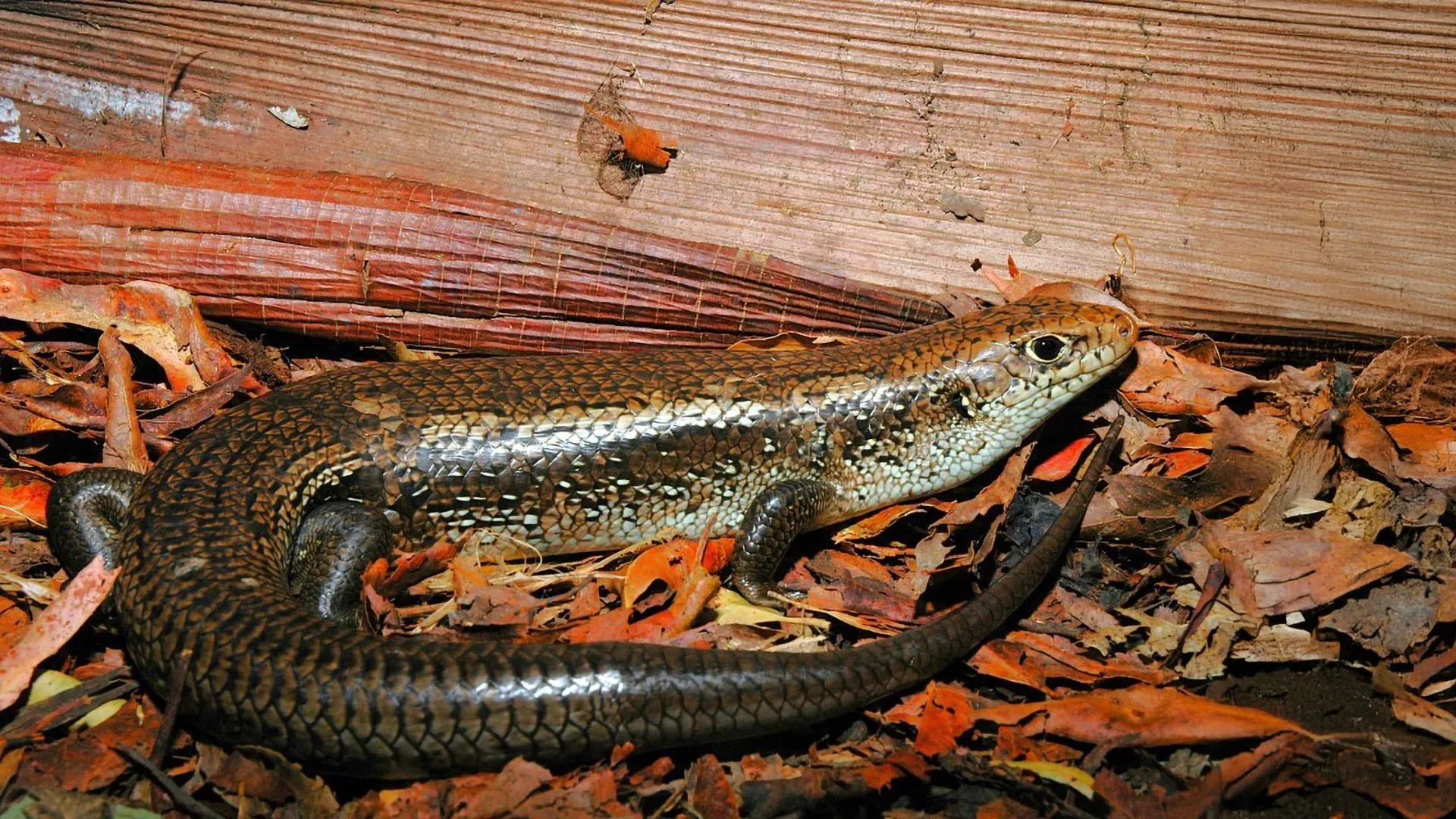
A University of Queensland-led study has found Australian skinks have evolved molecular armor to stop snake venom from shutting down their muscles.
Professor Bryan Fry from UQ’s School of the Environment said revealing exactly how skinks dodge death could inform biomedical approaches to treating snakebite in people.
“What we saw in skinks was evolution at its most ingenious,” Professor Fry said.
“Australian skinks have evolved tiny changes in a critical muscle receptor, called the nicotinic acetylcholine receptor.
“This receptor is normally the target of neurotoxins which bind to it and block nerve-muscle communication causing rapid paralysis and death.
“But in a stunning example of a natural counterpunch, we found that on 25 occasions skinks independently developed mutations at that binding site to block venom from attaching.
“It’s a testament to the massive evolutionary pressure than venomous snakes exerted after their arrival and spread across the Australian continent, when they would have feasted on the defenseless lizards of the day.
“Incredibly, the same mutations evolved in other animals like mongooses which feed on cobras.
“We confirmed with our functional testing that Australia’s Major Skink (Bellatorias frerei) has evolved exactly the same resistance mutation that gives the honey badger it’s famous resistance to cobra venom.
“To see this same type of resistance evolve in a lizard and a mammal is quite remarkable – evolution keeps hitting the same molecular bullseye.”
The muscle receptor mutations in the skinks included a mechanism to add sugar molecules to physically block toxins and the substitution of a protein building block (amino acid arginine at position 187).
The laboratory work validating the mutations was carried out at UQ’s Adaptive Biotoxicology Laboratory by Dr Uthpala Chandrasekara who said it was incredible to witness.
“We used synthetic peptides and receptor models to mimic what happens when venom enters an animal at the molecular level and the data was crystal clear, some of the modified receptors simply didn’t respond at all,” said Dr Chandrasekara.
“It’s fascinating to think that one tiny change in a protein can mean the difference between life and death when facing a highly venomous predator.”
The findings could one day inform the development of novel antivenoms or therapeutic agents to counter neurotoxic venoms.
“Understanding how nature neutralizes venom can offer clues for biomedical innovation,” Dr Chandrasekara said.
“The more we learn about how venom resistance works in nature, the more tools we have for the design of novel antivenoms.”
The project included collaborations with museums across Australia.
The research has been published in International Journal of Molecular Sciences.
Twelve times more mental health patients are waiting more than 18 months for treatment than those with physical health conditions in England, data analysis shows.
The government plans to crack down on dodgy cosmetic practitioners in England who exploit people and cause harm.
