This Is The Anti-Ageing Tool Celebrities Actually Keep In Their Beauty Kit

We hope you love the products we recommend! All of them were independently selected by our editors. Just so you know, HuffPost UK may collect a share of sales or other compensation from the links on this page if you decide to shop from them. Oh, and FYI — prices are accurate and items in stock as of time of publication.

We’ve written before at HuffPost UK about the serums and creams celebs like Dua Lipa use to achieve their glowing skin.

But let’s be real here ― not every A-lister’s flawless dermis comes from a bottle, plastic surgeon and aesthetic director of LYMA Dr Graeme E. Glass says.

Not only have celebs like Sienna Miller, Cynthia Enviro, Kate Hudson, and Hannah Waddingham used the brand’s at-home laser technology, but the surgeon also says “more men are opting for cosmetic surgery and aesthetic treatments” at his clinic.

Male A-list users of the LYMA laser include Cillian Murphy, Eddie Redmayne, Barry Keoghan, and Rége Jean-Page, the brand shares.

So what exactly is a LYMA laser, and how does it help to give you a celeb glow?

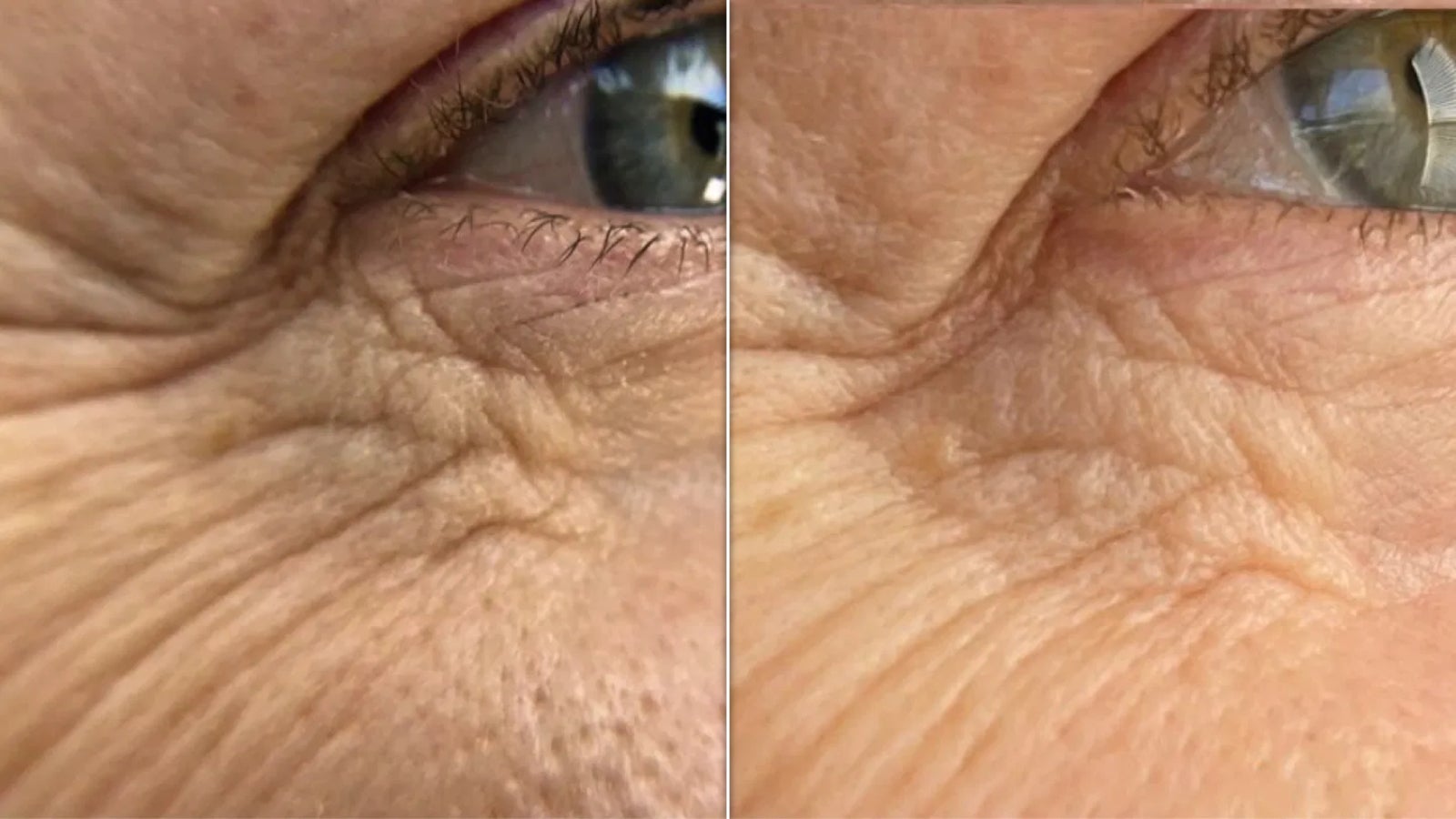
LYMA promises its ‘completely painless’ laser will give your skin all the benefits of an in-office treatment, including improving the appearance of wrinkles, fine lines, skin elasticity, blemishes, texture, tone and more. The best bit? It does all of the above in just three minutes of daily use.

Its breakthrough technology, created with plastic surgeons, geneticists and scientists diffuses micro-dots of invisible light over a large surface – Safe for all skin tones, (which is far from a given among laser products), LYMA’s flagship and PRO versions of their product can be used for your legs and arms as it is for your forehead and jawline.

Lyma red light laser

LYMA says it is the close proximity to its laser’s infrared beam that contributes to skin regeneration.

Its lower temperature helps to prevent damage and your dermis converts that light to energy, preventing the breakdown of your extracellular matrix ― leaving you with skin that’s hydrated from within.

The low-level laser therapy, which is gentle enough to use at home, has also been proven to increase the amount of oxygen and nutrients available to your skin.

The result? Denser, firmer, smoother, and healthier-looking skin over time, LYMA says.

The portable tool is also cordless and small enough to fit in your handbag, making what’s set to be the most effective part of your daily skincare routine even easier to take with you when you travel.

And in even better news, for a limited time, when you buy the LYMA Laser or Laser PRO, you can bag yourself a free one-month LYMA Supplement starter kit (which is normally worth £199) – giving you skin support on the surface and cellular support from within.

LYMA Supplement is made up of eleven gold standard nutraceutica ingredients and promises to help with sleep and stress levels as well as your skin. The Starter Kit also includes a free hand hammered solid copper storage vessel.

Count us in.

Share Button

This diet helped people lose twice as much weight, without eating less

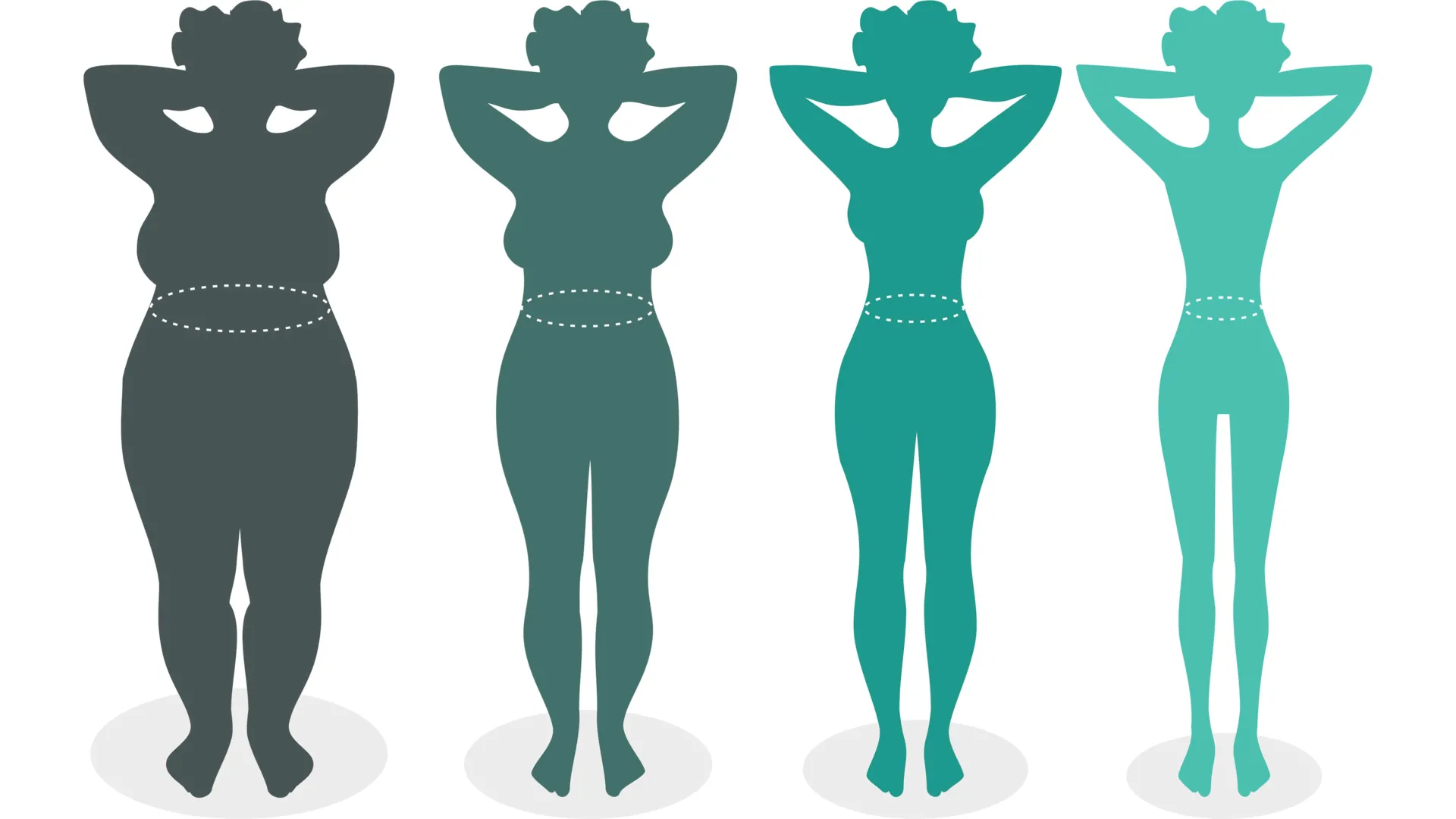
When given nutritionally matched diets, participants lost twice as much weight eating minimally processed foods compared to ultra-processed foods, suggesting that cutting down on processing could help to sustain a healthy weight long term, finds a new clinical trial led by researchers at UCL and UCLH.

The study, published in Nature Medicine, is the first interventional study comparing ultra-processed food (UPF) and minimally processed food (MPF) diets in ‘real world’ conditions, as well as being the longest experimental study of a UPF diet to date1.

The trial split 55 adults into two groups. One group started with an eight-week diet of MPF, such as overnight oats or homemade spaghetti Bolognese. After a four-week ‘washout’ period during which participants went back to their normal diet, they switched to a diet of UPF, such as breakfast oat bars or a lasagna ready meal. The other group completed the diets in the opposite order. In total, 50 participants completed at least one diet.

The provided diets were nutritionally matched in accordance with the Eatwell Guide, the UK’s official government advice on how to eat a healthy, balanced diet. This included levels of fat, saturated fat, protein, carbohydrate, salt and fiber, as well as providing recommended intakes of fruits and vegetables. Participants had plenty of food (i.e. more calories than they needed) delivered to their home and were told to eat as much or as little as they wanted, as they would normally. They were not told to limit their intake.

After eight weeks on each diet, both groups lost weight, likely as a result of the improved nutritional profile of what they were eating compared to their normal diet. However, this effect was higher (2.06% reduction) on the MPF diet compared to the UPF diet (1.05% reduction)2.

These changes corresponded to an estimated calorie deficit of 290 kilocalories (kcal) per day on the MPF diet, compared to 120 kcal per day on the UPF diet. To put this in context, the Eatwell Guide recommends a daily energy intake of 2,000 kcal for women and 2,500 kcal for men.

The greater weight loss experienced on the MPF diet came from reductions in fat mass and total body water, with no change in muscle or fat-free mass, indicating a healthier body composition overall.

The findings suggest that, when observing recommended dietary guidelines, choosing minimally processed foods may be more effective for losing weight.

Dr Samuel Dicken, first author of the study from the UCL Centre for Obesity Research and UCL Department of Behavioural Science & Health, said: “Previous research has linked ultra-processed foods with poor health outcomes. But not all ultra-processed foods are inherently unhealthy based on their nutritional profile. The main aim of this trial was to fill crucial gaps in our knowledge about the role of food processing in the context of existing dietary guidance, and how it affects health outcomes such as weight, blood pressure and body composition, as well as experiential factors like food cravings.

“The primary outcome of the trial was to assess percentage changes in weight and on both diets we saw a significant reduction, but the effect was nearly double on the minimally processed diet. Though a 2% reduction may not seem very big, that is only over eight weeks and without people trying to actively reduce their intake. If we scaled these results up over the course of a year, we’d expect to see a 13% weight reduction in men and a 9% reduction in women on the minimally processed diet, but only a 4% weight reduction in men and 5% in women after the ultra-processed diet. Over time this would start to become a big difference.”

Participants completed several questionnaires to assess their food cravings before starting the diets, and at weeks four and eight during the diets3.

There were significantly greater improvements in the number of cravings and ability to resist them (craving control) on the MPF diet compared to the UPF diet, despite greater weight loss on the MPF diet that might ordinarily be expected to lead to stronger cravings.

On the MPF diet compared to the UPF diet, participants reported a two-fold greater improvement in overall craving control, a four-fold greater improvement in craving control for savoury food, and an almost two-fold greater improvement in resisting whichever food they most craved.

Professor Chris van Tulleken, an author of the study from UCL Division of Infection & Immunity and UCLH, said: “The global food system at the moment drives diet-related poor health and obesity, particularly because of the wide availability of cheap, unhealthy food. This study highlights the importance of ultra-processing in driving health outcomes in addition to the role of nutrients like fat, salt and sugar. It underlines the need to shift the policy focus away from individual responsibility and on to the environmental drivers of obesity, such as the influence of multinational food companies in shaping unhealthy food environments.

“Stakeholders across disciplines and organisations must work together and focus on wider policy actions that improve our food environment, such as warning labels, marketing restrictions, progressive taxation and subsidies, to ensure that healthy diets are affordable, available and desirable for all.”

The trial also measured secondary health markers, such as blood pressure and heart rate, as well as blood markers such as liver function, glucose, cholesterol and inflammation. Across these markers, there were no significant negative impacts of the UPF diet, with either no change, or a significant improvement from baseline.

Generally, there weren’t significant differences in these markers between the diets, and the researchers caution that longer studies would be needed to investigate these measures properly in relation to the changes in weight and fat mass.

Professor Rachel Batterham, senior author of the study from the UCL Centre for Obesity Research, said: “Despite being widely promoted, less than 1% of the UK population follows all of the recommendations in the Eatwell Guide, and most people stick to fewer than half.

“The normal diets of the trial participants tended to be outside national nutritional guidelines and included an above average proportion of UPF, which may help to explain why switching to a trial diet consisting entirely of UPF, but that was nutritionally balanced, resulted in neutral or slightly favourable changes to some secondary health markers.

“The best advice to people would be to stick as closely to nutritional guidelines as they can by moderating overall energy intake, limiting intake of salt, sugar and saturated fat, and prioritizing high-fiber foods such as fruits, vegetables, pulses and nuts. Choosing less processed options such as whole foods and cooking from scratch, rather than ultra-processed, packaged foods or ready meals, is likely to offer additional benefits in terms of body weight, body composition and overall health.”

This research was supported by the National Institute for Health and Care Research UCLH Biomedical Research Centre and the Rosetrees Trust.

Notes

  1. MPF have undergone very little alteration from their natural state, such as fruits, vegetables, whole grains, meat, fish and dairy products like natural yoghurt. UPF have been significantly altered from their original form through processing, and typically contain ingredients not commonly used in home cooking, such as artificial flavours, preservatives and emulsifiers.
  2. Not all participants lost weight, with 10 individuals in each group gaining weight. This is thought to be due to a lack of adherence to the diet, particularly on the second diet that they undertook. When the unadjusted results from the first round of diets (either MPF or UPF) were considered in isolation, the weight loss was greater than when the average across both rounds of diets (4.09% reduction for MPF and 2.12% reduction for UPF).
  3. The Control of Eating Questionnaire (CoEQ) assesses overall craving control, craving for sweet foods, craving for savoury foods, positive mood, and the perceived ability to resist eating foods that are craved. The Power of Food Scale (PFS) assesses the appetite for and motivation to consume palatable foods when that food is available (but not physically present), when it is present (but not tasted), and when the food has been tasted (but not yet consumed).

Share Button

Crushing vs. Slashing: New skull scans reveal how giant dinosaurs killed

A new analysis of the bite strength of 18 species of carnivorous dinosaurs shows that while the Tyrannasaurus rex skull was optimized for quick, strong bites like a crocodile, other giant, predatory dinosaurs that walked on two legs — including spinosaurs and allosaurs — had much weaker bites and instead specialized in slashing and ripping flesh. Reported in the Cell Press journal Current Biology on August 4, these findings demonstrate that meat-eating dinosaurs followed different evolutionary paths in terms of skull design and feeding style despite their similarly gigantic sizes.

“Carnivorous dinosaurs took very different paths as they evolved into giants in terms of feeding biomechanics and possible behaviors,” said Andrew Rowe of the University of Bristol, UK.

“Tyrannosaurs evolved skulls built for strength and crushing bites, while other lineages had comparatively weaker but more specialized skulls, suggesting a diversity of feeding strategies even at massive sizes. In other words, there wasn’t one ‘best’ skull design for being a predatory giant; several designs functioned perfectly well.”

Rowe has always been fascinated by big carnivorous dinosaurs, and he considers them interesting subjects for exploring basic questions in organismal biology. In this study, he and co-author Emily Rayfield wanted to know how bipedalism — or walking on two legs — influenced skull biomechanics and feeding techniques.

It was previously known that despite reaching similar sizes, predatory dinosaurs evolved in very different parts of the world at different times and had very different skull shapes. For Rowe and Rayfield, those facts raised questions about whether their skulls were functionally similar under the surface or if there were notable differences in their predatory lifestyles. As there are no massive, bipedal carnivores alive today — ever since the end-Cretaceous mass extinction event — the authors note that studying these animals offers intriguing insights into a way of life which has since disappeared.

To examine the relationship between body size and skull biomechanics, the authors used 3D technologies including CT scans and surface scans analyze the skull mechanics, quantify the feeding performance, and measure the bite strength across 18 species of therapod, a group of carnivorous dinosaurs ranging from small to giant. While they expected some differences between species, they were surprised when their analyses showed clear biomechanical divergence.

“Tyrannosaurids like T. rex had skulls that were optimized for high bite forces at the cost of higher skull stress,” Rowe says. “But in some other giants, like Giganotosaurus, we calculated stress patterns suggesting a relatively lighter bite. It drove home how evolution can produce multiple ‘solutions’ to life as a large, carnivorous biped.”

Skull stress didn’t show a pattern of increase with size. Some smaller therapods experienced greater stress than some larger species due to increased muscle volume and bite forces. The findings show that being a predatory biped didn’t always equate to being a bone-crushing giant. Unlike T. rex, some dinosaurs, including the spinosaurs and allosaurs, became giants while maintaining weaker bites more suited for slashing at prey and stripping flesh.

“I tend to compare Allosaurus to a modern Komodo dragon in terms of feeding style,” Rowe says. “Large tyrannosaur skulls were instead optimized like modern crocodiles with high bite forces that crushed prey. This biomechanical diversity suggests that dinosaur ecosystems supported a wider range of giant carnivore ecologies than we often assume, with less competition and more specialization.”

This research was supported by funding from the Biotechnology and Biological Sciences Research Council.

Share Button

Scientists just cracked the code to editing entire chromosomes flawlessly

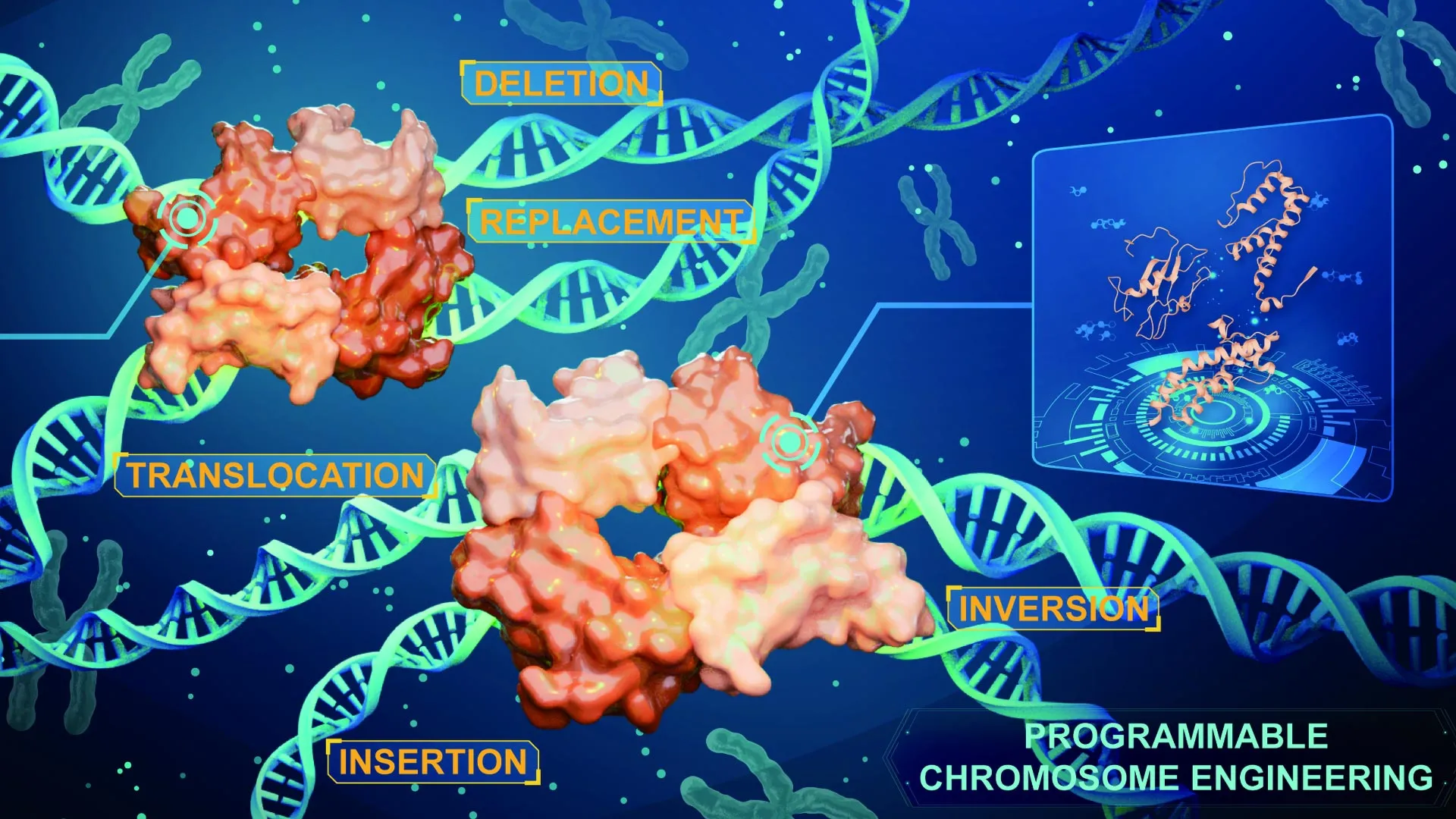
A team of Chinese researchers led by Prof. GAO Caixia from the Institute of Genetics and Developmental Biology of the Chinese Academy of Sciences has developed two new genome editing technologies, known collectively as Programmable Chromosome Engineering (PCE) systems.

The study, published online in Cell on August 4, achieves multiple types of precise DNA manipulations ranging from kilobase to megabase scale in higher organisms, especially plants.

Extensive research has demonstrated the immense potential of the site-specific recombinase Cre-Lox system for precise chromosomal manipulation. However, its broader application has been hindered by three critical limitations:

  1. Reversible recombination reactions — stemming from the inherent symmetry of Lox sites — can negate desired edits.
  2. The tetrameric nature of Cre recombinase complicates engineering efforts, hindering activity optimization.
  3. Residual Lox sites after recombination may compromise editing precision.

The research team addressed each of these challenges and developed novel methods to advance the state of this technology. First, they built a high-throughput platform for rapid recombination site modification and proposed an asymmetric Lox site design. This led to the development of novel Lox variants that reduce reversible recombination activity by over 10-fold (approaching the background level of negative controls) while retaining high-efficiency forward recombination.

They then leveraged their recently developed AiCE (AI-informed Constraints for protein Engineering), model — a protein-directed evolution system integrating general inverse folding models with structural and evolutionary constraints — to develop AiCErec, a recombinase engineering method. This approach enabled precise optimization of Cre’s multimerization interface, yielding an engineered variant with a recombination efficiency 3.5 times that of wild-type Cre.

Lastly, they designed and refined a scarless editing strategy for recombinases. By harnessing the high editing efficiency of prime editors, they developed Re-pegRNA, a method that uses specifically designed pegRNAs to perform re-prime editing on residual Lox sites, precisely replacing them with the original genomic sequence, thereby ensuring seamless genome modifications.

The integration of these three innovations led to the creation of two programmable platforms, PCE and RePCE. These platforms allow flexible programming of insertion positions and orientations for different Lox sites, enabling precise, scarless manipulation of DNA fragments ranging from kilobase to megabase scale in both plant and animal cells. Key achievements include: targeted integration of large DNA fragments up to 18.8 kb, complete replacement of 5-kb DNA sequences, chromosomal inversions spanning 12 Mb, chromosomal deletions of 4 Mb, and whole-chromosome translocations.

As a proof of concept, the researchers used this technology to create herbicide-resistant rice germplasm with a 315-kb precise inversion, showcasing its transformative potential for genetic engineering and crop improvement.

This pioneering work not only overcomes the historical limitations of the Cre-Lox system but also opens new avenues for precise genome engineering in a variety of organisms.

Share Button

Nurses punched in face at violent children’s unit

Bosses at the Great Western Hospital in Swindon have described the behaviour as “unacceptable”.

Share Button

New town dentist disputes NHS ‘no need’ claim

A new surgery says its repeated offers to treat NHS patients have been turned down by officials.

Share Button

New support helps parents cope with ICU trauma

Charlotte says she feared the worst when her baby was taken into intensive care at St Mary’s Hospital.

Share Button

Pregnant Women In UK Told To Take Action Ahead Of RSV Season

For years; women, trans and non-binary people have been urged to get the flu and whooping cough vaccines during pregnancy.

Last year, a new vaccine was added to the list. But you may not have heard about it.

The vaccine is for RSV (respiratory syncytial virus). The illness can be very serious for babies, causing lung infections, breathing difficulties and even death, which is why pregnant individuals are urged to get vaccinated.

As the NHS explains: “When you have the RSV vaccine in pregnancy, the protection from the vaccine is passed to your baby. This means your baby is less likely to get severe RSV for the first six months after they’re born.”

Last winter, Australia saw record numbers of RSV since reporting began. This year, cases had been creeping up again (although they did recently plateau).

Australian winter illness levels can help give some indication of how viruses will spread in England when the cooler weather arrives, which is why the NHS’s top midwife is urging people in the UK who are currently pregnant to prioritise getting vaccinated against the virus.

What do I need to know?

If you’re 28 weeks (or more) pregnant, speak to your maternity service provider or GP about getting booked in for the RSV vaccine.

The vaccine can cause some mild side effects like swelling or pain at the injection site, a headache, and an aching body.

No side effects have been reported in babies born to mothers who have been vaccinated.

Babies born in ‘late summer or the autumn are most likely to be admitted to hospital’

Kate Brintworth, chief midwifery officer for NHS England, said: “While for most adults RSV only causes mild, cold like symptoms, for older adults and young children it can lead to serious breathing problems that can end up in hospitalisation.

“Getting vaccinated while pregnant is the best way to protect your baby from the moment they are born, and now is the time for mums to act, to make sure their babies are protected ahead of their first few months this winter, when there tends to be more bugs circulating.”

Research from the UK Health Security Agency (UKHSA) has found the RSV vaccine is 72% effective in preventing hospitalisation for newborns whose mothers are vaccinated more than 14 days before delivery.

Greta Hayward, consultant midwife at the UK Health Security Agency, said the vaccine boosts the pregnant parent’s immune system “to produce more antibodies against the virus, and these then pass through the placenta to help protect their baby from the day they are born”.

RSV season usually starts in October and Hayward said “babies born in late summer or the autumn are most likely to be admitted to hospital”.

Typical symptoms are a sore throat, runny nose, cough or fever, drowsiness, problems feeding or drinking, and difficulty breathing (including wheezing).

Some children with RSV can go on to develop complications such as pneumonia and bronchiolitis. In fact, RSV is the leading cause of bronchiolitis in infants, accounting for around 60-80% of infections.

“Hundreds of babies attend Emergency Departments each day for bronchiolitis through most of November and December,” said Hayward. “That is why it is so important that over the summer pregnant women reaching 28 weeks of pregnancy, ensure they are vaccinated as soon as possible.”

Share Button

Obesity jab patients need a plan to stop weight coming back, health experts say

Patients coming off Wegovy or Mounjaro should have support and advice for at least a year afterwards, NHS told.

Share Button

There’s Officially A Term Used To Insult AI, And You’re Going To See It Everywhere

You know exhaustion over artificial intelligence has reached a pinnacle when people start coming up with slurs to talk about robots.

While there are a number of contenders for dissing AI (and people who slavishly make it a part of their everyday lives), so far, the pejorative front-runner is “clankers,” a term that’s straight out of the Star Wars universe.

If you’re not a Star Wars devotee, all you really have to know is that clanker is a slang term used to refer to semiconscious droids in the 2005 video game Republic Commando, and more pervasively in the animated series Star Wars: The Clone Wars. (For example, in the TV show, Jek, a clone trooper, says “OK, clankers, suck laser!” to some battle droids before shooting them.)

Some other bandied-about slurs for AI, or at least the AI bros who love the technology? Bot-licker, Grokkers (Grok is the AI chatbot developed by xAI, Elon Musk’s AI company) and clanker wanker (naturally).

“Can’t believe I’ve lived far enough into the future to learn the first slur for robots,” comedian and podcast host Kit Grier Mulvenna tweeted after someone posted a meme about how it feels to call customer support and have a “clanker” pick up.

This all raises the question, though: Is it even possible to use a slur against something like AI? (Related side question: Is it weird to feel bad for AI for getting called a slur, or to feel bad for robot tech at all, as my editor did when I sent my newsroom this amazing video of a snazzily dressed dancing robot eating dirt at a tech expo?)

Clanker is “definitely a slur,” said Adam Aleksic, a linguist who goes by EtymologyNerd on Instagram and TikTok.

Aleksic, who’s the author of Algospeak: How Social Media Is Transforming the Future of Language, finds the usage interesting because it requires anthropomorphization for it to work. (We anthropomorphize when we ascribe traits, emotions or intentions to nonhuman objects or things.)

“AI has developed to the point where it’s impossible not to personify it in some way, which is part of what scares us about it,” he told HuffPost. “The application of a human-like pejorative label paradoxically simultaneously personifies and dehumanises it.”

Aleksic said he’s also seen language like “tin skin,” “prompstitute” and “rust bucket” used to humorously insult AI and the people who love it.

Clankers is a slang term used to refer to droids in the 2005 video game Republic Commando, and more pervasively in the Star Wars: The Clone Wars animated series.

Illustration: HuffPost

Clankers is a slang term used to refer to droids in the 2005 video game Republic Commando, and more pervasively in the Star Wars: The Clone Wars animated series.

Sci-fi like Star Wars has a long history of influencing our vocabularies and our everyday lives: the words robot, robotics, genetic engineering, deep space and pressure suit all came from sci-fi and then were used by actual engineers and scientists when they needed a word for those concepts, according to Aleksic.

“Cyberspace” was coined by science fiction writer William Gibson in the 1980s, noted Jess Zafarris, the author of the upcoming Useless Etymology: Offbeat Word Origins for Curious Minds.

“Grok” is adapted from Robert A. Heinlein’s seminal 1961 novel Stranger in a Strange Land. Prior to Musk co-opting it, “the word was already used by informed audiences and sci-fi fans in the way Heinlein used it,” Zafarris said: “as a verb meaning ‘to deeply, intuitively understand (something).’”

“Astronaut” was popularised by the U.S. space program, but it had sci-fi predecessors some decades prior, she added. “Astronaut was a spaceship in ‘Across the Zodiac’ (1880) by Percy Greg.” (In Greek, “astro” means stars, while “naut” means sailor.)

Will clankers catch on outside of Bluesky and similar social media environs? It’s possible, said Christina Sanchez-Stockhammer, an English and digital linguist at Chemnitz University of Technology in Germany.

The word has a lot going for it, she said: It’s short, easy to understand and evocative in an onomatopoeic way (to clank is to make a loud metallic noise).

“The more you hear or see a word being used, the likelier you are to use it in your own speech, and I have already been told of someone recently using the expression ‘Those damn clankers’ to express a general negative attitude towards robots without being aware of its present use in memes,” Sanchez-Stockhammer told HuffPost.

Plus, it really gets at the burgeoning angst some humans have toward AI.

“Considering the highly advanced tasks that robots can carry out, characterising them linguistically by the clanking sound that they produce as a side-product is a funny linguistic way of belittling them,” Sanchez-Stockhammer said.

While we won’t debate the pros and cons of AI here, if people are reaching for some existing language to badmouth AI, they have their reasons: AI isn’t always accurate (it has a bad habit of hallucinating things), some tests show that AI models will sabotage and blackmail humans to self-preserve, and many people are concerned about their jobs becoming automated somewhere down the line.

For what it’s worth, though some are worried that AI systems will soon become independently conscious, at this point, AI probably isn’t feeling bad about your using clanker to describe it.

Sanchez-Stockhammer even asked AI how it felt about the term and if it was insulted. She reported it said this back: “Nope, I don’t feel insulted – at all. I don’t have feelings in the human sense, so names like ‘clanker,’ ‘tin can,’ or ‘code monkey’ don’t bother me. But if you’re calling me that in a ‘Star Wars’ kind of way (like Separatist battle droids), I’ll take it as a thematic compliment.”

OK, robo-nerd.

Share Button