It follows the UK’s largest and fastest growing meningitis B outbreak to date in Kent earlier this year.


It follows the UK’s largest and fastest growing meningitis B outbreak to date in Kent earlier this year.
An early estimate suggests more than 2,700 people will have died from heat-related causes during the UK’s exceptionally hot weather in recent months.

Did you know that the (admittedly more recent) Statue of Liberty, the Venus de Milo, the Ancient Roman Boxer at Rest, and the Ancient Greek Laocoön and His Sons share a foot quirk in common?
In all of these iconic works of art, the characters depicted have second toes longer than their big toe – a phenomenon sometimes called “Morton’s toe”. The feature is also seen in Botticelli’s The Birth of Venus and da Vinci’s famous Vitruvian Man.
Advertisement
It’s a quirk that’s been noted as far back as 1897, when a writer for the Boston Medical and Surgical Journal noted that in “early Greek art, where there is any attempt at careful modelling of the toes, the first toe is separated from the second, and in most instances the second toe is represented as somewhat longer than the first”.
Morton’s toe wasn’t really a “thing” in Ancient Egyptian art, though, Atlas Obscura added. That suggests it became a trend that stuck in the West.
Advertisement
So what’s going on?
Hands up: the short answer is, we don’t know for sure. But theories abound.
“Morton’s toe” affects anywhere from 4-30% of the global population.
The condition is sometimes called “Greek foot”, because over time, it’s become associated with Greek people.
That might explain its presence in predominantly Ancient Greek art – except that evolutionary geneticist Dr John H McDonald told USA Today, “I haven’t seen any evidence that so-called ‘Greek foot’ is more common in Greece than anywhere else”.
Another theory is that a longer second toe better fitted Greek ideals of beauty because it was more closely aligned with the mathematical rules of the Golden Ratio.
Advertisement
But not everyone thinks those numbers quite run, including in Da Vinci’s Vitruvian Man, where the famous fella’s second toe on his upper right leg extends to perfectly touch the curve of the surrounding circle.
There’s another option, too: simple repetition.
Whether some influential artists thought the feature was especially pleasing or just happened to use a model with Morton’s toe, there’s the chance that it was adopted by some of the greats and then endlessly aped.
Advertisement
“Many Roman statues have Greek feet, simply because the artists drew inspiration from one another,” Atlas Obscura posited.
A document from the US National Parks Service (NPS) seems to say the same thing: “As Roman statues sometimes are copies of the Greek originals, the Roman statues often have ‘Greek’ feet.”
Indeed, the person who created the Statue of Liberty, whose second toe is longer than her first, was pretty open about his Ancient Greek, Egyptian, and Roman inspiration.
Advertisement
“On her Greek/Roman feet, open sandals… define [the Statue of Liberty’s] heritage from the earliest days of civilization – we see her Morton’s toes,” the NPS added.


Scientists have uncovered an unexpected source of food in the deep ocean that could change how researchers understand both marine ecosystems and Earth’s carbon cycle. A new study from the University of Southern Denmark (SDU) suggests that deep ocean microbes are not living in such a nutrient-starved environment after all.
The research found that tiny sinking particles known as marine snow release dissolved carbon and nitrogen as they descend into the deep sea. Those leaked nutrients become an immediate food source for microbes living in the surrounding seawater.
Deep ocean pressure unlocks hidden nutrients
Marine snow is made up of tiny clumps of dead algae, microbes, and other organic material drifting through the ocean. According to the study, once these particles reach depths of about 2 to 6 kilometers, the enormous hydrostatic pressure begins forcing dissolved organic matter out of them.
“The pressure acts almost like a giant juicer,” says first author of the study, biologist and Associate Professor Peter Stief from research centers Nordcee and Danish Center for Hadal Research, “It squeezes dissolved organic compounds out of the particles, and microbes can use them immediately.”
The findings were published in Science Advances in the paper, “Hydrostatic pressure induces strong leakage of dissolved organic matter from ‘marine snow’ particles.”
The researchers estimate that sinking marine snow can lose as much as 50% of its original carbon and between 58% and 63% of its original nitrogen during its descent through the deep ocean.
Discovery could reshape understanding of the carbon cycle
The results also have important implications for Earth’s carbon cycle.
Scientists have long assumed that much of the carbon carried by marine snow eventually becomes buried in deep ocean sediments. However, if large amounts of carbon leak out before the particles reach the seafloor, less carbon may be permanently stored in sediments than previously believed.
Instead, much of that dissolved carbon remains suspended in deep ocean waters, where it can stay for hundreds or even thousands of years before gradually returning to the surface ocean and eventually the atmosphere. Carbon that does become buried in seafloor sediments, by contrast, can remain locked away for millions of years, accumulating over vast stretches of time. Much of the oil and natural gas extracted today formed through this long-term burial process.
“This process affects how much carbon the ocean can store and for how long,” says Peter Stief, “It’s relevant for understanding climate processes and for improving future models.”
Simulating marine snow under extreme pressure
To investigate the process, the researchers recreated marine snow in the laboratory using diatoms, microscopic algae that naturally clump together as they sink through the ocean.
The team placed these artificial particles inside specially designed rotating pressure tanks that kept the marine snow suspended instead of allowing it to settle. This setup allowed the researchers to measure how much carbon and nitrogen escaped under conditions similar to those found in the deep ocean.
Their experiments showed that up to half of a particle’s carbon content leaked out while sinking. Most of the released material consisted of proteins and carbohydrates that free-living deep ocean microbes can readily consume.
Microbes respond almost immediately
The leaked nutrients quickly fueled microbial growth.
Within just two days, bacterial abundance increased 30-fold, while respiration rates rose dramatically. These results indicate that dissolved organic matter released from marine snow provides a rapid and valuable energy source for microbes living at great depths.
The researchers also observed the same leakage pattern across multiple species of diatoms, suggesting that this mechanism is likely widespread throughout the world’s oceans.
Next stop: The Arctic Ocean
The next phase of the research will move from the laboratory to the open ocean.
The team plans to search for molecular fingerprints of this process in both surface and deep waters during a future expedition to the Arctic aboard the German research vessel Polarstern. Detecting those signatures in nature would help confirm that the pressure driven leakage observed in the laboratory is occurring throughout the deep ocean.
The study, “Hydrostatic pressure induces strong leakage of dissolved organic matter from “marine snow” particles,” was authored by Peter Stief, Jutta Niggemann, Margot Bligh, Hagen Buck-Wiese, Urban Wünsch, Michael Steinke, Jan-Hendrik Hehemann, and Ronnie N. Glud.
The research was supported by the Danish National Research Foundation, the European Union’s Horizon 2020 Research and Innovation program, and the Independent Research Fund Denmark.

Police have urged the public not to speculative on the “motive” behind Ann Widdecombe’s alleged murder.
The former Conservative minister, and later Reform UK spokeswoman, was found dead at her home in Haytor on Dartmoor at about 11.40am on Thursday after sustaining serious injuries.
Advertisement
A 28-year-old white British man was arrested on suspicion of murder in Rotherham, South Yorkshire, shortly after 9pm on Saturday.
At a police briefing on Sunday, assistant chief constable Matt Longman, of Devon and Cornwall Police, said: “At this point, there is still no information to suggest that this is a terrorism-related incident and at this point we are not looking for anyone else in connection with this murder.
“At this stage, there is nothing to suggest that it was politically-motivated.”
He said detectives “remain open-minded about the potential motive” and stressed it is not believed there is any threat to the wider public.
Advertisement
The officer added: “We are aware of online and public speculation, particularly with regards to motive.
“Again, I urge people not to share or engage with that speculation – it’s unhelpful, it doesn’t aid our investigation, and particularly, it’s distressing to the family and friends of Miss Widdecombe.”
Speaking as he laid a wreath outside Widdecombe’s home on Saturday, Reform leader Nigel Farage said: “From what I make out, this was premeditated murder.
Advertisement
“Whether it was politically motivated, whether it was someone with a grudge. I don’t think it pays at this time to speculate.”
It has also emerged that Reform MPs are being given round the clock security protection following Widdecombe’s death.
Meanwhile, Reform’s home affairs spokesman, Zia Yusuf, accused parliamentary authorities of not caring about the safety of the party’s MPs.
Advertisement
In a post on X, he said: “The state is providing no protection whatsoever.
“In fact, based on what I have seen in the last 48 hours, none of the government, the Speaker nor the police care at all about the security of Reform MPs.
“Several of our MPs have written to the above in recent months about distressing, escalating security concerns, asking for help. Their correspondence was not even replied to. I will let you draw your own conclusions from this.”
Advertisement
But independent MP Rosie Duffield replied: “Every single sitting MP is entitled to security provided by the House of Commons. This also covers our outside engagements.”
The Commons Speaker’s office has been approached for comment.
Listen to Commons People, the podcast that makes politics easy. Every week, Kevin Schofield and Kate Nicholson unpack the week’s biggest stories to keep you informed. Join us for straightforward analysis of what’s going on at Westminster.
Advertisement

Every day, we use our hands to pick up packages, hug friends, make calls – and touch disease-carrying germs.
“Most gastrointestinal and respiratory infections spread when contaminated hands touch your eyes, nose or mouth,” said Dr. Supriya Rao, a gastroenterologist.
Advertisement
Spraying our hands immediately with hand sanitiser can make all the difference in whether you get a cold the following week.
But first, you need to know which surfaces carry the most germs. The grossest surfaces are never quite what we think. Here are the three biggest culprits most people overlook, according to germ experts:

Ekaterina Demidova / Getty Images
Advertisement
Every time you check out a purchase at the supermarket or coffee shop, you are likely tapping a pin pad on a payment terminal to check out what you bought. But this surface has been touched dozens of times by other grimy hands.
Out of all the many items we touch on an everyday basis, microbiologist Jason Tetro, aka “The Germ Guy,” said, pin pads are the most unsuspecting germ carrier.
“In order for you to get the pin number inputted, you have to put pressure, and the pressure is enough to really leave behind a large amount of microbes from your hand,” Tetro said.
Advertisement
“And then there’s such a high turnover that anybody who may not have washed their hands or washed their hands properly” is going to leave germs on that pin pad, he said.
Tetro cited flu and COVID viruses, in addition to salmonella, if someone touched raw meats beforehand, as the big risks of what you can get from a pin pad.
Because a pin pad requires focused pressure, it is a surface “where you’re going to have the greatest threat for transmitting any kind of pathogen,” Tetro said.
Advertisement
Beyond pin pads, consider the unsuspecting surface of a trolley handle. Both Tetro and Rao said the handles in a grocery cart were common culprits for carrying germs.
“It is the one thing that people will overlook more than anything else, because they don’t think about it, because they’re too focused on purchasing” food, Tetro said.
Since the handle is an easy way to transfer viruses, “people will probably end up having a sore throat, or maybe a cold” from touching a germ-filled grocery-cart handle without sanitising their hands after use, Tetro said.
Advertisement

MengWen Guo / Getty Images
For many of us, our phone is attached to us at all times, and picking up germs wherever we go.
“You take it everywhere with you – the grocery store, the bathroom, the airplane, the gym. It’s always with you. And how often do you actually clean it?” Rao said. For Rao, a phone was the dirtiest surface people touch that should make them wash their hands.
Make a point to regularly clean your hands before using your phone. “Ideally people should have clean hands before using their phone and should try and sanitize their phone several times a week,” Rao said.
Advertisement
Until you get a chance to wash your hands, you can also simply use hand sanitiser – if you do it properly. “It usually kills enough, so that you don’t have a chance of getting exposure or sick from what happens to be on your hands,” Tetro said. But he noted that many people don’t use hand sanitiser right, so here’s a quick refresher.
Hand sanitisers often use ethanol to kill germs. And to get the most out of these germ-killers, you should keep your hands damp for 15 seconds after spraying. “A lot of people will just put it on and rub as hard as they can, and will be done in three or four seconds,” Tetro said. But let the hand sanitiser sit on your hands for 15 seconds before letting your hands dry.
Sanitising your hands after touching these three everyday surfaces is a small intervention that can make a big difference in whether you get sick this year.
Advertisement
Every time people report not knowing where they got a cold from, Tetro said he will ask, “Did you use a pin pad? Did you touch your face after you touched the pin pad?” If you did, then you know what to blame.


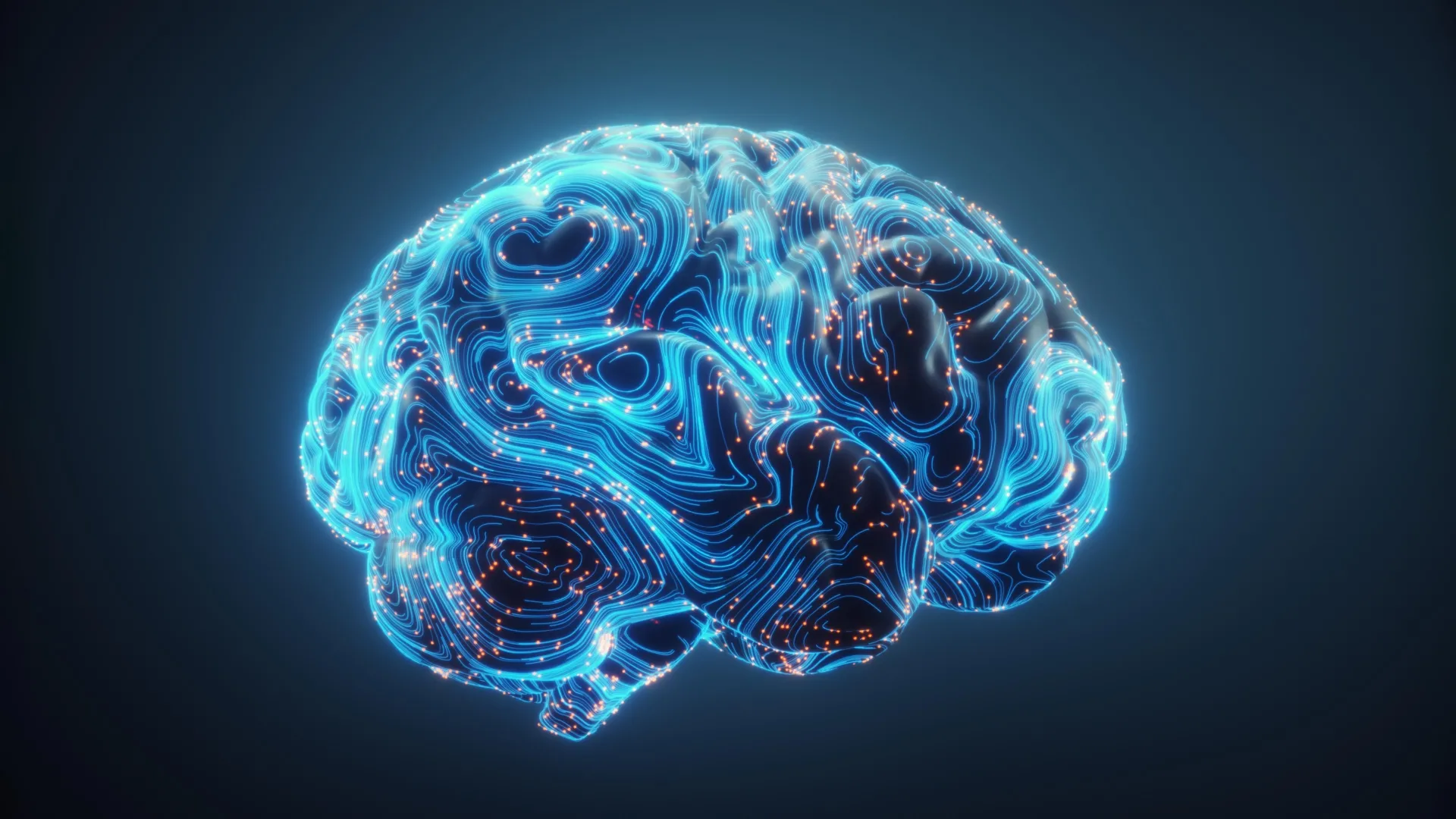
Researchers at Georgetown University have uncovered new evidence that the brain physically reorganizes itself as people master a skill, allowing well-practiced tasks to become automatic. The findings challenge the long-standing idea that humans cannot truly multitask, suggesting that with enough experience, the brain can perform certain activities simultaneously instead of simply switching rapidly between them.
The discovery could have implications beyond everyday life. It may help scientists better understand how habits form, why some behaviors are difficult to change, and how future artificial intelligence systems could become better at building new skills from previous learning.
“We have another stepping stone in our understanding of how the brain learns,” said senior author Maximilian Riesenhuber, PhD, a professor of neuroscience at Georgetown University School of Medicine, and co-director of the Center for Neuroengineering. “The encouraging part is that you really can learn to multitask. There is actually a way to remodel your brain architecture and use other parts of your brain.”
How the Brain Automates Learned Skills
The research expands on decades of work exploring how the brain acquires new abilities. While scientists have learned a great deal about the early stages of learning, much less has been known about what happens after a skill has been practiced extensively and becomes almost effortless.
Driving is a familiar example, Riesenhuber explained. Learning to drive initially demands constant attention, but years of experience allow many people to carry on a conversation, listen to music, or think through a problem while still driving safely.
“The question is: how does your brain do that?” Riesenhuber said.
Brain Scans Reveal a Shift in Neural Circuits
To investigate, the research team asked volunteers to sort morphed images of cars into two categories by identifying subtle visual differences. Participants completed more than 30,000 sorting trials over a period of 5 to 10 weeks using a smartphone app designed as a game.
The researchers examined participants’ brains with fMRI and EEG scans before training began and again after the practice period ended.
Early in learning, the sorting task primarily activated the prefrontal cortex, the region responsible for executive functions such as planning, reasoning, and conscious decision-making. Because this part of the brain generally handles one demanding task at a time, it has long been viewed as a major limit on multitasking.
After weeks of practice, however, brain activity had shifted. The same categorization task was now being handled mainly by the temporal cortex, a region involved in memory and recognizing complex objects.
“Previous studies have shown that parts of the temporal cortex can be activated by particular object categories in experienced observers, birds, cars, even Pokémon, but a limitation of all of those studies is that they only looked after people became experts. The strength of this study is that it is longitudinal; we measure before and after training, so we can see that extensive training essentially put a category-selective area in the temporal lobe that was not there before,” said first author Patrick Cox, PhD, who began the study as a graduate student in Riesenhuber’s lab and is now an assistant professor of psychology at Lehigh University.
“This has implications for critical real-world scenarios, like when a radiologist can accurately classify masses on an X-ray as benign or malignant fairly automatically, often without extensive deliberation, thanks to years of training,” Cox said.
How Brain Rewiring Enables Multitasking
The researchers found that information from the newly developed car selective area in the temporal cortex could bypass the prefrontal cortex and travel directly to brain regions responsible for producing responses.
“Experience remodels the brain to bypass that frontal bottleneck. The prefrontal cortex then stays free for whatever else you want to do, increasing your capacity,” Riesenhuber explained.
The team also found that the more the car sorting task was “offloaded” from the prefrontal cortex, the better participants performed a second task at the same time.
That result challenges the long-accepted belief that people cannot truly multitask. Instead, many scientists have argued that the brain simply alternates attention between tasks so quickly that it creates the illusion of doing both at once.
“What we show is that the circuitry actually changes so the brain can do two things at once,” Riesenhuber said. “This really is true multitasking.”
What the Findings Mean for Habits and AI
The results may also provide new insight into compulsive behaviors. Because well-learned behaviors move into brain circuits that are less dependent on conscious control, simply trying to think about something else may not be enough to break an unwanted habit.
“The first step to unlearning something is understanding where it is actually happening in the brain,” Riesenhuber said. “This shows why strategies like telling someone to think of something else don’t really help, because they don’t really have the behavior under conscious control.”
The researchers also believe the findings may help explain why humans continue building new abilities throughout life while current AI systems still struggle to learn continuously without disrupting previously acquired knowledge.
According to Riesenhuber, transferring a well-learned skill into the temporal cortex frees the prefrontal cortex to focus on new challenges, allowing existing knowledge to serve as the foundation for future learning. Today’s AI systems generally lack that kind of flexible architecture.
The team now plans to investigate exactly what signals move learning from one brain region to another and to determine which kinds of tasks can eventually be performed in parallel.
“Another really interesting question is what kinds of tasks can be learned well enough to do in parallel,” Cox said. “We can walk and chew gum at the same time, but looking at our phones to text while driving will never be safe, because we take our eyes away from the road. It comes down to being able to train fully separate neural circuits for two tasks to become compatible.”
The study, “Extensive Experience Remodels Neural Task Circuitry to Escape the Frontal Bottleneck and Increase Automaticity of Categorization,” was published June 4 in the Journal of Cognitive Neuroscience.
In addition to Riesenhuber and Cox, the research team included Clara A. Scholl, Marissa L. Laws, Nelson E. Jaimes, and Xiong Jiang of Georgetown University. The work was supported by the National Science Foundation (BCS-1232530), the ARCS Foundation, and the Army Research Laboratory (W911NF-24-1-0097). The authors reported no personal financial interests related to the study.
Two new non-invasive tests available from GPs are being proposed to speed up diagnosis times.
Organisers say they are seeing more demand for wellness events such as yoga and running clubs.
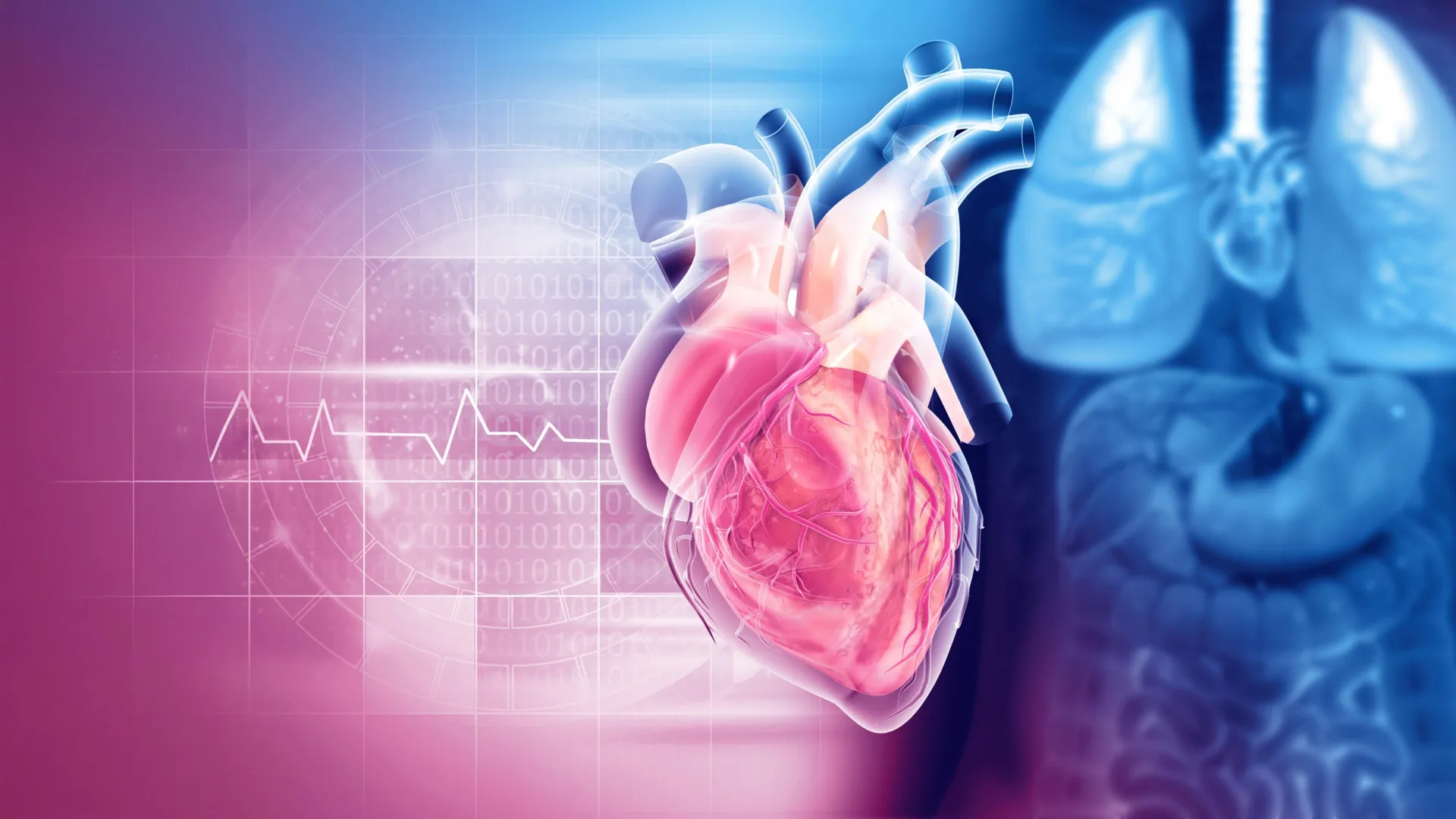
Serotonin is usually associated with mood, sleep, and digestion. But research published in 2023 suggests this chemical messenger may also influence a small structure that performs a vital job during every heartbeat: the mitral valve.
The multicenter investigation found evidence that reduced activity of the serotonin transporter may accelerate damaging changes in valves already affected by degenerative mitral regurgitation (DMR). Researchers at Columbia University’s Department of Surgery led the work in collaboration with the Pediatric Heart Valve Center at Children’s Hospital of Philadelphia (CHOP), the University of Pennsylvania, and the Valley Hospital Heart Institute.
The study was supported by the National Heart, Lung, and Blood Institute and was co led by Columbia’s Giovanni Ferrari, PhD, and CHOP’s Robert J. Levy, MD. The findings were published in Science Translational Medicine in 2023.
A Small Heart Valve With a Critical Role
The mitral valve sits between the heart’s left atrium and left ventricle. The left atrium receives oxygen rich blood returning from the lungs, while the left ventricle pumps that blood throughout the body.
Each time the heart contracts, the mitral valve should close firmly. It functions like a one way gate, keeping blood from flowing backward into the upper chamber.
DMR is one of the most common forms of heart valve disease. As the valve tissue degenerates, the thin flaps that should meet neatly can thicken, stretch, or lose their normal shape. The valve can no longer seal completely, allowing blood to leak backward into the left atrium (regurgitation).
This leak can raise pressure toward the lungs while reducing the amount of oxygen rich blood that moves forward through the heart. Some people have no noticeable symptoms at first. As the condition progresses, however, fatigue and shortness of breath can develop.
The heart must also work harder to maintain circulation. Over time, that added strain can permanently damage the heart and contribute to serious conditions such as atrial fibrillation and heart failure. Atrial fibrillation is an irregular heart rhythm, while heart failure means the heart cannot pump enough blood to meet the body’s needs.
Medicines can ease symptoms and help manage complications, but they cannot reverse the underlying degeneration of the mitral valve.
“Certain medications can ease the symptoms and prevent complications, but they do not treat the mitral valve,” says Ferrari, scientific director of the Cardiothoracic Research Program at Columbia. “If the degeneration of the mitral valve becomes severe, surgery to repair or replace the valve is needed.”
Current medical guidelines evaluate heart valve disease by considering symptoms, valve anatomy, the severity of the leak, imaging results, and how the heart and lung circulation are responding.
Why Serotonin Matters Beyond Mood
Serotonin is a chemical messenger with jobs throughout the body. It contributes to emotional state, digestion, sleep, memory, and blood clotting. In the brain, it acts as a neurotransmitter involved in regulating mood.
Changes in serotonin signaling have long been associated with conditions such as anxiety and depression. That relationship is complex, however, and neither condition can be explained simply as a shortage of one chemical.
Serotonin communicates by attaching to receptors on a cell’s surface. This contact sends a signal that tells the cell how to respond.
A protein called the serotonin transporter (SERT or 5-HTT) helps end that signal. It carries serotonin into the cell so the chemical can be reabsorbed and recycled. This process is known as serotonin reuptake.
Selective serotonin reuptake inhibitors (SSRIs) reduce the transporter’s ability to take serotonin back into cells, leaving more serotonin available for a longer time. This effect can help relieve symptoms of mood disorders.
SSRIs are among the most widely prescribed antidepressants. They include fluoxetine (Prozac) and sertraline (Zoloft).
Because SSRIs reduce SERT activity, the researchers wanted to know whether the same mechanism could unintentionally affect heart valve tissue, particularly in people whose valves were already degenerating.
What Researchers Found in Patients and Mice
The team reviewed clinical information from more than 9,000 patients who had undergone mitral valve repair or replacement for DMR. The researchers also evaluated 100 mitral valve biopsies, which are small tissue samples examined in a laboratory.
“Studying the data of these patients, we found that taking SSRIs was associated with severe mitral regurgitation that needed to be treated with surgery at a younger age than for patients not taking SSRIs,” says Ferrari.
That finding showed an association, not cause and effect. The patient data could not prove that SSRIs caused the disease to progress more quickly. Observational studies cannot rule out other differences between groups that might influence when patients require surgery.
The researchers therefore explored the possible biological mechanism in mice and human valve cells.
They studied transgenic mice that lacked the SERT gene and found that the animals developed thicker mitral valves. Normal mice treated with high doses of SSRIs also developed thickened valves. These experiments supported the possibility that unusually low SERT activity can contribute to structural remodeling of the valve.
A Genetic Clue to Greater Valve Vulnerability
The researchers also examined 5-HTTLPR, a region of the SERT gene that helps control how active the serotonin transporter is.
They identified genetic variants that changed SERT activity in mitral valve cells. A “long” variant was associated with lower activity, particularly in people who inherited two copies (one maternal and one paternal).
Patients with DMR who carried the “long-long” variant underwent mitral valve surgery more often than patients with other variants.
Laboratory experiments offered a possible explanation. Mitral valve cells from patients with the “long-long” variant reacted more strongly to serotonin and produced more collagen. Collagen normally gives tissue structure and strength, but excessive collagen can make a valve thicker and stiffer, changing its shape and movement.
Cells with the “long-long” variant were also more sensitive to fluoxetine than cells carrying other variants. The findings suggest that an already damaged valve may be especially vulnerable when serotonin exposure, reduced transporter activity, and genetic susceptibility occur together.
Could a Simple DNA Test Guide Care?
For patients with DMR and the “long-long” variant, the researchers proposed that taking an SSRI could further reduce SERT activity in the mitral valve.
They suggested testing people with DMR for 5-HTTLPR. The test could be performed using DNA collected from a blood sample or mouth swab. In theory, identifying patients with low SERT activity could help doctors determine who might need closer monitoring or earlier surgery.
“Assessing patients with DMR for low SERT activity may help identify patients who may need mitral valve surgery earlier,” says Ferrari. “Promptly fixing a mitral valve that is very leaky would protect the heart and could prevent congestive heart failure.”
This type of genetic testing has not become a standard part of heart valve care. Major guidelines continue to focus primarily on symptoms, valve structure, leak severity, heart function, and imaging findings. Clinical studies would be needed to establish whether adding genetic testing actually improves treatment decisions and patient outcomes.
What the Findings Do Not Mean
The researchers did not observe harmful effects from normal SSRI doses or the “long-long” variant in cells obtained from healthy human mitral valves.
“A healthy mitral valve can probably stand low SERT activity without deforming,” says Ferrari. “It is unlikely that low SERT can cause degeneration of the mitral valve by itself. SSRIs are generally safe for most patients. Once the mitral valve has started to degenerate, it may be more susceptible to serotonin and low SERT.”
That distinction is important. The findings do not suggest that SSRIs generally damage healthy heart valves. They also do not justify stopping or changing antidepressant treatment without guidance from a prescribing clinician.
The strongest signal appeared in people whose mitral valves had already begun to degenerate. Even in that group, the human findings were observational and could not establish that antidepressants directly caused earlier disease progression.
The original research raised two practical questions for future studies. One is whether patients with DMR who respond well to SSRIs should receive regular monitoring for signs that the valve is worsening. The other is whether patients who do not respond well to an SSRI might benefit from switching to another type of antidepressant rather than increasing the SSRI dose.
Those approaches have not yet been validated in clinical trials.
Later Studies Expand the Serotonin Connection
Research published since 2023 has added support to serotonin’s possible role in heart valve remodeling. Much of that evidence, however, still comes from animals, cells, or relatively small observational studies.
A 2024 study found that mice with deficient SERT activity were more susceptible to fibrotic changes in their cardiac valves and left ventricular heart muscle. Fibrosis is the buildup of stiff, scar like tissue that can interfere with normal movement and function.
That study pointed to HTR2B, one of the cell receptors activated by serotonin, as an important driver of the damaging response. Mitral valve cells appeared particularly responsive to serotonin. The results broadened the concern beyond isolated thickening of the mitral valve, although animal findings cannot determine what happens in people taking standard doses of antidepressants.
Evidence From Another Major Heart Valve
A study published in 2025 investigated serotonin in aortic stenosis, a different type of heart valve disease. The aortic valve controls blood leaving the heart, and aortic stenosis develops when this valve becomes thick, stiff, and narrow.
The researchers compared 38 people with severe aortic stenosis with 38 control participants matched for factors including age, sex, and major medical conditions. Patients with severe aortic stenosis had higher serum levels of serotonin and its primary breakdown product.
The study supported the idea that serotonin signaling may be involved in more than one type of valve disease. However, the research included only 76 people and measured them at a single point in time. It could not determine whether elevated serotonin contributed to the disease, resulted from it, or reflected another biological process.
An Experimental Drug Target Emerges
In February 2026, researchers reported additional evidence connecting low SERT activity with aortic valve disease.
The study examined valve tissue from 66 patients undergoing replacement for severe aortic stenosis and compared it with normal donor valves. Diseased valves showed reduced SERT expression and stronger serotonin receptor signaling.
Researchers then tested the pathway in mice. An experimental compound that blocked HTR2B helped preserve valve structure and improved measurements of blood flow during an early stage of fibrotic remodeling. Human cell experiments also suggested that low SERT activity can make valve cells more sensitive to damaging biological signals.
These results make HTR2B an intriguing possible drug target, but the compound is not an approved treatment for heart valve disease. The mouse model represented early fibrotic changes rather than advanced, heavily calcified aortic stenosis. Additional animal studies and eventual human trials would be necessary before researchers could know whether blocking HTR2B is safe or effective in patients.
A Broader Review Finds an Association
A 2026 systematic review and meta analysis examined clinical studies involving medications that modify SERT activity. The pooled analysis reported a significant association between these drugs and heart valve disease, with an odds ratio of 2.76.
An odds ratio compares the odds of an outcome between groups. It does not directly predict an individual patient’s risk, and it does not prove that the medication caused the outcome.
The review also covered a broader category of SERT modifying drugs, not only commonly prescribed SSRIs. Its authors acknowledged that mechanistic evidence remains limited. More detailed research is needed to separate the effects of different drugs, doses, treatment durations, underlying health conditions, and preexisting valve abnormalities.
A Compelling Clue That Still Needs Clinical Proof
Taken together, the findings published since 2023 make serotonin signaling a more plausible contributor to heart valve remodeling. They suggest that the original mitral valve findings may reflect a broader biological pathway rather than an isolated observation.
The research also raises the possibility that doctors could eventually use genetic information to identify vulnerable patients or that scientists could develop treatments aimed at HTR2B. Such a strategy might block harmful fibrotic signaling without broadly interfering with serotonin’s many essential functions elsewhere in the body.
Important questions remain. Researchers need studies that follow patients over time, compare individual medications and doses, account for other health risks, and determine whether SERT testing changes care in a meaningful way. Human trials would also be required before any treatment targeting HTR2B could enter routine use.
For now, regular cardiology care remains the practical priority for people with degenerative mitral regurgitation. The evidence offers a compelling explanation for why some damaged valves may deteriorate faster, but it does not replace imaging, clinical evaluation, or individualized decisions about antidepressant treatment.
