The government has just appointed a former Labour MP to be the anti-corruption champion.
Baroness Margaret Hodge, who now sits in the Lords, will fill the position which has been vacant since June 2022.
Her predecessor, John Penrose, resigned over Boris Johnson’s role in the partygate scandal after a series of gatherings in Downing Street were found to have breached Covid lockdown rules.
Advertisement
Hodge “will work with parliament, the private sector and civil society to help drive delivery of the government’s priorities to clamp down on corruption and the organised criminals who benefit from it, helping to deliver safer streets and secure borders”, according to the Foreign Office.
Hodge has spent much of her career in the Commons campaigning against both domestic and international corruption.
News of her appointment comes as part of a new crackdown from foreign secretary David Lammy.
He has just announced up to £36m in support for the National Crime Agency’s international corruption unit over the next five years, and sanctions to hit the illicit gold trade.
Lammy said: “This government will make the UK a hostile environment for the corrupt and their ill-gotten gains as we put national security as a foundation of our Plan for Change and decade of national renewal.”
Advertisement
Hodge said: “After years of campaigning on the issue, I feel privileged and delighted to be able to work as the Government’s champion, combatting corruption and the illicit finance that flows from it, both at home and abroad.
“The time has now come to put an end to dither and delay. We must take determined and effective action and I look forward to playing my part in that work.”
Labour MP Joe Powell, chair of anti-corruption and responsible tax all party parliamentary group, said he “warmly welcomes” Hodge’s appointment today.
He added: “Oligarchs, kleptocrats, and those exploiting tax havens will sleep less easily tonight.
“This role is pivotal in the fight against corruption, and Margaret’s decades of tireless work exposing corruption and dirty money bring immense credibility to this effort.”
Neither Liz Truss nor Rishi Sunak appointed a new figure to replace Penrose after his dramatic resignation as the anti-corruption tsar more than two years ago.
Advertisement
In a scathing letter to Johnson, Penrose called on the then-PM to quit after the civil service’s partygate probe concluded that “senior leadership” at the top of government was to blame for the scandal.
The-then Tory MP said: “You have breached a fundamental principle of the ministerial code – a clear resigning matter.
“But your letter to your independent adviser on the ministerial code ignores this absolutely central, non-negotiable issue completely.”
He added: “As a result, I’m afraid it wouldn’t be honourable or right for me to remain as your anti-corruption champion after reaching this conclusion, nor for you to remain as prime minister either.”
The government has pledged to determine the evidence – and establish whether the benefits outweigh any potential harms of prescribing puberty blockers to children questioning their gender
Labour’s majority in parliament is a ticking “time bomb”, according to a brutal new report – and not because a threat from the right.
Keir Starmer’s party may have won by a landslide in July, taking 411 seats while the Tories languish on just 121, but new findings from Labour-linked think tank Compass claims it still offers a weak mandate for change.
Advertisement
After all, it was a shallow victory as Labour actually won just a third of the popular vote, and that poses a major threat further down the line.
On Thursday, pollsters at Find Out Now put Nigel Farage’s populist Reform Party in second place behind the Tories with Labour in third – just five months after voters hit the ballot box.
But, Compass’s new findings, first reported in the Guardian, have found Labour should be more concerned about their lack of voter loyalty – just two in five who backed Labour in July said they would consider themselves to be Labour supporters – than pressure from the right.
That’s because around 48% of Labour’s voters in July said they would be likely to vote Green or Lib Dem in the future, compared to 23% who said they were more likely to go to Reform or the Tories.
Advertisement
Compass’s report Thin Ice claimed: “They won [in Red Wall seats] because they were not the Tories, because Tory voters stayed at home and because Reform split the regressive vote.
“The 2024 general election was a one-off event in which unprecedented Tory ineptitude met almost unparalleled Labour discipline, but without any deep expression of what, if any, change Labour was offering.”
The pollsters said: “The timidity of this strategy, resting on ‘not being the Tories’, is atime bomb.”
Compass’s director Neal Lawson told the Guardian Starmer should look to base a coalition on the progressive majority to bolster support.
Otherwise, he warned, “if Labour fails to deliver in government, its huge but fragile majority will crumble, sending us on a bullet train to the populist right.”
Advertisement
The report comes after a tumultuous first few months in office for Labour, including backlash to cost-cutting policies like changing winter fuel payments for pensions.
Starmer attempted to “relaunch” his government with six new missions last week.
He wanted to turn the focus onto pursuing clean energy, building more homes, recruiting more police officers, putting a greater emphasis on early years education, introducing higher living standards and reducing NHS waiting lists.
The prime minister spoke on Sunday, after rebel forces ousted the country’s authoritarian leader by seizing the capital, Damascus.
Starmer also called for civilians to be protected – the UK had been evacuating its own citizens in the days leading up to peak of the rebellion.
Advertisement
According to PA news agency, he said: “The developments in Syria in recent hours and days are unprecedented, and we are speaking to our partners in the region and monitoring the situation closely.
“The Syrian people have suffered under Assad’s barbaric regime for too long and we welcome his departure.
“Our focus is now on ensuring a political solution prevails, and peace and stability is restored.
“We call on all sides to protect civilians and minorities, and ensure essential aid can reach the most vulnerable in the coming hours and days.”
His remarks echo the comments from deputy prime minister Angela Rayner this morning.
Speaking to Sunday Morning with Trevor Phillips, she said: “Well, the situation looks very serious and if the Assad regime has fallen, then I welcome that news.
Advertisement
“But what we need to say is a political resolution in line with the UN resolutions. And we need to see civilians and infrastructure protected.
“Far too many people have lost their lives – we need stability in that region.”
She continued: “If Assad has fallen and that regime is over, I welcome that.
“He wasn’t exactly good to the Syrian people.
“So we want to see a political resolution so that we can get that stability for Syrians and make sure that they have their infrastructure so that they have a political government there that is working in the interest of the Syrian people.”
Assad has fled Damascus but his exact whereabouts remain uncertain.
Some reports suggest he may try to flee to Russia as Vladimir Putin is a key ally and his regime was propped up by the Kremlin until this latest rebellion.
It’s also not clear who will fill the power vacuum now, although one of the leading rebel groups originated in Al-Qaeda.
Starmer is set to travel to the Middle East this week to meet with the UAE and Saudi Arabia, although his trip was planned before Assad’s regime collapsed.
“When you’re talking about greatness, and when you’re talking about greatness for the 21st century specifically, no one has a longer or fuller track record than Beyoncé.”
That’s how Billboard announced the musical icon as the greatest pop star of the 21st century this week. The declaration came on the heels of the publication announcing its runner-up pick, Taylor Swift, who earned the No. 2 spot for catapulting modern pop stardom to heights many didn’t think were possible across her 17-year (and counting) career. The contest was close, given Swift’s astronomical album sales, streams and touring numbers, but in the end, Billboard explained that Beyoncé topped the list “based on her full 25 years of influence, evolution and impact.”
Advertisement
Of course, the result didn’t sit well with Swifties, who argued that their idol’s accomplishments could’ve satisfied Billboard’s top-spot criteria. And it didn’t take long for members of the Bey Hive to chime in with their own retorts to defend their Queen Bey.
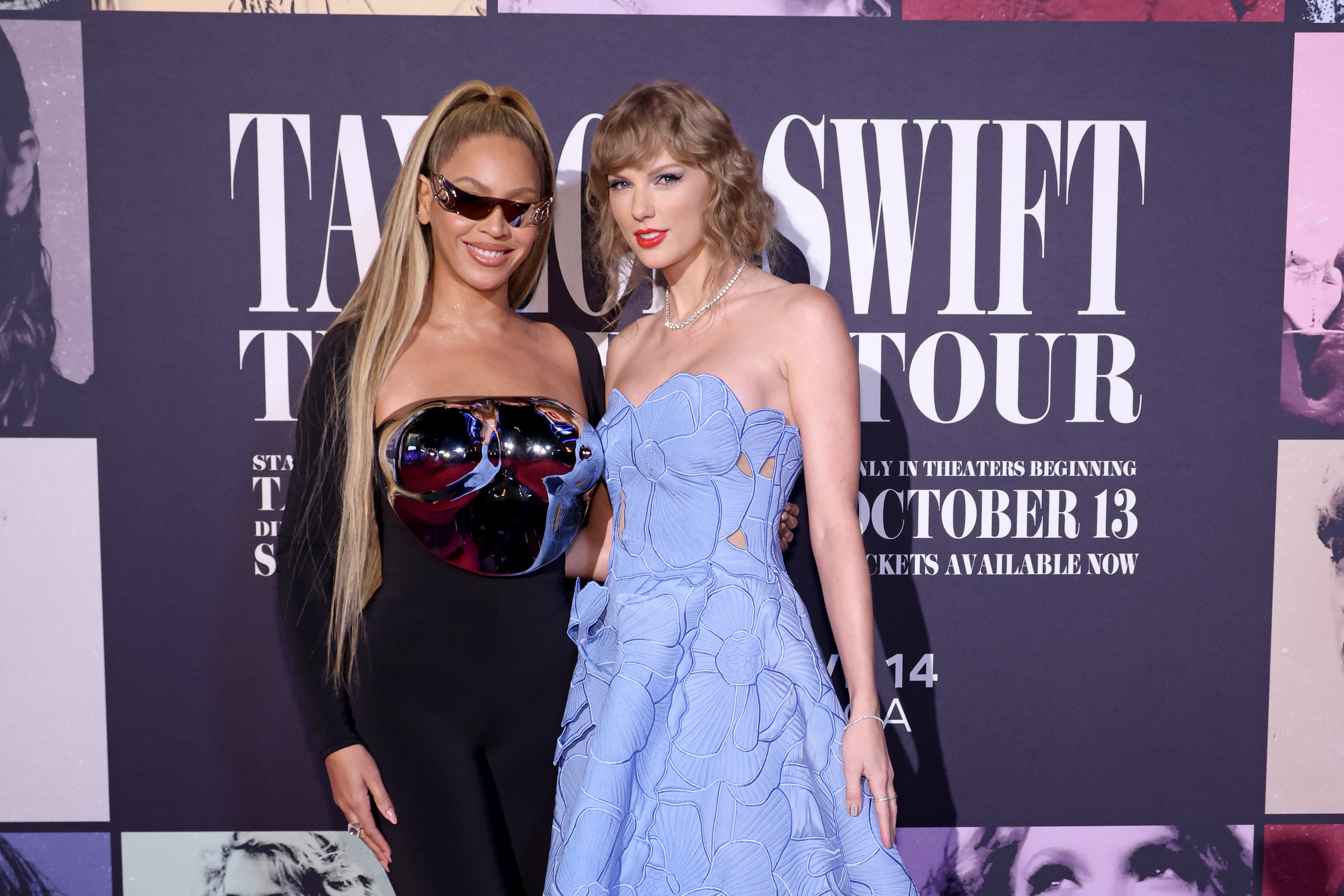
For weeks, the two fan bases had speculated about the music outlet’s hotly anticipated rankings, reigniting the tiresome debate that pits the superstars’ legacies against each other. The discussion hit a fever pitch last year while Beyoncé and Swift were both riding high on their economy-boosting international concert runs (Renaissance and the Eras Tour, respectively), which, according to Pollstar, were the two highest-grossing tours of 2023. And the discourse was reignited after the tours hit the big screen last fall, despite the two singers supporting one another at their Hollywood premieres.
That should’ve been enough to end all catty chatter among fans. But after Billboard’s rankings, now feels like as good a time as any to retire the Beyoncé vs. Taylor Swift argument that’s way past running its course.
Yes, it’s easy to compare the two global juggernauts when none of their peers have reached the same level of cultural dominance in this century. In nearly any arena that matters for pop stars — historic music sales, record-breaking numbers, awards acclaim, etc. — Swift and Beyoncé almost always lead the pack. However, contrary to what stan culture believes, numerous instances prove that Swift and Beyoncé are incomparable in the lanes that make them all-time greats.
Advertisement
Swift’s unequivocally sharp pen has made her one of the most illustrious songwriters of her time, which she demonstrates time and time again with every chart-topping album she releases. Her successful crossover from country to pop superstardom proved her talents were as boundless as her ambitions, charting a path to hit-making, award-winning success. To this day, Swift, according to Forbes, is the only woman in music to build a billion-dollar fortune solely from her musicianship. Even with a later start in the millennium, she’s achieved what many in the pop world can only dream of.
Over the last 20-plus years, Beyoncé, meanwhile, has far exceeded what anyone could’ve expected from the former frontwoman of a ’90s and early aughts girl group, Destiny’s Child (one of the most successful in history). Her talents aren’t limited to music — her roles in films like “Dreamgirls” and “Cadillac Records” have proven that. But as many well know, Beyoncé’s name will be forever etched in the history books for consistently raising the bar for musical excellence (live performances, outstanding visuals, genre-bending projects, you name it), no matter the genre. Her ability to disrupt industry conventions has inspired many, including Swift, to be originators in their own right. But what truly sets the legend apart from Swift and everyone else is that she’s remained the standard of pop stardom for decades and is still reaching above and beyond to cement her legacy.
It does us all a disservice to try and assert why Beyoncé and Swift are better than one another when they’re two vastly different symbols of greatness. Where one dominates with statistics and chart numbers, the other has had an immeasurable cultural impact. But as with many polarising conversations about music, it’s more fun to fuel a narrative that keeps these two icons in constant competition, even when they oppose it.
Swift said it best in her 2023 Time Person of the Year profile: “Clearly it’s very lucrative for the media and stan culture to pit two women against each other, even when those two artists in question refuse to participate in that discussion.”
Advertisement
The media and stans will likely cash in on that discourse again for the 2025 Grammy Awards — where Swift and Beyoncé are both nominated for record, song and album of the year — but don’t count on the pop stars to feed the frenzy.
As history has shown, Swift and Beyoncé have held nothing but reverence for each other’s work over time. Last year, in an Instagram post, Swift praised her contemporary for being “a guiding light throughout my career” who’s also “taught me and every artist out here to break rules and defy industry norms.” Beyoncé was just as generous with her words years prior when she held space for Swift to finish her acceptance speech at the 2009 Video Music Awards — where Kanye West infamously interrupted Swift to argue that Beyoncé should’ve won instead.
Even when people expect Swift and Beyoncé to pick sides against each other, they show that they know better than to entertain such negativity — it’s served their groundbreaking legacies well. When will fans finally learn to do the same?
On Thursday, Pantone announced its much-awaited “Colour of the Year 2025.” (Well, “much-awaited” if you’re into this sort of thing.)
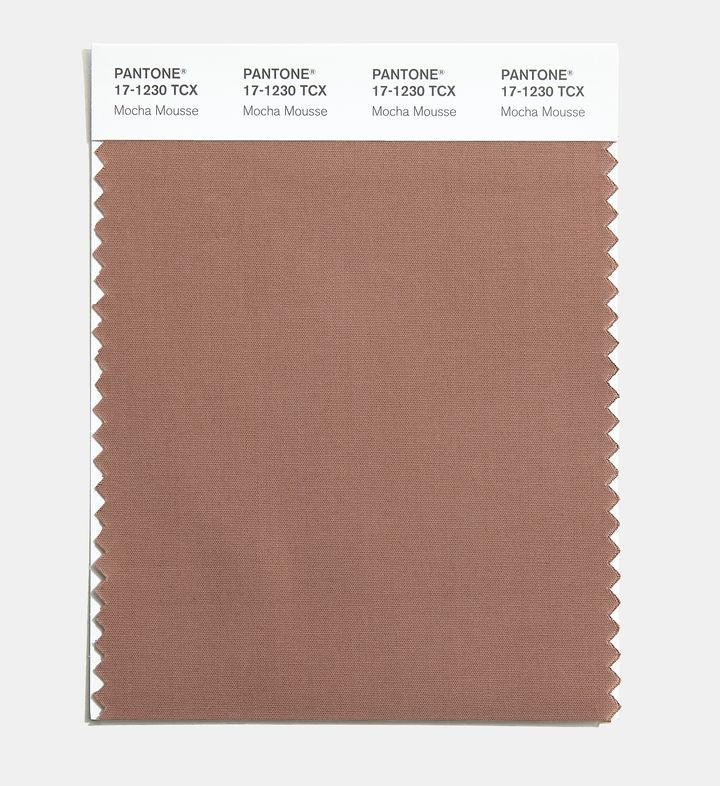
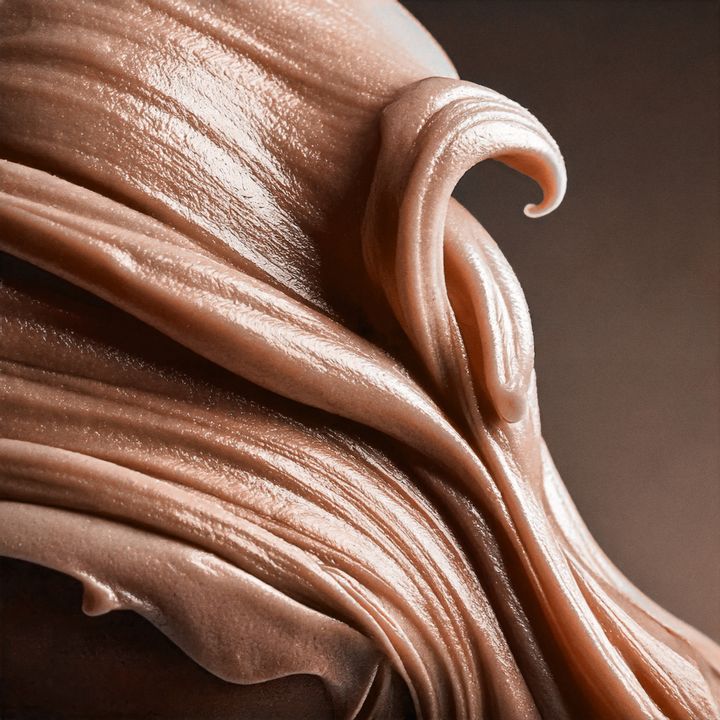
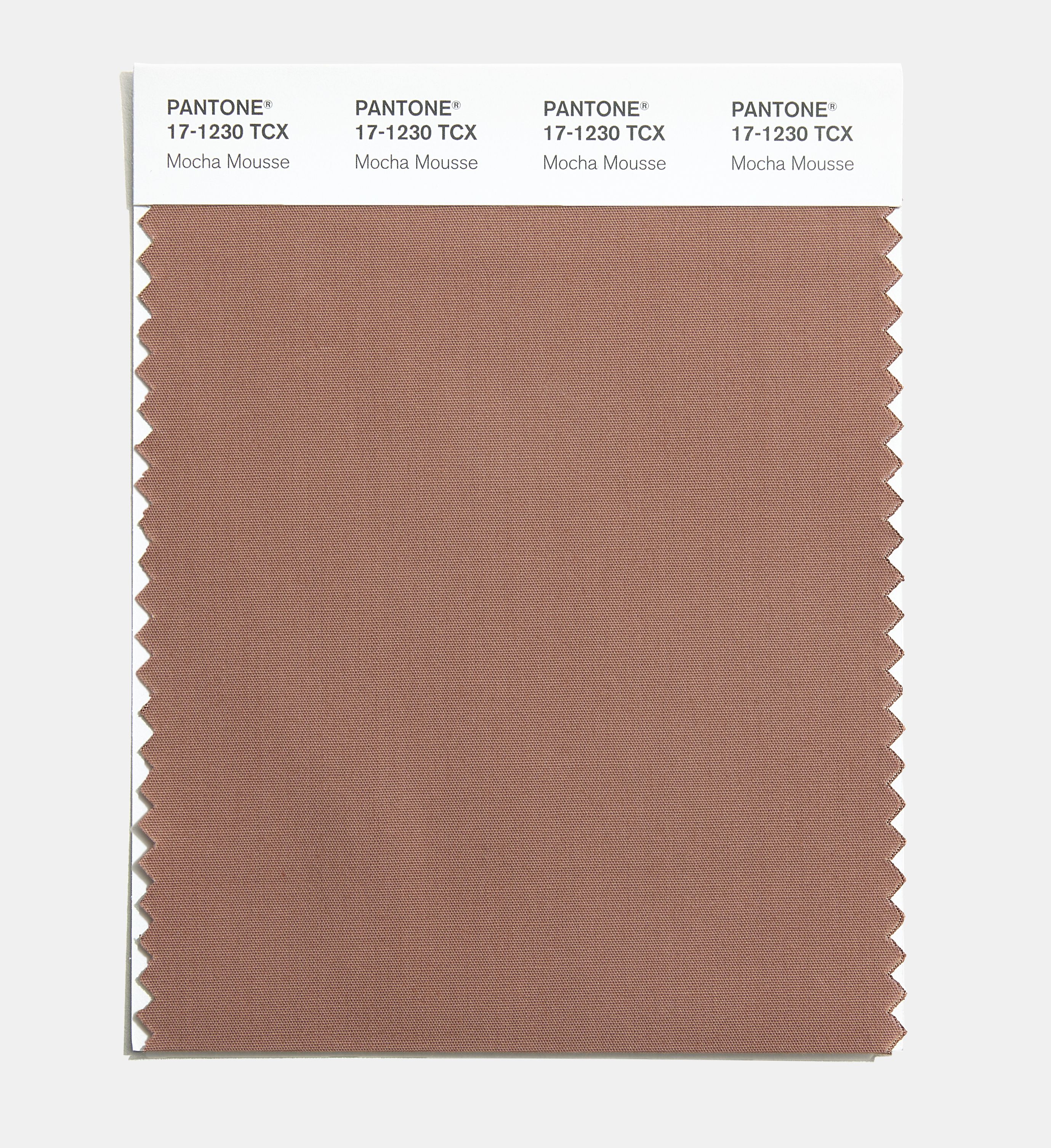
The big winner? Mocha Mousse (17-1230), a shade that the Pantone Color Institute calls “an evocative soft brown that transports our senses into the pleasure and deliciousness it inspires” while “appealing to our desire for comfort.”
Advertisement
Here it is:
BRYAN GARDNER
The Pantone Color Institute calls the shade “an evocative soft brown that transports our senses into the pleasure and deliciousness it inspires.”
The Washington Post heralded the shade as a “win for quiet luxury.” Vanessa Friedman of The New York Times said her “mind went immediately to comfort eating.”
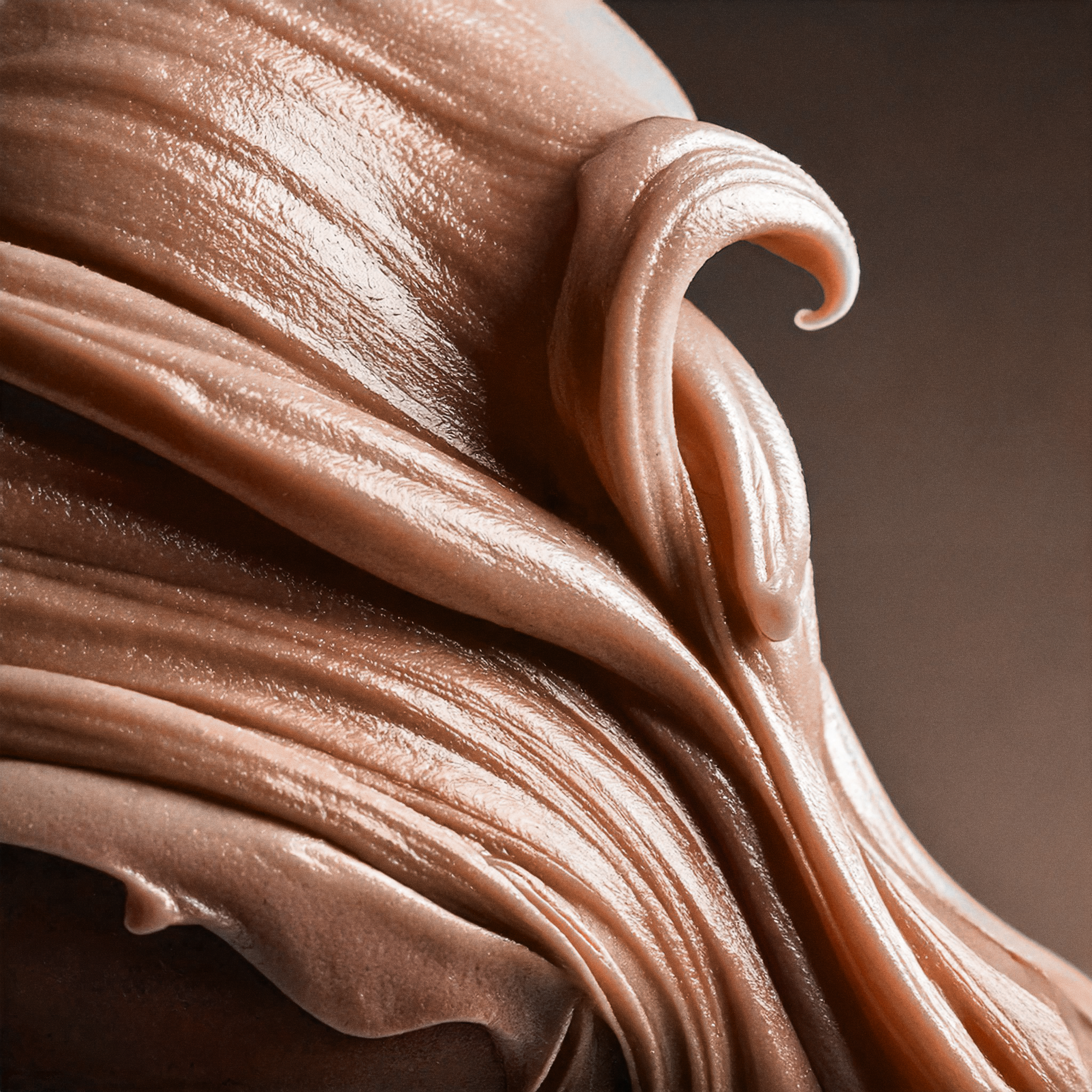
On social media, the feedback was a little more mixed. Because of the visuals released by Pantone, some pointed out that the color bore a certain likeness, to, well ― there’s really no delicate way to put this ― poop.
The Development and Designliga/Pantone
Some on social media remarked that the color looked a little like, well, poop.
Advertisement
Some sample scatological quips from Threads and X?
Others compared it to Nazi uniform brown or “the shade of lightly soiled mop water.” Several said it felt like just the right shade to welcome in 2025.
“Instantly depressed seeing Pantone’s Color of the year for 2025, which I guess is on par with the theme of 2025. Touché, Pantone, touché,” one person wrote on Threads.
Advertisement
Colour consultant Laury Rosenthal gave props to Pantone for choosing a shade of brown for the first time in its 25 years of selecting a colour of the year. Still, she wishes the colour was a tinge darker.
“It’s great to eat chocolate mousse but the colour looks a bit like a poo emoji,” she wrote to HuffPost. “It will look worse when in paint as Pantone ink is clear and base paint starts out blue white before pigment gets added. I’d rather have a darker taupe, if asked.”
But elsewhere online, women of colour celebrated the pick, noting that others’ dismissiveness of the shade was a little white-centric.
Advertisement
Charnaie Gordon, a teacher and children’s book author, is among the fans of the pigment. As a Black woman, she sees the color as “rich, grounding, and unapologetically bold.”
“Pantone finally caught up to what we’ve been knowing all along: melanin magic is unmatched,” Gordon told HuffPost. (She shared a similar sentiment on Threads.)
“To me, this color represents a statement about resilience, beauty, and depth,” she said. “I couldn’t be more excited that this is the energy we’re stepping into for 2025, it feels like an unspoken ode to Black and brown people everywhere.”
“It’s richness, warmth, and melanin on full display,” she said. “If you can’t see the beauty in that, the problem isn’t the colour, it’s your perception.”
Amy Ellzey, a colour consultant and owner of Colour Me Beautiful LA, thinks folks should get their mind out of the gutter with the colour.
Advertisement
“Although some may draw comparisons of this colour to unappealing aspects of nature, you could also positively consider [it] a desirable milk chocolate or opaque latte,” she said.
Given the emphasis on millennial gray and other flat neutrals (namely, white and black), Lauren F. Battistini of LFB Color Consulting is thrilled with Pantone’s choice.
“It’s a clear indicator that the fashion, home, interiors and other industries are shifting to something with more comfort, warmth and earthy appeal,” she said. “The colour pendulum shifts about every 3-4 years, and we have been witnessing a shift for some time over to a warmer, earthy colour palette.”
Plus, Battistini said, this particular shade of mocha plays nicely with other colours.
“A neutral such as Mocha Mousse doesn’t necessarily hold much presence on its own, but when you pair it with the right colours, it serves as a visual comfort within the overall colour palette,” she said.
“I see it as a perfect anchoring neutral to combine with colours such as cream, aqua, ochre, warm red, aubergine, blush, cinnamon and warm greens,” she added.
Advertisement
One thing everyone can agree with? If Mocha Mousse gives us a break from Brat green, we’re all winners.
Take A Break is your ultimate guide to the perfect trips to recharge, rediscover yourself and your relationships, and reengage with the world. We’ll cover shopping stops, great bars, restaurants worth your money, photo opportunities, memorable drives and experiences, and other important details you need before you book.
Year after year, Italy remains one of the most popular international destinations for American travelers. During the peak summer season, tourists from all across the United States flock to Rome, Florence, the Amalfi Coast and other Instagram hotspots.
Advertisement
But another amazing place in Italy that often gets overlooked is Turin. Known as Torino in Italian, the impressive city is the capital of the Piedmont region in the northwest (and was even the first capital of the unified Kingdom of Italy in the 19th century). Visitors to Turin can enjoy beautiful mountain landscapes, opulent palaces, world-class museums and more.
On the culinary side, the city boasts a vibrant restaurant scene, featuring prominently in an episode of Stanley Tucci’s food and travel show “Searching for Italy.” And as the host of the 2006 Winter Olympic Games and two World Cups, Turin has plenty to offer sports and history fans.
Despite all this cultural clout, Turin is rather overshadowed by its more famous counterparts, at least among American travellers. When I had the opportunity visit last summer, I was immediately charmed by the city’s unassuming elegance, welcoming locals and sense of tranquility, free from the endless hordes of tourists that overrun many other destinations in Italy at this time of year.
To compel more travellers to add Turin to their Italian vacation itineraries, I’ve compiled my favourite dishes, attractions and more highlights from the “Città Magica.”
Advertisement
Where To Stay
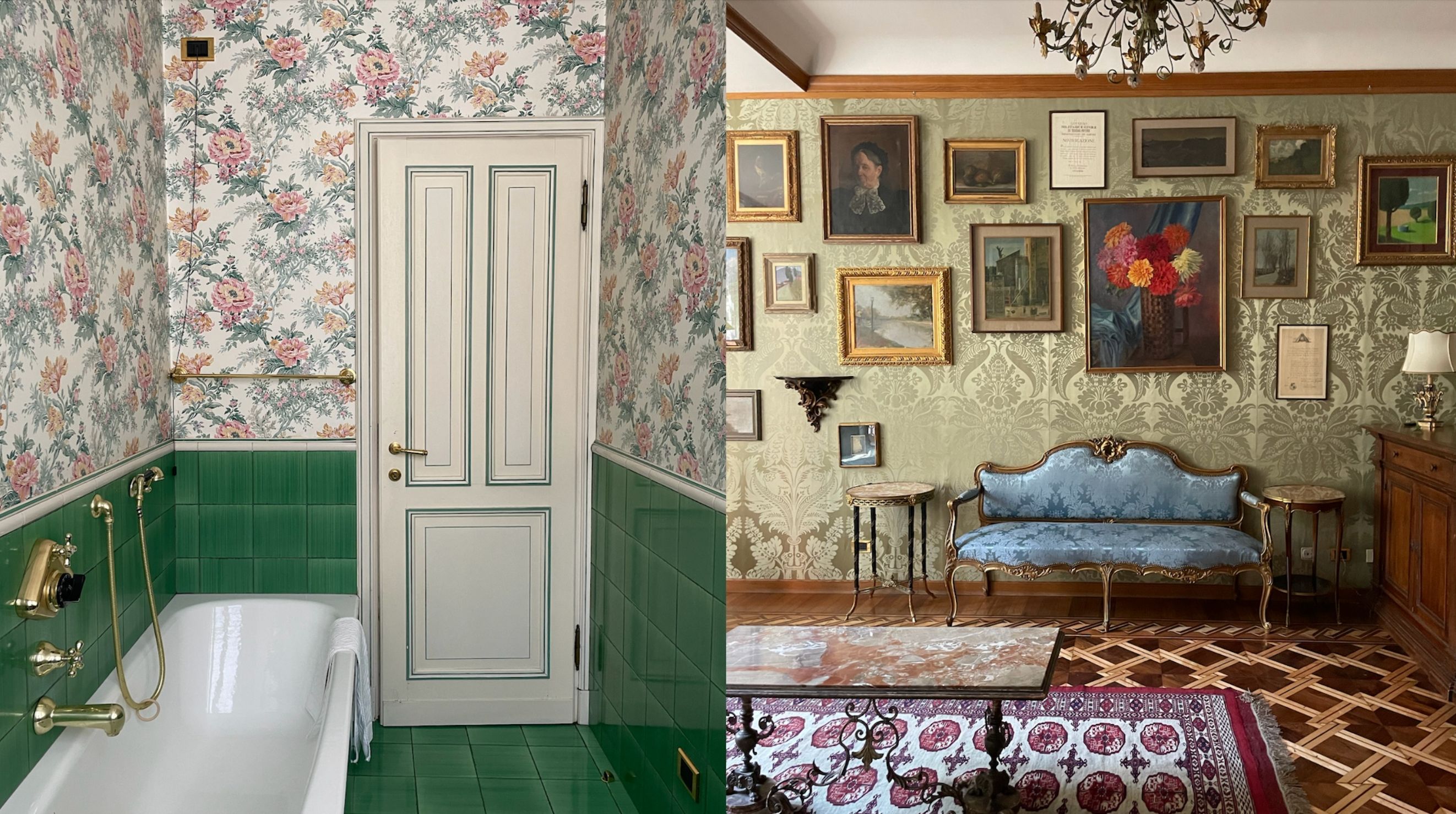
I visited Turin with a large group of friends, and we stayed at an Airbnb that felt like our own mini palazzo. Spanning three floors, the apartment was ornately decorated with lots of wallpaper, upholstered furniture, framed art and other embellishments.
Caroline Bologna/HuffPost
Scenes from our palatial Airbnb.
Those looking for a hotel experience will find plenty of options as well. The Turin Palace Hotel is in a restored building right in the city centre. The nearby Grand Hotel Sitea is a historic property with spacious rooms and a Michelin-starred restaurant.
For something with a more contemporary feel, the NH Collection Torino Piazza Carlina is also a popular option.
What To Eat
Italian food is famously delicious, but this cuisine is not a monolith by any means. So, I always aim to eat regional delicacies wherever I travel in Italy.
Advertisement
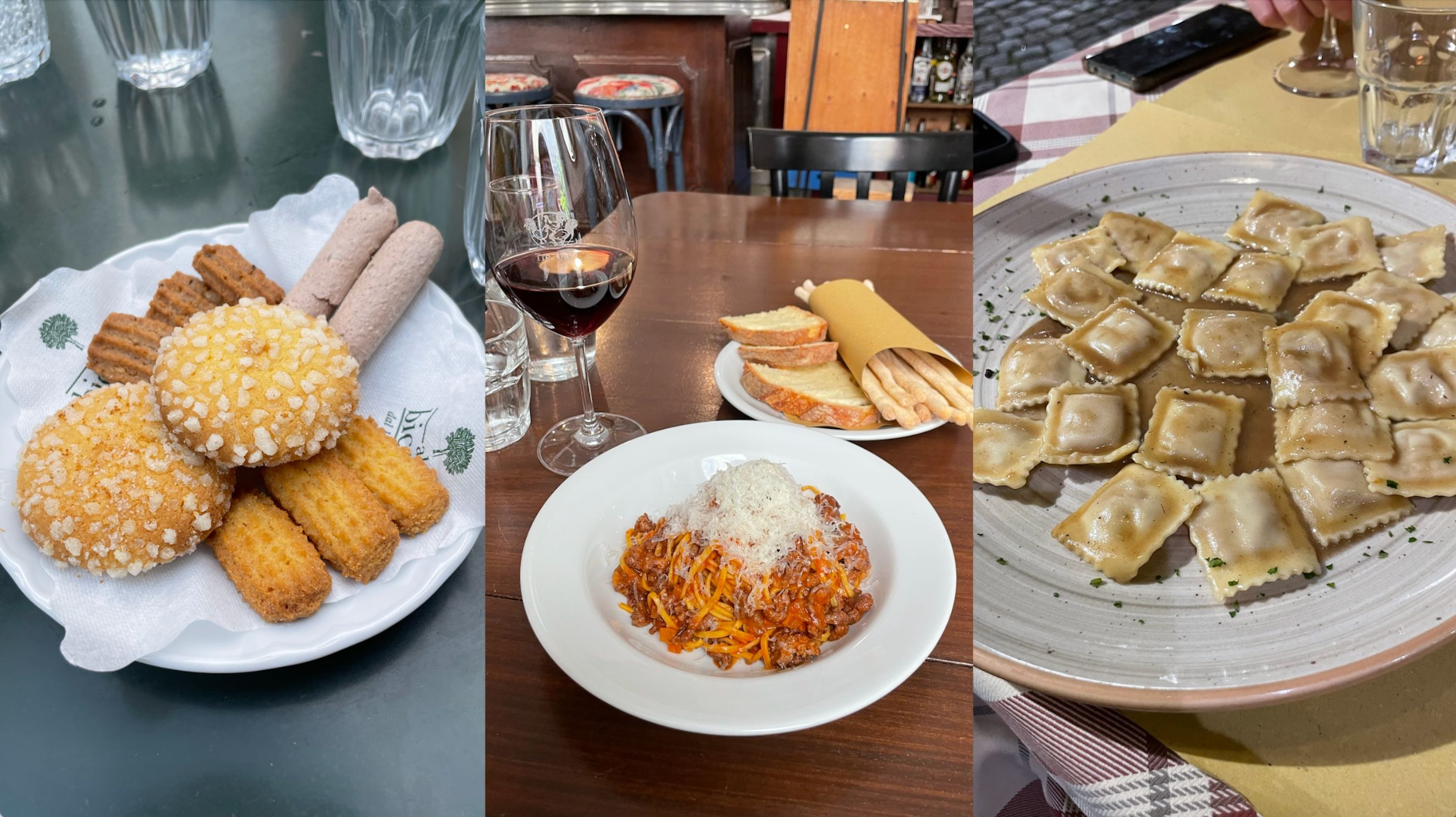
In Turin, my favorite Piedmontese dish was tajarin ― a rich, egg-heavy pasta typically served with truffles and butter or a local meat sauce called sugo d’arrosto. The meat-filled agnolotti pasta is another tasty specialty.
Other classic dishes to try include vegetables dipped in bagna cauda, a warm sauce made with garlic and anchovies, and crunchy breadsticks known as grissini. Although I wasn’t a massive fan, I’m glad I sampled vitello tonnato ― cold, thinly sliced veal topped with a creamy tuna sauce.
Twitter/Canva
From left: assorted Piedmontese cookies, tajarin with meat sauce and agnolotti.
My best meal in Turin was a lovely solo lunch at a restaurant called Tre Galli. I also enjoyed classic Torinese food at Osteria al Tagliere and L’Osto del Borgh Vej. The Mercato Centrale Torino food hall offers something for everyone, which is perfect when traveling with a group. You might also want to make time to visit the world’s very first Eataly as well.
Spazio7 and Piola da Cianci also came highly recommended, as did the historic Caffè Platti and Caffè Mulassano. And to cap off any meal with a sweet treat, look no further than Gelateria Pepino.
Advertisement
What To Drink
The Piedmont region is famous for its Barolo and Barbaresco wines, which pair well with many dishes or even as a key ingredient (as in brasato al Barolo or risotto al Barolo).
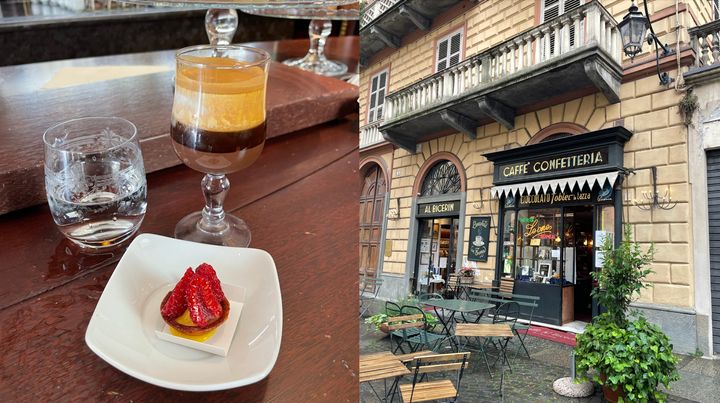
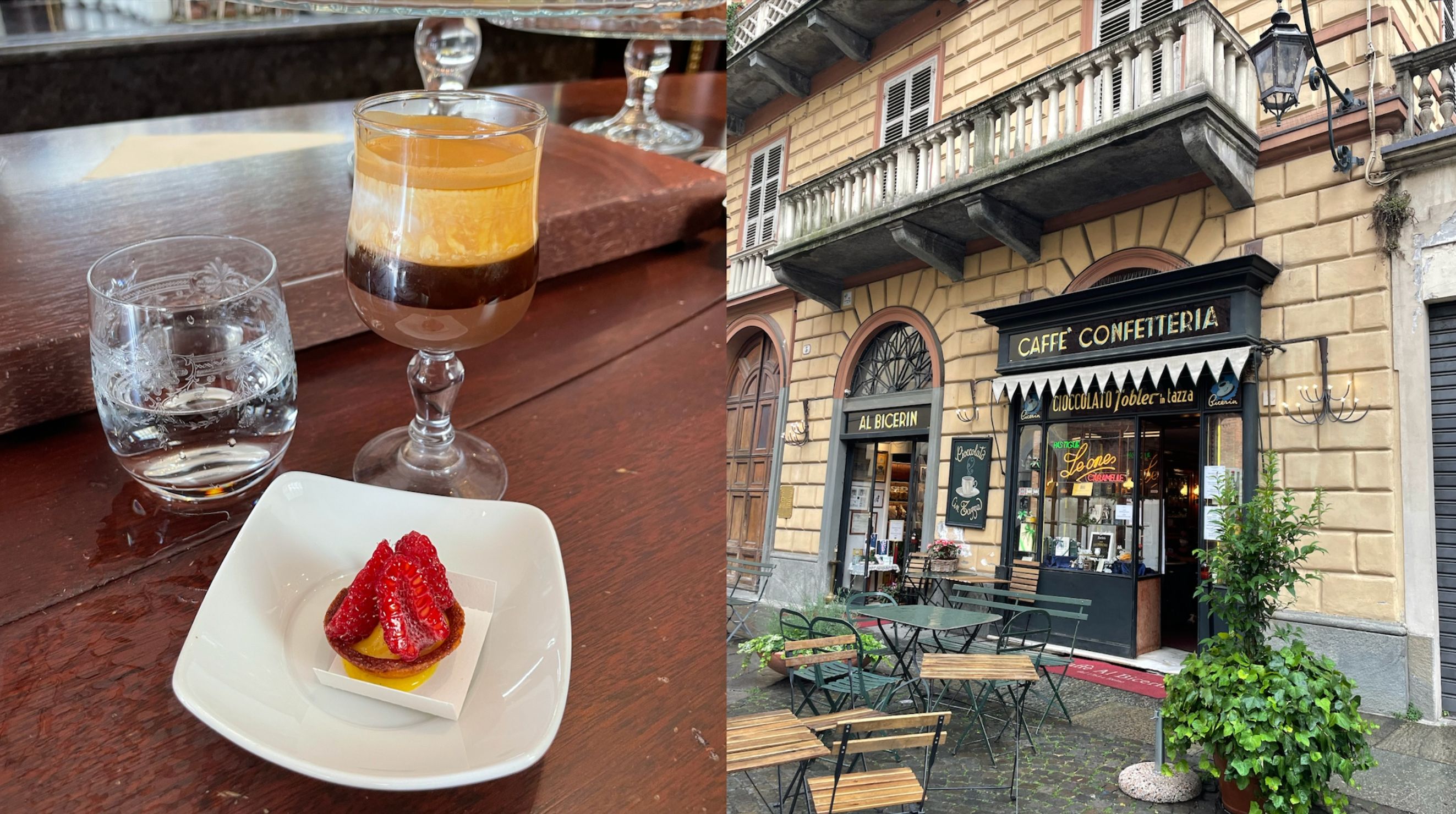
But truly no visit to Turin is complete without at least one bicerin. This decadent drink is made with coffee, chocolate and milk, perfectly layered in a way that just screams to be photographed. I’m pleased to report it also tastes amazing.
Caroline Bologna/HuffPost
From left: A bicerin and a fruit tart at Farmacia del Cambio, and the exterior of the historic Caffè Al Bicerin.
My bicerin-tasting journey led me to delicious and picturesque establishments like Farmacia del Cambio, Caffe al Bicerin dal 1763 and Caffé Baratti & Milano.
I even tried an alcoholic version of a bicerin at Piano35 ― a lounge at the top of the Intesa Sanpaolo Skyscraper. The breathtaking views alone made it worth the visit, but the creative cocktails were an added bonus.
Advertisement
Casa Proseccheria was another nice spot for aperitivi, with plenty of prosecco, cocktail and snack offerings.
What To Do
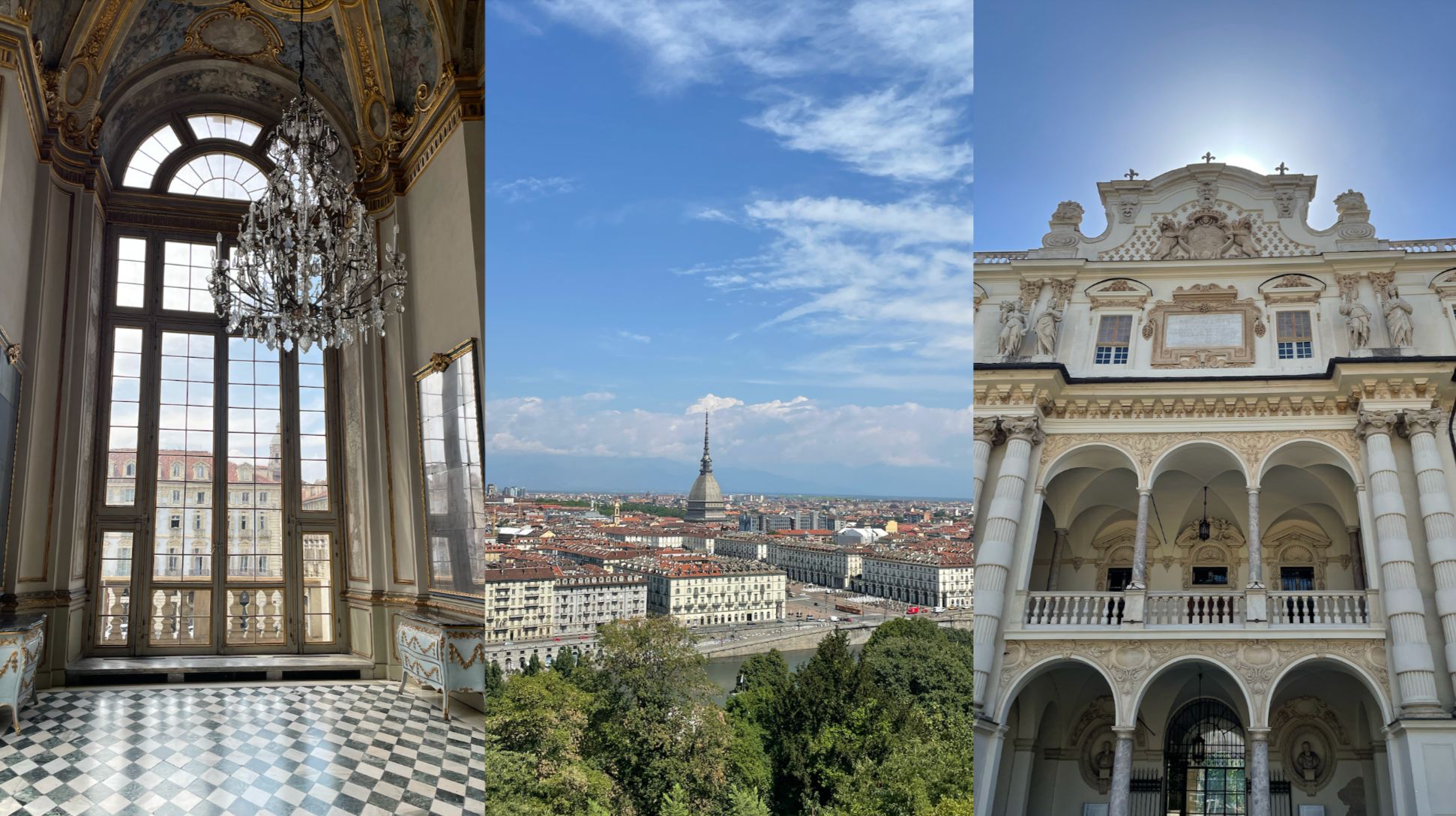
On my first morning in Turin, I began the day with a hike up to Chiesa di Santa Maria del Monte dei Cappuccini, a hilltop church with gorgeous views of the city. I later visited another church, the Baroque-style Chiesa di San Lorenzo.
For something farther afield, you can make a journey to the famous Basilica di Superga. And if you’re into royal history, you might also want to schedule a visit to La Venaria Reale ― a large palace estate just outside city and one of the area’s many UNESCO World Heritage Sites.
For a taste of grand architecture, tourists hardly need to venture beyond Turin’s city centre, however. There’s Piazza San Carlo, a stately square surrounded by Baroque buildings, and Piazza Castello, home to the majestic Palazzo Madama Torino (now an art museum). The nearby Royal Palace of Turin transports visitors back in time to the city’s regal past.
Caroline Bologna/HuffPost
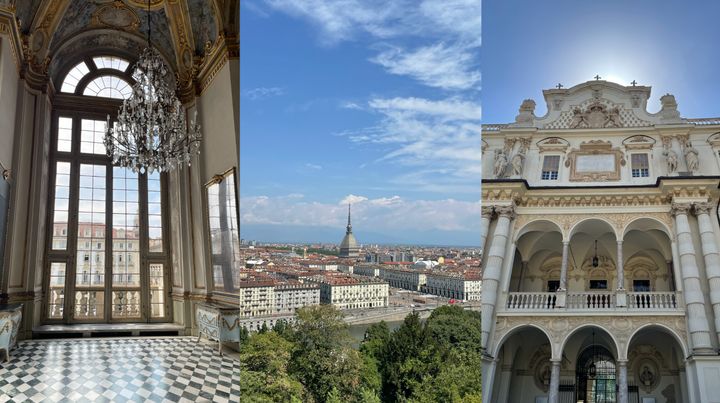
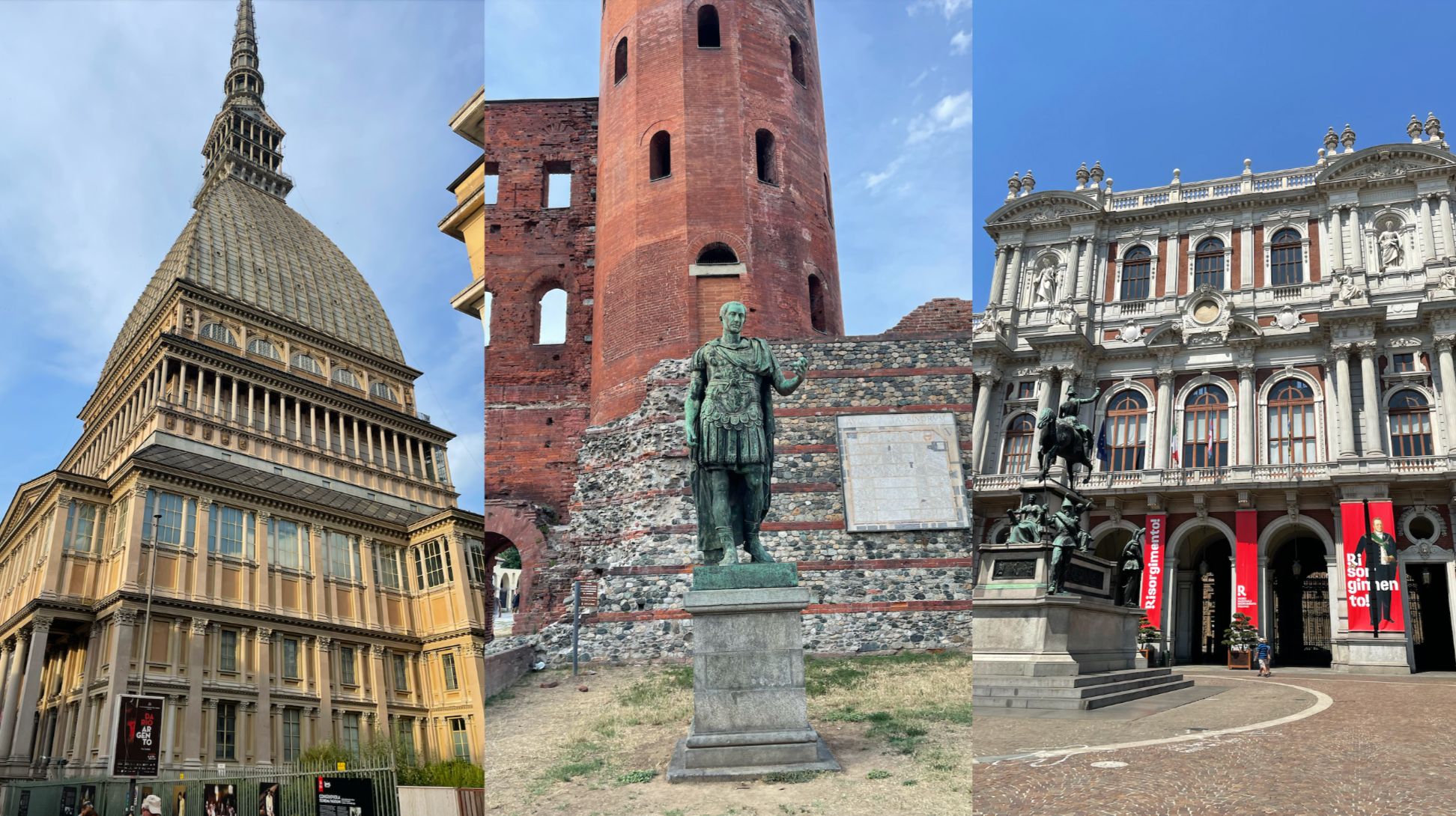
From left: the Mole Antonelliana, Palatine Gate and Palazzo Carignano.
Advertisement
Perhaps the most iconic part of Turin’s skyline is the Mole Antonelliana, which houses the film museum ― Museo Nazionale del Cinema. Another notable museum is the Museo Egizio, where history buffs can find an extensive collection of Egyptian artefacts.
Fans of contemporary art will enjoy the Castello di Rivoli, a former royal residence that now showcases cutting-edge exhibitions juxtaposed against its restored 17th-century castle backdrop. Don’t sleep on the Pinacoteca Giovanni e Marella Agnelli art gallery, either.
Those interested in the unification of Italy will no doubt want to explore the Museum of the Risorgimento, which is located in another famous old building, Palazzo Carignano. And for some ancient history, don’t forget to check out the Palatine Gate, a well-preserved gateway dating back to the first century BC.
Caroline Bologna/HuffPost
From left: Palazzo Madama Torino, view from Chiesa di Santa Maria del Monte dei Cappuccini and Castello del Valentino.
In addition to my climb up to the hilltop church, I also stretched my legs quite a bit by strolling along the River Po and exploring the expansive Parco del Valentino. The park boasts a number of notable attractions, like the distinguished Castello del Valentino and Borgo Medievale, a reconstructed medieval village and open air museum.
Advertisement
Getting more into modern times, Turin is strongly associated with the Italian automotive industry, with iconic brands like Fiat, Lancia and Alfa Romeo headquartered in the city. It’s unsurprisingly also home to the Museo Nazionale dell’Automobile (National Automobile Museum).
And of course, sports fans should check the schedule to see if the famous Juventus football club or its rival Torino have any matches scheduled during their time in the area.
With so much to offer tourists of all ages and interests, Turin is truly a hidden gem that captivates visitors with its incredible cuisine, deep history and vibrant charm. As Americans flock elsewhere in Italy, Turin visitors don’t need too much advance booking to experience the rich cultural tapestry that makes the city so magical.