Despite what I’ll tactfully call conflicting opinions in my household, it turns out that yes, butter is almost always safe to eat after being left out on the counter.
Not only is room-temperature butter better for spreading and creaming sugar while baking, it turns out that you can leave properly stored butter out for a surprisingly long time.
Advertisement
“Butter is safe to eat after being out at room temperature,” Bri Bell, a registered dietitian, and food safety expert, told Allrecipes.
“One reason it doesn’t go bad as quickly as other dairy products at room temperature is because it’s low in carbohydrates and proteins, which are mould and bacteria’s preferred food sources.“
But does safe mean tasty? Is there an upper limit to how long you can leave butter out on the side? And if so, what is it?
Advertisement
It’ll be safe for ages ― but delicious for as little as a couple of hours
Part of it has to do with storage. On one, more extreme end, bog butter ― butter buried under a bog to preserve it for longer ― has been found to last for literally hundreds of years without posing a health threat to anyone who eats it.
But unless you’ve got an airtight, subterranean cubby-hole of your own, your best bet is probably a butter dish or something similarly airtight that won’t absorb smells from your cooking. This should keep it safe to eat for ages, provided your kitchen isn’t too hot.
However, the question of safety is different to the question of flavour. While butter might be safe to eat after a couple of days on your countertops, its taste might be impacted by leaving the fridge.
Advertisement
Tonja Engen, Culinary Content Specialist for butter experts Land O’Lakes, told Allrecipes “Do not leave butter at room temperature for more than 4 hours. Always return any unused butter to the refrigerator and be aware that butter left outside refrigeration may become darker in colour and have the flavour affected.”
If you need to soften butter for baking or spreading, she says that “you can cut the butter into small chunks and let stand at room temperature for about 15 minutes.”
Or grate frozen butter for a quick-fix for baking, she adds.
The United States Department of Agriculture’s recommendations say that “Butter and margarine are safe at room temperature. However, if butter is left out at room temperature for several days, the flavour can turn rancid so it’s best to leave out whatever you can use within a day or two.”
Advertisement
In other words, while your butter is safe out on the counters for a remarkably long time, its creamy flavour might degrade in a matter of hours.
Honestly, this is the most clear-cut case of “ignorance is bliss” I’ve ever seen…
In his new book How To Prevent Dementia, Dr. Richard Restak (neurologist, neuropsychiatrist, author, and professor) shared that some signs of dementia can show up first in everyday tasks ― including brushing your teeth.
“Four impairments underlie the outer expressions and inner experiences of the Alzheimer patient,” the doctor shared in his book. He called these the “four As.”
Advertisement
One sign is amnesia, he says ― simply forgetting things. Then, there’s aphasia, which involves not being able to understand, find, or use the right words.
“Neither amnesia nor aphasia in their milder forms is always abnormal,” Restak says. But “the third and fourth of the four A’s are always a sign something is amiss,” he adds.
One of these is agnosia, or “an impairment of correctly understanding information provided by the senses of seeing, hearing, touching, smelling, and tasting.” For instance, someone might not be able to recognise a beloved family member by sight.
Advertisement
The final one, apraxia, refers to an inability to perform “purposeful and highly practiced actions despite normal muscle strength and tone.”
Brushing your teeth is a good example of where apraxia may show up
It’s not necessarily about forgetting how to do the task, nor is it about not being strong enough to follow the steps, Restak says. Instead, the issue lies in tying all the actions and thoughts together correctly and in the right order.

“A person with apraxia may be able to recognise and even name a toothbrush and toothpaste but may be unable to carry out the act (praxis) of squeezing the toothpaste onto the toothbrush.”
Advertisement
Or they could struggle to put the brush in their mouth and scrub their teeth. “All the muscle components are present but can’t be coordinated,” Restak shared.
Tooth decay has been linked to increased dementia risk, though Dr. Restak doesn’t suggest apraxia is the cause of this in his book.
Other forms of apraxia can cause people to fall, speak, and, for those in the later stages of Alzheimer’s, dress and bathe themselves, the neurologist says.
Advertisement
“Many, if not all, expressions of Alzheimer’s can be explained by reference to the four A’s,” Restak stated in How To Prevent Dementia.
What if I suspect dementia?
If you think you or someone you love could have the condition, the NHS advises you to see a GP as soon as possible.
If you’re supporting a loved one, “You may like to suggest you go with your friend or relative to see a GP so you can support them. You’ll also be able to help them recall what has been discussed,” they say.
Advertisement
“A diagnosis of dementia can also help people with these symptoms, and their families and friends, make plans so they’re prepared for the future,” they add.
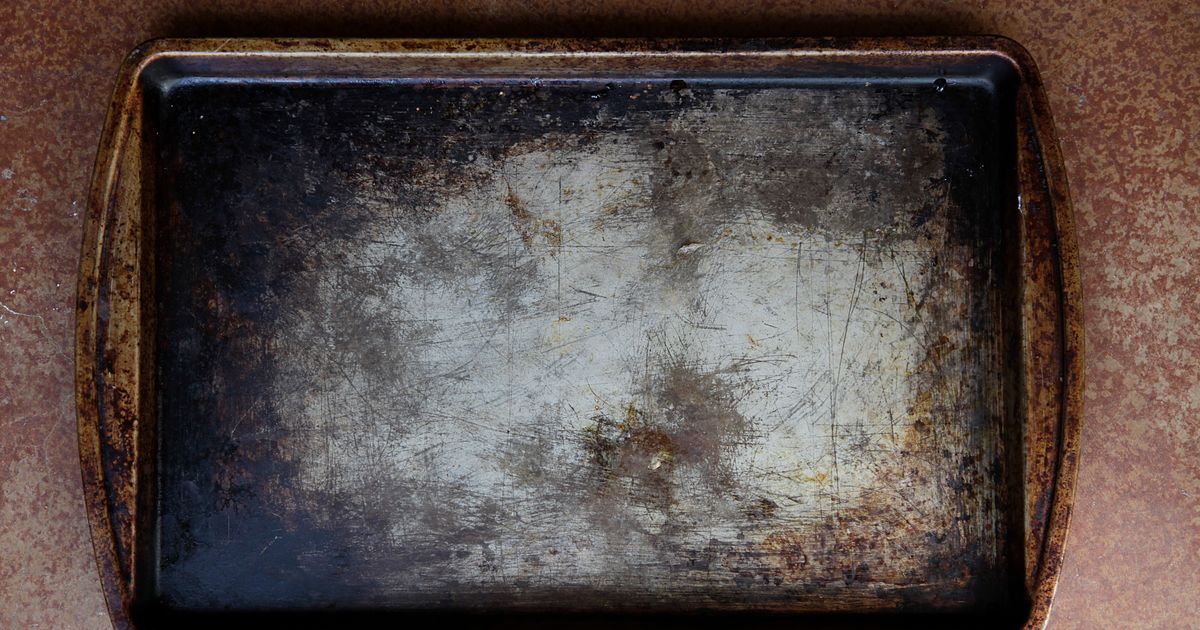
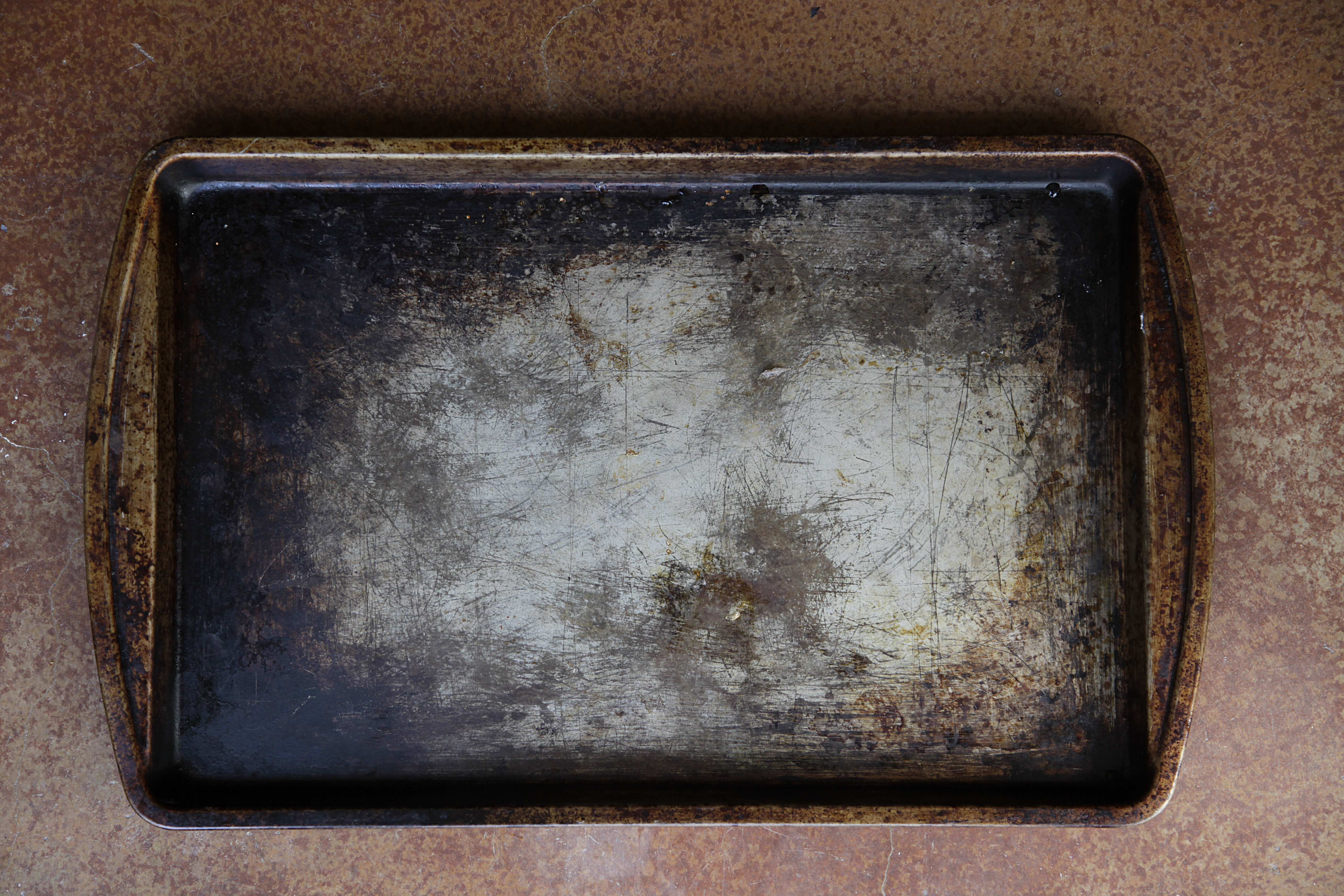
I don’t know what it is about baking trays. Maybe it’s the fact that we’ve designed them for a lifetime of inferno-like suffering in our ovens – but no matter how carefully I clean mine, they seem to get incredibly filthy in a matter of months ― almost as if they’re doing it on purpose.
Forget sponges. Forget dish brushes. Once my baking trays have achieved the crusted-on hue of shame, it feels like nothing will help to clean them.
So you can imagine how intrigued I was to hear from Tasting Table that the humble spud could help to remove the rust from my trays.
All I have to do, they advise, is halve a raw spud, dip the potato in washing-up liquid and salt or baking soda, and get to scrubbing. I was sceptical too ― but having tried it, I’ll never go back.
I know! It works because potatoes are high in something called oxalic acid, which is sometimes sold in its pure form as a rust remover.
When this comes into contact with rust, it creates a substance called iron oxalate, which can easily be washed away with water and soap.
The addition of washing-up liquid will help to cut through grease, while salt and baking powder will exfoliate the surface of your trays.
Sweet potatoes are higher in rust-reducing oxalic acid than other kinds, Tasting Table points out.
Yep! I’ve tried wrapping my entire oven (baking trays included) in clingfilm overnight after applying a baking soda paste before ― this worked brilliantly.
You can also try submerging your baking trays in hot, soapy water for a minimum of half an hour before scrubbing away the grime. This works, but requires a lot of sink space.
Baking soda and boiling water can also do the trick, Oven Pride suggests (though keep your hands safe during this method).
And of course, you can’t go too far wrong with a wire scourer and good ol’ elbow grease…
Many travellers eagerly research the best restaurants or food tours before heading somewhere new, but you don’t necessarily need to make a reservation or spend a lot of money to experience a truly local food scene.
When I first started traveling, I was on a strict budget and didn’t have money for gourmet restaurants. I sustained myself largely by shopping in ordinary supermarkets. They were always cheap, and I knew I would easily find an array of local foods in one place.
Advertisement
Going to supermarkets started as a money-saving measure, but I now realise how much those shopping excursions enriched my travels.
My budget these days is a little more generous, but I still find myself seeking out local supermarkets wherever I travel. It’s the one place I know I will brush shoulders with locals, even in towns overrun with tourists. Often, I will ask my fellow shoppers or check-out clerks for advice about what to buy or where to go in their town.
Supermarkets are also a great place to get a good look at local culture. I can usually tell at a glance if the local culture values fresh fruits and vegetables over highly processed foods, how people snack and what they drink. Now that I frequently travel with my kids, we always discover new candies and treats at supermarkets. (And we usually bring some home.)
Advertisement
I’m not alone in thinking a visit to a supermarket can be a highlight of any trip. We spoke with several travel experts who suggest you do the same.
A visit to a supermarket is an anthropological experience.
Michael Soud, the co-founder of Travel Insighter, has been to 106 countries. He makes it a point to visit supermarkets wherever he goes. “A visit to a supermarket is an anthropological experience every single time,” he said. “There is an infinite number of products that can be on the shelves of a supermarket, so the choice the supermarket makes is the best insight into what a local community values.” He always checks out the frozen food aisle because “invariably, if something has been turned into a frozen food, it’s a local staple,” he said.
Supermarkets “are more than just shopping spaces. They’re cultural hubs. They offer insights into local life and are fun,” Abdellah Bouraihan, an Intrepid Tour Leader in Morocco who regularly takes his tour groups to local supermarkets, said. Bouraihan thinks these visits are an important part of getting to know the local culture. He explained going to supermarkets provides travellers with “an authentic look into the daily lives of locals and allows them to see how people shop, what products are popular, and the cost of everyday items.” He added it’s also a great place to buy snacks, spices and goods you won’t find in typical tourist shops catering to foreigners.
Advertisement
Bouraihan also thinks that supermarkets are a great look into how culinary preferences have evolved. “The types of bread, spices and olives in Moroccan supermarkets not only showcase the country’s culinary preferences, they also show how modernity blends with tradition,” Bouraihan said. That’s because these traditional items are often displayed alongside international foods that have found their way to Morocco, he explained. Plus, he likes that going to a supermarket is a quick, inexpensive way to expose travellers to a variety of local specialties at once, especially if they are only in the country for a short time. In Morocco, tourists can try traditional cookies and locally made almond milk in one visit, he said.
Supermarkets give insight into demographic trends.
My hometown of Washington, D.C., is best known for its national monuments and Smithsonian museums. It’s easy for visitors to overlook that D.C. is home to the largest Ethiopian population outside of Ethiopia. However, walk into almost any D.C.-area supermarket, and you will likely find Ethiopian foods and spices, such as Injera crisps, a clear sign of the significant Ethiopian presence in the area.
Sound has noticed similar trends in supermarkets elsewhere. For example, on a trip to western Sydney, Australia, he noticed that supermarkets increased the size and range of their halal sections to accommodate the dietary preferences of newly arrived immigrants from Afghanistan.
Advertisement
Supermarket finds can transform your cooking.
Many professional chefs, including Amanda K. Lindquist, executive chef at Wailea Beach Resort and the Marriott Culinary Council Lead in Maui, make it a point to shop at supermarkets when she travels. “It has truly enriched my cooking style as well as broadened my horizons,” she said. Lindquist eats at plenty of restaurants when she travels but says that going to supermarkets allows her to understand regional cuisine better and provides additional inspiration for her own cooking. She’s also discovered spices at supermarkets abroad that she hadn’t come across before. This has enhanced her cooking at home and work.
Lindquist especially enjoys buying local salts and olive oil. “Each salt has a slightly different taste and texture,” depending on the region, she said. Lindquist discovered a great salt cured with red wine from the Basque region of Spain, which is known for its wines. Similarly, the taste of olives oils Lindquist has found in supermarkets varies “depending on where the olives are grown, the climate, the soil, the method,” she said. By venturing into local supermarkets, Lindquist has found olive oils with sweet, vanilla flavours and rich flavours she describes as “almost like meat.”
Visiting a supermarket can even create memories that last. While travellers are often exposed to new flavours at restaurants, supermarkets are where they can delve into the raw ingredients used to create their favourite dishes.
Advertisement
Bouraihan says that former tour group members often tell him they try to recreate Moroccan dishes at home, using the spices or ingredients they bought at a supermarket during their trip. Favourites include mint tea and experimenting with tagine recipes. “It becomes a way for them to stay connected to the culture and memories of their trip,” he said.
In her kitchen, Lindquist has several items she’s gathered from supermarkets during her travels, saying they “take me back to the amazing places that I have traveled to and the people that I met.”
It has been a decade since I have written about eating disorder recovery.
I got tired of writing about it — mostly because I thought it had been solved. I thought we had all embodied the body positive ethos and were ready to feed not only our hunger, but our passions and curiosities. Collectively, we had decided that we are more than how our bodies look and that diet culture wasn’t relevant. We had learned by now that we could be healthy at any size.
And then, a “miracle drug” was introduced, and it began to feel like everyone who had claimed to love their body or embrace body positivity was willing to empty their bank accounts to become thin.
I can’t help but think, “Was I the only one really trying to divest from diet culture?”
I was a competitive figure skater from ages 5 to 18, and so my coaches, mother and nutritionist all demanded that I shrink. From the age of 8 years old, my body became the problem. If I was going to ice skate, I was going to have to shrink. The nutritionist, who I visited weekly, weighed me and told me what I was allowed to consume.
Advertisement
By the age of 12, I was eating either one 100-calorie pack or half of a Think Thin bar as a snack, and never daring to eat more than 1,200 calories a day. Warm protein shakes or fat-free cheese for protein. When it wasn’t time to eat— which was all I could think about, when I could eat next — six cans of Diet Coke felt reasonable.
Photo Courtesy Paulina Pinsky
The author in her ice-skating days.
Ice skating was no longer about love or passion — it was about dedication and discipline. So many implicit rules that still ring in my head today: Egg yolks were determined to have too much fat; so did avocado. As my body was starting to move through the motions of puberty, the elements that my body needed to survive ― carbs and natural fats ― were deemed my enemy.
Advertisement
Figure skating was not the only thing dedicated to the cult of thinness: Tyra Banks called size 6 women fat and People Magazine looked at Jessica Simpson in disgust when she was the same size, claiming she had let herself go. No social media, but celebrity tabloids were loud enough to claim their space. One particular article in Star sticks with me to this day: “What Mary-Kate Olsen eats in a day.” One crab cake for lunch. I couldn’t help but admire her brilliance: how decadent, how protein-packed. I wanted to whittle myself down to bone.
By the age of 12, I lost the weight that everyone around me was insistent that I lose. It felt like I had won a silent war. My skating peers and the mothers at my school asked me how I had managed to shrink. The glory of having done what no one else could: disappear in plain sight.
Photo Courtesy Paulina Pinsky
The author as a young figure skater.
Advertisement
It wasn’t until my second semester of college, no longer figure skating and removed from my childhood context, that I came to on my hands and knees in front of my childhood toilet after purging eight times in one day. I could no longer ignore the ways in which I was making myself sick. I went back to school, got a therapist and began eating disorder recovery in earnest. I was 19.
Once I could name this invisible war I’d been waging against myself, I couldn’t help but feel the rage I had once vomited up. I was furious at all of the cultural forces that were endorsing and supporting my, and all women’s, destruction. I realized that convincing women that their bodies are the only project worthy of pursuing keeps them too hungry to pursue anything else.
On the cusp of my adulthood, I could no longer ignore that my hunger kept me silent and hyper-focused on something other than pursuing my interests or making an impact in the world.
Advertisement
The body positive ethos of the 2010s felt hopeful to me, not unrealistic, and it became the foundation of my eating disorder recovery. I learned that I could be healthy at any size. The idea that people are concerned about another person’s health when they bring up their weight is not only damaging but wholly untrue — size is not always an indicator of health. I knew that no one really cared about my health, they cared that I looked thin, pretty.
Joy Newell Photography
The author today.
My therapist once told me that you should give yourself at least the length of your eating disorder to get over your eating disorder. Seven years. I held onto the number seven, as if it were the release date from my self-imposed prison.
Advertisement
Body neutrality, a practice that is more akin to my practice of body positivity, taught me how to remain neutral about my body. When I stopped dieting and just let myself pay attention to what my hunger felt like, I could learn how to not only nourish my body but my soul. When I looked at the mirror, the self-hating thoughts would float up, but I did not engage. And slowly but surely, after over a decade of not engaging with those thoughts, they disappeared.
It is rare for me to have a bad body day. And when I do? It is because there is something I do not want to name, and I am falling back on a well-worn defense mechanism: My body is the problem. Which, of course, keeps the real problem alive longer.
Thirteen years later, my body is not a prison but a safe-haven. My weight has been up and it has been down. I am fine either way. With a childhood history of extensive, intensive dieting, my body is still recalibrating.
Advertisement
After I got sober in 2021, I lost 20 pounds solely because I had stopped taking bong rips and ordering three slices of cake to my door. And the way in which people reacted — the celebration at my shrinking body — reminded me of what it felt like to be 16 again, enlivened by the way in which people were celebrating my disappearance, not admonishing me for putting food in my mouth.
It felt dangerous to name the glory I felt — accomplishing the fantasy I had long dreamed of, without trying. But with a decade of eating disorder recovery under my belt, I had to pause and reflect on what was really happening: After a traumatic ending to an engagement and hitting rock bottom, my body was traumatized. If I ate past full, I instantly felt the need to purge, an impulse that I thought long dead that was still alive and well in my body. I had to listen to my body, for my physical, spiritual and emotional health, for the first time in 11 years.
But this is the thing about weight loss: The weight comes back. It always does. Every time you diet, your body’s natural set weight actually gets higher, so you will gain it back and then some. This is just the science of dieting, it is just how it goes.
Advertisement
So of course, with more time sober, I gained the weight back. I found myself mourning this moment when I lost weight without even thinking, despite it being one of the most traumatic periods of time in my life. The times I was the thinnest always coincided with my most miserable.
My second year sober, while walking through the Atlanta airport, every advertisement shouted “LOSE WEIGHT, GLP-1’S.” I opened my Instagram, and strangers seemed to halve themselves overnight, all while shouting, “I thought you all were supposed to be body positive,” when people said anything but praise. Influencers who had built careers off of the idea of body acceptance were electing to change their bodies, to become the very thing they said their audience did not have to be.
No one is willing to name it: That if granted the chance to be thin, we will pay. We will pay $500-$1,000 a month. We will stomach the nausea if it means shrinking without trying. That gallbladder removal and pancreatitis isn’t that big of a deal if you are finally thin. That as long as we can be the thing that the culture has claimed will make us be the person we wish we can be, we will pay any price.
Advertisement
Let me be clear: Losing weight CAN be a body positive choice. A sustainable effort that takes time, not an instantaneous click of a button. Changing your diet, incorporating exercise, negotiating the reality of a healthy lifestyle can be a body positive choice. But it takes time — it is not an overnight transformation. Because what happens when the drug stops and your hunger comes back? The cycle continues, up and down, up and down.
I watch as the new Ozempic-bodied people shame pictures of their bigger bodies and highlight their current state. No one is willing to say: I am willing to do anything to be thin, even if it impacts my future health. Or worse: I will do anything to be thin because that is all I have ever wanted to be.
And the worst part? If you aren’t willing to take the miracle drug, you are seen as doing a disservice to your health. But I refuse to be gaslit. This isn’t about health, it’s about vanity. They are just regurgitating the toxic messaging that we have all been force fed.
It’s the season when many people set New Year’s resolutions for the year ahead, and these goals are often related to physical health.
Experts say there’s one big area that many people should focus on when it comes to their well-being: cardiovascular health.
Advertisement
“Cardiovascular disease is the number one cause of death in America,” said Dr. William Cornwell, a cardiologist at UCHealth University of Colorado Hospital. “And, sadly, people… lack a clear understanding of the health or unhealth of their hearts until something catastrophic happens, such as a heart attack or a stroke.”
But there are lifestyle habits you can adopt to manage some of the factors ― like high cholesterol, diabetes and high blood pressure ― that put you at risk of heart attack and stroke.
Cardiologists say they encourage these lifestyle habits every year. Below, doctors shared with HuffPost the New Year’s resolutions they set and recommend to patients in the name of heart health.
Advertisement
Committing or recommitting to exercise.
No surprise here: All of the experts we spoke to said exercise is an important resolution to set every single year.
“First and foremost, from a cardiac standpoint regarding cardiovascular health, exercise needs to be at the forefront,” Cornwell said.
“For me, personally, it is a part of my everyday routine and every year,” he said. “There needs to be a renewed commitment to ensure that exercise is at the forefront of everything that you should be thinking about to improve or maintain your cardiac health.”
Advertisement
“Exercise also brings a number of other benefits to other organ systems, in addition to improvements in quality of life and your overall ability to function well without symptoms,” Cornwell noted. “So, for many reasons — the heart really only being one of many — if there was going to be one New Year’s resolution, exercise should be the one.”
Admittedly, it can be hard to jump into fitness in January, a month marked by early sunsets and cold temperatures in much of the country. But it’s still important to prioritise movement during this time of year, said Dr. Johanna Contreas, a member of the National Hispanic Medical Association and a cardiologist at Mount Sinai Health System in New York.
“Winter months, we tend to see an increase in cardiovascular disease and heart attacks and heart failure, hospitalisation,” Contreas said, “because those winter months, you’re more indoors, less likely to be active. So, we always try to tell patients: Think about ways that you can remain active.”
Advertisement
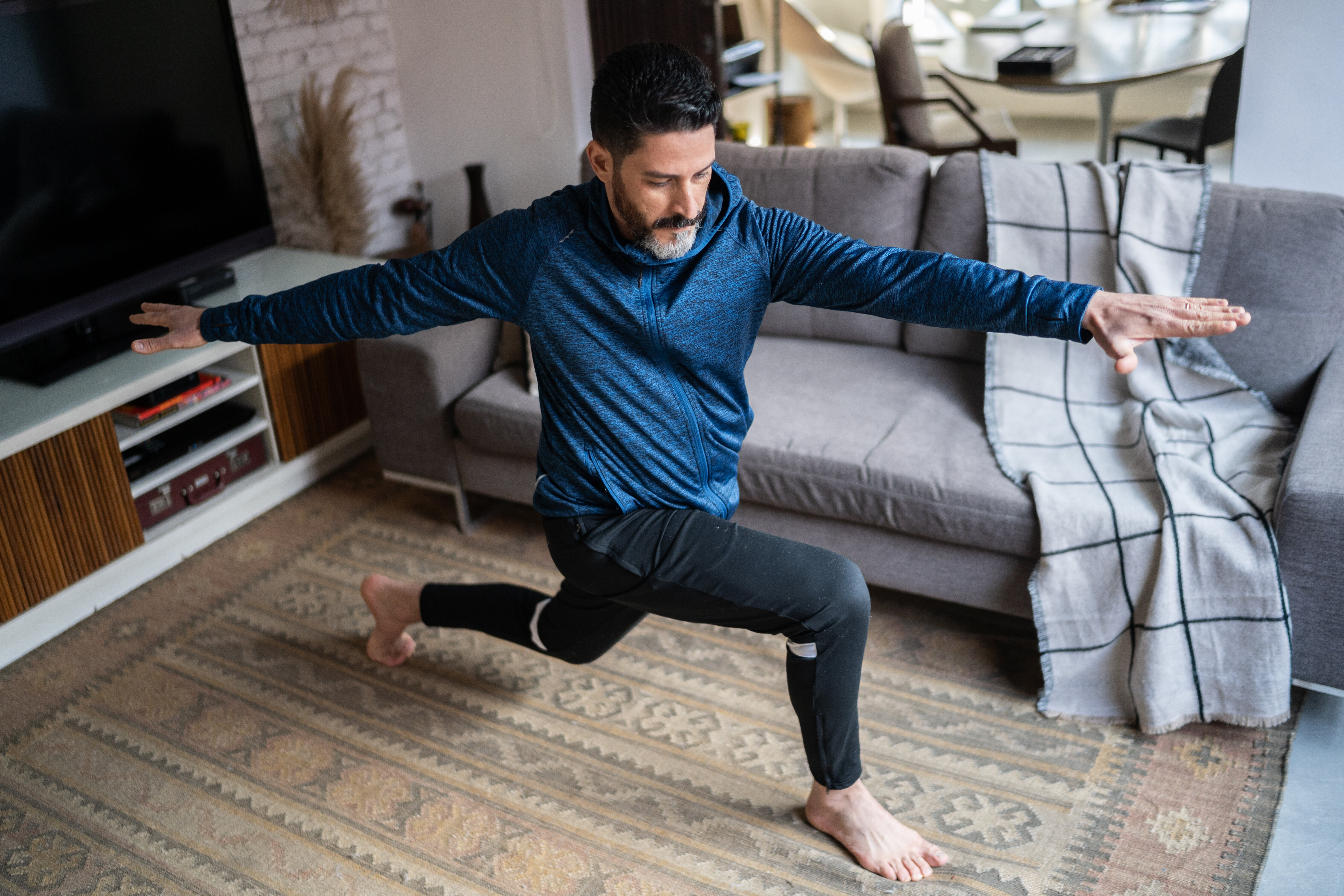
In other words, your version of exercise does not have to take the form of an outdoor run or walk. You could focus on walking up and down the stairs throughout the day, making a point to get up from your computer after long meetings, or signing up for a fitness app that allows you to exercise from home. (Peloton, Alo Moves and FitOn are all good options.)
As for how much you need to exercise each week, Cornwell said the American Heart Association’s guidelines recommend 150 to 300 minutes of mild to moderate-intensity exercise (like brisk walking, doubles tennis or gardening), or 75 to 150 minutes of vigorous exercise (like running, jumping rope or swimming laps), each week.
Daniel de la Hoz via Getty Images
Making small adjustments to your cooking regimen can create meaningful change — like not eating meat one day a week, or mixing cauliflower in with your rice.
Advertisement
Knowing their numbers.
“I tell people, [if] you really want to start a healthy year, know your numbers and know what is healthy for you,” Contreas said.
When talking about “numbers,” experts are referring to things like a person’s blood pressure, cholesterol and fasting glucose, said Dr. Elizabeth Jackson, director of the cardiovascular outcomes and effectiveness research program at the University of Alabama at Birmingham Medicine.
Jackson also recommends “knowing your fasting glucose, because we know that in the U.S. we have a high prevalence of diabetes, but we also have a high prevalence of pre-diabetes — people who are not quite meeting the definition of diabetes, but they’re not in the normal range.”
You can ask your doctor for your numbers, and they can either share the data they have on file or order tests to determine this information.
Advertisement
“It’s important to know where you’re at in terms of those numbers, but also not to be discouraged if numbers are out of whack,” Jackson noted.
You can get to a healthier place by adhering to lifestyle adjustments like sticking to an exercise regimen, quitting smoking, and more ways that are outlined in the AHA’s Life Essential 8. Additionally, you can talk to your doctor about medication to see if that’s the right choice for you.
Focusing on their nutrition.
Eating a nutritious diet full of things like fruits, veggies, whole grains, lean protein and beans is known to be beneficial for your heart health and your health overall.
Advertisement
According to Jackson, thinking wholeheartedly about your diet is a good goal for the new year.
To focus on your nutrition, Jackson suggests food-prepping for the week so you’ll have something nutritious to grab when you’re hungry. She also suggests trying out new heart-health recipes each week. The American Heart Association has recipes, she noted, that can help maintain or improve your cardiac health.
If this feels too daunting, Contreas said, you can try simple hacks like adding vegetables to your rice to make your meals more nutritious. Additionally, you could try eating vegetarian a few days a week, or even for a few meals a week.
Contreas noted that it’s important to be mindful of your salt intake, too. Consuming too much salt can increase your blood pressure, she said.
Advertisement
And, as mentioned above, high blood pressure can put you at risk for heart attack and stroke.
Prioritising sleep.
“Sleep is very important,” Contreas said. “Sleep deprivation, we know now, is very unhealthy, and it can cause increasing cardiovascular disease” and put you at higher risk for depression and high blood pressure.
Contreas said one of her New Year’s resolutions is to help workers at her hospital get better sleep, in particular those who have to work the night shift.
It’s recommended that adults get between seven and nine hours of sleep each night. “It may not be possible every night,” Contreas acknowledged. “But as much as we can stick to [it] would be important.”
Advertisement
Jackson and Cornwell both pointed out that healthy sleep is part of the AHA’s guidelines to better cardiovascular health, and is an important goal to focus on every year.
One tip: Don’t give up on these goals if you get distracted from time to time.
“We don’t have to go and be perfect every day right away,” Jackson said. “It’s not like January 1 starts, and all of a sudden your lifestyle habits are going to change dramatically and never go back.”
You should cut yourself some slack if you miss a day at the gym or fall back into an old habit you’re trying to break. Additionally, it’s OK to let yourself have rest days (your body needs them!) and allow yourself desserts and foods that aren’t particularly heart-healthy, too.
Advertisement
“But, knowing that if you’re putting in more healthy-type behaviours — healthy diet, physical activity, good sleep — most days, or more than you were, then that’s contributing,” Jackson said. “It really adds up.”
Missing a workout, or having a meal that isn’t great for your high cholesterol, isn’t going to put you back at zero.
“Our cardiovascular health is not just turning on a switch. It’s a holistic view of your diet, your physical activity, your sleep patterns, your lifestyle, together with those numbers for those traditional risk factors of blood glucose, blood pressure, cholesterol,” Jackson said. “It’s really something that is a lifestyle, something to follow and think about your whole life.”
I travel frequently, often with young children. While I have learned to expect the unexpected, I have many parts of the travel process down to a science, from how to create an itinerary that works to how to make 20-hour travel days not just tolerable but enjoyable.
However, getting through airport security with ease was one of the hardest parts of the travel experience for me to master. I’m very careful about how I pack and what I wear, but it took me a long time to factor getting through airport security into the equation.
Advertisement
“My first piece of advice is to think ahead,” said Luis Gonzales, an Intrepid Travel tour leader in Peru who ushers scores of passengers through airports each year. Daniel Herszberg, the co-founder of Travel Insighter, who has visited every country in the world, said that knowing how to get through security quickly may mean the difference between making your flight and missing it if you’re running late.
Now that I’ve mastered my routine, I appreciate that getting through security quickly and easily can set a positive tone for my entire trip. I recently wondered if I was missing out on any tips that could make getting through airport security even easier, so I spoke to experts. Here’s what they recommend.
Avoid clothing and accessories made with pieces of metal.
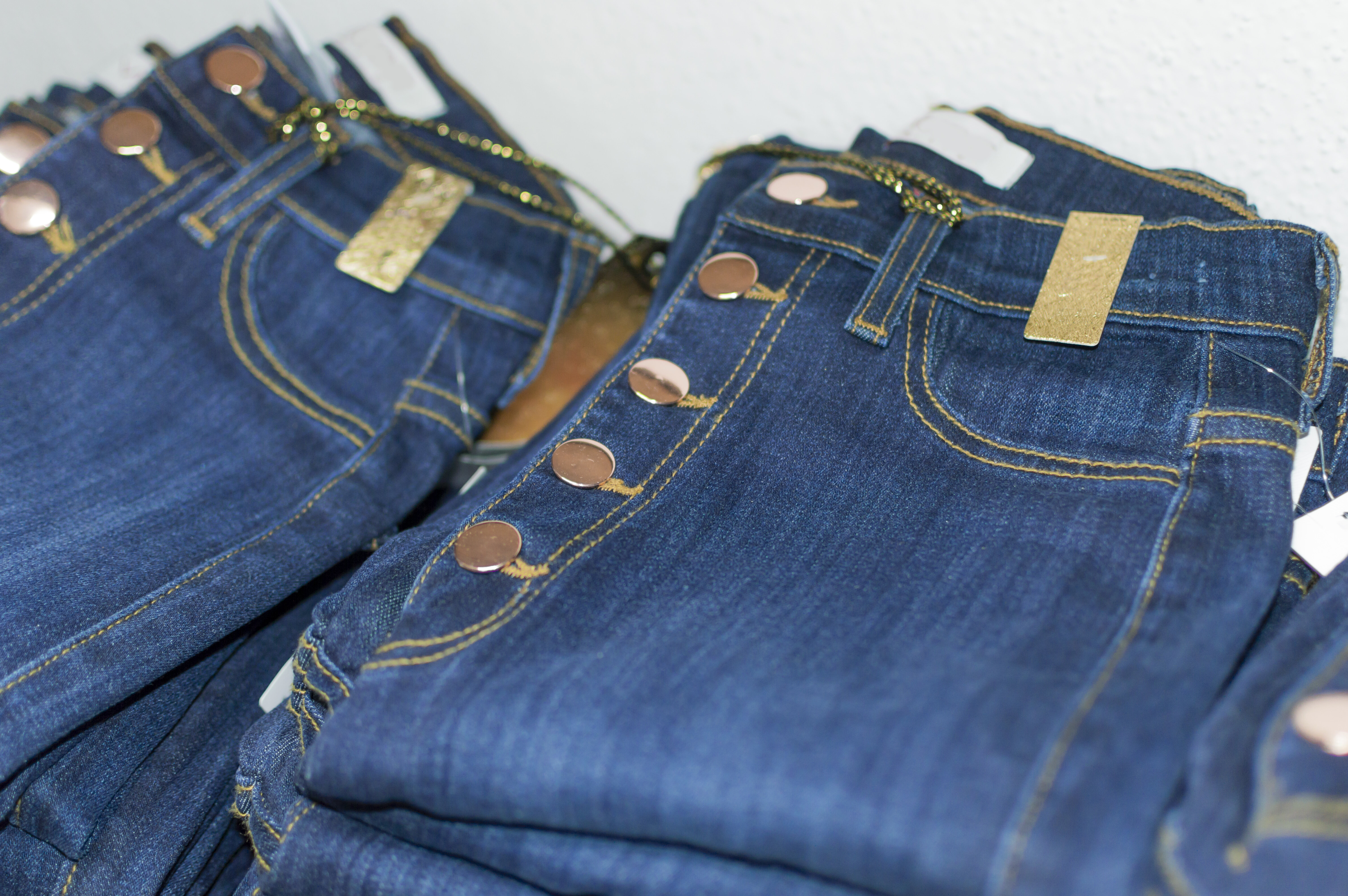
While a little bit of metal on clothing — such as rivets on jeans or a snap — might not set off alarms, wearing too much metal can be problematic. Gonzales recommends not wearing belts or clothing with more than one zipper — he even suggests avoiding items with many metal buttons, such as button-fly jeans.
Advertisement
Herszberg has had what he thought were “basic blue jeans” set off alarms, resulting in hand pat-downs. He now avoids wearing those pants to the airport.
Put metal accessories in your bag before you get into the security line.
Many travellers like to wear everyday accessories on their trip, such as watches, rings and necklaces. They also often have items like keys and cell phones in their pocket when they get to the airport.
These should go into your bag before you get to the converter belt, Gonzales said. “It’s all about being ready when it’s your turn. This keeps things moving smoothly and takes the stress out of the experience,” he explained.
Advertisement
Placing these items in your bag ahead of time also lowers the chance of leaving something behind. Andrew Khan, associate director of behaviour change and expertise at Understood.org, recommends designating an outer pocket of your carry-on for these items. Alternatively, pack an empty bag in your carry-on and use it to keep loose items together when you go through security.
Wear slip-off shoes and have socks handy in summer for domestic travel.
Taking your shoes off and then putting them back on takes time and can be a pain. Wearing slip-off shoes makes the process much easier. If you decide to wear sandals during the summer, have socks ready to slip on quickly. “There’s nothing more discomforting than walking barefoot on that sticky TSA ground before a long flight,” Herszberg said.
imageBROKER/Isai Hernandez via Getty Images
Maybe just forget about the button-fly jeans on your next flight.
Advertisement
Don’t remove shoes in international airports.
Leigh Barnes, president of the Americas for Intrepid Travel, adds that even though many countries outside of the United States don’t require passengers to remove their shoes, American passengers tend to default to taking them off anyway. It’s best to look up the rules in advance when traveling internationally or wait until you are asked to remove your shoes to take them off, he said. Otherwise, you may hold up the line and make the process longer than it needs to be. Gonzales recommends not wearing shoes with buckles or boots with zippers through security when traveling internationally.
Layer smartly.
In colder climates, many travellers arrive at the airport wearing winter coats. Be sure to remove your jacket before you arrive at security. If you have room, place it in your bag. If you have a puffer, roll it and put it in a travel pillowcase to save space. As a last resort, put your coat in a bin.
Khan recommends wearing layers so that you stay comfortable throughout the process. He explains that being too hot or cold can make going through security more stressful. If you wear a light sweater or sweatshirt without zippers, you can usually keep it on through security, Herszberg said.
Advertisement
Put loose items through security before your suitcase.
If you need to put any items in a bin, such as a coat, belt, shoes or a watch, send the bin through the X-ray machine before your suitcase. That way, you can gather your items quickly before your carry-on makes it through screening. You are also less likely to leave items behind, Khan said.
Pack your carry-on intentionally.
To make getting through security easier, Khan recommends being very intentional about how you pack your carry-on. Pack clothing you won’t need to remove to go through screening on the bottom of your suitcase. Then, layer items you might be asked to remove, such as laptops and liquids, on top.
’Tis the season for indulging in food, premium telly, getting new, soft PJs, and cold, dark evenings that start at 4 PM.
And for some unholy reason, people have decided that now is also the perfect time to socialise. Make that make sense (can I please just enjoy my food coma without having to face Storm Gerrit or trousers with buttons on them?).
Advertisement
There’s nothing worse than realising that the dreaded social event you half-heartedly committed to months ago is coming up ― but a recent paper published in the Journal of Personality and Social Psychology suggests that saying “no” to the meet-up might actually not be as big a deal as we think.
Say more…
Julian Givi, an assistant professor of marketing at West Virginia University, conducted the study after stressing about declining a wedding invitation.
In his research, he found a separate study revealing that 77% of us had accepted an invitation to an event we didn’t want to attend.
Advertisement
“We worry about the negative ramifications that might arise. Will the person who offered the invitation be angry? Will they think I do not care about them? Will they invite me to do something again down the road?” Givi said.
So, he got over 2,000 participants to take part in five rounds of experimentation. Half of these took on the role of invitees, and half were inviters.
They were asked to imagine themselves in real and hypothetical situations, like asking (and being asked to) events like going to a museum. they were then asked how they’d feel if someone said “no.”
Advertisement
And?
“Invitees have exaggerated concerns about how much the decline will anger the inviter, signal that the invitee does not care about the inviter, make the inviter unlikely to offer another invitation in the future,” the study found.
“This asymmetry emerges in part because invitees exaggerate the degree to which inviters focus on the decline itself, as opposed to the thoughts that ran through the invitee’s head before deciding.“
In other words, you’re probably overthinking how much your host cares about your absence ― so let’s tuck into those leftovers and get going on that box set, shall we?
Queefing, as anyone with a vagina will tell you, can happen at some inopportune times: while you’re having sex, in the middle of a yoga class or during a visit to the gynaecologist.
You may have heard some people refer to queefs as “vaginal farts” (charming). But while queefs do produce a toot-like sound, we can assure you that queefing is not the same as passing gas.
Advertisement
We talked to gynaecologists and sex therapists to learn more about what causes queefs, some of the misconceptions about them and why they shouldn’t be as mortifying as we make them out to be.
What makes you queef, anyway?
Queefing is an involuntary bodily function that occurs when air is pushed into the vagina, gets temporarily trapped in the folds of the vaginal canal (called rugae) and is then released.
“Queefing happens when a penis, fingers or sex toy go in and out of the vagina bringing additional air along with it,” Sherry A. Ross, an OB-GYN in Santa Monica, California and the author of “She-ology: The Definitive Guide to Women’s Intimate Health,” told HuffPost. “Sex can involve a lot of thrusting of the penis in and out of the vagina, typically pushing extra air into a dead-end space.”
Advertisement
Certain sex positions, like doggy style where your pelvis is titled upwards, or abruptly switching from one position to another, may increase the likelihood of queefing. Even non-sexual activities, like putting in a tampon or menstrual cup, practicing yoga (like when you move out of an inversion pose) or your gyno inserting a speculum can lead to queefing.
“From my experience as an OB-GYN, almost every woman has experienced at least one episode of queefing some time during her life, sometimes even during a pelvic exam,” said Diana Hoppe, an OB-GYN in Encinitas, California.
While the gas that comes out of your rectum may have a foul odor (a result of bacterial activity in the gut), queefs are odorless, Hoppe added.
“Also, when doing any abdominal exercises or weight-bearing exercise, it is important to squeeze the pelvic floor while holding the core abdominal muscles tight,” Hoppe said. “Many women squeeze abdominal muscles but do not activate the pelvic floor at the same time, thus allowing the pelvic floor to sag, increasing the likelihood of air entering into vaginal canal.”
During sex, keeping the penis, fingers or sex toy inside you while you change positions could lessen your chances of queefing because it “gives air less of an opportunity to get into the vagina,” Jamil Abdur-Rahman, an OB-GYN and the chairman of Obstetrics and Gynaecology at Vista Health System in Waukegan, Illinois, told Self.
Advertisement
And in theory, you could just avoid certain sex or yoga positions altogether. But what’s the fun in that?
When queefing does happen, don’t sweat it.
So why does this very normal bodily function feel so embarrassing in the moment, be it during doggy-style or downward dog? It really just comes down to that pesky noise, Hoppe said.
“The stigma is due to lack of understanding the difference between release of air from the vagina and flatulence,” she said. “The sound effects may be the same though, so culturally there may be a stigma or embarrassment due to this occurring ‘down there.’”
Advertisement
Sex therapist Vanessa Marin underscored the fact that queefing is normal, common and “not anything to be ashamed of.” Embracing the awkwardness of the moment can even make sex more enjoyable for both partners.
“Our bodies make funny noises sometimes, and that’s OK!” she said. “Plus, there are plenty of other goofy things about sex, like getting sweaty, slipping out, getting into awkward positions and so on. The more we can laugh about these kinds of things, the more fun we’ll have during sex.”
When a queef slips out mid-coitus, you have two choices: ignore that deflating balloon sound completely or quickly acknowledge it and move on. Marin prefers the latter route.
Advertisement
“It’s a personal preference, but I think it’s better to just quickly acknowledge it and laugh it off,” she said. “That way you don’t have to sit there thinking about it, anxiously wondering whether or not your partner heard it.”
Is queefing ever cause for concern?
Generally, queefing is nothing to be worried about. While rare, if queefing is accompanied by pain or a bad smell, you should make an appointment with a doctor to rule out any more serious issues.
“If queefing is associated with a foul odour, it may be an indication of a vaginal infection or possible fistula, an [abnormal] connection between rectum and vagina due to previous radiation treatment or surgery that causes stool or feces to come out of the vagina,” Hoppe said.
Advertisement
But for the most part, queefing is a normal, if slightly awkward, fact of life. So let’s not get so hung up on it, OK?
Sex Ed for Grown-Ups is a series tackling everything you didn’t learn about sex in school — beyond the birds and the bees. Keep checking back for more expert-based articles and personal stories.
When it comes to research and women’s sexual pleasure, most of what we know is about how things aren’t working — the fact that many women struggle to achieve orgasm with their partners, for example. One survey of women in Finland found that only 54% experienced an orgasm the last time they had intercourse, compared with 90% of men in similar surveys.
“There’s so little evidence that has actually looked at normal functioning of the orgasm in women, it’s shocking,” Megan Klabunde, a psychologist and professor at the University of Essex in England, told HuffPost.
Advertisement
Yet lots of women do have regular orgasms, both alone and with partners, and feel satisfaction in their sex lives. What could we learn from their experiences?
A recent study published by Klabunde and her co-authors found a skill that correlates with more frequent and more satisfying orgasms in women, nonbinary people and trans men: interoception.
What is interoception?
In elementary school, we’re taught the five senses: sight, smell, taste, hearing and touch. But these don’t encompass interoception, which is our perception of our own internal sensations.
Advertisement
“Interoception focuses on the senses from within your body, such as your heartbeat, sense of your breathing, hunger and your need to use the toilet,” Klabunde told HuffPost.
Noticing that your pulse or your breathing has sped up or slowed down would be one example. Or maybe you’re attentive to your body’s hunger cues even before your stomach starts growling.
In their survey of 318 women, nonbinary people and trans men, Klabunde and her co-authors rated participants’ levels of interoception by asking them how much they agreed with statements such as “When I am tense, I notice where the tension is located in my body,” ”I notice how my body changes when I feel happy/joyful” and “I trust my body sensations.”
Advertisement
How does interoception improve sexual satisfaction?
The study found that “a person’s tendency to notice their interoceptive sensations and their abilities to attend to these signals are associated with increased orgasm frequency in women,” Klabunde said. In other words, people who were more in tune with internal sensations such as hunger or their pulse speeding up tended to have more frequent orgasms.
Klabunde noted that the study measured participants’ perceived interoception — whether they felt in tune with their bodies, without regard to whether these sensations were accurate.
This association between interoception and frequency of orgasms held for both solo and partnered sex. Interestingly, “the only thing that was associated with satisfaction of your orgasms in the partnered context,” Klabunde said, was “body trusting,” which she described as “women’s ability to trust their body and the sensations from their bodies.”
Advertisement
She speculated as to why this might be. “It’s really important to feel like when you do feel the sensations in your body, to trust them, to know that it’s safe to have that experience, rather than to feel like you have to override it with your own thinking and really doubt what your experience is.”
Joy Berkheimer, a therapist who was not affiliated with the study, saw a natural connection between interoception and sexual pleasure, telling HuffPost, “This heightened awareness allows for a better understanding of what feels pleasurable, leading to (hopefully) enacting or asking for more of what you like.”
How can people hone their interoceptive skills?
Though there is not empirical research showing what people can do if they want to increase their interoceptive awareness, it makes sense to try tuning in to these sensations if you are hoping to have more frequent or more satisfying orgasms.
Advertisement
One way to learn about your body’s sensations and preferences is to do some exploration on your own, so it’s perhaps not surprising that the participants in Klabunde’s study had more frequent and satisfying orgasms by themselves than with a partner.
“Engaging in solo sexual activities often means there’s less pressure to please a partner or meet external expectations, creating a more relaxed state of mind that enhances personal pleasure and enjoyment,” Berkheimer said.
“Additionally, cultural norms often prioritise male pleasure, which can diminish focus on female and nonbinary pleasure in partnerships; solo activities provide a space to prioritise one’s own needs. For some, the emotional connection experienced during solo activities can also feel safer, encouraging vulnerability and deeper exploration of your sexual identity and desires,” Berkheimer added.
Advertisement
While in other endeavours, people are often advised to home in on their goal or even to “manifest” it into reality, interoception during sex is less about whether or not you reach orgasm and more about paying attention to your sensations in the moment and trusting your body.
Klabunde noted that sensate focus therapy, a kind of sex therapy for couples, is rooted in noticing your own sensations and building trust with your partner. Though it has not been clear in the past why this therapy is effective, interoception offers a potential explanation.
Although it may lead to more or better orgasms in the long term, sensate focus “tries to get a couple to take orgasm off of the table and to not make it a part of the goal … to slowly get more comfortable in those sexual interactions without having a goal and just to be present with each other and to be present with your bodies,” Klabunde said. For example, a couple might start by having one partner stroke the other person’s hand and focusing on what that experience feels like.
Advertisement
Berkheimer advised that couples looking to improve their sex lives embrace “the journey of discovery together.”
“Start by cultivating a safe and open space for communication,” Berkheimer said. “Talk about what feels good, what excites each of you and any boundaries you want to establish.”
If you’re looking to take your sexual relationship to the next level, Berkeimer recommended that you “encourage your partner to connect with their own body — this self-exploration is powerful and can inform you both about what brings joy and pleasure.”
Advertisement
You can also “experiment with different techniques, positions and even toys to find what resonates best,” she said, adding that you might incorporate breath work or mindfulness practices, both of which can help you tune in to your internal sensations.
“Creating an atmosphere that embraces playfulness, curiosity and touch can transform your intimate moments into a magical experience,” she said.