If You Find Yourself Mostly Attracted To Strangers, You Could Be This

Do you often find that when you’re attracted to someone, they are a stranger to you and the more you get to know somebody, the less attracted you are to them, even if they haven’t done anything in particular to make you feel that way? You could be what’s known as, ‘Fraysexual.’

Fraysexuality is often described as being the opposite of demisexuality. Demisexual people can only get aroused with people who they have a deep connection with. Both demisexual and fraysexual sexualities fall onto the asexual spectrum.

Dr. Edward Ratush, Board Certified Psychiatrist, sex therapist, and co-founder of SOHOMD, explained that fraysexuality “falls under the umbrella of the asexual spectrum because of the specific aversion a fraysexual individual will have toward sexual contact with their most intimate partner. Simply stated, the more a fraysexual person is emotionally connected with their intimate partner the less they are inclined to have overt sexual desire for this partner.”

Though, it is important to note that fraysexual people don’t always necessarily identify as asexual and the term asexual is used as an umbrella one that fraysexual falls under.

Signs that you may be fraysexual

According to Dr Ratush, you might be fraysexual if:

  • You lose sexual interest with a long-term partner
  • You find yourself craving romantic stability and connection with a partner, despite the decline in sexual attraction
  • You have a high interest in new experiences
  • Your sexualinterest is unstable
  • You find maintaining sexual desire challenging
  • There is a disconnect between emotional and physical attraction

How to maintain a relationship if you’re fraysexual

Of course, in a monogamous, long-term relationship, this can be a tricky obstacle to get around but it doesn’t mean that your relationship is doomed. Be honest with your partner about how you’re feeling and how you experience attraction.

Sex therapist David Lerman says that workarounds are possible and it sometimes just takes a little longer for fraysexual people to become aroused –”Just because we are not aroused initially does not mean we are unwilling to be stimulated and aroused.”

However he added that it can be difficult to be in a relationship with somebody that doesn’t necessarily feel sexually attracted to you, saying, “Feeling sexually wanted and attractive by our partners is a large emotional need for most humans, particularly those practicing monogamy.”

He added that fraysexual people practicing in ethical non-monogamy often find it helps keep their spark with their primary partner alive.

Share Button

Good News – Drinking Coffee In The Morning Could Do Wonders For Your Health

Let’s be honest, quite a few of us rely on our morning coffees to make us feel alive. A cheeky bit of espresso can take us from feeling like a zombie to a girl boss.

Well, it turns out that life-saving cup of coffee in the morning could give you more than a boost of energy. The Telegraph reported that drinking doses of espresso could reduce the risk of a toxic protein called tau from stumbling together in cells in a pitri dish, according to a study from the University of Verona.

This is significant as the slow growth of tau in the brain is one of the factors of Alzheimer’s disease. There are several benefits to drinking coffee and Dr Federica Amati, a medical scientist and nutritionist at Imperial College London has been looking at these benefits for several years.

A popular 15 year-study of more than 500,000 participants (known as the European Prospective Investigation into Cancer and Nutrition (Epic) and ( found that coffee drinkers were less likely to develop a series of chronic illnesses.

“Data keep coming out which show that coffee drinking is protective for health,” Dr Amati adds.

But, if you like adding sugar to your coffee, you might not receive these effects as the coffee loses its beneficial effects as soon as you add sugar to your caffeinated drink. Dr Amati says that “some studies also suggest that espresso drinking is the best.”

So, how much coffee should you be drinking? People who guzzle three to four cups of coffee a day benefit most from the hot drink’s health benefits.

A study from 2017 analysed evidence from over 200 studies and found that drinking three to four cups of coffee a day was associated with a lower risk of early death and getting heart disease compared with drinking none at all.

The study highlighted that coffee was associated with a lower risk of several cancers, including prostate, endometrial, skin, and liver cancer, as well as type 2 diabetes, gallstones, and gout.

The greatest benefit was seen for liver conditions, such as cirrhosis of the liver.

There also seemed to be beneficial associations between coffee consumption and Parkinson’s disease, depression, and Alzheimer’s disease.

But, they warned that pregnant women and those at risk of fracture (such as postmenopausal women) are excluded from the findings. Among these groups, they said coffee could be harmful.

Additionally, Dr. Ally Jaffee, NHS doctor and co-founder of Nutritank. explains that “it is important to remember that UK guidelines are that no more than about two and a half cups of coffee are consumed in one sitting, or five cups per day.”

Excuse us while we stick the kettle on…

Share Button

It’s Not Your Imagination: Brits Haven’t Been This Unhappy In Over A Decade

After Brexit, Covid, and now a cost of living crisis, this perhaps won’t be surprising to hear but as a nation, we’re not doing so well when it comes to happiness.

In fact, according to the LifeSearch Health, Wealth, and Happiness report, 25% of us are less happy today than we were a year ago – this level of unhappiness has not been reported in over a decade.

It does make sense given the turmoil we’ve faced over these years but a huge reason is also the loneliness many of us have faced since the start of the pandemic. In fact, one million people are feeling lonelier now than they were pre-pandemic and according to the report, 4.2 million Brits state that they have no friends at all.

Bestie Britain

So, it’s not all bad news, one in two Brits has somebody they’d describe as their best friend with 61% of women saying they do and 50% of men. Those that have best friends on average feel significantly happier 61% than the national average of just 26% of people.

However, outside of these besties, many of us don’t have more close friends or even people we’d consider friends at-all. 36% of us wish that we were closer to our mates with half that wished they were closer admitting they’re feeling less happy than they were a year ago.

There’s no way to avoid, even as the world begins to recover from the years that have passed, the fact that our social lives took a serious hit during Covid-19 and for many of us, the world still feels strange. Additionally, last year it was reported that one in three Brits had fallen out with friends or relatives due to the pressures of the pandemic.

All of this paints a worrying picture of our overall wellbeing as a nation at a time when being closer together is increasingly important.

How to make friends as an adult

This is something that can feel incredibly awkward, especially as an adult but if the Health, Wealth, and Happiness Report is anything to go by, a lot of us are in the same boat and looking to connect with the people around us as well as new potential friends.

Emma Walker, the Chief Growth Officer at LifeSearch who commissioned the study said: “Maybe it’s the nature of our busy lives or an impact of the pandemic lockdowns, but many Brits admit to not seeing their mates as much as they like and wish they had closer bonds.

“It may be no surprise to see in our Health, Wealth & Happiness study the correlation that the nation’s happiness is at its lowest point today in over a decade too. Making time and effort to build and nurture friendships could be the key to improving our happiness again.”

According to Self, some of the best ways to make friends as an adult are:

  • Find a way to meet people who share the same interests or hobbies
  • Try to look and be approachable as a person – put your phone away now and then!
  • Have a positive attitude when meeting new people
  • Invite somebody you met and liked in a group setting to hang out one-on-one
  • Consider turning your work friends into real friends
  • Tell people you enjoy their company!

Of course, it’s also worth nourishing the relationships that you already have by making plans, sharing new information or anecdotes about shared interests or even simply telling them that you’d like to spend time with them more often.

Most of all, know that you’re not alone in this and many people feel exactly the same way.

Share Button

Struggling With Difficult Emotions? Try These Three Movements

While we all know that life ebbs and flows, emotions come and go and bad times don’t last, when you’re in a moment that you’ve found yourself completely overwhelmed by the emotions that difficult emotions have brought you, it can be hard to get your mind back to that grounded, realistic place of thinking.

Especially if you’re already struggling with mental health problems as 1 in 4 people in the UK do.

According to life coach Morgan Starr-Riestis, the solution, at least as these emotions are taking over, is bilateral simulation.

What is bilateral simulation?

According to the Anxiety Release App, bilateral stimulation is stimuli (visual, auditory or tactile) which occur in a rhythmic left-right pattern. For example, visual bilateral stimulation could involve watching a hand or moving light alternating from left to right and back again. Auditory bilateral stimulation could involve listening to tones that alternate between the left and right sides of the head.

The effects of it are:

  • A relaxation effect including decreased physiological arousal
  • Increased attentional flexibility (meaning that your thoughts become less ‘stuck’ on whatever was bothering you)
  • Distancing effect (meaning that the problem seems smaller and further away)
  • Decreased worry

Bilateral simulation movements to help with difficult emotions

All of these movements will help to activate your parasympathetic nervous system which relaxes your body.

What to do when you feel angry

For this, Starr-Riestis recommends gorilla thumps which are exactly what they sound like. Lightly thump up and down your body, without inflicting actual pain on yourself to release the tension that anger creates.

Next, try alternating fists to the floor. This is done simply by standing still and punching downwards, again without hurting yourself. Pair these movements with your breath and eventually with alternating stomps.

Now, do a full body shakeout and take some deep breaths. Repeat the entire process if necessary!

What to do when you feel sad

For this emotion, you comfort yourself by doing ‘butterfly taps’. This involves crossing your wrists over the centre of your chest and alternating gentle taps on your chest using your hands. Next, give yourself ‘self hugs’ by crossing your arms over one another and alternating pressure to give a ‘hug’ sensation on each side. Continuing with this ‘self-hug’ sensation, fold your arms a little more loosely and sway from foot to foot to do a ‘bamboo sway’.

Finally, find a prop and use it to throw and catch between your hands, around your body, before resting it on your stomach and watch how it moves when you inhale and exhale.

Starr-Riestits also urges that if any of this makes you feel like you’re going to cry, just let those tears fall! Reducing the physical impacts of our emotions doesn’t mean ignoring them entirely.

Share Button

Doctors Say This Lifestyle Change Can Seriously Improve Your Sex Life

Many of us know that the benefits of reducing or giving up alcohol all together include feeling less stressed, feeling physically healthier, and more alert but did you know that cutting out booze can also make you better in bed?

According to Dr Babak Ashrafi, a GP that specialises in sexual health, there are quite a few bedroom benefits to cutting out booze that may make you want to join the 21% of Brits that have cut out alcohol entirely over the past six months.

How giving up alcohol can improve your sex life

According to Ashrafi: “Alcohol is a central nervous system depressant with short-term and long-term effects on sexual function.

“It impairs coordination, judgement, and reaction time, leading to difficulties in achieving and maintaining erections in men.

“For women, it can increase vaginal dryness, causing discomfort during sex and reducing your libido. While it initially increases sexual desire, excessive consumption decreases libido and arousal over a prolonged period.”

This may be part of what is causing 1 in 5 people assigned male at birth to experience erectile dysfunction.

Giving up alcohol may also improve intimacy between you and your sexual partner. This is because, according to Ashrafi, giving up alcohol can reduce emotional and psychological issues such as anxiety and depression.

He adds that avoiding alcohol means that individuals may experience increased energy and stamina, allowing for “more satisfying and prolonged sexual experiences.”

Giving up alcohol will help you feel more confident in the bedroom

Many of us consider having a few drinks to be ‘liquid courage’ and while Ashrafi acknowledges that alcohol reduces inhibitions, he adds that it isn’t really a long-term solution to confidence issues.

Instead, you may find that confidence comes with the benefits of drinking less. He adds: “With lower levels of stress, anxiety and depression, your mental health can improve, making you feel happier generally.”

This correlates with studies that have found that alcohol is only a temporary solution to confidence issues and is more likely to actually reduce confidence.

Other health benefits of giving up alcohol

Still need one final nudge? We’ve got you. According to NHS Better Health, the health benefits of giving up alcohol are:

  • Feeling better in the mornings
  • Being less tired and more energetic
  • Better-looking skin
  • Saving money
  • Lower blood pressure
  • Lower risk of stroke, hypertension, cancer, and liver disease
  • Lower cholesterol levels
  • Better mood, memory, and quality of sleep

NHS Better Health also has a range of resources to help you cut down your drinking.

Help and support:

Share Button

Yes Really – These 11 Things Can Damage Your Brain

Doctor, psychiatrist and author of Change Your Brain Every Day, Dr Daniel Amen, has shared 11 ways that we’re damaging our brain and minds daily — without even realising it.

Amen, who’s the go-to doctor for stars like Bella Hadid, Miley Cyrus and Justin Bieber, opened up with his advice on how to protect our brains on Steven Bartlett’s Diary Of A CEO podcast, where he said that our brains are so important because it’s “the organ of intelligence, character and every single decision that you make.”

In the episode, he shares how, in one of his books, he prescribes the pneumonic ‘BRIGHT MINDS’ as a guide for keeping a healthy brain, with every letter representing a different step.

Here’s what he has to say about all things grey matter…

The first letter in ‘BRIGHT MINDS’ represents blood, he says: “The B is for blood flow. Low blood flow is the number one brain imaging predictor of Alzheimer’s disease. How do you get low blood flow? Caffeine, nicotine, marijuana, alcohol, having a sedentary lifestyle, and being overweight.”

He says that caffeine “constricts blood flow by 30%” and also increases the stress hormone cortisol, which isn’t great for long-term health either.

We can assume, then, to get the blood flowing would be to do the opposite of the things he listed — cutting out our thrice daily coffee habits (gah!!), not smoking, limiting alcohol and getting moving in whatever way makes you feel good.

“R is retirement and ageing. You want to prematurely age your brain? Drop out of school. Do not engage in new learning. When you learn something new, your brain makes a new connection. When you stop learning, or you start doing the same thing over and over again, your brain starts to disconnect itself. Being in a job that does not require new learning is a risk factor for dementia,” Dr Amen explains.

Research shows that older adults can still learn new languages, form new memories and pick up new skills, and it’s beneficial to never stop learning as we age.

The I stands for — you guessed it — inflammation. The wellness world has been coming down like a ton of bricks on all things inflammation in the past few years, and Dr Amen says reducing it can really help protect the ol’ noggin.

“If you want to prematurely age your brain, eat a lot of red meat as if your iron and ferritin levels are high. Because ferritin, which is stored iron tends to age the brain,” he says.

“If you want to increase inflammation, which is a root cause of so many medical and mental health issues, never floss, don’t care about your teeth.”

He says there’s a fascinating link between your dental hygiene and your brain: “It’s absolutely critical for you not to have gum disease, but if you have gingivitis, odds are you’re at increased risk for heart disease and depression and dementia. It’s fascinating.”

Next up: genetics. Something that Dr Amen says a lot of health issues are blamed on when lifestyle changes can switch things upon. He says: “I have obesity and heart disease in my family, but I’m not overweight and I don’t have heart disease. Why? I’m on an obesity and heart disease prevention programme every day of my life. Because genes load the gun, it’s what happens to us and what we choose to do that pulls the trigger.”

H stands for head trauma. While it’s important to look after our brain through what we eat and how we exercise, physically looking after it is vital, too. He sarcastically says, “You want to damage your brain? Play football, play soccer, play rugby, and box.” We can guess then that he would rather we didn’t do all of those things…

He goes on to say that toxins in our personal care products and should be avoided.

According to a piece published in the National Institutes of Health, phthalates, parabens, PFAS, and triclosan, found in popular personal care products, are endocrine disruptors, which mimic or interfere with the body’s hormones and have been linked to problems with the brain, as well as development, and reproduction.

Embrace positivity for a healthy brain, he says: “M is mental health. Negativity increases stress, plus negativity drops activity in your cerebellum.”

“The second I is immunity and infections,” he explained. “Low vitamin D, which occurs in about 60% of the population, is associated virtually with every bad thing, including a smaller brain.

The UK government actually recommends that everyone in the UK should take a 10 microgram vitamin D supplement a day due to how we get absolutely no good weather, ever.

According to Dr Amen neurohormones are incredibly “important”. Some hormonal balances, such as too much cortisol, can actually alter brain function, impairing memory and causing brain fog.

D is for what Dr Amen refers to as ‘diabesity’ — a combination of diabetes and obesity — as research has shown being overweight or obese, especially in midlife, is associated with dementia later in life.

Finally, S is for sleep. Without sleep, we can’t form or maintain the pathways in our brain that let us learn and create new memories, and it’s harder to concentrate and respond quickly during the day, too.

So…. cut out coffee and smoking, get an early night, keep learning, embrace positivity, brush and floss and move your body?

Sounds like a tall order, but if we want to keep our marbles as we get older, maybe not so bad after all!

Share Button

Here’s What Venus In Retrograde Means For Your Love Life

What happens when the planet that rules all things love and beauty goes retrograde? And while we’re at it, what actually even is a retrograde?

You’ve most likely heard about Mercury retrograde — it’s when Mercury appears from Earth to rotate backwards and seems to send all things communication and technology into a tailspin.

Car broken down? Mercury retrograde. Sent a sext to your grandad by mistake? Mercury retrograde.

But did you know all the other planets of the solar system can go retrograde, too? And Venus’s turn is set to take place from July 22 to September 3rd.

What does Venus retrograde mean?

In astrology, the planet of Venus represents all things beautiful — art, good food, beauty, attraction and love. The Roman goddess of Venus was the human embodiment of all these things, encompassing love, beauty, desire, sex, fertility, prosperity, and victory.

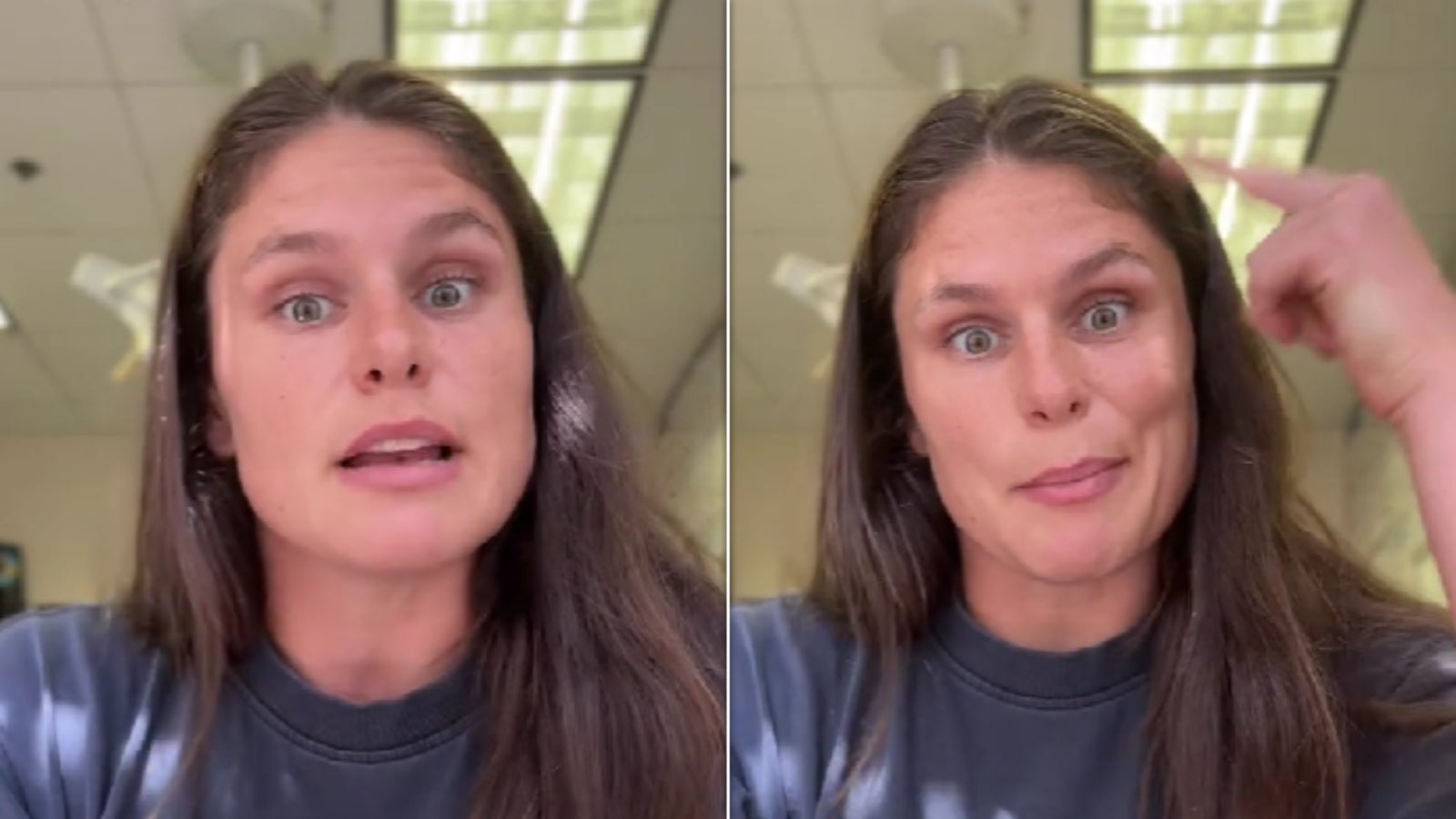
We can assume, then, that this Venus retrograde will have something to do with some of those areas, and we wouldn’t be wrong, as TikTok astrologer Liv confirms in a video all about the upcoming astrological event.

“We may be able to observe relationships falling apart, more people breaking up during this time period,” she shares. “And you may notice that former lovers, even old friends or distant relatives start to bubble to the surface, too, and try to reconnect.”

This could be a time of letting go of past flames and situationships that aren’t serving you and allowing you to thrive. And a new love story could be on the horizon for some of us.

Those whose sun or rising signs are ruled by Venus — looking at you, Libra and Taurus! — should especially watch out this retrograde, as the effects will be amplified.

The dos and do nots of Venus retrograde

TikToker Divine Raven Tarot shared more about the effects on our relationships, plus her ‘dos’ and ‘don’ts’ in a video: “You don’t want to make any impulsive decisions when it comes to your finances, as well as career.

“Venus does rule over relationships and love, platonic love, but it also rules over finances. So be very careful when it comes to spending,” she shared.

She also says that, as tempting as it might be with the chaotic energy going on, don’t hand in your notice at work. “Once Venus goes direct again, you might end up regretting that,” she explains.

And for those of you who love cutting and dying your own hair during times of crisis, put down the box dye and scissors. She says that it’s important not to be impulsive around your appearance, too, as you’ll likely end up regretting it after September 3rd.

So what to do? Look after yourself: “You should focus on healing during this time. Any retrograde has a lot of lessons to learn when it comes to healing and finding closure from the past,” says the creator behind the Divine Raven Tarot account.

“Do focus on self-love and boundaries during this time. People are gonna be acting crazy. It’s not selfish to set boundaries and prioritise your own peace during this time.

“And lastly, do pay attention to the themes that are presented to you in your life because it can tell you a lot about what’s keeping you stagnant and how to overcome it as well.”

Share Button

Yes Really – These Are The Most Popular Kinks And Fetishes Worldwide

One of the most fun things about sex and exploring our own sexualities is just how many things we can try. There’s no shame in having a kink and there’s so much joy to be found in accidentally discovering one.

Additionally, as with everything in life, you’re never alone in your kinks, no matter how strange you might think that they are. In fact, according to data provided by Joy Love Dolls and Google search trends, popular kinks can be anything from role play to mummification and what makes you click gets thousands of others’ heart rates going, too.

The most popular kinks and fetishes

So, what are the most popular kinks that we have? Well, Joy Love Dolls analysed a year of Google search trends and, excluding unsafe kinks, compiled them into a list of 10 worldwide favourites.

Sadism

With almost 10 million annual searches, this is by far the most popular kink around the world. If you don’t know what it is, sadism is when you inflict physical or psychological suffering on another person to stimulate sexual excitement and orgasms.

Masochism

So, very much related to sadism and in fact, combined into the acronym S&M with it, masochism is when you derive sexual gratification from your own pain, humiliation, or frustration.

CBT

CBT is commonly used as shorthand in the therapy world for Cognitive Behavioural Therapy but in the world of kink, CBT actually stands for Cock and Ball Torture. This is, well, it’s in the name, isn’t it? It is the application of pain or constriction to the penis or testicles for sexual gratification.

Claustrophilia

No, that isn’t a typo. We don’t mean the commonly known claustrophobia, we mean quite the opposite, instead of fearing small or confined places, claustrophilia is being sexually aroused or interested in being confined in small places.

Vicarphilia

We thought this might be when you’re into dressing up as a vicar but no, in fact, it’s becoming aroused by other people’s sexual stories, and living vicariously through them. We didn’t know that this had a name but it turns out that 3.6 million people search for this every year.

Humiliation

People who are into the humiliation kink derive pleasure or erotic excitement from the mixed and powerful emotions of being humiliated and demeaned.

Role Play

One of the more well-known entries on this list, role play involves indulging in fantasy based on any social role and could incorporate any kind of sexual fetish desired by the participants. Think nurse costumes, dressing up as fictional characters, etc.

Cuckolding

This is when one partner watches their lover having sex with somebody else and derives pleasure from it. There’s also ‘cuckqueaning’ which tends to centre cis females as the cuckold, as opposed to the traditional male being cuckolded.

Age Play

Age play is a form of role play performed by adults pretending to be a different age than they are, usually younger but any age fits the bill.

Impact Play

Impact play involves hitting or being hit with an object in a safe, consensual way to derive sexual pleasure and create or appreciate a sensation of domination.

Mummification

This is an extreme form of bondage that gets around 325,000 searches per year. In mummification, a person is wrapped from head to toe, like a mummy, and are rendered completely immobilised for sexual gratification.

Looking to introduce kink to your relationship?

Nothing can spice up your bedroom life like introducing something new and if you’ve been thinking about trying something out, it’s worth discussing with your sexual partner to see if it’s something they’d like to explore.

Sex and relationships expert, Melissa Stone says: “Cultivating a healthy understanding of fetishes within consensual relationships can hugely enhance intimacy and pleasure within your relationship.”

She added: ”As the search term ‘sex fetish’ has increased in searches by 132% over the past 30 days worldwide, it’s essential to approach fetishes with an open mind, respect, and clear communication between those involved.

“Remember, what may seem unconventional to some is a source of excitement and fulfilment for others.”

Share Button

1 In 61 Pregnant Women Say Their Boss Insinuated They Should Have An Abortion

Shocking new research from the campaign group Pregnant Then Screwed has revealed that 1 in every 61 pregnant workers says their boss has insinuated they should terminate their pregnancy for the sake of their career.

Pregnant Then Screwed, who campaign for the rights of parents and against sex discrimination, surveyed over 24,000 parents to uncover the discrimination that women face in the workplace when they become mothers.

The data shows that over half of all mothers (52%) have faced some form of discrimination when pregnant, on maternity leave, or when they returned to work.

One woman involved in the study, Connie*, told her boss about her pregnancy at eight weeks and was told, “It would be easier for your future career if you just brought a coat hanger”. Three colleagues went on to tell Connie that she had ruined her career and should have had an abortion.

For some women, the consequences of having children can have life-changing consequences on their career, with one in five mothers (19%) making the decision to leave their employer due to a negative experience.

Additionally, one in 10 women (10%) revealed they were bullied or harassed when pregnant or returning to work, and 7% of women lost their job — through redundancy, sacking, or feeling forced to leave due to a flexible working request being declined or due to health and safety issues.

If scaled up, this could mean as many as 41,752 pregnant women or mothers are sacked or made redundant every year.

“These stats show how far we have to go before mothers are truly accepted as equal members of the workplace,” says Joeli Brearley, CEO and founder of Pregnant Then Screwed.

“We know that women are treated differently from the point they get pregnant. They are viewed as distracted and less committed to their work, despite there being no change to their performance. This bias plays out in numerous ways, affecting women’s earnings and career potential. There is absolutely no excuse for bosses, who hold the power, to tell their employees to abort a pregnancy. It is sex discrimination and it is inhumane.”

Portrait of a stressed woman tries to work from home with baby in arms

Abraham Gonzalez Fernandez via Getty Images

Portrait of a stressed woman tries to work from home with baby in arms

The discrimination that women face doesn’t always come from their boss; in fact, 73% of women shared that a colleague made hurtful comments about their pregnancy or maternity leave, and 74% of women said that a colleague insinuated that their performance had dipped due to pregnancy or maternity leave. Some women even experience criticism based on the way they look when they are pregnant – with 64% saying their boss or a colleague had made inappropriate comments about their looks.

“The fact that the majority of pregnant women have experienced inappropriate and degrading comments from a colleague or their boss about the way they look is shameful,” says Brearley.

“Why as a society do we accept women being a target for such abuse? These hurtful comments chip away at women’s confidence, ambition and feeling of belonging,” she says.

“Pregnant women are made to feel like an unsightly burden, no wonder a high proportion of women report feeling depressed or anxious when pregnant and one in five women leave their employer after becoming pregnant.’’

The study’s data and the shocking stories shared by pregnant women in workplaces around the UK highlight the worrying and pervasive attitudes towards women in society — even in a supposedly equal one like the UK.

It isn’t just about having children; women are being treated differently for decisions relating to their reproductive health, too. An especially worrying trend in our post-Roe v Wade world, which is seeing our rights rolled back across the globe.

For instance, a third of women (31.58%) who told their employer about having an abortion felt that they experienced discrimination or were unfairly treated as a result. And the majority of women (57.6%) didn’t even tell their employer they had an abortion, presumably for fear of being judged negatively.

Women being bullied out of the workplace for being pregnant, or choosing not to be, is just one more example of the ways women’s freedoms are being infringed upon, and shows that, in the end, the patriarchy doesn’t want us to win.

It’s something we should all vehemently stand against, together.

If you or anyone you know has experienced discrimination in the workplace, please call the Pregnant Then Screwed helpline on Tel: 0161 2229879

*Name changed to protect anonymity

Share Button

Gardening Expert Shares The Plant Every New-Build Owner Should Grow

For a nation of people who really seem to enjoy nature, it doesn’t seem like most Brits are getting anything like enough of it. Research from house-builders Redrow found that roughly “One in four (Brits) haven’t seen worms (27%), a butterfly (26%) or snails (24%) in the last month.”

In a way, it makes sense. “9.7 million people were estimated to live in rural areas in England in 2020, compared with 46.9 million people in urban areas,” Government figures from March 2023 show.

It can be hard to find the space to grow a gorgeous green garden in a bustling city – and even if you have a bit of room, new build gardens can feel impossible to sow and grow in.

The shallow, compacted soil can seem hard to work with, and identical fences and smooth, flat lawns can make newer lawns look a little same-y (as well as discouraging all-important biodiversity).

HuffPost spoke to gardening expert Arthur Parkinson about the best plants to grow avoid the “cardboard box” look of new-build gardens. Here’s what he had to say:

Climbers are the secret to making new gardens look established

When most of us think about growing a flourishing garden, our minds automatically go to the ground. But Parkinson shared that when it comes to new builds, it’s important to think vertically, too.

“Just going back to what a new build garden normally is, you’re overshadowed by other housing. And also the worst thing is just that typical cardboard box feeling of fence panels,” the gardening pro told HuffPost.

“So what one thing I would say to anyone when they’re thinking about what the first plants to plant? Always think about dressing the fences, because that’s almost like putting wallpaper around your garden.”

“Things like honeysuckle and climbing hydrangea, things that are very fast to grow” are a great idea for newer backyards, Parkinson stated. “It’s all about making the garden feel established in a shorter time frame as possible,” he said.


Not sure which plant in particular to go with? Parkinson especially recommends sweet-smelling honeysuckle.

“Honeysuckle is one of the best plants for pollinators – moths can smell it from miles away at nighttime,” he said. “It’s very fragrant, so it’s lovely for us as well. And it then gives a berry in the autumn for birds.”

Whatever you do, though, Parkinson recommends you don’t neglect your fences. ”If you don’t dress the fences, no matter what you do, it will always look like a fairly new garden because those fence panels are just there, very bare-looking, like they need to be dressed,” he warns.

The Royal Horticultural Society (RHS) says that honeysuckle is surprisingly easy to grow, provided it has space, additional support from twine, lattices, or trellises, and ideally some dappled shade.

“Climbing honeysuckles can be bought and planted all year round. You’ll get the best results, however, if you plant deciduous ones in winter and evergreens in spring or autumn,” the RHS adds.

Don’t mind me, just off to the garden centre…

Share Button