Data from five hospitals shows the NHS spent £560,000 on 35 patients in 2022 after surgery abroad.


Data from five hospitals shows the NHS spent £560,000 on 35 patients in 2022 after surgery abroad.

Only a small percentage of older Americans have jumped on the rising trend of getting health care services and prescriptions directly from an online-only company, rather than seeing their usual health care providers in person or via telehealth, a new poll finds.
But that could change rapidly, the University of Michigan survey suggests.
In all, 7.5% of people between the ages of 50 and 80 have used at least one direct-to-consumer health care service from an online-only provider, according to the new findings from the National Poll on Healthy Aging (https://www.healthyagingpoll.org/).
Of those who did use such a service, most said they were driven by convenience. More than 60% of them received a prescription, mostly for a one-time treatment. But only one-third of them told their regular health care provider about the prescription.
People in their pre-Medicare years of 50 to 64 were more than twice as likely as adults over 65 to have used direct-to-consumer, or DTC, online health services (10% vs. 4%). Meanwhile, 47% of those over 65 said they had never heard of such companies.
Looking to the future, nearly a third of all older adults, and more than 42% of those age 50 to 64, said they’d be interested in using such services in the future.
The poll is based at the U-M Institute for Healthcare Policy and Innovation, and supported by AARP and Michigan Medicine, U-M’s academic medical center.
For the DTC survey, the poll team worked with members of U-M’s Center for Value-Based Insurance Design, who are interested in how cost and convenience influence people’s health care decisions and the continuity of care delivery.
A rapidly growing sector spurs concerns
The rise of DTC sites and subscription-based apps that promise convenient online access to providers who can evaluate symptoms, make diagnoses and prescribe medicines has received a lot of attention, especially amid a national crunch in availability of primary care providers and timely appointments.
Such companies include Amazon Clinic, Sesame, Roman, BetterHelp, Rosy, Lemonaid, Hims & Hers, and don’t require a referral or health insurance. Drug companies and membership-based organizations including Weight Watchers and Costco have also started offering access to such direct services.
But the trend has raised concern because of the potential for patients to receive care and prescriptions from providers who don’t know their full health history, don’t have access to their full medical records, and may not check for potentially dangerous interactions between medications.
One-third of those who had used a DTC service said their primary care provider wasn’t aware they had done so. If they received a new prescription through an encounter with a DTC health service, one-third said their regular primary care provider was not made aware of the new medication they were prescribed. The majority of those who received prescriptions through a DTC service said it was for a one-time treatment.
“These compelling findings have important implications for patient safety and continuity of care,” said Mark Fendrick, M.D., director of VBID and IHPI member who is a primary care physician at Michigan Medicine. “With rapid growth in this sector of health care predicted for this year and beyond, all providers, insurers and regulators need to pay more attention to how patients are using these services and why, and the impact on care quality and safety.” Fendrick is a professor of internal medicine in the Division of General Medicine at the U-M Medical School.
His colleague Nicole Hadeed, M.D., who also worked on the poll and is a clinical assistant professor, notes that while the number of poll participants who said they had used DTC services was relatively small, the analysis gives clues that should inform further research.
Types of care received
Nearly half of those who had used a DTC service said it has been for general health care such as treatment of allergies, sinus infections, pink eye or acid reflux, though again there was a clear divide between the 50-64 and 65-80 age groups.
Overall, nearly 12% said they’d used a service for mental health reasons, but the proportion was much higher (50%) among respondents who said they considered their mental health to be fair or poor and had used a DTC service of any kind.
As for other types of care, 15% had sought help from a DTC service for a sexual health issue, 9% had used it for skin care, 6% had used it for weight management, nearly 5% had used it for hair loss and a similar percentage had used it for pain management.
Convenience topped the list of reasons for choosing a DTC service, with 55% saying this drove their decision. But lack of access to their regular health care provider, not having a regular health care provider, or needing a service when their health provider was not open or available were each cited by around 20%. Discomfort discussing a sensitive health topic with a provider — often cited in marketing by such companies — was only mentioned by 10% of those who had turned to a DTC service.
“For both patients and providers, these findings drive home the importance of open dialogue and transparency about the potential uses, benefits and risks of these services — and the importance of maintaining contact for ongoing primary care,” said Jeffrey Kullgren, M.D., M.P.H., M.S., director of the poll and a primary care provider at the VA Ann Arbor Healthcare System who is also an associate professor at the Medical School.
More than 55% of the poll respondents who had used a direct-to-consumer service said the overall quality of care they get from their primary care provider is better than what they received from a DTC provider.
Fendrick and Hadeed wrote about the potential long-term change to primary care use from telehealth services in a piece published early in the COVID-19 pandemic in the American Journal of Managed Care.
And in fact, 58% of poll respondents who had used a DTC service had started doing so in 2020, 2021 or 2022.
The rapid pivot during the pandemic to vaccination in pharmacies, and not just primary care clinics, has also changed how people think about alternate ways of getting care that might be closer to home or have more flexible hours.
However, Fendrick notes, pharmacies share information about vaccination with insurance companies and statewide immunization registries that primary care providers can access.
“Patients will increasingly seek care online because of the convenience it can provide, especially for those willing to pay the cost out of pocket,” said Fendrick. “Its use will likely be boosted by the rapidly increasing number of online vendors and the national shortage of primary care clinicians. The recent launch of a telemedicine platform offering home delivery for the new highly popular weight loss drugs is a noteworthy example of this trend.”
He added, “Given a likely expansion of online care, it is critical that individuals inform their usual clinician and that we providers consistently ask our patients regarding their use. Similar to my routinely asking patients about which supplements, vitamins and over-the-counter medications they’re taking, it should become standard practice for me to inquire about prescriptions or diagnoses they’ve received online, as it might influence their care.”
The poll was a nationally representative survey conducted by NORC at the University of Chicago for IHPI and administered online and via phone in July and August 2023 among 2,657 adults aged 50 to 80. In all, 168 respondents reported having used a DTC health care service. The sample was subsequently weighted to reflect the U.S. population. Read past National Poll on Healthy Aging reports (https://www.healthyagingpoll.org/reports-more) and about the poll methodology (https://www.healthyagingpoll.org/survey-methods).

Keir Starmer has watered down his previous pledge to end arms sales to Saudi Arabia if he becomes prime minister.
The Labour leader would only commit to a “review” of the policy if he becomes prime minister.
Starmer also appeared to row back on his previous commitment to bring in a new law forcing the government to seek parliamentary approval for any military action.
Advertisement
When he was running to succeed Jeremy Corbyn in 2020, Starmer said the UK “should stop the sales of arms to Saudi Arabia”.
But on Sunday with Laura Kuenssberg this morning, he said: “We will do a review to look at the sales, look at the countries and the relationships that we have. Obviously, that follows a review.”
Kuenssberg told him: “But you said in February 2020 ‘we should stop the sale of arms to Saudi Arabia’. Is that still your position?”
Starmer replied: “We will review the situation and the review will give us the answer to those questions.”
Advertisement
Kuenssberg said: “So you may not any more promise to stop the sale of arms to Saudi Arabia, which is what you used to say in 2020.”
Starmer said: “We will review the situation and the review will make clear what the position is.”
During his leadership campaign, Starmer pledged to “end illegal wars” by introducing a Prevention of Military Intervention Act.
That would ensure that any military action had to be legal and backed by a Commons vote.
However, Starmer backed last week’s air strikes on Houthi rebels in Yemen despite there being no vote in parliament beforehand.
Asked about the apparent change of heart, the Labour leader insisted there was “no inconsistency” in his position.
Advertisement
He said: “There is a huge distinction between an operation the like of which we’ve seen in the last few days and a sustained campaign – military action usually involving troops on the ground.
“National security must come first. There will always be urgent situations where parliament can’t be consulted beforehand. But the principle that if there’s to be a sustained campaign, if we’re going to deploy our troops on the ground, that parliament should be informed, there should be a debate, the case should be made and there should be a vote, I do stand by that in principle, absolutely.”
However, Starmer refused to commit to introducing a new law, saying it could be “done by some other means”.


David Cameron has said it is “nonsense” to say Israel is committing genocide in Gaza.
His comments came after South Africa presented a case to the United Nations accusing Tel Aviv of “genocidal acts”.
Israel has been bombing Gaza for the past three months in retaliation for the terrorist attack on the country by Hamas on October 7.
Advertisement
Tens of thousands of civilians have died as a result of the bombardment, which has led to a humanitarian crisis.
But appearing on Sunday Morning with Trevor Phillips today, Lord Cameron rejected South Africa’s accusations.
The foreign secretary said: “I think the South African action is wrong, I think it’s unhelpful, I think it shouldn’t be happening.
“I’m not a lawyer, but they are talking here about genocide. To prove that, you’ve got to prove that there was intent.
Advertisement
“I take the view that Israel is acting in self defence after the appalling act on October 7. But even if you take a different view to my view, to look at Israel – a democracy, a country with the rule of law, a country with armed forces that are committed to obeying the rule of law – to say that they have the intent to commit genocide, I think that is nonsense, I think that’s wrong.”
Phillips told him: “You can’t know that, you can only judge on the basis of what they’ve done.”
But Lord Cameron insisted that “to say there’s the intent to commit genocide, I do believe that’s wrong”.
South Africa has called for the emergency suspension of Israel’s aerial and ground offensive, claiming it was looking to induce “the destruction of the population” of Gaza.
But Israel has rejected these claims, accusing South Africa of playing “advocate of the devil” for Hamas. It says it is not targeting any civilians, but the militants.
Advertisement

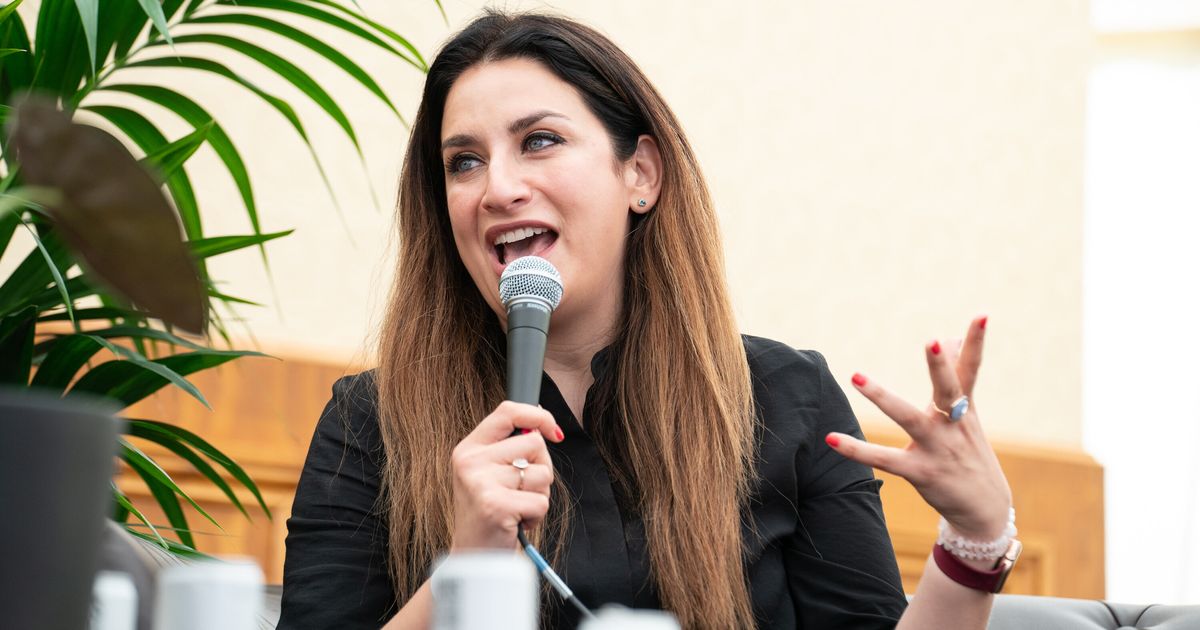
Luciana Berger has been given a key role by Labour leader Keir Starmer five years after quitting the party.
The former MP will lead a mental health strategic review ahead of the general election later this year.
Advertisement
Berger left Labour over its “culture of bullying, bigotry and harassment” in 2019 and ended up fighting the election that year for the Liberal Demcrats.
She rejoined last year after Starmer personally apologised for the “intimidation, thuggery and racism” she endured when Jeremy Corbyn was leader.
Speaking at the Jewish Labour Movement conference today, Starmer said she will work with shadow health secretary Wes Streeting and shadow mental health minister Abena Oppong-Asare to deliver a long-term cross-government strategy for mental health.
He said: “I am proud to welcome Luciana back. The Labour Party has changed beyond recognition since she was forced out, and we will be a richer party for having her working with us again.
Advertisement
“It will be the mission of my Labour government to make sure fewer lives are lost to suicide, with timely support available to all who need it.
“Luciana is a fierce advocate for mental health and her work will contribute to achieving that mission in government.”
Berger, who was Labour MP for Liverpool Wavertree between 2010 and 2019, said: “With Keir Starmer’s leadership, Labour has turned a significant corner. I am delighted to be back working with my party and helping Labour deliver the change our country really needs.”
was one of seven Labour MPs who quit the party in 2019 to form Change UK in protest at Corbyn’s leadership.
She said at the time: “I cannot remain in a party which I have come to the sickening conclusion is institutionally anti-Semitic.”
Advertisement
She eventually switched to the Lib Dems and stood for the party in Finchley and Golders Green at the 2019 election, but was defeated by the Conservatives’ Mike Freer.

A study published in Nature Nanotechnology presents an innovative graphene-based neurotechnology with the potential for a transformative impact in neuroscience and medical applications. This research, spearheaded by the Catalan Institute of Nanoscience and Nanotechnology (ICN2) together with the Universitat Autònoma de Barcelona (UAB) and other national and international partners, is currently being developed for therapeutic applications through the spin-off INBRAIN Neuroelectronics.
Key Features of Graphene Technology
Following years of research under the European Graphene Flagship project, ICN2 spearheaded in collaboration with the University of Manchester the development of EGNITE (Engineered Graphene for Neural Interfaces), a novel class of flexible, high-resolution, high-precision graphene-based implantable neurotechnology. The results published today in Nature Neurotechnology aim to contribute with innovative technologies to the blooming landscape of neuroelectronics and brain-computer interfaces.
EGNITE builds on the vast experience of its inventors in fabrication and medical translation of carbon nanomaterials. This innovative technology based on nanoporous graphene integrates fabrication processes standard in the semiconductor industry to assemble graphene microelectrodes of a mere 25 µm in diameter. The graphene microelectrodes exhibit low impedance and high charge injection, essential attributes for flexible and efficient neural interfaces.
Preclinical Validation of Functionality
Preclinical studies by various neuroscience and biomedical experts that partnered with ICN2, using different models for both the central and peripheral nervous system, demonstrated the capacity of EGNITE in recording high-fidelity neural signals with exceptional clarity and precision and, more importantly, afford highly targeted nerve modulation. The unique combination of high-fidelity signal recording and precise nerve stimulation offered by EGNITE technology represents a potentially critical advancement in neuroelectronic therapeutics.
This innovative approach addresses a critical gap in neurotechnology, which has seen little advancement in materials over the last two decades. The development of EGNITE electrodes has the capacity to place graphene at the forefront of neurotechnological materials.
International Collaboration and Scientific Leadership
The technology presented today builds on the legacy of the Graphene Flagship, a European initiative that during the last decade strived to advance European strategic leadership in technologies that rely on graphene and other 2D materials. Behind this scientific breakthrough is a collaborative effort led by ICN2 researchers Damià Viana (now at INBRAIN Neuroelectronics), Steven T. Walston (now at University of Southern California), and Eduard Masvidal-Codina, under the guidance of ICREA Jose A. Garrido, leader of the ICN2Advanced Electronic Materials and Devices Group, and ICREA Kostas Kostarelos, leader of the ICN2Nanomedicine Lab and the Faculty of Biology, Medicine & Health at the University of Manchester (UK). The research has had the participation of Xavier Navarro, Natàlia de la Oliva, Bruno Rodríguez-Meana and Jaume del Valle, from the Institute of Neurosciences and the Department of Cellular Biology, Physiology and Immunology of the Universitat Autònoma de Barcelona (UAB).
The collaboration includes the contribution from leading national and international institutions, such as the Institut de Microelectrònica de Barcelona — IMB-CNM (CSIC), the National Graphene Institute in Manchester (UK), and the Grenoble Institut des Neurosciences — Université Grenoble Alpes (France) and the University of Barcelona. The technology integration into the standard semiconductor fabrication processes has been performed at the Micro and Nanofabrication cleanroom of the IMB-CNM (CSIC), under the supervision of CIBER researcher Dr Xavi Illa.
Clinical Translation: Next Steps
The EGNITE technology described in the Nature Nanotechnology article has been patented and licensed to INBRAIN Neuroelectronics, a spin-off based in Barcelona from ICN2 and ICREA, with support from IMB-CNM (CSIC). The company, also a partner in the Graphene Flagship project, is leading the translation of the technology into clinical applications and products. Under the direction of CEO Carolina Aguilar, INBRAIN Neuroelectronics is gearing up for the first-in-human clinical trials of this innovative graphene technology.
The industrial and innovation landscape on semiconductor engineering in Catalonia, where ambitious national strategies plan to build state-of-the-art facilities to produce semiconductor technologies based on emerging materials, offer an unprecedented opportunity to accelerate the translation of such results presented today into clinical applications.
Closing Remarks
The Nature Nanotechnology article describes an innovative graphene-based neurotechnology that can be upscaled using established semiconductor fabrication processes, holding the potential for a transformative impact. ICN2 and its partners continue to advance and mature the described technology with the aim to translate it into a real efficacious and innovative therapeutic neurotechnology.

To combat viruses, bacteria and other pathogens, synthetic biology offers new technological approaches whose performance is being validated in experiments. Researchers from the Würzburg Helmholtz Institute for RNA-based Infection Research and the Helmholtz AI Cooperative applied data integration and artificial intelligence (AI) to develop a machine learning approach that can predict the efficacy of CRISPR technologies more accurately than before. The findings were published today in the journal Genome Biology.
The genome or DNA of an organism incorporates the blueprint for proteins and orchestrates the production of new cells. Aiming to combat pathogens, cure genetic diseases or achieve other positive effects, molecular biological CRISPR technologies are being used to specifically alter or silence genes and inhibit protein production.
One of these molecular biological tools is CRISPRi (from “CRISPR interference”). CRISPRi blocks genes and gene expression without modifying the DNA sequence. As with the CRISPR-Cas system also known as “gene scissors,” this tool involves a ribonucleic acid (RNA), which serves as a guide RNA to direct a nuclease (Cas). In contrast to gene scissors, however, the CRISPRi nuclease only binds to the DNA without cutting it. This binding results in the corresponding gene not being transcribed and thus remaining silent.
Until now, it has been challenging to predict the performance of this method for a specific gene. Researchers from the Würzburg Helmholtz Institute for RNA-based Infection Research (HIRI) in cooperation with the University of Würzburg and the Helmholtz Artificial Intelligence Cooperation Unit (Helmholtz AI) have now developed a machine learning approach using data integration and artificial intelligence (AI) to improve such predictions in the future.
The approach
CRISPRi screens are a highly sensitive tool that can be used to investigate the effects of reduced gene expression. In their study, published today in the journal Genome Biology, the scientists used data from multiple genome-wide CRISPRi essentiality screens to train a machine learning approach. Their goal: to better predict the efficacy of the engineered guide RNAs deployed in the CRISPRi system.
“Unfortunately, genome-wide screens only provide indirect information about guide efficiency. Hence, we have applied a new machine learning method that disentangles the efficacy of the guide RNA from the impact of the silenced gene,” explains Lars Barquist. The computational biologist initiated the study and heads a bioinformatics research group at the Würzburg Helmholtz Institute, a site of the Braunschweig Helmholtz Centre for Infection Research in cooperation with the Julius-Maximilians-Universität Würzburg.
Supported by additional AI tools (“Explainable AI”), the team established comprehensible design rules for future CRISPRi experiments. The study authors validated their approach by conducting an independent screen targeting essential bacterial genes, showing that their predictions were more accurate than previous methods.
“The results have shown that our model outperforms existing methods and provides more reliable predictions of CRISPRi performance when targeting specific genes,” says Yanying Yu, PhD student in Lars Barquist’s research group and first author of the study.
The scientists were particularly surprised to find that the guide RNA itself is not the primary factor in determining CRISPRi depletion in essentiality screens. “Certain gene-specific characteristics related to gene expression appear to have a greater impact than previously assumed,” explains Yu.
The study also reveals that integrating data from multiple data sets significantly improves the predictive accuracy and enables a more reliable assessment of the efficiency of guide RNAs. “Expanding our training data by pulling together multiple experiments is essential to create better prediction models. Prior to our study, lack of data was a major limiting factor for prediction accuracy,” summarizes junior professor Barquist. The approach now published will be very helpful in planning more effective CRISPRi experiments in the future and serve both biotechnology and basic research. “Our study provides a blueprint for developing more precise tools to manipulate bacterial gene expression and ultimately help to better understand and combat pathogens,” says Barquist.
The results at a glance
• Gene features matter: The characteristics of targeted genes have a significant impact on guide RNA depletion in genome-wide screens.
• Data integration improves predictions: Combining data from multiple CRISPRi screens significantly improves the accuracy of prediction models and enables more reliable estimates of guide RNA efficiency.
• Designing better CRISPRi experiments: The study provides valuable insights for designing more effective CRISPRi experiments by predicting guide RNA efficiency, enabling precise gene-silencing strategies.
Funding
The study was supported by funds from the Bavarian State Ministry of Science and Art through the bayresq.net research network.
BBC Scotland’s political editor says the discovery of a tumour was devastating – but that he’s been lucky.
For our first vacation together, Michael proposed we go camping.
As a 40-year-old lifelong New Yorker whose idea of “woodsy” was Central Park, this wasn’t my thing. Yet I wanted to be agreeable and expand my horizons. Browsing campsites online, Michael chose one that was all-male and clothing-optional.
Now I was terrified.
“Come on, what better way to get in touch with nature than being au naturel?” he asked.
“Until you get poison ivy or a tick in places you wouldn’t want to,” I quipped.
Still, days later I sat in the passenger seat as we drove through cornfields and nothingness in search of the campsite.
Advertisement
“I feel like we’re about to inspire a Stephen King story,” I said.
I was relieved when we found the entrance to the camp, marked by hand-painted letters on a rock, but wasn’t sure I wanted to proceed. Michael pointed out two men who were in their early 50s and dressed in calico button-downs.
“They look normal,” he said. I peered behind their backs to make sure they weren’t carrying hatchets before getting out of the car.
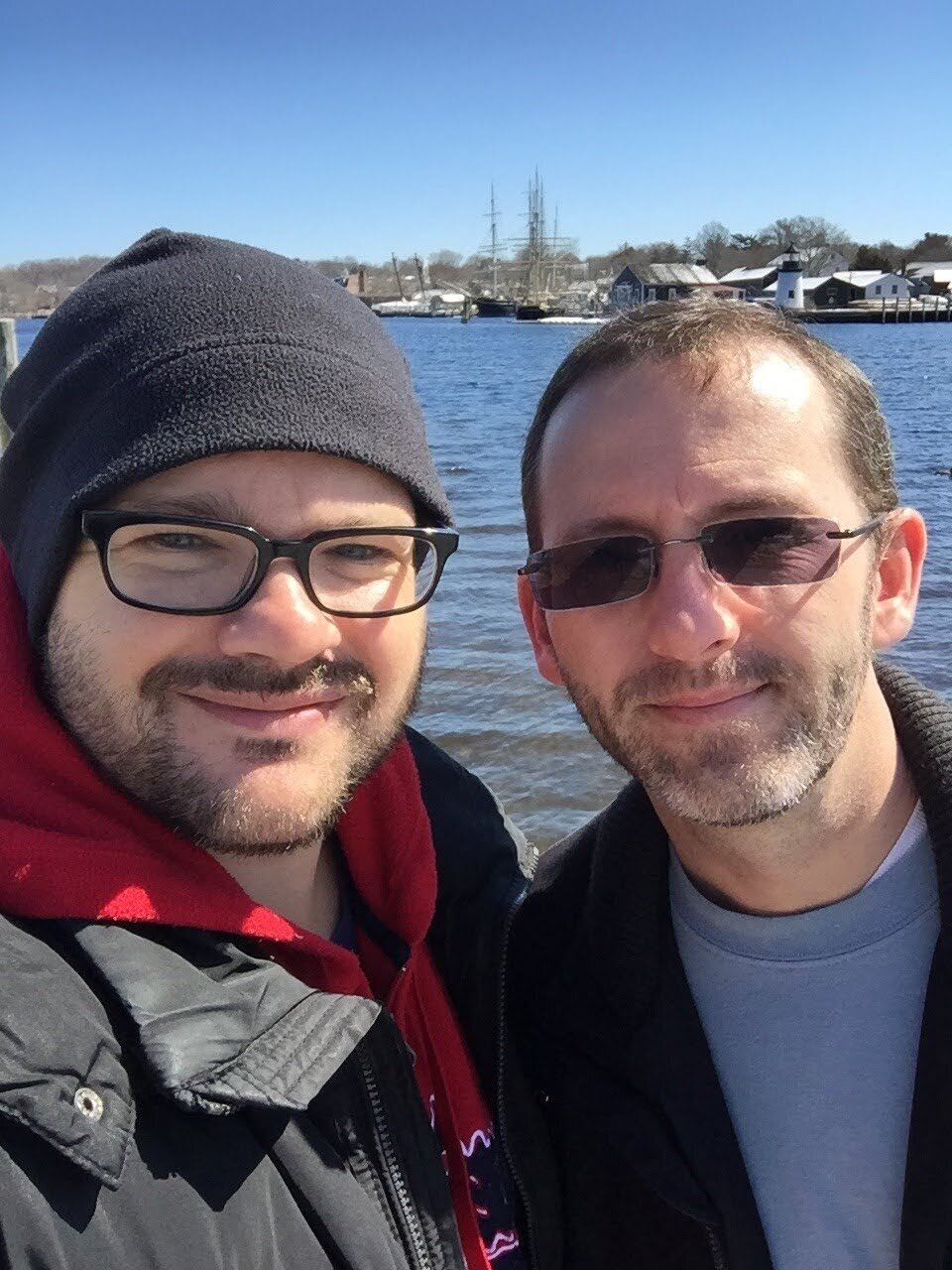
Checking in at the main office, we were greeted by a shirtless innkeeper ― a 6’4” bear with grey chest hair and double nipple rings. When he stepped out from behind the counter, I realised he was completely nude. I knew this place was clothing-optional, but I didn’t expect to see a guy’s … uh … s’mores … so soon.
“Here’s a map. I’ve circled a few trails. This one leads to the play area,” he said.
“Play area?” I asked.
“Gloryholes, slings. The usuals,” he replied, matter-of-factly.
“Ah, right. The usuals,” I blushed. I turned to Michael, hoping for a similar reaction but he was unfazed. A 45-year-old public health professor and “sexpert” who led workshops on sex education and well-being across college campuses, nothing ever made him turn red.
Advertisement
I admired Michael’s maturity, something he attributed to being the son of U.S. diplomats and growing up overseas. On our first date, a casual hamburger dinner we’d agreed upon after chatting for a month on OkCupid, I was smitten with his tales of living in Lebanon, Cyprus, the Philippines, Germany and Australia ― all before he was 10. Yet I worried I wasn’t sophisticated enough for him.
Unlike Michael, I grew up as a sheltered, closeted gay kid in a conservative Catholic family from Yonkers. My parents’ idea of an exotic vacation was the Jersey Shore. When I left home, at the age of 18, it was to move just 25 miles south to Manhattan. In my mid-20s, I still hadn’t fully come out and lacked the confidence and curiosity to go to sex parties or pick up men at bars, like my friends. In my older years, I felt like the world’s most boring gay guy. I was someone who enjoyed sex in a bed with the lights off, and my wild side was watching “The Golden Girls” and eating peanut M&Ms.
Michael assured me that my hang-ups didn’t matter. “I just want you to be comfortable,” he’d say. I tried my best. At times, I allowed myself to get out of the way and let his pragmatism and my whimsy intertwine in a way that felt both natural and nice. But despite our best efforts, being with someone who was so confident in himself, in and out of the bedroom, only made me feel insecure.
The innkeeper continued his rundown of the camp and pointed out the areas where guests needed to keep covered-up.
“Just near the road mostly. Some of the neighbours can be a bit stuffy,” he told us.
Glad you have standards, I thought, feeling like a total prude.

Courtesy of Mark Jason Williams
Advertisement
Michael and I collected our belongings and walked to our cabin. I was surprised to find a charming little house that was remarkably clean, but grew uneasy when I couldn’t find the bathroom.
“There isn’t one in here, it’s shared,” Michael told me.
I freaked out. Apparently, I missed the concept of camping where beds and a roof were considered big-time luxuries. Sitting on our porch, I noticed we had a view of an outdoor shower, built on what looked like an altar. I wondered if we paid extra for that.
I hated this place but was determined to make the best of it. Michael and I did the usual camping things like boating and building a campfire, which I enjoyed. The other guests were all pretty friendly, if a bit cruise-y.
While Michael wasted little time shedding his clothes and his inhibitions, I remained a bit more reserved, eventually agreeing to go skinny-dipping. When a man yelled “yummy,” at me, I thought, Thanks? Wait, no, I’m taken.
But was I? Michael and I had been together for almost a year, but never used the word boyfriend. I assumed we were exclusive but we hadn’t actually discussed it. To be sure, I broached the subject later on a walk through the woods.
Advertisement
“I don’t like the term boyfriend. It makes me feel like I’m in the eighth grade,” Michael said.
“But I need a label,” I replied.
“Why?” he asked.
“So I know if I should be sleeping with other people or not,” I blurted out.
It was at this moment when we accidentally came upon the “play area.” It was a circle of some sex swings, a crucifix, and a port-a-potty with a hole on the side.
“Ewww, is that what I think it is?” I asked.
Michael confirmed, then took my hand. “Let’s keep walking,” he suggested.
“Do you want to try something?” I asked, sheepishly, and to my surprise. I wasn’t sure I actually wanted to give it a go, but I didn’t want to limit Michael’s experiences.
“This isn’t my thing,” he confessed. “This isn’t why I wanted to go away with you.”
I felt better but still couldn’t wait for camping to be over. Roughing it, clothing-optional or otherwise, wasn’t for me — especially having to leave the cabin to pee in the middle of the night. The next day, we drove a few hours and checked into a hotel. Our new room (with a private bathroom!) had a pink, heart-shaped Jacuzzi, mirrored walls, and a faux fireplace.
“You booked the honeymoon suite?” I asked. “Are you trying to tell me something?”
“I got the last room they had, I didn’t know it was like this,” he said. I was disappointed, yet relieved. Finally, something that made him uncomfortable.
“Well, we have to try the tub,” I said, attempting to put some romance back into our trip. Later, we poured some wine and got in. I became lightheaded, nearly passed out, and felt sick for the rest of the night. Michael applied a cold washcloth to my forehead and we watched “Judge Judy.”
Advertisement
As Michael comforted me, I suddenly felt worse. When he’d asked me to go away with him, I was thrilled. I saw this as a pivotal moment in our relationship ― if things went well, maybe we’d discuss moving in together. But if this was a test, I’d failed. And not because I’d fallen ill.
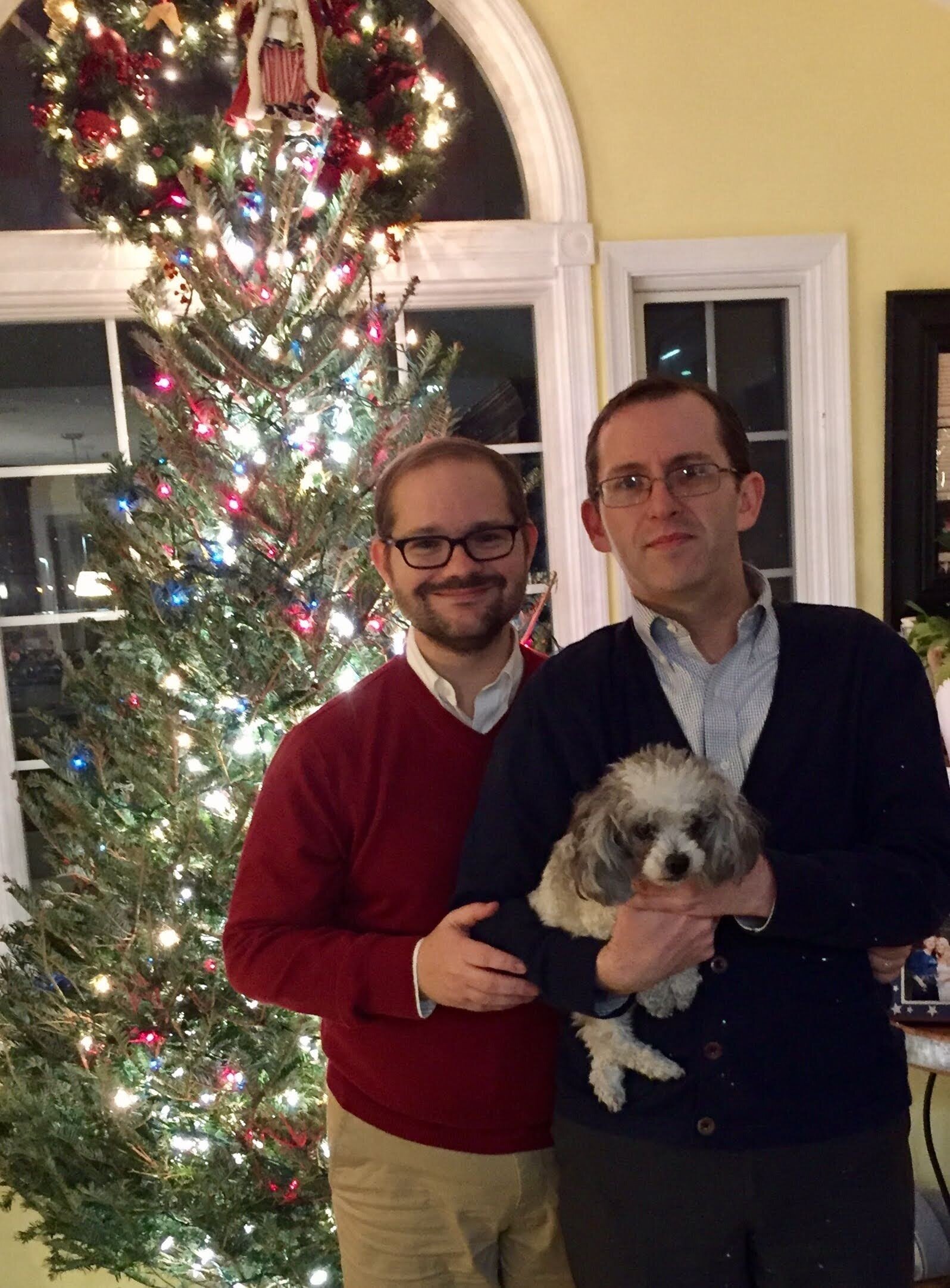
Courtesy of Mark Jason Williams
Thinking back to Michael’s earlier comment at the play area ― “This isn’t why I wanted to go away with you” ― I realised that I’d been so focused on sex, and on myself, that I overlooked Michael’s acts of tenderness and his emotional needs. Worse yet, I’d reduced our relationship to “are we sleeping with other people or not” when it was so much more than that.
I wished we could go back to the woods and have a redo. Or, at the very least, I wanted to lift my head from that fake down pillow and admit the truth: I only want to be with you … because I’m falling in love with you.
I tried to say the words, but I choked. It was the first time I’d ever felt this way about someone and the emotions unnerved me. This probably wasn’t the best time to think about other men, but my mind drifted to past relationships. There weren’t many, but I started to see a pattern. I’d date a guy for a month or two and we’d mostly have sex and watch TV. We were physical, but not intimate. Then they’d dump me.
Advertisement
I always blamed myself. I was too cold, too guarded, said the wrong things. Yet things were different with Michael. I was still self-conscious, but his calm, patient demeanour helped me relax. I opened up in ways I didn’t expect, telling him about everything from how I spent my childhood battling leukaemia to my love for professional wrestling.
Now, as Michael laid next to me when his leg gently brushing against mine, I felt more secure than ever. But did he love me? What if the answer was no? What if he was only tolerating being with me because it was after midnight and we’d had four glasses of wine?
I’d already messed up so much that I feared saying the wrong thing and pushing him away for good, which would make for a really awkward drive home. I grabbed my phone and looked up bus schedules back to Manhattan just in case.
It took me 20 minutes to realise my insecurities were raging out of control. If Michael and I were going to move forward, I had to let myself be vulnerable. I finally found the courage when he fell asleep. I whispered I love you and it was barely audible and totally cheating, but at least the words were no longer just in my head.
Thankfully, Michael and I continued dating. A year later, he suggested another camping trip. I agreed, as long we picked a place where the cabins had bathrooms and the “play area” was reserved for badminton and archery.
Advertisement
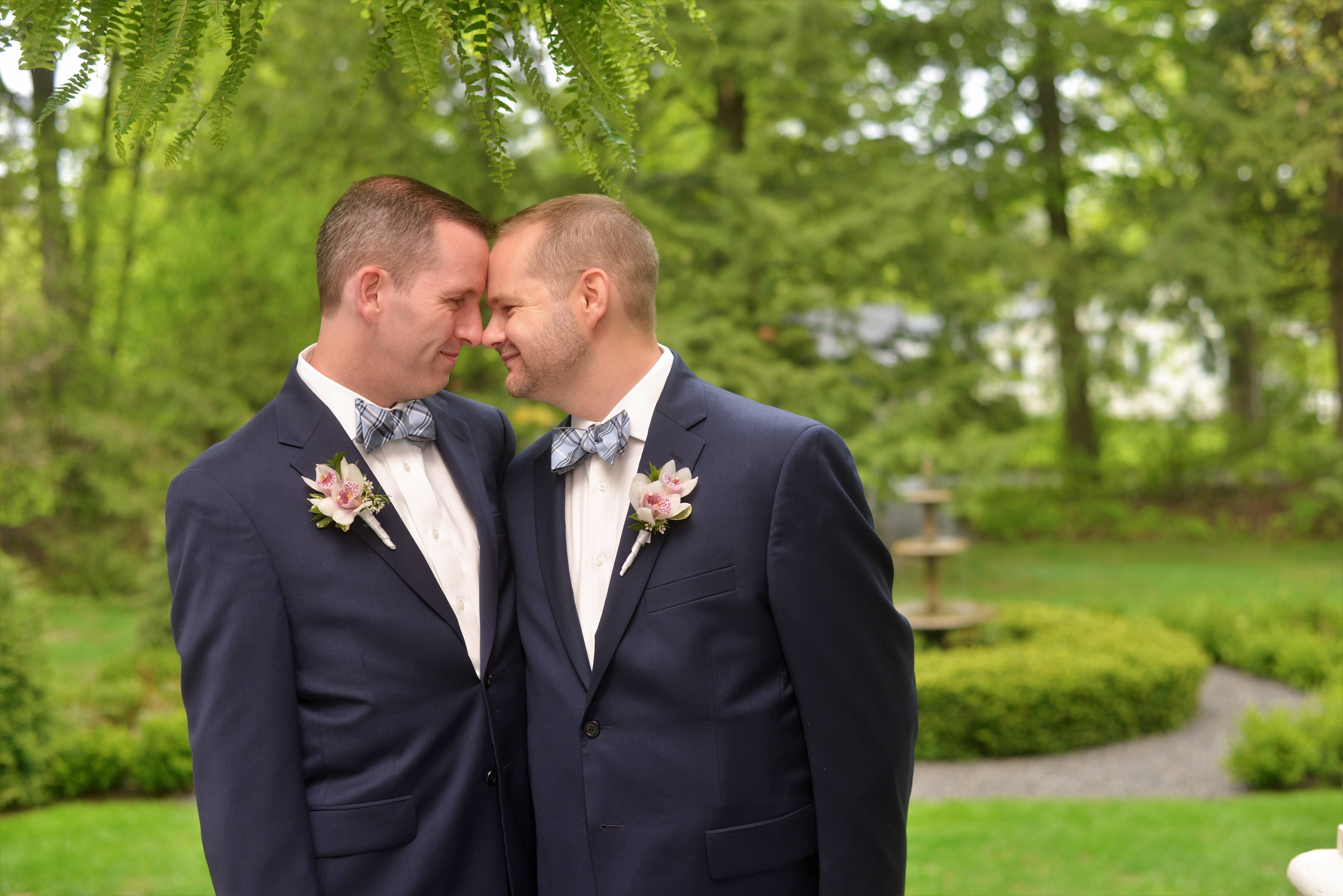
Walking in the woods, Michael reminded me of the moment I’d asked him if he was my boyfriend. While that term still didn’t feel right, it wouldn’t be long before we discovered the best word to call one another — husband.
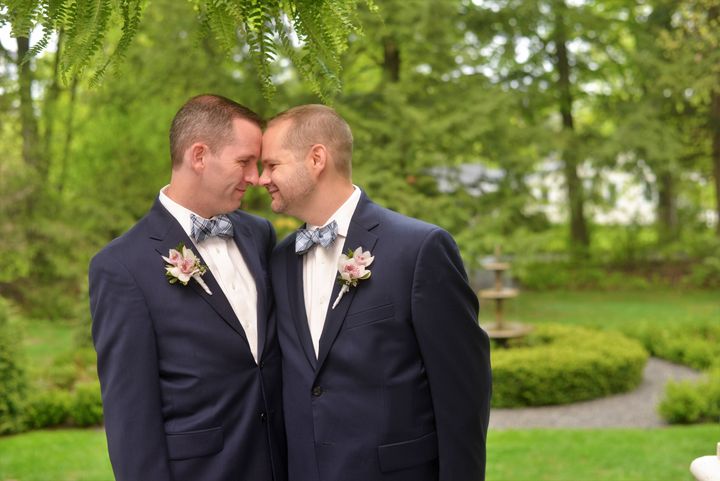
Courtesy of Mark Jason Williams
Mark Jason Williams has written for The Washington Post, Out, and Salon. He is working on an essay collection, “You’d Be Cuter with a Deeper Voice,” hilarious and heartbreaking tales of growing up gay and Catholic, facing leukaemia, and how having a high-pitched voice wreaked havoc on his love life.


Imagine this: You are standing under bright show lights on a stage in front of a few hundred people. You have no clothes on, except for a tiny, sparkly, $400 bikini that’s been glued to your chest and butt. You are orange and pungent with spray tan, which you got after standing fully naked in front of a stranger with a paint gun who asked you to spread your glutes to make sure the tan gets in all of your crevices. You will walk to the centre of the stage in 4-inch heels to be judged by a panel of five people who will look for any jiggle of fat, any pock of cellulite, any unsymmetrical or underdeveloped muscle to determine your ranking among others. Most people around you are rooting against you.
Does this sound like your worst nightmare?
For me, it’s excitement, focus and a wild rush. It’s where I thrive.
I’ve been in the fitness industry for almost 10 years now, the back half of which being what I consider extreme fitness, a world of the relentless pursuit to grow larger muscles and shrink any remaining deposits of fat that have dared to stick around. It’s gruelling. It’s sweaty, exhausting, time-consuming and expensive.
Advertisement
Your body hurts and your mind plays tricks on you, turning every glance in a mirror into an all-out dissection of any physical imperfection. Your muscles get big and your ego gets bigger. You can walk through a crowd and think I am the leanest, strongest, most muscular person here and then get home to look in your mirror and think I am a shrimp, I am pathetic, I don’t stand a chance. It’s physical and psychological warfare with yourself. I love it.
Prepping for a bodybuilding competition involves excruciating diet manipulation, rigorous amounts of cardio and long hours in the weight room. At my most intense, I’ve spent nearly three hours a day lifting weights and doing cardio. I’ve eaten the same meal of chicken, cucumbers and vinegar twice a day every day for weeks on end. I’ve packed pathetic Pyrex bowls of bland, macronutrient balanced meals to parties and dinners where I looked away from the mac and cheese and desserts and bit into another cold piece of chicken.
“[Extreme fitness is]… grueling. It’s sweaty, exhausting, time consuming, and expensive. Your body hurts and your mind plays tricks on you, turning every glance in a mirror into an all out dissection of any physical imperfection.”
So much of competitive bodybuilding is the focus on the physical body while keeping the reins tight on the mental self. I stand in the shower thinking about my deadlift form and fall asleep practicing my stage posing routine in my head: “Ladies, turn to face the rear. Ladies turn to face the front,” flex the back, pop the glutes, draw in that core, again and again and again until you cannot get it wrong. It is all-consuming.
Advertisement
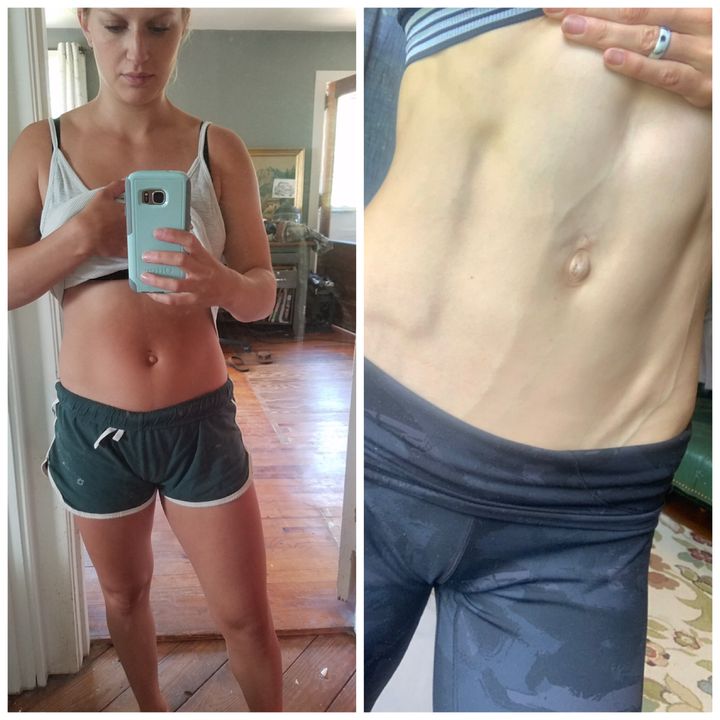
I was in the midst of this competition training when I found out I was pregnant. As you may guess, pregnancy and competitive bodybuilding do not go together, so I gave up on my dream of competing temporarily. I lifted weights all throughout my pregnancy, my baby bump protruding from under my T-shirts as I repped out pull-ups or strained under a barbell. I looked ridiculous waddling around the weight room, trying to maintain any shred of muscle or strength that I could as my belly got bigger and bigger. I had a horrific home birth, and I give full credit to my pregnancy exercise and stamina for bringing me through it.
Then I settled into mom life. I lost my baby weight quickly and slowly eased back into exercise. Suddenly, standing on stage seemed on the horizon again. I got back in contact with my coach, and we developed a plan. There was just one problem: I was breastfeeding and I had no intention of giving it up.
Extreme fitness and breastfeeding rarely ever play in the same arena. They are inherently counter-intuitive. One assumes hardness, aggression and a controlled wasting away. The other cultivates images of vitality, warmth, nurturing and womanly suppleness.
Many women lose their delicate milk supply if they have a drop in body fat. I was planning an almost total loss in body fat. I was planning hours of pounding weights and pavement, as well as tight calorie control. It is a nearly impossible feat to cause your body fat to plummet into non-existence and keep a milk supply, but I was determined to make it happen.
Courtesy of Jordan Musser
Advertisement
I was not shy about telling people I was a breastfeeding bodybuilder. On the day I first competed post-baby, I told a crowd of women backstage that I was still breastfeeding, and a hush fell over them as they turned to look at me with their overly tanned and stunned, disbelieving faces.
I kind of enjoyed the uncomfortable beat that I almost always got after dropping this fact. Inevitably, I would get one of three responses. There were the “way to go mama!” girl-power people who thought it was crazy but kick-ass. There were the “Oh, you’re still breastfeeding people,” who probably didn’t approve of breastfeeding in the first place, and certainly not nursing a 10-month-old. And then there were the slightly (or more than slightly) appalled “is that even healthy?” people.
This last response bothered me because, honestly, it’s a good question. Is it healthy? Is it fair to expect that my body will still produce a substance from the chicken and spinach I am providing it that will feed my ever-developing and growing infant child? Is it fair to pursue a goal born of my own vanity at the possible expense of my baby girl? Is it worth it? If my milk dries up because I have failed to maintain the bodily balance needed for successful nursing on purpose, have I failed as her mother? What kind of mother risks nourishing her child for the opportunity to prance around mostly naked on stage and win a cheap trophy? What kind of mother takes so much time for herself that she can log hours in the gym ― enough time to build a hardened, muscular physique ― when most moms don’t get enough “me” time to take a shower? Are breastfeeding and extreme fitness simply so incompatible as to be impossible to exist together? And, ultimately, am I doing something wrong?
If you ask a doctor about breastfeeding and bodybuilding, they will most likely tell you it is a bad idea. Most medical professionals frown on bodybuilding in and of itself. It is, after all, a controlled starvation. It is a kind of disordered eating with an end goal of winning a trophy. It is a strange and often misunderstood world.
Advertisement
Courtesy of Jordan Musser
There are responsible ways to go about achieving such extreme results, and I pride myself on being as healthy as I can be in my most unhealthy state. The fact of the matter, however, is that when you are working to achieve a “stage leanness” with little-to-no body fat, you are depriving your body of things it needs. You are sometimes lacking in vitamins and nutrients, and you are utterly devoid of fuel.
Breastfeeding thrives on fuel. Breastfeeding is best when you have a caloric reserve to work from. Ultimately, your baby is eating what you are eating, and when your diet is vinegar and chicken, it means that your breast milk reflects that. Your body will prioritise feeding your child and create the most nutrient-dense milk possible, but it can only do so much.
At the height of my competing, my daughter was still primarily breastfeeding for sustenance. I am trained in nutrition, and I knew that I could be depriving her if I wasn’t careful to make sure I was eating in a way that served both her growing body and my fitness goals.
Throughout my prep for competition, fat was my main focus. I ate a high-fat, high-protein, nutrient-heavy diet (including chicken, turkey and lean red meats, eggs in their whole form, full-fat dairy, sweet potatoes, large quantities of green vegetables, green smoothies and occasional protein shakes) and monitored my milk supply closely along with my coach. He kept detailed tabs on my nursing and made sure that, even up to the day before the competition, I was eating an abundance of fats. I certainly never anticipated that I would have a man asking me, “And how is your milk?” at least twice a week, but I did, and I was thankful.
Advertisement
I couldn’t take any of the usual supplements I would normally take other than creatine due to possible crossover into my breast milk. I certainly didn’t take any drugs or physique enhancers, and I fully avoided the diuretics so common in regimes leading up to competitions. Often, competitors will deplete themselves of water in order to come in hardened on stage. When you’re still breastfeeding an infant, being dehydrated is simply not an option.
I also knew that the chemicals from the spray tan shouldn’t be consumed, especially by a baby, so I made sure to cover any body parts that might come in contact with her mouth before getting the tan. My skin looked wild, but it kept her from ingesting anything nasty or potentially harmful.
I was, in a sense, making the task of becoming ready to step on stage as hard as possible for myself for the sake of my baby. I had no advantages. I had no shortcuts. I was trying to find that delicate balance between nourishing my body so I could nourish my baby’s body and depleting my body without depleting hers.
Courtesy of Jordan Musser
I constantly grappled with the selfishness of extreme fitness juxtaposed with the selflessness of new motherhood. Shouldn’t I be feeling that evolutionary shift that removes any inward focus and forces me to see only my child, I wondered.
Advertisement
In the end I came to two conclusions that have followed me into parenting a toddler and beyond:
I will do what is in the best interest of my child and do whatever it takes for that cause, but…
In order to stay true to my own needs and thus be a more physically and emotionally available mom, I will prioritise myself and my time regarding my bodybuilding.
I saw too many moms getting lost in the potential monotony of motherhood and whittling away themselves as human beings. They lost themselves for their children, and while there may be something admirable about that, I felt that without a compass of self I would harbor a feeling of resentment toward this little person who took the me out of me.
Fitness is me. It is as inherent to me as breathing or laughing. If I lose it, I have lost myself. Without me being the best version of myself, my child will not thrive. In order to pour into my daughter, I must first be filled myself. Fitness fills me. I will do the dishes, I will change the diapers, I will read the silly train book at least 12 times a day and I will pursue my bodybuilding goals.
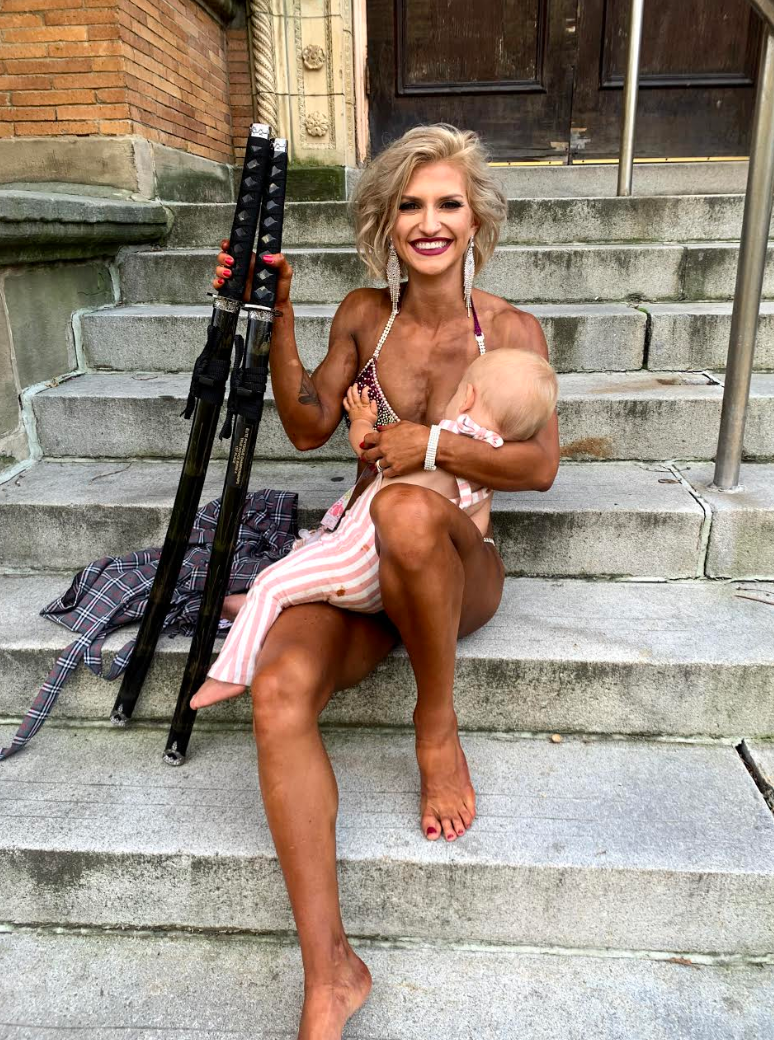
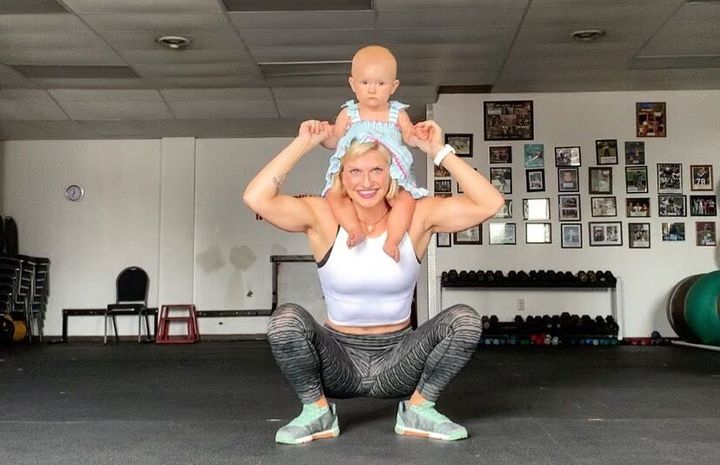
With all of these things in mind, I posted the photo at the top of this essay to my Instagram account. In the photo I am sitting on stone steps outside of the competition venue in which I just won first place in both of my entered categories. I am spray-tan orange, wearing a rhinestone-encrusted purple bikini, holding up two ridiculous trophy swords, with my daughter in my lap, latched on and nursing away. My hair is bleached blonde and wild and I am beaming with accomplishment.
“I am entrusted with the wellbeing of my child, and I will always do what is best for her. I did something that almost no one has done. I did it healthfully. I did it responsibly. I did it in a way that served both my child and me, as a human, as a woman, and as a mother.”
Advertisement
For a few hours, my normal quantity of likes from friends and family trickled in. Then, like a faucet opening, hundreds of strangers were flooding my page with comments and likes. The overwhelming majority of these were positive. Women from all over the world were supportive, impressed and pro-breastfeeding. There are, however, always those who disapprove.
As a mom, disapproval is even more gnawing. It makes you reevaluate every tiny decision, second-guess every sound conclusion you’ve come to. Some members of my family were confused and put off by my feat. Women messaged me to tell me they were shocked by the risk I had taken with my child’s health, that they would never do the same, that they were creeped out. Even some in my own bodybuilding community saw what I had accomplished as weird and unhealthy. Even they, the niche of the niche, thought I had done something too out of the box.
The decision to undertake extreme fitness and breastfeeding was no one else’s decision to make but mine and the outcome of it ― good or bad ― falls squarely on my shoulders alone. I am entrusted with the wellbeing of my child, and I will always do what is best for her. I did something that almost no one has done. I did it healthfully. I did it responsibly. I did it in a way that served both my child and me, as a human, as a woman and as a mother.
The female body is amazing. I breastfed a baby all the way through contest prep, through all the cardio and through all the calorie cuts. We never had even a slight decrease in milk supply, or any hint of a lack of nutrition for her. I smiled on stage as I accepted my first-place trophies and grabbed my daughter from the audience to nurse her then and there. It was a triumph for both of my goals, both of my loves in life: this capable, chiseled, muscular body, and my sweet, gentle, baby girl.
Jordan Musser is a fitness competitor, breastfeeding advocate, personal trainer and nutrition coach from Williamsport, Pennsylvania. She spent six years in the U.S. Air Force and now focuses on her growing family and postpartum fitness program, Badass Mothers. For more from her, visit thebadassmothers.com and check her out on Instagram.
Advertisement