It is a battle none of us can fully prepare for: getting children to eat foods that they absolutely don’t want to.
Of course, most of us have tried the usual tactics. Hiding vegetables in sauces, shaping them into stars or dinosaurs, getting on our knees and begging. However, kids are smart and there’s only so much that will work on their growing little minds.
Advertisement
That being said, one dietician and mother of two thinks she may have found the answer and it doesn’t involve sorcery somehow.
The trick to getting children to eat new foods
Writing in Allrecipes, Sally Kuzemchak said that while she was on a road trip with her children, her son, who would never usually touch a dish with onions, suddenly asked for a side of onion rings.
Just as Kuzemchak was about to tell him not to get them as he usually hated onions, she realised that this might actually be a breakthrough moment.
So, her advice for getting kids to try new foods? Change the scenery and see how you get on.
She said: “Being in a new environment feels like an adventure, and kids might be more game for trying new things—including foods.
Advertisement
“Whether it’s a dish you don’t typically serve at home or a familiar ingredient spun in a new direction, foods can take on an air of mystique when we’re away from home. (Removing the pressure of the usual dinner table can help children feel freer to experiment, too.)”
It turns out that the dietitian was right to let her child try onion rings, as it really was a breakthrough for him and his sibling.
Kuzemchak said: “My kids have tried poutine in Canada, fried alligator in Florida, and plantains in Costa Rica.
“But even if they’re just trying a new ice cream flavour, I know they’re learning they can be brave—and the unknown can be good! As parents, trying new foods and praising our kids’ courage can help model an adventurous spirit.”
We’ve written before at HuffPost UK about how forecasters know where to point on green screens when announcing the weather.
We’ve even shared how actors manage to look so, well, dead while playing corpses; so you’d think we’d be pretty familiar with Hollywood magic by now.
Advertisement
But it never even occurred to me ― until now, at least ― to ask how lemons on TV look so darn juicy.
It took a TikTok from director and filmmaker David Ma, who shoots commercials and movies alike, to realise that what I’d been seeing on-screen had been a scam all along.
“This is the trick to getting the perfect squeeze,” he captioned his video, revealing a slow-mo shot of the artificially juiced-up citrus splashing its droplets of lies over some broccoli.
I knew stars tended to use more injectables than we think, but I wasn’t aware the procedure extended to their dinner.
Advertisement
Other sneaky food-filming tricks include placing a water-soaked, microwaved tampon behind a bowl of food to create the illusion of a steaming meal and using acrylic ice cubes (which don’t melt) for cold drink campaigns.
Meanwhile, most on-screen “ice cream” is basically a form of buttercream made from vegetable shortening, corn syrup, and icing sugar.
Oh, and that “frost” on the glass of beer in adverts? Yeah, that’s more than likely aerosol deodorant sprayed onto the container to give the illusion of cold condensation.
Don’t even get me started on poultry in adverts, which is usually so raw it’s bloody on the inside (!!) and brushed with dish soap to get that perfect glisten.
People had *thoughts* in the comments
“Here I’ve been thinking I had all dry lemons for the last 10 years,” one commenter wrote.
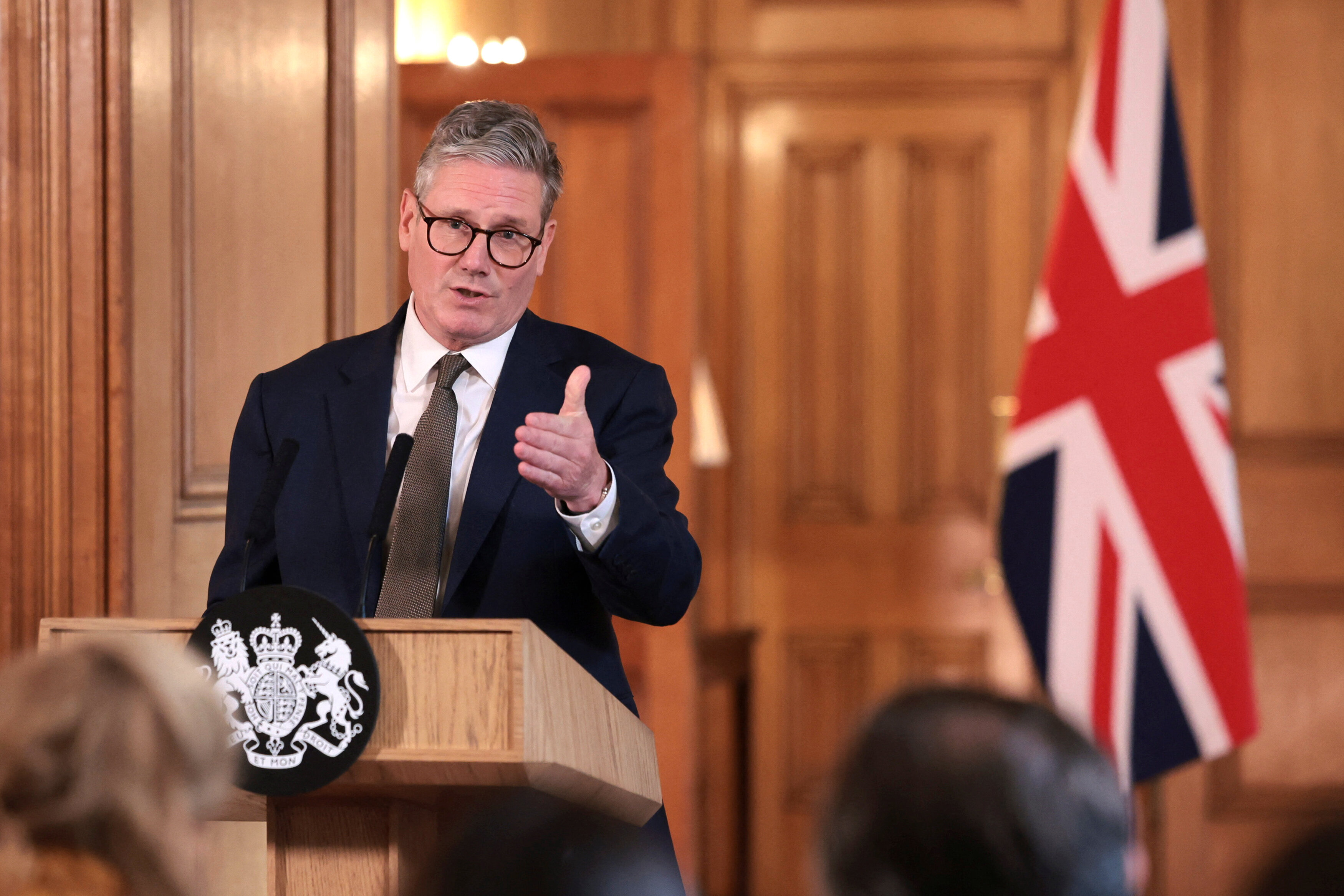
Most of the cabinet is made up of top Labour MPs who covered the same portfolio while in Opposition, including a record eleven women.
Advertisement
But, the new PM has also introduced a few non-political ministers into the mix and brought back a few names from the New Labour era.
1. Patrick Vallance
Vallance became a well-known name during the Covid pandemic, as the UK’s then-chief scientific adviser.
He regularly appeared in briefings alongside then-PM Boris Johnson and the chief medical officer for England, Chris Whitty, although he left this role in April 2023 once his fixed five-year term was over.
He was knighted two years ago and will now receive a peerage so he can go to parliament.
He supported Labour’s flagship manifesto pledge to introduce a publicly owned energy company earlier this year.
Advertisement
Starmer has decided to appoint him as a science minister under science, innovation and technology secretary Peter Kyle.
2. Richard Hermer
A KC from Matrix chambers – which was co-founded by Tony Blair’s wife Cherie – Hermer has been appointed as the attorney general.
That means he will oversee the government’s legal department, serious fraud office and the crown prosecution service.
He will get a life peerage so he can sit in the cabinet.
Hermer was among many Jewish lawyers who warned that Israel’s retaliation to the October 7 attack from Hamas should be within the confines of international law.
Advertisement
He has also spoken at Labour conference and donated £5,000 to Starmer’s campaign.
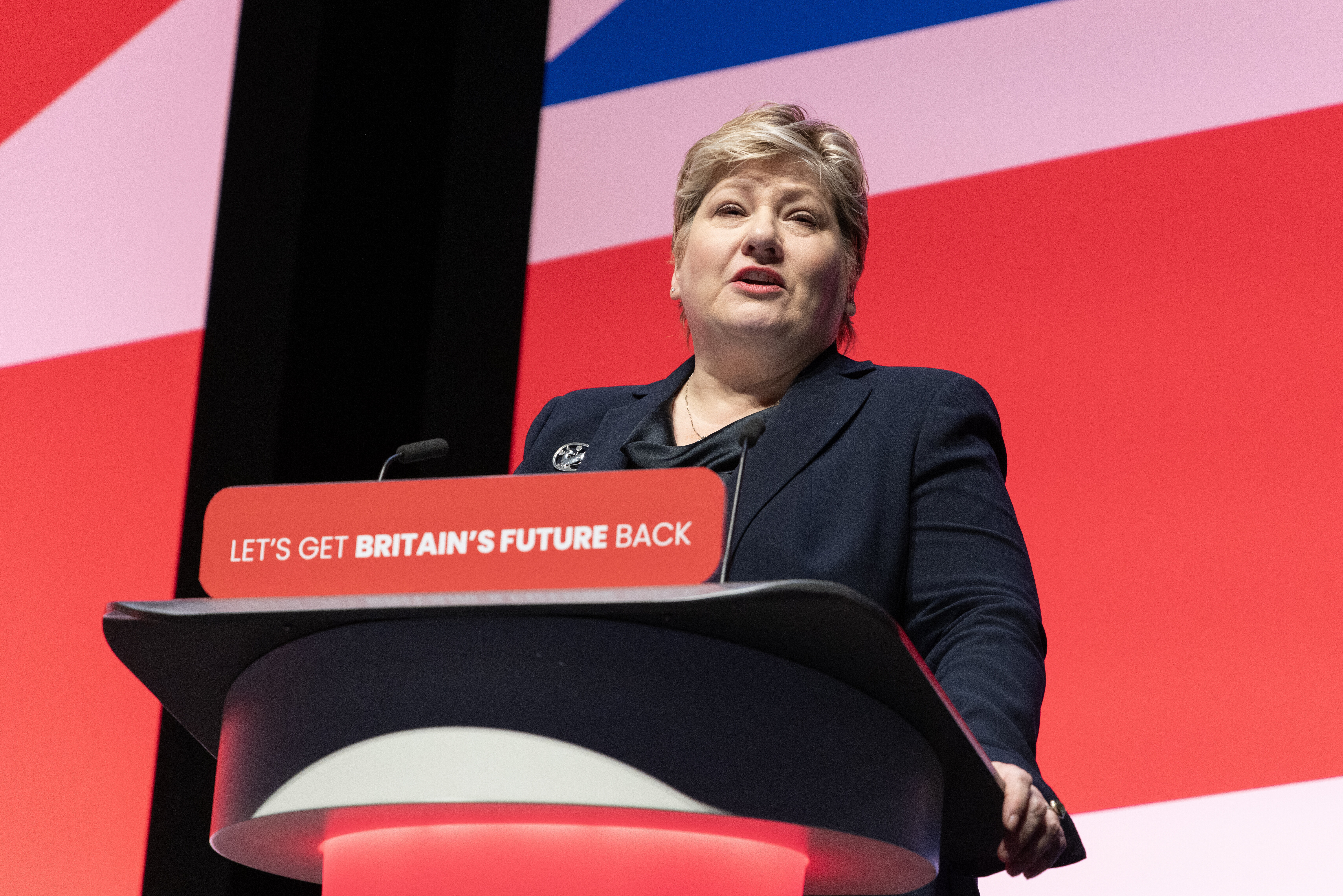
His appointment means Emily Thornberry – who was shadow attorney general – has now lost out on a place in cabinet.
Smith held six roles in Blair’s government, and was promoted to be the first female home secretary under Gordon Brown.
Smith resigned in 2009 over a series of expenses scandals and in the 2010 general election her seat went to the Conservatives.
Advertisement
Starmer is now giving her a life peerage so that she can return to government as a higher education minister, reporting to education secretary Bridget Phillipson.
This is the same role Smith held under Blair, 25 years ago.
I am incredibly proud to be returning to @educationgovuk working with the enormously impressive @bphillipsonMP in a job which is crucial for ensuring opportunities for all and contributing to the government’s central mission to deliver growth. 😀 https://t.co/r0ppaXCqtG
Alexander held multiple ministerial roles in the New Labour years, including transport secretary and Scotland secretary under Blair, and international development secretary under Gordon Brown.
He was the shadow work and pensions secretary and shadow foreign secretary under Ed Miliband, too.
However, he has not been in parliament for the last nine years as he lost his seat in 2015 when the SNP swept through Scotland.
He was just elected in a new seat – Lothian East– last week and is now a business minister in Starmer’s government.
Advertisement
It is a huge privilege to be asked to serve and I’m really looking forward to getting down to work… https://t.co/uid9Fw5JZz
Rehabilitation campaigner and CEO of the Timpson Group – which regularly employs former prisoners – James Timpson is now the prisons minister.
Starmer praised the businessman in his news conference on Saturday, saying he had invested “a huge amount over many years” into rehabilitating offenders and that he was “very pleased” to appoint him as a minister.
Timpson is also chair of the Prison Reform Trust charity which looks to reduce imprisonment and improve conditions for inmates and families.
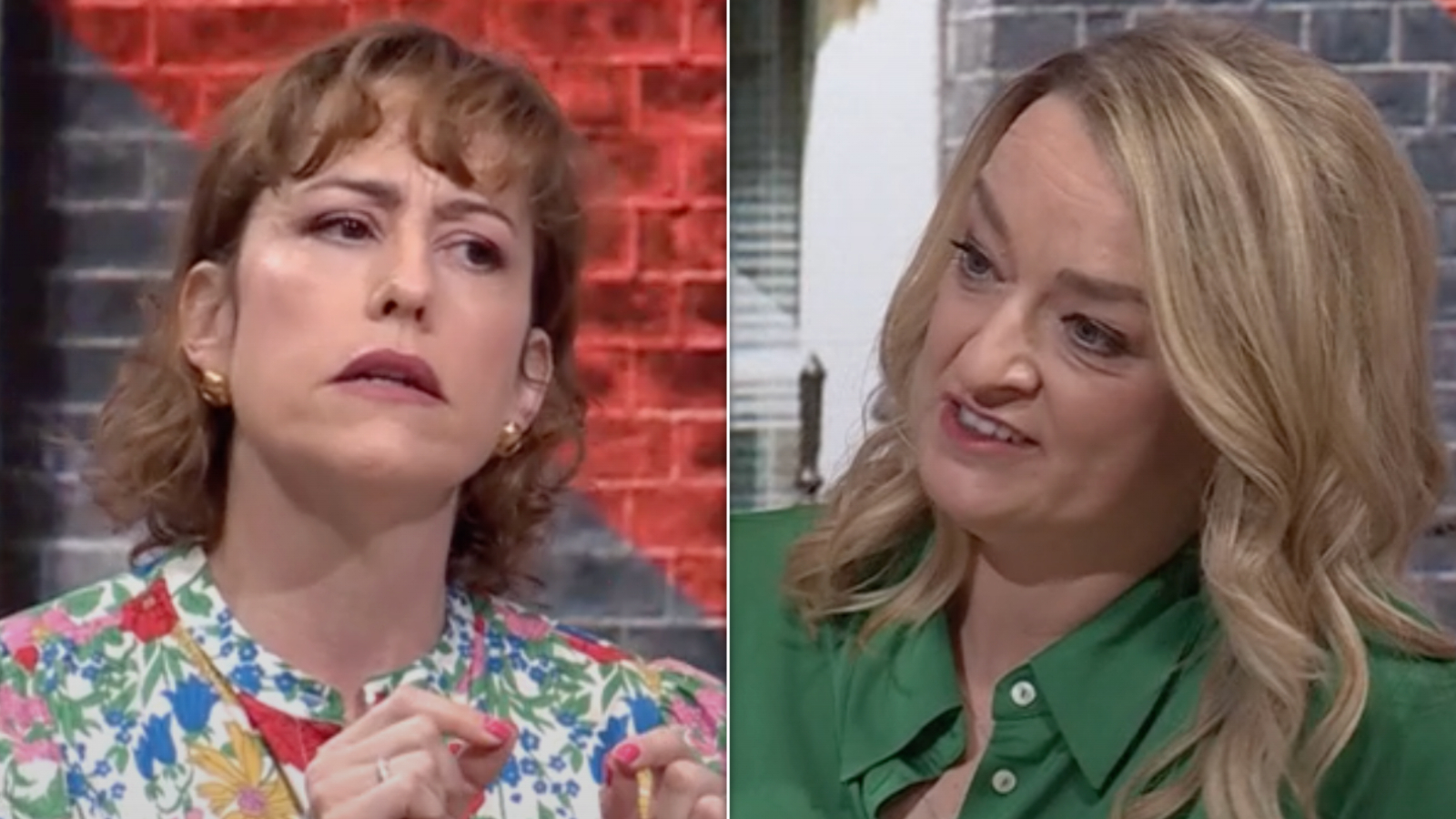
On BBC One’s Sunday with Laura Kuenssberg, the former health secretary – who is widely expected to put herself forward as a contender to be the next Tory leader – said the Conservatives needs to “act on those values” in the party which voters support.
Advertisement
Alluding to the meagre 121 seats the Tories took in the election, Kuenssberg asked Atkins: “What went wrong with your values then?”
Atkins replied: “We know that the country, actually, is instinctively Conservative, if you look, people want lower taxes.”
“Do you think the country is still instinctively Conservative when they booted you out? You’ve got your worst defeat ever.” The BBC host hit back.
Atkins said: “In terms of their values, their instincts, they are, I believe, still instinctively Conservative.
Advertisement
“They want lower taxes, they want to build a better future for their children, they want to help them thrive in their personal lives, and in their livelihoods.”
“Those values are important to us all,” she added.
It’s worth noting that Conservatives took just 24% of the vote share overall on Thursday.
So Kuenssberg pushed: “What was it that went wrong, though?
“The country has dramatically kicked you out.
“This was not the standard defeat. Labour won a landslide. What was it that was wrong?”
Atkins said it was about “trust” with voters, but refused to outline what the party will actually do next, saying that the parliamentary party has not reconvened since the abysmal general election.
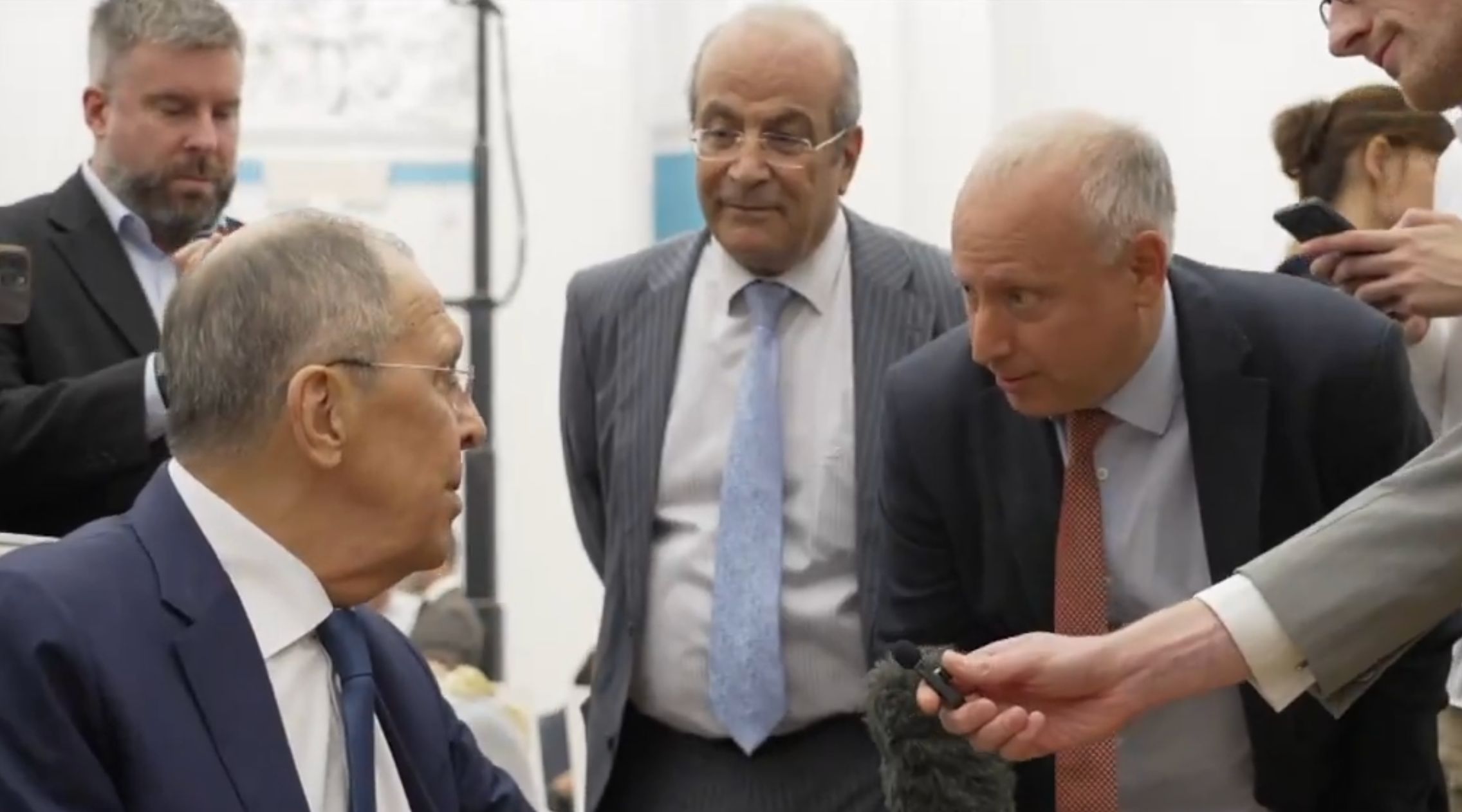
Shortly after Labour secured a landslide victory and the Conservatives endured a historic loss, the BBC’s Russia editor, Steve Rosenberg asked one of Putin’s top aides what this could mean for international relations between the two countries.
Advertisement
“Ah, it’s you!” Lavrov said with a chuckle upon seeing the famous BBC journalist.
Rosenberg replied: “It’s me, yes… Do you think anything will change in UK-Russian relations?”
“Diplomacy is not an art of guessing,” Lavrov said, staring back at the reporter.
There was a pause while Rosenberg waited for further explanation, before he said: “What is it?”
Lavrov replied: “You know the saying about the pudding? You understand that this is a pudding when you eat it.”
The UK has been resolutely on Ukraine’s side ever since Putin chose to invade the country back in 2022.
And, like many Western countries, it has tried to hit Russia’s economy by weaning itself off Russian oil and gas exports, and imposing sanctions.
Advertisement
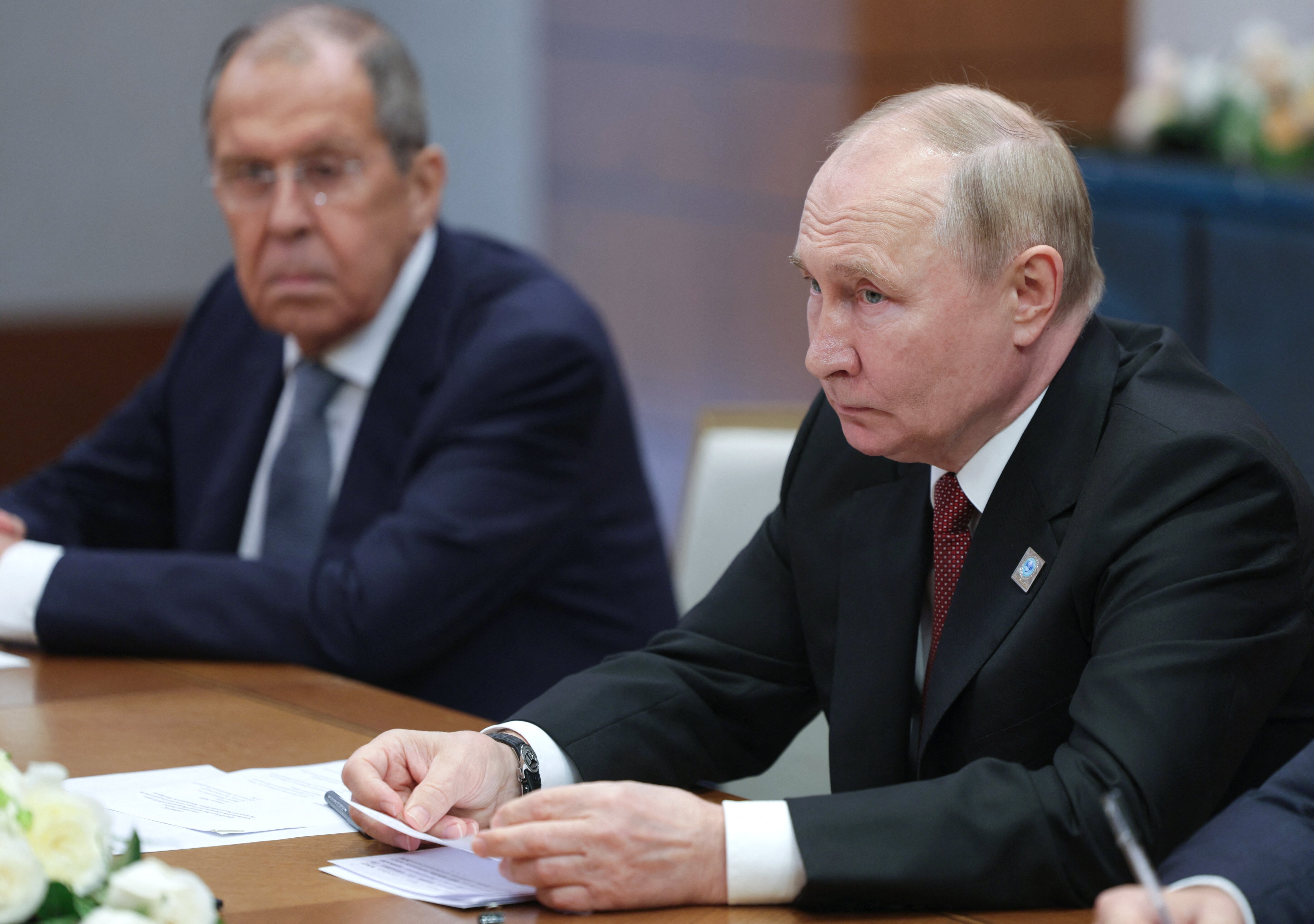
Lavrov’s comments come after Putin’s press secretary, Dmitry Peskov, said he does not think Labour’s victory will alter anything between the two countries.
He told Sky News: “This is domestic affairs for Great Britain, so as far as we understand it, it can hardly influence the Russian-Britain relationship.”
Asked if thought Putin would ever “welcome” Keir Starmer to the Kremlin, Peskov said: “It is very much unlikely.”
Pressed over what it would take for Starmer to get an invitation, Peskov said: “Putin is open to contact. This is Britain, this is London, that insists there shouldn’t be any continuation of dialogue.”
Peskov said he did not think the Russian president would be phoning Starmer to congratulate him on his win any time soon, saying: “Britain is quite hostile towards our country. Why should we do it?”
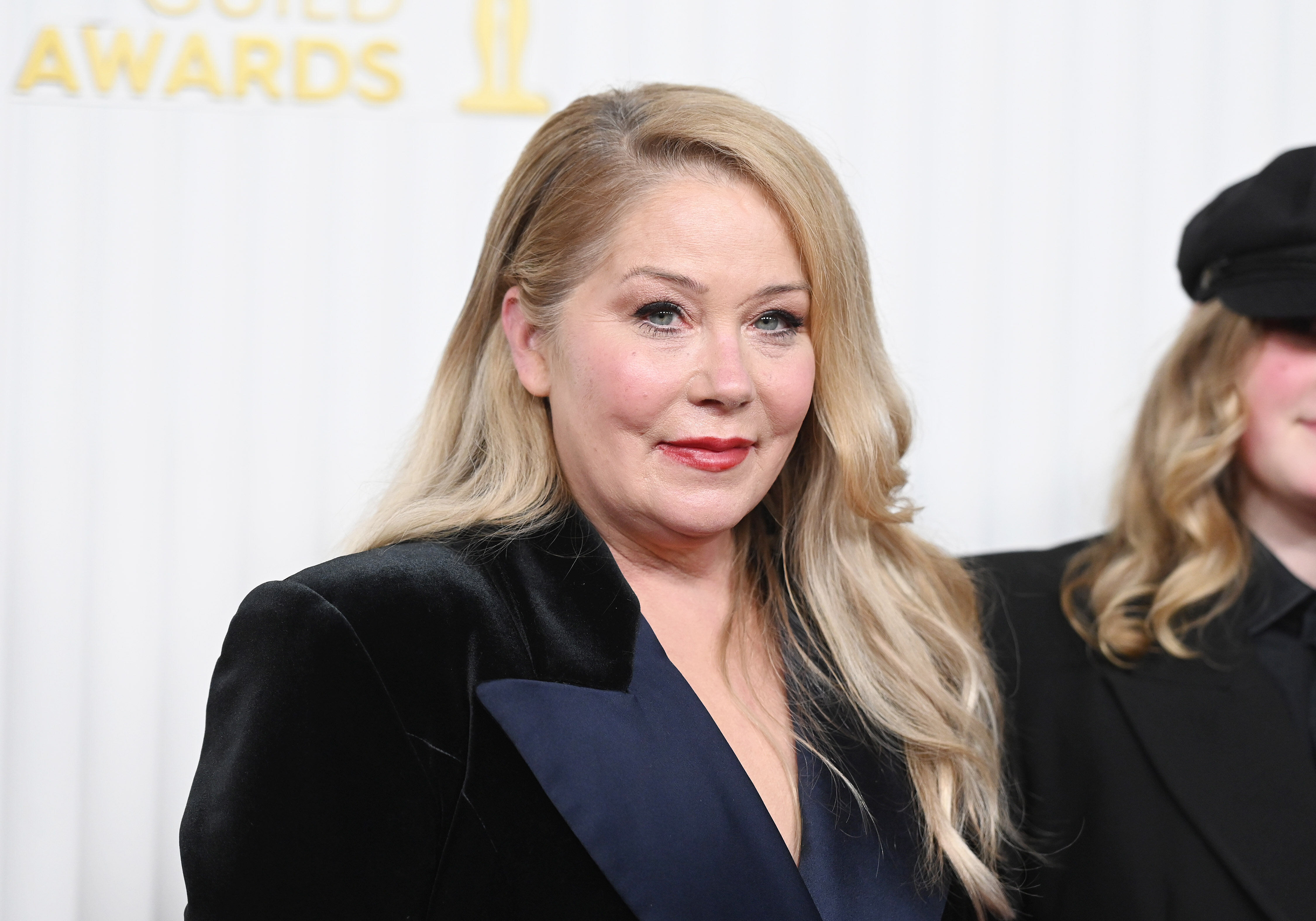
“There are things I want to do with the days I have left in life,” the Anchorman actor wrote on X, formerly Twitter, on Wednesday.
“I want to work with Shirley MacLaine,” she continued, referring to the Academy Award-winning actor. “And do shots with Cher!”
“And yes my days are so big,” she added. “Just saying.”
In 2021, while shooting the Netflix series Dead to Me, Christina was diagnosed with multiple sclerosis, also known as MS, a disease that affects the brain and spinal cord.
Symptoms can include cognitive issues, slurred speech, mood disturbances and numbness in limbs, according to the Mayo Clinic.
She co-hosts a podcast about living with MS, MeSsy, with Sopranos star Jamie-Lynn Sigler.
Some would-be stars are so eager to be in the next season of Bridgerton that they’ve been bombarding casting director Kelly Valentine Hendry’s inbox with “unsolicited” videos.
While appearing on the latest episode of the Should I Delete That? podcast, Kelly, who has worked on the Netflix period drama since it first aired in 2020, admitted that NSFW clips land in her inbox like clockwork.
Advertisement
“It’s every day … I get the most unbelievable videos, unsolicited,” she told the podcast’s hosts, Em Clarkson and Alex Light. “It’s sex basically.
“It’s not actual sex but it’s quite punchy. … It’s not nudie pictures, but it’s not far off.”
She added: “It’s a bit sad, really.”
Kelly went on to reveal that many of the actors who reach out hoping to join the romance series want to star as Sophie Beckett despite the role not being officially confirmed yet.
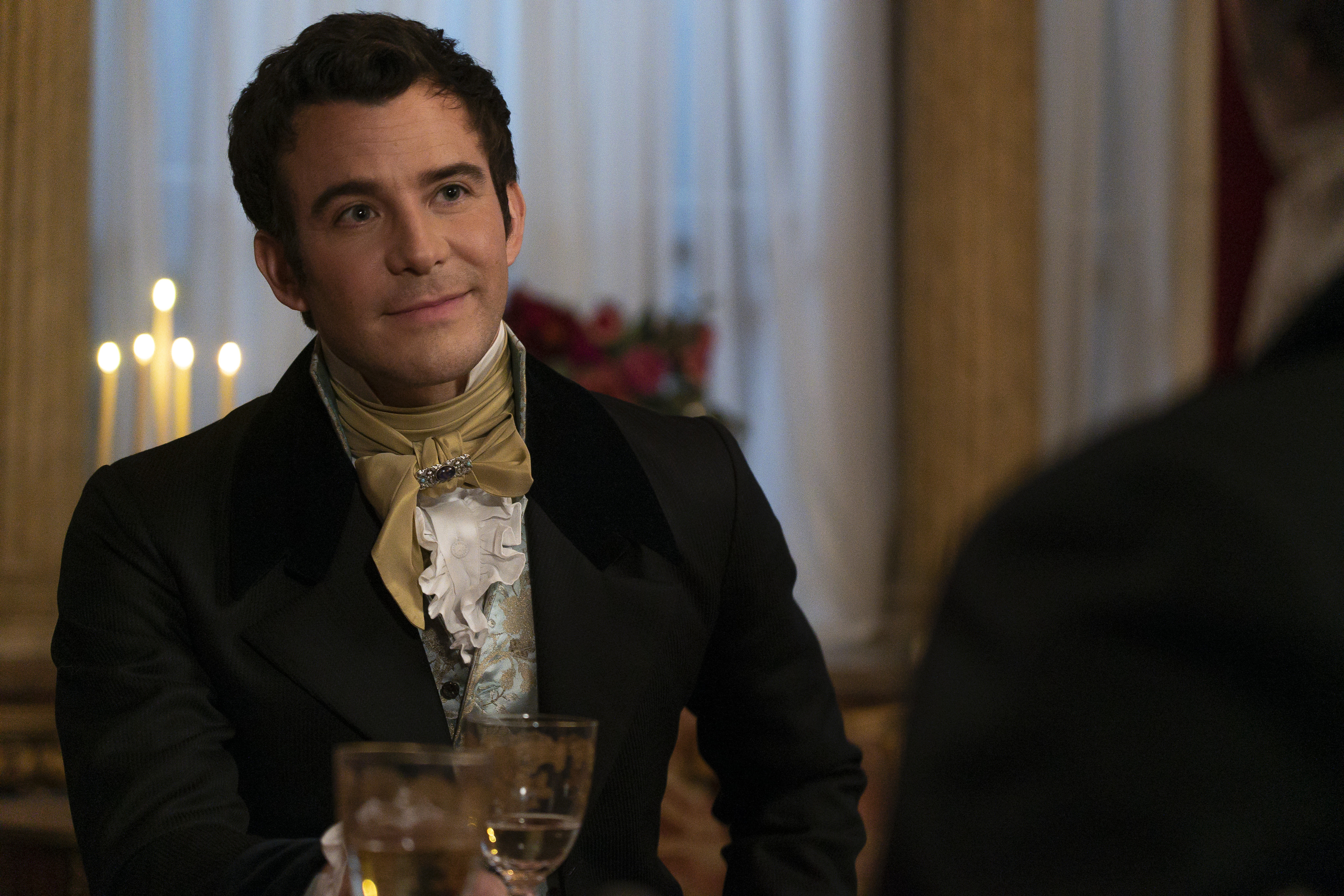
In Julia Quinn’s Bridgerton novels, Sophie is the love interest of Benedict Bridgerton (played by Luke Thompson in the Netflix series).
Luke Thompson in Bridgerton
LIAM DANIEL/NETFLIX
Advertisement
It’s probably not too shocking for actors to submit racy clips considering the popular show is known for its steamy scenes.
Back in May, Bridgerton star Nicola Coughlan, who plays Penelope Featherington, revealed that she took on some especially steamy scenes in the recently released third season in order to shut down trolls who criticised her appearance.
“I specifically asked for certain lines and moments to be included,” the Derry Girls recalled of collaborating with the series’ intimacy coordinator, Lizzy Talbot.
“There’s one scene where I’m very naked on camera, and that was my idea, my choice,” she added. “It just felt like the biggest ‘fuck you’ to all the conversation surrounding my body; it was amazingly empowering.”
“The way she says MFer scratches my brain just right,” one user wrote on TikTok referencing a lyric in Sabrina Carpenter’s song “Please Please Please.” “… something in this performance scratches my brain so well …” one person tweeted about a performance from the TV show “Glee.”
This slang phrase has been all over social media lately. From songs to visual performances to simple sounds, many things are “scratching” people’s brains.
Advertisement
Despite the widespread understanding of what it means, thanks to context clues, the phrase isn’t quite clear. How can something scratch your brain? What does that feel like?
“The phrase ‘scratches your brain’ is often used to describe a sensation that deeply engages your mind, yields a strong emotional response, or provides a sense of relief or satisfaction like an itch,” said Janet Bayramyan, a Los Angeles-based psychotherapist.
Think of the near-euphoric feeling that comes with scratching an itch, but remember it’s mental rather than physical.
The curiosity and wonder that can lead up to that scratching sensation can also be “brain scratchers.” They can signal someone “is attempting to try to figure something out or to try to think hard about something that may be difficult or troubling to understand,” added Hallie Kritsas, a licensed mental health counsellor with Thriveworks in Jacksonville, Florida. Basically, a thought or situation that’s puzzling, provides uncertainty or is confusing, she explained, will do the trick.
Advertisement
What Leads To A ‘Brain Scratch’?
While it’s a fun phrase, it’s not just that, either. Here’s what can trigger the phenomenon, according to therapists:
Something intellectually stimulating.
In other words, a challenge “that captivates your attention and makes you think deeply,” Bayramyan said, listing puzzles and complex ideas as a couple of examples.
That’s what Kritsas believes is the biggest contributor, too. “The cause of ‘brain scratching’ might be something that is puzzling, new or something that our brain cannot automatically come up with an answer to,” she said. If it’s easy or routine, it’s probably not scratching (or engaging) your brain.
A sensory pleasure.
Sounds, textures — all types of sensory input that feel satisfying or pleasurable count, according to Bayramyan. “These can be sensations associated with ASMR,” she added. Think anything from “clicky” keyboards to fidget toys.
Feeling emotionally moved.
Have you ever listened to a song or looked at a piece of art that resonated with your emotions and made you feel “some type of way”? This is another “brain scratcher,” Bayramyan said.
Advertisement
Kritsas agreed that songs, sounds, visual arts and other forms of media can bring about an emotional reaction or memory that feels like a brain scratch or sense of peace. “It can also remind us of something happy or provide ‘relief’ if it is something we’ve been thinking about,” she said.
Solving a problem or curiosity.
There’s almost nothing worse than having a word on the tip of your tongue or a question you can’t quite answer. So, “finding an answer to a question that has been puzzling you can provide a sense of relief similar to scratching an itch,” Bayramyan said.
MoMo Productions via Getty Images
Music is a big brain scratcher.
The Benefits of Having Your ‘Brain Scratched’
Let’s just say it’s a good thing that “brain scratchers” are everywhere, as they “can definitely have benefits,” according to Kritsas. That goes for both the emotional and cognitive parts of your mental health.
According to Bayramyan, benefits include:
Reducing stress and promoting relaxation.
Elevating mood, leading to feelings of happiness and contentment.
Sparking new ideas and fostering innovative thinking.
Providing opportunities for shared enjoyment and bonding with others, which strengthens social connections.
Promoting neuroplasticity, or the brain’s ability to form new neural connections, which is essential for long-term cognitive health.
Kritsas added that it can also:
Stimulate our brain.
Allow us to challenge ourselves to learn a new skill, solve a puzzle or think about something more in depth.
Minimise levels of stress, especially when there’s a resolution of sorts.
So go all in with these “brain scratching” experiences. This is your excuse to listen to “Heartbreak is one thing, my ego’s another …” from Sabrina Carpenter’s “Please Please Please” on repeat — not that you needed it.
The shadow culture secretary Thangam Debbonaire also lost her seat to the Greens in Bristol Central, meaning Starmer was on the hunt to replace her.
Political pundits were keenly watching to see who would take on these two roles – and wondering if Starmer would have any shock appointments up his sleeve…
Here’s what the UK’s new cabinet looks like so far.
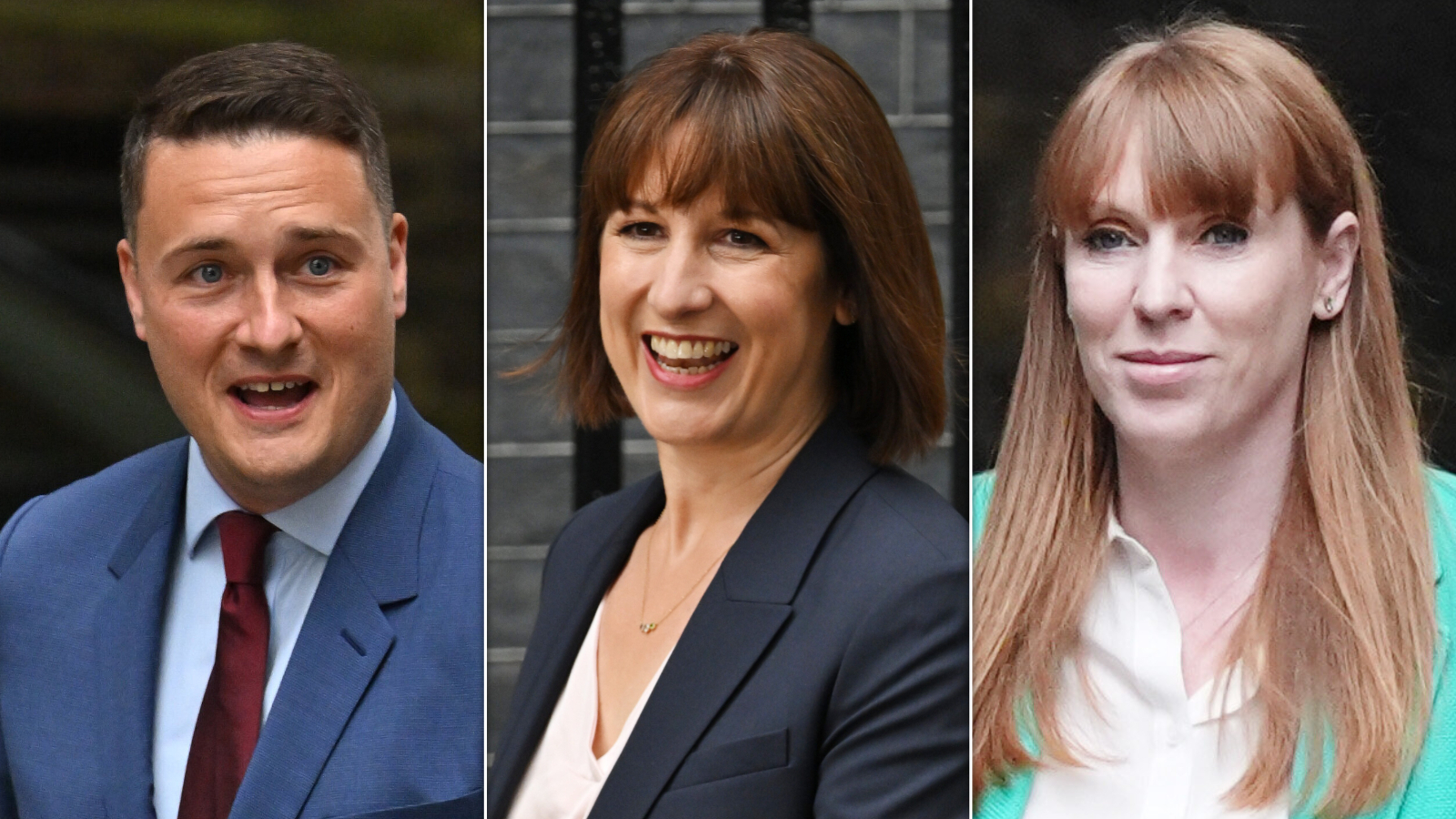
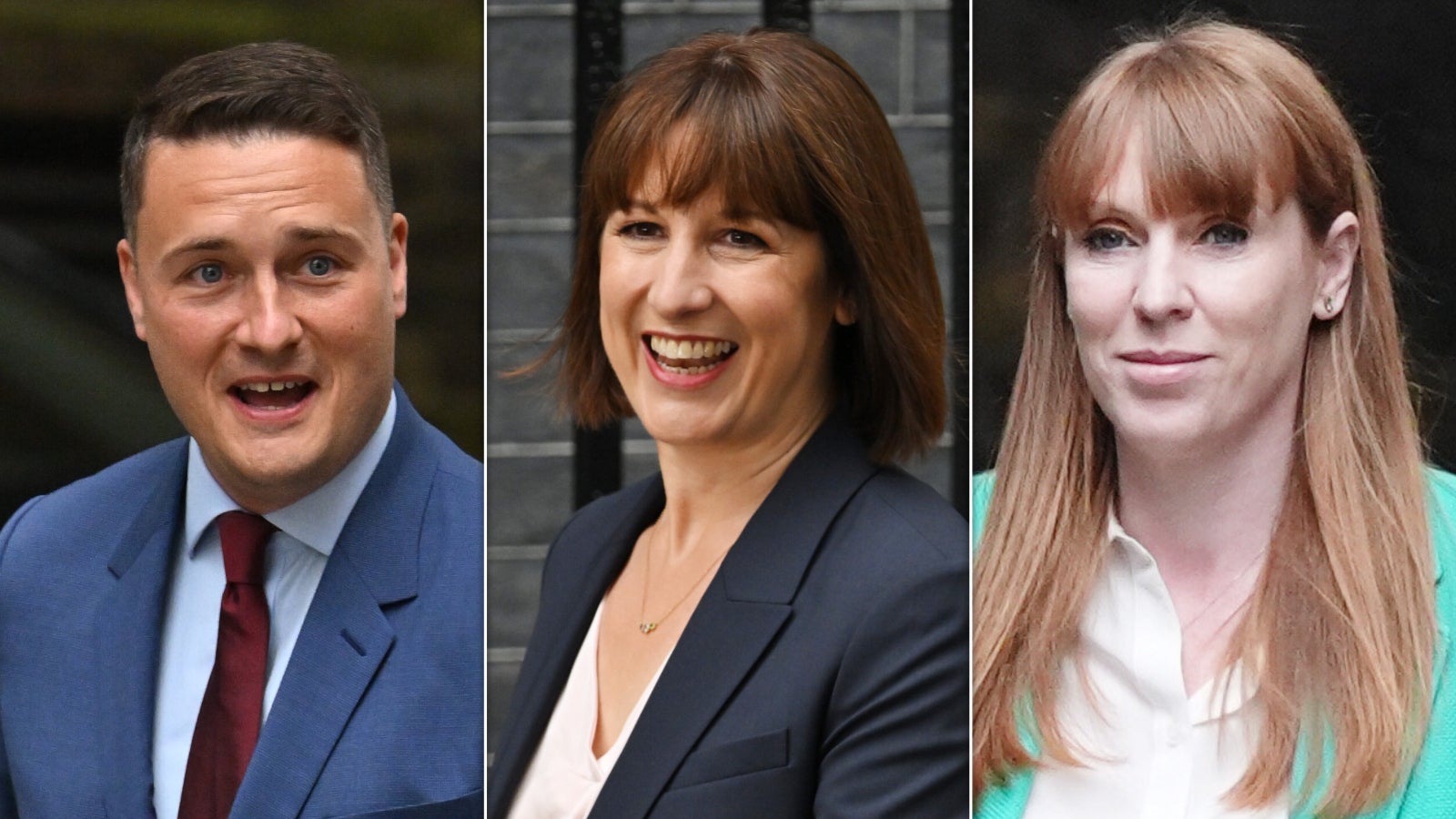
1. Angela Rayner
The deputy party leader since Starmer was elected in 2020, Rayner was the first to find out her new role today – she was appointed as the deputy PM.
She also became the levelling up, housing and communities secretary – a job she previously held in the shadow cabinet.
Advertisement
2. Rachel Reeves
Having been shadow chancellor since 2021, Reeves has just become the first woman to officially head up the Treasury as the chancellor in its 803-year history.
3. Pat McFadden
McFadden is now the chancellor of the Duchy of Lancaster, having held the same role in opposition.
4. David Lammy
Lammy has become the new foreign secretary, despite brief speculation he could be moved away from the brief.
5. Yvette Cooper
Now the home secretary, she has retained her brief after serving as the shadow home secretary before the election.
6. John Healey
After four years acting as the shadow counterpart, Healey has now officially become the defence secretary.
7. Shabana Mahmood
Mahmood now holds the same role she had in the shadow cabinet – the Lord chancellor and Justice secretary.
Labour won by a landslide while the Tories had some of their worst ever results – but this election also painted a very complex picture for Westminster.
Five independents were elected, while the rise of the Liberal Democrats, Reform UK and the Green Party show that last night was not just a tale of two parties.
Advertisement
Here’s a look at all the main stories from overnight.
1. Huge Labour victory
With a couple more seats still to be counted, the party took a whopping 412 seats, only six fewer than it did when Tony Blair was the helm in his famous landslide of 1997.
That works out to a gain of at least 211 seats compared to the 2019 general election.
It means a comfortable majority is ahead for Keir Starmer, as Labour were the largest party in England, Scotland and Wales.
The so-called “red wall” in the North of England was completely restored, too.
However, it’s not all plain sailing – Starmer comes to office on the smallest share of the vote of any winning party in UK history as the votes were widespread across many constituencies but not particularly high in number in any seats.
Only 33.7% of voters backed the supposedly reformed Labour, just 1.6% higher than his predecessor Jeremy Corbyn secured in 2019 when he famously lost.
Advertisement
That seems to reflect the general sentiment that support for Labour was more of an anti-Tory tactic rather than an endorsement of Starmer and his party.
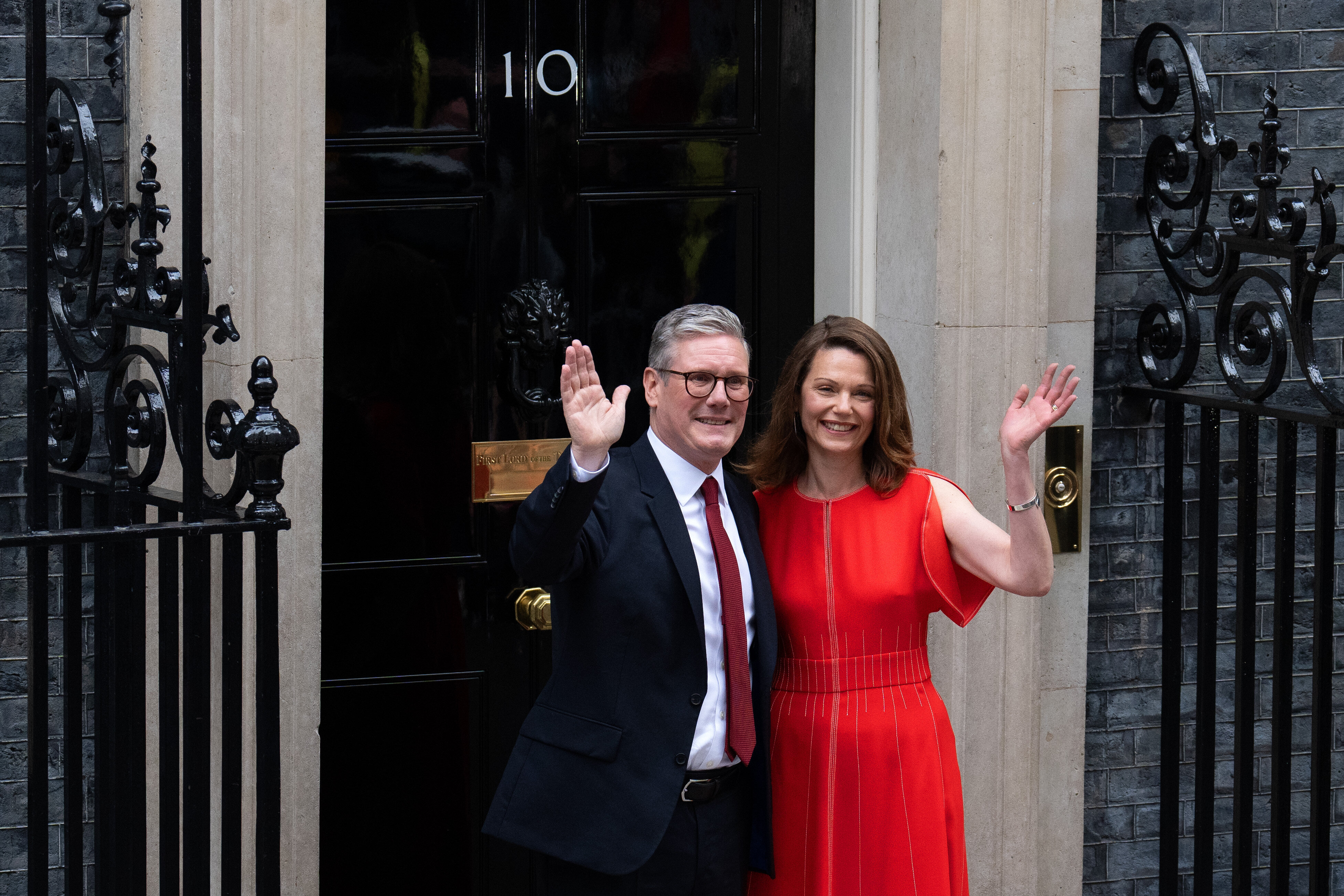
Labour leader and incoming Prime Minister Sir Keir Starmer and wife Victoria enter 10 Downing Street
Carl Court via Getty Images
2. Drop in Muslim support for Labour
The party’s flip-flopping over the Israel-Hamas war in Gaza has had a profound effect on its Muslim supporters.
In constituencies with a large Muslim demographic, support declined by around 23 points to 39%.
But this gave way to the rise of the independents, like ousted Labour leader Jeremy Corbyn who was re-elected into his constituency of Islington North.
In fact five pro-Gaza independent candidates were elected in total, outnumbering the total Reform UK candidates.
Advertisement
3. Worst Tory defeat in history
Rishi Sunak may have comfortably held onto his seat in North Yorkshire, but he was easily the biggest loser of the night.
He led the Conservative Party into its worst electoral defeat ever seen, losing 250 seats.
The Tories secured just 121 constituencies as the party’s vote share fell by 19.9 percentage points to 23.7%.
For comparison, John Major’s Conservatives won 30% of the vote share when they endured a huge defeat in 1997.
They will now have zero seats in Wales, and only one in the North East of England and one in the North West.
Many previously “safe” Tory seats were lost overnight, including four of the five constituencies were the last five Conservative leaders were elected.
The share of the vote particularly fell in areas where high numbers backed leaving the EU.
The dramatic night means there’s likely to be a brutal battle to shape the party now, as Tories struggle to decide whether to pull it further right or into the centre.
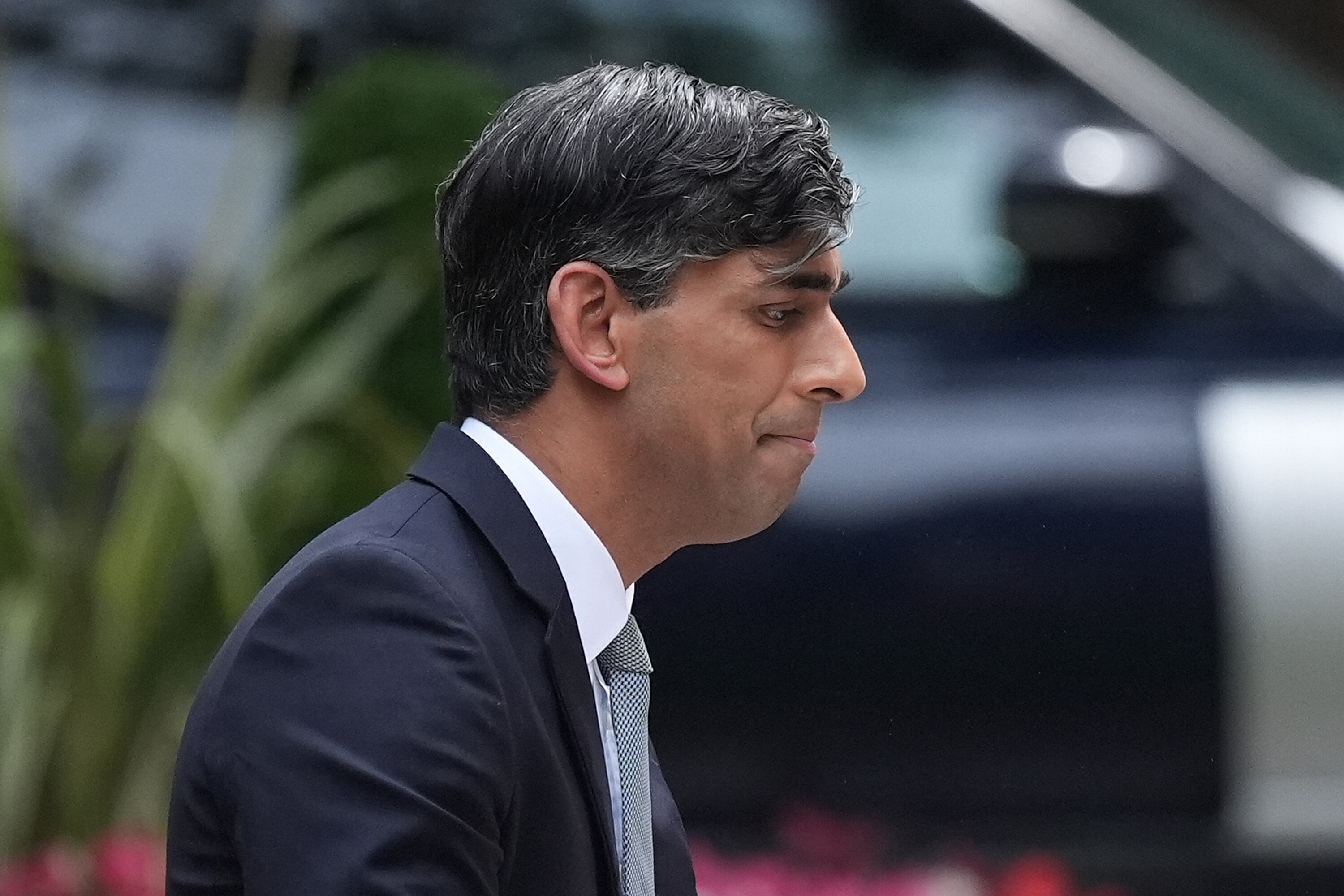
Outgoing Conservative Prime Minister Rishi Sunal
Christopher Furlong via Getty Images
4. Best Lib Dem result since 1923
The party has secured 71 seats – a whopping increase compared to the 2019 election, where they had only eight, and beating their 2005 record of 62.
Advertisement
They’ve won both new seats and old constituencies back – and ousted four cabinet ministers – albeit on just 12% of the vote share.
The Lib Dems also secured constituencies once held by former PMs David Cameron and Theresa May in their campaign where they targeted Tory areas.
It’s a far cry from the 2019 result when the party leader Jo Swinson unexpectedly lost her seat.
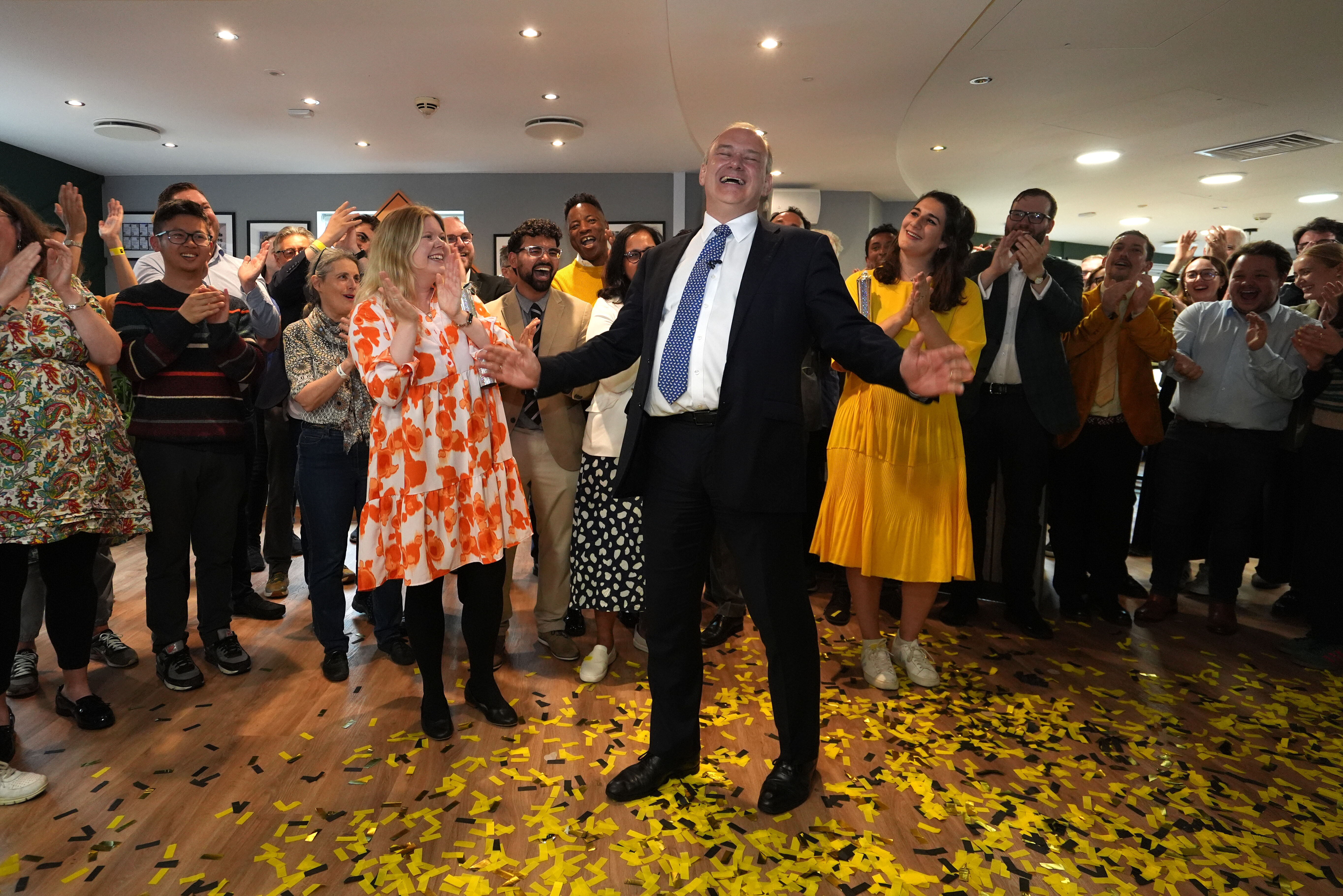
Liberal Democrat leader Sir Ed Davey is greeted by supporters
Gareth Fuller – PA Images via Getty Images
5. SNP in chaos
The Nationalists, who have completely dominated Scottish politics since 2014, secured just nine seats in a major blow to the project for independence.
That’s a drop of 38 representatives in Westminster, with many of their seats going to Labour and a handful going to both the Lib Dems and the Tories.
Advertisement
The SNP’s share of the vote has therefore fallen by 15 points – while Labour’s has increased by 17 in Scotland.
But it’s not a complete wipeout, considering the party still commanding a minority government in the Scottish parliament in Holyrood.
Yet, those seats could soon be at risk in the 2026 devolved election, depending on how Labour’s first few years in parliament goes.
Labour will also have to grapple with the increase of independence supporters among their voters.
6. Reform get a foothold in the Commons
The populist party took votes from the collapse of the Conservative support in many places, secured its first four elected MPs ever.
Party leader Nigel Farage won a seat for the first time (after seven failed attempts over the years) and Tory defector Lee Anderson – the party’s first ever representative in the Commons – was re-elected.
Advertisement
Reform chair Richard Tice and Rupert Lowe were elected, too.
Considering how quickly Reform has managed to gather support – Farage only entered the race two weeks after the election was called – the populists claim they will be able to put serious pressure on Labour in the next five years.
Farage has previously said he wants his party to be the main opposition to Keir Starmer’s party by the time of the next election, and last night said: “We’re coming for Labour, be in no doubt about that.”
7. Green Party get most MPs ever
With four MPs in Bristol Central, Waveney Valley, North Herefordshire and Brighton Pavilion, the Greens had their best set of results ever.
Until now, the party has only ever held the East Sussex constituency of Brighton Pavilion, giving them just one seat in parliament.
But last night, the party’s co-leader Carla Denyer overturned Labour’s shadow culture secretary Thangam Debbonaire with a 10,000 majority.
Advertisement
The other co-leader Adrian Ramsay defeated a 22,000 Tory majority in Waveney Valley, with a swing to the Greens of 32.1%.
Overall, it is expected to take 7% of the overall vote share – more than double what it secured in the 2019 election.
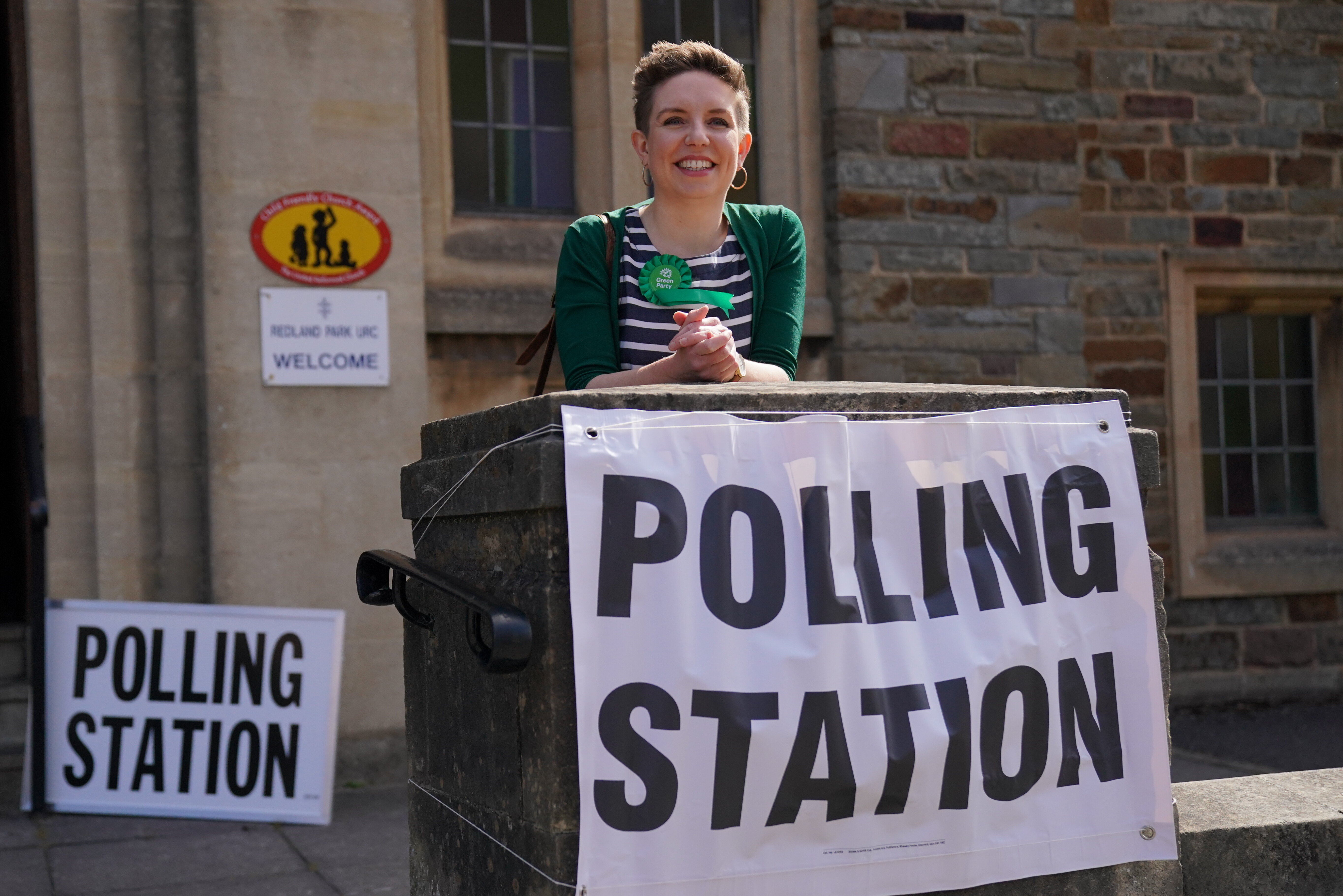
Green Party co-leader Carla Denyer after casting her vote in the 2024 General Election at Redland Park United Reformed Church in Bristol.
Jonathan Brady – PA Images via Getty Images
8. Sinn Fein hold on
The Republican party held onto its seven seats in Westminster, although it does not take them in protest to Northern Ireland being part of the UK.
It means most of the NI seats in Westminster will remain empty.
Sinn Fein is already the largest in local government and in the devolved government of Stormont.
And while the Democratic Unionist Party lost three of its eight seats, with supporters moving to other unionist parties, there was not a noteworthy shift in the vote share between Unionists and Nationalists.
Advertisement
9. Fall in overall voter turnout
This was the second lowest turnout ever recorded with only 60% of the electorate turning up, rivalled only by the 59% seen in 2001.
That suggests apathy and frustration may be more prevalent among the electorate than politicians realise.