And it’s already looking pretty bleak for the Tories.
Of the eight constituencies in York and North Yorkshire, Labour only holds two right now including former Tory safe seat Selby, which was secured in a by-election last year.
The area is still seen as a Conservative stronghold, but it seems this could all start to shift with this week’s local elections.
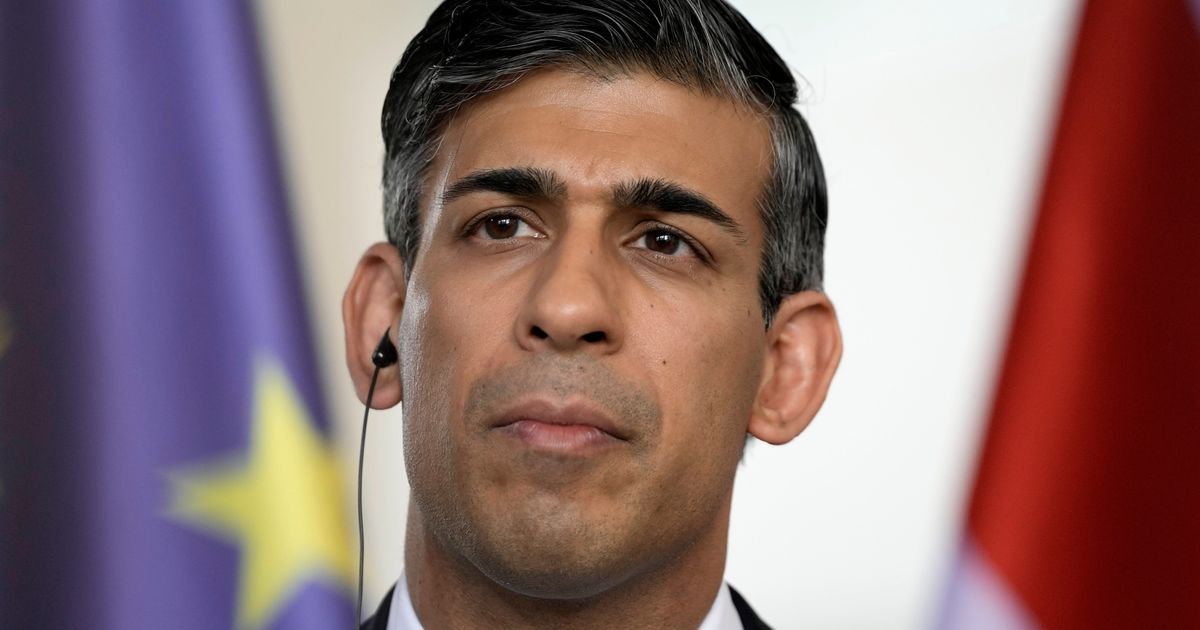
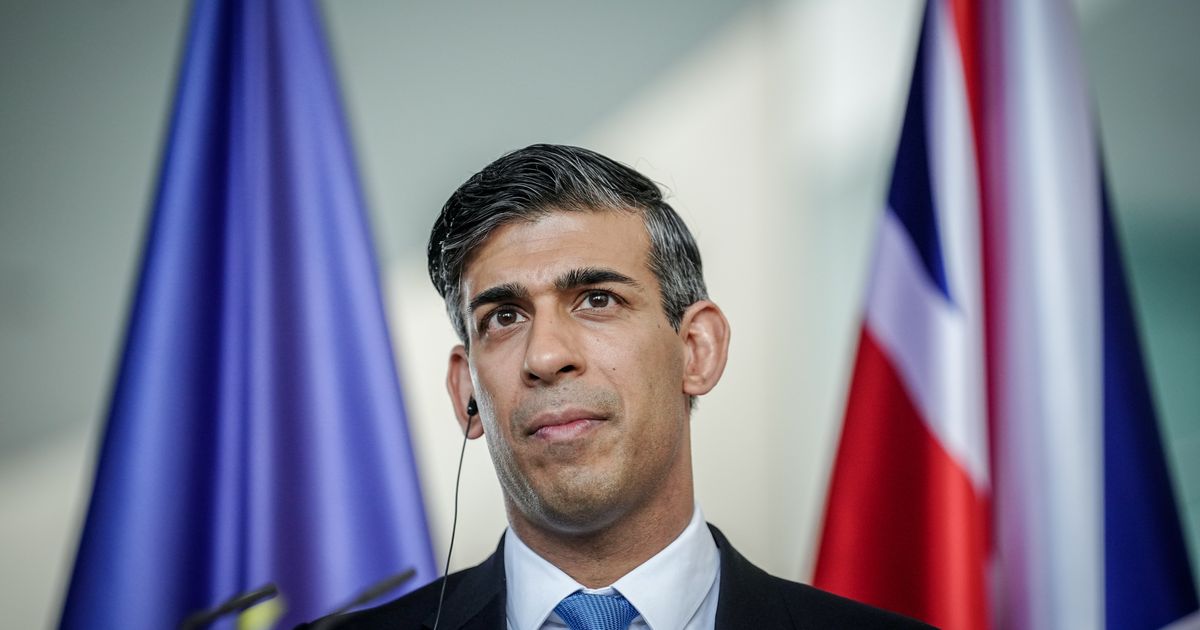

Director of research at Labour Together, Christabel Cooper, said: “After a 21% swing toward the party in Selby and Ainsty last summer, our polling shows that Labour is competitive everywhere, including in Rishi Sunak’s backyard in North Yorkshire.
“A win here would indicate a terrible night for Prime Minister.”
Sunak has held the seat comfortably since being elected in 2015, winning a majority of 19,550 in 2019.
Advertisement
But, a mega-poll conducted by Survation MRP for Best for Britain concluded in March that the PM’s lead in his seat will drop to be less than 2.5% over Labour – and that’s including the expected margin of error seen in most polls.
The same research suggested the Tories will win fewer than 100 seats in the next general election, if the Conservative share of the vote is translated into MPs.
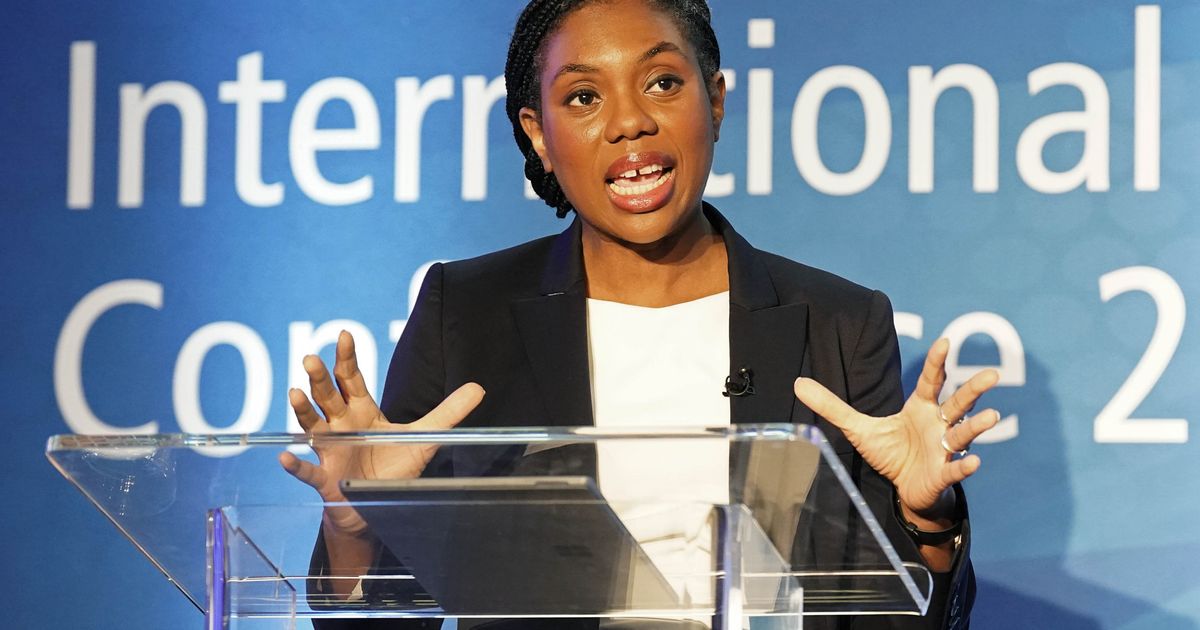
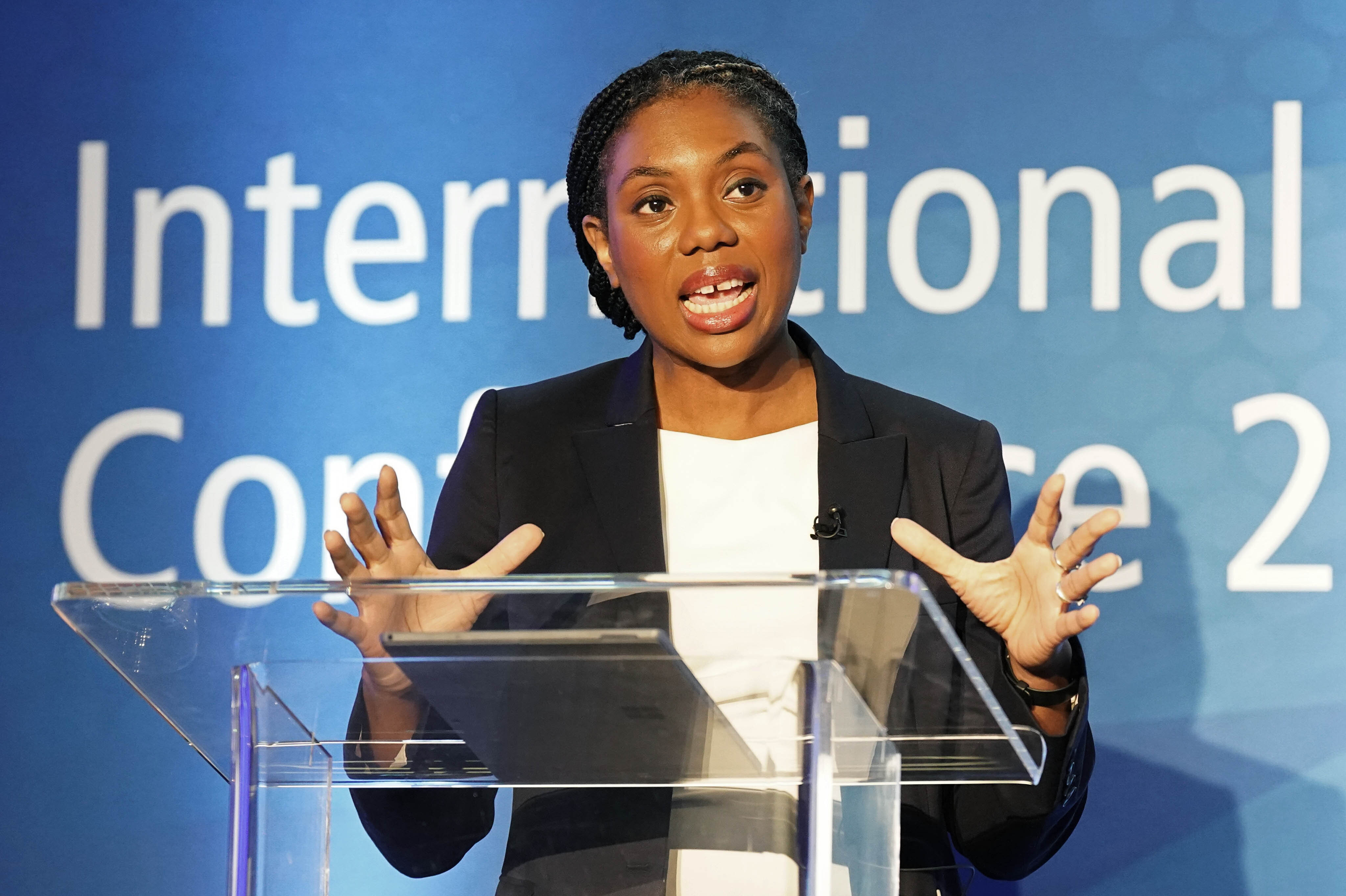
Kemi Badenoch clashed with a Times Radio presenter after being accused of “stoking the culture wars” over trans issues.
The business secretary has called on people to give examples of how public bodies use incorrect guidance on access to single-sex spaces.
Advertisement
She said she wanted to “tackle any confusion” which there might be on the matter.
Appearing on Times Radio this morning, presenter Aasmah Mir asked Badenoch: “What happens if there are very few examples? The reason I ask that is because clearly there are some people who might be confused.
“Is this just stoking the culture wars? This is something that’s very tiny, doesn’t really happen that often.”
But the minister hit back: “I do take issue with you calling this culture wars. Four years ago, when I was alerting people to the danger of puberty blockers, and a lot of the issues that we had in clinics, people like you were accusing me of fighting culture wars.
“I think it’s really important that especially when journalists talk about this, that you take the heat out. It’s not helpful. It is really unhelpful to call this culture wars. We’re trying to do the right thing by children and women in particular. Please don’t call it culture wars.”
Advertisement
Aasmah Mir replied: “The two things are they’re very different, aren’t they? I mean, we’re talking about puberty blockers [and that] is very different to toilets, isn’t it?”
Badenoch said: “The point I’m making is that when politicians are trying to do the right thing, I think it’s important that you take it at face value rather than casting aspersions on the motivation.”
Shadow education secretary Bridget Phillipson said Badenoch “does love nothing more than a culture war and it is so transparent what she is doing”.
“She is pitching to Conservative members for the leadership contest to come in the Conservative Party,” she said. “And frankly, our country deserves a lot better than it always being about the Conservative Party.”
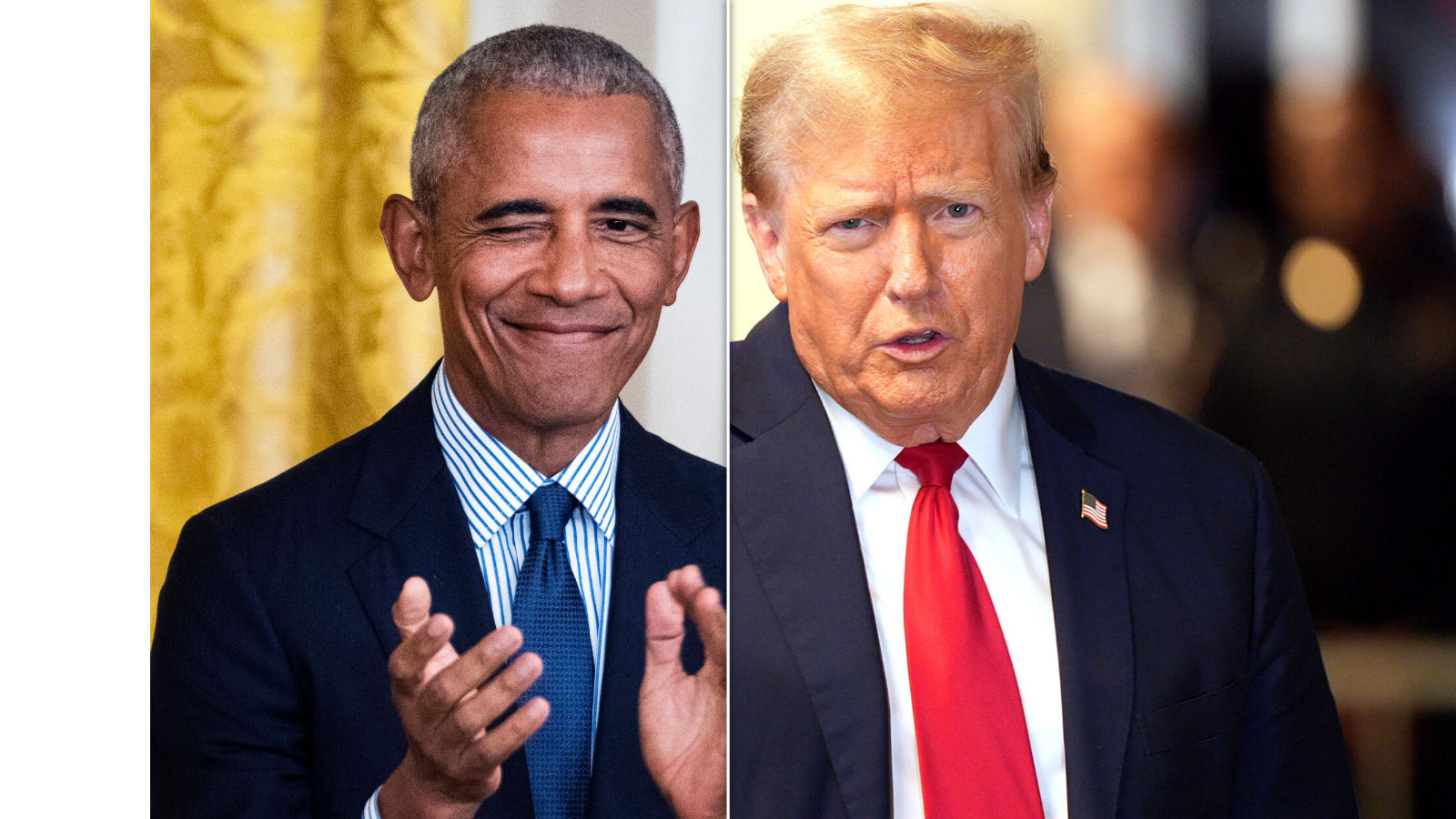
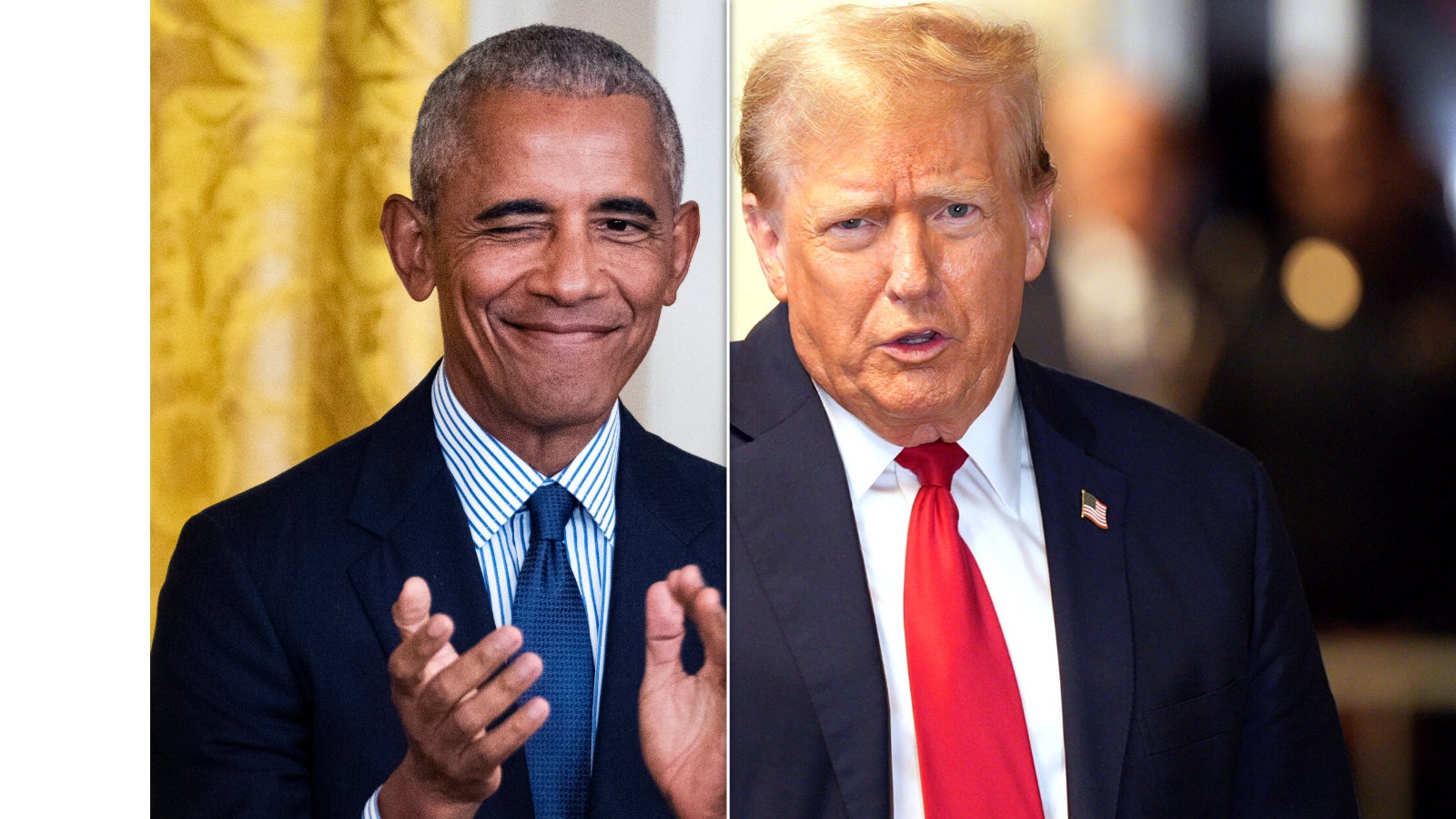
Former US President Barack Obama said fellow former President Donald Trump is “not considered a serious guy” in his hometown of New York.
Obama’s analysis of his four-times-indicted successor in the White House came during the latest episode of the Smartless podcast that is hosted by actors Jason Bateman, Will Arnett and Sean Hayes and was released on Monday. Obama appeared alongside President Joe Biden and former President Bill Clinton. They recorded the show in March.
Bateman asked Obama if he’d been surprised with how fast the “protection and passion for democracy was diluted” during Trump’s administration.
Obama admitted he was surprised at the lack of guardrails within the Republican Party that allowed Trump to take over the party.
But “Trump didn’t surprise me,” he said. “You watch Trump’s campaign, you watch his career, he’s never changed.”
“I mean, he comes from New York. There’s nobody in New York who does business with him or lend him money. He is not considered a serious guy here,” Obama added.
“So, I was surprised he was elected, but I wasn’t surprised in terms of his behavior,” said Obama. “I did expect […] there would be some folks in the Republican Party who would say, ‘No you can’t go that far, you can’t start praising [Russian President Vladimir] Putin and saying that his intelligence is better than the US intelligence agencies.’”
In February, Judge Arthur Engoron ordered Trump to pay $355 million (£283 million) in penalties after he was found guilty in a civil fraud trial in New York of overvaluing his company’s assets for years to secure loans and cut deals. Trump is currently attending his hush money trial in the city too.
Health secretary Victoria Atkins was skewered on live radio this morning over the Tories’ pledge to build 40 new hospitals.
The cabinet minister struggled to say how much progress the government was making towards its target.
Advertisement
Boris Johnson made the pledge to build the hospitals by 2030 in the run-up to the last general election.
On LBC this morning, presenter Nick Ferrari asked Atkins: “I know it was a number of years ago and I know it was under a previous leadership, but where are those 40 hospitals?”
The minister replied: “Well we are making progress and we will be opening, I think, four of these hospitals this year and there will be many other sites around the country.
“I’ve been to visit one or two of them that are not completed but very much rising out of the ground. Alongside that we have the programme of works to upgrade existing hospitals.”
Advertisement
But Ferrari hit back: “Of the 40, how many will be built by the time we come to a general election?”
A clearly-flustered Atkins said: “We’re opening four more this year, so depending on when the election is … we will have around four this year, we’ve already opened a few more.”
Asked precisely how many, the health secretary said: “Nick you’re doing this thing where you ask me to remember all the stats in my brain.”
Ferrari went on: “We know the general election will be held this year. I’m going to put it to you that you’ve delivered 10 of the 40, would that be about right?”
Atkins said: “In fairness, the programme of 40 was by 2030 because they are huge projects.”
Gareth Davies, head of the NAO, said: “The programme has innovative plans to standardise hospital construction, delivering efficiencies and quality improvements.
Advertisement
“However, by the definition the government used in 2020, it will now deliver 32 rather than 40 new hospitals by 2030.”
Warning: This article contains spoilers for Baby Reindeer.
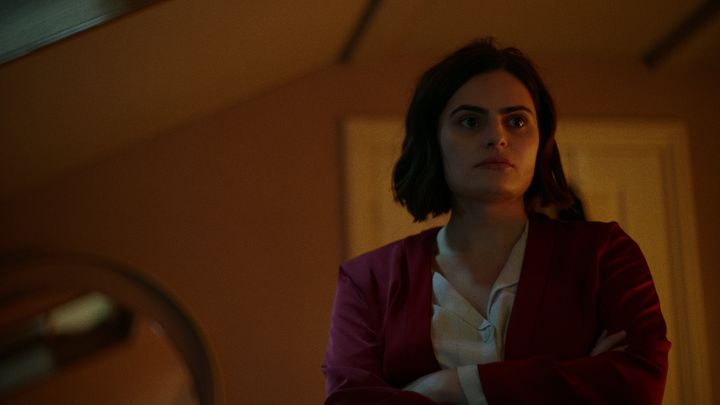
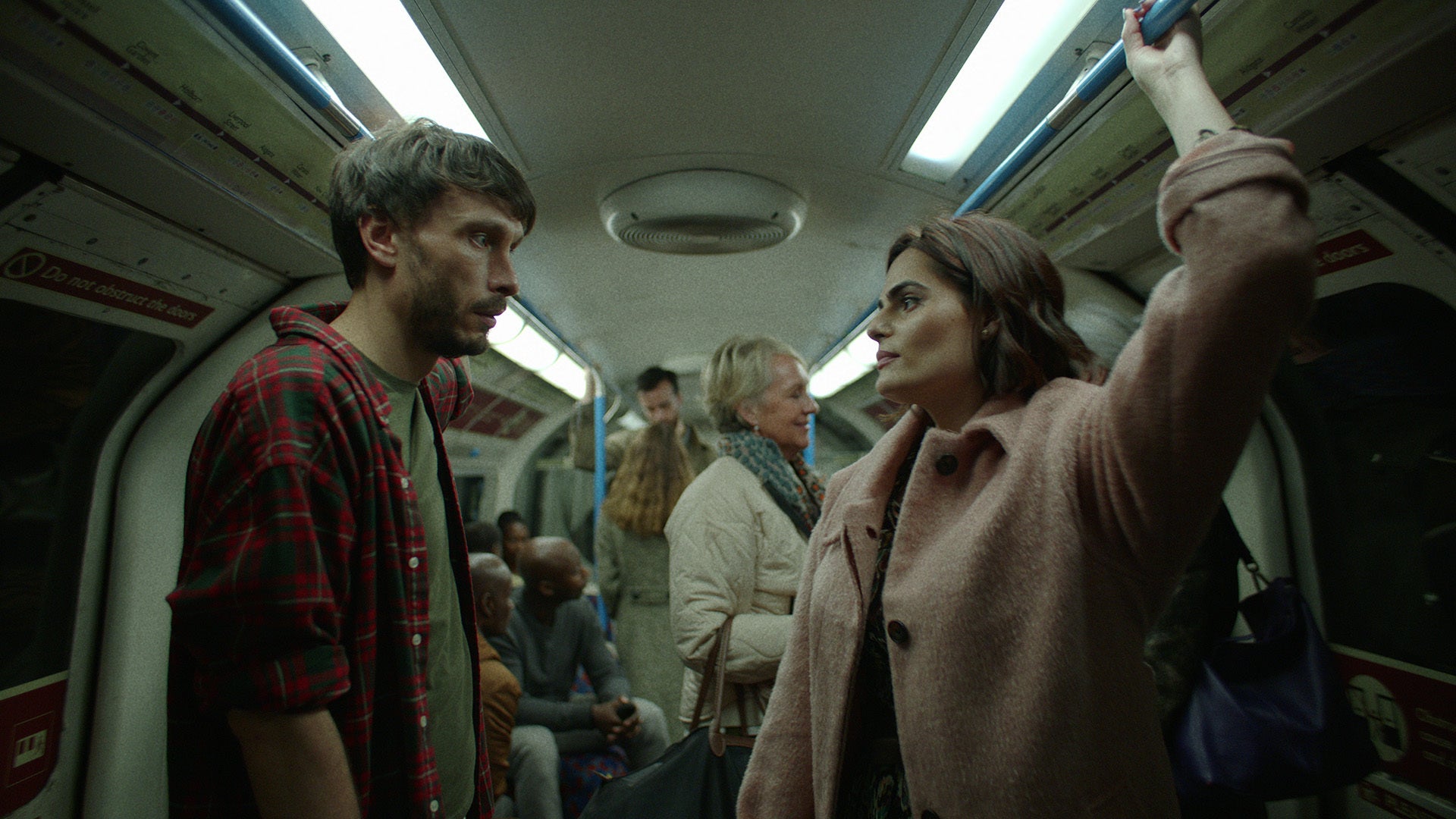
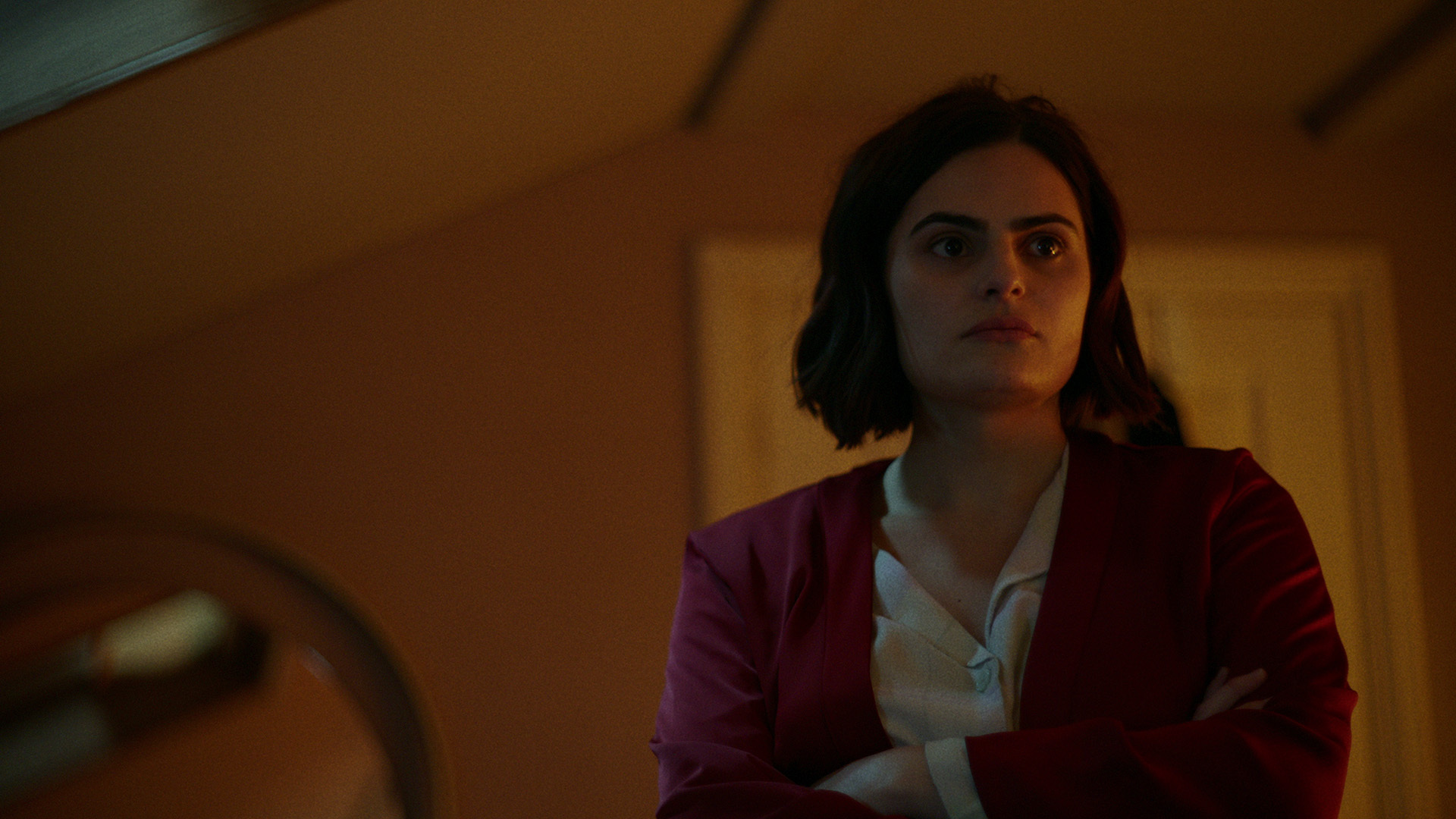
Baby Reindeer star Nava Mau has reflected on a deleted scene that would have revealed more information about one of the show’s central relationships.
Nava plays the lead character Donny’s girlfriend, Teri, in the hit Netflix miniseries, which has sparked plenty of conversation since it began streaming earlier this month.
Advertisement
During a recent interview with GQ magazine, the actor was asked about how things end between Donny and Teri, and whether she felt the former couple managed to get closure after their break-up.
“There actually was one more piece of Teri and Donny’s relationship in the script, and I performed it,” Nava explained.
“Teri leaves Donny a voicemail five months later. So I think, for me, I got closure because Teri did too.”
She continued: “That’s what gave me so much comfort, knowing that they found peace with regards to their relationship. Teri got her happy ending, you know? Teri found a new man, she didn’t lose her friends, she didn’t lose her job, she didn’t lose her smile. She’s good.
Advertisement
“And I think that is remarkable, because so often we’ve seen stories of trans people that end with them broken.”
“Richard has come out and asked people to stop trying to track down the real people who inspired the characters on the show, and I think for a very good reason,” she said.
“I think it is good to remind people that Richard really went through all of this – experiencing stalking and abuse from multiple people.
Advertisement
“It is very sensitive and there’s a reason why Richard had to seek protection from his stalker, so let’s not forget the stakes.”
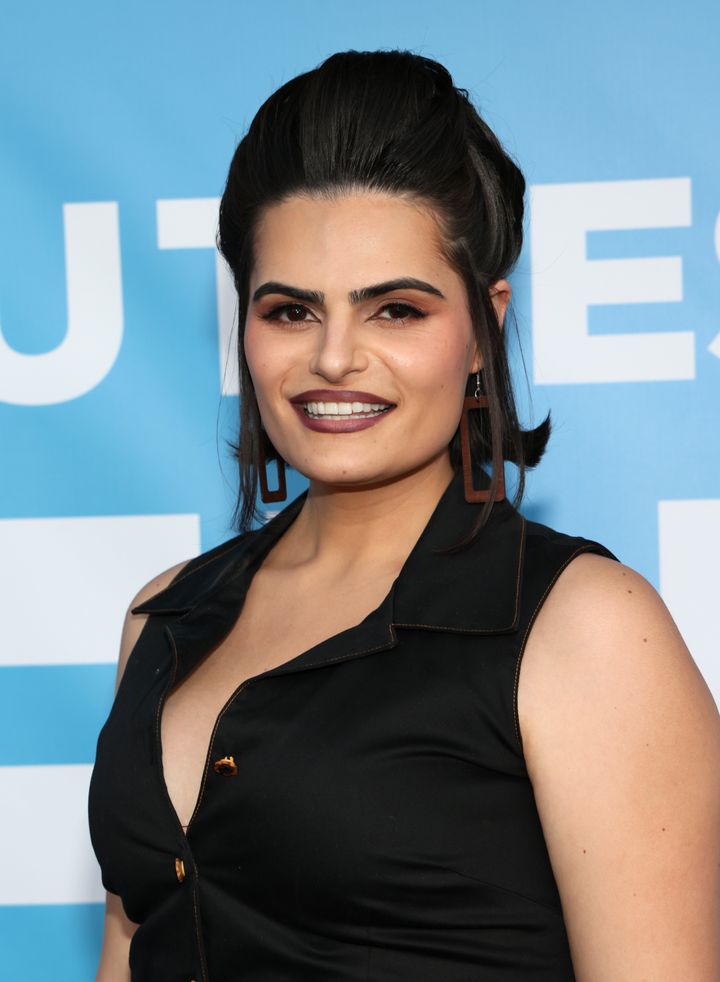
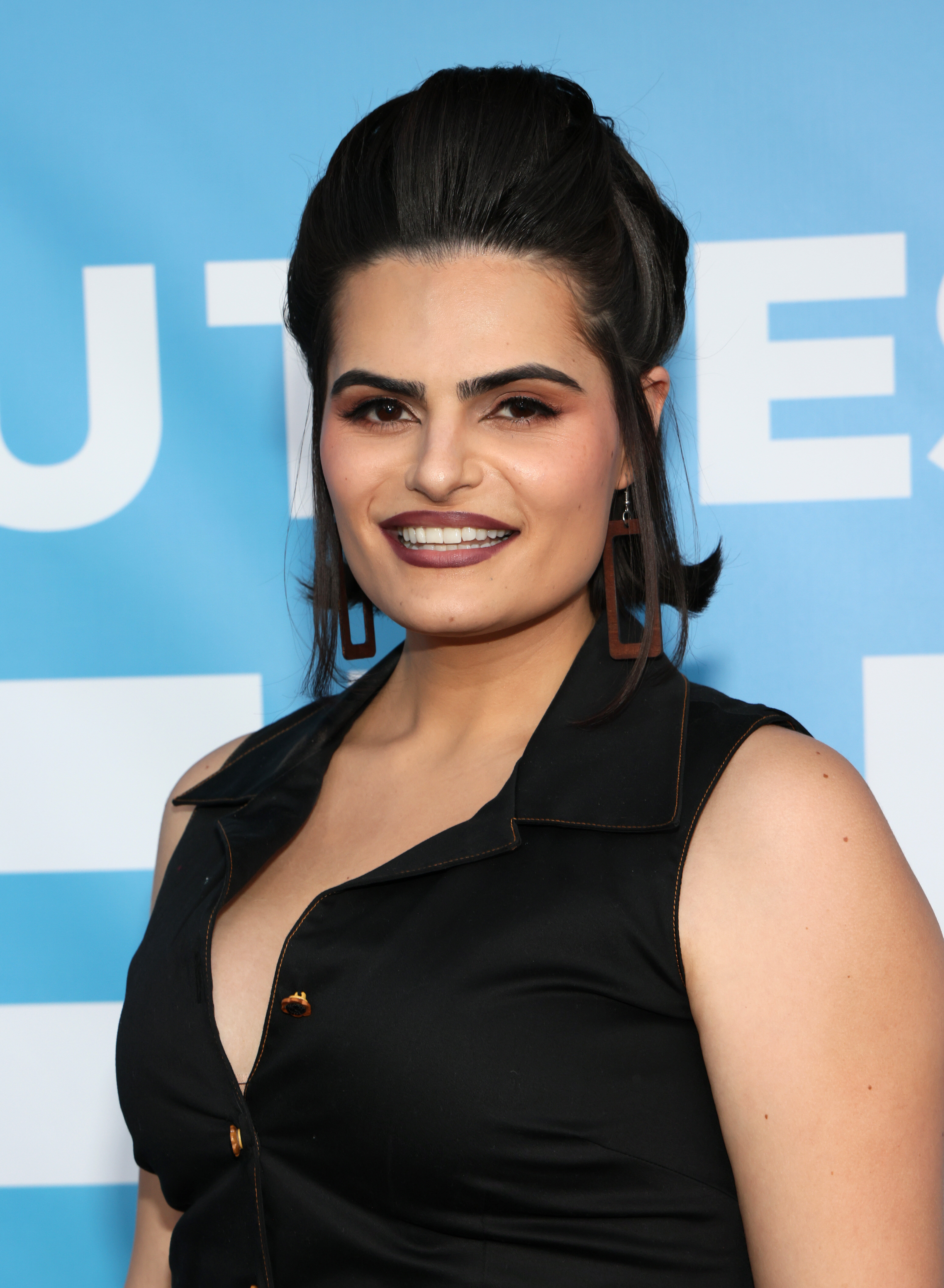
Nava Mau pictured in 2022
David Livingston via Getty Images
Nava added: “I think for his safety, and also just out of respect for everyone, it makes sense to ask people to [stop].”
Jessica said: “I would urge people not to be doing that. I think if that is happening, I think it’s a real, real shame, because it shows that they haven’t watched the show properly. That’s not the point of it in any way.”
When did “lol” become the equivalent of a punctuation mark for millennials?
Nick Russell, a millennial from Memphis, Tennessee, tacks “lol” onto texts to sidestep potentially awkward or loaded conversation.
“It’s the difference between texting ‘I think I love you’ to a crush versus ‘I think I love you, lol,‘” Russell said. “In the latter case, I could always rely on the old ‘just kidding!’”
Advertisement
“It helps lighten the internal tension I could be feeling about whatever I’m sending,” he added.
Rebecca Reynoso, a millennial from Chicago, deploys a breezy “lol” at the end of her work texts and chats to take the edge off any message. It’s a way to quickly establish tone; a “lol” tells her co-workers she’s “approachable” and “non-threatening.”
“It’s like a tension-breaking mechanism,” she told HuffPost.
It defuses the potential for hostility in personal relationships, too.“Could you wash the dishes, lol” to your spouse or roommate sounds a lot better than a coarse, curtly communicated, “Could you wash the dishes.” (If you hadn’t noticed, millennials and younger generations have killed off the question mark.)
“’Lol’ has been around for so long that its meaning evolved, like a Pokémon. And yet, it clearly belongs to the digital realm that some people still find confusing.”
– Daria Bahtina, a linguistics lecturer at the University of California, Los Angeles
Alex Liggett, a millennial from Pittsburgh, likens millennials’ “lol” overuse to “a scream at the state of the world.”
Advertisement
“My default mode is to feel that what I have to say isn’t important, so it’s also sort of a great eraser,” he said. “But I’ve transitioned to ‘haha’ instead of ‘lol’ because I read that ‘lol’ is millennial-coded.”
Let Gen Z and Gen Alpha scoff at “lol” all they want. Most millennials say if you want to take their “lol,” you’ll have to pry it from their cold, dead hands.
“Tone is just so hard to convey through text otherwise,” said Kashif Pasta, a director and writer who’s a millennial.
Too many emojis in texts can make you look unhinged. But you also don’t want to look like an ice queen. Even a simple, straightforward period at the end of a sentence feels too stern, Pasta said.
“In real-life conversations, we’d smile, subtly chuckle or laugh in moments that aren’t technically funny at all,” he said. “With ‘lol,’ we’re just going, ‘Hey … you’re safe.’”
Advertisement
The way Pasta sees it, millennials, those born between 1981 and 1996, are like the pilot generation for text and online messaging, having gone from an internet-free existence to an internet-centric one — and “lol” has been with them for most of that shift.
“We’re the exact right age to think of email as a proxy for physical mail and texting as a proxy for phone calls or in-person conversations,” he said. “We learned to text on T9 phones with texts that cost money and had character limits, so space was at a premium and we had to convey context as efficiently as possible.”
Daria Bahtina, a linguistics lecturer at the University of California, Los Angeles, thinks “lol” is a true linguistic chameleon ― and used a truly millennial comparison to make her point.
“It’s been around for so long that its meaning evolved, like a Pokémon,” Bahtina told HuffPost. “And yet ‘lol’ clearly belongs to the digital realm that some people still find confusing.”
It started out as “laugh out loud,” but it’s long since transmogrified into a mark of humility and self-deprecation: “Don’t take this — or me — too seriously. I sure don’t.”
Advertisement
“For millennials, it’s a way to either make a neutral message warmer and more casual or a way to make a more negative message polite,” Bahtina said. “It’s like hedging or minimising a request with ‘no biggie if you disagree.’”
Images By Tang Ming Tung via Getty Images
Interestingly, every once in a while, “lol” is explicitly passive-aggressive.
In more academic terms, “lol” is what linguists like to call a discourse marker, said Anna-Marie Sprenger, a Ph.D. candidate in linguistics at the University of Chicago.
“A discourse marker is a little word or phrase that helps organise a thought or a chunk of conversation in a way that indicates the sort of ‘flavour’ of how the speaker or writer wants that bit of language interpreted by their interlocutor,” Sprenger told HuffPost.
In the English language, these can be cute interjections: “oh,” “well,” “so,” “you know” and “I mean.”
Advertisement
Interestingly, every once in a while, “lol” is explicitly passive-aggressive.
“For one project at UCLA, students observed that there’s been a mild increase of ‘lol’ as passive aggression,” Bahtina said. “They noticed more passive-aggressive tweets carrying ‘lol’ at the end rather than at the beginning or end of a sentence.”
Here’s why therapists think millennials cling so hard to ‘lol’
Now that we’ve gotten the linguistic breakdown, let’s delve deeper into the millennial psyche: What does it mean for a generation to feel so obligated to be self-deprecating and good-humoured all the time? Are theyOK?
“I think using ‘lol’ after a sentence is a way to laugh things off when you fear burdening others, which is such a prominent worry of our generation,” said Lindsey Gallop, a therapist at CZ Therapy Group in Denver.
Jordan Kurtz, also at CZ Therapy Group, looks at “lol” as a way to get some distance between yourself and any knotty emotional content. Vulnerability is scary, especially over text.
“It’s the difference between ‘I’m having a hard day today’ and ‘I’m having a hard day today, lol,’” Kurtz said. “With the former, personal struggle is allowed to have gravity.”
Advertisement
Maya Nehru, a millennial marriage and family therapist in Los Angeles, said she’s noticed two common, generational themes that might be driving “lol” overuse: the fear of loss and the anxiety around being judged and culturally cast off.
“We millennials have lived through a period of enormous change and disruption on many levels. It’s what defines us, and with change comes loss to some degree,” Nehru said. “Perhaps adding ‘lol’ to texts is the millennial’s way of protecting themselves from potential loss ― maybe we’re trying to save face.”
Plus, millennials have grown up alongside social media, where criticism and judgment are rampant and the potential to be dragged is ever present.
“I think the ‘lol’ is a behaviour that subconsciously eases our anxiety around being liked, belonging and maintaining our sense of self,” Nehru said.
Luis Alvarez via Getty Images
“I think the ‘lol’ is a behaviour that subconsciously eases our anxiety around being liked, belonging and maintaining our sense of self,” Maya Nehru said. She is a marriage and family therapist in Los Angeles who primarily works with millennials.
Advertisement
Women are probably more likely to use it, too, said Kelly McKenna, a therapist in New York City.
“Many millennials, especially women, are constantly worrying about other people’s feelings and trying to manage other people’s reactions to anything they say or do,” she said. “By adding ‘lol,’ it helps lighten the mood and hopefully reduces the risk you might upset someone by communicating assertively.”
Whatever the reasons for the “lol” reflex, linguists say it’s impressive how much heavy lifting those three little letters do.
Earlier generations might have considered digital communication as a “lean media” — insufficient for conveying the depth of our thoughts and feelings and lacking the warmth of face-to-face communications ― but Bahtina said that millennials “have long defied this notion.”
“Younger generations are so adept at using a dynamic mix of punctuation, capitalization, creative respellings, special symbols, abbreviations and emojis,” she said. “Millennials found a way to transport the richness of human expression into the realm of texts and tweets, crafting a language that is just as expressive and nuanced as face-to-face conversation.”
Sign up and we’ll email you a weekly dose of parenting stories, covering everything from pregnancy and birth, to babies and toddlers. We’re in this together.
Successfully Signed Up!
Realness delivered to your inbox
By entering your email and clicking Sign Up, you’re agreeing to let us send you customized marketing messages about us and our advertising partners. You are also agreeing to our Terms of Service and Privacy Policy.
We love the internet. Whether we’re placing insomnia-fuelled eBay bids on action figures from our childhoods, emailing the latest Taylor Swift conspiracy theory to our best friend, or just paying our electric bill, being online makes our lives more fun, more connected and a whole lot easier.
Unfortunately, there are countless creeps who love that we love the internet — and who would love to swipe our personal information. Last year saw a record-breaking number of data breaches, which increased 20% between 2022 and 2023, so, if we’re going to live digitally (and how can we not?), we need to be vigilant about protecting our privacy.
Advertisement
We can start locking down our information by looking at how secure the internet in our own homes is.
“You will probably not be shocked to hear that we’re the problem on this one,” Alysa Hutnik, a privacy lawyer with Kelley, Drye & Warren LLP in Washington, D.C., told us — Raj Punjabi and Noah Michelson, hosts of HuffPost’s “Am I Doing It Wrong?” podcast. “It’s usually human error in how you set it up and how you manage your Wi-Fi.”
Listen to the full episode by pressing play, and discover tons of tips and tricks for keeping your online privacy protected:
The first thing Hutnik advised we immediately do is check our router settings.
“You get it out of the box — don’t leave yourself with the default factory settings because guess what? Those are public, right?” she warned. “It’s really easy for hackers to get into. You’re able to change those factory settings, including your password, and so setting up a really strong password and not having the default is super important.”
Advertisement
Next, we want to ensure we’re using encrypted settings.
“Usually somewhere in [your settings], there’s [an option to choose] “WPA,” or Wireless Protected Access,” she said. “You can just enable that, and that’s essentially like, you’re not leaving your front door open, right? You wouldn’t do that in real life.”
Hutnik recommended that checking our settings doesn’t stop at our routers.
“Anytime you’re buying technology, go to settings,” she said. “Usually there’s a privacy option and a security option … spend 60 seconds just exploring what those options are. Companies are getting so much better — we’ve got a whole lot of new [privacy] laws — so they are offering new options. [These protective settings] may not be default, but you can certainly turn them on.”
Hutnik had loads of other potent privacy tips, including this one that takes only a second.
“[I am] paranoid as a privacy lawyer,” Hutnik told us. “I like to keep [my webcam] covered if I’m not intentionally using it. There is potential of malware where your device can be taken over [and hackers could use your camera to see into your home].”
She covers her cam with a Post-it note or a sticker when it’s not in use, and if she’s done working on her laptop, she always closes it.
“These are just things to think about — again, you’re mitigating risk. It doesn’t mean that you are going to get hacked, but I would rather somebody not see into my room if I can avoid it.”
Advertisement
We also discussed how to make your passwords the strongest they can be, which setting on her phone she almost always turns off, and much more. So listen to the full episode above or wherever you get your podcasts.
Need some help with something you’ve been doing wrong? Email us at AmIDoingItWrong@HuffPost.com, and we might investigate the topic in an upcoming episode.
The Sky News presenter delivered the stark warning as he challenged the prime minister to either quit or call a general election for July.
Advertisement
The pair clashed as rebel Conservative MPs ponder whether to try to oust the PM before the country goes to the polls.
Experts predict that the Tories will lose up to 500 council seats on Thursday, while the futures of high-profile mayors Ben Houchen and Andy Street hang in the balance.
Phillips told Sunak: “You are going to get a drubbing at the local elections.
“How many seats do you have to lose before you accept that the people have lost confidence in you? And it’s time either for you to stand down or to call a general election.”
In response, the PM repeatedly refused to rule out a July general election.
“When it comes to a general election, I’ve been very clear about that multiple times,” he said.
In January, Sunak said his “working assumption” was that it would take place in the second half of the year.
Advertisement
Phillips said: “Second half of this year could be July.”
The PM replied: “I’m not going to say anything more than I’ve already said, I’ve been very clear about that.”
The presenter told him: “I just need to know when to book my holidays. July is possible?”
But Sunak said: “Actually, Trevor, it’s more important than your holiday or anyone’s holiday. I’ve got a job to do which is delivering for the country.”
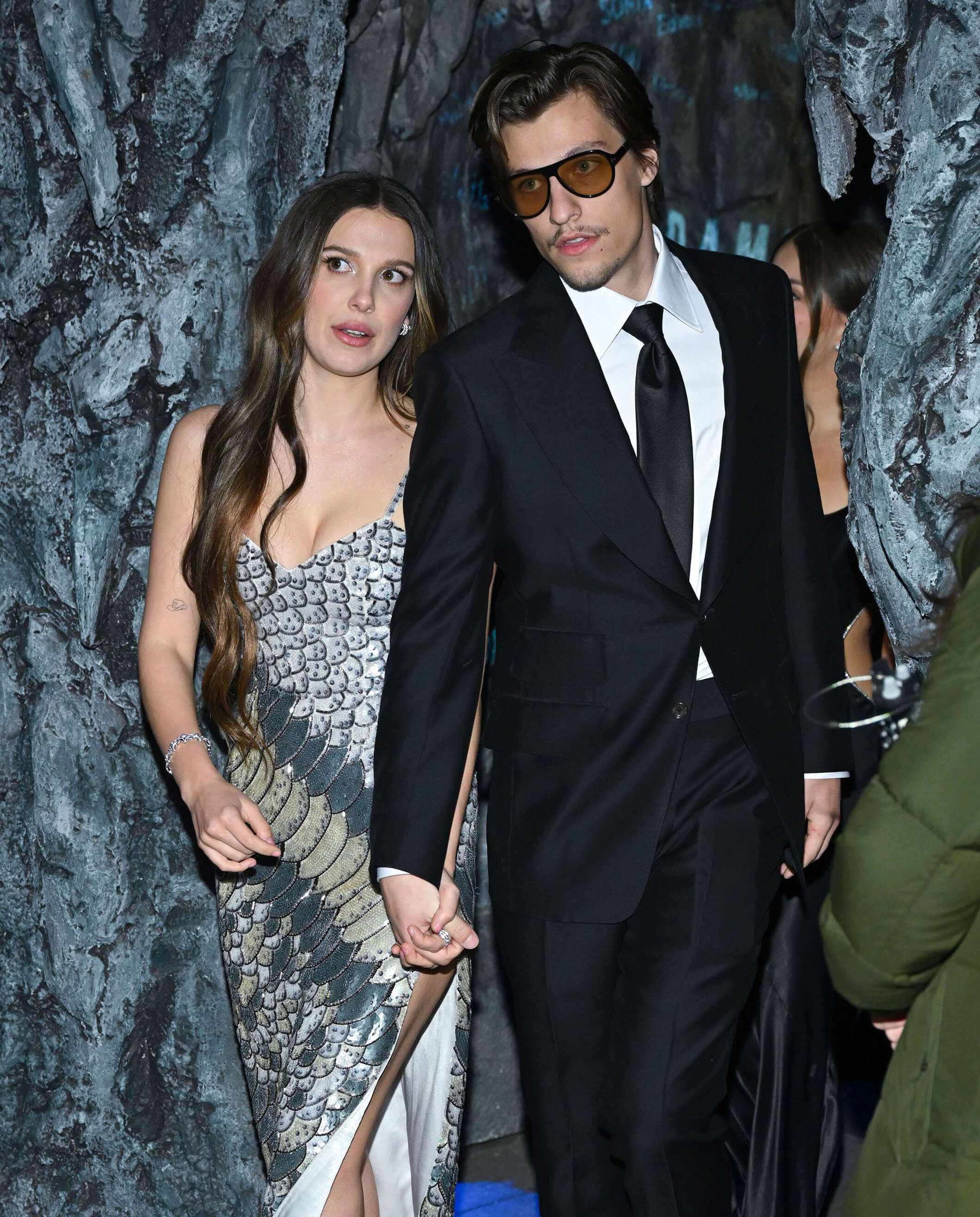
In a recent BBC Radio 1 interview that went viral this week, the British star shared that she just discovered a brand new “ick” — or a turnoff — thanks to her fiancé, model Jake Bongiovi.
“This morning I was on a flight with my fiancé, and he got a nosebleed,” she said. “And I got the ick.”
Advertisement
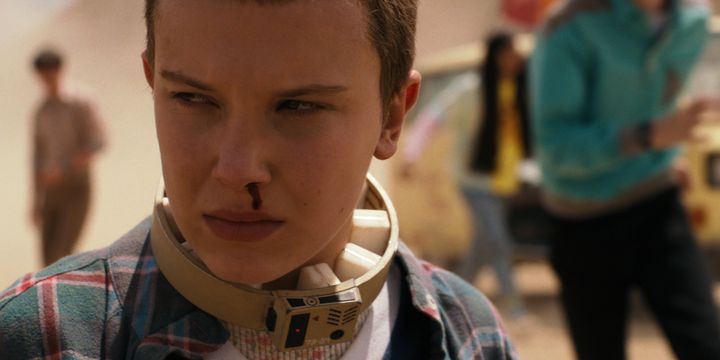
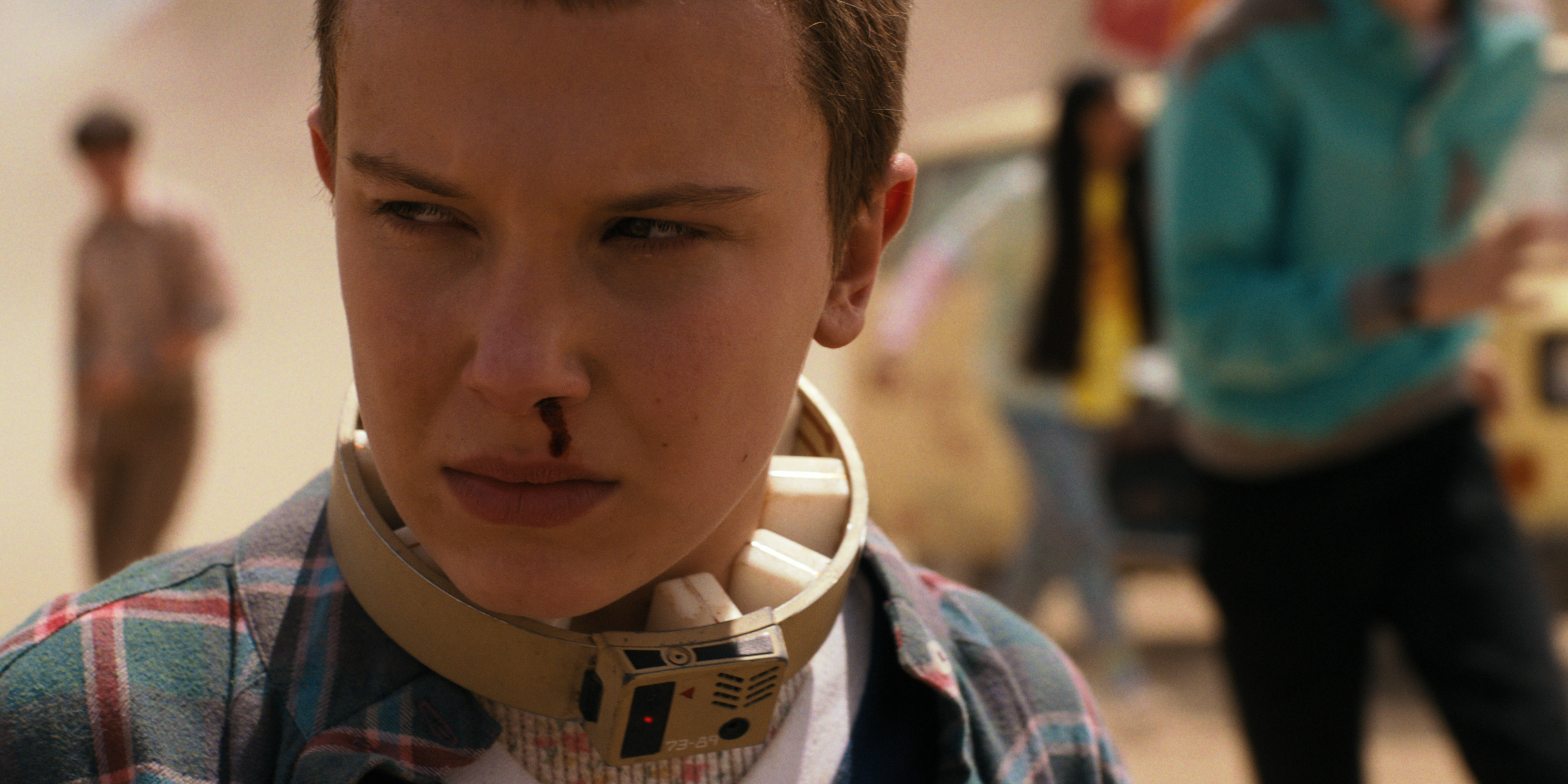
While explaining why she found this so unappealing, she cleverly referred to her famous Stranger Things character, Eleven, who gets nosebleeds when she uses her telekinetic and telepathic abilities.
Millie Bobby Brown appears as Eleven in “Stranger Things.”
Courtesy of Netflix
“Do you know why? One, because he just got a nosebleed at the most inconvenient time,” she said. “We just landed. The seat belt sign was still on. ’He’s doing an Eleven’. I’m like, ‘Calm down.’
“Two, he’s acting as if it’s painful, and I’m like, ‘It’s not painful’.”
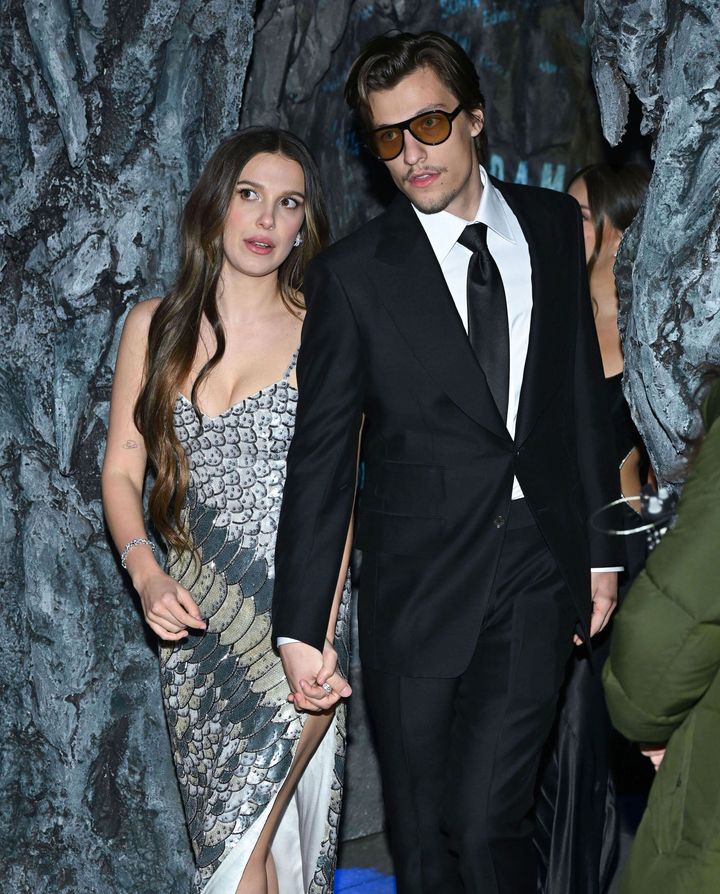
Brown and Jake Bongiovi are seen on March 1, 2024, in New York City.
NDZ/Star Max via Getty Images
Advertisement
This is not the first time that Millie has discussed her personal icks — and there seem to be quite a few things that she finds unsavoury.
Earlier in the BBC Radio 1 interview, she said that men holding umbrellas give her the ick.
“There’s something about it that just feels really pathetic,” she explained. “I tried to get on board with it. I did try.”
“I do not take pictures of my meals. That is where I draw the line,” she told the magazine at the time.
“My camera does not eat first. I think it’s just ridiculous. Put your phone down, eat your meal. … Never have I ever taken a picture of my food or drink. Cringe!”