Holidays are expensive enough as it is. While you can circumvent the guilt of splashing out more than you wanted to on flights by booking just far enough in advance, your bank account will inevitably feel the strain of your spending habits as soon as you touch down at your destination.
The last thing you need on top of that is a notification from your phone provider saying you’ve spend £25 a day on data roaming. Shudder.
Personally, I avoid Monzo’s travel summary like the plague, so the idea of having to stomach that notification and then being slapped across the face by my phone bill is almost hellish.
Luckily, we’ve evolved past the need to fear not being able to find WiFi abroad. So you don’t have to turn your data off every time you finish doomscrolling on Instagram for fears you’ll run out of data and not be able to find your way home (not speaking from experience or anything) Holafly offers unlimited data through an easy to install, no hidden fees eSIM.
Remember the good ol’ days when you had to spend hours fucking about trying to get a tiny travel sim out of its holder and into your phone every time you moved between countries?
Yeah, well that’s now a thing of the past, because all you have to do to access unlimited streaming and scrolling is download the Holafly app on your phone.
From there, it takes a mere few minutes to buy an eSIM for foolproof internet connectivity in over 200 countries.
Once you’ve downloaded the app (which is available on Android or Apple, FYI) all you have to do is choose the plan you want.
If you’re currently travelling the world, you can opt for an unlimited plan for just £50.95 a month (less than my actual phone bill, TBH), which offers you unlimited data and hotspot, a local phone number, and can be used in any of the app’s compatible countries.
Or, if you’re going on a shorter, last-minute Euro holiday, you can choose the number of days you’re travelling for so that you can keep your number and simply make the use of its unlimited data for the exact number of days you’re travelling.
I just went on holiday to Greece for five days, and it cost me just £16 for unlimited data for my whole trip. Considering I wasn’t sure if I’d have WiFi at my Airbnb, that was well worth my peace of mind.
Not to mention, I had to fly back early due to unforeseen circumstances, and it was just as easy to request a refund for the days of data I didn’t need as it was to set it up.
I know this sounds ridiculous, but all I wanted was to lie on a beach and listen to a podcast or stream music without worrying about the data not working, and I had no connectivity issues while I was away.
Holafly also doesn’t contribute to environmental waste, as an eSIM doesn’t require you to throw away those ridiculous empty squares of plastic once you’ve installed it. Simple!
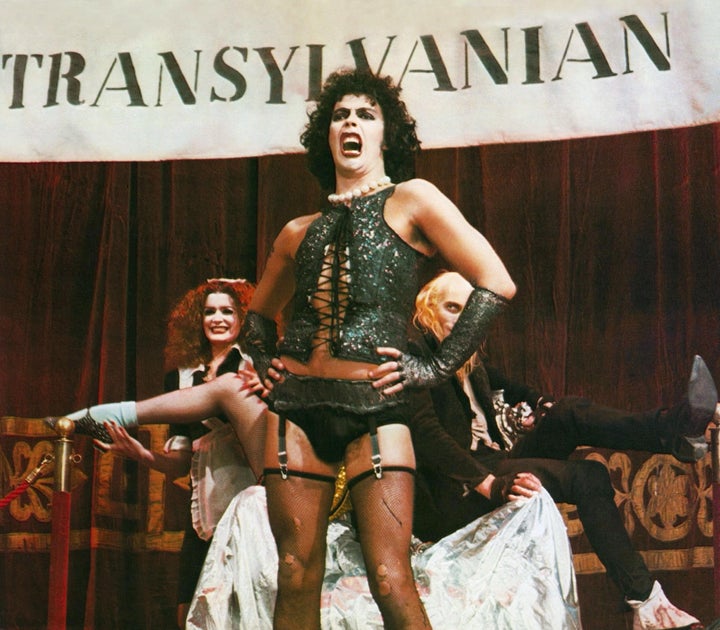
Tim Curry has sadly passed away at aged 80. He was a cinematic legend and undoubtedly most people will know him from his role in the iconic Rocky Horror Picture Show, a movie that shaped generations to come.
During an interview with CBS Sunday Morning to celebrate the film’s 50th anniversary, Tim revealed that he met the Princess Of Wales and her then-husband King Charles after a show he’d performed in at the Royal National Theatre.
While the future king enquired if Tim had been on television, Diana didn’t have to – as she instantly knew him from the 1975 musical movie.
The Clue actor admitted he was surprised the royal would know about the cult classic, telling her: “I don’t suppose you saw it.”
Advertisement
“Of course I did,” she apparently responded, quipping: “It quite completed my education.”
Tim had previously spoken to the Fresh Air radio show about his royal encounter during an interview from earlier this year.
He explained that Diana had requested to meet him after he performed in a production of Love For Love in Vienna, where she and Charles were guests of honour.
Advertisement
“She was a very funny girl, and a very beautiful one, and sort of the – a very wicked smile came with that sentence,” he recalled. “She was great fun.”
Tim then revealed that Princess Margaret had also been to see the Rocky Horror theatre show in the early 70s before it was adapted for the big screen, and “had a wonderful time”.
Elsewhere in his CBS interview, Tim said the enduring appeal of the movie musical was that it permits people to “say the stuff they always wanted to say”.
Advertisement
Tim Curry as Frank-N-Furter in The Rocky Horror Picture Show
20th Century Fox/Michael White Prods/Kobal/Shutterstock
The Rocky Horror Picture Show first began as a stage musical created by Richard O’Brien. While the theatre show was a word-of-mouth hit, the 1975 film adaptation was met with poor reviews and was a box office bomb.
However, thanks to its cult following and midnight screenings, The Rocky Horror Picture Show has become the longest-running theatrical release in history, with showings happening worldwide for five decades.
Advertisement
The camp classic is still parodied, revered and homaged to this day, with Sabrina Carpenter being the latest star to give a nod to the film in her Tears music video.
A documentary about The Rocky Horror Show, entitled Strange Journey, premiered at the SXSW festival earlier this year, directed by Richard O’Brien’s son Linus.
Music legend Dolly Parton has died at the age of 80.
A pioneer in the world of country music, Dolly was best known for her cross-generational hits including I Will Always Love You, 9 To 5 and Jolene.
On Tuesday evening, her nephew Bryan Seaver announced the news of the Grammy winner’s death in a video message posted on social media, explaining that this was “something Dolly asked of me years ago, before I fully absorbed it as a future reality”.
Advertisement
“As her head of security for more than two decades, a role my father Larry held before me, I have imagined the heaviness of this moment, but haven’t truly felt it until now,” he shared.
“Sadness lies with us, not with Dolly,” he continued. “Dolly lived in the light and is in the arms of Jesus, surely.”
Advertisement
Her team later released a lengthier statement, celebrating the accolades she achieved in life.
“Global icon and humanitarian, Dolly Parton, known to the world as a beloved singer, songwriter, philanthropist, actress, playwright and author died peacefully today in Nashville, Tennessee,” they said. “She was 80 years old.
“A rhinestone life that shone bright enough for the world to see, Dolly will forever stand as an inspiration not only through her timeless music and prolific songwriting, but also her wit, warmth, and kindness that made us all feel like family,” the statement continued.
“Dolly Parton’s legacy is one of love, compassion, and resilience. With a seven-decade career, she inspired multiple generations of artists and fans with her music and an unwavering commitment to making the world a better place.
Advertisement
“Her songs will continue to resonate with people of all ages, and her philanthropic work will have a lasting impact.”
Dolly began her recording career in the late 1960s, releasing her debut album Hello I’m Dolly in 1967, including what would go on to become one of her early signature songs Dumb Blonde, showcasing the artist’s trademark wit with lyrics like: “Just ’cos I’m blonde, don’t think I’m dumb, ’cos this dumb blonde ain’t nobody’s fool.”
Advertisement
Dolly Parton pictured in 1977
via Associated Press
Over the course of her time in the public eye, she released a staggering 49 albums, most recently 2023’s Rockstar, which preceded her introduction to the Rock And Roll Hall Of Fame.
She was also a 12-time Grammy winner, and performed in Glastonbury’s famous “Legends” slot back in 2014, where the set included her self-penned offerings Baby I’m Burnin’, Why’d You Come in Here Lookin’ Like That, Coat Of Many Colours and Here You Come Again.
Advertisement
Outside of her music career, Dolly was also an actor, appearing in the likes of Steel Magnolias, The Best Little Whorehouse In Texas, 9 To 5 (for which she wrote the theme song) and the TV series Hannah Montana, sharing the screen with her goddaughter, Miley Cyrus.
Since 1964, these screenings have been done through smear tests in the UK, in which a “soft brush” is inserted into a person’s cervix to collect cells.
Advertisement
But one in three eligible women don’t take up invitations for “smear” tests, the NHS said.
The health service’s national clinical director for women’s health, Sue Mann, said: “There are lots of reasons that may stop women from getting their cervical screening – embarrassment, lack of time, or worries about discomfort.”
So, they have started to roll out a new “life-saving” at-home kit for millions of women.
Here’s all you need to know:
What is the new NHS at-home HPV test?
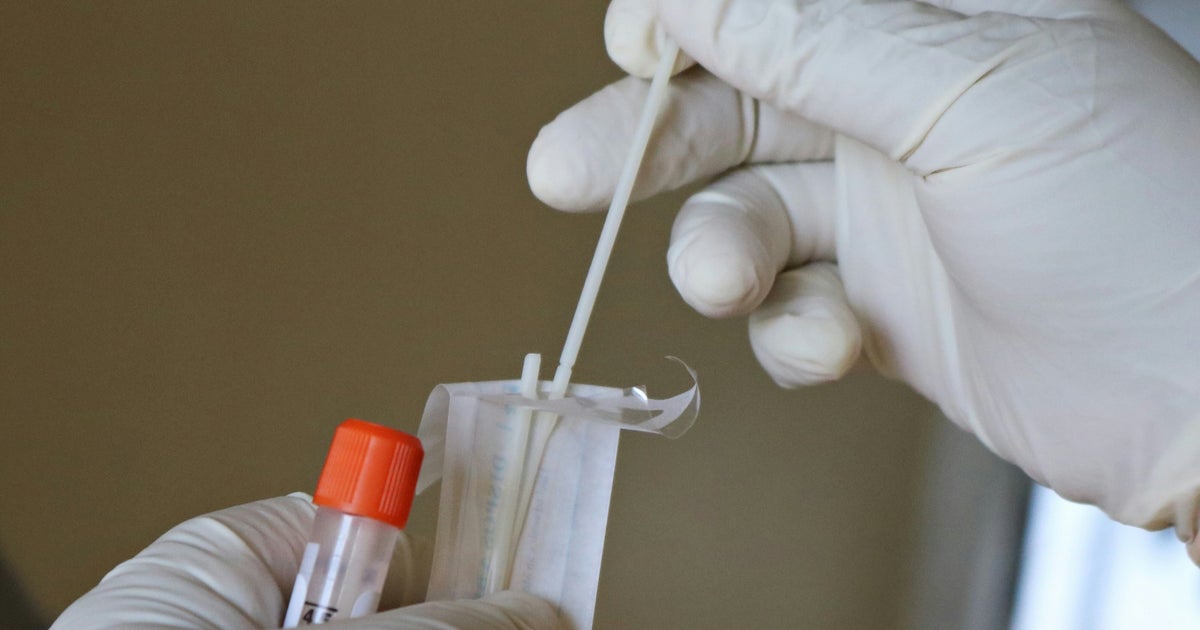
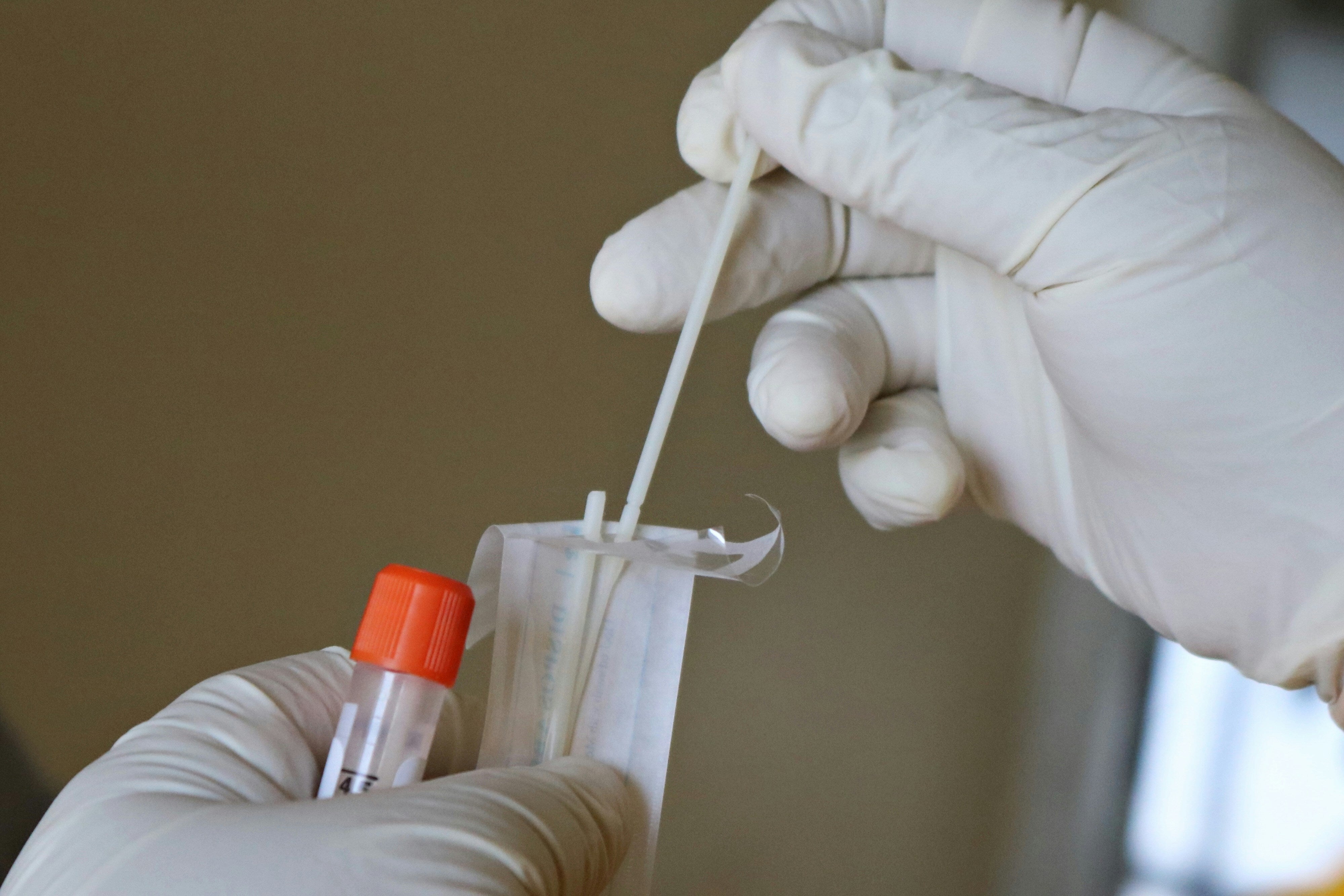
It contains a long cotton swab, which is used to collect a sample from a person’s vagina. This is then sent back to the NHS for free, where experts will look for the presence of high-risk human papillomavirus (HPV).
If high-risk HPV is detected, the patient will be asked to visit their GP for a cervical screening. This process will gather cells to check for abnormal growth.
The NHS said that in-person screens are still the best way to detect cervical cancer (these appointments check for HPV, but also include cell samples).
However, given that “millions” of women miss their appointments, Mann said: “Offering… an alternative test they can do from the comfort of their own homes will be a gamechanger – making it easier than ever for them to get tested for HPV.”
Advertisement
Who’s eligible for the NHS at-home HPV tests?
The program is invitation-only and is being rolled out at different rates across the UK.
It’s currently for women aged 30-65 who’ve missed their last cervical screening. Women are usually asked to have a cervical screening every five years starting from 24, with more frequent appointments usually scheduled if they have HPV.
“If you’re invited to take part, please order a test – it’s a simple swab you can do at home in minutes,” Mann beseeched women.
Immediately after the news about The Gentlemen’s future, the streaming giant confirmed that it was greenlighting returns for a string of hit shows – including a few updates that fans have waiting a long time for.
Advertisement
Here’s a quick round-up of all the series that Netflix teased comebacks for as part of Monday’s mass announcement…
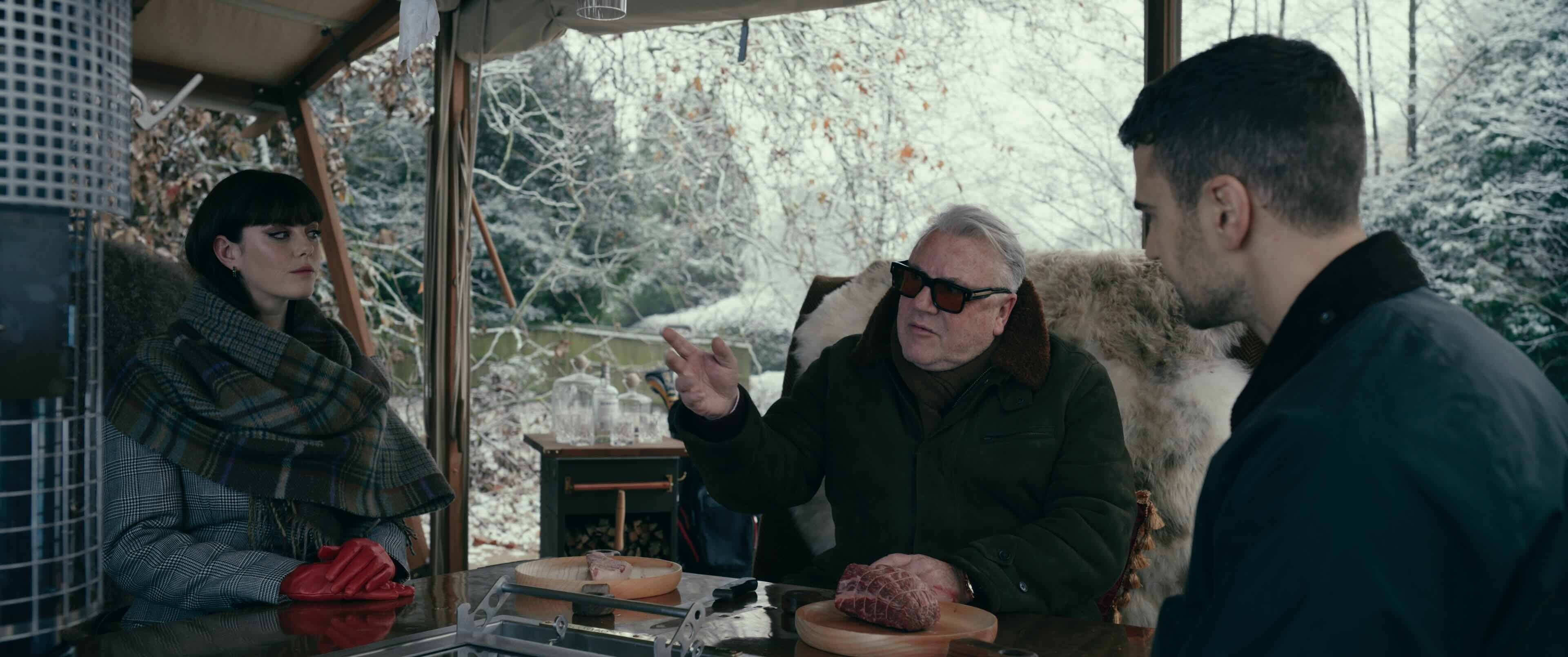
House Of Guinness will get a season 2
James Norton, Louis Partridge and Anthony Boyle in House Of Guinness
Steven Knight told Netflix’s Tudum: “It was such a joy to bring the Guinness story to the screen, so I’m beyond thrilled to be continuing the story of one of the world’s greatest dynasties into season two.
Advertisement
“I can’t wait to dive deeper into these characters and their complex relationships as they expand the Guinness empire […] there’s so much more to find out about them. We’ll see how they grow up because House Of Guinness is about a family growing up together.
“Even in season one, they change quite a bit. In season two, it will be interesting to see what changes and what stays the same.”
Legends
Tom Burke, Jasmine Blackborow, Steve Coogan, Aml Ameen and Hayley Squires on the set of Legends
Advertisement
Speculation about whether Legends would get a season two – and how exactly that might work – has been rife ever since the show premiered back in May.
Helmed by The Gold creator Neil Forsyth and led by a sprawling all-star cast that includes Steve Coogan and Tom Burke, the six-part series was a hit with viewers, presenting a dramatic retelling of a real-life British heist that took place in the early 1990s.
Because it was inspired by true events, some wondered exactly how a second season of Legends would work, but Netflix has now revealed that we’re about to find out.
Advertisement
Neil Forsyth enthused: ““I’m delighted to have the opportunity to tell a new story in the fascinating and unique world that Legends offers, and to show just how dangerous, thrilling, and important their work became in the late 1990s.”
Meanwhile, Netflix has teased that the new episodes will see “the unlikely team” being “drawn back into the world of undercover maneuvering, with the outside world none the wiser”.
","type":"video","meta":{"author":"Netflix","author_url":"https://www.youtube.com/channel/UCWOA1ZGywLbqmigxE4Qlvuw","cache_age":86400,"description":"Lose your mind. Lose your reality. The Emmy Award winning series returns with six new stories. Nothing is as it seems.\n\nWatch on Netflix: https://www.netflix.com/title/81651202\n\nAbout Netflix:\nNetflix is one of the world’s leading entertainment services, with 300 million paid memberships in over 190 countries enjoying TV series, films and games across a wide variety of genres and languages. Members can play, pause and resume watching as much as they want, anytime, anywhere, and can change their plans at any time.\n\nBlack Mirror: Season 7 | Official Trailer | Netflix\nhttps://www.youtube.com/@Netflix","options":{"_cc_load_policy":{"label":"Closed captions","value":false},"_end":{"label":"End on","placeholder":"ex.: 11, 1m10s","value":""},"_start":{"label":"Start from","placeholder":"ex.: 11, 1m10s","value":""}},"provider_name":"YouTube","thumbnail_height":720,"thumbnail_url":"https://i.ytimg.com/vi/1iqra1ojEvM/maxresdefault.jpg","thumbnail_width":1280,"title":"Black Mirror: Season 7 | Official Trailer | Netflix","type":"video","url":"https://www.youtube.com/watch?v=1iqra1ojEvM","version":"1.0"},"flags":[],"enhancements":{},"fullBleed":false,"options":{"theme":"news","device":"desktop","editionInfo":{"id":"uk","name":"U.K.","link":"https://www.huffingtonpost.co.uk","locale":"en_GB"},"originalEdition":"uk","isMapi":false,"isAmp":false,"isMobile":false,"isAdsFree":false,"isVideoEntry":false,"isEntry":true,"isMt":false,"entryId":"6a8d9af4e4b07583705b6335","entryPermalink":"https://www.huffingtonpost.co.uk/entry/house-guinness-legends-new-seasons-netflix_uk_6a8d9af4e4b07583705b6335","entryTagsList":"we-love-tv,netflix,black-mirror,house-of-guinness,legends,supacell","sectionSlug":"entertainment","deptSlug":null,"sectionRedirectUrl":null,"subcategories":"","isWide":false,"isShopping":false,"headerOverride":null,"noVideoAds":false,"disableFloat":false,"isNative":false,"commercialVideo":{"provider":"custom","site_and_category":"uk.entertainment","package":null},"isHighline":false,"vidibleConfigValues":{"cid":"60afc140cf94592c45d7390c","disabledWithMapiEntries":false,"overrides":{"all":"60b8e525cdd90620331baaf4"},"whitelisted":["56c5f12ee4b03a39c93c9439","56c6056ee4b01f2b7e1b5f35","59bfee7f9e451049f87f550b","5acccbaac269d609ef44c529","570278d2e4b070ff77b98217","57027b4be4b070ff77b98d5c","56fe95c4e4b0041c4242016b","570279cfe4b06d08e3629954","5ba9e8821c2e65639162ccf1","5bcd9904821576674bc55ced","5d076ca127f25f504327c72e","5b35266b158f855373e28256","5ebac2e8abddfb04f877dff2","60b8e525cdd90620331baaf4","60b64354b171b7444beaff4d","60d0d8e09340d7032ad0fb1a","60d0d90f9340d7032ad0fbeb","60d0d9949340d7032ad0fed3","60d0d9f99340d7032ad10113","60d0daa69340d7032ad104cf","60d0de02b627221e9d819408"],"playlists":{"default":"57bc306888d2ff1a7f6b5579","news":"56c6dbcee4b04edee8beb49c","politics":"56c6dbcee4b04edee8beb49c","entertainment":"56c6e7f2e4b0983aa64c60fc","tech":"56c6f70ae4b043c5bdcaebf9","parents":"56cc65c2e4b0239099455b42","lifestyle":"56cc66a9e4b01f81ef94e98c"},"playerUpdates":{"56c6056ee4b01f2b7e1b5f35":"60b8e525cdd90620331baaf4","56c5f12ee4b03a39c93c9439":"60d0d8e09340d7032ad0fb1a","59bfee7f9e451049f87f550b":"60d0d90f9340d7032ad0fbeb","5acccbaac269d609ef44c529":"60d0d9949340d7032ad0fed3","5bcd9904821576674bc55ced":"60d0d9f99340d7032ad10113","5d076ca127f25f504327c72e":"60d0daa69340d7032ad104cf","5ebac2e8abddfb04f877dff2":"60d0de02b627221e9d819408"}},"connatixConfigValues":{"defaultPlayer":"16b0ecc6-802c-4120-845f-e90629812c4d","clickToPlayPlayer":"823ac03a-0f7e-4bcb-8521-a5b091ae948d","videoPagePlayer":"05041ada-93f7-4e86-9208-e03a5b19311b","defaultPlaylist":"2e062669-71b4-41df-b17a-df6b1616bc8f"},"topConnatixThumnbailSrc":"data:image/png;base64,iVBORw0KGgoAAAANSUhEUgAAAAEAAAABCAQAAAC1HAwCAAAAC0lEQVR42mNkYAAAAAYAAjCB0C8AAAAASUVORK5CYII=","customAmpComponents":[],"ampAssetsUrl":"https://amp.assets.huffpost.com","videoTraits":null,"positionInUnitCounts":{"buzz_head":{"count":0},"buzz_body":{"count":0},"buzz_bottom":{"count":0}},"positionInSubUnitCounts":{"article_body":{"count":21},"blog_summary":{"count":0},"before_you_go_content":{"count":0}},"connatixCountsHelper":{"count":0},"buzzfeedTracking":{"context_page_id":"6a8d9af4e4b07583705b6335","context_page_type":"buzz","destination":"huffpost","mode":"desktop","page_edition":"en-uk"},"tags":[{"name":"we love tv","slug":"we-love-tv","links":{"relativeLink":"news/we-love-tv","permalink":"https://www.huffingtonpost.co.uk/news/we-love-tv","mobileWebLink":"https://www.huffingtonpost.co.uk/news/we-love-tv"},"section":{"title":"Entertainment","slug":"entertainment"},"topic":{"title":"We Love TV","slug":"we-love-tv","overridesSectionLabel":false},"url":"https://www.huffingtonpost.co.uk/news/we-love-tv/"},{"name":"Netflix","slug":"netflix","links":{"relativeLink":"news/netflix","permalink":"https://www.huffingtonpost.co.uk/news/netflix","mobileWebLink":"https://www.huffingtonpost.co.uk/news/netflix"},"relegenceId":3173032,"url":"https://www.huffingtonpost.co.uk/news/netflix/"},{"name":"black mirror","slug":"black-mirror","links":{"relativeLink":"news/black-mirror","permalink":"https://www.huffingtonpost.co.uk/news/black-mirror","mobileWebLink":"https://www.huffingtonpost.co.uk/news/black-mirror"},"relegenceId":5561533,"url":"https://www.huffingtonpost.co.uk/news/black-mirror/"},{"name":"house of guinness","slug":"house-of-guinness","links":{"relativeLink":"news/house-of-guinness","permalink":"https://www.huffingtonpost.co.uk/news/house-of-guinness","mobileWebLink":"https://www.huffingtonpost.co.uk/news/house-of-guinness"},"url":"https://www.huffingtonpost.co.uk/news/house-of-guinness/"},{"name":"legends","slug":"legends","links":{"relativeLink":"news/legends","permalink":"https://www.huffingtonpost.co.uk/news/legends","mobileWebLink":"https://www.huffingtonpost.co.uk/news/legends"},"url":"https://www.huffingtonpost.co.uk/news/legends/"},{"name":"supacell","slug":"supacell","links":{"relativeLink":"news/supacell","permalink":"https://www.huffingtonpost.co.uk/news/supacell","mobileWebLink":"https://www.huffingtonpost.co.uk/news/supacell"},"url":"https://www.huffingtonpost.co.uk/news/supacell/"}],"isLiveblogLive":null,"isLiveblog":false,"isLiveblogSlidePage":false,"signInUrl":"https://login.huffpost.com/login?dest=https%3A%2F%2Fwww.huffpost.com%2Fentry%2Fhouse-guinness-legends-new-seasons-netflix_uk_6a8d9af4e4b07583705b6335%3Fhp_auth_done%3D1","cetUnit":"buzz_body","enableIncontentPlayer":true,"bodyAds":["
Back in January, Black Mirror creator Charlie Brooker announced that an eighth run of his dystopian technological anthology series was in the works – so it’s not exactly news that it is returning.
However, on Monday, Netflix announced that production is now underway, although they were predictably cryptic when it came to revealing any more.
“Production has already begun. And that’s all we can say,” the wrote in an X post.
He added: “I can confirm that Black Mirror will return, just in time for reality to catch up with it. So, that’s exciting. That chunk of my brain has already been activated and is whirring away.
“It’s a useful thought experiment when approaching a new story. I’ll often think of, ‘Well, what haven’t we done yet, and what tone am I looking for? … Where does this track come on the album, and what musical direction are we going to go into?’. We’ll find out.”
Advertisement
Being Gordon Ramsay
Gordon Ramsay’s Netflix series is getting a second run
Onto reality and docuseries territory now, with the news that Gordon Ramsay is once again letting Netflix’s cameras back into his life.
The streaming service announced on Monday that production on a second season of Gordon Ramsay had already begun, enthusing: “Unbelievably we’ve been let back inside Gordon’s kitchen *and* home as he attempts to balance ever-expanding business ventures with family life.
Advertisement
“Good luck, chef!”
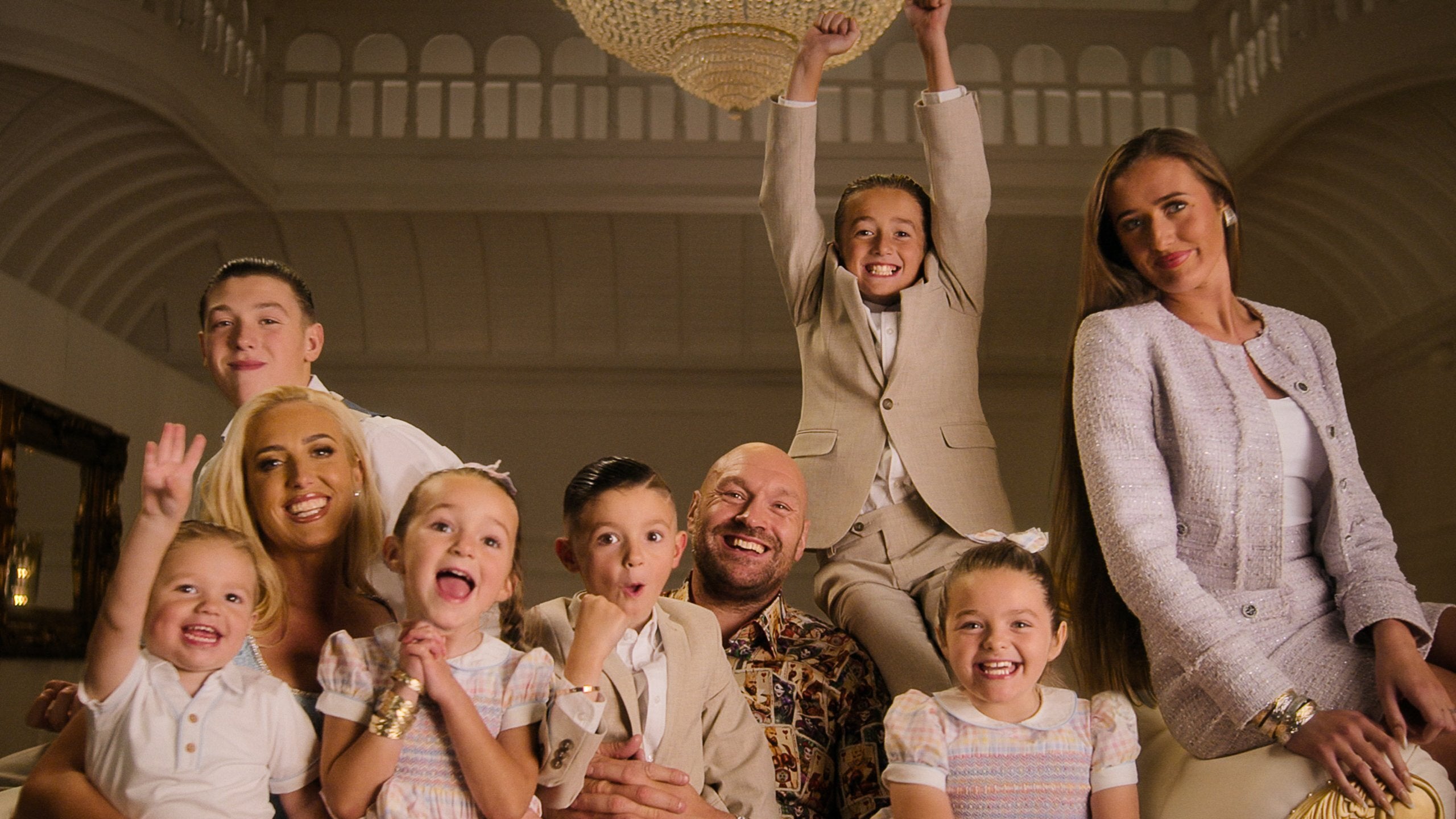
At Home With The Furys
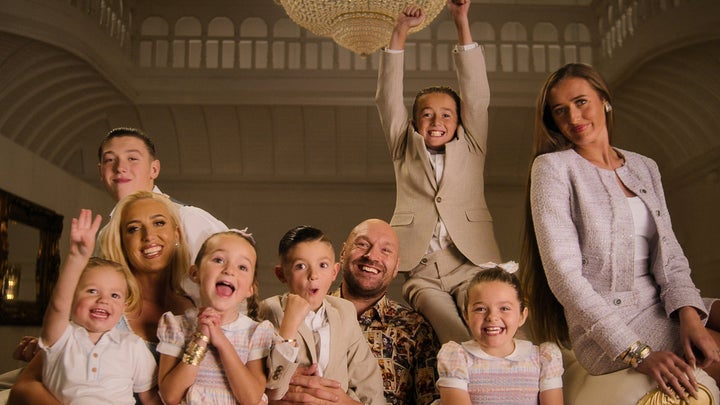
At Home With The Furys is getting a third season
The fate of the reality series At Home With The Furys has also been confirmed, with more episodes now in the pipeline.
Netflix revealed that production on the third season is now up and running, teasing: “Follow along as the whole family relocates to the Isle of Man, Venezuela gets married to Noah, and Tyson prepares for a potential blockbuster showdown with Anthony Joshua.”
","type":"video","meta":{"author":"Netflix","author_url":"https://www.youtube.com/channel/UCWOA1ZGywLbqmigxE4Qlvuw","cache_age":86400,"description":"In Formula 1’s 75th year, rookies surge forward and a title-winning team faces turmoil as a three-way contest for the world championship grips the grid.\n\nWatch on Netflix: https://www.netflix.com/title/81781898\n\nAbout Netflix:\nNetflix is one of the world’s leading entertainment services offering TV series, films, games and live programming across a wide variety of genres and languages. Members can play, pause and resume watching as much as they want, anytime, anywhere, and can change their plans at any time.\n\nFormula 1: Drive to Survive – Season 8 | Official Trailer | Netflix\nhttps://www.youtube.com/@Netflix","options":{"_cc_load_policy":{"label":"Closed captions","value":false},"_end":{"label":"End on","placeholder":"ex.: 11, 1m10s","value":""},"_start":{"label":"Start from","placeholder":"ex.: 11, 1m10s","value":""}},"provider_name":"YouTube","thumbnail_height":720,"thumbnail_url":"https://i.ytimg.com/vi/T3nrpj38zSk/maxresdefault.jpg","thumbnail_width":1280,"title":"Formula 1: Drive to Survive – Season 8 | Official Trailer | Netflix","type":"video","url":"https://www.youtube.com/watch?v=T3nrpj38zSk","version":"1.0"},"flags":[],"enhancements":{},"fullBleed":false,"options":{"theme":"news","device":"desktop","editionInfo":{"id":"uk","name":"U.K.","link":"https://www.huffingtonpost.co.uk","locale":"en_GB"},"originalEdition":"uk","isMapi":false,"isAmp":false,"isMobile":false,"isAdsFree":false,"isVideoEntry":false,"isEntry":true,"isMt":false,"entryId":"6a8d9af4e4b07583705b6335","entryPermalink":"https://www.huffingtonpost.co.uk/entry/house-guinness-legends-new-seasons-netflix_uk_6a8d9af4e4b07583705b6335","entryTagsList":"we-love-tv,netflix,black-mirror,house-of-guinness,legends,supacell","sectionSlug":"entertainment","deptSlug":null,"sectionRedirectUrl":null,"subcategories":"","isWide":false,"isShopping":false,"headerOverride":null,"noVideoAds":false,"disableFloat":false,"isNative":false,"commercialVideo":{"provider":"custom","site_and_category":"uk.entertainment","package":null},"isHighline":false,"vidibleConfigValues":{"cid":"60afc140cf94592c45d7390c","disabledWithMapiEntries":false,"overrides":{"all":"60b8e525cdd90620331baaf4"},"whitelisted":["56c5f12ee4b03a39c93c9439","56c6056ee4b01f2b7e1b5f35","59bfee7f9e451049f87f550b","5acccbaac269d609ef44c529","570278d2e4b070ff77b98217","57027b4be4b070ff77b98d5c","56fe95c4e4b0041c4242016b","570279cfe4b06d08e3629954","5ba9e8821c2e65639162ccf1","5bcd9904821576674bc55ced","5d076ca127f25f504327c72e","5b35266b158f855373e28256","5ebac2e8abddfb04f877dff2","60b8e525cdd90620331baaf4","60b64354b171b7444beaff4d","60d0d8e09340d7032ad0fb1a","60d0d90f9340d7032ad0fbeb","60d0d9949340d7032ad0fed3","60d0d9f99340d7032ad10113","60d0daa69340d7032ad104cf","60d0de02b627221e9d819408"],"playlists":{"default":"57bc306888d2ff1a7f6b5579","news":"56c6dbcee4b04edee8beb49c","politics":"56c6dbcee4b04edee8beb49c","entertainment":"56c6e7f2e4b0983aa64c60fc","tech":"56c6f70ae4b043c5bdcaebf9","parents":"56cc65c2e4b0239099455b42","lifestyle":"56cc66a9e4b01f81ef94e98c"},"playerUpdates":{"56c6056ee4b01f2b7e1b5f35":"60b8e525cdd90620331baaf4","56c5f12ee4b03a39c93c9439":"60d0d8e09340d7032ad0fb1a","59bfee7f9e451049f87f550b":"60d0d90f9340d7032ad0fbeb","5acccbaac269d609ef44c529":"60d0d9949340d7032ad0fed3","5bcd9904821576674bc55ced":"60d0d9f99340d7032ad10113","5d076ca127f25f504327c72e":"60d0daa69340d7032ad104cf","5ebac2e8abddfb04f877dff2":"60d0de02b627221e9d819408"}},"connatixConfigValues":{"defaultPlayer":"16b0ecc6-802c-4120-845f-e90629812c4d","clickToPlayPlayer":"823ac03a-0f7e-4bcb-8521-a5b091ae948d","videoPagePlayer":"05041ada-93f7-4e86-9208-e03a5b19311b","defaultPlaylist":"2e062669-71b4-41df-b17a-df6b1616bc8f"},"topConnatixThumnbailSrc":"data:image/png;base64,iVBORw0KGgoAAAANSUhEUgAAAAEAAAABCAQAAAC1HAwCAAAAC0lEQVR42mNkYAAAAAYAAjCB0C8AAAAASUVORK5CYII=","customAmpComponents":[],"ampAssetsUrl":"https://amp.assets.huffpost.com","videoTraits":null,"positionInUnitCounts":{"buzz_head":{"count":0},"buzz_body":{"count":0},"buzz_bottom":{"count":0}},"positionInSubUnitCounts":{"article_body":{"count":21},"blog_summary":{"count":0},"before_you_go_content":{"count":0}},"connatixCountsHelper":{"count":0},"buzzfeedTracking":{"context_page_id":"6a8d9af4e4b07583705b6335","context_page_type":"buzz","destination":"huffpost","mode":"desktop","page_edition":"en-uk"},"tags":[{"name":"we love tv","slug":"we-love-tv","links":{"relativeLink":"news/we-love-tv","permalink":"https://www.huffingtonpost.co.uk/news/we-love-tv","mobileWebLink":"https://www.huffingtonpost.co.uk/news/we-love-tv"},"section":{"title":"Entertainment","slug":"entertainment"},"topic":{"title":"We Love TV","slug":"we-love-tv","overridesSectionLabel":false},"url":"https://www.huffingtonpost.co.uk/news/we-love-tv/"},{"name":"Netflix","slug":"netflix","links":{"relativeLink":"news/netflix","permalink":"https://www.huffingtonpost.co.uk/news/netflix","mobileWebLink":"https://www.huffingtonpost.co.uk/news/netflix"},"relegenceId":3173032,"url":"https://www.huffingtonpost.co.uk/news/netflix/"},{"name":"black mirror","slug":"black-mirror","links":{"relativeLink":"news/black-mirror","permalink":"https://www.huffingtonpost.co.uk/news/black-mirror","mobileWebLink":"https://www.huffingtonpost.co.uk/news/black-mirror"},"relegenceId":5561533,"url":"https://www.huffingtonpost.co.uk/news/black-mirror/"},{"name":"house of guinness","slug":"house-of-guinness","links":{"relativeLink":"news/house-of-guinness","permalink":"https://www.huffingtonpost.co.uk/news/house-of-guinness","mobileWebLink":"https://www.huffingtonpost.co.uk/news/house-of-guinness"},"url":"https://www.huffingtonpost.co.uk/news/house-of-guinness/"},{"name":"legends","slug":"legends","links":{"relativeLink":"news/legends","permalink":"https://www.huffingtonpost.co.uk/news/legends","mobileWebLink":"https://www.huffingtonpost.co.uk/news/legends"},"url":"https://www.huffingtonpost.co.uk/news/legends/"},{"name":"supacell","slug":"supacell","links":{"relativeLink":"news/supacell","permalink":"https://www.huffingtonpost.co.uk/news/supacell","mobileWebLink":"https://www.huffingtonpost.co.uk/news/supacell"},"url":"https://www.huffingtonpost.co.uk/news/supacell/"}],"isLiveblogLive":null,"isLiveblog":false,"isLiveblogSlidePage":false,"signInUrl":"https://login.huffpost.com/login?dest=https%3A%2F%2Fwww.huffpost.com%2Fentry%2Fhouse-guinness-legends-new-seasons-netflix_uk_6a8d9af4e4b07583705b6335%3Fhp_auth_done%3D1","cetUnit":"buzz_body","enableIncontentPlayer":true,"bodyAds":["
F1 fans will no doubt be thrilled to hear that Netflix has given the go-ahead to a ninth season of the behind-the-scenes doc Drive To Survive.
“Now fans will again get the chance to take a peek into what has been happening in the paddock across the 2026 championship, which has already witnessed some big storylines ranging from the emergence of youngest-ever title leader Kimi Antonelli through to an ever-changing pecking order as the development race evolves,” a post on the F1 website read.
Advertisement
Meanwhile, executive producers James Gay-Rees and Paul Martin said (in unison, we suppose…?) that “this year we’re going to go deeper than ever before into the hidden spaces of this fantastic sport”.
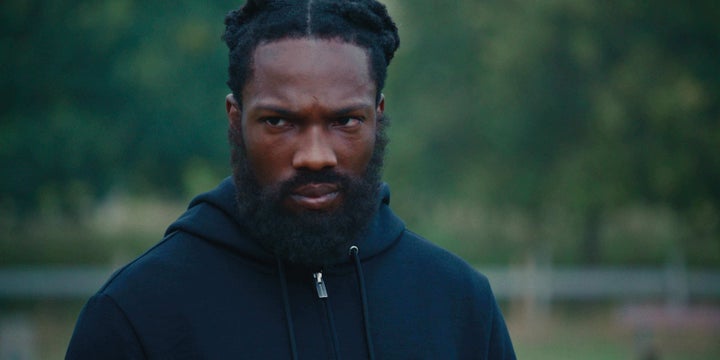
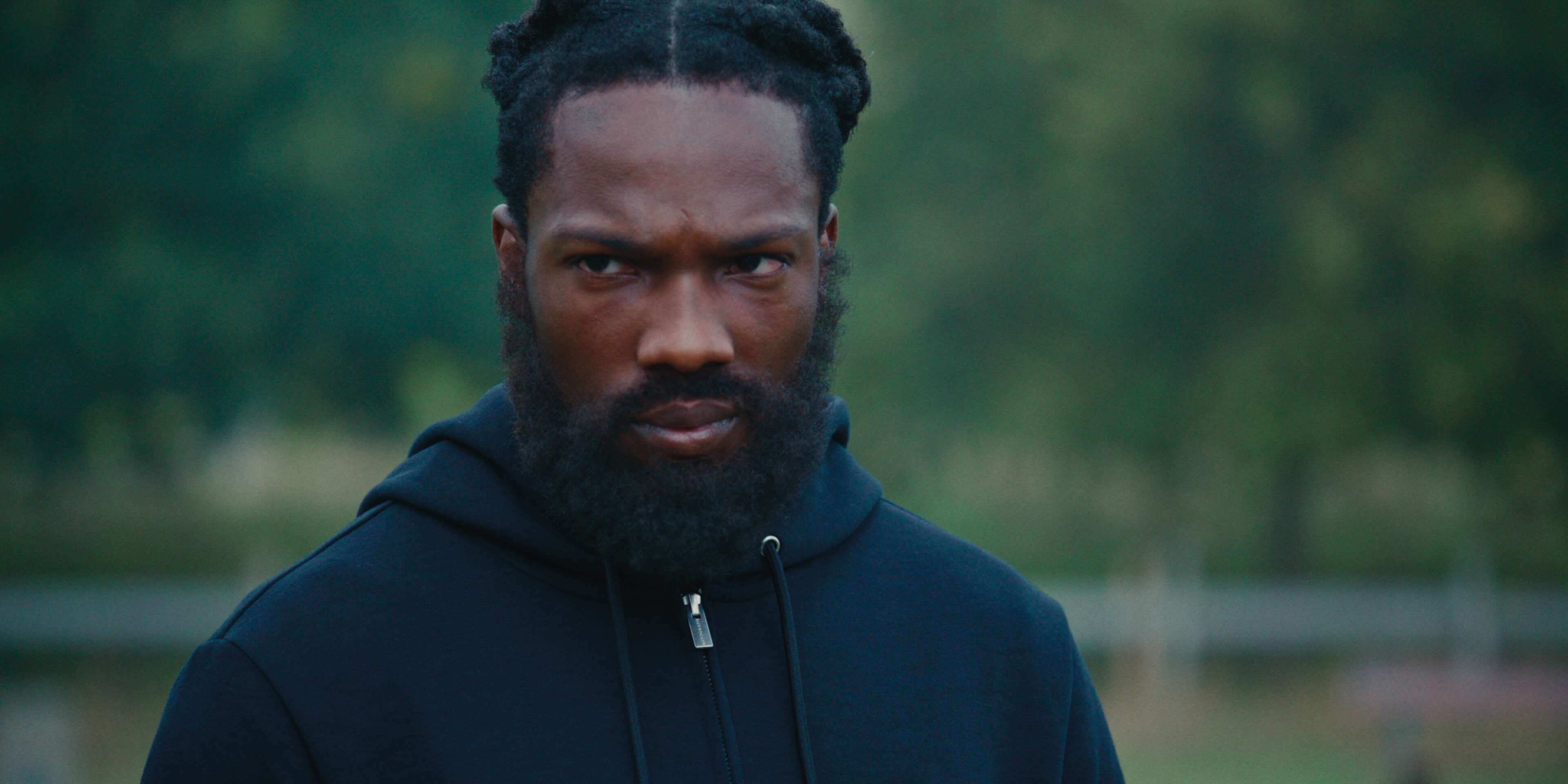
Supacell
Supacell fans’ patience is about to be rewarded
Plenty of shows on this list have tested fans’ patience while they wait for updates – but few have kept viewers hanging quite as long as Supacell.
Advertisement
The gritty supernatural show premiered in the summer of 2024, with a second run of episodes being confirmed shortly afterwards.
However, two years later, we’re still waiting – although Netflix said on Monday that the show recently “wrapped” its filming.
Creator Rapman wrote on Instagram back in June: “Due to circumstances out of our control we had to pause production for a while. But filming is finally done! I’m currently in the edit getting it ready.”
Advertisement
“It’s coming and I PROMISE it will be worth the wait,” he added.
Speaking to The Times recently, actor Richard E. Grant – who lost his wife of 35 years, voice coach Joan Washington, in 2021 – said the experience led him to cut certain friends out of his life for good.
“There are people that have been edited out of my life, and I will never see them again,” he shared, speaking about friends who became distant after his wife’s death. “If I had done that to them, I wouldn’t be able to look them in the face.”
Advertisement
I’ve heard a similar sentiment from many bereaved loved ones (I’ve been blindsided by it, too). Something tragic happens, and just when you need support the most, people you’d have thought were closest to you appear to fade away.
Or maybe you feel you can never “connect” the same with your old pals after such a life-changing event (another common issue friends have shared).
What’s happening here? HuffPost UK spoke to BACP-registered therapist Laurie Hole about why friendships so often fall apart after a death.
Advertisement
Why do so many friendships break apart after a death?
Hole said that while death is universal, the topic of grief remains incredibly taboo for many.
“We are generally very under-equipped to understand grief or know how to support somebody through it,” she explained.
“Until you experience a significant loss, it can be almost impossible to comprehend the enormity of it – and even the grieving person themselves may struggle to make sense of what they are experiencing.”
That might mean those suffering a terrible loss feel the responsibility to explain their feelings or the nature of their pain when they might be least equipped to do so.
Advertisement
Therefore, the griever might isolate themselves first: “Sometimes withdrawing from friendships becomes a way of protecting already very limited emotional reserves”.
Other times, the therapist added, “Another person’s loss can bring up [friends’] own unacknowledged or unresolved grief, or confront them with feelings about death and mortality that they would rather avoid. They may have their own life challenges that mean they simply don’t have the capacity they ordinarily would.”
She said this isn’t always intentional, though it still stings.
“And sometimes people genuinely believe they are saying or doing something helpful, but it lands painfully. Good intentions don’t necessarily prevent hurt, particularly when we have so few conversations about what grief actually looks and feels like.”
Advertisement
How can I be a better friend to a grieving person?
Given how little grief and death are talked about, Hole shared some guidelines that can help you if your friend is going through it.
These are:
Ban the phrase “at least”. The therapist said we should avoid sentences like “’At least they lived a long life’, ‘at least they’re no longer suffering’, ‘at least you had the time you did’ – however well-intentioned, trying to find a positive in somebody’s loss can feel incredibly devastating to the person hearing it”.
Forget about timelines. When someone loses a loved one, Hole said, don’t try to give them a schedule for getting over the pain or “accepting” their loss. “Instead of asking whether they have accepted or moved on from the death yet, you could ask, ‘How is grief showing up for you right now?’ Be curious about their experience rather than assuming what it should look like,” she advised.
Read up. You might not be able to imagine your friend’s pain, but it can help to “read memoirs and accounts of grief rather than expecting your friend to teach you everything – while remembering that nobody else’s grief will be exactly like theirs”.
Don’t forget big dates. Check in on “the dates that matter: the anniversary of the death, birthdays and other significant occasions. And if you knew the person who died, share your memories,” the expert advised.
Say their loved one’s name. “People sometimes worry that mentioning somebody who has died will remind the grieving person of their loss, but they haven’t forgotten,” stated Hole. “Hearing their loved one’s name can instead be a reminder that this person mattered to other people too.”
When should I give up on a friendship that’s suffering after a death?
Sadly, Hole said, “Friendships don’t necessarily have to last a lifetime, and losing friendships following bereavement can itself become another loss that has to be processed. The death of someone you love is already a profound loss; discovering that some of your friendships cannot survive your grief can become another loss that has to be grieved”.
There’s no right or wrong answer when it comes to breaking a friend off, she continued. “Repair might involve acknowledging what happened, listening without becoming defensive, and taking responsibility for the impact – even when causing hurt was never the intention.
Advertisement
“But if somebody who is grieving has explicitly communicated what they need or set boundaries and a friend continually ignores or dismisses those needs, it is reasonable to consider whether that friendship can support them at this point in their life. Sometimes that means temporarily stepping back; sometimes it means allowing the relationship to end.”
Sometimes, the therapist shared, grief can expose existing problems that were easier to hide before a death. And bereavement can make someone who used to put up with a lot more bad behaviour less forbearing, too.
“If maintaining a friendship is repeatedly causing more hurt, it may be worth asking whether that person can still have a place in your life in the same way they did before.”
For five decades, psychologists Dr John Gottman and Dr Julie Schwartz Gottman of the Gottman Institute (GI) have studied couples and the issues that affect them.
This experience led them to develop their “four horsemen” theory of divorce, which found evidence to suggest that criticism, contempt, defensiveness, and stonewalling usually precede separation.
Advertisement
Their research also showed that couples’ problems tended to split into three groups: solvable problems and perpetual problems.
Working out which one you and your partner are arguing about, the GI says, can help you identify the kinds of resolution you need.
What are solvable problems?
Solvable problems come about due to situational issues that don’t feel integral to a person’s character. That might mean one person is taking on the lion’s share of the housework, or you might disagree on a specific issue with your child.
Advertisement
GI notes that solvable problems in one couple might be perpetual problems (more on those later) for another. But the difference is in how the pair feels about it: “The conflict is simply about that topic, and there may not be a deeper meaning behind each partner’s position”.
Happily, solvable problems can usually be, well, solved through conversation and careful planning.
Maybe you can assign certain household domains to one another, for instance, or agree to compromise on where to spend Christmas.
Advertisement
What are perpetual problems?
These make up most (69%) of the arguments, the psychologists found.
Perpetual problems are ongoing differences or misalignments that are fundamental to you or your partner’s needs or lifestyles. For instance, maybe your beau values the financial benefits that can come with working hard over a fulfilling work-life balance.
So, you two might keep having what seems like the same argument about late nights and missed dinners.
Because they reflect core parts of each member in the relationship, perpetual problems will recur. If you like to see your family twice a week and they need more “me” time, compromise might leave both parties feeling like they’re denying a big part of themselves pretty regularly.
Advertisement
In this case, the goal should be to “establish a dialogue about the perpetual problem that communicates acceptance of your partner with humour, affection, and even amusement”.
Identify the drive, identity, belief, or “dream” behind each of your behaviours: this can make discussing the problem easier. Ask your partner to do the same, and try to get curious about their feelings instead of trying to “solve” the issue: this can create a healthier dialogue.
This will be an ongoing conversation, so try to get good at – and respectful in – having it.
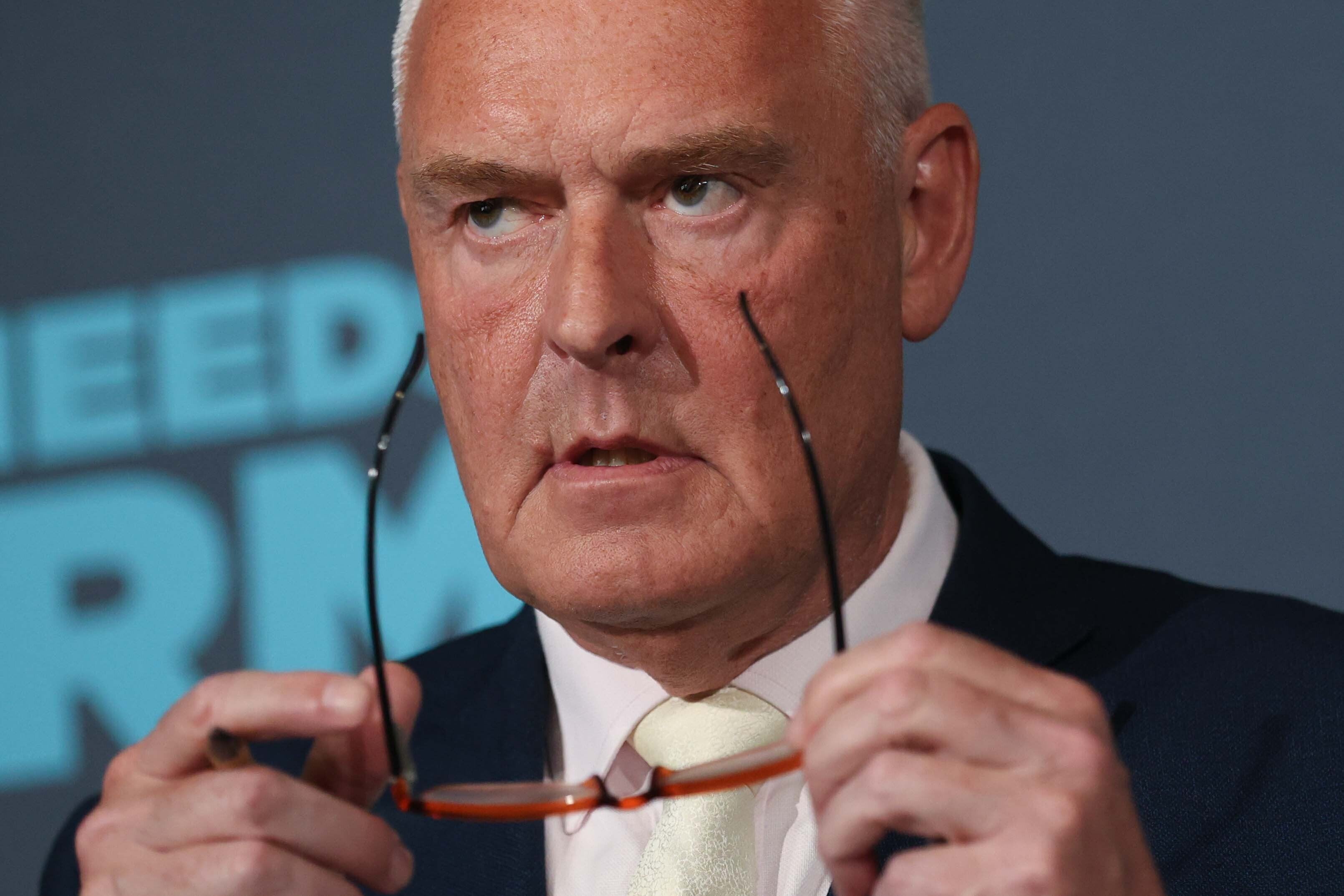
Lee Anderson has advised critics to “scroll by” Zia Yusuf’s social media posts amid heightened scrutiny over Reform UK.
Yusuf, the party’s home affairs spokesperson, attracted backlash earlier this month when he called former defence secretary Ben Wallace a “traitor” to Britain.
Asked about the criticism surrounding Yusuf at a press conference, Reform’s chief whip Anderson defended his colleague.
He said: “I think Zia is probably one of our best communicators in Reform UK, very popular with the membership and a little bit of advice to anybody: If you don’t like what Zia says, then just scroll by. It’s really simple.”
Advertisement
He added: “If you don’t like what any of us have to say on social media, you don’t have to follow us. You don’t have to read our comments. Just scroll on by and go and listen to somebody else.”
Deputy leader Richard Tice also shrugged off the scrutiny around Yusuf, insisting the unelected politician is “passionate”.
He told reporters: “We’re all passionate; Zia is passionate.
“And we all, frankly, are furious at how the previous Conservative government let us all down because they said they were going to reduce immigration numbers. They didn’t. They opened the doors, they allowed the ‘Boriswave’.
Advertisement
“So, Zia is on great form. We’re on great form. We’re looking forward to conference. And as I tweeted out a couple of days ago, I think the summer heat may have got to a few journalists.”
Yusuf himself later took issue with reporters at the right-wing outlet Guido Fawkes after the site reported that Anderson had told people to scroll past his social media posts.
He wrote on X: “The Tory Labour establishment is terrified of my social media platform.
“My accounts do over 200 million organic views a month. Which is why establishment media is hell bent on trying to censor me.”
Advertisement
He added: “Remember, the things the establishment media write about Reform are not only lies, they are the *opposite* of the truth.”
Listen to Commons People, the podcast that makes politics easy. Every week, Kevin Schofield and Kate Nicholson unpack the week’s biggest stories to keep you informed. Join us for straightforward analysis of what’s going on at Westminster.
In his first comments since the talks collapsed on Friday, the US president wrote: “Canada wants the benefits of being a State, without being one!!!
Advertisement
“They have also charged our great farmers, for many years, massive amounts of Tariffs. No more!!! President DJT.”
The remarks echo his offensive references to Canada as the “51st state” of America since starting his second term.
The breakdown of talks triggered new 50% US tariffs – a tax on foreign imports – on $20 billion (£14.6 billion) worth of Canadian goods on Saturday on a range of goods, from hockey sticks to tongue depressors.
Advertisement
Carney chose to suspend talks rather than to compromise over a deal, making him one of the first world leaders to walk away from talks with Trump.
The Canadian prime minister said the US “asked too much” and “offered too little” in the talks.
He claimed the new tariffs were a “miscalculation” from Trump meant to “hurt and divide us”.
“You’re at war when you’re attacked, and we got attacked,” he told reporters.
“We cannot accept what they’ve offered and we will not give what they’ve asked.”
Carney – formerly the governor of the Bank of England – promised to match the tariffs “dollar for dollar” with a set of retaliatory levies to be announced on September 8.
But US trade representative Jamieson Greer told Fox & Friends Weekend doubled down on Trump’s controversial moves over the weekend, saying: “We’ve said enough and so we’ve taken countermeasures. Our interest is in protecting American workers and protecting American supply chains.”
Advertisement
This development is the latest sign that the trading partnership between Canada and the US is in tatters with no clear off-ramp for either side.
Listen to Commons People, the podcast that makes politics easy. Every week, Kevin Schofield and Kate Nicholson unpack the week’s biggest stories to keep you informed. Join us for straightforward analysis of what’s going on at Westminster.
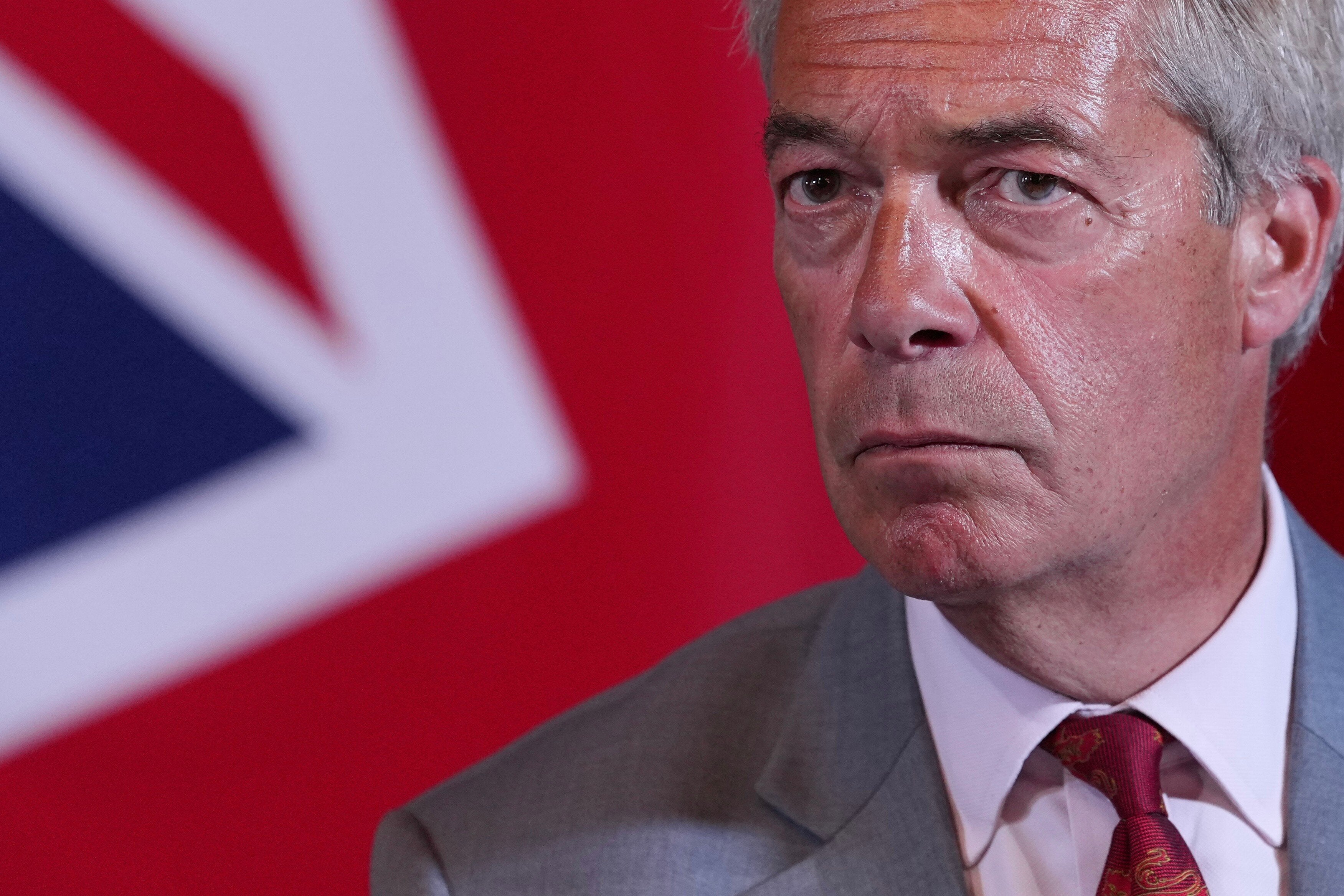
Reform UK has received £20 million in donations from cryptocurrency investors since the 2024 general election, according to reports.
The Independent has found 60% of the funding for Nigel Farage’s party comes from wealthy individuals linked to digital currency.
Advertisement
The largest set of donations – adding up to £15 million overall – came from crypto-billionaire Christopher Harborne.
That’s the same businessman who gave Farage £5 million months before he was elected as the Clacton MP in the general election.
Farage is now facing a parliamentary sleaze probe for failing to declare that gift in the register of MPs’ interests once he was in the Commons.
Advertisement
The Reform leader insists it was a personal gift and so did not need to be declared.
The Independent’s analysis of Electoral Commission data adds pressure to the party, already facing intense scrutiny over its finances.
It found other donors like Ben Peter Delo, founder of cryptocurrency trading platform Bitmex, gave two £2m payments to Reform this year.
The wife of US crypto investor John Rost, Maria Rost, also gave nine payments worth £125,000.
Simon William Smith, a London-based bitcoin investor, donated £116,000 shortly before the election.
The former of the Bitcoin derivatives trading firm A1X, Oscar Townsley, also gave the party £30,000 last year.
Advertisement
The newspaper noted the Tories received £82,250 in donations from crypto investor and hedge fund manager Alan Eldad Howard.
However, it did not spot any crypto donations for Labour, the Liberal Democrats or the Green Party in the Electoral Commission data.
A Reform UK spokesman told HuffPost UK: “Reform takes pride in its stringent vetting of donations and always ensures that the Electoral Commission guidelines on donations, as set out in the Political Parties, Elections and Referendums Act 2000, are strictly followed, as has been the case with all donations.”
Advertisement
Labour chair Bridget Phillipson tore into findings, especially after Farage triggered a new by-election in Clacton over the heightened attention his finances were getting.
He was re-elected earlier this month after all major parties refused to stand a candidate, calling the contest a political “stunt”.
Phillipson told The Independent: “Nigel Farage has spent the summer battling a bin in a desperate attempt to dodge scrutiny but people have a right to know what he’s hiding.
Advertisement
“He secretly took a £5m ‘gift’ from a Thai-based crypto billionaire and then promised to cut taxes for the crypto industry.
“Now it seems his party is awash with crypto cash. Farage is treating the public with contempt. With donations from a convicted fraudster and police probes into Reform’s donors and finances – it’s clear they think the rules are for other people.”
Advertisement
Listen to Commons People, the podcast that makes politics easy. Every week, Kevin Schofield and Kate Nicholson unpack the week’s biggest stories to keep you informed. Join us for straightforward analysis of what’s going on at Westminster.