Young People Really Don’t Like Being Called BAME And This Is Why

If you’re a person of colour in the UK then the chances are you don’t much like the term BAME (which stands for Black, Asian and minority ethnicities). And you might not feel too good about the term “ethnic minorities” either.

BAME has long been a contested phrase, frustrating many marginalised people who believe it homogenises otherwise diverse groups under one umbrella acronym that doesn’t signify their varied identities and experiences.

As alternatives such as “racialised communities” gain more currency, young people have told a leading diversity charity that while they don’t like the term BAME, they do see value in finding a new unifying signifier to use instead.

The charity Blueprint for All surveyed 500 18-30 years olds in the UK to find out their views on the subject, with the aim of sparking a wider public debate and greater sensitivity in the way people of diverse backgrounds are described.

The survey found that 98% of respondents believe in the values of a shared language that unifies people from diverse heritages. However, there was no shared word or expression yet that participants felt represented them all.

Isabella Bromfield, 20, a student who took part in the survey, is one of many young people hungry for new words to describe themselves.

“I do not feel there is a shared word or expression that represents us, but I think it is important to have a shared language that unifies everyone from diverse heritages,” she tells Huffpost UK.

“This is a really important conversation to have in terms of moving forward on how to accurately, empathetically and correctly label people in the best way, so that they feel comfortable.”

Respondents to the survey felt uncomfortable with a range of existing umbrella terms commonly used to describe their heritage – 55% saying they felt uncomfortable with the term BAME, 52% with BME (“Black and minority ethnic”) and 59% with “dual heritage”.

The descriptors that people felt most comfortable with included Asian (74% of Asian respondents), Black (67% of Black people surveyed), mixed race (64%), brown (62%), and people of colour (61%).

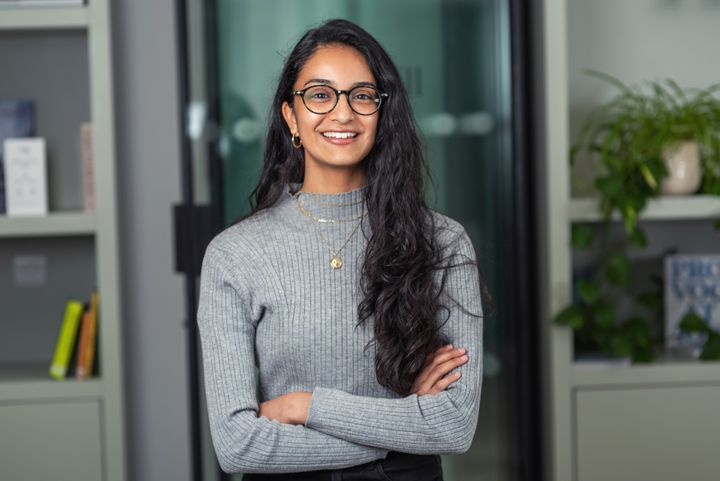
Azaria Yogendran, a communications account executive of mixed South-Asian descent, 24, tells HuffPost UK: “I’ve gotten used to using the term BAME but I feel like it’s a term that makes race and ethnicity easy to allude to for people who are not from diverse heritages and who don’t know how to talk about race.”

She feels uncomfortable, she says, “about why I am placed in this group and who is placing me in it. I feel like it has become a term that is thrown around without remembering that each individual within it is very different.”
Azaria Yogendran
Azaria Yogendran

The term BME was originally coined in the 1970s when people came together to fight the racism and discrimination that was particularly prevalent within Black communities. The ‘A’ for Asian was added in the 1990s to represent both South and East Asian people.

More recently, BAME has been used by politicians and workplaces when talking about diversity and inclusion. And while the inception of BAME came from a place of unification, in the present-day context many point to its limitations.

While Yogendran appreciates this historic political significance to the term, in the same way that, politically, the label “Black’ included non-Black people of colour – she feels there is no modern-day relevance.

“I have read that the term was originally made to unite ethnic groups against discrimination in the 1970s, but it seems to have evolved from being used by people from diverse backgrounds to being used about them,” she says.

“I feel the term lumps together a large group of people who don’t necessarily have anything in common apart from not being white and there is an implication that those in the group are at a disadvantage.”

Her experience as a mixed South Asian British woman in the UK is completely different to someone of a Korean British or Zimbabwean British background, she notes – and yet they are lumped together.

“It doesn’t feel positive to be in this group, and it feels like your actual heritage is ignored, because you are swept up in a generalisation that implies anyone non-white is just that and nothing more. The most notable thing about your heritage is what you are not, not what you are.”

As mixed-race groups become the fastest growing ethnic demographic in the UK, people are wondering how this will affect the evolution of the terminology. But ultimately, says Yogendran, it should be up to the individual how they want to be referred to.

“I don’t think there’s a term that would encompass everyone,” she says. “Each person is different, so it would be a question each time to see what people prefer. Personally, I’d prefer to be referred to as someone of ‘mixed heritage’ or ‘mixed cultures’, because I’m a mix of Sri Lankan, Indian-Ugandan and British but I am not ‘mixed race’.”

Share Button

ABBA Voyage: First Trailer For Unique Hologram Live Show Looks All Kinds Of Epic

ABBA have unveiled the trailer for their upcoming Voyage concert experience, and we’re relieved to say it looks out of this world.

Having teased fans for the last three years, ABBA finally confirmed earlier this year that not only would they be launching a unique residency in London in 2022, they’d also be dropping their first album of new material in 40 years.

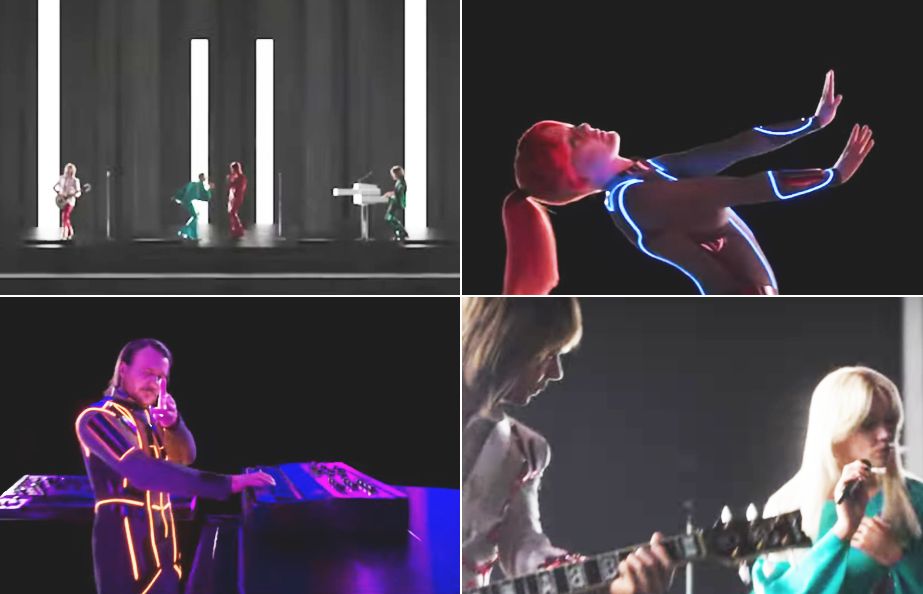
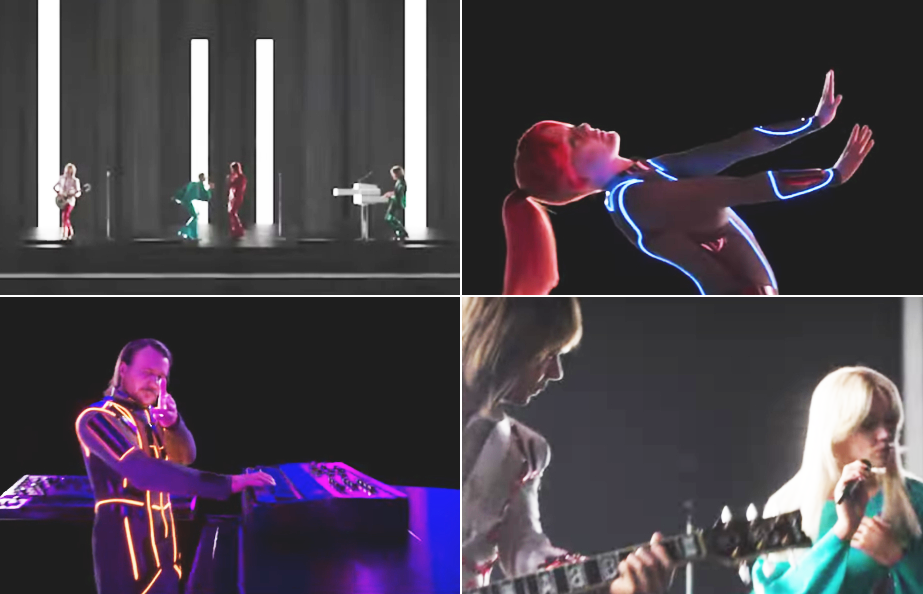
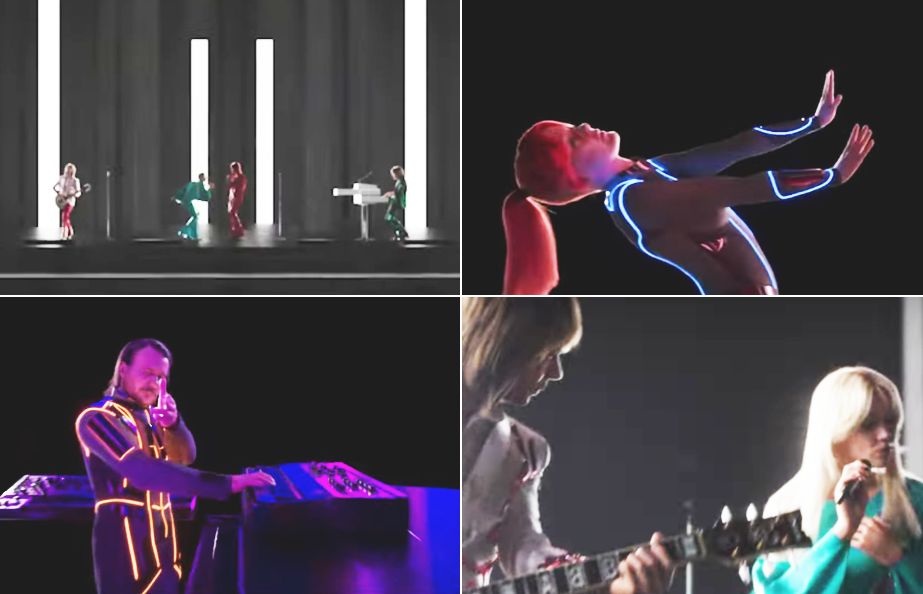
Dubbed ABBA Voyage, the Swedish band’s “concert experience” will take place at a specially-constructed arena in East London, and will feature digital recreations of all four members performing their old favourites (as well as recent hits I Still Have Faith In You and Don’t Shut Me Down).

Explaining how it all works, producer Ludvig Andersson (yes, Benny’s son) previously explained: “Agnetha, Frida, Benny and Björn got on a stage in front of 160 cameras and almost as many VFX geniuses and they performed every song in this show to perfection over five weeks, capturing every mannerism, every emotion.

“When you see this show it is not a ‘version of’, or a ‘copy of’, it is actually them.”

While fans have long been curious about exactly how the so-called ABBAtars would look in motion, the first trailer for Voyage was released on Thursday morning, and the whole thing just looks incredible.

ABBA Voyage

The ABBAtars have been seen in action for the first time, and we can’t wait to see more

Accompanied by the ABBA classic Summer Night City, all four ABBAtars are seen performing in the 20-second clip, while dressed in neon-inspired outfits and surrounded by colourful lights.

ABBA Voyage will launch in May 2022, with tickets available until the following December.

And if the sight of the ABBAtars in motion has got you hungry for more, you’ll be excited to know that ABBA’s ninth album (also named Voyage) is released on this Friday (5 November).

Share Button

Senior Minister Defends Boris Johnson’s Integrity By Talking About…Brexit?

Getty

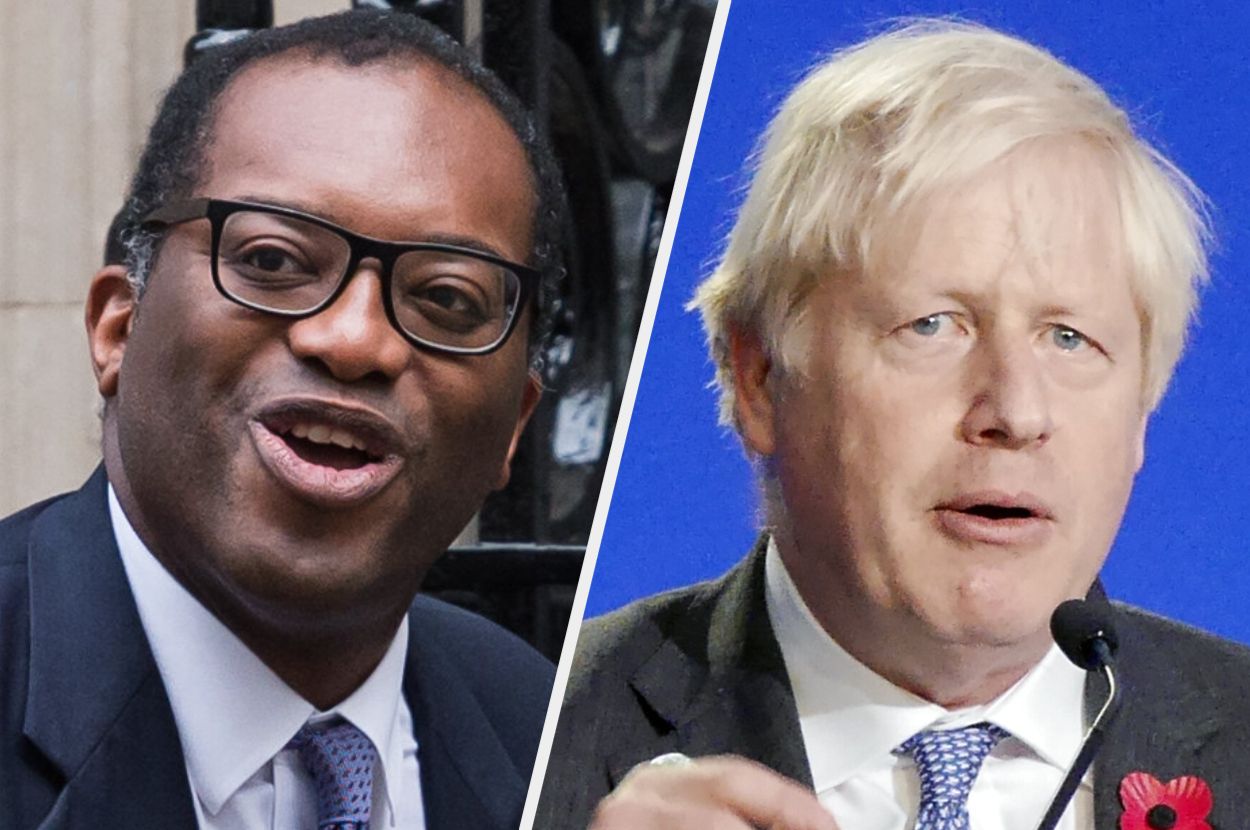
Kwasi Kwarteng defended Boris Johnson on BBC Radio 4’s Today programme

Energy secretary Kwasi Kwarteng chose to defend Boris Johnson’s integrity and standards by talking about delivering Brexit – even though the UK left the EU more than a year ago.

Speaking to BBC Radio 4′s Today programme on Thursday, Kwarteng was attempting to defend the Conservative Party’s decision to let Tory MP Owen Paterson off the hook for breaching lobbying rules – even though the MPs’ watchdog recommended suspending him for 30 days.

Kwarteng said: “People look to Britain to maintain high standards which is exactly why I’m here in Glasgow [for COP26].

“That’s why we’re showing leadership – and that does extend to high standards of governance.”

Interviewer Nick Robinson seemed less convinced and asked for individual examples which back up Kwarteng’s claim that this “government is in favour of integrity and probity in public life”.

He added: “I’m pausing here Mr Kwarteng and maybe you can help me, let me just ask an open question – can you give name a single thing that Boris Johnson has done to deliver higher integrity and probity in public life. Just one.”

“I could do lots of things – we had a manifesto commitment to deliver Brexit and we delivered Brexit,” the senior minister said.

“That was something we promised to do and the prime minister led a government to do that.”

He said Downing Street were going to repeat this trend when it came to its climate pledges.

But Robinson pointed out that this was not really to do with the prime minister as a person, noting: “We’re talking about the standards of individuals aren’t we?”

Kwarteng maintained: “Holding yourself to a manifesto commitment and delivering those commitments is a feature of integrity.”

The prime minister has been heavily criticised for breaching public trust on several occasions during his time in office.

Most recently, he was accused of breaking his own lockdown rules last Christmas when his friend Nimco Ali was found to have spent the festive season with Johnson, his wife and their child.

Robinson also pointed out all the times the prime minister has let those in his close circles get away with breaking the rules.

The interviewer pointed out: “Was allowing Dominic Cummings to stay in his post when he broke the rules helping that?”

Cummings was Johnson’s most senior aide up until his resignation in 2020. He infamously breaching lockdown rules last April when he drove to Barnard Castle to “test his eyesight”. The prime minister stood by him despite the huge public backlash.

Kwarteng just said Cummings had now left the government, so the Radio 4 presenter moved on to question Kwarteng about Robert Jenrick, the former housing secretary.

He asked: “What about the housing secretary when he gave planning permission to a Tory donor?”

The senior minister just denied that was his recollection of what happened.

Robinson then pointed out how Priti Patel has been accused of bullying Westminster staff.

He said: “The home secretary was found guilty of bullying and the ministerial adviser on the conduct of decision left their job because they were ignored?

“Was that a way of getting integrity and probity into public life?”

But the energy minister just said the home secretary is “very moral” and “holds herself to high standards of conduct”.

Kwarteng also told reporters, “I don’t feel shame at all”, about voting against the suspension of Paterson on Thursday morning.

Share Button

Disney Just Gifted Us The First Tear-Jerking Christmas Ad Of The Festive Season

While it may feel a little too early to mention the ‘C’ word yet (sorry Mariah Carey), retailers are already trying to get us in the festive spirit in a bid for us to spend our Christmas cash.

Disney has become one of the first major brands to release their Yuletide ad, and we’ll admit, it could warm even the Grinch’s cold heart.

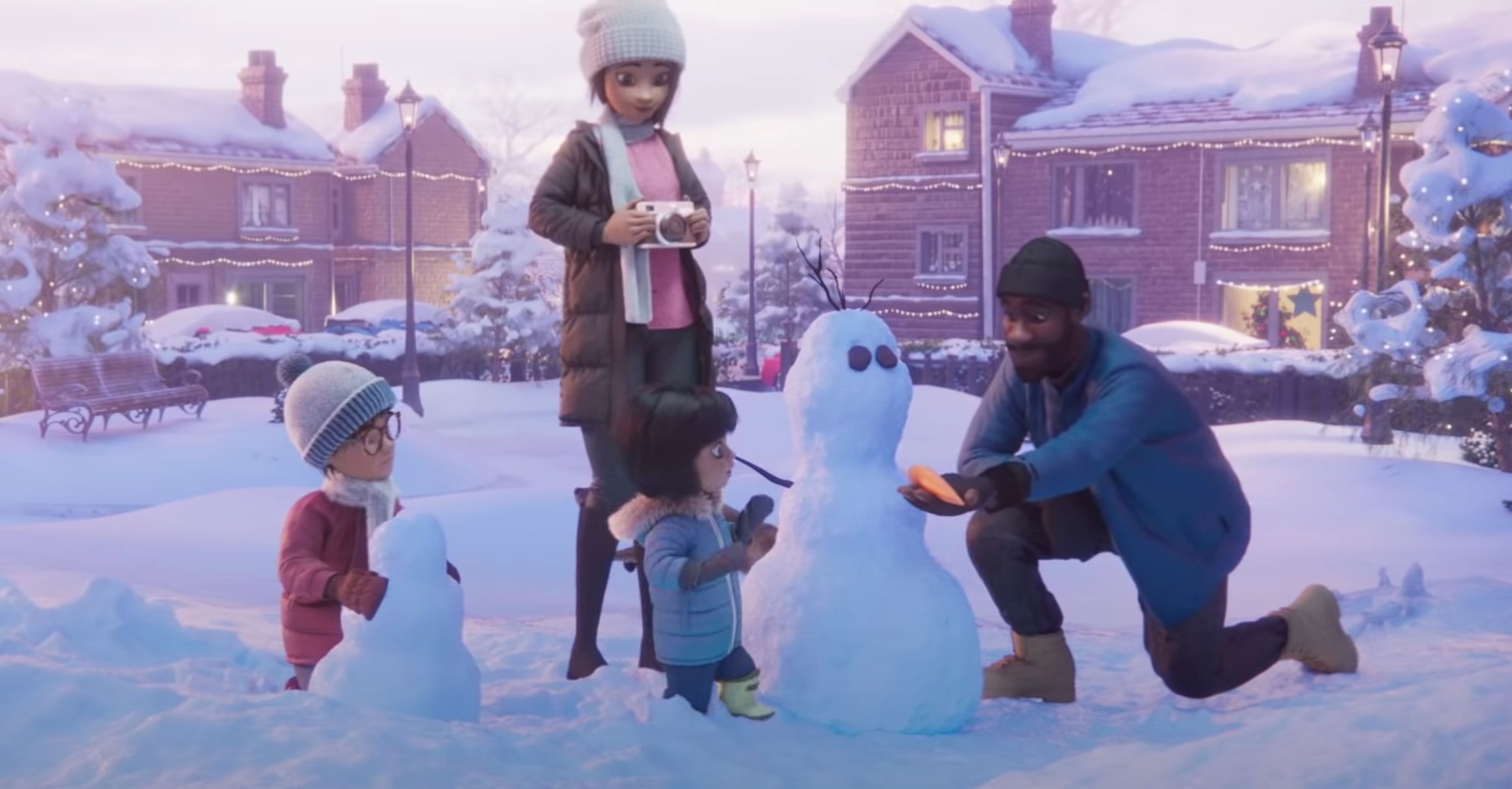
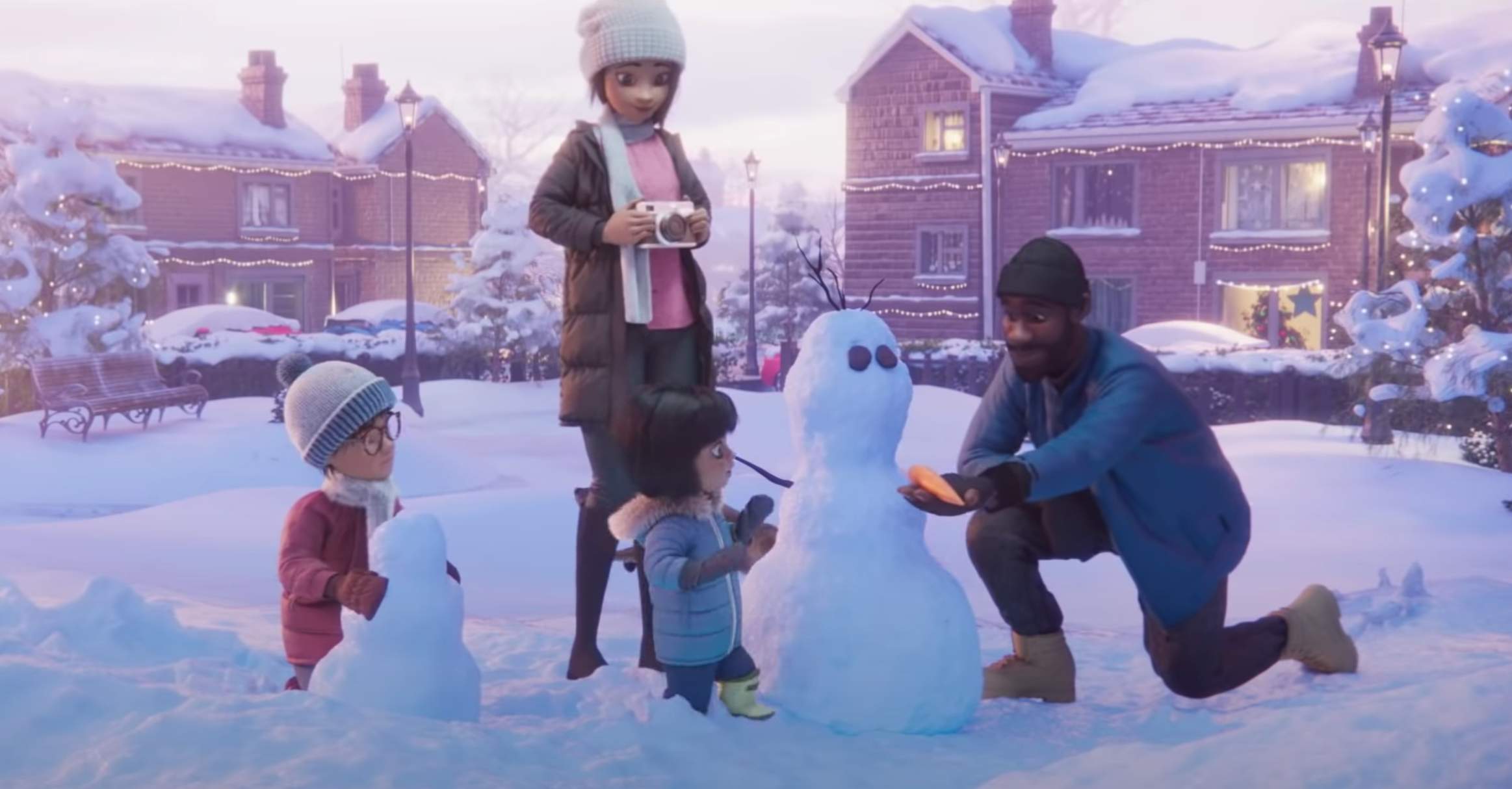
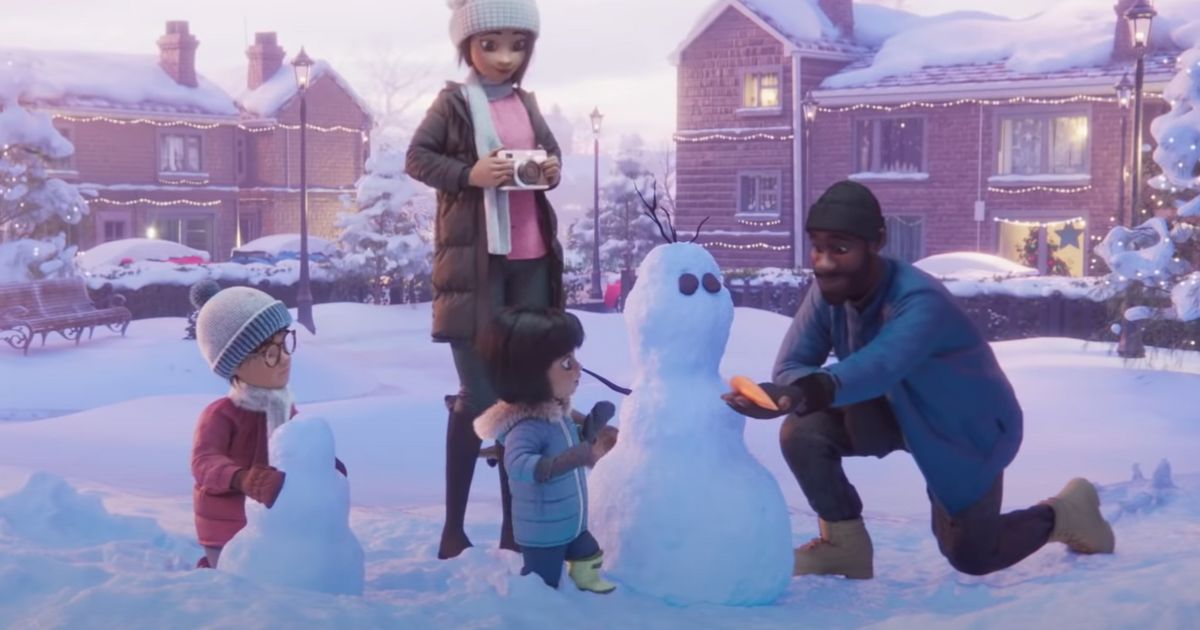
Entitled The Stepdad, it tells the story of a man called Mike moving in with his new partner Nicole’s family and his struggle to bond with her two young children, Max and Ella.

The ad focuses on a precious storybook filled with Disney and Pixar characters, which was given to Max by his father.

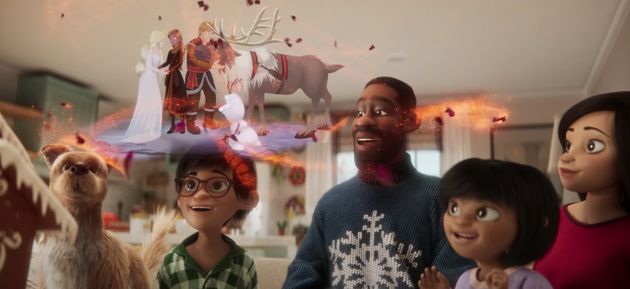
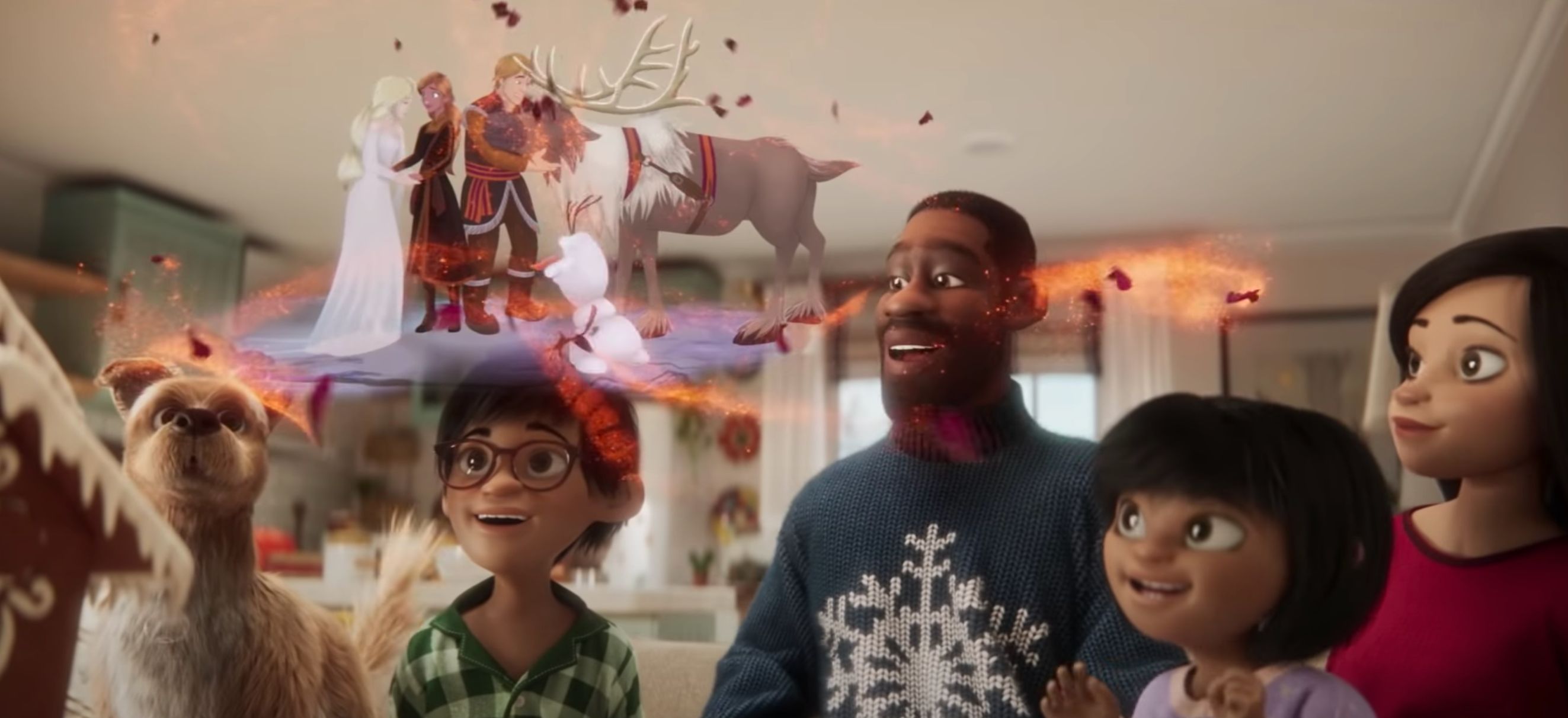
As Mike becomes accepted by the children, he is eventually able to make the stories on the book come to life. 

Disney

The 2021 Disney Christmas advert has been released

The ad makes reference to a number of films under the Disney umbrella, including Moana, Toy Story, Spider-Man, Black Panther Star Wars and Frozen. 

And eagle-eyed viewers may have also spotted that the new clip serves as a continuation of the 2020 advert, with the mother Nicole being the same young girl who was given the stuffed Mickey Mouse in last year’s promotional film.

Disney

The Step Dad tells the tale of Mike’s journey to bond with his new family

The 2021 ad has been soundtracked by Gregory Porter with his original charity track Love Runs Deeper.

The animation short also supports children’s charity Make-A-Wish, as part of Disney’s festive retail campaign, From Our Family To Yours.

Love Runs Deeper will be available for download from Wednesday, with 100% of the proceeds between now and the end of the year going to Make-A-Wish.

Share Button

Kelly Brook Claims She Was ‘Shut Down’ By Idris Elba After ‘Embarrassing’ Party Encounter

HGL via Getty Images

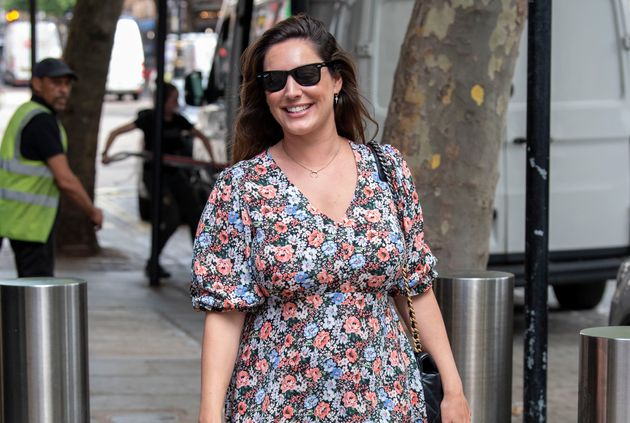
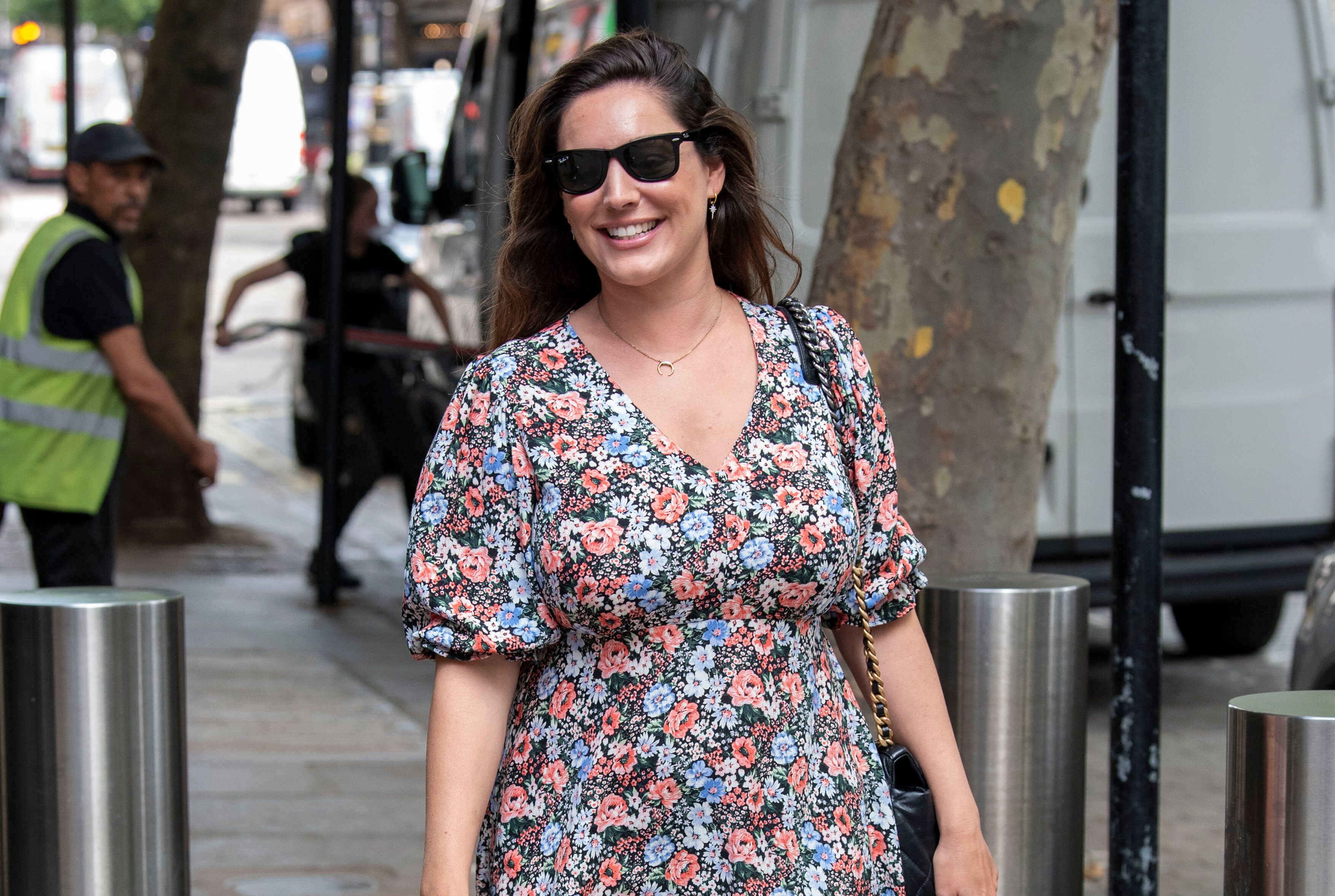
Kelly Brook

Kelly Brook has revealed she was “shut down” by Idris Elba after trying to charm him at a party.

Speaking on her Heart radio show, Kelly admitted she’d been “taken aback” when she spotted the Luther star at an event back in 2014, and even ended up impersonating a bartender so she’d have a reason to speak to him.

“I was pretty tipsy, and I saw him, and like most women, was taken aback,” she explained.

“And I went behind the bar and I started pretending I worked there, and asked him if he wanted a drink.”

After going as far as making Idris a cocktail, the former Masked Dancer contestant said she woke up the next morning and slid into the actor’s DMs to try and clarify what happened the night before, joking: “I can’t believe I’m telling this story!”

Idris sent her a polite reply, telling her the cocktail was “awful” but it’s the “thought that counts though, babe”.

JMEnternational via Getty Images

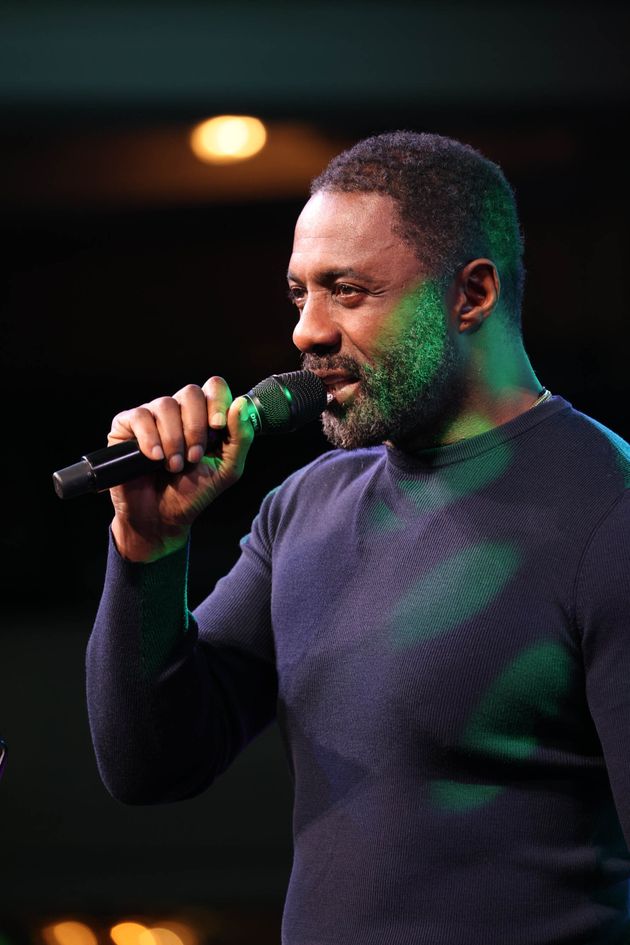
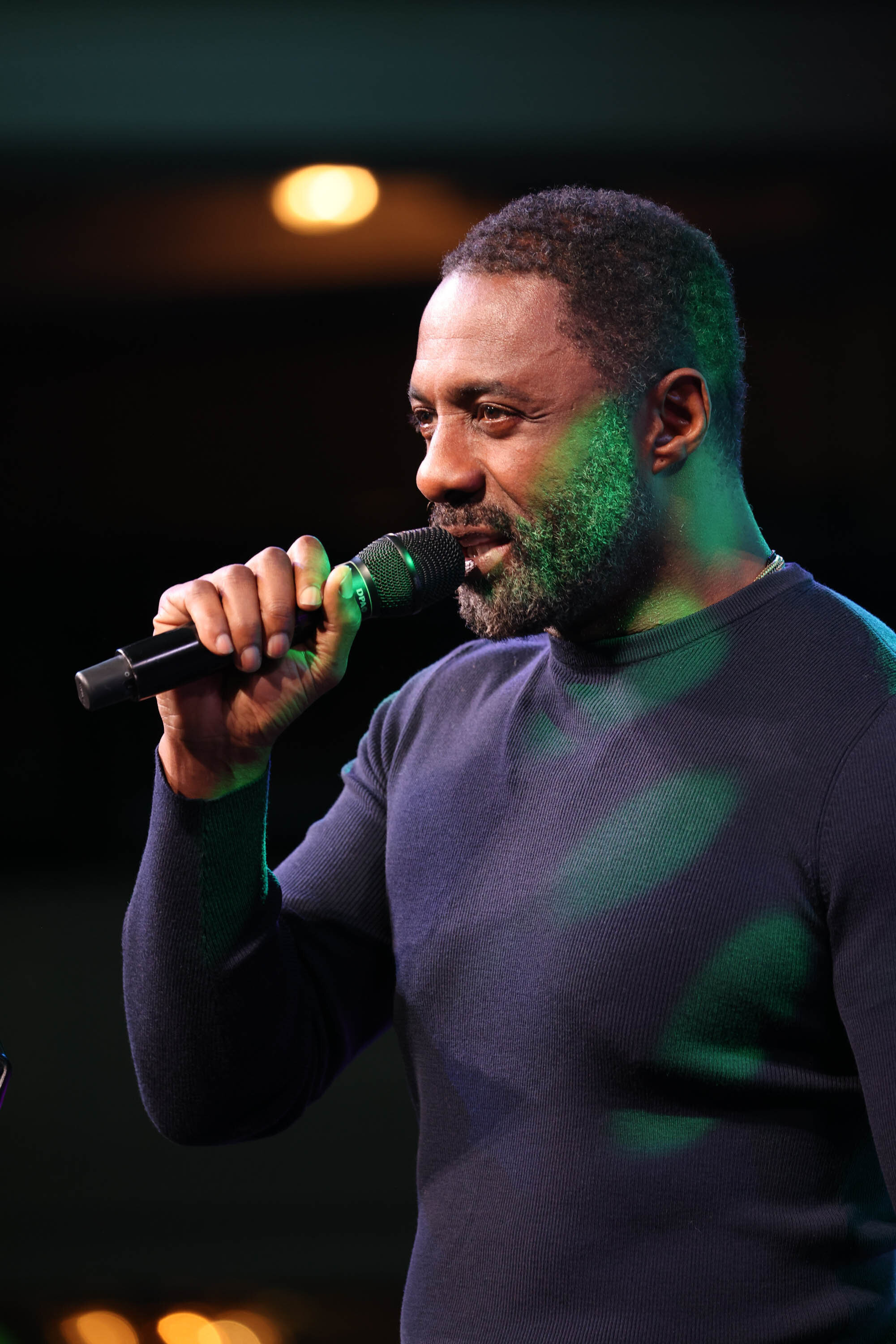
Idris Elba

Kelly added: “I said, ’Oh gosh, no, really well at least it looked pretty. Nice to meet you, by the way. I have a really bad hangover”.

“He went, ‘Haha! Just have a lie in,’ and that was it. That was the last I heard from him! How embarrassing. I got the message; he shut me down.”

However, this is far from Kelly’s only embarrassing A-list encounter.

Last year, the former model told of how her gas got the better of her during a dinner party at Madonna’s house, where Gwyneth Paltrow, Jason Bateman and Guy Ritchie were also in attendance.

And trust us, she left no detail spared.

“[Madonna] just kind of , she just turned her head away because obviously it went straight up her nose,” Kelly recalled. “It was like something had crawled up there and died.”

Lovely.

JK And Kelly Brook airs every weekday from 4pm on Heart.

Share Button

People Are Ignoring Signs Of Pancreatic Cancer. Could You Spot Them?

A leading charity is worried by the number of people who would put off seeking help for symptoms of pancreatic cancer.

A new survey conducted by Savanta Comres on behalf of Pancreatic Cancer UK found that 31% of people would delay seeking help for longer than usual because of the pandemic.

It also revealed that 28% of people would wait for around three months before seeking help when showing common symptoms of pancreatic cancer. Another 22% said they wouldn’t feel confident recognising jaundice – one of the key symptoms.

Other symptoms for pancreatic cancer include:

  • Back pain

  • Indigestion

  • Stomach pain

  • Weight loss

The charity said anyone should seek help from a GP if these common symptoms persist for more than four weeks.

But anyone with jaundice – yellowing of the skin or eyes – should seek help from A&E as soon as possible as it is one of the “red flag” symptoms of the disease.

Around four in five people who have pancreatic cancer are diagnosed when the cancer is at a late stage which means they’ve missed out on a chance of life-saving treatment.

Half of those with the disease die within three months of diagnosis, Pancreatic Cancer UK said. Each year more than 10,000 people are diagnosed with the disease. But early detection gives people better odds of survival, so the charity is urging the public to seek care if they have any symptoms.

Diana Jupp, chief executive of Pancreatic Cancer UK, said: “It is hugely worrying to hear that so many people would put off seeking help for so long. Pancreatic cancer has not gone away because of Covid-19 and I would urge anyone with persistent, unexplained symptoms to use the NHS.

“There is no time to wait with pancreatic cancer. Thousands of people a year are told it’s too late, that nothing can be done for them. It is vital that people are diagnosed as early as possible to give them the best chance of having life-saving treatment.”

Dame Cally Palmer, director of the NHS Cancer Programme, said: “This research confirms what we know – many people could be risking their lives by putting off medical attention for symptoms that could be cancer, even though it’s vitally important that cancer is discovered at an earlier stage, when it’s easier to treat.

“The NHS is open and ready to treat people with potential cancer symptoms, and cancer referrals and diagnosis are back to pre-pandemic levels – so, whether you or a loved one has a routine appointment, or a potential cancer symptom, please don’t delay and come forward to get yourself checked.”

Share Button

Jeff Bezos Had The Audacity To Give A Speech On The Climate Crisis And No One Can Believe It

Chris Jackson via Getty Images

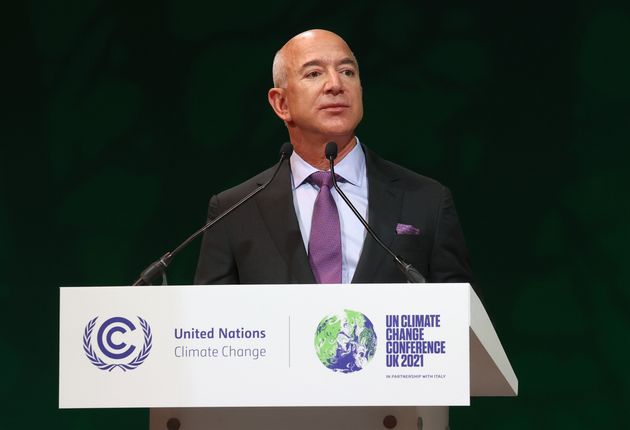
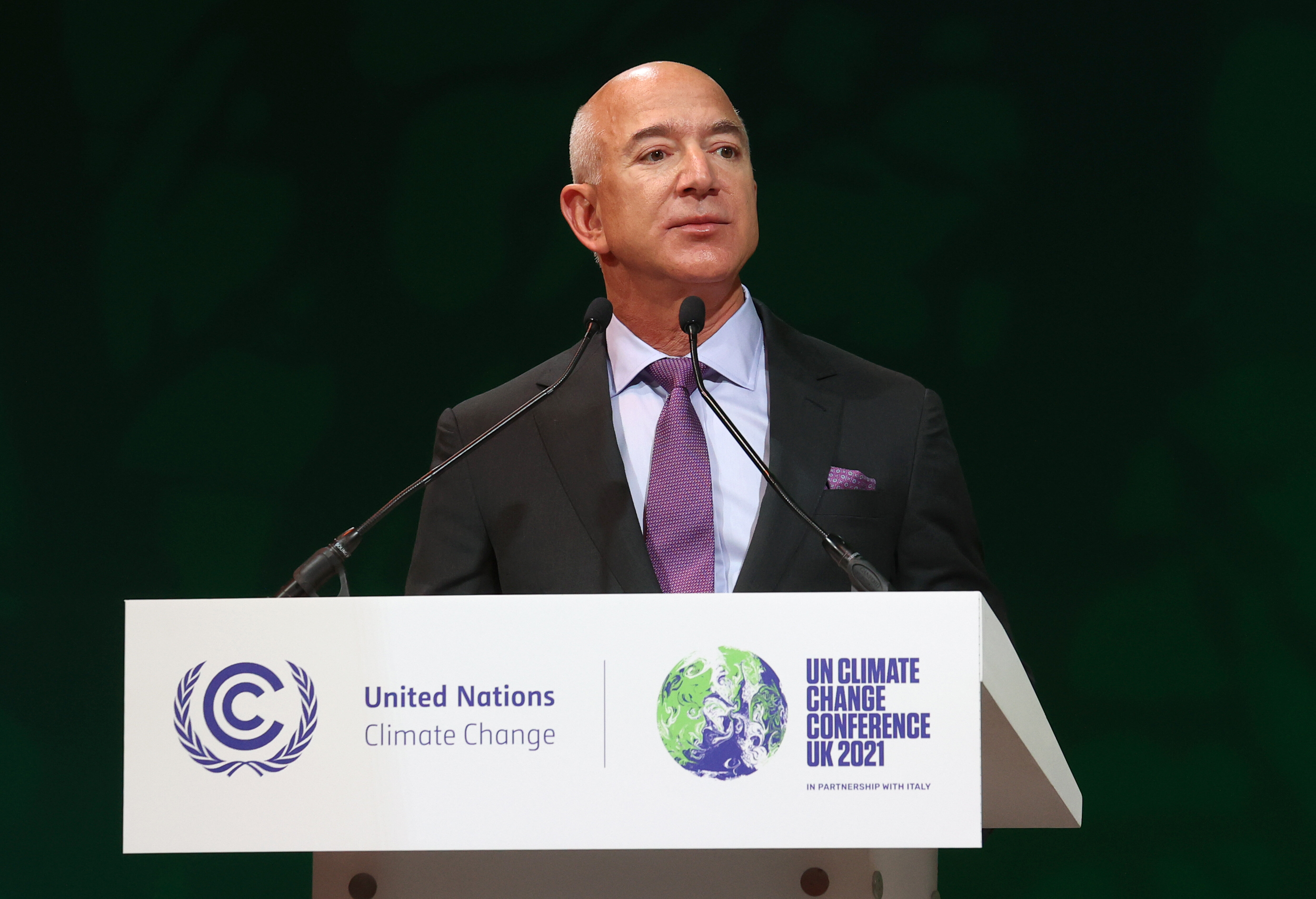
Bezos speaking at COP26 in Glasgow

The richest person in the world, Amazon founder Jeff Bezos, took to the stage to push for action on climate change on Tuesday – and people could not believe their eyes.

Bezos spoke at the UN’s climate summit COP26 about how his own adventures to space just earlier this year – enabled via his private company Blue Origin – made him realise how fragile the Earth and its atmosphere is.

“Looking back at Earth from up there, [in space] the atmosphere seemed so thin. The world so finite and so fragile,” the billionaire said.

“Now, in this critical year, in what we all know is the decision decade, we must all stand together to protect our world.”

He also announced a £2 billion pledge to restore nature as part of a £10 billion Bezos Earth fund.

But the irony of his declaration was not lost on viewers, who berated him for failing to implement green policies in his own companies.

The i’s Paul Waugh pointed out that just Bezos’ journey into space would have used up fossil fuels, culminating a significant portion of CO2 emissions.

The Guardian’s political correspondent Peter Walker noted that the billionaire was “explaining the obvious” after his “massively polluting ego trip into space” which lasted approximately 10 minutes.

Walker also pointed out the irony that Bezos even had a platform at the event, noting: “He’s not the saviour, he’s the problem.”

The Financial Times’ Tim Stanley dubbed the Amazon founder’s speech as “COP26′s Marie Antoinette moment” for its insensitivity.

Columnist Nick Timothy pointed out that Bezos still had significant work to do when it comes to making his own businesses more sustainable as well.

And the furious tweets from everyone who caught his speech just kept on coming.

Share Button

‘Shocking’ Inequality Is Still Behind Many Stillbirths And Premature Births

A quarter of stillbirths and a fifth of premature births across England are due to socio-economic inequalities, research suggests.

A review in the Lancet of more than a million births found that South Asian and Black women living in the most deprived areas experience the largest inequalities when it comes to what happens to their pregnancy.

Experts behind the review suggested that some factors, such as high body mass index (BMI) and whether a mother smokes, could be contributing to the risk, but also pointed to racism and economic issues.

Calculations for the study suggest that half of stillbirths and three quarters of births where the baby is smaller than expected in South Asian women living in the most deprived fifth of neighbourhoods would be potentially avoidable if these women had the same risks as white women living in the most affluent fifth.

Similarly, about two thirds of stillbirths and nearly half of births involving small babies in Black women from the most deprived neighbourhoods were potentially avoidable if they had the same risks as white women in richer areas.

SDI Productions via Getty Images

The NHS has set a target of halving stillbirth and neonatal death rates, and reducing levels of premature birth, by 25% by 2025.

An estimated 60,000 babies are born prematurely in the UK every year (before 37 weeks).

In 2019, around one in 255 births resulted in a stillbirth in England and Wales, alongside around one in 302 in Scotland.

In 2020, there were 2,429 stillbirths (167 fewer than 2019) in England and Wales, according to the Office for National Statistics (ONS).

In the new study, a team from the National Maternity and Perinatal Audit analysed birth records between April 1, 2015 and March 31, 2017, in NHS hospitals in England.

They worked out the impact of socio-economic factors, adjusting for whether women smoked, their BMI and other pregnancy risk factors.

Socio-economic status was measured for each local area and combined information on income, employment, education, housing, crime and the living environment.

In total, almost 1.2 million women with a birth of a single child were included in the study, of whom 77% were white, 12% South Asian, 5% Black, 2% mixed race/ethnicity, and 4% other race/ethnicity.

Overall, 4,505 women experienced a stillbirth (after 24 weeks), the study found, while of 1,151,476 liveborn babies, 69,175 were premature and 22,679 were births involving foetal growth restriction (smaller babies).

Risk of stillbirth was 0.3% in the least socio-economically deprived group and 0.5% in the most deprived group; risk of a premature birth was 4.9% in the least deprived group and 7.2% in the most deprived group; while risk of foetal growth restriction was 1.2% in the least deprived group and 2.2% in the most deprived group.

The experts found that 24% of stillbirths, 19% of live premature births and 31% of live births of smaller babies were attributed to socio-economic inequality and would not have occurred if all women had the same risks as those in the least deprived group.

But when experts adjusted for ethnicity, mothers smoking and BMI, these statistics were cut (to 12%, 12%, and 16%, respectively), which the authors suggested means these factors may explain a considerable part of the socio-economic inequalities in pregnancy outcomes.

Pregnancy complications were found to disproportionately affect Black and minority ethnic women – with 12% of all stillbirths, 1% of premature births and 17% of births with growth restriction attributed to ethnic inequality.

In this group, adjusting for deprivation, smoking, and BMI had little impact on these associations – suggesting factors related to discrimination based on ethnicity and culture may contribute to poor outcomes.

Co-lead author Dr Jennifer Jardine, from the Royal College of Obstetricians and Gynaecologists, said: “The stark reality is that across England, women’s socioeconomic and ethnic background are still strongly related to their likelihood of experiencing serious adverse outcomes for their baby.

“I think that people will be shocked to see that these inequalities are still responsible for a substantial proportion of adverse pregnancy outcomes in England.

“Over the past few decades, efforts to close the gap in birth outcomes focusing primarily on improving maternity care and targeting individual behaviours have not been successful.

“Birth outcomes don’t only represent a woman’s health during pregnancy but also reflect her health and wellbeing across her entire life.

“While we must continue to encourage healthy behaviours during pregnancy, we also need public health professionals and politicians to strengthen efforts to address the lifelong, cumulative impact of racism and social and economic inequalities on the health of women, families, and communities.”

Co-lead author Professor Jan van der Meulen from the London School of Hygiene & Tropical Medicine added: “There are many possible reasons for these disparities.

“Women from deprived neighbourhoods and Black and minority ethnic groups may be at a disadvantage because of their environment, for example, because of pollution, poor housing, social isolation, limited access to maternity and health care, insecure employment, poor working conditions, and stressful life events.

“National targets to make pregnancy safer will only be achieved if there is a concerted effort by midwives, obstetricians, public health professionals and politicians to tackle the broader socioeconomic and ethnic inequalities.”

Share Button

Why Did World Leaders Fly Hundreds Of Miles To Glasgow? The Environment Secretary Can’t Quite Explain

Twitter @LBC

Environment secretary George Eustice put his foot in it on LBC

George Eustice struggled to justify why world leaders had flown from around the globe to attend COP26 on Tuesday.

The UN’s summit in Glasgow has been hailed as a last-gasp bid to stop catastrophic climate change – and yet hundreds of delegations flew into the city via private jets, one of the most damaging modes of transport, seemingly undermining the very message of the conference before it even began.

LBC’s Nick Ferrari asked the environment secretary: “Do we really need somewhere in the region of 200 to 300 private jets, a motor convey for the [US] president of 22 cars and a fleet of helicopters.

“This is rather hypocritical isn’t it, secretary of state?”

“Well, look, it’s always possible to see it in those sort of terms,” Eustice replied.

“I take a slightly bigger picture view on this. We’re only going to tackle this crisis if we can get governments around the world to make the right commitments and take the necessary steps to hit them.

“Having an event like this over two weeks where the world works together on a shared endeavour is an important thing to do and that does require people to travel.”

Ferrari persisted and pointed out: “But Mr Eustice – they [world leaders] seek to lecture us – they lecture the good people of Camborne and Redruth as they arrive in convoys of 22 cars, private jets which are gobbling out goodness knows how much CO2 emissions – and they lecture us.

“It’s ludicrous – isn’t it?”

Eustice still denied that the government is lecturing the public, claiming they were actually supporting technologies and decarbonising electricity to get to Net Zero CO2 emissions.

“It’s not really about lecturing people abut how they live their lives, but it is about having the policy agenda at government level,” the environment secretary claimed.

Ferrari then suggested there could be a danger that the government is turning people against it with “this level of hyperbole”.

Eustice’s colleague foreign secretary Liz Truss also fought back over questions about the methods world leaders had travelled to Glasgow on Monday.

She told Sky News that giving up flying is not the solution to reducing CO2 emissions – even though it is one of the most polluting activities out there.

She also claimed, “it’s really important that we do have people face to face”, when asking global leaders to make serious pledges about climate changes.

Share Button

Ed Sheeran Reflects On ‘Bittersweet’ Game Of Thrones Cameo: ‘I Feel I P****d A Lot Of People Off’

Ed Sheeran has admitted appearing in Game Of Thrones was “bittersweet” after receiving a backlash to his cameo. 

The singer popped up in the seventh series of the hit fantasy drama as a Lannister soldier who serenaded Maisie Williams’ character Arya Stark after meeting in the woods en route to King’s Landing. 

The cameo was met with a decidedly mixed reaction from fans, with many claiming it was disrupting and took them out of the world of Westeros. 

Ed’s appearance didn’t sit right with Hodor actor Kristian Nairn either, who spoke out publicly about the matter. 

Addressing the reaction during an interview with Dave Berry on Absolute Radio, Ed said: “Game of Thrones was like bittersweet because I feel like I pissed off a lot of people by being in that, but anytime I meet someone that is like ‘oh you cameoed on that show’ I’m like what would you say? Like everyone would say yes. I was a fan of the show, they asked me to be in it.

“I didn’t expect there to be that much backlash but I am definitely like more careful when I am offered cameos now.”

HBO

Ed Sheeran and Maisie Williams

In an interview with HuffPost, Kristian Nairn told HuffPost: “I’m not a fan of the cameos in Game of Thrones. I don’t like them. I think it’s stupid. I don’t mind going on the record on that. I just think it takes you right out of the world. Especially Ed Sheeran.

“I was like, ‘Why is Ed Sheeran here?’ I mean, Ed Sheeran’s great. He’s a great guy, great musician, but why is he in Game of Thrones?”

He added: “I’m being tactful here, but just not a fan of the cameo. I think most people would agree with me there. It was a big snap to reality. It’s like, ‘What? What?’”

However, Ed was defended by Game Of Thrones director Jeremy Podeswa, who suggested that people were not willing to give him a chance.

There were previously reports that Ed left Twitter because of the reaction to the cameo, but he denied that was the case, saying he had always planned to abandon the platform and his cameo was “clearly fuckin’ awesome.”

He was reportedly cast in the show as a sweet surprise for Maisie Williams, who’s a fan.

Other stars who made cameos in Game Of Thrones include members of the metal group Mastodon and fellow bands Of Monsters and Men and Sigur Rós.

The Dave Berry Breakfast Show airs weekdays at 6am on Absolute Radio. 

Share Button