Controlling Britney Spears – a sequel to Framing Britney Spears, which sparked a lot of conversation earlier this year – was also released in the last week, with CNN recently unveiling their own project titled Toxic: Britney Spears’ Battle For Freedom.
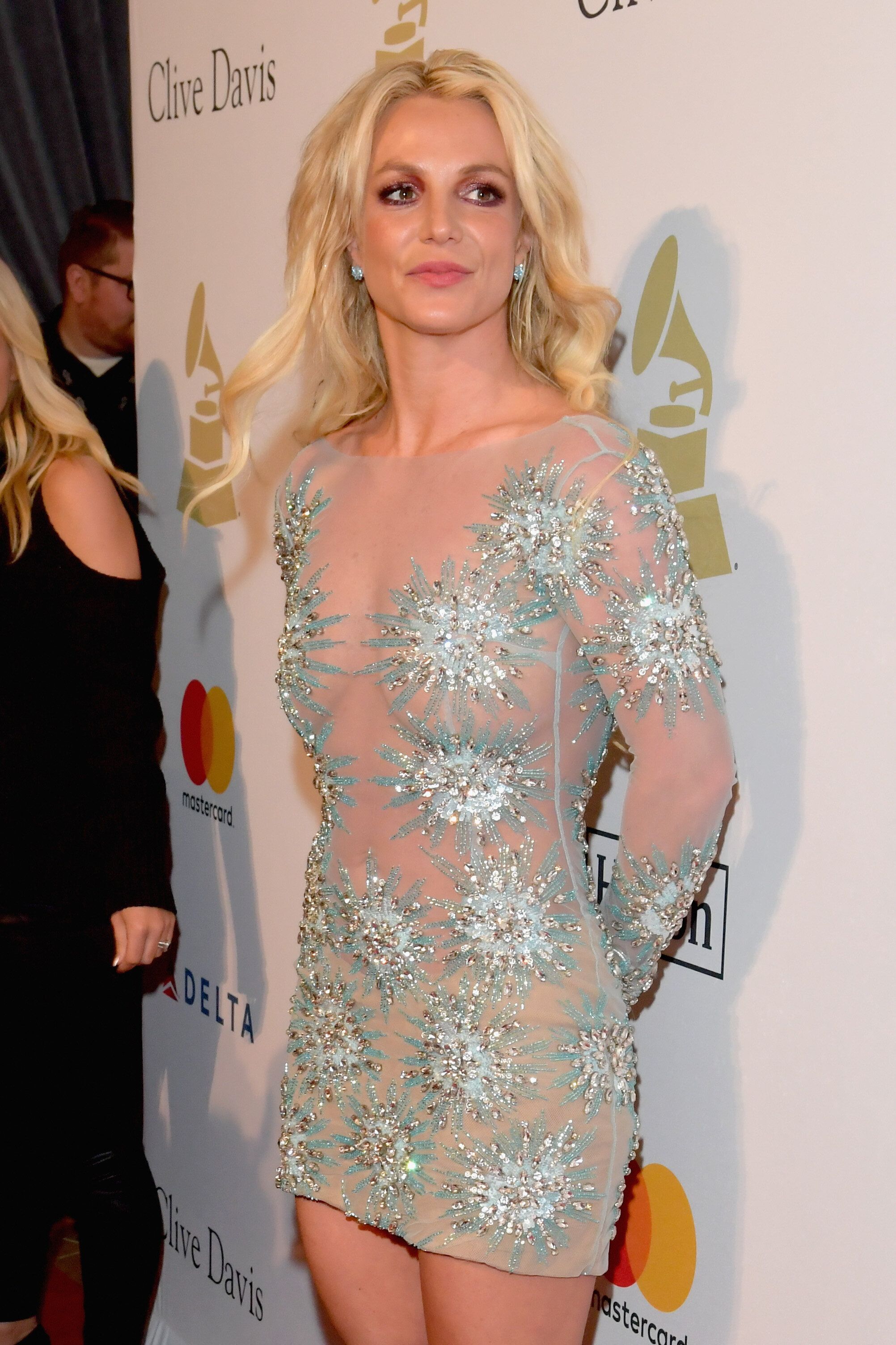
Lester Cohen via Getty ImagesBritney Spears at a Grammys event in 2017
In the early hours of Tuesday morning, Britney shared her thoughts on one of the documentaries after claiming she’d sat down to watch it, although she did not specify which.
“It’s really crazy guys,” she wrote on Instagram. “I watched a little bit of the last documentary and I must say I scratched my head a couple of times!!!
“I really try to disassociate myself from the drama!!! Number one… that’s the past!!! Number two… can the dialogue get any classier??? Number three … wow they used the most beautiful footage of me in the world !!! What can I say… the EFFORT on their part!!!”
“2021 is definitely way better than 2020 but I never knew it was gonna be like THIS!!!!” she wrote. “So many documentaries about me this year with other people’s takes on my life… what can I say… I’m deeply flattered!!!!”
Britney continued: “These documentaries are so hypocritical… they criticise the media and then do the same thing?????
“Damn… I don’t know y’all but I’m thrilled to remind you all that although I’ve had some pretty tough times in my life… I’ve had waaaayyyy more amazing times in my life and unfortunately my friends… I think the world is more interested in the negative!!!!”
The Womanizer singer added: “I mean… isn’t this supposed to be a business and society about THE FUTURE???? Why highlight the most negative and traumatising times in my life from forever ago???? I mean DAMN…”
She previously said of Framing Britney Spears: “I didn’t watch the documentary but from what I did see of it I was embarrassed by the light they put me in… I cried for two weeks and well… I still cry sometimes!!!!”
On Sunday evening, the BBC confirmed that Tom and his professional partner Amy Dowden had tested positive for coronavirus and would need to self-isolate.
Because of this, they will not be appearing in the second of this year’s live shows, but will be allowed to return to Strictly the following week.
Following the news, Amy shared a post on her Instagram page, assuring her followers that she was not experiencing Covid symptoms.
Guy Levy/BBCAmy Dowden and Tom Fletcher on the Strictly dance floor
“Unfortunately Tom and I have tested positive for Covid-19. I’m not suffering any symptoms but am now isolating at home,” she wrote.
“I have no doubt that over the next 10 days my mind will be going crazy with choreography ideas ready to get back on the Strictly dance floor for the live show in week three!
“Thank you for all of the support and good luck to all of the couples this week. I will be cheering you all on!”
Clearly keeping his spirits up, Tom – who had been on tour with his band McFly until he tested positive for Covid – then commented: “Rest up partner. We’ve got to pull something special out of the bag for week 3.”
A BBC spokesperson said: “Tom Fletcher and Amy Dowden have tested positive for Covid-19. The pair are now self-isolating separately following the latest government guidelines.
“While they will both miss Saturday’s live show, Strictly Come Dancing protocols mean that all being well, they will return the following week.”
Tom and Amy were the first of this year’s Strictly couples to perform on Saturday night, earning 21 points from the judges for their Cha Cha Cha routine.
Strictly Come Dancing returns on Saturday night at 6.45pm on BBC One.
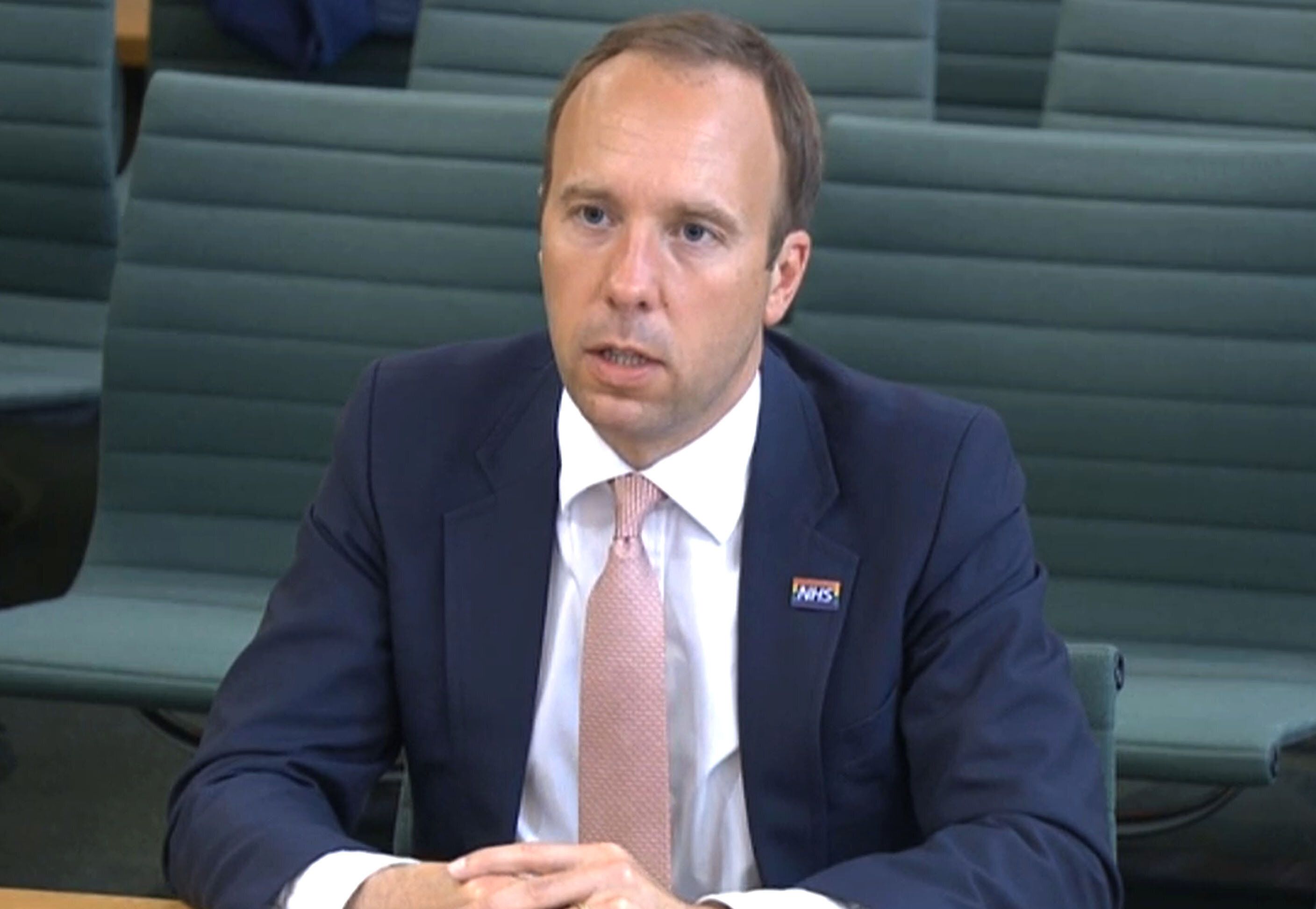
House of Commons – PA Images via Getty ImagesMatt Hancock, former health secretary
Matt Hancock was compared to the fictional character Alan Partridge after he uploaded an unusual video to Twitter on Saturday.
The former health secretary, who resigned after it emerged he breached social distancing guidelines by kissing his aide in June, has kept a relatively low profile over the summer as his marriage broke down.
Now the Tory backbencher appears to be re-emerging into the world of politics and posted a 50-second video online where he meets and greets his constituents in Haverhill.
With upbeat music in the background, Hancock looks slightly out of place as he fist-bumps one member of the public while another affectionately touches his face.
Safe to say, it didn’t go down very well online.
Anti-Brexit campaigner and writer Femi Oluwole commented: “150,000 people dead…the worst breach of Covid lockdown rules of the whole pandemic…
“And this guy (along with 100s of other Tories) is just going to stroll back into Parliament at the next election as if nothing happened because they’re in safe seats. #MakeVotesMATTER!”
150,000 people dead…
…the worst breach of Covid lockdown rules of the whole pandemic…
And this guy (along with 100s of other Tories) is just going to stroll back into Parliament at the next election as if nothing happened because they’re in safe seats.#MakeVotesMATTER!
Others couldn’t quite believe it was real, with one account tweeting: “This is so cringe. It has to be satire. If he thinks this does him a favour, I’m speechless.”
This is so cringe. It has to be satire. If he thinks this does him a favour; I’m speechless
Some accounts didn’t miss a beat and immediately compared it to the political satire show The Thick of It – or Alan Partridge.
The phrase “accidental Partridge” began showing up all over Twitter, meaning Hancock’s awkwardness embodied Steve Coogan’s character Partridge, a broadcaster who lacks significant social skills.
Coogan describes Partridge as a Little Englander with ring-wing values, and he has become a cultural touchstone on what not to be in broadcasting.
Even the Twitter account Accidental Partridge – which catches clips of awkward public appearances – recognised Hancock’s video.
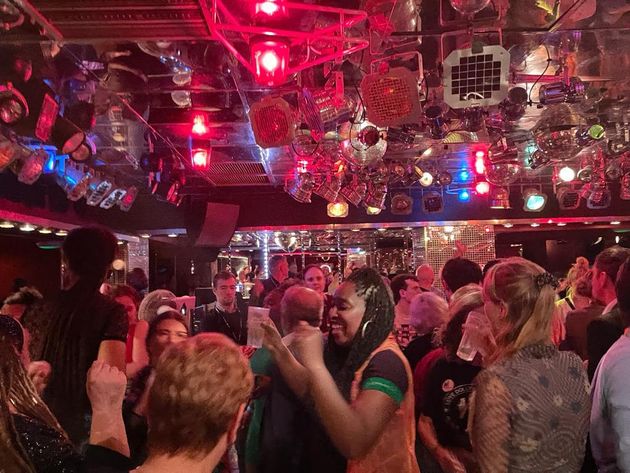
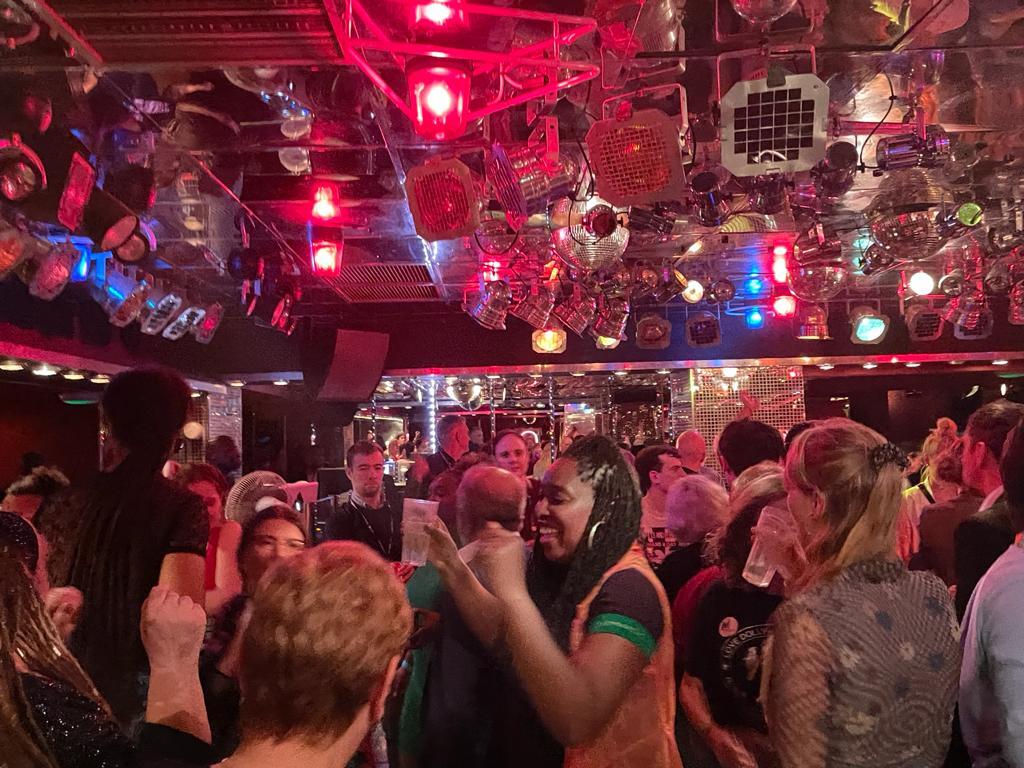
HuffPost UKMPs let their hair down at Dawn Butler’s Jamaica party
Sadiq Khan made a speech behind the DJ decks and MPs raved on the dancefloor at Dawn Butler’s Jamaica party last night.
The event took place in Pryzm on Brighton seafront and has become one of the biggest parties at Labour’s annual conference.
Among those spotted include MPs Nadia Whittome, Lloyd Russell-Moyle and Barry Gardiner as well as ITV’s political editor Robert Peston.
Mayor of London Sadiq Khan made a guest appearance, telling the crowd from behind the DJ decks: “The best party in this Labour conference week is Dawn Butler’s Jamaican party.
“I’ve got to tell you, I saw Michael Gove coming to Brighton but [he] likes dancing so don’t be surprised if you see Michael Gove here dancing.
“Have a great conference, have a great Dawn Butler Jamaican night.”
Butler, the MP for Brent Central, tweeted at around 7.30am the morning after: “What a night! Just getting to bed. Thank you to everyone who came and raved, enjoyed and just went with the vibes.”
Party conference will run through to Wednesday when Sir Keir Starmer will give his first speech at the event as leader of the Labour Party.
Labour uses the opportunity to vote on major policies from taxes to foreign affairs.
As well as the main speeches, smaller events including panel discussions and drinks receptions are also taking place.
Strictly Come Dancing fans were loving the fact that a certain A-list celebrity could be seen in the studio audience during Saturday night’s show.
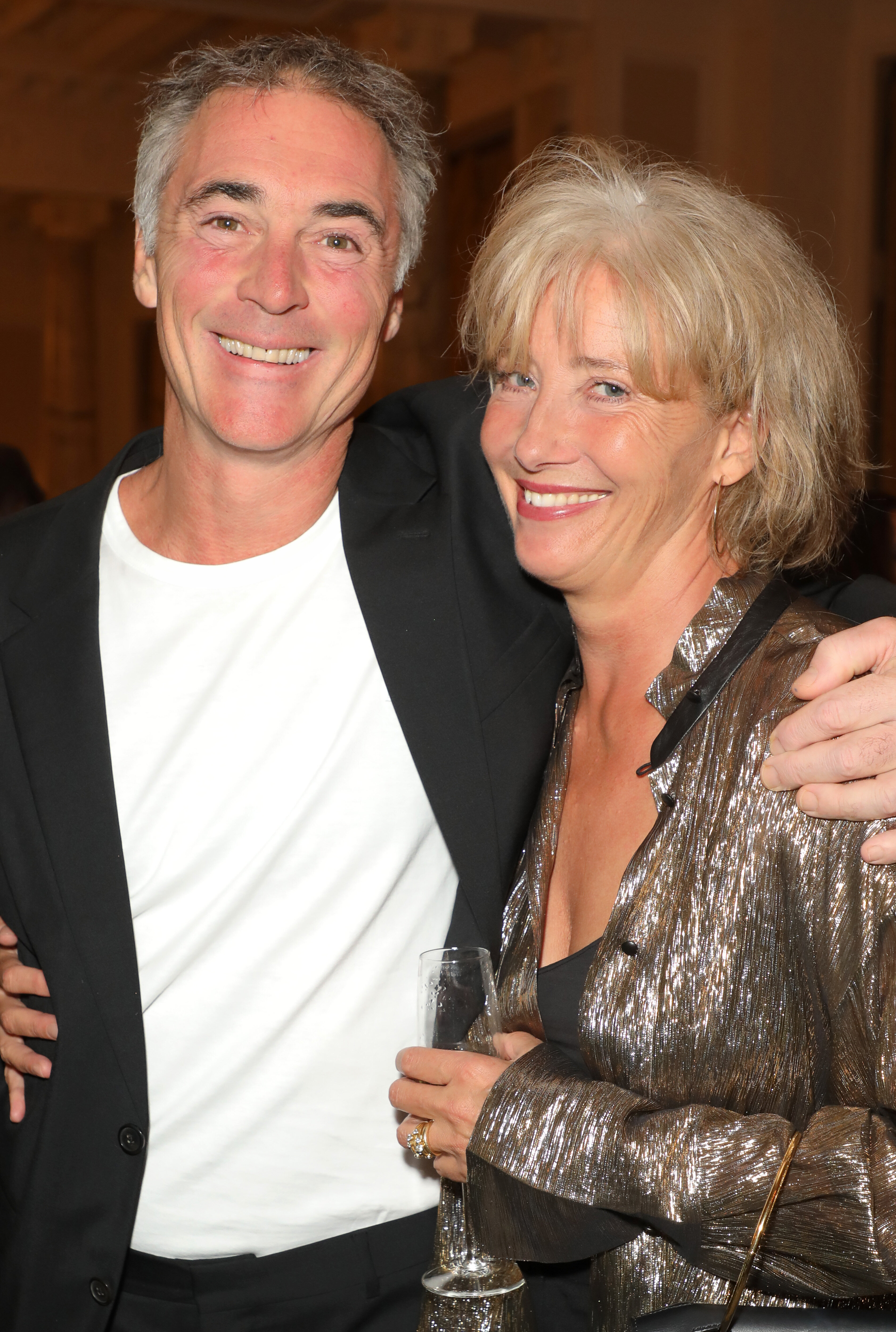
Dame Emma Thompson was among the Strictly audience during the first live show of the series, showing her support for her husband Greg Wise, who is among the 15 stars competing in the BBC dance show this year.
After Greg and his partner Karen Hauer’s first dance of the competition, Claudia Winkleman pointed out that “your wife and daughter are in the audience”.
The cameras then cut to Emma and the couple’s 21-year-old daughter Gaia, with the Cruella star jokingly mouthing: “She’s the wife, I’m the daughter.”
It wasn’t just during Greg’s time on camera that Emma could be spotted enjoying a night out in the Strictly studio, though.
Because of her eye-catching pink jacket (and the fact she was seated directly behind Craig Revel Horwood for most of the night), the much-loved star could be seen throughout the episode, and Strictly viewers were absolutely loving it:
Emma Thompson mouthing that she’s the daughter, and the daughter is the wife is the reason we love her, right?! #Strictly
Something absolutely wonderful about the fact Oscar winner Emma Thompson is currently sitting only a matter of metres away from Zainab Masood from Eastenders. #Strictly
Although he was about to sign up for a lucrative film contract, it was chatting to Emma that convinced him to say yes to Strictly, with the star of Sense & Sensibility and The Crown coming in joint fourth place for his first routine of the series.
David M. Benett via Getty ImagesGreg Wise and Emma Thompson
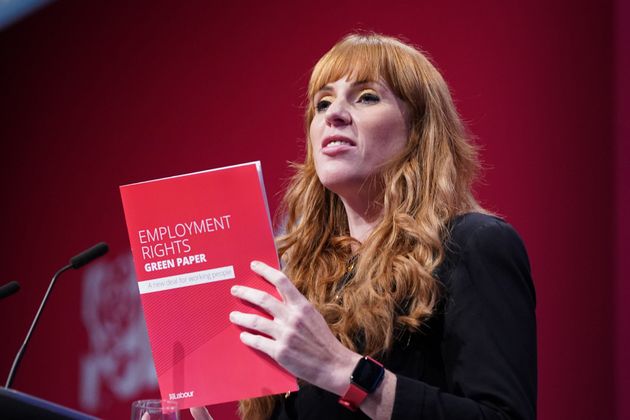
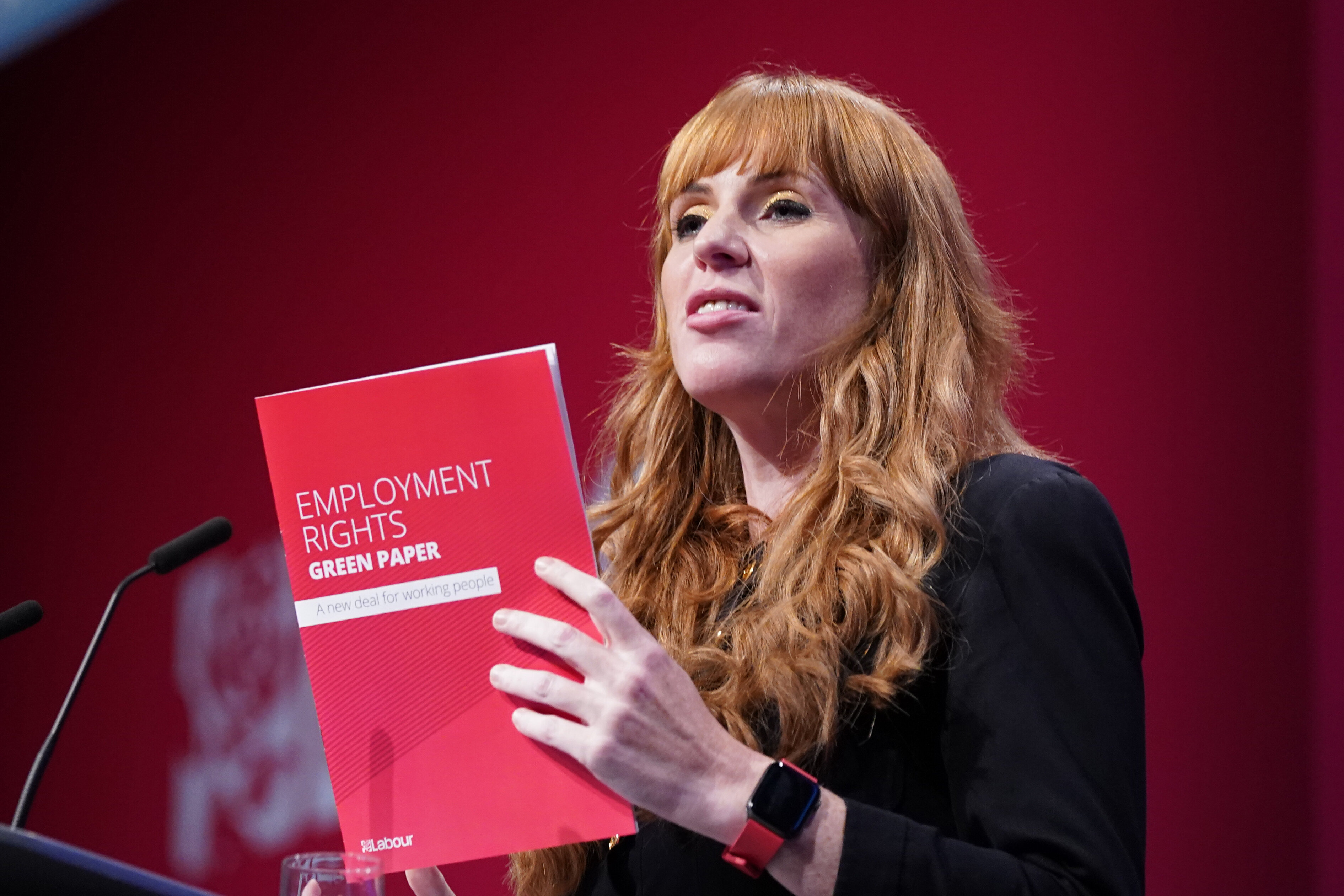
Stefan Rousseau – PA Images via Getty ImagesLabour deputy leader Angela Rayner speaks at the Labour Party conference in Brighton.
Angela Rayner has defended calling Tories “scum” last night, saying it was her “street language”.
The deputy leader of the Labour Party launched an attack on Conservatives calling them “scum, homophobic, racist, misogynistic”.
She made the comments at a reception for Labour members in the north west of England at the party’s annual conference in Brighton.
The comments sparked a backlash from Tory MPs but Rayner stood by her words this morning, saying it was “post-watershed”.
She told Sky’s Trevor Phillips on Sunday: “That was post-watershed as we’d say, with a group of activists at an event last night.”
Rayner said she was trying to get across in her “passionate way” the frustration and anger people feel over Boris Johnson’s comments and actions.
The senior MP said she would only apologise if Johnson said sorry for his past comments that she claimed were “homophobic, racist and misogynistic”.
Pressed on her comments, Rayner said she was talking about members of the cabinet.
She added: “Anyone who leaves children hungry during the pandemic and can give billions of pounds to their mates on WhatsApp, I think that was pretty scummy.
“Now that is a phrase, and let me contextualise it, it’s a phrase that you would hear very often in northern working class towns that we’d even say it jovially to other people.
“We say it’s a scummy thing to do. And that to me is my street language as you would say – about actually it’s pretty appalling that people think that’s okay to do.”
I’m sure this went down well in the room but when voters look at the party that has had both female PMs, with half of the great offices of state filled by women, half by BAME, most diverse government, more gay ministers than Labour ever had etc
Last night Rayner said: “I’m sick of shouting from the sidelines and I bet you lot are as well. We cannot get any worse than a bunch of scum, homophobic, racist, misogynistic, absolute vile…Banana Republic, vile, nasty, Etonian…piece of scum.”
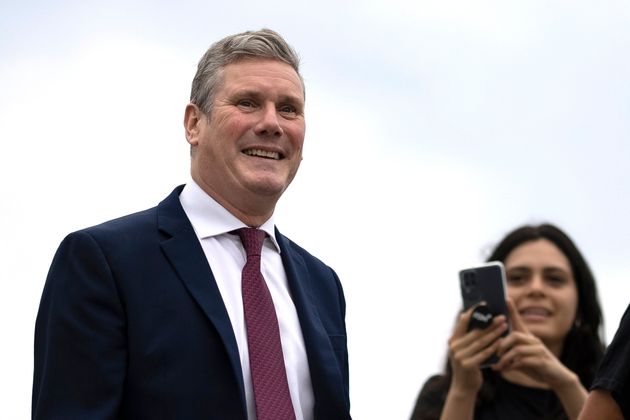
Labour leader Sir Keir Starmer said the tirade was “not language that I would have used”.
He told BBC’s Andrew Marr Show it was a matter for Rayner whether she apologised but said he would speak to her about it.
“Angela and I take different approaches and that’s not language that I would use,” he said.
Asked if she should apologise, Starmer said: “That’s a matter for Angela… but I would not have used those words. I will talk to Angela about it later on.”
Labour former shadow chancellor John McDonnell rowed in behind Rayner, saying: “We’ve all been there, late at night, getting very angry about what’s going on. What I like about Angie Rayner is that she’s human.
“She may well drop herself in it, just as I have time and time again, but she’s human and she has human emotions and when you get angry about something sometimes the language that you use might be over the top.”
Dan Kitwood via Getty ImagesStarmer was quizzed about Rayner’s comments on the BBC’s Andrew Marr show.
However, transport secretary Grant Shapps called on Rayner to apologise and said her comments were “absolutely appalling”.
The cabinet minister said: “There’s no place in public life for that sort of language, that sort of behaviour. I saw that she had described herself as being somebody who wanted to see a kinder kind of politics back in 2019. I’m very sorry that seems to have disappeared.”
He added: “I think it would be befitting if she actually just apologised, rather than talked around the subject.”
Tory MP Alec Shelbrooke told HuffPost UK: “It once again shows that Labour have nothing to offer the north other than bitter and nasty comments against those who northern voters elected over an out of touch Labour Party, who still show that instead of recognising the issues that people want addressed, would rather stoop to the actions of the defeated play ground bully. Labour continue to show that the true party of the workers is the Conservative Party.”
Foreign Office minister James Cleverly also hit back, tweeting: “I’m sure this went down well in the room but when voters look at the party that has had both female PMs, with half of the great offices of state filled by women, half by Bame, most diverse government, more gay ministers than Labour ever had etc they’ll know she’s talking crap.”
The Great British Bake Off winner and his professional partner are the first pairing made up of two male dancers to ever compete in the long-running BBC series.
During Saturday night’s live show, they delivered their first routine of the new season, performing an intense Tango to Blue Monday by New Order.
The two took to the floor in matching black tuxedos, and won over the judges, who gave them an impressive 30 points of a possible 40.
BBC/Guy LevyJohannes Radebe and John Whaite on the Strictly dance floor
John and Johannes’ score put them in joint second place on the leaderboard on the night, alongside Olympian Adam Peaty and his partner Katya Jones.
The pair also received glowing reviews from those watching along on social media:
Just stunning, chills
Obviously very glad and grateful this has happened now, but think of all the dances like this we’ve missed over the years, the show didn’t implode, hellfire did not rain down, it really was that simple https://t.co/E4fnYUGx0l
don’t mean to be dramatic but seeing john and johannes on strictly! is just! i remember watching it every year as a child never thinking i’d be allowed to join in because i’d want to dance with a man and to see this!!!! over the moon tbh #Strictly
In 2004, at the age of 14, I felt oddly represented by Julian Clary being openly out on strictly. Tonight I hope that same feeling is with someone else that age or younger and is more than heightened watching John & Johannes ❤️🧡💛💚💙💜🤎🖤 #Strictly#SCDpic.twitter.com/7NnJXwbG2j
The message John and Johannes are sending out to the world, the example they are setting, is so much bigger than #Strictly What they’re doing for the queer youth watching at home, particularly queer youth of colour, is just phenomenal. I’m just beaming 🥺🥰
Loved it! Johannes is 🔥 and so lovely to see the other celebrities being so supportive of the first male same-sex pairing with a standing ovation. Representation on prime time matters still. #Strictly
John and Johannes also got the seal of approval from celebrities including Steps singer Ian “H” Watkins, who previously competed as part of Dancing On Ice’s first ever same-sex partnership.
The two landed not just the highest score of the night for their Jive routine, but the highest score for any week one performance since 2005.
At the end of Saturday night’s show, there was no public vote, with all 15 of the celebrities making it through to next week, after which viewers will help determine the two stars who end up in the first dance-off of the series.
Find out how the cast gets on when Strictly returns to our screens on Saturday night at 6.45pm.
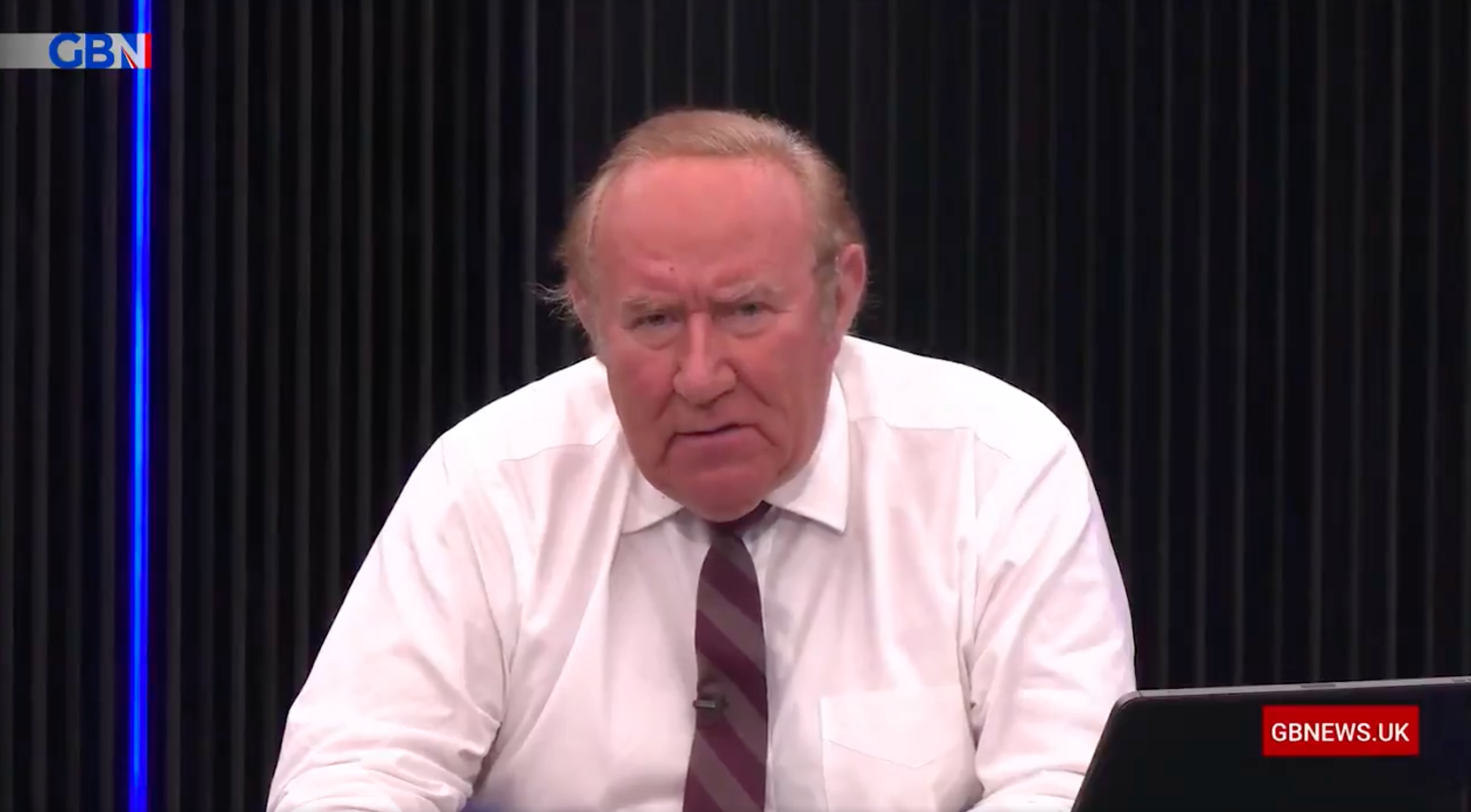
It’s no secret that GB News got off to a bumpy start when it debuted in June, with former chairman Andrew Neil detailing some of the behind-the-scenes drama that blighted his time with the station in a new interview following his departure.
In a new interview with the Daily Mail – during which he reportedly broke down in tears – Andrew spoke out about his time at GB News, explaining that working at the station brought him “close to a breakdown”.
Referring to GB News’ many technical blunders, he recalled: “Live TV is stressful at the best of times but not knowing whether or not the technology would work…
“It just got worse and worse. At one stage, we were waiting to go on air and the whole system went down. It had to be rebooted and we only managed it with 15 seconds to spare. That stress was just huge. It meant you couldn’t think about the journalism. You were just constantly wondering: ‘Will we make it through the hour?’.”
GB NewsAndrew Neil speaking live on GB News
He continued: “By the end of that first week, I knew I had to get out. It was really beginning to affect my health. I wasn’t sleeping. I was waking up at two or three in the morning.
“I had a constant knot in my stomach. When I did wake up I’d feel fine, then remember all the problems I had with GB News and this knot would come and wouldn’t leave me for the whole day.”
Referring to some of the station’s specific issues, he stated: “The studio had four areas. One was the digital wall, another was the breakfast table area – which I thought looked rather good – the other was the sofa, which looked like a Habitat sofa we’d picked up off a skip in Notting Hill, and the fourth, which was where I did my show from, was so black I had to take my jacket off and wear a white shirt.”
“We only had a floor manager because I’d insisted,” he claimed. “We were meant to operate our own autocue and do our own make-up. It makes student TV look well-financed.”
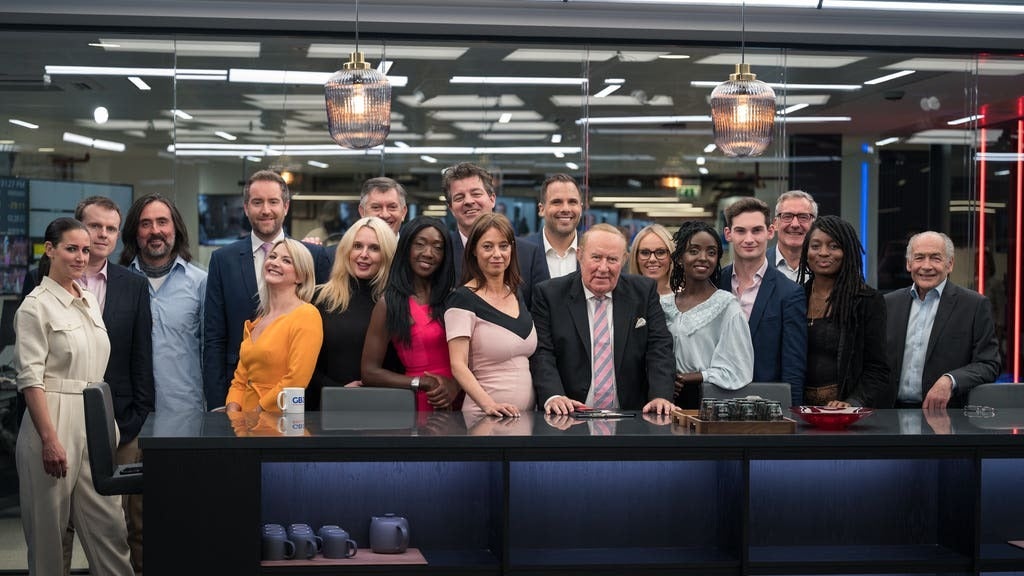
PAAndrew Neil posing with the on-air GB News team after its launch night
Andrew added that despite broadcasting from “the most diverse, multi-ethnic city in the world”, the team was not able to provide appropriate lighting for people of colour.
“I raised the issue that the reputational damage we were risking was monumental,” he told the Mail. “I said it was a disaster. There were endless things and, by the second week, things weren’t getting any better. Some things were getting worse. It was terrible.
“I came off air one night and I looked straight at [GB News’ CEO Angelos Frangopoulos], I said: ‘This is a disaster and it’s my reputation that’s on the line’.
“That’s what really did me in the end – and it’s my own stupidity for getting into it – the fact that everybody saw my face on the tin. It was Andrew Neil’s channel. That’s what everyone talked about.
“What nobody knew was [before the June launch] in March, April, May… my face was still on the tin but I had no say over what was going into the tin. That’s what was unsustainable for me.”
Leon Neal via Getty ImagesGB News has had a tumultuous few months since its launch in June
In leaving GB News, the Mail reports that Andrew “walked away from a £4 million contract”, though he insisted: “It was a big decision but I frankly couldn’t care if it was £40 million. This would have killed me if I’d carried on.”
A statement from GB News issued to the Daily Mail said: “As with all companies, decision-making rests with the board, and GB News is no different. As a member of the board, Andrew had the same rights and abilities to raise concerns, and he was privy to all decisions.”
Their spokesperson added: “The board allowed Andrew time off over the summer to recharge his batteries. He subsequently asked to leave and the board agreed to this request. The terms of his departure were properly negotiated and documented, with Andrew taking legal advice throughout.
“The fact that he has chosen to ignore these terms and make his departure unnecessarily contentious and public is a decision he will have to live with.”
HuffPost UK has contacted GB News for additional comment.
In tandem with the relentless reports of higher temperatures, extreme weather, natural disasters and depleted resources saturating your newsfeed, you may find yourself experiencing an uptick in anxiety, depression and existential dread – better known as eco-anxiety.
A 2020 poll by the American Psychiatric Association found that more than two-thirds of Americans (67%) are somewhat or extremely anxious about the effect of climate change on the planet while more than half (55%) are somewhat or extremely anxious about how climate change affects their own mental health.
Advertisement
Though not an official clinical diagnosis, the American Psychological Association defines eco-anxiety as “a chronic fear of environmental doom.” Eco-anxiety is just as real as any other form of anxiety in that it typically involves the same physical and emotional sensations.
“It’s even more real, in a sense, because the problem triggering the anxiety symptoms is objectively real and massive in scale,” Erica Dodds, chief operating officer of the Foundation for Climate Restoration, told HuffPost. “There used to be more distance between any one person and the world, but now it feels like every problem in the world is right in our living rooms with us.”
Like other forms of anxiety, eco-anxiety can affect anyone, and to varying degrees. “Some people might be proactive in taking measures to protect the planet’s resources, while others might feel so powerless to stop the degradation of the environment they can’t handle thinking about it at all,” Dodds said.
No matter where you fall on the eco-anxiety spectrum, the steps you take to recognise your symptoms and improve them will likely be advantageous for the planet, too. Where to begin? See if any of these eco-anxiety symptoms sound familiar and use the expert-backed strategies provided as fuel for positive change.
Advertisement
1. You’re in a persistent state of anticipatory anxiety
Our animalistic need to feel safe operates on the most primitive level. “When we don’t feel safe, we naturally scan our environment to detect any hint of threat,” Carla Marie Manly, a California-based clinical psychologist and author of Joy From Fear told HuffPost.
When a threat like climate change is continuously felt yet isn’t readily discernible in the present moment, you may end up with chronic anticipatory anxiety. Because anticipatory anxiety is future-based, the best way to counteract it is to reconnect with the present moment, starting with a few deep breaths to calm your over-revved sympathetic (“fight or flight”) nervous system.
“Keep a rock, dried flower, twig or other natural object around that you can look at and touch when you’re feeling overwhelmed,” said Holly Schiff, a licensed clinical psychologist based in Greenwich, Connecticut. “This acts as a grounding technique.”
Advertisement
2. You feel guilty about not doing more to reduce your carbon footprint
Odds are your guilt stems from all-or-nothing thinking — you consider your actions as successes or failures, and there’s no gray area. Meanwhile, the grey zone is where many of our daily actions land.
“Recognising this maladaptive thought pattern is the first step toward alleviating guilt and shame related to your feelings of personal responsibility for your carbon footprint,” Tyson Lippe, a psychiatrist at Heading Health in Austin, Texas, told HuffPost.
Learn to acknowledge the positive decisions instead of focusing on how much more you could have done. “By ignoring everything less than 100%, it becomes easy to feel your efforts will always be in vain,” Lippe said. “One setback or shortcoming doesn’t negate the rest of your efforts toward ensuring our planet’s health.”
Because the brain is hardwired to remember negative instead of positive experiences, documenting your achievements can keep your efforts in perspective.
“Constructing a record of accomplishments provides an easy way to review them and remind yourself that you made a difference,” Lippe said. “This method provides positive reinforcement and a way to override our propensity to focus on our shortcomings.”
3. You deeply regret choices that harmed the environment
Regret can be both constructive and destructive – and it’s important to learn the difference.
“A normal and desirable part of life is learning new information as we grow and change,” Lippe said. “But becoming aware of the unforeseen consequences of our acts and assessing past behaviour in the light of new knowledge can lead to being excessively self-critical.”
The next time you find yourself in a regret spiral, pause to notice if you’re now engaged in more eco-friendly behaviours. If you are, focus on all you’re doing now to change the world for the better.
Advertisement
Regret about your past environmental impact might also be a signal from your psyche that you’re not currently taking care of the planet. If that’s the case, “use the regret to create new behaviours that will make a positive, if small, difference,” Manly said. Think: using reusable produce and grocery bags, trying waterless cleaning products, shopping sustainable beauty brands and more.
Oscar Wong via Getty Images
Doomscrolling news about climate change can reinforce anxiety without being productive.
4. Your doomscrolling is getting out of hand
Compulsive actions emanating from eco-anxiety – like doomscrolling for the latest climate change tragedies and grim predictions – often occur in conjunction with hyper-focused, obsessive thoughts, which stem from a lack of internal safety and control.
“Such behaviours are the mind’s way of coping with the stress and anxiety of feeling powerless,” Manly said. “Seeking relief, the mind becomes stuck in ruminative patterns.”
Consider setting limitations on the daily or weekly time spent examining eco-associated information if you find yourself worrying excessively. “Being situationally aware is good; being overwhelmed is not,” Lippe said.
Another option would be to balance the scales: For every doom-filled piece of information you consume about the environment, find another on the latest successes and innovations, or hope-filled intel you can translate into action.
“It’s far more helpful and uplifting to channel the time researching climate change to doing something about it,” Manly said. “You’ll feel far more empowered and better about yourself if you switch gears to take action.”
5. You feel extremely resentful when other people do things that damage the planet
One of the key messages around climate change is that a collective effort is essential to rectify what’s happening to the environment.
“This means everyone’s individual and moral responsibility is engaged, and our response to climate change is based on cooperation,” Lippe said. “Resentment occurs as a result of perceived violation of this moral contract.”
Advertisement
Although it’s a subconscious emotional response, it can be draining and contribute to negative thought patterns. “A helpful way to combat resentment is to first recognize it, then consciously deflect resentment in favour of acceptance,” Lippe said.
You can’t control how eco-friendly other people’s habits are — only your own. Lead by example and educate where possible.
“Resenting others for not doing their part isn’t helpful,” Manly said. “However, modelling eco-friendly actions has the potential to inspire change in others, one person and situation at a time.”
6. You’re paralyzed by being overwhelmed as you build eco-friendly habits.
Because of the urgent reasons behind your desire to build eco-friendly habits, you might find yourself taking on too much too fast. “This makes maintaining those changes exhausting, and you burn yourself out,” Lippe said.
Intermittent and small tweaks are more tolerable than sudden, large ones and can lead to compounding changes, much like rolling a snowball down a hill.
“If feelings of overwhelm make you feel stuck, create a can-do calendar as a guide to monthly macro-changes supported by micro-changes,” Manly said.
In the first month, for example, your main goal might be to focus on shopping for fresh, local groceries that require less packaging – which might involve micro-goals like biking to the farmer’s market, sharing a box of fresh veggies with neighbours or planting a winter garden.
During the second month, your main goal might be to use less energy, and your micro-goals may be setting the heater no higher than 68 degrees, turning off lights when leaving the room and taking shorter showers.
“Making small, sustainable micro-changes can strengthen your resolve and your relationship with the environment,” Manly said.
Advertisement
japatino via Getty Images
Intense fear about potential extreme weather events could be a sign that your eco-anxiety needs to be addressed.
7. You’re phobic about extreme weather
A phobia is a fear that’s out of proportion with the danger it represents. “However, recent events, including wildfires and floods, have surpassed the scale of what we’ve experienced before and is blurring the boundaries between fear and phobia,” Lippe said.
Fears – and fear’s close relatives, anxiety and phobias – can leave us paralysed, but being stuck in fear only does more harm.
“Constructive fear (the side of fear that guides us to make healthy change) simply asks that we look at what we can do as individuals to shift the situation for the better,” Manly said.
If you’re feeling bogged down by destructive fear (the fear that keeps us feeling stuck and paralysed), assess the situation and do one small thing that makes a difference, such as making a donation to a charity that helps people affected by wildfire.
“When you practice this behaviour pattern, you’ll notice your fears subside because you’re taking action to create healthy change,” Manly said. “Sometimes that’s the best and only thing we have the power to do.
If your fear is a result of personally experiencing a natural disaster, it might be part of a post-traumatic stress disorder: “Seeking out professional support for diagnosis and treatment is advisable,” Lippe said.
8. You have a serious case of existential dread.
You might feel like no matter how hard you try to help the planet, it’s never enough, so you avoid taking proactive steps because they seem to make so little difference. This, paradoxically, forces you to confront the incredible scale of the problem.
“There are many approaches to decrease one’s own carbon footprint ― choosing to bike rather than drive, eating less meat, having fewer children ― but ultimately the problem is beyond the scale of individual actions,” Dodds said.
This can also help you make peace with the fact that you can’t do everything. “I find it helpful to network and see firsthand that other people are working on issues I care deeply about but don’t have the time to contribute to,” Dodds said.
You can also make small recurring donations to organisations working in areas you care about or subscribe to their newsletters to keep yourself engaged with their causes.
9. You have meltdowns about how climate change is affecting wildlife
A few weeks ago, Dodds was marvelling over a photo on Instagram of gorgeous whales sleeping underwater together — until she noticed the text accompanying the picture was describing the decimation of whale populations and its devastating effect on other species.
“In an instant, I went from awe to anguish,” she said.
The changes to our climate have been attracting so much social and media attention, especially lately, increasing the barrage of agonising information about the climate and ecosystems. Cue despair.
If you find yourself stuck in grief or immersed in one meltdown after another, take action to protect wildlife. “Most people do feel better when they’re actively engaged in fixing the problems that are causing them anxiety,” Dodds said.
Whether you volunteer at a turtle sanctuary, donate money to support animals affected by wildfires or plant bee-friendly flowers, “every action you take that’s positive can be deeply cathartic,” Manly said.
10. You struggle to plan for the future
Advertisement
When a person’s eco-anxiety becomes harmful, it’s often driven by a sense that the future is now uncontrollable and unpredictable.
“This can lead them to feel numbed out and hopeless,” Aimee Daramus, a Chicago-based licensed clinical psychologist and author of “Understanding Bipolar Disorder, told HuffPost. “They start asking questions about the meaning of having a family and career, or the worth of human life if we’re so easily swept away by increasingly common fires and hurricanes. Is life just going to get harder?”
Taking action on ecological issues can help fight the helplessness and numbness. “Start with actions that feel manageable, no matter how small, because that success will help motivate further action,” Daramus said.
If the hopelessness wins out more often than you do, eco-anxiety can be treated like any other type of anxiety and depression, using modalities like cognitive behavioural therapy, dialectical behaviour therapy, and acceptance and commitment therapy.
“Eco-anxiety support groups are also forming online,” Daramus said, such as The Good Grief Network.
11. You experience physical symptoms
Eco-anxiety can manifest in a variety of physical ways, such as insomnia, panic attacks, digestive issues and lack of focus.
Sometimes these symptoms can be due to an acute stressor and may resolve on their own — but when they become intolerable or chronic, it’s important to determine if they’re due to a medical condition, such as a mood disorder.
“If your symptoms have been linked to excessive worrying, it may be necessary to speak with a counsellor or therapist, begin medication or engage in other treatment modalities to improve your health,” Lippe said.
Much like developing good sleep, food and fitness habits, adopting an eco-friendly lifestyle should be looked at as an ongoing effort. And when you take good care of yourself, you’re much better equipped to take better care of the planet.
BBC Question TimeGrant Shapps and David Lammy during BBC Question Time
Grant Shapps was hung out to dry by Labour’s David Lammy over the upcoming cuts to universal credit on Thursday.
The transport secretary and the shadow justice secretary were at loggerheads on BBC Question Time as Lammy demanded a U-turn over the upcoming £20-a-week reduction.
Lammy said: “When given a choice, the government is always choosing not to side with the poorest in society.
“I remember it was not that long ago that the Conservatives were described as the nasty party.”
Glancing at the Tory minister, Lammy added: “Grant, you can stare at your notes as much as you like, you’re not going to find the answers.”
“Grant, you can stare at your notes as much as you like, you’re not going to find the answers.”
“It’s not like the system’s been perfect in the past”
He continued: “This cut should not be being made, it’s as simple as that.”
The government is trying to take the universal credit back to pre-pandemic levels with this £20 cut, but recent analysis seen by The Observer has predicted that the cut would push 840,000 people into poverty.
Lammy pointed out that the £20 a week could, for example, cover the average energy bill and so described it as “mean, nasty and unnecessary”.
He also noted that the cut was “coming alongside an increase in national insurance, economists are predicting an inflation rise and certainly interest rates going up by next February”.
Defending the government, Shapps said: “OK, look, you say you would do all of these things, but the effective tax raise for people on Universal Credit was 90%.
“There were cliff edges for people working 60, 24 and 30 hours.
“It’s not like the system’s been perfect in the past.”
Shapps concluded: “We have to work on the facts here, and the facts are we need to pay for whatever it is we do provide, the universal credit system is working vastly better than the system it replaced and actually handled the coronavirus [pandemic].”
Yet, even some Tory backbenchers were reportedly pushing for a compromise deal as it will undermine the prime minister’s promise to “level up” the UK.
There have also been reports that ministers are now looking to increase benefit payments to cushion the universal credit cut.