Would You Know What To Do If Your Child Was Burned By A Hot Drink?

A mum and former nurse has shared the burns and scalds advice that she reckons plenty of parents don’t know, but definitely should.

Beki (@beki.guinta) recalled the mortifying moment her 18-month-old son pulled her hot tea – consisting of pure boiling water and no milk – down on top of him.

“I was standing right next to him, I did not think this would happen, I’m the most safe parent alive,” she said in a TikTok video which has been viewed more than 5.3 million times.

Beki explained how she used to be a registered nurse and worked in a children’s intensive care unit and therefore has “seen it all” and is “so safe” with her child. But noted these accidents still happen.

She then proceeded to tell other parents “exactly” what to do in the event that their child gets burnt.

“The lack of knowledge people have around what to do if a child gets burnt is astonishing,” she said.

So what’s the advice?

“The first thing you need to do is call an ambulance and then you need to take all your child’s clothing off, get them completely nude, and get them in a shower or under continuous cold running water for a minimum – a minimum – of 20 minutes,” she said.

“Not only does this aid in stopping the burn, this helps aid with the pain as well.”

The NHS shares similar advice for treating burns or scalds. Firstly, it advises to remove any clothing or jewellery from near the burnt area of skin, including babies’ nappies, unless – and this is important – the item of clothing is stuck to the burnt skin.

Then it says to “cool the burn with cool or lukewarm running water for 20 minutes as soon as possible after the injury”.

It warns parents to “never use ice, iced water, or any creams or greasy substances like butter”.

You’ll need to keep your child warm to help prevent hypothermia – “use a blanket or layers of clothing, but avoid putting them on the injured area,” reads the advice.

Beki said she used her body heat to keep her son warm while he was in the shower.

Next, cover the burn with cling film (laying the film flat over the burn rather than wrapping it around a limb) and treat any pain with paracetamol or ibuprofen, advises the NHS. It might also help to raise the affected area to reduce swelling.

Recalling the horrifying moment her son was burned, Beki continued: “My little boy was beside himself. I had to sing Twinkle Twinkle Little Star while I was sobbing, holding him in the shower just running icy cold water over his burn.

“His whole face, his neck, his torso, his stomach – everything was bright red. I’m talking like, a red that isn’t… you don’t normally see it. It was terrifying.

“I just thought instantly: he was going to be in the burns unit, he was going to be having skin grafts, he was going to have surgery and that would’ve 100% happened had I not done what I did that day.”

She said her son is now fine and “doesn’t even have a mark on him” – and she credits running cool water on him for 20 minutes as the reason why.

According to the NHS, you’ll need to go to A&E if your child is under 10, has a medical condition or weakened immune system and has a scald or burn.

You should also head to hospital if they have:

  • large burns bigger than the size of their hand,
  • deep burns of any size that cause white or charred skin,
  • burns on the face, neck, hands, feet, any joints, or genitals,
  • chemical and electrical burns,
  • any other injuries that need treating,
  • any signs of shock – symptoms include cold, clammy skin; sweating; rapid, shallow breathing; and weakness or dizziness.
Share Button

This Mum Potty Trained Her Two-Year-Old In 72 Hours Using The ‘3P Method’

Potty training is not for the fainthearted. It requires oodles of patience, a lot of wipes and an ability to be increasingly chilled when a poo turns up on your nice cream carpet.

But once your child is out of nappies and proudly doing wees and poos in their potty (or on the toilet) it’s a very rewarding feeling for all involved.

One mum-of-two recently took to TikTok to share how she managed to potty train her two-year-old in 72 hours (aka three days) – and we have nothing but respect for this toileting champion.

Courtney Ryrie-Novack, who is known as @scottishcourt on the app, said she used something called the ‘3P method’.

Those Ps stand for: persistence, patience and praise. Sounds interesting. So what does it all involve?

For starters, Courtney shared that she and her toddler didn’t leave the house for three days while they embarked on the potty training mission. And for that entire time, her son was naked.

Discussing the ‘persistence’ part of the 3Ps, Courtney said this is “most important” in the first day or however long it takes for your child to grasp that the potty is where they need to do poos or wees.

“Personally for us it was one day to know where the pee or whatever goes. So every 10 minutes you’re going to put your child on the toilet and say: you need to go pee, or poo, or whatever word you want to use,” she explained.

“You’re going to fill them up with juice … and you fill [them] all day long, and every single 10 minutes: [put them on the] toilet, toilet, toilet. And you do that until it’s bedtime, and that’s when we put a nappy on.”

She added that when her son first started using the potty, they’d use a distraction like an iPad to keep him sitting there, because otherwise he would try and run away.

There were some downsides to this technique, however. “He kind of tried tricking us sometimes by sitting on it for like 20 minutes so he could watch 20 minutes of his iPad, but we kind of let it pass the first day because – like I said – it was his first day,” she said.

By the end of the first day, Courtney said her son knew where he needed to pee and would know to get his parents, so they could take him to the toilet. And by the end of day two, he was going to the toilet by himself.

The mum added that ‘patience’ is also crucial during this time – and especially on the first day – because there will be a lot of accidents.

On the second day, she said her son was no longer having any accidents in the wee department, but did a couple of rogue poos. But that’s to be expected.

Moving on to the third P – ‘praise’ – Courtney said this is definitely the most important part of the process.

“We’re never going to scold our kid for missing the toilet, not making [it to] the toilet, or just not doing it in the toilet,” she said. “Because it’s not their fault. All they’ve known their whole life is ‘do it wherever I am in my diaper’.”

So, when children end up weeing or pooing on the potty, she encouraged parents to check what’s in the potty and then cheer and celebrate with them. She suggested you could give them a sticker, sweet or a toy – “whatever you think will motivate them”.

In her case it was chocolate, and it worked like a dream.

Fellow parents were keen to try the process, while others shared their own success. “I was a toddler teacher and this is exactly how I ended up potty training my two boys and how I recommended my friends potty train theirs,” said one mum.

There is no set age to start potty training as every child is different, however the NHS does recommend that around the age of 18 months to two years old parents can introduce sitting on the potty as part of the normal daily routine.

Share Button

These Are 5 TikTok Books That Actually Lived Up To The Hype

TikTok has given us an array of things we’ve learned and loved. Not sure what to cook for dinner tonight? You can head to the clock app to look for a new recipe. Want a new skin routine? The skin influencers and dermatologists have got you for that. How about a new book? Booktok has plenty of solid options.

If you’re a bookish girl like me you will know that the world of books on TikTok is serious. When Booktok loves a book, they’ll let you know about it. But it’s not easy to decipher what books are actually worth reading. So we’re here to share some of the books we’ve discovered through TikTok that have blown our socks away.

They’ve made us cry, laugh and fall in love. Booktok is the gift that keeps on giving and these books will show you why.

Mayowa Precious Agbabiaka London, who is a 30-year-old UK UX/UI Designer from London says she discovered this book through Black BookTok. “I gasped, I giggled and I even experienced second-hand embarrassment at some points,” she shares.

It’s about a second-chance romance divorced couple who own a restaurant together. “You see how they got together but also how and why they divorced, whilst following their journey of getting back together,” Agbabiaka adds.

“It made me think about messaging an older partner. It’s a 10 out of 10 book for me,” she says.

Anna-Maria Poku who is a 21-year-old Book Blogger from London was already a fan of the author but didn’t know she had another book coming out until she went on TikTok.

“As soon as I saw it and watched a few videos talking about it, I bought it,” she adds. “I liked it because it’s a wonderful exploration of Black love and second chances. I haven’t read that many stories where a divorced couple with kids, find their way back to each other so it was refreshing,” she explains.

I read this book two years and it was one of my standout books of 2021. Funnily enough, I read this book before I was a big TikTok user. However, I saw it was a BookTok crowd favourite and I understood why.

Progaginst Eva Mercy is a single mother to a 12-year old but she’s an author of a sexy witch/vampire series called Cursed. We watch her deal with the struggles of being a single mother whilst juggling a career and dealing with daily migraines. All of this means finding love is hard but she happens to run into her first love Shane Hall who is also an author.

I’m a sucker for second-chance love so I automatically fell in love with the book. I’ve also never read a book where the main character struggles with an illness so that was interesting to read. It was perfectly paced, funny, and without spoiling it too much, had a happy ending.

You should already know that Collen Hoover absolutely runs Booktok. However, after reading a few of her books Aswan Magumbe who is a 22-year-old fashion journalism student from London wasn’t sure she lived up to the hype until she read Verity.

“It had so many twists and turns and it was the first time reading one of her books where I couldn’t predict how it was going to end,” Magumbe says.

“It’s one of those books that I’ll think about it sometimes and still have an internal debate about whether I agreed with the ending of an alternative. I think that’s why it lived up to the hype because there wasn’t an easy way out of that book and it was quite unexpected.”

Are you really a BookTok girly if you haven’t seen this book? 30-year-old Jessica Morgan who is a journalist from London loved the book so much that she read it in two days. This is quite telling considering she doesn’t usually listen to recommendations from social media as she thinks social media can often overhype things.

But, this wasn’t the case for this book. “The plot was so fascinating, full of scandal and actually read like a real journalistic memoir/intervew,” she says.

“There was a specific part of the book I loved because it was written from each of the characters’ perspectives and was cleverly placed together to offer a thrilling plot line with lots of twists,” she adds.

“I really hope there’s a second book, I didn’t want the story to end!”

Fictional books are quite popular on the clock app, but non-fiction books like this one have made a name for themselves.

It’s a memoir that focuses on re-telling Machado’s queer abusive relationship. The book was awarded the 2021 Folio Prize and the 2020 Lambda Literary Award for LGBTQ Nonfiction. Nabilla Doma who is a 27-year-old influencer marketer from London couldn’t put the book down.

“It’s so beautifully written, I haven’t read many books that focus on magical realism. The way she took a serious topic and retold it in such a metaphorical way was amazing,” Doma tells HuffPostUK.

Share Button

Jehane Thomas, TikTok Star And Mother-Of-Two, Has Died Aged 30

TikTok parenting star Jehane Thomas, whose videos of life with her young sons gained a devoted audience, has died at the age of 30.

Thomas had been plagued by migraines and “bouts of illness” recently, but her death on March 17 “was totally unexpected and we are all absolutely heartbroken,” a friend wrote on her GoFundMe page.

“Her two children, Isaac (3, almost 4), and Elijah (1), have been left without their mum,” Alyx Reast wrote.

Thomas, from Doncaster, England, said she was diagnosed with optic neuritis, in which swelling damages the optic nerve, months earlier.

Her recent TikTok videos documented going in and out of the hospital for migraines and other ailments, and her frustration that she wasn’t getting better.

In her last TikTok on March 15, she wrote of an impending surgery while she lay near-motionless in a hospital bed.

“I can’t lift my head up without wanting to be sick and I’m unable to walk. I need to be wheeled everywhere. That’s how bad this pain is.” She later expressed regret that her sons had “grown up” while she was away.

In her last clip of her with the boys on March 13, Thomas playfully rubbed gel into the hair of Isaac while she held Elijah as Ella Eyre’s “Together” played in the background.

Thomas’ videos about packing lunches and cooking advice for kids branched out into balancing parenthood with her budding printing business.

Yorkshire Live have featured several tributes from friends and viewers.

Share Button

Grant Shapps Delivers A Blunt Message To The Government After TikTok Ban

Grant Shapps has delivered a blunt message to the government after it introduced a TikTok ban.

Oliver Dowden, the Chancellor of the Duchy of Lancaster, announced that the app would be removed from all government devices amid cybersecurity fears.

But Shapps, who is energy secretary, made it clear on his own TikTok account that he would not be closing down his own account.

He posted a 45-second clip on TikTok from the hit moving The Wolf of Wall Street, in which Leonardo DiCaprio tells a cheering crowd “I’m not fucking leaving.”

DiCaprio’s character, Jordan Belfort, adds: “The show goes on. This is my home. They’re gonna need a wrecking ball to take me out of here.”

Shapps added: “This morning the government announced a TikTok ban on government devices. That’s sensible.

“I’ve never used TikTok on government devices and can hereby confirm I will NOT be leaving TikTok any time soon.”

His post is a stinging rebuke to Dowden, who had earlier said: “Restricting the use of TikTok on Government devices is a prudent and proportionate step following advice from our cyber security experts.”

TikTok requires users to give permission for the app to access data stored on the device, which is then collected and stored by the company.

That gives TikTok access to a range of data on the device, including contacts, user content, and geolocation data.

Ministers are believed to be concerned about the way in which this data may be used by TikTok’s owners, the Chinese company ByteDance.

Parliament’s TikTok account was shut down last year after MPs raised concerns over the firm’s links to China.

The US government banned TikTok last year on federal government-issued devices due to national security concerns.

Meanwhile, staff working at the European Commission have been ordered to remove the TikTok app from their phones and corporate devices.

A TikTok spokesperson said: “We are disappointed with this decision. We believe these bans have been based on fundamental misconceptions and driven by wider geopolitics, in which TikTok, and our millions of users in the UK, play no part.

“We remain committed to working with the government to address any concerns but should be judged on facts and treated equally to our competitors.

“We have begun implementing a comprehensive plan to further protect our European user data, which includes storing UK user data in our European data centres and tightening data access controls, including third-party independent oversight of our approach.”

Share Button

TikTok’s Avocado Storage Hack Comes With An Unexpected Side Effect

We’re all trying new and innovative ways to try and ensure our fresh fruit and vegetables last longer.

Avocado is one such fruit that is very tricky to handle. As tasty as it is, it goes bad very quickly, so any trick that helps make it last longer is bound to go viral.

But this one TikTok hack that claims to keep avocados fresh for a longer period of time might do you more harm than good.

Specifically, it can give you poop a lot.

The trick in question asks people to submerge their avocados in cold water as it apparently slows down the oxidation process, ensuring it lasts longer.

And while this method can delay the avocado from browning, it also creates a hotspot for pathogens like listeria and salmonella to thrive, according to Scott Evans at Pink Storage Cardiff.

Both of these pathogens can make the consumer very ill and cause diarrhoea. Which is, I think, more than what most people are bargaining for when they bite into their avocado and toast.

Nutritionist and nutritional therapist Mays Al-Ali says that storing avocados in water gives bacteria the perfect environment to thrive.

“Storing them in water can cause bacteria to grow on the skin of the avocado — where they previously lived harmlessly pre submerging. Bacteria need water, right food and right temperature to grow, so storing avocado in water will feed the bad bacteria,” she explains.

Consuming foods with the listeria bacteria can cause listeriosis, which can pose a big threat to babies, pregnant people, over 65s and anyone with a weak immune system, according to the NHS. It can also cause sepsis and meningitis.

Nutritionist Toby King has also warned that even if you wash your avocado before doing the water submerging trick, it will not save you from infections.

“Some social media users believe that they can disinfect the skins from these harmful pathogens. But listeria can infiltrate the pulp of the avocado when in storage. Disinfecting the skin in this instance wouldn’t help,” he says.

So what would be the best way to store an avocado without making yourself poop every few minutes?

“The best way is to sprinkle some lemon or lime juice on the cut avocado and then store in an airtight glass container (chemical free) in the fridge,” says Al-Ali.

Or if you’re using it in a smoothie, you can peel and chop the chunks and then freeze it to use whenever you want.

So unless you want to give yourself diarrhoea and poop constantly, it’s best to stay away from this avocado submerging hack. If not, you can try and regret all your life choices as you sit on that toilet bowl for the tenth time in a day. Don’t say we didn’t warn you!

Share Button

Sorry, This Popular Radiator ‘Hack’ Isn’t Saving You Any Money

Spring is on its way but this is the UK and in typical UK fashion, it’s still cold. This means many Brits are still trying to find ways to save money on their energy bills.

The average bill is expected to rise from £2,500 to £3,000 this spring when the UK Government raises its energy price guarantee.

So it’s not shocking to know that people are sharing heater hacks left, right and centre on social media apps.

However, many of these so-called ‘hacks’ that are circling around can actually waste more energy and increase electric bills, with experts warning against trying them out for yourself.

Fortunately, an energy expert from Land of Rugs has done some major debunking around some of these ‘tricks’ and has a few tips on how to keep your house warm for less instead.

1. Turning the heat off if you are not home

While leaving the heat on low sounds like it will waste money, increasing the temps 10-15 degrees until your desired temperature has been reached is more expensive than keeping the house warm throughout the day.

“Keeping the thermostat set between 16-17C when nobody is home and bumping it up a couple of degrees to 18-20C when needed is the most efficient way to heat the house, as small adjustments of 1-2 degrees for short periods do not greatly increase energy bills,” the pro explains.

“Program your thermostat or set a timer to increase the heat a couple of degrees, just when some extra warmth is needed, such as before bed or in the morning.”

2. Tinfoiling the radiators

This is a common “heating hack” on TikTok, but it doesn’t really increase the temperature in your home or save money. In order for the tinfoil to be effective, radiators need to be turned on extremely high for long periods of time.

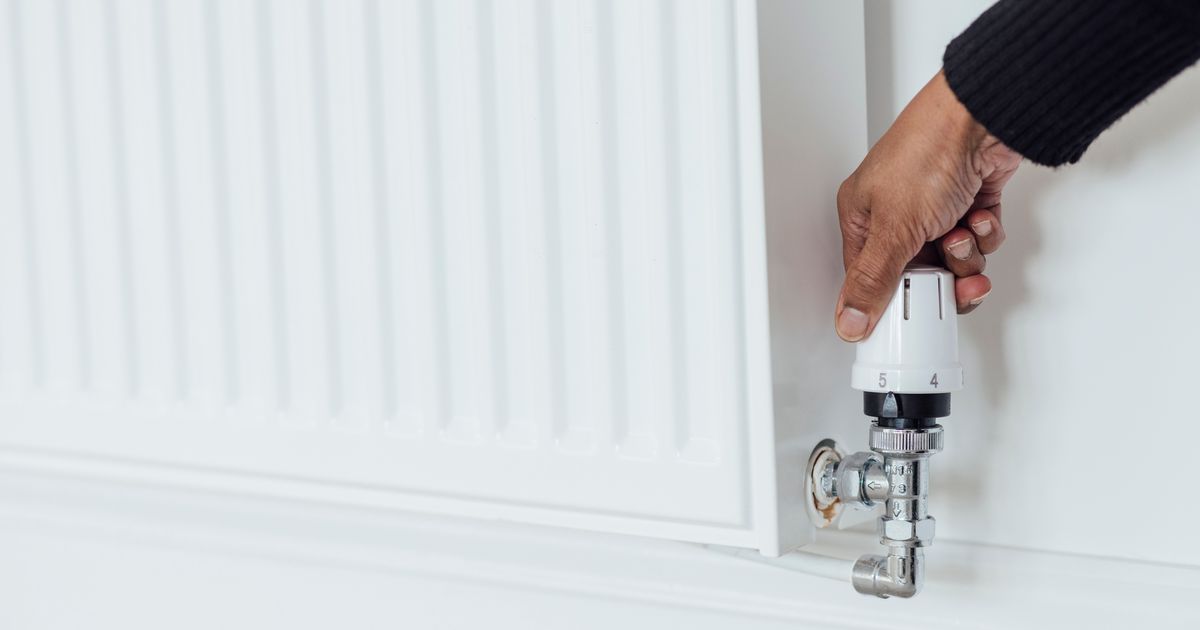
“The best way to save money with radiators is by making sure that they are working efficiently, not blocked by furniture, and that they have been bled at least once a year,” the expert from Land of Rugs says.

3. Using portable heaters

Portable heaters are usually not cheaper to use than central heating, as using them to heat the entire house can cost 2-3 times more than central heating. If you want to heat up one room in your house, a space heater could potentially save money, but central heating still seems to be the cheapest way to heat an entire home.

Instead of following these hacks, the expert suggests following these instead.

Seal windows and doors

Resealing doors and windows with caulk and weather stripping is beneficial, but using cling film or rolled towels around windows and doors is another inexpensive way to keep draughts out and heat in.

“Add a few extra layers by putting bubble wrap over windows and closing the curtains or blinds to keep the cold air from entering rooms,” they suggest.

Draught-proof your letterbox

If your letterbox is not fitted snugly to your door, it can let heat out and cold air in. Fitting a letterbox draught excluder with brushes can prevent cold air from seeping in through the box.

“A money-saving hack is to pop a sponge in your letterbox to absorb the cold air. Make sure it is fitted snugly and be sure to tell the postman,” the expert adds.

Install curtains over your front door

While many have curtains over windows to assist with keeping the heat in, it is also beneficial to install curtains above the front door. Door curtains can prevent cold air from seeping in whenever the door is opened.

The expert advises, “make sure to install the curtain rod a foot past the entryway if possible, and choose curtains made from thick, thermal material.”

Share Button

Here’s What The Secret Codes On The Labels In TK Maxx Mean

Going to TK Maxx is an EXPERIENCE. A quick visit can end up being hours long as you end up digging through the rails in hunt of a deal.

However, one TK Maxx mega fan has revealed a trick that’s guaranteed to save us some both cash and time the next time we descend on the shop.

According to TikTok user Alex Pavlova (@beautyforeverybody) you can guarantee yourself the best bargains by checking the code on the item of clothing’s label.

Alex shares that tags all have ‘codes’ on them, with each representing a different meaning.

A ‘one’ on the label means the product was “produced solely for TK Maxx”.

Meanwhile, ‘two’ is described as “genuine unsold stock” and ‘seven’ means that the item “was packed away from a previous year.”

A number two is a key number to look out – it’s likely that the item retailed for a way higher price elsewhere before it hit the shelves of your local TK Maxx.

The hack was in fact confirmed by TK Maxx themselves in a documentary about the retailer last year.

Former senior merchandiser at the store, Daniel Baker, explained in the show said that a code system on the labels.

He explained: “The number that is really exciting to a customer is number two because that means it’s a genuine stock that was sold at a higher price somewhere else. It’s excess stock or something like that,” he said.

“That’s normally when you are getting the bargains or the thing that’s quite exciting.

“The main three codes are ‘one, two, and seven’. ‘One’ means produced for TK Maxx, ‘two’ is ‘close out buy’ that is unsold from another brand, and ‘seven’ is ‘packaway’ which means it’s been packed for a previous year, like Christmas crackers bought in January for the following year.” he added.

Share Button

Is Fancy ‘Viral’ Olive Oil Really Worth The Hype?

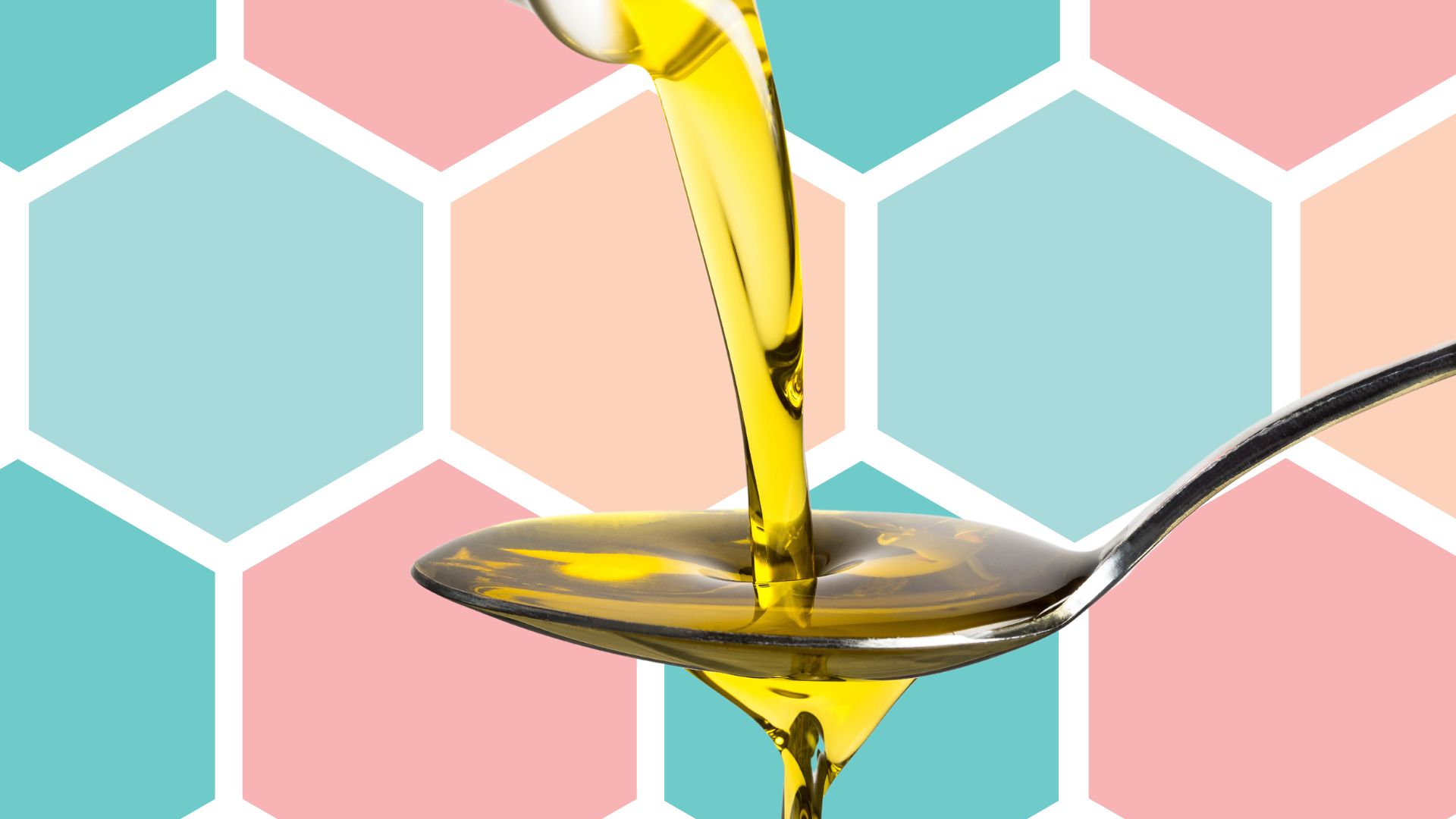
If you’ve spent any time on food TikTok or Instagram, you’ve likely noticed an onslaught of fancy olive oil brands, all featuring colourful, beautifully designed, photo-friendly bottles.

Influencers and social media-savvy chefs drizzle the golden liquid from these pretty containers on salads, meats, fish, hummus and much more, and their posts and videos make “status” olive oil seem like a necessary addition to any home cook’s arsenal.

But a bit of online searching will quickly show that on-trend olive oils (like Brightland, Graza, Fat Gold and other popular brands) command a higher retail price than the extra-virgin olive oil bottles sold at supermarkets (and a much higher price than the big under-the-sink olive oil vats sold at wholesale clubs like Costco).

This brand at Selfridges comes in at a whopping £126, while this aesthetically pleasing number will set you back £40.

So are these “fancy” olive oils worth the extra cash? When we asked professional chefs and olive oil experts to answer this question, they generally agreed that these oils are sometimes worth their splashy social media presence and their elevated cost.

That said, Christina McKeough, chef de cuisine of High Street in Philadelphia, pointed out that the “is it worth it?” question really comes down to personal preferences.

Like any luxury product, it’s only worth it if you really want it, right?” McKeough asked. Shoppers need to remember that not all trendy oils are created equal and that a few important characteristics can help to determine whether hip olive oil brands qualify as smart purchases.

It’s up to shoppers to do a little research

When it comes to olive oils with a big social media presence, their (usually higher) price points can reflect a number of factors. According to Doug Psaltis, chef and co-owner of Andros Taverna in Chicago, shoppers should do a bit of digging to figure out exactly what they’re paying for.

“Are we buying the great packaging and marketing with inflated prices? I am not sure that price always correlates to quality. What would lead me to pay more for olive oil would be freshness ― a great raw product that is produced by great people with integrity,” Psaltis said.

In some cases, olive oil’s “viral” potential has more to do with its bottle’s aesthetic (and its ability to be marketed by influencers) than with its overall quality.

Lisa McManus, editor of America’s Test Kitchen Reviews, believes social media can encourage people to learn more about olive oil, which is a positive development: “If Instagram has gotten people interested in olive oil, that’s incredibly great.”

However, she advised against taking these Instagram or TikTok recommendations at face value, instead encouraging the olive-oil-curious among us to “take this opportunity to explore beyond the flashy promotional stuff.”

“Great olive oil does not necessarily come via the recommendations of Instagram stars. There are fantastic extra-virgin olive oil producers throughout California and the world who don’t have Instagram accounts,” she said, adding that “cute bottles and attractive promoters don’t translate automatically to great oil.”

‘Fancy olive oil can actually save you money’

Alexa Dombkoski, founder of Bellemille Extra Virgin Olive Oil, admits that “olive oil isn’t a very sexy product to sell, so putting it in Instagram-able packaging certainly helps.”

But she went on to explain that “with all the options on the market, you have to be able to distinguish between the pretty faces and the products that can stand on their own based on quality.”

Once you know what to look for and how to interpret the labels of the trendy viral olive oils out there (or the labels of your regular supermarket brands), then you’ll discover that, as Dombkoski said, “Fancy olive oil can actually save you money. It’s always best to use the highest quality ingredients across the board, but when that isn’t possible, you can lean on that fancy olive oil to add a little zip [to] ‘save’ the most basic or boring dish and bring it back to life.”

Essentially, Dombkoski believes that using a £30 olive oil made from olives harvested at their peak and cold-pressed for maximum flavor can balance out any negatives that come from purchasing a cheaper cut of meat or off-season produce. Also, because a little bit of olive oil goes a long way, spending more on a bottle gives you a high-quality product that can be used for countless recipes over the course of several months.

As the CEO and co-founder of Graza, one of the most ubiquitous “fancy” olive oil brands on social media these days, Andrew Benin acknowledges that “sometimes, when you are paying 38 bucks for 375 millilitres of olive oil, £9 of that is just to cover the cost of the fancy bottle.”

But in his view, olive oil that earns its higher price (and he counts the olive oil produced by Graza in this category) is “harvested and milled the right way, protected from light, never blended, [and] is a powerful flavour bomb.”

How to know if your pricey olive oil is worth the cash.

Chef Steven Jarczyk of Sfera Sicilian Street Food in Chicago recommends paying attention to what the label says about where and how it’s grown. “You have to start with beautiful olives,” he said. Psaltis also prioritises freshness: “[You should look for] a great raw product that is produced by great people with integrity. Are they choosing the best fruit to mill? Is the olive oil fresh and handled with care? I believe those are the most important factors that separate a good product from a great product.”

Dombkoski gave a clear breakdown of what to look for on a label: “Does it tell you where the oil comes from? Is that different than where the label says it was bottled? Is it blended with olive oil from somewhere else? A quality producer is going to want you to know where the olive oil is from, when it was produced, [and] how it was produced. The more information a brand is willing to volunteer about their production, the better off the consumer is to make an educated decision when purchasing olive oil.”

If you’re wondering what specific information you want to see, look out for the following before buying a new brand of olive oil:

  • “Extra virgin”: This term, commonly found on olive oil bottles, refers to oil that’s never been heated or treated with chemicals. Because the oil is cold pressed and unrefined, it retains more of the natural flavour of the olives and offers both aromatic notes and a smooth texture.
  • The phrases “single origin” and “single varietal”: “Single origin” means the olives used to make the oil are grown in the same location, while “single varietal” means only one type of olive is used. While blended olive oils aren’t inherently bad, there’s a lot more room for error in these bottles; different growing conditions and different olive types can clash and produce an oil with a less-than-smooth flavour profile. If your oil only includes one type of olive grown in the same place, then you’ll end up with a much higher rate of consistency.
  • Grown in Spain, Italy, Greece or California: Olives thrive in Mediterranean climates, so olive oils produced in actual Mediterranean countries benefit from the vibrant flavour of the olives grown there. In the U.S, Southern California’s Mediterranean-ish temperatures make this region the best area for domestic olive oil.

Make sure you’re using it for the right reasons

Some home cooks say olive oil (and especially “nicer” olive oils) shouldn’t be used for cooking, because the oil’s bright and mellow flavours can turn bitter and acrid. But our experts insist that, in the words of Dombkoski, “It is perfectly acceptable to cook with your fancy extra-virgin olive oil.” That said, Dombkoski warned that quality extra-virgin olive oil “will impart a distinct flavour into your dishes.” So if you don’t want to taste the grassy, botanical notes associated with olive oil, you may want to swap it out for a neutral-flavoured cooking oil like vegetable oil or canola oil.

To maximize the flavor potential of well-made olive oil, Ann Ziata, chef at the Institute of Culinary Education, suggests “using it as a finishing oil or a dressing oil rather than a cooking oil.”

“High-end olive oil will add great depth and richness when used as a seasoning, drizzled over pasta, vegetables or rice,” she added. “High-heat cooking like deep-frying or grilling may destroy the flavors of the oil, which are sensitive to heat, oxygen, and light.”

Mica Talmor, the chef and owner of Pomella in Oakland, California, likes to use olive oil for finishing, but she mentioned that “EVOO has very bold and distinct flavors, so I won’t use it if I want the dressing to have a specific flavor, like in a citrus vinaigrette or pomegranate vinaigrette. A less expensive neutral oil is much better for that.”

While lighter-weight neutral oils are a better bet for deep-frying and high-heat cooking, plenty of recipes still call for olive oil as a primary cooking fat, particularly when moderate or low stove or oven temperatures are involved. In these cases, “‘regular’ olive oils are still perfectly fine to use when cooking, and they have the added advantage of being extremely versatile and less expensive,” said Michael Murdy, the chef and food scientist behind the blog Robust Kitchen.

Check out the bottle itself (not just the label) before you buy

To get the best possible value out of a £30-plus bottle of olive oil, be sure to store the oil in conditions that will keep it fresh and flavourful for an extended period. “The enemies of olive oil are heat, air, light and time,” McManus said. “You want to keep it cool, covered, and tightly capped, away from heat and sunlight (so definitely do not store it next to your stove or in a window!).”

Michelle Spangler, the owner of Infused Oils & Vinegars in Dallas, said it’s also wise to “purchase oil that is packaged in dark glass or light-impermeable tins from a reputable dealer who has stored it in a temperature-controlled environment.” A darker container will prevent the oil from being affected by light.

Olive oil doesn’t “go bad” like other perishable groceries, but our experts generally agreed a bottle of “nice” olive oil will be at its best within six to nine months of opening. For optimal results, switch out your olive oil bottles at least that frequently.


Share Button

Here’s The Real Reason Those ‘AI Time Machine’ Pictures Went Viral

Internet trends come and go. It’s as simple as that, especially on TikTok.

But with over 44 million views, the #aitimemachine trend that went massively viral on TikTok in November and December is still going, spreading to Twitter and Instagram, too.

Users upload photos of themselves to the genealogy platform MyHeritage, which for $10-$18 (£8.15- £14.68)transforms the images into digital portraits in the style of famous paintings and “historical figures” like an ancient Greek, a Viking or a sultan.

Many TikTok users say the images made them feel beautiful and more confident in their unique features, even those they usually feel self-conscious about.

“I usually dislike my key features (thin lips, weak chin [and] soft jawline) but I kinda want to cry at these,” @coreyisnothome wrote in a TikTok video that went viral with over 300,000 likes and 2.5 million views. “I’ve never felt so beautiful,” said user @marymargaret14.

Student Savannah Caughey explained in her own viral TikTok video that she always felt insecure about her nose, but the Time Machine images made her change her mind.

“This trend allows people to connect with a part of themselves that is not distinguished by modern-day beauty standards,” she told HuffPost, adding that “the images allowed me to see myself in another light.”

“I learned to see that I have more of a classic beauty than a modern one, and this trend allowed me to feel confident and happy with that,” she said.

The MyHeritage program produces images that resemble drawings and paintings that imitate real art. Could that be why people feel so beautiful in their images?

Portraiture dates back at least to ancient Egypt, and throughout history portraits were used to showcase wealth and power. “I think it’s important to know that humans have been creating portraits for thousands of years; it’s really not a new phenomenon,” said Ella Raphëlle Dufrene, a French-Haitian American visual artist and registered art therapist.

Before photography, portraits were also a way to be remembered after death — physical proof of someone’s life. But in the selfie era, when it’s easy to capture your own image with the click of a button, the AI Time Machine images combine the digital world and the love of portraiture humans have had for centuries.

If there’s anyone who can speak about people’s love of portraits, especially in the form of paintings, it’s Melbourne, Australia-based artist Rebekka Lord-Johnson, who specialises in photorealistic and hyperrealistic drawings and paintings.

She went viral on TikTok for creating live wedding paintings in which real-life couples and their wedding celebrations become the subjects of her art. She has more than 500,000 followers and 32 million views on TikTok, where she posts the work she describes as “family heirlooms.” “It’s a family portrait, essentially,” said Lord-Johnson.

In her opinion, the AI Time Machine trend went viral because art is a celebration of uniqueness. People are generally excited to see themselves in images resembling art.

“I think when you see yourself in the context of an artwork, when you’re a part of making an artwork, your recognisable features, and your recognisable face is part of the whole painting that makes everything beautiful, I think it can really capture and feature your uniqueness,” she said.

Lord-Johnson said that art has the opposite effect of social media, which promotes beauty standards that have people trying to look extremely similar to one another in order to feel beautiful. By contrast, art celebrates each person as they are, no filters needed.

But while images from the AI Time Machine might resemble art, she said, they aren’t really. “It’s almost like a filter to me, like an Instagram filter,” Lord-Johnson said. “It’ll adjust your features to current beauty standards or standards of beauty back then, historically. So people aren’t actually seeing themselves, necessarily.”

In her experience, people do feel prettier when they see themselves in artwork. In a painting, a person’s uniqueness is highlighted and appreciated in a way that’s not commonly experienced, which many people find refreshing.

The couples Lord-Johnson works with, for example, often express how beautiful they feel in her paintings. Not only are they seeing themselves portrayed as they are, but “there’s a lot of emotion behind what I do,” she said. “When I create a work of art, a lot of love and attention goes into that painting.”

But if the AI Time Machine creations can’t really be interpreted as art, why are people feeling beautiful? “I think people are seeing themselves as beautiful because they’re seeing themselves in a different context,” Lord-Johnson said.

Dufrene offered a similar theory. “I do think that it’s because of the fact that they’re being turned into an ‘artwork’ that it’s increasing their sense of beauty,” she said. “But if we think of the origins of the word ‘portrait,’ coming from old French ‘portraire,’ which means to draw, reveal or expose, the AI portraits are allowing people to play a role, to reveal a more beautiful or empowered part of themselves. What that’s really telling me is that people are longing for a sense of wonder, play and creativity in their lives.”

“If you think of a little girl dressing up as a princess, we all have that inner child that wants to feel fantastical, wonder and play,” Dufrene said. She explained that when people see themselves as famous paintings and historical figures, it may help them to tap into their inner child — which might be why people are so drawn to this trend.

“We have a lack of playfulness, wonder, and spontaneity in our own lives,” she said. It’s not often that people exercise their will to play, like by creating digital portraits of themselves that resemble art and feel fantastical and special.

“People are really stressed out, especially after Covid,” Dufrene said. “Many people work 9-5 day-to-day jobs, where they’re doing these redundant activities that don’t necessarily explore their creativity and bring out their sense of play, and I think that can kind of dull our sense of self.”

It’s understandable, then, that people felt beautiful participating in the AI Time Machine trend (and thankfully, given facial recognition and online privacy concerns, the company says it does not save the photos that users upload).

As internet fads come and go, Dufrene said, there are many ways of exercising our inner child in our day-to-day lives, as well as increasing our own sense of beauty through art. If we have the means, of course, we can contact artists we admire to create a portrait, or we can do it ourselves with an art therapist. It’s also possible to add more play to your life by yourself; your inner child lives wherever you want them to.

“Playing dress up, creating a storyline, there are many ways that we can push it a little bit more,” Dufrene said. “Paint it. Dress up. Create a story.”

Share Button