Delete Photos Of Your Kids Online Before They Become ‘Landmines’, Warns Author

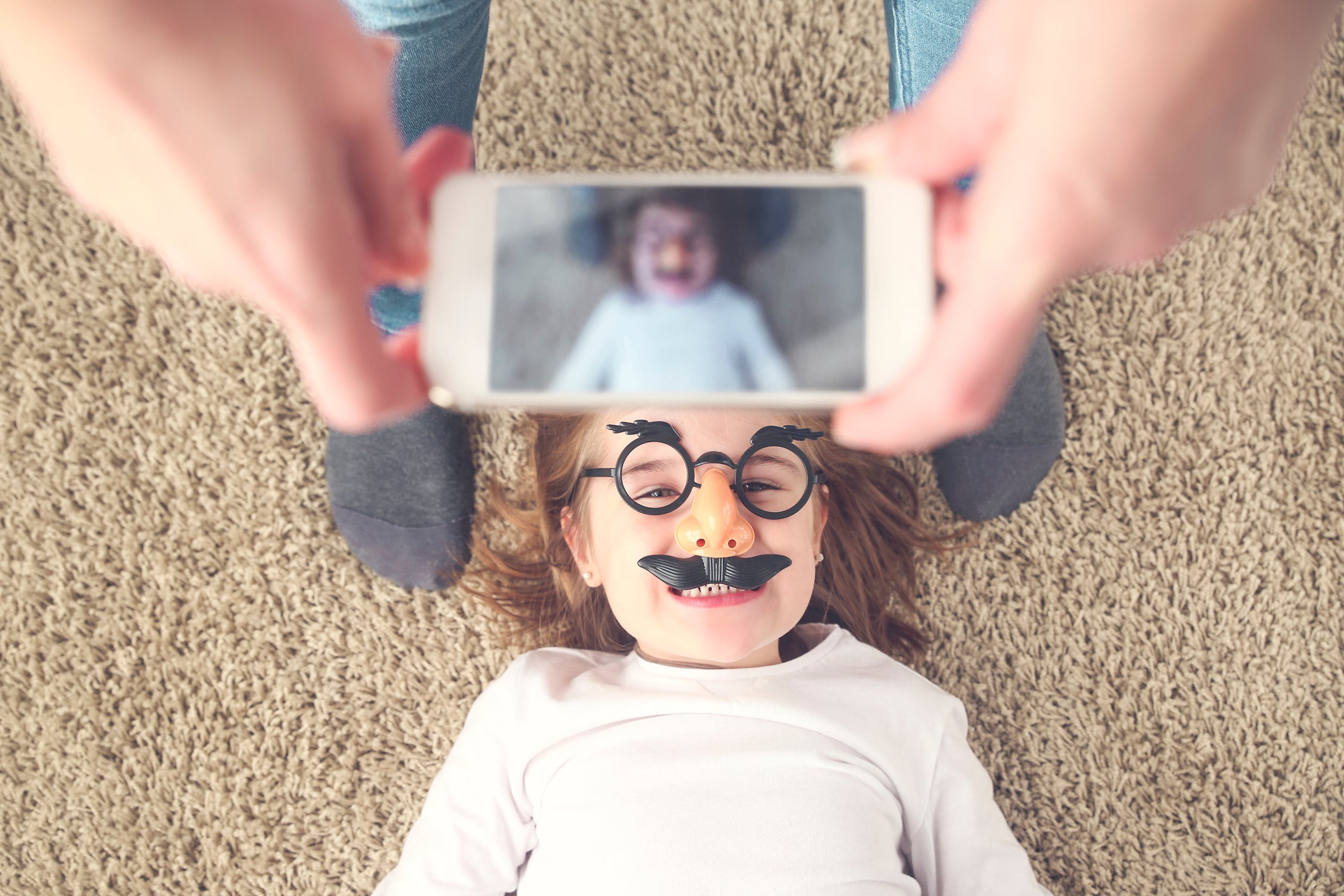
A parenting author and columnist has urged other parents to delete all the photos they’ve shared of their kids online – warning that these pictures are like “landmines” waiting to go off as children grow up.

Plenty of parents share photos, videos and details of their children’s lives online – usually on social media or in private groups – a phenomenon known as ‘sharenting’.

But this increasingly comes at a cost. Other children and teens can easily find these photos online and then turn them into cruel memes, deepfake videos (some of which can be pornographic) or share them around school to cause embarrassment.

Lorraine Candy, a journalist and author of ‘Mum, What’s Wrong with You?’: 101 Things Only Mothers of Teenage Girls Know, shared: “I think we need to go back and delete all the pictures we have ever shared – even in private Facebook groups or on private WhatsApp channels – of our children when they were younger.”

Explaining the reasoning for this statement, she said when kids reach their tween and teen years, those photos on social media are “landmines” for them and it can be “really upsetting” that other people can see them and they might get shared around.

“Imagine your worst teenage bully at school, imagine your worst friendship group where you feel very insecure and vulnerable, imagine them having access to pictures of you in a bath when you were a baby, to posts about you having a poo,” she said in an Instagram reel.

The author continued: “I know you can say it’s in a private group, it won’t get shared. [But] It does get screenshot, it does get shared. Other children have access to their parents’ private groups.”

Candy, who has four children, noted it’s “really important to a developing mind, as a teenager, that they don’t have these little bombs going off in the background emotionally as they’re developing their identity and their autonomy and their privacy”.

Plenty of people resonated with the post. “I mentor teenagers and would always recommend that parents do this. Online photos can cause all sorts of issues further down the line,” said one commenter.

“I’ve thought about this a lot over the years. I’ll have the conversation with my 12-year-old son this weekend and see how he feels about it. It’ll be so difficult to erase them because my Instagram is like a memory book of his childhood!” added another parent.

One mum recalled how she received a “barrage of requests” from her daughter’s friends to connect with her on Instagram (back when her daughter was 13).

“When I asked my daughter she said they were only sending these requests to access pics of her when she was younger – for jokes, basically. It was a real moment of enlightenment for me,” she added.

It’s not just bullying and deepfake creation that can be an issue as a result of sharenting. Images – whether real or fake – can also be used to intimidate or blackmail teenagers, as well as to commit identity theft and fraud.

Share Button

When’s It OK For Kids To Play Out Alone? An Expert Shares 4 Questions To Answer

Gaining independence is a crucial part of growing up – but at what point are kids ready to go it alone and play outside without you watching their every move?

In contrast to those who won’t let their kids go anywhere alone, there are a number of parents who are taking a more laidback approach and parenting “like it’s the 90s”, giving their kids the freedom to play out unsupervised.

I can see the appeal. We lived in a quiet cul-de-sac growing up and I was allowed to play out with our neighbours’ kids – we knew we had to stay in the street, or in one another’s homes. As we got older, we were allowed to venture a bit further afield. It gave my parents a break, and it made me feel like I was capable and trusted.

Nowadays I live on a relatively quiet street on the outskirts of a major city. There’s not much traffic, we’re near a park, but I’m not sure at what point I’d feel comfortable letting my kids go it alone (admittedly they’re both way too young, but it’s something I’ll have to consider in the years to come!).

Gail Sayles, a Childline practitioner, suggests there isn’t really an age when kids are ready for that next level of independence. Instead, it depends on the child and the situation.

“What matters most is whether your child feels ready, and whether you feel confident letting them take that step. If either of you isn’t quite there yet, that’s a sign they may need a bit more time,” she tells HuffPost UK.

What are the signs they’re ready?

Obviously, babies, toddlers and very young children should never be left alone because they can’t keep themselves safe.

The law doesn’t specify an age when parents can leave a child on their own, but it’s an offence to leave a child alone if it places them at risk.

Sayles notes parents are in the “best position” to judge whether their child is ready to head outdoors on their own, “because you know how they usually behave when you’re not with them”.

It can help to ask yourself a few practical questions to help make this decision:

  • Can they remember important information like their name and address?
  • Do they stick to agreed timings?
  • Do they behave responsibly when you’re not with them?
  • Would they know what to do if plans changed unexpectedly?

The expert advises parents to talk through different scenarios with their child – for example, what they’d do if they hurt themselves or felt uncomfortable. “These conversations can be reassuring for both of you and help build confidence,” she says.

And if you’re unsure whether they’re ready for this next step, you can always start small. Let them play in a nearby area, go out for a short period of time, or spend time with certain friends you trust – this can be a good way to see how they manage, adds Sayles, while still keeping things safe.

What to tell your child before they venture out alone

If you’ve decided your child is ready to go it alone, there are a few important things to address first.

They should be able to share their full name and address and have access to phone numbers for at least two trusted adults.

They should also know what to do in an emergency, including where they could go for help – for example, a shop, library or approaching a police officer or shop staff.

It’s also crucial they feel confident crossing roads safely and know that they should never go anywhere with anyone, even someone they know, without checking with a parent or carer first.

My child’s not ready. What do I tell them?

If you don’t feel your child is ready to venture out alone, Action For Children suggests explaining which skills you’d want them to have first, and then making a plan together to help them learn those skills – that way, they won’t feel like you’re simply shutting them down.

Share Button

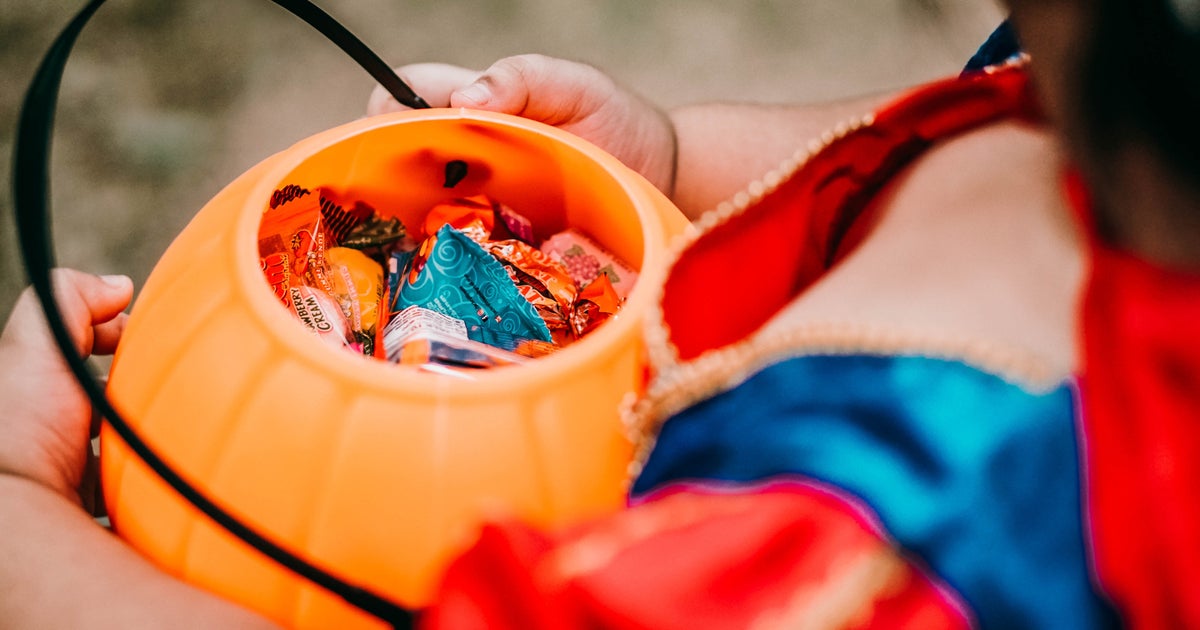
I’m A Doctor, These Are The Best (And Worst) Sweets To Give Trick-Or-Treaters

Halloween is nearly here – meaning dozens of kids are headed to a front door near you very soon.

If you live in an area where trick-or-treating is a pretty big deal, you’ll probably want to buy in some sweet treats to hand out to tiny ghouls and monsters – unless you opt to turn off your lights and pretend nobody’s home (in which case: no judgement, save yourself some cash).

If you are planning to hand out treats however, a doctor has issued a word of warning.

Paediatrician Dr Arindam Das spoke to Totalkare about some specific Halloween dangers that can lead to an increase in “blue light” callouts during spooky season.

One of them is pumpkin carving, he said, due to the obvious risk of cutting themselves.

“Young children are also at risk of choking on hard sweets,” he added.

So what are the safest sweets to give then?

The main takeaway is that hard or boiled sweets should be avoided at all costs for kids under the age of five (so it’s probably a wise move to forego them completely).

Whole nuts, popcorn kernels, chewing gum and small jelly sweets “all are high choking risks”, he added. Nuts are also problematic for those with allergies.

Popcorn might be a surprising one to some parents. However, they are problematic for a few reasons: the kernels are so lightweight they can be sucked up back into a child’s oesophagus, where children can either breathe them in, called aspiration, or they can choke – which is where the airway is blocked.

Dr Das said older children (over-fives) can “usually manage chewy or gummy sweets, but parents should still be cautious with very hard or sticky items”.

The safest alternatives, he noted, are “soft, melt-in-the-mouth treats”, like chocolate buttons, mini muffins or soft jelly.

Little boxes of raisins or dried fruit snacks (like BEAR Paws) can be a decent option for younger children, too – and are free of common allergens like gluten, dairy and nuts.

I’m also a big fan of Soreen lunchbox loaves as children with an egg and/or milk allergy can have them.

And if your little one does get to enjoy a treat (or three) this Halloween, the paediatrician added that having water or milk alongside these sweets can help “reduce dental risk”.

Share Button

‘My Baby’s Fingertip Was Cut Off By This Common Household Item’

Graphic content warning: this article includes photos of an injured finger.

The mum of a baby whose fingertip was cut off after it became caught in a folding step stool is urging other parents to be aware of the dangers – and to keep theirs well out of reach of little hands.

Kay de Bruyn, 35, from Alberta in Canada, said she kept a step stool next to the sofa so her eldest son could get on and off it to watch TV.

But one morning, disaster struck when she turned her back for a moment and heard a “thud”, followed by her youngest son, who is one, screaming and crying.

“I had never heard a cry like that before,” de Bruyn told HuffPost UK. “He was lying on his stomach and the stool was now collapsed and lying on the ground in front of him.

“I thought he might have tripped and hit his face on it. But when I picked him up, there was blood everywhere. I caught a glimpse of his middle finger – it looked like the tip was gone.”

Her son's finger after the accident (left) and since healing fully (right).

Kay de Bruyn

Her son’s finger after the accident (left) and since healing fully (right).

The mum said her son was inconsolable and she began to panic.

“I grabbed a clean cloth from the bathroom and held it to his finger. I wish I could say I stayed calm, but I completely lost it,” she said.

After calling her husband and her parents, she ran across the street with her son and knocked on her neighbour’s door.

“I explained what had happened and asked them to check if the fingertip was truly gone,” she said.

“They gently took my son, checked, and confirmed it. Still holding him, they came back to the house with me and even offered to drive us to the emergency room.”

The parent quickly ran upstairs to see if she could locate the fingertip. “And that’s when I saw it: the tip of his finger was still stuck in the stool,” she recalled.

“I brought the stool downstairs, and my neighbour pried it out using a clean kitchen knife. While he did that, I called emergency services, and they instructed me to place the fingertip in a clean plastic bag.

“The ambulance arrived and took us to the children’s hospital, where they reattached the fingertip. Unfortunately, part of it didn’t survive and eventually fell off.”

Because part of the fingertip is missing, her son’s nail is now growing over the tip of his finger and the family is hoping to get a referral to a plastic surgeon.

“While he seems relatively unfazed by it now, I wanted to share our story – because I know this type of stool is common in many households,” said de Bruyn.

After posting a reel about what happened, the parent said two other families contacted her to say the same thing happened to their children.

“If I had known something like this could happen, I never would have kept it in our home,” she added.

For parents worried about having a folding step stool lying around, there are non-folding wooden and plastic options available (like this BabyBjörn one, which was rated best overall by Parents).

Share Button

The 1 Bathroom Item You Should Always Lock Away If You Have Toddlers

Being a parent is exhausting. It feels like every five minutes you’re doing something to prevent your child from hurting themselves.

‘Don’t jump off that. Watch your fingers in that door. You can’t eat that.’ I’ve lost count of the amount of times I’ve uttered these words at home in the past year.

And in a bid to keep little ones safe, so many items have to be stored out of harm’s way – from buttons and coins to cleaning products, nail scissors and medicines.

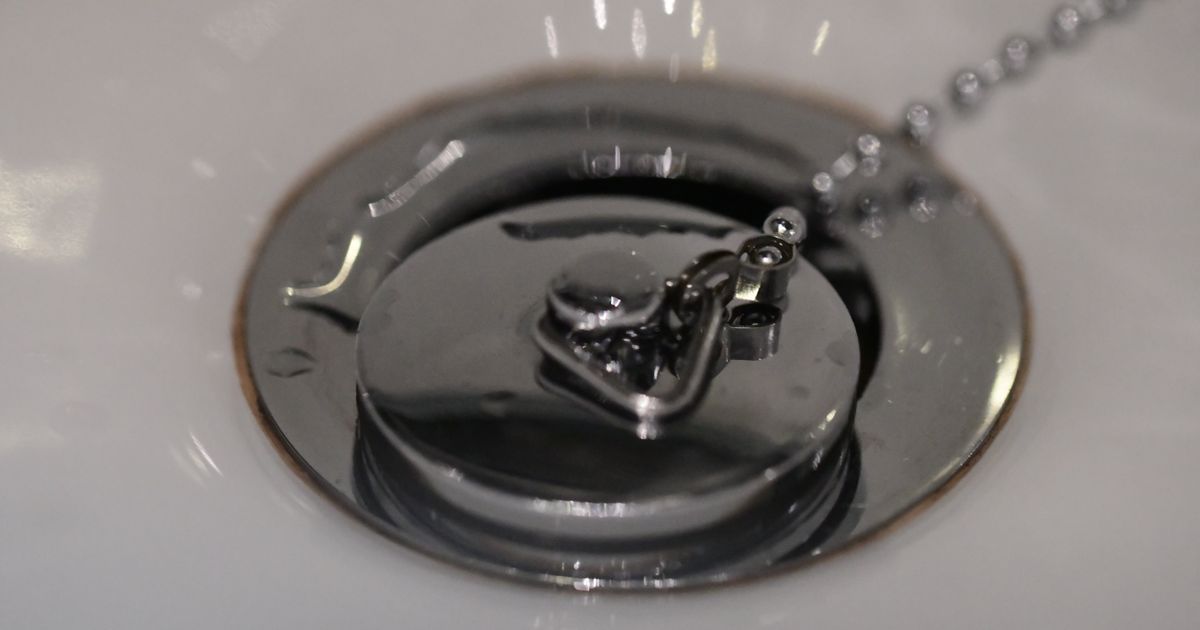

But one commonly used household item that you probably haven’t thought about hiding away is the bath plug. And here’s why you should.

A mother’s warning about the danger of leaving your bath plug out is going viral again – two years after it was first posted – with lots of parents (myself included) completely oblivious to the hazard a plug could pose.

Instagram account CPR Kids, a baby and child first aid education page, said it saw a post in a mum’s group from a parent called Illi, who’s based in Australia, about the shocking sight she was met with at 4am when her toddler decided to get in the bath.

The parent recalled how her four-year-old son – who is usually a deep sleeper, but miraculously woke up on this occasion – roused them from their sleep, shouting that his brother was in the bath and needed help.

“We found our cheeky, adventurous two-year-old in the bath fully-clothed with nappy and everything on,” said Illi.

“He had pulled up a stool to climb in (he’s never climbed in on his own before), put the plug in, turned the tap on and the bath was overflowing and the bathroom was flooding.

“The scariest part and something I feel deeply traumatised by is that he had clearly been trying to get out for a while and had given up and was tired… he was kneeling on his knees and falling asleep in the water.

“I just can’t believe what a close call this was.”

The parent said it’s something she never thought could happen – and so many parents agreed, now and then.

“I’m so incredibly grateful my four-year-old woke up as we would never have heard (our room is at the other end of the house),” the mum continued.

Thankfully the story has a happy ending and Archie, who was two at the time, was checked over by a medical professional and was completely fine.

“A few minutes more and this could of been a very different story,” warned the mum.

After the ordeal, the parents put a lock on the bathroom door and locked the plug away in a cupboard. They also put an alarm sensor on the then-toddler’s door so they knew if he was up about about.

“I hope this story can educate other parents because honestly I consider myself to be REALLY on top of child safety, every effort is taken to ensure the safety of our kids at all times but I honestly just never thought of locking away the plug,” she posted at the time.

Responding to the repost from CPR Kids, one mother wrote: “OMG how scary! Thank you for sharing and raising awareness. I’m locking my plug in the cupboard right away.”

Another mum said: “I remember reading this story two years ago and I have kept the bath plug out of reach every night since. So scary.”

And for those with built-in bath plugs, CPR Kids shared some additional tips for safety-proofing the bathroom, saying parents could try doorknob covers, safety chains, or bolt locks.

Share Button

Would You Know What To Do If Your Child Was Burned By A Hot Drink?

A mum and former nurse has shared the burns and scalds advice that she reckons plenty of parents don’t know, but definitely should.

Beki (@beki.guinta) recalled the mortifying moment her 18-month-old son pulled her hot tea – consisting of pure boiling water and no milk – down on top of him.

“I was standing right next to him, I did not think this would happen, I’m the most safe parent alive,” she said in a TikTok video which has been viewed more than 5.3 million times.

Beki explained how she used to be a registered nurse and worked in a children’s intensive care unit and therefore has “seen it all” and is “so safe” with her child. But noted these accidents still happen.

She then proceeded to tell other parents “exactly” what to do in the event that their child gets burnt.

“The lack of knowledge people have around what to do if a child gets burnt is astonishing,” she said.

So what’s the advice?

“The first thing you need to do is call an ambulance and then you need to take all your child’s clothing off, get them completely nude, and get them in a shower or under continuous cold running water for a minimum – a minimum – of 20 minutes,” she said.

“Not only does this aid in stopping the burn, this helps aid with the pain as well.”

The NHS shares similar advice for treating burns or scalds. Firstly, it advises to remove any clothing or jewellery from near the burnt area of skin, including babies’ nappies, unless – and this is important – the item of clothing is stuck to the burnt skin.

Then it says to “cool the burn with cool or lukewarm running water for 20 minutes as soon as possible after the injury”.

It warns parents to “never use ice, iced water, or any creams or greasy substances like butter”.

You’ll need to keep your child warm to help prevent hypothermia – “use a blanket or layers of clothing, but avoid putting them on the injured area,” reads the advice.

Beki said she used her body heat to keep her son warm while he was in the shower.

Next, cover the burn with cling film (laying the film flat over the burn rather than wrapping it around a limb) and treat any pain with paracetamol or ibuprofen, advises the NHS. It might also help to raise the affected area to reduce swelling.

Recalling the horrifying moment her son was burned, Beki continued: “My little boy was beside himself. I had to sing Twinkle Twinkle Little Star while I was sobbing, holding him in the shower just running icy cold water over his burn.

“His whole face, his neck, his torso, his stomach – everything was bright red. I’m talking like, a red that isn’t… you don’t normally see it. It was terrifying.

“I just thought instantly: he was going to be in the burns unit, he was going to be having skin grafts, he was going to have surgery and that would’ve 100% happened had I not done what I did that day.”

She said her son is now fine and “doesn’t even have a mark on him” – and she credits running cool water on him for 20 minutes as the reason why.

According to the NHS, you’ll need to go to A&E if your child is under 10, has a medical condition or weakened immune system and has a scald or burn.

You should also head to hospital if they have:

  • large burns bigger than the size of their hand,
  • deep burns of any size that cause white or charred skin,
  • burns on the face, neck, hands, feet, any joints, or genitals,
  • chemical and electrical burns,
  • any other injuries that need treating,
  • any signs of shock – symptoms include cold, clammy skin; sweating; rapid, shallow breathing; and weakness or dizziness.
Share Button

Two Thirds Of Child Stair Gates Fail Safety Tests, Investigation Finds

HuffPost is part of Oath. Oath and our partners need your consent to access your device and use your data (including location) to understand your interests, and provide and measure personalised ads. Oath will also provide you with personalised ads on partner products. Learn more.

Select ‘OK’ to continue and allow Oath and our partners to use your data, or select ‘Manage options’ to view your choices.

Share Button