The Surprising Health Benefits Of Swearing

I am a Scouser living in Glasgow which means you can assume three things about me: my family are aggressively working class, I have a soft spot for dockyards and I LOVE to swear.

I don’t even think about it, it’s just so enjoyable. Nothing quite punctuates a sentence like a healthy f-bomb and getting into a healthy gossip session absolutely requires being able to dish out the delicious c-word.

However, I do know that for some people, it can be offputting and make them uncomfortable. I’m careful in polite company and wouldn’t ever want to make somebody needlessly uncomfortable so I had planned to tame my spicy tongue a little until I heard that actually, swearing is good for your health.

How does swearing benefit your health?

Writing for The Conversation, Michelle Spear, a Professor of Anatomy, University of Bristol says: “Research shows that a well-placed expletive can dull pain, regulate the heart and help the body recover from stress. The occasional outburst, it seems, isn’t a moral failure – it’s a protective reflex wired into us.”

Ever screamed some expletitives after stubbing your toe? That probably helped your body out. Wild.

Spear continues: “Recent research shows that swearing can actually change how much pain people can handle. A 2024 review looked at studies on swearing’s pain-reducing effects and found consistent evidence that people who repeated taboo words could keep their hands in icy water significantly longer than those who repeated neutral words.

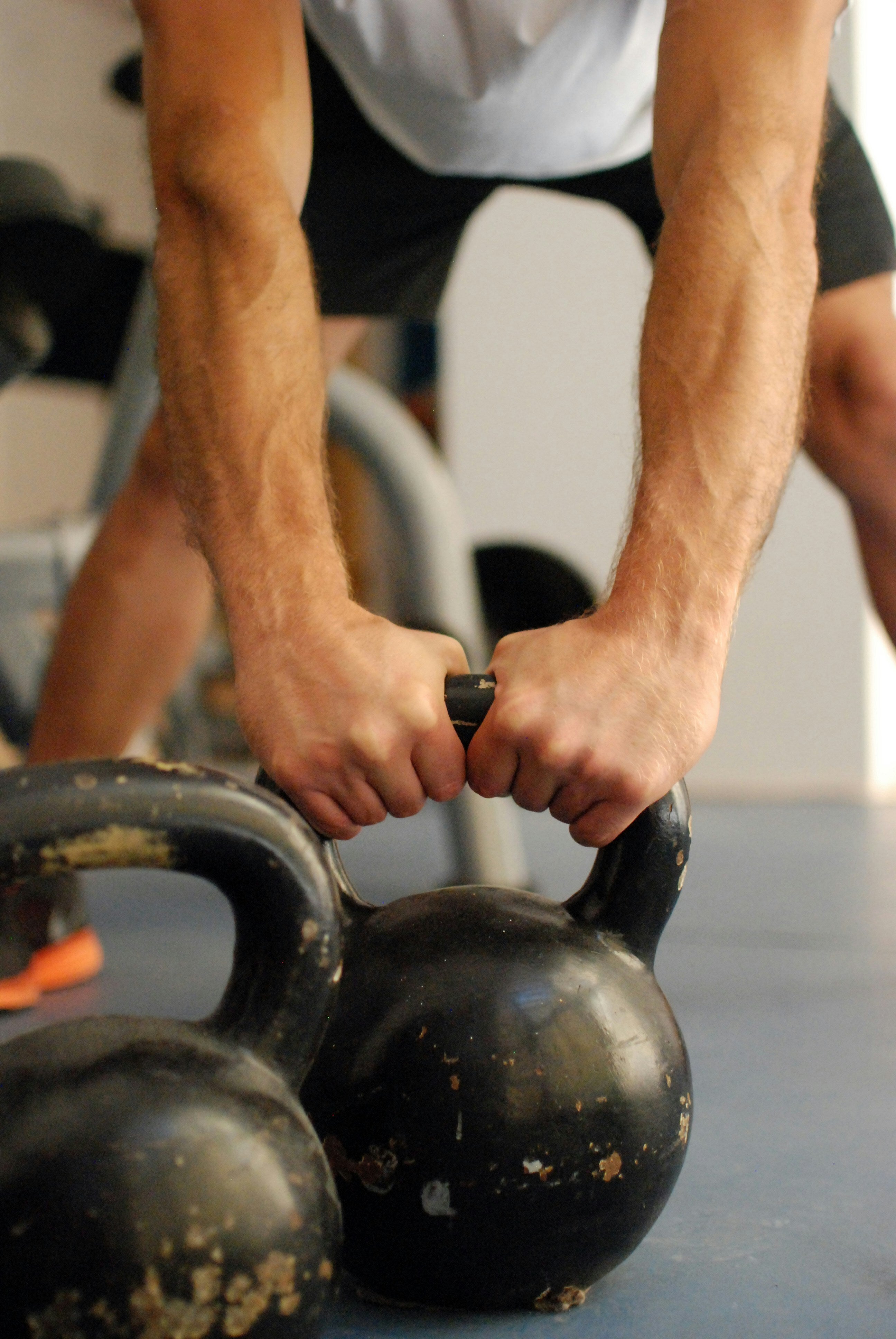
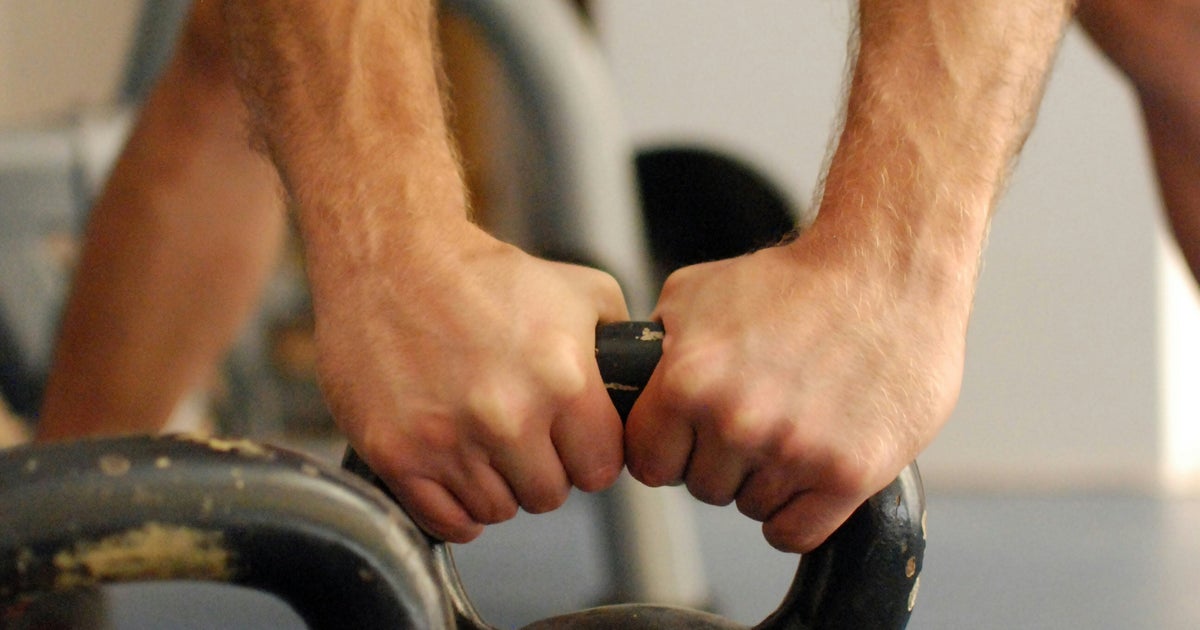
“Another 2024 report found that swearing can also increase physical strength during certain tasks, further supporting the idea that the body’s response is real rather than merely psychological.”

So, while for us it can feel emotional, it appears that swearing is much more

Have you ever had devastating news and screamed out loud, feeling that if you didn’t, it would just build up in your chest, begging for release? Spear explains that swearing is beneficial here, too.

“Swearing also helps the body recover from sudden stress. When shocked or hurt, the hypothalamus and pituitary release adrenaline and cortisol into the bloodstream, preparing the body to react.

“If this energy surge isn’t released, the nervous system can remain in a heightened state, linked to anxiety, sleep difficulties, weakened immunity and extra strain on the heart.”

Fuck it, let it all out.

Share Button

I’m A Writer Who Is Beginning To Lose Her Words. I’m Terrified Of What Will Happen Next.

I should’ve known it was coming for me – the fog, the forgetting, the cognitive impairment. My father, his brother, their mother, their grandmother all had it… I just didn’t expect how it would come for me.

At 54, it seems my forgetting is linked to a neurodegenerative disease. But even before my own memory and language issues began, I’d written about and wondered what my own neurological inheritance might be.

In 1981, I spent several afternoons in the peacefully lamp-lit office of an elderly, retired professor and child psychologist and underwent a variety of aptitude tests and personality assessments. It turned out I was a “highly sensitive” 5th grader with the vocabulary of a high school senior.

While most of the kids in my Midwestern neighbourhood rode their bikes, played flag football and Frogger, I was tucked away reading book after book. When I ran out of books, I’d spend entire afternoons seated cross-legged on the floor, poring over the pages of a set of hand-me-down Encyclopedia Britannicas. I dog-eared pages. I made notes in the margins on the Dalai Lama, the Great Alaska Earthquake of 1964 that registered a 9.2 on the Richter scale, and gladiolus — one of August’s (my) birth flowers that my paternal grandmother grew in her 4-H award-winning garden.

I’ve loved and collected words like treasures for as long as I can remember.

In March 2023, I started experiencing marked muscle weakness in several areas, most noticeably my left forearm. With any exertion, the muscles rippled beneath the skin, and my finger strokes on the keyboard weren’t landing as efficiently as they once had. Words were missing letters: Knoledge. Languge. Mariage.

My struggle with short-term memory increased. I mixed up words in conversation, and it felt like words I’d used frequently had been stowed away on shelves in my brain that I could no longer reach. Then came things like walking out of the kitchen with the faucet running, leaving the refrigerator door open, forgetting the stove burners were on and, recently, putting a container of yogurt in the drawer with my Pyrex lids.

The next few months brought resting tremors and trouble swallowing. My speech grew sluggish in the evenings when I was most fatigued. Now, I’m also experiencing more consistent, significant autonomic dysfunction, with a myriad of other symptoms.

In May 2024, almost exactly two years after I’d completed my midlife MFA in creative writing at 50, I was diagnosed with mild to moderate cognitive impairment. This brain – which I’ve filled with 10 years of study in higher education, ideas for essays, books yet to be written, language, memories of my children, their children, my parents when we were all much younger – is forgetting.

"This photo is from my hooding ceremony when I received my first masters degree in my 40s."

Courtesy of S.C. Beckner

“This photo is from my hooding ceremony when I received my first masters degree in my 40s.”

The first results read something like, “On the WMS-IV Logical Memory Subtest, immediate recall for two short stories was in the low average range. Delayed recall was impaired. Retention of information was impaired. On a 15-word list-learning task (RAVLT), she demonstrated a fluctuated learning curve and an impaired total learning score. Immediate recall was impaired. Delayed recall was impaired. Phonemic verbal fluency (FAS) was impaired. Semantic verbal fluency was impaired.” Impaired. Impaired. Impaired. Where did my words go?

The most recent results revealed “frontal subcortical dysfunction likely consistent with Multiple System Atrophy” – the neurodegenerative disease I was diagnosed with late last summer. Multiple System Atrophy, or MSA, is like if the worst forms of Parkinson’s Disease and ALS bore offspring. There’s no cure, and little treatment. It’s considered a terminal diagnosis with a life expectancy of five to eight years from symptom onset, maybe 10 if you’re… lucky? I’ve been told and read that every patient progresses differently. I’m nearing the three-year mark since my initial symptoms started.

I rebel against the forgetting, rebel against the losing – when I remember to. I pray. I meditate. I play word games on my cell phone well into most nights, as I’ve lost the ability to sleep for more than an hour or two in a stretch. Scrabble. Wordle. Words with Friends. Word Stacks. I work to sharpen the edges of my dulled memory, preserve what’s still firing in my brain, and search for the words that have already been wiped clean from the slate of my brain.

How many words could I spell with the letters V O I D E N? Void. Vine. Vino. Din. Dive. Ion. Dove. Done. Nod. Id. End. I plugged the letters into allscrabblewords.com to see how many I’ve missed. The site lists 55 words for that letter combination. I found 11.

Everything is different now. Each day arrives with some measure of frustration and fragility. When I have the capacity, I make lists of words that I most want to remember: Fecund. Cacophony. Loquacious. Serendipity.

My words, thoughts, and ideas are now submerged deep in a vat of midnight dark molasses and some days I can no longer retrieve them. They’re buried so deeply, and I am tired – brain thick with fog, limbs heavy as though they’ve been dipped in concrete. I know the words are still there – they have to be. I’ve studied and loved them for so long.

As a writer, storyteller, teacher, and someone who loves to be in conversation, the idea of losing those things is almost unbearable at times. In 20 years of marriage, I’ve written letters to my husband. In the beginning, letters of love and wanting, and more recently, letters of apology, request, and reflection.

I’m sorry you ended up with a sick wife.

The fear of the future washes over me and I can’t imagine the language and words that have made me who I am will be gone.

The author at her desk in 2022.

Courtesy of S.C. Beckner

The author at her desk in 2022.

In recent months, I’ve felt like the light of who I am is maybe starting to dim. I know that sounds dramatic, but I don’t know how else to describe it. I continue to try to write something every day, each word, every cohesive sentence – another rebellion. Whether it’s working on bits and pieces of a new essay or article I’ve had an idea for, trying to write new copy for a work project, or a journal prompt, I tell myself I have to keep writing. My desk houses stacks of Post-it notes and shards of scrap paper with scrawled notes, ideas, and words I don’t want to forget.

Some days, a paragraph might take several hours. Other days, I crank out sentence after sentence, only to return to the page to find missing words and ideas that don’t quite make sense or a story told out of order. Losing language, intellect, and what I’ve worked so hard to learn is like losing pieces of the woman I’ve worked so hard to become post full-time motherhood – a part of who I’ve always been, yet only recently had the opportunity to discover.

I hold onto my language, cradle the words I still have close to my chest like I once held my children, now long grown and living all over the country. I hold the words close like I once held those encyclopaedias while I read, then returned to them again and again. Alongside the words, I think of the faces of my children and their children. I imagine them older. In my own forgetting, I hope not to be forgotten, so I leave pieces of myself behind on the page.

S.C. Beckner is a freelance copywriter, essayist, and editor. Her work can be found at Salon, Business Insider, NBC Think, as well as other platforms and literary publications. S.C. is currently working on her memoir in essays. She lives in coastal North Carolina with her dog.

Do you have a compelling personal story you’d like to see published on HuffPost? Find out what we’re looking for here and send us a pitch at pitch@huffpost.com.

Share Button

Try These Things To Improve Your Relationship In 2026

If you want to have a happier and healthier relationship in 2026, you don’t necessarily need a major overhaul of your love life. Just setting a simple, well-defined goal or two can make a big difference over the year’s course – though you’ll probably start seeing benefits much sooner than that.

We asked therapists to reveal the little things couples can do on a regular basis to make their relationship that much better in the coming year.

Put limits on your phone use

Designated screen time isn’t just for kids: Adults can benefit from setting some parameters, too. Indeed, one of the biggest complaints Roseville, California, therapist Kurt Smith hears from his clients is that their partners are constantly on their phones. This year, commit to unplugging for a set period of time each day, whether that’s before breakfast in the morning or an hour before bed at night.

“Make a joint resolution, not just an individual one, to set a time limit on social media and phone use when you’re together,” said Smith, who specialises in counselling men. “Challenge yourselves to make a list of fun, enjoyable alternative things you can do together instead of the isolating behaviour being on our phones brings.”

Designate time each day to connect with your partner

Just as you put doctor’s appointments and work meetings on your calendar, you should be just as intentional when it comes to making time for your partner. You can even use the 45-minute window you normally would have spent watching your Instagram stories to catch up and connect with your significant other IRL.

“Something as simple as trying out a new recipe or playing a board game can foster connectivity, improve communication skills and increase relationship satisfaction,” said Chicago-based therapist Anna Poss.

And sorry, sitting together on the couch binge-ing the latest season of The Crown doesn’t count. To make the most of this time, turn off distractions and tune into each other.

“Mindful time should prioritise bonding behaviours such as eye contact, touch and communication,” said Los Angeles psychologist and sex therapist Shannon Chavez. “Keep the conversation light by focusing on gratitudes, what has sparked joy in your day or things you are looking forward to in the week.”

Commit to doing something spontaneous together once a month

Keeping the spark alive in your relationship takes a bit work, but it's so worth it.

Selvar Nguyen / EyeEm via Getty Images

Keeping the spark alive in your relationship takes a bit work, but it’s so worth it.

For long-term couples, it’s all-too-easy to fall into the same ol’ humdrum routine. To counteract the monotony, Smith recommends thinking back to the fun, spontaneous things you did together in the early days of the relationship.

“My wife and I once jumped in the car at 10pm and drove 90 minutes through the snow to Lake Tahoe,” Smith said. “We sat in a diner for a couple of hours and then drove back. Got up the next day and went to work.”

As your responsibilities grow (e.g. parenting, paying bills, moving up at work), it may be harder to pull off last-minute grand adventures. But committing to spicing things up in small ways can still help keep the spark alive. That might mean scoring concert tickets the night of the show or walking by a pottery studio and deciding to pop in for a class.

Make a weekly sex date with your partner

When life gets busy, sex is often one of the first things to fall by the wayside. Scheduling sex may not sound all that sexy, but doing so ensures it will actually happen – even when you have a lot on your plates. Dedicating time for physical connection means reaping benefits like improved intimacy in the relationship, as well reduced anxiety and perhaps a stronger immune system, too.

“Let go of the goals around sex and set the intention of a time where you can give and receive pleasure with your partner,” Chavez said. “Making a regular sex date can take off the pressure around initiation and lower expectations around spontaneous sex.”

Schedule monthly money talks

According to a 2014 Money Magazine survey, 70% of married couples argue about money – making it a more common source of conflict than other fraught topics like household chores or sex. Too often, couples will put off having these conversations for too long or they avoid discussing finances altogether.

“After a couple of months splurging during the holidays, January is always filled with dread as the credit card bills come due,” Smith said. “Make a commitment to once or twice a month sit down for 15 minutes and talk about your financial lives together. Do this proactively rather than reactively and your relationship will definitely be better for it.”

Practice gratitude daily

Gratitude is strongly and consistently linked to greater happiness. And the benefits of a gratitude practice can positively impact everything from your own physical and mental health to your relationships.

“Make a resolution as a couple to express your gratitude more often and in meaningful ways,” Poss said. “Become more aware of the things your partner does to help you and your relationship thrive. Then let your partner know what it means to you and share your gratitude.”

That might mean remembering to say thank you for even the basic things your partner does, like taking the dog for a walk or packing your lunch. Or consider starting a gratitude jar or journal where you two can write down things you’re thankful for each day.

Share Button

The Science Behind When You’re Too Old To Be A Runner

Every New Year, many of us make the resolution to take up exercising more often and what could be more accessible to us than running. Simply throw on some trainers and go, right?

Then the year goes by, the resolution slowly goes down the drain and uh, maybe next year will be the time that we’re running 10k’s and eyeing up the London Marathon ballot.

However, is there an age when we’re simply too old to be trying to take up this sport? Isn’t it going to be rougher on our knees as we age?

Isn’t running bad for the knees?

Writing for The Conversation, Hunter Bennett, a Lecturer in Exercise Science, University of South Australia argues that actually, running could help our knees as we age.

One way to think of this is to not think of our body as something that decays over time. Bennett explains: “Your body isn’t simply a pile of bones and cartilage that gets worn down with every step. It is a living dynamic system that grows and adapts in response to the loads that are placed upon it.”

With this in mind, he says that the more we use our knees, the more benefits we’ll experience.

He says: “Your knee joint is incredibly strong and designed to move. The cartilage inside your knee is a strong, flexible, connective tissue that cushions and protects the bones of your knee joint.

“There is good evidence to show when someone’s load is removed – for example, during prolonged bed rest or immobilisation – their bone and cartilage begins to deteriorate.”

This makes perfect sense.

So, when are we too old for running?

Bennett says: “Unfortunately (at least to my knowledge) there is no strong evidence examining what happens when you pick up running later in life. However, other lines of research do suggest it is likely safe and effective.

“A 2020 study demonstrated that older adults (65 years and older) who start high intensity jump training (known as “plyometric” training) not only see improvements in strength and function, but also find it safe and enjoyable.”

He went on to explain that these types of training lead to higher joint loads than running, giving us a fair indication that running later in life is safe.

How to get started with running

Bennett advises: “Like any type of exercise, your muscles and joints need time to adapt to the new load that is being placed upon them.

“With this in mind, it’s best to start with intervals where you walk for a short period, then jog for a short period. Then you can gradually increase your running distance over time, giving your body time to adapt.”

The NHS Couch to 5k plan is ideal for this.

Share Button

Why You Feel So Compelled To Make Resolutions Every Single Year, Even If You Fail

A new year. A new school year. A new week. Mental health experts say our brains are naturally drawn to fresh starts, wired to find motivation in new beginnings.

These moments act like a psychological reset button, nudging us toward self-reflection, habit-building and behaviour change. Yet despite making resolutions year after year, many of us struggle to stick with them. Why do we keep coming back for more?

Here’s why we crave resolutions and how to harness them in a way that actually boosts productivity and keeps momentum going, helping you feel more accomplished all year long.

Why Our Brain Is Drawn To Making Resolutions

Though the start of a new year has long been tied to making resolutions, there’s more behind the tradition than just cultural habit.

“For many, fresh starts feel hopeful,” said Jennifer Birdsall, a board-certified, licensed clinical psychologist and chief clinical officer at ComPsych. “Psychologically, they allow people to release the baggage of past experiences, including failures, and set forth on goals with renewed energy and optimism.”

This ties into what psychologists call the fresh start effect. When a clear milestone, like a new year, a birthday or the start of a new semester, gives us the sense of turning the page, it helps us mentally separate our past self from our future self, motivating us to break old habits and approach change with a bit of extra momentum.

Resolutions can also give your brain a boost. There are actually psychological benefits to making goals, even if you don’t follow through on them. Simply setting resolutions can help you feel a greater sense of control.

“This is especially important right now given how much uncertainty people experience in today’s volatile social, political and economic climate,” Birdsall said.

Alivia Hall, a licensed clinical social worker and clinical director at LiteMinded Therapy, noted that just picturing a future version of ourselves, one who feels healthier, more grounded and more intentional, activates the brain’s reward system, triggering a dopamine boost.

“The anticipation alone can create a sense of energy and momentum before we’ve taken a single step,” she explained.

Why Resolutions Often Don’t Stick

Many of us start the year with the best intentions, only to find our goals slipping away a few months in.

One reason, according to Hall, is that we often approach goal-setting with an all-or-nothing mindset, viewing success as binary: either you succeed or fail. So when someone skips a single workout or misses a day of journaling, the brain quickly convinces them they’ve completely blown it.

“That harsh, all-or-nothing lens can make people give up on their goals entirely, instead of seeing it as just a small setback they can recover from,” she explained.

Another common pitfall is relying on willpower. “Early on, motivation runs high because the brain is lit up by novelty and reward anticipation. But once that dopamine surge fades, sheer discipline often isn’t enough to sustain change,” Hall said.

Without structure, environmental cues or a deeper connection to our values, goals can start to feel less like inspired choices and more like chores. “Psychologically, this creates friction between intention and behaviour – which is why so many resolutions quietly start to fizzle by February or March,” she added.

It's not your fault: your brain is hardwired to set goals and then quit.

AscentXmedia via Getty Images

It’s not your fault: your brain is hardwired to set goals and then quit.

How To Really Accomplish A Resolution, Once And For All

What we need to be mindful of is falling into a cycle of constantly setting new resolutions, enjoying that dopamine boost, and then quickly abandoning those goals. Here are some tips for sticking to a goal long-term when you start to fall off:

Do a self-audit before creating your resolution.

“I’m a big proponent of doing a self-audit prior to making resolutions or setting goals, as it encourages a more structured and intentional approach to personal growth by reflecting on one’s strengths and weaknesses, as well as one’s accomplishments and growth opportunities,” Birdsall said.

Taking time to look back at what you’re most proud of, what may have held you back and how closely you’ve been living your values can help clarify where you want to focus your energy next and which goals will feel most meaningful to pursue.

Anchor your resolutions to your values.

“Attune to the aspect of the goal that taps into your motivation,” said Lorain Moorehead, a licensed clinical social worker and therapy and consultation practice owner.

So if the end result of finishing a marathon doesn’t excite you, maybe what does is the value of improving your physical health. “The motivation that is there when the goal is initially set can wear off, especially as you become tired or the goal becomes challenging or draining,” she said. But when you stay connected to the deeper why behind your goal, it becomes much easier to keep going, even when the momentum dips.

Set micro goals to build self-trust.

“Break goals into the smallest possible steps, so small they almost feel too easy,” said Ellen Ottman, founder and licensed therapist at Stillpoint Therapy Collective.

For example, instead of running 10 miles per week, start with putting on your running shoes and walking outside three times a week, as completing even tiny goals triggers dopamine, which boosts both motivation and confidence.

Form connections with like-minded people.

Form connections with other goal-setters who can offer support, encouragement or feedback along the way.

“Achieving something can be lonely,” Moorehead said. “People can diminish the goal if they don’t understand the process, so it can be helpful to receive support from others who are committed to a goal.”

As a way to foster community, join a group of people practicing the same skill or who have already tackled similar goals.

If you falter, reset your resolution and keep going.

Some 92% of people fail to achieve their goals, so if you’ve fallen off track partway through the year, you’re not alone. The good news is that it’s never too late to reset without feeling like you’ve failed.

“Progress rarely happens in straight lines, so the most powerful thing you can do when you lose momentum is to reset with kindness,” Ottman said. “Shame tends to freeze us, while curiosity and self-compassion help us move forward.”

Instead of trying to catch up or scrapping your goal altogether, try reworking it. If your original goal was to read more, make it smaller and more specific, like reading one page a day. “Small, consistent wins rebuild trust and confidence in your ability to follow through,” Ottman said, “creating the true foundation for lasting change.”

Share Button

I Tried 10 Walking Trends In 2025 – Only 3 Are Staying In 2026

2025 was a busy year for my step tracker. I tried “Japanese walking,” “retro walking,” “meditative walking,” “rucking,” walking earlier in the mornings, “6-6-6 walking,” “mindful walking,” strolling like a Jane Austen heroine, and “colour walking” this year (phew).

And while I only outright disliked one – “plogging,” I’m afraid, is not my cup of tea – it’d be pretty unreasonable to have expected all of these to stick.

Predictably, most have not. “6-6-6” walking, for instance, was based on great theory, but I found it a little too prescriptive in practice.

Rucking” probably did help my posture a bit. But if I don’t need a bag, I don’t need a bag; and after a couple of weeks of trying the trend, I slowly stopped looking for an excuse to fill one up (and did not buy a weighted vest).

So, I thought I’d share the three I still regularly engage in, and why I find them so beneficial.

I’ll be honest: I was a little sceptical of this walking method at first, though it’s based on research that links the method to improved blood pressure, stronger thigh muscles, and better aerobic capacity than those who walked 8,000 steps a day at a regular pace.

The idea is to walk quickly in intervals (a slower cousin of running’s “Jeffing,” AKA the “run-walk-run” method).

I walked fast for three minutes, then slower for another three, five times. That cut my daily walking time to just half an hour.

GP Dr Suzanne Wylie said at the time, “From a clinical perspective, any form of consistent, moderate-intensity walking, especially if it incorporates posture, breathing, or mindfulness as Japanese walking sometimes does, can further enhance cardiovascular and mental health”.

While that’s true, I’ve stayed “Japanese walking” for other, more selfish reasons: it’s fast, it feels more satisfying than a regular walk, and I think it’s made my quads stronger.

A more recent addition to my routine, this method has proven surprisingly addictive.

It’s simple: you walk backwards. While I did this in a park at first, which was indeed mortifying, I’ve since stuck to treadmills.

Another reason to get over the initial embarrassment? “Retro walking” has been linked to better arthritis results when paired with conventional treatment, lessened back pain for athletes, more balance, gait speed, and lower body benefits for older people than “regular” walking, and even brain boosts.

“When you walk backwards, your movement pattern changes completely: you use different muscle groups and place different loads through your joints,” Dr Wylie said.

“In particular, it tends to activate the quadriceps more and places less compressive stress on the kneecap compared to forward walking, which may explain why some people notice improvements in knee discomfort.”

That explains my real reason for sticking to the trend: it’s proven great for my worn knees.

Can you tell I love a walking trend – something quantitative, research-backed, and trackable?

That’s all well and good, but when I got injured earlier this year, I learned the importance of “meditative” walking.

Yes, it seems I needed expert advice to tell me to chill out and enjoy my walk.

“We can discuss the physical benefits of running and walking all day long, but it is perhaps the mental benefits that are most important.

“Walking… has been associated with breath regulation, decreased anxiety, decreased depression, and increased overall sense of well-being,” said Joy Puleo, pilates expert, avid runner, and director of education at Balanced Body.

“Take the pressure off doing it right, doing it too fast or too slow. Just commit to the walk, enjoy your time outside, ask a friend to join.”

This is perfect when I don’t feel up for a longer walk; in the past, I’d have given up on going outside due to worries my stroll “wouldn’t count”.

I could not have been more wrong about that, I now realise.

Share Button

Tuberculosis Cases Are Rising In The UK And Several Groups Are At Risk

According to the World Health Organization (WHO), a total of 1.23 million people died from tuberculosis (TB) in 2024 (including 150 000 among people with HIV). Globally, TB is the world’s leading cause of death from a single infectious agent and among the top 10 causes of death.

Additionally, the UK Health Security Agency reported that in England, TB diagnoses increaseds by 13% in 2024 compared with the previous year, to 5480 people.

While in the UK, we are still just about under the WHO threshold for ‘low incidence’ status of the disease, these figures and similar trends in the US are a sign that progress has stalled and we’re no longer on the trajectory for ending TB.

Which is desperately sad as the disease is both curable and treatable.

Who is at risk of TB in the UK?

BBC Science Focus explains: “TB is closely tied to poverty and to the conditions in which people live and work. Crowded or poorly ventilated housing, homelessness, low income and health risks such as under-nutrition, diabetes, smoking and heavy alcohol use can all increase a person’s vulnerability.

“People in disadvantaged communities are more likely to be exposed and less likely to be diagnosed early, meaning that generally they suffer from worse treatment outcomes. Social stigma, gaps in health systems and misattributed symptoms can also further delay care.”

The NHS also says:

Anyone can get TB, but some people are more likely to get it or get more seriously ill from it, including people who:

  • spend a lot of time with someone who has active TB, such as people living in the same house
  • were born in or lived in an area where TB is more common
  • have a weakened immune system, such as people with HIV, a kidney transplant or who are having certain treatment like chemotherapy
  • are under 5 years of age
  • live in overcrowded or unhealthy conditions, such as people who are homeless
  • regularly smoke, drink alcohol or take drugs
  • have had TB before and it was not treated properly

Those who are at higher risk of being infected are encouraged to get the vaccine against TB, called the BCG vaccine.

What are the symptoms of TB?

Symptoms include:

  • a cough that lasts more than 3 weeks – you may cough up mucus (phlegm) or mucus with blood in it
  • feeling tired or exhausted
  • a high temperature or night sweats
  • loss of appetite
  • weight loss
  • feeling generally unwell

In children, it may also prevent growth and gaining weight.

Share Button

The Generous Act That Can Slow Brain Ageing

We all know that we could and should be doing more to help others but with busy work lives, busy home lives and attempting to make time for self-care, there often just aren’t enough hours in the day.

However, new research from the University of Texas at Austin has revealed that, well, a bit selfishly, helping others could also be the secret to helping our own long-term brain health.

This is essential as according to Alzheimer’s Research UK, 982,000 people are estimated to be living with dementia in the UK and this number is predicted to rise to 1.4 million by 2040.

Helping others could slow down brain ageing

The study, which followed more than 300,000 adults in the US over two decades found that people who consistently helped others outside of the home showed a slower rate of age-related decline.

This decline was reduced by 15-20% among those who either volunteered formally or helped in informal ways by doing things like helping neighbours, family or friends.

Notably, the most consistent benefit was found when people spent around two to four hours per week helping others. So, even a few hours one evening or an hour here or there could make a significant difference.

How to get started in volunteering

Reach Volunteering offers the following advice to those that have never volunteered before: “If you’ve never volunteered before, start with a time limited project, or a short-term commitment. This will give you a chance to try out volunteering and experiment with what works for you.

“Think carefully about what you can reasonably offer. Consider how much time you can spare, whether you can travel or if remote working would be best for you, and what sort of commitment you’re willing to make. Don’t overstretch: work out what you can confidently commit to and start there – you can always build on it later.”

Share Button

Why A GP Says ‘Snowshoeing’ May Be Better Exercise Than Walking

It’s very hard to predict snow in the UK, which means we don’t yet know whether we’ll have a white Christmas.

Still, those who have access to thick blankets of fluffy flakes, like those in parts of Scotland, might benefit from “snow shoeing” in it, said Dr Suzanne Wylie, GP and medical adviser for IQdoctor.

What is “snowshoeing”?

“Snowshoeing” works more or less like you’d think it would.

It “is simply walking on snow using snowshoes to give extra flotation and grip,” Alpine Exploratory shared.

Snowshoes are frames, with spikes for added grip, that you can strap onto your walking boots to prevent sinking into deep snow.

Historians have found wooden versions of the design dating back to 3,800 BC.

And, like with “Nordic walking”, you’ll also have some poles to hold onto to propel you along.

If you’re taking an unexplored or difficult path, Alpine Exploratory recommends using a guide.

What are the health benefits of “snowshoeing”?

“Snowshoeing can offer some advantages over normal walking, largely because of the environment and the physical demands involved,” Dr Wylie told HuffPost UK.

“Walking on snowshoes requires greater effort due to the resistance of snow and the added weight on the feet, which can increase cardiovascular workload and energy expenditure compared with walking on flat, firm ground.

“This can help improve aerobic fitness and engage a wider range of muscle groups, particularly in the legs and core, while still remaining relatively low impact on the joints.”

And, she explained, the method reduces the likelihood of hurting yourself on othwerwise trickty terrain.

“The wider base of the snowshoe can also reduce the risk of slipping compared with walking on icy ground in standard footwear, although good technique and suitable terrain are important to minimise falls”.

Like other forms of walking, the GP added, snowshoeing “supports heart health, helps with weight management, and can improve blood sugar control”.

“Snowshoeing” might benefit our mood, too

All exercise can help to boost our mood, and some research suggests that mountain walking might make us happier than strolling on a treadmill.

So perhaps it’s no wonder Dr Wylie said that snowshoeing “has the added benefit of being an outdoor activity often done in natural, scenic settings.”

She continued, “Exposure to daylight and nature is associated with improved mood, reduced stress, and better mental wellbeing, which can be particularly valuable during winter months when people are more prone to low mood.

“As with any exercise, it should be approached sensibly, taking into account individual fitness levels and medical conditions, but for many, snowshoeing can be an enjoyable and effective way to stay active both physically and mentally.”

BRB – looking for the snowiest spot I can…

Share Button

‘I’m A Dentist – 6 Dental Changes Can Reveal Hormonal Imbalances’

You might associate menopause primarily with symptoms like hot flushes. But that’s just one of dozens of symptoms, which include burning mouth syndrome and gum disease.

That’s not to mention pregnancy gingivitis, periodontal disease, which has been linked to polycystic ovarian syndrome, or even delayed tooth eruption and other dental changes among people with hyperthyroidism.

So it’s a good thing Dr Mohammad Ali, a dentist and co-founder of Emerdency, has shared the signs experts can spot in seconds which may reveal changes to your hormone levels.

These are:

1) Gum inflammation that seems to come from nowhere

This may be a sign of pregnancy, Dr Ali said. “Gums look swollen, red and bleed very easily even when brushing and cleaning are good, which can suggest that hormones are making the tissues more reactive to plaque.”

This may happen, the expert explained, because “Progesterone and oestrogen increase blood flow levels to the gum tissues and make them more reactive to plaque.”

Additionally, “Thyroid disorders can also interfere with tissue healing, so gums can become inflamed more quickly and take longer to recover.”

2) A dry mouth (xerostomia)

“If a patient’s tongue seems to be textured or sticky and saliva is low,” especially if the person’s dental hygiene is generally good, Dr Ali said dentists may begin to suspect “menopause, low oestrogen, ongoing high stress, and certain medications or medical conditions”.

He added, “Low oestrogen can reduce saliva production in many women. Saliva is key to protecting teeth, so menopausal women may notice more frequent cavities and greater sensitivity than before”.

And, he added, saliva production is linked to our parasympathetic, or “rest and digest,” system. Overproduction of stress hormones like cortisol “can disrupt these pathways and reduce saliva flow in many people.

“Dry mouth has also been linked to burning mouth syndrome, another condition linked to menopause.”

3) Jaw cleaning, cracked enamel, and worn teeth

This may be linked to elevated stress levels (and the overproduction of associated hormones) as well as poor sleep, said the dentist.

“When dentists examine teeth at a check-up, they can usually see clear signs of grinding, such as tiny fractures, flat edges and chipped enamel.

“These are classic signs of clenching or grinding, which are commonly linked with chronic stress and restless sleep, although there can be other contributing factors as well.”

4) Unexplained bad breath

“Bad breath is not always about brushing routines,” Dr Ali shared.

It can also be caused by “metabolic and hormonal factors,” like insulin resistance and PCOS, which “may alter the balance of bacteria in the gut and mouth”.

Hypothyroidism, too, “lowers metabolic rate and slows saliva production, letting odour-causing bacteria thrive,” he added, while “elevated ketones from blood sugar imbalance,” sometimes caused by insulin issues, “can also change breath smell”.

5) Enamel erosion that seems linked to stomach acid

Stomach acid doesn’t just cause heartburn – it can wear your teeth down, too.

And, Dr Ali said, some hormonal shifts can create acid reflux. “Hormones can contribute to acid reflux, especially progesterone in pregnancy and stress hormones such as cortisol during extreme stress.

“Progesterone relaxes the lower oesophageal sphincter, which can increase reflux. Stress hormones such as cortisol can increase stomach acid and make reflux symptoms worse in susceptible people.”

6) Mouth ulcers and slow-healing sores

“Drops in oestrogen are thought to weaken mucosal barriers and make tissues more prone to irritation,” which could lead to more ulcers in eg menopause and perimenopause.

And, the dentist added, “persistently raised cortisol can interfere with the activity of immune cells that look after wound repair,” meaning stress may prevent your sores from healing as quickly as usual.

“When hormones are out of balance, small injuries in the mouth may take longer to heal, and ulcers may appear without any clear trigger.” Autoimmune conditions may slow the healing process, too.

What should I do if I think I have hormone-related dental issues?

“People are often surprised by how much their mouth can hint at what is going on in the rest of the body. As a dentist, I cannot diagnose hormone conditions from your teeth alone, but I can spot patterns that suggest it is worth speaking to your GP or practice nurse,” Dr Ali ended.

He recommended keeping a diary of your symptoms, asking a GP for a hormone or blood test if symptoms continue, visiting a dentist if you have any dental concerns, increasing your hydration if you have a dry mouth, and using a fluoride toothpaste to protect your enamel.

Share Button