This article features advice from Dr Tom Nutt, of Meningitis Now, Professor Adam Finn of the University of Bristol, and Professor Emma Wall, clinical professor of infectious diseases at Queen Mary University of London.
The meningitis outbreak among students in Kent has included cases of B meningococcal disease, sometimes known as MenB,
Advertisement
On Tuesday, the UK Health Security Agency (UKHSA) said it was continuing to investigate the outbreak – with four laboratory cases confirmed and 11 under investigation. This includes two people who have died.
Group B meningococcal disease can cause serious illness, including severe inflammation of the brain membrane (meningitis) and blood poisoning (septicaemia), which can prove fatal.
Most teens and adults aren’t vaccinated against MenB
Meningitis most commonly occurs in babies, young children, teens and young adults.
There are three vaccines which protect against the main causes of meningitis.
The MenB vaccine is offered to infants at eight weeks, 16 weeks and one year of age, as part of routine NHS vaccinations – this came into play in 2015 so anyone under 10 has some protection.
Advertisement
Babies are also given the pneumococcal vaccine at 16 weeks and one year.
The MenACWY vaccine protects teenagers against four types of bacteria linked to meningitis and is usually given in school during Year 9 (when kids are aged 13-14).
But the latter vaccine doesn’t protect teens from MenB, experts have warned.
Most teenagers and adults aren’t protected against it unless they’ve paid privately for a vaccine on the high street.
Charity calls for MenB to be added to routine vaccinations for teens
Meningitis Now’s chief executive Dr Tom Nutt noted there are “gaps” in the NHS immunisation schedule, particularly around MenB.
Advertisement
“We are campaigning for the MenB vaccination to be made more widely available to those at risk, especially teenagers and young adults,” he told HuffPost UK.
He noted that vaccines “are the only way to prevent meningitis” – that said, he caveated that “vaccines do not protect against all causes of meningitis and no vaccine is 100% effective”.
Prof Adam Finn, Professor Emeritus of Paediatrics at University of Bristol, added that protection from the vaccine “lasts for some years, but not forever”.
Advertisement
The MenB vaccines also do not “reduce carriage and transmissions of the bacterium,” he noted, meaning you could have the vaccine and still carry or transmit the bacteria to others.
Ultimately, it’s important that people make themselves aware of the signs and symptoms of meningitis, and to get immediate medical help if they suspect themselves or a loved one could have it.
Early symptoms, which may not always be present, include:
a rash that does not fade when pressed with a glass
sudden onset of high fever
severe and worsening headache
stiff neck
vomiting and diarrhoea
joint and muscle pain
dislike of bright lights
very cold hands and feet
seizures
confusion/delirium
extreme sleepiness/difficulty waking
Anyone with these symptoms is urged to seek medical help immediately by contacting a GP, calling NHS 111 or dialling 999 in an emergency.
“Despite what has happened in Kent, we would like to reiterate that meningitis is a relatively rare disease,” said Dr Nutt.
Advertisement
“In the long-run, the good news is that the NHS vaccination programme has been very successful in bringing down the number of cases of meningitis in the UK.”
These include: a MenB vaccination given to all those at most risk of disease; a MenB booster programme to protect adolescents by 2030; and availability of the MenB vaccination on the high street at a fair price.
Advertisement
What happens now?
Health officials are continuing to monitor the situation in Kent.
UKHSA confirmed a small targeted vaccination programme will begin among students resident at Canterbury Campus Halls of Residence at the University of Kent.
Professor Emma Wall, clinical professor of infectious diseases at Queen Mary University of London, explained that UKHSA might do this to “reduce the risk of a further outbreak, or shut down transmission (so-called ring vaccination)”.
The vaccination programme may be expanded further as UKHSA continues to asses ongoing risk.
As some of the cases visited Club Chemistry in Canterbury between 5-7 March prior to becoming unwell, UKHSA is urging anyone who visited the club during this time to come forward for preventative antibiotic treatment as a precautionary measure.
Advertisement
HuffPost UK has contacted the Department of Health and Social Care (DHSC) about whether there are plans to add Men B to the routine teen vaccine.
If you’re a runner, it can feel tempting to go above your limits to improve your pace, duration, VO2 max, and other metrics.
But lots of research suggests that going easy is beneficial. Elite athletes only spend about 20% of their time intensively training, for instance – they’re mostly “zone 2” running.
Advertisement
You might think the exception to that is the speedy part of interval training, which sees runners switch between jogs and sprints.
Researchers wanted to see how running at different intensities affected people’s VO2 max, or their ability to use oxygen efficiently, and their heart rates.
They asked participants to run three times. Each run was three minutes each, with two minutes’ rest in between.
Advertisement
Runners were asked to run at three different levels of perceived intensity: 6/10, 7/10, and 8/10 effort. That was measured by how hard the participants felt they were pushing themselves in their run (they were told to keep the level of difficulty the same throughout).
The scientists noticed that people who ran with 6/10 effort in interval training spent less time at 90% of their VO2 max and heart rate levels.
Advertisement
But for those giving it a 7/10 or 8/10, the results were about the same; they spent roughly as long in the 0% or higher zone. And training at 7/10 provided less “ventilatory stress,” or difficulty breathing, than doing so at 8/10.
In other words, 6/10 seemed not to benefit interval runners as much as running at a 7/10 or 8/10. Both of those had the same potential to improve participants’ fitness, but the harder workout was more stressful with no added benefits.
Advertisement
Does the 7/10 rule always help runners?
Probably not. Different runs, and even walks, have their own benefits for runners; this test was only done on interval runs, which involve shorter sprints.
The runners only spent nine minutes in total at this higher level of effort, too. Training your aerobic capacity is helpful for more efficient running, but running slowly and long can train your endurance.
But for short bursts of interval training, the study suggests that forcing yourself too far beyond your limit might not necessarily be better. And as anyone who’s struggled with exhausting sprints will know, any mercy is welcome.
I was a relatively normal person before I started running, but now, I accost my friends with topics like my VO2 max and “Jeffing”.
I can’t help it. Every runner I know wants to run a little faster and a little longer than their current PB.
Advertisement
So, we thought we’d share some science-backed ways to boost your pace:
1) Try tempo runs, like Fartlek sessions
The Swedish “speed play” method is a kind of interval training. It involves running at a slower pace for a set period, then sprinting for another preset interval.
There are no set rules as to what those intervals are.
“Fartlek and other types of tempo runs are a great way of getting your body used to small and frequent changes in pace, whether that be during hilly terrain or because you’re struggling during a particular section of the race,” Nuffield Health’s personal training lead, Nuffield Health, previously said.
One paper found that six sessions of sprint interval training improved the pace of seasoned athletes.
Advertisement
This doesn’t strictly have to be Fartlek training; it can be something like “Jeffing”, or the “run-walk-run” method, too.
2) Follow the 80/20 rule
According to Angela Ruskin University, “elite runners spend around 80% of their time training at what’s termed zone 2 running – a running pace which raises your heart rate, but is still slow enough that you can hold a conversation”.
Advertisement
Only about 20% of the time is spent at race pace, they added.
Zone 2 training happens below the lactate threshold, which means your muscles don’t get as tired after long distances.
3) Try a “pyramid” running plan and get your miles in
One paper, which looked at 119,452 marathon runners in the 16 weeks preceding their races, found that “The fastest runners in this dataset featured large training volumes”.
In other words, the more kilometres under your belt, the faster you’ll probably run.
And among the fastest runners, a “pyramidal” running programme was more common.
That is another form of interval training which sees you ramp up from shorter, faster intervals to longer, slower parts, and then returning to smaller, speedier runs again at the end.
Advertisement
4) Don’t neglect strength training
A meta-analysis of 31 studies found that “strength training with high loads, plyometric training, and a combination of strength training methods may improve running economy in middle- and long-distance runners”.
And the better your running economy, the faster and longer you’ll be able to go.
But in this research, high-load strength training – working with heavy weights – might be especially helpful for those with a high VO2 max and faster running speeds.
One paper found that three plyometric sessions a week can reduce the “cost of running” (or energy used running) in athletes by about 6%. And another found that it increases stride length, too; both of which can improve your pace.
Baby boomers and Gen-Xers, we know younger generations are giving you a hard time these days. Your millennial and Gen Z relatives don’t always understand where you’re coming from or what you’ve experienced, and their stereotypes about your generation may seem undeserved.
If you’re craving deeper relationships with your younger relatives, one powerful way to bridge the gap is to ask thoughtful questions to get to know what matters to them and how you can best show up for them. Questions like these can open up a more fulfilling way of relating to each other.
Advertisement
We asked three experts on family dynamics to suggest meaningful questions to ask younger relatives, which they’ll deeply appreciate. And they may lead to you learning some important things about your loved ones. Win-win.
1. “How are things going?”
It may seem obvious, but asking this question in a way that shows you truly care about the answer can help your loved one open up.
“Family members tend to assume they know everything about one another,” Everett Uhl, a licensed marriage and family therapist, told HuffPost. “Asking open-ended questions encourages detailed responses rather than a yes/no or simple (good, fine) answer.”
Advertisement
Engaged listening will make all the difference in how the conversation goes. “If one continues to listen, stays curious and makes neutral statements (‘I support your position here; I totally agree with you; you are making total sense’), there is opportunity for continued dialogue with depth,” Uhl said.
“This benefits both parent and child as there will be deeper understanding between generations and each will understand the other’s inner world more.”
FG Trade via Getty Images
Family members might assume more about one another than they should — but asking questions and directly sharing can benefit everyone.
Advertisement
2. “Where do you see yourself in three years?”
Your younger relatives are in a different phase of their lives, which means that their days are very different, as are their goals for the short and long term. So asking about their hopes for the future can really help you understand where they’re coming from and figure out how you can support them no matter what stage they’re at.
“This question allows you as the parent to really see and be with your child in their life stage and understand what is important to them,” Uhl said. “This can lead to a back and forth about the life stage the adult child is in and if they are interested in moving to the next one, or if they are happy staying where they are a little longer.”
This question can replace more intrusive ones, such as “When are you getting married?” or “When are you having kids?” with empathy and curiosity. “This open-ended question lets the adult child share their wants, hopes and dreams about the future without the burden of pressure to be in a life stage by a certain age,” Uhl said.
Advertisement
3. “What does support look like to you right now?”
All three experts suggested you ask your younger relatives some version of this question – it’s that important for a thriving intergenerational relationship.
“This question does something quietly radical: It assumes that support is wanted and that the older relative is willing to provide it in whatever form is actually useful, not just the one they’re most comfortable with,” Saba Harouni Lurie, marriage and family therapist and founder of Take Root Therapy, told HuffPost.
“By asking rather than assuming, the older relative opens the door for the younger relative to be explicit, which is itself a form of respect. And for younger generations who have often felt like their needs were either invisible or inconvenient, simply being asked can be meaningful before a word of the answer is even spoken,” she continued.
Advertisement
Whatever the answer is – whether it be financial or emotional support or something else entirely – try your best to be open to it and to find ways to provide that support in a way that works for both of you.
4. “What am I missing?”
This is a winning question because it invites your child or younger relative to share what has perhaps felt difficult in your relationship or simply what’s important to them in life right now, and it demonstrates that you’re willing to look at your “blind spots” (because we all have them), said Harouni Lurie.
“The conversation that follows might surface moments the younger relative felt misunderstood or hurt and never knew how to bring up,” she added. “Or, it might open into bigger territory: the political climate, evolving values, the ways the world has changed in ways that aren’t always visible from the outside.”
Advertisement
Your family member will be grateful for your curiosity and open-mindedness.
zeljkosantrac via Getty Images
Intentional open-minded conversations can deepen your relationships over time.
5. “Is there an expectation you feel I have of you that is weighing you down that I can release you from?”
We all grow up in families that have specific expectations of us in one way or another, whether these are explicit or implicit. Depending on our individual personalities and trajectories, though, some of these expectations can start to feel heavy – even if it’s totally unintentional.
Advertisement
“Expectations are the dirty word in parenting adult children,” said Catherine Hickem, a licensed clinical social worker. “They ruin relationships, damage trust, hurt a child’s self-worth, and place a burden on them that is not theirs to carry. They can put a child in the position of choosing between keeping peace with their parents or fulfilling their own needs, dreams, and desires.”
Knowing this, you likely want to help free your relative from any inadvertent expectations they may be living with, which is where this question comes in. When you ask, try your best to avoid getting defensive and listen with an open heart.
6. “Is there anything from our family’s history you want to understand better?”
We are all shaped by our family histories in big ways, and chances are your younger relatives have many questions about the values, events and traumas that have made up the generations before them.
Advertisement
“Younger relatives are often deeply curious about, and are being shaped by, family history that they were shielded from or handed down in incomplete or distorted form,” Harouni Lurie said. “Asking this question signals something important: that the older relative is willing to be honest, even about the hard things.”
Where previous generations might have preferred to leave the past in the past, younger generations are often highly introspective and want to better understand their family history.
“And with this question, the older relative becomes someone who wants to reckon with the past rather than guard a particular version of it,” Harouni Lurie added.
Advertisement
7. “What evidence do you need from me to know that I love you unconditionally?”
You love your children (or nephews or nieces, etc.). For you, that’s a given. But for them, they may need more hard proof than you think.
“Listen carefully to how your child responds to this question. Do you notice hesitancy? Defensiveness? Nervous laughter?” Hickem said. “Whatever their response, reinforce that nothing could change your love for them. But let me caution you on this: Do not say this if you are not certain you mean it. It is better to leave this question alone than to offer words you cannot stand behind.”
8. “Do you know what I really like about you?”
Loving your child or younger relative is one thing, but liking them for who they are is another.
“This may sound elementary, but when people are asked what their parents like about them, there is often a puzzled look or a joking response like, ‘I was the kid who didn’t keep them awake at night,’” Hickem said.
Advertisement
AzmanL via Getty Images
Being able to share the things you love and like about one another in an earnest, open way can be a powerful way to make your loved one feel seen and valued.
When asking this question, “parents should have a list ready in both their head and their heart of what they genuinely like about their child,” Hickem said. “Even if you have to reach back into childhood or adolescence to remember qualities you may not see clearly right now, look for the unique features that make them who they are.”
Asking this question and engaging in the conversation that ensues can help your loved one feel seen and valued, which in turn will naturally deepen your relationship.
Advertisement
9. “Is there any fear connected to our differences that we need to talk about?”
The socio-political climate today creates a huge rift between older and younger generations, something that has a significant effect on families. “We no longer know how to disagree without taking it personally or making the other person wrong or bad,” Hickem said.
Asking whether these differences between you and your younger relative cause them any fear gives “a parent the opportunity to clarify the difference between disagreeing about social issues, political concerns, or personal values and loving their child for who they are,” according to Hickem. “The relationship always matters more than the issue.”
Disagreeing on particular issues can feel really difficult, but it doesn’t mean you can’t have a healthy relationship that also includes disagreement. “Respect, compassion, sincere curiosity, and love can bridge differences,” Hickem said. “Parents may need to say, ‘I may not understand how you landed where you did, but I know you, I respect you, and I trust that you take these things seriously.’”
Advertisement
10. “How do you think we could have more fun at family gatherings?”
Many people end up dreading family gatherings because of their complex relational dynamics, but it doesn’t have to be that way. In fact, why have family gatherings at all if the guests don’t enjoy them? This question can encourage some beautiful dialogue about how to make family get-togethers occasions everyone looks forward to.
“We might not be able to take a family trip to Disney World anymore, but creating quality time and fun memories matters,” Uhl said. “This could allow for flexibility around who hosts during the holidays, roles that members play and/or contributions that family members provide. Sharing what would improve the overall experience or motivate family members to have more quality time together can strengthen the connection between generations.”
The MU team placed crushed eggshells around some lettuce (which slugs love), and found it didn’t stop them at all.
And the RHS research, which took place over six weeks, found that plants “protected” by crushed eggshells didn’t fare any better than those with the smashed-up shells.
Advertisement
Side note – in the RHS investigation, no “barrier” methods, including copper tape, pine bark mulch, sharp horticultural grit, and wool pellets, worked.
So, how should I keep slugs away from my garden?
Speaking to HuffPost UK previously, the RHS’ senior wildlife specialist, Helen Bostock, said: “A vibrant garden ecosystem is one that requires [fewer] inputs from gardeners,” including sprays, because “natural predators” will help yo manage slugs, aphids, snails, and more.
Advertisement
So, trying to attract more birds to your garden can be a great first step.
And when you water your garden matters, too.
In one study, researchers found that watering your garden in the morning, rather than later on, is “as good as metaldehyde pellets” for keeping slugs away (metaldehyde pellets were banned in the UK in 2022).
Ferric phosphate pellets are still allowed, but, the RHS said, “slug pellets (even organic ones) have been shown to have negative effects on wildlife in the garden”.
If your grass is looking a bit bare after the winter chill, you might be thinking of planting new seed now that the soil’s warmed up.
Indeed, according to Chris McIlroy, a lawn expert at The Grass People, “We’re approaching the ideal time to sow new grass seed and get lawns looking their best again”.
Advertisement
The Royal Horticultural Society added that spring and autumn provide ideal conditions for the task; it’s cheaper than buying new turf, and fairly easy.
Especially, McIlroy said, if you “penguin walk”.
What is “penguin walking”?
It’s a shuffling kind of walk you can do before you plant grass seeds to help get rid of any air pockets in the soil.
“New seedlings need mild, moist soil in order to germinate, so waiting until temperatures are consistently around 8-10°C is crucial. Also, check that there is no heavy rain forecast, as this can wash away seeds,” McIlroy said.
Start with a “clean slate”, too: banish moss, dead grass, and weeds before laying new seeds down.
Then, it’s time for the penguin walk.
“You need to tread the ground to get rid of air pockets. Take small steps over the surface to even out the soil, like a penguin shuffle. Do this in rows to make sure all the areas are covered,” the grass expert explained.
“Once the ground is prepared, spread the grass seed evenly across the soil at around 30-35g per square metre for a new lawn, or 15-20g per square metre when overseeding bare patches.”
To get really even coverage, divide the seed in half and walk along your lawn lengthways sprinkling the first section.
Advertisement
Then, spread the second load of seed walking widthways. That’ll form a kind of crosshatch pattern that’ll offer even coverage.
What should I do once the grass seeds have been planted?
“After sowing, lightly rake the area so the seeds sit just beneath the soil surface, then gently firm it down by walking over it or using a roller,” McIlroy added.
Advertisement
“This helps ensure good seed-to-soil contact, which is essential for germination. Finally, water lightly and keep the soil consistently moist while the grass establishes.”
Wait until it’s at least five centimetres tall before you give it its first mow. And when you do, use your mower blade’s highest setting.
But while appetite is clearly there, that’s not to say women feel safe when they do travel alone. Far from it.
Advertisement
A new survey conducted by hospitality company The Social Hub, along with Opinion Matters, as part of their “Room For Her” campaign, has found that 100% of women aged 18-24 from the UK say they worry for their safety when travelling alone.
The study polled 2,000 women from eight countries in the UK and Europe.
What else did the survey find?
Their data also showed:
Only 12% of women aged 45-54 travelling for business said they felt “very safe”.
40% of 18-24-year-old women say they “don’t feel safe at all” after it gets dark on their travels,
29% of women surveyed reported being “followed or watched” while solo travelling (that figure rose to 41% for women age 18-24).
16% of women surveyed said they’d experienced physical abuse or assault while solo travelling.
57% of women said 24/7 hotel staff would make them feel safer.
45% said better lighting would help.
Advertisement
These are “eye-opening” results
A 2024 National Police Chiefs’ Council report declared violence against women and girls a “national emergency” in England and Wales, with a possibly low estimate of about two million women and girls targeted a year.
Amber Westerborg, a director of sustainability and impact at The Social Hub, said she hopes the survey encourages the hospitality industry “to start talking and take action, ensuring safe travel for all”.
“The results are eye-opening and shine a light on a real problem across the industry,” she said.
“Women should not have to change their behaviour, limit their ambition or decline an opportunity because they don’t feel safe.”
We hope you love the products we recommend! All of them were independently selected by our editors. Just so you know, HuffPost UK may collect a share of sales or other compensation from the links on this page if you decide to shop from them. Oh, and FYI – prices are accurate and items in stock as of time of publication.
Travelling with a locked-in beauty routine is not for the weak, let me tell you.
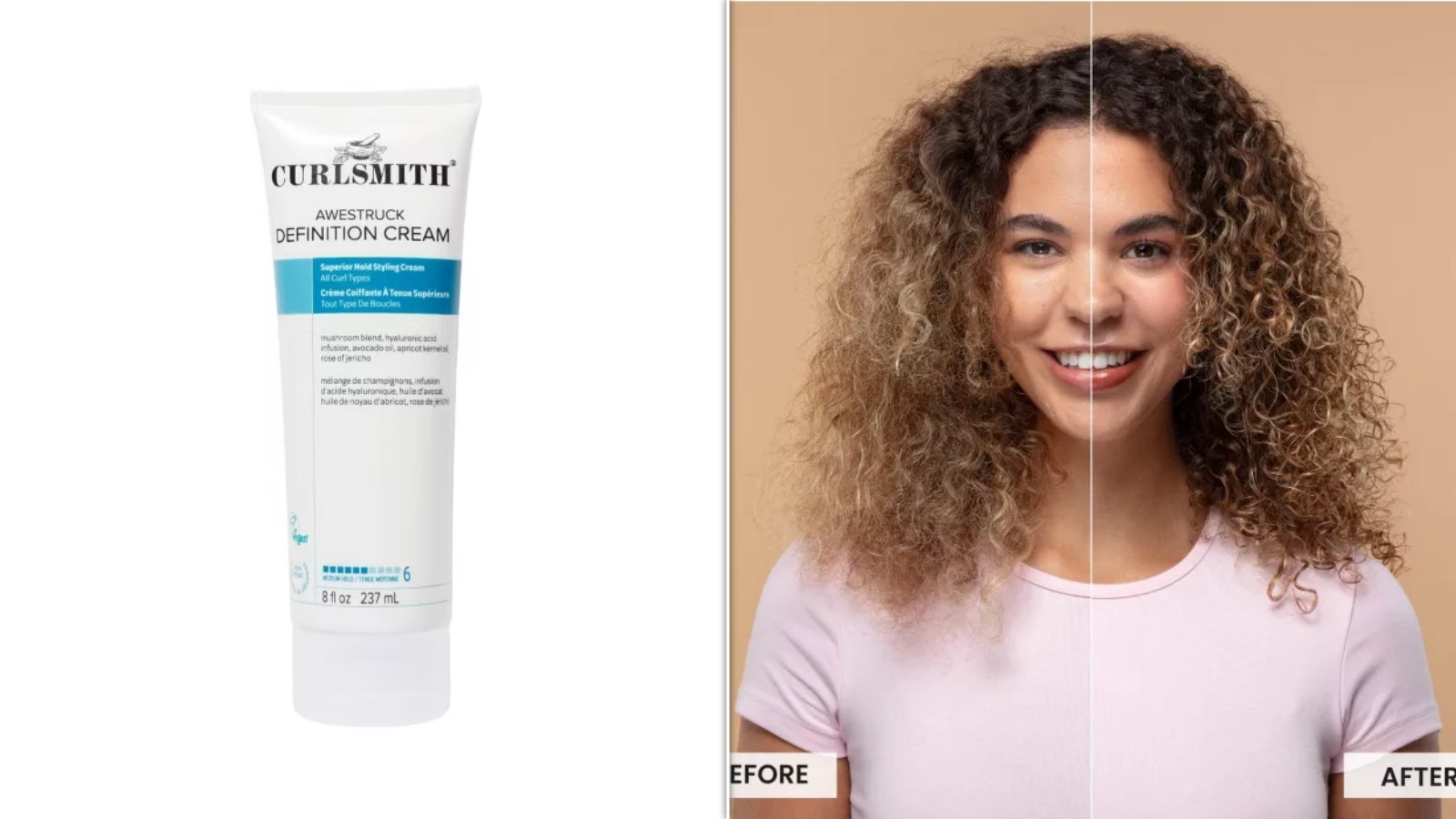
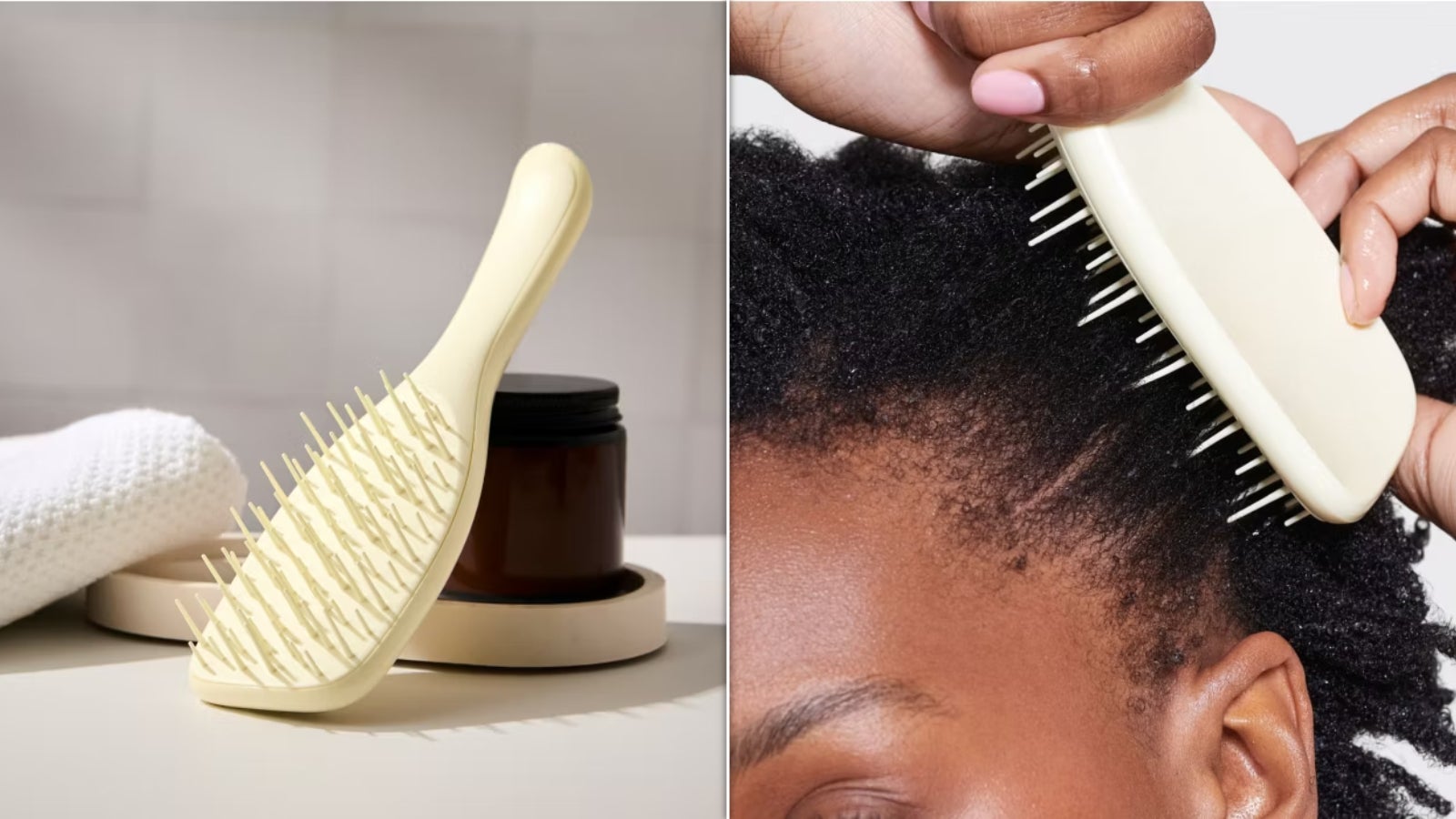
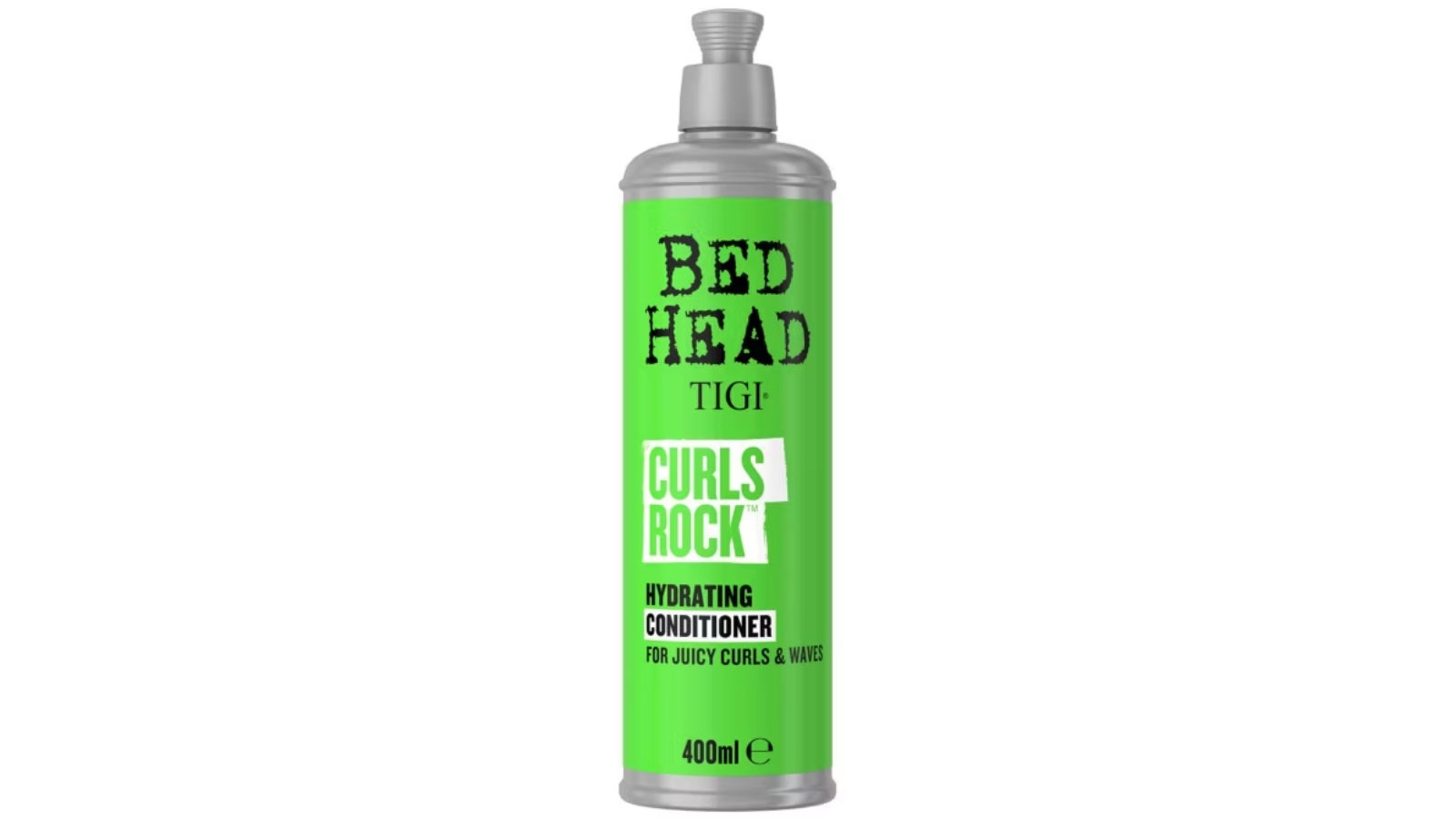
When it comes to curl care, getting your perfect hair routine down pat is enough to make you feel like a Nobel-prize-worthy scientist.
It can take years of effort to get it right – trust me, mine did. And now, you’d have to pry my favourite products away from my cold, dead hands before I give them up.
So a little thing like baggage allowance isn’t going to stop me from bringing my essentials along with me.
Curious just what those essentials are? They’re worth their weight in gold to me, but don’t worry – I didn’t get into the business to gatekeep.
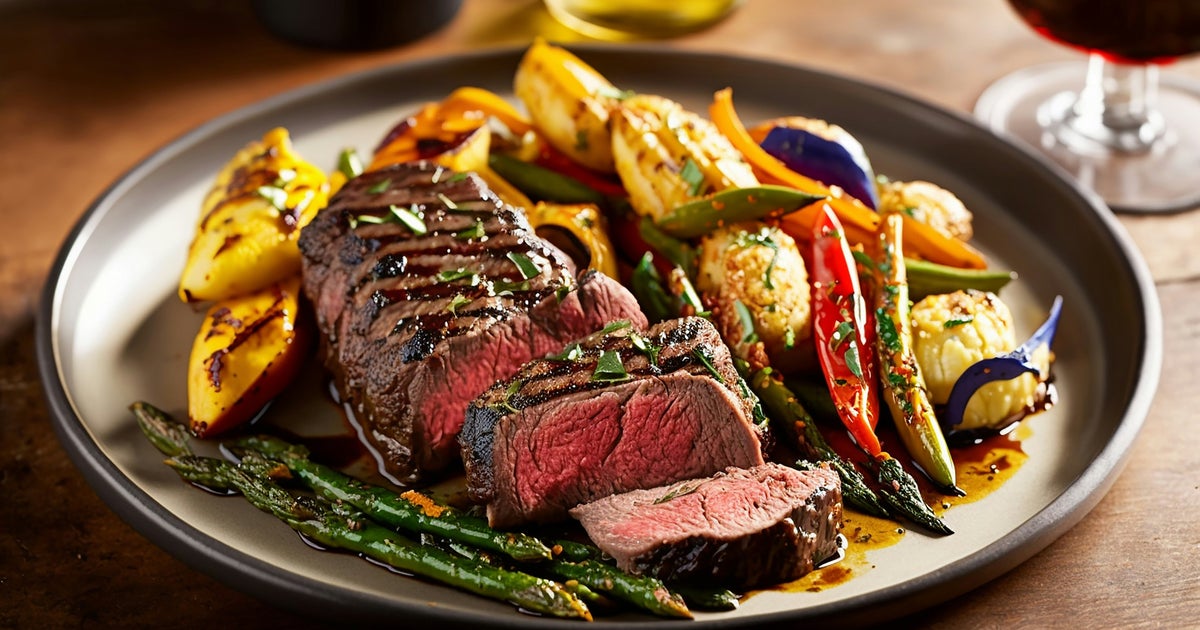
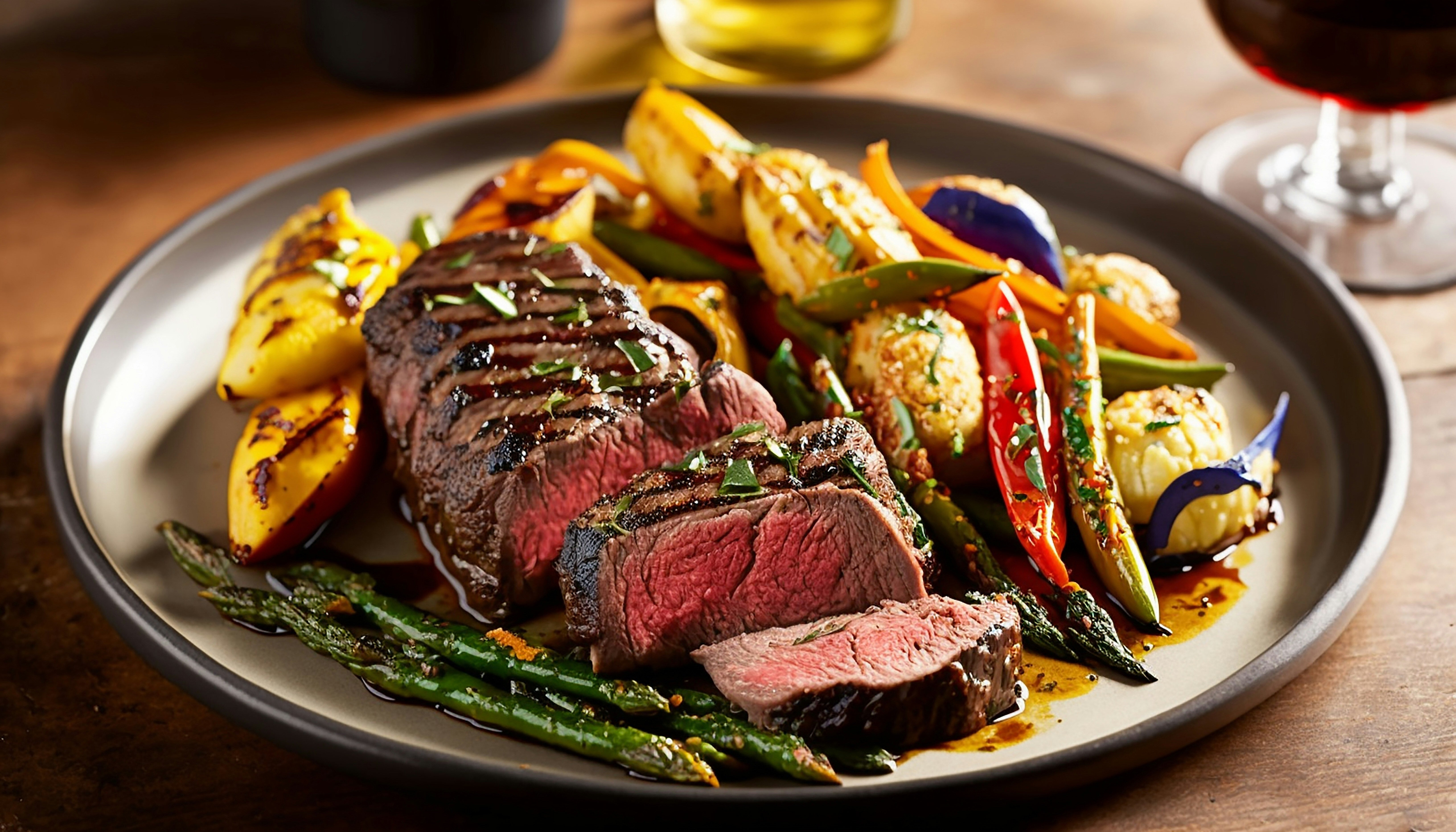
Most of us have a Gordon Ramsay-style idea of how to cook a steak: take it out of the fridge, salt it, wait a little, and fry it in a sizzling pan, basting it in butter. Then let it rest.
But according to some culinary experts, there’s a counterintuitive way to cook a perfectly medium-rare steak that’s got a rich brown crust from edge to juicy edge. And it’s known as “reverse searing”.
Advertisement
What is reverse searing?
When cooking steak, most people expect to sear the protein at the start, when it comes into contact with a very hot pan. The rest of the cooking is done at a lower temperature to allow the meat to actually cook.
You slowly, gently cook the steak at first, then sear it at the end. The idea is to avoid that brown-outside, raw-middle problem that happens all too often with “regular” searing.
It also ensures the middle is evenly cooked. And because a nearly-cooked steak is drier than a raw one, reverse-seared steaks have less moisture, according to chef and food writer J Kenji López-Alt, which means that achieving a satisfying crust is much easier.
Advertisement
And lastly, as the enzymes that have been paralysed by your fridge have had a chance to get back into play by the time you’re ready to sizzle your “reverse-seared” steak, it’ll likely turn out more tender.
Does it work for all steaks?
Reverse searing works best for thick steaks. “Ribeye, New York, and filet mignon are great cuts that would provide great results in reverse searing,” chef Sam Shafer told The Takeout.
Advertisement
And writing for Serious Eats, López-Alt wrote that the method is best used on steaks thicker than 3.8-5 cm.
Reverse-searing steak recipe
The steps are pretty simple.
Take your steak out of the fridge, season it, and put it in the oven at anywhere from 93-135°C. The higher the temp, the more “done” your steak will be.
Wait ’til it’s just under your ideal temperature (54°C for a medium-rare steak, and 60°C for a medium steak). The time this takes will depend on the thickness of your steak; it can be 20-40 minutes.
Take it out of the oven and put it into a ripping hot pan with oil. Cook until seared all over.
Nicola, who said she’d lost a “bunch of weight” for the show and was “probably a size 10″ on-screen, had said earlier in the interview, “The thing I say sometimes that pisses people off is I have no interest in body positivity.”
Advertisement
Later, she stated discussions about weight are “so fucking boring”.
I couldn’t agree with her more.
I have been in workplaces, classrooms, countless online spaces, family events, and friendships where the judgment of strangers’ weight was like dull, repetitive background music.
I have to admire weight obsessives’ inventiveness, to be fair. Tiny “girl dinners”, single-size clothing brands which seem to make their association with thinness a marketing strategy, and chats about whether you could ever hope to look yourself in the mirror again after eating carbs can occupy hours of your time if you want them to.
Advertisement
You can spend ages dissecting what *type* of thin or fat someone is, too. Maybe you’re looking at which fruit their (or, to be real, her) body most resembles. Maybe someone’s a pilates princess, or perhaps you deem them a “big back” (a term a lot of thin people seem alarmingly comfortable using to describe what they see as “fat” people and behaviours).
Is a “plus-size” or “mid-size” person’s Instagram bikini post liberating, or a ruinous attempt to “glorify obesity”? Because it obviously can’t just be a fun, mindless pic of a normal person on holiday… right?
What size are you, by the way? Noo, I’m just asking, haha! Also, should we do a water fast? By the way, have you seen how [insert thinner or fatter than usual celeb here] looks now?
Advertisement
Weight obsession is the beige, formless putty behind so many millions of conversations that it can be easy to forget the base is all the same.
Which is why such an incredibly boring idea – “some people are smaller. Others are bigger. Some people are small at first, and bigger later; sometimes, the other way around” – has stayed part of public and private discussion for so long.
What a rude, dull person you would think me if I asked everyone’s weight outright, told them what I thought about that number, and then went back to you and shared those figures again, as if it meant something. Not just that, but chances are any sly comments circling the topic would quickly die out.
Advertisement
To survive and fester into obsession, weight talk must morph. It has to take on the veneer of Serious Discourse, or ever-shifting beauty standards, or judgements of one another’s worth – or, to Nicola’s point, a type of social activism, regardless of what the person with the much-discussed body thinks.
But Nicola wasn’t talking about any of that when she took a fantasy Regency role which involved looking smoulderingly hot in a (size eight, by the way) corset. And let’s be real; nor are most of the people whose bodies we comment on.
Advertisement
If we got a little more clear-eyed about what our fascination with something as simultaneously tedious, invasive, and irrelevant as an individual’s weight actually boils down to, I’d like to think we could start to focus on more interesting things instead.