It’s Hot Desk Summer. Are You Prepared To Share With A Co-worker?

In July, Denise Delamore finally returned to working in her Colorado office after more than a year of working remotely due to the coronavirus pandemic. But her space was different. Delamore, who works as an assistant supervisor for a bank’s loan servicing department, no longer had her own personal desk.

Currently, Delamore goes into the office one day a week, with an expectation that this will increase over time. “My day is Mondays, and I’m sharing a desk with two other loan servicing departments who are in office Tuesdays and Wednesdays, respectively,” she said. “We have to reserve a desk ahead of time, and there’s no guarantee that we’ll have the same desk every time.”

Because other people use the desks, too, Delamore was given a small bin to store her keyboard, mouse and any other items she needs while working. But it doesn’t fit everything. She said she finds herself carrying more into work each day, as she still needs to bring home her planner and notes for the days she works remotely.

The personal touch is missing, too. Delamore used to be able to store granola bars, oatmeal, crackers and nuts in her desk for snacks, but now she carries a bag of any food she wants to eat that day.

“I definitely felt a connection to my workspace when I was able to leave personal items on it. It was my area. I felt grounded,” Delamore said. “Now I find it hard to focus. It could be me just getting used to working in the office again, but not having a dedicated, personal workspace makes it difficult.”

Why ‘hot desks’ are here to stay at work

Delamore is part of a growing office population using “hot desks” that aren’t assigned to any particular person. A hot desk is generally first reserved, first served. It’s not a new concept in the world of work, but the practice is gaining popularity now it’s less likely for employees to be in an office five days a week because of Covid. Many companies are moving to schedules with employees rotating in and out of the office part-time, much like the system instituted by Delamore’s employer.

Meena Krenek, an interior design director at Perkins&Will, an architecture firm that is redesigning offices in industries including accounting, tech and media, sees personal desks becoming more and more obsolete.

“Some of our clients are saying, ‘Areas where we had workstations, we want more meeting and collaborative spaces.’ We’re going in there and adjusting the furniture to… create more spaces so that our office becomes a space for collaboration, for socialising, and the individual time, what we call ‘me time,’ can get done in those home environments,” she said.

“They’re still keeping a lot of workstations, but they’re saying they’re not assigned. You go on a corporate app and you select where you sit, near a window or near the coffee machine,” she explained.

The mileage an employee gets from not being tied down to a single desk may ultimately depend on their preferred working arrangement. Citing research by Perkins&Will, Krenek described a set of co-workers who prefer to get their social and collaboration high at the office and “jump from meeting room to meeting room, and then they’ll leave the facility, whereas there are other people that need the time in between the meetings to collect their thoughts. They definitely need a focused area or a work station,” she said.

This can explain why one colleague may genuinely miss having a personal desk as their office home, while another might sound thrilled at never working in a dedicated desk pod again.

Daniel Space, a human resources consultant with business partners in strategic staffing, said that when a company uses hot desks, it’s ideal to tie the day a person comes into the office to a work reason and not a random scheduling system, such as assigning days by last name. He said he’s seen tensions eased when people are given a heads up about who is sharing their desk and the expectations for desk etiquette.

In one job, his co-workers would get copied on emails that read, “So-and-so is happy to share their desk with you. Please be respectful of their space, their stuff, treat it as though it would be your own,” he said.

Pro tip: If you do find yourself sharing a desk, remember to clean up after yourself. People who have used shared desks told HuffPost that the best etiquette is to leave a desk the way you found it, and not to take computer chargers or chairs off of unused desks without asking first.

“My desk became kind of a dumping ground while I was out of the office,” Delamore said. “Random keyboards, office supplies, etc were just piled on it. I spent two hours my first day in the office just cleaning.”

There are Covid-19 considerations, too

Of course, this is not a normal time for sharing desks. A hot desk may be a pragmatic solution when there are fewer employees entering an office everyday, but it can also be one more deterrent for those employees who are already unenthused about going into the office during a pandemic.

Space said he consulted with a company that gave employees the option of sharing socially distant desks, as long as employees were responsible for cleaning the desk and signing in and signing out for contact tracing purposes.

“Two people used it,” he said. Especially now, with the rise of the Delta variant of Covid-19, “The idea of not only bringing employees back to work, but mandating that they share a space with another employee on alternating days, it a little bit sends a signal that they are prioritising the idea of a budget and saving on real estate costs at the risk of their employees,” Space said.

Covid has already delayed some organisations’ plans for co-working. Twitter, which was asking employees to reserve a desk before they chose to come into an office, told HuffPost that it recently made the decision to close its opened offices in New York and San Francisco, and pause future office re-openings, in light of the CDC’s updated guidelines.

Is the loss of a personal desk always a loss of connection?

One potential advantage to a shared desk is that it may help to create some healthy professional distance between employees and employer.

“I always hated doing a termination with someone who had a bunch of stuff at their desk, because in many cases we would not allow them to return to the office,” Space said. “Having people pack up all of your boxes after you put in 10 years at a company, all of that feels gross. By removing all of that… it helps continuously reinforce that at the end of the day, it’s a business relationship.”

Even when you don’t have a desk to claim as your own small bit of office real estate, there can still be ways to connect with co-workers and make a space your own. Bk Kwakye, an operations manager for a D.C.-based nonprofit that has been using hot desks since before the pandemic, said their office uses cork boards on walls and communal fridges as spaces for people to share holiday cards and photos.

“For me, it feels like an opportunity to share a little bit of your family,” Kwakye said. Space knew of co-workers who left a crossword puzzle for their deskmate to complete, one word a day.

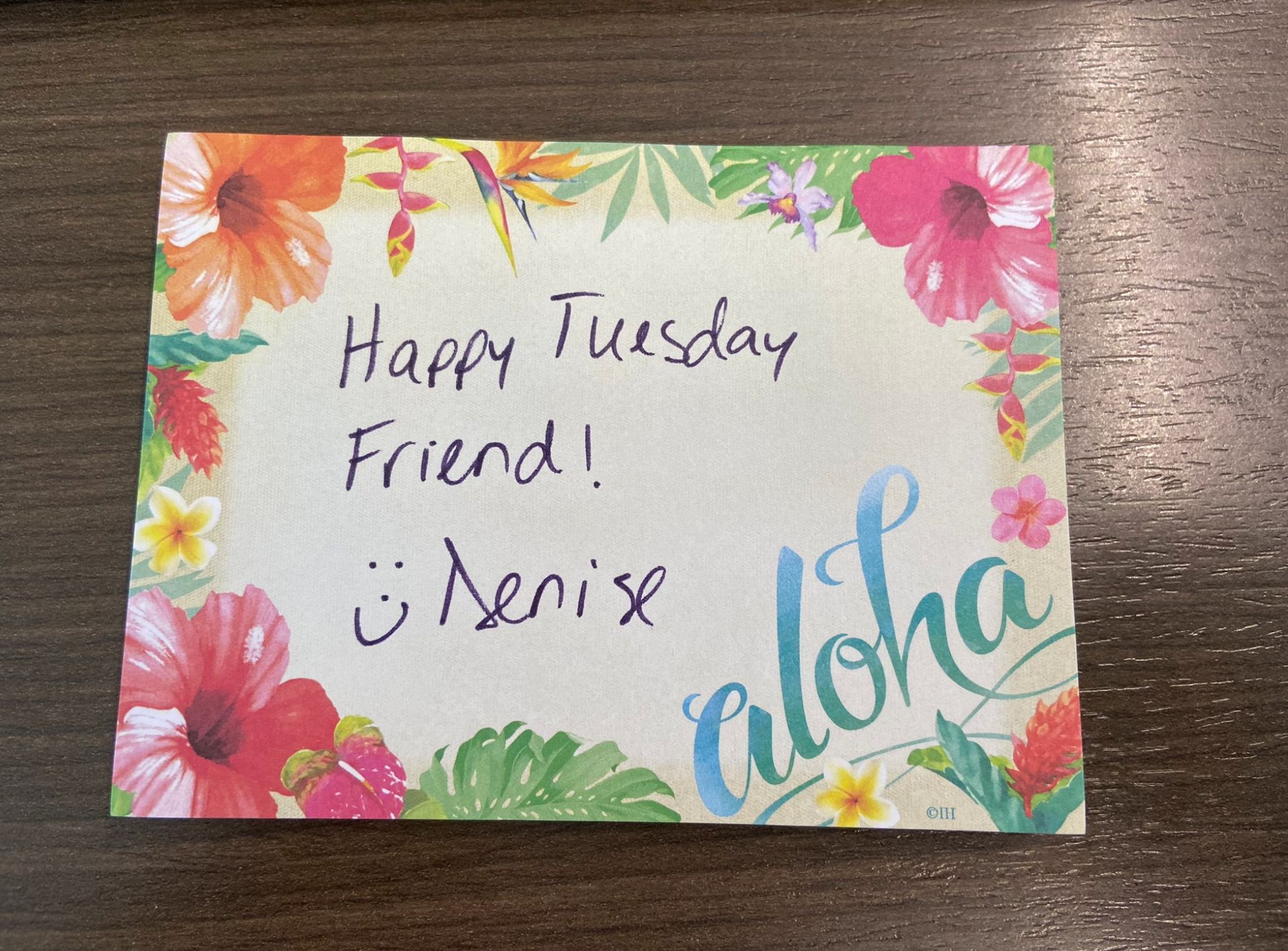
And even when you don’t have an assigned desk, you can still personalize it. Delamore said that one upside to sharing a desk is that she knows who her office deskmate is and she can leave notes behind for her.

A recent one she left: “Happy Tuesday Friend! 🙂 Denise.”
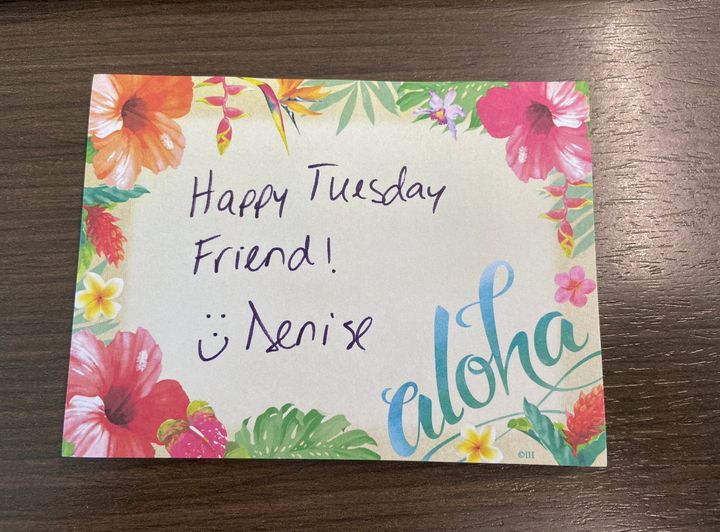
Even with a shared desk, there can be creative ways to make connections with co-workers you don't see in person.

Even with a shared desk, there can be creative ways to make connections with co-workers you don’t see in person.
Share Button

Revealed: The 20 Most Photogenic Bookshops Around The World

You are reading Anywhere But Here, our summer-long series on travel at home and abroad, serving up the information and inspiration you need.

The world’s most photogenic bookshops have been crowned, with spiral staircases, ornate shelving and stain glass windows abundant.

The list of Instagram-worthy boltholes for book-lovers is based on the number of Insta hashtags associated with each location.

Taking the lead as the most picture-worthy shop is The Last Bookstore located in Los Angeles, California, with a grand total of 110,498 hashtags. The bookshop first opened its doors in 2005 and is now filled with over 250,000 new and used books, making it one of the largest independent bookstores in the world.

The US also takes second place with Powell’s based in Oregon, which has been serving as an oasis for book lovers since 1971.

Third place goes to Book and Bed in Tokyo, Japan. The bookshop doubles as a 30-bed hostel, allowing visitors to purchase books and drop off to sleep under one roof.

The UK just about made the top 10, with Daunt Books in Marylebone, London, coming in tenth place. Barter Books in Northumberland and Folyes in London’s Charing Cross also made the top 20.

Others in the list include Venice’s famous “floating bookshop” Libreria Acqua Alta, where books damaged in flooding are repurposed as outdoor furniture, plus Bart’s Books in Ojai, California, which is the world’s largest outdoor bookstore.

Check out the full list, complied by TheKnowledgeAcademy.com, below.

1. The Last Bookstore, Los Angeles, USA

2. Powell’s, Oregon, USA

3. Book and Bed, Tokyo, Japan

4. Shakespeare and Company, Paris, France

5. Livraria Lello, Porto, Portugal

6. Libreria Acqua Alta, Venice, Italy

7. Cărturești Carusel, Bucharest, Romania

8. Books Actually, formerly Tiong Bahru, Singapore, now online

9. City Lights Books, San Francisco, USA

10. Daunt Books, London, UK

11. Barter Books, Northumberland, UK

12. El Ateneo Grand Splendid, Buenos Aires, Argentina.

13. Ler Davagar, Lisbon, Portugal

14. El Pendulo, Mexico City, Mexico

15. Atlantis Books, Santorini, Greece

16. Folyes Bookshop, London, UK

17. Strand Book Store, New York City, USA

18. Boekhandel Dominicanen, Maastricht, Netherlands

19. Cook & Book, Brussels, Belgium

20. Bart’s Books, Ojai, USA

Travel is the story of our summer. The rules (and traffic lights) are always changing, but one thing’s clear, we dream of being Anywhere But Here. This seasonal series offers you clear-headed travel advice, ideas-packed staycation guides, clever swaps and hacks, and a healthy dose of wanderlust.

Share Button

7 Lessons We’ve Learned From Team GB’s Olympians in Tokyo

So we’ve reached the final day of the Tokyo Olympics and Team GB have truly done us proud – even without the crowds there to watch them.

The Olympics is way more than just a competition anyway. Whether you’re a sports obsessive or a fan for just the summer, we can agree that our athletes have served us a true lesson in determination, strength and perseverance.

It’s kind of awe-inspiring to watch people who’ve spent a large majority of their life training for an event that lasts just a few hours, minutes… or even seconds.

That takes mental strength, as much as physical power. Most of us might not be athletes – but here are the lessons we’ve learned from our sporting heroes.

Perseverance pays off

Tom Daley and Matthew Lee of Team Great Britain pose for photographers with their gold medals after winning the Men's Synchronised 10m Platform Final

Tom Daley and Matthew Lee of Team Great Britain pose for photographers with their gold medals after winning the Men’s Synchronised 10m Platform Final

A Team GB favourite, we’ve been watching Tom Daley compete since he was just 14 years old in Beijing. Three Olympic Games later, after clinching bronze in front of a home crowd at London 2012, then failing to qualify for the finals in Rio, he finally achieved his goal at Tokyo, winning gold for Team GB. Daley is an example of true perseverance, never giving up on his dream, despite all the challenges he’s faced, including losing his dad to cancer. And he’sf done it all with a positive attitude, a smile on his face, and his knitting never far away.

Be true to yourself

It was 2013 when Tom Daley came out as gay, on his own terms, in his YouTube video, “Something I want to say.” Since then he’s got married to partner Dustin Lance Black and become a father himself. When Daley faced the press after winning gold in Tokyo, his statement was brilliant and simple: “I am incredibly proud to say that I am a gay man and also an Olympic champion. I feel very empowered by that.” What a message to send to LGBTQ people everywhere.

It’s aways worth trying

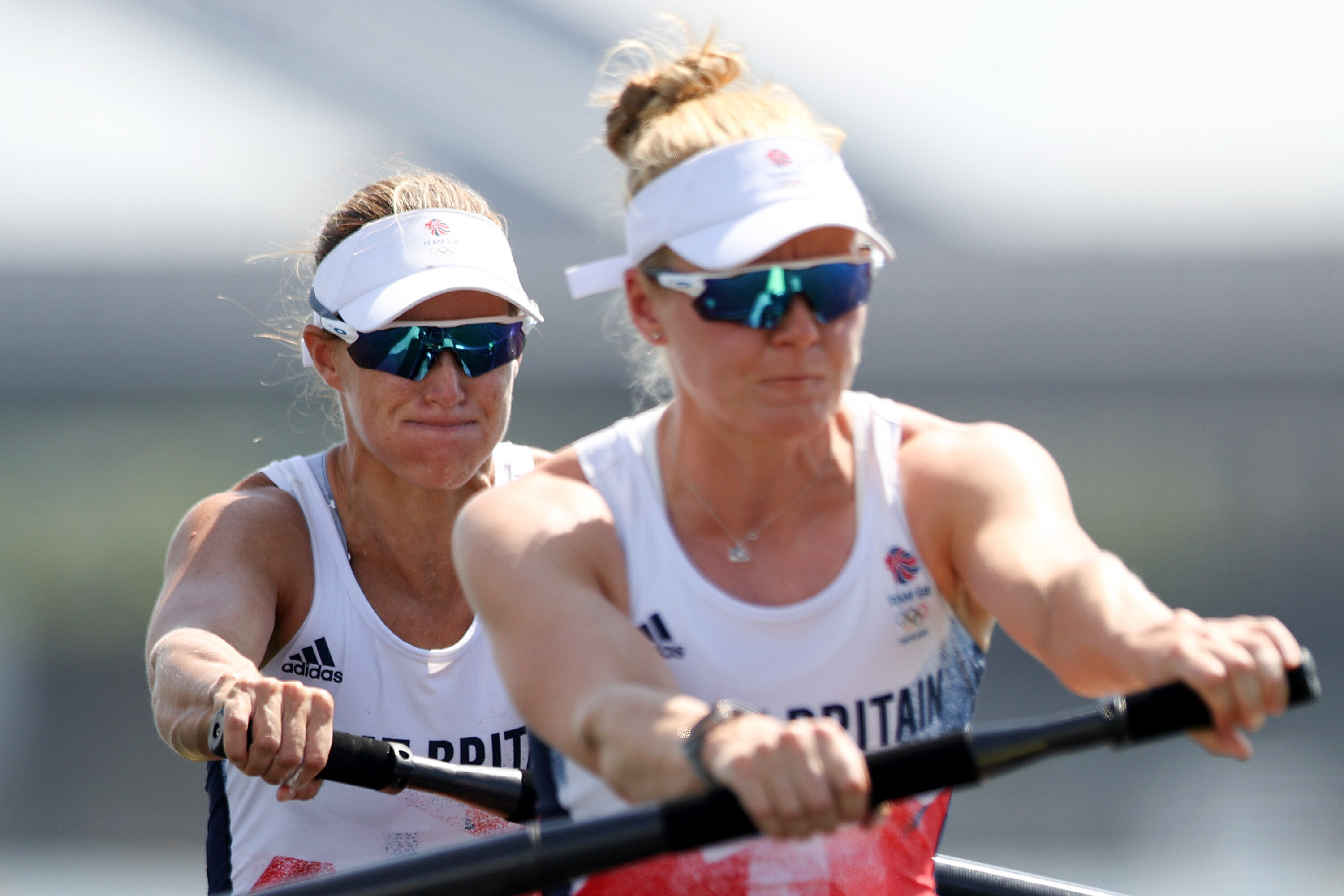
Helen Glover and Polly Swann compete during the Women's Pair heats on the first day of the games.

Helen Glover and Polly Swann compete during the Women’s Pair heats on the first day of the games.

Helen Glover is a two-time Olympic gold champion and mother-of-three. This Olympics, Glover narrowly missed out on a medal, coming fourth but she wasn’t at all in low spirits. She told the BBC that: “You can do anything you want to do. Trying and failing is no problem as long as you try.” After giving birth to twins in lockdown, it’s remarkable to see her compete. She’s not a winner this year, but she’s our example of why it’s important to always try.

Use your voice

Dina Asher-Smith with her team-mates Asha Philip, Imani Lansiquot and Daryll after winning bronze in the Women's 4 x 100m Relay

Dina Asher-Smith with her team-mates Asha Philip, Imani Lansiquot and Daryll after winning bronze in the Women’s 4 x 100m Relay

Dina Asher-Smith has been one of the most recognisable faces of Team GB. And though all eyes are set on the 26-year-old sprinter, she isn’t shy to use her voice to speak out against injustices. She supported the relaxation of rules around athlete protests at the Tokyo Olympics, telling the BBC: “I see protesting and expressing yourself as a fundamental human right.” Oh, and while injury blighted her chances in the 100m and 200m, she came back in the 4 x 100m relay, and was part of a British record-setting, Bronze medal-winning team.

Look at things differently

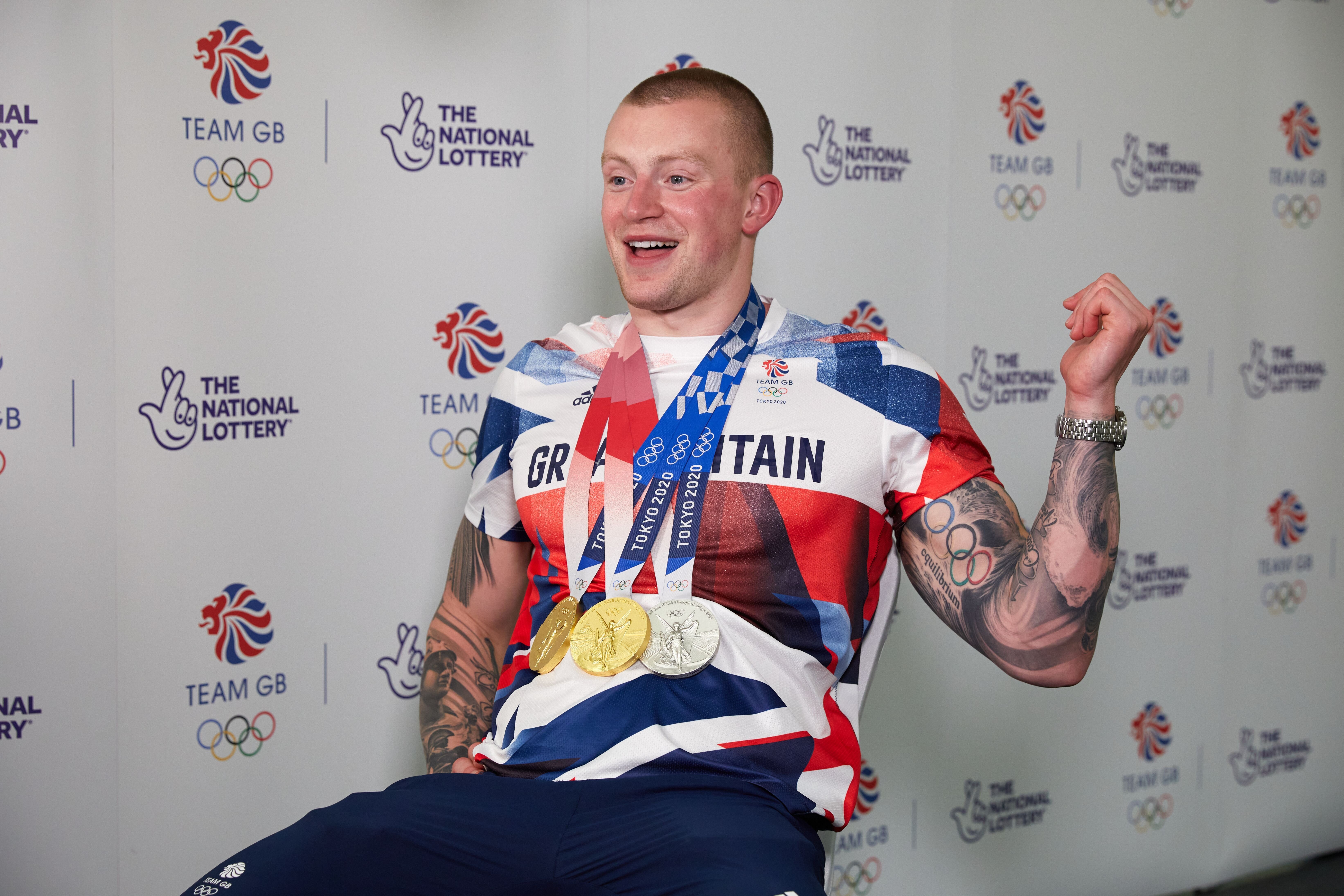
Adam Peaty being interviewed back in London with his three Tokyo medals.

Adam Peaty being interviewed back in London with his three Tokyo medals.

Having won a gold and silver medal at previous Olympic Games, swimmer Adam Peaty knows the importance of a positive mindset. Optimism feels like a tall order after all that we’ve been through during the pandemic – and Peaty gets that. “Covid has taken a lot of fun out of things.” But with some perspective, it’s possible to shift your head.

“That’s why we are all here, because sport has an amazing power to inspire people,” he said after winning Team GB’s first gold of the games (and his first of three). Let Team GB’s triumphs be a catalyst for everyone at home, he added. “We’ve been through a tough time, there’s been a lot of complaining, a lot of excuses, a lot of negative things, but now we’ve got to switch our mindset.”

Pick yourself up after a fall

Charlotte Worthington in action in the Cycling/BMX Freestyle Women's Final

Charlotte Worthington in action in the Cycling/BMX Freestyle Women’s Final

Part of Team GB’s awe-inspiring BMX team, who picked up three medals in their debut Olympics, Charlotte Worthington came out fighting in her first of two rides in the freestyle final, attempting a 360 degree backflip, only to crash-land. Some might have played it safer for second place, but Worthington picked herself up and with a smile to camera that said she knew what she was capable of, attempted the exact same trick, and this time she landed it for the gold medal. “It was either go big or go home,” Worthington told the press. She went big.

Never limit yourself

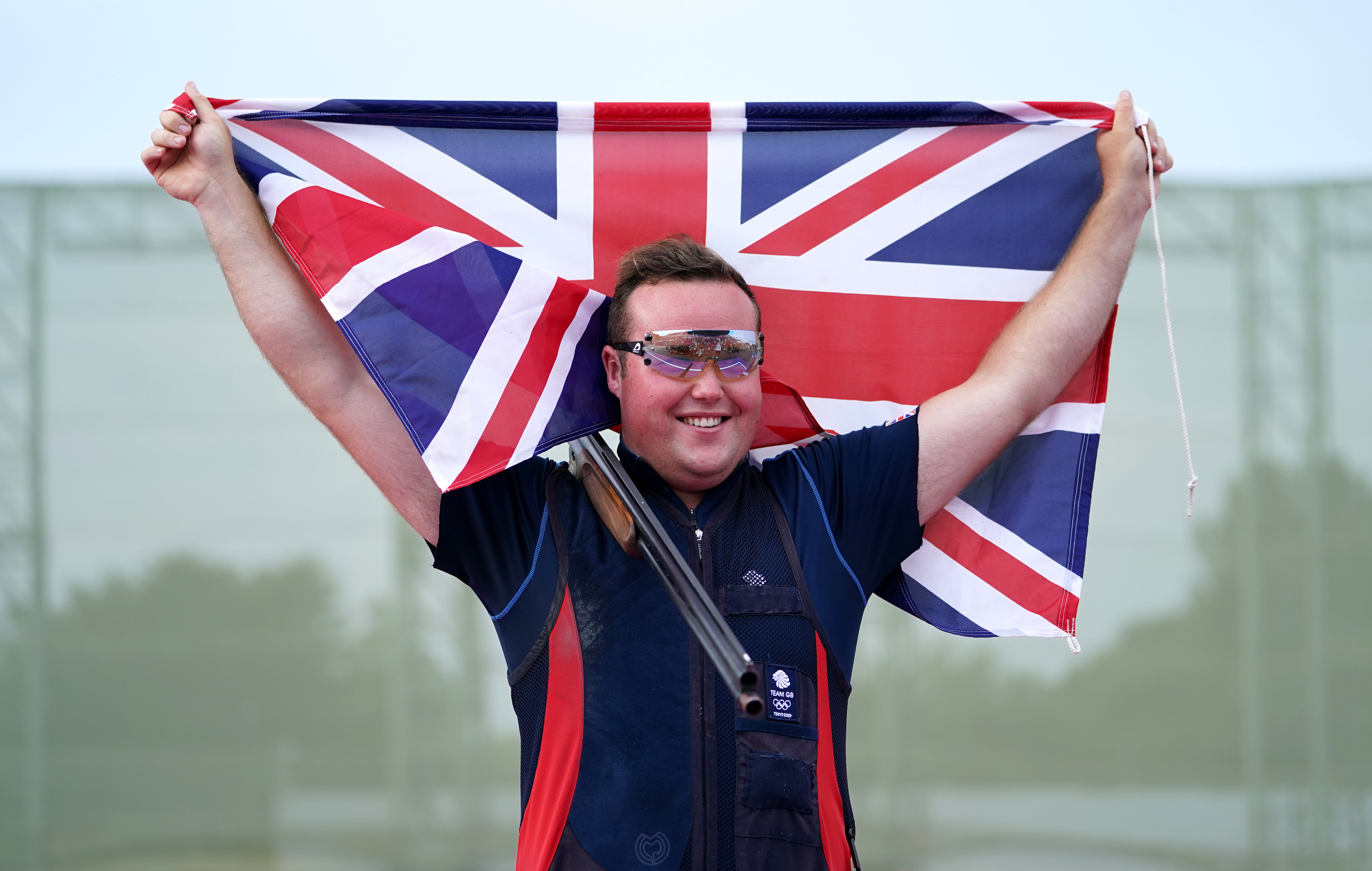
Matthew Coward-Holley celebrates after his bronze in the Trap Men's final

Matthew Coward-Holley celebrates after his bronze in the Trap Men’s final

At the age of 16, Matthew Coward-Holley was told his rugby dreams were over after breaking his back twice. A decade later, he is now an Olympic bronze medalist. After being advised to stop playing rugby he turned to shooting. Something that was once a hobby became his gateway into sporting success. Our takeaway from this is to try different things, because you might surprise yourself.

Share Button

NHS waiting lists could rise to 14 million in England next year – report

Currently five million people are on hospital waiting lists, but there is a warning of a hidden backlog.

Share Button

5 Weekend Morning Mistakes That Secretly Screw Up Your Whole Week

By the time the weekend rolls around, most of us are exhausted. Burnout is at an all-time high and people, understandably, want to use their weekends (or whatever days they get off during the week) to relax, socialise and sleep in.

But creating and maintaining a weekend morning routine can really help set the tone for the rest of the week. With that in mind, here are five common mistakes people tend to make on their days off — and how to create a healthy morning routine that won’t mess with how you’re feeling on other days.

Mistake #1: Sleeping too late

No one wants to be scolded for sleeping in on the weekends. But many experts agree that blowing past your usual wake time can hamper overall well-being. Research shows that significant variability in sleep and wake times leads to less healthy behaviours overall. Studies have also linked “social jet lag” — the shift in sleep habits from weekdays to weekends — to greater overall fatigue and sleepiness.

“Getting up at around the same time daily helps to set your body clock with light exposure, awakening the body and allowing one to start to build up an appetite for sleep for the following night,” said psychologist Shelby Harris, author of The Women’s Guide to Overcoming Insomnia Without Relying On Medication.

“Sleeping in on the weekends makes it harder to fall and stay asleep the following night simply because you’re not awake for enough hours to be hungry enough for sleep that next night,” she added, noting that she makes an effort to practice what she preaches and gets up consistently at 6 a.m.

However, not all research knocks catching up on ZZZs on the weekend. One study found that people who were sleep-deprived during the week but caught up on the weekend lived just as long as people who got sufficient sleep overall. (As opposed to people who were sleep-deprived, who were more likely to die early.)

Ultimately, balance is key.

“Sleeping in a little bit is one thing; sleeping in for hours and hours so that you then can’t get to bed on Sunday night is another,” said Debra Swan, a Chicago-based health coach who works with clients around the US. She stressed that you should try to keep your sleeping in to an extra hour or two.

Mistake #2: Not hydrating first thing

Hydrating is really important first thing in the morning, Swan said, particularly after a night of drinking. And she really thinks it’s best if coffee isn’t the first liquid you have in a day.

Sipping H2O ― even if you’re not thirsty ― helps you stay adequately hydrated throughout the day. There are plenty of ways to sip it if the idea of starting off your Saturday or Sunday with a tepid glass of tap water sounds meh. Have a seltzer on hand if that’s your preference, or try herb- or fruit-infused water. Your goal should be to try to find something you actually like, so you’re more likely to make a.m. hydration a long-term routine.

Hydrating when you first wake up is important.

Hydrating when you first wake up is important.

Mistake #3: Not making yourself accountable to someone or something

It’s easy to stick to routines on weekdays because we all have someone or something we’re accountable to, whether it’s waking up to take kids to school or to get to work on time. Try to build that same sense of accountability into your weekend mornings, Harris suggested.

“Kids are frequently a helpful routine alarm, but if that’s not in the mix, consider signing up for a workout class in the morning or meeting a friend for coffee, or even doing your laundry in the building on Saturday morning because it is quiet,” she said. “Accountability is very helpful in beginning a routine.”

Or maybe you want to find an accountability partner, like a friend or family member who can help you if you’re, say, really struggling not to sleep until noon.

Mistake #4: Not prepping for the week ahead

“You should absolutely relax on the weekend,” said Swan, who took pains to point out that morning routines should be really manageable and not feel like a chore.

She knows people need a chance to unwind. Still, she thinks it can be a missed opportunity when people don’t use their time off prepare for the days ahead, and said the mornings can be a really nice time to do a bit of that work.

“The weekdays are so busy, and people have high hopes of meals and eating healthy – but preparation is key,” she said.

Swan often recommends that clients she work with use the weekends to think about any recipes they want to try out, then make sure they have the ingredients they need on hand and do any possible prep work, like chopping vegetables, ahead of time.

That way, you’ve made your life easier for hectic weekdays – and you’ve also helped set the tone for the rest of the week.

Mistake #5: Not getting outside

“Get some fresh air and sunshine,” Swan said, adding that it’s good to get outside shortly after you get out of bed. “Bright light lets your brain know it’s time to wake up.”

Spending time outdoors has all kinds of health benefits, including how people say they feel overall, and research shows that morning light exposure can lead to better rest at night.

Going outside in the morning isn’t the kind of change that’s particularly difficult or burdensome, but it’s powerful.

“How you behave one day influences how you behave the next,” Swan said. “Yes, the weekend is less structured. Yes, it’s a time to relax. But you still want to have a good start to the day.”

Share Button

10 Beautiful British Vineyards You’ll Absolutely Want To Visit

You are reading Anywhere But Here, our summer-long series on travel at home and abroad, serving up the information and inspiration you need

When you think of fine wine, Britain may not instantly spring to mind – but it should. The nation is home to dozens of lovely vineyards, many of which allow visitors to sip away while enjoying a captivating view.

As wine intake continues to increase in the UK, with a consumption of 1.77 billion bottles in 2020, new vineyards are blossoming all around the land, which can provide the same unforgettable experience you would receive in a rural estate in France. With less travel time, too.

To help you decide which one to visit, the investment experts at Money.co.uk have analysed more than 100,000 Instagram hashtags associated with 693 British vineyards to reveal the most popular.

Topping the list, Surrey’s Denbies Wine Estate is considered the most beautiful vineyard, with an impressive 9,255 hashtags. This award-winning destination located in Surrey Hills offers wine tasting alongside two restaurants and a hotel, with outstanding views of the 265-acre estate.

In second place, Llanerch Vineyard, located in Rhondda Cynon Taf, Wales, comes in with 5,325 hashtags. Located less than 25 minutes outside of Cardiff’s city centre, Llanerch Vineyard is home to award-winning wines, a restaurant, hotel and its own cookery school.

Finishing the top three is Camel Valley Vineyard located in Cornwall. With international award-winning English Sparkling wines, a Royal Warrant from The Prince of Wales, and spectacular views of the Cornish countryside, it’s easy to see why this vineyard is one of the most Instagrammed in Britain.

Here is the full list of beautiful vineyards to visit.

1. Denbies Wine Estate (Surrey, England)

2. Llanerch Vineyard (Rhondda Cynon Taf, Wales)

3. Camel Valley Vineyard (Cornwall, England)

4. Bolney Wine Estate (Sussex, England)

5. Three Choirs Vineyard (Gloucestershire, England)

6. Wyken Vineyard (Suffolk, England)

7. Hambledon Vineyard (Hampshire, England)

8. Knightor Winery (Cornwall, England)

9. Hush Heath Estate (Kent, England)

10. Biddenden Vineyard (Kent, England)

Travel is the story of our summer. The rules (and traffic lights) are always changing, but one thing’s clear, we dream of being Anywhere But Here. This seasonal series offers you clear-headed travel advice, ideas-packed staycation guides, clever swaps and hacks, and a healthy dose of wanderlust.

Share Button

Potential COVID-19 medication found among tapeworm drugs

A group of medications long prescribed to treat tapeworm has inspired a compound that shows two-pronged effectiveness against COVID-19 in laboratory studies, according to a new publication appearing online in the journal ACS Infectious Disease.

The compound, part of a class of molecules called salicylanilides, was designed in the laboratory of Professor Kim Janda, PhD, the Ely R. Callaway, Jr. Professor of Chemistry and director of the Worm Institute for Research and Medicine at Scripps Research, in La Jolla, CA.

“It has been known for 10 or 15 years that salicylanilides work against certain viruses,” Janda says. “However, they tend to be gut-restricted and can have toxicity issues.”

Janda’s compound overcomes both issues, in mouse and cell-based tests, acting as both an antiviral and an anti-inflammatory drug-like compound, with properties that auger well for its use in pill form.

Salicylanilides were first discovered in Germany in the 1950s and used to address worm infections in cattle. Versions including the drug niclosamide are used in animals and humans today to treat tapeworm. They have also been studied for anti-cancer and antimicrobial properties.

The modified salicylanilide compound that Janda created was one of about 60 that he built years ago for another project. When the SARS-CoV-2 virus became a global pandemic in early 2020, knowing that they may have antiviral properties, he started screening his old collection, first in cells with collaborators from Sorrento Therapeutics and The University of Texas Medical Branch, and later, after seeing promising results, working with Scripps Research immunologist John Teijaro, PhD, who conducted rodent studies.

One compound stood out. Dubbed simply “No. 11,” it differs from the commercial tapeworm medicines in key ways, including its ability to pass beyond the gut and be absorbed into the bloodstream — and without the worrisome toxicity.

“Niclosamide is basically digestive-track restricted, and that makes sense, because that’s where parasites reside,” Janda says. “For that reason, simple drug repurposing for a COVID treatment would be counterintuitive, as you want something that is readily bioavailable, yet does not possess the systemic toxicity that niclosamide has.”

About 80 percent of salicylanilide 11 passed into the bloodstream, compared to about 10 percent of the antiparasitic drug niclosamide, which has recently entered clinical trials as a COVID-19 treatment, Janda says.

The experiments showed that of the many modified salicylanilides he had built in his laboratory, No. 11 affected pandemic coronavirus infections in two ways. First, it interfered with how the virus deposited its genetic material into infected cells, a process called endocytosis. Endocytosis requires the virus to form a lipid-based packet around viral genes. The packet enters the infected cell and dissolves, so the infected cell’s protein-building machinery can read it and churn out new viral copies. No. 11 appears to prevent the packet’s dissolution.

“The compound’s antiviral mechanism is the key,” Janda says. “It blocks the viral material from getting out of the endosome, and it just gets degraded. This process does not allow new viral particles to be made as readily.”

Importantly, because it acts inside cells rather than on viral spikes, questions about whether it would work in new variants like Delta and Lambda aren’t a concern, he adds.

“This mechanism is not dependent on the virus spike protein, so these new variants coming up aren’t going to relegate us to finding new molecules as is the case with vaccines or antibodies,” Janda says.

In addition, No. 11 helped quiet potentially toxic inflammation in the research animals, Janda says, which could be important for treating acute respiratory distress associated with life-threatening COVID infections. It reduced levels of interleukin 6, a signaling protein which is a key contributor of inflammation typically found in advanced stages of COVID-19.

Better medications against COVID-19 are urgently needed, as highly infectious new variants drive renewed surges of illness and death globally. But Janda says salicylanilide No. 11 was created long before the pandemic.

After fighting an unpleasant bacterial infection called Clostridioides difficile about 10 years ago,he saw a clear need for better treatment options. Multi-drug-resistant strains of C. difficile have become a major cause of drug-resistant diarrheal disease outbreaks in health care institutions globally, and among people using antibiotics. As director of the Worm Institute, which focused on parasitic infections, Janda was very familiar with salicylanilides, and knew of their antimicrobial properties. His laboratory created a “library” of modified salicylanilides several of which showed strong efficacy against C. difficile, and the collection was subsequently licensed by pharmaceutical firm Sorrento Therapeutics. Among them was salicylanilide 11.

“Salicylanilide 11 actually was placed on the back burner in my laboratory against C. difficile because it’s not as gut-restricted as we would like it to be,” Janda says. “But salicylanilide 11 has got a lot of really positive things going for it as a potential therapeutic for COVID.”

Share Button

A microRNA network is the putative mediator of reductive stress in the heart

Last year, University of Alabama at Birmingham researchers reported that reductive stress — an imbalance in the normal oxidation/reduction homeostasis — caused pathological changes associated with heart failure in a mouse model. This was a follow-up to their 2018 clinical study that about one in six heart failure patients shows reductive stress.

Now, in the journal Scientific Reports, researchers describe the putative molecular regulators of this pathological chronic reductive stress — a microRNA network.

Redox balance is vital for health. Oxidative stress has long been linked to heart failure, the progressive weakening of the heart muscle that can lead to death, though attempts at antioxidant therapy have been ineffectual. The finding that reductive stress can also lead to heart pathology may help personalize treatment of heart failure patients, leading to better outcomes.

Human microRNAs, or miRNAs, are short, non-coding RNAs with about 22 bases. They act to regulate gene expression by a complementary pairing with specific messenger RNAs of the cell. That pairing silences the messenger RNA, preventing them from being translated into a protein. Thus, miRNAs are a fine-tuned controller of cell metabolism or the cell’s response to stress and adverse challenges, like oxidative stress in the heart.

The current research, led by Rajasekaran Namakkal-Soorappan, Ph.D., associate professor in the UAB Department of Pathology, used mice that overexpress Nrf2, pronounced “nerf-two,” in cardiomyocytes to identify the miRNA network.

Nrf2 is a master transcriptional regulator that confers short-term protection — by helping express genes for antioxidant activity — for heart muscle cells when reactive oxygen and nitrogen species are created as blood flow returns after a heart attack. However, persistent Nrf2 activation can paradoxically result in reductive stress.

The researchers had recently shown that Nrf2 deficiency inhibited the expression of several miRNAs in the heart, suggesting a relationship between Nrf2 expression and miRNAs. So, they now decided to look for changes in miRNA levels in three mouse models — one with normal Nrf2 and two that constitutively overexpress Nrf2, at either low or high levels. Overexpression of both leads to pathological heart remodeling.

Comparison of miRNA levels from the three models identified a subset of miRNAs that appeared to be a direct and dose-dependent target of Nrf2, and thus putative regulators of reductive stress. Namakkal-Soorappan calls these miRNAs reductomiRs, pronounced “reducto-meers.”

The researchers also identified dose-dependent genes that were differentially expressed in the hearts of mice that overexpress Nrf2. Because miRNAs silence gene expression at the post-transcriptional level, the researchers believed that this distinct subset of genes could represent reductomiR targets for negative regulation.

Next, they looked for a link between the reductomiRs and the genes. In normal function, Nrf2 promotes the expression of genes that contain a DNA sequence called the “antioxidant response element” located near their promoters. With genomic software tools, the researchers probed the DNA of the mouse genome to find sequences for miRNAs that also had an antioxidant response element near their promoters.

They then used bioinformatics tools to identify 19 miRNAs that exhibited complementary sequences to the seed sequences in 61 down-regulated differentially expressed genes. These 19 miRNAs thus appear to be reductomiRs that mediate Nrf2-responsive myocardial reductive stress. Other computational tools also were used to create an integrative, Nrf2-responsive miRNA-mRNA functional network that shows putative nodes of differentially expressed genes.

Namakkal-Soorappan calls the reductomiRs only putative mediators because the analyses in the current study resulted from bioinformatics. Needed next, he says, are mechanistic studies to confirm functions of the mediators.

Co-first authors of the study, “Identification of Nrf2-responsive microRNA networks as putative mediators of myocardial reductive stress,” are Justin M. Quiles and Mark E. Pepin, UAB Department of Pathology, Division of Molecular and Cellular Pathology.

Co-authors, along with corresponding author Namakkal-Soorappan, are Sini Sunny, Sandeep B. Shelar, Anil K. Challa and Adam R. Wende, UAB Department of Pathology; Brian Dalley and John R. Hoidal, University of Utah; and Steven M. Pogwizd, UAB Department of Medicine Comprehensive Cardiovascular Center.

Support came from National Institutes of Health grants 2HL118067, HL118067, AG042860, HL133011, HL007918 and HL137240; American Heart Association grant BGIA 0865015F; a University of Utah Center for Aging Pilot Grant; the University of Utah; UAB; and an Alexander von Humboldt Foundation postdoctoral fellowship.

Share Button

Trials reveal efficacy and safety of oral drug for treating anemia associated with kidney disease

Pooled results from recent clinical trials indicate that an oral drug called roxadustat is an effective treatment for anemia in patients with chronic kidney disease. The results are published in an upcoming issue of CJASN.

Many individuals with kidney dysfunction develop anemia, or a shortage of healthy red blood cells that carry oxygen to the body’s tissues. Some treatments for anemia are linked with serious cardiovascular side effects, but a new class of oral drugs called hypoxia inducible factor-prolyl hydroxylase inhibitors may be comparable to placebo in these trials. These drugs act on the pathway involved in the production of erythropoietin that stimulates red blood cell formation.

To evaluate the efficacy and cardiovascular safety of one such inhibitor — called roxadustat — Robert Provenzano, MD (Wayne State University School of Medicine) and his colleagues analyzed data pooled from three phase 3 studies of roxadustat in patients with chronic kidney disease and anemia.

In total, 2,391 patients received roxadustat and 1,886 received a placebo. Roxadustat treatment boosted levels of hemoglobin (the protein in red blood cells responsible for transporting oxygen): roxadustat- vs. placebo-treated patients showed an average change in hemoglobin averaged over weeks 28 to 52 of 1.9 vs. 0.1 g/dL. Roxadustat also reduced the need for red blood cell transfusions in the first 52 weeks, and there were no increased risks of mortality, heart attacks, strokes linked to the drug.

“Roxadustat was shown to be effective, with an acceptable safety profile,” said Dr. Provenzano. “As an oral agent, roxadustat addresses the significant unmet need in treating anemia in patients with kidney disease.”

Study co-authors include Lynda Szczech, MD, Robert Leong, MD, Khalil Saikali, MD, Ming Zhong, PhD, Tyson T. Lee, PhD, Dustin J. Little, MD, Mark T, Houser, MD, Lars Frison, PhD, John Houghton, and Thomas B. Neff, MD.

Disclosures: RP serves as a consultant for AstraZeneca, DaVita, and FibroGen. LS, RL, KGS, MZ, TTL are employees of FibroGen and hold stock and/or stock options in FibroGen. MTH, LF, DJL, and JH are employees of AstraZeneca and hold stock and/or stock options in AstraZeneca.

Story Source:

Materials provided by American Society of Nephrology. Note: Content may be edited for style and length.

Share Button

Do vitamin D supplements offer kidney-related benefits for individuals with high diabetes risk?

A recent clinical trial described in CJASN has examined the potential of vitamin D supplementation for protecting the kidney health of individuals with pre-diabetes.

In the general population, low blood vitamin D levels have been associated with higher risks of various diseases, including type 2 diabetes and kidney disease. Sun H. Kim, MD, MS (Stanford University School of Medicine) and her colleagues conducted a secondary analysis of the Vitamin D and type 2 diabetes (D2d) study to evaluate the effects of vitamin D supplementation on kidney health in individuals with pre-diabetes, a condition that increases risk for type 2 diabetes, which in turn is the leading cause of kidney disease.

The study randomized 2,423 adults with overweight/obesity and pre-diabetes to vitamin D3 4000 IU per day or placebo, for a median treatment duration of 2.9 years. “The D2d study is unique because we recruited individuals with high-risk pre-diabetes, having 2-out-of-3 abnormal glucose values, and we recruited more than 2,000 participants, representing the largest vitamin D diabetes prevention trial to date,” said Dr. Kim.

During the trial, there were 28 cases of kidney function worsening in the vitamin D group and 30 in the placebo group, and the average change in kidney function during follow-up was similar in both groups. “Our results did not show a benefit of vitamin D supplements on kidney function. About 43% of the study population was taking outside-of-study vitamin D, up to 1000 IU daily, at study entry, though. Among those who were not taking any vitamin D on their own, there was a suggestion for vitamin D lowering the amount of urine protein over time, which means that it could have a beneficial effect on kidney health. Additional studies are needed to look into this further.”

Dr. Kim added that vitamin D supplementation is popular, and it’s difficult for clinical trials of vitamin D supplementation to show a benefit if the population studied is not vitamin D deficient. “The majority of the study population had sufficient blood vitamin D levels and normal kidney function,” she said. “Benefits of vitamin D might be greater in people with low blood vitamin D levels and/or reduced kidney function.”

Study co-authors include Irwin G. Brodsky, MD, Ranee Chatterjee, MD, MPH, Sangeeta R. Kashyap, MD, William C. Knowler, MD, DrPH, Emilia Liao, MD, Jason Nelson, MPH, Richard Pratley, MD, Neda Rasouli, MD, Ellen M. Vickery, MS, Mark Sarnak, MD, MS, and Anastassios G. Pittas, MD, MS.

Disclosures: The authors reported no relevant financial disclosures associated with this publication.

Story Source:

Materials provided by American Society of Nephrology. Note: Content may be edited for style and length.

Share Button