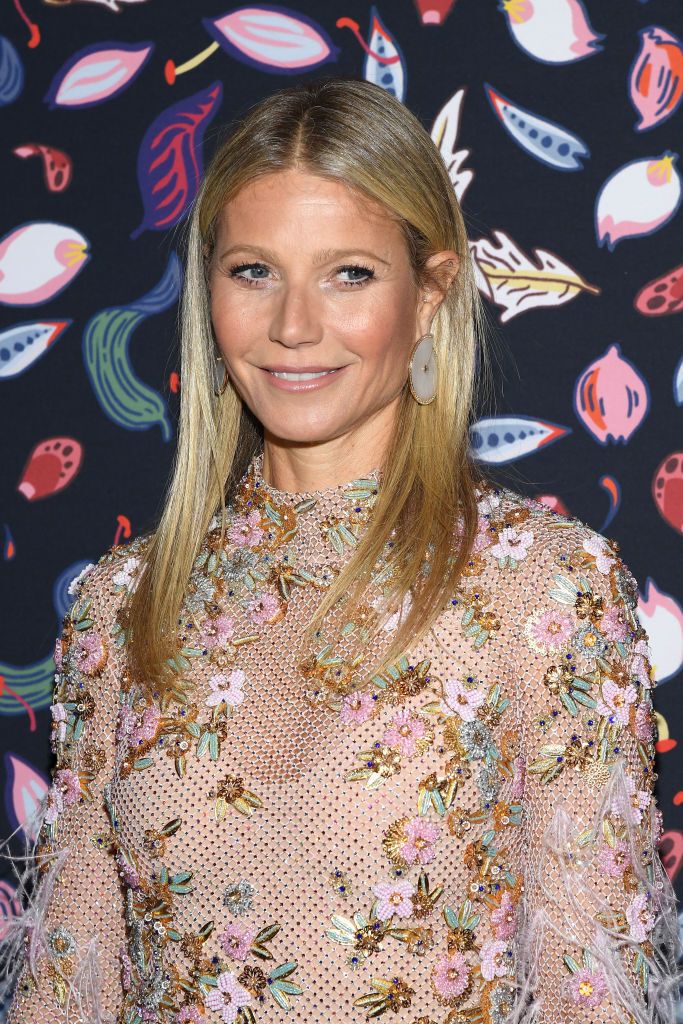
Gwyneth Paltrow’s Methods For Treating Long Covid Called Out By NHS Medical Director

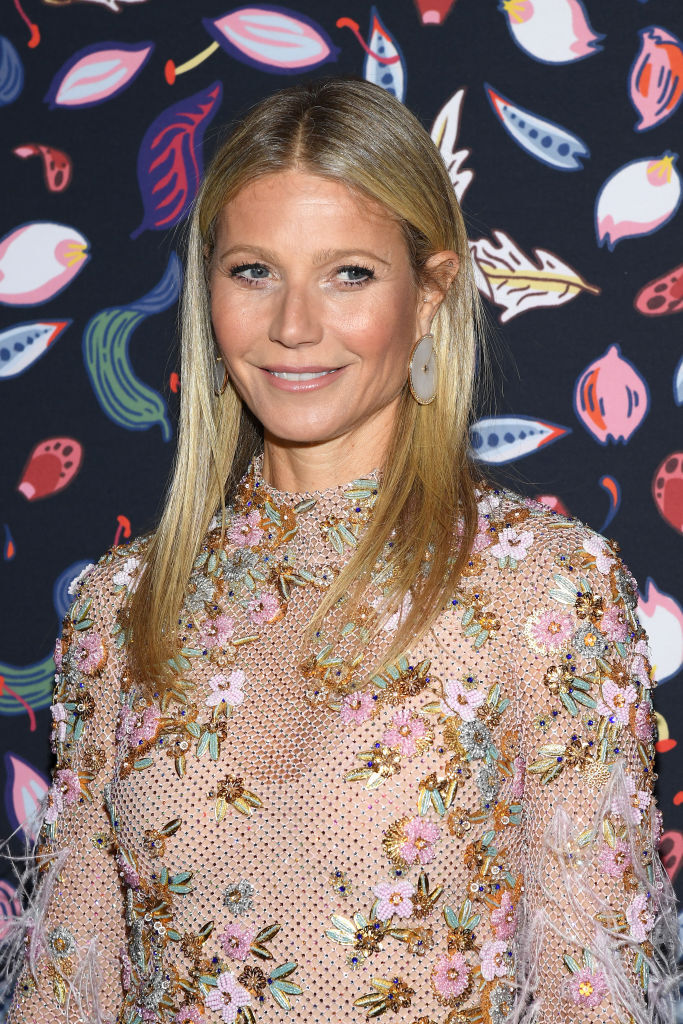
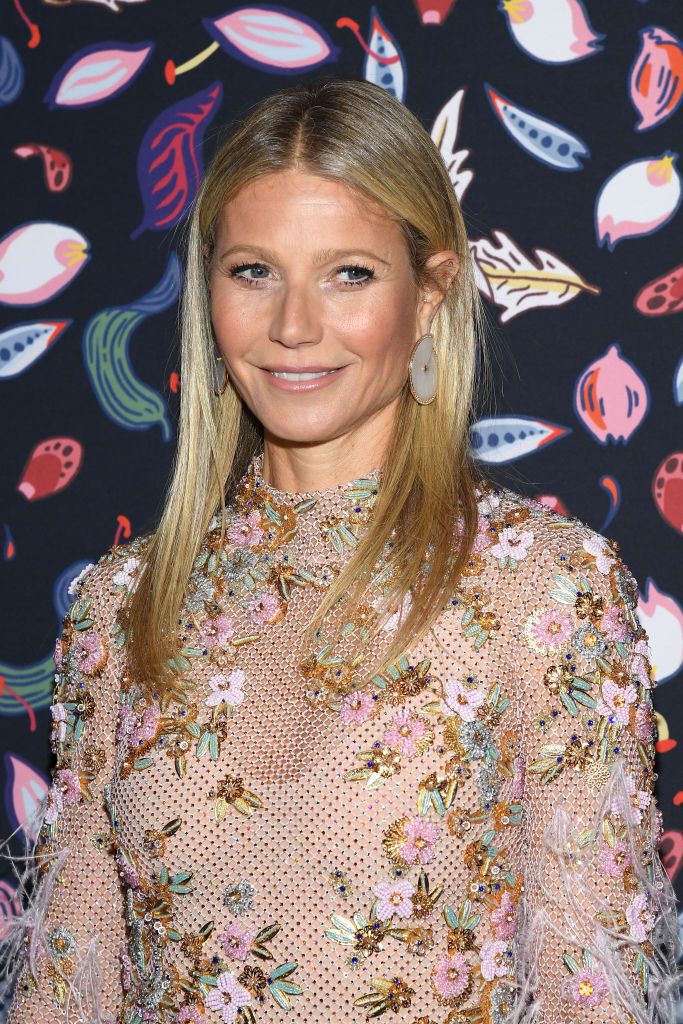
A NHS medical director has criticised Gwyneth Paltrow after she revealed her methods for tackling the long Covid symptoms she has been suffering from since contracting the disease last year.

Earlier this month, the Oscar-winning actor-turned lifestyle guru revealed she had tested positive for coronavirus early on in the pandemic. 

She went on to disclose that she had been left with “long-tail fatigue and brain fog” and “high levels of inflammation” in her body.

The 48-year-old has since embarked on a “keto and plant-based” regime, with no sugar and alcohol, and fasts until 11am every day.

But Professor Stephen Powis, national medical director for the NHS in England, said that “serious science” should be applied and “influencers” have a responsibility after name-checking Gwyneth.

“Like the virus, misinformation carries across borders and it mutates and it evolves,” he told PA.

“So I think YouTube and other social media platforms have a real responsibility and opportunity here.

“In the last few days I see Gwyneth Paltrow is unfortunately suffering from the effects of Covid.

“We wish her well, but some of the solutions she’s recommending are really not the solutions we’d recommend in the NHS.

“We need to take long Covid seriously and apply serious science. All influencers who use social media have a duty of responsibility and a duty of care around that.”

Writing on her blog on her Goop website last month, the Hollywood star wrote: “So I turned to one of the smartest experts I know in this space, the functional medicine practitioner Dr. Will Cole. After he saw all my labs, he explained that this was a case where the road to healing was going to be longer than usual.”

Gwynnie being Gwynnie, the post then saw her discuss detoxing and other healing methods (including infrared saunas), which you can read more about on her website.

A number of Gwyneth’s A-list peers have spoken out about their own personal experiences of Covid-19, including Tom Hanks, who was among the first public figures to speak out about testing positive for the disease in March 2020.

Hugh Grant also shared recently that he believes he had Covid last February, stating: “It started as just a very strange syndrome where I kept breaking into a terrible sweat. It was like a poncho of sweat, embarrassing really.

“Then my eyeballs felt about three sizes too big and this feeling as though an enormous man was sitting on my chest.”
Share Button

Covid: Jo Whiley ‘so happy’ over learning disability vaccine change

It comes after DJ Jo Whiley’s call for people like her sister to be vaccinated as soon as possible.

Share Button

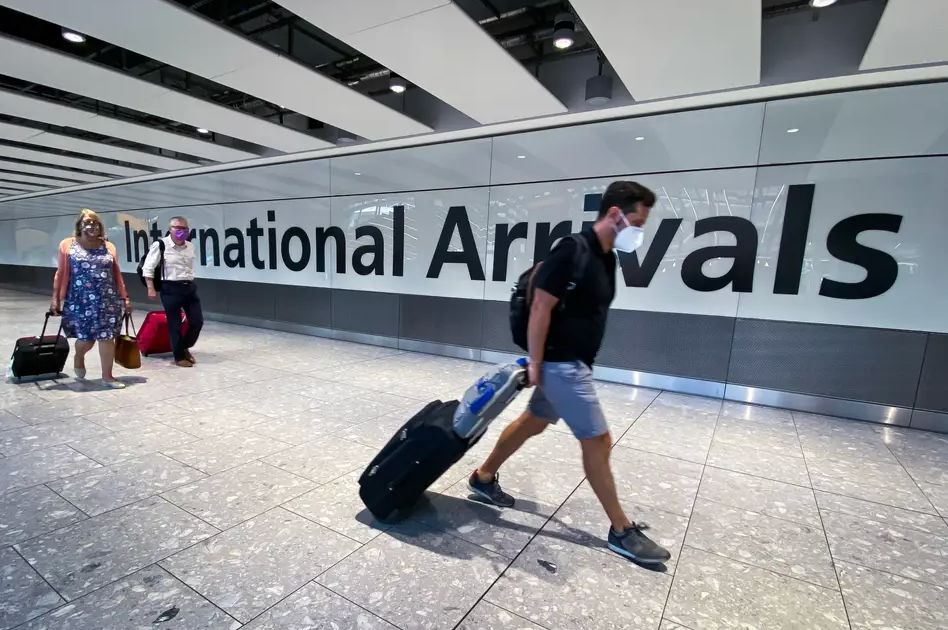
Only 1% Of UK Arrivals Are Being Made To Quarantine In Hotels

Only 1% of people arriving in the UK every day are required to quarantine in government-approved hotels, the Border Force director has revealed.

Speaking to the Commons home affairs committee on Wednesday, Paul Lincoln said “about” 14,000 or 15,000 people were coming into the country per day, which was “95% down” on the usual number for this time of year.

From February 15, people arriving from 33 “red list” countries including Portugal and South Africa have had to spend 10 days in isolation in hotels.

Lincoln said on average 150 people per day were being placed into the facilities.

Arrivals who are not required to quarantine in hotels must self-isolate at home. Lincoln told MPs the compliance with home isolation was “at least 85%”.

Amid concerns about new variants of Covid being imported into the UK, the Border Force director said the number of people arriving with coronavirus was “substantially lower” than 0.5% of the domestic case rate.

But Lincoln was unable to give a precise figure, saying Public Health England (PHE) would be publishing the number “in due course”.

Committee chair and Labour MP Yvette Cooper said the figures showed there was a “very leaky system” of quarantine.

Under England’s current national lockdown, international travel is illegal apart from in some limited circumstances.

But Boris Johnson’s roadmap for lifting the restrictions, announced on Monday, could see international travel could start as early as May 17.

It would need to be approved by a new “Global Travel Taskforce” that is being set up by the government to assess the risk of importing new variants of the virus from overseas.

Priti Patel, the home secretary, told the committee on Tuesday it was “far too early” for people to book holidays abroad.

Share Button

Ending Lockdown Too Fast Risks New Covid Variants Emerging, Top Scientist Warns

ASSOCIATED PRESS

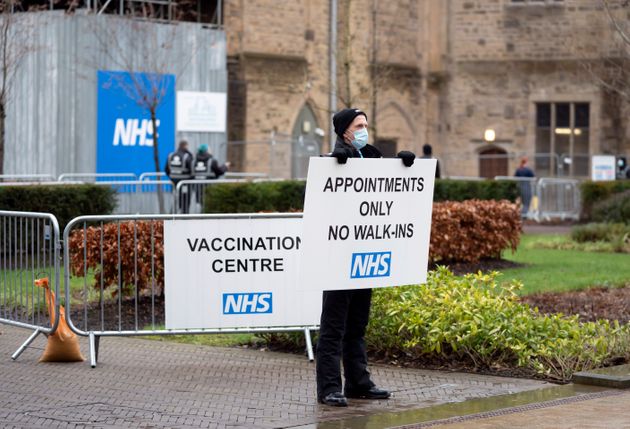
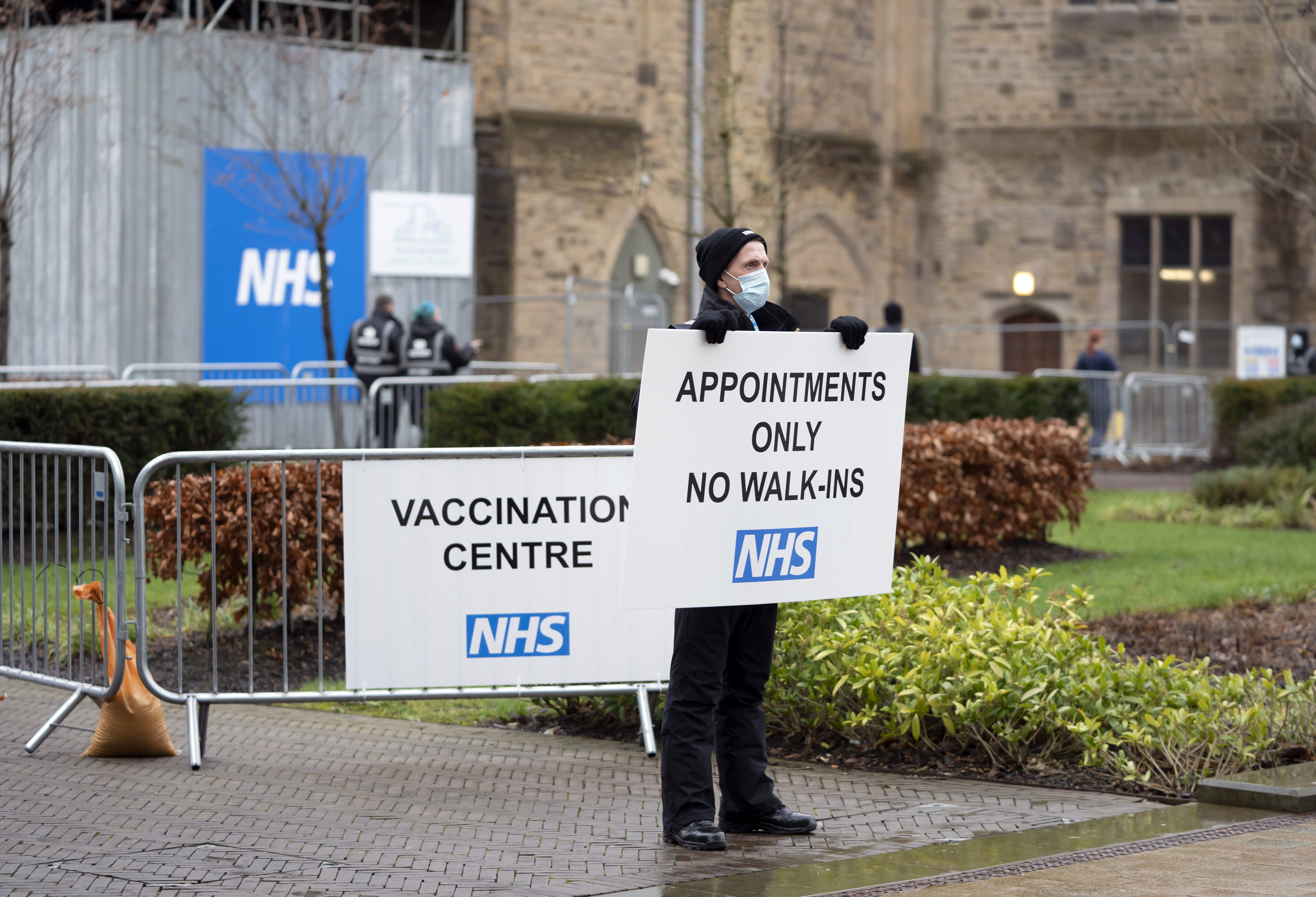
A security guard holds a sign at Blackburn Cathedral, which is being used as a mass vaccination center during the coronavirus outbreak in Blackburn. 

Ending Covid lockdown restrictions too swiftly could run the risk of new vaccine-resistant variants taking hold, top expert Sarah Gilbert has said. 

Speaking to MPs on Wednesday, Oxford University’s professor of vaccinology also warned relaxing restrictions too quickly could boost transmission of the virus. 

It comes after Boris Johnson this week revealed his roadmap out of lockdown, with a pledge to end all social distancing by June 21. 

Gilbert has urged caution, however, telling the Commons’ science and technology committee: “To make sure that we have the lowest chance possible of new variants arising we need to prevent the virus from transmitting between people and we’re now doing that very effectively with the vaccines.”

She added: “We cannot allow only the vaccines to do all the work of protecting the population, while at the current time in the UK we still have relatively high levels of transmission.

“And there is a danger that if measures are lifted too quickly that transmission could increase, and that puts us at a greater risk of selection of new variants that are not so well effectively neutralised by the virus.

“It wouldn’t be all or nothing but it could be a significant change, and we want to minimise the chances of that happening as much as we possibly can.”

Anthony Harnden, deputy chair of the Joint Committee on Vaccination and Immunisation (JCVI) agreed “it’s really, really important that we don’t rush this”. 

He said: “I refer back to my original answer about vaccination not being the only way out pandemic.

PA

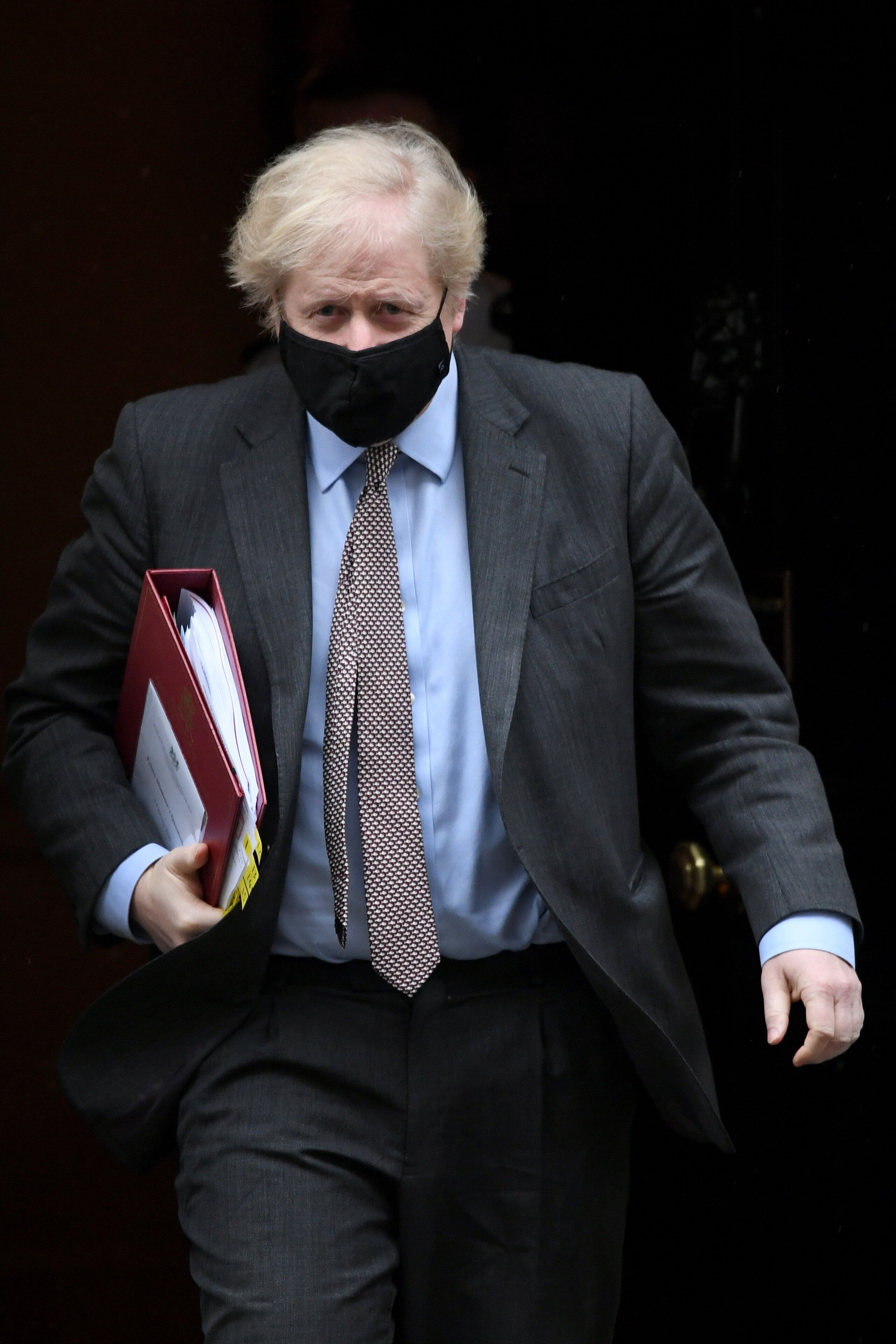
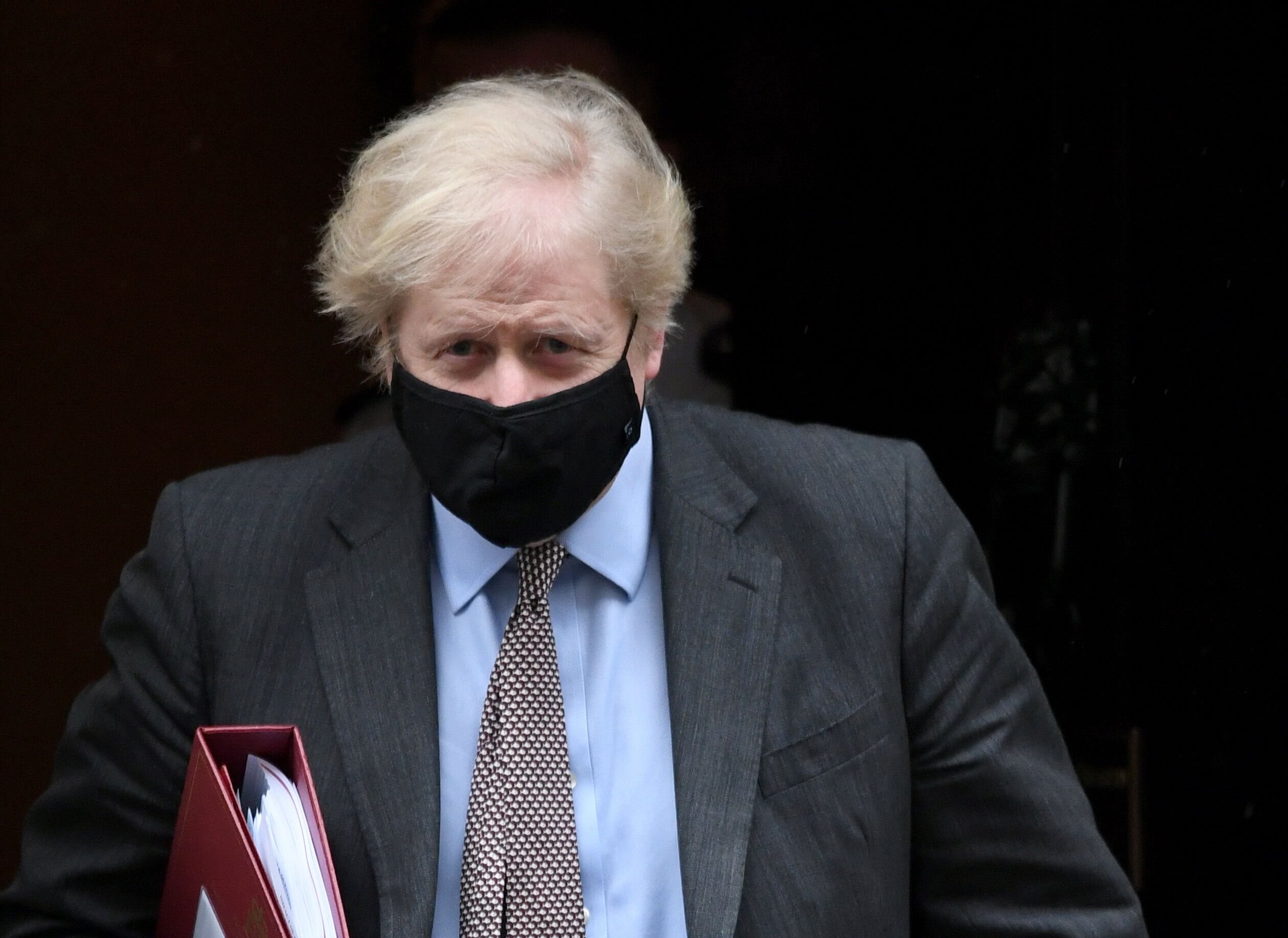
Prime minister Boris Johnson leaves 10 Downing Street

“We must go slowly, and the reason is because we want to keep transmission down and we want to keep infection rates down. And if we don’t, we will lose all the benefits of those vaccines that we’ve acquired and in the last few months because we will get the environment for new variant strains to emerge and have ‘vaccine escape’. So it’s really, really important that we don’t rush this.”

Schools are scheduled to reopen on March 8, followed by relaxations of some social distancing measures later in the month. 

Non-essential shops, pubs, restaurants, hairdressers and gyms will reopen no earlier than April 12 in the prime minister’s phased plan.

Johnson is under pressure from backbench Tory MPs in the Covid Recovery Group, who have been demanding the government speeds up the plan. 

The PM has argued, however, that England is taking a “cautious but irreversible” path out of lockdown. 

Scientists are still examining new data about how effective the vaccines are in reducing transmission and hospitalisations. 

Philip Dormitzer, vice president and chief scientific officer of viral vaccines at Pfizer, said the company believes its vaccine will protect against the variants seen to date.

He told the committee: “From real world effectiveness data, both UK and in Israel where the UK variant is common, we’re starting to get our first direct evidence, and we are seeing protection against the UK variant that is equivalent to the protection we saw in controlled trials before that variant was circulating.

“For other variants at this point we have to rely more on laboratory data, and the laboratory data thus far, I would say are quite reassuring.

“We do see with the South African variant some reduction in the level of neutralisation.

“So yes these mutations can reduce the level of neutralisation, but they do not reduce the level of neutralisation anywhere near as low as neutralisation that was observed at the time that people were protected in the trial.

“So we think it is likely that the vaccine will protect against the variants that we have seen to date, but the way to be sure is of course the real world data because laboratory measures of immunity cannot be translated directly to known protection –  that requires actually observing protection in the field.”

Share Button

Smear tests: Women to trial ‘do-it-at-home’ kits for NHS

About 31,000 women will be offered the swab checks, which can help spot early signs of cervical cancer.

Share Button

Gabby Logan: ‘Involve men in menopause discussion’

The broadcaster says a more inclusive debate will “increase empathy and understanding” towards women.

Share Button

The 10 Best Beaches In Europe To Give You That Holiday Fix

The 10 best beaches in Europe have been named – and two of them are in the UK.

Tripadvisor released its annual Travellers’ Choice Best of the Best awards for beaches, highlighting travellers’ favourite beaches across the globe.

The awards are based on the quality and quantity of reviews and ratings from Tripadvisor travellers for beaches, gathered over a 12-month period.

The list also takes into account the volume of “saves” for beaches on Tripadvisor, reflecting the position many of us were in for much of 2020 — unable to travel but dreaming of the beaches we wished we could visit.

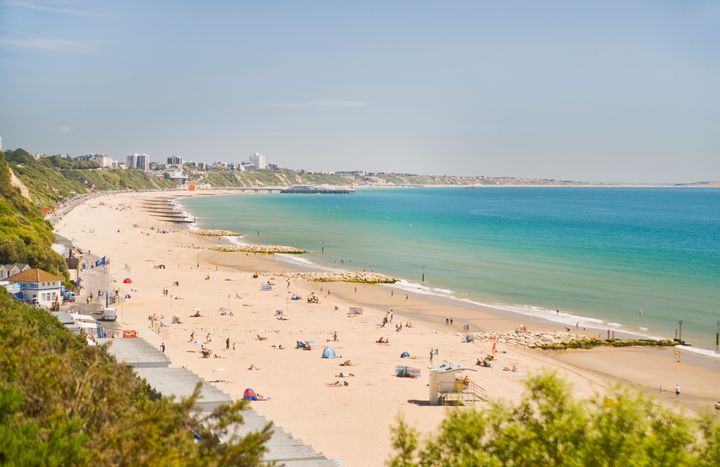
Bournemouth beach in Dorset was the fifth best-rated beach in Europe and 20th in the world.

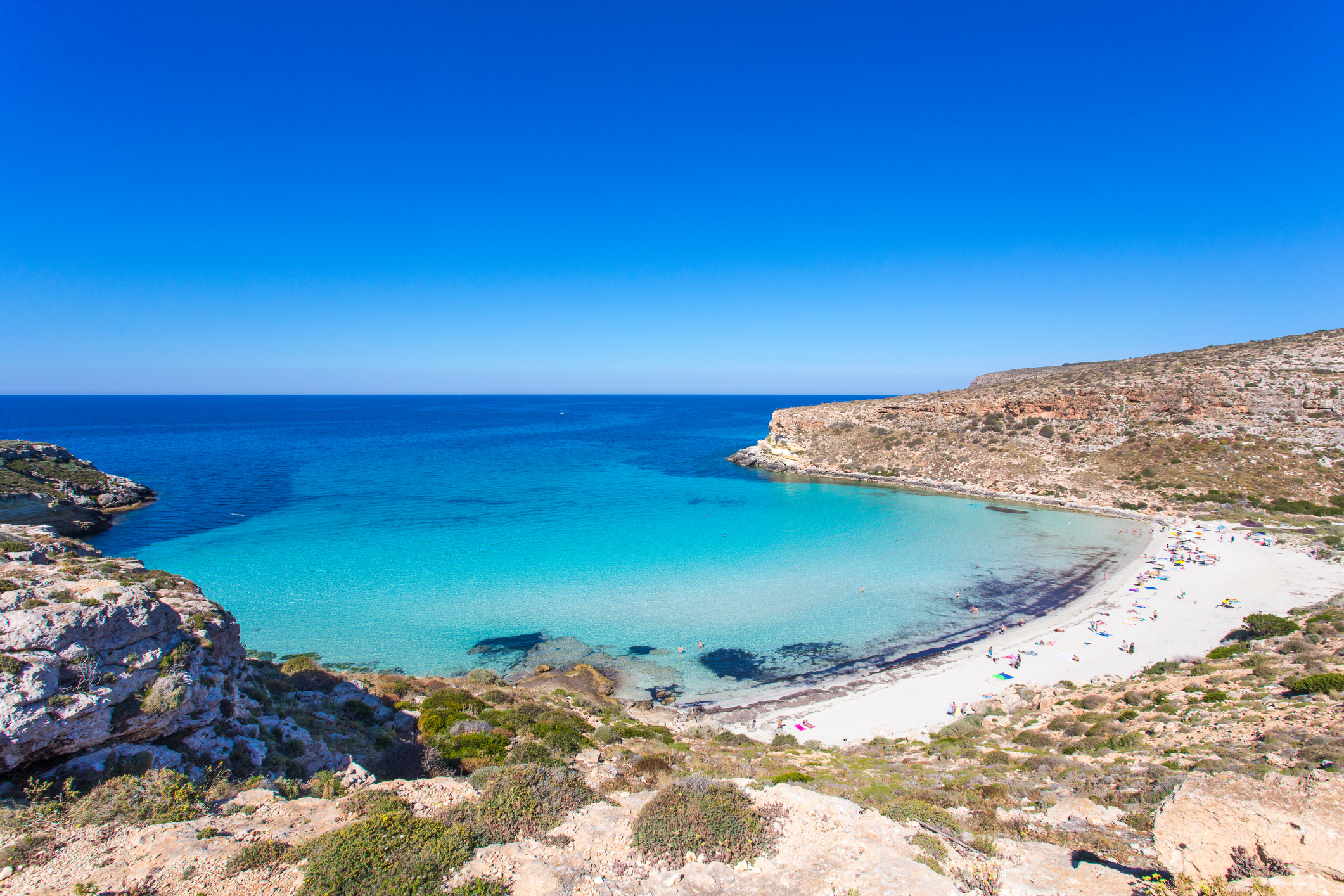
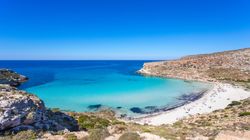
Europe’s number one goes to Spiaggia dei Conigli on the island of Lampedusa in Italy, followed by Playa de Cofete on the Spanish island of Fuerteventura.

You can see the complete list of award-winning beaches for 2021 on Tripadvisor’s website. In the meantime, here’s the Europe top 10 – with 10 dreamy pictures to go with them.

1. Spiaggia dei Conigli, Lampedusa, Italy

2. Playa de Cofete, Fuerteventura, Spain

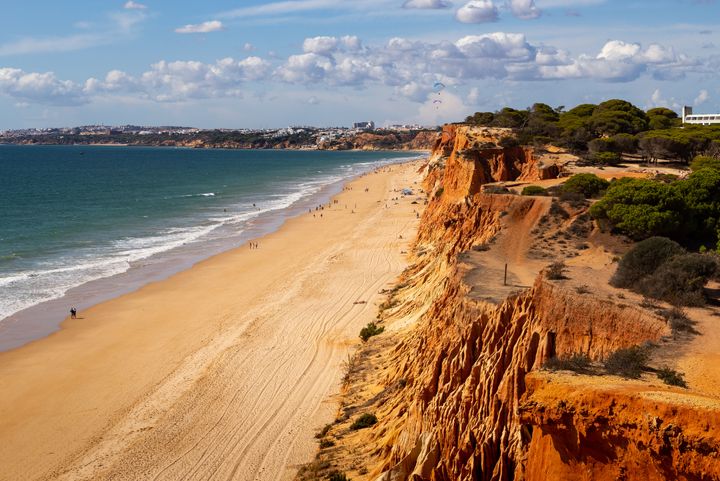
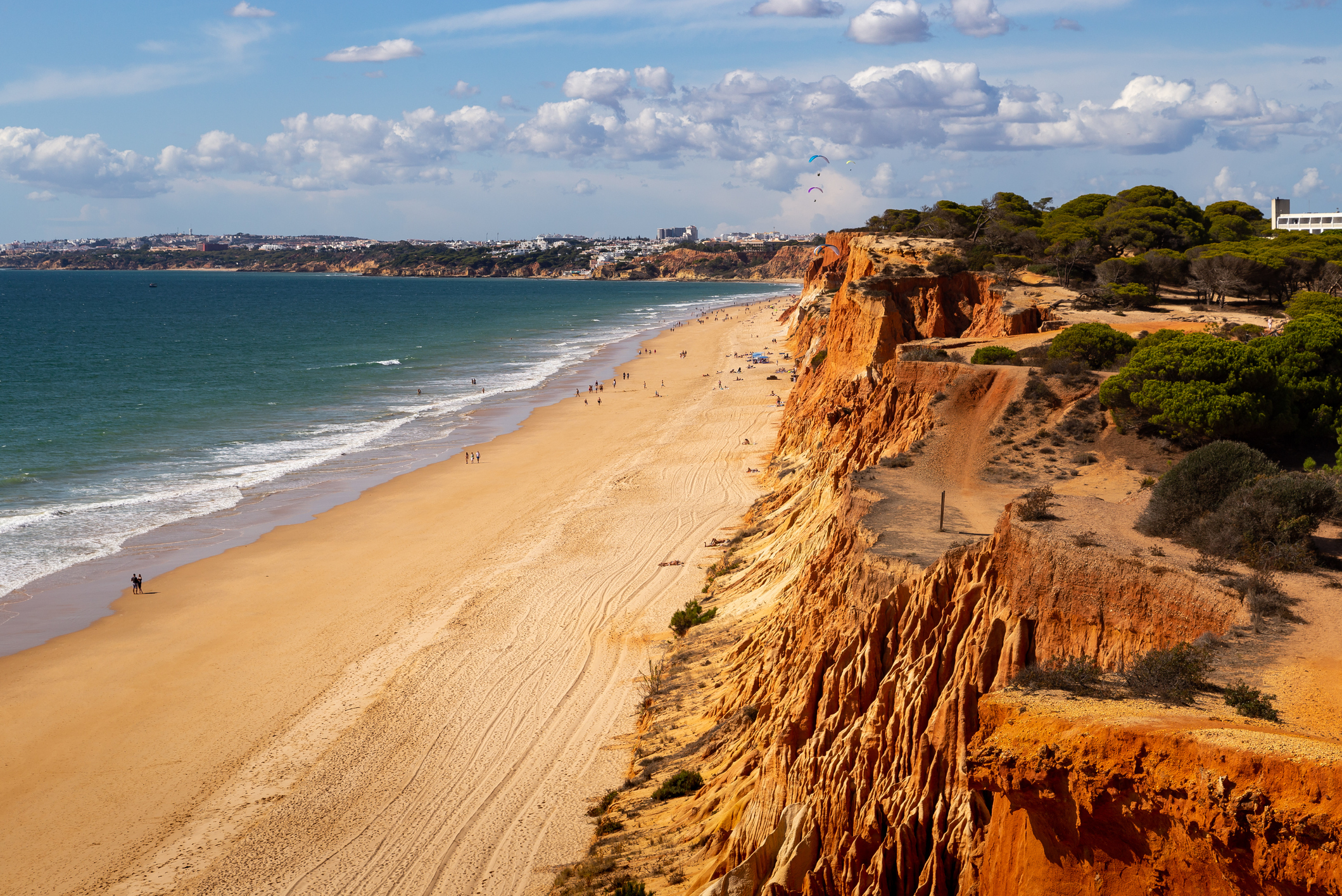
3. Praia da Falésia, Olhos de Agua, Portugal

4. La Concha Beach, San Sebastian, Spain

5. Bournemouth Beach, Dorset, UK

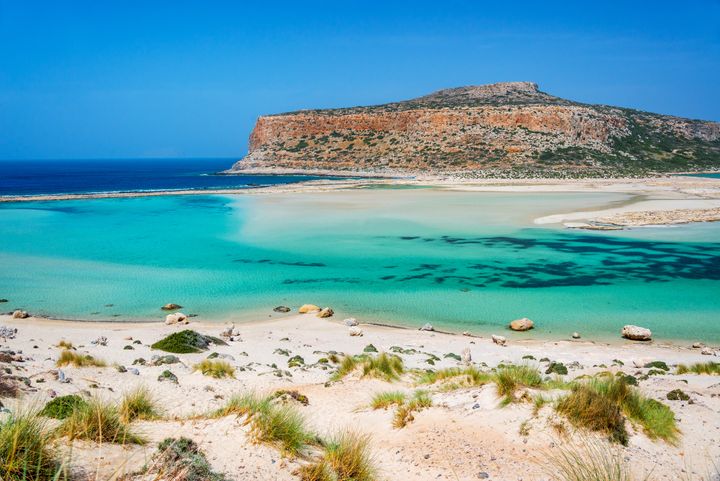
6. Balos Lagoon, Crete, Greece

7. Elafonissi Beach, Crete, Greece

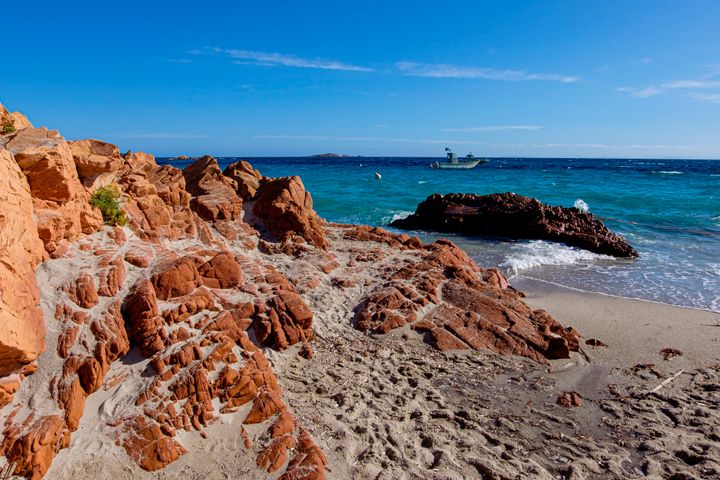
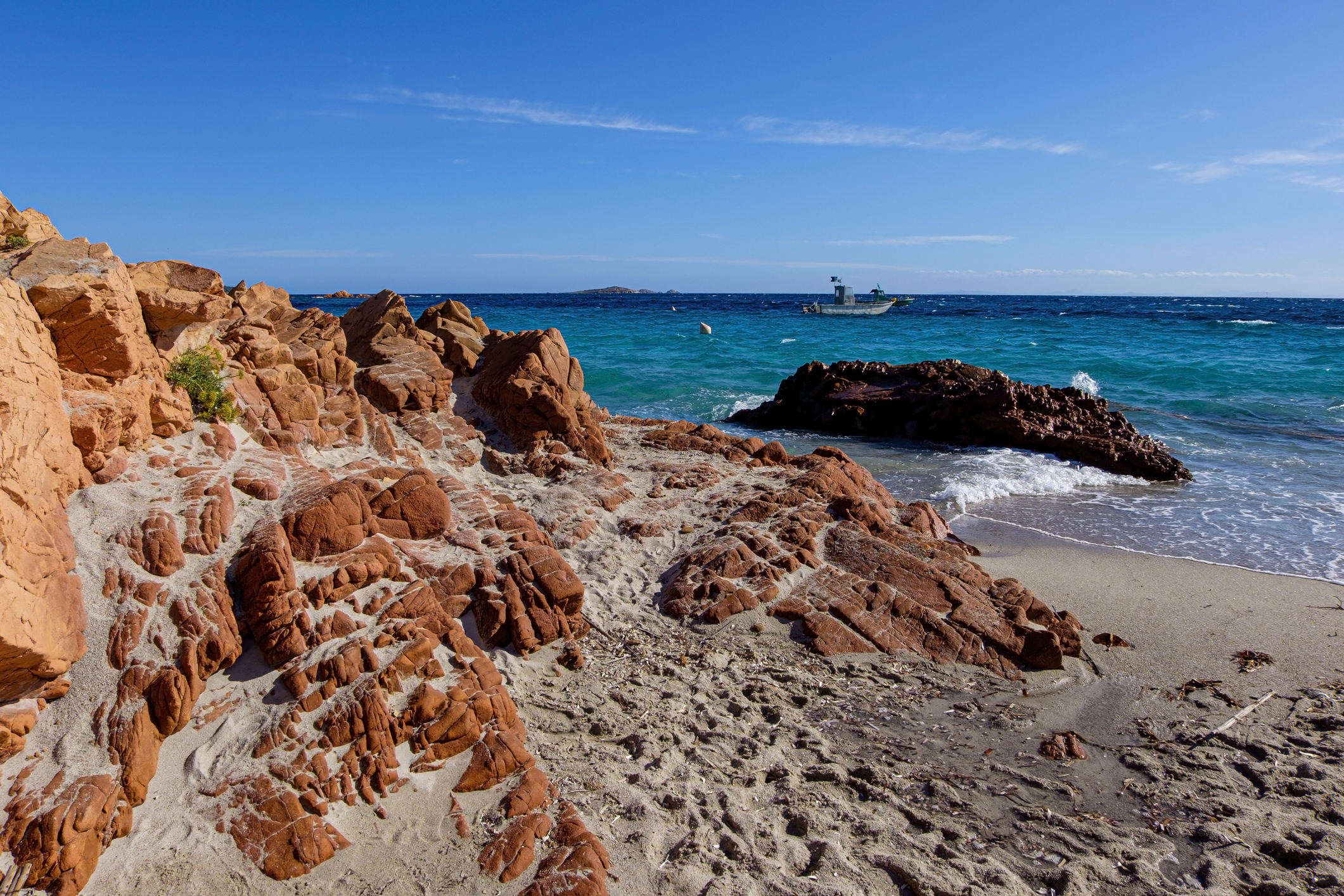
8. Plage de Santa Giulia, Corsica, France

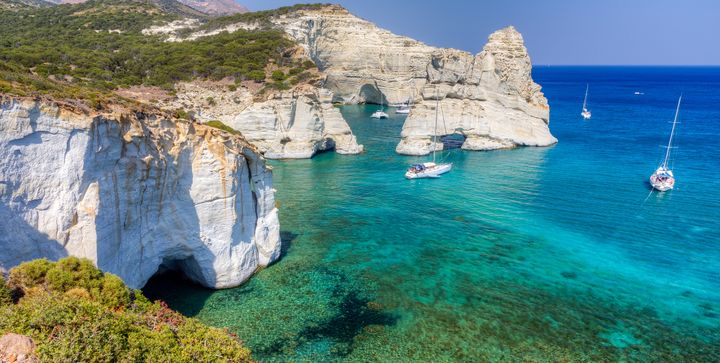
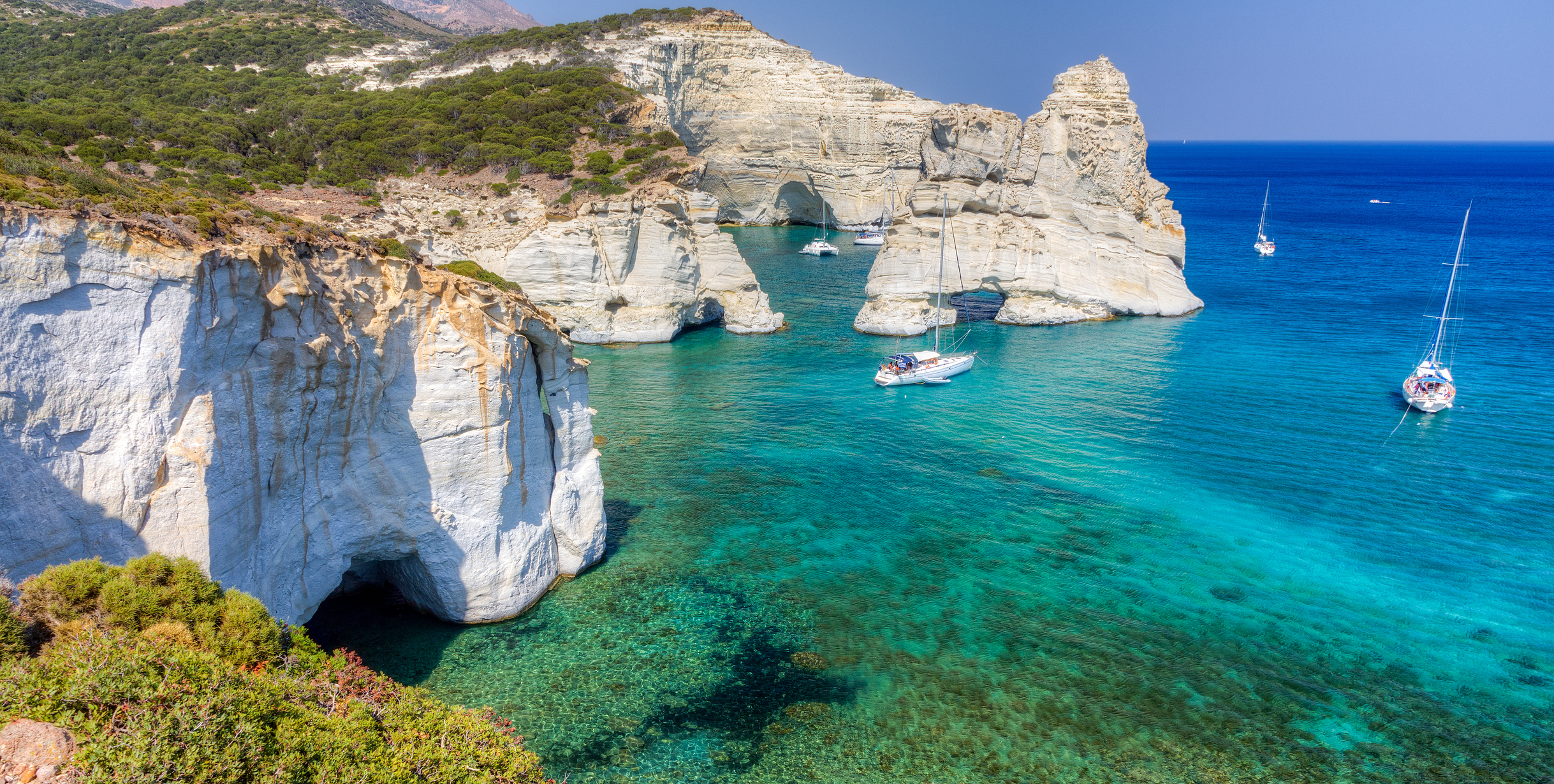
9. Kleftiko Beach, Milos, Greece

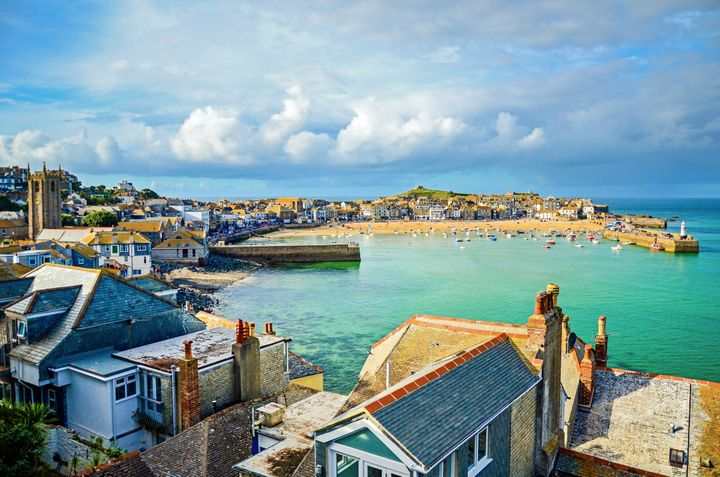
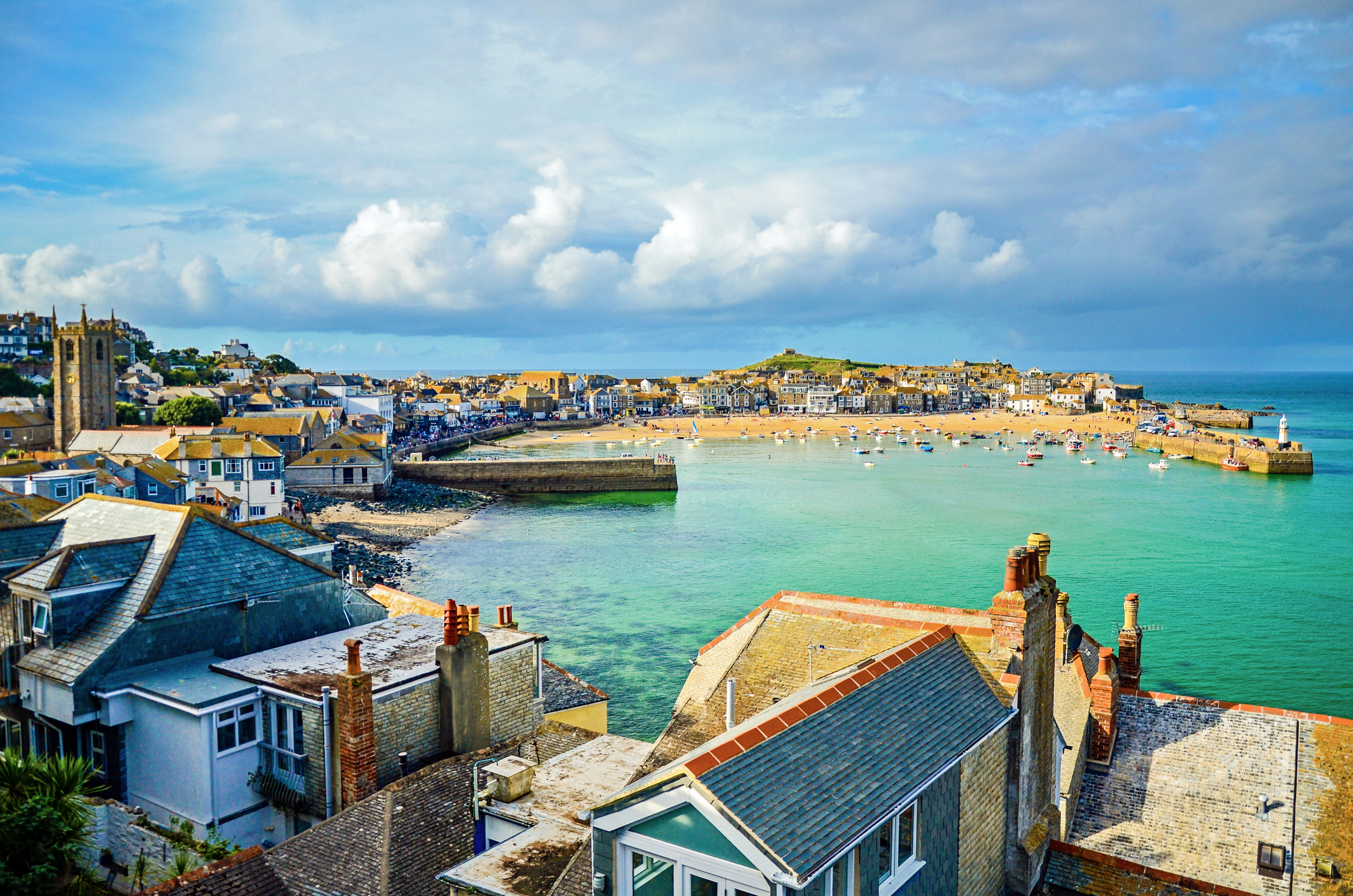
10. Porthminster Beach, St Ives, UK

Share Button

Vaccine Passports For Pubs And Theatres To Be Reviewed

Boris Johnson has said Michael Gove will lead a government review into the possible use of vaccine passports for entry into venues such as pubs and theatres.

The prime minister said Gove, the Cabinet Office minister, would ask for the “best scientific, moral, philosophical, ethical viewpoints” before reaching a conclusion.

But speaking to broadcasters on Tuesday, the day after unveiling his roadmap for ending England’s lockdown, Johnson said there were “deep and complex” ethical issues involved in introducing domestic vaccine passports.

“We’ve never thought in terms of having something that you have to show to go to a pub or a theatre,” he said.

“We can’t be discriminatory against people who for whatever reason can’t have the vaccine, there might be medical reasons why people can’t have a vaccine.”

He said when it came to foreign travel there was “no question” a lot of countries would demand proof people had received a Covid vaccine before being allowed entry.

“It’s going to come on the international stage whatever,” he said.

In December, Gove ruled out the introduction of vaccine passports. “I certainly am not planning to introduce any vaccine passports, and I don’t know anyone else in government who is,” he told Sky News.

Asked if there was a possibility they could be introduced, he added: “No.”

Johnson also said on Tuesday he was “very optimistic” that he will be able to ease all the restrictions by the June 21 target date.

But he said “nothing can be guaranteed” and warned the date could slip if people were not “prudent and continue to follow the guidance in each stage”.

“Some people will say that we’re going to be going too fast, some people will say we’re going too slow,” he added.

“I think the balance is right, I think it is a cautious but irreversible approach, which is exactly what people want to see.”

The relaxing of rules is heavily dependent on the progress of the vaccination programme. 

Matt Hancock, the health secretary, told BBC Radio 4′s Today programme the government is working “incredibly hard” to ensure as many people as possible receive a jab.

“We want to see that vaccine uptake go as high as possible. But it’s absolutely on all of us to come forward and get the vaccine. It’s the right thing to do,” he said.

Share Button

I Teach Covid Patients To Smell Again. Here’s What I’ve Seen

Approaching the one-year anniversary of the coronavirus pandemic, I’m struck by the irony of how the pandemic has brought to the forefront such an underappreciated, yet vitally important, sense: our sense of smell.

To date, over 110million people have been infected with coronavirus. Around 60% are estimated to have experienced smell and taste disturbance – with 10% having persistent symptoms. This means that about seven million people – and rising – are presumed to have this symptom.

In turn, that means an increasing number of people are turning to ‘smell training’ to regain their lost or altered sense of smell. The training doesn’t have any harmful effects, doesn’t require a prescription, and can be done inexpensively at home. And while there’s no guarantee that smell training will restore your sense of smell, many people have seen positive results.

The practice itself involves consistently smelling four distinct odours – clove, rose, lemon and eucalyptus – twice daily with the aim that, over time, the sense of smell is restored. There’s no evidence that you have to use these particular smells – some choose four scents that they have a connection to and are familiar with, from a time when they could smell normally. The idea is that the repeated short-term exposure to familiar smells might help make new neural connections in the brain.

My goal as a smell coach is to provide guidance on doing the smell training the right way, from the start, for the best possible outcome. That includes showing people what to buy, teaching them the proper technique when smelling the jars, helping them identify the right time to do the smelling sessions so the training actually becomes a habit, and coaching them on having the right mindset to see it out for the long term.

“I felt a deep sense of responsibility to help and support those who’ve lost their sense of smell.”

When I started working with anosmia charity Fifth Sense, I felt a deep sense of responsibility to help and support those who’ve lost their sense of smell. I spent most of my career in the fragrance industry, where I worked with many talented perfumers, and where I trained to smell properly. And then, becoming a certified aromatherapist, I learned to work with essential oils safely and mindfully for wellbeing. Combining these skills has allowed me to help set those smell training up for the greatest chance of success.

Unfortunately, there are a lot of misconceptions about what smell training is – the biggest being the belief that your sense of smell will easily come back in a few weeks. When it doesn’t, many people are frustrated and give up, but the harsh truth is that it’s important to make smell training a habit, like brushing your teeth twice a day. Studies have shown that long-term smell training seems to be associated with the most success, so sticking it out is key.

Smell training, I say to the people I work with, is as much a psychological endeavour as a physical exercise. Plenty of people aren’t ready to commit to doing smell training right away – the sense of loss is still too great. They’re grieving for something that they used to take for granted, that they now realise gave them so much pleasure, and which, sadly, they’re now living without.

You have to be in the right frame of mind to do smell training. It’s a real commitment to smell four scents twice a day, every day, sometimes for many months, most of the time smelling nothing at all and with no guarantee that your sense of smell will return. Often they get into a rut and give up, believing there’s no point, that it’s not going to work anyway. Not being able to smell the odours day after day can, understandably, feel like a constant reminder of what they’ve lost.

“While many regain their sense of smell, I gain more from the experience than they’ll ever know.”

The training can be a very isolating experience too. Generally in life, you’re surrounded by people who can smell and don’t really understand what you’re going through. It can feel very frustrating and demotivating to be the only one. My recommendation is to find a Facebook group, an organisation like Fifth Sense, or a smell training program like mine, which includes an aspect of community. Smell training with others gives you accountability to show up, to stay committed and to stay encouraged along the way.

Even before the pandemic, I’ve seen how smell training can make a real difference in people’s lives. Many get their sense of smell back, but even those still on the journey tell me with bright smiles about glimpses of smells they were able to detect, which encourages them to keep going, and stay focused. It’s been incredibly rewarding to hear people tell me, proudly, how they’ve set up their routine, or when they share pictures and journal entries to show me they’re still going strong after many months.

But, honestly, I have to say that witnessing the courage and determination required to smell train has been nothing short of humbling to me. While many regain their sense of smell, I gain more from the experience than they’ll ever know. I have nothing but the utmost admiration and respect for their difficult journey.

Frauke Galia is founder of FALK Aromatherapy and an ambassador for Fifth Sense

Have a compelling personal story you want to tell? Find out what we’re looking for here, and pitch us on ukpersonal@huffpost.com

Share Button

Born in Lockdown: Mothers’ stories of giving birth in 2020

A project brings together the experiences of 277 mums who all gave birth in 2020.

Share Button