Don’t just focus on one activity – doing a variety every week gives you more health benefits, a study suggests.


Don’t just focus on one activity – doing a variety every week gives you more health benefits, a study suggests.

Russia’s top diplomat Sergei Lavrov has just compared Donald Trump’s bid to control Greenland to Vladimir Putin’s illegal annexation of Crimea.
Since seizing Venezuela and capturing its leader, the US president seems intent on taking full “control” of the semi-autonomous Arctic island of Greenland.
Advertisement
Trump appears unbothered that the land is part of the kingdom of Denmark – and therefore also part of Nato – or that Greenlanders themselves have said they do not want to become part of America.
The president claims Denmark is not protecting Greenland from potential China and Russia threats, so an American takeover is needed to protect “world peace”.
He has also not ruled out using military force to take the world’s largest island.
And, worryingly, Moscow seems rather thrilled at the chaos, especially as the president is putting Nato under strain.
Advertisement
In his annual press conference, Lavrov told reporters: “In Greenland there was no coup, but as President Trump said, this territory is important to the US.
“As Crimea is equally important for the security of Russia.”
Crimea is a Ukrainian peninsula which Russia illegally seized in 2014.
Many Ukrainians perceive that capture of Crimea as the real start of Russia’s ongoing invasion, and that the lack of western retaliation to that annexation emboldened Putin to invade mainland Ukraine in February 2022.
In an apparent endorsement of Trump’s aggression, Lavrov also claimed: “Greenland is not a natural part of Denmark.”
Advertisement
However, he added that Russia has no plans to get involved in the dispute – despite Trump’s claims that Moscow has its eyes on the territory.
“Nato is going through a period of challenges, and Russia is not interested in interfering in Greenland,” Putin’s top diplomat said.
“It was neither a natural part of Norway nor a natural part of Denmark. It is a colonial conquest. The fact that the inhabitants are now accustomed to it and feel comfortable is another matter.”
Advertisement
Trump’s tantrums have put a major strain on Nato – something the Kremlin has been trying to do for decades – which in turn weakens the defence alliance’s united approach to Ukraine.
Putin’s special envoy Kirill Dmitriev already welcomed the “collapse of the transatlantic union” this week, while former president Dmitri Medvedev suggested Europe is getting poorer.
He wrote on social media: “Make America Great Again (MAGA) = Make Denmark Small Again (MDSA) = Make Europe Poor Again (MEPA). Has this idea finally sunk in, dimwits?”
Advertisement
Putin’s spokesperson Dmitry Peskov also said: “There are international experts who believe that by resolving the issue of Greenland’s incorporation, Trump will certainly go down in history. And not only in the history of the United States, but also in world history. It’s hard not to agree with these experts.”
Trump has even threatened to slap tariffs on imports from European allies who have so far opposed the idea of an American takeover.
EU leaders will meet to discuss how to respond at an emergency summit on Thursday, although the UK’s Keir Starmer has insisted Britain will not be looking at retaliatory tariffs and that he does not want to start a trade war.
Advertisement
Though Trump is putting 80 years of international diplomacy in jeopardy with his Greenland warnings, allies are nervous to draw too many red lines because his co-operation is needed for security guarantees with the Ukraine war.
The president himself has been pushing for a peace deal to end the Ukraine war – even if it means giving Putin even more of Ukraine’s sovereign land.


You might have heard of “grey rocking”, a method which experts say can make dealing with narcissistic and high-conflict people a little easier.
It involves keeping comments and responses to antagonistic individuals short, boring, and emotionally uninvested.
Advertisement
And, therapist Danielle Pinals shared on her Instagram, the “BIFF” method might help those dealing with a narcissist ensure they don’t “allow you to get derailed by emotional manipulation or control”.
Here, we spoke to relationship therapist and author at Passionerad, Sofie Roos, about how (and when) to try the BIFF method.
Coined by Bill Eddy at the High Conflict Institute, the term stands for “brief, informative, friendly, and firm”.
Advertisement
In other words, don’t spend too long explaining yourself, stay courteous, make sure you relay only the relevant information, and stick to your guns.
An example, the High Conflict Institute explained, could be getting a very long, angry text accusing you of being a terrible person and mother because you asked your coparent to take the kids to your boss’s birthday during their stay.
A BIFF response, they said, would be: “Thank you for responding to my request… Just to clarify, the party will be from 3-5 on Friday at the office, and there will be approximately 30 people there.
Advertisement
“There will be no alcohol, as it is a family-oriented firm, and there will be family-oriented activities. I think it will be a good experience for them to see me at my workplace. Since you do not agree, then of course I will respect that and withdraw my request, as I recognise it is your parenting time.”
Aside from being useful for navigating situations like divorce and coparenting, Roos said, “it can also be helpful during conflicts at work, with relatives and your partner’s family.”
Advertisement
This does not have to be limited to people you suspect of narcissm, though it may be useful then too.
In fact, she added, “I would recommend people to use the BIFF method when they notice that the conversation starts to get loaded, [accusatory], or [circular and] aggressive. It’s especially useful in written communication, such as in emails or SMS.”
Following the BIFF method significantly decreases the chance of escalation, she added.
“I see this as a great way to protect both yourself and the relationship in question as it helps you set boundaries without being cold, cynical or aggressive,” she ended.
Advertisement
“And while it’s far from easy all the time, it’s definitely a strategy worth getting better at as it’ll help you long term with getting more peaceful, communicative and mature relationships, no matter if they’re private or professional.”


After Australia made moves to ban under-16s from using social media, both the UK and France are considering a similar move.
The UK government has now launched a consultation on children’s use of technology, including social media, and said it’s seeking views from parents, young people and civil society – with a response expected this summer.
Advertisement
Over the weekend, more than 60 Labour MPs wrote to prime minister Keir Starmer urging him to back a ban, while members of the House of Lords are set to vote on a cross-party amendment to the Children’s Wellbeing and Schools Bill this week to raise the age of social media access to 16.
Esther Ghey, the mum of Brianna Ghey who was murdered by two teenagers, has lent her support to the amendment, saying it is a “vital step in better protecting children online”.
In December 2025, a YouGov poll of 5,000 people found 39% of respondents “strongly supported” and 35% “somewhat supported” a ban on under-16s having social media accounts. In contrast, just 15% “somewhat opposed” and 4% “strongly opposed” it.
Advertisement
A separate survey by The Good Growth Foundation found 66% of respondents backed a social media ban for young people, while a petition calling for a ban on social media access for under-16s has been circulating in parent Whatsapp groups – at the time of writing, it had 65,000 signatures.
Dr Tracy King, is a chartered clinical psychologist who has a 13-year-old autistic daughter. She told HuffPost UK that from a parental and professional perspective, she supports stronger regulation and safeguards, but she is cautious of an outright ban.
“Social media can expose teenagers to real risks, including comparison culture, grooming, algorithm-driven distress, and constant nervous system activation,” she said.
Advertisement
“I see this particularly affecting neurodivergent young people, who may be more vulnerable to social overwhelm, rejection sensitivity, and online manipulation.
“At the same time, for many autistic teenagers, social media can provide connection, identity exploration, and a sense of belonging that is harder to access offline.”
The psychologist suggested a blanket ban risks “removing one of the few spaces where some young people feel socially competent or understood, without addressing the underlying issues of platform design, moderation, and digital literacy”.
Advertisement
What she wants most is not just restriction, but protection paired with education and realistic, age-appropriate boundaries. “That education has to extend to parents, as I see many who have no idea of online risks happening behind the bedroom door,” she added.
Lucy Whitehouse, who has a three-year-old and is CEO of sex education charity Fumble, noted that pressure should be put on social media platforms to “clean up their act”, rather than banning young people.
“Social media has a lot of negative content, but it is also the place that young people go to in lieu of any inclusive and accessible sex education at school to find answers to the questions that they have and to connect and to learn,” she added.
Advertisement
One month after the ban in Australia took effect there was mixed reaction from teens, according to CNBC – while some expressed relief at being free of the distraction, others admitted to finding ways to circumvent the ban.
Lee Chambers, founder of Male Allies who has three children aged 13, 11 and two, believes this would happen in the UK too: “If you ban social media, young people will find another way in.”
He also noted that it’s hard to know where a line is drawn in terms of what constitutes ‘social media’.
Advertisement
“Roblox is a social platform where a lot of negative content is being shared. Will the government ban this, too? What about Whatspp? When does the banning stop?” he asked.
“What we need to do is to put real regulation and rules around these platforms that the social media giants must adhere to.”
He added that young people need help navigating the online world – “it’s not something that we can just switch off, it’s everywhere, and with AI things are only going to get worse”.
Advertisement
The government is said to also be looking at options including implementing phone curfews to avoid excessive use and restricting potentially addictive design features such as ‘streaks’ and ‘infinite scrolling’.
Technology Secretary Liz Kendall said: “Through the Online Safety Act, this government has already taken clear, concrete steps to deliver a safer online world for our children and young people.
“These laws were never meant to be the end point, and we know parents still have serious concerns. That is why I am prepared to take further action.”
Advertisement
Since the Online Safety Act came into play, children encountering age checks online has risen from 30% to 47% – and 58% of parents believe the measures are already improving children’s safety online.
Nova Eden, who has three children aged 14, 11 and six, and is one of the leading voices in the Smartphone Free Childhood campaign, added: “The harm being caused to young children is a public health emergency.
“There is an urgent need for UK leaders to step up and implement meaningful, accelerated change for the next generation. It is time to prioritise children’s mental health and wellbeing over the profits of Big Tech.”
Advertisement


Scientists have uncovered a key reason why more than half of people with chronic kidney disease eventually die from heart-related complications. According to new research, damaged kidneys release a substance into the bloodstream that directly harms the heart.
The discovery, made by researchers at UVA Health and Mount Sinai, could help doctors spot high-risk patients earlier and open the door to new treatments aimed at preventing or slowing heart failure in people with kidney disease.
“Kidney and heart disease can develop silently, so they are often discovered only after damage has already been done,” said researcher Uta Erdbrügger, MD, an internal medicine physician-scientist with the University of Virginia School of Medicine’s Division of Nephrology. “Our findings can help to identify patients at risk for heart failure earlier, enabling earlier treatment and improved outcomes.”
Heart Failure Risk in Chronic Kidney Disease
Chronic kidney disease affects more than 1 in 7 Americans, or roughly 35 million people in the United States, according to the National Institutes of Health. The condition is especially common among people with other health issues. About 1 in 3 patients with diabetes and around 1 in 5 people with hypertension (high blood pressure) also have kidney disease.
Doctors have long known that chronic kidney disease and cardiovascular disease are closely connected, with more severe kidney damage linked to worse heart outcomes. However, understanding exactly why this happens has been difficult. Many patients share overlapping risk factors such as obesity and high blood pressure, making it hard to determine whether the kidneys themselves play a direct role in harming the heart.
A Kidney-Specific Cause Identified
Until now, researchers had not been able to identify a kidney-specific factor that directly damages the heart. The new study led by Erdbrügger and her colleagues points to a clear culprit. Diseased kidneys release tiny particles known as “circulating extracellular vesicles” into the bloodstream.
Extracellular vesicles are produced by nearly all cells and normally act as messengers, transporting proteins and other materials between cells. In people with chronic kidney disease, however, these vesicles carry small, non-coding RNA called miRNA that the researchers found to be toxic to heart tissue.
Lab and Patient Evidence
In laboratory mice, preventing these extracellular vesicles from circulating led to noticeable improvements in heart function and reduced signs of heart failure. The research team also analyzed blood plasma samples from people with chronic kidney disease and from healthy individuals. Harmful extracellular vesicles were found in patients with kidney disease but not in healthy volunteers.
“Doctors always wondered how organs such as the kidney and heart communicate with each other. We show that EVs from the kidney can travel to the heart and be toxic,” Erdbrügger said. “We are just at the beginning to understand this communication.”
Toward Earlier Detection and New Treatments
The findings suggest that a blood test could one day be developed to identify people with chronic kidney disease who face the highest risk of serious heart problems. Researchers may also be able to design therapies that block or neutralize these circulating extracellular vesicles, reducing their damaging effects on the heart.
“Our hope is to develop novel biomarkers and treatment options for our kidney patients at risk for heart disease,” Erdbrügger said. “Potentially our work will improve precision medicine for CKD and Heart failure patients, so that each patient gets the exact treatment they need.”
Advancing Extracellular Vesicle Research
To help move this field forward, Erdbrügger is organizing a hands-on workshop for UVA scientists focused specifically on extracellular vesicle research. The five-day workshop begins Feb. 7.
Finding answers to the most pressing medical mysteries and developing new treatments for complex diseases are key goals of UVA’s new Paul and Diane Manning Institute of Biotechnology. The institute is designed to speed the transition from laboratory discoveries to real-world therapies that can save lives.
Findings Published
The research findings were published in the scientific journal Circulation. The article is open access, meaning it is available to read for free.
The research team included Xisheng Li Nikhil Raisinghani, Alex Gallinat, Carlos G. Santos-Gallego, Shihong Zhang, Sabrina La Salvia, Seonghun Yoon, Hayrettin Yavuz, Anh Phan, Alan Shao, Michael Harding, David Sachs, Carol Levy, Navneet Dogra, Rupangi Vasavada, Nicole Dubois, Erdbrügger and Susmita Sahoo. The scientists reported no financial conflicts of interest.
The study was funded by the National Institute of Health through grants HL140469, HL124187, HL148786, R01DK125856, 1-INO-2025-1704-A-N, R21AG07848, and R01DK133598.
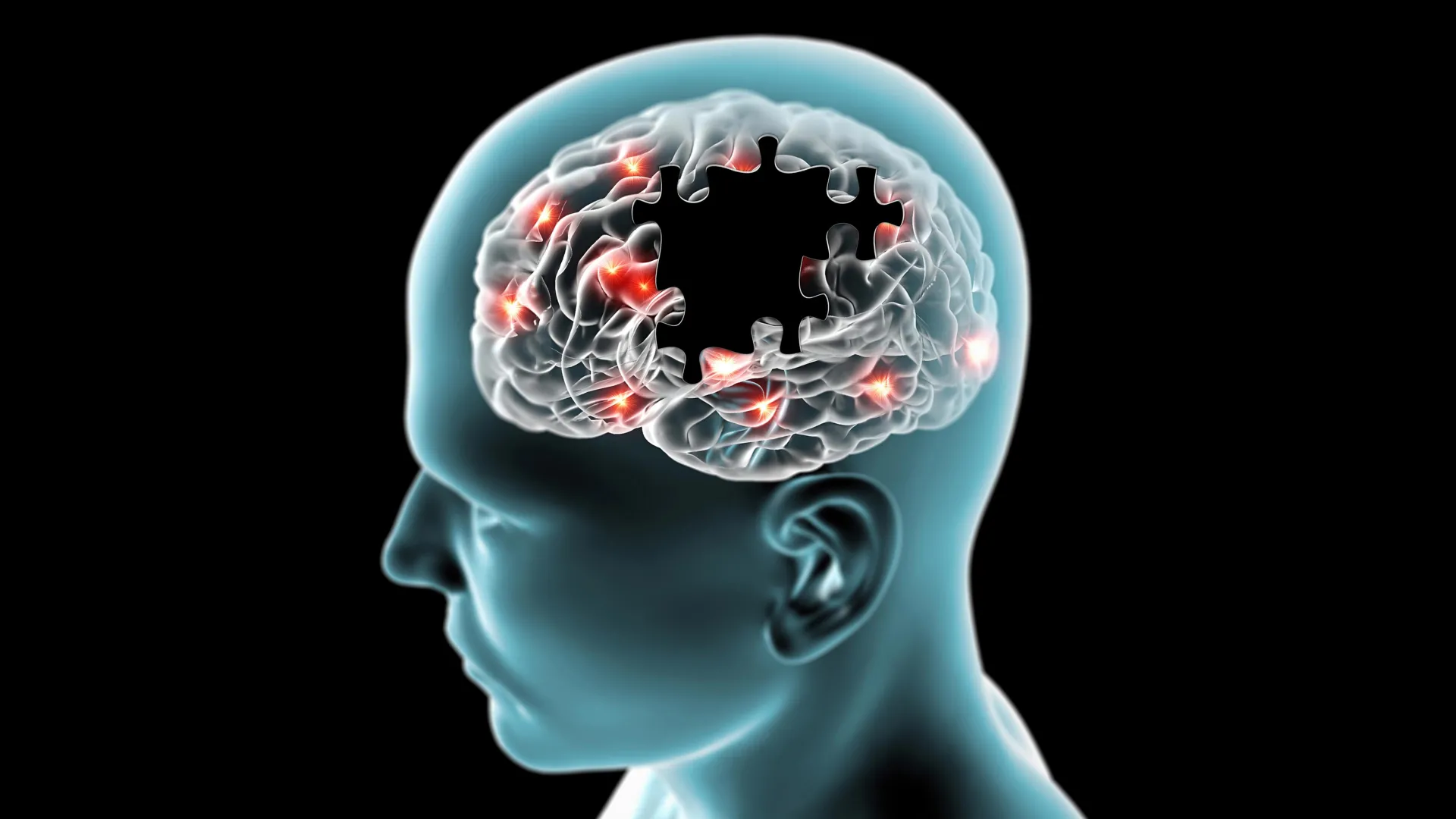
About 1 million people in the United States are living with Parkinson’s disease, and nearly 90,000 new cases are diagnosed each year, according to the Parkinson’s Foundation. The condition is a long-term, progressive brain disorder that gradually destroys dopamine-producing nerve cells, which are critical for controlled, fluid movement.
Most available treatments focus on easing symptoms, but their benefits often fade over time. Now, researchers at Case Western Reserve University have identified a specific biological pathway that contributes to the underlying damage caused by the disease.
A Harmful Protein Chain Reaction
The study, recently published in Molecular Neurodegeneration, explains how the buildup of toxic proteins inside brain cells leads to the death of neurons responsible for movement, a hallmark of Parkinson’s disease.
“We’ve uncovered a harmful interaction between proteins that damages the brain’s cellular powerhouses, called mitochondria,” said Xin Qi, the study’s senior author and Jeanette M. and Joseph S. Silber Professor of Brain Sciences at the Case Western Reserve School of Medicine. “More importantly, we’ve developed a targeted approach that can block this interaction and restore healthy brain cell function.”
After three years of investigation, the team discovered that alpha-synuclein, a protein known to accumulate in Parkinson’s disease, abnormally binds to an enzyme called ClpP. This enzyme normally helps maintain cellular health, but the interaction disrupts its function.
Damage to the Brain’s Energy Supply
When alpha-synuclein interferes with ClpP, mitochondria begin to fail. These structures act as the cell’s energy generators, and their impairment triggers widespread neurodegeneration and brain cell loss. Experiments across several research models also showed that this molecular interaction speeds up the progression of Parkinson’s disease.
To counter this process, the researchers developed a treatment known as CS2. The compound is designed to block the damaging protein interaction and help mitochondria recover their normal function. CS2 acts as a decoy, drawing alpha-synuclein away from ClpP and preventing it from harming the cell’s energy systems.
In multiple study models, including human brain tissue, patient-derived neurons and mice models, CS2 reduced brain inflammation and led to improvements in movement and cognitive performance.
Targeting the Disease, Not Just Symptoms
“This represents a fundamentally new approach to treating Parkinson’s disease,” said Di Hu, a research scientist in the School of Medicine’s Department of Physiology and Biophysics. “Instead of just treating the symptoms, we’re targeting one of the root causes of the disease itself.”
The breakthrough builds on Case Western Reserve’s strengths in mitochondrial biology and neurodegenerative disease research, along with its collaborative environment and advanced experimental models. These resources helped translate basic biological insights into a potential therapeutic strategy.
Next Steps Toward Clinical Use
Over the next five years, the team aims to move the discovery closer to human clinical trials. Planned efforts include refining the drug for use in people, expanding safety and effectiveness testing, identifying key molecular biomarkers tied to disease progression, and advancing toward patient-focused treatments.
“One day,” Qi said, “we hope to develop mitochondria-targeted therapies that will enable people to regain normal function and quality of life, transforming Parkinson’s from a crippling, progressive condition into a manageable or resolved one.”
The charges relate to alleged offences against patients, including children, in the West Midlands.
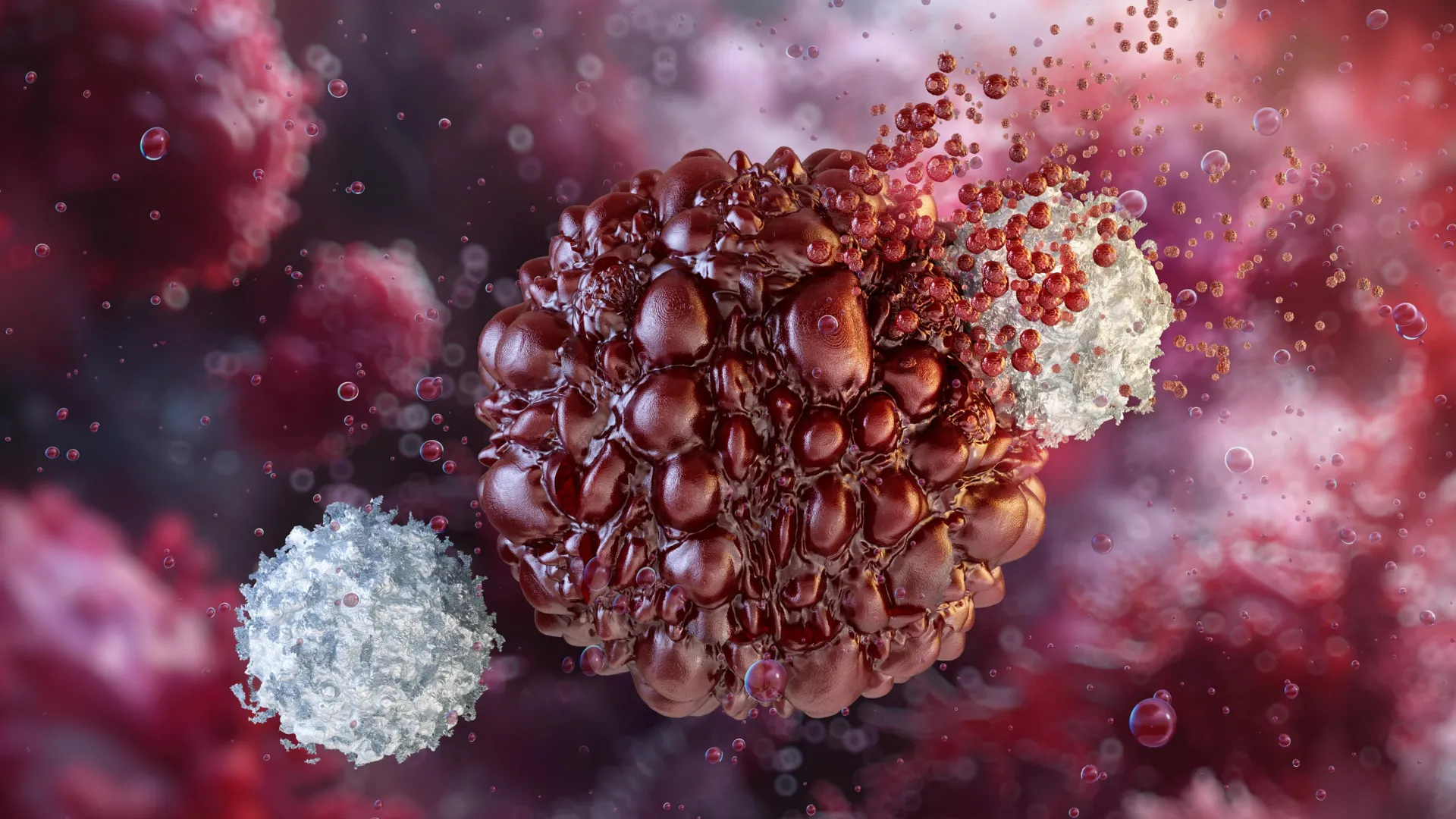
For the first time, researchers at the University of British Columbia have shown how to consistently produce a crucial type of human immune cell, known as helper T cells, from stem cells in a controlled lab setting.
The research, published on January 7 in Cell Stem Cell, removes a major barrier that has slowed the development, affordability, and large-scale production of cell therapies. By solving this problem, the work could help make off-the-shelf treatments more accessible and effective for conditions such as cancer, infectious diseases, autoimmune disorders, and more.
“Engineered cell therapies are transforming modern medicine,” said co-senior author Dr. Peter Zandstra, professor and director of the UBC School of Biomedical Engineering. “This study addresses one of the biggest challenges in making these lifesaving treatments accessible to more people, showing for the first time a reliable and scalable way to grow multiple immune cell types.”
The Promise and Limits of Living Drugs
Over the past several years, engineered cell therapies such as CAR-T treatments have produced dramatic, sometimes lifesaving results for people with cancers that were once considered untreatable. These therapies work by reprogramming a patient’s immune cells to recognize and destroy disease, effectively turning those cells into ‘living drugs’.
Even with their success, cell therapies remain costly, complex to manufacture, and out of reach for many patients around the world. One key reason is that most existing treatments rely on a patient’s own immune cells, which must be collected and specially prepared over several weeks for each individual.
“The long-term goal is to have off-the-shelf cell therapies that are manufactured ahead of time and on a larger scale from a renewable source like stem cells,” said co-senior author Dr. Megan Levings, a professor of surgery and biomedical engineering at UBC. “This would make treatments much more cost-effective and ready when patients need them.”
Cancer cell therapies are most effective when two types of immune cells work together. Killer T cells directly attack infected or cancerous cells. Helper T cells, which act as the immune system’s conductors — detecting health threats, activating other immune cells and sustaining the immune responses over time — play a central coordinating role.
While scientists have made progress using stem cells to create killer T cells in the lab, they have not been able to reliably generate helper T cells until now.
“Helper T cells are essential for a strong and lasting immune response,” said Dr. Levings. “It’s critical that we have both to maximize the efficacy and flexibility of off-the-shelf therapies.”
A Key Advance Toward Stem Cell Based Immune Therapies
In the new study, the UBC research team addressed this long-standing challenge by carefully adjusting biological signals that guide how stem cells develop. This approach allowed them to precisely control whether stem cells became helper T cells or killer T cells.
The scientists found that a developmental signal known as Notch plays an important but time-sensitive role in immune cell formation. Notch is necessary early in development, but if the signal stays active for too long, it blocks the formation of helper T cells.
“By precisely tuning when and how much this signal is reduced, we were able to direct stem cells to become either helper or killer T cells,” said co-first author Dr. Ross Jones, a research associate in the Zandstra Lab. “We were able to do this in controlled laboratory conditions that are directly applicable in real-world biomanufacturing, which is an essential step toward turning this discovery into a viable therapy.”
The team also confirmed that the lab-grown helper T cells functioned like real immune cells, not just in appearance but in behavior. The cells showed signs of full maturity, carried a wide variety of immune receptors, and were able to develop into specialized subtypes with distinct immune roles.
“These cells look and act like genuine human helper T cells,” said co-first author Kevin Salim, a UBC PhD student in the Levings Lab. “That’s critical for future therapeutic potential.”
Researchers say the ability to generate both helper and killer T cells, and to carefully control their balance, could greatly improve the effectiveness of stem cell-derived immune therapies.
“This is a major step forward in our ability to develop scalable and affordable immune cell therapies,” said Dr. Zandstra. “This technology now forms the foundation for testing the role of helper T cells in supporting the elimination of cancer cells and generating new types of helper T cell-derived cells, such as regulatory T cells, for clinical applications.”
Lachlan Lindsay and Hazel Dempster were both diagnosed with brain tumours as children.
Nearly a quarter of hospital trusts in England have seen waiting times deteriorate in the past year.
