Senior Labour MP Accuses Trump Of ‘Undermining Free Speech’ After Starmer Ally Banned By US

A senior Labour MP has hit out at the Donald Trump administration after an ally of Keir Starmer’s top aide was banned from the United States.

Imran Ahmed is one of two British anti-disinformation campaigners whose US visas are being revoked.

Ahmed, who is also a former adviser to cabinet minister Hilary Benn, is chief executive of the Centre for Countering Digital Hate, which was set up in 2017 by Morgan McSweeney, who is now the No.10 chief of staff.

He has been sanctioned along with Clare Melford, another British-based executive who runs the Global Disinformation Index.

In all, five Europeans have been banned after Marco Rubio, the US Secretary of State, accused them of leading “efforts to coerce American platforms to punish American viewpoints they oppose”.

In a post on X, he said: “The Trump administration will no longer tolerate these egregious acts of extraterritorial censorship.”

But Chi Onwurah, the Labour MP and chair of the Commons technology committee, said: “Banning people because you disagree with what they say undermines the free speech the administration claims to seek.

“We desperately need a wide ranging debate on whether and how social media should be regulated in the interests of the people.

“Imran Ahmed gave evidence to the select committee’s inquiry into social media, algorithms and harmful content, and he was an articulate advocate for greater regulation and accountability.

“Banning him won’t shut down the debate, too many people are being harmed by the spread of digital hate.”

A UK government spokesperson said: “The UK is fully committed to upholding the right to free speech.

“While every country has the right to set its own visa rules, we support the laws and institutions which are working to keep the Internet free from the most harmful content.

“Social media platforms should not be used to disseminate child sex abuse material, incite hatred and violence, or spread fake information and videos for that purpose.”

Share Button

Scientists reverse Alzheimer’s in mice and restore memory

A study reveals that restoring the brain’s energy balance may not just slow Alzheimer’s — but actually reverse it.

  • For more than a century, Alzheimer’s disease has been widely viewed as permanent and untreatable once it begins. As a result, most research has focused on preventing the disease or slowing its progression rather than attempting to reverse it.
  • By studying multiple mouse models of Alzheimer’s alongside human Alzheimer’s brain tissue, researchers identified a critical biological problem at the center of the disease. They found that the brain’s inability to maintain healthy levels of a vital cellular energy molecule called NAD+ plays a major role in driving Alzheimer’s.
  • In animal models, maintaining normal brain NAD+ levels prevented Alzheimer’s from developing. Even more striking, restoring NAD+ balance after the disease was already advanced allowed the brain to repair damage and fully restore cognitive function.
  • These results suggest that treatments aimed at restoring the brain’s energy balance could potentially move Alzheimer’s therapy beyond slowing decline and toward meaningful recovery.
  • The findings also open the door to further research, including the exploration of complementary strategies and carefully designed clinical trials to determine whether these results can translate to patients.

A Longstanding View of Alzheimer’s Is Being Questioned

For more than 100 years, Alzheimer’s disease (AD) has been widely viewed as a condition that cannot be undone. Because of this belief, most scientific efforts have focused on preventing the disease or slowing its progression, rather than attempting to restore lost brain function. Even after decades of research and billions of dollars in investment, no drug trial for Alzheimer’s has ever been designed with the goal of reversing the disease and recovering cognitive abilities.

That long-held assumption is now being challenged by researchers from University Hospitals, Case Western Reserve University, and the Louis Stokes Cleveland VA Medical Center. Their work set out to answer a bold question: can brains already damaged by advanced Alzheimer’s recover?

New Study Targets Brain Energy Failure

The research was led by Kalyani Chaubey, PhD, of the Pieper Laboratory and published on December 22 in Cell Reports Medicine. By examining both human Alzheimer’s brain tissue and multiple preclinical mouse models, the team identified a key biological failure at the center of the disease. They found that the brain’s inability to maintain normal levels of a critical cellular energy molecule called NAD+ plays a major role in driving Alzheimer’s. Importantly, maintaining proper NAD+ balance was shown to not only prevent the disease but also reverse it in experimental models.

NAD+ levels naturally decline throughout the body, including the brain, as people age. When NAD+ drops too low, cells lose the ability to carry out essential processes needed for normal function and survival. The researchers discovered that this decline is far more severe in the brains of people with Alzheimer’s. The same pattern was seen in mouse models of the disease.

How Alzheimer’s Was Modeled in the Lab

Although Alzheimer’s occurs only in humans, scientists study it using specially engineered mice that carry genetic mutations known to cause the disease in people. In this study, researchers used two such models. One group of mice carried multiple human mutations affecting amyloid processing, while the other carried a human mutation in the tau protein.

Amyloid and tau abnormalities are among the earliest and most significant features of Alzheimer’s. In both mouse models, these mutations led to widespread brain damage that closely mirrors the human disease. This included breakdown of the blood-brain barrier, damage to nerve fibers, chronic inflammation, reduced formation of new neurons in the hippocampus, weakened communication between brain cells, and extensive oxidative damage. The mice also developed severe memory and cognitive problems similar to those seen in people with Alzheimer’s.

Testing Whether Alzheimer’s Damage Could Be Reversed

After confirming that NAD+ levels dropped sharply in both human and mouse Alzheimer’s brains, the team explored two possibilities. They tested whether maintaining NAD+ balance before symptoms appeared could prevent Alzheimer’s, and whether restoring that balance after the disease had already progressed could reverse it.

This approach built on the group’s earlier work published in Proceeding of the National Academy of Sciences USA, which showed that restoring NAD+ balance led to both structural and functional recovery after severe, long-lasting traumatic brain injury. In the current study, the researchers used a well-characterized pharmacologic compound called P7C3-A20, developed in the Pieper laboratory, to restore NAD+ balance.

Full Cognitive Recovery Observed in Advanced Disease

The results were striking. Preserving NAD+ balance protected mice from developing Alzheimer’s, but even more surprising was what happened when treatment began after the disease was already advanced. In those cases, restoring NAD+ balance allowed the brain to repair the major pathological damage caused by the genetic mutations.

Both mouse models showed complete recovery of cognitive function. This recovery was also reflected in blood tests, which showed normalized levels of phosphorylated tau 217, a recently approved clinical biomarker used to diagnose Alzheimer’s in people. These findings provided strong evidence of disease reversal and highlighted a potential biomarker for future human trials.

Researchers Express Cautious Optimism

“We were very excited and encouraged by our results,” said Andrew A. Pieper, MD, PhD, senior author of the study and Director of the Brain Health Medicines Center, Harrington Discovery Institute at UH. “Restoring the brain’s energy balance achieved pathological and functional recovery in both lines of mice with advanced Alzheimer’s. Seeing this effect in two very different animal models, each driven by different genetic causes, strengthens the idea that restoring the brain’s NAD+ balance might help patients recover from Alzheimer’s.”

Dr. Pieper also holds the Morley-Mather Chair in Neuropsychiatry at UH and the CWRU Rebecca E. Barchas, MD, DLFAPA, University Professorship in Translational Psychiatry. He serves as Psychiatrist and Investigator in the Louis Stokes VA Geriatric Research Education and Clinical Center (GRECC).

A Shift in How Alzheimer’s Is Viewed

The findings suggest a fundamental change in how Alzheimer’s could be approached in the future. “The key takeaway is a message of hope — the effects of Alzheimer’s disease may not be inevitably permanent,” said Dr. Pieper. “The damaged brain can, under some conditions, repair itself and regain function.”

Dr. Chaubey added, “Through our study, we demonstrated one drug-based way to accomplish this in animal models, and also identified candidate proteins in the human AD brain that may relate to the ability to reverse AD.”

Why This Approach Differs From Supplements

Dr. Pieper cautioned against confusing this strategy with over the counter NAD+-precursors. He noted that such supplements have been shown in animal studies to raise NAD+ to dangerously high levels that promote cancer The method used in this research relies instead on P7C3-A20, a pharmacologic agent that helps cells maintain healthy NAD+ balance during extreme stress, without pushing levels beyond their normal range.

“This is important when considering patient care, and clinicians should consider the possibility that therapeutic strategies aimed at restoring brain energy balance might offer a path to disease recovery,” said Dr. Pieper.

Next Steps Toward Human Trials

The research also opens the door to additional studies and eventual testing in people. The technology is currently being commercialized by Glengary Brain Health, a Cleveland-based company co-founded by Dr. Pieper.

“This new therapeutic approach to recovery needs to be moved into carefully designed human clinical trials to determine whether the efficacy seen in animal models translates to human patients,” Dr. Pieper explained. “Additional next steps for the laboratory research include pinpointing which aspects of brain energy balance are most important for recovery, identifying and evaluating complementary approaches to Alzheimer’s reversal, and investigating whether this recovery approach is also effective in other forms of chronic, age-related neurodegenerative disease.”


Share Button

Flu cases falling ahead of Christmas, experts say

UK health agency says drop is encouraging news, but warns flu could still bounce back in new year.

Share Button

What you eat could decide the planet’s future

eople, the holidays often bring joyful indulgence, followed by regret and ambitious New Year’s resolutions to eat better.

A recent study from the University of British Columbia suggests moderation should not be a seasonal goal but a long-term one. The research found that 44 percent of the global population would need to change their eating habits to keep global warming below 2 °C.

The study was led by Dr. Juan Diego Martinez while he was a doctoral student at UBC’s Institute for Resources, Environment and Sustainability. He explains what the research uncovered and outlines practical diet changes that could make a real difference.

What did you find?

Half of us globally and at least 90 percent of Canadians need to change our diets to prevent severe planetary warming. And that number is conservative, because we used 2012 data. Since then, emissions and the world’s population have both increased. Looking ahead to 2050, we found that 90 percent of us will need to be eating differently.

We looked at data from 112 countries, accounting for 99 percent of food-related greenhouse gas emissions globally, and divided each country’s population into 10 income groups. We calculated a food emissions budget for each person by combining emissions from food consumption, global food production and supply chains, and compared these emissions to the total the world can afford if we want to stay below 2 °C of warming.

Why focus on dietary changes rather than, say, flying less?

The world’s food systems are responsible for more than one-third of all human greenhouse gas emissions.

We found that the 15 percent of people who emitted the most account for 30 percent of total food emissions, equaling the contribution of the entire bottom 50 percent. This select group consists of the wealthiest people in high emissions countries, including the Central African Republic, Brazil and Australia.

Even though this group is emitting a lot, there is a much higher number of people whose diets are above that cap. This is why half, not just the richest, of the global population needs to change diets. In Canada, all 10 income groups are above the cap.

Debates around flying less, driving electric and buying fewer luxury goods are valid: We need to reduce emissions any way we can. However, food emissions are not just a problem for the richest — we all need to eat, so we can all make a change. For people who are both flying frequently and eating lots of beef, it’s not an either/or: Try to reduce both.

What changes can we make to our diets?

Eat only what you need. Repurpose what you don’t. Less wasted food means fewer emissions, less cooking and more easy, tasty leftovers.

Eliminate or reduce your beef consumption — 43 percent of food-related emissions from the average Canadian come from beef alone. We could have had our beef and eaten it too if we’d followed the agreements laid out in the Kyoto Protocol, but we’re now at a point where food emissions also need to fall to avoid the worst of climate change.

I grew up in Latin America where eating a lot of beef is part of the culture, so I get how much of an ask this is. But we just can’t deny the data anymore.

Vote with your fork. This is a first step to demand change from your political leaders. The more we talk about our own dietary changes and what matters to us, the more politicians will begin to care about policies that bring positive changes to our food systems.

Share Button

Why consciousness can’t be reduced to code

Today’s arguments about consciousness often get stuck between two firm camps. One is computational functionalism, which says thinking can be fully described as abstract information processing. If a system has the right functional organization (regardless of the material it runs on), it should produce consciousness. The other is biological naturalism, which argues the opposite. It says consciousness cannot be separated from the special features of living brains and bodies because biology is not just a container for cognition, it is part of cognition itself. Both views capture real insights, but the deadlock suggests an important piece is still missing.

In our new paper, we propose a different approach: biological computationalism. The label is meant to be provocative, but also to sharpen the conversation. Our main argument is that the standard computational framework is broken, or at least poorly suited to how brains actually work. For a long time, it has been tempting to picture the mind as software running on neural hardware, with the brain “computing” in roughly the way a conventional computer does. But real brains are not von Neumann machines, and forcing that comparison leads to shaky metaphors and fragile explanations. If we want a serious account of how brains compute, and what it would take to build minds in other substrates, we first need a broader definition of what “computation” can be.

Biological computation, as we describe it, has three core features.

Hybrid Brain Computation in Real Time

First, biological computation is hybrid. It mixes discrete events with continuous dynamics. Neurons fire spikes, synapses release neurotransmitters, and networks shift through event-like states. At the same time, these events unfold within constantly changing physical conditions such as voltage fields, chemical gradients, ionic diffusion, and time-varying conductances. The brain is not purely digital, and it is not simply an analog machine either. Instead, it works as a multi-layered system where continuous processes influence discrete events, and discrete events reshape the continuous background, over and over, in an ongoing feedback loop.

Why Brain Computation Cannot Be Separated by Scale

Second, biological computation is scale-inseparable. In conventional computing, it is often possible to cleanly separate software from hardware, or a “functional level” from an “implementation level.” In the brain, that kind of separation breaks down. There is no neat dividing line where you can point to the algorithm on one side and the physical mechanism on the other. Cause and effect run across many scales at once, from ion channels to dendrites to circuits to whole-brain dynamics, and these levels do not behave like independent modules stacked in layers. In biological systems, changing the “implementation” changes the “computation,” because the two are tightly intertwined.

Metabolism and Energy Constraints Shape Intelligence

Third, biological computation is metabolically grounded. The brain operates under strict energy limits, and those limits shape its structure and function everywhere. This is not just an engineering detail. Energy constraints influence what the brain can represent, how it learns, which patterns remain stable, and how information is coordinated and routed. From this perspective, the tight coupling across levels is not accidental complexity. It is an energy optimization strategy that supports robust, flexible intelligence under severe metabolic limits.

The Algorithm Is the Substrate

Taken together, these three features point to a conclusion that can feel strange if you are used to classical computing ideas. Computation in the brain is not abstract symbol manipulation. It is not simply about moving representations around according to formal rules while the physical medium is treated as “mere implementation.” In biological computation, the algorithm is the substrate. The physical organization does not just enable the computation, it is what the computation consists of. Brains do not merely run a program. They are a specific kind of physical process that computes by unfolding through time.

What This Means for AI and Synthetic Minds

This view also exposes a limitation in how people often describe modern AI. Even powerful systems mostly simulate functions. They learn mappings from inputs to outputs, sometimes with impressive generalization, but the computation is still a digital procedure running on hardware built for a very different style of computing. Brains, by contrast, carry out computation in physical time. Continuous fields, ion flows, dendritic integration, local oscillatory coupling, and emergent electromagnetic interactions are not just biological “details” that can be ignored while extracting an abstract algorithm. In our view, these are the computational primitives of the system. They are the mechanisms that enable real-time integration, resilience, and adaptive control.

Not Biology Only, But Biology Like Computation

This does not mean we think consciousness is somehow restricted to carbon-based life. We are not arguing “biology or nothing.” Our claim is narrower and more practical. If consciousness (or mind-like cognition) depends on this kind of computation, then it may require biological-style computational organization, even if it is built in new substrates. The key issue is not whether the substrate is literally biological, but whether the system instantiates the right kind of hybrid, scale-inseparable, metabolically (or more generally energetically) grounded computation.

A Different Target for Building Conscious Machines

That reframes the goal for anyone trying to build synthetic minds. If brain computation cannot be separated from how it is physically realized, then scaling digital AI alone may not be enough. This is not because digital systems cannot become more capable, but because capability is only part of the puzzle. The deeper risk is that we may be optimizing the wrong thing by improving algorithms while leaving the underlying computational ontology unchanged. Biological computationalism suggests that building truly mind-like systems may require new kinds of physical machines whose computation is not organized as software on hardware, but spread across levels, dynamically linked, and shaped by the constraints of real-time physics and energy.

So if we want something like synthetic consciousness, the central question may not be, “What algorithm should we run?” It may be, “What kind of physical system must exist for that algorithm to be inseparable from its own dynamics?” What features are required, including hybrid event-field interactions, multi-scale coupling without clean interfaces, and energetic constraints that shape inference and learning, so that computation is not an abstract description layered on top but an intrinsic property of the system itself?

That is the shift biological computationalism calls for. It moves the challenge from finding the right program to finding the right kind of computing matter.

Share Button

What is happening to flu this winter – and should you buy a vaccine?

Flu has come early this year with a new mutated version of the virus circulating.

Share Button

11 Ridiculously Easy (And Delicious) Christmas Eve Dinner Ideas

OK, so your household might do Christmas dinner a little differently – we’ve always been a “chicken instead of turkey” home, and have hated debates about the role of cauliflower in the meal.

But usually, the fast is planned weeks, even months, in advance. Not so for Christmas Eve, though, at least in our house.

While friends from across Europe have standard dishes they always go for the night before Christmas, I always feel at a bit of a loss. I want something fast, something festive, and something that won’t tire me out before the main event.

Luckily, a post shared to Reddit’s r/Cooking, which reads, “I need easy ideas for Christmas Eve that are not lasagna,” has answers (good, because I’ve never made an “easy” lasagna in my life).

Here are some of the top replies:

1) “I’d go with a pot roast.”

“It’s filling, and it gets all your meat and veg in one pot.”

Credit: u/LadyLongLimbs

BlueCupcake4Me, meanwhile, said, “This is our absolute favourite pot roast recipe. Worth every minute. The only modification we make is to add more broth.”

2) “This year I’m making enchiladas.”

“It only takes about 35-45 minutes to heat up afterwards. I’ll be pre-assembling them before the service and letting them sit for an hour as everything is cooked already.”

Credit: u/SarahB2006

3) “My family always does Swedish meatballs on Christmas evening.”

“It’s something that takes very little time that night and can be done easily – and fits the Christmas vibe.”

Credit: u/hibernate2020

“Yeah! We do Swedish meatballs along with a cold ham and other Swedish smorgasbord items like boiled potatoes, Jansens potatoes (or equivalent potato gratin), hard bread with Swedish cheese, lutefisk (only for the brave), gravlax, etc,” u/knifeyspoonysporky responded.

4) “In my family, we do a tamale party with beans, rice, and a few kinds of tamales.”

Credit: u/chicklette

“Tamales! Buy a few dozen and provide salsa, guacamole, etc,” u/Extreme_Breakfast672 agreed.

5) “When my mum got older, we did soups and sandwiches.”

“We had several crockpots of different soups and a spread of several types of meat, cheese and bread/rolls, as well as the condiments, along with crisps, veggies and dips.

“Everyone was tasked with bringing something, even if it was just drinks, plates, soup bowls, etc. Both old and young enjoyed it. You can leave it out to snack on through the evening. And the cleanup is easy.”

6) “Ham. Nothing is easier.”

“Yesss. Plus lots of people go crazy for it in appetisers the next day. [It also] mixes into breakfast or potato dishes.

“I leave a container of slices in a conspicuous part of the fridge just for my father-in-law. He finds it like there’s a beacon in the Tupperware lol,” replied u/toreadorable.

7) “You can do what my wife and I are doing, get takeaway Chinese food.”

8) “Have you ever done fish en papillote (fish in a bag)?”

“It’s so easy-you can prep everything ahead of time and assemble the bags earlier in the day, then bake when you’re ready to serve.

“Here is the recipe. My family reduces the amount of Cajun seasoning and adds thinly sliced vegetables, like courgette and julienned carrots. Serve with orzo or angel hair pasta, and you have a complete meal.

“Add a salad and/or soup if you want multiple courses!”

Credit: u/nola_t

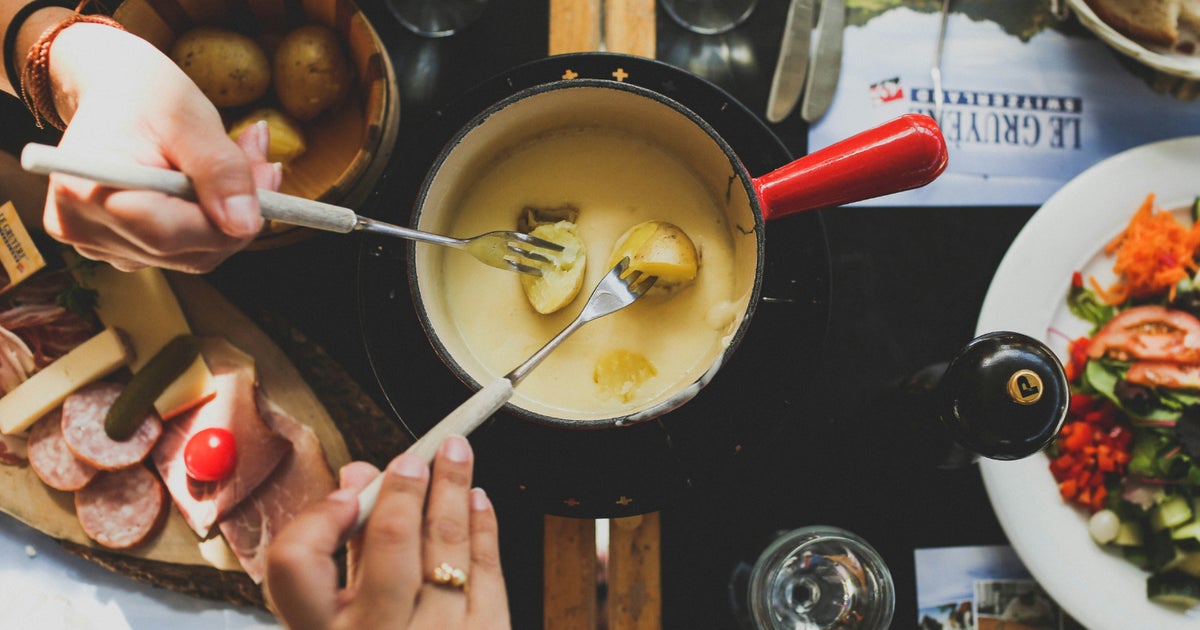
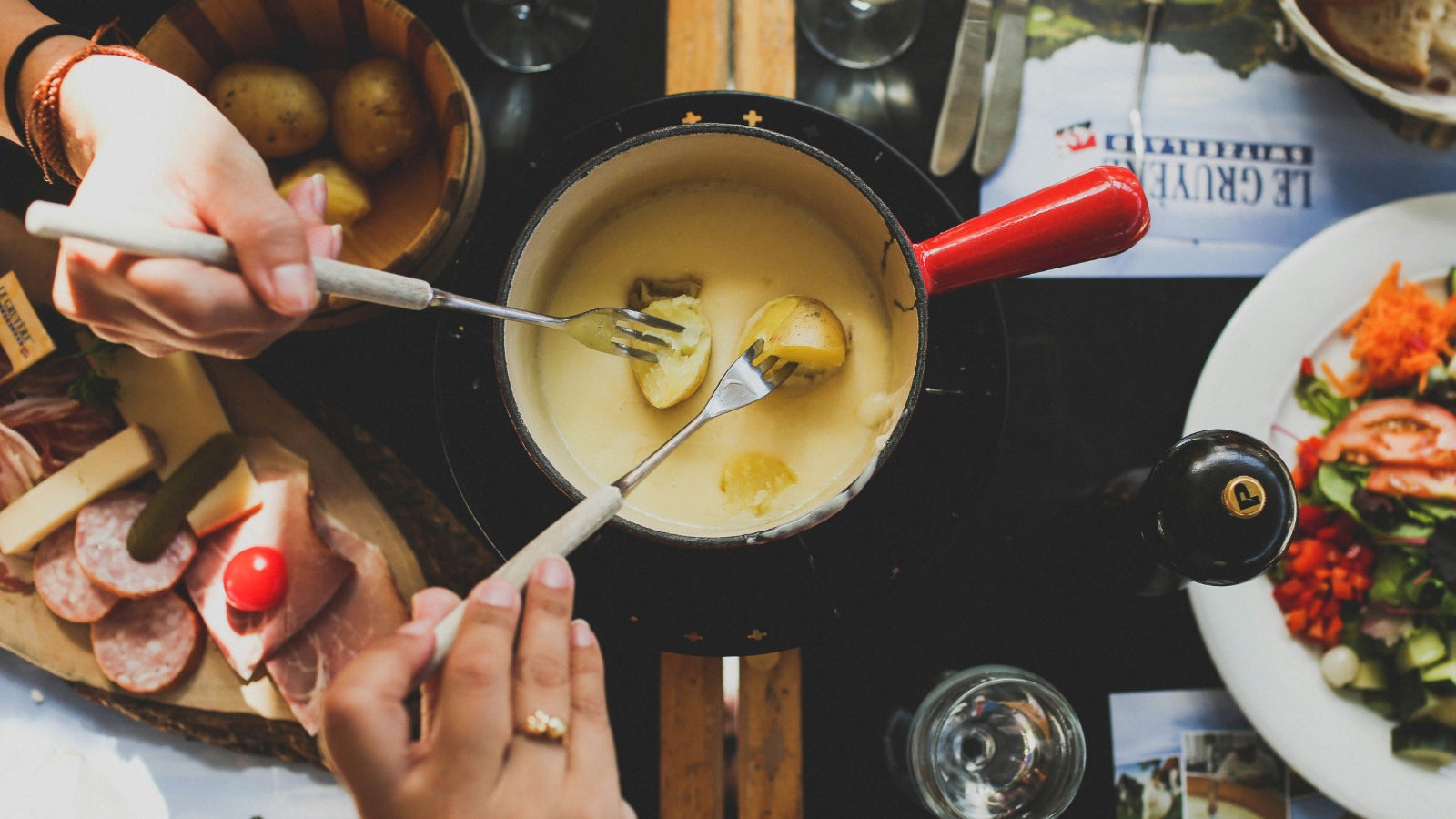
9) “Fondue.”

“My family likes to do cheese fondue for Christmas Eve,” said u/april-oneill.

“Serve with a sturdy bread, cubed ham, sliced apples, and steamed vegetables (broccoli and cauliflower are good for this). It’s easy but feels festive.”

10) “We’re doing nachos! We’re non-traditional around the holidays.”

“Two kinds of meat, beans, cheese, and all the sides. Everyone can build their own.”

Credit: u/hellonheels99

11) “A nice beef stew. Any leftovers can be either frozen or used within a few days.”

“I generally put beef cheeks, carrots, onions, rosemary, thyme, juniper berries, and bay leaf in a bowl filled with wine and stock the night before.

“The following day dry the meat and veg, fry it off to give it colour, put the wine/stock in a pan and bring to a simmer for 15 min, add all your meat/veg, bring it back to a simmer, throw it in the oven with a lid for 6 hours at 140C, and crack the lid off in the last 90 minutes.

“If you’re doing dumplings, crack the lid at 60 min, and just remove fully when you add your dumplings. As a bonus, you can often reserve some of the gravy to use on Christmas Day.”

Credit: u/XcOM987

Share Button

Take Inspiration From How Christmas Is Celebrated Around The World

In a time when many of us are opting to create our own Christmas traditions, finding inspiration from around the globe to sprinkle into your own life could be just the festive magic you’re looking for.

After all, this is a celebration that happens in so many places internationally, why would you not want to invoke Christmas spirit in new (to you) ways that could even revive the holiday if you’ve been feeling a bit miserly in recent years?

Plus, you can brag about being cultured, a little Christmas gift to yourself.

How Christmas is celebrated in places around the world

Ježíšek in Prague at Christmas

Prague City Adventures explains: “I have lived with Santa Claus visiting on Christmas Eve night since I could understand what a holiday was. No such fat jolly person visits here. Instead the gifts are brought by Ježíšek, or baby Jesus.

They went on to explain that though this sounds religious, Prague is largely atheist and this is real Christmas magic in action, adding: “Ježíšek is magic. He is the bringer of toys and fun though I suspect he also brings new underwear, something parents claim you need, and no one wants for Christmas.

“Under the Communist regime there was an attempt to replace Ježíšek with a Santa like figure known as Děda Mráz (Grandfather Frost) but he never had as big of a following as baby Jesus.”

Ježíšek also drops off gifts during Christmas dinner and rings a bell to let the family know that he’s finished, which I can only imagine results in a stampede of children racing to unwrap their presents.

Christmas Eve feast in Brazil

According to World Holiday Traditions: “Following [Christmas Eve mass], families gather for a traditional Christmas Eve dinner, typically served around 10 PM. The meal is a festive spread that reflects Brazil’s diverse culinary heritage.

“It usually includes roasted turkey, ham, various salads, and fresh tropical fruits. A signature dish is rice cooked with raisins, accompanied by farofa—seasoned manioc flour that adds a distinctive flavour and texture to the meal.”

KFC in Japan

Japan Rail Pass says: “Every Christmas, an estimated 3.6 million Japanese families get their holiday meal from none other than Kentucky Fried Chicken. Somehow this tradition is one of the most sacred and one that really embodies the Japanese Christmas spirit.

“The demand is so high that people start placing their orders for the special Christmas menu six weeks in advance. And the wait in line on Christmas day is so long that it takes hours for people to get their meal. In short, doing Christmas the Japanese way means a visit to the Colonel!”

KFC is closed on Christmas Day in the UK but you could definitely make your own at home…

Visiting ancestors in Finland

On Christmas Eve in Finland, cemeteries across the country are lit up with candles placed by people paying their respects to ancestors.

Speaking to This Is Finland, Risto Lehto, who manages six cemeteries run by the Parish Union of Helsinki said: “As many as three-quarters of Finnish families visit a cemetery at Christmas, mostly on Christmas Eve, and we even have to make special traffic arrangements to accommodate the crowds.”

For those who don’t have a loved one buried in the cemetery, there is a space for lighting candles in memorium for loved ones. A quiet moment of reflection before the chaos of the big day itself.

Share Button

Christmas can be a nightmare for misophonia sufferers like me

Christmas is a difficult time if you suffer from a reduced tolerance to sounds, but there are ways to make it easier.

Share Button

Tuberculosis Cases Are Rising In The UK And Several Groups Are At Risk

According to the World Health Organization (WHO), a total of 1.23 million people died from tuberculosis (TB) in 2024 (including 150 000 among people with HIV). Globally, TB is the world’s leading cause of death from a single infectious agent and among the top 10 causes of death.

Additionally, the UK Health Security Agency reported that in England, TB diagnoses increaseds by 13% in 2024 compared with the previous year, to 5480 people.

While in the UK, we are still just about under the WHO threshold for ‘low incidence’ status of the disease, these figures and similar trends in the US are a sign that progress has stalled and we’re no longer on the trajectory for ending TB.

Which is desperately sad as the disease is both curable and treatable.

Who is at risk of TB in the UK?

BBC Science Focus explains: “TB is closely tied to poverty and to the conditions in which people live and work. Crowded or poorly ventilated housing, homelessness, low income and health risks such as under-nutrition, diabetes, smoking and heavy alcohol use can all increase a person’s vulnerability.

“People in disadvantaged communities are more likely to be exposed and less likely to be diagnosed early, meaning that generally they suffer from worse treatment outcomes. Social stigma, gaps in health systems and misattributed symptoms can also further delay care.”

The NHS also says:

Anyone can get TB, but some people are more likely to get it or get more seriously ill from it, including people who:

  • spend a lot of time with someone who has active TB, such as people living in the same house
  • were born in or lived in an area where TB is more common
  • have a weakened immune system, such as people with HIV, a kidney transplant or who are having certain treatment like chemotherapy
  • are under 5 years of age
  • live in overcrowded or unhealthy conditions, such as people who are homeless
  • regularly smoke, drink alcohol or take drugs
  • have had TB before and it was not treated properly

Those who are at higher risk of being infected are encouraged to get the vaccine against TB, called the BCG vaccine.

What are the symptoms of TB?

Symptoms include:

  • a cough that lasts more than 3 weeks – you may cough up mucus (phlegm) or mucus with blood in it
  • feeling tired or exhausted
  • a high temperature or night sweats
  • loss of appetite
  • weight loss
  • feeling generally unwell

In children, it may also prevent growth and gaining weight.

Share Button