Four Steps A Horticulturist Takes To Hosepipe-Ban-Proof Gardens

This month, the UK provisionally broke May temperature records two days in a row. That led some lawns to curl and yellow in distress, though you’re best off waiting for the rain instead of hosing your grass down, even when it looks worse for wear.

And even though no hosepipe bans have been announced in the UK, a peek at Google Trends shows that searches are significantly up from last week. It looks like gardeners are prepping, or at least checking, for sanctions.

But are those fears reasonable, and how can we get our gardens ready now for possible bans later on?

Will we have a hosepipe ban in 2026?

We can’t say for sure yet.

Speaking to HuffPost UK, the Royal Horticultural Society (RHS)′ Chief Horticulturist, Guy Barter, said: “Although we had a wet winter which filled reservoirs and aquifers and there is no indication of temporary use restrictions (as hosepipe bans are officially called), supply and demand problems in the intense recent heat have been reported in the press”.

The BBC, for instance, reports we may be on track to see the same drought conditions we saw last year, which led to a ban; that’s not to mention 2026′s predicted super El Niño.

Professor Emeritus of Geophysical and Climate Hazards at University College London, Prof Bill McGuire, previously told HuffPost UK that this extreme weather event could have “a huge impact on global weather, bringing drought, floods and other extreme weather right across the planet”.

Though what that might mean for the UK specifically is harder to tell in the short term.

How can I start to prepare now for possible hosepipe bans?

Barter told us that “Episodes like this [recent heatwave] remind gardeners why it is wise to have water butts for tiding the garden over dry periods. With luck, they will be refilled by summer rainstorms.”

Water butts divert rainfall from places like your gutter into a large barrel, which often has a tap on the bottom, so it’s smart to place it on a stand.

It’s not just that they’re a smarter use of water, either. Plants much prefer rainwater to the stuff from your taps, because it has a pH and mineral content they love.

What if I don’t have room for a water butt?

In that case, try mulching to keep whatever rain has fallen on your soil. Additionally, putting saucers under plants allows rain to collect in helpful puddles underneath pots.

During water shortages, the RHS added, “grey water” from e.g. your shower or washing-up bowl will do the job for a while.

“Waste water from the kitchen, bathroom basins, baths and showers can also be used in summer gardening. Plants seldom resent this and it ekes out mains water supplies,” Barter said.

Smart planting matters, too.

“Gardeners who have planted drought-tolerant borders and gardens have been rewarded by lovely flowers and plants with no need to water. Where watering has been needed, consider planting more drought-tolerant plants in autumn for next year,” the expert said.

“It is a bit late for planting now, but any containers or baskets that need restocking can be planted with angelonia, pelargoniums and salvia, all of which can get by with less water than most plants.”
Share Button

Repairing DNA damage: Scientists discover a surprising new benefit of melatonin

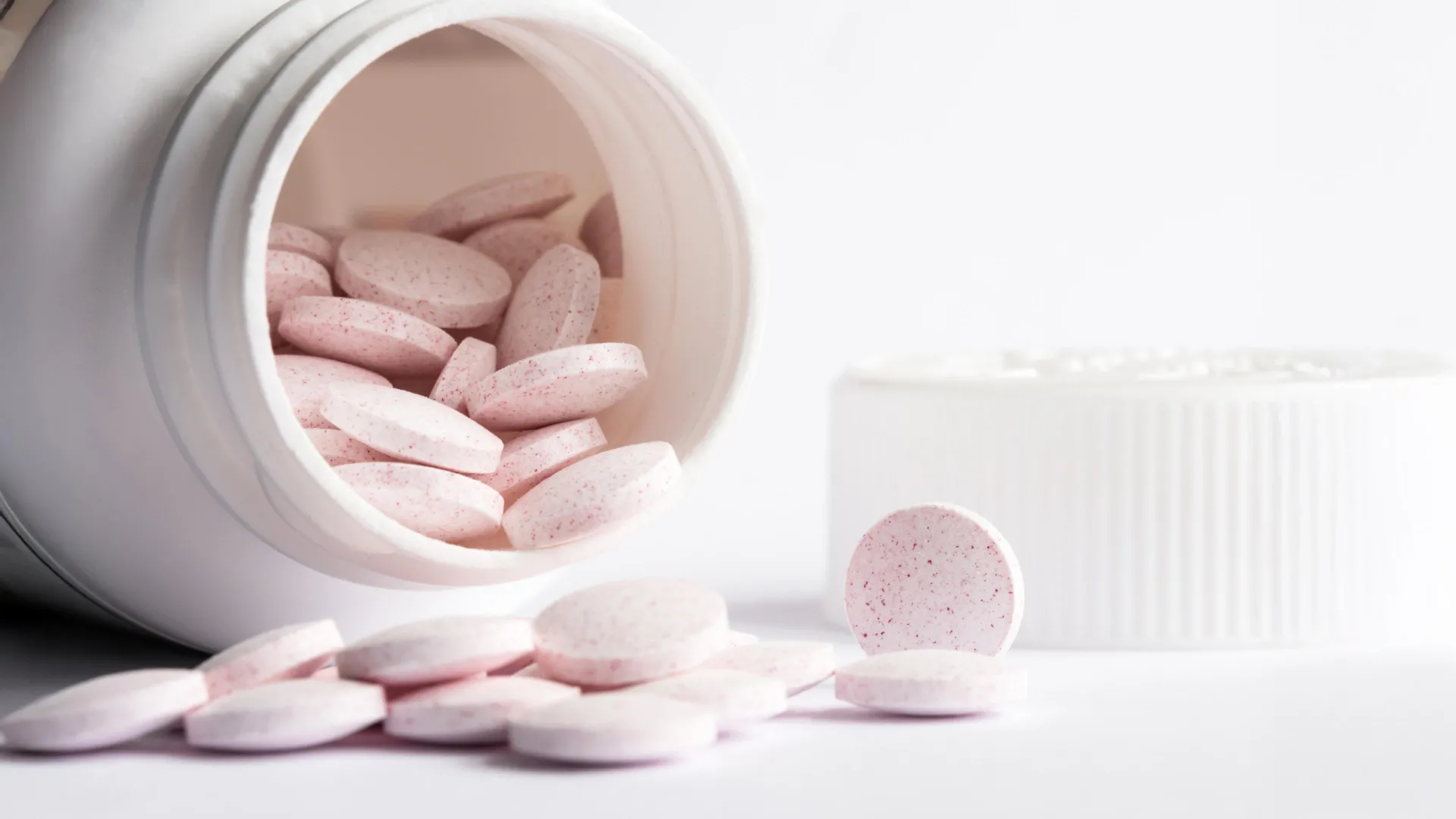
Melatonin supplements may help the body repair DNA damage linked to night shift work, according to a small clinical trial published in Occupational & Environmental Medicine.

The findings point to a possible way to counter one of the hidden biological effects of working through the night. However, the researchers stress that larger studies are needed before melatonin can be recommended as a long-term strategy for reducing cancer risk in night shift workers.

How Night Shifts Disrupt the Body

Melatonin is best known as the hormone that helps regulate sleep. It rises in darkness and signals to the body that it is time to rest. For people who work overnight, that natural rhythm can be disrupted.

Normal night-time melatonin production is often suppressed in night shift workers. According to the researchers, this may weaken the body’s ability to repair oxidative DNA damage, a type of cellular wear and tear that occurs as part of normal metabolism.

That matters because reduced DNA repair may be one pathway linking long-term night shift work with higher risk for certain cancers. Night shift work has also drawn attention from major health agencies because of its effects on the body’s internal clock, sleep patterns, light exposure, and hormone signaling.

Testing Melatonin in Night Shift Workers

To explore whether melatonin could improve DNA repair, researchers conducted a randomized placebo controlled trial involving 40 night shift workers.

Half of the participants took a 3 mg melatonin pill once daily for 4 weeks. They took the supplement with food about 1 hour before going to sleep during the day. The other half took a 3 mg placebo pill on the same schedule.

All participants had been working at least two consecutive night shifts each week for at least 6 months. Each shift lasted at least 7 hours. None of the participants had sleep disorders or long-term health conditions.

A Marker of DNA Repair Rose During Daytime Sleep

The researchers collected urine samples during two study periods. One sample period took place before the trial began, and the other occurred near the end of the 4 week intervention. Samples were collected during daytime sleep after night shift work and during the following night shift.

Participants also wore activity trackers so the researchers could measure how long they slept during the day.

The team measured urinary levels of 8-OHdG, a marker used to assess oxidative DNA damage repair capacity. Higher urinary levels during sleep were interpreted as a sign of greater repair activity.

Among workers who took melatonin, urinary 8-OHdG levels were 80% higher during daytime sleep compared with those who took the placebo. That suggests melatonin may have boosted DNA repair while participants were sleeping after night work.

However, the same effect was not seen during the subsequent night shift. During that period, urinary 8-OHdG levels did not differ significantly between the melatonin and placebo groups.

Why the Findings Matter

The study offers a possible explanation for how melatonin might help reduce some of the biological strain caused by working at night. The body normally uses sleep and circadian timing to coordinate repair processes. When people work overnight and sleep during daylight hours, that system may not function as well.

Melatonin may help restore part of that lost signal, at least during daytime sleep. Still, the study was small and short, and it did not measure cancer outcomes. It only measured a biomarker related to DNA repair.

Most participants also worked in healthcare, which means the results may not apply to all night shift workers. The researchers were also unable to account for natural light exposure, which can affect melatonin levels in the body.

Newer Context on Night Shift Work

Since the trial was published in 2025, broader research has continued to highlight the complex ways night shift work may affect health. Recent reviews have pointed to several possible mechanisms, including circadian disruption, altered hormone signaling, changes in immune function, metabolic disruption, and impaired DNA repair.

Major scientific assessments have also treated persistent night shift work and light at night as important public health concerns. The International Agency for Research on Cancer has classified night shift work as probably carcinogenic to humans, and the National Toxicology Program has reviewed evidence linking persistent night shift work and light at night with cancer risk.

These findings do not prove that melatonin supplements prevent cancer. Instead, they strengthen the rationale for studying whether restoring melatonin signaling could help reduce some of the biological effects of long-term night work.

Researchers Urge Caution

The researchers emphasize that their findings should be tested in larger studies involving different doses and longer follow up periods.

They write: “Increased oxidative DNA damage due to diminished DNA repair capacity is a compelling mechanism that may contribute to the carcinogenicity of night shift work. Our randomized placebo-controlled trial suggested melatonin supplementation may improve oxidative DNA damage repair capacity among night shift workers.”

And they conclude: “Our findings warrant future larger-scale studies that examine varying doses of melatonin supplements and longer-term impacts of melatonin use. Pending the outcome of such studies, melatonin supplementation may prove to be a viable intervention strategy to reduce the burden of cancer among night shift workers.”

They add: “Assessing long-term efficacy is critical since those who work night shifts for many years would need to consistently consume melatonin supplements over that time frame to maximize the potential cancer prevention benefits.”

For now, the results suggest that melatonin may do more than support sleep. It may also help night shift workers activate a key repair process while their bodies recover during the day. But whether that translates into meaningful long-term protection remains an open question.

Share Button

Trump in ‘excellent health’ but should lose weight and exercise more, his doctor says

The White House releases the results of the US president’s latest medical examination, which states he is “fully fit” to carry out his duties.

Share Button

The Worst Mistake A Psychologist Says Demotivated People Make

We’ve written before at HuffPost UK about how feeling “meh” all the time can be a sign of anhedonia or dysthymia.

But according to psychologist Dr Bijal Chheda of Nos Curare, not feeling particularly motivated can be caused by a range of issues and conditions.

She said that demotivation is “one of the brain’s early responses to ongoing stress,” explaining, “As stress builds, the brain shifts into energy-saving mode, making focus and initiating tasks feel difficult, which can drain motivation.”

This can be common among those with ADHD, for instance, she added.

While many of us may try to will ourselves out of these periods, the psychologist said this is a mistake.

What should I do if I feel demotivated?

Sometimes, Dr Chheda said, the stress and self-blame you feel about not being productive can, ironically, take a lot of energy. “Overwhelm and perfectionism” are common culprits.

But believing you’re a failure when you don’t give everything 100% – and thinking you can will yourself back into an A-star performance – is a trap that can sap your motivation, she continued.

“If this sounds familiar, it can help to stop relying on willpower and instead lower the barrier to entry. Start with a messy first version, giving yourself permission to do it badly just to get it moving.”

I’ve seen success with half-assed workouts, which helped to keep me way more consistent than all-or-nothing exercise regimens I inevitably dropped out of. Science says that tiny shifts in our eating, sleep, and exercise routines – we’re talking two minutes more movement and grams more vegetables a day – can help you to live longer, too.

Actively deciding it’s OK to do a less-than-optimal version of whatever task you’re hoping to achieve “makes it easier to re-engage with the task, without feeling pressure to succeed the first time round,” the expert said.

Speak to an expert if demotivation lasts a long time

As we’ve mentioned before, feeling demotivated for a long time can be related to anhedonia or dysthymia.

If you feel this is a consistent pattern, it may be worth exploring whether ADHD could be a factor with a qualified mental health professional,” Dr Chheda added.

The NHS says that low mood, which can include not enjoying things you used to, not being able to concentrate, and feeling helpless, can be signs of depression, for which you should consider speaking to a professional.

Share Button

A Professor Ranked The 41 Best Fruits And Veg To Fight Disease

GP Dr Dawn Harper previously told HuffPost UK that she’s sceptical of “superfoods” – “there is no one single silver bullet that will enhance your chances of living a long and healthy life,” she said.

You might think that Dr Jennifer Di Noia, an Associate Professor of Sociology at William Paterson University, whose 2014 paper sought to find the best fruits and veg to reduce our disease risk, was more fond of terms like these.

But she had her own concerns. “Efforts to define… powerhouse fruits and vegetables (PFV), foods most strongly associated with reduced chronic disease risk… are lacking,” she wrote at the time.

So, the researcher set out research-backed terms.

What counts as “powerhouse fruits and vegetables” or PFVs?

In her study, “powerhouse” fruits and vegetables had to offer at least 10% more of 17 nutrients per 100 calories than other foods.

These nutrients the study looked at were:

  1. potassium,
  2. fibre,
  3. protein,
  4. calcium,
  5. iron,
  6. thiamin,
  7. riboflavin,
  8. niacin,
  9. folate,
  10. zinc,
  11. vitamin A,
  12. vitamin B,
  13. vitamin B,
  14. vitamin C,
  15. vitamin D,
  16. vitamin E, and
  17. vitamin K.

These nutrients had been deemed of public health importance by the Food and Agriculture Organisation of the United Nations and Institute of Medicine, the paper read.

The more of these a plant packed per calorie, the higher the PFV’s nutrient density score was.

However, the paper stressed that these aren’t the only potentially health-boosting components of food; therefore, these metrics could miss some produce that’s great for us.

41 fruits and vegetables, ranked by disease-fighting potential

Of the 47 foods the study author looked at, 41 met her criteria for “PFV”. (The six that missed the mark were raspberries, tangerines, cranberries, garlic, onion, and blueberries).

In order, their nutrient density scores were:

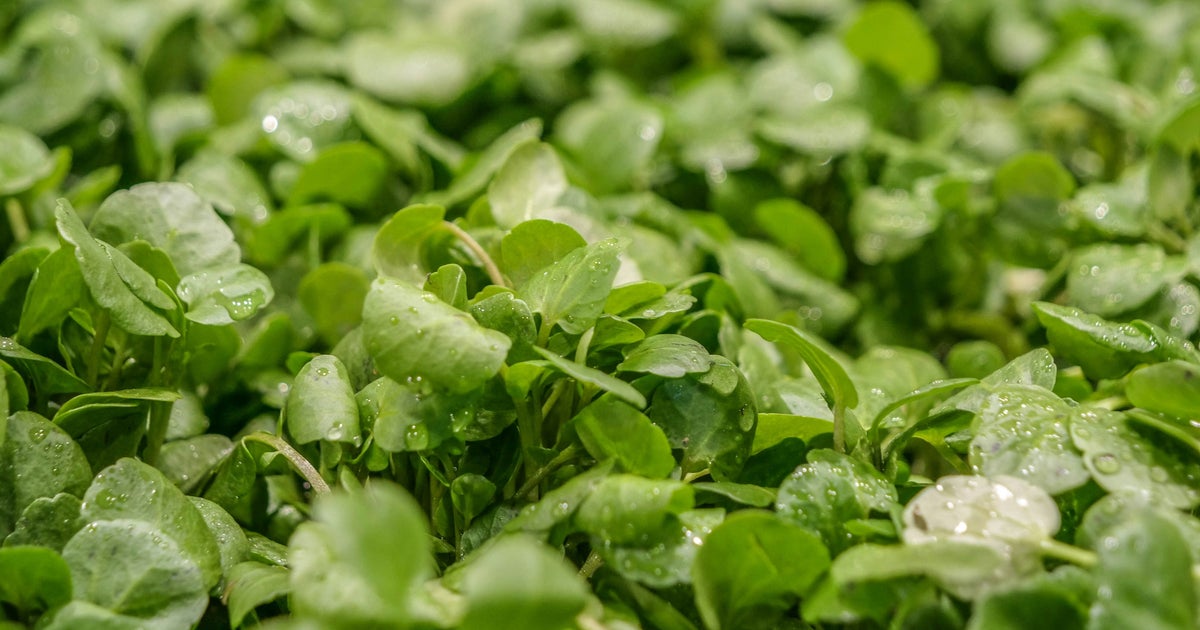
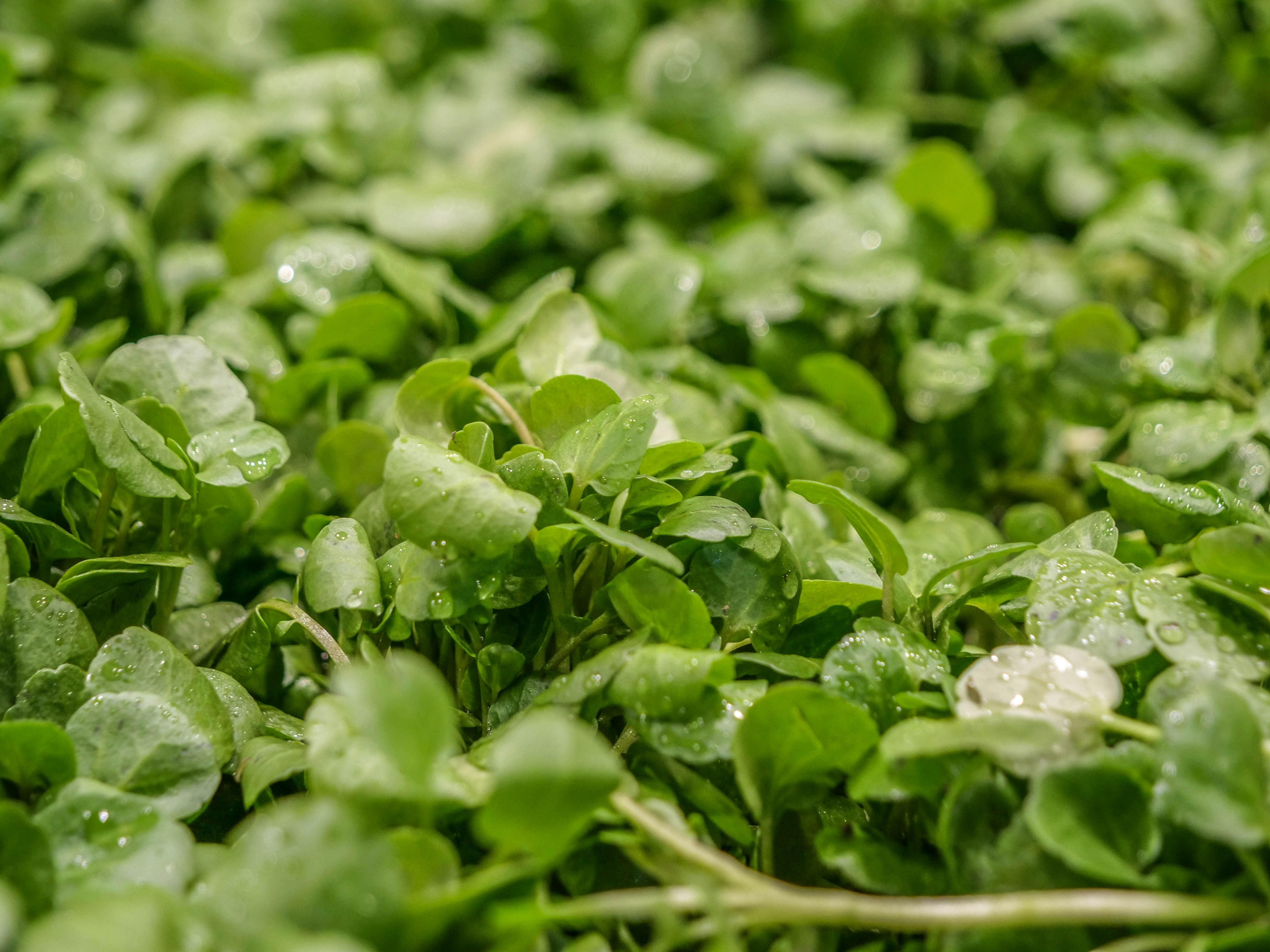
  • Watercress – 100.00
  • Napa cabbage – 91.99
  • Chard – 89.27
  • Beetroot greens – 87.08
  • Spinach – 86.43
  • Chicory – 73.36
  • Leaf lettuce – 70.73
  • Parsley – 65.59
  • Romaine lettuce – 63.48
  • Collard greens – 62.49
  • Turnip greens – 62.12
  • Mustard leaves – 61.39
  • Endive – 60.44
  • Chive – 54.80
  • Kale – 49.07
  • Dandelion leaves – 46.34
  • Red pepper – 41.26
  • Rocket – 37.65
  • Broccoli – 34.89
  • Pumpkin – 33.82
  • Brussels sprouts – 32.23
  • Spring onion – 27.35
  • Kohlrabi – 25.92
  • Cauliflower – 25.13
  • Cabbage – 24.51
  • Carrot – 22.60
  • Tomato – 20.37
  • Lemon – 18.72
  • Iceberg lettuce – 18.28
  • Strawberry – 17.59
  • Radish – 16.91
  • Winter squash (all varieties) – 13.89
  • Orange – 12.91
  • Lime – 12.23
  • Grapefruit (pink and red) – 11.64
  • Swede – 11.58
  • Turnip – 11.43
  • Blackberries – 11.39
  • Leeks – 10.69
  • Sweet potato – 10.51
  • Grapefruit (white) – 10.47.

With that said, the best approach for a healthy diet is eating a balance of healthy foods. Diets rich in fruits and vegetables of all different kinds is liked to better heart health, the British Heart Foundation has said.

Share Button

Abolishing patient watchdog leaves NHS ‘marking own homework’, councils warn

The plans are part of a government bill to modernise the NHS in England, which is currently going through parliament.

Share Button

Gethin trains to be Dr Oscar’s guide runner

Gethin Jones trains to be Dr Oscar’s guide runner

Share Button

Hidden driving danger when edible cannabis and alcohol mix

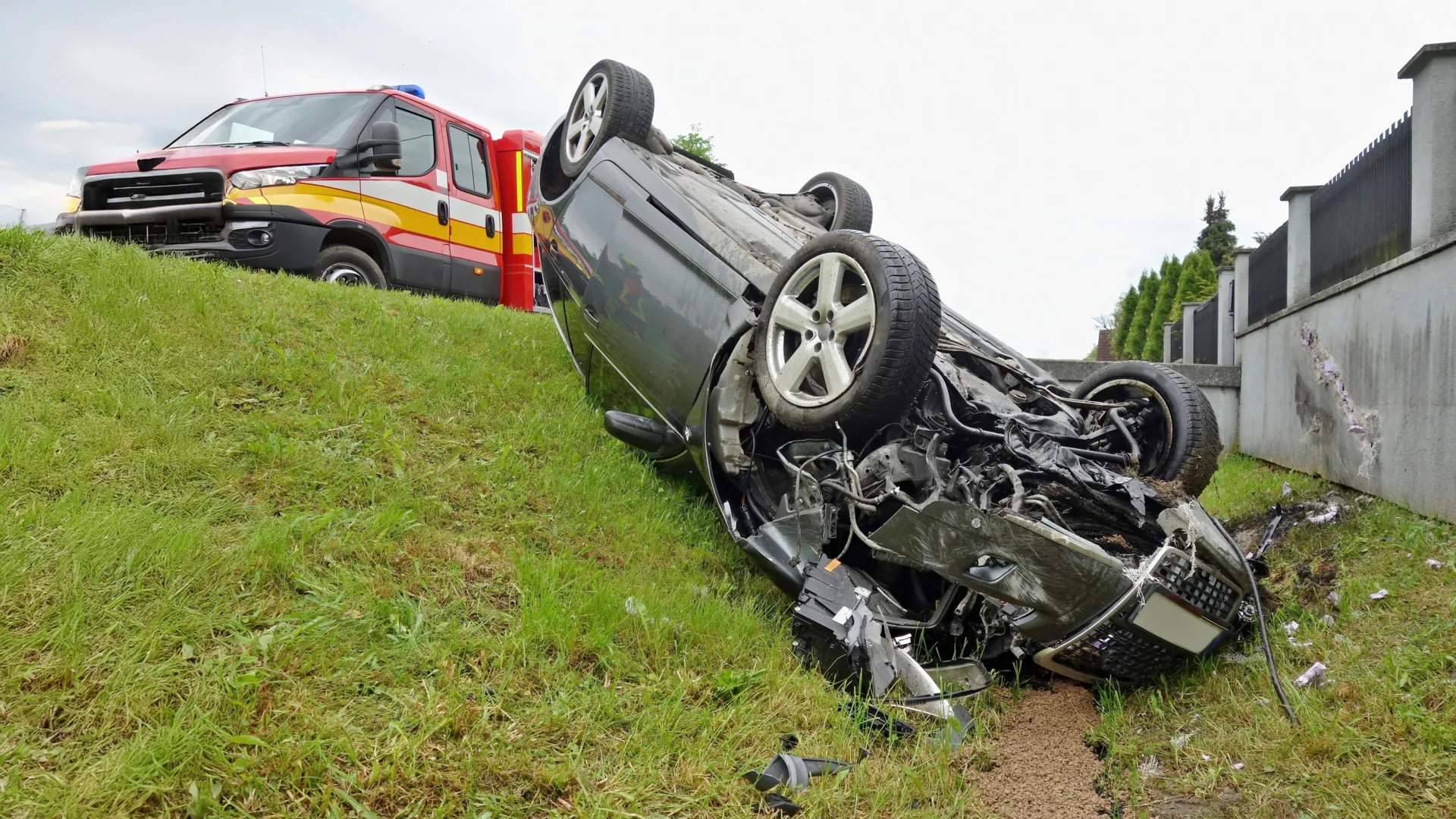
New research from Johns Hopkins Medicine suggests that combining cannabis edibles with alcohol can impair driving more than using either substance alone. The study also found that standard field sobriety tests often failed to detect impairment caused by cannabis, whether it was consumed by itself or alongside alcohol.

The findings, published in JAMA Network, underscore growing concerns about the risks of mixing cannabis and alcohol. Researchers say the results point to a need for better public awareness and more effective ways to identify impaired drivers on the road.

The study also raises questions about current legal standards. According to the researchers, the legal alcohol intoxication threshold used across most of the United States (0.08% breath alcohol level, or BrAC) may not adequately reflect driving impairment when alcohol is combined with cannabis.

“Our findings indicate that co-use of cannabis and alcohol produces significantly greater driving impairment and subjective intoxication than either substance alone,” says the study’s lead author, Austin Zamarripa, Ph.D., assistant professor of psychiatry and behavioral sciences at the Johns Hopkins University School of Medicine. “Importantly, these findings suggest that the interaction between cannabis edibles and alcohol is not merely additive, but may be synergistic in producing impairment, which has important implications for real-world risk.”

Testing Cannabis Edibles and Alcohol Together

To investigate how cannabis edibles and alcohol affect driving, researchers designed a tightly controlled study involving healthy adults between the ages of 21 and 55.

Participants attended multiple outpatient study sessions. During each visit, they received either a cannabis brownie containing THC (10 or 25mg THC) or a placebo brownie. They were also given either an alcoholic beverage or a placebo drink. Alcohol doses were individually adjusted to produce breath alcohol concentrations of either 0.05% or 0.08%.

Thirty volunteers were enrolled in the study, and 25 completed all sessions. Participants had previously used both cannabis and alcohol together within the past year and reported binge drinking within the previous 90 days. To reduce the influence of cannabis tolerance, participants used cannabis relatively infrequently, fewer than three times per week, while still having used it at least once during the past year.

Researchers screened participants through medical and psychiatric evaluations, physical examinations, routine blood tests, and urine drug testing to confirm they were healthy and had not recently used other illicit drugs.

Simulated Driving and Impairment Testing

Before the experimental sessions began, participants completed a separate training visit. During this visit, they became familiar with the driving simulator and other performance assessments to minimize learning effects during the study.

Each participant then completed seven experimental sessions. Depending on the session, they consumed cannabis alone, alcohol alone, cannabis and alcohol together, or placebo versions of both substances. The order of the sessions was carefully balanced among participants to avoid bias.

At the start of each session, participants completed baseline testing that included a simulated driving task, standard field sobriety tests, cognitive and psychomotor assessments, questionnaires about subjective drug effects, and blood sampling to measure THC and its metabolites.

One hour after breakfast, participants consumed either the cannabis brownie or the placebo brownie. Forty-five minutes later, they drank either alcohol or a placebo beverage designed to provide similar sensory cues and help maintain blinding. The beverages were consumed over a 15-minute period.

The same driving, cognitive, and impairment assessments were repeated multiple times throughout the day for as long as 7.5 hours after brownie consumption. Sessions were separated by at least one week to ensure the drugs had cleared participants’ systems before the next visit.

Greater Impairment, But Sobriety Tests Often Missed It

The results showed that combining cannabis edibles with alcohol produced more severe and longer-lasting driving impairment than either substance alone. Participants also reported feeling more intoxicated when they used both substances together.

Despite these effects, standard field sobriety tests only identified significant intoxication during the highest alcohol condition (0.08% BrAC) when compared with placebo. Cannabis-related impairment often went undetected by those tests.

“We designed this study because people are increasingly co-using alcohol with edible cannabis products, yet controlled research has largely focused on smoked cannabis. This is the first controlled study to examine how cannabis edibles and alcohol interact, despite their growing combined use,” says Tory Spindle, Ph.D., the study’s principal investigator and associate professor of psychiatry and behavioral sciences at the Johns Hopkins University School of Medicine. “Consuming typical retail doses of cannabis edibles alongside even low doses of alcohol can produce driving impairment comparable to — or greater than — alcohol alone at the legal limit.”

Implications for Public Safety

As cannabis legalization continues to expand and edible products become more widely available, the researchers say the risks associated with combining cannabis and alcohol deserve greater attention from public health officials, policymakers, and regulators.

They also emphasize the need for additional research to better understand impairment resulting from combined use and to develop more reliable biological and behavioral methods for detecting cannabis-related driving impairment.

Additional Johns Hopkins Medicine researchers involved in the study included Ryan Vandrey, Ph.D., Elise Weerts, Ph.D., David Wolinsky, M.D., and Denis Antoine, M.D.

Share Button

Exclusive: Reform’s Makerfield Candidate Praises Last Labour Government In Unearthed Comments

Reform UK’s Makerfield candidate previously praised the last Labour government in unearthed comments seen by HuffPost UK.

Robert Kenyon is standing against Labour candidate and Greater Manchester mayor Andy Burnham in the crunch Makerfield by-election.

Kenyon was once pretty positive about Labour’s changes in office – which former minister Burnham had been a part of.

He claimed “god knows where I would have ended up” without the government’s apprenticeship initiatives.

In posts dating back to 2013 on a since-deleted forum for rugby fans, he wrote: “If it weren’t for the last Labour Government god knows where I would have ended up, without their Asset Training Scheme I wouldn’t have been able to complete my apprenticeship which was funded by the Government at the cost of £50 a week payed [sic] to me which they invested well and now I don’t need to rely on them.

“Like I said, the benefits system needs overhauling massively to rid the idle from the taxpayers hard earned but first the opportunity to get into work and training must be implemented but somehow I can’t see the Tories doing that.”

A Reform UK spokesperson told HuffPost UK: “Rob represents the tens of thousands of formerly loyal Labour voters in Makerfield that the party has since abandoned. Labour has completely betrayed its traditional working-class northern base who are now backing Reform UK in their droves.”

A Labour Party spokesperson said: “It’s good to hear that Robert Kenyon is proud of the work of the last Labour government. So are we.

“From lifting hundreds of thousands of kids out of poverty, to introducing the minimum wage, Labour is building on that proud legacy today.

“While Reform focus on spreading toxic division and Robert Kenyon is mired in scandal, Labour’s Andy Burnham is focused on delivering on local people’s priorities and bringing communities together.”

Kenyon has attracted plenty of scrutiny after his internet presence has been unearthed in the days since he was announced as Reform’s Makerfield candidate.

He said women can’t “ref, drive or give directions” on an online rugby fan forum in the 2010s, and claimed women presenting rugby games on TV “aren’t up to the job and only there to tick a box”, adding: “I’m sexist, sorry but I am.”

He also claimed women get abortions for “vanity purposes” so they can “shag anyone they want” and described gay people as “poofs” who “mince about” on TV.

The Wigan councillor also once cast doubt on the Covid vaccine on his now-deleted X account, saying: “It’s not making people sicker, I’ve no booster and had covid last week asymptomatic.”

He suggested he did not vote for Brexit too, writing on social media in 2019: “So anyone who thinks I love Trump, voted Brexit, read the Daily Mail, live in the 1950s, a Tory and 103 is wrong. I’m none of the above.”

In another forum post from 2014, he said: “Russia are well within their rights to do what they have done as we did with the Falklands.”

Anti-fascist group Hope Not Hate also revealed that in 2021 Kenyon interacted with a social media message sent to the Countdown host, which read: “Happy birthday Carol, my God I would love to smell and lick your arsehole.”

Kenyon replied, “he’s only saying what we’re all thinking,” along with a thumbs up and a laughing emoji.

In response to the backlash about Vorderman, Kenyon told Manchester Evening News: “I’m not a polished politician.

“I am rough around the edges. I have made mistakes in my life. I’m not perfect. Nobody is. Not a single person in the world is perfect.

“I think everybody does say things that eventually they regret.”

Touching on the Vorderman backlash, Kenyon said: “It was a crude attempt at a joke to probably about 50 followers.

“No offence was meant, and it’s not something I’d do now.”

Share Button

Helen Mirren Voices ‘Love’ For Tom Hardy Amid Rumoured MobLand Drama

Dame Helen Mirren has shown her “love” for MobLand co-star Tom Hardy amid reports about his future in the show.

The two British actors appeared alongside one another in the Paramount+ crime drama, with filming on the second run of episodes having wrapped earlier this year.

However, over the last week, it’s been heavily rumoured that the Dark Knight Rises star will not be returning for season three.

Earlier this month, Variety reported that Tom “was not asked to return to the series” following supposed disputes with executive producer Jez Butterworth.

While not commenting on the rumours directly, Dame Helen did allude to the drama in an Instagram post shared on Thursday evening.

Posting a picture of Tom, she wrote: “Love you now and always […] Helen.”

Tom Hardy's future in MobLand currently looks unclear
Tom Hardy’s future in MobLand currently looks unclear

Comments had notably been turned off on the post, which was uploaded days after footage of Dame Helen being confronted by a pro-Palestine demonstrator over her past support of Israel was posted online.

On Thursday, Variety posted a follow-up piece suggesting that Tom had, in fact, not been fired from MobLand, citing an undisclosed “source close to production” who apparently told them that “the door is not closed for season three and things are being worked through creatively”.

HuffPost UK has contacted representatives for both Tom Hardy and the streaming service Paramount+ for comment.

The first season of MobLand premiered last year, quickly becoming one of Paramount+’s biggest shows.

As well as Dame Helen and Tom, the show also features big names including Pierce Brosnan, Paddy Considine, Downton Abbey’s Joanne Froggatt and Bafta winner Toby Jones among its cast, with Guy Ritchie on both executive producing and directing duties.

While Tom’s return seemingly remains up in the air, shooting on the third season of MobLand is reported by Variety to be getting underway in the autumn.

Share Button