GLP-1 medications, commonly used for type 2 diabetes, were linked to a possible reduction in epilepsy risk, offering an encouraging early signal for researchers.
Participants who used GLP-1 drugs were 16 percent less likely to develop epilepsy compared with those who took DPP-4 inhibitors.
Among the GLP-1 options studied, semaglutide stood out with the strongest association to a lower epilepsy risk.
The findings come from preliminary research and do not confirm cause and effect, so randomized, controlled clinical trials are still needed.
Tirzepatide was not part of the analysis because it was introduced after the study period began.
Early research suggests a possible connection between GLP-1 drugs and epilepsy risk
A preliminary study involving people with diabetes has found a possible link between the use of glucose-lowering GLP-1 drugs and a reduced chance of developing epilepsy. The findings were released on December 10, 2025, in Neurology, the medical journal of the American Academy of Neurology. GLP-1 drugs, known scientifically as glucagon-like peptide-1 receptor agonists, are commonly used to manage diabetes and support weight loss.
The study does not prove that GLP-1 drugs lower the risk of developing epilepsy; it only shows an association.
“Additional randomized, controlled trials that follow people over time are needed to confirm these findings, but these results are promising, since people with diabetes are at increased risk for developing epilepsy later in life,” said study author Edy Kornelius, MD, PhD, of Chung Shan Medical University in Taichung, Taiwan. “Epilepsy can have many physical, psychological and social consequences, and many people do not respond to the current medications, so finding ways to reduce this risk is critical.”
How researchers compared GLP-1 drugs with other diabetes medications
To explore this potential relationship, researchers reviewed data from a U.S. health database that included adults with type 2 diabetes. These individuals had begun treatment with either a GLP-1 drug or a different type of diabetes medication called a dipeptidyl peptidase-4 inhibitor (known as DPP-4 inhibitors or gliptins). None of the participants had a prior diagnosis of epilepsy or seizure. The GLP-1 medications included dulaglutide, liraglutide and semaglutide.
The study followed 452,766 people with an average age of 61. Half of them were prescribed GLP-1 drugs, and the other half received DPP-4 inhibitors. Each person was monitored for at least five years. During that time, 1,670 people using GLP-1 medications developed epilepsy, or 2.35%, compared with 1,886 people taking DPP-4 inhibitors, or 2.41%. Adjusted results show a modest reduction in epilepsy risk
After the researchers accounted for other health conditions that might influence epilepsy risk, including age, high blood pressure and cardiovascular disease, they found that people taking GLP-1 drugs were 16% less likely to develop epilepsy than people using DPP-4 inhibitors.
When the team evaluated the individual GLP-1 medications, semaglutide showed the strongest association with a lower epilepsy risk.
“More research is needed, but these findings support the theory that GLP-1 drugs may have neurological benefits beyond controlling blood sugar,” Kornelius said. “It should be noted that these findings do not imply that DPP-4 inhibitors are harmful in any way or that GLP-1 drugs are definitely beneficial for brain health.”
Additional considerations and study limitations
Kornelius also noted that tirzepatide, a dual GLP-1 and GIP (glucose-dependent insulinotropic polypeptide) receptor agonist, was not part of the analysis because it became available after the study period began. As a result, the findings may not apply to tirzepatide.
In addition to the limitations of the retrospective, observational design, researchers lacked information on several other factors that might influence epilepsy risk, such as family medical history, genetic susceptibility or alcohol use. It is also possible that cost, insurance requirements or the severity of a person’s diabetes played a role in which medication they were prescribed, which could create differences between the groups that were not fully captured.
The study was supported by Chung Shan Medical University Hospital.
Children who returned to in-person school during the COVID-19 pandemic were much less likely to receive mental health diagnoses than children whose schools stayed closed. Reductions were seen in anxiety, depression, and ADHD, and girls experienced the greatest improvements.
Mental health care spending fell notably after schools reopened, reaching an 11 percent decrease by the ninth month.
This research represents one of the largest and most comprehensive analyses to date on how pandemic school closures affected children’s mental health.
School Reopening During COVID Linked to Better Mental Health for Children
A new study from Harvard T.H. Chan School of Public Health and collaborating institutions reports that children experienced far fewer mental health diagnoses when their schools reopened during the COVID-19 pandemic. The reductions were seen across conditions such as anxiety, depression, and attention-deficit/hyperactivity disorder (ADHD). Health care spending connected to these diagnoses also declined, and girls showed the strongest improvements.
The study was published on Dec. 8, 2025, in Epidemiology.
“Our results provide solid evidence to parents, educators, and policymakers that in-person school plays a crucial role in kids’ well-being,” said senior author Rita Hamad, professor of social epidemiology and public policy. “The findings offer lessons for future public health emergencies and provide insight into why mental health worsened for children during the pandemic.”
Background on Youth Mental Health During the Pandemic
Earlier research consistently showed that children and teens struggled emotionally during COVID-19. Some studies suggested that returning to classrooms offered important support, but many of those investigations relied on small samples or self-reported experiences rather than comprehensive data.
To produce a more detailed picture, the research team examined health diagnoses and spending information for 185,735 children between the ages of five and 18 years from March 2020 through June 2021. The dataset indicated whether a child received mental health treatment or filled a prescription related to anxiety, depression, or ADHD. Participants lived in 24 counties and 224 school districts across California, a state where school closures lasted longer than in most of the country and reopening timelines varied widely. These differences created a natural opportunity to compare outcomes. Data came from the Healthcare Integrated Research Database, which includes individual-level commercial insurance claims, along with school-level administrative data from the California Department of Education.
Large Reductions in Diagnoses and Spending After Reopening
The study documented an overall rise in mental health diagnoses during the pandemic, increasing from 2.8% to 3.5%. However, children who returned to in-person school were substantially less likely to receive new diagnoses than peers whose schools stayed closed. By the ninth month after reopening, the chance of being diagnosed with a mental health condition had dropped by 43% compared with the period before reopening. This trend included fewer cases of anxiety, depression, and ADHD.
Health care spending reflected a similar pattern. Nine months after schools reopened, non-drug medical spending related to mental health was 11% lower, spending on psychiatric medications was 8% lower, and spending on ADHD-specific medications was 5% lower. Girls saw greater improvements than boys over the same period.
How School Closures May Have Affected Children
The research team outlined several possible reasons for the mental health challenges children experienced while schools were closed. These included limited social interaction, disrupted sleep routines, more screen time, poorer dietary patterns, academic struggles, family stress linked to economic hardship or increased time at home, and reduced access to school-based mental health services.
“As we consider future public health emergencies, this study suggests we need to prioritize safe school reopenings and ensure children have access to the social and emotional resources that schools provide,” Hamad said. “Policies should focus not only on infection control, but also on the mental wellbeing of children, recognizing that schools are a critical part of their support system.”
Study Limitations and Future Directions
The authors noted that the study focused on children living in relatively higher-income areas in California who were enrolled in commercial insurance plans, meaning they generally had better access to health care. More research is needed to explore how school reopening influenced children in marginalized communities, where the impact may have been even more significant.
The study received funding from the National Institutes of Health (grant U01MH129968).
Every parent knows that the merriment and magic-making surrounding Christmas requires time, energy, and often more capacity than any of us have.
Upended schedules, school plays, non-uniform days, PTA events, parties, end-of-year work deadlines, gift-giving, cooking, baking, entertaining – the mental load, which is hard enough to juggle at the best of times, gets thrown into a pressure cooker.
Advertisement
And if one of you assumes the other is happy to manage everything, it won’t take long to reach breaking point.
For most couples, divorce isn’t on the cards. But the holidays can still churn up emotions we’ve managed to bury for most of the year; resentment and frustration can boil over and explode during this intensified time.
Advertisement
If you find yourself feeling withdrawn, short-tempered, unsupported, unseen and unheard – you’re not alone.
Take a step back and think about this while wearing your professional hat: would you ever host a major event without a detailed plan? Would you ever launch a new product without a communications campaign? And would you ever do the whole thing alone?
Think of your household as a mini organisation, and December is your biggest annual event. You need to come together as a team to make it a success.
Advertisement
So, set a time to sit down with your spouse or partner (and the kids if they’re old enough), and use the following questions as a guide. The end result is (hopefully) a smoother, happier, argument-free holiday season.
How to start sharing the load over Christmas
With a shared calendar, review all necessary events: school plays, worship services, Christmas parties, family gatherings.
In work settings we use the word ‘objective’. For the family, let’s stick to priorities. Take a deep breath, and each share your top two priorities for the holiday. (Use this opportunity wisely! These should be selfish. Maybe you don’t want to do dishes for two hours on Christmas night, or you want several hours on Boxing Day to do shopping, or you want to attend your work party and stay late without guilt.) Name what is truly important to you and respect each other’s wishes. It might help to add WHY these are important: maybe they don’t want to do dishes, not because they are lazy, but because they love the end-of-the-day snuggles with kids by the tree. Maybe shopping on Boxing Day is the alone time needed to get through the remainder of the school holiday. Maybe the work party is a way to get on the boss’s good side going into the new year.
If your kids are old enough, ask them their priorities as well! If the kids are still little, agree on three priorities you know they love.
Look at everyone’s priorities collectively and talk about how to keep those as the focus. Are any of them conflicting? Do you have the resources to make everything happen? If any priorities cannot be met, reset expectations now to prevent disappointment on Christmas morning. What are you going to let go of this year because it’s just too much?
Now it is time to make a mini action plan. Create a to-do list together, including everything that needs to happen to meet everyone’s expectations. Include deadlines, and decide who is taking responsibility for which task. Be careful to divide as evenly as possible (including all the gift lists) – one person should not be taking on 80% of the tasks. It’s good to discuss consequences too: what is going to happen if one of you drops the ball and doesn’t complete their list? What impact will that have on the family?
Finally, set follow-up meetings. Sit down together 1-2 times a week throughout the holidays to check in, troubleshoot, see where you might need additional help, and hold each other accountable.
It’s time to leave resentment in 2025 and let the holidays be the start of something new.
Rachel Childs is a parenting equity expert, founder of Parents That Work and co-host at Equal-ish, the parenting podcast.
In Hollywood, you can usually chart a sequel’s quality on a downward-sliding line graph: the higher the number after the original, the lower your expectations should be.
But Knives Out seems to be gloriously bucking that trend based on the glowing reception the third film has received from fans and critics alike.
Advertisement
Wake Up Dead Man sees Daniel Craig return with his usual southern drawl and thirst for a juicy murder mystery to solve. This time, it centres on a dead priest and his flock of suspicious characters, meaning we’ve got pews full of new characters to get to know.
Here’s where you’ll have seen them before.
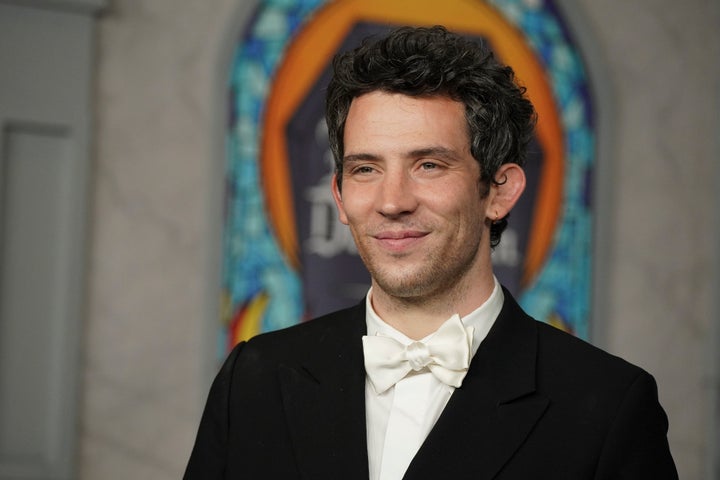
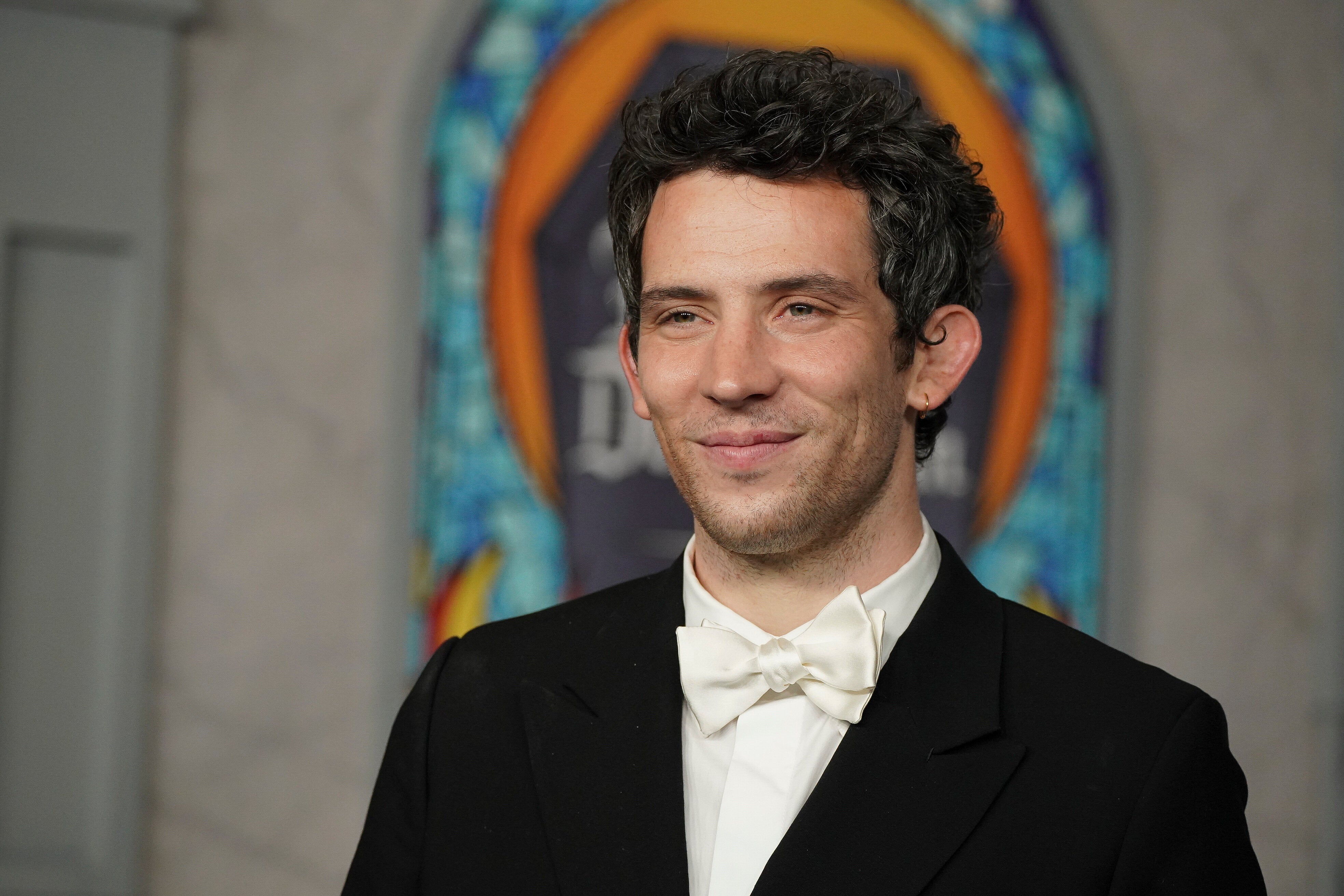
1) Josh O’Connor
Josh O’Connor
via Associated Press
Ever since his big breakthrough as a binge-drinking sheep farmer who falls in love with a Romanian migrant worker in God’s Own Country in 2017, it’s been an upward trajectory for Josh.
Advertisement
He picked up an Emmy Award for his role as Prince Charles in Netflix series The Crown and also starred opposite Anya Taylor-Joy in the 2020 adaptation of Jane Austen’s Emma.
Josh had another huge moment when Challengers and its steamy tennis love triangle – completed by Zendaya and Mike Faist – became the film of 2024. With it, he accidentally ushered in the ‘hot rodent boyfriend’ movement that dominated the summer, making him a well-known face across pop culture in general.
You might have also seen Josh in the artier films La Chimera and The Mastermind, while before his big screen breakthrough, he spent three years playing Larry Durrell in the ITV series The Durrells.
Advertisement
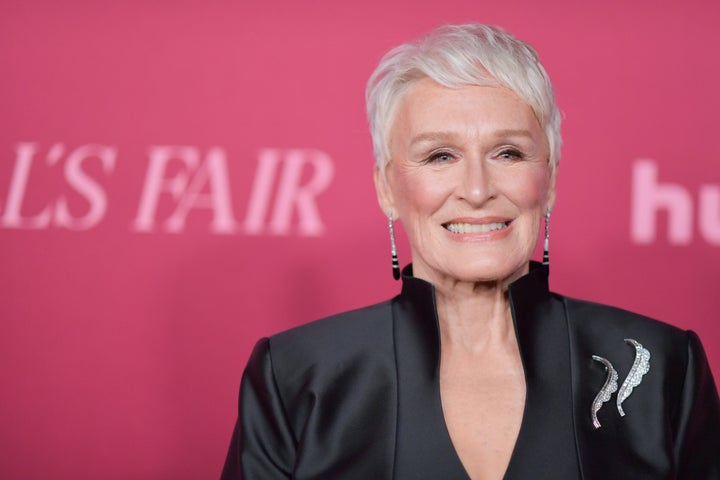
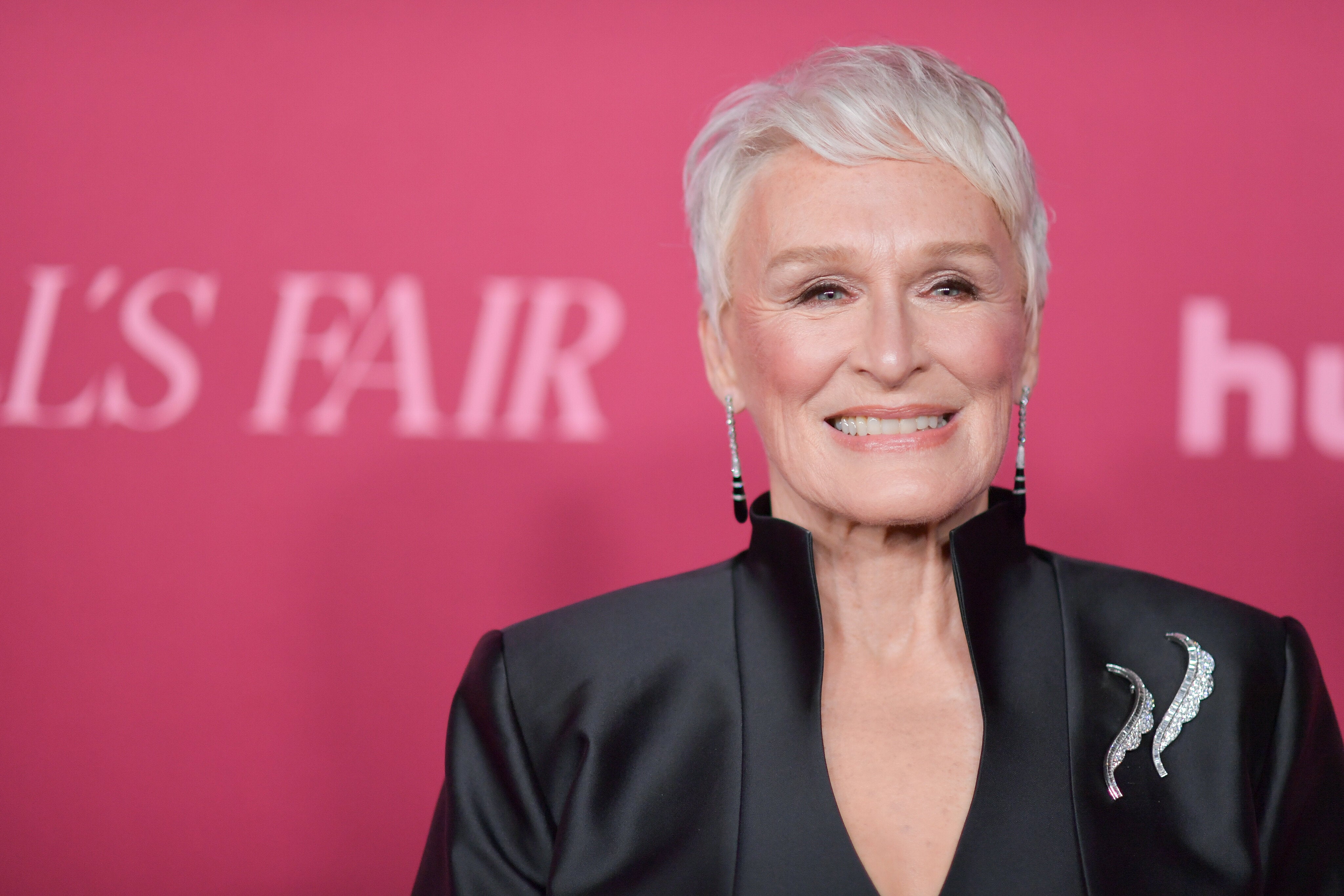
2) Glenn Close
Glenn Close
via Associated Press
Glenn is an acting legend that you’ll most definitely have come across at some point in your viewing life.
Glazing over her recent stint in Kim Kardashian legal drama All’s Fair, Glenn has been nominated for eight Oscars for her standout roles in The World According To Garp, The Big Chill, The Natural, Fatal Attraction, Dangerous Liaisons, Albert Nobbs, The Wife and Hillbilly Elegy.
Advertisement
Never one to fall victim to typecasting, she’s also well-loved for her depiction of Cruella de Vil in the 1990s Disney classic 101 Dalmatians and played Nova-Prime Irani Rael in Marvel superhero film Guardians Of The Galaxy.
If you’re more of a small-screen person, you might have come across Glenn on TV shows like the Emmy-winning Serving in Silence: The Margarethe Cammermeyer Story and Damages.
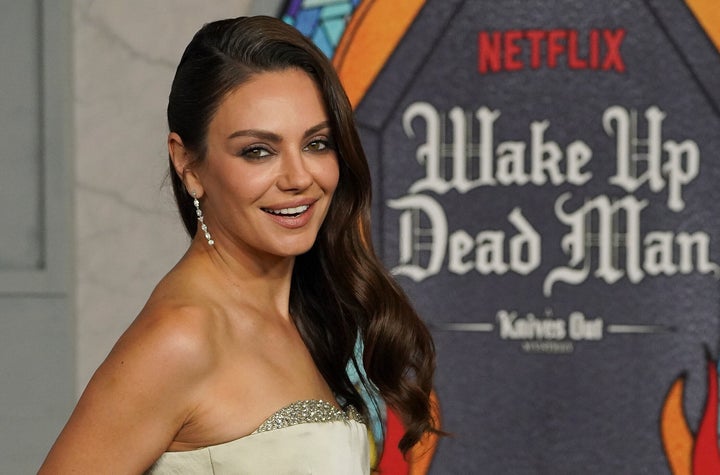
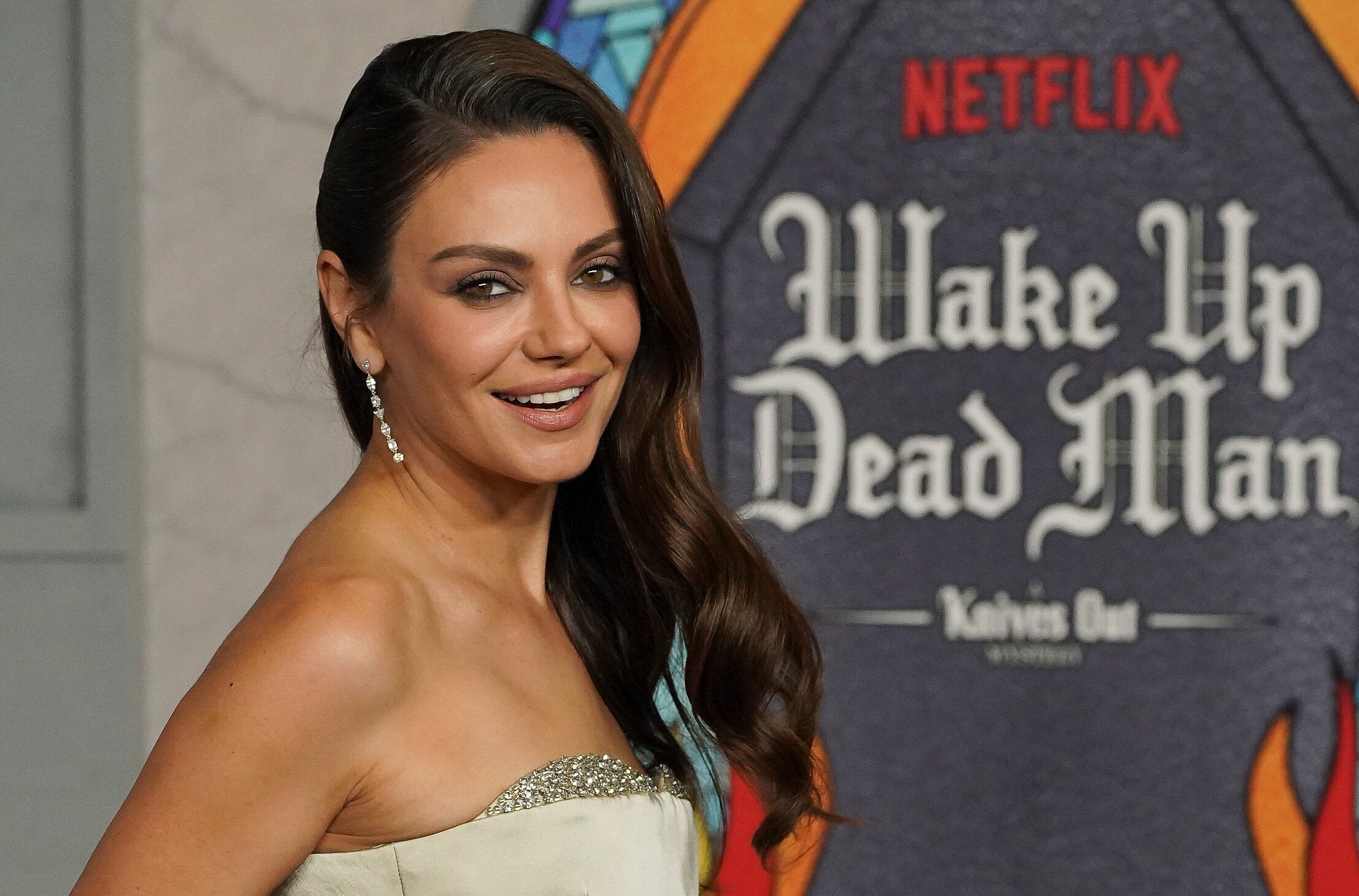
3) Mila Kunis
Mila Kunis
via Associated Press
Advertisement
You’re likely to recognise Mila’s voice thanks to her ongoing voice role as Meg Griffin in Family Guy, while she rose to fame as Jackie Burkhart in That ’70s Show opposite her now-husband Ashton Kutcher.
Her big film breakthrough came with Forgetting Sarah Marshall in 2008, which she followed up with fellow comedies like Friends With Benefits, Ted and Bad Moms.
You’ll probably have seen, if not heard about, Mila in the 2010 psychological horror movie Black Swan, where she played a ballerina opposite Natalie Portman.
Advertisement
She’s further tested the waters with more dramatic roles, like in Four Good Days, where she played a woman struggling with drug addiction (with Knives Out co-star Glenn Close playing her mother).
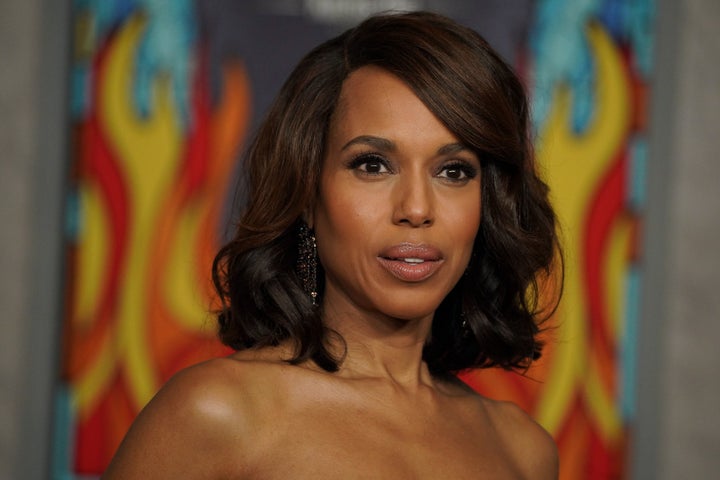
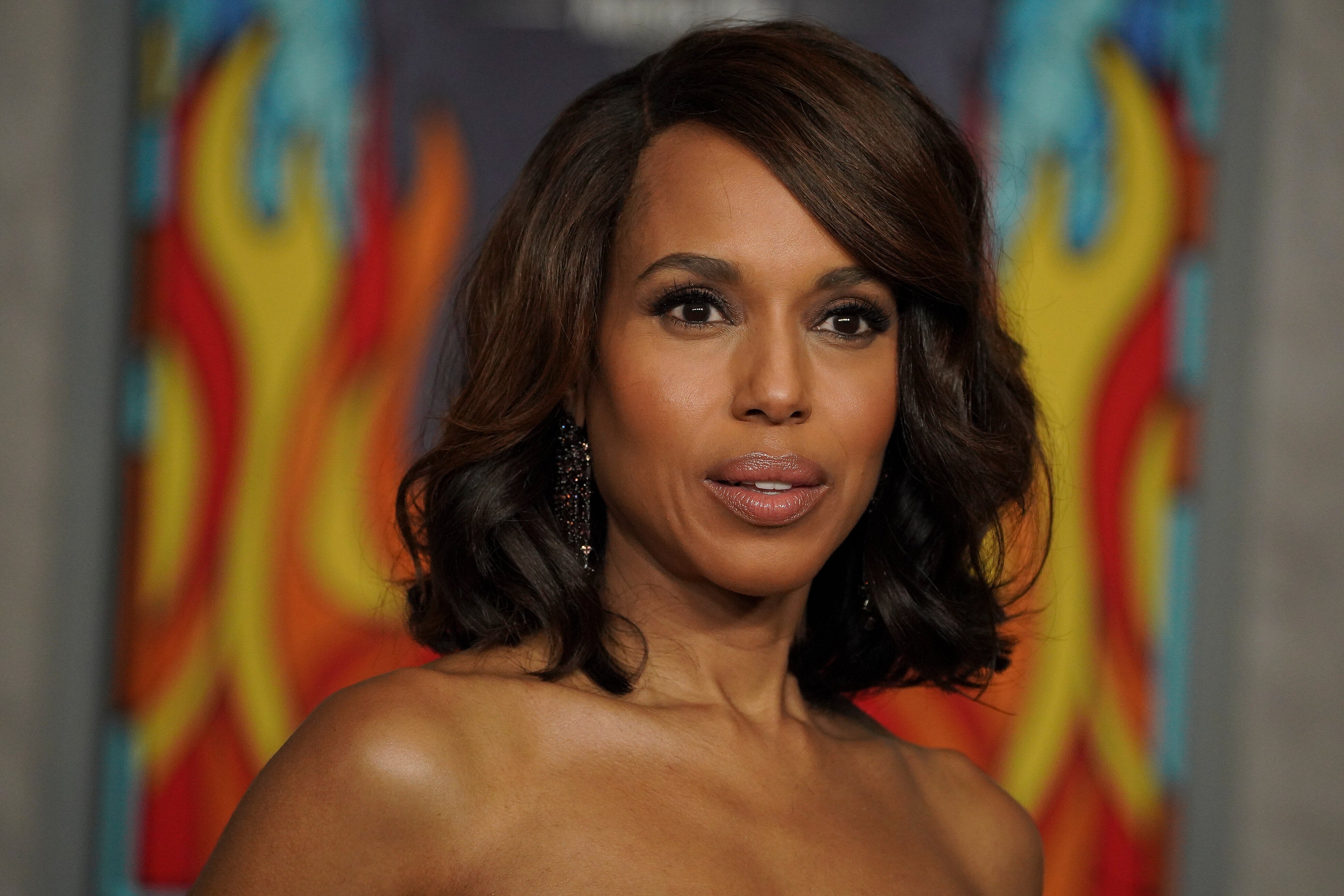
4) Kerry Washington
Kerry Washington
via Associated Press
Kerry is probably best known for playing powerful ‘fixer’ Olivia Pope in the political drama series Scandal, which landed her Emmy and Golden Globe nominations.
Advertisement
She picked up further Emmy nods for Confirmation, American Son, and drama series Little Fires Everywhere, where she starred opposite Reese Witherspoon, shaking up suburbia.
2000s film fans will recognise Kerry for her breakthrough film role as Chenille Reynolds in Save The Last Dance, while she’s also appeared in Ray, Mr & Mrs Smith, Fantastic Four, The Last King Of Scotland and Django Unchained.
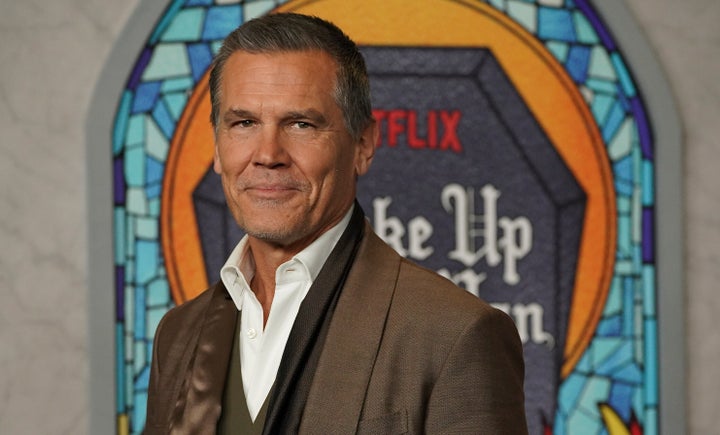
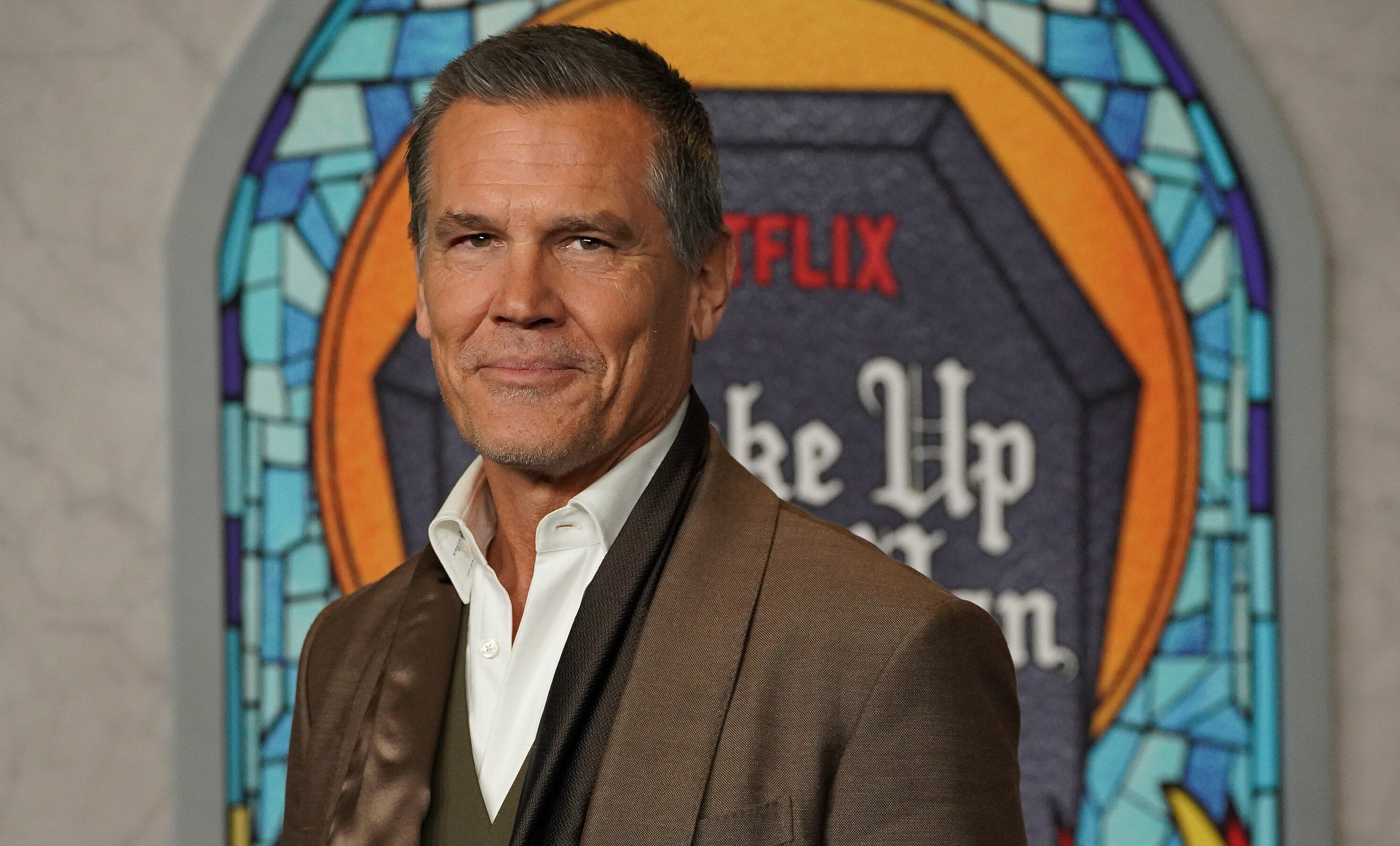
5) Josh Brolin
Josh Brolin
via Associated Press
Advertisement
You might have recently clocked Josh in Weapons, aka the best horror movie of the year, but he first became famous for appearing in the classic 1980s film The Goonies.
While he followed it up with a handful of other movies like Guillermo Del Toro’s Mimic, his portrayal of Llewelyn Moss in 2007 neo-Western No Country for Old Men is largely considered to have ushered in the second act of his career.
He went on to appear in the likes of American Gangster, Milk, Inherent Vice, Sicario, Oldboy and Dune, but swathes of people will know him as supervillain Thanos within the Marvel Cinematic Universe.
Advertisement
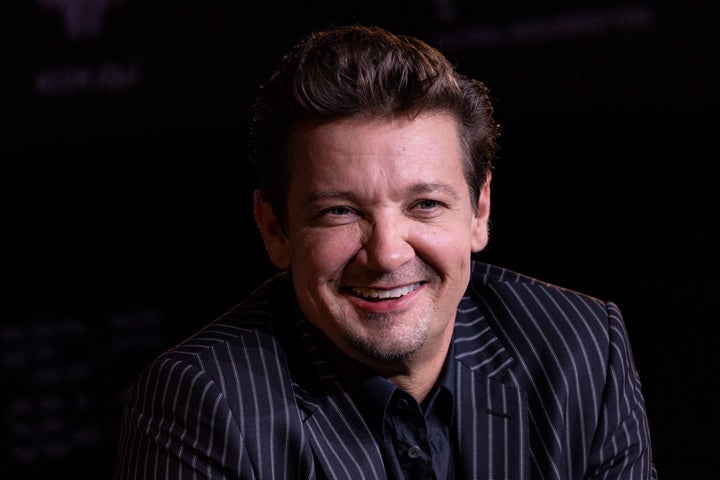
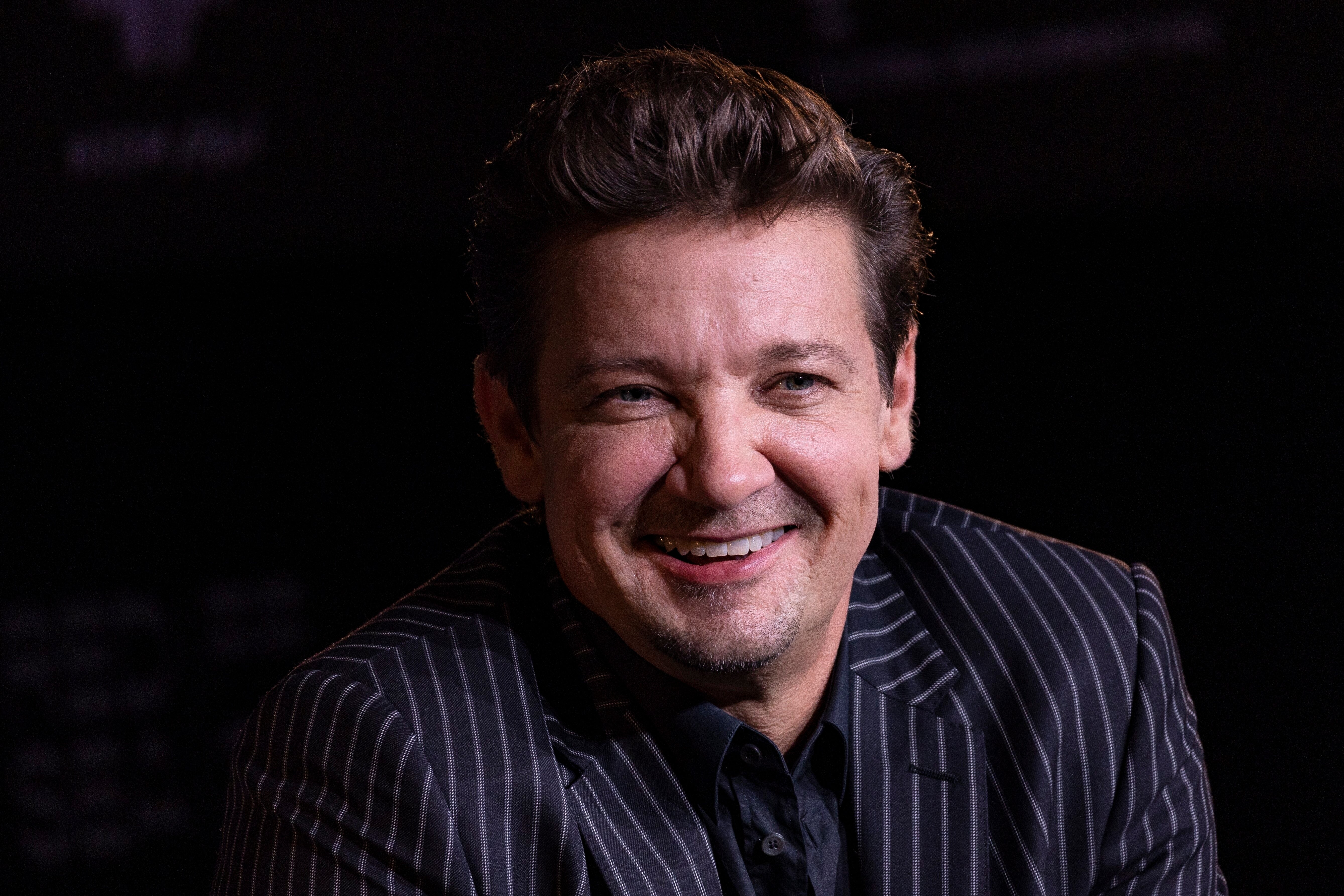
6) Jeremy Renner
Jeremy Renner
via Associated Press
Jeremy is widely known for playing Clint Barton/Hawkeye in the Marvel Cinematic Universe in films like The Avengers and the Disney+ miniseries Hawkeye.
A regular in the action world, you might have also seen him in the Mission: Impossible film series and The Bourne Legacy, while he also had a brush with a zombie apocalypse in 28 Weeks Later.
Advertisement
Jeremy received Oscar nominations for his roles in The Hurt Locker and The Town, but he’s also no stranger to television, having starred as Mike McLusky in Mayor of Kingstown for the past four years.
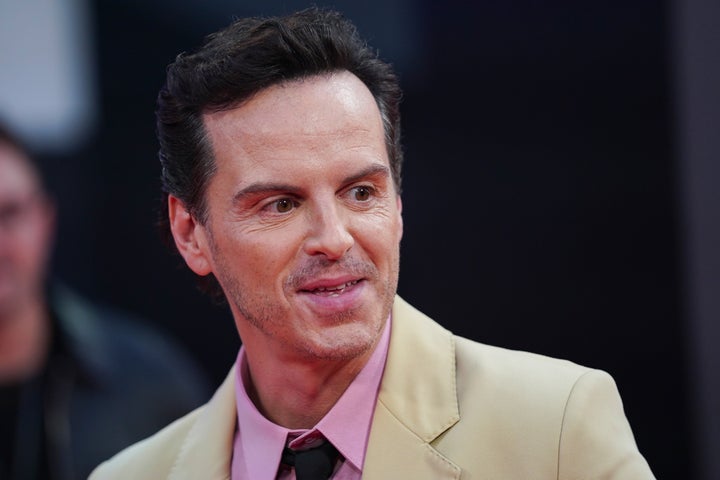
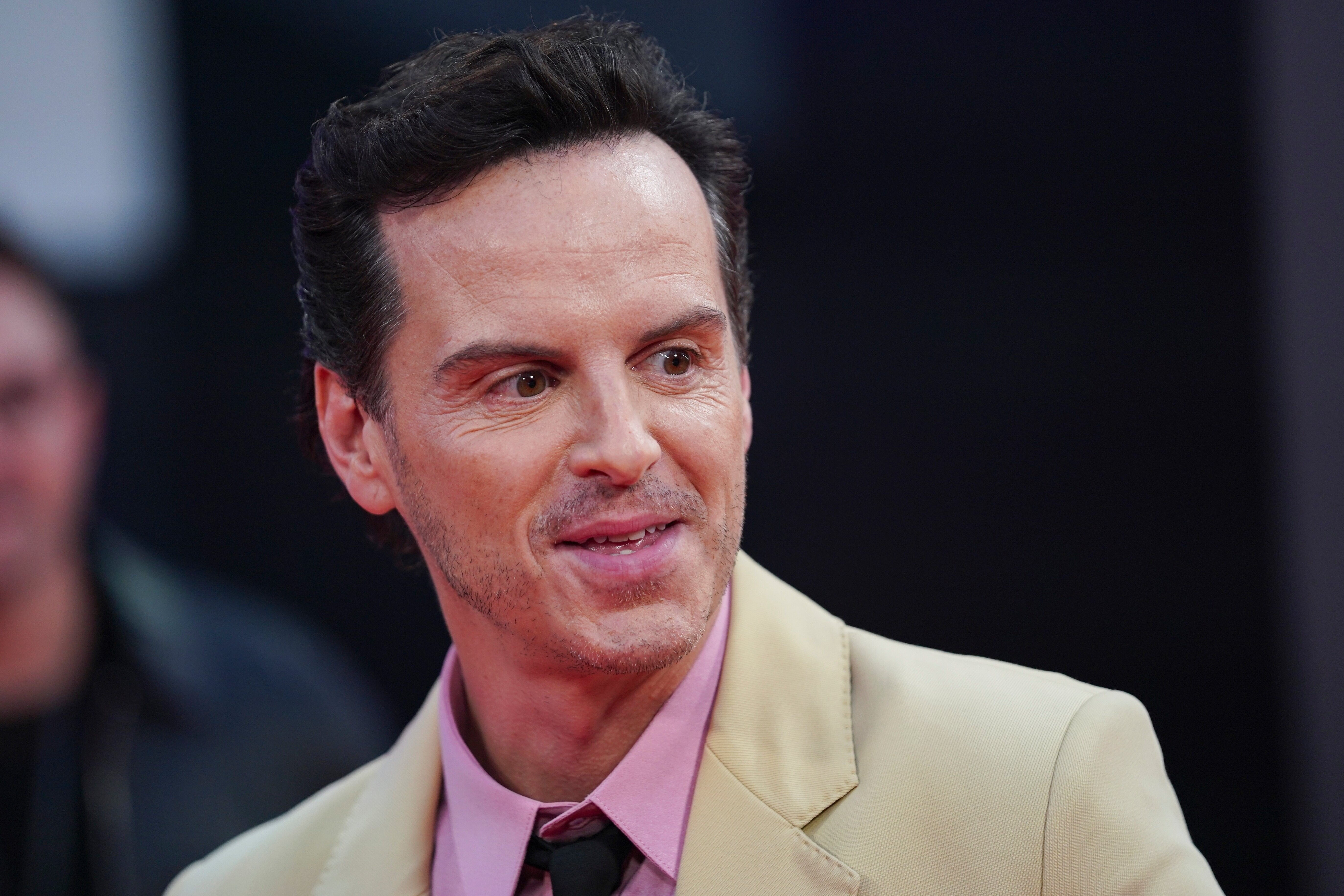
7) Andrew Scott
Andrew Scott
via Associated Press
Andrew is forever known to a generation as ‘hot priest’ thanks to Phoebe Waller-Bridge’s award-winning series Fleabag.
Advertisement
His other TV roles include Sherlock, The Town, Black Mirror, His Dark Materials, Ripley and – most recently – Lena Dunham’s Netflix series Too Much.
Andrew has gone on to make a massive impact on the big screen with roles in Pride, Spectre and 1917. But it was his turn in All Of Us Strangers, opposite Paul Mescal, that truly set him apart, gaining serious awards attention with the pair’s portrayal of doomed lovers.
Also a big name on stage, thespians might recognise Andrew from his role in the 2019 production of Noël Coward’s Present Laughter or A Girl in a Car with a Man, both of which landed him Olivier Awards.
Advertisement
8) Cailee Spaeny
Cailee Spaeny
via Associated Press
Cailee’s most high-profile role to date was portraying Priscilla Presley in Sofia Coppola’s 2023 biographical film, opposite Jacob Elordi as Elvis – a performance that earned her a Golden Globe nomination.
She went on to star in Civil War and Alien: Romulus while you might have also seen her in films like Pacific Rim Uprising, Bad Times at the El Royale, On The Basis Of Sex and Vice.
Advertisement
Over on TV, Cailee has appeared in Devs, Mare Of Easttown and The First Lady.
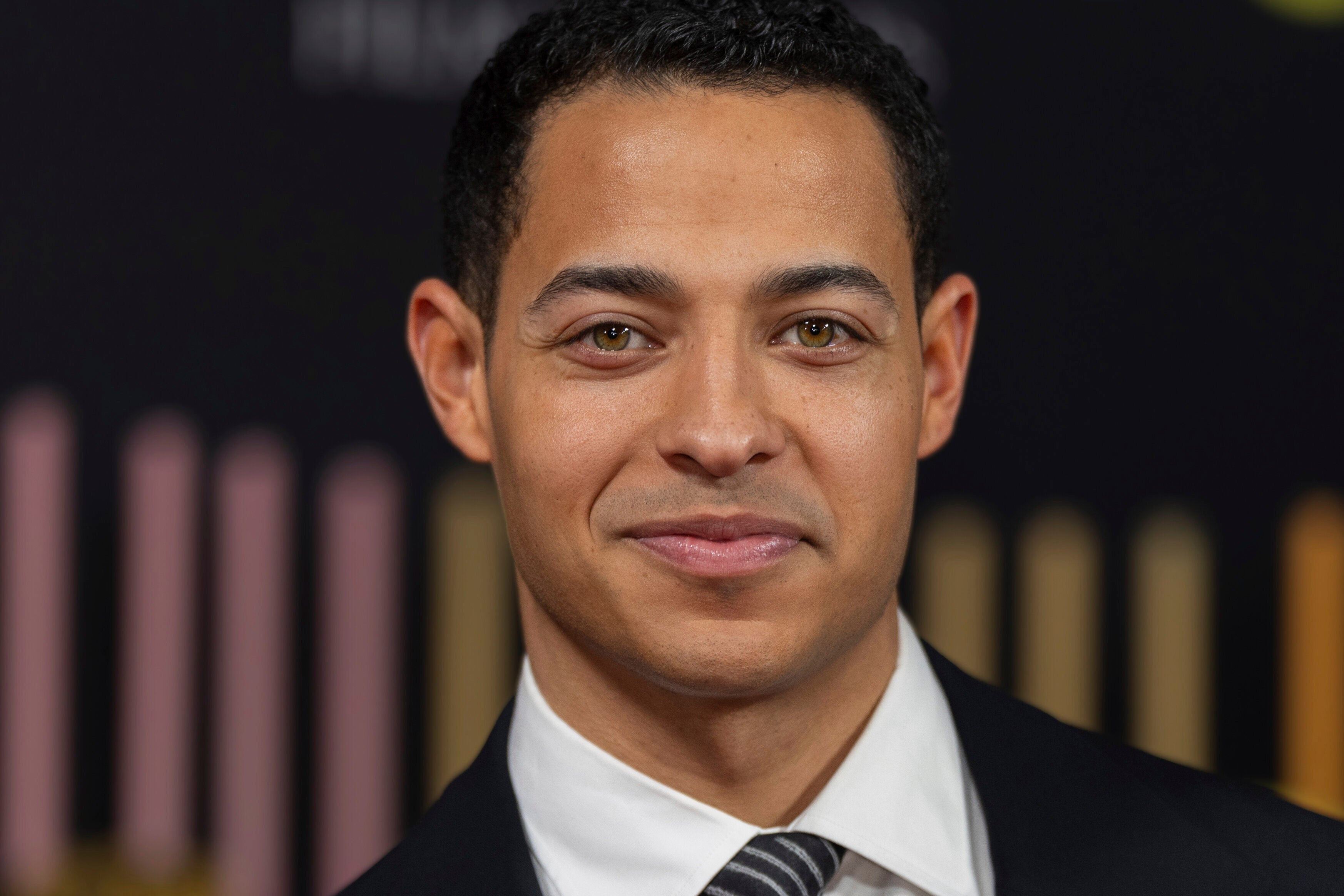
9) Daryl McCormack
Daryl McCormack
via Associated Press
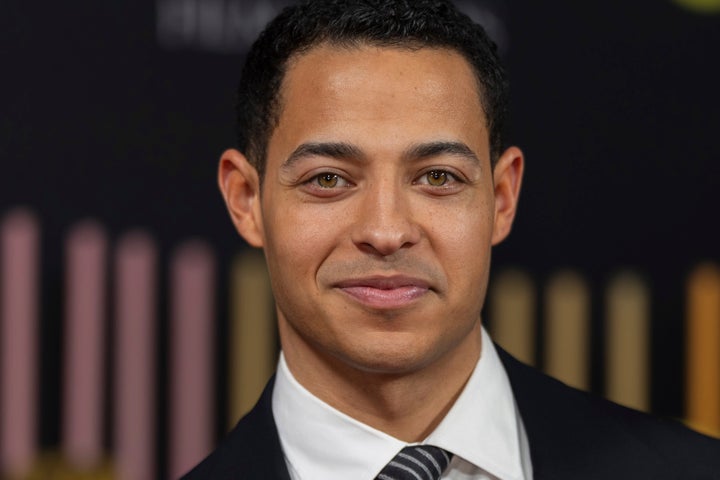
Daryl received a BAFTA nomination for his role as the titular sex worker in Good Luck To You, Leo Grande.
He’s also appeared in Twisters, along with Glen Powell and Daisy Edgar-Jones, and opposite Richard E. Grant in 2023 thriller The Lesson.
Advertisement
Peaky Blinders fans will know him as Finn Shelby’s close pal Isaiah Jesus while he had a key role in Sharon Horgan’s Apple TV+ comedy Bad Sisters and has appeared in other TV series like A Very English Scandal, Cleaning Up, The Wheel Of Time and The Woman In The Wall.
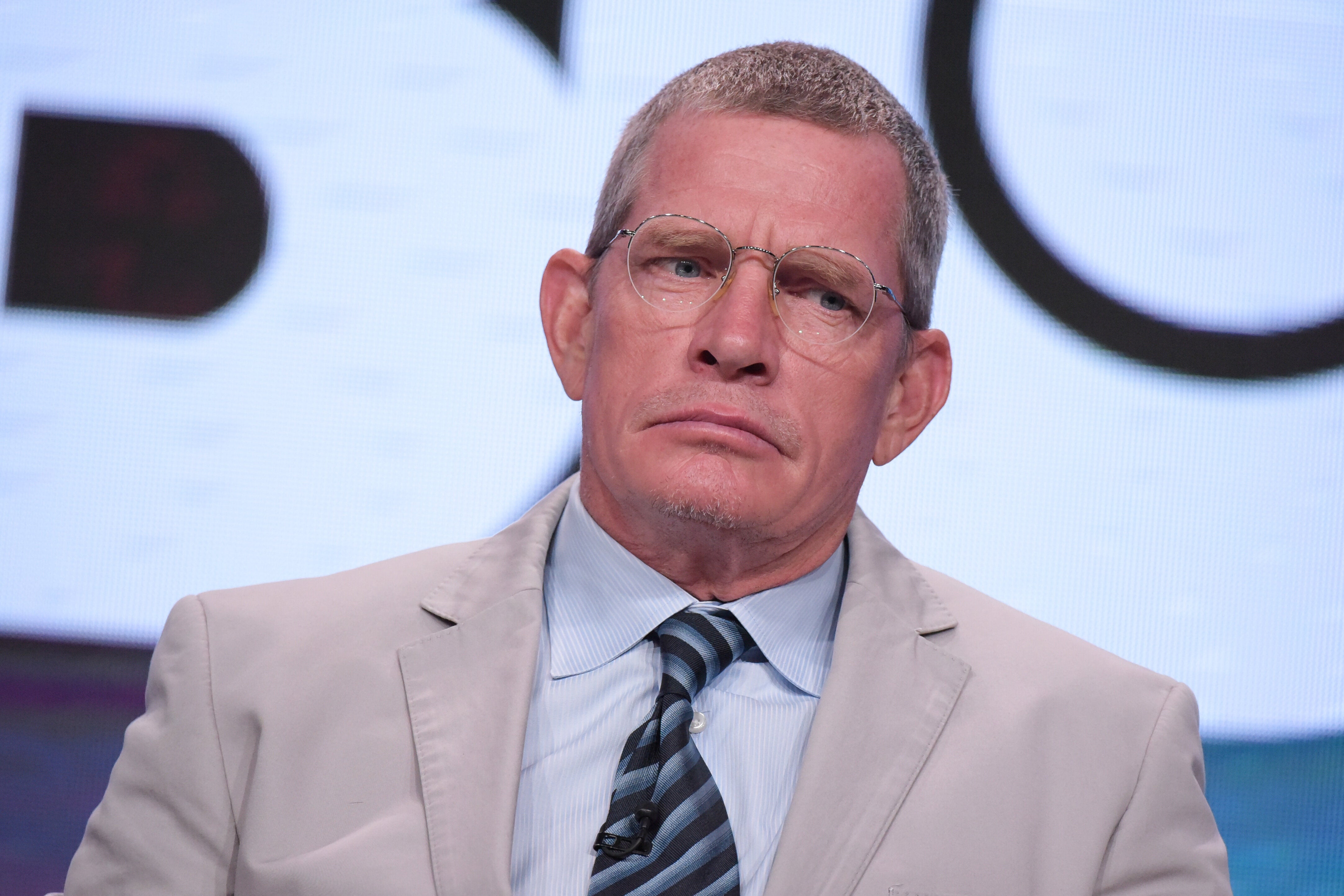
10) Thomas Haden Church
Thomas Haden Church
via Associated Press
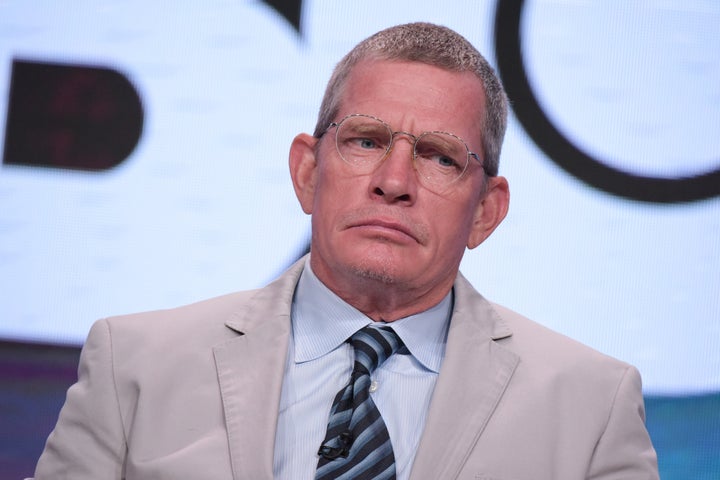
Thomas rose to fame starring in 1990s US sitcoms Wings and Ned And Stacey, with more recent TV roles including Divorce, where he starred opposite Sarah Jessica Parker as a married couple going through a knotty break-up.
Advertisement
He’s most known for his film roles, which include Sideways, Easy A, George Of The Jungle, Smart People while Marvel fans will know him as the villainous Sandman in the Spider-Man films.
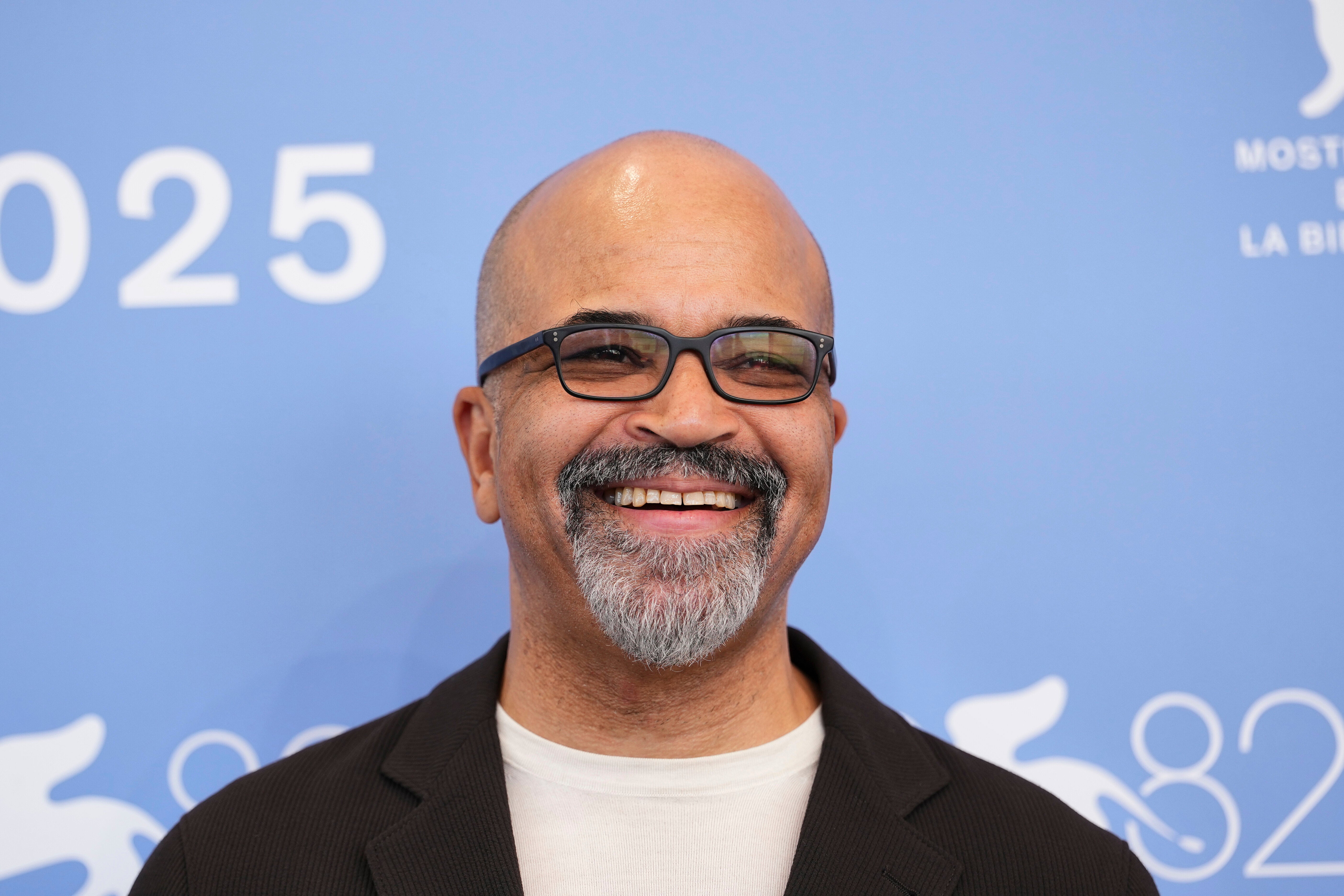
11) Jeffrey Wright
Jeffrey Wright
via Associated Press
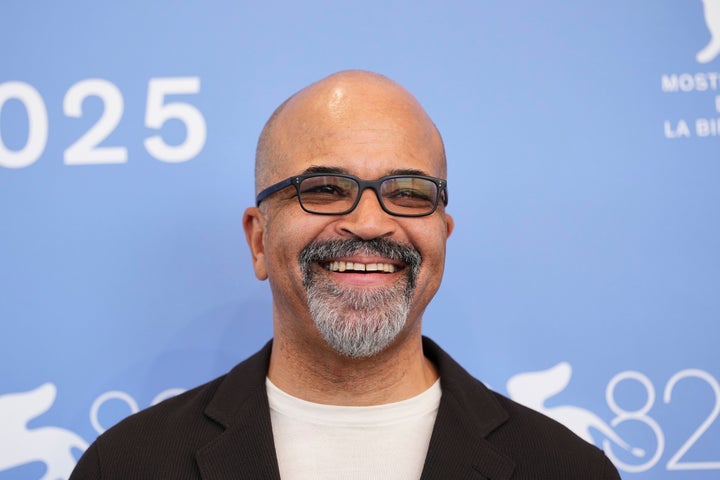
Beginning his career in theatre, Jeffrey picked up a Tony Award for his role in the Broadway production of Angels In America, later adding an Emmy to his mantelpiece after also starring in the TV adaptation.
Advertisement
You might have also seen the actor in Boardwalk Empire, Westworld, The Agency or season two of The Last Of Us.
In film, he recently earned a ‘Best Actor’ Oscar nomination for his appearance in comedy-drama American Fiction.
Jeffrey has had a prolific career in movies before that nomination, having starred in other big-name productions including The Batman, The French Dispatch, Broken Flowers, The Hunger Games films, Daniel Craig’s James Bond films, and Rust.
Advertisement
12) James Faulkner
James Faulkner
Miramax Films / Universal Pictures
James’ Knives Out role isn’t his first brush with the clergy, having played Pope Sixtus IV in the TV series Da Vinci’s Demons and Saint Paul in 2018 film Paul, Apostle of Christ.
On the other side of the spectrum, many will know him as pervy Uncle Geoffrey from the Bridget Jones films, while James has also appeared in Atomic Blonde, Game of Thrones, Downton Abbey and Slow Horses.
Advertisement
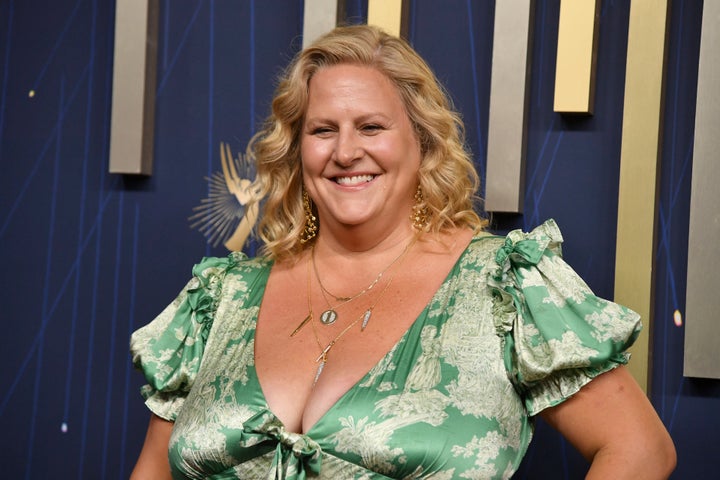
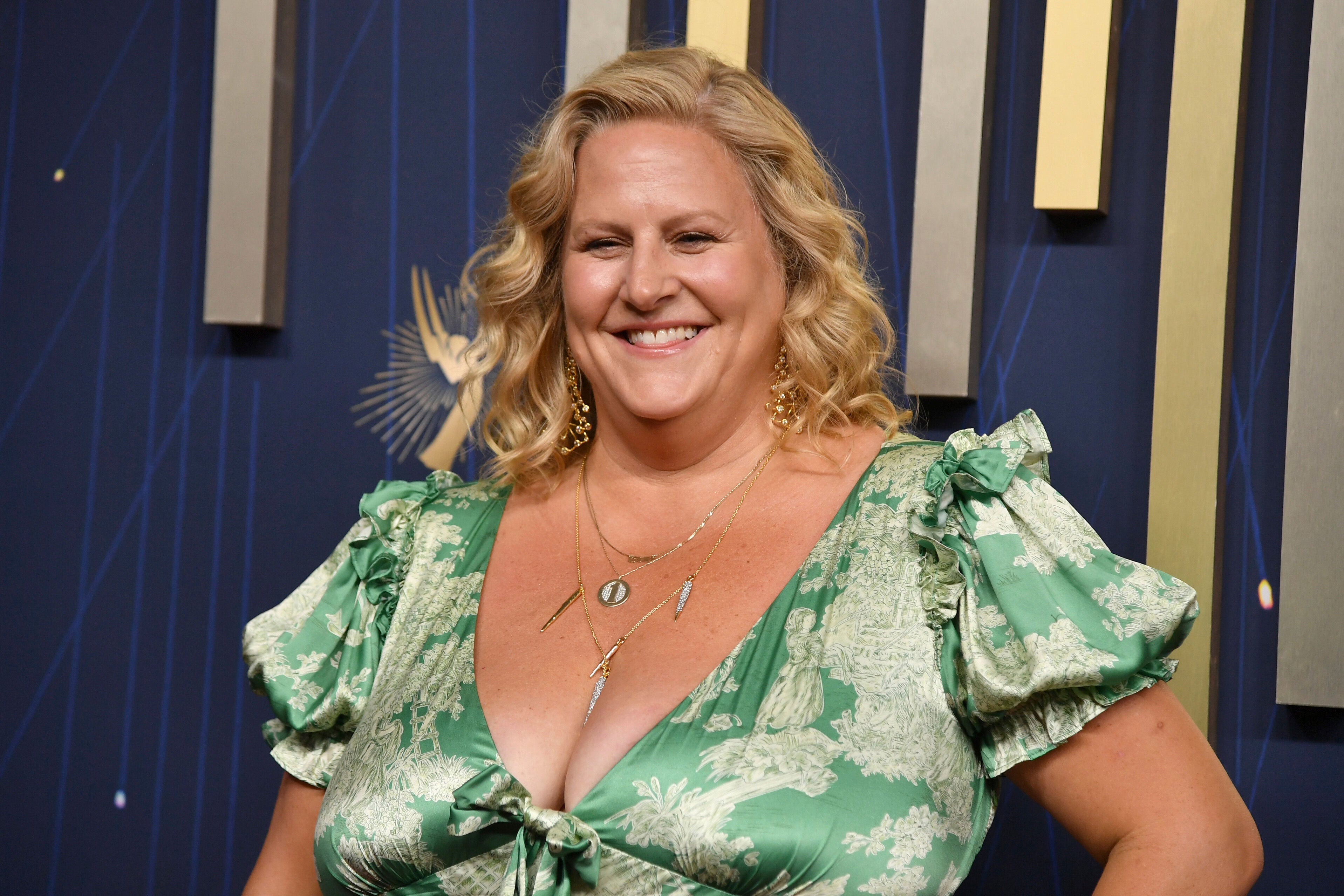
13) Bridget Everett
Bridget Everett
via Associated Press
Not forgetting her role as “drunk party girl” in the Sex And The City movie, Bridget is known for comedy appearances in the likes of Inside Amy Schumer, Trainwreck and Breaking News In Yuba County.
Noah is a Knives Out regular, and also starred in the previous two films, with director Rian Johnson clearly a fan of his work as he also cast him in his movies Looper and Brick.
As well as his collaborations with Rian, Noah appeared in US soap Days Of Our Lives, comedy-horror film Blood Relatives and Star Wars: The Last Jedi.
Whether you love or loathe Christmas, it’s hard to deny just how stressful the season can be. Gathering gifts, decorating, reconnecting with family members and if you’re hosting Christmas Dinner… SO much prepping.
Even with all the best intentions, this stress can really take a toll and prevent you from enjoying the holidays which feels like it defeats the entire point.
Advertisement
Thankfully, one psychologist, Nathan D Iverson PhD has found a way to apply the leadership value of 70-20-10 to holiday stress and you know what? It just might be the solution we’ve been looking for.
The 70-20-10 rule for Christmas stress
70% – ‘hard moments we didn’t choose’
We are ALL familiar with them. An established couple being asked when they’re planning to have a child, a flustered family member trying to please everybody or even just falling back into family dynamics you thought you left behind in childhood.
Petty sibling arguments, anyone?
Iverson says: “For most of my life, and still right now, I’ve experienced these moments as obstacles to a peaceful season. But lately, I’m trying—imperfectly—to see them as part of my growth instead of proof of my shortcomings.
Advertisement
“Psychologists call this a learning orientation—seeing challenges as opportunities to grow rather than threats to avoid. It doesn’t make the moment easier. But it does change how we make meaning of it.”
It sounds like it makes perfect sense but I reckon it’ll take some practice to get used to.
20% – ‘The people who help us make sense of things’
A sneaky heart-to-heart with your favourite auntie or words of wisdom from your mum, these quiet corners of conversation can help us to make sense of our own feelings, according to Iverson.
Iverson says: “Often, they help us laugh a little at ourselves—which is a form of grace we don’t give enough credit.
Advertisement
“I rely on these conversations far more than I admit. They turn holiday tension into insight. Without them, the moment just stays a moment. With them, the moment becomes meaningful.”
10% – ‘The tools we bring with us’
Finally, this is a little work you must do yourself. Learn how to control your stress, your big feelings and how to empathise with even your most frustrating family members.
Iverson assures: “These tools rarely show up perfectly in the moment. But afterward, they help us reflect with less shame and more clarity.
Advertisement
“Knowledge alone doesn’t change us—but it supports the slow work that does.”
The film came out over 20 years ago (2003, would you believe it) and still, Elf is a family favourite in many households. In fact, in an ongoing survey by Newsround, Elf is currently the third most popular Christmas film in the UK, just behind Nativity and Home Alone, which has taken the top spot.
Along with Anchorman which came out in 2004, Elf is one of the films that comedian and actor Will Ferrell is known for. He plays Buddy with such whimiscal charm that it was one of his career-defining roles.
Advertisement
However, the actor wasn’t the first choice for the flick and was actually given it a decade after the original script was written.
The actor originally chosen to play Buddy the Elf
So, the script for Elf was written way back in 2003 by David Berenbaum and according to film website Screen Rant, the role was written with actor Jim Carrey in mind.
This may be surprising but this same year, the actor was filming Ace Ventura: Pet Detective and starring in In Living Color. He really was just about to become a comedy giant in Hollywood. Screen Rant also explain: “Given his wild and zany characters on In Living Color, Carrey was seen as a natural for the goofiness and playfulness needed to play Buddy the Elf.”
Advertisement
While I personally prefer Jim Carrey, it really is hard to imagine anybody but Will Ferrell playing the role and it turns out, the actor thought the exact same.
He and screenwriter Adam McKay took on the script after several years of stagnation and decide to make it themselves with director Jon Favreau. The film originally had a darker tone but this trio made it into the modern fairytale that we see on our screens every year now.
So it’s a good thing Dr Mohammad Ali, a dentist and co-founder of Emerdency, has shared the signs experts can spot in seconds which may reveal changes to your hormone levels.
These are:
1) Gum inflammation that seems to come from nowhere
This may be a sign of pregnancy, Dr Ali said. “Gums look swollen, red and bleed very easily even when brushing and cleaning are good, which can suggest that hormones are making the tissues more reactive to plaque.”
This may happen, the expert explained, because “Progesterone and oestrogen increase blood flow levels to the gum tissues and make them more reactive to plaque.”
Advertisement
Additionally, “Thyroid disorders can also interfere with tissue healing, so gums can become inflamed more quickly and take longer to recover.”
“If a patient’s tongue seems to be textured or sticky and saliva is low,” especially if the person’s dental hygiene is generally good, Dr Ali said dentists may begin to suspect “menopause, low oestrogen, ongoing high stress, and certain medications or medical conditions”.
Advertisement
He added, “Low oestrogen can reduce saliva production in many women. Saliva is key to protecting teeth, so menopausal women may notice more frequent cavities and greater sensitivity than before”.
And, he added, saliva production is linked to our parasympathetic, or “rest and digest,” system. Overproduction of stress hormones like cortisol “can disrupt these pathways and reduce saliva flow in many people.
“Dry mouth has also been linked to burning mouth syndrome, another condition linked to menopause.”
3) Jaw cleaning, cracked enamel, and worn teeth
This may be linked to elevated stress levels (and the overproduction of associated hormones) as well as poor sleep, said the dentist.
Advertisement
“When dentists examine teeth at a check-up, they can usually see clear signs of grinding, such as tiny fractures, flat edges and chipped enamel.
“These are classic signs of clenching or grinding, which are commonly linked with chronic stress and restless sleep, although there can be other contributing factors as well.”
4) Unexplained bad breath
“Bad breath is not always about brushing routines,” Dr Ali shared.
It can also be caused by “metabolic and hormonal factors,” like insulin resistance and PCOS, which “may alter the balance of bacteria in the gut and mouth”.
Advertisement
Hypothyroidism, too, “lowers metabolic rate and slows saliva production, letting odour-causing bacteria thrive,” he added, while “elevated ketones from blood sugar imbalance,” sometimes caused by insulin issues, “can also change breath smell”.
5) Enamel erosion that seems linked to stomach acid
And, Dr Ali said, some hormonal shifts can create acid reflux. “Hormones can contribute to acid reflux, especially progesterone in pregnancy and stress hormones such as cortisol during extreme stress.
“Progesterone relaxes the lower oesophageal sphincter, which can increase reflux. Stress hormones such as cortisol can increase stomach acid and make reflux symptoms worse in susceptible people.”
Advertisement
6) Mouth ulcers and slow-healing sores
“Drops in oestrogen are thought to weaken mucosal barriers and make tissues more prone to irritation,” which could lead to more ulcers in eg menopause and perimenopause.
And, the dentist added, “persistently raised cortisol can interfere with the activity of immune cells that look after wound repair,” meaning stress may prevent your sores from healing as quickly as usual.
“When hormones are out of balance, small injuries in the mouth may take longer to heal, and ulcers may appear without any clear trigger.” Autoimmune conditions may slow the healing process, too.
Advertisement
What should I do if I think I have hormone-related dental issues?
“People are often surprised by how much their mouth can hint at what is going on in the rest of the body. As a dentist, I cannot diagnose hormone conditions from your teeth alone, but I can spot patterns that suggest it is worth speaking to your GP or practice nurse,” Dr Ali ended.
He recommended keeping a diary of your symptoms, asking a GP for a hormone or blood test if symptoms continue, visiting a dentist if you have any dental concerns, increasing your hydration if you have a dry mouth, and using a fluoride toothpaste to protect your enamel.