Decoding the language of immune responses

Researchers from McGill University and the US National Cancer Institute (NCI) have made some surprising discoveries about our immune system. By using mathematical modelling to look at specific aspects of immune responses in mice and humans, their data-driven approach, described in a recent article in Science, reveals that immune responses may exist on a finer spectrum than had previously been believed. The results also suggest that in the battle between a body’s defenses and intruders, the messengers are key. These findings could advance cancer and other immunotherapy treatments.

Fever, cough, sore throat — symptoms in the spotlight in the era of COVID-19 — are just some of the tell-tale signs of our body’s immune system kicking into action against an unwanted intruder. Whether triggered by an infection, an allergen, or a vaccine, immune responses are driven by a complex array of cellular processes that can play out over several days or even weeks.

A lot is known about the overarching processes at play in immune responses. But because of the sheer numbers of variables involved, pinpointing what to focus on to develop treatments or vaccines proves very much like looking for a needle in a haystack. This may now change thanks to a new study by researchers from McGill University and the US National Cancer Institute (NCI), published recently in Science.

It focused on a fundamental process in the immune system: the role of proteins called cytokines in signalling and kickstarting a body’s responses.

The crucial role of the messengers

Our immune system is often characterized as a battle. Certain critical white blood cells (called T cells) travel through the bloodstream and lymphatic systems and into tissues, searching for traces of microorganisms and other invaders known as antigens. To avoid attacking healthy cells indiscriminately, T cells circulate until they recognize a specific antigen; only then do they send out messengers in the form of cytokines to activate an alert system and signal that all is not well.

“You might think that there are many, very different parameters in the immune response that are crucial — for instance, the number of T cells produced to fight the invaders might vary, or the number of invaders (antigens) themselves,” explains Paul François, the McGill biophysicist who led the data analysis team, which included McGill physics PhD students François Bourassa and Thomas Rademaker. “But the big surprise is that, actually, what really matters is antigen strength.”

Crunching numbers helps pinpoint essentials

Until now, it has been difficult to measure antigen strength — seen in how effectively an antigen triggers T cells to respond — independently of the quantity of an antigen present in any given experiment.

But by using a data-driven approach, and thanks to the crucial collaboration with the NCI, François and his colleagues have been able to decode the highly variable phenomenon of cytokine production to give a reliable readout of antigen strength. This is potentially very useful for predicting how well a vaccine candidate or immunotherapy drug might work.

To study this phenomenon in detail, the NCI researchers, led by Grégoire Altan-Bonnet, developed a robotic platform to perform dozens of experiments at once, exposing T cells to various antigens and conditions. Sooraj Achar, a graduate student in the Altan-Bonnet lab, optimized the automated system in order to gather vast amounts of data in a fraction of the time it would have taken to do the same experiments by hand.

“Assembling a comprehensive map of the dynamics of cytokines generated by T cells in very diverse settings present a challenge and an opportunity to better understand how T cells “see” the antigenic world, and orchestrate immune responses,” pointed out Altan-Bonnet.

The McGill members of the team then used machine learning to process the data generated by those experiments, and mathematical models to capture meaningful patterns in the data. This data-driven modelling revealed surprisingly simple rules at the heart of what otherwise might appear to be a highly complex process subject to multiple variables.

A spectrum of immune reactions?

The analysis also showed that patterns of cytokine release carried information about the type of antigen encountered and distinguished six distinct cellular responses rather than the three types usually recognized.

“This supports the idea that immune responses exist along a spectrum rather than as a binary on-off switch,” adds François. “There may be different levels of immune response that can be tuned to the right level of alert depending on the complexity of the situation.”

This new understanding is likely to enhance strategies for immunotherapies that rely on T cells engineered to target the tumors of a patient.


Share Button

Scientists show that at least 44 percent of Earth’s land requires conservation to safeguard biodiversity and ecosystem services

New research published in the June 3, 2022 journal Science reveals that 44 percent of Earth’s land area — some 64 million square kilometers (24.7 million square miles) requires conservation to safeguard biodiversity.

The team, led by Dr James R. Allan from the University of Amsterdam, used advanced geospatial algorithms to map the optimal areas for conserving terrestrial species and ecosystems across the world. They further used spatially explicit land-use scenarios to quantify how much of this land is at risk from human activities by 2030.

“Our study is the current best estimate of how much land we must conserve to stop the biodiversity crisis — it is essentially a conservation plan for the planet,” said lead author James Allan. “We must act fast, our models show that over 1.3 million km2 of this important land — an area larger than South Africa — is likely to have its habitat cleared for human uses by 2030, which would be devastating for wildlife.”

The work has important policy implications since governments are currently negotiating a post-2020 global biodiversity framework under the Convention on Biological Diversity, with new goals and targets for biodiversity which will hopefully come into effect later this year. This will set the conservation agenda for at least the next decade, and governments will have to report progress against these targets on a regular basis.

“More than a decade ago, governments set a global target to conserve at least 17 per cent of terrestrial areas through protected areas and other site-based approaches for improving the status of biodiversity and ecosystems,” explains co-author Dr Kendall Jones, Conservation Planning Specialist at the Wildlife Conservation Society. “However, by 2020 it was clear that this was not enough for halting biodiversity declines and averting the biodiversity crisis.”

A high-profile target being now discussed for 2030 is that nations should conserve 30% of their land through protected areas and other site-based approaches.

Added Jones: “While this is a great step in the right direction, our study suggests that more ambitious goals and policies to maintain ecological integrity beyond this 30% target are crucial. If nations are serious about safeguarding biodiversity and ecosystem services that underpin life on Earth, then they need immediately to scale-up their conservation efforts, not only in extent and intensity but also in effectiveness.”

The authors said the study provides essential information for conservation and development planning, and can help guide future national and global conservation agendas. They also emphasized that all the identified land should not necessarily be designated as protected areas, but rather managed through a wide range of strategies for species and ecosystem conservation, including including other effective area-based conservation measures, and effective sustainable land-use policies when appropriate.

“Conservation actions that promote the autonomy and self-determination of people living on this land, whilst also maintaining ecological integrity are crucial,” said Dr Allan. “We have many effective conservation tools available, from empowering Indigenous Peoples to manage their natural environment, through to policies that limit deforestation or provide sustainable livelihood options, and of course protected areas.”

Story Source:

Materials provided by Wildlife Conservation Society. Note: Content may be edited for style and length.

Share Button

The consequences of climate change in the Alps are visible from space

Global warming has a particularly pronounced impact on the Alpine region. Like the Arctic, this European mountain range is becoming greener. Writing in the journal Science, researchers from the University of Lausanne and the University of Basel have now used satellite data to show that vegetation above the tree line has increased in nearly 80% of the Alps. Snow cover is also decreasing, albeit so far only slightly.

Melting glaciers have become a symbol of climate change in the Alps. Now, the reduction in snow cover is already visible from space but this is by no means the biggest change. This is the conclusion of a research team led by Professor Sabine Rumpf from the University of Basel and Professor Grégoire Mariéthoz and Professor Antoine Guisan from the University of Lausanne.

Working with colleagues in the Netherlands and Finland, the researchers investigated the change in snow cover and vegetation using high-resolution satellite data from 1984 to 2021. Over this period, plant biomass above the tree line increased in more than 77% of the observed area. This phenomenon of “greening” due to climate change is already well documented in the Arctic and starts also to be detected in mountains.

Greater plant biomass in three-quarters of the Alps

“The scale of the change has turned out to be absolutely massive in the Alps,” says Sabine Rumpf, lead author of the study and, since February, assistant professor at the University of Basel. The Alps are becoming greener because plants are colonizing new areas and the vegetation is generally becoming denser and taller.

Previous studies have primarily focused on the influence of global warming on Alpine biodiversity and changes in the distribution of plant species. Until now, however, no one had conducted such a comprehensive analysis of the changes in vegetation productivity in the Alps. The authors show that the increase of plant biomass is primarily due to changes in precipitation and longer vegetation periods as a result of rising temperatures.

“Alpine plants are adapted to harsh conditions, but they’re not very competitive,” says Rumpf. As environmental conditions change, she says, these specialized species lose their advantage and are outcompeted: “The unique biodiversity of the Alps is therefore under considerable pressure.”

Already a slight reduction in snow cover

In contrast to vegetation, the extent of snow cover above the tree line has only changed slightly since 1984. For their analysis, the researchers excluded regions below 1.700 meters, glaciers and forests. In the remaining regions, they found that snow cover had decreased significantly in almost 10% of the area. This may not sound like a lot, but the researchers are keen to highlight that it is nevertheless a worrying trend.

“Previous analyses of satellite data hadn’t identified any such trend,” explains Antoine Guisan, one of the two senior authors of the study. “This may be because the resolution of the satellite images was insufficient or because the periods considered were too short.”

“For years, local ground-based measurements have shown a decrease in snow depth at low elevations,” adds Grégoire Mariéthoz. “This decrease has already caused some areas to become largely snow-free.” Based on the satellite data, it’s possible to distinguish whether a specific area is covered with snow or not, but doesn’t allow to draw conclusions about snow depth.

As global warming continues, the Alps will turn more and more from white to green, creating a vicious circle: “Greener mountains reflect less sunlight and therefore lead to further warming — and, in turn, to further shrinkage of reflective snow cover,” says Rumpf. Warming also causes further melting of glaciers and the thawing of permafrost, which may lead to more landslides, rockfalls and mudflows. Furthermore, Rumpf emphasizes the important role of snow and ice from the Alps in the supply of drinking water and, not least, for recreation and tourism.

Story Source:

Materials provided by University of Basel. Note: Content may be edited for style and length.

Share Button

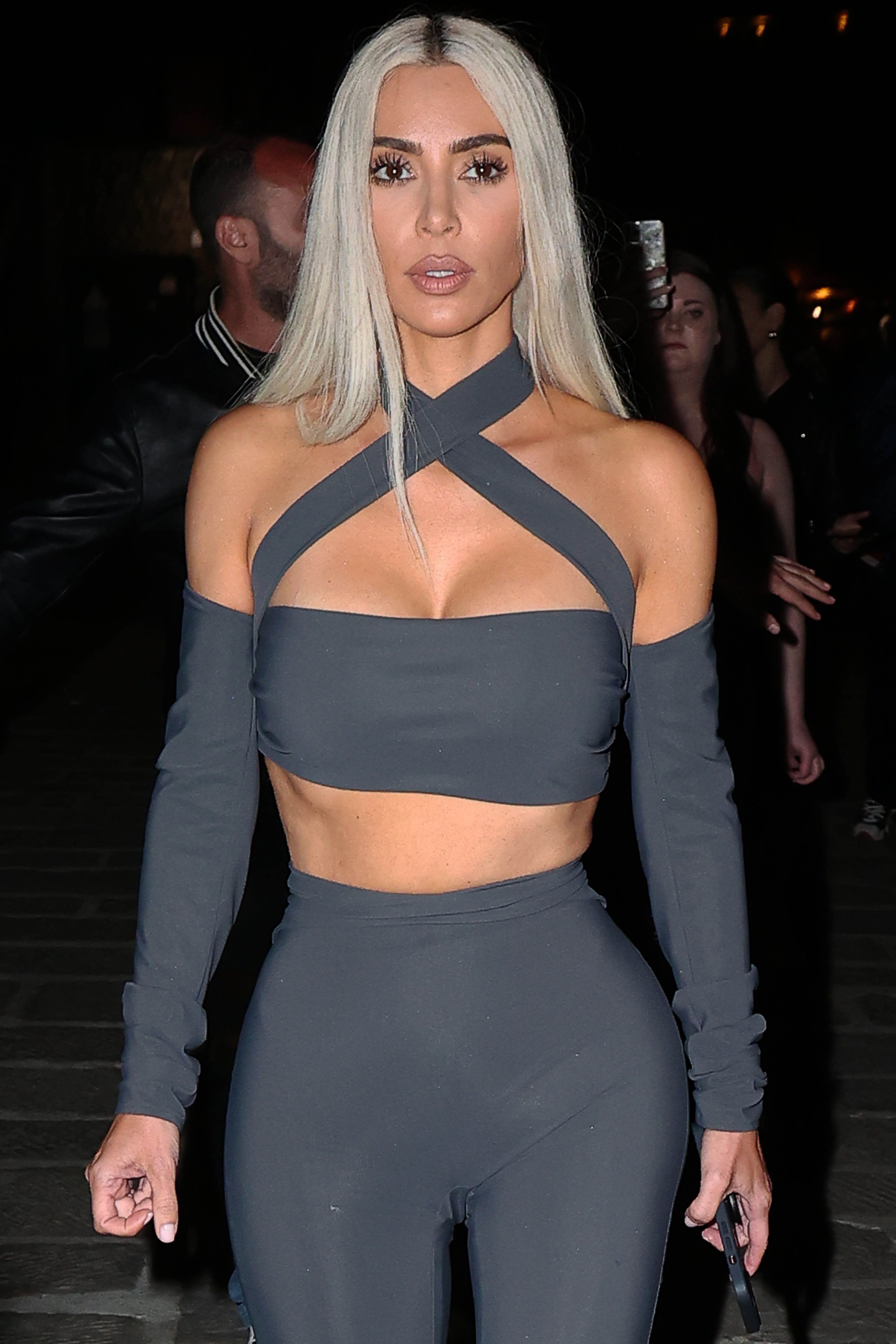
Kim Kardashian Says She’d Consider Eating Poo To Look Younger

“I’ll try anything,” the beauty and reality TV mogul told The New York Times in a recent interview about her new skin care line.

“If you told me that I literally had to eat poop every single day and I would look younger, I might. I just might.”

The new line, SKKN by Kim, is a nine-product skin routine mirroring her own elaborate regimen: cleanser, toner, exfoliator, hyaluronic acid serum, vitamin C serum, face cream, eye cream, oil drops and night oil. The brand launches next month and joins her existing makeup and shapewear lines, KKW Beauty and Skims.

The nine items come to an eye-popping total of $630, which Kim told the Times was necessary in order to include the ingredients she wanted.

She said she uses the products on her neck and décolletage all the way “down to my nipples.”

The Times clarified that, as yet, “excrement is not one of the ingredients in Ms. Kardashian’s new skin care line”.

Share Button

5 Common Morning Habits That Actually Ruin Your Sleep

You’re reading First Thing, the HuffPost UK series helping to make your mornings happier and healthier.

Getting enough sleep is critical for physical and emotional well-being, but so many people fall short. The US Centers for Disease Control and Prevention estimates that a whopping one in three Americans don’t get enough sleep on a regular basis. (For reference: adults should be aiming for at least seven hours.)

Of course, many factors go into a person’s ability to get sufficient rest, from work and family schedules to sleep hygiene.

With that in mind, here are five common mistakes a lot of people make in the morning that affect their ability to fall asleep – and stay asleep – later on:

1. You’re drinking too much caffeine

Obvious? Sure. But drinking too much caffeine in the morning can throw your entire sleep routine off track.

In general, most healthy adults can safely have up to 400mg of caffeine a day. That’s the equivalent of roughly four cups of brewed coffee or two energy drinks, if that’s your thing. Remember, though: caffeine levels in energy drinks can vary widely, and there are serious concerns about their potential impact on the body.

The effects from caffeine generally kick in within 15 minutes and peak about an hour later.

“Six hours after caffeine is consumed, half of it is still in your body,” according to the Cleveland Clinic. “It can take up to 10 hours to completely clear caffeine from your bloodstream.”

That means you can absolutely have a few cups of coffee in the morning and still be feeling them by dinnertime.

Also, keep in mind that some people are particularly sensitive to caffeine. So try cutting back for a bit to see how that affects your ability to get sufficient ZZZs.

2. You’re waking up at totally different times every day

Sleeping in when you can is glorious, yes. But it can also take a toll on your broader sleep patterns. Many sleep experts suggest that people set a standard wake time and stick with it to the best of their ability, even on the weekends.

Why? If you sleep for a few extra hours on a Sunday, for example, you might not be tired again until much later than usual – which means your bedtime is thrown off and you’re likely to be pretty darn tired when you wake up early for work on Monday.

An irregular sleep schedule can also increase your risk of what experts call “social jet lag” – basically, the discrepancy between your body’s natural sleep schedule (i.e., circadian rhythm) and your social schedule, which throws off the midpoint of your sleep and has been linked to health issues such as increased inflammation and higher risk of depression.

On the other hand, there can be benefits to catching up on sleep during the weekends, especially if you have a big sleep debt. To the extent it’s possible, however, try not to make it a regular thing.

3. You’re not exposing yourself to natural light

Sleep is governed by our circadian rhythms (which also influence everything from hormone regulation to body temperature). And the sun’s cycle has a huge impact on those rhythms day to day.

Your body’s circadian clock is most sensitive to light starting about two hours before your usual bedtime and lasting throughout the night up until about one hour before your usual wake time, per the CDC.

“Exposure to light during these times will affect when your body naturally gets sleepy and is ready to fall asleep,” the CDC says.

What all of this means is that exposing yourself to plenty of bright light in the morning can help shift your bedtime earlier; by the evening, you’re more likely to be sleepy and primed for rest.

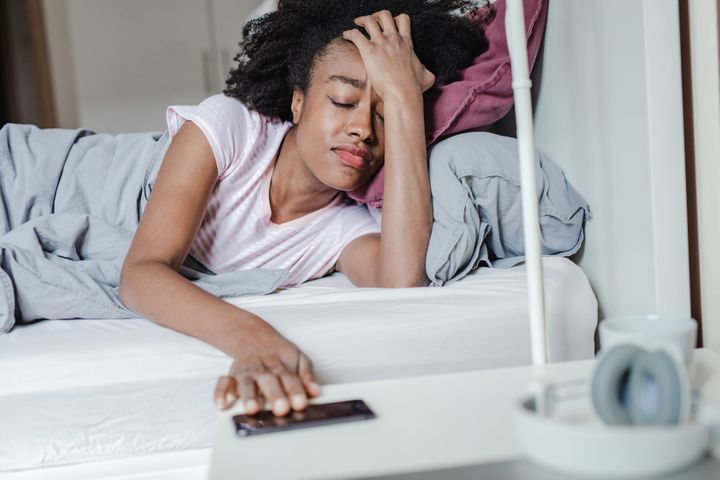
If you're waking up on the wrong side of the bed, your morning routine might be to blame.

blackCAT via Getty Images

If you’re waking up on the wrong side of the bed, your morning routine might be to blame.

4. You’re not making a to-do list

Creating a to-do list is one of the most powerful things you can do to stay on track throughout the day. It can also be an effective way to combat anxiety that often creeps up at bedtime and makes it hard to fall asleep.

Not all to-do lists are created equal, though. First and foremost, it’s a good idea to write it down.

“When you try to manage your to-do list in your head, you’re likely to forget items,” HuffPost senior reporter Kelsey Borresen previously wrote. “Jotting it down on paper (or digitally in your Notes or other mobile app, if you prefer) gives you something concrete to refer to when your brain feels like mush.”

Also, make sure it’s realistic. Try to focus on three to five things you can actually accomplish, experts say. It’s a plan, not a wish list.

5. You’re glued to your phone

Checking your phone immediately after waking means you’re letting someone else dictate what’s on your mind first thing. And that can set the tone for the rest of the day – right up until your bedtime.

“If we wake up and we check our phone and there’s an email from our boss that says, ‘we need to talk,’ or there’s an email from a client who’s like, ‘Hey, can I call you later?’ we can go straight from our slumber into panic mode, where your heart is racing,” Susie Moore, a life coach and author of “Let It Be Easy: Simple Ways To Stop Stressing And Start Living,” previously told HuffPost.

At that point, it can be a lot more difficult to return to a calm “intentional” state, Moore said, which can have ripple effects. So do yourself a favor and set the tone for the day by using an alarm clock rather than relying on your phone to wake you up. And try your best to make sure the time when you wake up and before you go to bed is phone-free.

First Thing is a series on HuffPost UK Life giving you tips and advice on how to enjoy your mornings. Whether you’re an early bird or night owl, starting your day off right will make for a happier and healthier day. We’ll be sharing exercise advice, nutrition guidance, as well as ideas on forming new habits. (And no, the answer to a productive morning isn’t just setting an alarm for 5am!)

Share Button

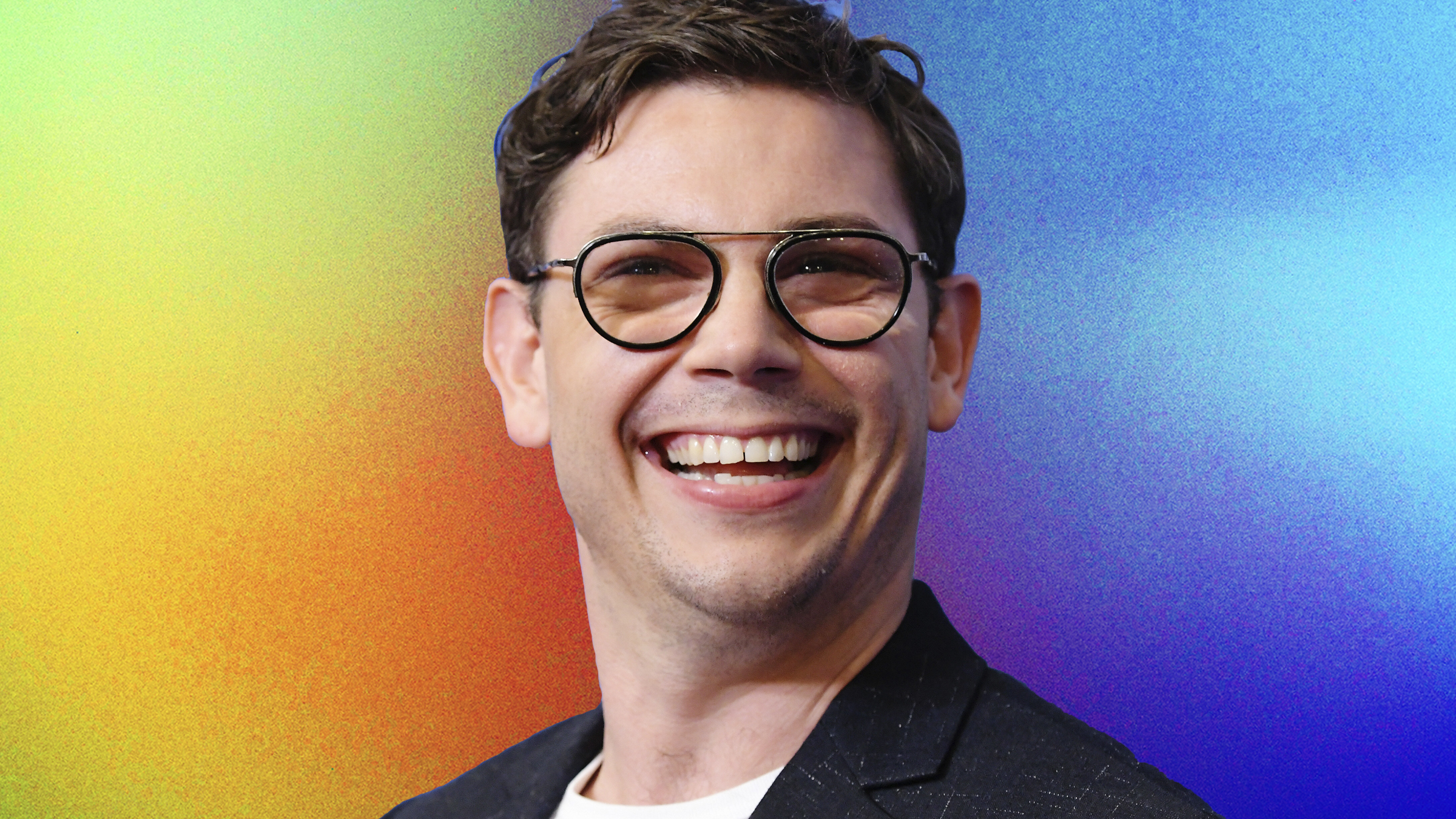
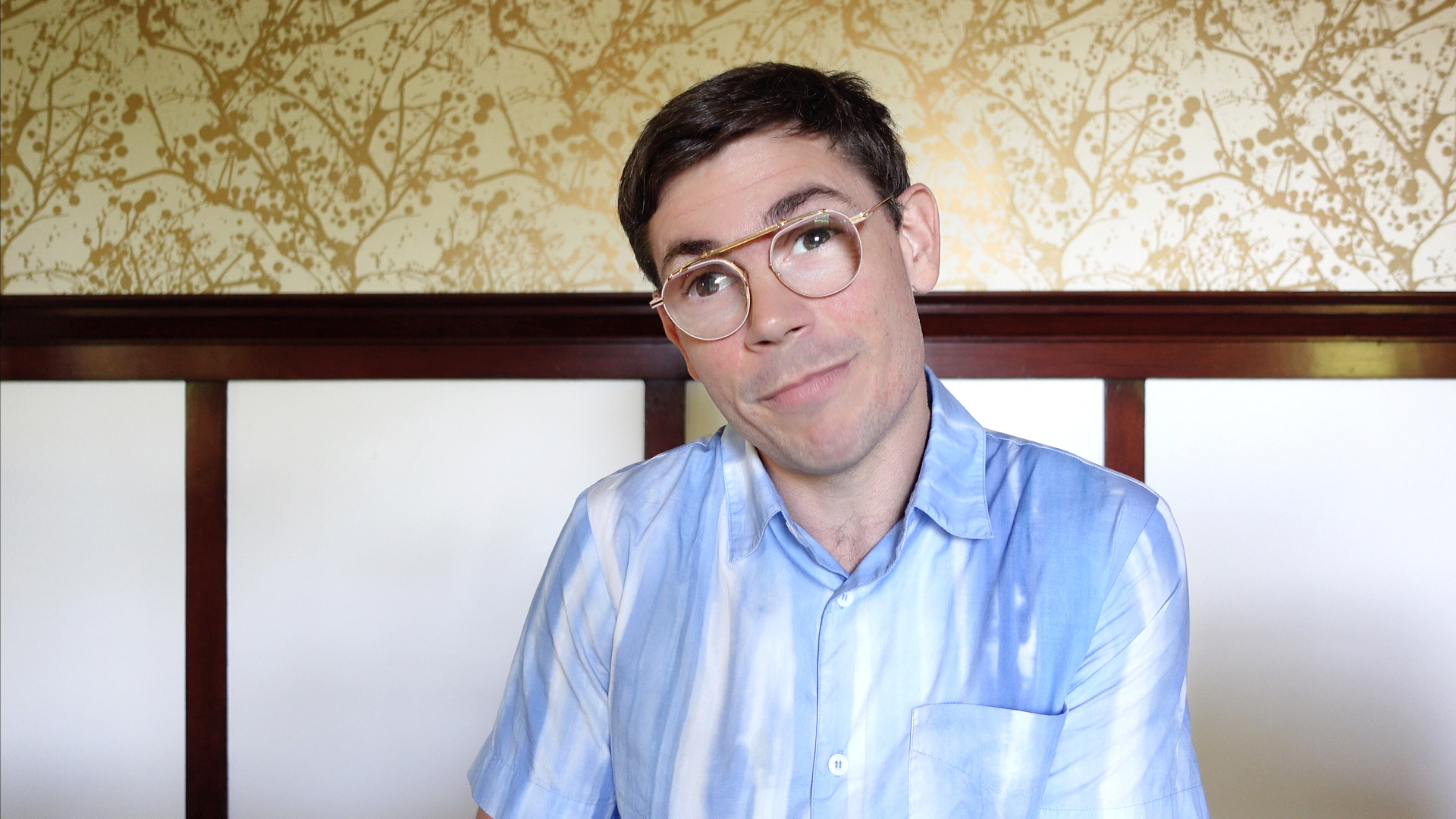
Ryan O’Connell: ‘It’s A Scary Time, But More People Are With Us Than Against Us’

To say the past couple of years have been busy for Ryan O’Connell. Last year saw the second season of his sitcom Special – the sitcom he co-created and starred in – debuting on Netflix to huge acclaim, after which it was revealed he’d joined the cast of the much-awaited Queer As Folk remake.

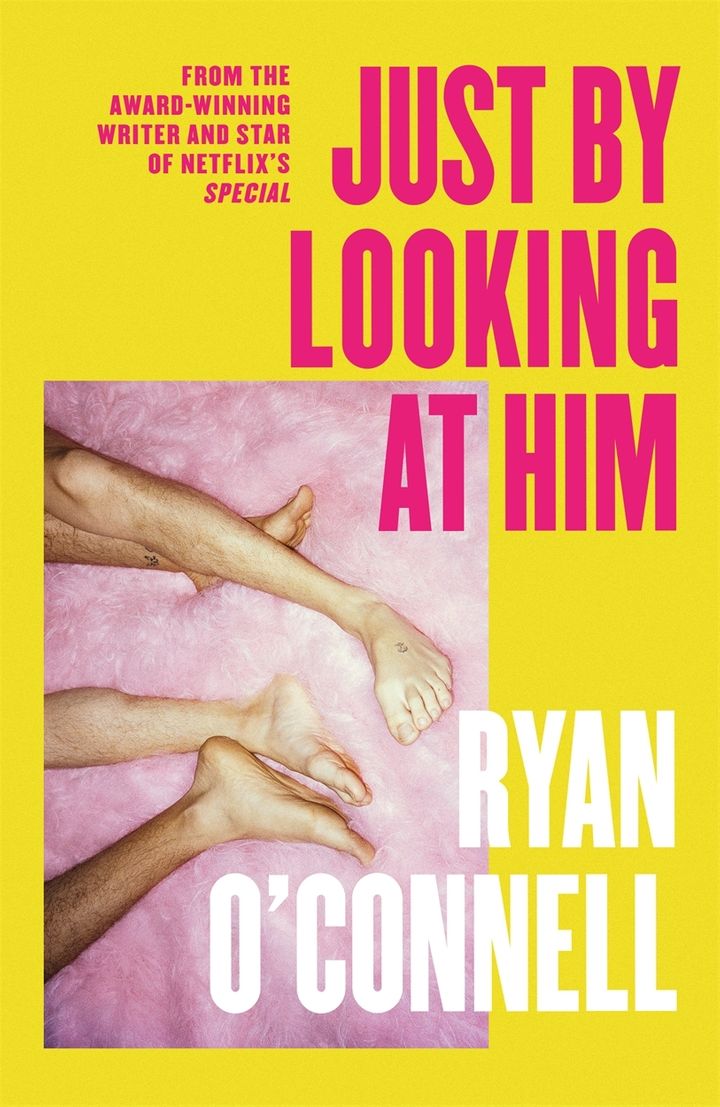
On top of that, he’s also about to release his first novel, Just By Looking At Him, which he’s already working to have adapted for the big screen.

It’s been an exciting time for Ryan, he tells HuffPost UK, but not one he’s in a particular rush to repeat.

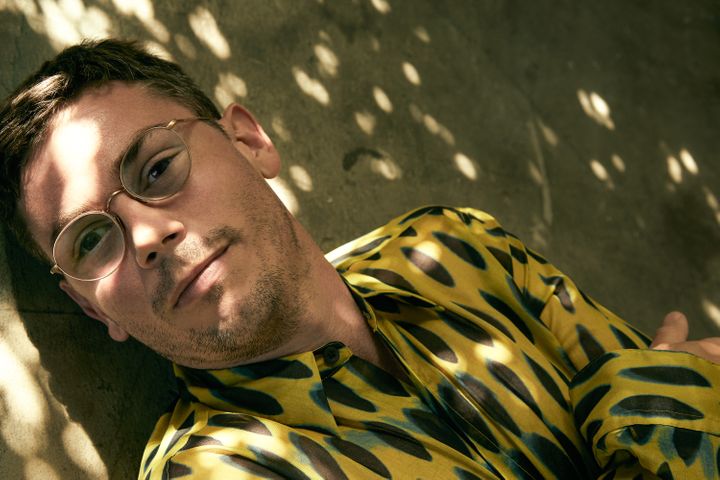
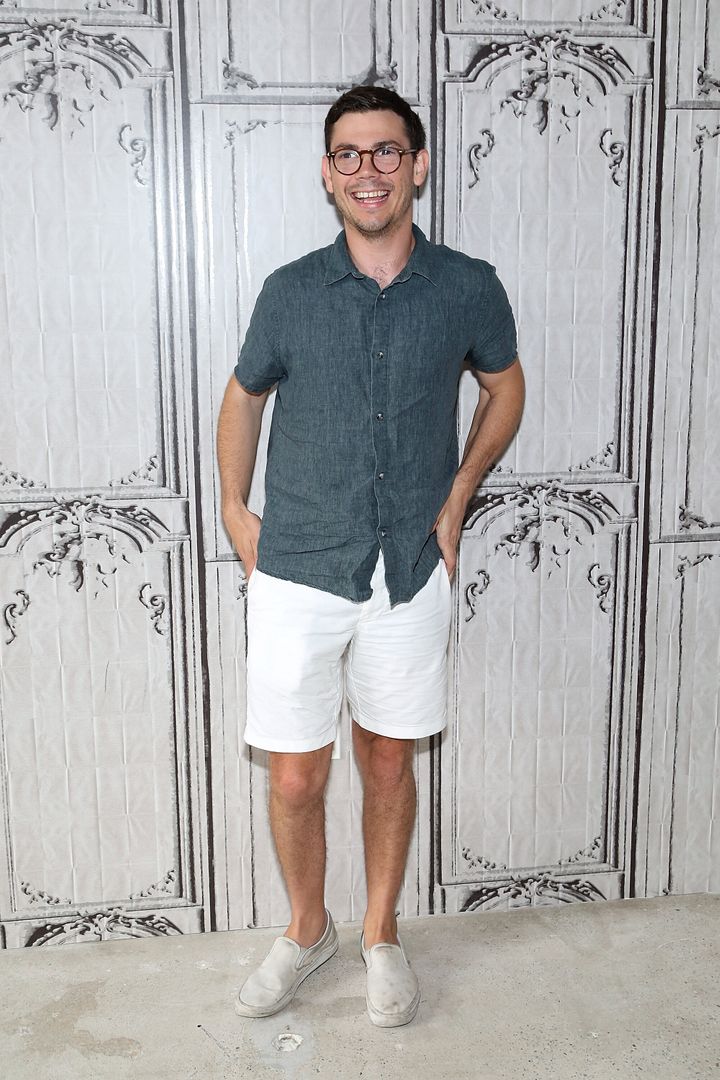
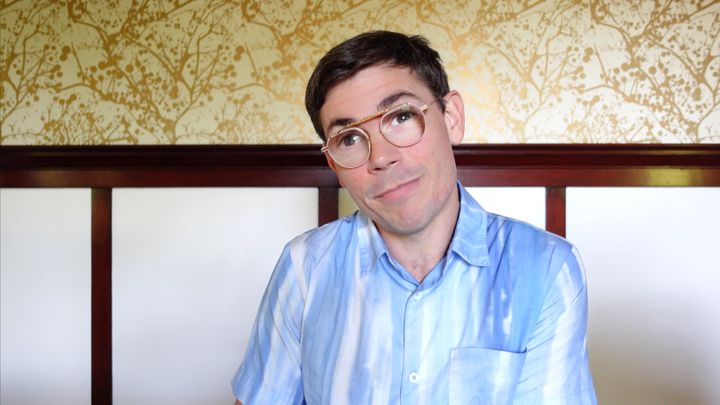
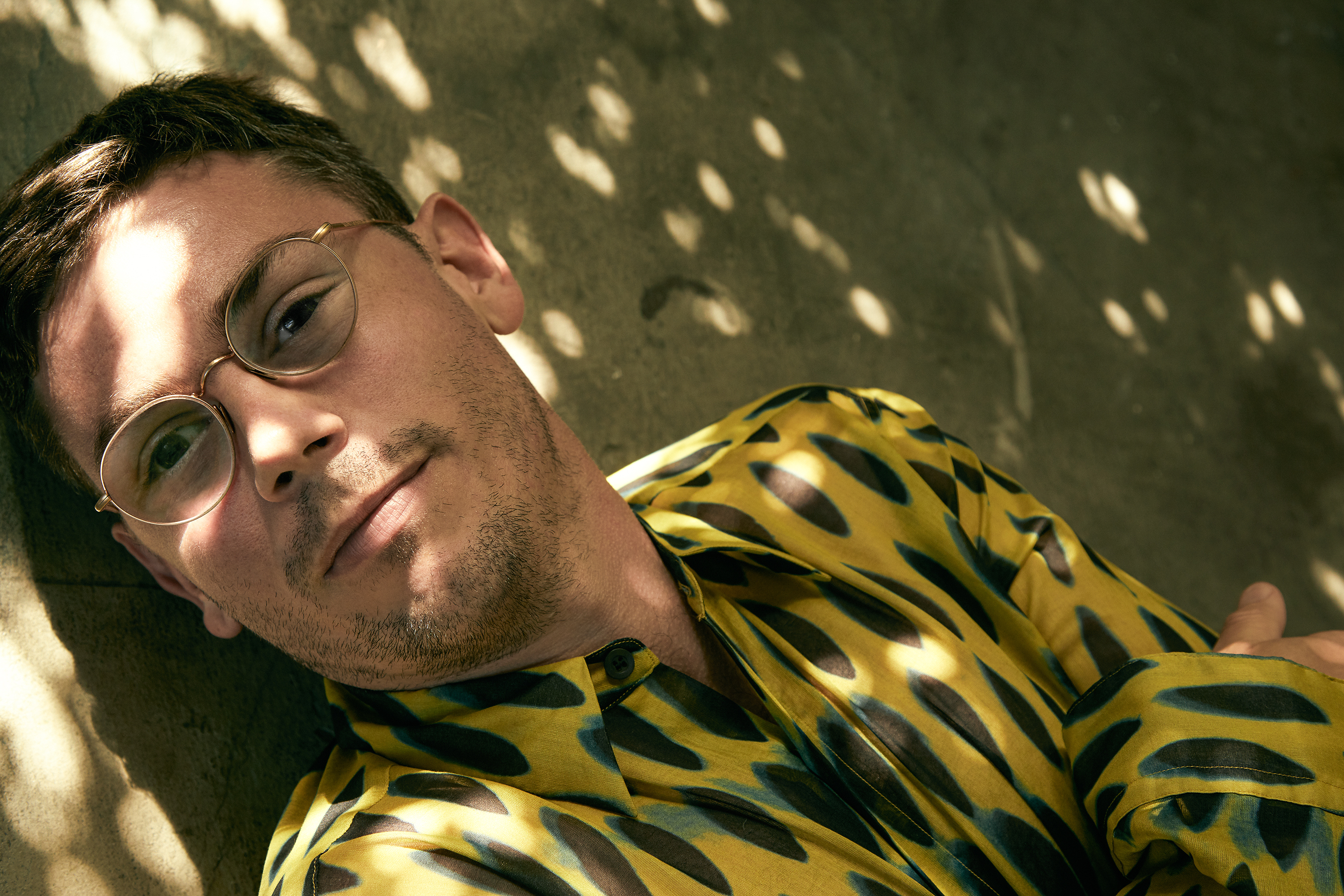
Ryan O'Connell
Ryan O’Connell

Aaron Jay Young

“I can’t have a couple of years like that ever again,” he admits. “I was working so much that I truly felt like I was hanging on by a thread.

“I’m really glad that [projects I’ve worked on] are coming out, but a lot of this stuff that we’re talking about now was born from the pandemic, and trying to stave off existential dread and channel that into work. And now I’m kind of like… oh, I want to have fun. See my friends, and live laugh love.”

It's fair to say these past two years have been especially busy for Ryan
It’s fair to say these past two years have been especially busy for Ryan

Monica Schipper via Getty Images

And while Ryan has enjoyed being “a lady of leisure”, he’s already looking to the future, and says directing is the next challenge he hopes to pursue.

“I’d never really taken that time for myself where I really, truly did nothing. But being a lady of leisure only works if you know that it’s finite,” he says.

“It was really fun, but because I’m a Virgo, I was then like, ‘OK, back to work’. It was also nice to do that knowing I was about to go into the press cycle for the novel and Queer As Folk.”

To launch our new Pride interview series, we spoke to Ryan about the queer TV that made him feel seen when he was growing up, befriending his ultimate queer icon and being the “Kris Jenner of Gen Z”…

Who was the first queer person you can remember looking up to?

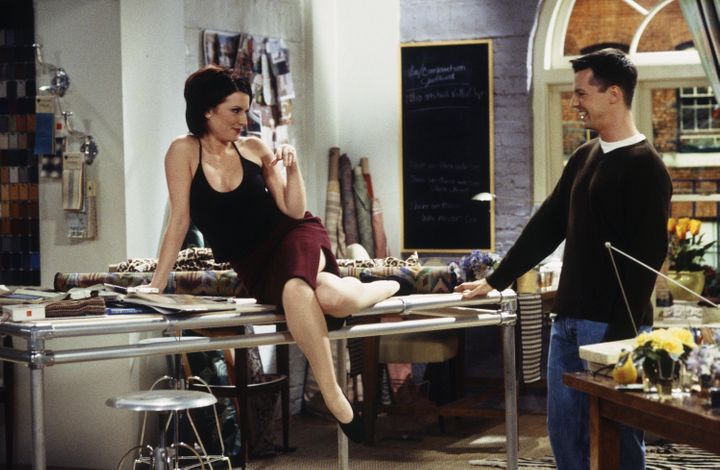
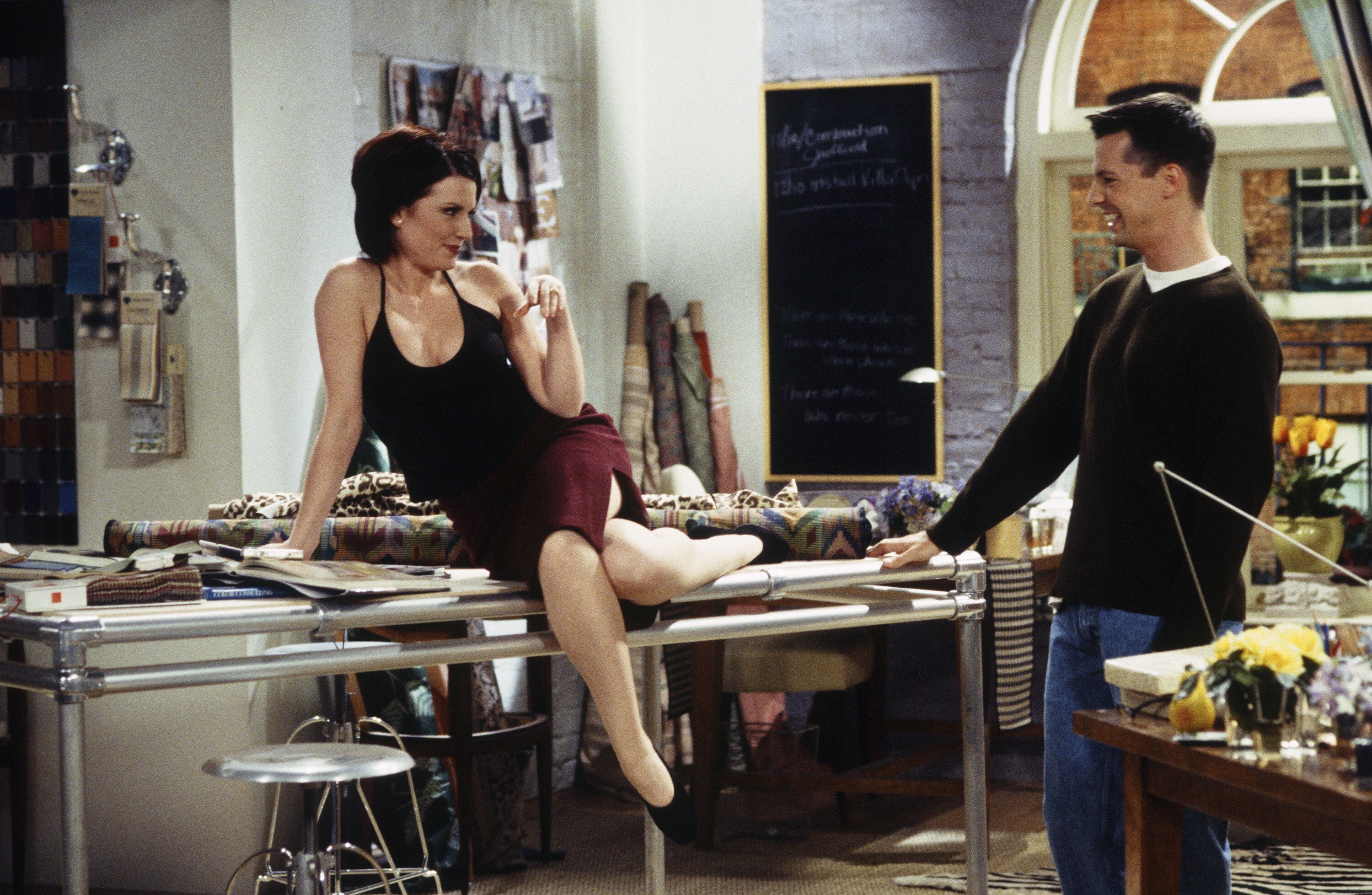
Megan Mullally and Sean Hayes in Will & Grace

NBC via Getty Images

There was a show on The WB called Popular, it was actually Ryan Murphy’s first show. And Mary Cherry and Nicole Julian, while not gay men, essentially were gay men. They were these really bitchy high schoolers that were, like, hellbent on destruction and being Machiavellian, and they were the most glamorous, insane characters I’d ever seen on TV.

I was maybe 12 years old when the show came out, and I had no idea about what a “queer sensibility” was until I saw that show. and it was like, “oh, I’m laughing because I’m gay”. And then it was like, “oh, I’m gay”.

And then of course, Will & Grace. Karen Walker and Jack McFarland were my first real peeks into queerness, like a little lifeline. So, Mary Cherry, Nicole Julian, Karen Walker and Jack McFarland. Notice that there’s only one actual gay man on that list.

What was the first LGBTQ+ TV show or film that you remember resonating with you?

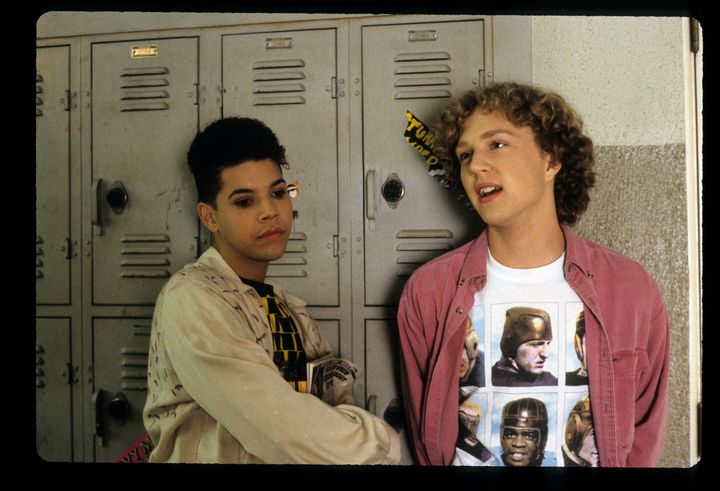
Wilson Cruz and Devon Gummersall in My So-Called Life

ABC Photo Archives via Getty Images

I was eight years when My So-Called Life came out – I should not have been watching it, but my family was obsessed, so we’d watch it every week. And in that show, there was a character called Ricky, who was queer. It wasn’t even really discussed that much, which I think was kind of transgressive in its own way. There wasn’t, like, a “very special gay episode”, he just was gay.

And I remember being eight years old and feeling like, “hmmm I really seem to connect with this character for reasons that I’m not quite sure about and also scared of and also intrigued, dot dot dot”. So definitely My So-Called Life, Popular and, of course, Will & Grace.

What’s a song you associate with your own coming out?

<div class="js-react-hydrator" data-component-name="YouTube" data-component-id="3252" data-component-props="{"itemType":"video","index":26,"contentListType":"embed","code":"

","type":"video","meta":{"url":"https://www.youtube.com/watch?v=b9tAdPN3FZ4","type":"video","version":"1.0","title":"Cherish (Remastered Version)","author":"The Association – Topic","author_url":"https://www.youtube.com/channel/UC1xTzc2q-KzBPxIZ6vHViqQ","provider_name":"YouTube","description":"Provided to YouTube by Rhino\n\nCherish (Remastered Version) · The Association\n\nThe Assocation: The Essentials\n\n℗ 1967 Warner Records Inc.\n\nAdditional Musicians: Ben Benay\nBand Member: Brian Cole\nAdditional Musicians: Butch Parker\nAdditional Musicians: Curt Boettcher\nProducer: Curt Boettcher\nEngineer: Gary Paxton\nAdditional Musicians: Jerry Scheff\nAdditional Musicians: Jim Troxel\nBand Member: Jim Yester\nBand Member: Jules Gary Alexander\nAdditional Musicians: Lee Mallory\nAdditional Musicians: Mike Deasy\nEngineer: Pete Romano\nBand Member: Russ Giguere\nBand Member: Ted Bluechel\nBand Member: Terry Kirkman\nAdditional Musicians: Toxey French\nWriter: Terry Kirkman\n\nAuto-generated by YouTube.","thumbnail_url":"https://i.ytimg.com/vi/b9tAdPN3FZ4/maxresdefault.jpg","thumbnail_width":1280,"thumbnail_height":720,"cache_age":86400,"options":{"_start":{"label":"Start from","value":"","placeholder":"ex.: 11, 1m10s"},"_end":{"label":"End on","value":"","placeholder":"ex.: 11, 1m10s"},"_cc_load_policy":{"label":"Closed captions","value":false},"click_to_play":{"label":"Hold load & play until clicked","value":false}}},"fullBleed":false,"flags":[],"enhancements":{},"options":{"theme":"news","device":"desktop","editionInfo":{"id":"uk","name":"U.K.","link":"https://www.huffingtonpost.co.uk","locale":"en_GB"},"slideshowAd":{"scriptTags":[],"otherHtml":""},"slideshowEndCard":{"scriptTags":[{"attribs":{},"scriptBody":"\r\n (function(){\r\n var c = document.getElementById(‘taboola-endslate-thumbnails’);\r\n c.id += ‘-‘ + Math.round(Math.random()*1e16);\r\n \r\n var taboolaParams = {\r\n loader: \"//cdn.taboola.com/libtrc/aol-huffingtonpost/loader.js\",\r\n mode: \"thumbnails-b\",\r\n container: c.id,\r\n placement: \"Endslate Thumbnails\",\r\n target_type: \"mix\"\r\n };\r\n \r\n if (typeof window.modulousQueue === \"function\") {\r\n \twindow.modulousQueue.add(function(){ doTaboola(taboolaParams); });\r\n } else {\r\n \tdoTaboola(taboolaParams);\r\n }\r\n }());\r\n"}],"otherHtml":"

"},"isMapi":false,"isAmp":false,"isVideoEntry":false,"isMt":false,"entryId":"6297457de4b05fe694ee922c","entryTagsList":"uktv,pride,will-and-grace,queer-as-folk,ryan-oconnell,","sectionSlug":"entertainment","deptSlug":null,"sectionRedirectUrl":null,"subcategories":"","isWide":false,"headerOverride":null,"noVideoAds":false,"disableFloat":false,"isNative":false,"commercialVideo":{"provider":"custom","site_and_category":"uk.entertainment","package":null},"isHighline":false,"vidibleConfigValues":{"cid":"60afc140cf94592c45d7390c","disabledWithMapiEntries":false,"overrides":{"all":"60b8e525cdd90620331baaf4"},"whitelisted":["56c5f12ee4b03a39c93c9439","56c6056ee4b01f2b7e1b5f35","59bfee7f9e451049f87f550b","5acccbaac269d609ef44c529","570278d2e4b070ff77b98217","57027b4be4b070ff77b98d5c","56fe95c4e4b0041c4242016b","570279cfe4b06d08e3629954","5ba9e8821c2e65639162ccf1","5bcd9904821576674bc55ced","5d076ca127f25f504327c72e","5b35266b158f855373e28256","5ebac2e8abddfb04f877dff2","60b8e525cdd90620331baaf4","60b64354b171b7444beaff4d","60d0d8e09340d7032ad0fb1a","60d0d90f9340d7032ad0fbeb","60d0d9949340d7032ad0fed3","60d0d9f99340d7032ad10113","60d0daa69340d7032ad104cf","60d0de02b627221e9d819408"],"playlists":{"default":"57bc306888d2ff1a7f6b5579","news":"56c6dbcee4b04edee8beb49c","politics":"56c6dbcee4b04edee8beb49c","entertainment":"56c6e7f2e4b0983aa64c60fc","tech":"56c6f70ae4b043c5bdcaebf9","parents":"56cc65c2e4b0239099455b42","lifestyle":"56cc66a9e4b01f81ef94e98c"},"playerUpdates":{"56c6056ee4b01f2b7e1b5f35":"60b8e525cdd90620331baaf4","56c5f12ee4b03a39c93c9439":"60d0d8e09340d7032ad0fb1a","59bfee7f9e451049f87f550b":"60d0d90f9340d7032ad0fbeb","5acccbaac269d609ef44c529":"60d0d9949340d7032ad0fed3","5bcd9904821576674bc55ced":"60d0d9f99340d7032ad10113","5d076ca127f25f504327c72e":"60d0daa69340d7032ad104cf","5ebac2e8abddfb04f877dff2":"60d0de02b627221e9d819408"}},"connatixConfigValues":{"videoPagePlayer":"19654b65-409c-4b38-90db-80cbdea02cf4"},"customAmpComponents":[],"ampAssetsUrl":"https://amp.assets.huffpost.com","videoTraits":null,"positionInUnitCounts":{"buzz_head":{"count":0},"buzz_body":{"count":0},"buzz_bottom":{"count":0}},"positionInSubUnitCounts":{"article_body":{"count":11},"before_you_go_slideshow":{"count":0}},"connatixCountsHelper":{"count":0},"buzzfeedTracking":{"context_page_id":"6297457de4b05fe694ee922c","context_page_type":"buzz","destination":"huffpost","mode":"desktop","page_edition":"en-uk"},"cetUnit":"buzz_body"}}”>

I came out when I was 17 on the last day of my junior year in high school. And I did it because I had a crush on this boy, and I knew that in order to date him I would have to come out of the clos’ and live my truth. And that summer was this magical coming-of-age, queer Criterion collection vibe.

There was this movie I was watching at the time called Cherish, this small indie film that nobody had seen – and no one has still seen it – and the theme song of that movie was Cherish by The Association. Remember that song? It’s like an old-school 1960s kind of haunted song. And that was me and my boyfriend’s song. Or at least it was in my head.

What was the most recent LGBTQ+ show or film that made an impact on you?

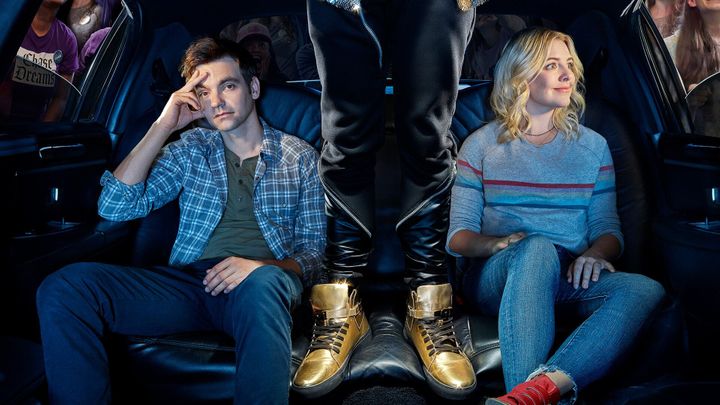
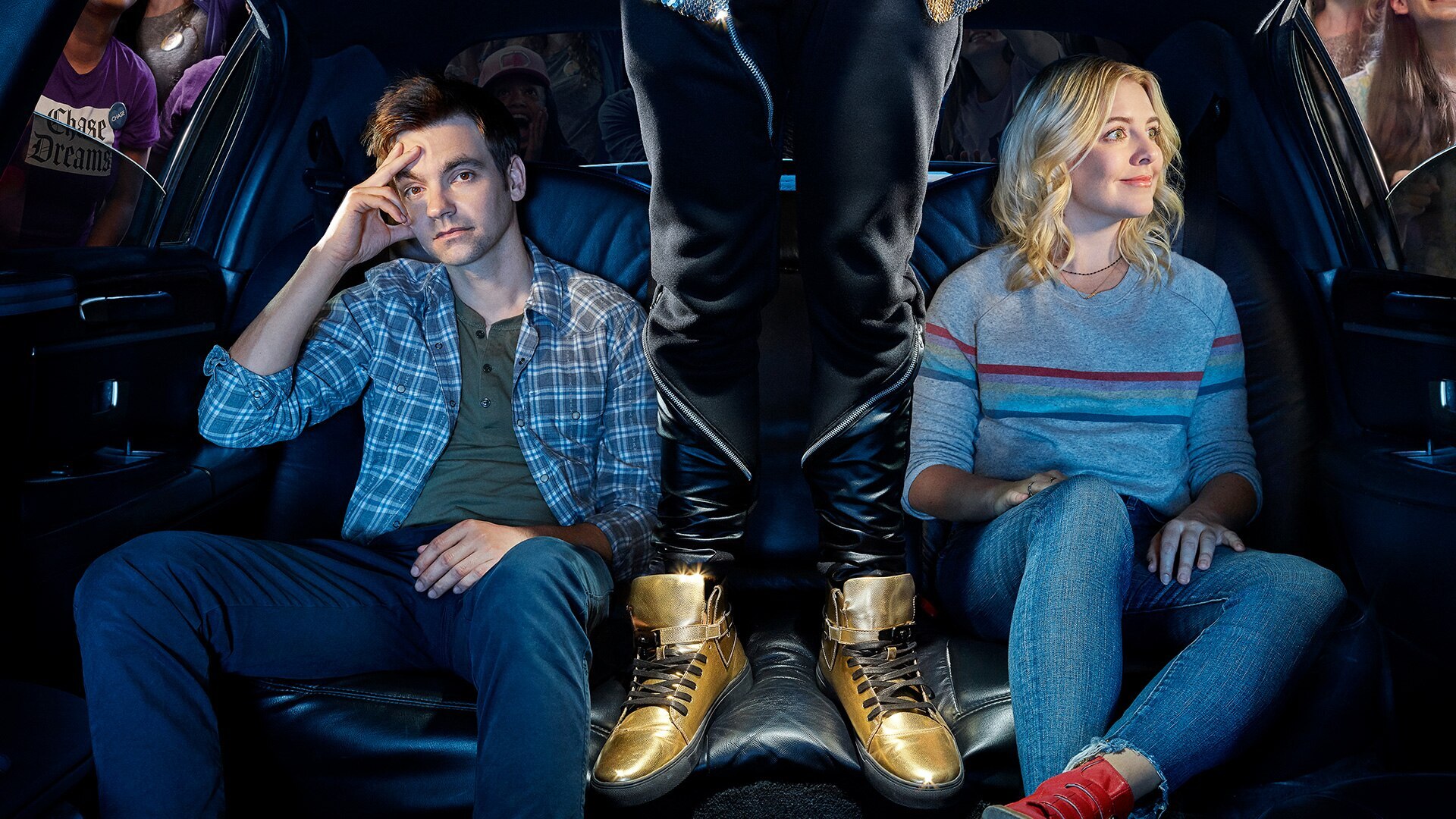
The Other Two
The Other Two

I watched Stranger By The Lake in quarantine, and I loved it. It’s this horny French queer thriller. There are cumshots, there are uncut dicks, it’s sort of spooky spaghetti, I love it. And of course I love The Other Two. Iconic.

But I don’t watch a lot of scripted shows, to be honest. Because I work on scripted, sometimes it feels like I’m doing my homework, so basically I only watch Below Deck.

Who is your ultimate queer icon?

JOEL SAGET via Getty Images

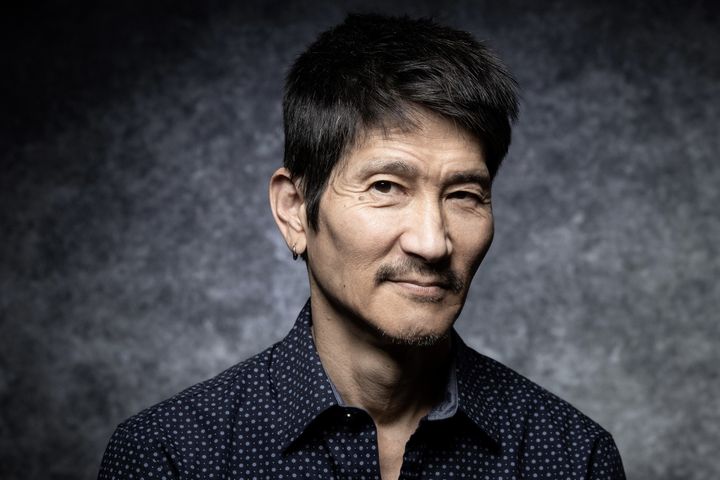
That’s a really, really good question. I’m just going to go with the first person that comes to mind, and that’s the director Gregg Araki, who did films like The Doom Generation, Nowhere, Mysterious Skin and The Living End.

I feel corny saying that, because I’ve actually become friends with Gregg – not to bra-aag. But whenever I’m with him, I’m always like, “you have no idea how obsessed I am with you”. Basically, in the early 90s, he created this new wave of queer cinema, that was so amazing, and he always included a lot of Shoegaze which is my favourite genre of music.

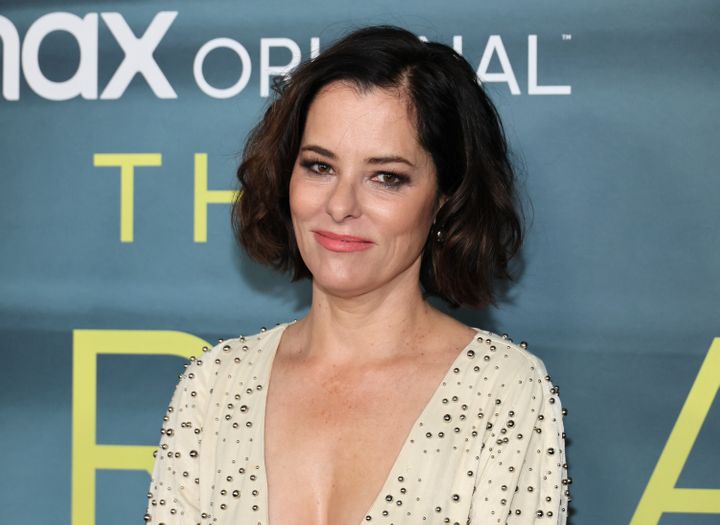
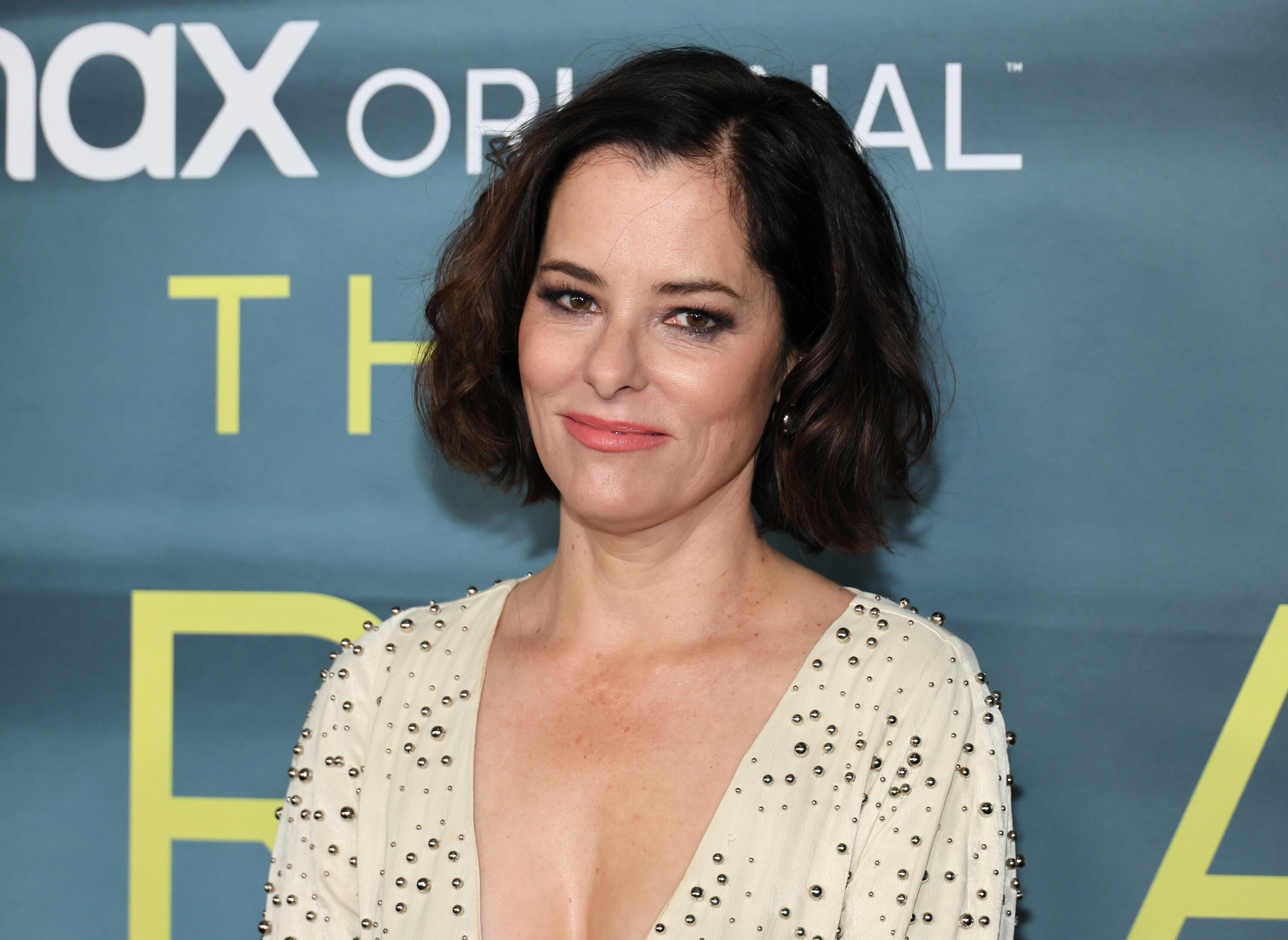
And then next to Gregg, I would say Parker Posey.

Parker Posey
Parker Posey

Dia Dipasupil via Getty Images

When I was growing up, Party Girl, Clockwatchers, House Of Yes, all those indie films were so major to me. Those are two icons to me. She’s amazing, she’s so specific and so herself.

One scripted thing I am watching right now is The Staircase which ordinarily I would not do because it’s like, “honey we’ve already seen the documentary, must we revisit again?”. But honey, if Parker is there, I have to RSVP.

Who is a queer person in the public eye right now that makes you excited about the future?

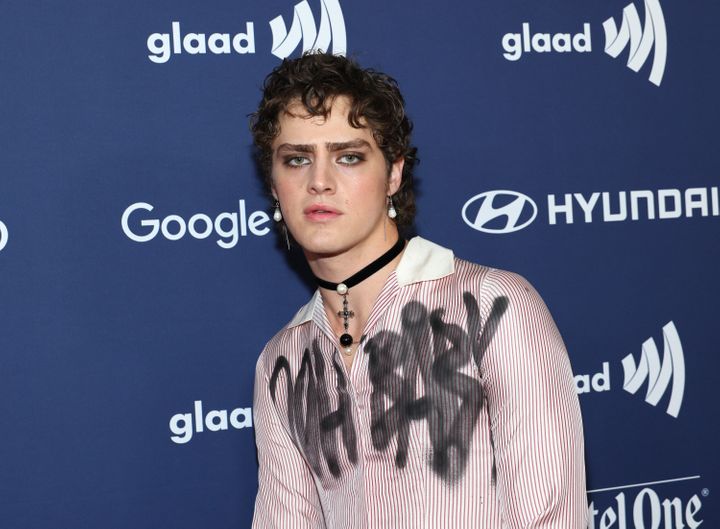
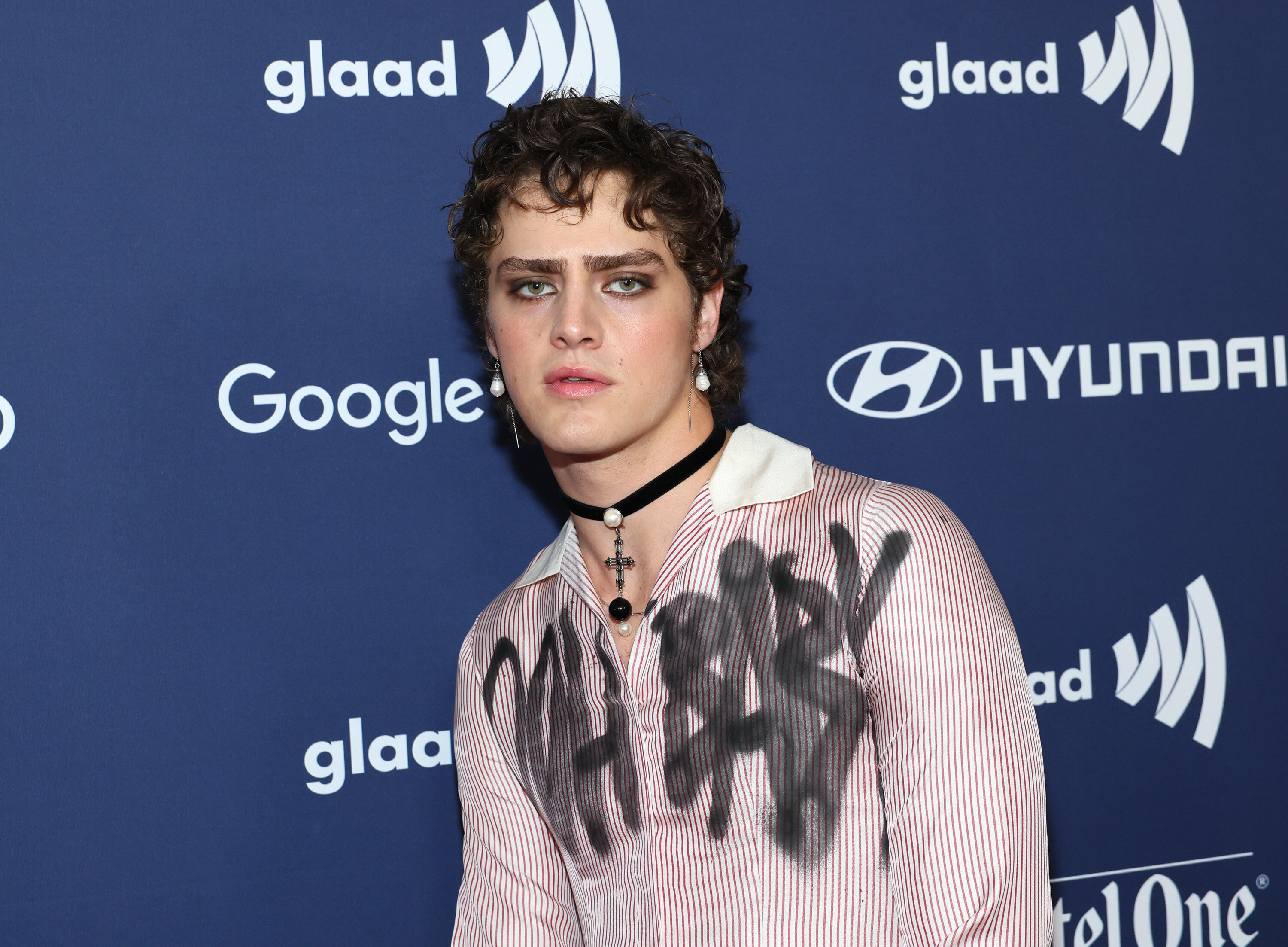
Fin Argus
Fin Argus

Dia Dipasupil via Getty Images

I am biased, but Fin Argus. They’re in Queer As Folk, they play a character called Mingus. They’re 23 years old, and when I first met them I was like, “OK, they’re 23, I’m 35, we probably won’t have anything in common, they’re only a child”. But we actually got extremely close and I think they’re so brilliant. They also do music and their music is incredible.

I’m obsessed Gen Z. I’ll go on the record as saying I feel like a spiritual grandfather to Gen Z, I’m a big fan. I am very the Kris Jenner of Gen Z, that’s a moniker that I will take proudly.

What’s your message for the next generation of LGBTQ+ people?

We live in a really mind-fuck-y time, in the sense that the world as we know it is becoming more and more progressive, but because of that, there is a fight to retain the old thought. And that fight is actually winning. So it’s this really very weird, emotional, whiplash-y time where the minority is coming into power, but their views don’t reflect the culture that we live in today.

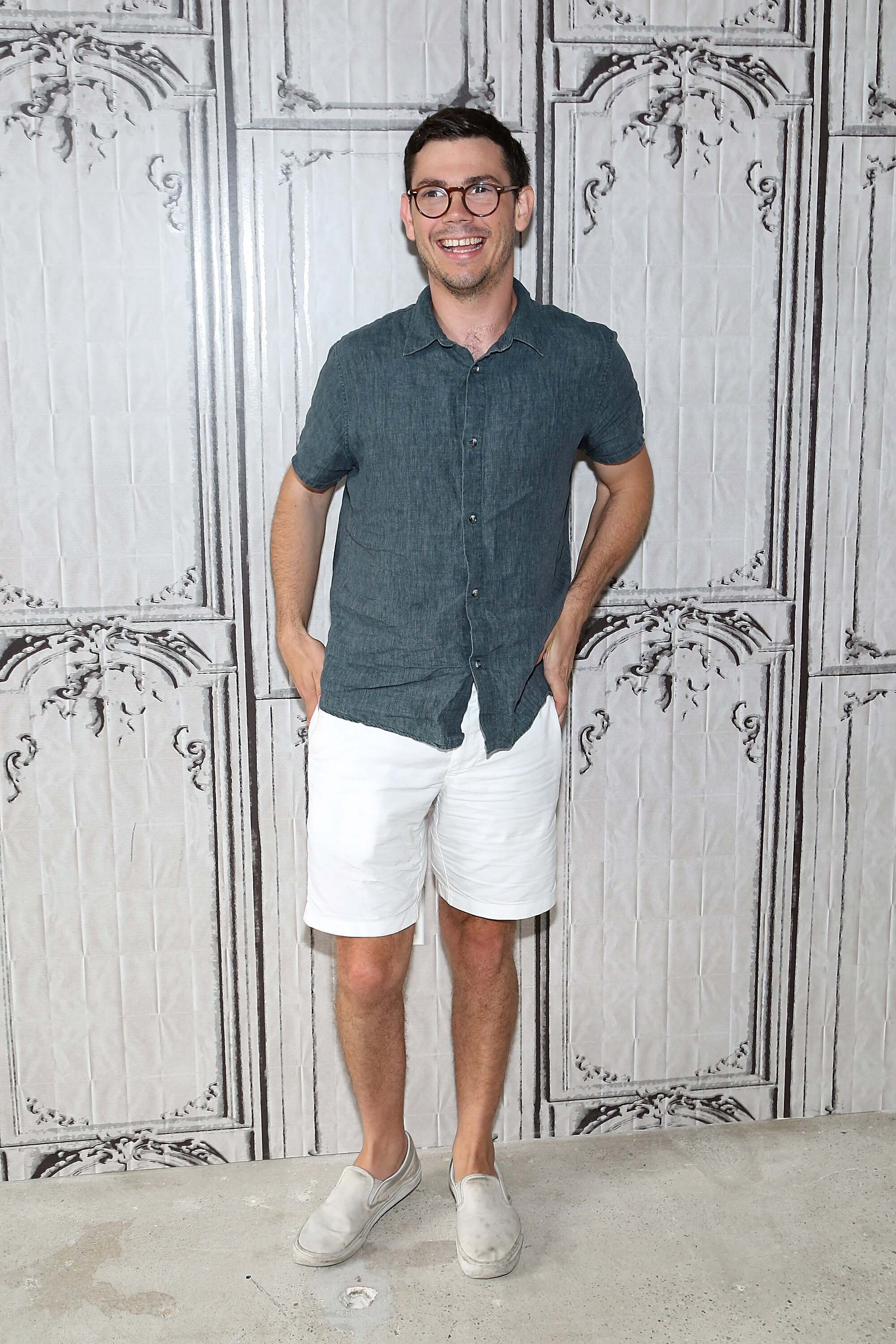
Ryan O'Connell pictured in 2021
Ryan O’Connell pictured in 2021

Media Access Awards Presented By Easterseals via Getty Images

That’s a very hard place to be in, and it’s a confusing place to be in. But my one piece of advice is to know the culture is going with you, rather than against you. And what you’re seeing is, there’s a lot of fear and people wanting to maintain the status quo. But that’s going to change with or without them.

You can’t change the fact the culture is becoming more progressive. So, even though it’s a very scary time for a lot of minorities, more people are with them rather than against them.

The reality is that if it wasn’t real, if the change wasn’t happening, if the world wasn’t becoming more progressive, there wouldn’t be these death rattles of the old guard. These last power grabs. So it makes sense, even though it’s terrible.

Ryan O’Connell’s new book Just By Looking At Him is out on Tuesday 7 June.

Ryan O'Connell
Ryan O’Connell
Share Button