The 4 New Year’s Resolutions Cardiologists Always Make

It’s the season when many people set New Year’s resolutions for the year ahead, and these goals are often related to physical health.

Experts say there’s one big area that many people should focus on when it comes to their well-being: cardiovascular health.

“Cardiovascular disease is the number one cause of death in America,” said Dr. William Cornwell, a cardiologist at UCHealth University of Colorado Hospital. “And, sadly, people… lack a clear understanding of the health or unhealth of their hearts until something catastrophic happens, such as a heart attack or a stroke.”

But there are lifestyle habits you can adopt to manage some of the factors ― like high cholesterol, diabetes and high blood pressure ― that put you at risk of heart attack and stroke.

Cardiologists say they encourage these lifestyle habits every year. Below, doctors shared with HuffPost the New Year’s resolutions they set and recommend to patients in the name of heart health.

Committing or recommitting to exercise.

No surprise here: All of the experts we spoke to said exercise is an important resolution to set every single year.

“First and foremost, from a cardiac standpoint regarding cardiovascular health, exercise needs to be at the forefront,” Cornwell said.

“For me, personally, it is a part of my everyday routine and every year,” he said. “There needs to be a renewed commitment to ensure that exercise is at the forefront of everything that you should be thinking about to improve or maintain your cardiac health.”

“Exercise also brings a number of other benefits to other organ systems, in addition to improvements in quality of life and your overall ability to function well without symptoms,” Cornwell noted. “So, for many reasons — the heart really only being one of many — if there was going to be one New Year’s resolution, exercise should be the one.”

Admittedly, it can be hard to jump into fitness in January, a month marked by early sunsets and cold temperatures in much of the country. But it’s still important to prioritise movement during this time of year, said Dr. Johanna Contreas, a member of the National Hispanic Medical Association and a cardiologist at Mount Sinai Health System in New York.

“Winter months, we tend to see an increase in cardiovascular disease and heart attacks and heart failure, hospitalisation,” Contreas said, “because those winter months, you’re more indoors, less likely to be active. So, we always try to tell patients: Think about ways that you can remain active.”

In other words, your version of exercise does not have to take the form of an outdoor run or walk. You could focus on walking up and down the stairs throughout the day, making a point to get up from your computer after long meetings, or signing up for a fitness app that allows you to exercise from home. (Peloton, Alo Moves and FitOn are all good options.)

As for how much you need to exercise each week, Cornwell said the American Heart Association’s guidelines recommend 150 to 300 minutes of mild to moderate-intensity exercise (like brisk walking, doubles tennis or gardening), or 75 to 150 minutes of vigorous exercise (like running, jumping rope or swimming laps), each week.

Making small adjustments to your cooking regimen can create meaningful change — like not eating meat one day a week, or mixing cauliflower in with your rice.

Daniel de la Hoz via Getty Images

Making small adjustments to your cooking regimen can create meaningful change — like not eating meat one day a week, or mixing cauliflower in with your rice.

Knowing their numbers.

“I tell people, [if] you really want to start a healthy year, know your numbers and know what is healthy for you,” Contreas said.

When talking about “numbers,” experts are referring to things like a person’s blood pressure, cholesterol and fasting glucose, said Dr. Elizabeth Jackson, director of the cardiovascular outcomes and effectiveness research program at the University of Alabama at Birmingham Medicine.

High cholesterol and high blood pressure can put you at increased risk for heart attack and stroke, which means they’re important to manage through medication and/or lifestyle changes.

Jackson also recommends “knowing your fasting glucose, because we know that in the U.S. we have a high prevalence of diabetes, but we also have a high prevalence of pre-diabetes — people who are not quite meeting the definition of diabetes, but they’re not in the normal range.”

According to Johns Hopkins Medicine, having diabetes makes you two to four times more likely to develop cardiovascular disease.

You can ask your doctor for your numbers, and they can either share the data they have on file or order tests to determine this information.

“It’s important to know where you’re at in terms of those numbers, but also not to be discouraged if numbers are out of whack,” Jackson noted.

You can get to a healthier place by adhering to lifestyle adjustments like sticking to an exercise regimen, quitting smoking, and more ways that are outlined in the AHA’s Life Essential 8. Additionally, you can talk to your doctor about medication to see if that’s the right choice for you.

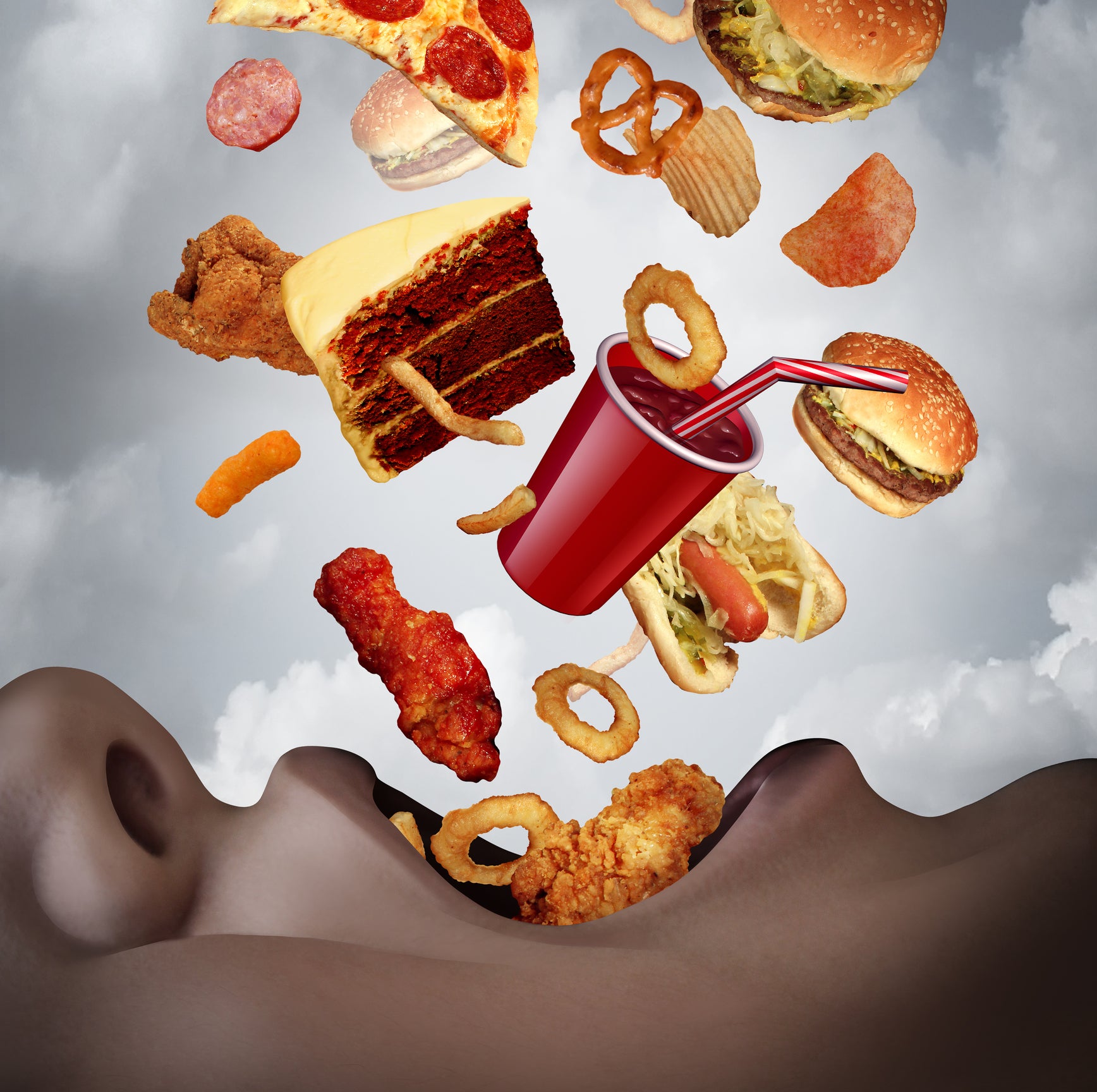
Focusing on their nutrition.

Eating a nutritious diet full of things like fruits, veggies, whole grains, lean protein and beans is known to be beneficial for your heart health and your health overall.

According to Jackson, thinking wholeheartedly about your diet is a good goal for the new year.

To focus on your nutrition, Jackson suggests food-prepping for the week so you’ll have something nutritious to grab when you’re hungry. She also suggests trying out new heart-health recipes each week. The American Heart Association has recipes, she noted, that can help maintain or improve your cardiac health.

If this feels too daunting, Contreas said, you can try simple hacks like adding vegetables to your rice to make your meals more nutritious. Additionally, you could try eating vegetarian a few days a week, or even for a few meals a week.

Contreas noted that it’s important to be mindful of your salt intake, too. Consuming too much salt can increase your blood pressure, she said.

And, as mentioned above, high blood pressure can put you at risk for heart attack and stroke.

Prioritising sleep.

“Sleep is very important,” Contreas said. “Sleep deprivation, we know now, is very unhealthy, and it can cause increasing cardiovascular disease” and put you at higher risk for depression and high blood pressure.

Contreas said one of her New Year’s resolutions is to help workers at her hospital get better sleep, in particular those who have to work the night shift.

It’s recommended that adults get between seven and nine hours of sleep each night. “It may not be possible every night,” Contreas acknowledged. “But as much as we can stick to [it] would be important.”

Jackson and Cornwell both pointed out that healthy sleep is part of the AHA’s guidelines to better cardiovascular health, and is an important goal to focus on every year.

One tip: Don’t give up on these goals if you get distracted from time to time.

“We don’t have to go and be perfect every day right away,” Jackson said. “It’s not like January 1 starts, and all of a sudden your lifestyle habits are going to change dramatically and never go back.”

You should cut yourself some slack if you miss a day at the gym or fall back into an old habit you’re trying to break. Additionally, it’s OK to let yourself have rest days (your body needs them!) and allow yourself desserts and foods that aren’t particularly heart-healthy, too.

“But, knowing that if you’re putting in more healthy-type behaviours — healthy diet, physical activity, good sleep — most days, or more than you were, then that’s contributing,” Jackson said. “It really adds up.”

Missing a workout, or having a meal that isn’t great for your high cholesterol, isn’t going to put you back at zero.

“Our cardiovascular health is not just turning on a switch. It’s a holistic view of your diet, your physical activity, your sleep patterns, your lifestyle, together with those numbers for those traditional risk factors of blood glucose, blood pressure, cholesterol,” Jackson said. “It’s really something that is a lifestyle, something to follow and think about your whole life.”

Share Button

I’m A GI Surgeon ― This Massage Method Can Help To Relieve Constipation

Constipation is a pretty common issue in the UK, with one in seven adults experiencing the bowel-based burden at any given time.

Women are more likely to experience constipation than men, possibly because our digestive systems are longer (fun!).

Still, knowing you’re not alone during your backed-up time of pain doesn’t necessarily make the condition easier.

So it’s a good thing surgeon, lecturer, and author Dr Karan Rajan has shared a simple massage method that can help to get your BMs back on track.

Why does massage help to relieve constipation and how do I do it?

The doctor began his video by saying that the pendulum method ― swaying your torso as you sit on the porcelain throne ― is a good way to unblock your bowels.

Imagine you’re blowing up a balloon as you attempt to go number two is also a good method, the gastrointestinal surgeon continued.

But he adds that “there’s evidence that abdominal massages in a sweeping clockwise motion can help.”

Dr Rajan advises we “always ensure you’re going from right to left” because this mimics the direction of our intestines.

This stimulates peristalsis, the movement of your guts that helps stool to pass through the system.

The doctor pointed to a 2022 randomised placebo-controlled study which found that “Abdominal massage should be one of the first-line conservative approaches in the management of functional chronic constipation.”

How can I prevent getting backed up in the future?

Eating a fibre-filled diet with lots of fruits and veggies, drinking enough water, exercising, and avoiding booze can all help your toilet routine, the NHS says.

They add that adopting a squat position can make the passage more efficient: “To make it easier to poo, try resting your feet on a low stool while going to the toilet. If possible, raise your knees above your hips,” the health service advises.

Per the NHS, you should see a GP about the condition if you:

  • are constipated and it’s not getting better with treatment
  • are regularly constipated
  • are regularly bloated
  • have blood in your poo
  • have lost weight without trying
  • are constipated and feel tired all the time
  • are taking medicine that’s causing constipation – such as opioid painkillers
  • notice sudden changes in how you poo (your bowel habits)
  • have tummy pain.
Share Button

Leaving Christmas Leftovers Out For More Than This Many Hours Can Make Them Unsafe

’Tis the season for festive feasting ― and, if you’re not careful, food poisoning.

NHS Shetland says that “Campylobacter is one of the most common bacteria causing food poisoning, and it is closely associated with raw poultry such as chicken or turkey.”

But cooking your food correctly is only one part of the equation ― it also matters how, and when, you store leftovers, public health body Safefood says.

They add that “If you store your Christmas dinner leftovers carefully in the fridge you can hold on to the glow of Christmas Day and use them up over the next three days.”

How soon should I put leftovers in the fridge?

According to Safefood, they should be covered and stored away within two hours.

“Don’t eat food that has been standing at room temperature for more than 2 hours,” the health pros advised.

If your turkey still feels hot long after you’ve cooked it, you can slice it into smaller pieces before placing them in airtight containers to prevent cross-contamination.

Safefood stresses that “Leftovers stored in the fridge should be eaten within three days. ”

NHS Shetland Health Protection Nurse Chloe Umphray gives an even shorter reheat window: “Storing food incorrectly and for longer than recommended can increase the risk of bacterial growth, which can lead to food poisoning,” she warned.

“Key safety tips include: store it in the fridge, eat it within two days and only reheat it once.”

How do I safely reheat leftovers?

As Chloe says, you can only reheat leftovers once.

However you cook them, Safefood says they “should be reheated until they are piping hot all the way through. And leftover gravy should be brought to a rolling boil.”

Even if you’re eating the leftover meat cold, Food Standards Scotland adds that you should only take as much turkey as you’ll actually need out of the fridge.

They advise against leaving plates of cold cuts out, and suggest we punt the meat back in the fridge within an hour of taking it out if needed.

Share Button

I’m A Doctor ― Here’s How To Deal With Social Anxiety This Christmas

I know that socialising is good for us and is meant to be one of the best parts of the festive season, but I have to be honest with you: I can’t think of a worse time to face a chock-full social calendar.

Not only is the weather dark and rainy, but I’m constantly bloated from the endless festive treats, I have loads of little Christmassy tasks to complete, and ― like many of us in the UK ― seasonal affective disorder (SAD) is making my social anxiety even worse.

So, I thought I’d speak to Dr Suzanne Wylie, GP and medical adviser for IQdoctor, about how to manage the added stress.

“During Christmas, these feelings can become heightened due to the increased social interactions, family gatherings, and heightened expectations of being cheerful and sociable,” she told HuffPost UK.

“The pressure to perform in a festive environment, combined with the potential for awkward encounters or family tensions, can make people with social anxiety feel overwhelmed and vulnerable,” she added.

Here are her 10 tips for making the period more manageable:

1. Plan ahead

“Preparation can alleviate much of the stress associated with social events,” Dr Wylie shared.

She adds that it’s a good idea to set boundaries and say “no” to events you know you’re going to hate.

“Familiarise yourself with the location and attendees of each event, and mentally rehearse conversations or scenarios that might arise,” she shared.“Knowing what to expect helps reduce uncertainty, a common trigger for social anxiety.”

2. Practise mindfulness

Deep breathing and grounding exercises might sound a little woo-woo, but the GP says they can really help.

“Before entering a social situation, spend a few minutes focusing on your breath or anchoring yourself in the present moment,” she advised.

“These exercises calm the nervous system, making it easier to engage with others.”

3. Take small steps

Ever let “current you” burden “future you” with endless engagements, only to realise to your horror that those are actually the same person?

Well, the doctor says what I wish I’d heard years ago; there’s no point stacking your calendar if you’re not usually interested in socialising too much.

“Start with smaller, low-pressure gatherings to build confidence,” she recommends.

“If large family events feel daunting, consider arriving early when there are fewer people, allowing you to acclimatise before the crowd grows.”

And don’t downplay your achievements: “Celebrating small victories, like initiating a conversation, can build momentum for bigger challenges,” the GP says.

4. Use a social buffer

A supportive friend or family member can make all the difference, Dr Wylie says.

“Alternatively, having a “safe zone” in mind, such as a quiet room, gives you a retreat when needed,” she told HuffPost UK.

5. Set realistic expectations

If you’re not a fan of the limelight, there’s no point pretending to be a social butterfly, the GP stated.

“Don’t pressure yourself to be the life of the party. Acknowledge that it’s okay to feel anxious and remind yourself that most people are too focused on their own experiences to scrutinise yours,” she commented.

“Giving yourself permission to be imperfect can lessen self-critical thoughts.”

6. Practise active listening

“If initiating conversation feels challenging, focus on listening,” Dr Wiley stated.

“Asking open-ended questions “can take the pressure off you and foster genuine connections, often reducing social anxiety.”

7. Limit alcohol and caffeine

You might think that that shot of Bourbon is your only possible path through your work Christmas ’do, but the GP advises against it.

“While alcohol may seem like a quick fix for nerves, overindulgence can worsen anxiety and impair judgment,” she said; “Similarly, caffeine can heighten symptoms like a racing heart.”

Dr Wiley says plain ol’ water might lead to less stress in the long run.

8. Use positive visualisation

Manifesting isn’t just for six-bedroom homes and a glizty job, the GP says.

“Spend time imagining yourself navigating social situations successfully. Picture yourself smiling, feeling at ease, and enjoying interactions,” she told us.

“This mental rehearsal can build confidence and counteract negative anticipations.”

9. Leverage technology

If you’re really dreading that meet-up, the doctor says you can set up a video call or online get-together instead.

“Video calls or group chats provide a way to stay connected without the intensity of face-to-face interactions,” she shared.

10. Seek Professional Support

If you’re seriously struggling, the doctor says speaking to a pro might be necessary.

“Cognitive Behavioural Therapy (CBT) and other evidence-based approaches can equip you with tools to manage anxiety more effectively, ensuring you enjoy the festive season,” she told HuffPost UK.

She added that some signs you may need professional help include:

  • Avoiding all social situations, leading to isolation.
  • Persistent distress that doesn’t improve with self-help measures.
  • Physical symptoms, like panic attacks, that feel unmanageable.
  • A sense of hopelessness or a negative impact on mental health overall.

Help and support:

  • Mind, open Monday to Friday, 9am-6pm on 0300 123 3393.
  • Samaritans offers a listening service which is open 24 hours a day, on 116 123 (UK and ROI – this number is FREE to call and will not appear on your phone bill).
  • CALM (the Campaign Against Living Miserably) offer a helpline open 5pm-midnight, 365 days a year, on 0800 58 58 58, and a webchat service.
  • The Mix is a free support service for people under 25. Call 0808 808 4994 or email help@themix.org.uk
  • Rethink Mental Illness offers practical help through its advice line which can be reached on 0808 801 0525 (Monday to Friday 10am-4pm). More info can be found on rethink.org.
Share Button

The Crucial Norovirus Symptoms You Should Look Out For This Winter

According to the UK Health Security Agency (UKHSA), cases of norovirus have continued to rise as the chillier months have set in.

In a statement shared with HuffPost UK, the UKHSA says: “Since the start of the 2024/2025 season, the number of norovirus outbreaks reported in hospital settings was 10% higher than the five-season average.”

While the agency assures that there is no indication that this leads to more severe illness, it’s essential that you take the steps to prevent and treat norovirus, should you come into contact with it.

Amy Douglas, epidemiologist at UKHSA says: “The half-term school break is likely to have interrupted the upward trend we’ve been seeing recently in norovirus levels, but cases are likely to rise again as we head towards Christmas.

“To help reduce the spread of norovirus you can take steps to avoid passing the infection on. If you have diarrhoea and vomiting, do not return to work, school or nursery until 48 hours after your symptoms have stopped and don’t prepare food for others in that time either. If you are unwell, avoid visiting people in hospitals and care homes to prevent passing on the infection in these settings.”

Douglas adds that washing your hands with soap and warm water, as well as using bleach-based products to clean surfaces will also stop infections from spreading.

She also says: “Alcohol gels do not kill norovirus so don’t rely on these alone.”

Many people have associated norovirus with Kawasaki Disease, Douglas urges: “It isn’t accurate to refer to [this norovirus strain] as ‘Kawasaki’ and this term is causing confusion with Kawasaki Disease, which is an unrelated disease.”

Symptoms of norovirus

Symptoms often include nausea, vomiting and diarrhoea.

However, some patients also report a high temperature, abdominal pain and aching limbs.

Norovirus infections can cause dehydration, especially in vulnerable groups such as young children and older or immunocompromised people, so if you do get ill it is important to drink plenty of fluids during that time.

The NHS advises that you should call 999 or go to A&E if you experience any of the following:

  • vomiting blood or vomit that looks like ground coffee
  • green vomit (adults)
  • yellow-green or green vomit (children)
  • thinking you may have swallowed something poisonous
  • a stiff neck and pain when looking at bright lights
  • a sudden, severe headache or stomach ache
Share Button

Why GP Surgeries Could Be ‘Tipped Over The Edge’ By Labour’s New Budget

GP surgeries could be “tipped over the edge” by Labour’s new Budget, according to a union representative.

Chancellor Rachel Reeves has chosen to hike up Employers’ National Insurance contributions in her efforts to raise £40bn of funds and plug the “black hole” left by the Tories in the public purse.

The NHS – which has just received a £22.6bn cash injection in the Budget – is exempt from that tax rise, along with other public sectors.

But GP surgeries, care homes and hospices are not exempt, even though they provide NHS services, because they are privately owned partnerships.

Speaking to Times Radio today, the chair of the BMA Council Phil Banfield warned: “For some GPs, this will tip them over the edge. And we’ve seen over 1,000 practices close in the last 10 years.”

He added that he believes “the government was unaware of how much this would catch out GPs” and so he is hoping for further discussions with the health department.

Banfield said for GPs – who have a contract with the government – “the only way to absorb costs is to reduce the number of staff and at a point at which you’re trying to increase the number of appointments and increase access have more GPs and nurses”.

He added: “This achieves the complete opposite. So I don’t think it will take too long for the government to realise that they need to do something urgently about this.”

Britain's Chancellor of the Exchequer, Rachel Reeves, looks up as she holds up the traditional red ministerial box containing her budget speech, as she poses for the media outside No 11 Downing Street, before departing to the House of Commons to deliver the budget in London, Wednesday, Oct. 30, 2024. (AP Photo/Kirsty Wigglesworth)
Britain’s Chancellor of the Exchequer, Rachel Reeves, looks up as she holds up the traditional red ministerial box containing her budget speech, as she poses for the media outside No 11 Downing Street, before departing to the House of Commons to deliver the budget in London, Wednesday, Oct. 30, 2024. (AP Photo/Kirsty Wigglesworth)

via Associated Press

Chief secretary to the Treasury, Darren Jones, told Times Radio this morning: “Yes, [GPs] will have to pay national insurance contributions as employers, but how much they pay will depend on their size.

“And you know, many GP practices are small organisations, and so they will pay less than some of the bigger businesses that we’re asking to contribute more at this Budget.”

Smaller GP surgeries may be shielded from paying more tax because of the changes to thresholds for Employment Allowance.

However, there are worries that some public bodies doing more than half their work in the public sector will not eligible for that allowance, as stated by government guidance.

Health secretary Wes Streeting also pointed to the £600m extra put aside for social care and suggested more discussions about the employer tax hike for GPs were on the table.

But care groups think that will not be enough due to increased staffing costs.

Dr David Wrigley, GP and deputy chair at the British Medical Association, said the impact would be “monumental” on X, especially since so many of those institutions are already “on a financial tight rope”.

Liberal Democrat Treasury spokesperson Daisy Cooper MP said: “The government must scrap this GP penalty immediately.

“After years of the Conservatives disgraceful neglect, our primary care services are in crisis and this could push many to reduce the number of staff they employ or just decide to shut up shop.

“Instead of investing in our GPs and their staff, the government has put more pressure on them in a move that will make it even harder for patients to see a GP when they need to.”

This row comes as nearly 100 progressive politicians, including independent MPs like Jeremy Corbyn and MPs from the Green Party and Plaid Cymru, banded together to declare that Labour’s Budget punishes the “working people” they claim to support.

“This budget is austerity in another name,” their open letter to Starmer says.

It adds that the investment in schools and hospital buildings have been “undermined by a swathe of public sector cuts, cruel attacks on the worst-off, and a dogmatic refusal to redistribute wealth and power”.

“These are not ‘tough choices’ for government ministers, but for ordinary people who are forced to choose between heating their home and putting food on the table.”

Share Button

How Technology Will Change The Future Of Stroke Diagnosis And Treatment

Anyone who has an Apple Watch or an equivalent will tell you it’s made them more acutely aware of their health. With features such as heart rate and rhythmn detection, fall detection and even medical ID included, wearable health technology gives users a real-time idea of their wellbeing.

Now, Nirave Gondhia, founder of House of Tech has said that he believes the lasting legacy of Apple will be the Watch.

In an article for Digital Trends, Gondhia said: “The Apple Watch is the most important device that Apple sells right now.

“Of all the products on Apple’s shelves, it’s the one that markedly improves your life. There’s a suite of health features that could save your life, including high and low-heart-rate notifications, EKG, fall detection, and blood pressure monitoring.”

He also added: “The suite of Apple Health features available today is already incredibly strong. Looking down the road for the next few year, it only stands to get better.”

Medical experts are also excited for the future of digital technology for health

Neurosurgeon Richard D. Fessler M.D said: “Wearable technology can look for possible stroke risk factors, such as sleep apnoea, that may be affecting a patient without them realising it — something that an annual check-up would never detect.

“And it can constantly monitor things like body temperature that, when elevated, may trigger a stroke. The patient’s provider has access to all of the information gathered by the wearable, and can reach out to the patient if they see anything that needs to be addressed.”

Dr. Anne Lepetit, Chief Medical Officer at Bupa said: “The potential for digital healthcare to transform stroke prevention and recovery has never been clearer.

“Wearable devices connected to health apps can track vital signs in real-time, analysing trends and flagging risk patterns, so you can take preventative action. Remote consultations make it easier for patients to access expert advice, and personalised health programmes to help patients stay engaged with lifestyle changes, such as diet and exercise, that lower stroke risk.”

Hopefully, these revelations will make wearable tech more accessible and affordable to patients.

Share Button

Noticing This While Walking May Be An Early Sign Of Dementia

You may already know that shuffling your feet while walking can be an early sign of dementia, affecting someone’s ability to, say, go up the stairs.

But scientists may have identified another possible early symptom that shows up in your stride.

A 2022 study, published in JAMA Network Open, didn’t look at walking on its own; they compared older people’s hiking styles to their memory.

The changes in walking didn’t mean much without a decline in certain cognitive skills, they say.

But those who notice differences in their walk alongside cognitive changes, referred to by the study as “dual decliners,” had a higher risk of developing dementia than the rest of the participants.

How did it work?

Researchers looked at data from 16,855 older participants in Australia and the US.

They examined gait speed in two-year intervals across seven years, and again in the final year.

They also looked at cognitive changes (in memory, verbal fluency, mental processing speed, and “global” cognition) at years 0, 1, 3, 5, and at the close-out of the test.

They found that people who both saw a slowing of their walking speed and a decline in their cognitive ability (especially memory) were far more likely to have dementia.

“Association between domains, such as processing speed and verbal fluency, with gait have been explained by the crossover in the underlying networks or pathology,” the paper says.

It continues, “Of domains examined, the combination of decline in gait speed with memory had the strongest association with dementia risk. These findings support the inclusion of gait speed in dementia risk screening assessments.”

Does this mean walking more slowly over time is a dementia sign?

No ― again, it was only relevant when paired with cognitive changes.

If you suspect dementia in yourself or a loved one, the NHS advises you to see a GP as soon as possible.

Bringing up the topic with a loved one can be hard, they say, so be sure you approach the topic gently, in a situation they’re familiar with, and without rushing.

“A diagnosis of dementia can also help people with these symptoms, and their families and friends, make plans so they’re prepared for the future,” they add.

Share Button

Noticing These Bumps Around Your Eyes Could Reveal Heart Issues

“There are around 7.6 million people living with heart and circulatory diseases in the UK,” the British Heart Foundation writes ― around four million men and 3.6 million women.

“We estimate that in the UK more than half of us will get a heart or circulatory condition in our lifetime,” they add.

Despite that, not all of us are familiar with the signs of heart issues ― though to be fair, the NHS says some, like high cholesterol, ”[does] not usually cause symptoms.”

Most of us will need a blood test to diagnose high cholesterol.

However, the British Heart Foundation says that “if you have familial hypercholesterolaemia, you may have visible signs of high cholesterol.”

What is “familial hypercholesterolemia” and what are its signs?

Familial hypercholesterolemia [FH] is a genetic condition that means your liver can’t process cholesterol properly.

It leads to high levels of cholesterol, a waxy substance that can narrow your arteries.

The condition can change your physical appearance in the following ways:

  • Tendon xanthomata: a type of swelling that can appear on the knuckles, knees, or the Achilles tendon at the back of the ankle. It results from an accumulation of excess cholesterol.

  • Xanthelasmas: small cholesterol deposits that develop in the skin around the lower eye area and on the eyelid. They typically have a pale yellow appearance.

  • Corneal arcus: a pale white ring surrounding the iris, the coloured part of the eye. If you’re under 50 and have corneal arcus, it could be an indication of FH.

Other signs that aren’t visible include having a heart attack or stroke (especially at a younger age), noticing high cholesterol in your routine blood test, having a family history of premature heart disease or stroke, or knowing a relative has the condition.

Not everyone with FH will have all of those symptoms;get a genetic test if you’re unsure.

How can I lower my cholesterol?

Some people with high cholesterol will be put on medications called statins, but all will be advised to improve their diet and exercise more.

“To reduce your cholesterol, try to cut down on fatty food, especially food that contains a type of fat called saturated fat,” the NHS says, adding: “You can still have foods that contain a healthier type of fat called unsaturated fat.”

Stopping smoking, cutting down on or not drinking booze, and exercising for at least 150 minutes a week can all help too, they say.

Speak to your doctor if you’re worried about your heart health.

Share Button

The 1 Daytime Sign You Need To See A Doctor About Your Sleep

If you struggle to get, or stay, asleep, you might wonder what’s “normal” and what’s genuinely worth worrying about.

The NHS says “A few sleepless nights are usually nothing to worry about, but it can become an issue if a lack of sleep starts to affect your daily life.”

But where exactly is that line meant to be drawn?

Well, according to healthcare provider Mayo Clinic, noticing one dangerous tendency during the day (rather than at night) can be a giveaway.

Which is?

If you’re finding yourself nodding off during important moments of your day, it’s possible you have a sleep disorder, Mayo Clinic says.

“Being very sleepy during the daytime” is a common sign, they write.

“You may fall asleep at times that aren’t typical, such as while driving or while working at your desk.”

The NHS adds that you may also have longer-term sleep issues if you:

  • find it difficult to fall asleep
  • lie awake for long periods at night
  • wake up several times during the night
  • wake up early and be unable to get back to sleep
  • feel down or have a lower mood
  • have difficulty concentrating
  • be more irritable than usual.

“Longer-term sleep problems can affect our relationships and social life, and leave us feeling tired all the time, eating more and not able to do daily tasks,” they add.

What are some common sleep disorders?

Insomnia, sleep apnoea (where you stop breathing for short periods of time throughout the night), restless leg syndrome, night terrors, sleepwalking, and even snoring can all disrupt a good night’s sleep.

“Anyone can have an occasional poor night’s sleep,” the Mayo Clinic says.

“But talk with your doctor or other healthcare professional if you regularly have trouble getting enough sleep, if you don’t feel rested when you wake up or if you feel overly sleepy during the day.”

Share Button