Clancy is accused of killing her three children in Massachusetts in 2023 and her defence team point to severe postpartum mental illness.


Clancy is accused of killing her three children in Massachusetts in 2023 and her defence team point to severe postpartum mental illness.
Hundreds have fallen ill with salmonella infections in an outbreak linked to imported eggs.
A documentary questioning whether attention deficit hyperactivity disorder (ADHD) is a genuine condition or a social construct has aired on Channel 4 – and it’s proven predictably divisive.
The show, titled The Great ADHD Myth?, has prompted a wave of responses online from doctors, charities and people with the disorder who are concerned it will contribute to stigma surrounding the condition.
Advertisement
A reactionary survey by the charity ADHD UK in the wake of the documentary revealed that (at the time of writing), of 1,566 people who watched the show, 92% believe it has increased stigma surrounding ADHD, while 93% do not believe the show was fair in its representation of the condition.
ADHD UK’s CEO and co-founder, Henry Shelford, told HuffPost UK: “We are shocked by this programme. The fact it got commissioned at all speaks to the stigma around ADHD – a stigma that is now likely to get worse because of this show.”
The charity had previously penned an open letter to Channel 4 urging it to make a series of changes to the documentary before its release, including a review of the title and for the broadcaster to “make clear on screen where contributors’ views sit relative to mainstream clinical consensus”.
Advertisement
The documentary followed NHS psychiatrist and Daily Mail columnist, Dr Max Pemberton, as he spoke to medical experts who questioned the conventional narrative around ADHD.
One such expert, Dr Iona Heath, the former president of the Royal College of General Practitioners, said: “It’s certainly not a medical condition as far as I’m concerned.” Another child psychiatrist said: “In 100 years’ time people are going to wonder, ‘How could we be so gullible?’”
The show posed a number of questions including whether ADHD is a disorder or social construct, how it should be treated (including whether diet and lifestyle changes could help), whether medication is the right approach and who benefits from increasing diagnoses.
Advertisement
Dr Pemberton – who remains certain he doesn’t have ADHD – underwent a private assessment (costing £1,200) and was diagnosed with combined ADHD and a prescription for medication.
The documentary also followed a family who wanted to see whether holistic lifestyle changes could eliminate their 10-year-old son’s use of ADHD medication. The pills “take my fun-ness away”, he said, however the programme noted at the end he did go back on them.
ADHD UK’s survey found 80% of those surveyed said it wasn’t “responsible” for a broadcaster to film a 10-year-old stopping his ADHD medication for television.
Advertisement
In response, Channel 4 told HuffPost UK: “The welfare of the boy and his family were of paramount importance both before, during and after the production process. An independent doctor, his GP, and a health and safety company were consulted.
“Advice was also taken from three independent psychiatrists on the medication break. This programme was produced in compliance with the Ofcom Broadcasting Code.”
The Times’ review of the show called its arguments “convincing, or at least the start of a necessary discussion”, although they did note “there was no real counter-argument offered to the idea of ADHD as a ‘myth’”.
Advertisement
Meanwhile the Guardian said Dr Pemberton “answers his questions convincingly”, highlighting the remedies proposed at the end, such as changing diet, screen and activity levels first, adapting schools to children’s needs, and making medication the last resort “seem neither radical nor uncompassionate”.
Both publications gave the doc four stars.
The NHS says ADHD is a “complex neurodevelopmental disorder, which starts in childhood and often persists into adulthood” and “is associated with significant impairment”. It’s also recognised by the World Health Organisation (WHO) and the National Institute for Health and Care Excellence (NICE).
It is marked by a persistent pattern (at least six months) of inattention and/or hyperactivity-impulsivity that has a direct negative impact in more than one setting – ie. home, school, work – on academic, occupational, or social functioning.
Advertisement
Shelford, who has ADHD, said the latest Channel 4 documentary “is a travesty in its missed opportunity to help slay myths around ADHD; instead, it has added to them”.
He said ADHD “can be extraordinarily tough” and pointed to UCL-led research which showed UK adults with diagnosed ADHD have a shorter life expectancy. There was a reduction in life expectancy for men with diagnosed ADHD of between 4.5 and nine years, and between 6.5 and 11 years for women.
“Our failure to support people with ADHD should be a national scandal – instead we’re getting TV shows undermining the disorder,” he said.
Advertisement
“We have already complained to Ofcom and will be following up with a more detailed complaint.” The charity has also encouraged others to make complaints to the regulator.
“We are worried that this will cost lives by putting people in need off getting an ADHD assessment and from getting support,” added Shelford.
Others were quick to share their thoughts on the controversial documentary on social media after it aired.
Advertisement
Clinical psychologist Dr Emily Compton-Smith wrote on Instagram: “We should absolutely be able to discuss diagnosis, and where things could be improved.”
That said, she was “troubled” by “how one-sided the programme felt,” she continued, adding that “what felt missing … was the voice of the people actually living it”.
She also aired concerns that “many people will watch it and come away more sceptical of ADHD, while people with ADHD will once again be left feeling like they need to justify themselves”.
Advertisement
Adam Dance, the Liberal Democrat MP for Yeovil, who also has ADHD, shared a cross-party letter which he’d sent to Channel 4, saying he is “deeply concerned by the framing and language used to promote the documentary and by the potential consequences for people with ADHD and their families”.
Advertisement
Meanwhile others praised the show as “fantastic” and “inspirational”.
Advertisement
One in five (20%) people who watched the show and responded to ADHD UK’s survey said the programme had caused them ‘severe’ distress, with 38% saying it caused ‘significant’ distress.

A top aide to Vladimir Putin has bizarrely declared he “feels sorry” for the UK after Britain was threatened by the Russian Embassy in London over its support for Ukraine.
Moscow’s representatives in the UK warned of the “consequences” following confirmation that British-made drones had been used in recent Ukrainian attacks in Russia.
Advertisement
The embassy claimed Britain was “deliberately opting for an escalation of the Ukraine crisis,” and said the “deeper its involvement in the conflict… the higher the price it will pay”.
UK prime minister Andy Burnham remained unperturbed by the threats on Tuesday, telling reporters that the UK was “providing support so that Ukraine can defend itself and that’s been the British position all the way through this conflict, by previous prime ministers – it remains the case with me”.
Asked about the spat with the UK on Wednesday, Russia’s foreign minister Sergei Lavrov tried to deliver yet another threat as he again suggested Britain is directly involved in the war.
Advertisement
He told the media: “I feel sorry for the United Kingdom, if it is going to stand with Ukraine until the very end.
“As for the substance of our Embassy’s comment, it means only one thing: President Vladimir Putin has warned of our right to act in any area of the world’s oceans, should anyone encroach on our interests or our property.
“We have exactly the same right to regard the proudly announced direct involvement of British missile forces in strikes against the Russian Federation as participation in the war. With all the consequences that entails.”
Advertisement
His remarks come after a former deputy foreign minister of Russia told BBC Radio 4’s Today programme that many in Moscow interpret the recent strikes from Ukraine as proof the UK is “part of the war”.
“The situation now is very dangerous, because the tension of conflict in Ukraine really is increasing,” Andrei Federov added. “The coming couple of months will face this tension, this escalation which can bring us to totally different situation unlike ever before.”
Listen to Commons People, the podcast that makes politics easy. Every week, Kevin Schofield and Kate Nicholson unpack the week’s biggest stories to keep you informed. Join us for straightforward analysis of what’s going on at Westminster.
Advertisement

Children’s screen time has (rightly) received plenty of scrutiny of late.
We know that excessive use of screens can impact concentration levels and negatively impact academic outcomes. Studies have also linked it to poor language development, as well as problems with development, including obesity, sleep disturbances, depression, and anxiety.
But what about the impact on brain function? Well, a new study from Finland found kids who had higher amounts of screen time during childhood ended up with better cognitive processing in their teen years.
Advertisement
Cognitive processing refers to the mental functions which are linked to thinking, learning, memory and executive function.
Researchers said the findings suggest screen time can support children’s and adolescents’ cognitive processing. But they stressed a key consideration here is what kind of things children do during their screen time.
The findings are based on an eight-year follow-up of the PANIC study on children’s physical activity and nutrition. The study involved 124 girls and 136 boys, whose average age was 15.
Advertisement
Physical activity and sedentary behaviour were measured by a device that combined heart rate and movement measurements and also by a survey questionnaire, while learning, attention and working memory were also assessed.

Doctoral researcher Petri Jalanko, from the University of Jyväskylä, said children should be encouraged to use screens in ways that promote active thinking, problem-solving, creativity and learning.
Advertisement
Parents shouldn’t just see screen time as harmful, he added, but should seek balance between physical activity and screen time that promotes active thinking.
The research tracks with previous research on brain function and screen time. A 2023 study of nearly 12,000 children in the United States found no evidence that screen time impacted brain function or wellbeing.
A study in older adults, meanwhile, found active screen use was generally associated with better cognitive outcomes, particularly in memory, executive function, and attention.
Advertisement
Passive screen use, on the other hand, was linked to poorer outcomes, including verbal memory and global cognition declines.
The latest findings come after a survey found almost one-quarter (24%) of parents of three‑ to five‑year‑olds find it hard to control their child’s screen time, and 98% of two‑year‑olds watch screens every day.
In the UK, the government has issued guidance on screen time for under-fives, suggesting under twos should avoid screen time other than for shared activities that encourage bonding, interaction and conversation (ie. FaceTiming family).
Advertisement
Meanwhile two- to five-year-olds should stick to no more than one hour of screen time a day, and screen time should be avoided at mealtimes and in the hour before bed, so as not to disrupt sleep.
Watching screens with an engaged adult where parents talk and ask questions has been linked to better cognitive development than solo use.
Slow-paced content is also considered far better for development than fast-paced social media-style videos.
Advertisement
Paediatrician Dr Joel Warsh, aka Dr Gator on social media, previously shared in his newsletter that he tells parents to ask four questions when it comes to the impact of screen time on their kids.
These are:
If their sleep, focus and ability to play independently is on track, and they don’t have meltdowns or angry outbursts when screens are taken away, this is a positive sign.
Advertisement
The paediatrician noted that “sometimes it’s not about the number of hours” but rather the effect of screen time on our kids that we should pay attention to.


Coffee is consumed around the world every day, and earlier research has associated coffee drinking with a reduced risk of conditions including type 2 diabetes and cardiovascular disease. Scientists still do not fully understand the biological processes that might explain those connections. Now, new research from Finland suggests that regular coffee consumption is associated with healthier body composition, favorable metabolic markers, and distinct patterns involving sex hormones in men and women.
Researchers at the University of Oulu analyzed information from 2,264 people who were 46 years old and taking part in the Northern Finland Birth Cohort 1966. The team investigated how participants’ usual coffee intake related to circulating metabolites, indicators of cardiometabolic risk, and sex hormone levels.
Coffee Drinkers Had Less Fat and More Muscle
People who consumed more coffee tended to have lower levels of both total body fat and visceral fat, along with greater skeletal muscle mass. These differences appeared even though participants with higher and lower coffee intake had a similar body mass index (BMI).
Higher coffee consumption was also associated with lower circulating concentrations of branched-chain amino acids in both men and women. When chronically elevated, these biomarkers have previously been associated with insulin resistance and a greater risk of developing type 2 diabetes.
Coffee Intake Was Linked to Different Hormone Patterns
Some of the clearest differences appeared among men. Greater coffee consumption was associated with a more favorable glucose-insulin profile, higher levels of total and bioavailable testosterone, and greater concentrations of sex hormone-binding globulin (SHBG). However, free testosterone and the free androgen index were modestly lower.
The hormonal associations were less extensive in women. Higher coffee consumption was mainly associated with increased SHBG and lower measures of free androgens.
“Coffee is consumed by millions of people every day, yet we still know surprisingly little about how it relates to our metabolism and hormones. What stood out in our findings was a distinct hormonal signature that didn’t disappear even after we took into account BMI and lifestyle factors, with several of these associations differing between men and women,” says Luca Verroest, lead author of the study and Doctoral Researcher at the University of Oulu.
Hormones Could Offer a Clue to Coffee’s Health Links
The findings raise the possibility that hormonal pathways could help explain some of the previously observed relationship between coffee consumption and metabolic health. Because the research was observational, however, it cannot establish that drinking coffee directly caused any of the biological differences identified in the study.
The setting also makes the research especially relevant. Finland ranks among the world’s highest coffee-consuming countries, with average annual consumption of approximately 11.8 kilograms (26 pounds) per person.
Researchers say the results offer a starting point for studies designed to determine whether coffee itself produces these biological changes and, if so, which compounds may be responsible. Scientists are currently investigating these questions using animal models, with the longer-term aim of moving toward human intervention studies.
Additional research will be necessary before the findings can be used to shape dietary recommendations.
The study, “Associations of habitual coffee intake with testosterone and cardiometabolic markers: the Northern Finland Birth Cohort 1966 study,” was published in the European Journal of Nutrition.
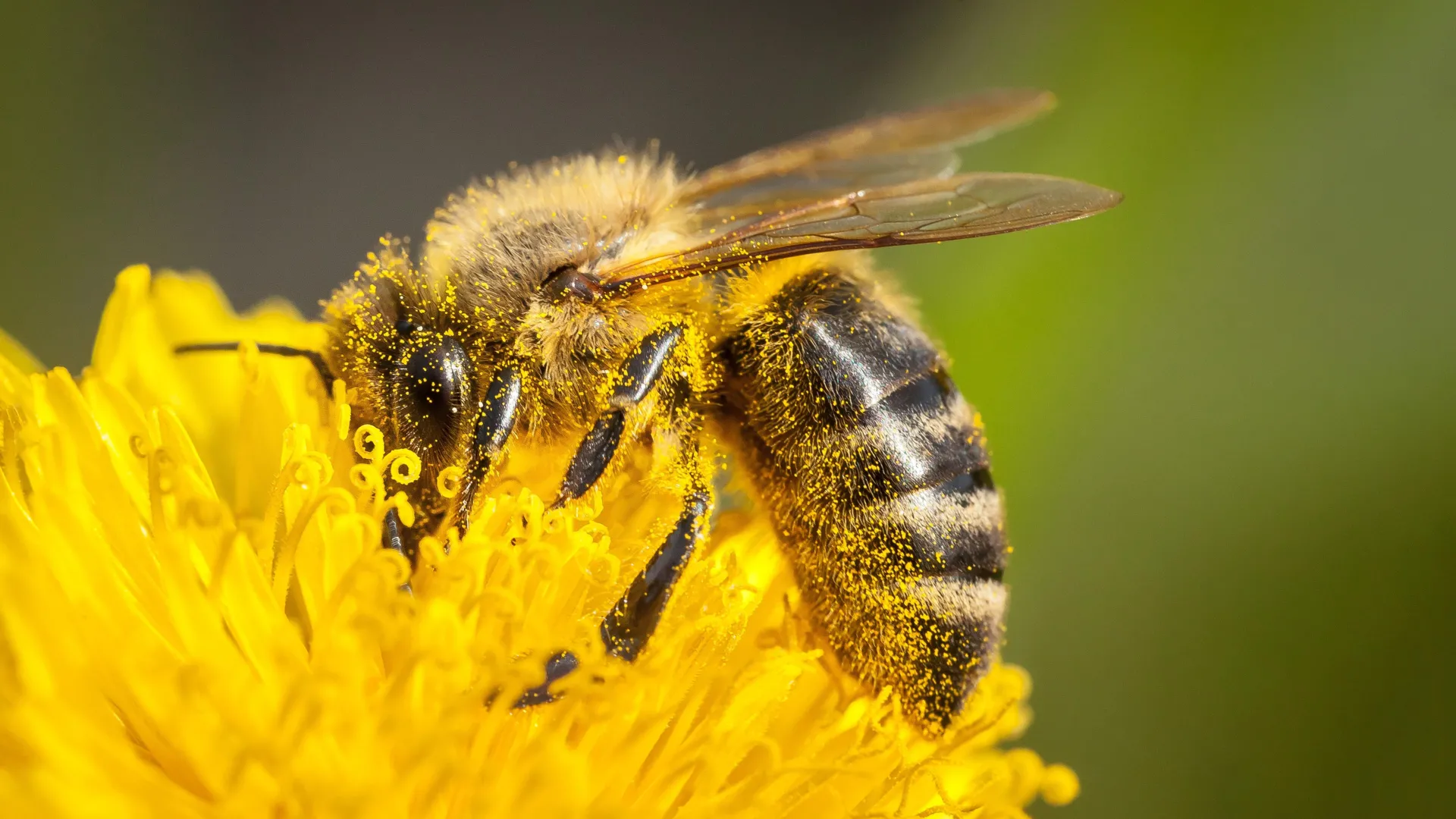
New research led by the University of Oxford has uncovered an unexpected ability in bees. They can change how much they eat depending on the balance of essential amino acids in their food. This feeding behavior may protect them from consuming excessive amounts of certain amino acids when pollen does not provide the nutritional mix they need.
The findings, published in Current Biology, also show that many types of pollen contain essential amino acids in proportions that do not closely match the needs of bees. Essential amino acids are protein building blocks that animals cannot produce themselves and therefore must obtain through food. The discovery could help farmers, landowners, conservationists and gardeners make better decisions about how to support healthy pollinator populations.
Why Pollen Is Not Always Perfect Bee Food
Bees obtain nearly all of their food from flower nectar and pollen. Nectar supplies mostly sugar, while pollen is their primary source of protein. However, pollen did not evolve mainly as a food reward for pollinators. It is the male reproductive material of plants, so its nutritional composition does not necessarily provide bees with the ideal mixture of nutrients needed for growth, survival and reproduction.
To explore this nutritional mismatch, researchers compared the essential amino acid composition of honeybee tissues with pollen collected from 99 UK flowering plant species representing 26 plant families. They also produced artificial foods designed to mimic either the amino acid composition of different pollens or the composition of honeybee tissues. Newly emerged worker honeybees were then given these diets during controlled laboratory experiments.
Most of the pollen samples turned out to be a relatively poor match for the essential amino acid composition of honeybee tissues. Bees given food that more closely resembled their own tissue composition (rather than pollen) consumed more food, gained more body mass, and chose a diet containing a greater proportion of protein.
One Amino Acid May Help Control Bee Appetite
The researchers suspected that histidine could play an important role in this response. Histidine is an essential amino acid, but bees require it only in relatively small amounts.
To investigate further, the team created artificial diets containing either relatively high or low levels of histidine compared with branched-chain amino acids (such as leucine and isoleucine) that are important for bee growth and development. When the relative amount of histidine was high, the bees reduced their overall food intake. They consumed less protein as well as less carbohydrate.
According to the researchers, this behavior could result from a post-digestive feedback mechanism that prevents bees from taking in potentially harmful quantities of particular amino acids. Instead of simply eating more pollen to compensate for missing nutrients, bees may reduce their intake when another nutrient becomes excessive. Similar responses have been observed in other animals. In rats, for example, excess histidine can be converted into histamine, which activates brain receptors involved in controlling food intake.
Lead author Professor Geraldine Wright (Department of Biology, University of Oxford) said: “Although pollen is often assumed to be a near-perfect food for bees, it is the male gamete of plants and, unlike nectar, it is rarely produced solely as a reward for pollinators. This creates a conflict of interest between the plant and the pollinator.”
Honeybees Create Better Food for Their Young
Honeybees appear to have another way of dealing with the nutritional limitations of pollen, especially when feeding their developing larvae.
Workers gather pollen from a wide variety of flowers and store it inside the hive as ‘bee bread’. Nurse bees eat this material and process its nutrients into glandular secretions, including royal jelly, which are then fed to developing larvae.
The researchers found that bee bread contained a more balanced essential amino acid profile than most individual pollen sources. Royal jelly provided an even closer match to the amino acid composition of bee tissues. The results suggest that combining pollen from different plants and then processing it through nurse bees may allow honeybee colonies to compensate for the nutritional shortcomings of individual pollen sources.
Professor Wright added: “We predict that honeybees have evolved to create glandular secretions which are the perfect food for their larvae, providing them with the ratios of essential amino acids that maximize growth.”
Wild Bees May Face a Greater Nutritional Challenge
This nutritional system is not available to every bee species. Many wild bees, including bumblebees and solitary bees, provide pollen directly to their offspring. In habitats with only a small variety of flowering plants, these bees may have difficulty obtaining the appropriate balance of essential amino acids for both themselves and their developing young.
The results indicate that pollinator-friendly planting schemes may need to consider more than simply providing large numbers of flowers. The nutritional quality of pollen and the diversity of plants producing it may also be important.
Professor Wright said: “Our results suggest that planting for pollinators should not only focus on providing flowers throughout the season, but also on ensuring a diversity of pollen sources. A varied diet may be essential for bees to obtain the right balance of nutrients.”
The research also included scientists from the University of Southampton, Lancaster University, Newcastle University and The Hebrew University of Jerusalem.
“Longevity” is the buzzword of the moment on social media. Everyone wants to live longer and healthier. And while some factors aren’t in your control, many habits will greatly impact your longevity and quality of life as you age.
“It really is a lifetime of health that makes you have healthy aging and good longevity and good healthspan,” said Dr. Elizabeth Eckstrom, a professor of medicine in the division of general internal medicine and geriatrics at Oregon Health and Science University School of Medicine.
Advertisement
Even aspects of your early life, such as your childhood education, can affect how you age, according to Dr. David Nace, a geriatrician at the University of Pittsburgh Medical Center.
That said, “no matter what age you are, you can start now and still have huge benefits from doing things — don’t let anyone think it’s too late to start with lifestyle changes,” Eckstrom noted.
Below, geriatric medicine experts share the habits they wish folks would commit to throughout their lives, whether they’re 22 or 92.
Advertisement
Physical activity is paramount for healthy aging. Nace said it’s specifically important to stay active through midlife, which he defined as ages 35 to 64, though you should prioritize it outside of this timeframe, too.
Getting exercise doesn’t have to mean going to the gym or a workout class (although those are great options). It can mean going for a walk or gardening, if that’s what you prefer, Nace said.
Staying active helps you sleep better, feel better, manage your weight, and reduces the risk of arthritis. “It just has benefits all the way around,” Nace added.
Advertisement
“When I talk about exercise, I talk mostly about tai chi,” Eckstrom said.
Research shows that doing tai chi reduces the risk of falls in older adults by about 60%. “Falls [are] one of the major reasons that people have disability and death over age 65,” Eckstrom noted.
“But some of our newer work shows that it also improves brain function, so if you do tai chi two to three hours per week on average, it will give you an additional three to six years of healthy brain life. That’s a lot,” she said.
Doing tai chi regularly also lowers blood pressure and cholesterol and reduces pain. “So, everybody should be doing tai chi … start young, do it your entire life,” Eckstrom said.
Advertisement

Li Ran/Xinhua via Getty Images
According to Dr. Kenneth Koncilja, a geriatric medicine specialist at Cleveland Clinic, protecting your hearing from damage as you get older is crucial for healthy aging.
“A lot of people wish they would have had some hearing protection when they were younger to reduce hearing loss when they’re older,” Koncilja said.
Advertisement
Hearing loss also impacts socialization as people age. “People with better hearing later in life socialize more,” Koncilja added.
There are also cognitive benefits that happen when you protect your hearing. “It’s a modifiable risk factor for dementia — so, something you can do, preventing hearing loss and treating hearing loss and addressing hearing loss, can actually reduce your risk of dementia, which is a big deal,” Koncilja said.
According to Koncilja, it’s also crucial to address any vision loss.
“If you can’t really see, you don’t walk as much. If you don’t walk as much, you’re not as active,” Nace said. And, again, staying active is crucial for healthy aging.
Advertisement
More, you don’t read as much or go out as much if you can’t see well, either, which makes isolation more common, he said.
This is an important way to lower your dementia risk, added Nace.
What you eat is important all throughout your lifespan, and the best diet to follow is the Mediterranean diet, according to Eckstrom. This is a meal plan that’s high in fruit, veggies, nuts, seeds, whole grains, beans, plant-based proteins and fish.
“There are lots of other fad diets out there, but if you 100% follow the Mediterranean diet for your lifetime, there’s pretty good evidence that you can probably reduce your risk of Alzheimer’s dementia by at least 50% just from diet alone,” she said.
Advertisement

MoMo Productions via Getty Images
“Don’t smoke. Don’t vape. No cigars. None of it is better than any of the rest of it,” Nace stressed, noting that these behaviors add up and have a detrimental effect on your health.
Tobacco products are linked to cancer, and smoking is particularly linked to lung cancer.
“I think one of the things most people don’t realize … there’s also stroke, heart disease and peripheral vascular disease, and one of the things that’s very clear is that vascular disease is related to the onset of dementia,” Nace said.
Advertisement
“If you want to age, don’t smoke. And if you want to age well, don’t smoke. And if you are smoking, get help to quit,” Koncilja added.
Excessive alcohol intake is also bad for aging.
“There’s a lot of arguments back and forth as what a healthy alcohol intake is,” Nace said, but making sure you limit your alcohol use is important for healthy aging.
According to the World Health Organization, “there is no form of alcohol consumption that is risk-free. Even low levels of alcohol consumption carry some risks and can cause harm.”
Advertisement
“The newest evidence reports that we should only be having two alcoholic drinks per week,” Eckstrom said. “It markedly increases your risk of dementia. So, if you drink six drinks per week instead of two drinks per week, your risk of dementia goes up by 16%.”
And the more you drink, the more your dementia risk increases.
“It’s also carcinogenic, and if you drink more than two drinks per week, it increases your risk for cancer,” she noted. It also causes heart disease, liver disease, high blood pressure and many other illnesses.
“Don’t retire and just sit. That’s the worst thing in the world,” said Nace.
Staying active when you retire — cognitively, physically and socially — is key, Nace noted.
Your cognition suffers when you’re isolated and not challenging yourself in your day-to-day life. Keeping your mind active is one way to reduce your risk of dementia.
Advertisement
“Staying active, it gives you meaning in your life [and] that has benefits cognitively,” Nace said. “The brain is still resilient and still can learn, and physically I think that also becomes important.”
During retirement, give yourself something to look forward to, whether that is babysitting grandkids, volunteering at a local food pantry, helping out at church or joining a book club with your neighbors.
“So often, I see people who just kind of withdraw, and that’s a recipe for disaster,” Nace said.
Advertisement

More than 10 million years ago, South America was home to an ecosystem filled with enormous animals and formidable predators. During the Miocene, a geological period that lasted for millions of years, a vast lake covered a large portion of the continent. Its waters supported giant turtles and crocodylians, while an extraordinary collection of hunters prowled the surrounding shores.
Those predators included anacondas, saber toothed mammals, flightless “terror birds” and sebecids, a group of land dwelling relatives of crocodylians. Despite this intense competition, new research indicates that crocodylians occupied an especially important place in the ecosystem and were the most significant group of predators in the region.
“There was so much prey available that mammalian predators couldn’t have eaten it all,” says Oscar Wilson, postdoctoral researcher at the University of Helsinki.
“Our new study shows that crocodylians in particular were the region’s most important predators, especially when it came to hunting large prey.”
A Lost Ecosystem Packed With Giant Prey
The lake shores supported a remarkable variety of herbivores. Giant ground sloths lived alongside glyptodonts, heavily built relatives of armadillos, as well as several groups of ungulates. Ungulates are hoofed mammals, although many extinct South American forms looked very different from familiar animals such as horses and deer.
Among them were astrapotheres (“lightning beasts”) and toxodontids. Some of these ancient ungulates reached enormous sizes and could weigh well over a metric ton.
That abundance of large prey helped support predators that were equally impressive in scale.
The Giant Crocodylian at the Top
The largest known predator in this ecosystem was Purussaurus neivensis, a massive crocodylian related to modern caimans. It grew to about seven meters in length and weighed roughly 1,800 kilograms.
Its immense size placed it near the top of the food chain, where it may have done more than simply hunt individual animals. The new study suggests that Purussaurus could have been influential enough as a predator to affect the size of herbivore populations across the ecosystem.
That possibility gives researchers a glimpse of how powerful giant crocodylians may have been in shaping ancient tropical communities, rather than simply living alongside other large predators.
Fossil Bite Marks Reveal Ancient Predation
To determine which animals were actually attacking prey, researchers examined fossils preserved in museum collections. The evidence comes from bite and tooth marks left on the fossilized remains of herbivores.
These traces are especially valuable because they provide the only direct evidence of interactions between predators and their prey. Rather than relying only on the size, anatomy or presumed hunting abilities of extinct animals, researchers can use the marks left on bones to identify signs of actual feeding or attacks.
The fossils analyzed in the study ranged from 10.5 million to 16 million years old.
“The frequency of marks likely made by Purussaurus suggests that it was an important predator in these tropical ecosystems,” Wilson comments.
The study was published in Journal of Vertebrate Paleontology.
Children’s lung capacity caught up with their peers in less polluted areas once a clean air zone came in, a study shows.
