Trump Addresses Andrew’s Arrest As Former Prince Released From Custody

Donald Trump has described Andrew Mountbatten-Windsor’s arrest as “a shame” and “a very sad thing”.

The former prince was arrested on suspicion of misconduct in public office today while his homes in Norfolk and Berkshire were searched by police.

He was released under investigation this evening and police officers have since concluded searching his home on the Sandringham estate.

The royal’s arrest comes after documents released by the US Congress revealed dead paedophile Jeffrey Epstein’s extensive friendships, including with Andrew.

Appearing in the dossier is not an indication of wrongdoing.

Andrew has always denied all allegations of wrongdoing in connection to Epstein.

The US president, who is also named in the documents, told reporters today that he thought Andrew’s arrest is a “shame”.

He said: “I think it’s a shame. I think it’s very sad. I think it’s so bad for the royal family. It’s very, very sad. To me, it’s a very sad thing.”

“To see it, and to see what’s going on with his brother [Charles] who’s obviously coming to our country very soon, he’s a fantastic man – King,” he said, referring to Charles.

Trump continued: “It’s really interesting, because nobody used to speak about Epstein when he was alive, and now they speak, but I’m the one that can talk about it because I’ve been totally exonerated.”

Referring to his own appearance in the files, he added: “I did nothing, in fact, the opposite. He [Epstein] was against me. He was fighting me in the election which I just found out throughout the last three million pages of documents.”

Asked if any American associates of Epstein would be arrested, Trump said: “I’m the expert in a way because I’ve been totally exonerated.”

Police said in a statement this evening: “Thames Valley Police is able to provide an update in relation to an investigation into the offence of misconduct in public office.

“On Thursday we arrested a man in his sixties from Norfolk on suspicion of misconduct in public office.

“The arrested man has now been released under investigation.

“We can also confirm that our searches in Norfolk have now concluded.”

Share Button

What We Can Learn From Olympians About Performance Anxiety

I don’t know about you but suddenly all of my friends are experts on skiing, figure skating and snowboarding – and it’s all thanks to the 2026 Winter Olympics completely captivating them all.

I mean, who can blame them?

The drama, the skill, the absolutely terrifying risks they take as athletes — these sports are not for the faint-hearted and for us, the audience, they make for an incredible viewing experience, even for those who don’t usually care about sports.

All of this got me thinking, though, how do they cope with performance anxiety?! I struggle to keep it together for a Zoom presentation to 12 people. Can you imagine knowing the world has its eyes on you and the country you represent is depending on you to win?

Couldn’t be me.

What Olympians can teach us about performance anxiety

Writing about the mental health impacts of being an Olympian back in 2021, Dr David M. Lyreskog, of the Department of Psychiatry at the University of Oxford, said: “In elite sports teams, the prevalence of depression and anxiety is sometimes as high as 45%, and in adolescent elite sports the prevalence of eating disorders is approximately 14%. The pursuit of performance – of excellence – does not appear to be a healthy one.”

Among the wider population, mixed anxiety and depression is Britain’s most common mental disorder, with 7.8% of people meeting the criteria for diagnosis, according to the Mental Health Foundation.

So, how do almost half of Olympians cope with anxiety when they’re supposed to be at the top of their game? And what can we learn from them?

Writing for the official Olympics website, four-time swimming Olympian-turned-sports psychologist Markus Rogan shared how he had been an anxious athlete and had learned four key lessons to get him through bouts of anxiety.

These include:

1. ‘Growing through anxiety’ and connecting with loved ones you trust

“It’s easy to surround yourself with people when you’re amazing, but maybe you can explore relationships with those who are there with you when you’re down,” he said.

2. Facing tough questions

When your brain is racing with ‘what if’ questions, ask yourself why you’re worried about this. Is the worry founded or are you just having anxious thoughts?

3. Asking people for their opinions

Sometimes, our anxiety simply comes from the unknown. Ask your loved ones to help. Ask them what you’re afraid to hear and trust them to protect you as they do so.

4. Not ignoring your thoughts

Sometimes bad thoughts are just bad thoughts, but once you label them, you can work on them. “Don’t forget that even the most profound thought is still just a thought,” he assured.

Speaking to Psychology Today, Dr Cindra Kamphoff, who has worked with professional and Olympic athletes for two decades, shared how she supports them following Olympic performances.

She said: “After the Olympics, we debrief. We evaluate what worked, what didn’t, and how to grow from the experience. Then we reset goals and begin preparing for the next competition.

“Confidence and mental performance are ongoing processes, not event-specific interventions.”

We’ve got this.

Share Button

UK’s Health Agency Warns Children Hospitalised Amid London Measles Outbreak

Measles cases continue to rise in London, largely driven by an outbreak of the illness among children in Enfield.

There have been 50 confirmed cases of measles in the borough up to 16 February, according to the UK Health Security Agency (UKHSA). However, experts have said it’s likely the actual number of cases will be higher.

The outbreak is mostly affecting unvaccinated children under the age of 10, in both schools and nurseries.

According to a GP surgery in Enfield, one in five children with measles have been hospitalised as a result of this latest outbreak, and all of those hospitalised have not been fully immunised.

For a number of years, the borough has struggled with low uptake of the measles, mumps and rubella (MMR) vaccine – which children can have two doses of in early childhood as part of NHS immunisations – due to online misinformation, health equalities and general vaccine hesitancy, the Guardian reported.

On 19 Feb, Dr Vanessa Saliba, consultant epidemiologist at UKHSA, confirmed the outbreak has led to some children ending up in hospital.

The possible long-term health complications from catching measles can include: hearing loss, blindness, pneumonia (infected inflammation of the lungs), encephalitis (inflammation and swelling of the brain) and brain damage. In some cases, it can prove fatal.

“Measles is a nasty illness for any child, but for some it can lead to serious long term complications and tragically death, but is so easily preventable with two doses of the MMRV vaccine [the MMR vaccine also now includes protection against varicella, or chickenpox],” Dr Saliba said.

“All parents want what is best for their child – if they have missed any of their doses or you’re unsure, get in touch with your GP surgery. It’s never too late to catch up.

“The MMRV vaccine will give them the vital protection they need against this highly contagious disease, and also help protect more vulnerable children around them who are too young or unable to have the vaccine due a weakened immune system.”

Symptoms of measles

Measles typically starts off like a cold with a high temperature, runny nose, sneezing, cough and red, sore, watery eyes.

Some people might also experience Koplik spots, which show up as white spots inside the mouth on the inner lining of the cheek and lips – this can help distinguish it from a common cold.

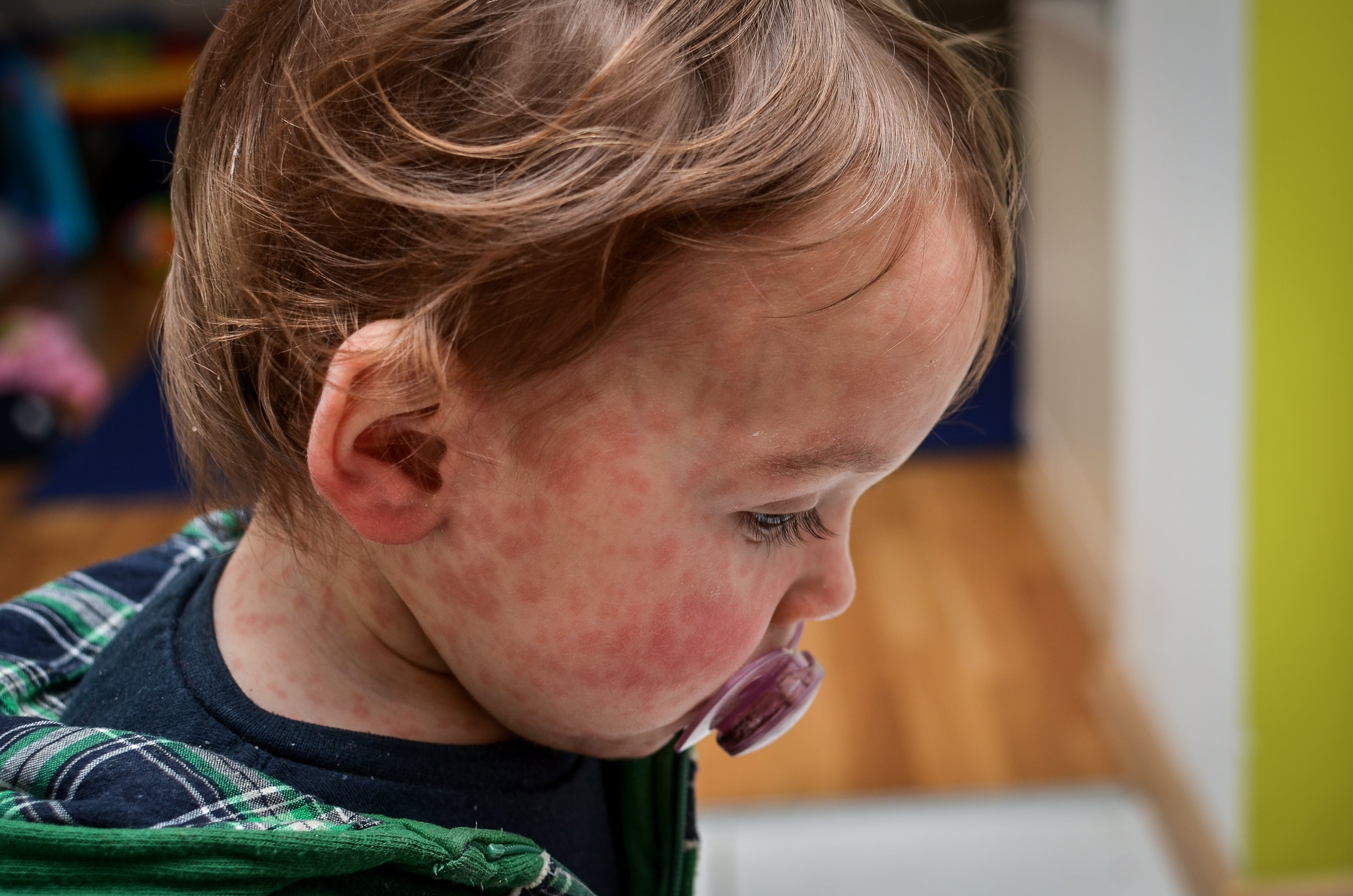
The distinctive body rash can show up a number of days later. This is the “most typical symptom of measles, which usually starts on the face and spreads to the rest of the body”, Superdrug’s pharmacy superintendent Niamh McMillan previously told HuffPost UK.

“It usually appears three to five days after first signs of symptoms and lasts for several days. The rash can be flat or slightly raised and join together into larger patches.”

According to the NHS, the rash can look brown or red on white skin and may be harder to see on brown and black skin.

If you suspect your child has measles, the NHS advises to call for an urgent GP appointment or to speak to NHS 111. It’s important to call your GP surgery before you go in as measles is very contagious.

Share Button

Scientists discover the body’s hidden “off switch” for inflammation

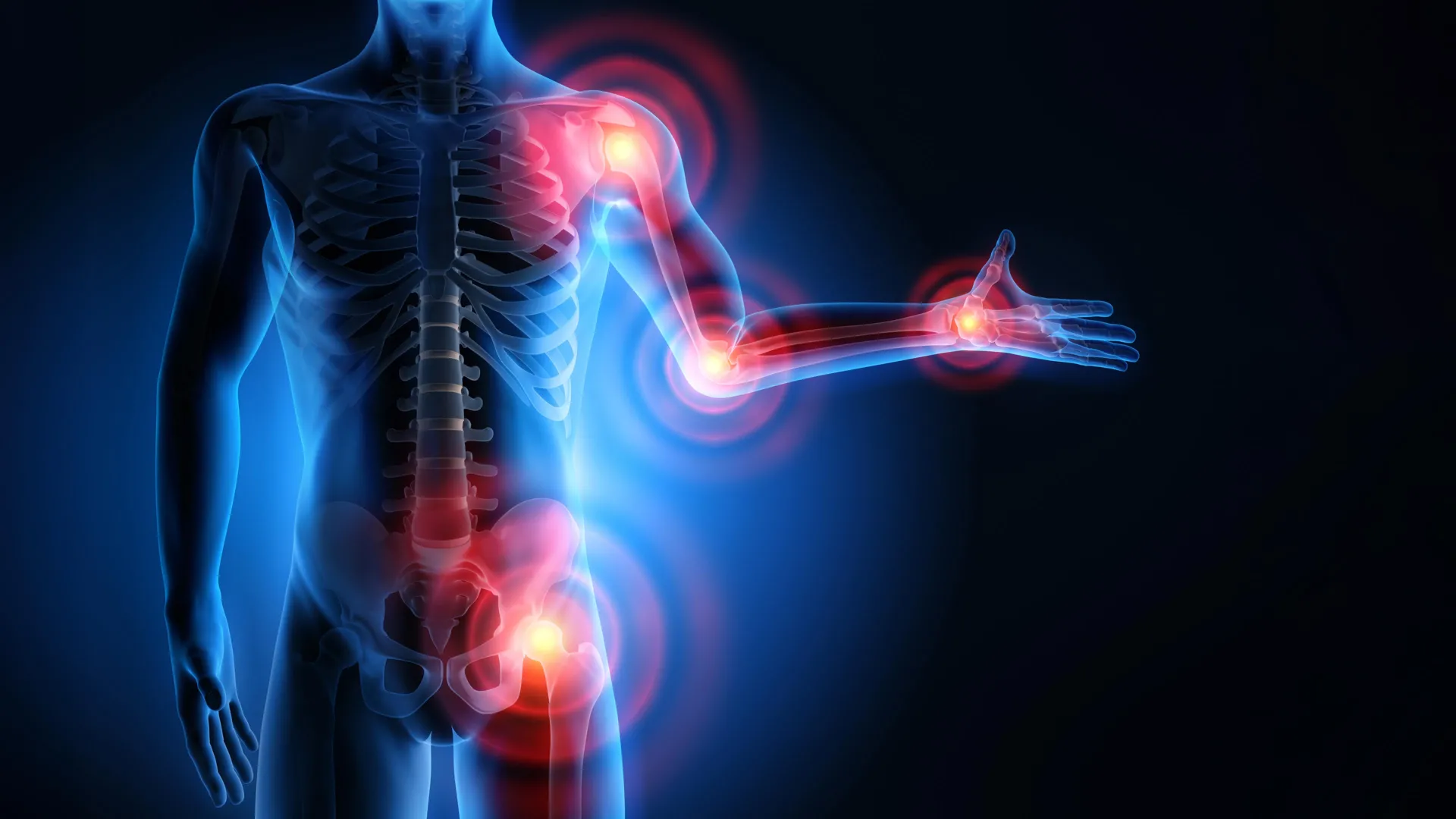
Researchers at University College London have identified a biological process that helps the body shut down inflammation once it is no longer needed. The discovery could pave the way for new treatments for chronic diseases that affect millions of people around the world.

Inflammation is an essential defense mechanism that protects us from infection and injury. However, if it continues unchecked, it can contribute to serious conditions including arthritis, heart disease, and diabetes. Until now, scientists did not clearly understand how the body transitions from an active immune attack to a healing phase.

Fat Derived Molecules That Calm the Immune System

The study, published in Nature Communications, found that small fat-based molecules known as epoxy-oxylipins act as natural regulators of the immune response. These molecules help prevent the buildup of specific immune cells called intermediate monocytes*, which are associated with chronic inflammation — linked to tissue damage, illness and disease progression.

To explore this process, researchers conducted a carefully controlled experiment in healthy volunteers. Participants received a small injection of UV-killed E. coli bacteria in the forearm. This triggered a temporary inflammatory response — pain, redness, heat and swelling — similar to what occurs after infection or injury.

Volunteers were divided into two groups: prophylactic arm and therapeutic arm.

At different stages, participants were given a drug called GSK2256294. This medication blocks an enzyme known as soluble epoxide hydrolase (sEH), which normally breaks down epoxy-oxylipins.

In the prophylactic arm, 24 volunteers participated — 12 received the drug and 12 received placebo (placebo). They were treated two hours before inflammation began to test whether boosting epoxy-oxylipins early could prevent harmful immune changes.

In the therapeutic arm, another 24 volunteers — 12 treated and 12 untreated (placebo) — received the drug four hours after inflammation had started. This approach reflected how treatment would occur in real world settings once symptoms appear.

Boosting Protective Lipids Reduced Harmful Immune Cells

In both groups, blocking sEH increased levels of epoxy-oxylipins. Participants who received the drug experienced faster pain resolution and had significantly lower levels of intermediate monocytes in both blood and tissue — the immune cells linked to chronic inflammation and disease. Notably, the medication did not meaningfully change visible symptoms such as redness or swelling.

Further investigation showed that one specific epoxy-oxylipin, 12,13-EpOME, works by suppressing a protein signaling pathway known as p38 MAPK, which drives monocyte transformation. Laboratory experiments and additional testing in volunteers who received a p38 blocking drug confirmed this mechanism.

First author Dr. Olivia Bracken (UCL Department of Ageing, Rheumatology and Regenerative Medicine) said: “Our findings reveal a natural pathway that limits harmful immune cell expansion and helps calm inflammation more quickly.

“Targeting this mechanism could lead to safer treatments that restore immune balance without suppressing overall immunity.

“With chronic inflammation ranked as a major global health threat, this discovery opens a promising avenue for new therapies.”

Corresponding author Professor Derek Gilroy (UCL Division of Medicine) said: “This is the first study to map epoxy-oxylipin activity in humans during inflammation.

“By boosting these protective fat molecules, we could design safer treatments for diseases driven by chronic inflammation.”

He added: “This was an entirely human-based study with direct relevance to autoimmune diseases, as we used a drug already suitable for human use — one that could be repurposed to treat flares in chronic inflammatory conditions, an area currently bereft of effective therapies.”

Scientists chose to investigate epoxy-oxylipins because previous animal research suggested they can reduce inflammation and pain. However, their role in human biology had not been clearly defined. Unlike well known inflammatory signals such as histamine and cytokines, epoxy-oxylipins belong to a lesser studied pathway that researchers believed might help naturally quiet the immune system.

Next Steps for Arthritis and Heart Disease Research

The findings open the possibility of clinical trials to test sEH inhibitors as treatments for diseases such as rheumatoid arthritis and cardiovascular disease.

Dr. Bracken said: “For instance, rheumatoid arthritis is a condition in which the immune system attacks the cells that line your joints. sEH inhibitors could be trialled alongside existing medications to investigate if they can help prevent or slow down joint damage incurred by the condition.”

Dr. Caroline Aylott, Head of Research Delivery at Arthritis UK, said: “The pain of arthritis can affect how we move, think, sleep and feel, along with our ability to spend time with loved ones. Pain is incredibly complex and is affected by many different factors. We also know that everybody’s pain is different.

“That is why it is important that we invest in research like this, that helps us understand what causes and influences people’s experience of pain.

“We are excited to see the results of this study which has found a natural process that could stop inflammation and pain. We hope in the future that this will lead to new pain management options for people with arthritis.”

The study was funded by Arthritis UK and included researchers from UCL, King’s College London, University of Oxford, Queen Mary University of London, and the National Institute of Environmental Health Sciences, USA.

Notes

*Intermediate monocytes are white blood cells that help fight infection and repair tissue. In short bursts, they help coordinate the immune response and support recovery, but if they persist or grow in excess, they keep the immune system switched on, leading to chronic inflammation.

Share Button

Scientists discover gene that could save bananas from deadly Panama disease

Scientists have uncovered a powerful source of natural disease resistance in a wild banana, offering new hope for protecting the global banana supply from a dangerous fungal threat.

Researchers at The University of Queensland, led by Dr. Andrew Chen and Professor Elizabeth Aitken, identified the specific genomic region responsible for resistance to Fusarium wilt Sub Tropical Race 4 (STR4), a destructive strain of Panama disease.

Fusarium Wilt and the Threat to Cavendish Bananas

“Fusarium wilt — also known as Panama disease — is a destructive soil-borne disease which impacts farmed Cavendish bananas worldwide through its virulent Race 4 strains,” Dr. Chen said.

This fungus attacks the plant through the soil, causing it to wilt and die. Even worse, it leaves behind long-lasting contamination in the soil, putting future crops at risk.

“Identifying and deploying natural resistance from wild bananas is a long-term and sustainable solution to this pathogen that wilts and kills the host plant leaving residue in the soil to infect future crops,” Dr. Chen explained.

Mapping Genetic Resistance in Wild Bananas

The team traced the source of resistance to a wild diploid banana known as Calcutta 4. To pinpoint the protective trait, researchers crossed Calcutta 4 with susceptible bananas from another diploid subspecies.

“We’ve located the source of STR4 resistance in Calcutta 4 which is a highly fertile wild diploid banana by crossing it with susceptible bananas from a different subspecies of the diploid banana group,” Dr. Chen said.

After growing the new plants, the scientists exposed them to STR4 and compared the DNA of plants that survived with those that became infected.

“After exposing the new progeny plants to STR4, we examined and compared the DNA of the ones which succumbed to the pathogen and those that didn’t.

“We mapped STR4 resistance to chromosome 5 in Calcutta 4.

“This is a very significant finding; it is the first genetic dissection of Race 4 resistance from this wild subspecies.”

A Five-Year Effort Using Advanced Genetics

The project, conducted through the School of Agriculture and Food Sustainability, required five years of work. Each generation of banana plants had to grow for at least 12 months before researchers could test them for disease resistance and continue breeding once they flowered.

To make the discovery, the team combined forward genetics (population development and disease screening), genome sequencing and bulked segregant analysis.

Toward Fusarium-Resistant Commercial Bananas

Dr. Chen said the findings will support the development of commercial banana varieties that can withstand Fusarium wilt.

“While Calcutta 4 provides crucial genetic resistance, it isn’t suitable as a commercial cultivar because it doesn’t produce fruit which are good to eat,” he said.

The next phase of research focuses on turning this genetic insight into practical breeding tools.

“The next step is to develop molecular markers to track the resistance trait efficiently so plant breeders can screen seedlings early and accurately before any disease symptoms appear.

“This will speed up selection, reduce costs and hopefully ultimately lead to a banana that is good to eat, easy to farm and naturally protected from Fusarium wilt through its genetics.”

STR4 affects banana crops in subtropical regions worldwide. It is a genetic variant of Tropical Race 4 (TR4) which is found in Australia.

The study was funded by Hort Innovation through banana industry levy funds and contributions from the Australian Government. The results are expected to guide future investments aimed at turning these genetic discoveries into practical tools for banana breeding and wider industry adoption.

The findings are published in Horticulture Research.

Share Button

Atom-sized gates could transform DNA sequencing and neuromorphic computing

Ion channels are tiny openings that control the movement of charged particles in living organisms. These narrow pathways are essential for many biological functions. In some cases, their tightest sections measure only a few angstroms across, roughly the width of individual atoms. Reproducing structures this small with precision and consistency remains one of the toughest challenges in nanotechnology.

Researchers at The University of Osaka have now taken a major step toward that goal. Writing in Nature Communications, the team describes how they used a miniature electrochemical reactor to produce pores that approach subnanometer dimensions.

Mimicking Nature’s Electrical Gateways

Inside cells, ions travel through specialized protein channels embedded in the cell membrane. This ion movement generates electrical signals, including the nerve impulses responsible for muscle contraction. The channels are built from proteins and contain extremely narrow regions at the angstrom scale. When exposed to external signals, these proteins change shape, which allows the channels to open or close.

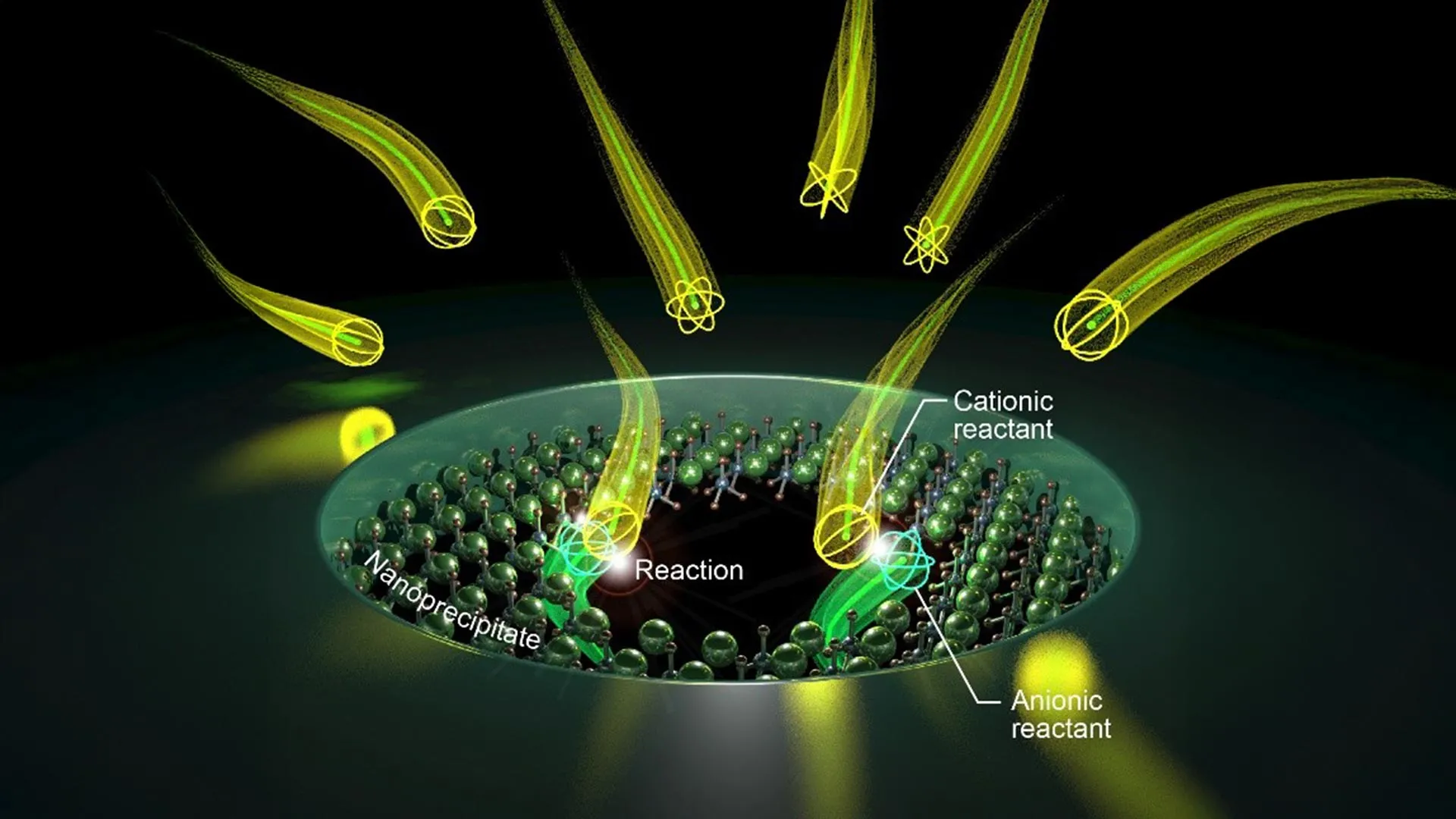
Drawing inspiration from this natural system, the researchers designed a solid-state version capable of forming pores nearly as small as biological ion channels. They began by creating a nanopore in a silicon nitride membrane. That nanopore then acted as a tiny reaction chamber for building even smaller pores within it.

When the team applied a negative voltage across the membrane, it triggered a chemical reaction inside the nanopore. This reaction produced a solid precipitate that gradually expanded until it completely blocked the opening. Reversing the voltage caused the precipitate to dissolve, restoring conductive pathways through the pore.

“We were able to repeat this opening and closing process hundreds of times over several hours,” explains lead author Makusu Tsutsui. “This demonstrates that the reaction scheme is robust and controllable.”

Electrical Spikes Reveal Subnanometer Pores

To better understand what was happening inside the membrane, the researchers monitored the ion current passing through it. They observed sharp spikes in the current, similar to patterns seen in biological ion channels. Further analysis indicated that these signals were most consistent with the formation of numerous subnanometer pores within the original nanopore.

The team also discovered that they could fine-tune how the pores behaved. By adjusting the chemical composition and pH of the reactant solutions, they altered both the size and properties of the ultrasmall openings.

“We were able to vary the behavior and effective size of the ultrasmall pores by changing the composition and pH of the reactant solutions,” reports Tomoji Kawai, senior author. “This enabled selective transport of ions of different effective sizes through the membrane by tuning the ultrasmall pore sizes.”

Applications in DNA Sequencing and Neuromorphic Computing

This chemically driven approach makes it possible to generate multiple ultrasmall pores inside a single nanopore. The technique offers a new way to study how ions and fluids move through extremely confined spaces at scales comparable to living systems.

Beyond fundamental research, the technology could support emerging fields such as single-molecule sensing (e.g., using nanopores to sequence DNA), neuromorphic computing (using electrical spikes to mimic the behavior of biological neurons), and nanoreactors (creating unique reaction conditions through confinement).

Share Button

Trump Changes His Mind On Starmer’s Chagos Deal Again, Calling It A ‘Blight’ On The UK

Donald Trump has attacked Keir Starmer’s Chagos deal once again, describing it as a “big mistake” and a “blight” on the UK.

The UK government announced last year that it was going to pay Mauritius £9 billion over the next 99 years so the UK-US military base at Diego Garcia will continue to operate as it does at the moment.

The US president initially seemed in favour of the deal but, at the height of his row with Europe over the sovereignty of Greenland in January, he changed his mind.

He accused Britain of giving away the “vital US military base” for “NO REASON WHATSOEVER”.

He then backtracked just two weeks ago, after a phone call with the prime minister, describing it as the best deal Starmer “could make”, though he warned that the US retains “the right to militarily secure and reinforce the American presence in Diego Garcia”.

The US did give its official backing to the UK’s plan to cede sovereignty of the territory only on Tuesday.

However, Trump has just changed his mind again, writing on TruthSocial that he has told Starmer “leases are no good when it comes to countries”.

He claimed to have warned the PM that “he is making a big mistake by entering a 100 year lease”.

He added: “Prime minister Starmer is losing control of this important Island by claims of entities never known of before. In our opinion, they are fictitious in nature.”

Trump suggested the US might need the archipelago if Iran does not agree to a new nuclear deal.

The president concluded: “We will always be ready, willing, and able to fight for the UK, but they have to remain strong in the face of Wokeism.”

A Foreign Office spokesperson said: “The deal to secure the joint UK-US military base on Diego Garcia military is crucial to the security of the UK and our key allies, and to keeping the British people safe.

“The agreement we have reached is the only way to guarantee the long-term future of this vital military base.”

Talks between the US and Mauritius are scheduled for next week.

Read Trump’s full message below:

I have been telling Prime Minister Keir Starmer, of the United Kingdom, that Leases are no good when it comes to Countries, and that he is making a big mistake by entering a 100 Year Lease with whoever it is that is “claiming” Right, Title, and Interest to Diego Garcia, strategically located in the Indian Ocean. Our relationship with the United Kingdom is a strong and powerful one, and it has been for many years, but Prime Minister Starmer is losing control of this important Island by claims of entities never known of before. In our opinion, they are fictitious in nature. Should Iran decide not to make a Deal, it may be necessary for the United States to use Diego Garcia, and the Airfield located in Fairford, in order to eradicate a potential attack by a highly unstable and dangerous Regime — An attack that would potentially be made on the United Kingdom, as well as other friendly Countries. Prime Minister Starmer should not lose control, for any reason, of Diego Garcia, by entering a tenuous, at best, 100 Year Lease. This land should not be taken away from the U.K. and, if it is allowed to be, it will be a blight on our Great Ally. We will always be ready, willing, and able to fight for the U.K., but they have to remain strong in the face of Wokeism, and other problems put before them. DO NOT GIVE AWAY DIEGO GARCIA!

White House press secretary Karoline Leavitt said: “The post should be taken as the policy of the Trump administration, it’s coming straight from the horse’s mouth.

“When you see it on Truth Social you know it’s directly from President Trump, that’s the beauty of this president in his transparency and relaying this administration’s policies.”

Tory shadow foreign secretary Dame Priti Patel said these remarks will be an “utter humiliation” for Starmer.

She said: “It’s time Starmer finally saw sense, U-turned and scrapped this appalling deal altogether.”

Lib Dem leader Ed Davey wrote on X: “Trump’s endless flip-flopping on the Chagos Islands shows why Starmer’s approach is doomed to fail.

“Britain can’t rely on the US while Trump is in the White House. It’s time to strengthen our ties with allies we can depend on, starting with our neighbours in Europe.”

Reform’s Nigel Farage also said: “Thank goodness Trump has vetoed the surrender of the Chagos islands.”

Four people who live on the Chagos island also set up camp on the archipelago’s remote atoll this week to protest the deal.

They refused to leave, despite facing eviction threats from the UK maritime patrol.

Share Button

NHS joint ops disrupted amid bone cement supply problems

Around 1,000 operations a week rely on the product as patients are warned delays are inevitable.

Share Button

What Experts Think Of The Showering In The Dark Before Bed Trend

A new wellness trend has hit social media – and while it’s usually tempting to approach these trends with a healthy dose of skepticism, this one might actually be worth trying.

It’s called ‘dark showering’ and it’s exactly what it sounds like: showering in the dark, not long before you wind down for the night. A cosy nighttime routine that puts you into a restful mindset and could, in theory, help you get a good night’s sleep.

It doesn’t have to be pitch black, and dimming the lights could be enough (or even just leaving your hallway light on and the bathroom door ajar), but it does appear to feel good for some people.

As @Emgilly on TikTok said: “One way I reset my nervous system as a [Stay At Home Mom] is by taking a shower in the dark. Try it, it works.”

Why might showering in the dark work?

First things first, we know that dimming the lights can help us tell our bodies it’s time to sleep.

Writing for The Conversation, Timothy Hearn, a lecturer in Bioinformatics, said: “Bright light in the evening signals to the brain’s internal body clock that it is still daytime. This delays the release of melatonin, a hormone that helps regulate sleep and is often described as the body’s ‘darkness signal’.

“In a laboratory study of 116 adults, typical room lighting between dusk and bedtime reduced early night melatonin levels by about 70% compared with very dim light. Exposure to room light before bed also shortened the total duration of melatonin release by about 90 minutes. Participants reported feeling more alert.”

Then there’s the warm water element. Just like parents use bathtime as a sleep cue for their kids, having a warm shower can work in a similar way. But why does it work?

The Sleep Foundation explains: “Body temperature plays an important role in the sleep-wake cycle, and human bodies naturally experience a decrease in core body temperature before nightly sleep.

“Scientists have found that by impacting this natural temperature regulation process, showers and baths can affect sleep.”

It’s been dubbed the “warm bath effect” – and one analysis found taking a shower or bath in water that’s around 40-degrees Celsius can improve sleep quality.

HuffPost UK spoke exclusively to Archie MacDonald, director of Highland Soap Co., who also believes scent plays a “huge role” in how we experience relaxation.

“When you shower in low light, fragrance becomes more noticeable because your senses aren’t competing with visual stimulation,” he said.

“Certain essential oils, like lavender and patchouli, are known to help calm the nervous system and reduce feelings of stress, which is why scent-led rituals can have such a powerful effect on mood and wellbeing.

“A dark shower allows that sensory experience to come to the foreground, turning an everyday routine into something more restorative.”

For the best results, sleep physician Dr David Rosen recommends having a warm shower at least one hour before bed.

Why are dark showers so popular suddenly?

MacDonald suggested the trend is gaining popularity because people are increasingly aware of how overstimulation, screens and busy schedules affect them, and they’re looking for simple ways to unwind that fit into daily life.

“Dark showering doesn’t require extra time or space, but it creates a clear shift from day to night through scent and atmosphere,” he added.

“That focus on small, intentional rituals reflects a wider move towards protecting wellbeing in achievable, sustainable ways.”

It’s got to be worth a try, right?

Share Button

‘65-Year-Old Chin Hair’ Doesn’t Stand A Chance Against This On-Sale Laser Tool

Removing unwanted body hair is a thankless, repetitive chore that seems to just. keep. happening. While laser removal can be a more permanent option, treatments are pricey. It can also be really uncomfortable, with one Reddit user deeming the process “the single most painful thing I’ve ever endured.”

If you’ve been looking for a long-lasting way to deal with unwanted hair, but don’t want to break the bank, writhe in pain or even leave your house — we spotted a highly-rated, cooling hair-removal tool from Ubroo, starting at $63, depending on the color. (Blue gives you the best deal.) According to our price trackers, that’s over 40% off. Reviewers call it “salon quality permanent hair removal at a fraction of the price,” offers results with “no pain” — to you or your wallet.

The device uses Red-light Intense Pulsed Light (IPL), which, according to WebMd, is gentler and more gradual than traditional laser treatments — often making it far less painful and irritating.

As WebMD describes, because IPL is less intense than laser treatment, it can require more sessions, but often demands less (or no) recovery period. Reviewers agree with this, noting the sensation from this device is “nothing” compared to ”the hours I’ve wasted from plucking and waxing.”

“Even from using it everyday, there is no skin irritation or lingering redness or adverse effects,” Megan wrote.

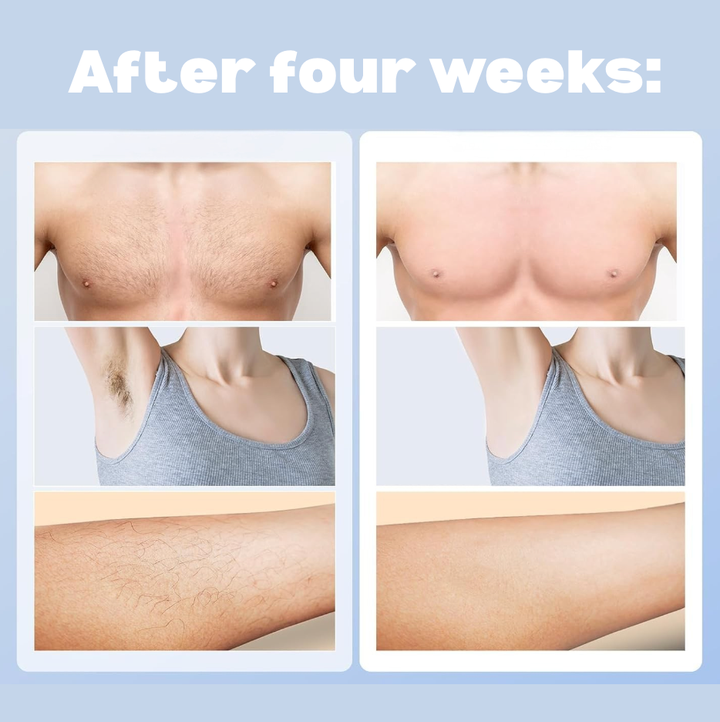
According to the brand, the device works by emitting a range of IPL wavelengths into your hair follicles, disrupting hair growth and hindering regrowth. Reviewers say the result isn’t just removing existing unwanted hair, but slowing, or even stopping new hair from popping up.

One calls the regrowth “so fine and sparse and not itchy at all,” noting that after three months of consistent use, “very very few fine soft hairs grow back.” While others call the treatment “permanent,” with their hair never growing back, leaving them to enjoy “smoother, softer skin without the hassle of constant shaving or painful waxing sessions.”

In addition to the IPL, the device has an “ice-touch” feature that immediately cools and compresses the skin before the treatment starts, intended to make the experience less painful while reducing redness and swelling.

“I was a bit skeptical at first about how comfortable it would be, but it really does make a difference,” one wrote. “The cooling sensation helps soothe the skin, making the hair removal process nearly painless. I was worried it might sting or be uncomfortable, but it’s surprisingly gentle!”

The device has nine preset levels for different skin and hair types, as well as a “manual” mode for sensitive and high-precision areas. The brand recommends starting at a lower intensity, and gradually working for your way up, suggesting manual mode for areas like your underarms or bikini line and the auto levels for bigger, less sensitive spaces like your legs, arms or back. It also suggests shaving any visible hairs before using the device and rocking the safety googles included with purchase. You’ll likely need to use it two to three times a week for six to eight consecutive weeks to see “significant hair reduction,” the brand says.

The device needs to be plugged in to work, and the brand recommends holding it perpendicular (at a 90-degree angle) to your skin. With an ergonomic grip and rounded curves and two smartly placed buttons, reviewers call it “comfortable and easy to use at home.”

People especially love it for dealing with unwanted hair from aging, menopause, hormonal changes and more.

Users love this device for making them feel more confident and in control of their grooming, regarding all sorts of unwanted hair. One user jokes, “my perimenopause grannie hairs are going away,” while another says the device helps them manage their “65 year old chinny-chin-chin hairs.” Eugene Hoeppner shared that the tool helped solve the “constant struggle” of removing unwanted menopausal facial hair, while others use it for taming their bikini line, replacing shaving their legs or just to have control when they want it, instead of going to the salon for “expensive and painful waxes.”

“For the cost of 1 professional [laser hair removal] session, I have all the sessions I could ever need in the palm of my hand,” Eugene Hoeppner said.

[NOTE: As with all skin care products and devices, please consult with your dermatologists to determine whether or not this device is best for your skin and its condition.]

Reviewers love this at-home hair removal tool for making hair removal more comfortable for their changing bodies, schedules and wallets. Read more 5-star reviews and grab one for yourself while it’s on sale.

“I’ve had laser hair removal in a professional office, I’ve tweezed, waxed, exfoliatd, and threaded. None of the at home treatments lasted more than a few days. I’m menopausal so, facial hair was a constant struggle. That is until I bought this. The results last longer, and thanks to the cooling feature, it isn’t painful. The best part is I don’t have to leave home. For the cost of 1 professional LHR session, I have all the sessions I could ever need in the palm of my hand! I had to search YouTube for instructions. The ones included weren’t clear. However there’s a plethora of videos available. And once you get started, its straight forward. The kit includes protective Eyewear(very important) power cable, device, and a disposable razor. Its great quality! Ive been using it for a few moths now and haven’t had any issues. This is well worth the cost in my opinion and I would recommend this device to anyone struggling with unwanted hair.” — Eugene Hoeppner

“THIS right here is a game changer!! No more heading to the salon to get expensive and painful waxes. This is such a great find. There are many of these on the market and I’ve actually tried a different product before and it didn’t work… THIS one is actually helping me. My suggestion is to trim your hairs down low and then start using this. It helps with slowing down growth which is the best part! Easy to use and it’s attractive enough to leave out on the counter! Really glad I decided to give this a chance!!” — Aaron Hilgen

“I’ve tried various hair removal methods over the years, but this laser hair removal device is by far the most convenient and effective. Right from the first use, I was impressed by how easy it is to operate—no confusing setup or complicated instructions. Just plug it in, adjust the intensity, and you’re good to go. One of the biggest advantages is the ice-cooling feature, which makes the process virtually painless. I have sensitive skin and was worried about irritation, but this device has been gentle while still being effective. After just a few uses, I’ve already noticed a reduction in hair growth, and my skin feels much smoother. I also love how compact and lightweight it is—perfect for storing or even taking on trips. It’s a fantastic alternative to expensive salon treatments, saving both time and money. If you’re looking for an easy, pain-free, and efficient way to remove unwanted hair, this device is definitely worth considering!” — Krunal Patel

The Real Deal: We use deal trackers and commerce experience to sift through “fake” hike-and-drop deals and other deceptive sales tactics. Products will usually be rated at least 4 stars with a minimum 15% discount. (And when there’s an exception, we’ll tell you why.)

Share Button