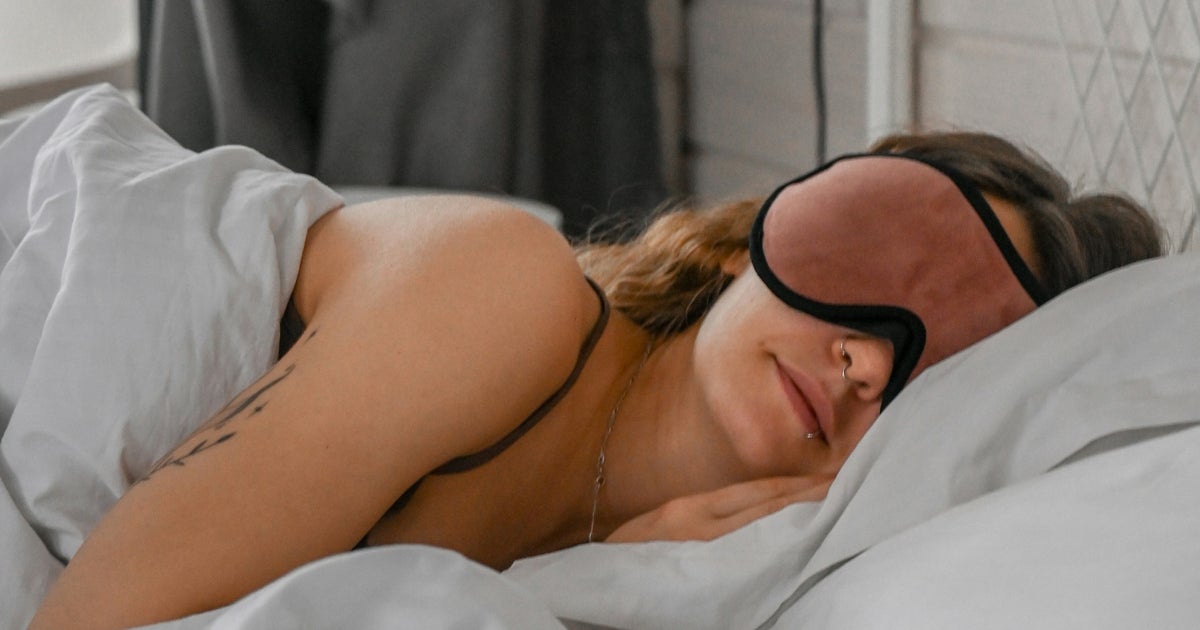
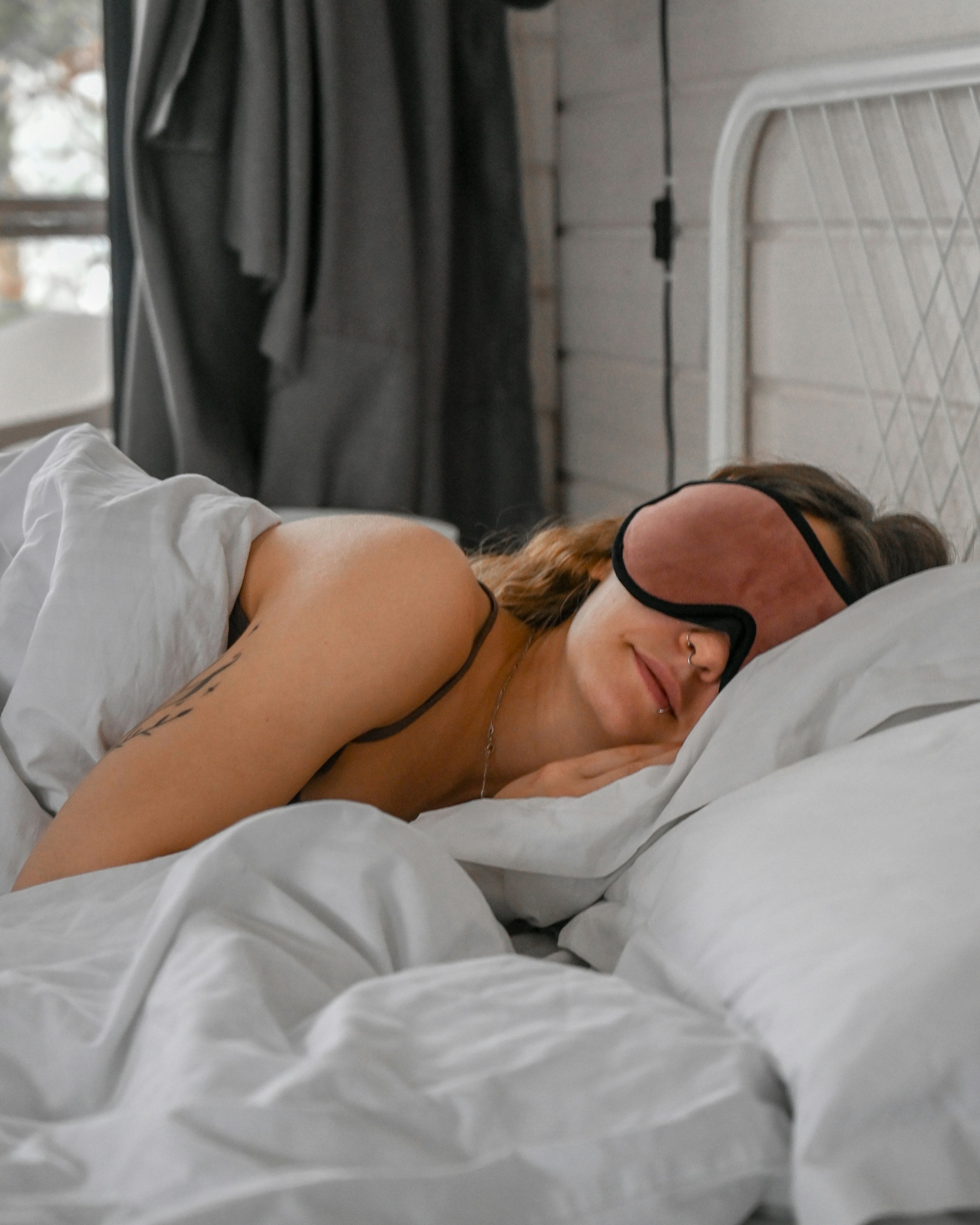
Having the occasional bad night’s sleep isn’t anything to worry about in and of itself, the NHS says.
But if the issue lasts a long time or starts to affect your day-to-day life, it could be worth speaking to a doctor, as this might be down to conditions like insomnia.
Advertisement
Still, those terms can be a little tough to navigate. How long is “a long time”? It feels like everyone complains about feeling tired – how can we tell “normal” fatigue from sleep-disorder-level exhaustion?
Here, doctor and Fellow at the Royal College of Anaesthetists, Dr Sunny Nayee, shared the “3-3-3 rule” he uses to tell bad sleep from a more lasting issue.
What is the “3-3-3 rule”?
“If you experience disrupted sleep at least three nights a week for at least three months, medical practitioners no longer regard it as lifestyle related but in the realm of insomnia,” Dr Nayee said.
Advertisement
He encourages those concerned to ask themselves three questions:
Do you experience poor sleep for a minimum of three nights?
Have you experienced poor sleep hygiene for at least three months?
Does poor sleep impact at least three aspects of your day (fatigue, brain fog, changes in mood, lack of concentration).
After all, he stated, insomnia is usually measured by how you feel in the daytime, not what you struggle with at night.
“A common misconception is that people think insomnia is staring at the ceiling and not sleeping at all,” he wrote.
Advertisement
“However, it’s defined by the impact it has throughout the day. If you find that poor sleep hygiene is having an instrumental impact on your mood, concentration and ability to function, then it may be considered a clinical condition.”
What if I think I have insomnia?
Per the NHS, insomnia is not a life sentence: it is often linked to stress, booze, a poor sleeping setup, or rooms that are too hot or cold, and “usually gets better by changing your sleeping habits”.
Advertisement
The health service recommends going to bed at the same time every day, exercising regularly, ensuring your room is dark and quiet, using comfortable bedding, and unwinding for at least an hour before bed, ie by reading a book.
If changing your sleep habits doesn’t work, if your sleep issues have been going on for months, and/or if your insomnia is “affecting your daily life in a way that makes it hard for you to cope,” speak to your GP.
What’s the capital of Canada? Uh-oh. Ottawa? Do Americans typically know that?
I tried to respond to my new internist, but the answers didn’t flow from me. Each one caused a stutter the size of Mariana Trench — and it terrified me.
Plus, I was twitching so badly, my arms were practically useless.
I’d been in the hospital for a month. Zach, my husband, was at home in our apartment taking care of my newborn baby with my mother. It wasn’t easy for them: small apartment, new baby, one bathroom, my life hanging in the balance.
Advertisement
For the last few weeks, I’d been cycling in and out of the ICU. Zach had even gotten “the talk” — a doctor had called in the thick of the night to tell him that I might not make it home. Many thought I would likely not survive. They didn’t fully know what was wrong with me, except that everything was going wrong with me.
Four weeks earlier, I had my baby by C-section. Moments later, I was rushed into another surgery because my vitals started to plummet and I was bleeding out rapidly.
I didn’t even get to hold my baby. There was no skin-on-skin — only chaos, panic, and then I didn’t wake from my anesthaesia. It was a living nightmare. I did wake up eventually, and four days after giving birth, I finally met my daughter before she went home — without me.
Advertisement
After having my baby, I endured three rounds of ICU intubation, multiple abdominal surgeries, a body full of blood clots, heart failure and kidney failure with a dash of severe sepsis and pneumonia and a long list of other scary conditions I’d never want to Google. I was a forever-changed, half-dead person.
Once I was removed from the ventilator for the final time — and I was able to speak again — a rotating cast of doctors visited me every day, and told me different things about my condition. It felt like some absurdist theatre play. I had practically the same conversation over and over and over in a spin cycle of frustration and a maze of murky next steps.
My case was especially challenging because I had so many bodily systems failing and that required a slew of doctors. I had a fetal maternal medicine team, residents, an internist, a cardiologist, a hematologist, a nephrologist, an infectious disease specialist, a pulmonologist, a surgical team and maybe a few others I’ve forgotten.
Advertisement
“I’m a project manager at my day job, and you all have got to get organised working across fields,” I complained to one of my many physicians. “Everyone is telling me something different.”
In response to my speaking up, my doctors finally put a text chain together so they could all communicate in one place.
It’s possible that text chain saved my life — and it may never have been created if I hadn’t said something.
Advertisement
Photo by Becca Murray
“This is a moment from my nine months on dialysis in 2022,” the author writes.
I realised, if I was going to live, I’d have to project-manage my recovery. I had power. I could assert myself. My doctors cared deeply about my survival, so I reasoned it was time to start asking them for what I needed instead of passively riding my tidal wave of medical torment. My skin was grey and my kidneys didn’t work, but I wasn’t weak — not where it counted the most. I had my mind and I had my voice back, so I needed to use it.
I was many tests away from an official diagnosis but my wise haematologist had a theory that I have a particularly nasty disease called atypical haemolytic uremic syndrome, or aHUS. It’s wildly rare and kills a lot of people who get it. The disease strikes women in particular because it often hides in the body until a trigger — like pregnancy — sets it off.
Advertisement
After a few stable days, I began to feel a progressively increasing shake and stutter in my body. I tried to project manage by sharing my new symptoms with my doctors. “This isn’t me,” I said. “Something else is really wrong.”
My newly assigned internist told me it might be a side effect of my medicine. Other doctors suggested I was stressed and recommended I take clonazepam to ease my anxiety.
Suddenly, a few hours later, everything in my perception began mysteriously repeating three times in a row, like being stuck in a horrific deja vu loop, and then I could no longer speak.
Advertisement
It turned out my body was poisoning my brain with toxins because my kidneys were failing. I desperately needed dialysis, but there were no machines available at this massive cutting-edge hospital… and my nightmare continued longer than it should have.
I was beyond angry and frustrated. Despite constantly keeping my many providers apprised of my symptoms, I was now at the point of toxic encephalopathy and experiencing aphasia and nervous system tremors with deja vu.
Why had I been dismissed when I spoke up about the warning signs I was experiencing?
The data doesn’t look fondly on the system. A 2009 study showed middle-aged women with the same heart disease symptoms as men were twice as likely to be diagnosed with a mental health issue. The Journal of American Heart Association found that women possibly experiencing a heart attack wait 29% longer in ERs than men.
Advertisement
Recently, the CDC reported 1 in 5 women experience mistreatment during their pregnancies, and the stats are markedly worse for Black women, resulting in higher rates of tragic maternal mortality.
I know that doctors often have it rough in a broken system. I sympathise with their challenges and fatigue. But it should be on the medical industry and educational institutions — not patients — to make strides to overcome these pressures.
I am also not saying we should always distrust our doctors. I believe in science and I believe in their training and expertise. But after everything I experienced, I now know there are ways patients can better support our providers, and I know that engaging with them and playing an active role in our care is not only vital — it can mean the difference between life and death.
Advertisement
Now, I approach health care differently.
Courtesy of Taylor Coffman
The author on vacation with her husband and daughter.
While doctors certainly have knowledge and training that I do not, I am an expert on myself. We work together and truly listen to each other to make the best decisions about how to treat my conditions. I urge them to communicate in a clear way that helps me understand exactly what is happening and I continue to voice my concerns until I am satisfied that they understand what I’m experiencing.
When I know something is wrong, but I’m not sure exactly what, I become a researcher. I organize a list of bullet points about what I am feeling in the notes app on my phone and bring it to my appointment.
Advertisement
I also do my homework. Though many doctors say they hate it when patients look for information on the internet — and Googling symptoms can lead to trouble — a new study shows it may not be as harmful as once thought, and there are many great digital resources to consult.
If I want a test or procedure that a doctor doesn’t agree I need, I ask them to annotate my request in the notes. Written records have weight. I also often ask medical professionals if it’s okay to record the appointment using my phone’s voice memo recorder.
When we see doctors, we’re often overwhelmed by all of the information we’re receiving and the big emotions we’re feeling and it’s amazing how much we can miss.
Advertisement
My current doctors are invested in my care and I like them all. But, at the end of the day, it’s a relationship based on their ability to keep me well. If I don’t see progress, I get a second opinion, and it’s okay if they know that. It’s not personal. These doctors often end up consulting each other.
Most people don’t want to be a squeaky wheel, but be a squeaky wheel. Research showsbeing an empowered patient can improve health outcomes. I respect boundaries and I’m kind, but I’m insistent. If I commit to a plan with the doctor, I don’t slack. It’s not always easy, but when I’m doing everything that’s asked of me, if a treatment doesn’t work, then it’s not on me.
Five grueling weeks after giving birth, I finally went home to my baby. It turned out that my hematologist was right — I do have aHUS.
Advertisement
Today, I’m doing quite well by chronic rare disease standards. There is no cure for aHUS, but it’s one of the very few rare diseases with an approved treatment. After nine months of dialysis, my kidney regained some function and left me with stage 3 kidney disease. I currently get infusions every eight weeks to keep my aHUS from causing more damage, but otherwise, I’m busy being a mom to my active toddler.
While the experience was a roller coaster, I did find my voice in that hospital bed. I learned the importance of advocating for my needs and, most crucially, to trust myself when something is wrong.
This piece was originally published in February 2024 and is being rerun as part of HuffPost Personal’s “Best Of” series.
Taylor Coffman is a multi-hyphenate creative from the East Coast. As an actor, Coffman has recurred on HBO’s “Silicon Valley” directed by Mike Judge, CBS’s “Life in Pieces,” Rachel Dratch’s “Late Night Snack,” and has appeared in Ryan Murphy’s “FEUD.” Behind the scenes, she worked for many years at Jimmy Kimmel Live; one of the nation’s most listened-to NPR stations, KPCC; and in podcasting at LAist Studios. She lives in Santa Monica with her musician husband, Dustbowl Revival’s Zach Lupetin, her daughter and a very needy rescue dog named Sunny.
Here, we spoke to Dr Giuseppe Aragona, GP and medical adviser for Prescription Doctor, about why “Nordic walking” seems to be so good for us – and how it stacks up against the oft-repeated 10,000 steps rule.
What is “Nordic walking” and is it better than 10,000 steps?
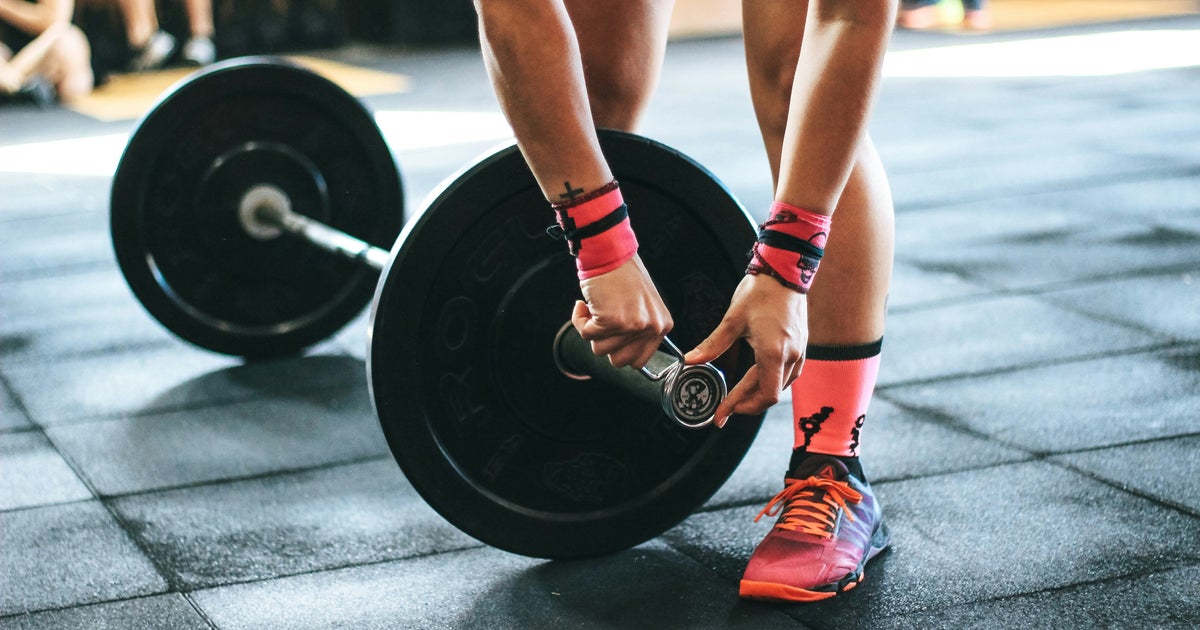
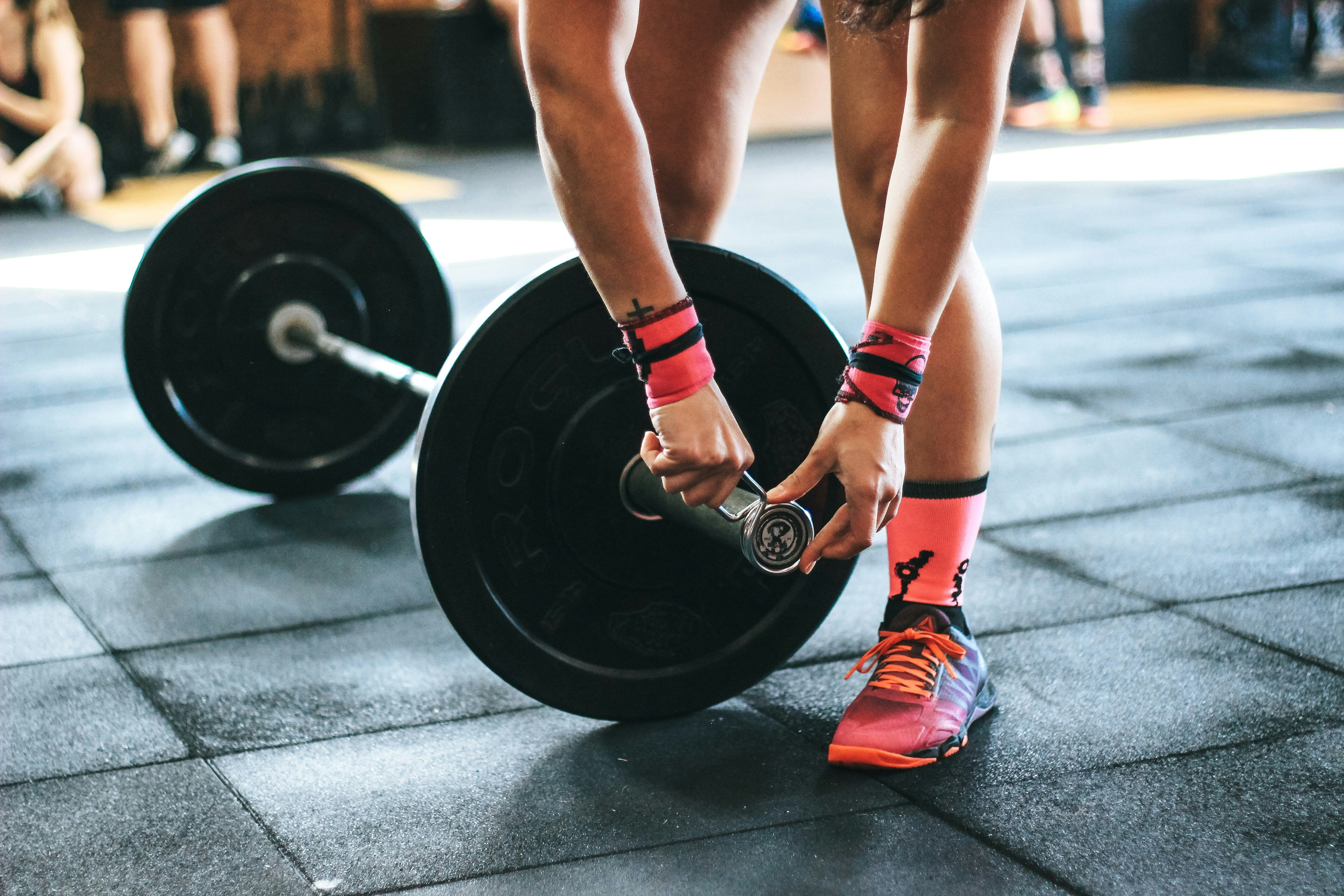
Nordic walking involves using two poles to propel yourself as you walk. It was first popularised in the ’90s by skiers, hoping to build their strength off-season.
Because it involves the use of your torso and arms, it engages more of your muscles (up to 90% vs regular walking’s 50-ish %, Harvard Health said).
Advertisement
“In many ways,” Dr Aragona told HuffPost UK, “it offers advantages over simply aiming for 10,000 steps a day”, provided you move enough to meet fitness recommendations.
“What we now know is that meaningful health benefits can be achieved with far fewer steps, and that the quality and intensity of movement matter just as much as the number of steps taken.”
Advertisement
Nordic walking may be a more vigorous activity, the GP continued, because it gets more of your body moving.
“Studies suggest it can increase energy expenditure by around 20% compared with ordinary walking at the same speed, so people often achieve a moderate-intensity workout more quickly,” she stated.
“For most adults, around 150 minutes of moderate-intensity activity per week is the recommended target, and Nordic walking is an excellent way to meet that… Nordic walking can make each step ‘count’ a little more towards cardiovascular fitness.”
Advertisement
Who might benefit most from “Nordic walking”?
Dr Aragona explained that the technique is an excellent choice for those suffering from joint pain, “including those with mild-to-moderate osteoarthritis”.
That’s because “The poles act almost like a support system, distributing some of the body weight through the arms and reducing the load going through the hips, knees, and ankles. This can make walking more comfortable and allow people to walk further or more confidently than they might otherwise manage.”
Advertisement

Additionally, Nordic walking encourages better posture and a longer stride – both of which the GP says can reduce stiffness.
And the added stability and balance the poles offer “can reduce the fear of falling and allow [people] to remain active, important for joint health in the long run”.
The sport, which is often associated with older people, can “be an excellent full-body workout for any age group,” as “It strengthens the core, improves coordination, and provides a cardiovascular boost without the higher impact of running,” Dr Aragona shared.
Advertisement
“Younger adults who find walking ‘too easy’ often enjoy the increased challenge and pace they can achieve with poles,” she ended.
“It can also be ideal for people recovering from injury, those who want a low-impact form of cross-training, or anyone looking for an outdoor activity that improves fitness and strength simultaneously.”
Waking up at 3am is a surprisingly common experience – and there are plenty of reasons why it might happen.
Advertisement
“During a typical night’s sleep, we go through multiple 90-minute cycles that include different stages of sleep, from light to deep and REM sleep,” the doctor said.
“Around 3am, most people are transitioning between cycles, and the sleep tends to be lighter at this point.”
This transition makes us “more susceptible to waking”, suggested the pro, especially if there are external disturbances such as noise, light, temperature changes or even the urge to use the toilet.
Advertisement
But if you find yourself waking up multiple times throughout the night to pee, including a 3am dash to the loo, did you know it could signal an issue with your breathing?
Why your nighttime toilet trip and breathing could be linked
Nocturia, or nocturnal urinary frequency, is an issue characterised by needing to wee more than once throughout the night.
It can be caused by a range of factors, one of which is obstructed breathing.
Per the Sleep Foundation, “OSA affects the hormones that control urine production, leading to more frequent urination”.
In a post shared on Instagram, dentist Dr Mark Burhenne (@askthedentist) explained the mechanisms of this further: “When your airway collapses during sleep, you keep trying to breathe against a closed airway. This creates massive negative pressure in your chest that stretches your heart muscle.
Advertisement
“Your heart responds by releasing a hormone called ANP (atrial natriuretic peptide) that tells your kidneys to dump sodium and water.
“Normally during sleep, your brain releases ADH (antidiuretic hormone) that tells your kidneys to CONSERVE water – so you can sleep through the night without peeing. But ANP actively SUPPRESSES that protective ADH signal. So you’re not just making more urine – your body’s brake system gets shut off too.”
He concluded that this means your body is “both actively MAKING more urine” and “blocking the signal that would conserve water”.
Advertisement
What to do about it
Dr Burhenne recommended tracking your nighttime pee breaks, as once a night might be normal, but two or more times “is a red flag”.
If you are waking up two or more times to pee, he urges you to consider: “Do I snore? Wake up exhausted? Have a small/recessed jaw, crowded teeth, or a history of retractive orthodontics?”
And if this is the case, he recommends speaking to a professional.
Sleep apnoea can be serious if it’s not diagnosed and treated, warns the NHS.
Treatment typically involves wearing a CPAP machine to improve your breathing while you sleep.
Alternatively, you might be offered a mandibular advancement device (a gum shield-esque device to hold your airways open when you sleep) or surgery to help your breathing.
Advertisement
Exercising regularly, sleeping on your side, losing weight if you’re overweight and adopting good sleep hygiene habits might also help.
But one little-known effect of the winter weather is that it can also trigger or worsen a range of dental problems, according to Dr Raj Juneja, principal dentist at Face Teeth Smile Dental Clinics.
Advertisement
So, in the spirit of staying informed – and preventing any issues from cropping up when the worst of the cold weather hits – here are just some of the ways cooler climes can impact your gnashers.
1. Tooth sensitivity
Dr Juneja said one of the most frequent issues dentists see during winter is tooth sensitivity.
When your tooth enamel (the outer layer of your teeth) becomes worn or thin, the underlying dentin and nerves are more exposed.
This means external stimuli – like hot or cold substances (yes, your morning coffee en route to work is very much included in that) – can reach the nerve and cause a sharp, shooting pain.
Advertisement
If you’ve noticed a bit of sensitivity, the dentist advises using a desensitising toothpaste and a soft-bristled brush, as well as avoiding acidic foods and whitening products that can thin the enamel further.
2. Cracked teeth and damaged fillings
Unfortunately, cold temperatures can also make teeth and dental restorations (like fillings and crowns) more brittle, said the dentist.
This is because when you go from warm to cold environments rapidly, your teeth can expand and contract slightly. Over time, this stress may lead to micro-fractures in enamel or even damage old fillings.
Advertisement
If you notice pain when biting or temperature sensitivity in a specific area, Dr Juneja recommends scheduling a dental check-up promptly, as early detection prevents small cracks from turning into a bigger issue.
3. Dry mouth and chapped lips
It’s not just your teeth which might be feeling the strain as the winter weather hits, as you ramp your heating up, you might notice you have a dry mouth. This can lead to bad breath, tooth decay and discomfort, said the dentist. You might notice your lips feel positively desert-like, too.
Dr Juneja’s advice? Stay hydrated, use a humidifier at home, and consider sugar-free lozenges or gum to stimulate saliva flow. He also advises applying a protective lip balm to prevent cracked lips and corners of the mouth.
Advertisement
4. Jaw tension and tooth grinding
Lastly, cold weather can cause people to clench their jaws or grind their teeth subconsciously, said the dentist, especially if you’re spending a fair bit of time shivering.
“This can worsen temporomandibular joint (TMJ) pain, lead to headaches, and wear down tooth enamel,” he said.
If you’ve noticed you’re a winter clencher, try relaxation exercises and keeping your face warm with a scarf. And don’t forget to ask your dentist about a night guard if you grind your teeth during sleep.
Advertisement
Keeping on top of dental check-ups can also help flag any signs of tooth damage or decay early on.
So perhaps it’s no wonder that Brenig Moore, health and safety and technical officer at Astutis, told HuffPost UK: “Lunch breaks matter all year round, but more so over the darker seasons of autumn and winter”.
Advertisement
In fact, Moore said, a 15-minute change to your lunch break could be considered a “basic safety requirement”.
You should go for a walk on your lunch break in winter
But it will likely be too dark to get enough of that sweet sunlight on the other side of your work day.
Advertisement
So, the Royal Osteoporosis Society’s advice – “to let the sun shine on your face or arms for about 10 minutes between 11am and 3pm” – might be best achieved for many on their lunch break.
“It is a basic safety requirement to get out and take a small walk for at least ten minutes to boost your alertness, mood and energy,” Moore revealed.
He added, “Short days mean your body’s natural wake/sleep cycle is disrupted. Even just fifteen minutes outdoors can help you avoid that mid-afternoon slump that leads to mistakes, stress and burnout.”
Advertisement
Even your joints struggle in the colder, more sedentary months, he continued.
“Cold weather tightens muscles and joints, and what’s going to make that even worse is sitting in the same office chair all day… Moving at midday resets posture and reduces aches that lead to long-term issues.”
It may be especially useful in times of high pressure, the health expert stated: “Winter workloads spike, but powering through kills efficiency… The people who pace themselves work smarter, not longer. A 30-minute break can save hours of tired mistakes.”
Advertisement
What are the other benefits of taking a walking break this winter?
“You may find your mood to be a lot lower in winter than it is in summer, and this isn’t uncommon,” Moore said.
“Constant screen time drains the brain. Stepping away at lunch resets concentration and judgement, which will lower the risk of accidents happening both at work and at home,” the expert ended.
Advertisement
“By going out and resetting your brain, you’re less likely to come back to the office or your laptop and make any mistakes. Some accidents may just be something as simple as not including an attachment in an email, but some accidents may be something that could cause injuries for you or others in the workplace.”
But I just can’t bring myself to work out often now that the clocks have gone back. The motivation simply won’t kick in.
Advertisement
If that sounds like you, though, some reassuring (or depressing, depending on your mindset) news: you’re not alone. There is real science behind your cold-weather sluggishness.
Some research conducted on military service members suggested that “The combination of cold temperatures with other environmental stressors, including altitude, wind, and wet environments, exacerbates the overall metabolic strain on military service members.”
In other words, it just takes more out of you to work out when it’s chilly out.
Another paper found that people who stood outside in the cold before attempting cycling saw a decrease in performance of 30%.
More great news: once you’ve completed a chilly session, your hormones may make you hungrier than you would have been if you’d exercised in warmer weather.
Advertisement
How can I motivate myself to work out in winter?
BBC Sports recommends reframing sport as “me time,” working out with others, wrapping up warm, changing your routine to an indoor one, and rewarding yourself when you do get active.
PureGym says that sticking to a routine and seeing exercise as a way to get sunlight – which can help you regulate your sleep, especially after the clock change – may help too.
Even committing to a quick burst of activity on your lunch break can be useful, experts told TODAY.
But dietitians like Lizzy Traxler, MS, RDN, also a diabetes educator at University Hospitals, say: “Over time, and in combination with other healthy lifestyle choices and a balanced diet, choosing sourdough over regular bread may provide numerous health benefits.”
These, she told University Hospitals, may include improved digestion. “The improved mineral absorption from the fermentation process supports cardiovascular function,” they add (this might be especially true of sourdough rye bread).
Advertisement
And the British Heart Foundation says sourdough bread may make your blood rise more slowly, too.
So why did Dr Karan Rajan, an NHS surgeon and author, advise we “check the ingredients list” on sourdough loaves before buying?
“Sourfauxs” use different fermentation methods
Quality wholegrain, sourdough, and high-fibre breads may contribute to the “replacement of hyper-palatable baked goods, which are high in sugar, fat, and salt,” which can be beneficial to our health, a 2023 paper reads.
But, they add, one of the reasons sourdough research is so tricky is because “there is no established and internationally recognised legal definition of sourdough bread”. In fact, they found, the artisanal products usually included in trials may differ from the sorts found on most shelves.
Advertisement
“Analysis of bread samples purchased in the market showed that most of these had pH levels of >5.0, substantially above desired levels of pH 4.5 to obtain desired changes in composition,” they wrote.
This paper did not say that this difference definitely meant one was better than the other, or that the higher pH versions were sourfauxs ― though traditional sourdoughs tend to have a lower pH, which is linked to their sour taste.
But if you would like to eat sourdough made from traditional starter, Dr Rajan advises you look at the labels of sourdough breads in search of “added yeast”.
Advertisement
“Authentic sourdough doesn’t mention any added yeast,” he explained, “because it uses a natural fermentation process.”
He added, “Imitation sourdough, or ‘sourfauxs,’ often contain commercial yeast like baker’s yeast and even chemical raising agents like baking powder in addition to, or instead of, live sourdough starter culture.”
To be clear, the doctor didn’t say there’s anything wrong with eating non-sourdough bread.
It’s just that he felt it was important consumers know what they’re really buying (especially considering sourdough bread could be easier for people who usually struggle to digest food to eat).
“Sourdough” is not a legally-protected term, Swie Joo, head baker at The Palmerston restaurant in Edinburgh, told The Independent (like Dr Rajan, by the way, the chef advised customers to check for the word “yeast” on packages if you want a traditional sourdough loaf).
Advertisement
That means you can add commercial, or non-fermented, yeast to “sourdough” breads.
This can make the rise of bread more predictable and easier to replicate. It can be cheaper and less time-consuming, too.
The combination could make mass production a lot easier.
The Real Bread Campaign write that their campaign “is to better protect us from the risk of being misled by cynical marketing and to allow us all to make better-informed choices about the food we eat”.
In my youth (read: a couple of months ago, when it was still bright out), I tried “Japanese walking,” “Jeffing,” and strength training to stay active.
Now that it’s cold and dark, and I have adopted the appropriate hermit lifestyle, it’s more about walking in what little daylight I can access and, to be honest, skipping the gym.
But I need to be realistic, too: I work from home and rarely feel up for getting my good (well, non-PJ) togs on of a gloomy evening or dark morning.
So, I began to try “movement snacking” – a trend that allows me to incorporate tiny workouts in between typing flurries.
Advertisement
Now, I can’t imagine a work week without it. It’s helped my upper back and shoulder pain a lot, too – I feel a lot less stiff and sore.
Amy Glover / HuffPost UK
A quick midday walk on the left: stretching on the right
What is “movement snacking”?
It involves including multiple small movement sessions, like 10 squats or a five-minute walk, into your day rather than relying on a single large block of exercise.
Advertisement
A 2022 paper found that even one-minute bursts appeared to have health benefits in small proof-of-concept studies.
And a 2025 systematic review showed that “movement snacks” lasting at least five minutes, performed twice daily or more, “improved cardiorespiratory fitness in physically inactive adults”.
For me, that took the form of a couple of squats after writing an article or a little turn around the block during lunch. I reckon I spend, on average, about three to five minutes on roughly four sessions.
Advertisement
Speaking to HuffPost UK, Dr Suzanne Wylie, GP and medical adviser for IQdoctor, said: “I think ‘movement snacking’ is an excellent and very sustainable approach to maintaining musculoskeletal health, especially for people with sedentary jobs.
“It’s realistic, easy to integrate into a busy day, and doesn’t require special equipment or a gym setting. Even a minute or two of stretching, shoulder rolls, or walking around every 30–60 minutes can have cumulative benefits for your comfort, flexibility, and energy levels.”
The doctor added that she often recommends similar approaches to her patients, “as small, consistent movements can make a big difference to how the body feels and functions over time”.
Advertisement
Can movement snacking help with back pain?
I’ve noticed that my upper back feels a lot less tense and sore now that I’ve begun “movement snacking” (and I think it’s helped my midday mood, too).
According to Dr Wylie, the two may be related.
“It’s very plausible that your improvement is directly linked to practising ‘movement snacking,’” she shared.
Advertisement
“When we remain seated for prolonged periods, particularly when working at a desk or computer, the muscles in the shoulders, upper back, and neck can become tense and shortened, while the supporting postural muscles weaken over time.
“This can lead to stiffness, discomfort, and even tension headaches. By incorporating short, regular bursts of movement throughout the day, you’re effectively breaking up those long periods of static posture.”
Exercise snacking may help, the GP ended, because “These brief stretches and mobility exercises help improve blood flow to the muscles, reduce joint stiffness, and encourage better posture”.
Advertisement
In other words, the trend may help more than your back – after all, some experts think it can help to manage your blood pressure, improve your heart health, and even support your metabolism too.
The best bit? From my experience, you won’t even notice you’re doing it – it’s so fun and easy, and helps to break up an otherwise monotonous stretch.
Some research suggests that reading twice a week or more can lead to decreased cognitive impairment, while neurologist and author of How To Prevent Dementia, Dr Richard Restak, said: “Reading for pleasure is perhaps the single most effective activity you can engage in for increasing cognitive reserve”.
Why might listening to music decrease dementia risk?
In this study, scientists looked at 10,893 Australian participants who were aged 70 and older.
None of them had dementia when the study began.
The researchers used Cox proportional hazard regression models to work out whether participants’ levels of music engagement (be it listening to music, playing an instrument, or a combination of both) seemed to be linked to their dementia risk from year three of the sudy onwards.
Advertisement
They found that “always” listening to music was associated with a 39% lower risk of developing dementia among their participants, compared to those who “never,” “rarely,” or “sometimes” did.
Playing an instrument was linked to 35% less risk, meanwhile, and those who both played an instrument and listened to music appeared to be 33% less likely to develop the condition too.
Listening to, and playing, music (as well as doing both) was also linked to less cognitive impairment in this study.
Advertisement
These findings seemed to be stronger among participants who’d had over 16 years of education.
“These results highlight music as a potential promising, accessible strategy to help reduce cognitive impairment and delay the onset of dementia in later life,” the paper reads.
Does this definitely mean listening to music will prevent dementia?
No. It only found a link, and not a cause – we can’t say from this data that listening to music is the reason people with the hobby were less likely to develop dementia.
Advertisement
Study senior author Professor Joanne Ryan, however, said: “With no cure currently available for dementia, the importance of identifying strategies to help prevent or delay onset of the disease is critical.
“Evidence suggests that brain ageing is not just based on age and genetics but can be influenced by one’s own environmental and lifestyle choices.”
She continued: “Our study suggests that lifestyle-based interventions, such as listening and/or playing music can promote cognitive health.”