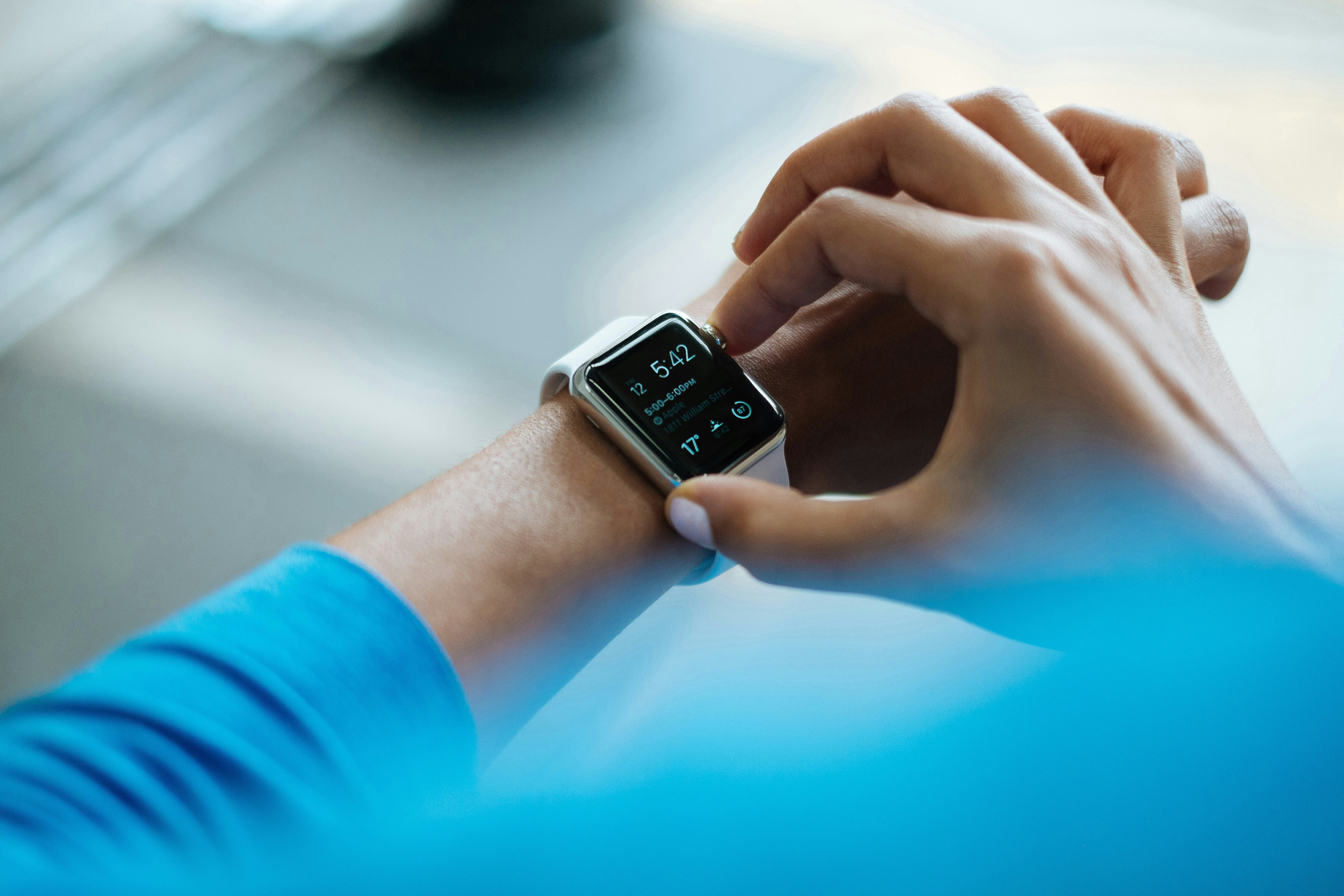
Anyone who has an Apple Watch or an equivalent will tell you it’s made them more acutely aware of their health. With features such as heart rate and rhythmn detection, fall detection and even medical ID included, wearable health technology gives users a real-time idea of their wellbeing.
Now, Nirave Gondhia, founder of House of Tech has said that he believes the lasting legacy of Apple will be the Watch.
Advertisement
In an article for Digital Trends, Gondhia said: “The Apple Watch is the most important device that Apple sells right now.
“Of all the products on Apple’s shelves, it’s the one that markedly improves your life. There’s a suite of health features that could save your life, including high and low-heart-rate notifications, EKG, fall detection, and blood pressure monitoring.”
He also added: “The suite of Apple Health features available today is already incredibly strong. Looking down the road for the next few year, it only stands to get better.”
Medical experts are also excited for the future of digital technology for health
Neurosurgeon Richard D. Fessler M.D said: “Wearable technology can look for possible stroke risk factors, such as sleep apnoea, that may be affecting a patient without them realising it — something that an annual check-up would never detect.
Advertisement
“And it can constantly monitor things like body temperature that, when elevated, may trigger a stroke. The patient’s provider has access to all of the information gathered by the wearable, and can reach out to the patient if they see anything that needs to be addressed.”
Dr. Anne Lepetit, Chief Medical Officer at Bupa said: “The potential for digital healthcare to transform stroke prevention and recovery has never been clearer.
“Wearable devices connected to health apps can track vital signs in real-time, analysing trends and flagging risk patterns, so you can take preventative action. Remote consultations make it easier for patients to access expert advice, and personalised health programmes to help patients stay engaged with lifestyle changes, such as diet and exercise, that lower stroke risk.”
Hopefully, these revelations will make wearable tech more accessible and affordable to patients.
You may already know that shuffling your feet while walking can be an early sign of dementia, affecting someone’s ability to, say, go up the stairs.
But scientists may have identified another possible early symptom that shows up in your stride.
A 2022 study, published in JAMA Network Open, didn’t look at walking on its own; they compared older people’s hiking styles to their memory.
Advertisement
The changes in walking didn’t mean much without a decline in certain cognitive skills, they say.
But those who notice differences in their walk alongside cognitive changes, referred to by the study as “dual decliners,” had a higher risk of developing dementia than the rest of the participants.
They examined gait speed in two-year intervals across seven years, and again in the final year.
They also looked at cognitive changes (in memory, verbal fluency, mental processing speed, and “global” cognition) at years 0, 1, 3, 5, and at the close-out of the test.
“Association between domains, such as processing speed and verbal fluency, with gait have been explained by the crossover in the underlying networks or pathology,” the paper says.
Advertisement
It continues, “Of domains examined, the combination of decline in gait speed with memory had the strongest association with dementia risk. These findings support the inclusion of gait speed in dementia risk screening assessments.”
Does this mean walking more slowly over time is a dementia sign?
No ― again, it was only relevant when paired with cognitive changes.
If you suspect dementia in yourself or a loved one, the NHS advises you to see a GP as soon as possible.
Bringing up the topic with a loved one can be hard, they say, so be sure you approach the topic gently, in a situation they’re familiar with, and without rushing.
“A diagnosis of dementia can also help people with these symptoms, and their families and friends, make plans so they’re prepared for the future,” they add.
“There are around 7.6 million people living with heart and circulatory diseases in the UK,” the British Heart Foundation writes ― around four million men and 3.6 million women.
“We estimate that in the UK more than half of us will get a heart or circulatory condition in our lifetime,” they add.
Advertisement
Despite that, not all of us are familiar with the signs of heart issues ― though to be fair, the NHS says some, like high cholesterol, ”[does] not usually cause symptoms.”
Most of us will need a blood test to diagnose high cholesterol.
However, the British Heart Foundation says that “if you have familial hypercholesterolaemia, you may have visible signs of high cholesterol.”
What is “familial hypercholesterolemia” and what are its signs?
Tendon xanthomata: a type of swelling that can appear on the knuckles, knees, or the Achilles tendon at the back of the ankle. It results from an accumulation of excess cholesterol.
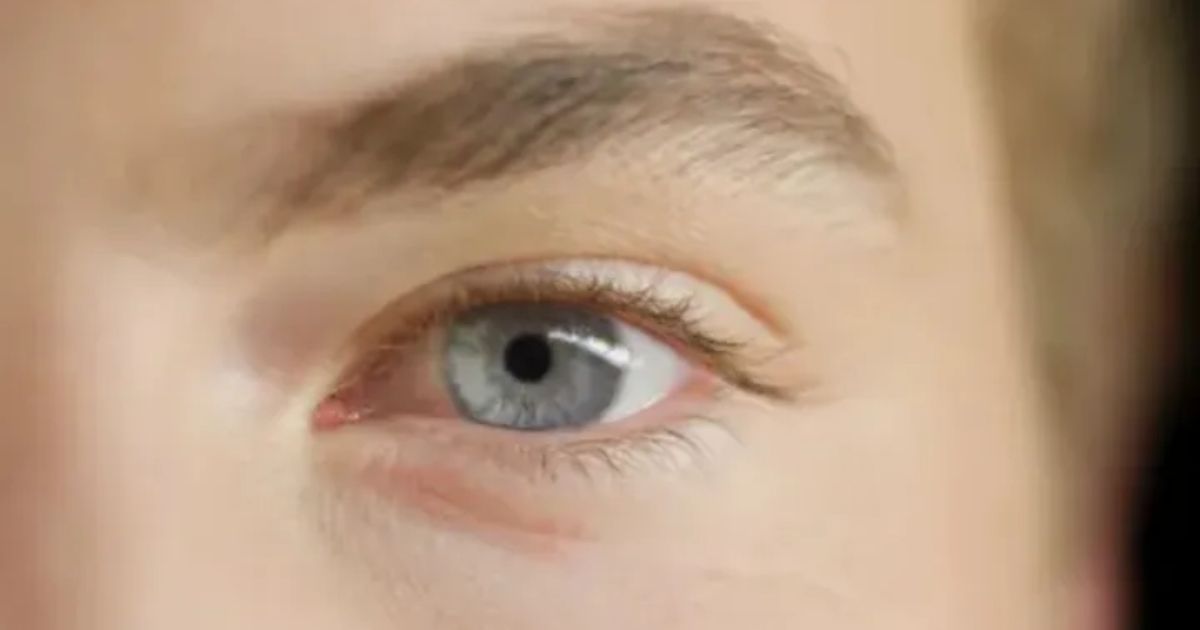
Xanthelasmas: small cholesterol deposits that develop in the skin around the lower eye area and on the eyelid. They typically have a pale yellow appearance.
Corneal arcus: a pale white ring surrounding the iris, the coloured part of the eye. If you’re under 50 and have corneal arcus, it could be an indication of FH.
Other signs that aren’t visible include having a heart attack or stroke (especially at a younger age), noticing high cholesterol in your routine blood test, having a family history of premature heart disease or stroke, or knowing a relative has the condition.
Not everyone with FH will have all of those symptoms;get a genetic test if you’re unsure.
How can I lower my cholesterol?
Some people with high cholesterol will be put on medications called statins, but all will be advised to improve their diet and exercise more.
“To reduce your cholesterol, try to cut down on fatty food, especially food that contains a type of fat called saturated fat,” the NHS says, adding: “You can still have foods that contain a healthier type of fat called unsaturated fat.”
Stopping smoking, cutting down on or not drinking booze, and exercising for at least 150 minutes a week can all help too, they say.
Speak to your doctor if you’re worried about your heart health.
As a former cleaner, I notice the little details (like polished taps and doorknobs, or truly streak-free windows) that show an expert level of cleaning.
You don’t have to be a cleaner to meet those standards; I’ve even had clients whose homes were pro-looking spick and span before I turned up.
Advertisement
Even in those houses, however, an important part of the bedroom was almost always ignored.
Freddie Garnham, Lighting Design Engineer at Dyson, shared that “unseen dust mites, allergens and dust contribute to an unhygienic environment” in our sleeping space in one neglected area in particular.
Which is?
People, you are meant to vacuum your mattress.
It makes sense when you think about it ― you may already vacuum your sofa, but for some reason, mattresses always seem to evade deep cleans.
That’s not a great idea, Garnham says.
“Regularly vacuuming your mattress will ensure a cleaner and more hygienic sleeping environment and a sleep undisturbed by allergies,” he said.
“While the frequency will depend on the mattress itself, it is recommended to be cleaned every six months with bedding changed once a week to keep dust and allergens at bay.”
Advertisement
He’s not alone. Speaking to Ideal Homes, Jane Wilson, manager of Fantastic Cleaners, said: “Regular vacuuming of your mattress can help remove allergens, dust mites, and dirt, contributing to a cleaner and more hygienic sleeping environment.”
She added,“It’s generally safe and beneficial for most types of mattresses. This includes mattresses with materials such as foam, latex, innerspring, hybrid, and memory foam.”
How should I vacuum my mattress?
The good news is that you don’t need a specially designed tool for the task: a plain old Henry or other vacuum will do.
Mattress Online says you should get the nozzle on the bed part and begin “using small circular motions over the entire mattress to make sure you lift all of the dust, dirt, hair and dead skin.
“If you have one, you can also use an upholstery attachment to make vacuuming a little easier, but it’s not essential.”
Advertisement
Once you’ve tried it, we can almost guarantee you’ll never go back.
Fall is in the air, and so are an increased number of viral pathogens.
Flu activity usually begins to pick up its pace in October, according to the Centers for Disease Control and Prevention (CDC), and many of us will have already experienced the first trace of a sore throat or stuffy nose that heralds the beginning of the cold and flu season well before then. Clearly, now is the time to start building your defences. A healthy immune system depends on a lot, including quality sleep, solid hygiene, stress management and, not least of all, a well-balanced diet.
Up to 80% of the body’s immune cells are found in the gut, and experts increasingly understand that what you eat affects the unique mix of friendly bacteria in the GI tract known as the microbiome, which influences overall immunity.
Advertisement
“The immune system is a complex network of organs, tissues and cells,” said Dr. Carlos Zambrano, a board-certified infectious disease physician and the head of the COVID-19 task force at Loretto Hospital in Chicago. “Clinical deficiencies of [some key] nutrients can weaken immunity and increase susceptibility to infections.”
Nearly half of American adults fail to meet the most basic dietary guidelines. “So even a little boost can help,” said registered dietician Toby Amidor. While she cautions that there is no “magic bullet” food or drink that will “boost your immune system through the roof,” the following are foods that nutrition and infectious disease experts keep stocked in their own pantries. Find out why and what to add to your grocery shopping list.
“It works to upregulate certain chemicals in the immune system responsible for fighting viruses and bacteria and also targets inflammatory cells,” said Dr. Tania Elliott, a spokesperson for the American College of Allergy, Asthma and Immunology.

While heat can destroy some of those benefits, researchers at Penn State University found that crushing or chopping the cloves activates their main bioactive compound. So, if you want the benefits without the bite of raw garlic, chop it and let it sit for 10-15 minutes before cooking.
Advertisement
Chilli peppers
While people default to citrus as a source of vitamin C, green or red chilies (serrano, jalapeño, poblano) have nearly as much of this potent antioxidant, which has antiviral properties and may stimulate antibody production, which may help fight off bacterial infections when you have the flu, according to Dr. John La Puma, author of ChefMD’s “Big Book of Culinary Medicine.”
“You should have vitamin C-containing foods twice daily so you can fully absorb it,” he said. As a bonus, Elliott said that spicy foods contain capsaicin, a compound that can thin out mucous, making it less habitable for inflammation-causing viruses and bacteria.
by Elena Veselova via Getty Images
“Ginger contains gingerol, compounds that act as anti-inflammatories,” Amidor said.
Ginger
Like garlic, this root has antiviral and antibacterial properties and may be especially good at warding off or soothing a sore throat. One in vitro study found that a ginger solution was effective against three pathogens that commonly cause throat infections, and another found a ginger solution comparable to antibiotics in treating the bacteria that cause strep throat.
“Ginger contains gingerols, compounds that act as anti-inflammatories,” Amidor said. Studies have tested ginger extract in amounts from 20g/100mL to 100g/100mL and indicate more is better, so grate or slice some fresh ginger into soups, smoothies, broths or tea for the benefits.
Advertisement
Sunflower seeds
Amidor likes to keep these on hand for snacking because they are a potent source of vitamin E and several minerals related to immunity. Not having adequate vitamin E is associated with reduced activity of white blood cells, which normally keep invading viruses from spreading, Zambrano noted. Sunflower seeds also contain magnesium, and skimping on that mineral is associated with decreased immune cell activity, increased oxidative stress and increased inflammation, according to recent research.
Canned salmon or other fish
Most people struggle to get enough vitamin D, particularly in the colder months. “In winter, too little vitamin D is made in your skin because the angle of the sun is too low,” La Puma said.
Harvard researchers found that people with low levels of this nutrient were about 40% more likely to have had a recent respiratory infection compared with individuals who had plenty of vitamin D. This may be because vitamin D triggers the production of antimicrobial compounds that can help neutralise the activity of infectious agents, including the influenza virus.
Salmon is one of the best sources of this nutrient, with one 3.5-ounce serving to deliver two-thirds of your daily value of D per USDA data, and shelf-stable cans or pouches make adding some to a salad or spreading on crackers easy.
Raw Manuka honey
Zambrano’s sweetener of choice is a specific kind of honey produced by bees in New Zealand. Manuka honey has antibacterial properties and contains a natural compound that can help with cough as well or better than over-the-counter cold medicines, according to research.
Advertisement
Sea salt
Too much salt in your diet can get a bad rap, but Elliott likes to have coarse sea salt on hand to soothe a sore throat. “Gargling with warm salt water when you are sick, especially sea salt, can have an anti-inflammatory effect,” she said. “It works by helping to wash away viruses, bacteria, allergens and mucus in your throat. The rougher the salt, the better.”
One study found that participants who gargled with sea salt reduced the duration of their colds by an average of nearly two days, reduced their use of over-the-counter cold medicine by more than one-third, and were less contagious to members of their household.
Tea
“Hydration is such an important part of supporting your immune system,” said Glassman, “and people often aren’t drinking as much as they do in the summer.” Her solution is to stock up on tea. She especially likes turmeric tea, which contains the compound curcumin, an anti-inflammatory.
One study found that consuming curcumin for 12 weeks reduced the time healthy Japanese adults experienced cold symptoms. La Puma likes green tea, which he says has been shown to lower the viral protein production of cells infected with the influenza virus. He explained, “Catechins in green tea change the physical properties of the viral membrane and block a protein, called hemagglutinin, from the flu virus so the virus cannot be absorbed into your cells.”
But if you’re anything like me, a delusional part of your brain probably also went: “That looks nice, I could do that.”
Advertisement
Well, if you want to attempt the precarious pastry, it turns out that none other than GBBO’s former judge Mary Berry has a timeless recipe.
Sharing her know-how on BBC’s site, the Cordon Bleu-trained chef said: “These decadent pastries filled with praline and cream are like giant profiteroles, perfect for sharing.”
How does Mary make ’em?
She says you’ll need”a food processor, a piping bag, a star nozzle and a silicone mat” to perfect her recipe, which offers two Paris-Brests (a pair if you will).
She preheats her oven to 220C/200C, lines a baking sheet with baking paper, and draws four 10cm-ish circles on it before flouring the parchment.
Advertisement
Then, she makes choux pastry by putting milk, salt, sugar, butter, and water into a pan, removing from the heat once it starts bubbling, and ― frankly ― beating the bejesus out of it “until it forms a dough that leaves the side of the pan clean.”
Then she places the mix back into the pan and heats it for five minutes or so.
Once cooled slightly, she beats eggs into the dough “until the dough is smooth and glossy,” and then place it in a piping bag.
She pipes four thick rings into the circles she drew earlier, then tops them with egg wash and almonds.
These should be baked for 10-15 minutes at full temp, and then a further 10 minutes at 180C/160C Fan/Gas 4; dry them out in an opened oven for three minutes afterwards.
Then, Mary makes a praline by spreading hazelnut-filled caramel onto a silicone mat, leaving it to cool, and whizzing it in a blender.
Advertisement
She also makes vanilla whipped cream for the filling.
“Sprinkle half the praline onto the bottom halves of the choux rings, then pipe a generous amount of cream over the praline. Sprinkle the remaining praline over the cream and place the pastry lids on top. Dust with icing sugar and serve,” Mary says.
It was named after a bike race that runs between Paris and Brest, a port city; it was even designed to look like a bike.
The New York Times advises making your praline first, in direct contradiction with Mary Berry’s advice (should we make them cycle a race to determine the winner?).
“If you have too much liquid or too much fat in your cake batter, this can result in a cake with a weak structure which can cause it to sink in the middle.”
The starches and binders in the cake can’t do their strengthening job if their path is interrupted by too much liquid.
Advertisement
This, along with a too-small cake tin, opening the oven door too soon, under- or over-mixing your cake batter, or having an oven that’s too cold can also contribute to the sinking, the baking pro adds.
Then she whisks all of the ingredients ― sugar, flour, marmalade, butter, sultanas, baking powder, cherries, eggs and milk ― into a bowl and chucks the lot in the oven for 40-45 minutes.
Pretty simple, right? And if the reviews are to be believed, it’s delicious too ― “A lovely, soft and fluffy traybake, this is more like a sponge cake in a tray than the usual slice,” A Tale Of 2 Kitchens writes.
If you struggle to get, or stay, asleep, you might wonder what’s “normal” and what’s genuinely worth worrying about.
The NHS says “A few sleepless nights are usually nothing to worry about, but it can become an issue if a lack of sleep starts to affect your daily life.”
Advertisement
But where exactly is that line meant to be drawn?
Well, according to healthcare provider Mayo Clinic, noticing one dangerous tendency during the day (rather than at night) can be a giveaway.
Which is?
If you’re finding yourself nodding off during important moments of your day, it’s possible you have a sleep disorder, Mayo Clinic says.
“Being very sleepy during the daytime” is a common sign, they write.
“You may fall asleep at times that aren’t typical, such as while driving or while working at your desk.”
The NHS adds that you may also have longer-term sleep issues if you:
find it difficult to fall asleep
lie awake for long periods at night
wake up several times during the night
wake up early and be unable to get back to sleep
feel down or have a lower mood
have difficulty concentrating
be more irritable than usual.
“Longer-term sleep problems can affect our relationships and social life, and leave us feeling tired all the time, eating more and not able to do daily tasks,” they add.
What are some common sleep disorders?
Insomnia, sleep apnoea (where you stop breathing for short periods of time throughout the night), restless leg syndrome, night terrors, sleepwalking, and even snoring can all disrupt a good night’s sleep.
“But talk with your doctor or other healthcare professional if you regularly have trouble getting enough sleep, if you don’t feel rested when you wake up or if you feel overly sleepy during the day.”
Some lament the ‘LOL’ or deride the ‘delulu,’ but I’m not one of them.
I grew up with smartphones and think that, just as the invention of the printing press gave us words like “clique” and “uppercase,” Internet lingo adds something interesting to our vocabulary.
But of course, the web giveth and the web taketh away; some conventions, like the proper letter formatting we learned in school and cursive handwriting, have fallen a little by the wayside.
Advertisement
Whether or not that matters at all is a question of opinion. The same goes for another grammar rule I had no idea hundreds of years of writing brought in, and the computer took out ― double spacing after a full stop.
Why did it change?
According to Thesaurus.com, even the style guide APA, who they call a “staunch defender” of double spaces in general, changed their view on the post-full-stop spacing style in 2019.
“In 2020, Microsoft also struck a major blow to all the double-spacers out there when it officially categorized a double space after a period as a writing mistake in their popular Microsoft Word program,” they add.
Though some attribute the standardisation of double spaces after full stops to typewriters, Thesaurus points out that Bibles dating as far back as 1611 followed the rule.
Advertisement
Both printing presses and typewriters faced a similar problem: typesetting the end of a sentence so that it didn’t crowd out the following one was tricky.
That’s because, former copy editor for the New England Journal of Medicine Jennifer Gonzalez (who “learned to type in 1987 on an IBM Selectric typewriter”) says on her site The Cult Of Pedagogy, “every character was given the exact same amount of space on the page.
“That meant the letter i was given the same amount of space as the letter m, even though it clearly didn’t need it.”
New computer keyboards have something called proportionally spaced fonts, which consider the size of the character when compiling them ― spelling the end of the double space after a full stop.
It’s proved a generational gap
On her site, Gonzalez says “Nothing says over 40 like two spaces after a [full stop].”
Of course, that was written in 2014 ― it’s 50 now, by that logic.
But she adds that it was drilled into some generations’ heads for so long that it can be a very hard habit to let go of ― “We got our papers marked wrong if we didn’t. It takes a long time to unlearn that,” she wrote.
Advertisement
Her copy editing job, which she started in 1999, helped her adapt to the new way, she adds.
Still, it was enough of a common style choice in 2011 to incense a Slate writer, who wrote, “What galls me about two-spacers isn’t just their numbers. It’s their certainty that they’re right.”
“Studies have shown that, beginning with millennials, younger generations widely prefer the single space after a [full stop],” they added. Boomers and Gen X, however, tend to use a double space.
I’ve always thought UTIs were a bit like period pain; they just seem to be the luck of the draw.
The NHS explains that they’re more likely to happen to women, as: “Women have a shorter urethra than men. This means bacteria are more likely to reach the bladder or kidneys and cause an infection.”
Having sex, pregnancy, not drinking enough fluids, a weakened immune system, and “not keeping the genital area clean and dry” can increase your risk, they say, though they add that some people are simply more susceptible to chronic UTIs than others.
Advertisement
But according to Harvard Health, if you get UTI after UTI, “You may be surprised to learn that family history may also play a role.”
How?
It’s down to genetics, which experts think can make you more or less likely to get the condition many times over.
“Having a first-degree female relative (parent, sister, or child) with a history of more than five UTIs means you may be at higher risk for recurrent UTIs,” Harvard shared.
A 2010 study found that “six out of 14 genes investigated in humans may be associated with susceptibility to recurrent UTI in humans.”
Advertisement
Harvard adds that “recurrent” UTIs are defined by someone having three infections or more in any 12-month period, or two infections in any six-month period.
They add that “abnormalities in the urinary tract or trouble completely emptying the bladder may make a person more vulnerable to frequent UTIs.”
The NHS says chronic UTIs may not show up in urine tests and “can have a big impact on your quality of life.”
How can I protect myself against UTIs?
If you have recurrent UTIs, it can be helpful to see your doctor.