I Left My Old Life Behind To Fight For Ukraine. Here’s What Trump Isn’t Telling You

Before the war, I was a printer in Kyiv. I had travelled the world, met my wife and started a small business making advertising materials and T-shirts. Like many others, I had plans for the future and dreams of a peaceful life.

Now, I serve in the Ukrainian army — not because I am choosing war but because the violence came to my doorstep three years ago. Since Russia began its campaign to control our country, I have had no choice but to stand and defend my home, my people and our freedom. I want to share what the invasion has taught me about the value of freedom because it is essential to peace.

When I think about peace, I think about my family and how it has grown. Recently, my wife and I welcomed twin daughters into this world. But instead of looking forward to their first steps or first words, I find myself asking, “Will they grow up free, or in an occupied land where everything Ukrainian is erased?”

At the same time, I hear US thought leaders like Elon Musk ask what Ukrainians are fighting and dying for. After three years of war — a war that has killed our friends, injured me and threatened my family — hearing such words is unbearable.

The answer to Musk’s question is simple: We are fighting for our right to exist as a nation.

I used to think this answer was American in principle, and in the spring of 2022, most Americans stood with us. We couldn’t have survived this long without the United States’ support. I literally owe my life to it — commanding a Bradley infantry fighting vehicle supplied by the US has saved me more times than I can count.

The author in front of his Bradley.

Courtesy of Sergii Gavryliuk

Between the man-made horrors of the modern battlefield, mine explosions and drone strikes, thousands of Ukrainian soldiers have been pulled from combat alive thanks to American equipment, training and aid. Your country’s support doesn’t just help us liberate our homes — it keeps us alive and able to return to them.

But since Donald Trump has come back into office, everything has changed. Watching his meeting with Ukrainian President Volodymyr Zelenskyy in the Oval Office on February 28 made one thing clear: Trump is determined to end the war at any cost, without any concern for what happens next or the destruction it may cause to my people.

It appears the president of the United States has a different understanding of peace than we Ukrainians do, and he doesn’t care what our country looks like the day after his deal goes through because he simply wants to be the man who ended the war.

He speaks about caring for Ukrainian soldiers, but he recently blocked critical aid to Ukraine, and this led to our army being less able to defend itself as the casualties continued to mount.

“A rushed ceasefire, driven by political expediency, will not bring stability. It will only plant the seeds of an even greater war.”

One soldier who was killed was a friend of mine. He died in my arms in the ruins of a house — a place that was once someone’s home. I held his hand as he became delirious and began speaking to his wife as if she were there with him. He told her how much he loved her, that she needed to finish their home renovations, and that they would send their son to school.

He was a builder who joined the army voluntarily in the first days of the invasion. I held him as he died and thought about how another wife is left without a husband, another child will not have a father, and another mother will mourn her son. I think of him when I hear American leaders say Ukraine is responsible for this war.

A church in Donbas destroyed by the Russian army.

Courtesy of Sergii Gavryliuk

Every war eventually comes to an end, and like every Ukrainian, I dream of the day when peace finally returns to our land. We want to live, build our future, and shape our nation — a country with a thousand years of history. But what kind of peace are we being offered?

The recent talks between Ukraine and the US — and the discussion of a ceasefire — bring a glimmer of hope. But will Russia agree? I highly doubt it. And even if it does — what happens next? History has proven time and again that agreements with Russia hold no value. I have no illusions: The Kremlin will never abandon its imperial ambitions. If left unchecked, it will regroup, rearm, and strike again.

The citizens of Ukraine know the cost of Russian promises. We remember the names of people who are no longer here today because Vladimir Putin lied. Those lies mean I can’t watch my children grow up. My mother’s hair is turning gray from the stress of knowing her only son is at war. I don’t know what the future will be for the people I love or myself. Still, I will keep fighting because I refuse to let my country be swallowed up by Russia.

Ukrainians, Europeans and Americans can’t take more time learning Putin is not ready for peace. This whole nightmare would end if Russia left Ukraine. Although the war has taught me a lot, I don’t understand why Ukraine — the victim — is constantly pressured to compromise while the aggressor faces no real consequences. We are smaller, but we are not lesser. The United States has never shied away from standing up to tyranny. I want to know what has changed now.

What security guarantees will Ukraine receive, and from whom, when the US is retreating from Europe? Who will ensure that evil does not go unpunished, that the massacres, the destroyed cities and the hundreds of thousands of innocent lives lost are not forgotten? A ceasefire without justice is not peace — it’s merely a pause before the next war.

A forced freeze of the front lines, as they are today, would not end the war — it would only postpone the next stage of Russia’s aggression. Why should we surrender our land? Why should we be asked to accept the destruction of our homes and the slaughter of our people as something to be forgiven? I cannot forget. I will not forgive.

To me, this is not peace — it is surrender. It is a betrayal of the free and democratic world in the face of growing dictatorships. A rushed ceasefire, driven by political expediency, will not bring stability. It will only plant the seeds of an even greater war, and as always, it will be ordinary Ukrainians who pay the price — lives that seem to matter to Western politicians only in their speeches.

The author saved this kitten from one of the Donbas villages, and it is now living with guys in his unit.

Courtesy of Sergii Gavryliuk

I know that many Americans support us and are angry with their elected politicians for turning their backs on Ukraine, and I thank them.

I’m afraid of dying and leaving my family behind. I’m afraid of being maimed while fighting and becoming a burden to my wife and children. The best of Ukraine is fighting and dying. The most honorable and the most courageous are trying to bring freedom to our people.

I joined the army because of freedom. I want my people to live in our own home, on our own terms. Now that I’ve met my 2-month-old twin daughters, my only dream is for them to grow up alive and in a peaceful Ukraine. I don’t want to emigrate. I was born here, and I want to raise my daughters in my country. This war is horrifying, bleak and impossible to explain to civilians who don’t live it. I ask for your help and pray you never find yourself in our position.

Sergii Gavryliuk is a father, son, and before he joined Ukraine’s army, the owner of a typography business. He is currently a junior sergeant in Ukraine’s armed forces and a Bradley IFV commander. You can follow him on X at @GarvyliukSergii.

Share Button


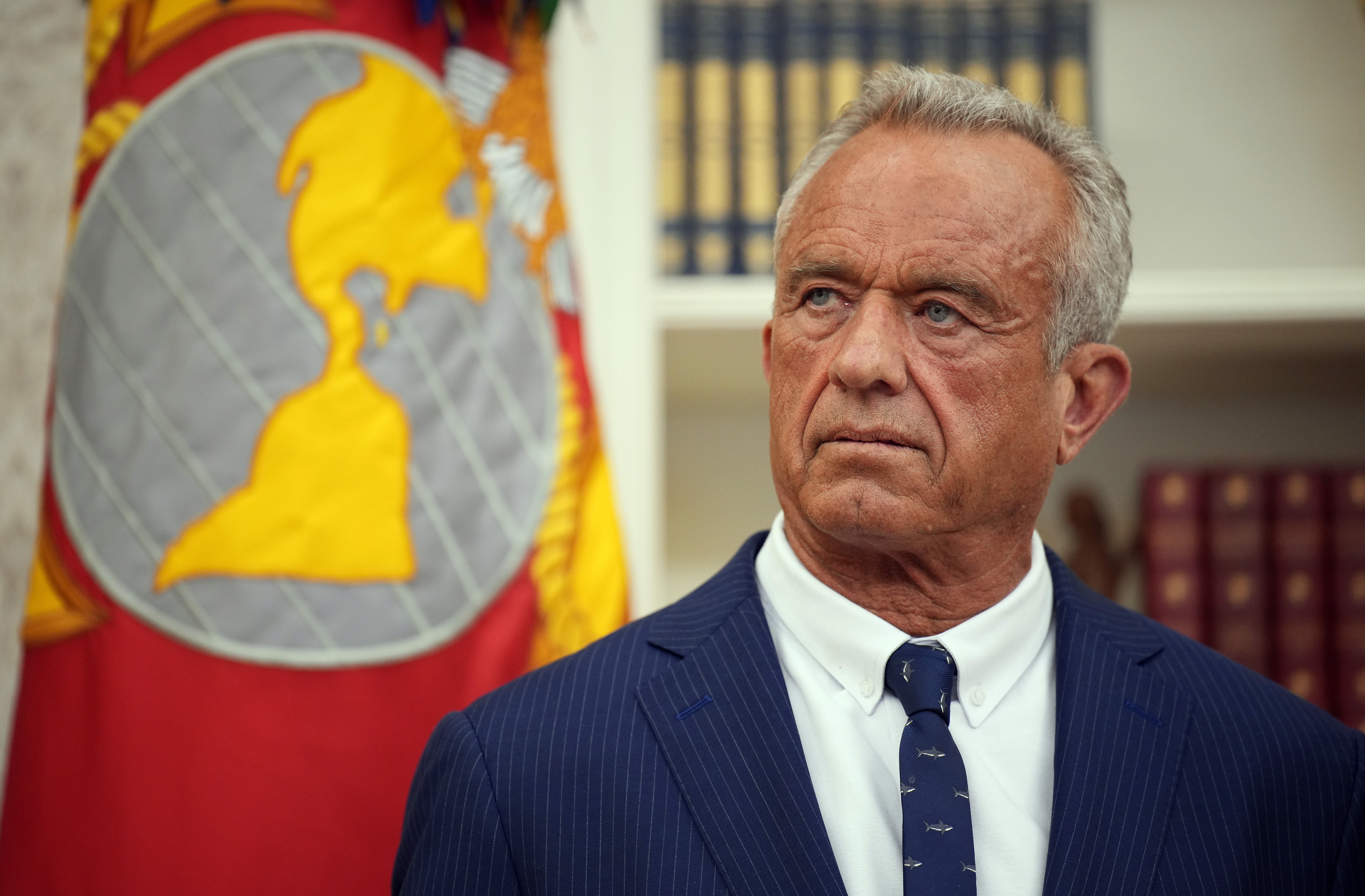
RFK Jr Makes More Alarming Comments About Measles Amid US Outbreaks

Health and Human Services Secretary Robert F. Kennedy Jr. once again spread misleading claims about the safety and efficacy of the measles vaccine amid an outbreaks in Texas and New Mexico.

In an interview with Fox News’ Sean Hannity broadcast Tuesday, Kennedy said “natural immunity” after getting a measles infection is more effective at providing lasting protection against the disease. However, Kennedy left out that the dangers of catching the disease outweigh the advantage of immunity, according to doctors.

“It used to be when you and I were kids, everybody got measles,” Kennedy told Hannity. “And measles gave you protection, lifetime protection against measles infection. The vaccine doesn’t do that. The vaccine is effective for some people, for life, but many people it wanes.”

RFK Jr: “It used to be that everybody got measles. And the measles gave you lifetime protection against measles infection. The vaccine doesn’t do that … it used to be that very young kids were protected by breast milk. Women who get vaccinated do not provide that level of immunity.”

Aaron Rupar (@atrupar.com) 2025-03-12T01:41:30.330Z

Despite Kennedy’s claims, the Centers for Disease Control and Prevention says the majority of people who have had the measles, mumps, and rubella (MMR) and the measles, mumps, rubella, and varicella (MMRV) vaccines will be protected for life. The CDC also has guidance for people it recommends should be revaccinated.

Prior to the introduction of the vaccine in 1963, about 500,000 cases and 500 measles deaths were reported annually, while the real number of cases was suspected to be much higher, the agency said. Since then, incidence of the disease has fallen by over 95%, it said.

Kennedy added that he would make sure that “anybody who wants a vaccine can get one,” noting that he is against forcing people to take it.

“I’m a freedom of choice person,” Kennedy said. “We should have transparency. We should have informed choice. And — but if people don’t want it, the government shouldn’t force them to do it. There are adverse events from the vaccine. It does cause deaths every year. It causes all the illnesses that measles itself cause.”

The CDC has stressed the measles vaccine is safe and effective. Its website lists extensive information about the vaccine, including potential side effects and warnings for people who shouldn’t get vaccinated.

Kennedy’s skepticism around vaccines is well-documented. Even he, though, conceded the measles vaccine “does stop the spread of the disease.”

The US has seen three measles outbreaks since the start of the year, including one in the South Plains region of Texas. Some 223 cases have been reported since late January, the Texas Department of State Health Services saidTuesday, including one fatality in a school-age girl who wasn’t vaccinated.

In a separate recent interview with Fox News, Kennedy, without evidence, said malnutrition and lack of access to fresh foods “may have been an issue in her death.”

New Mexico is also confronting a measles outbreak with 33 total cases. An adult who was infected with the disease in the state died last week, though the virus has not yet been confirmed as the official cause of death.

Share Button

I’m A Sex Expert — 4 Steps For Women Who Struggle To Orgasm

Getting off, the big O, la petite mort, cumming… There is a plethora of ways to describe the female orgasm and yet, many of us still aren’t quite making it to that final moment.

In fact, according to sexperts at Lovehoney, data shows that just 15% of women can orgasm during penetrative sex alone.

Additionally, 2023 research by Durex found that only 5% of women would say that they always orgasm during sex.

So, why is this?

It partially comes down to The Orgasm Gap

Of course, we know that the journey can be just as fun and enjoyable as the destination but, if we’re very honest with ourselves, not being able to orgasm can be pretty frustrating, to say the least.

The disparity between men and women having orgasms is defined as ‘the orgasm gap’.

Psychology professor Laurie Mintz wrote about this phenomenon for The Conversation and said the main reason for it “is that women are not getting the clitoral stimulation they need”.

“And cultural messages about the supremacy of intercourse feed into this. Indeed, countless films, TV shows, books and plays portray women orgasming from intercourse alone,” said Mintz.

“Popular men’s magazines also give advice on intercourse positions to bring women to orgasm. And while some of the positions do include clitoral stimulation, the message is still that intercourse is the central and most important sexual act.”

It can also be down to a health concern

If you can’t orgasm from penetrative sex or clitoral stimulation, you may have a condition called ‘Anorgasmia’.

Medical experts at Mayo Clinic explain: “Multiple factors may lead to anorgasmia. These include relationship or intimacy issues, cultural factors, physical or medical conditions, and medicines.

“Treatments can include education about sexual stimulation, sexual enhancement devices, individual or couple therapy, and medicines.”

If you are having sexual difficulties, speak to your GP or reach out to relationship experts at Relate.

Four steps you can take to reach orgasm

Annabelle Knight, sex and relationship expert at Lovehoney, says: “Achieving better orgasms for women involves a combination of understanding your body, communication, and addressing both physical and emotional factors.”

Get to know your own body better with masturbation

“Ensure that you don’t overlook self-exploration and masturbation,” Knight urges.

“Spending time exploring what feels good to you, and trying different techniques such as using fingers, sex toys, lube and varying positions can help you understand your body better.”

Knight reveals that while the data at Lovehoney shows that just 15% of women can orgasm during penetrative sex alone, that number jumps to 46% when using a sex toy.

Communicate with your partner

If you have a partner, open up to them about the problems that you’re having.

Knight advises: “Openly discussing what you both like, providing guidance during sex, and engaging in mutual exploration can help with intimacy and satisfaction from orgasm.”

That sounds pretty fun, actually.

Try to relax

Trying to coax your body into an orgasm when you’re mentally at a heightened stress level probably won’t get you very far.

Instead, Knight suggests that you try relaxing with deep breathing, meditation, or yoga, being present in the moment, and building anticipation through prolonged foreplay to heighten arousal and intensify your orgasm.

Check in on your emotional wellbeing

“Emotional and relationship factors are equally important when it comes to having a satisfying sex life,” adds the sexpert.

“Building emotional intimacy with a partner, addressing unresolved conflicts, and having a positive body image through self-love and acceptance will help transform how you feel in the bedroom.”

We’re rooting for you.

Share Button

‘I Have To Talk Like Gru’: 13 Parents Share The Weirdest Things Their Kids Do Before Bed

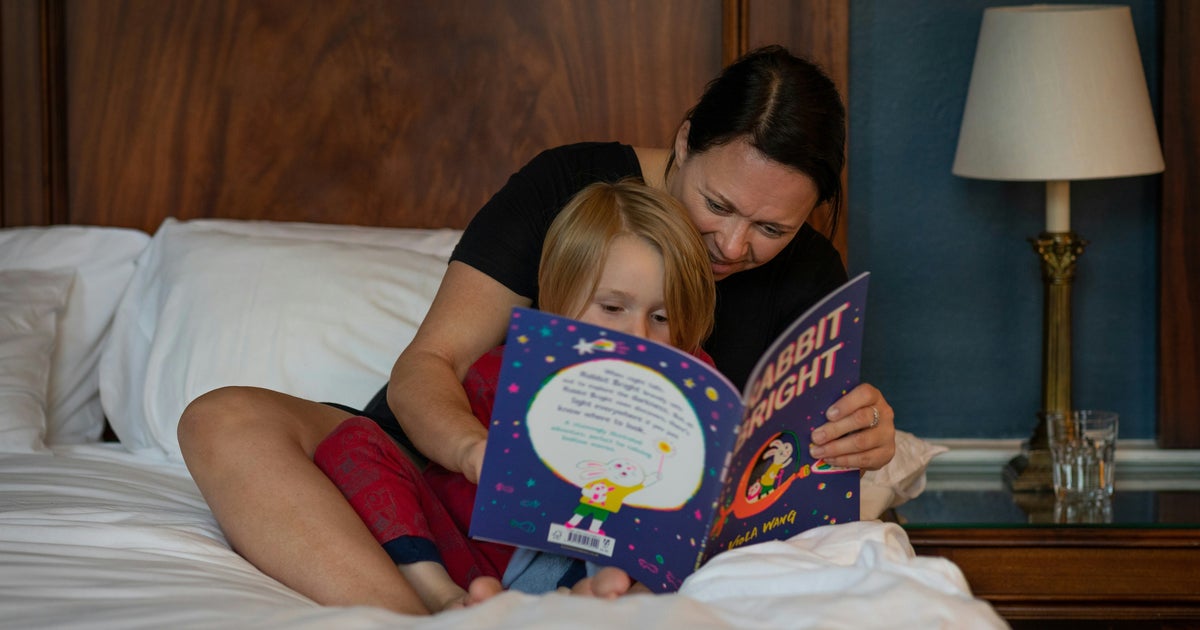
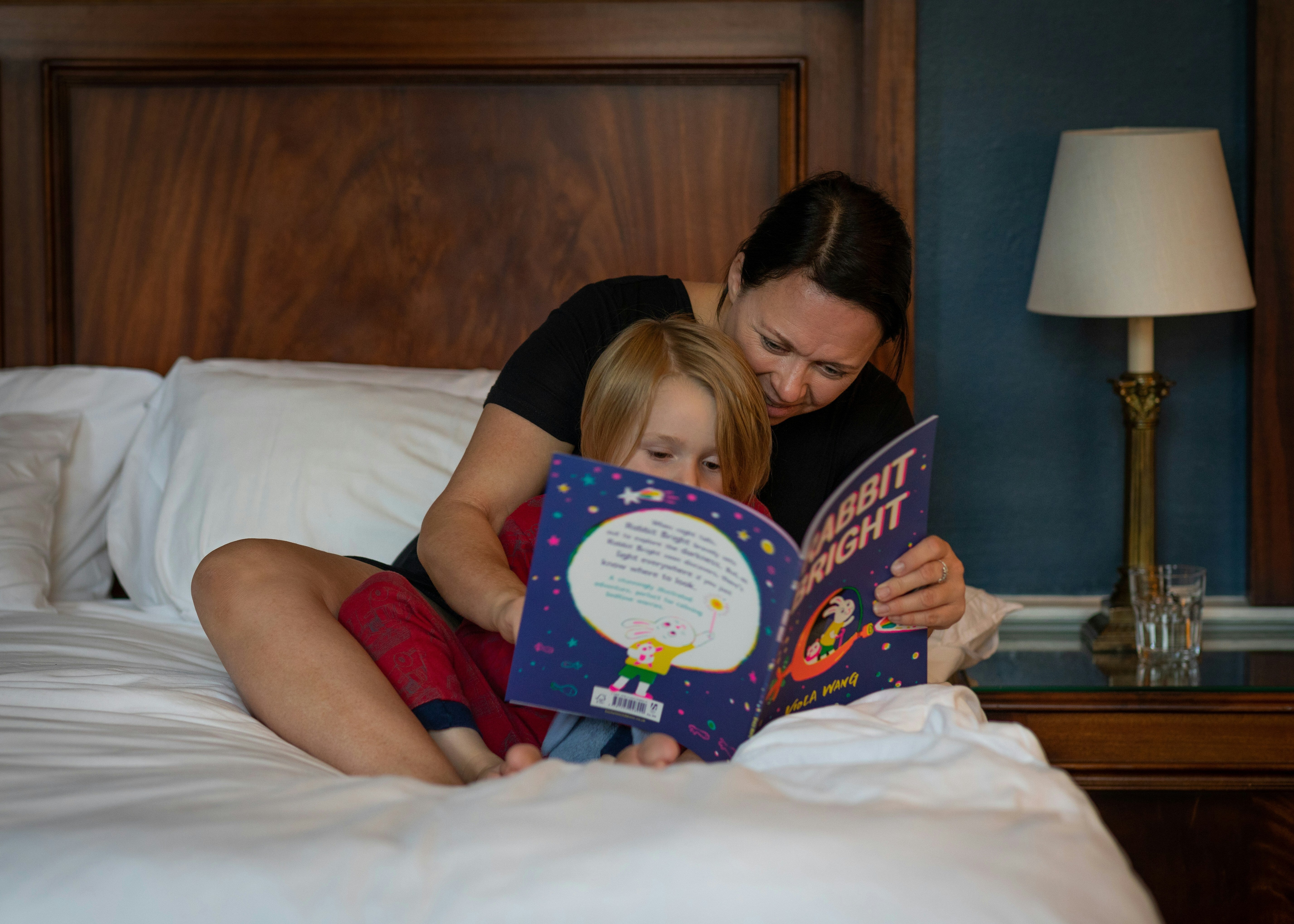
When it comes to kids’ bedtime routines, we all have those little things that help make the process that bit easier – the set number of (3,934,586,098) bedtime stories, the little pyjama dance, the teeth-cleaning song (just me?).

Recently, the brilliant minds behind Instagram account @betchesmoms asked parents to share the weirdest part of their child’s bedtime routine – and the answers are undeniably funny.

From the kid who has to snuggle a (fresh) nappy, to the boy who gets two minutes to look at the weather app, I am so relieved it’s not just our household who’s going through this bizarre parenting rite of passage.

Here are the best responses…

  1. He has to see a picture of a time he was sad and then a time he was happy.

  2. Three washcloth puppets have to join us for book time. They don’t come out any other time.

  3. We have to sing rockabye baby to each family member by name, including the dog.

  4. We say “ahoy matey” as the last thing before turning off the lights.

  5. She sleeps with a clean diaper as if it’s a stuffed animal.

  6. I must throw his blanket from the chair onto his bed, then he runs exactly four laps.

  7. She must be holding my arm skin. Sleeves are not acceptable.

  8. We have to look out the window until we see a bus drive by so she can say good night to the bus.

  9. 2-year-old went through a phase where she had to watch YouTube videos of Ferris wheels being constructed.

  10. My daughter just raw-dogs two slices of American cheese.

  11. We used to have to sing happy birthday to everyone she’s ever met plus the entire gang of Sesame Street, individually.

  12. I have to talk to her like Gru from Despicable Me and say “Goodniiighttt, leettle guorrrl.” Even I’m creeped out.

  13. Two-minute timer for him to look at the weather app on my phone.

How to get your child to go to bed

If you spend about a thousand years putting your kid to bed, welcome to the club. The good news is there are certain things you can be doing to get your kids to wind down a bit easier.

Sleep consultant Jenna Wilson at Little Dreams Consulting and sleep coach Dave Gibson caught up with baby retailer JoJo Maman Bébé to share their sleep hacks. And perhaps the most important of all is sticking to the same bedtime (even with the evenings getting lighter).

“Consistency is the key here as this conditions our brain to anticipate sleep is coming,” said Gibson.

“The ideal bedtime routine would involve doing a series of relaxing rituals in the same order at the same time each night.”

With younger children, it’s really important to not vary bedtimes too much, he said, suggesting “15 minutes either way is fine”.

“If they need to stay up later than usual, put them down for a nap during the day so they have some ‘sleep in the bank’. It’s important to maintain the schedule on weekends too,” he added.

For Wilson, a good evening routine looks a bit like this: some quiet play time in a dimly lit room and a story before sleep. Experts also agree that we shouldn’t be using devices an hour before bed (sorry miniature weather app fans).

“It can be tricky to have quiet time before bed but aim for 10-15 minutes inside with the curtains closed and a lamp on so your child can start to produce melatonin (the hormone which helps sleep),” Wilson said.

Share Button

Lady Gaga Says She Was ‘Not Deeply In Touch With Reality’ During Period Of Psychosis

Lady Gaga is opening up about one of her biggest mental health struggles.

“I had psychosis,” the Abracadabra singer revealed in a candid sit-down with the New York Times’ The Interview podcast, released over the weekend.

She said of her mental health episode, which happened around five years ago, that she was “not deeply in touch with reality for a while”, recalling: “It took me out of life in a big way, and after a lot of years of hard work I got myself back.”

Gaga – whose legal name is Stefani Germanotta – said that she is finding that period of her life “increasingly harder to talk about”.

“I hate feeling defined by it. It felt like something I felt ashamed of,” the Oscar winner admitted.

“But I don’t think that we should feel ashamed if we go through times like that. I mostly just wish to say, it can get better. It did for me, and I’m grateful for that.”

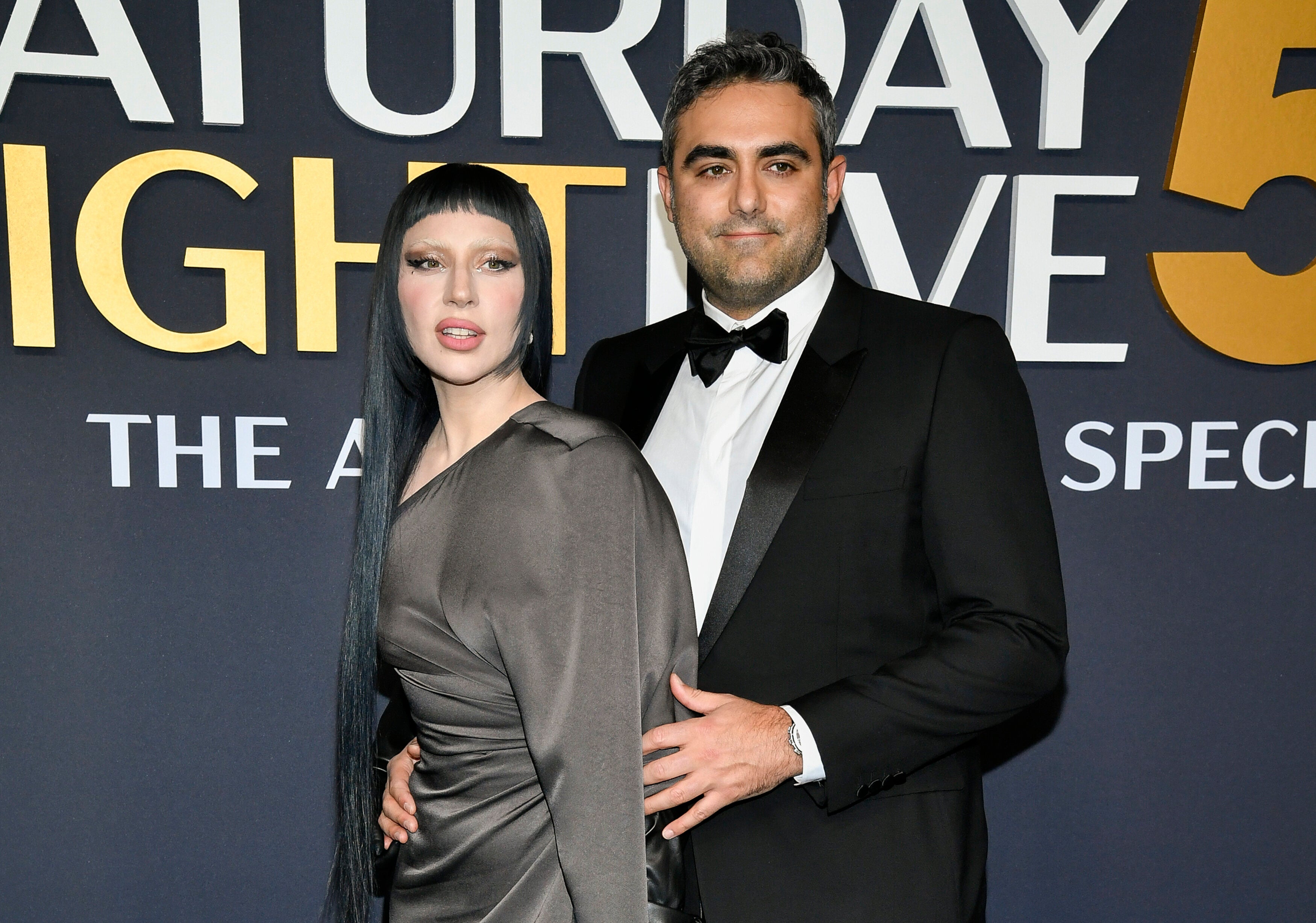
Gaga added that her fiancé, Michael Polansky, helped encourage her during this turbulent time.

Lady Gaga with her fiancé Michael Polansky

via Associated Press

“When I met Michael, I was in a much better place, but I remember him saying to me, pretty early on, ‘I know you could be a lot happier than you are’,” Gaga shared.

“It was really hard for me to hear him say that because I didn’t want him to think that of me,” she explained, adding that she “wanted him to think I was like this happy, totally together person”.

During Gaga’s press tour for her upcoming album, Mayhem, the singer has disclosed a lot about her relationship with Michael.

In an interview with Good Morning America, for example, Gaga shared the ultra-direct question she asked him before their first date.

“Michael flew to Vegas when I was doing my show to take me on our first date, and before we even sat down, I said, ‘Do you want marriage and kids?’ And he goes, ‘Yeah, I do,’” Gaga revealed.

“And I said, ‘OK. Great. Do you want some champagne?’ And he said, ‘Sure.’”

Help and support:

  • Mind, open Monday to Friday, 9am-6pm on 0300 123 3393.
  • Samaritans offers a listening service which is open 24 hours a day, on 116 123 (UK and ROI – this number is FREE to call and will not appear on your phone bill).
  • CALM (the Campaign Against Living Miserably) offer a helpline open 5pm-midnight, 365 days a year, on 0800 58 58 58, and a webchat service.
  • The Mix is a free support service for people under 25. Call 0808 808 4994 or email help@themix.org.uk
  • Rethink Mental Illness offers practical help through its advice line which can be reached on 0808 801 0525 (Monday to Friday 10am-4pm). More info can be found on rethink.org.
Share Button

People Are Realising The Real Reason You Can’t Recline Your Seat During Takeoff, And I Had No Idea

You know those ominous black clumps you see in the branches of trees sometimes?

Well, it took a Reddit post for me to realise that those aren’t actually bird’s nests.

Nope ― they’re either mistletoe (which is technically a parasitic plant), or a “witch’s broom” growth irregularity spurred on by animal or bacterial invasions.

And now, a post shared to r/explainlikeimfive has inspired me to ask experts why we actually have to recline our chairs on takeoff and landing.

In a recent post shared by u/bishopZ, the site user asked: “Why do airline passengers have to put their seats into a full upright position for takeoff? Why does it matter?”

Takeoff and landing are the riskiest parts of the flight

A now-deleted Reddit account wrote under the original comment: “You’re most likely to have some sort of accident during takeoff and landing. This is also why your tray tables have to be up and you can’t have laptops during these times: ease of evacuation.”

Indeed aerospace safety expert and associate professor of aeronautical science Anthony Brickhouse told Business Insider that 49% of deaths happen during landing, while 14% occur at takeoff.

Speaking to HuffPost UK, a spokesperson for the Royal Aeronautical Society’s Flight Operations Specialist Group explained: “There are two primary safety-related reasons why aircraft seats must be in the upright position for take-off and landing.

“The first is that the seat gives the occupant maximum impact protection when upright, and its structure locks into position accordingly. Being upright also reduces the possibility of the occupant ‘submarining’ under their lap belt in the event of a violent deceleration.”

“Submarining” happens when a person’s seatbelt is a little loose, allowing their body to slip underneath it at high speed. They slide under the belt, increasing the risk of injury.

“The second reason is that reclined seats reduce the space available in the row behind for occupants to escape quickly if an emergency evacuation is required,” the Royal Aeronautical Society’s Flight Operations Specialist Group added.

In fact, people who listen to “boring” plane protocol are more likely to survive disaster

The Guardian shared experts’ research into survivors of plane accidents. They found that people who had survived (rare) catastrophes had some things in common ― including being more likely to have read the plane’s safety briefing.

Knowing where the exits are, keeping your shoes on, and practising both the brace position and undoing your seatbelt can all help too.

And remember, Amanda Ripley, author of The Unthinkable: Who Survives When Disaster Strikes, says: “between 1983 and 2000, 56% of passengers involved in serious plane accidents survived.”

Share Button

I Tried Mary Berry’s 15-Minute Lemon Curd Recipe, And I’ve Made 6 Jars Since

Ex-Great British Bake-Off host Mary Berry doesn’t just do sweet treats ― we love her sausage casserole and “Mexican lasagne” recipes for our midweek meals.

With that said, there’s a reason one of her (many) cookbooks is called The Baking Bible. When I want to make dessert, I turn to the Cordon Bleu-trained chef first.

This weekend, I craved a lemon meringue pie. So, I thought I’d give her pared-down recipe a go (I’d tried more complex recipes recently, like a pomegranate curd, and had been left with a runny disaster).

People, the pie never got made. The curd was so good, I simply slathered it on slices of bread and ate spoonfuls from the jar ― I re-made double the recipe again to stay in stock for the rest of the month.

How does Mary Berry make her lemon curd?

Her instructions are simple: whisk one egg per whole lemon zest and juice to 75g caster sugar and 56g butter together. Twice this calculation makes roughly a jar.

Then, keep whisking the lot over a gentle heat for seven to 10 minutes. Mary warns: “Do not allow the mixture to boil or it may split.”

For that reason, I made my first batch in a heatproof bowl over a saucepan of boiling water (like the one you’d use for melting chocolate).

I recommend this if, like me, you’re using thin, cheap saucepans; if you have a heavy-bottomed saucepan and really good temperature control on your hob, though, a saucepan should be fine.

Once the mixture has thickened enough to coat the back of a wooden spoon, you’re ready to spoon the curd into a sterilised jar ― it should thicken in a couple of hours, and the curd will last for a month or so in the fridge.

I loved that Mary uses the full zest and curd of all lemons. It makes a brilliantly tangy curd, and also means your kitchen smells amazing for hours.

I also think it made the curd less creamy, which I personally prefer.

Lemon curd cooking on left: jarred on the right

Amy Glover / HuffPost UK

Lemon curd cooking on left: jarred on the right

Any other tips?

Yes! Mary’s advice for sterilising the jars accidentally ensures they’re capable of taking in the hot curd without breaking or cracking, too.

“To sterilise jars, wash the jars in very hot, soapy water or put through the hot cycle of a dishwasher,” she writes.

Then, “place the jars onto a baking tray and slide into an oven preheated to 160C/325F/Gas 3 for 10–15 minutes”.

I spooned my curd into the jars while they were still warm(ish) from the oven. That way, you run far less risk of a shattering disaster.

Share Button

Canada’s Next Prime Minister Could Use Anti-Trump Sentiment To His Advantage In The Upcoming Election

Mark Carney will soon replace Justin Trudeau as Canada’s prime minister following his landslide victory in the governing Liberal Party’s election.

Carney, a former governor of the Bank of England and the Bank of Canada with no political experience — and no seat in the House of Commons — will take over the leadership of both his party and his country at a time of profound uncertainty prompted by US President Donald Trump’s adversarial stance toward his neighbor as a general election looms.

Carney is expected to call snap elections shortly after being sworn into office, and voter surveys show his party within fighting distance of his main opposition: the Conservative Party, led by Pierre Poilievre.

The Conservatives had long been considered the favourites to win the next election, which needs to be held by October. Trump’s talk of annexing Canada and his tariffs against the country have reshaped the race, overshadowing issues such as inflation and immigration that appeared to originally dominate voters’ minds.

“Trump has said he’s the most important person in Canadian politics right now,” said Nick Taylor-Vaisey, Politico Ottawa bureau chief. “I think everybody in Canada would acknowledge that.”

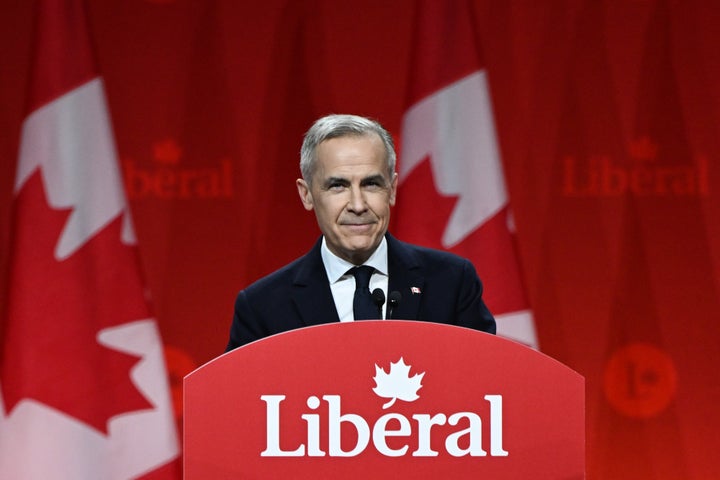
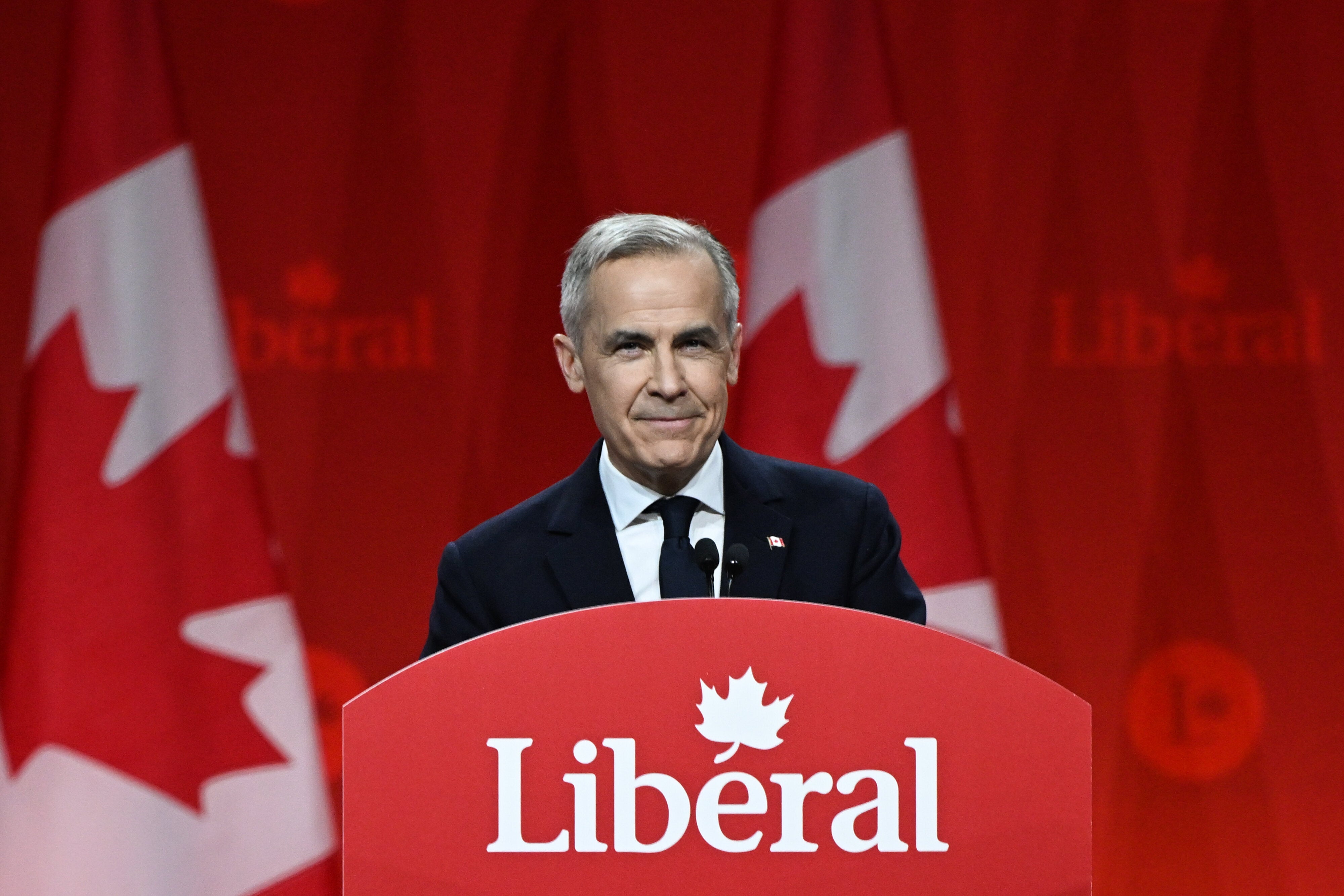
Mark Carney, the newly elected leader of the Liberal Party of Canada, addresses supporters in a victory speech Sunday after the official announcement of the 2025 Liberal Leadership race results at Rogers Centre in Ottawa, Ontario.

Artur Widak/NurPhoto via Getty Images

The latest polling average, updated by The Economist on Saturday, shows the Liberals trailing the Conservatives by 7 percentage points — a far slimmer margin compared to the 25-point difference between the two parties in late December, prior to Trudeau’s resignation announcement. Voters also appear to favor Carney over Poilievre, a recent poll found.

“Momentum is with [Carney] and his party,” The Economist said in a column on Monday. “Whether that will be enough to deliver victory — and to keep Mr Trump at bay— is yet to be seen.”

Carney, a former Goldman Sachs executive, sought to highlight his determination to protect his country from Trump in his first speech, pledging to maintain Canada’s tariffs on the US “until the Americans show us respect and and until they can join us in making credible and reliable commitments to free and fair trade.”

Last week, Trump imposed 25% tariffs on many Canadian goods before reversing course and postponing some of them while also threatening new tariffs on dairy and lumber.

“The Americans want our resources, our water, our land, our country,” Carney said. “Think about it: If they succeeded, they would destroy our way of life. In America, health care is a big business. In Canada, it is a right.”

“America is not Canada, and Canada never, ever will be part of America in any way, shape or form,” he continued.

Meanwhile, some voters appear to worry that Poilievre’s style is too similar to Trump’s — a perception that’s been amplified by ads run by the Liberals that show the Conservative Party leader echoing Trump’s rhetoric, including on “fake news.”

“At a time when Trump is toxic in Canada, that image is not helping Poilievre,” David McLaughlin, a former senior official in previous Conservative governments in Canada, told The Wall Street Journal.

Poilievre has recognized those concerns, speaking out forcefully against Trump, adjusting his party’s messaging and seeking to tie Carney to Trudeau, who has been widely unpopular despite the slight rebound in his approval rating in recent weeks.

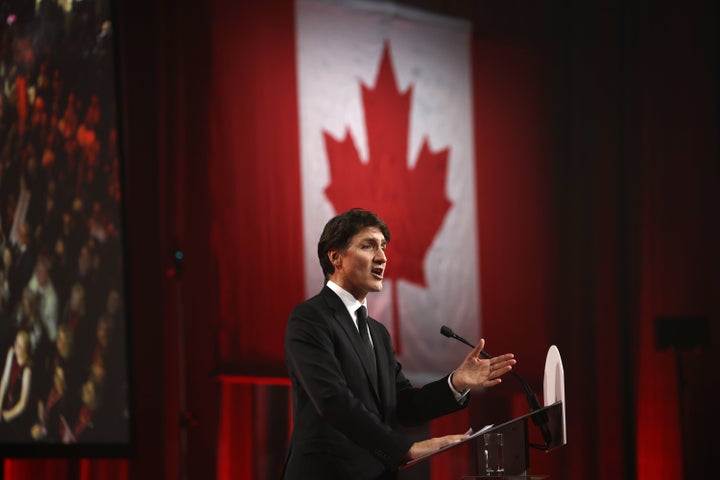
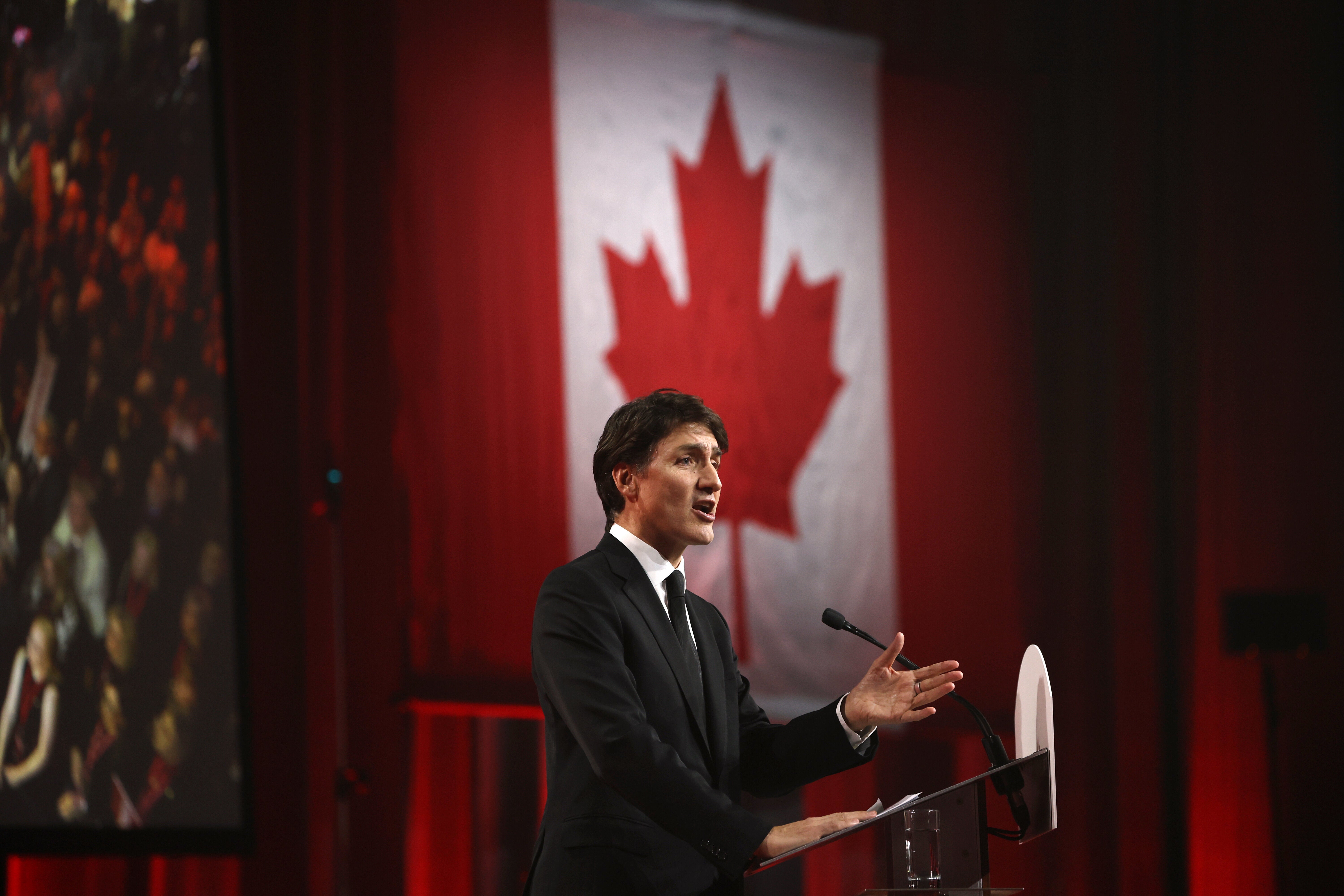
Justin Trudeau, Canada's prime minister, speaks during a Liberal Party of Canada leadership announcement event Sunday in Ottawa, Ontario.
Justin Trudeau, Canada’s prime minister, speaks during a Liberal Party of Canada leadership announcement event Sunday in Ottawa, Ontario.

David Kawai/Bloomberg via Getty Images

Andrew Enns, the executive vice president of the Central Canada operations of Leger, a market research company, told Bloomberg that while the shift of the election’s focus on Trump poses a big challenge for Poilievre, Carney is still an unknown figure to most Canadians, meaning their perception of him could change as he assumes the top job.

“Carney’s had an impact, I’m not going to take that away from him, but the bigger change has been this whole Trump environment,” Enns said. “Tariffs have repositioned how Canadians are viewing the Canadian government now.”

Share Button

Putin Seems To Ignore Trump Threat And Causes One Of 2025’s Deadliest Days For Civilians In Ukraine

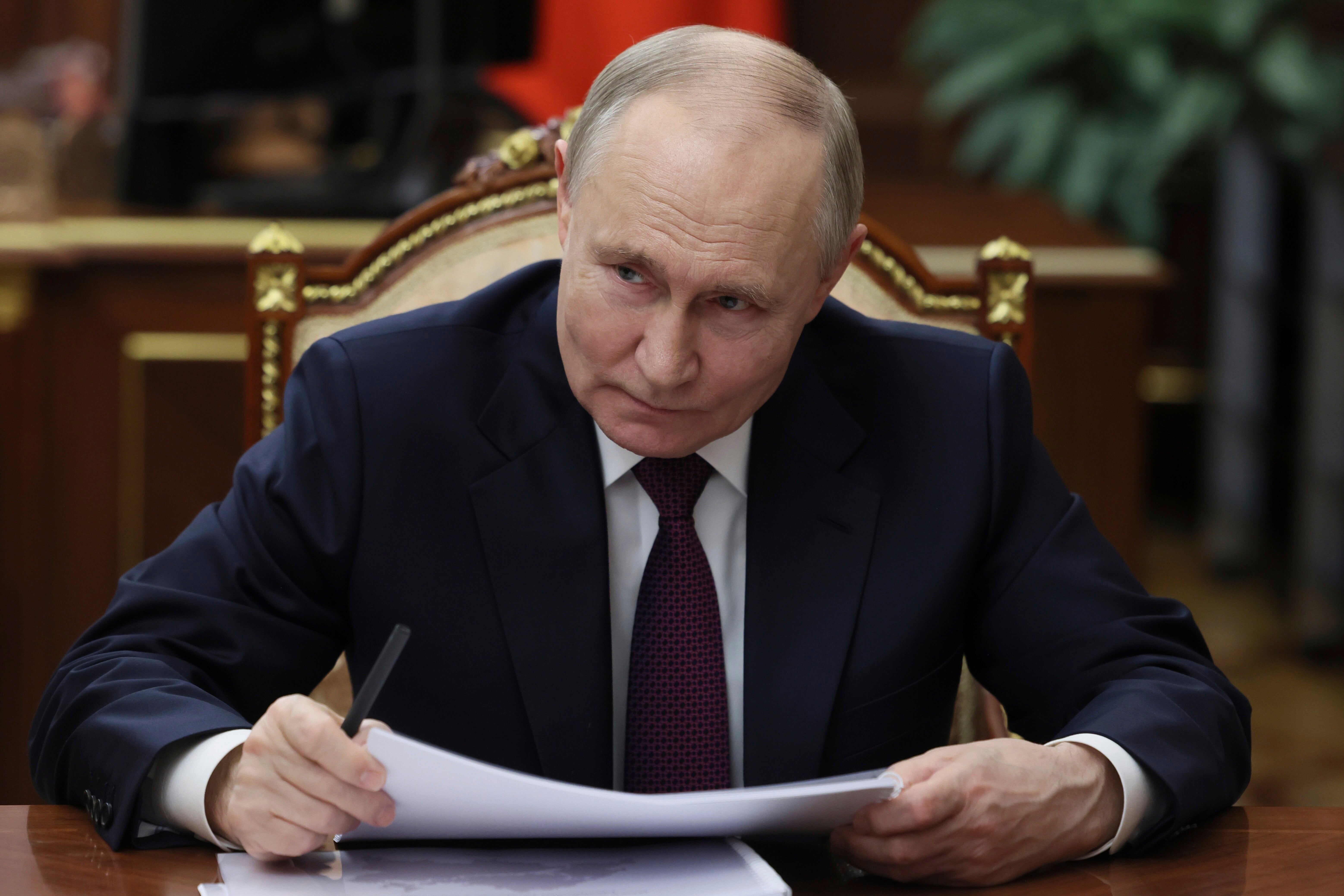
Vladimir Putin appeared to ignore Donald Trump’s threat to impose sanctions on Russia on Friday and launched deadly attacks across Ukraine.

The US president told the Russian leader to stop “pounding” Ukraine or face serious sanctions last week, after weeks of not applying any pressure to Moscow.

However, the UN has since said Friday was one of the deadliest days for civilians this year after 21 people were killed in Ukraine.

A further 81 people were injured, 79 of whom were in territory controlled by Ukraine.

The UN also found casualty numbers in Ukraine overall for 2025 remain higher than they were in 2024.

The attacks unfolded even as Trump was telling reporters in the White House that Putin “holds all the cards” – and that Russia is “easier to deal with” than Ukraine on Friday.

It’s worth remembering that Russia invaded Ukraine in a land grab in 2022.

But, Trump said Kyiv has to “get on the ball and get the job done” when it comes to a peace agreement, adding: “I have to know that [Ukraine] want to settle – if they don’t want to settle, we’re out of there.

“They’re bombing the hell out of Ukraine… I’m finding it more difficult, frankly, to deal with Ukraine.”

And, despite the ongoing bombardments, Trump then said he thinks Putin wants peace, and “I think he’s doing what anyone else would do”.

He claimed: “I think both parties want to settle. I think we are going to get it settled.”

This also comes after Trump’s Ukraine envoy Keith Kellogg said Ukraine brought the US’s pause in intelligence sharing and military aid “on themselves.”

Speaking on Thursday, Kellogg said: “Very candidly, they brought it on themselves, the Ukrainians.

“I think the best way I can describe it is sort of like hitting a mule with a two-by-four across the nose. You got their attention, and it’s very significant, obviously, because of the support that we give.”

“We’re going to end this war, and this is one way to make sure you understand we’re serious about it.

“So is it hard, of course it is, but it’s not like they didn’t know this was coming. They got fair warning it was coming.”

Trump’s former national security adviser John Bolton told CNN on Friday that Putin is continuing his attacks on Ukraine because he knows the threat from Trump was “totally hollow”.

″[Trump] did it simply to show some kind of balance given the things he had said about Zelenskyy and Ukrainians,” Bolton said, alluding to the US president’s baseless attacks on the Ukrainian president.

Trump, as he aligns more closely with Moscow, has falsely called Volodymyr Zelenskyy a “dictator”, claimed he is ungrateful for the US’s support during the war and blamed Kyiv for starting the war.

Share Button

Minister Dismisses Latvian President’s Call For Europe To Bring Back Conscription

A senior government minister dismissed the idea of bringing back conscription to the UK this morning.

Although is Europe looking to boost its security amid worries about the Ukraine crisis, Pat McFadden rejected the suggestion of introducing compulsory state service.

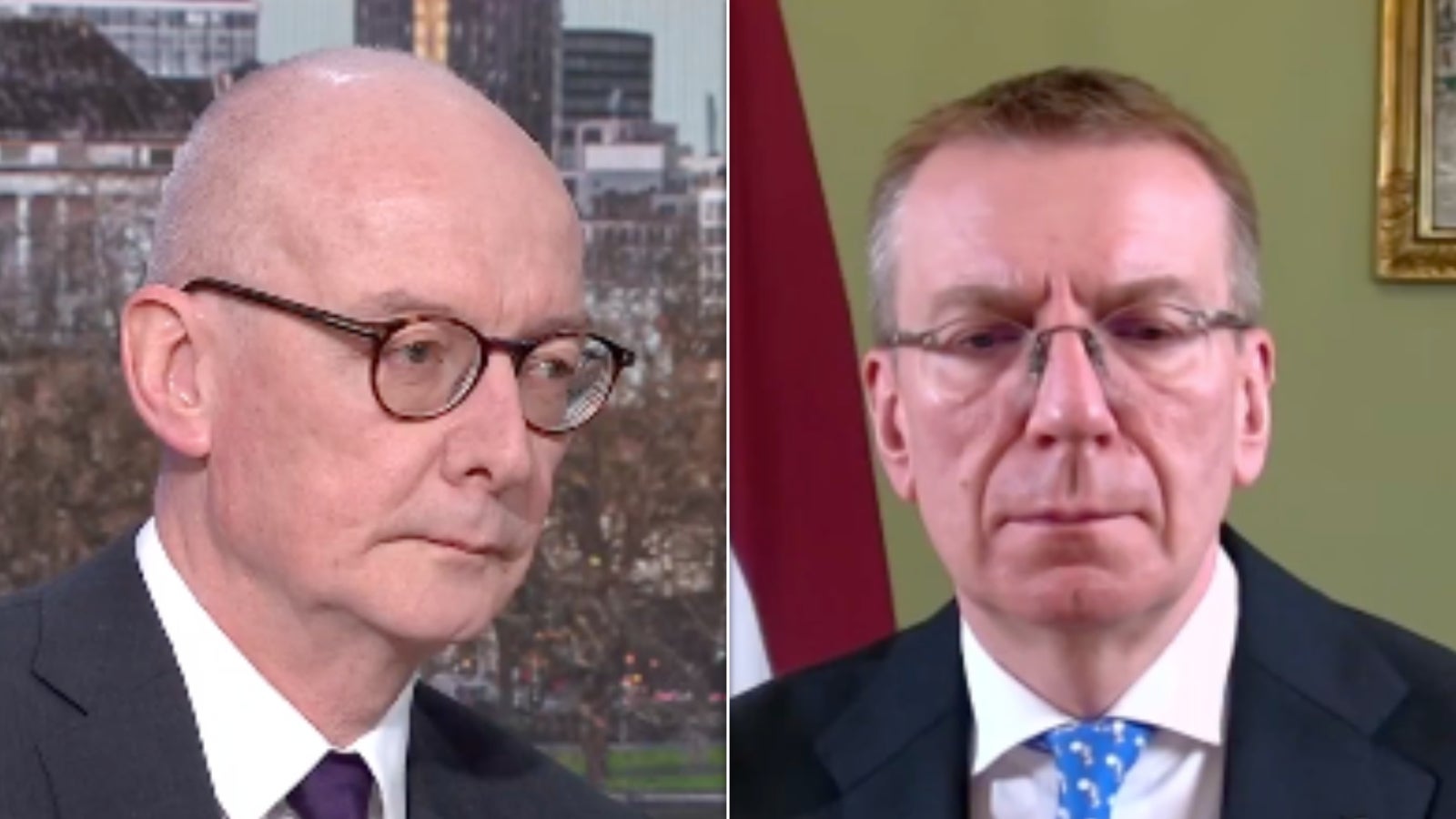
It comes after Latvia’s president Edgars Rinkevics told Sky News that his country has introduced conscription again, in case Vladimir Putin returns to seize more European land even after striking a peace deal in Ukraine.

He said: “If Russia is allowed to regroup, then the risks are rising.”

Rinkevics said that means Europe should therefore “increase its overall presence” to the east, especially as it is “quite weak” militarily right now.

He claimed other European nations should “absolutely” introduce the emergency measure.

However, speaking on Sky News’ Sunday Morning with Trevor Phillips, cabinet office minister McFadden said: “We are not considering conscription, but of course we have announced a major increase in defence expenditure a couple of weeks ago.”

The government recently announced plans to boost defence spending from its current level of 2.3% of Gross Domestic Product (GDP) to 2.5% by 2027.

The move came after US president Donald Trump said Europe had to be more responsible for its own security and could no longer rely on the States to prop it up militarily.

McFadden continued: “We do have to recognise that the world has changed. The phrase ‘step up’ is used a lot. Europe does have to step up in terms of its own defence.

“President Trump isn’t actually the first president to say that, but he said it more loudly and with more force than his predecessors so, I think we have got to recognise that moment.”

He added that the shift seen in the global order in recent weeks means it is “important we don’t cling to old assumptions”.

The chancellor of the Duchy of Lancaster added: “Other decisions may be needed in the future which respond to a new reality so we don’t find ourselves operating under the same assumptions as we used to in the past when the situation has changed.”

McFadden refused to offer any further details, saying a defence review published this spring would set out a “roadmap” about how the new cash injection would be spent.

But he noted: “One thing is for sure, you would not spend money today on the same things as you would 10 years ago.

“The experience of the three years of the war in Ukraine has shown just how fast the battlefield is changing in terms of cyber, drones, the use of intelligence.”

Conscription was introduced in Britain in 1916, during World War 1, and again in 1939, after declaring war against Germany.

Share Button