Too Many Women Like Me Are Suffering From Traumatic Births. We Need To Change Maternity Services For Good

February 16, 2021 was meant to be the day that I birthed my newborn son – without drugs, not even gas and air! – into a birthing pool, under the glow of lavender-coloured LED lights, as the sound of ‘cicadas in a field’ gently filled the my private room at the midwife-led birthing unit of my local hospital.

Ideally, this would have been with the aide of a birthing Doula, but as we were deep into another nationwide lockdown, I was lucky to even have my (masked) husband as my birthing partner.

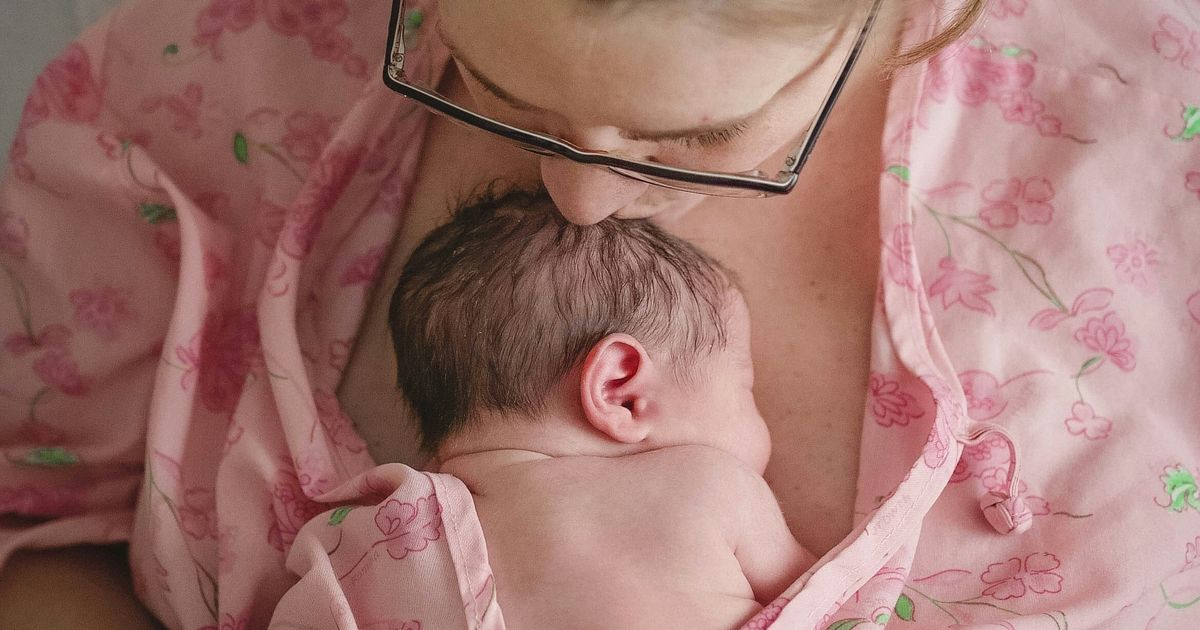
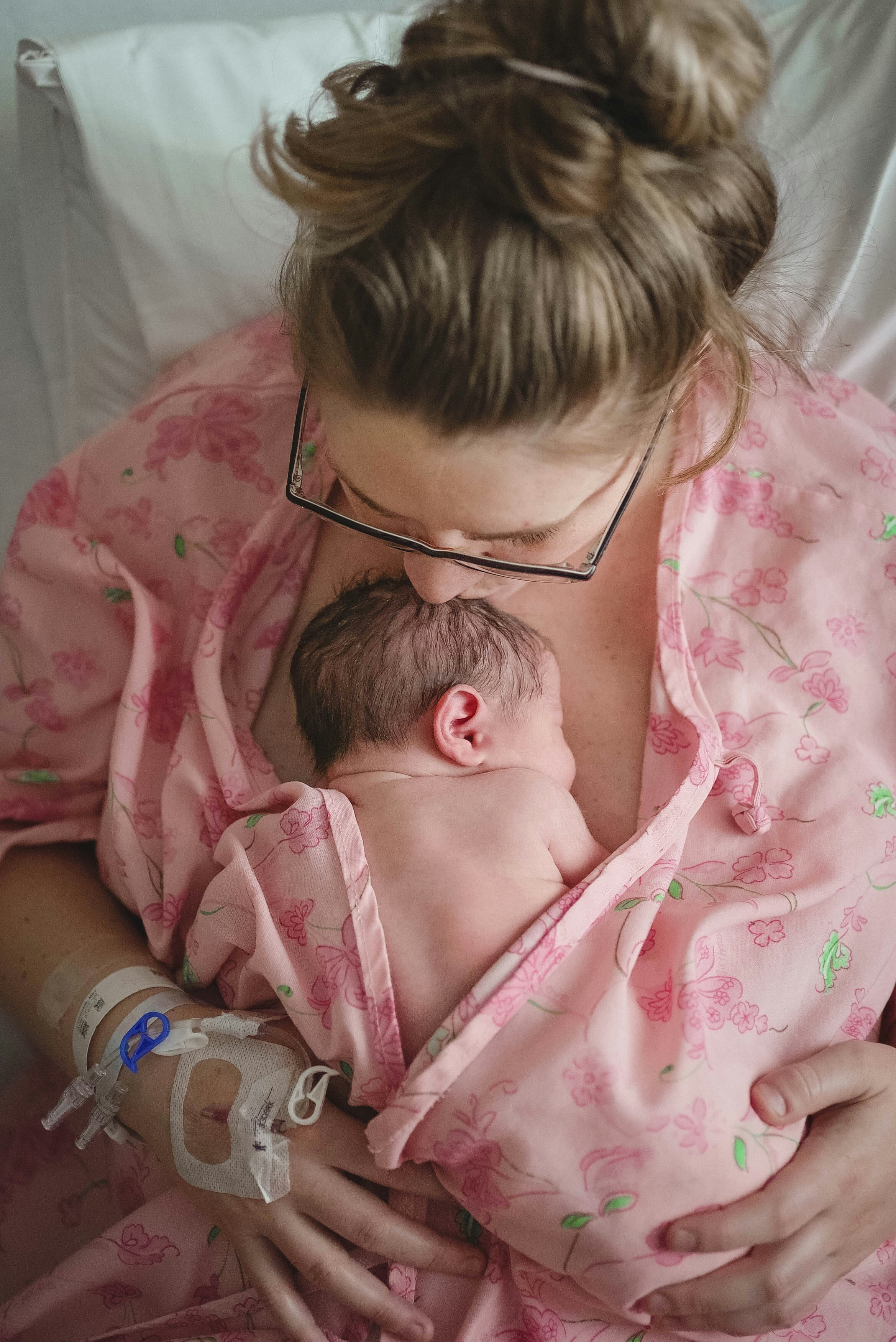
However, somehow nearly three weeks later in early March – instead of the birth I had expected and made a playlist for – I found myself recovering from three excruciating days of induced labour and an emergency c-section, while laying in a pool of blood in a sensory clusterfuck of a maternity ward.

I couldn’t move – partly from exhaustion, mostly from major surgery and a catheter – so I couldn’t even pick up my son when it was time to feed him.

The story of my pandemic pregnancy and my son’s birth is complicated, tender, and generally something I keep very private. My husband lived it alongside me, but only my closest friends and my therapist know why orange Lucozade makes me want to vomit or why the sight of that small, blue suitcase under the guest bed can still make me cry.

What is truly horrifying to me, aside from my own gruesome memories, is that my story is just a drop in the ocean when it comes to how many women in the UK have also had a “negative” or traumatic birth experience.

Because of these unsettling and life-altering numbers, a new campaign called Delivering Better, formed by a group of mothers, is urging Health Secretary Wes Streeting to take urgent action to improve maternity services in the UK.

The group’s new report highlights the need for “better support for women who often suffer, both mentally and physically, years after they have given birth” and shows the horrific impact that traumatic births are have on women, with almost half of all mothers suffering mentally and physically.

They report one in four mothers experience a negative birth in the UK, and that 72% of those women say their experience had left them with long-term mental health impacts.

Of the women who reported a negative birth experience:

  • almost half (48 per cent) say it had a long-term impact on their relationships,
  • over a third (37 per cent) say it had a long-term impact on their ability to work,
  • more than half (54 per cent) said it left them less likely to want to have more children.

More than half of women (58%) of the women who said they had a negative birth experience said they “didn’t feel listened to during delivery” – which, for me, was one of the worst parts of my own experience.

Being in one of the most vulnerable states a human can be in, and then voicing a need, a concern, or asking for help and being denied that help or dismissed by the people who are apparently there to help you can be incredibly damaging for your mental health. Not being listened to can also have incredibly serious, if not life-threatening physical implications, too, as we know from the startling statistics around Black maternal health care.

What can be done differently to help new mothers?

As both a mum and an editor I see a lot of press releases and newsletters targeting mothers and pregnant people. Some of it is helpful, but I’ll never forget an email I was sent about a new campaign to “support maternal mental health” which initially sounded excellent as some big name brands were involved.

However, reading the details, the campaign was meant to support women’s mental health after giving birth via… a meditation app. And some frozen food vouchers. And also a bit of funding for an organisation that has been criticised for its potentially harmful policies and focus on ‘natural births’.

We deserve better than this.

There needs to be much more tangible action taken in both pregnancy and delivery to see any significant changes in maternal mental health.

In my opinion, a lot can be done by addressing the curriculum and policies of prenatal courses that are available to parents – and the cost and accessibility of these services, too. I’ve experienced first hand that women – especially first-time parents – are taught in these courses that we have much more control over exactly how and when our babies will be born. That we can choose a positive birth experience.

We’re told to just watch your favourite films and eat some chocolate to get those oxytocin levels up and then labour shall commence shortly thereafter. If you breathe correctly that baby’s gonna pop right out of you – you’ve been doing your cervical massages, right?

But I can tell you firsthand – as can thousands of other parents – you can do everything “right” and still end up having an emergency c-section.

The Delivering Better campaign is asking for changes to be made in both pregnancy and delivery for mothers, including greater continuity of care throughout pregnancy.

The aftercare new mothers get is nearly comical in its limitations, and the group is also calling on GPs to proactively contact mothers via text message at three months and six months postpartum to check in on their physical and mental health.

According to Delivering Better: “Mothers often report feeling abandoned after the current six-week check, which is often not fit for purpose, with only a couple of questions directed at the mother.

“Some mums say the main question they’re asked is whether they are back on contraception. In the survey, 88% of mothers say they support receiving mental and physical health checks in the months following their birth experience, and 81% say they would have benefited from this themselves if it had been offered.”

Shocking isn’t it?

You can read more of what Delivering Better is asking for on their website, where you can also sign their open letter to Wes Streeting, “urging action for maternity care that is safe, compassionate and evidence-based”.

Help and support:

  • Mind, open Monday to Friday, 9am-6pm on 0300 123 3393.
  • Samaritans offers a listening service which is open 24 hours a day, on 116 123 (UK and ROI – this number is FREE to call and will not appear on your phone bill).
  • CALM (the Campaign Against Living Miserably) offer a helpline open 5pm-midnight, 365 days a year, on 0800 58 58 58, and a webchat service.
  • The Mix is a free support service for people under 25. Call 0808 808 4994 or email help@themix.org.uk
  • Rethink Mental Illness offers practical help through its advice line which can be reached on 0808 801 0525 (Monday to Friday 10am-4pm). More info can be found on rethink.org.

Help and support:

  • Sands works to support anyone affected by the death of a baby.
  • Tommy’s fund research into miscarriage, stillbirth and premature birth, and provide pregnancy health information to parents.
  • Saying Goodbye offers support for anyone who has suffered the loss of a baby during pregnancy, at birth or in infancy.
Share Button

‘They Are Shameless’: Labour Ministers Accused Of ‘Betrayal’ For Refusing To Compensate Waspi Women

Labour ministers have been accused of “betrayal” after ruling out compensation for women who lost out when the rules over when they received their state pension were changed.

Keir Starmer was among those who gave their support to the Women Against State Pension Inequality (Waspi) campaign when the party was in opposition.

Work and pensions secretary Liz Kendall told MPs on Tuesday that it would not be “a fair or proportionate use of taxpayers’ money” to pay up to £10.5 billion to those affected.

That was despite the parliamentary and health service ombudsman ruling that the women should be compensated due to mistakes made in the way the changes to their pension age were communicated to them.

Women’s state pension age was increased from 60 to 65 so it was equal with men’s between 2010 and 2018.

But the campaigners insisted they were not adequately informed about the change.

Speaking in 2022, Starmer said the Waspi women were the victims of “a real injustice”, adding: “We need to do something about it.”

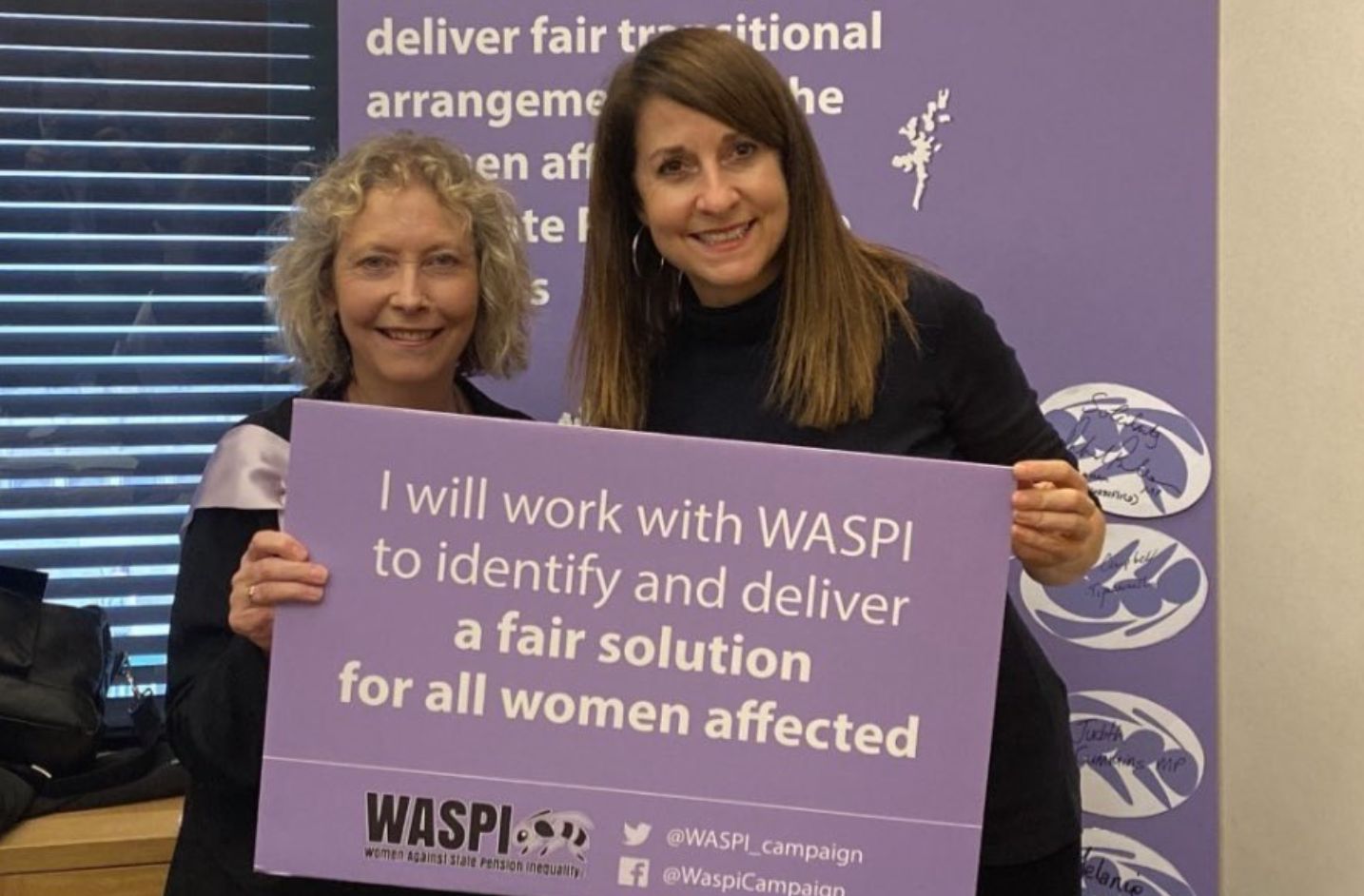
Kendall herself was also pictured with a sign saying: “I will work with Waspi to identify and deliver a fair solution for all women affected.”

Stephen Flynn, the SNP’s leader at Westminster, re-posted the picture on X and said: “The Labour secretary of state is currently stating that her government will not provide any financial compensation to the Waspi women. They are shameless.”

Waspi chairwoman Angela Madden said: “The government has today made an unprecedented political choice to ignore the clear recommendations of an independent watchdog which ordered ministers urgently to compensate Waspi women nine months ago.

“This is a bizarre and totally unjustified move which will leave everyone asking what the point of an ombudsman is if ministers can simply ignore their decisions.

“It feels like a decision that would make the likes of Boris Johnson and Donald Trump blush.”

Share Button

Heritage Travel Might Be The Most Fulfilling Type Of Holiday You Can Take

These days, it seems like more people are traveling than ever. So it makes sense that many travellers are seeking unique experiences that don’t feel like the same standard vacation everyone else is taking (and posting about on social media).

Fortunately, there are plenty of fresh and fulfilling types of trips you can take ― from “destination dupes” to “mystery travel.” But a particularly meaningful option is “heritage travel.”

Below, travel experts break down this approach to travel and what you should know before you plan a heritage trip.

What is heritage travel?

“Heritage travel is when you explore destinations tied to your ancestry or cultural roots,” said Gabby Beckford, founder of the travel site Packs Light. “It’s about discovering more about yourself, your family stories, and your overall identity by traveling to places where you are, in some part, ‘from.’”

People interested in heritage travel ― which is also known as genealogy tourism, ancestral travel, roots tourism and DNA tourism ― can plan vacations around their family lineage and walk the path of their ancestors. This is all much easier to do in the age of services like 23andMe, AncestryDNA and MyHeritage.

“It’s been popular for years already, but I think it’s really grown since the advent of at-home DNA testing products,” said Laura Motta, the senior director of content at Lonely Planet. “They can give people a ton of insight into where their families are from.”

For many, these home kits have awakened a desire to connect with their history and experience aspects of their ancestors’ culture firsthand. Now, companies like Ancestry are offering special guided heritage travel opportunities to customers who want to gain a greater understanding of their family’s past. Options include ancestral home visits, genealogy cruises and personal guided tours.

Heritage travel is increasingly common in places that experienced mass emigration or forced removal at some point and therefore have a large diaspora community in other parts of the world. Examples include Ireland, Ghana and Italy (as seen in Season 2 of HBO’s “The White Lotus,” which featured a three-generation Sicilian American family returning to their ancestral roots in Testa dell’Acqua).

“Lots of countries and communities are working to enable and encourage heritage tourism, which makes complete sense. It’s big business,” Motta said. “Tour operators and tourism boards often have information to help you get started.”

Heritage travel can also refer more broadly to any type of tourism that involves visiting historic and cultural sites and immersing yourself in the destination’s past and present way of life. And this certainly applies to ancestry-focused tourism.

“Reconnection to the past is at the central core of heritage travel,” said Katy Nastro, a travel expert and spokesperson for the Going travel app. “A type of travel designed to better engage a traveler with the cultural heritage of a place, heritage travel is more about understanding a destination through genuine traditions and experiences rooted in history.

What are the benefits of heritage travel?

There are many reasons why heritage travel might appeal to tourists.

“It can be really fascinating and can help connect people to their ethnic and cultural roots,” Motta said. “Of course, heritage tourism can mean very different things to different people. You might be chasing a complicated paper trail of baptism certificates and immigration records in Ireland, or finding your family’s former home in California, or learning about rituals that your ancestors performed in Ghana.”

Beckford said she personally finds the heritage travel trend to be very exciting.

“As someone who is multiracial, I understand that in a world that likes to put people into neat categories, not fitting perfectly into one can feel alienating,” she noted. “I believe knowledge is power, and traveling back to where your ancestors came from to understand how you became the person you are today can be not only fascinating but healing for many people like me.”

Heritage travel can take many forms and include a wide range of experiences. People may have different goals and approaches to their ancestral journeys.

“I see many families, particularly second and third generations, taking heritage trips to reconnect with rituals, traditions, religions, holidays, or even to honour specific family members who have passed,” Beckford said.

By taking a heritage-focused trip, you have the opportunity to truly immerse yourself in the local culture and history as well.

“Travellers more and more are seeking an authentic travel experience, away from uber-popular tourist traps, traveling more purposefully,” Nastro said. “There is no better way to understand your current surroundings than by walking through its past.”

She added that you don’t necessarily need to design an entire vacation around heritage travel, but can instead incorporate it through specific activities or experiences in your trip.

Travel experts believe the rise of DNA testing services has led to increased interest in heritage trips.

Gerhard Pettersson / 500px via Getty Images

Travel experts believe the rise of DNA testing services has led to increased interest in heritage trips.

Here’s what else you should know before trying this trip.

Although there are many benefits to these kinds of trips, heritage travel is not an inherently positive experience.

“History is messy. Families are complicated,” Motta said. “There are plenty of reasons why people become estranged from their families and heritage. Chasing your personal history can lead to discoveries that are uncomfortable, unpleasant and even contradictory. For most, the upsides far outweigh this, but it’s something to consider.”

Another downside is the potential for mismanaged expectations.

“Visiting your ancestral lands may or may not provide the healing someone might be seeking,” Beckford said. “These places and their people naturally change and evolve with time, and some travellers might put too much pressure on a destination to be what they need it to be, rather than accepting it for what it is.”

Share Button

Lily Allen Claims She’s ‘Not In A Great Place’ And ‘Not Eating’ In Frank Mental Health Discussion

Lily Allen has disclosed that she’s been “not really in a great place mentally” for around three years.

The chart-topping singer opened up about her mental health struggles during the latest edition of her BBC Sounds podcast Miss Me?, which she co-hosts with her friend Miquita Oliver.

“I’ve been going through a tough time over the last few months and my eating has become an issue,” she explained.

“My therapist and I talk about it and she says ‘How long has this been going on?’. And I said, ‘Well, about three years, really’. And she’s like, ‘OK, why haven’t you mentioned it before?’. And it’s not because I’m lying about it. It’s just because it doesn’t seem to be at the top of the list of important things that I need to talk about. But obviously it is.”

Lily said that her ADHD, with which she was diagnosed fairly recently, means she isn’t always good at “talking about the bigger picture” or “linking things”.

“My body and my brain are two very separate things to me. I know a lot of people feel those two things are very connected to each other, but for me it’s very different,” she said, as reported by the Daily Mail.

“I spend a lot of time in my head, and not a lot of time thinking about my body.”

She added: “I’m really not in a great place mentally at the moment, and I’m not eating. I’m not hungry. I obviously am hungry, but my body and brain are so disconnected from each other [that] the messages of hunger are not going through my body to my brain.

“I’m not avoiding food, I’m just not thinking about it because I’m so in my head. My body’s, like, a few steps behind me.”

Last year, the Brit Award winner admitted to the Off Menu podcast that she often “forgets” to eat.

I love food. I love eating, but I’m just not very good at remembering to do things,” she claimed. “I get up in the morning and I’m looking after kids and I just forget.”

Throughout her time in the spotlight, Lily has spoken candidly her mental health and issues with her body image, claiming in 2010 that she had body dysmorphic disorder.

Listen to the latest episode of Lily Allen’s podcast Miss Me? here.

Help and support:

Share Button

‘A Reverse Robin Hood’: Kemi Badenoch Accused Of Supporting ‘Massive Tax Cuts For The Rich’

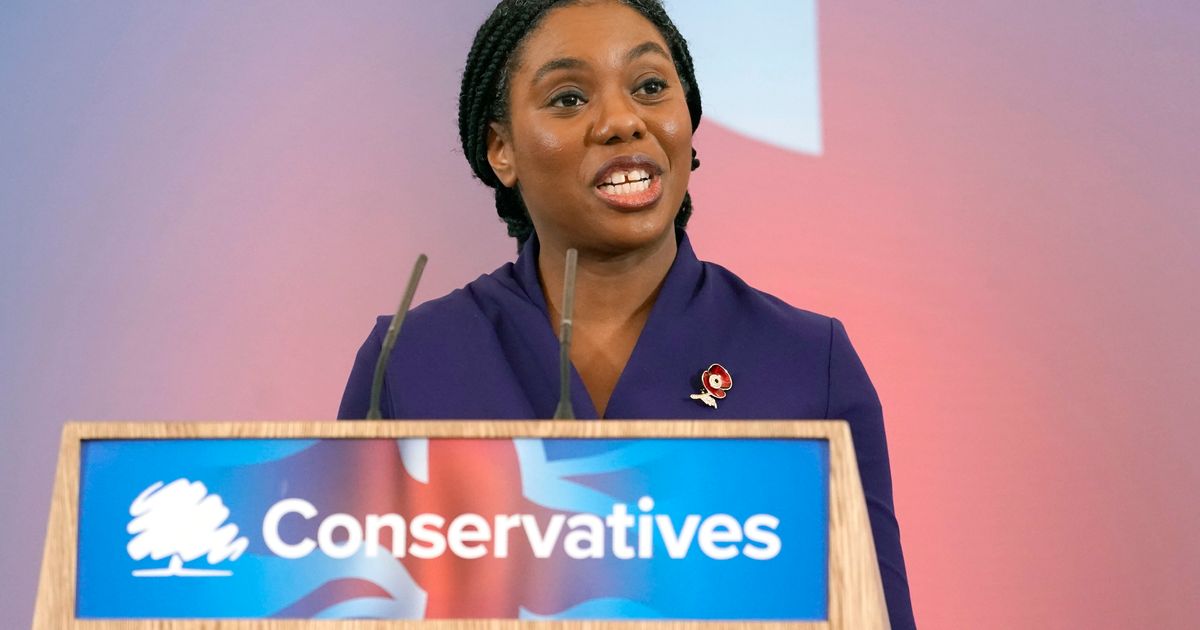
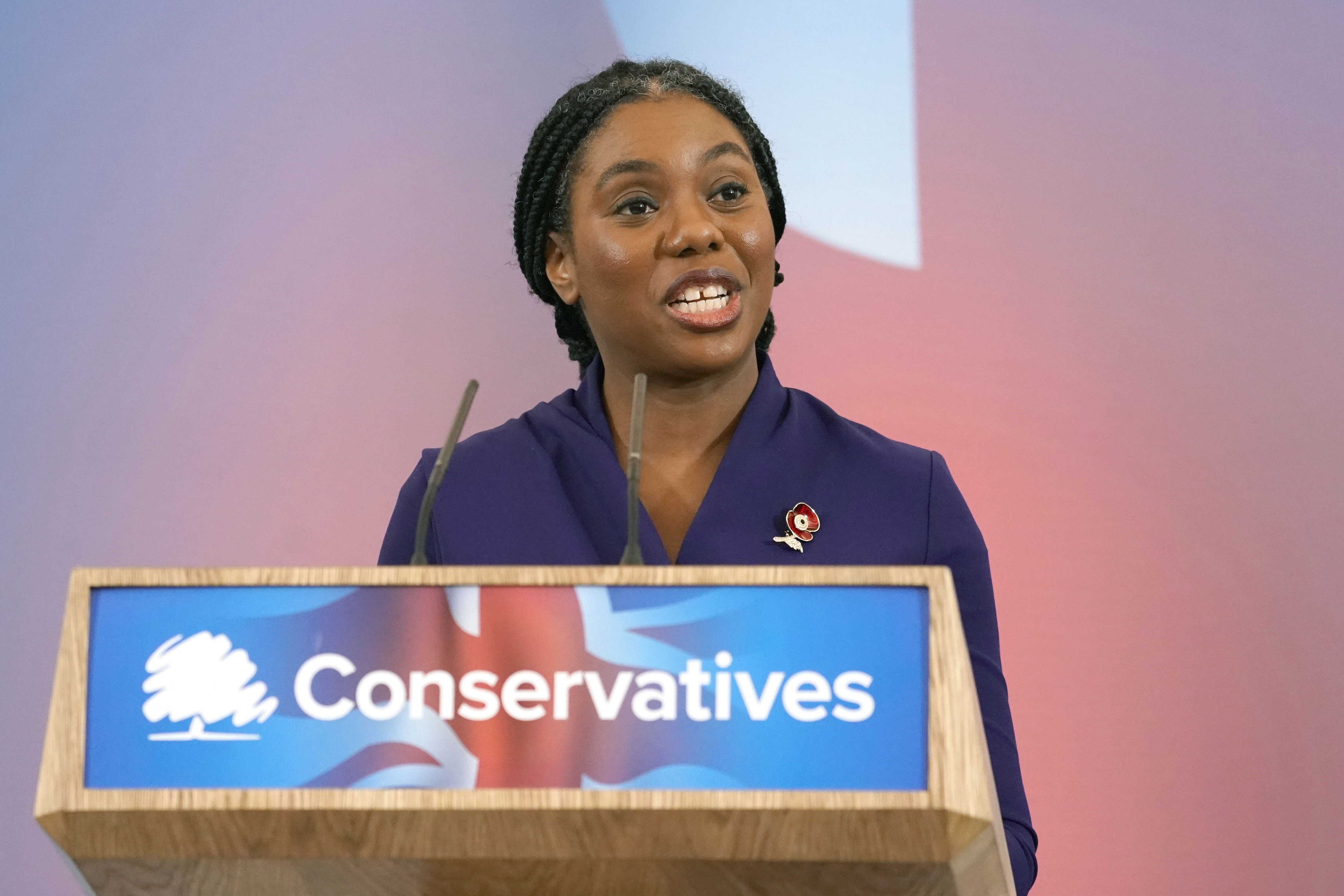
Kemi Badenoch has been criticised after saying a flat rate of income tax for everyone in the country is an “attractive idea”.

Labour accused the Tory leader of being “a reverse Robin Hood” because the policy would mean “massive” tax cuts for the rich.

They also compared her to former Tory prime minister Liz Truss, who was forced from office after her plans for huge unfunded tax cuts caused economic chaos.

Under the current tax system, workers pay higher rates of income tax as their salaries increase.

Appearing at an event on Monday, Badenoch was asked is she supported replacing that with a flat tax rate, with everyone paying the same regardless of their income.

She replied: “It’s very attractive but if we’re going to get to that sort of scenario there’s a lot of work we will need to do first.

“We cannot afford flat taxes where we are now. We need to make sure we rewire our economy so that we can lighten the burden of tax and of regulation on individuals, and on those businesses that are just starting out in particular.”

A Labour spokesperson said: “Kemi’s reverse Robin Hood would mean massive tax cuts for the rich, paid for by everyone else.

“While Labour protects working people with no tax rises on their payslips, the Tories are bringing out the ghost of Christmas past with these Truss-style tax cuts for millionaires.

“They haven’t listened and they haven’t learnt.”

At the same event on Monday, Badenoch also suggested that the UK’s regulatory standards were too high – but that she supported them.

She said: “Where we continue regulating ourselves at very high standards – which we should do – but in a way that other countries don’t follow, which puts us at a disadvantage, which means that there’s no level of playing field if you’re a farmer, for example, and many others. And we need to start thinking differently.”

A senior Labour source told HuffPost UK: “I don’t get how anyone could follow each clause of that sentence and have a clue what she is suggesting.”

Share Button

‘That’s A Sickness’: Donald Trump Criticizes Fans Of Shooting Suspect Luigi Mangione

President-elect Donald Trump called the glorification of shooting suspect Luigi Mangione a “sickness,” criticising people who have celebrated the killing of UnitedHealthcare CEO Brian Thompson in New York earlier this month.

“I think it’s really terrible that some people seem to admire him, like him. And I was happy to see that it wasn’t specific to this gentleman that was killed. It’s just an overall sickness as opposed to a specific sickness,” Trump said on Monday during a wide-ranging press conference in Florida.

“It was cold-blooded, just a cold-blooded, horrible killing,” he went on. “And how people can like this guy is — that’s a sickness, actually. That’s really very bad. The way it was done. It was so bad. Right in the back. Very bad.”

Trump also suggested that some of the gleeful online posts about Thompson’s death could be fake, adding that “it’s hard to believe that that could even be thought of, but it seems there’s a certain appetite for him. I don’t get it.”

Mangione, 26, has been charged with murder in Thompson’s killing. He was arrested in Pennsylvania last week and remains in custody there. Police said his fingerprints match prints that investigators found on a water bottle and a granola bar wrapper near the scene of the shooting in Manhattan.

Mangione described his anger toward corporate America in a “manifesto” published last week. Words etched on shell casings at the scene ― “deny,” “defend,” “depose” ― also echoed a phrase commonly used to describe insurer tactics to avoid paying claims.

Some people online have expressed support for Mangione and glee over the death of a top health industry CEO. Others condemned the killing but said the industry deserves the scorn and criticism, due to insurance practices that prioritise profits over people’s lives and well-being.

“All of that pain that people have experienced is being concentrated on this event,” Representative Alexandria Ocasio-Cortez told reporters last week. “It’s really important that we take a step back, this is not to comment and this is not to say that an act of violence is justified, but I think for anyone who is confused or shocked or appalled, they need to understand that people interpret and feel and experience denied claims as an act of violence against them.”

Share Button

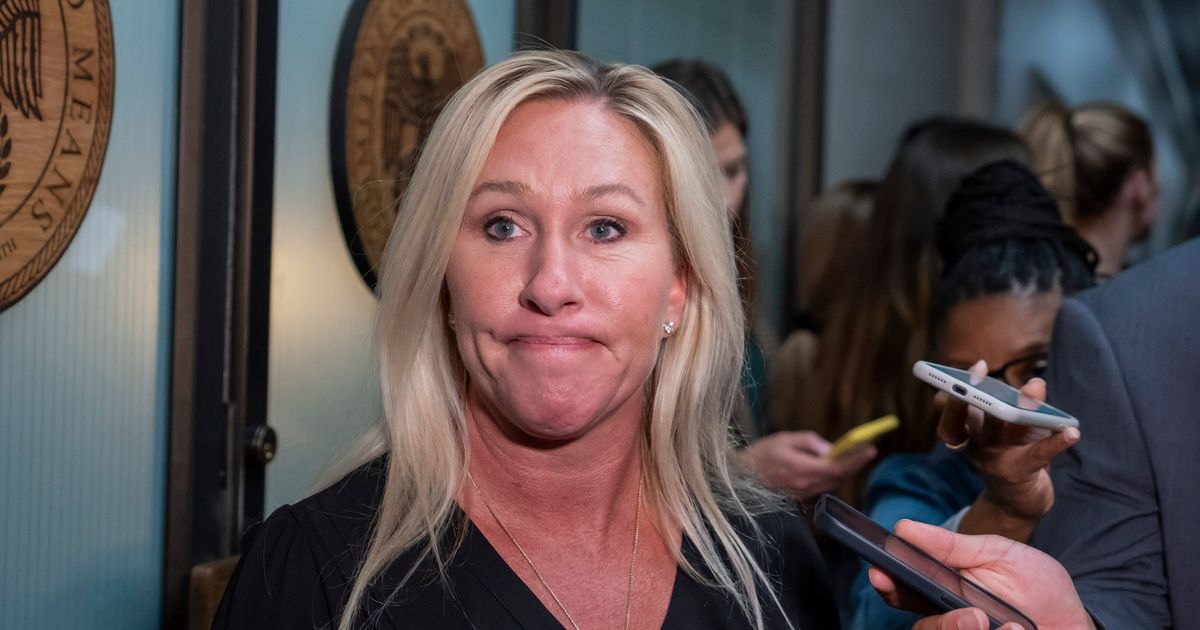
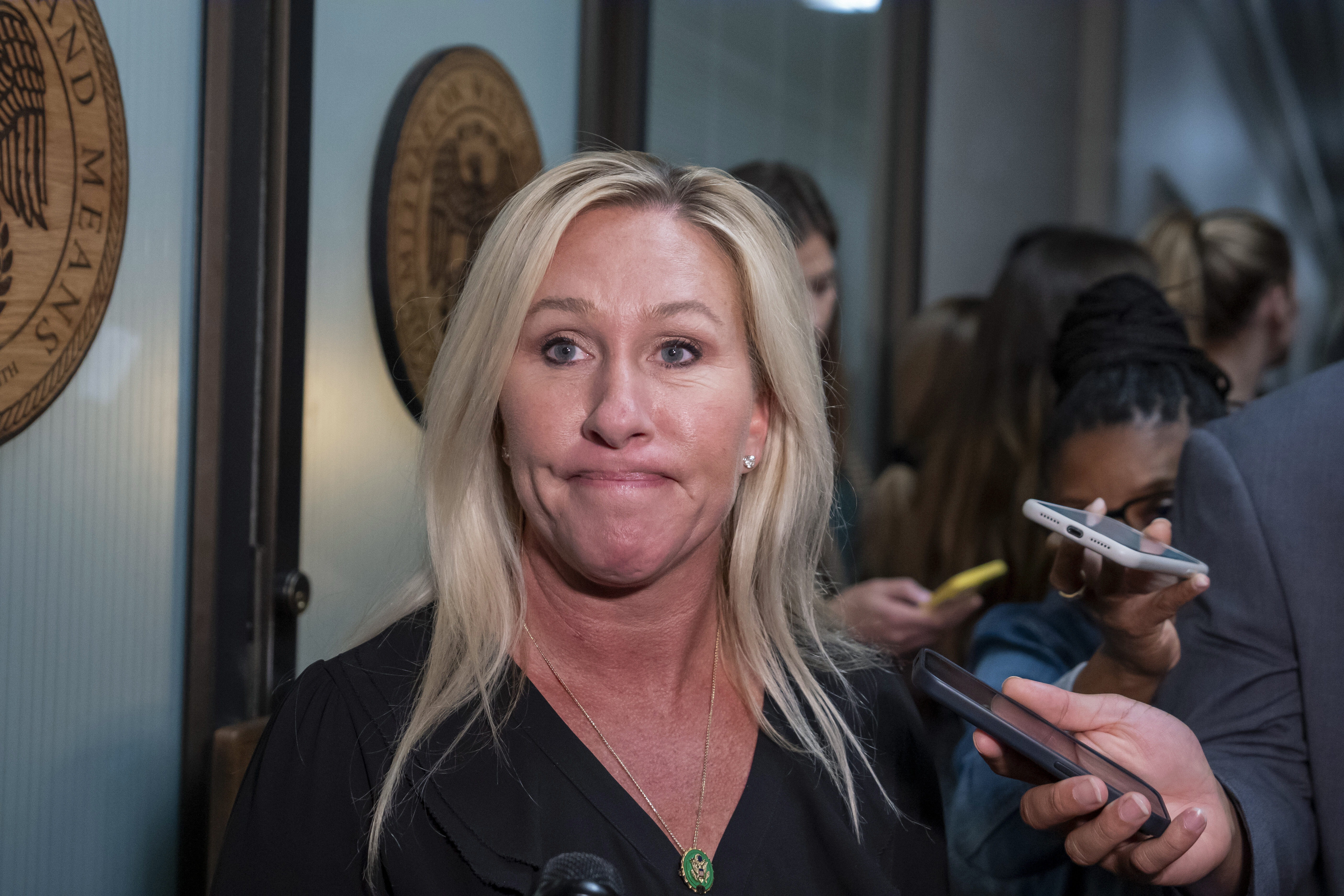
Marjorie Taylor Greene Slammed For Saying Vaccines Cause Autism

The congresswoman declared on social media that she believes in the debunked idea that vaccines cause autism, a claim that has been researched again and again and found to be baseless.

I fully believe vaccines cause Autism,” Greene wrote on X, formerly Twitter. ”It’s another example of crimes against humanity. And innocent babies, children, and their families are the victims.”

Greene’s post quickly received a community note pointing out that “the scientific literature on this is so extensive, that claiming otherwise can only be explained through sheer ignorance, or some sort of nefarious political purpose.”

The note included links to many, many sources explaining the issue in more detail.

Greene’s post got quite a bit of attention, and a great deal of mockery.

Share Button

Zelenskyy Calls On World To Be ‘United’ Against Putin As UK Says Russia Is Making ‘Further Gains’ In Ukraine

Volodymyr Zelenskyy has called on the world to be “united and stronger than ever” against Vladimir Putin as the UK said Russia is making “further gains” in Ukraine.

According to the latest intelligence update from the Ministry of Defence, Moscow’s troops are advancing on the “key logistical hub” of Pokrovsk in Donetsk after gaining control of the nearby village of Shevchenko.

In a post on X, the MoD said: “Russia will likely continue to make gains towards Pokrovsk whilst continuing to advance westwards to the south of the town.”

Zelenskyy, the Ukrainian president, revealed that in the last week alone, Russia has used nearly 630 guided aerial bombs, around 550 strike drones, and over 100 missiles against his country.

He said: “I am grateful to the warriors defending Ukraine and to our partners who understand our need to bolster Ukraine’s air defences to save the lives of our people.

“Now, the world must be united and stronger than ever. Only through strength can we together force Russia and its allies to give up terror and achieve a just peace.”

Meanwhile, Zelenskyy has also announced that Ukraine will support humanitarian efforts in Syria following the fall of its former president, Bashar al-Assad.

He said: “For Ukraine, this is important: the calmer the situation in such regions, the more actively the world can help us achieve peace.

“It is precisely for this reason that Moscow tries so hard to ignite more conflicts and wars in various parts of the world, fuelling instability and adding to global challenges.”

The president said a “grain from Ukraine” programme would allow his country to provide Syria with food.

“We call on everyone worldwide to join stabilisation efforts to ensure that the war—ignited over a decade ago in Syria with the involvement of Iran and Russia—can finally come to an end,” he said in a post on X.

Share Button

Susanna Reid Brutally Slams Chris Philp Over The Tories’ Record As She Defends Migrants

Susanna Reid has criticised Chris Philp over the Tories’ record in office as she mounted a passionate defence of migrants.

Philp had used his own appearance on the programme to criticise Labour over the high numbers of asylum seekers who are still crossing the English Channel on small boats.

Asked for her views on the subject, Reid said: “I think that successive governments have failed to tell a positive story on immigration. We rely on immigration to run our public services, to grow our economy.

“But there is huge concern about how we support the immigrants who come, and with all due respect to Chris Philp, how he can lecture the current government on immigration when it was under the previous government that legal net migration by almost a million is remarkable.

“Anybody is going to be worried that if you have that scale of legal migrants coming in how are you going to support them with the NHS and housing.

“What governments need to do is say ’we need migrants, they are positive and valuable contributors to our society, but this is the number roughly we need.”

Reid also attacked Labour’s pledge to lower immigration, saying: “That makes it sound like immigration is a bad thing – we’re going to lower it because immigrants are bad.

“But they’re not bad, and then you hand over the political argument to Reform and a sort of Faragist proposal on one in, one out.”

Share Button

Yvette Cooper Repeatedly Refuses To Say When Small Boat Crossings Will Fall

Home secretary Yvette Cooper has repeatedly failed to say when the number of asylum seekers crossing the English Channel in small boats will come down.

Keir Starmer pledged to “smash the gangs” controlling the people smuggling operation before the election, but thousands more have made the dangerous journey since then.

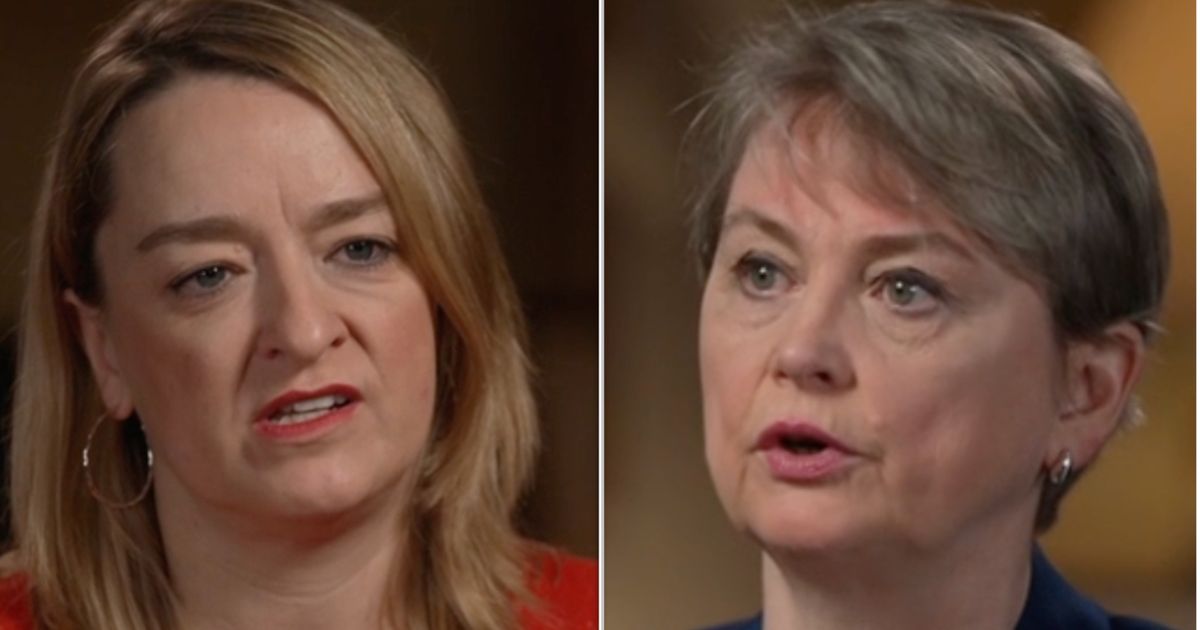
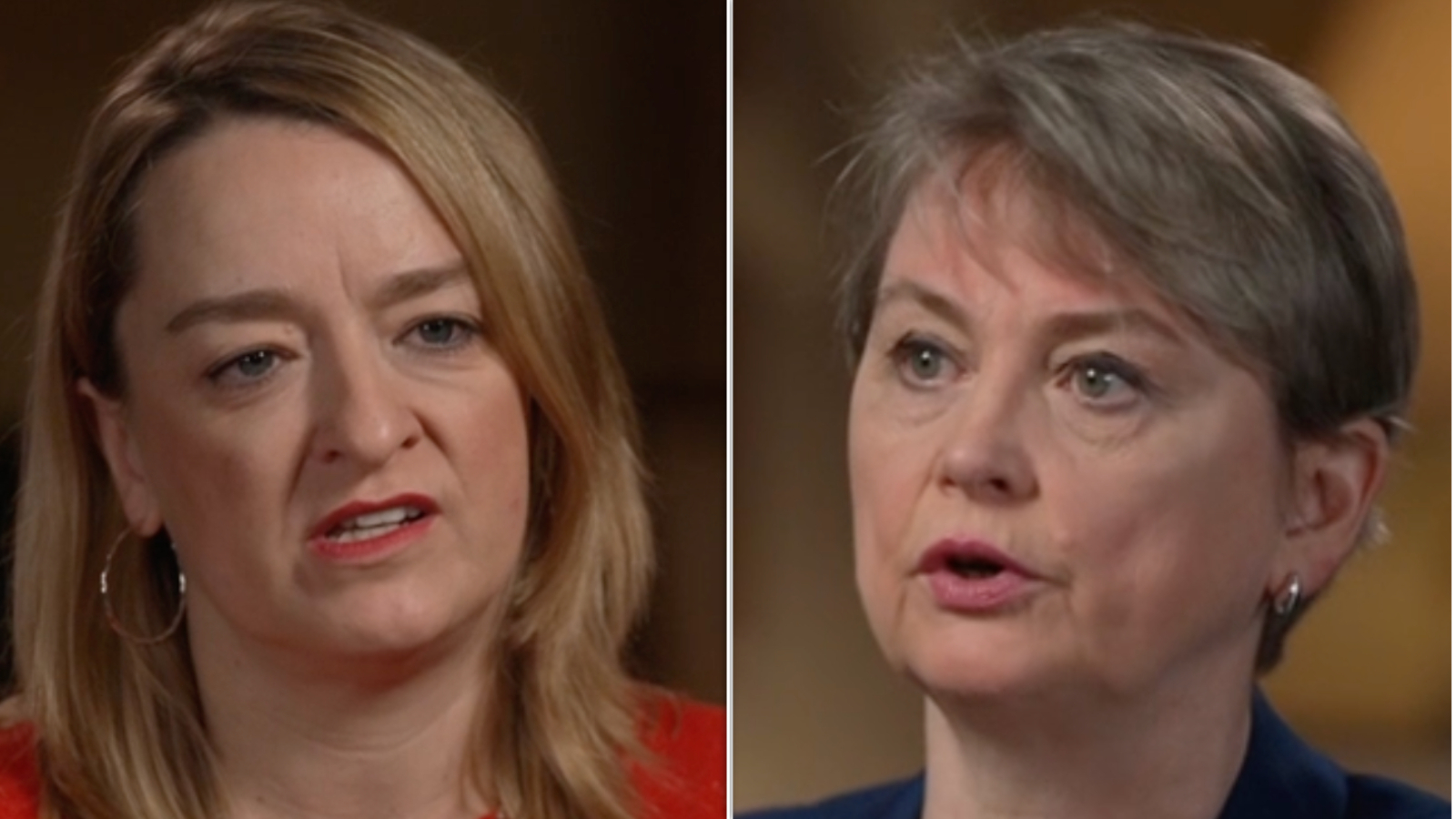
On Sunday with Laura Kuenssberg on BBC 1 this morning, Cooper said the number of crossings was “deeply damaging” and “puts lives at risk”.

Kuenssberg asked her: “The question that our viewers watching and listening to you have is when will they see a difference?

“People see the numbers continuing to go up. People see more hotels being used to house people without permission in their towns.

“So when can people expect to see a difference? When can you expect to see the numbers of small boats coming down if you’re approach is the right one?”

After the home secretary appeared to dodge the question, Kuenssberg said: “I do think the question that people want to know is when will we see a difference?

“This government now seems to be fond of giving us timelines and targets and milestones. So when can people expect to see a difference, to see the number of boat crossings coming down, to see the number of asylum hotels coming down too?”

Cooper said the government was cutting the existing backlog of asylum claims.

Trying a third time to get an answer, the presenter said: “I will ask you again. When can our viewers expect to see the numbers making small boat crossings – putting their lives at risk trying to get to the UK – when can they expect that to come down?

Cooper said: “Of course we want to see the boat crossings come down as rapidly as possible. What we’re not going to do is deal with this by slogans.”

Kuenssberg then told her: “But home secretary, this is not about slogans. When it comes to something like waiting lists and the NHS, the government is very happy to put targets on that and say ‘measure us by whether we hit those’.

“When it comes to kids’ education, the government’s been very happy to put a target on that and say ‘judge us by this measure’.

“When it comes to this issue, you won’t give us a yardstick by when people can expect a significant difference. Why not, because it makes it feel like it’s not a priority to the government in the way that some other issues are.”

But Cooper said: “We’ve made clear that border security is one of the foundational issues, before you get to any of the missions. We’ve been clear that we need to reduce both legal migration and illegal migration.

“There is a history of home secretaries and prime ministers making grand promises, but never actually having a proper plan. The approach we’re taking to this is step by step.

“We are putting in place the things that we need – the agreements with other countries, the stronger returns arrangements, much stronger law enforcement, the operations with Germany to go after the smuggler supply chains, the operations with Italy to go after the illicit finance.”

She added: “I think we’re being really clear and straight with people about the complexity of this because the gimmicks did not work.”

Share Button