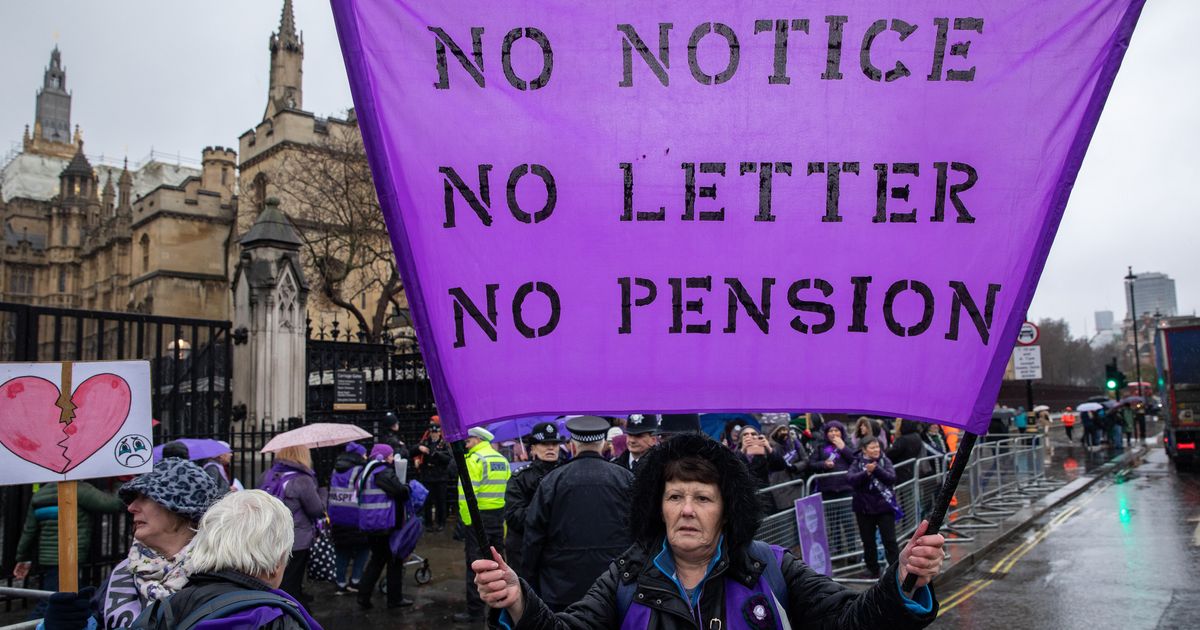
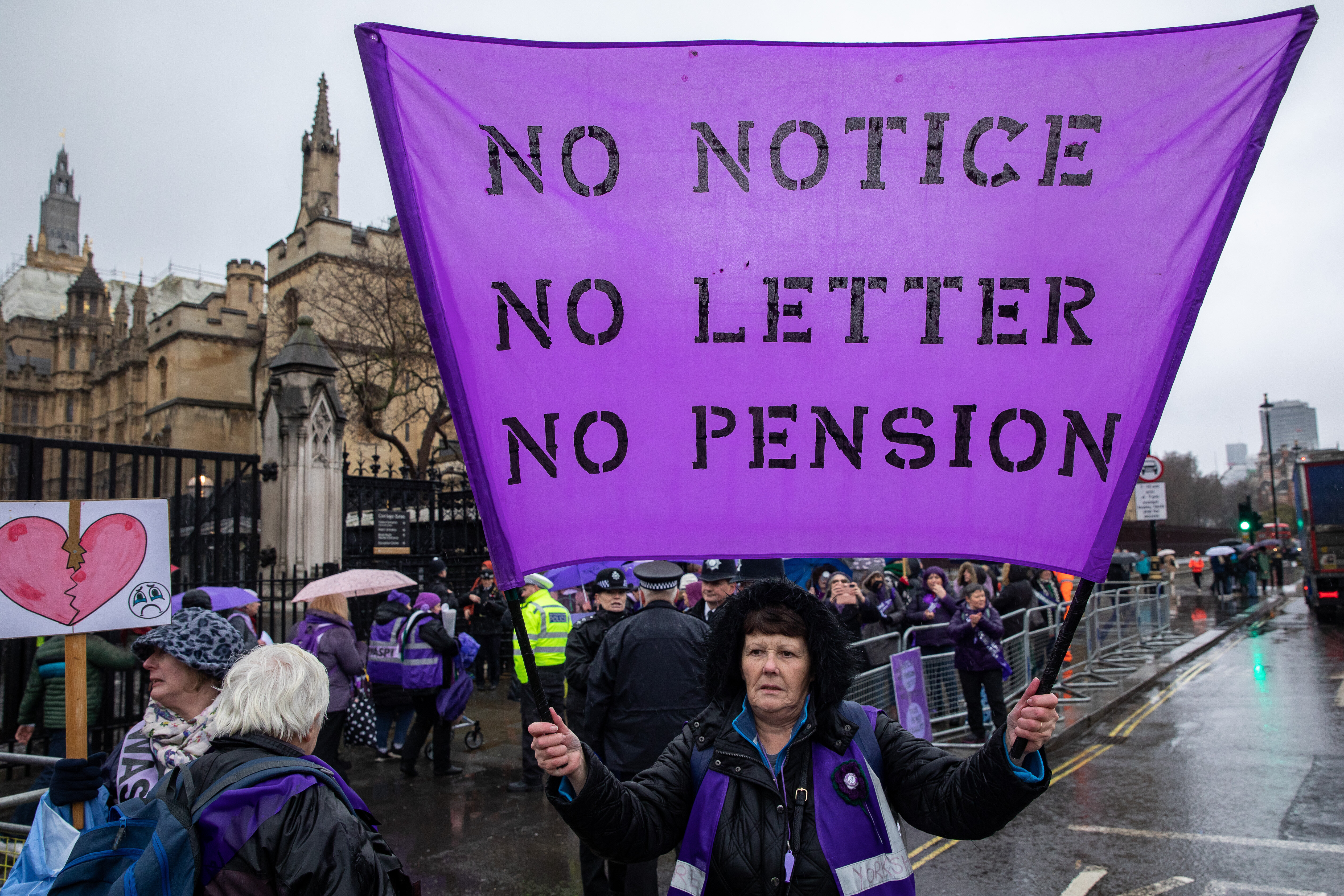
A Conservative MP has criticised the government over its handling of the group known as the WASPIs, saying it “should be ashamed”.
Backbencher Tim Loughton called for action after a major report – released last week – found the government should compensate those women impacted by changes to the state pension age.
Advertisement
He told Times Radio “a lot of women” in the Waspi group – Women Against State Pension Inequality – have suffered” due to this incident.
The Waspi campaign is made up of women born in the 1950s who were impacted by increases to their state pension age (from 60 to 65) so it was equal with men’s.
The change happened between 2010 and 2018. Many say they were not adequately informed about the shift, and so ended up losing out on several years of their state pension.
According to Waspi, more than a quarter of a million women have died since the campaign began.
Loughton said: “A lot of women have suffered over a long period of time, and many of them have died in quite tragic circumstances, which is why we need recognition for what they’ve gone through.”
Advertisement
“I think they [the Department for Work and Pensions] should be ashamed. The government has got to take note,” the Tory MP – who used to co-chair an All-Party Parliamentary group on the issue – said.
“The Ombudsman clearly found the DWP were guilty of maladministration, that they’ve not properly communicated these changes with a great number of women.”
The Parliamentary and Health Service Ombudsman published its second report into the issue on Thursday, and found those affected were not adequately informed – and therefore need an apology and payouts.
But during Sunday morning media rounds, neither the Conservatives nor Labour committed to compensating those impacted.
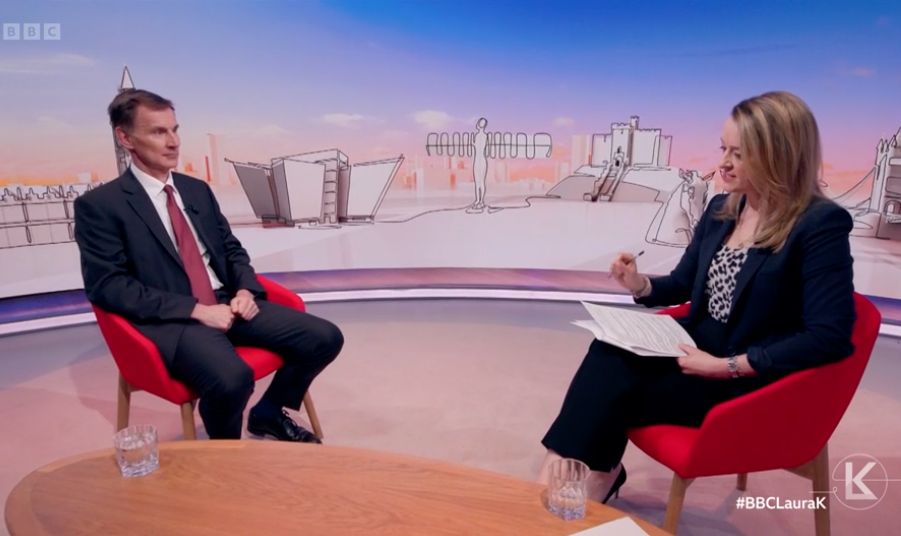
Chancellor Jeremy Hunt said the issue was “genuinely more complicated” than other schemes were compensation was now being handed out, adding: “There’s no secret vault of money.”
Advertisement
Labour Party chair Anneliese Doddssaid, “those women deserve respect, that’s the most important [thing],” but did not make any promises.
Best for Britain came to that conclusion by comparing the number of community notes added to posts on X (formerly Twitter) from the prime minister, cabinet ministers and the official Conservative account to their opposition counterparts.
What are community notes?
Community notes are a feature in the social media platform which were added in January 2023 to allow other X users to add context or clarifications to posts.
Users who sign up to be “contributors” can add notes to posts offering different points of view. If enough of these notes are rated as helpful by fellow contributors, it will appear below the post in question as a community note.
According to X, “community notes aim to create a better informed world by empowering people on X to collaboratively add context to potentially misleading posts”.
Advertisement
How many times have the Tories and Labour been corrected in this way?
Best for Britain found 73 community notes attached to government accounts in total, compared to 15 from official opposition accounts.
Twenty-six of those posts were attached to the Conservative Party’s official account, and 25 were from the PM who vowed at the start of his premiership to lead with “integrity, professionalism and accountability”.
In the first week of January, Sunak was rebuked three times for posting misleading claims about clearing the asylum backlog, suggesting tax was cut, and claiming responsibility for halving inflation.
Meanwhile, Labour leader Keir Starmer has accrued four community notes in the same period while the Labour account has seven.
Advertisement
David Lammy was the only shadow minister to receive more community notes than his counterpart, David Cameron – Lammy has two, while the foreign secretary has none.
The group’s CEO Naomi Smith said the findings “shouldn’t be taken lightly, especially in an election year where lack of trust can feed dangerous populism”.
“A government that the public can’t trust to act with integrity and transparency – both essential for liberal democracy – is a government that shouldn’t be in power,” Smith continued. “We need a general election and our polling shows that the public want it now.”
The presenter of Sunday with Laura Kuenssberg then pointed out that private rents are up 9% since 2023, council tax for band D up 5.1% since 2023 and petrol prices up 2.3p since January 2024.
After reminding Hunt of these incidents, she asked: “Isn’t there a danger that actually you sound like you’re in a parallel universe?”
Hunt said he was talking to one of his own constituents about paying for childcare in an area where the house prices are averaging around £670,000.
Advertisement
But, the BBC journalist noted: “In your own area, in Surrey, the average full time wage is not even half of that. It’s £42,000.
“So, don’t you think, to many people hearing that, it just sounds completely out of touch?”
Hunt said: “Well, I was talking to one of my own constituents who was saying that, but I do accept that even those people on those higher salaries do feel under pressure.”
He said for the national average salary – those on £35,000 – he reduced their National Insurance contributions, while those on National Living Wage have seen an increase.
Actually, due to fiscal drag – where tax thresholds do not change in line with inflation and rising wages – people will be paying more in tax.
The chancellor pointed out the Office for Budget Responsibility says we are going to recover to pre-pandemic living standards “two years earlier than previously thought”, saying the “plan was starting to bear fruit”.
Hunt admitted, “we’ve had a very very tough patch,” but blamed the invasion of Ukraine for driving up energy prices and the Covid pandemic.
He continued: “I think people will welcome the fact that inflation has fallen – but we’re not there yet.
“We need to stick to the course because we need inflation to get down to 2%.
“The thing that will make the biggest difference for families up and down the country is when interest rates falls, and the mortgage rate starts to fall.”
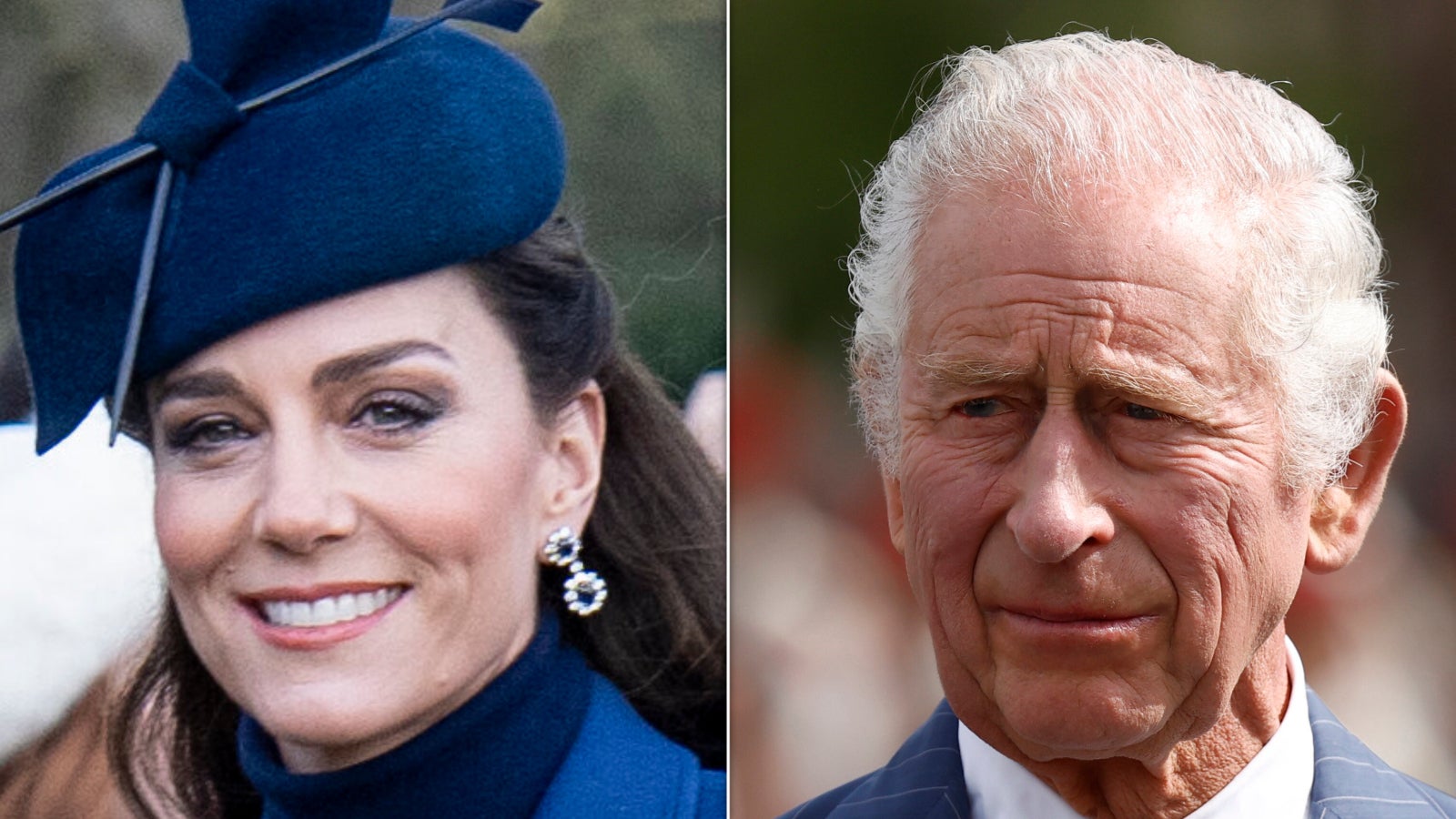
The Princess of Wales explained that the news came as a “huge shock” to her and her family.
Kate has spent the last few months out of the public eye, following a planned abdominal surgery which was initially thought not to be cancer-related.
Here’s a look at what is publicly known about her condition at the moment.
When and how did Kate find out she had cancer?
When she had planned abdominal surgery on January 16 at a private facility – the London Clinic – Kensington Palace said her condition was “not cancer-related”.
Advertisement
News of the surgery was announced the day after it happened. The Palace only said it was successful, but did not offer any further details.
In Friday’s video, Kate said “tests after the operation found cancer had been present” and she was now in the early stages of preventative chemotherapy.
Dr Yuman Fong, a surgeon at City of Hope cancer centre in Southern California, told Associated Press finding cancer after surgery for a noncancerous problem can happen in about 4% of procedures.
A patient can be going for a surgery related to what is thought to be a benign disease, like removing the gallbladder or ovarian cysts, when cancer can be found, according to Fong.
Advertisement
It is common for tissues taken during surgery to be analysed at a lab afterwards, and that’s when other conditions may be detected.
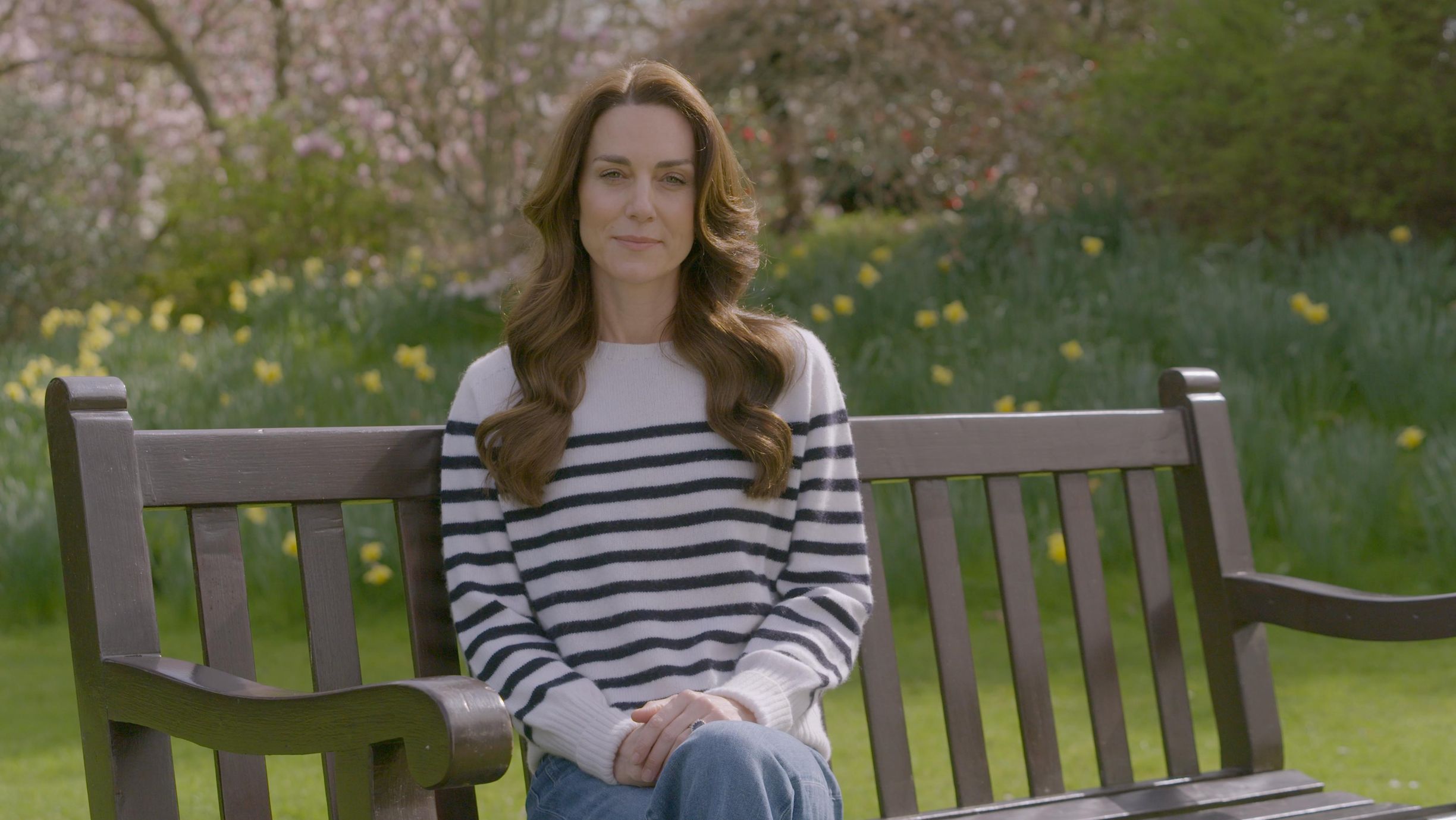
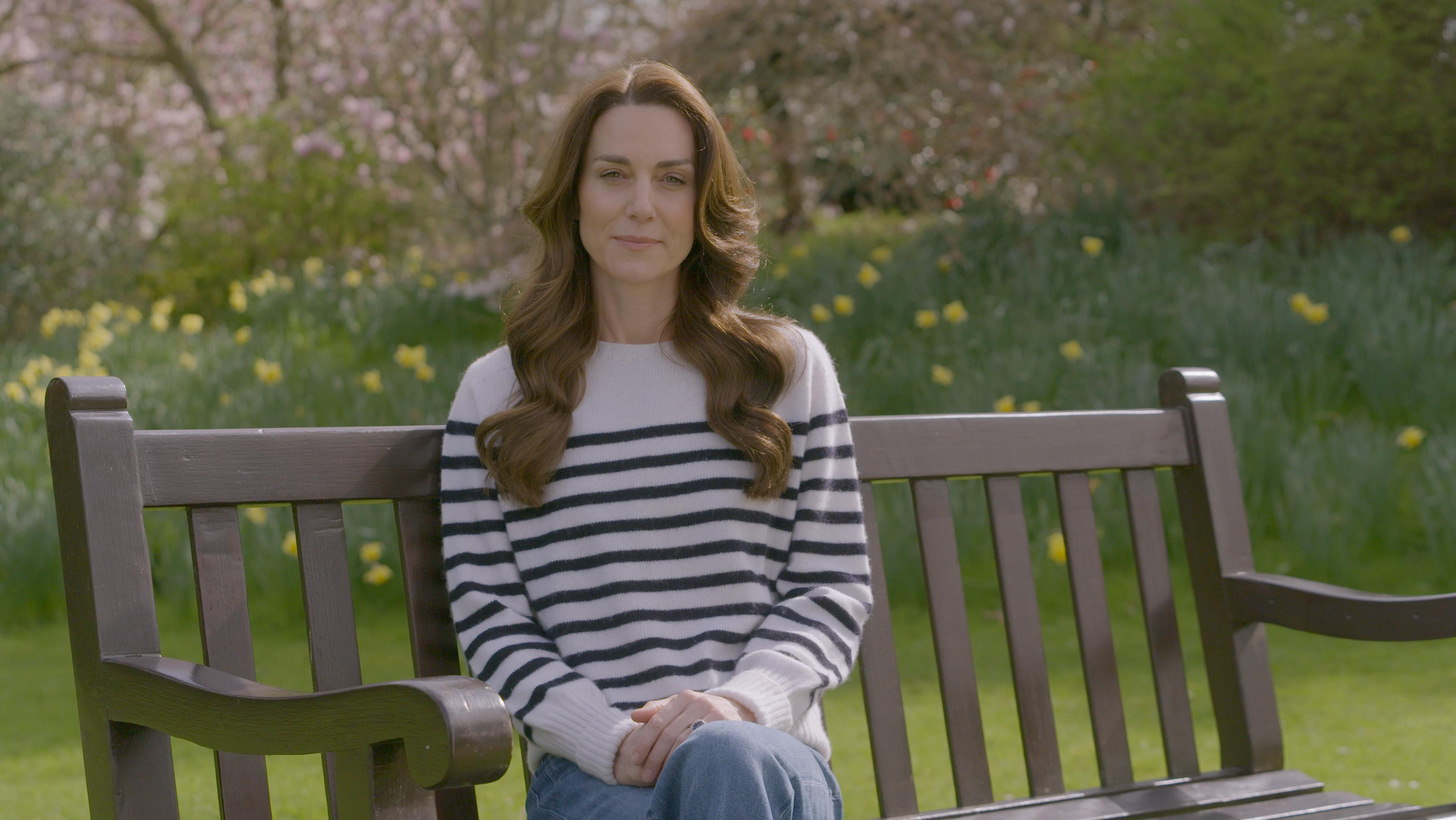
A still of the Princess of Wales, provided by BBC Studios, in the video where she announced the news.
BBC STUDIOS/THE PRINCE AND PRINCESS OF WALES
What is cancer and how common is it?
The NHS says: “Cancer is a condition where cells in a specific part of the body grow and reproduce uncontrollably. The cancerous cells can invade and destroy surrounding healthy tissue, including organs.”
Cancer can sometimes spread through the body, too – that’s known as secondary or metastatic cancer.
One in every two people in the UK will develop cancer in their lifetime.
There are more than 200 different types, and each one is diagnosed and treated differently.
Anyone can get cancer but the risk increases as people get older – more cases are found in people aged 50 and over – because there’s more time for cell damage to accumulate.
But, rates of cancer diagnosis are rising for younger people in developed countries, according to medical research. Kate is 42.
Advertisement
Dr Fong told AP: “We hate it when young people get cancer but at the same time, they are the ones that recover best.”
Survival rates from cancer have doubled over the last 50 years, according to Cancer Research UK.
Kate did not reveal this, and neither did the Palace.
It’s unlikely they will any time soon, especially as the Princess of Wales has already shared an unprecedented amount of detail about her health.
A Kensington Palace spokesperson said: “We will not be sharing any further private medical information. The princess has a right to medical privacy as we all do.”
What treatment is the Princess of Wales receiving?
Kate said in her statement her team advised her to start ‘preventative chemotherapy’ in late February.
Advertisement
She is now in the early stages of this treatment.
Chemotherapy is an un umbrella term for medication – administered by drip or via pill – meant to kill cancerous cells.
It’s meant to stop the risk of cancer coming back again, although the amount needed and how regularly it needs to administered depends on the cancer.
According to the NHS website, chemo can cause some difficult side effects, though “many can be treated or prevented and most will pass once your treatment stops”.
Not everyone gets the same side effects, but some common ones include: anaemia, infections, loss of appetite, fatigue, nausea and hair loss.
Dr Monica Avila of Moffitt Cancer Center in Tampa, Florida, told AP: “A patient can take anywhere from a few weeks to a month or two to recover from those effects.”
Advertisement
When will Kate return to the public eye?
The Palace did not reveal a working timeline for Kate’s treatment, or the advice from her medical team who will decide when it is.
But, the royal officials seem confident Kate will recover.
The statement said: “The Princess is now on a recovery pathway.”
In her video statement, Kate said she had taken her time to tell the public her diagnosis because she wanted to first reassure her three children – aged 10 and under – that she was “going to be OK”.
“As I have said to them, I am well and getting stronger every day by focusing on the things that will help me heal, in my mind, body and spirits,” Kate said.
Buckingham Palace said the King is “so proud of Catherine for her courage in speaking as she did”.
The pair have “remained in the closest contact with his beloved daughter-in-law throughout the past weeks” after they spent time in hospital together, according to the spokesperson.
Advertisement
They added that Charles and his wife, Camilla, “will continue to offer their love and support to the whole family through this difficult time”.
She said she is now undergoing preventative chemotherapy.
The news comes a few weeks after the monarch revealed he was diagnosed with cancer earlier this year following a separate procedure for a benign prostate enlargement.
Charles is now going through a schedule of regular treatments.
The two royals were treated at the London Clinic at the same time earlier this year.
The Palace has not revealed what kind of cancer either of the senior royals has, and it is unlikely to do so.
Advertisement
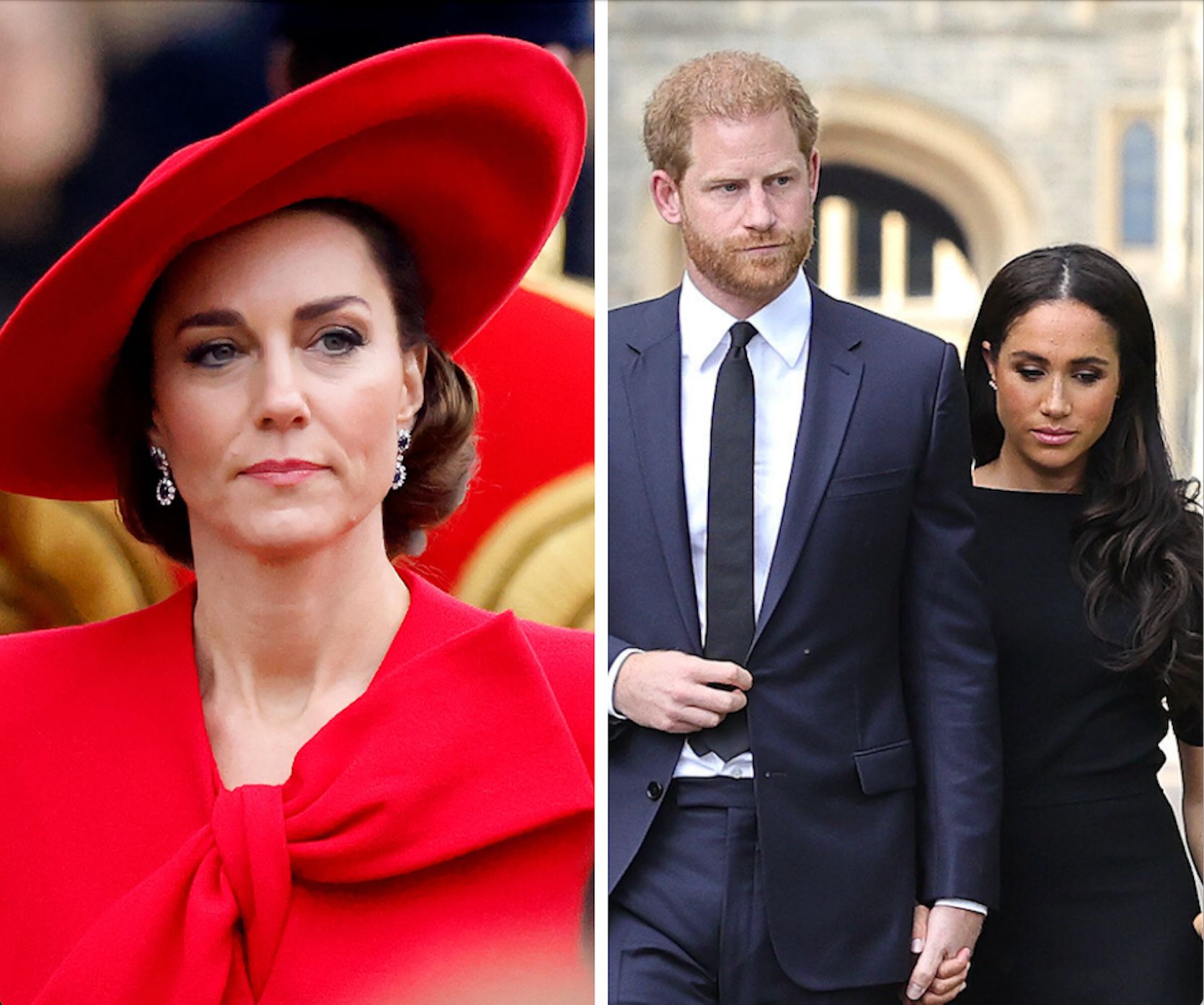
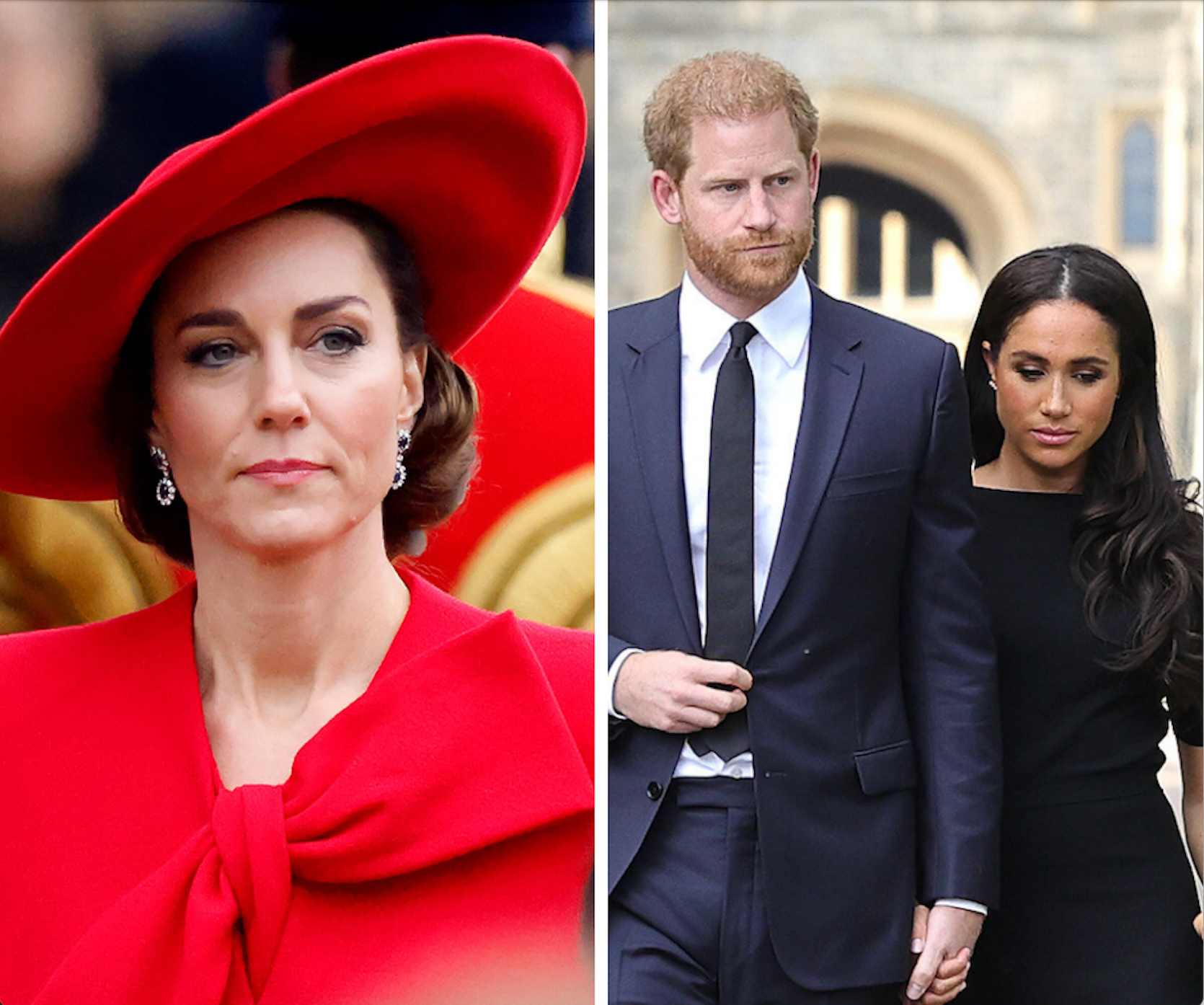
Prince Harry and Meghan Markle extended their sympathies to Kate from across the pond, saying: “We wish health and healing for Kate and the family, and hope they are able to do so privately and in peace.”
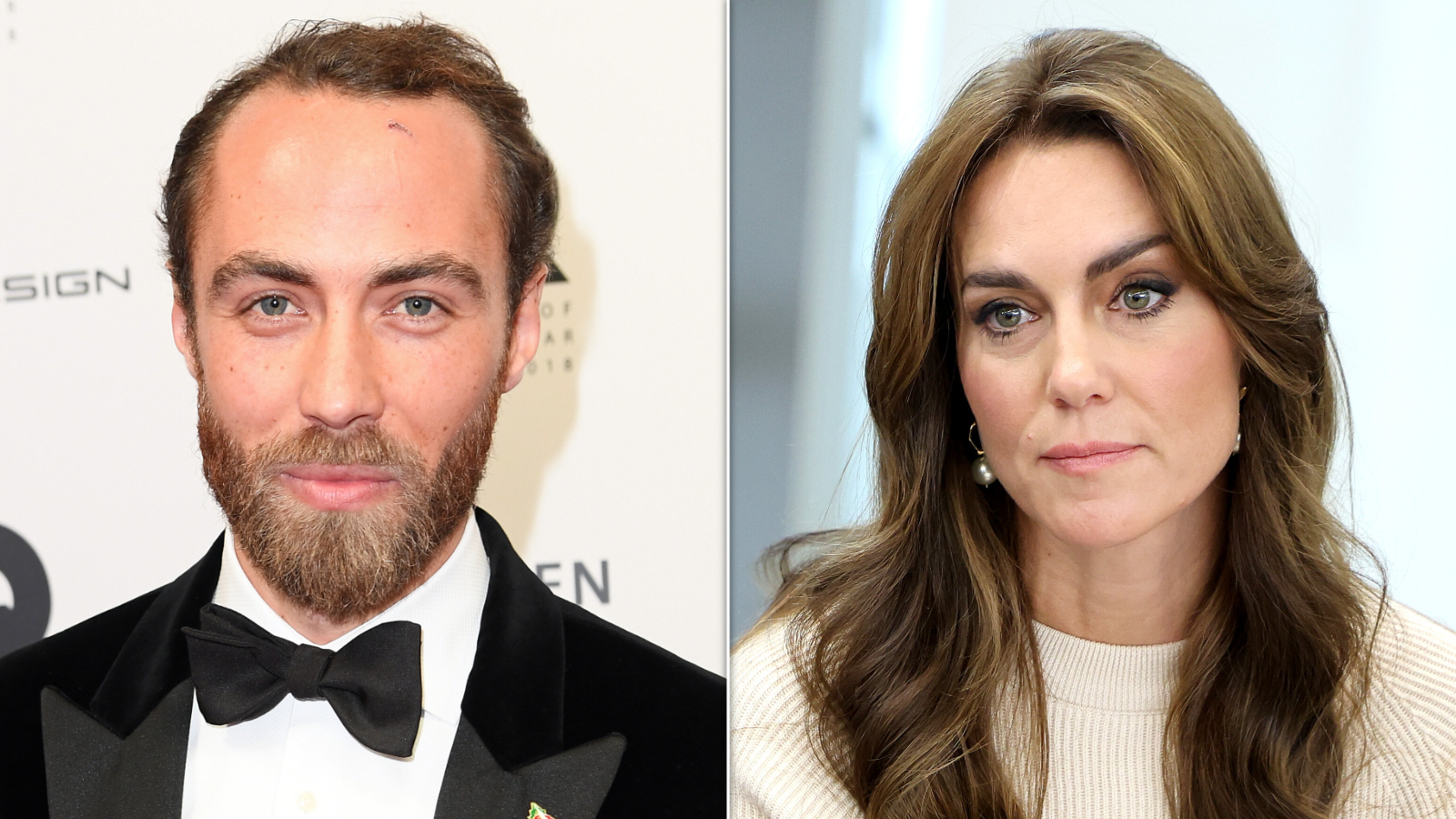
Kate’s brother James Middleton also posted on Instagram about the news, sharing an old photo of the two of them alongside the caption: “Over the years, we have climbed many mountains together. As a family, we will climb this one with you, too.”
Picture the scene: I’ve spent the entire week dreaming of the weekend. I’m no party animal so all I have planned is books, baths, and home-cooked meals three times a day. Quiet, calm, heaven.
Only, when the weekend arrives, it’s sunny and warm. A rarity in Britain and even more so in my home in Scotland. I should go out. I should go to the park to read. I should see my friends. It’s SUNNY, what am I doing indoors!?
Advertisement
But I don’t want to. My plans involved solely being indoors, at home. Which I stick with as a plan but feel guilty all weekend for doing so, and I worry that I’m missing out.
Sound familiar?
Well, apparently, this is called ‘Sunshine Guilt’.
What is sunshine guilt?
According to Dr. Nadia Teymoorian, a psychologist from the Moment of Clarity Mental Health Center that spoke with Bustle, sunshine guilt is that regretful feeling that settles in whenever you stay inside on a nice day, and it can be especially upsetting if you assume everyone else is outside and living their best life.
Apparently this is more common with people that live in cold places such as Scotland and Ireland. That checks out.
However, mental health campaigner and broadcaster Neev Spencer spoke with The Metro and said that the issue could be that we’re watching people enjoy sunny days on social media and assuming they’re happier and having a better time than we are.
Advertisement
He said: “Always ground yourself in the knowledge that what you see isn’t always what you get. You may see your friends or colleagues having the “time of their lives” in the sunshine, but bear in mind that if that were truly the case, they might not have had the time to take quite so many carefully curated pictures for their Instagram stories. Being present will always be 100% cooler than not.”
Being present in the bath, reading a book, is better than taking selfies on the beach. Commit that to memory.
“Over the years, we have climbed many mountains together,” James wrote on Instagram, alongside a childhood photo with his eldest sibling. “As a family, we will climb this one with you too.”
“In January, I underwent major abdominal surgery in London and at the time, it was thought that my condition was noncancerous,” Kate explained in the clip. “The surgery was successful. However, tests after the operation found cancer had been present.”
She went on: “My medical team therefore advised that I should undergo a course of preventative chemotherapy and I am now in the early stages of that treatment.”
“We wish health and healing for Kate and the family, and hope they are able to do so privately and in peace,” the Duke and Duchess of Sussex’s statement read.
The Princess of Wales’ diagnosis a little more than a month after that of King Charles III, who announced February 5 that he’d begun treatment for cancer. Similarly, Buckingham Palace did not disclose what kind of cancer the 75-year-old British monarch has, or its severity.
“We wish health and healing for Kate and the family, and hope they are able to do so privately and in peace,” the Duke and Duchess of Sussex said in a statement shared with HuffPost.
Advertisement
In a video shared by Kensington Palace on Friday, the Princess of Wales spoke about her health struggles over the last few months.
“In January, I underwent major abdominal surgery in London and at the time, it was thought that my condition was noncancerous,” Kate said.
“The surgery was successful. However, tests after the operation found cancer had been present,” she explained. “My medical team therefore advised that I should undergo a course of preventative chemotherapy and I am now in the early stages of that treatment.”
“This, of course, came as a huge shock, and William and I have been doing everything we can to process and manage this privately for the sake of our young family,” the Princess of Wales said, adding that “it has taken us time to explain everything to George, Charlotte and Louis in a way that is appropriate for them, and to reassure them that I am going to be OK.”
Advertisement
Kate ended her message by saying that she looks forward to being back at work when she is able, but she is now focusing on “making a full recovery.”
“At this time, I am also thinking of all those whose lives have been affected by cancer. For everyone facing this disease, in whatever form, please do not lose faith or hope. You are not alone,” she added.
The news comes at a shocking time for the royal family, as Buckingham Palace previously announced on February 5 that King Charles had been diagnosed with cancer, but did not specify the type or the cancer’s severity.
The cancer was discovered following a procedure the king underwent at the hospital for an enlarged prostate.
It may have been over 10 years since Kristen Stewart last played Bella Swan in Twilight, but there’s one detail from the hit teen vampire films that she’s still thinking about.
The Love Lies Bleeding star, who is engaged to Dylan Meyer, recently spoke to WhoWhatWear about what kind of wedding dress she would go for if the couple were to have a traditional ceremony.
Advertisement
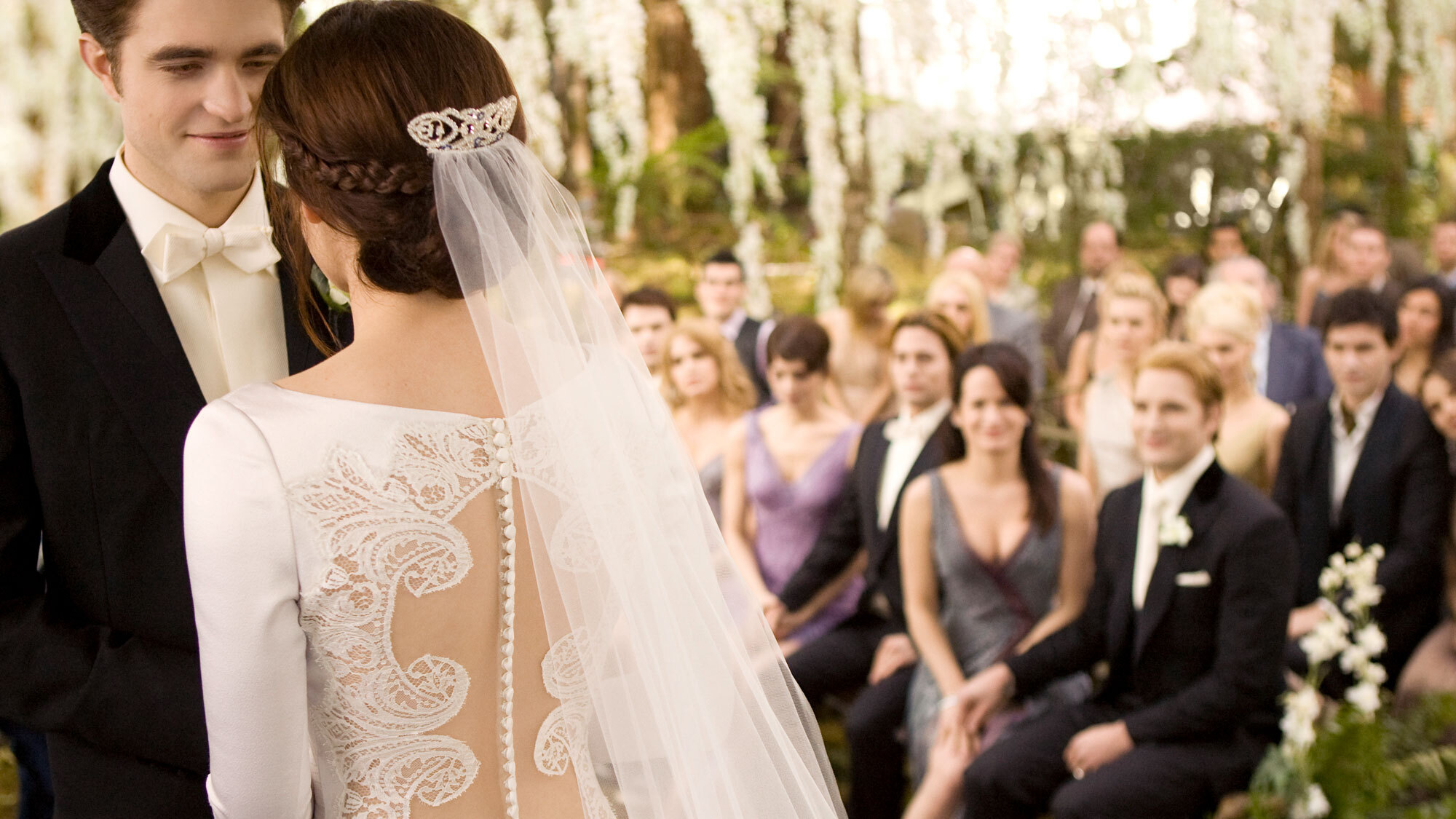
As it turns out, the actor would go for something like Bella’s long-sleeved, lace back dress she wears in her wedding to Edward Cullen (Robert Pattinson) in Breaking Dawn Part 1.
“I love that dress so much,” she said of the Carolina Herrera-designed gown. “I remember getting into it. It felt like getting into a real wedding dress because I was being hidden in some room with, like, heaters, and I was like, ‘It’s too hot in here, and my makeup’s melting off.’
“And they’re like, ‘Well, we’re not going to be ready for 30 minutes.’ And I was like, ’But I’m ready now. And I was like, ‘Well, here we go. This is the time that I can play the bride.’”
She added that it was a “nice” memory and her co-star Robert looked “great”.
“I think if I were to ever do like a classic wedding dress, this is kind of the one,” she added.
While she clarified that she wouldn’t actually be wearing the dress, she was happy she got to experience that in the film. “I appreciate that,” she said.
“I can only see it now,” she told Variety. “I don’t think it necessarily started off that way, but I also think that the fact that I was there at all, it was percolating.”
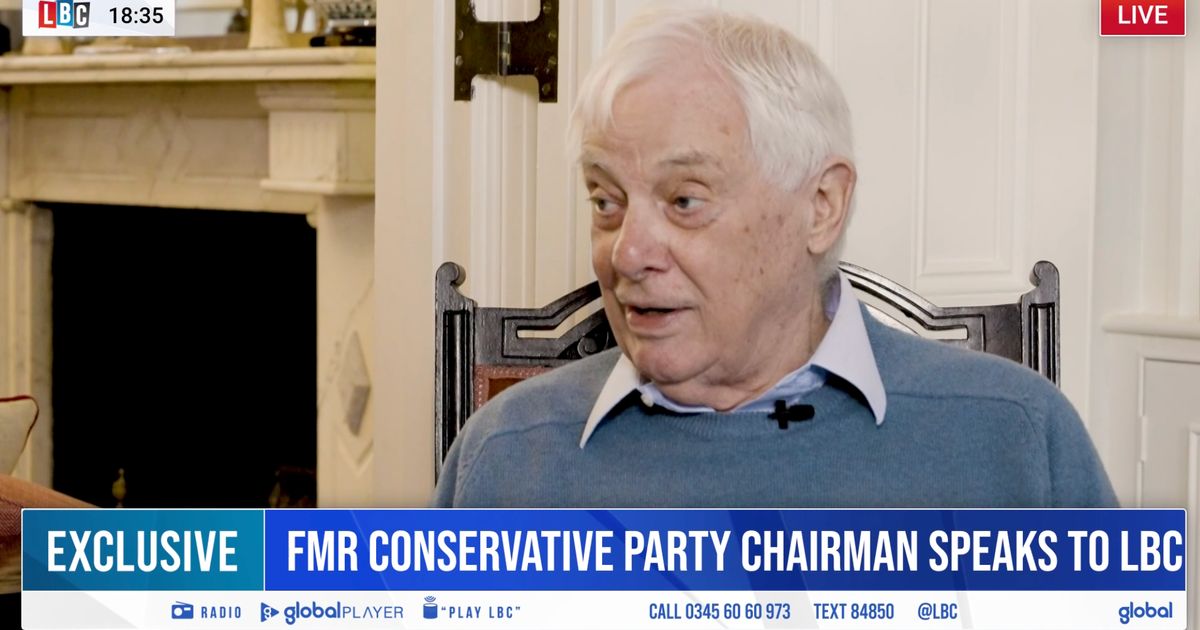
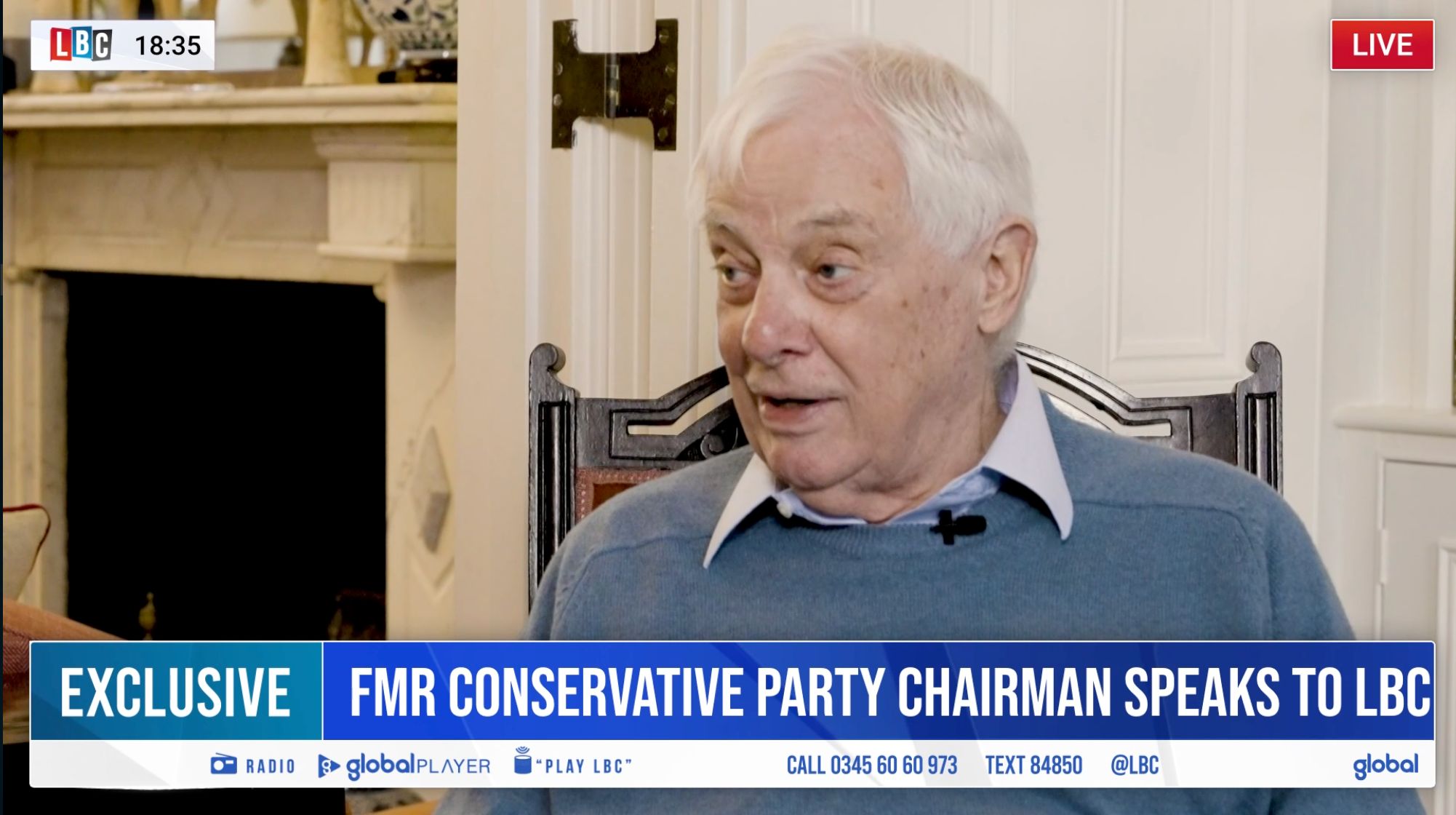
The Conservative’s former chairman has launched a bruising attack on the party for becoming “more right-wing”.
In an interview on Tonight with Andrew Marr on LBC, Lord Chris Patten, a former cabinet minister, also labelled Brexit the “biggest disaster in British policy making since the Second World War”.
Advertisement
‘I was Chair of the Conservative Party when there was one.’ ‘They’ve lost the most important attribute: the benefit of the doubt.’
Former Conservative Party Chair Lord Patten tells @AndrewMarr9 the failings of the current government are mostly due to ‘the disaster of Brexit’. pic.twitter.com/BdQY2EEKSI
The Conservative grandee, who has also been an EU Commissioner and the last governor of Hong Kong, was asked about the upcoming general election, and whether there was a chance of a repeat of the 1992 vote, when Lord Patten was the Conservative Party chairman and John Major pulled off a victory despite more than a decade of Tory rule.
He said voters would not give the current government the “benefit of the doubt”.
Lord Patten said: “When asked about my experiences of being party chairman of the Conservative Party, and what the relevance is to my views on things today, I make initially the very important point that I was chairman of the Conservative Party when there was one.
“And I think what we’ve seen over the years, is the Conservative Party becoming more right-wing, as it becomes more right-wing, it becomes more populist, as it becomes more populist, it becomes more unpopular, as it becomes more unpopular, it becomes more right-wing.
Advertisement
“And I think what it does in the process is lose something which won John Major the election 1992.”
On Brexit, Lord Patten said: “What nobody is allowed to say is that Brexit was a bloody disaster.
“And you hear politicians, even ones I quite respect, talking about the difficulties in the economy because of the war in Ukraine, and the effect on oil prices, the effects on the economy of Covid.
“What neither of those issues are ones where to use an awful social scientist’s word, we had agency. So, you can perfectly well say that was bad luck for the government. But Brexit we did ourselves. And it was the biggest disaster in British policymaking I think since the Second World War.”
He went on: “I’m 79, I don’t think there’s a chance in hell of us re-joining European Union in my lifetime. .. but I do think there are better ways of organising our relationship with our biggest market, and we should do them, and we shouldn’t when we try to do them, be put off by tabloid headlines’.