Britain needs to eventually rejoin the European Union, according to a report published today by a leading think-tank.
The Institute for Public Policy Research (IPPR) said reversing Brexit “is the best way for the UK to cope with “Russian aggression, American unreliability and Chinese coercion”.
Advertisement
Andy Burnham has said he wants to agree closer ties with the EU to help boost economic growth at a summit next month.
The prime minister has also said he wants a national conversation on the UK’s long-term relationship with the EU, which will include the option of rejoining the bloc.
Burnham has previously said he would like to see the UK back in the EU in his lifetime.
The IPPR report says becoming an EU member again should be Britain’s “medium-term goal”.
Harry Quilter-Pinner, the IPPR’s executive director, said: “The world Britain built its post-Brexit strategy for no longer exists.
Advertisement
“We are entering an age in which economic strength, security and political influence increasingly depend on scale, and Britain cannot manufacture that scale on its own.”
The UK voted 52% to 48% to quit the EU in the 2016 Brexit referendum, and formally left the block in January, 2020.
But polling released by the IPPR found that 52% of voters now want to join the EU, compared with 29% who want to stay out.
Advertisement
IPPR associate director Laura Chappell said: “Whether it’s protecting households from swings in the cost of living, restarting industry, or keeping us secure, we lack the weight to act alone.
“In today’s world, we can’t take back control while being an outsider in Europe.”
The think-tank said the government would need to take time to build a case for membership, suggesting working with the EU on defence, manufacturing and democratic resilience as steps on the way to full membership.
Quilter-Pinner said: “There is one option which is best for the UK’s relationship with Europe – membership of the EU.
Advertisement
“That does not mean announcing another referendum tomorrow. But this means starting work to move towards this destination, building political support at home and in Europe.”
Listen to Commons People, the podcast that makes politics easy. Every week, Kevin Schofield and Kate Nicholson unpack the week’s biggest stories to keep you informed. Join us for straightforward analysis of what’s going on at Westminster.
In a huge study analysing the self-reported pain data of over 6 million people has found that women experience more pain on average than men do in 11 body parts.
Speaking to Medical News Today, author Matt Fillingim, PhD, a postdoctoral researcher at McGill University in Montreal, Canada said: “The difference probably reflects a combination of biological and social factors, including sex hormones, immune function, nervous-system pain processing, stress, reproductive burdens, occupational exposures, healthcare use, and differences in how symptoms are reported.”
The sharpest increases in self-reported pain tend to occur before the age of 55
Advertisement
The areas where women reported more pain than men
According to the study, women experience more pain in the head, face, neck and shoulder area, hand and wrist area, elbows, foot and ankle sites, the knees, the chest, the back, abdominal area, and the hips. The highest prevalence was for back pain, at 40%.
Shuchita Garg, MD, an associate professor of clinical medicine in the Department of Anesthesia/Division of Chronic Pain, and the medical director of the University of Cincinnati Medical Center Pain Clinic commented on the findings.
She said: “The reasons why women have a higher prevalence of pain are complicated and include biological, hormonal, and psychosocial elements, the greatest differences being found in the case of facial and abdominal pain, headaches as well as in instances of severe symptoms.
Advertisement
“The differences are greatest in the case of migraine, temporomandibular, and visceral pain — conditions which correspond with the reproductive years. It is believed that pubertal development and sex hormones cause the difference between adolescent boys and girls.”
Interestingly, pain across all the studied anatomical sites, across genders, increased in prevalence most rapidly before the age of 55.
It’s worth noting that men are less likely to report pain
While this report offers damning facts about the pain women experience, it’s also worth noting that in the UK at least, men are less likely to report pain or get much-needed treatment for symptoms than women are.
Advertisement
According to the Department of Health and Social Care: “Evidence shows that across the NHS Health Check, a cardiovascular disease prevention programme, men are less likely to attend a health check (45.3%) compared with women (54.7%).
“As a result, fewer men than women are provided with the necessary advice, signposting and onward referral available through the NHS Health Check to manage and reduce their risk of heart attack, stroke and related conditions, such as type 2 diabetes, kidney disease and some forms of dementia.”
If you are experiencing pain, seek treatment
If you are experiencing chronic or unexplained pain, speak to your GP or pharmacist for support. There is no shame in getting the treatment that you need and it could even prevent worsening of symptoms.
Advertisement
Dr Karan Rajan, an NHS surgeon advises being as specific as possible when explaining your symptoms, explaining that instead of saying something like “I get dizzy a lot”, you should instead go into detail with phrasing such as “I get dizzy when I stand up, especially in the morning. It’s worse after eating or after I’ve been sitting for a long period of time.”
If there are times that your pain is worse or anything that exacerbates it, be sure to note this to your GP.
Donald Trump’s former vice-president has slammed his decision to waive sanctions against Russia as the war in Ukraine goes on.
Mike Pence said the move “is decidedly not in the national interests of the United States and should be reversed”.
Advertisement
The US Senate passed the Lindsey O. Graham Sanctioning Russia and Iran Act last month, and it was then signed into law by Trump himself.
It gave the president the power to impose extensive new tariffs and sanctions on Russia and countries that buy energy products and other critical exports from the country as its war on Ukraine continues.
But Trump announced he was blocking the new sanctions just two days before they were due to come into force.
Advertisement
In a post on X, Pence – who has become a fierce critic of Trump – condemned the move.
He said: “President Trump’s decision to waive sanctions against Russia as Putin continues his brutal war of aggression against Ukraine dishonors the legacy of the late Senator Lindsey Graham and is decidedly not in the national interests of the United States and should be reversed.
“Putin is a war criminal and only understands strength. Waiving Graham Act sanctions on Russia signals weakness at a moment that demands American strength.
“Now is the time to stand strong against Russian aggression, just as we did during the years of the first Trump Administration.”
Advertisement
Pence said that if Ukraine won the war, it “would be a victory for freedom and is squarely in the national interests of the United States”.
He added: “If Putin overruns Ukraine, I have no doubt it will only be a matter of time until Russia’s military crosses a border that our troops will have to deal with him.
“For the cause of freedom, for America’s national security and that of our allies including Ukraine, President Trump should restore sanctions under the Graham Act immediately, rescind the diesel deal with Russia and rally our allies to ensure Ukraine has the military support it needs to repel and defeat this Russian invasion once and for all.”
Advertisement
President Trump’s decision to waive sanctions against Russia as Putin continues his brutal war of aggression against Ukraine dishonors the legacy of the late Senator Lindsey Graham and is decidedly not in the national interests of the United States and should be reversed.
Trump has faced accusations that he limited Ukraine’s access to the Starshield network which helps to protect the country from Russian attacks.
The president has also called for Ukrainian president Volodymyr Zelenskyy to be replaced while agreeing a sanctions-busting deal with Vladimir Putin to buy Russian diesel.
Advertisement
Critics have said that is a desperate attempt to bring down pump prices for American motorists ahead of next month’s midterm elections, which Trump’s Republican Party is expected to lose heavily.
Listen to Commons People, the podcast that makes politics easy. Every week, Kevin Schofield and Kate Nicholson unpack the week’s biggest stories to keep you informed. Join us for straightforward analysis of what’s going on at Westminster.
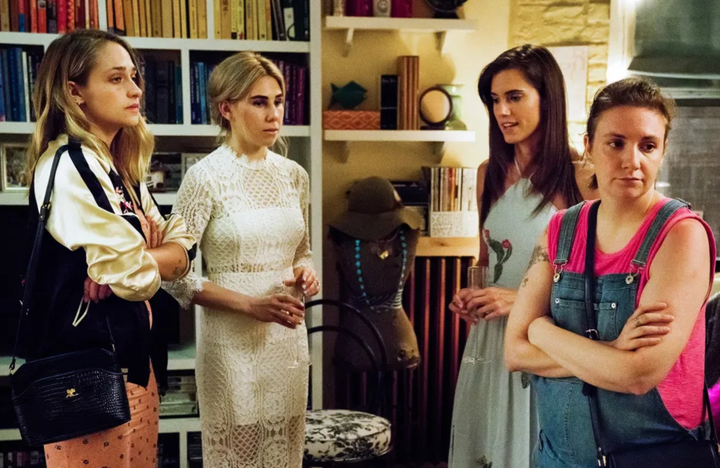
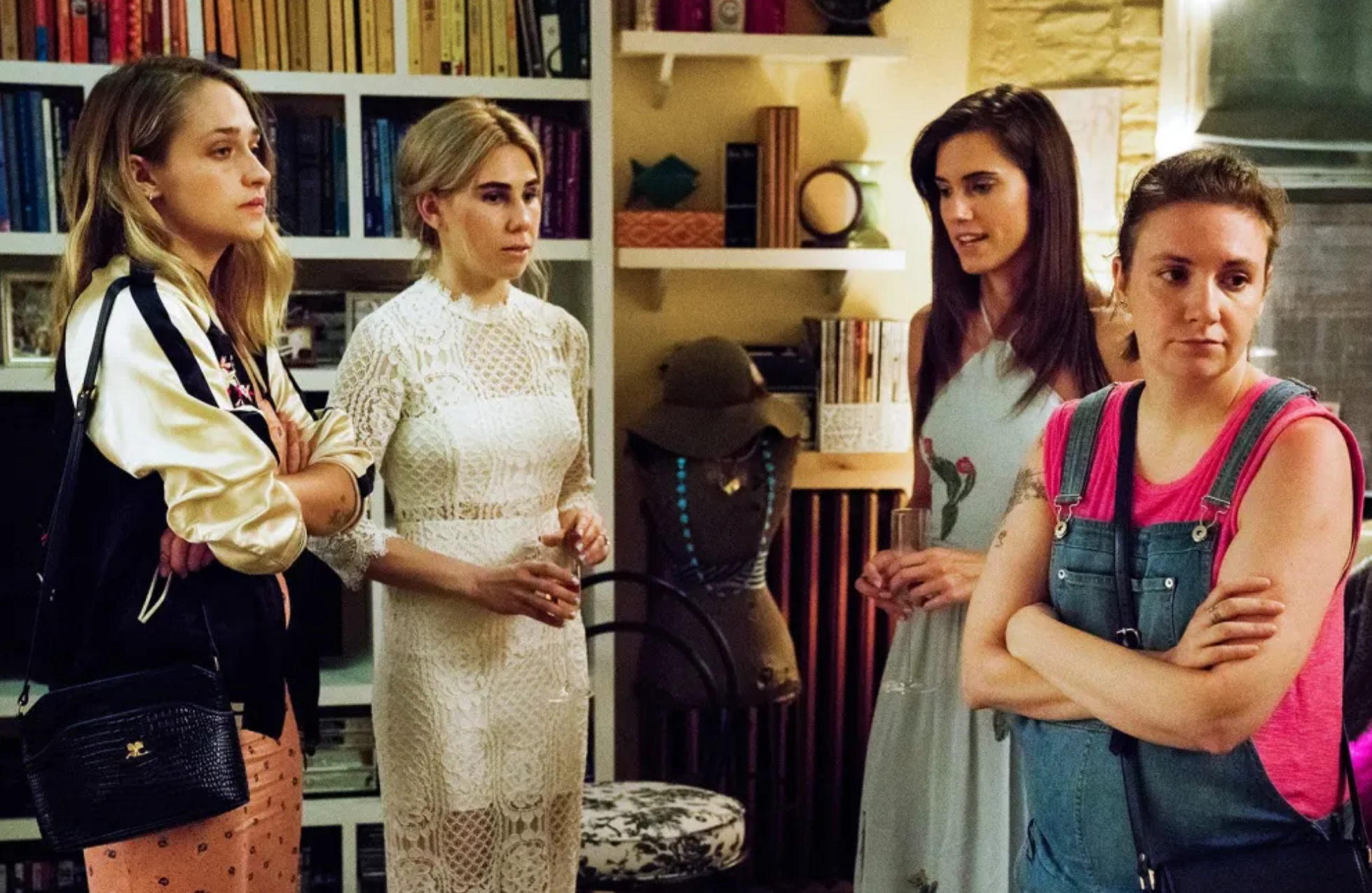
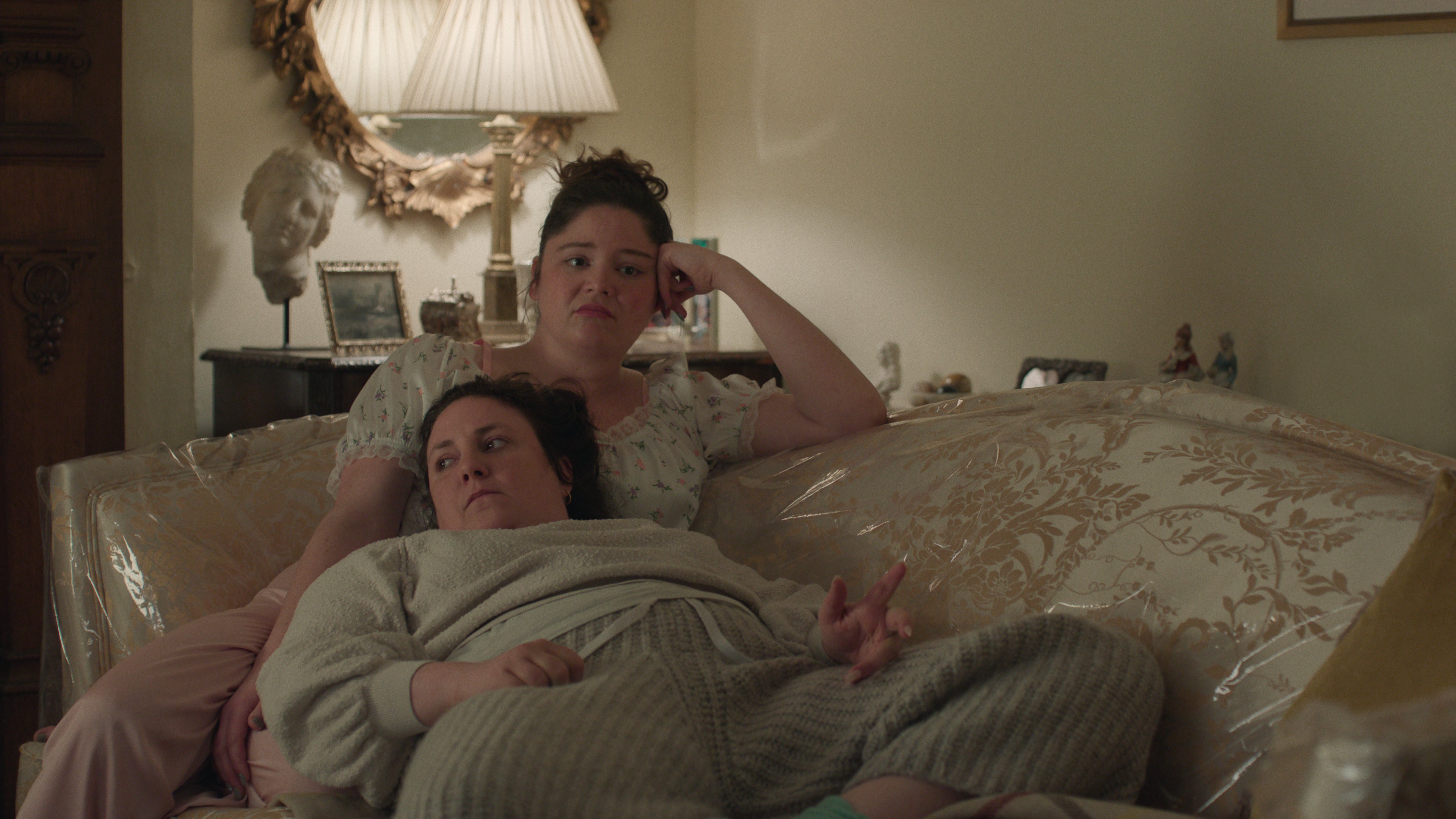
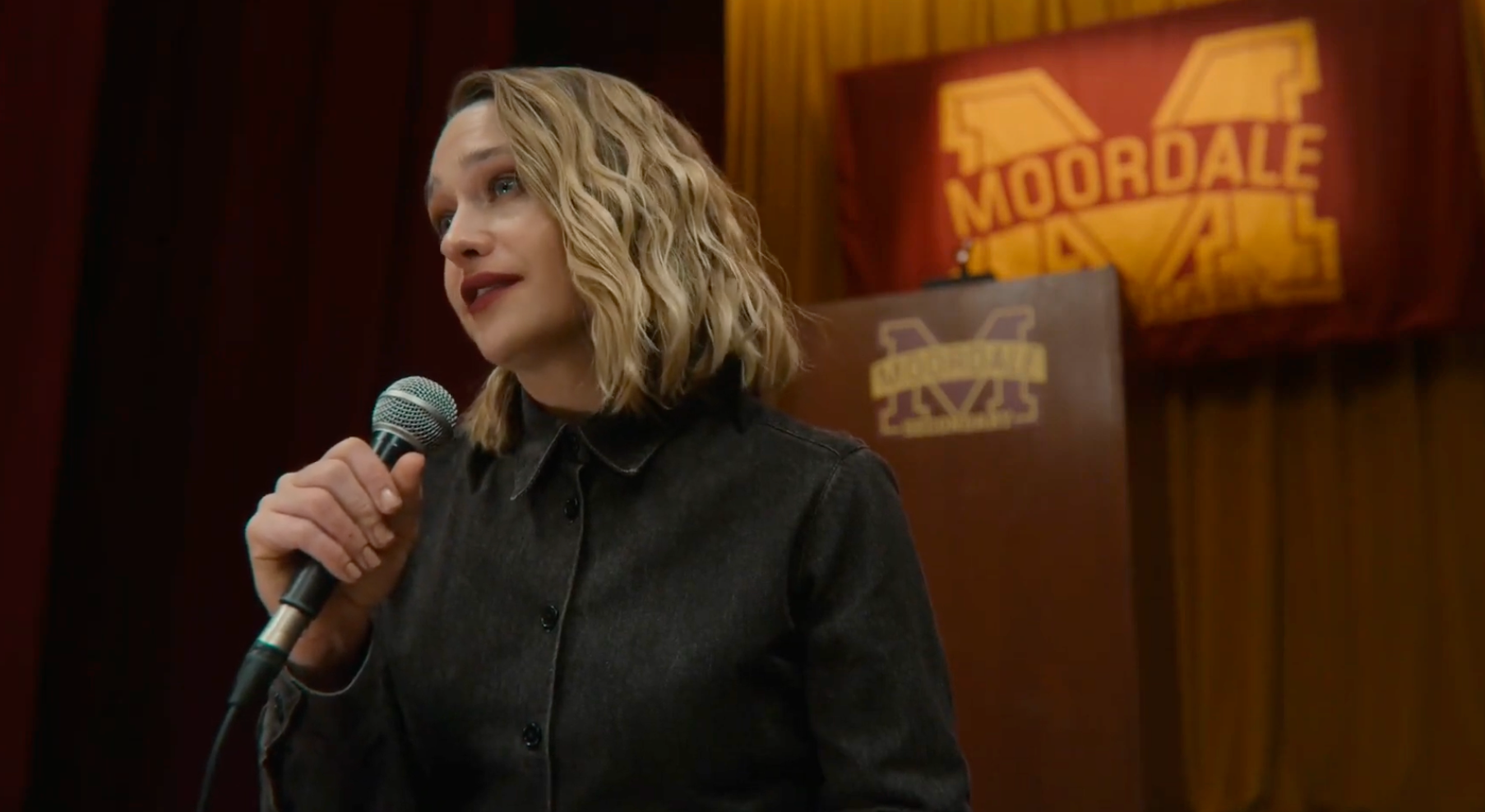
Lena Dunham has confirmed that she’s currently working on five brand new episodes of the award-winning 2010s series, bringing Allison Williams, Jemima Kirke, Zosia Mamet and Andrew Rannells along for the ride, with production getting underway in the summer of 2027.
“We always said we would only return to Girls if there was a specific story we were burning to tell,” Lena said in a statement. “I’ve missed these characters, but for a long time I couldn’t quite picture them in the present day.
Advertisement
“Then, right around my 40th birthday [in May 2026], they started talking to me in the shower. And, as you may remember, once this fivesome starts talking it’s pretty hard to get them to stop.”
The cast of Girls pictured in the show’s penultimate episode
Naturally, all this nostalgia for Girls has got fans speculating about where the characters will be a decade on from when we last saw them. But it’s also had us reflecting on what the series’ stellar cast have been up to in the last 10 years, too…
Advertisement
Lena Dunham
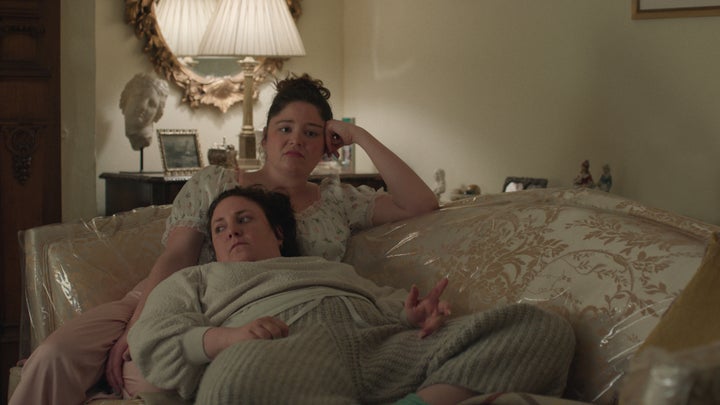
Megan Stalter and Lena Dunham in the Netflix rom-com Too Much
Girls catapulted Lena Dunham to international fame as the show’s lead actor, creator, writer and director.
Since the show’s final episode in 2017, her on-screen work has included playing the radical feminist Valerie Solanas in American Horror Story and Catherine “Gypsy” Share, a member of Charles Manson’s cult, in the film Once Upon A Time In Hollywood.
Advertisement
As for her behind-the-scenes work, Lena has directed the movies Catherine Called Birdy and Sharp Stick, as well as the first ever episode of the British financial drama Industry.
In 2025, she also helmed the romantic comedy series Too Much for Netflix, in which she played a supporting character, alongside Megan Stalter and Will Sharpe as the the series’ leads.
The year that Girls came to an end, Allison played a key role in Jordan Peele’s game-changing and Oscar-winning horror movie Get Out, portraying Daniel Kaluuya’s on-screen girlfriend whose parents have a sinister secret.
You may have also seen her in series like The Mindy Project, Netflix’s reimagining of A Series Of Unfortunate Events and the romantic drama Fellow Travellers, playing the childhood friend of Matt Bomer’s Hawk.
Advertisement
Jemima Kirke
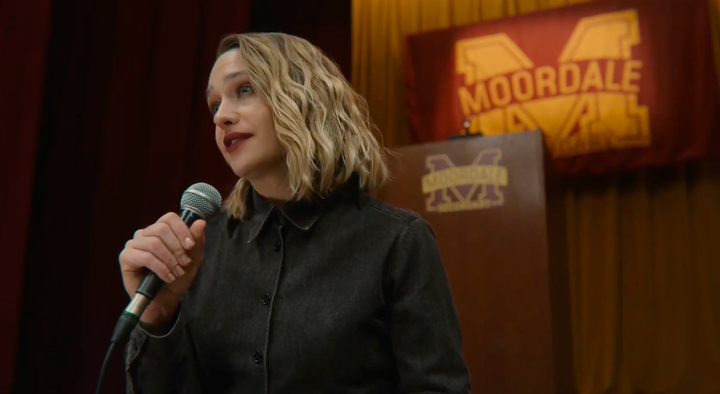
Jemima Kirke as Hope Haddon in Sex Education
Jemima Kirke has been involved in an eclectic mix of projects since the Girls finale.
In addition to all of that, she has made a one-off appearance in Law & Order: Special Victims Unit, played Zayn Malik’s love interest in his Dusk Till Dawn music video and shared the screen with Jamie Dornan in the romantic drama Untogether.
Advertisement
We also have to take a moment to celebrate Jemima as the meme queen that she is, inspiring not onebut two of our go-to reaction posts.
Zosia Mamet
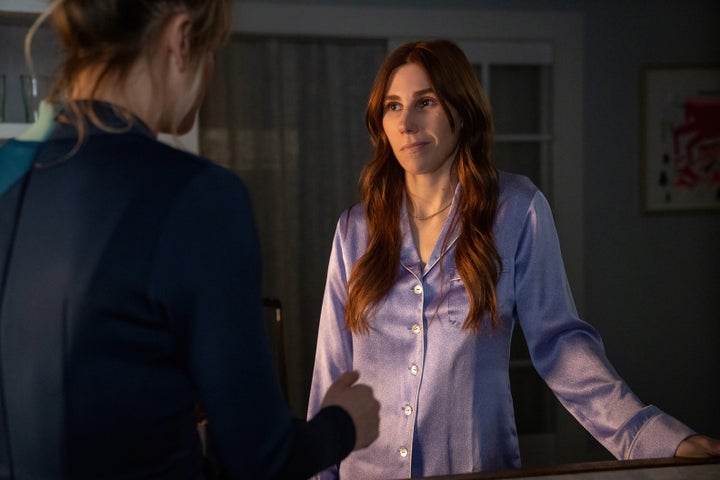
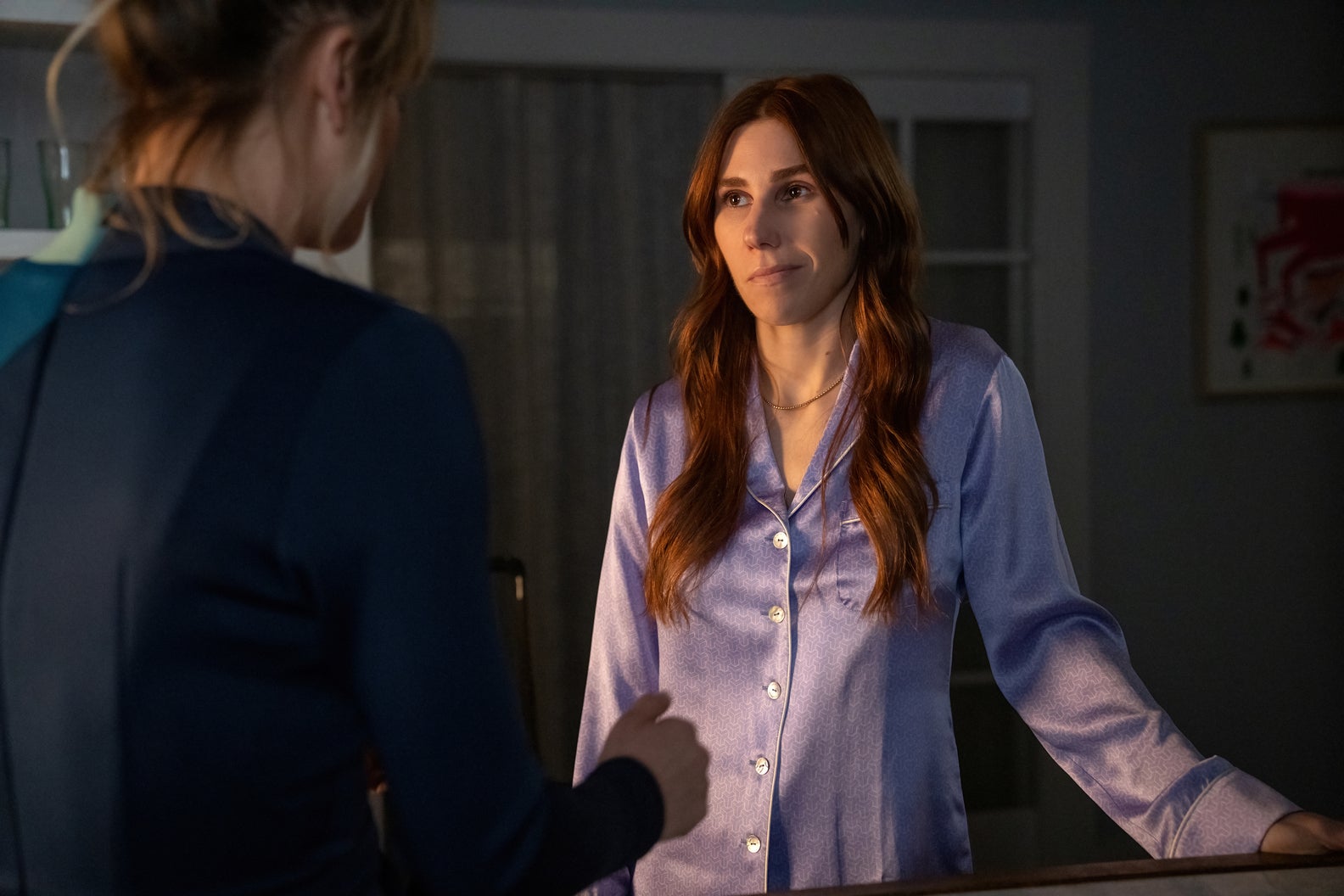
Zosia Mamet in The Flight Attendant
Jennifer Rose Clasen/HBO
Since saying goodbye to Shoshanna, Zosia Mamet has continued to work on both the big and small screen.
Advertisement
Already known thanks to her work in Mad Men, she later landed major roles in series like Unbreakable Kimmy Schmidt, Tales Of The City and Dickinson, in which she played Little Women author Louisa May Alcott.
Zosia and her co-stars in The Flight Attendant were nominated for a SAG Award for their performance in season one, and just this year, she played Nina Adler in Girls, which has already been compared favourably to Girls.
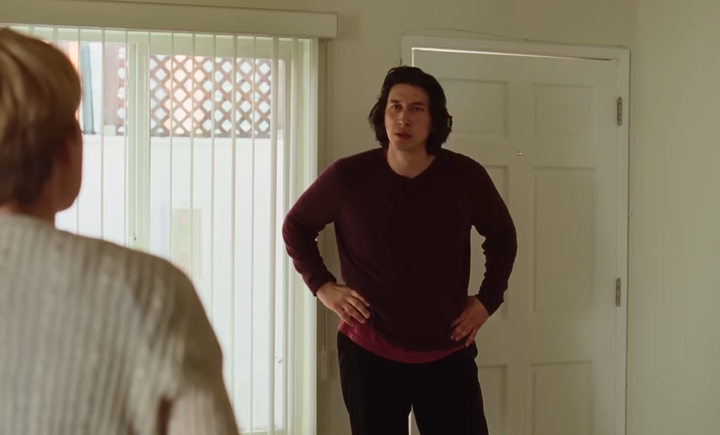
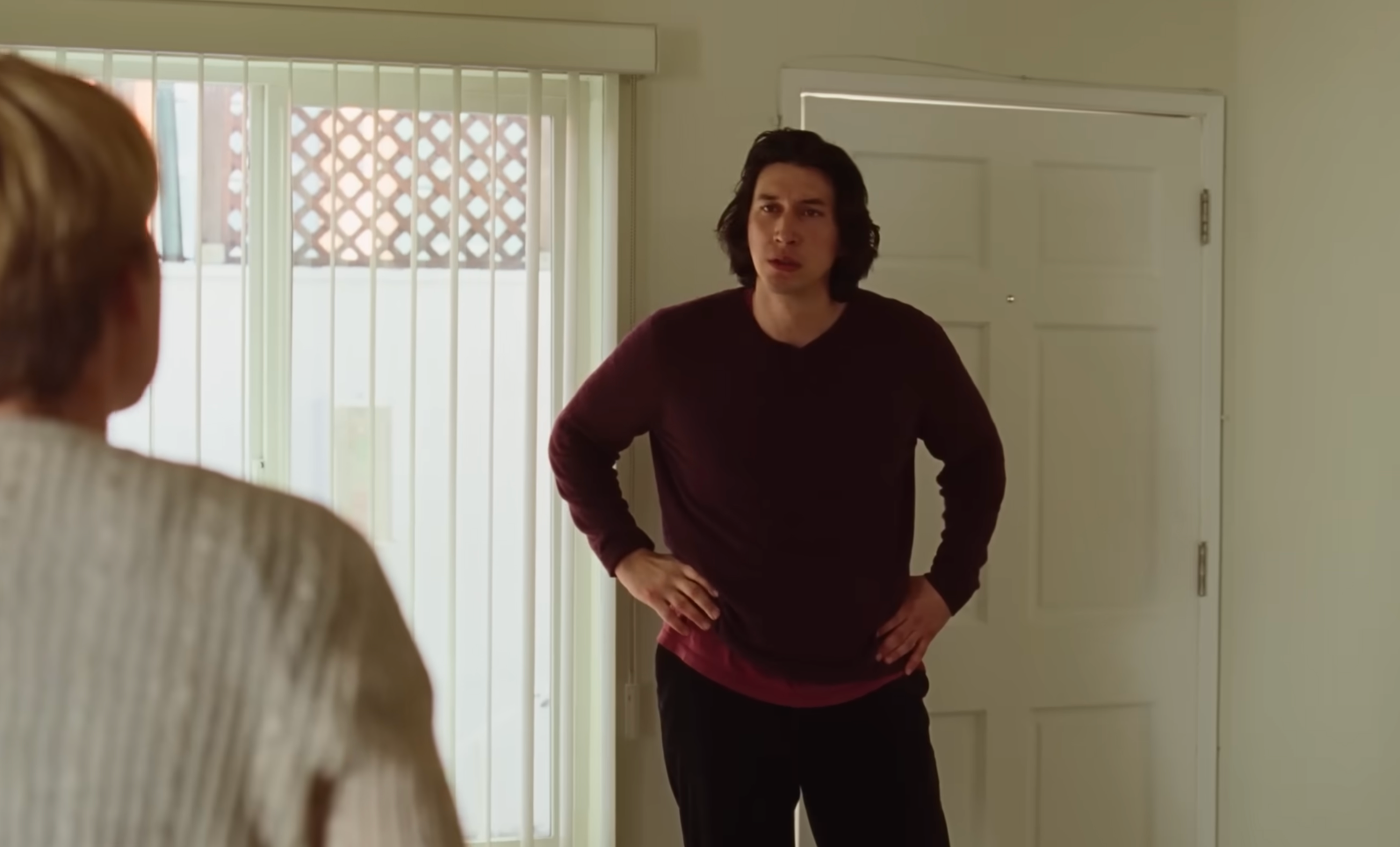
It’s fair to say Adam Driver‘s career has gone from strength to strength since Girls’ run.
Having already landed the role of Kylo Ren in Star Wars while the show was still on the air, he’s now a two-time Oscar nominee thanks to his work in the movies BlacKkKlansman and Marriage Story.
Adam went on to play Lady Gaga’s on-screen husband in House Of Gucci, Enzo Ferrari in Ferrari and the lead in Francis Ford Coppola’s ill-fated opus Megalopolis.
Advertisement
Up next, he’s set to make his long-awaited MCU debut as the villainous Mister Sinister in the upcoming X-Men reboot.
Christopher Abbott
Christopher Abbott in Netflix’s East Of Eden
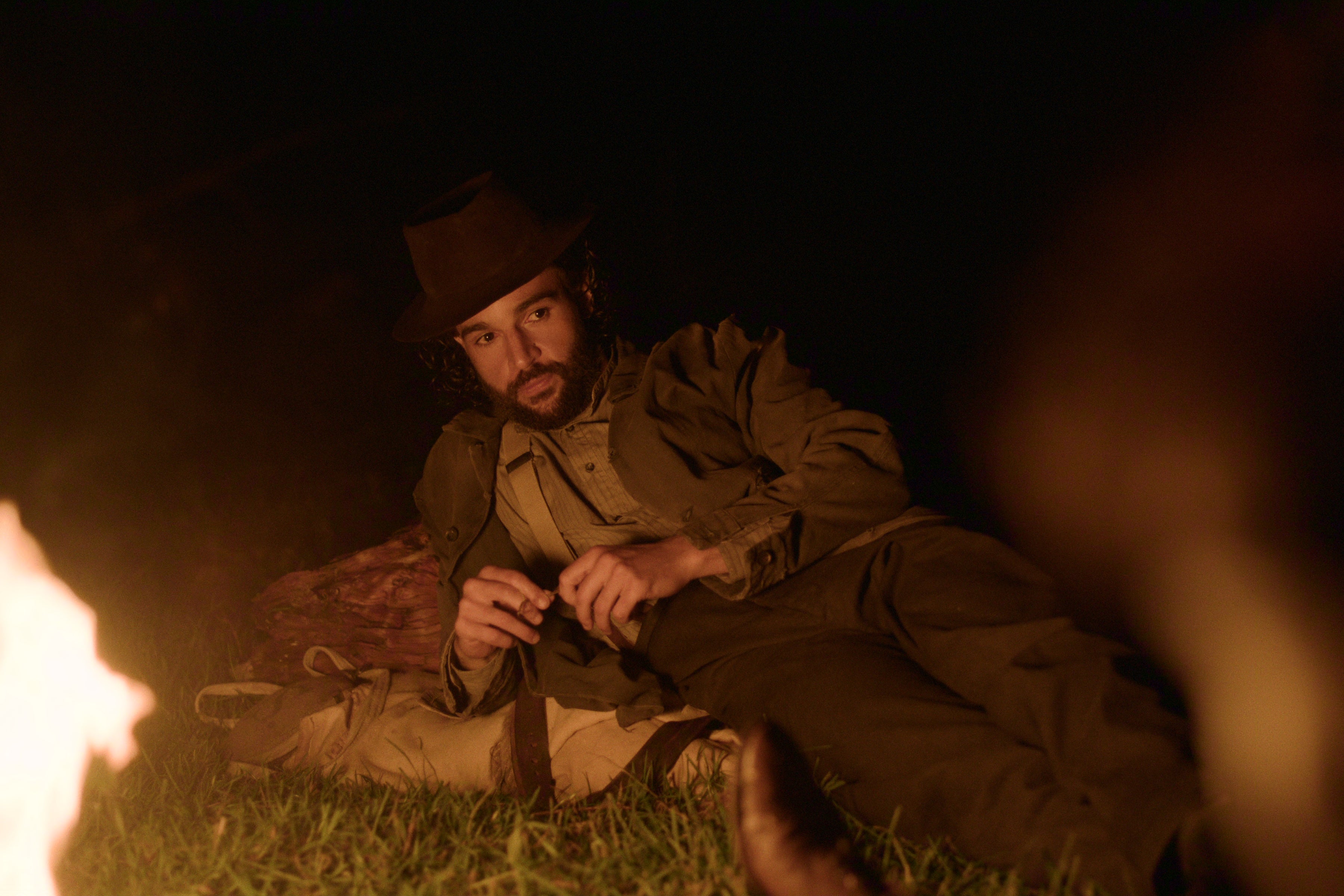
Shortly after Girls’ finale, Christopher Abbott landed roles in First Man, Vox Lux and Black Bear, which is where he met his future partner, Aubrey Plaza, with whom he now has a daughter.
Advertisement
His other stand-out film work includes Poor Things, Kraven The Hunter, Wolf Man and The Testament Of Ann Lee, as well as the Apple TV+ drama The Crowded Room, which also featured Tom Holland and Amanda Seyfried.
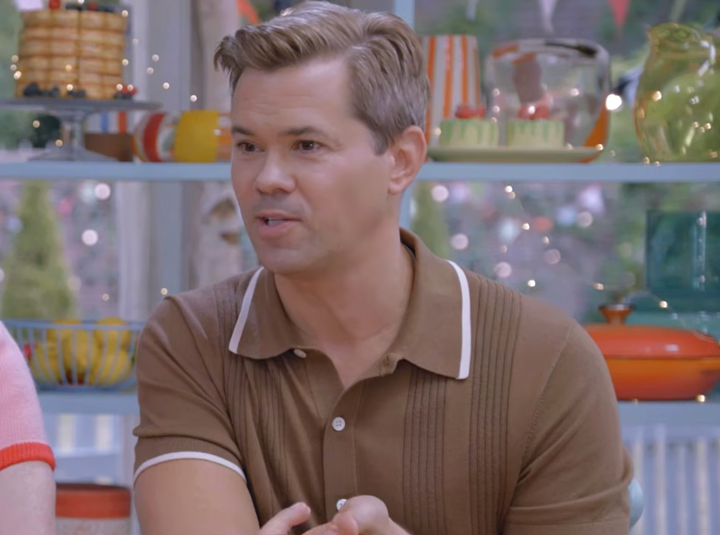
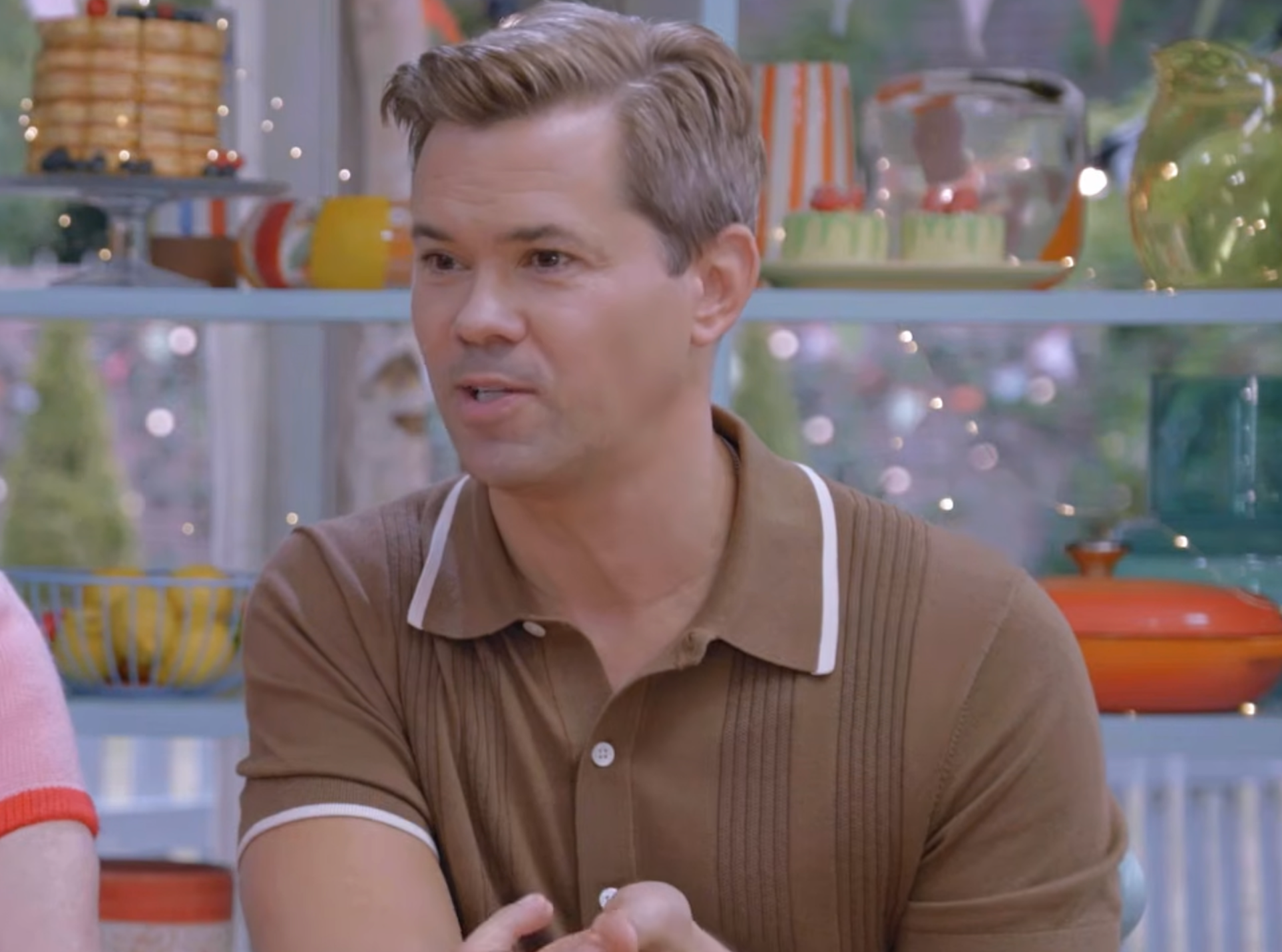
Andrew Rannells
Andrew Rannells in the Great American Baking Show tent
Advertisement
Already a Tony nominee by the time Girls came along, Andrew Rannells has continued his career in musical theatre, originating the role of Jim Bakker in the London production of Tammy Faye, as well as starring in a revival of The Boys In The Band on Broadway.
He has also racked up a string of impressive TV credits, voicing Matthew in the teen comedy Big Mouth, portraying Blair Pfaff in Black Monday, Kevin in Girls5Eva and Bradford Barton in Welcome to Chippendales.
Besides that, he’s popped up in the Will & Grace reboot, The Boys and Too Much, which reunited him with Lena, while his film work has included A Simple Favor, Ryan Murphy’s The Prom and Miss You, Love You.
Advertisement
Outside of his acting work, Andrew is also now a co-host on the American version of The Great British Bake Off, known as The Great American Baking Show.
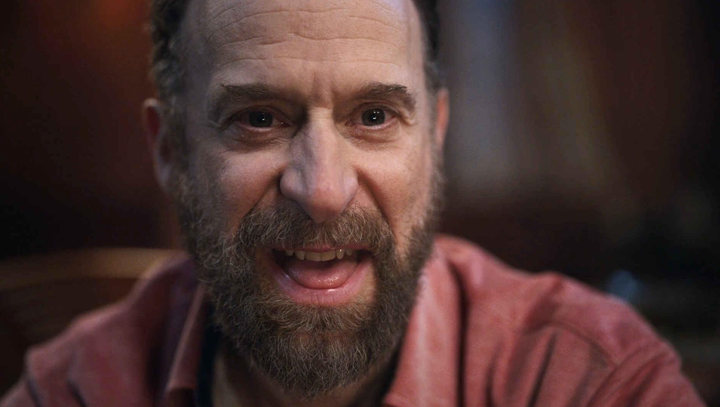
Alex Karpovsky
Alex Karpovsky as Rabbi Big Noah in Nobody Wants This
ERIN SIMKIN/NETFLIX
Following his time as the straight-talking Ray in Girls, Alex Karpovsky took a total 180 when he landed a role in the psychological thriller Homecoming.
Advertisement
He later appeared in Curb Your Enthusiasm and Angelyn, and can currently be seen as Big Noah in the Netflix rom-com Nobody Wants This.
Next year, Alex’s film Allow Me To Destroy You, which he both wrote and directed, is also slated for release.
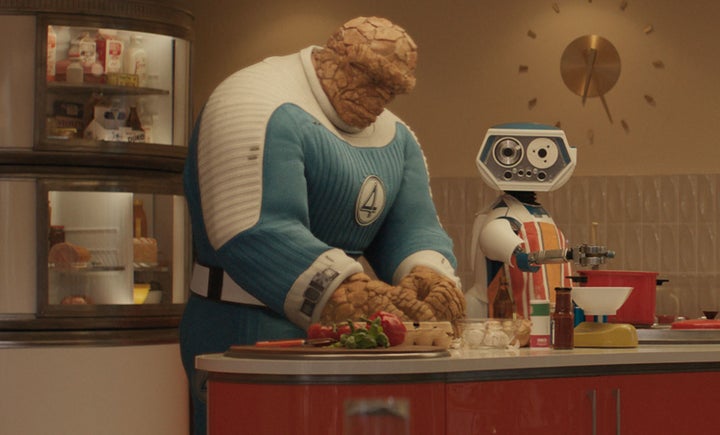
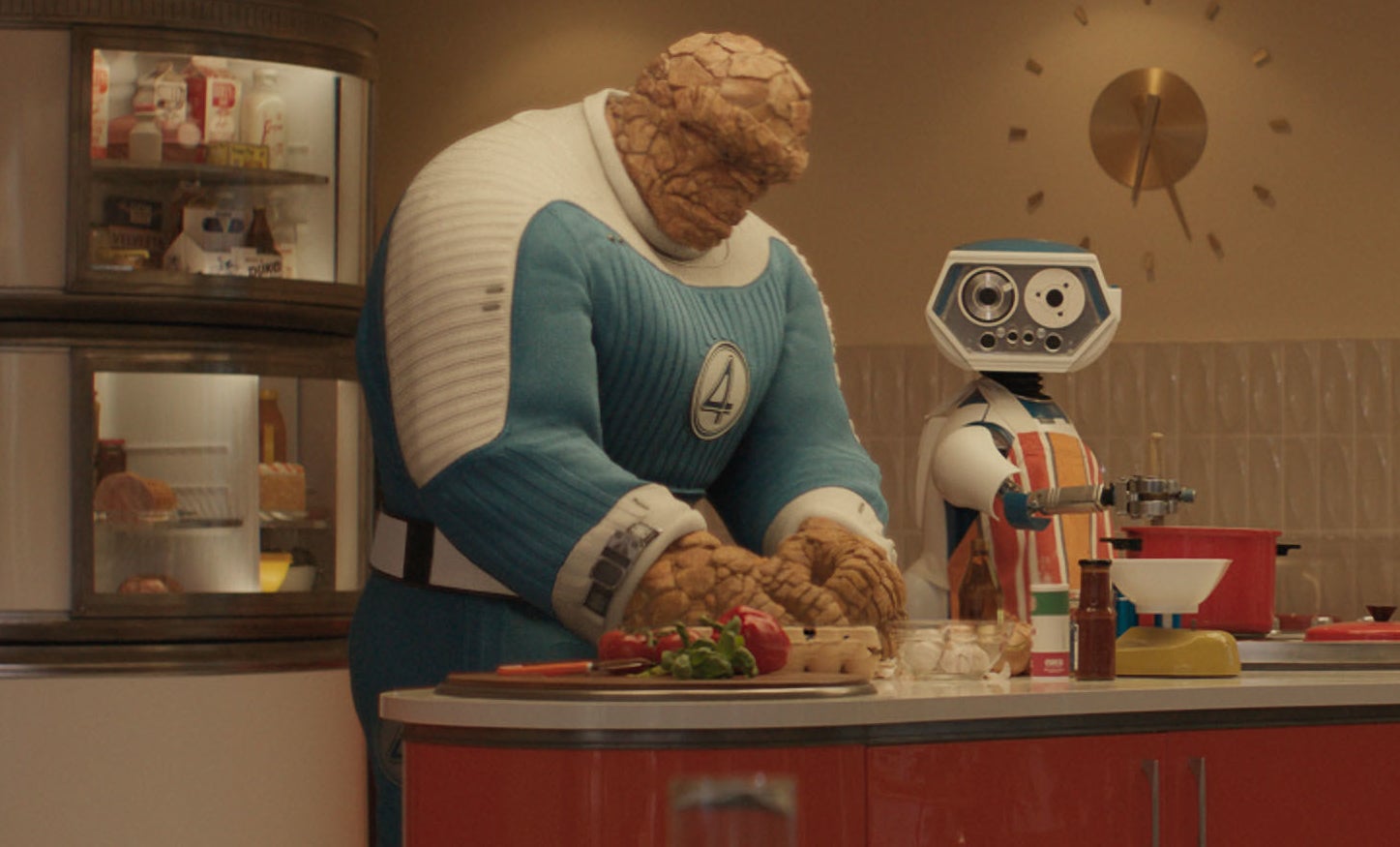
Ebon Moss-Bachrach
Ebon Moss-Bachrach as The Thing in The Fantastic Four: First Steps
Advertisement
Long before he was winning Emmys for his performance as Richie in The Bear, Ebon Moss-Bachrach was probably best known as Marnie’s on-off husband Desi in Girls.
From there, he was cast in The Punisher and The Dropout, before being cast in The Bear, for which he’s now won two Emmys.
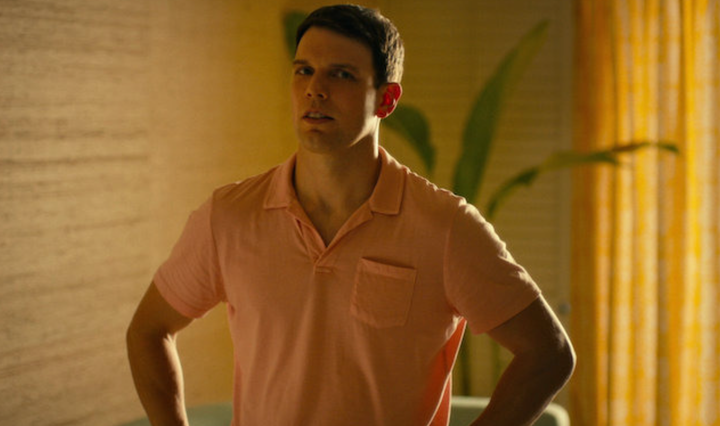
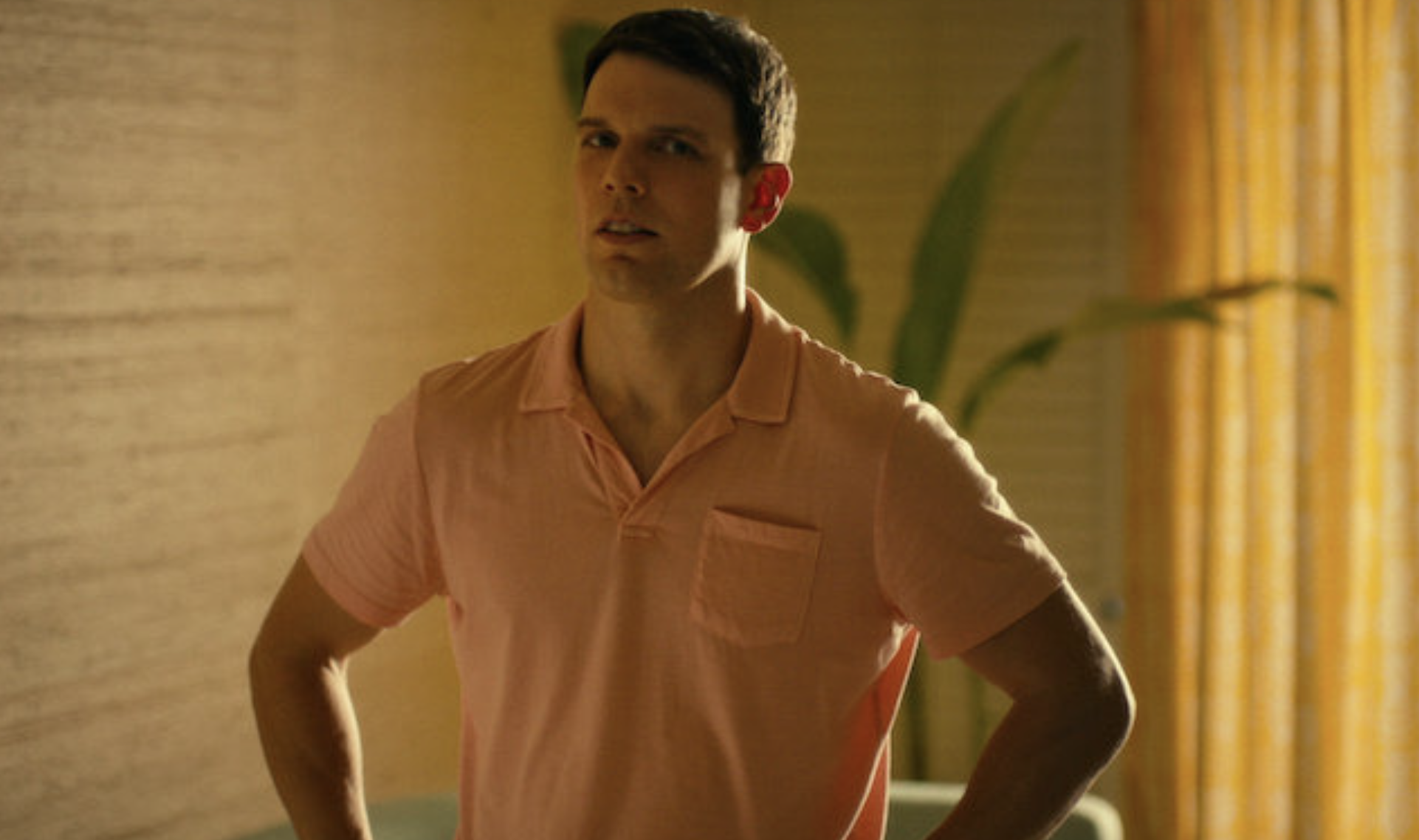
In Girls, Jake Lacy played Fran, a short-lived boyfriend of Lena Dunham’s Hannah.
After that, he landed roles in I’m Dying Up Here, Fosse/Verdon, High Fidelity and Mrs America, before the series he’s now probably best known for, The White Lotus.
For his work in the inaugural series of the sun-soaked anthology series, Jake was nominated for an Emmy, and he’s also since starred in Furious and All Her Fault.
Advertisement
Jon Glaser
Jon Glaser as Jeremy in the American version of Ghosts
During his stint as Hannah’s neighbour Laird in Girls, Jon Glaser was also starring as Leslie Nope’s nemesis, Jeremy Jamm, in Parks And Recreation.
He later landed his own mockumentary show, Jon Glaser Loves Gear, before more recent roles in Single Drunk Female, Life & Beth, the animated series Wylde Pak and the US remake of Ghosts.
Advertisement
Over the last decade, Jon has also appeared in films like Wine Country, Hustlers and the Oscar-nominated Don’t Look Up.
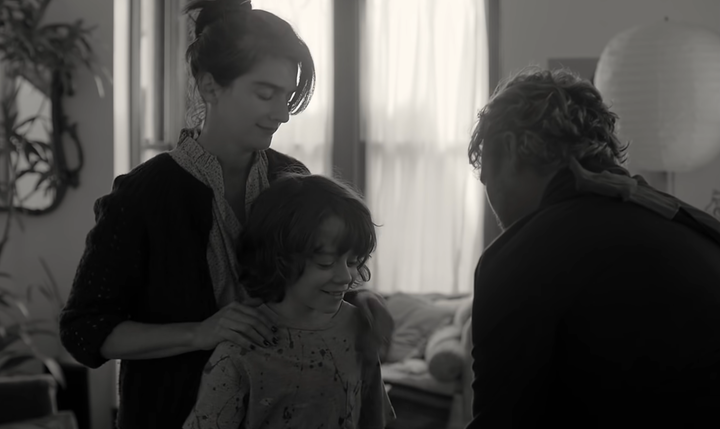
Gaby Hoffman
Gaby Hoffman in C’Mon C’Mon
Besides her work as Adam’s chaotic sister Caroline in Girls, Gaby Hoffman is perhaps most well-known for her performance in Transparent, as Ali Pfefferman.
Advertisement
Her subsequent TV roles have included the sports drama Winning Time, the Netflix drama Eric and Rian Johnson’s murder mystery Poker Face.
In 2021, Gaby played Joaquin Phoenix’s on-screen sister in the film C’Mon, C’Mon, and more recently starred opposite Josh O’Connor in The Mastermind and Jeremy Allen White in Deliver Me From Nowhere, appearing as the mum of Bruce Springsteen.
Riz Ahmed
Riz Ahmed in Sound Of Metal
Advertisement
Towards the end of Girls’ run, Riz Ahmed made two pivotal appearances as Paul-Louis, the father of Hannah’s son Grover.
He was also nominated for an Oscar for his performance in the film Sound Of Metal, a year before winning in the Best Live Action Short category.
Advertisement
Riz’s other more recent film roles have included the superhero drama Venom, the star-studded disaster movie Digger and the 2025 adaptation of Hamlet, in which he took on the iconic title role.
Richard E Grant
Richard E Grant pictured during his brief stint on The Celebrity Traitors
In the last decade, his profile has only continued to grow, notably landing his first Oscar nomination for his performance in 2018’s Can You Ever Forgive Me?, before joining the Star Wars universe as Allegiant General Pryde.
His 2020s film credits have included the musical Everybody’s Talking About Jamie, Emerald Fennell’s class satire Saltburn, the action comedy Argylle and the Jane Austen adaptation Persuasion.
If social media is anything to go by, autumn is a time for ‘spooky vibes’ and leaning into Halloween aesthetics. For some of us, though, it is about getting real bloody cosy.
This means walks in the park to enjoy the natural autumn hues of the outdoors before coming home, snuggling under a blanket and tuning into films and tvs with warm tones and autumn ‘vibes’.
If this sounds like your preferred autumn experience, we have just the shows and films for you…
","type":"video","meta":{"author":"Miramax","author_url":"https://www.youtube.com/channel/UCFPRJAk5PTylG45BpLI5Xqw","cache_age":86400,"description":"Starring Robin Williams, Matt Damon, and Ben Affleck, ‘Good Will Hunting’ shows the most brilliant mind at America’s top university isn’t a student, he’s the kid who cleans the floors. Will Hunting is a headstrong, working-class genius who is failing the lessons of life. After one too many run-ins with the law, Will’s last chance is a psychology professor, who might be the only man who can reach him. Finally forced to deal with his past, Will discovers that the only one holding him back is himself. \n\nStarring, in alphabetical order: Ben Affleck, Casey Affleck, Cole Hauser, Matt Damon, Minnie Driver, Robin Williams, Stellan Skarsgård\n\nAbout Miramax:\nMiramax is a global film and television studio best known for its highly acclaimed, original content.\n\nConnect with Miramax Online:\nSubscribe to Miramax on YOUTUBE: https://goo.gl/h47JXQ\nFollow Miramax on TWITTER: https://twitter.com/miramax\nFollow Miramax on INSTAGRAM: https://www.instagram.com/miramax/\nFollow Miramax on PINTEREST: https://www.pinterest.com/Miramax/\nFollow Miramax on TUMBLR: http://miramax.tumblr.com/\nVisit Miramax on our WEBSITE: https://www.miramax.com/\n\nGood Will Hunting | Official Trailer (HD) Robin Williams, Matt Damon, Ben Affleck | MIRAMAX \nhttp://www.youtube.com/Miramax","options":{"_cc_load_policy":{"label":"Closed captions","value":false},"_end":{"label":"End on","placeholder":"ex.: 11, 1m10s","value":""},"_start":{"label":"Start from","placeholder":"ex.: 11, 1m10s","value":""}},"provider_name":"YouTube","thumbnail_height":720,"thumbnail_url":"https://i.ytimg.com/vi/ReIJ1lbL-Q8/maxresdefault.jpg","thumbnail_width":1280,"title":"Good Will Hunting | Official Trailer (HD) Robin Williams, Matt Damon, Ben Affleck | MIRAMAX","type":"video","url":"https://www.youtube.com/watch?v=ReIJ1lbL-Q8","version":"1.0"},"flags":[],"enhancements":{},"fullBleed":false,"options":{"theme":"news","device":"desktop","editionInfo":{"id":"uk","name":"U.K.","link":"https://www.huffingtonpost.co.uk","locale":"en_GB"},"originalEdition":"uk","isMapi":false,"isAmp":false,"isMobile":false,"isAdsFree":false,"isVideoEntry":false,"isEntry":true,"isMt":false,"entryId":"6ad23d2be4b0bfd25657cdfd","entryPermalink":"https://www.huffingtonpost.co.uk/entry/cosy-autumn-shows-films_uk_6ad23d2be4b0bfd25657cdfd","entryTagsList":"uktv,ukfilm,autumn,@ai_seo_headline","sectionSlug":"entertainment","deptSlug":null,"sectionRedirectUrl":null,"subcategories":"","isWide":false,"isShopping":false,"headerOverride":null,"noVideoAds":false,"disableFloat":false,"isNative":false,"commercialVideo":{"provider":"custom","site_and_category":"uk.entertainment","package":null},"isHighline":false,"vidibleConfigValues":{"cid":"60afc140cf94592c45d7390c","disabledWithMapiEntries":false,"overrides":{"all":"60b8e525cdd90620331baaf4"},"whitelisted":["56c5f12ee4b03a39c93c9439","56c6056ee4b01f2b7e1b5f35","59bfee7f9e451049f87f550b","5acccbaac269d609ef44c529","570278d2e4b070ff77b98217","57027b4be4b070ff77b98d5c","56fe95c4e4b0041c4242016b","570279cfe4b06d08e3629954","5ba9e8821c2e65639162ccf1","5bcd9904821576674bc55ced","5d076ca127f25f504327c72e","5b35266b158f855373e28256","5ebac2e8abddfb04f877dff2","60b8e525cdd90620331baaf4","60b64354b171b7444beaff4d","60d0d8e09340d7032ad0fb1a","60d0d90f9340d7032ad0fbeb","60d0d9949340d7032ad0fed3","60d0d9f99340d7032ad10113","60d0daa69340d7032ad104cf","60d0de02b627221e9d819408"],"playlists":{"default":"57bc306888d2ff1a7f6b5579","news":"56c6dbcee4b04edee8beb49c","politics":"56c6dbcee4b04edee8beb49c","entertainment":"56c6e7f2e4b0983aa64c60fc","tech":"56c6f70ae4b043c5bdcaebf9","parents":"56cc65c2e4b0239099455b42","lifestyle":"56cc66a9e4b01f81ef94e98c"},"playerUpdates":{"56c6056ee4b01f2b7e1b5f35":"60b8e525cdd90620331baaf4","56c5f12ee4b03a39c93c9439":"60d0d8e09340d7032ad0fb1a","59bfee7f9e451049f87f550b":"60d0d90f9340d7032ad0fbeb","5acccbaac269d609ef44c529":"60d0d9949340d7032ad0fed3","5bcd9904821576674bc55ced":"60d0d9f99340d7032ad10113","5d076ca127f25f504327c72e":"60d0daa69340d7032ad104cf","5ebac2e8abddfb04f877dff2":"60d0de02b627221e9d819408"}},"connatixConfigValues":{"defaultPlayer":"16b0ecc6-802c-4120-845f-e90629812c4d","clickToPlayPlayer":"823ac03a-0f7e-4bcb-8521-a5b091ae948d","videoPagePlayer":"05041ada-93f7-4e86-9208-e03a5b19311b","defaultPlaylist":"2e062669-71b4-41df-b17a-df6b1616bc8f"},"topConnatixThumnbailSrc":"data:image/png;base64,iVBORw0KGgoAAAANSUhEUgAAAAEAAAABCAQAAAC1HAwCAAAAC0lEQVR42mNkYAAAAAYAAjCB0C8AAAAASUVORK5CYII=","customAmpComponents":[],"ampAssetsUrl":"https://amp.assets.huffpost.com","videoTraits":null,"positionInUnitCounts":{"buzz_head":{"count":0},"buzz_body":{"count":0},"buzz_bottom":{"count":0}},"positionInSubUnitCounts":{"article_body":{"count":12},"blog_summary":{"count":0},"before_you_go_content":{"count":0}},"connatixCountsHelper":{"count":0},"buzzfeedTracking":{"context_page_id":"6ad23d2be4b0bfd25657cdfd","context_page_type":"buzz","destination":"huffpost","mode":"desktop","page_edition":"en-uk"},"tags":[{"name":"uktv","slug":"uktv","links":{"relativeLink":"news/uktv","permalink":"https://www.huffingtonpost.co.uk/news/uktv","mobileWebLink":"https://www.huffingtonpost.co.uk/news/uktv"},"section":{"title":"Entertainment","slug":"entertainment"},"topic":{"title":"UK TV","slug":"uktv","overridesSectionLabel":false},"url":"https://www.huffingtonpost.co.uk/news/uktv/"},{"name":"ukfilm","slug":"ukfilm","links":{"relativeLink":"news/ukfilm","permalink":"https://www.huffingtonpost.co.uk/news/ukfilm","mobileWebLink":"https://www.huffingtonpost.co.uk/news/ukfilm"},"section":{"title":"Entertainment","slug":"entertainment"},"topic":{"title":"Film","slug":"ukfilm","overridesSectionLabel":false},"url":"https://www.huffingtonpost.co.uk/news/ukfilm/"},{"name":"autumn","slug":"autumn","links":{"relativeLink":"news/autumn","permalink":"https://www.huffingtonpost.co.uk/news/autumn","mobileWebLink":"https://www.huffingtonpost.co.uk/news/autumn"},"url":"https://www.huffingtonpost.co.uk/news/autumn/"}],"isLiveblogLive":null,"isLiveblog":false,"isLiveblogSlidePage":false,"signInUrl":"https://login.huffpost.com/login?dest=https%3A%2F%2Fwww.huffpost.com%2Fentry%2Fcosy-autumn-shows-films_uk_6ad23d2be4b0bfd25657cdfd%3Fhp_auth_done%3D1","cetUnit":"buzz_body","enableExcoPlayer":true,"enableIncontentPlayer":false,"bodyAds":["
Set against the backdrop of fall in Boston, Massachusetts, Good Will Hunting is the story of mathematics genius Will Hunting and his experiences working as a janitor in MIT. It’s inspiring, emotional and has stellar performances from Matt Damon and Robin Williams.
Good Will Hunting is available on Prime Video, Paramount and Netflix UK.
","type":"video","meta":{"author":"Shout! Studios","author_url":"https://www.youtube.com/channel/UCpHaAKu74UHvcYCi2g_PvBQ","cache_age":86400,"description":"Subscribe to SHOUTFACTORY: http://bit.ly/1nm0dKP \nFollow us on TWITTER: https://twitter.com/shoutfactory \nLike us on FACEBOOK: http://on.fb.me/1nEYhOx \n\nAcclaimed director Rob Reiner, screenwriter Nora Ephron, and stars Billy Crystal and Meg Ryan take you on a journey of love and friendship like no other in this magnificently witty love story that has been deservedly hailed as one of the greatest romantic comedies of all time.\n\nWill sex ruin a perfect relationship between a man and a woman? That’s what Harry Burns (Crystal) and Sally Albright (Ryan) debate while sharing a drive from Chicago to New York. Eleven years of friendship later, they’re still no closer to finding the answer. Will these two best friends ever accept that they’re a perfect match … or will they continue to deny the attraction that exists between them?\n\nAlso starring Carrie Fisher and Bruno Kirby, When Harry Met Sally… is a true classic, with the kind of laughs, love, and chemistry that are impossible to fake.\n\nBuy this title: https://www.shoutfactory.com/product/when-harry-met-sally-30th-anniversary-edition?product_id=6955\n\nA diversified multi-platform media company devoted to producing, uncovering, preserving and revitalizing the very best of pop culture, Shout! Factory’s entertainment offerings serve up first-run feature films, original, contemporary, and classic TV series, animation, live music and comedy specials. Shout! Factory owns and operates Shout! Studios, Scream Factory, Shout! Factory Kids, Mystery Science Theater 3000, Timeless Media Group and Shout! Factory TV.","options":{"_cc_load_policy":{"label":"Closed captions","value":false},"_end":{"label":"End on","placeholder":"ex.: 11, 1m10s","value":""},"_start":{"label":"Start from","placeholder":"ex.: 11, 1m10s","value":""}},"provider_name":"YouTube","thumbnail_height":720,"thumbnail_url":"https://i.ytimg.com/vi/-E10AcydCuk/maxresdefault.jpg","thumbnail_width":1280,"title":"When Harry Met Sally (1989) – Official Trailer (HD)","type":"video","url":"https://www.youtube.com/watch?v=-E10AcydCuk","version":"1.0"},"flags":[],"enhancements":{},"fullBleed":false,"options":{"theme":"news","device":"desktop","editionInfo":{"id":"uk","name":"U.K.","link":"https://www.huffingtonpost.co.uk","locale":"en_GB"},"originalEdition":"uk","isMapi":false,"isAmp":false,"isMobile":false,"isAdsFree":false,"isVideoEntry":false,"isEntry":true,"isMt":false,"entryId":"6ad23d2be4b0bfd25657cdfd","entryPermalink":"https://www.huffingtonpost.co.uk/entry/cosy-autumn-shows-films_uk_6ad23d2be4b0bfd25657cdfd","entryTagsList":"uktv,ukfilm,autumn,@ai_seo_headline","sectionSlug":"entertainment","deptSlug":null,"sectionRedirectUrl":null,"subcategories":"","isWide":false,"isShopping":false,"headerOverride":null,"noVideoAds":false,"disableFloat":false,"isNative":false,"commercialVideo":{"provider":"custom","site_and_category":"uk.entertainment","package":null},"isHighline":false,"vidibleConfigValues":{"cid":"60afc140cf94592c45d7390c","disabledWithMapiEntries":false,"overrides":{"all":"60b8e525cdd90620331baaf4"},"whitelisted":["56c5f12ee4b03a39c93c9439","56c6056ee4b01f2b7e1b5f35","59bfee7f9e451049f87f550b","5acccbaac269d609ef44c529","570278d2e4b070ff77b98217","57027b4be4b070ff77b98d5c","56fe95c4e4b0041c4242016b","570279cfe4b06d08e3629954","5ba9e8821c2e65639162ccf1","5bcd9904821576674bc55ced","5d076ca127f25f504327c72e","5b35266b158f855373e28256","5ebac2e8abddfb04f877dff2","60b8e525cdd90620331baaf4","60b64354b171b7444beaff4d","60d0d8e09340d7032ad0fb1a","60d0d90f9340d7032ad0fbeb","60d0d9949340d7032ad0fed3","60d0d9f99340d7032ad10113","60d0daa69340d7032ad104cf","60d0de02b627221e9d819408"],"playlists":{"default":"57bc306888d2ff1a7f6b5579","news":"56c6dbcee4b04edee8beb49c","politics":"56c6dbcee4b04edee8beb49c","entertainment":"56c6e7f2e4b0983aa64c60fc","tech":"56c6f70ae4b043c5bdcaebf9","parents":"56cc65c2e4b0239099455b42","lifestyle":"56cc66a9e4b01f81ef94e98c"},"playerUpdates":{"56c6056ee4b01f2b7e1b5f35":"60b8e525cdd90620331baaf4","56c5f12ee4b03a39c93c9439":"60d0d8e09340d7032ad0fb1a","59bfee7f9e451049f87f550b":"60d0d90f9340d7032ad0fbeb","5acccbaac269d609ef44c529":"60d0d9949340d7032ad0fed3","5bcd9904821576674bc55ced":"60d0d9f99340d7032ad10113","5d076ca127f25f504327c72e":"60d0daa69340d7032ad104cf","5ebac2e8abddfb04f877dff2":"60d0de02b627221e9d819408"}},"connatixConfigValues":{"defaultPlayer":"16b0ecc6-802c-4120-845f-e90629812c4d","clickToPlayPlayer":"823ac03a-0f7e-4bcb-8521-a5b091ae948d","videoPagePlayer":"05041ada-93f7-4e86-9208-e03a5b19311b","defaultPlaylist":"2e062669-71b4-41df-b17a-df6b1616bc8f"},"topConnatixThumnbailSrc":"data:image/png;base64,iVBORw0KGgoAAAANSUhEUgAAAAEAAAABCAQAAAC1HAwCAAAAC0lEQVR42mNkYAAAAAYAAjCB0C8AAAAASUVORK5CYII=","customAmpComponents":[],"ampAssetsUrl":"https://amp.assets.huffpost.com","videoTraits":null,"positionInUnitCounts":{"buzz_head":{"count":0},"buzz_body":{"count":0},"buzz_bottom":{"count":0}},"positionInSubUnitCounts":{"article_body":{"count":12},"blog_summary":{"count":0},"before_you_go_content":{"count":0}},"connatixCountsHelper":{"count":0},"buzzfeedTracking":{"context_page_id":"6ad23d2be4b0bfd25657cdfd","context_page_type":"buzz","destination":"huffpost","mode":"desktop","page_edition":"en-uk"},"tags":[{"name":"uktv","slug":"uktv","links":{"relativeLink":"news/uktv","permalink":"https://www.huffingtonpost.co.uk/news/uktv","mobileWebLink":"https://www.huffingtonpost.co.uk/news/uktv"},"section":{"title":"Entertainment","slug":"entertainment"},"topic":{"title":"UK TV","slug":"uktv","overridesSectionLabel":false},"url":"https://www.huffingtonpost.co.uk/news/uktv/"},{"name":"ukfilm","slug":"ukfilm","links":{"relativeLink":"news/ukfilm","permalink":"https://www.huffingtonpost.co.uk/news/ukfilm","mobileWebLink":"https://www.huffingtonpost.co.uk/news/ukfilm"},"section":{"title":"Entertainment","slug":"entertainment"},"topic":{"title":"Film","slug":"ukfilm","overridesSectionLabel":false},"url":"https://www.huffingtonpost.co.uk/news/ukfilm/"},{"name":"autumn","slug":"autumn","links":{"relativeLink":"news/autumn","permalink":"https://www.huffingtonpost.co.uk/news/autumn","mobileWebLink":"https://www.huffingtonpost.co.uk/news/autumn"},"url":"https://www.huffingtonpost.co.uk/news/autumn/"}],"isLiveblogLive":null,"isLiveblog":false,"isLiveblogSlidePage":false,"signInUrl":"https://login.huffpost.com/login?dest=https%3A%2F%2Fwww.huffpost.com%2Fentry%2Fcosy-autumn-shows-films_uk_6ad23d2be4b0bfd25657cdfd%3Fhp_auth_done%3D1","cetUnit":"buzz_body","enableExcoPlayer":true,"enableIncontentPlayer":false,"bodyAds":["
The crème de la crème of romcoms, When Harry Met Sally stars Meg Ryan and Billy Crystal as Harry Burns and Sally Albright as they find out whether men and women really can be “just friends”. It’s set in autumnal New York City and the fashion still inspires the best of autumn looks to this day.
When Harry Met Sally is available to stream on Prime Video.
","type":"video","meta":{"author":"Rotten Tomatoes Classic Trailers","author_url":"https://www.youtube.com/channel/UCTCjFFoX1un-j7ni4B6HJ3Q","cache_age":86400,"description":"You’ve Got Mail (1998) Official Trailer – Tom Hanks, Meg Ryan Movie HD\nSubscribe to CLASSIC TRAILERS: http://bit.ly/1u43jDe\nSubscribe to TRAILERS: http://bit.ly/sxaw6h\nSubscribe to COMING SOON: http://bit.ly/H2vZUn\nLike us on FACEBOOK: http://bit.ly/1QyRMsE\nFollow us on TWITTER: http://bit.ly/1ghOWmt\n\nTwo business rivals hate each other at the office but fall in love over the internet.\n\nWelcome to the Fandango MOVIECLIPS Trailer Vault Channel. Where trailers from the past, from recent to long ago, from a time before YouTube, can be enjoyed by all. We search near and far for original movie trailer from all decades. Feel free to send us your trailer requests and we will do our best to hunt it down.","options":{"_cc_load_policy":{"label":"Closed captions","value":false},"_end":{"label":"End on","placeholder":"ex.: 11, 1m10s","value":""},"_start":{"label":"Start from","placeholder":"ex.: 11, 1m10s","value":""}},"provider_name":"YouTube","thumbnail_height":720,"thumbnail_url":"https://i.ytimg.com/vi/bjP4s7UUnK8/maxresdefault.jpg","thumbnail_width":1280,"title":"You’ve Got Mail (1998) Official Trailer – Tom Hanks, Meg Ryan Movie HD","type":"video","url":"https://www.youtube.com/watch?v=bjP4s7UUnK8","version":"1.0"},"flags":[],"enhancements":{},"fullBleed":false,"options":{"theme":"news","device":"desktop","editionInfo":{"id":"uk","name":"U.K.","link":"https://www.huffingtonpost.co.uk","locale":"en_GB"},"originalEdition":"uk","isMapi":false,"isAmp":false,"isMobile":false,"isAdsFree":false,"isVideoEntry":false,"isEntry":true,"isMt":false,"entryId":"6ad23d2be4b0bfd25657cdfd","entryPermalink":"https://www.huffingtonpost.co.uk/entry/cosy-autumn-shows-films_uk_6ad23d2be4b0bfd25657cdfd","entryTagsList":"uktv,ukfilm,autumn,@ai_seo_headline","sectionSlug":"entertainment","deptSlug":null,"sectionRedirectUrl":null,"subcategories":"","isWide":false,"isShopping":false,"headerOverride":null,"noVideoAds":false,"disableFloat":false,"isNative":false,"commercialVideo":{"provider":"custom","site_and_category":"uk.entertainment","package":null},"isHighline":false,"vidibleConfigValues":{"cid":"60afc140cf94592c45d7390c","disabledWithMapiEntries":false,"overrides":{"all":"60b8e525cdd90620331baaf4"},"whitelisted":["56c5f12ee4b03a39c93c9439","56c6056ee4b01f2b7e1b5f35","59bfee7f9e451049f87f550b","5acccbaac269d609ef44c529","570278d2e4b070ff77b98217","57027b4be4b070ff77b98d5c","56fe95c4e4b0041c4242016b","570279cfe4b06d08e3629954","5ba9e8821c2e65639162ccf1","5bcd9904821576674bc55ced","5d076ca127f25f504327c72e","5b35266b158f855373e28256","5ebac2e8abddfb04f877dff2","60b8e525cdd90620331baaf4","60b64354b171b7444beaff4d","60d0d8e09340d7032ad0fb1a","60d0d90f9340d7032ad0fbeb","60d0d9949340d7032ad0fed3","60d0d9f99340d7032ad10113","60d0daa69340d7032ad104cf","60d0de02b627221e9d819408"],"playlists":{"default":"57bc306888d2ff1a7f6b5579","news":"56c6dbcee4b04edee8beb49c","politics":"56c6dbcee4b04edee8beb49c","entertainment":"56c6e7f2e4b0983aa64c60fc","tech":"56c6f70ae4b043c5bdcaebf9","parents":"56cc65c2e4b0239099455b42","lifestyle":"56cc66a9e4b01f81ef94e98c"},"playerUpdates":{"56c6056ee4b01f2b7e1b5f35":"60b8e525cdd90620331baaf4","56c5f12ee4b03a39c93c9439":"60d0d8e09340d7032ad0fb1a","59bfee7f9e451049f87f550b":"60d0d90f9340d7032ad0fbeb","5acccbaac269d609ef44c529":"60d0d9949340d7032ad0fed3","5bcd9904821576674bc55ced":"60d0d9f99340d7032ad10113","5d076ca127f25f504327c72e":"60d0daa69340d7032ad104cf","5ebac2e8abddfb04f877dff2":"60d0de02b627221e9d819408"}},"connatixConfigValues":{"defaultPlayer":"16b0ecc6-802c-4120-845f-e90629812c4d","clickToPlayPlayer":"823ac03a-0f7e-4bcb-8521-a5b091ae948d","videoPagePlayer":"05041ada-93f7-4e86-9208-e03a5b19311b","defaultPlaylist":"2e062669-71b4-41df-b17a-df6b1616bc8f"},"topConnatixThumnbailSrc":"data:image/png;base64,iVBORw0KGgoAAAANSUhEUgAAAAEAAAABCAQAAAC1HAwCAAAAC0lEQVR42mNkYAAAAAYAAjCB0C8AAAAASUVORK5CYII=","customAmpComponents":[],"ampAssetsUrl":"https://amp.assets.huffpost.com","videoTraits":null,"positionInUnitCounts":{"buzz_head":{"count":0},"buzz_body":{"count":0},"buzz_bottom":{"count":0}},"positionInSubUnitCounts":{"article_body":{"count":12},"blog_summary":{"count":0},"before_you_go_content":{"count":0}},"connatixCountsHelper":{"count":0},"buzzfeedTracking":{"context_page_id":"6ad23d2be4b0bfd25657cdfd","context_page_type":"buzz","destination":"huffpost","mode":"desktop","page_edition":"en-uk"},"tags":[{"name":"uktv","slug":"uktv","links":{"relativeLink":"news/uktv","permalink":"https://www.huffingtonpost.co.uk/news/uktv","mobileWebLink":"https://www.huffingtonpost.co.uk/news/uktv"},"section":{"title":"Entertainment","slug":"entertainment"},"topic":{"title":"UK TV","slug":"uktv","overridesSectionLabel":false},"url":"https://www.huffingtonpost.co.uk/news/uktv/"},{"name":"ukfilm","slug":"ukfilm","links":{"relativeLink":"news/ukfilm","permalink":"https://www.huffingtonpost.co.uk/news/ukfilm","mobileWebLink":"https://www.huffingtonpost.co.uk/news/ukfilm"},"section":{"title":"Entertainment","slug":"entertainment"},"topic":{"title":"Film","slug":"ukfilm","overridesSectionLabel":false},"url":"https://www.huffingtonpost.co.uk/news/ukfilm/"},{"name":"autumn","slug":"autumn","links":{"relativeLink":"news/autumn","permalink":"https://www.huffingtonpost.co.uk/news/autumn","mobileWebLink":"https://www.huffingtonpost.co.uk/news/autumn"},"url":"https://www.huffingtonpost.co.uk/news/autumn/"}],"isLiveblogLive":null,"isLiveblog":false,"isLiveblogSlidePage":false,"signInUrl":"https://login.huffpost.com/login?dest=https%3A%2F%2Fwww.huffpost.com%2Fentry%2Fcosy-autumn-shows-films_uk_6ad23d2be4b0bfd25657cdfd%3Fhp_auth_done%3D1","cetUnit":"buzz_body","enableExcoPlayer":true,"enableIncontentPlayer":false,"bodyAds":["
If you want cosy AND vintage vibes, You’ve Got Mail is the place to go. Written and directed by Nora Ephron who also wrote and directed When Harry Met Sally, You’ve Got Mail is a real enemies-to-lovers film and, yes, it’s fall in New York City. Delicious.
Advertisement
You’ve Got Mail is available to stream on HBO Max.
","type":"video","meta":{"author":"SearchlightPictures","author_url":"https://www.youtube.com/channel/UCor9rW6PgxSQ9vUPWQdnaYQ","cache_age":86400,"description":"From director Wes Anderson (Rushmore, The Royal Tenenbaums) comes FANTASTIC MR. FOX, based on the book by Roald Dahl. Featuring the voices of George Clooney, Meryl Streep, Bill Murray, Owen Wilson, and Jason Schwartzman. \n\nSee it in theaters this fall!","options":{"_cc_load_policy":{"label":"Closed captions","value":false},"_end":{"label":"End on","placeholder":"ex.: 11, 1m10s","value":""},"_start":{"label":"Start from","placeholder":"ex.: 11, 1m10s","value":""}},"provider_name":"YouTube","thumbnail_height":720,"thumbnail_url":"https://i.ytimg.com/vi/n2igjYFojUo/maxresdefault.jpg","thumbnail_width":1280,"title":"FANTASTIC MR. FOX – Official Theatrical Trailer","type":"video","url":"https://www.youtube.com/watch?v=n2igjYFojUo","version":"1.0"},"flags":[],"enhancements":{},"fullBleed":false,"options":{"theme":"news","device":"desktop","editionInfo":{"id":"uk","name":"U.K.","link":"https://www.huffingtonpost.co.uk","locale":"en_GB"},"originalEdition":"uk","isMapi":false,"isAmp":false,"isMobile":false,"isAdsFree":false,"isVideoEntry":false,"isEntry":true,"isMt":false,"entryId":"6ad23d2be4b0bfd25657cdfd","entryPermalink":"https://www.huffingtonpost.co.uk/entry/cosy-autumn-shows-films_uk_6ad23d2be4b0bfd25657cdfd","entryTagsList":"uktv,ukfilm,autumn,@ai_seo_headline","sectionSlug":"entertainment","deptSlug":null,"sectionRedirectUrl":null,"subcategories":"","isWide":false,"isShopping":false,"headerOverride":null,"noVideoAds":false,"disableFloat":false,"isNative":false,"commercialVideo":{"provider":"custom","site_and_category":"uk.entertainment","package":null},"isHighline":false,"vidibleConfigValues":{"cid":"60afc140cf94592c45d7390c","disabledWithMapiEntries":false,"overrides":{"all":"60b8e525cdd90620331baaf4"},"whitelisted":["56c5f12ee4b03a39c93c9439","56c6056ee4b01f2b7e1b5f35","59bfee7f9e451049f87f550b","5acccbaac269d609ef44c529","570278d2e4b070ff77b98217","57027b4be4b070ff77b98d5c","56fe95c4e4b0041c4242016b","570279cfe4b06d08e3629954","5ba9e8821c2e65639162ccf1","5bcd9904821576674bc55ced","5d076ca127f25f504327c72e","5b35266b158f855373e28256","5ebac2e8abddfb04f877dff2","60b8e525cdd90620331baaf4","60b64354b171b7444beaff4d","60d0d8e09340d7032ad0fb1a","60d0d90f9340d7032ad0fbeb","60d0d9949340d7032ad0fed3","60d0d9f99340d7032ad10113","60d0daa69340d7032ad104cf","60d0de02b627221e9d819408"],"playlists":{"default":"57bc306888d2ff1a7f6b5579","news":"56c6dbcee4b04edee8beb49c","politics":"56c6dbcee4b04edee8beb49c","entertainment":"56c6e7f2e4b0983aa64c60fc","tech":"56c6f70ae4b043c5bdcaebf9","parents":"56cc65c2e4b0239099455b42","lifestyle":"56cc66a9e4b01f81ef94e98c"},"playerUpdates":{"56c6056ee4b01f2b7e1b5f35":"60b8e525cdd90620331baaf4","56c5f12ee4b03a39c93c9439":"60d0d8e09340d7032ad0fb1a","59bfee7f9e451049f87f550b":"60d0d90f9340d7032ad0fbeb","5acccbaac269d609ef44c529":"60d0d9949340d7032ad0fed3","5bcd9904821576674bc55ced":"60d0d9f99340d7032ad10113","5d076ca127f25f504327c72e":"60d0daa69340d7032ad104cf","5ebac2e8abddfb04f877dff2":"60d0de02b627221e9d819408"}},"connatixConfigValues":{"defaultPlayer":"16b0ecc6-802c-4120-845f-e90629812c4d","clickToPlayPlayer":"823ac03a-0f7e-4bcb-8521-a5b091ae948d","videoPagePlayer":"05041ada-93f7-4e86-9208-e03a5b19311b","defaultPlaylist":"2e062669-71b4-41df-b17a-df6b1616bc8f"},"topConnatixThumnbailSrc":"data:image/png;base64,iVBORw0KGgoAAAANSUhEUgAAAAEAAAABCAQAAAC1HAwCAAAAC0lEQVR42mNkYAAAAAYAAjCB0C8AAAAASUVORK5CYII=","customAmpComponents":[],"ampAssetsUrl":"https://amp.assets.huffpost.com","videoTraits":null,"positionInUnitCounts":{"buzz_head":{"count":0},"buzz_body":{"count":0},"buzz_bottom":{"count":0}},"positionInSubUnitCounts":{"article_body":{"count":12},"blog_summary":{"count":0},"before_you_go_content":{"count":0}},"connatixCountsHelper":{"count":0},"buzzfeedTracking":{"context_page_id":"6ad23d2be4b0bfd25657cdfd","context_page_type":"buzz","destination":"huffpost","mode":"desktop","page_edition":"en-uk"},"tags":[{"name":"uktv","slug":"uktv","links":{"relativeLink":"news/uktv","permalink":"https://www.huffingtonpost.co.uk/news/uktv","mobileWebLink":"https://www.huffingtonpost.co.uk/news/uktv"},"section":{"title":"Entertainment","slug":"entertainment"},"topic":{"title":"UK TV","slug":"uktv","overridesSectionLabel":false},"url":"https://www.huffingtonpost.co.uk/news/uktv/"},{"name":"ukfilm","slug":"ukfilm","links":{"relativeLink":"news/ukfilm","permalink":"https://www.huffingtonpost.co.uk/news/ukfilm","mobileWebLink":"https://www.huffingtonpost.co.uk/news/ukfilm"},"section":{"title":"Entertainment","slug":"entertainment"},"topic":{"title":"Film","slug":"ukfilm","overridesSectionLabel":false},"url":"https://www.huffingtonpost.co.uk/news/ukfilm/"},{"name":"autumn","slug":"autumn","links":{"relativeLink":"news/autumn","permalink":"https://www.huffingtonpost.co.uk/news/autumn","mobileWebLink":"https://www.huffingtonpost.co.uk/news/autumn"},"url":"https://www.huffingtonpost.co.uk/news/autumn/"}],"isLiveblogLive":null,"isLiveblog":false,"isLiveblogSlidePage":false,"signInUrl":"https://login.huffpost.com/login?dest=https%3A%2F%2Fwww.huffpost.com%2Fentry%2Fcosy-autumn-shows-films_uk_6ad23d2be4b0bfd25657cdfd%3Fhp_auth_done%3D1","cetUnit":"buzz_body","enableExcoPlayer":true,"enableIncontentPlayer":false,"bodyAds":["
Wes Anderson’s adaptation of the Roald Dahl classic is gorgeous autumn vibes, especially if you are a fan of stop-motion animation. It’s a warm family adventure and one that you can enjoy with the kids, too.
The Fantastic Mr Fox is available to stream on Prime Video.
","type":"video","meta":{"author":"Universal Pictures Ireland","author_url":"https://www.youtube.com/channel/UCNIAPnoEbYZD0oET6SqcRjQ","cache_age":86400,"description":"In Irish cinemas May 25th\n\nSet on an island off the coast of New England in the 1960s, as a young boy and girl fall in love they are moved to run away together. Various factions of the town mobilize to search for them and the town is turned upside down — which might not be such a bad thing. \n\nDirector: Wes Anderson\nWriters: Wes Anderson, Roman Coppola\nStars: Jared Gilman, Kara Hayward and Bruce Willis\n\nFollow us on facebook for amazing giveaways \nhttp://www.facebook.com/UniversalPicturesIreland","options":{"_cc_load_policy":{"label":"Closed captions","value":false},"_end":{"label":"End on","placeholder":"ex.: 11, 1m10s","value":""},"_start":{"label":"Start from","placeholder":"ex.: 11, 1m10s","value":""}},"provider_name":"YouTube","thumbnail_height":720,"thumbnail_url":"https://i.ytimg.com/vi/_eOI3AamSm8/maxresdefault.jpg","thumbnail_width":1280,"title":"Moonrise Kingdom – Official Trailer [HD]","type":"video","url":"https://www.youtube.com/watch?v=_eOI3AamSm8","version":"1.0"},"flags":[],"enhancements":{},"fullBleed":false,"options":{"theme":"news","device":"desktop","editionInfo":{"id":"uk","name":"U.K.","link":"https://www.huffingtonpost.co.uk","locale":"en_GB"},"originalEdition":"uk","isMapi":false,"isAmp":false,"isMobile":false,"isAdsFree":false,"isVideoEntry":false,"isEntry":true,"isMt":false,"entryId":"6ad23d2be4b0bfd25657cdfd","entryPermalink":"https://www.huffingtonpost.co.uk/entry/cosy-autumn-shows-films_uk_6ad23d2be4b0bfd25657cdfd","entryTagsList":"uktv,ukfilm,autumn,@ai_seo_headline","sectionSlug":"entertainment","deptSlug":null,"sectionRedirectUrl":null,"subcategories":"","isWide":false,"isShopping":false,"headerOverride":null,"noVideoAds":false,"disableFloat":false,"isNative":false,"commercialVideo":{"provider":"custom","site_and_category":"uk.entertainment","package":null},"isHighline":false,"vidibleConfigValues":{"cid":"60afc140cf94592c45d7390c","disabledWithMapiEntries":false,"overrides":{"all":"60b8e525cdd90620331baaf4"},"whitelisted":["56c5f12ee4b03a39c93c9439","56c6056ee4b01f2b7e1b5f35","59bfee7f9e451049f87f550b","5acccbaac269d609ef44c529","570278d2e4b070ff77b98217","57027b4be4b070ff77b98d5c","56fe95c4e4b0041c4242016b","570279cfe4b06d08e3629954","5ba9e8821c2e65639162ccf1","5bcd9904821576674bc55ced","5d076ca127f25f504327c72e","5b35266b158f855373e28256","5ebac2e8abddfb04f877dff2","60b8e525cdd90620331baaf4","60b64354b171b7444beaff4d","60d0d8e09340d7032ad0fb1a","60d0d90f9340d7032ad0fbeb","60d0d9949340d7032ad0fed3","60d0d9f99340d7032ad10113","60d0daa69340d7032ad104cf","60d0de02b627221e9d819408"],"playlists":{"default":"57bc306888d2ff1a7f6b5579","news":"56c6dbcee4b04edee8beb49c","politics":"56c6dbcee4b04edee8beb49c","entertainment":"56c6e7f2e4b0983aa64c60fc","tech":"56c6f70ae4b043c5bdcaebf9","parents":"56cc65c2e4b0239099455b42","lifestyle":"56cc66a9e4b01f81ef94e98c"},"playerUpdates":{"56c6056ee4b01f2b7e1b5f35":"60b8e525cdd90620331baaf4","56c5f12ee4b03a39c93c9439":"60d0d8e09340d7032ad0fb1a","59bfee7f9e451049f87f550b":"60d0d90f9340d7032ad0fbeb","5acccbaac269d609ef44c529":"60d0d9949340d7032ad0fed3","5bcd9904821576674bc55ced":"60d0d9f99340d7032ad10113","5d076ca127f25f504327c72e":"60d0daa69340d7032ad104cf","5ebac2e8abddfb04f877dff2":"60d0de02b627221e9d819408"}},"connatixConfigValues":{"defaultPlayer":"16b0ecc6-802c-4120-845f-e90629812c4d","clickToPlayPlayer":"823ac03a-0f7e-4bcb-8521-a5b091ae948d","videoPagePlayer":"05041ada-93f7-4e86-9208-e03a5b19311b","defaultPlaylist":"2e062669-71b4-41df-b17a-df6b1616bc8f"},"topConnatixThumnbailSrc":"data:image/png;base64,iVBORw0KGgoAAAANSUhEUgAAAAEAAAABCAQAAAC1HAwCAAAAC0lEQVR42mNkYAAAAAYAAjCB0C8AAAAASUVORK5CYII=","customAmpComponents":[],"ampAssetsUrl":"https://amp.assets.huffpost.com","videoTraits":null,"positionInUnitCounts":{"buzz_head":{"count":0},"buzz_body":{"count":0},"buzz_bottom":{"count":0}},"positionInSubUnitCounts":{"article_body":{"count":12},"blog_summary":{"count":0},"before_you_go_content":{"count":0}},"connatixCountsHelper":{"count":0},"buzzfeedTracking":{"context_page_id":"6ad23d2be4b0bfd25657cdfd","context_page_type":"buzz","destination":"huffpost","mode":"desktop","page_edition":"en-uk"},"tags":[{"name":"uktv","slug":"uktv","links":{"relativeLink":"news/uktv","permalink":"https://www.huffingtonpost.co.uk/news/uktv","mobileWebLink":"https://www.huffingtonpost.co.uk/news/uktv"},"section":{"title":"Entertainment","slug":"entertainment"},"topic":{"title":"UK TV","slug":"uktv","overridesSectionLabel":false},"url":"https://www.huffingtonpost.co.uk/news/uktv/"},{"name":"ukfilm","slug":"ukfilm","links":{"relativeLink":"news/ukfilm","permalink":"https://www.huffingtonpost.co.uk/news/ukfilm","mobileWebLink":"https://www.huffingtonpost.co.uk/news/ukfilm"},"section":{"title":"Entertainment","slug":"entertainment"},"topic":{"title":"Film","slug":"ukfilm","overridesSectionLabel":false},"url":"https://www.huffingtonpost.co.uk/news/ukfilm/"},{"name":"autumn","slug":"autumn","links":{"relativeLink":"news/autumn","permalink":"https://www.huffingtonpost.co.uk/news/autumn","mobileWebLink":"https://www.huffingtonpost.co.uk/news/autumn"},"url":"https://www.huffingtonpost.co.uk/news/autumn/"}],"isLiveblogLive":null,"isLiveblog":false,"isLiveblogSlidePage":false,"signInUrl":"https://login.huffpost.com/login?dest=https%3A%2F%2Fwww.huffpost.com%2Fentry%2Fcosy-autumn-shows-films_uk_6ad23d2be4b0bfd25657cdfd%3Fhp_auth_done%3D1","cetUnit":"buzz_body","enableExcoPlayer":true,"enableIncontentPlayer":false,"bodyAds":["
If you are looking for a little more whimsical Wes Anderson fun, look no further than Moonrise Kingdom. This coming-of-age story is fun, cosy and sweet as anything.
Moonrise Kingdom is available to rent on Prime Video from £3.49.
","type":"video","meta":{"author":"Rotten Tomatoes Classic Trailers","author_url":"https://www.youtube.com/channel/UCTCjFFoX1un-j7ni4B6HJ3Q","cache_age":86400,"description":"Check out the official Dead Poets Society (1989) Trailer starring Robin Williams! Let us know what you think in the comments below.\n► Watch on FandangoNOW: https://www.fandangonow.com/details/movie/dead-poets-society-1989/MMV386E3AEB20B042AEDCAA8FE8D5ED866A7?&cmp=MCYT_YouTube_Desc \n\nSubscribe to the channel and click the bell icon to stay up to date on all your favorite movies. \n\nStarring: Robin Williams, Ethan Hawke, Josh Charles\nDirected By: Peter Weir\nSynopsis: English teacher John Keating inspires his students to look at poetry with a different perspective of authentic knowledge and feelings\n\nWatch More Classic Trailers: \n► Dramas: http://bit.ly/2tefVm2\n► Trailers By Year: http://bit.ly/2qTCxHF\n\nFuel Your Movie Obsession: \n► Subscribe to CLASSIC TRAILERS: http://bit.ly/2D01HJi\n► Watch Movieclips ORIGINALS: http://bit.ly/2D3sipV\n► Like us on FACEBOOK: http://bit.ly/2DikvkY \n► Follow us on TWITTER: http://bit.ly/2mgkaHb\n► Follow us on INSTAGRAM: http://bit.ly/2mg0VNU\n\nSubscribe to the Fandango MOVIECLIPS CLASSIC TRAILERS channel to rediscover all your favorite movie trailers and find a classic you may have missed.","options":{"_cc_load_policy":{"label":"Closed captions","value":false},"_end":{"label":"End on","placeholder":"ex.: 11, 1m10s","value":""},"_start":{"label":"Start from","placeholder":"ex.: 11, 1m10s","value":""}},"provider_name":"YouTube","thumbnail_height":720,"thumbnail_url":"https://i.ytimg.com/vi/ye4KFyWu2do/maxresdefault.jpg","thumbnail_width":1280,"title":"Dead Poets Society (1989) Trailer #1 | Movieclips Classic Trailers","type":"video","url":"https://www.youtube.com/watch?v=ye4KFyWu2do","version":"1.0"},"flags":[],"enhancements":{},"fullBleed":false,"options":{"theme":"news","device":"desktop","editionInfo":{"id":"uk","name":"U.K.","link":"https://www.huffingtonpost.co.uk","locale":"en_GB"},"originalEdition":"uk","isMapi":false,"isAmp":false,"isMobile":false,"isAdsFree":false,"isVideoEntry":false,"isEntry":true,"isMt":false,"entryId":"6ad23d2be4b0bfd25657cdfd","entryPermalink":"https://www.huffingtonpost.co.uk/entry/cosy-autumn-shows-films_uk_6ad23d2be4b0bfd25657cdfd","entryTagsList":"uktv,ukfilm,autumn,@ai_seo_headline","sectionSlug":"entertainment","deptSlug":null,"sectionRedirectUrl":null,"subcategories":"","isWide":false,"isShopping":false,"headerOverride":null,"noVideoAds":false,"disableFloat":false,"isNative":false,"commercialVideo":{"provider":"custom","site_and_category":"uk.entertainment","package":null},"isHighline":false,"vidibleConfigValues":{"cid":"60afc140cf94592c45d7390c","disabledWithMapiEntries":false,"overrides":{"all":"60b8e525cdd90620331baaf4"},"whitelisted":["56c5f12ee4b03a39c93c9439","56c6056ee4b01f2b7e1b5f35","59bfee7f9e451049f87f550b","5acccbaac269d609ef44c529","570278d2e4b070ff77b98217","57027b4be4b070ff77b98d5c","56fe95c4e4b0041c4242016b","570279cfe4b06d08e3629954","5ba9e8821c2e65639162ccf1","5bcd9904821576674bc55ced","5d076ca127f25f504327c72e","5b35266b158f855373e28256","5ebac2e8abddfb04f877dff2","60b8e525cdd90620331baaf4","60b64354b171b7444beaff4d","60d0d8e09340d7032ad0fb1a","60d0d90f9340d7032ad0fbeb","60d0d9949340d7032ad0fed3","60d0d9f99340d7032ad10113","60d0daa69340d7032ad104cf","60d0de02b627221e9d819408"],"playlists":{"default":"57bc306888d2ff1a7f6b5579","news":"56c6dbcee4b04edee8beb49c","politics":"56c6dbcee4b04edee8beb49c","entertainment":"56c6e7f2e4b0983aa64c60fc","tech":"56c6f70ae4b043c5bdcaebf9","parents":"56cc65c2e4b0239099455b42","lifestyle":"56cc66a9e4b01f81ef94e98c"},"playerUpdates":{"56c6056ee4b01f2b7e1b5f35":"60b8e525cdd90620331baaf4","56c5f12ee4b03a39c93c9439":"60d0d8e09340d7032ad0fb1a","59bfee7f9e451049f87f550b":"60d0d90f9340d7032ad0fbeb","5acccbaac269d609ef44c529":"60d0d9949340d7032ad0fed3","5bcd9904821576674bc55ced":"60d0d9f99340d7032ad10113","5d076ca127f25f504327c72e":"60d0daa69340d7032ad104cf","5ebac2e8abddfb04f877dff2":"60d0de02b627221e9d819408"}},"connatixConfigValues":{"defaultPlayer":"16b0ecc6-802c-4120-845f-e90629812c4d","clickToPlayPlayer":"823ac03a-0f7e-4bcb-8521-a5b091ae948d","videoPagePlayer":"05041ada-93f7-4e86-9208-e03a5b19311b","defaultPlaylist":"2e062669-71b4-41df-b17a-df6b1616bc8f"},"topConnatixThumnbailSrc":"data:image/png;base64,iVBORw0KGgoAAAANSUhEUgAAAAEAAAABCAQAAAC1HAwCAAAAC0lEQVR42mNkYAAAAAYAAjCB0C8AAAAASUVORK5CYII=","customAmpComponents":[],"ampAssetsUrl":"https://amp.assets.huffpost.com","videoTraits":null,"positionInUnitCounts":{"buzz_head":{"count":0},"buzz_body":{"count":0},"buzz_bottom":{"count":0}},"positionInSubUnitCounts":{"article_body":{"count":12},"blog_summary":{"count":0},"before_you_go_content":{"count":0}},"connatixCountsHelper":{"count":0},"buzzfeedTracking":{"context_page_id":"6ad23d2be4b0bfd25657cdfd","context_page_type":"buzz","destination":"huffpost","mode":"desktop","page_edition":"en-uk"},"tags":[{"name":"uktv","slug":"uktv","links":{"relativeLink":"news/uktv","permalink":"https://www.huffingtonpost.co.uk/news/uktv","mobileWebLink":"https://www.huffingtonpost.co.uk/news/uktv"},"section":{"title":"Entertainment","slug":"entertainment"},"topic":{"title":"UK TV","slug":"uktv","overridesSectionLabel":false},"url":"https://www.huffingtonpost.co.uk/news/uktv/"},{"name":"ukfilm","slug":"ukfilm","links":{"relativeLink":"news/ukfilm","permalink":"https://www.huffingtonpost.co.uk/news/ukfilm","mobileWebLink":"https://www.huffingtonpost.co.uk/news/ukfilm"},"section":{"title":"Entertainment","slug":"entertainment"},"topic":{"title":"Film","slug":"ukfilm","overridesSectionLabel":false},"url":"https://www.huffingtonpost.co.uk/news/ukfilm/"},{"name":"autumn","slug":"autumn","links":{"relativeLink":"news/autumn","permalink":"https://www.huffingtonpost.co.uk/news/autumn","mobileWebLink":"https://www.huffingtonpost.co.uk/news/autumn"},"url":"https://www.huffingtonpost.co.uk/news/autumn/"}],"isLiveblogLive":null,"isLiveblog":false,"isLiveblogSlidePage":false,"signInUrl":"https://login.huffpost.com/login?dest=https%3A%2F%2Fwww.huffpost.com%2Fentry%2Fcosy-autumn-shows-films_uk_6ad23d2be4b0bfd25657cdfd%3Fhp_auth_done%3D1","cetUnit":"buzz_body","enableExcoPlayer":true,"enableIncontentPlayer":false,"bodyAds":["
Oh captain, my captain! Dead Poet’s Society offers one of Robin Williams’ best performances. It’s a coming-of-age story set in Vermont and celebrates embracing the moment, being yourself and the love of arts.
Advertisement
Dead Poet’s Society is available to stream on Disney Plus.
","type":"video","meta":{"author":"Sony Pics at Home","author_url":"https://www.youtube.com/channel/UCqH2YMSzMaGN92Vc3VkhWnQ","cache_age":86400,"description":"Check out the official trailer for Stepmom (1998).\n\nWATCH NOW: https://www.sonypictures.com/movies/stepmom\n\nSubscribe to Sony Pictures Home Entertainment: \nwww.youtube.com/user/sonypictureshomeent\n\nAnna and Ben, the two children of Jackie and Luke, have to cope with the fact that their parents divorced and that there is a new woman in their father’s life: Isabel, a successful photographer. She does her best to treat the kids in a way that makes them still feel at home when being with their dad, but also loves her work and does not plan to give it up. But Jackie, a full-time mother, regards Isabel’s efforts as offensively insufficient. She can’t understand that work can be important to her as well as the kids. The conflict between them is deepened by the sudden diagnose of cancer, which may be deadly for Jackie. They all have to learn a little in order to grow together.\n\n#Stepmom #Trailer #JuliaRoberts #OfficialTrailer #EdHarris #SusanSarandon","options":{"_cc_load_policy":{"label":"Closed captions","value":false},"_end":{"label":"End on","placeholder":"ex.: 11, 1m10s","value":""},"_start":{"label":"Start from","placeholder":"ex.: 11, 1m10s","value":""}},"provider_name":"YouTube","thumbnail_height":720,"thumbnail_url":"https://i.ytimg.com/vi/QNUu1d7i26g/maxresdefault.jpg","thumbnail_width":1280,"title":"Official Trailer: Stepmom (1998)","type":"video","url":"https://www.youtube.com/watch?v=QNUu1d7i26g","version":"1.0"},"flags":[],"enhancements":{},"fullBleed":false,"options":{"theme":"news","device":"desktop","editionInfo":{"id":"uk","name":"U.K.","link":"https://www.huffingtonpost.co.uk","locale":"en_GB"},"originalEdition":"uk","isMapi":false,"isAmp":false,"isMobile":false,"isAdsFree":false,"isVideoEntry":false,"isEntry":true,"isMt":false,"entryId":"6ad23d2be4b0bfd25657cdfd","entryPermalink":"https://www.huffingtonpost.co.uk/entry/cosy-autumn-shows-films_uk_6ad23d2be4b0bfd25657cdfd","entryTagsList":"uktv,ukfilm,autumn,@ai_seo_headline","sectionSlug":"entertainment","deptSlug":null,"sectionRedirectUrl":null,"subcategories":"","isWide":false,"isShopping":false,"headerOverride":null,"noVideoAds":false,"disableFloat":false,"isNative":false,"commercialVideo":{"provider":"custom","site_and_category":"uk.entertainment","package":null},"isHighline":false,"vidibleConfigValues":{"cid":"60afc140cf94592c45d7390c","disabledWithMapiEntries":false,"overrides":{"all":"60b8e525cdd90620331baaf4"},"whitelisted":["56c5f12ee4b03a39c93c9439","56c6056ee4b01f2b7e1b5f35","59bfee7f9e451049f87f550b","5acccbaac269d609ef44c529","570278d2e4b070ff77b98217","57027b4be4b070ff77b98d5c","56fe95c4e4b0041c4242016b","570279cfe4b06d08e3629954","5ba9e8821c2e65639162ccf1","5bcd9904821576674bc55ced","5d076ca127f25f504327c72e","5b35266b158f855373e28256","5ebac2e8abddfb04f877dff2","60b8e525cdd90620331baaf4","60b64354b171b7444beaff4d","60d0d8e09340d7032ad0fb1a","60d0d90f9340d7032ad0fbeb","60d0d9949340d7032ad0fed3","60d0d9f99340d7032ad10113","60d0daa69340d7032ad104cf","60d0de02b627221e9d819408"],"playlists":{"default":"57bc306888d2ff1a7f6b5579","news":"56c6dbcee4b04edee8beb49c","politics":"56c6dbcee4b04edee8beb49c","entertainment":"56c6e7f2e4b0983aa64c60fc","tech":"56c6f70ae4b043c5bdcaebf9","parents":"56cc65c2e4b0239099455b42","lifestyle":"56cc66a9e4b01f81ef94e98c"},"playerUpdates":{"56c6056ee4b01f2b7e1b5f35":"60b8e525cdd90620331baaf4","56c5f12ee4b03a39c93c9439":"60d0d8e09340d7032ad0fb1a","59bfee7f9e451049f87f550b":"60d0d90f9340d7032ad0fbeb","5acccbaac269d609ef44c529":"60d0d9949340d7032ad0fed3","5bcd9904821576674bc55ced":"60d0d9f99340d7032ad10113","5d076ca127f25f504327c72e":"60d0daa69340d7032ad104cf","5ebac2e8abddfb04f877dff2":"60d0de02b627221e9d819408"}},"connatixConfigValues":{"defaultPlayer":"16b0ecc6-802c-4120-845f-e90629812c4d","clickToPlayPlayer":"823ac03a-0f7e-4bcb-8521-a5b091ae948d","videoPagePlayer":"05041ada-93f7-4e86-9208-e03a5b19311b","defaultPlaylist":"2e062669-71b4-41df-b17a-df6b1616bc8f"},"topConnatixThumnbailSrc":"data:image/png;base64,iVBORw0KGgoAAAANSUhEUgAAAAEAAAABCAQAAAC1HAwCAAAAC0lEQVR42mNkYAAAAAYAAjCB0C8AAAAASUVORK5CYII=","customAmpComponents":[],"ampAssetsUrl":"https://amp.assets.huffpost.com","videoTraits":null,"positionInUnitCounts":{"buzz_head":{"count":0},"buzz_body":{"count":0},"buzz_bottom":{"count":0}},"positionInSubUnitCounts":{"article_body":{"count":12},"blog_summary":{"count":0},"before_you_go_content":{"count":0}},"connatixCountsHelper":{"count":0},"buzzfeedTracking":{"context_page_id":"6ad23d2be4b0bfd25657cdfd","context_page_type":"buzz","destination":"huffpost","mode":"desktop","page_edition":"en-uk"},"tags":[{"name":"uktv","slug":"uktv","links":{"relativeLink":"news/uktv","permalink":"https://www.huffingtonpost.co.uk/news/uktv","mobileWebLink":"https://www.huffingtonpost.co.uk/news/uktv"},"section":{"title":"Entertainment","slug":"entertainment"},"topic":{"title":"UK TV","slug":"uktv","overridesSectionLabel":false},"url":"https://www.huffingtonpost.co.uk/news/uktv/"},{"name":"ukfilm","slug":"ukfilm","links":{"relativeLink":"news/ukfilm","permalink":"https://www.huffingtonpost.co.uk/news/ukfilm","mobileWebLink":"https://www.huffingtonpost.co.uk/news/ukfilm"},"section":{"title":"Entertainment","slug":"entertainment"},"topic":{"title":"Film","slug":"ukfilm","overridesSectionLabel":false},"url":"https://www.huffingtonpost.co.uk/news/ukfilm/"},{"name":"autumn","slug":"autumn","links":{"relativeLink":"news/autumn","permalink":"https://www.huffingtonpost.co.uk/news/autumn","mobileWebLink":"https://www.huffingtonpost.co.uk/news/autumn"},"url":"https://www.huffingtonpost.co.uk/news/autumn/"}],"isLiveblogLive":null,"isLiveblog":false,"isLiveblogSlidePage":false,"signInUrl":"https://login.huffpost.com/login?dest=https%3A%2F%2Fwww.huffpost.com%2Fentry%2Fcosy-autumn-shows-films_uk_6ad23d2be4b0bfd25657cdfd%3Fhp_auth_done%3D1","cetUnit":"buzz_body","enableExcoPlayer":true,"enableIncontentPlayer":false,"bodyAds":["
Directed by Chris Columbus and starring Julia Roberts and Susan Sarandon, Stepmom navigates the difficulties of a fractured family in the face of terminal illness. It’s heartwarming, funny and heartbreaking.
","type":"video","meta":{"author":"Sony Pictures Entertainment","author_url":"https://www.youtube.com/channel/UCz97F7dMxBNOfGYu3rx8aCw","cache_age":86400,"description":"This Christmas, own your story. 🖊 Watch the new #LittleWomenMovie trailer now.\n\nVisit Site:\nhttps://www.littlewomen.movie/?hs308=youtubeorg\n\nFollow Us on Social:\nhttps://www.facebook.com/LittleWomenMovie\nhttps://www.instagram.com/LittleWomenMovie\nhttps://www.twitter.com/LittleWomen\n\nSubscribe to Sony Pictures for exclusive content: http://bit.ly/SonyPicsSubscribe\n\nWriter-director Greta Gerwig (Lady Bird) has crafted a Little Women that draws on both the classic novel and the writings of Louisa May Alcott, and unfolds as the author’s alter ego, Jo March, reflects back and forth on her fictional life. In Gerwig’s take, the beloved story of the March sisters – four young women each determined to live life on her own terms — is both timeless and timely. Portraying Jo, Meg, Amy, and Beth March, the film stars Saoirse Ronan, Emma Watson, Florence Pugh, Eliza Scanlen, with Timothée Chalamet as their neighbor Laurie, Laura Dern as Marmee, and Meryl Streep as Aunt March.\n\nDirected by: Greta Gerwig\n\nScreenplay by: Greta Gerwig\n\nBased on the Novel by: Louisa May Alcott\n\nProduced by: \nAmy Pascal\nDenise Di Novi\nRobin Swicord\n\nExecutive Producers: \nArnon Milchan\nAdam Merims\nEvelyn O’Neill\nRachel O’Connor\n\nCast:\nTimothée Chalamet\nChris Cooper\nLaura Dern\nLouis Garrel\nTracy Letts\nJames Norton\nBob Odenkirk\nFlorence Pugh\nSaoirse Ronan\nEliza Scanlen\nMeryl Streep\nEmma Watson\n\n#OfficialTrailer #Sony #SaoirseRonan #EmmaWatson #FlorencePugh #ElizaScanlen #TimotheeChalamet #LauraDern #MerylStreep","options":{"_cc_load_policy":{"label":"Closed captions","value":false},"_end":{"label":"End on","placeholder":"ex.: 11, 1m10s","value":""},"_start":{"label":"Start from","placeholder":"ex.: 11, 1m10s","value":""}},"provider_name":"YouTube","thumbnail_height":720,"thumbnail_url":"https://i.ytimg.com/vi/AST2-4db4ic/maxresdefault.jpg","thumbnail_width":1280,"title":"LITTLE WOMEN – Official Trailer (HD)","type":"video","url":"https://www.youtube.com/watch?v=AST2-4db4ic","version":"1.0"},"flags":[],"enhancements":{},"fullBleed":false,"options":{"theme":"news","device":"desktop","editionInfo":{"id":"uk","name":"U.K.","link":"https://www.huffingtonpost.co.uk","locale":"en_GB"},"originalEdition":"uk","isMapi":false,"isAmp":false,"isMobile":false,"isAdsFree":false,"isVideoEntry":false,"isEntry":true,"isMt":false,"entryId":"6ad23d2be4b0bfd25657cdfd","entryPermalink":"https://www.huffingtonpost.co.uk/entry/cosy-autumn-shows-films_uk_6ad23d2be4b0bfd25657cdfd","entryTagsList":"uktv,ukfilm,autumn,@ai_seo_headline","sectionSlug":"entertainment","deptSlug":null,"sectionRedirectUrl":null,"subcategories":"","isWide":false,"isShopping":false,"headerOverride":null,"noVideoAds":false,"disableFloat":false,"isNative":false,"commercialVideo":{"provider":"custom","site_and_category":"uk.entertainment","package":null},"isHighline":false,"vidibleConfigValues":{"cid":"60afc140cf94592c45d7390c","disabledWithMapiEntries":false,"overrides":{"all":"60b8e525cdd90620331baaf4"},"whitelisted":["56c5f12ee4b03a39c93c9439","56c6056ee4b01f2b7e1b5f35","59bfee7f9e451049f87f550b","5acccbaac269d609ef44c529","570278d2e4b070ff77b98217","57027b4be4b070ff77b98d5c","56fe95c4e4b0041c4242016b","570279cfe4b06d08e3629954","5ba9e8821c2e65639162ccf1","5bcd9904821576674bc55ced","5d076ca127f25f504327c72e","5b35266b158f855373e28256","5ebac2e8abddfb04f877dff2","60b8e525cdd90620331baaf4","60b64354b171b7444beaff4d","60d0d8e09340d7032ad0fb1a","60d0d90f9340d7032ad0fbeb","60d0d9949340d7032ad0fed3","60d0d9f99340d7032ad10113","60d0daa69340d7032ad104cf","60d0de02b627221e9d819408"],"playlists":{"default":"57bc306888d2ff1a7f6b5579","news":"56c6dbcee4b04edee8beb49c","politics":"56c6dbcee4b04edee8beb49c","entertainment":"56c6e7f2e4b0983aa64c60fc","tech":"56c6f70ae4b043c5bdcaebf9","parents":"56cc65c2e4b0239099455b42","lifestyle":"56cc66a9e4b01f81ef94e98c"},"playerUpdates":{"56c6056ee4b01f2b7e1b5f35":"60b8e525cdd90620331baaf4","56c5f12ee4b03a39c93c9439":"60d0d8e09340d7032ad0fb1a","59bfee7f9e451049f87f550b":"60d0d90f9340d7032ad0fbeb","5acccbaac269d609ef44c529":"60d0d9949340d7032ad0fed3","5bcd9904821576674bc55ced":"60d0d9f99340d7032ad10113","5d076ca127f25f504327c72e":"60d0daa69340d7032ad104cf","5ebac2e8abddfb04f877dff2":"60d0de02b627221e9d819408"}},"connatixConfigValues":{"defaultPlayer":"16b0ecc6-802c-4120-845f-e90629812c4d","clickToPlayPlayer":"823ac03a-0f7e-4bcb-8521-a5b091ae948d","videoPagePlayer":"05041ada-93f7-4e86-9208-e03a5b19311b","defaultPlaylist":"2e062669-71b4-41df-b17a-df6b1616bc8f"},"topConnatixThumnbailSrc":"data:image/png;base64,iVBORw0KGgoAAAANSUhEUgAAAAEAAAABCAQAAAC1HAwCAAAAC0lEQVR42mNkYAAAAAYAAjCB0C8AAAAASUVORK5CYII=","customAmpComponents":[],"ampAssetsUrl":"https://amp.assets.huffpost.com","videoTraits":null,"positionInUnitCounts":{"buzz_head":{"count":0},"buzz_body":{"count":0},"buzz_bottom":{"count":0}},"positionInSubUnitCounts":{"article_body":{"count":12},"blog_summary":{"count":0},"before_you_go_content":{"count":0}},"connatixCountsHelper":{"count":0},"buzzfeedTracking":{"context_page_id":"6ad23d2be4b0bfd25657cdfd","context_page_type":"buzz","destination":"huffpost","mode":"desktop","page_edition":"en-uk"},"tags":[{"name":"uktv","slug":"uktv","links":{"relativeLink":"news/uktv","permalink":"https://www.huffingtonpost.co.uk/news/uktv","mobileWebLink":"https://www.huffingtonpost.co.uk/news/uktv"},"section":{"title":"Entertainment","slug":"entertainment"},"topic":{"title":"UK TV","slug":"uktv","overridesSectionLabel":false},"url":"https://www.huffingtonpost.co.uk/news/uktv/"},{"name":"ukfilm","slug":"ukfilm","links":{"relativeLink":"news/ukfilm","permalink":"https://www.huffingtonpost.co.uk/news/ukfilm","mobileWebLink":"https://www.huffingtonpost.co.uk/news/ukfilm"},"section":{"title":"Entertainment","slug":"entertainment"},"topic":{"title":"Film","slug":"ukfilm","overridesSectionLabel":false},"url":"https://www.huffingtonpost.co.uk/news/ukfilm/"},{"name":"autumn","slug":"autumn","links":{"relativeLink":"news/autumn","permalink":"https://www.huffingtonpost.co.uk/news/autumn","mobileWebLink":"https://www.huffingtonpost.co.uk/news/autumn"},"url":"https://www.huffingtonpost.co.uk/news/autumn/"}],"isLiveblogLive":null,"isLiveblog":false,"isLiveblogSlidePage":false,"signInUrl":"https://login.huffpost.com/login?dest=https%3A%2F%2Fwww.huffpost.com%2Fentry%2Fcosy-autumn-shows-films_uk_6ad23d2be4b0bfd25657cdfd%3Fhp_auth_done%3D1","cetUnit":"buzz_body","enableExcoPlayer":true,"enableIncontentPlayer":false,"bodyAds":["
Following the lives of sisters Jo, Beth, Amy and Meg, Greta Gerwig’s adaptation of Little Women is the epitome of cosy. The film watches the sisters grow up in Massachusetts with stunning fall landscapes. Warning: you will very likely cry but you will still feel warm and fuzzy inside.
Little Women is available to stream on Netflix UK.
","type":"video","meta":{"author":"Terrific TV Shows","author_url":"https://www.youtube.com/channel/UCAv1Ye9jr42mNQg6Q9nwpVQ","cache_age":86400,"description":"Set in the charming town of Stars Hollow, Connecticut, the series follows the captivating lives of Lorelai and Rory Gilmore, a mother/daughter pair who have a relationship most people only dream of.\n\nSubscribe for more great movie trailers!","options":{"_cc_load_policy":{"label":"Closed captions","value":false},"_end":{"label":"End on","placeholder":"ex.: 11, 1m10s","value":""},"_start":{"label":"Start from","placeholder":"ex.: 11, 1m10s","value":""}},"provider_name":"YouTube","thumbnail_height":720,"thumbnail_url":"https://i.ytimg.com/vi/RkX-99jZAxc/maxresdefault.jpg","thumbnail_width":1280,"title":"Gilmore Girls | Official Trailer (2000)","type":"video","url":"https://www.youtube.com/watch?v=RkX-99jZAxc","version":"1.0"},"flags":[],"enhancements":{},"fullBleed":false,"options":{"theme":"news","device":"desktop","editionInfo":{"id":"uk","name":"U.K.","link":"https://www.huffingtonpost.co.uk","locale":"en_GB"},"originalEdition":"uk","isMapi":false,"isAmp":false,"isMobile":false,"isAdsFree":false,"isVideoEntry":false,"isEntry":true,"isMt":false,"entryId":"6ad23d2be4b0bfd25657cdfd","entryPermalink":"https://www.huffingtonpost.co.uk/entry/cosy-autumn-shows-films_uk_6ad23d2be4b0bfd25657cdfd","entryTagsList":"uktv,ukfilm,autumn,@ai_seo_headline","sectionSlug":"entertainment","deptSlug":null,"sectionRedirectUrl":null,"subcategories":"","isWide":false,"isShopping":false,"headerOverride":null,"noVideoAds":false,"disableFloat":false,"isNative":false,"commercialVideo":{"provider":"custom","site_and_category":"uk.entertainment","package":null},"isHighline":false,"vidibleConfigValues":{"cid":"60afc140cf94592c45d7390c","disabledWithMapiEntries":false,"overrides":{"all":"60b8e525cdd90620331baaf4"},"whitelisted":["56c5f12ee4b03a39c93c9439","56c6056ee4b01f2b7e1b5f35","59bfee7f9e451049f87f550b","5acccbaac269d609ef44c529","570278d2e4b070ff77b98217","57027b4be4b070ff77b98d5c","56fe95c4e4b0041c4242016b","570279cfe4b06d08e3629954","5ba9e8821c2e65639162ccf1","5bcd9904821576674bc55ced","5d076ca127f25f504327c72e","5b35266b158f855373e28256","5ebac2e8abddfb04f877dff2","60b8e525cdd90620331baaf4","60b64354b171b7444beaff4d","60d0d8e09340d7032ad0fb1a","60d0d90f9340d7032ad0fbeb","60d0d9949340d7032ad0fed3","60d0d9f99340d7032ad10113","60d0daa69340d7032ad104cf","60d0de02b627221e9d819408"],"playlists":{"default":"57bc306888d2ff1a7f6b5579","news":"56c6dbcee4b04edee8beb49c","politics":"56c6dbcee4b04edee8beb49c","entertainment":"56c6e7f2e4b0983aa64c60fc","tech":"56c6f70ae4b043c5bdcaebf9","parents":"56cc65c2e4b0239099455b42","lifestyle":"56cc66a9e4b01f81ef94e98c"},"playerUpdates":{"56c6056ee4b01f2b7e1b5f35":"60b8e525cdd90620331baaf4","56c5f12ee4b03a39c93c9439":"60d0d8e09340d7032ad0fb1a","59bfee7f9e451049f87f550b":"60d0d90f9340d7032ad0fbeb","5acccbaac269d609ef44c529":"60d0d9949340d7032ad0fed3","5bcd9904821576674bc55ced":"60d0d9f99340d7032ad10113","5d076ca127f25f504327c72e":"60d0daa69340d7032ad104cf","5ebac2e8abddfb04f877dff2":"60d0de02b627221e9d819408"}},"connatixConfigValues":{"defaultPlayer":"16b0ecc6-802c-4120-845f-e90629812c4d","clickToPlayPlayer":"823ac03a-0f7e-4bcb-8521-a5b091ae948d","videoPagePlayer":"05041ada-93f7-4e86-9208-e03a5b19311b","defaultPlaylist":"2e062669-71b4-41df-b17a-df6b1616bc8f"},"topConnatixThumnbailSrc":"data:image/png;base64,iVBORw0KGgoAAAANSUhEUgAAAAEAAAABCAQAAAC1HAwCAAAAC0lEQVR42mNkYAAAAAYAAjCB0C8AAAAASUVORK5CYII=","customAmpComponents":[],"ampAssetsUrl":"https://amp.assets.huffpost.com","videoTraits":null,"positionInUnitCounts":{"buzz_head":{"count":0},"buzz_body":{"count":0},"buzz_bottom":{"count":0}},"positionInSubUnitCounts":{"article_body":{"count":12},"blog_summary":{"count":0},"before_you_go_content":{"count":0}},"connatixCountsHelper":{"count":0},"buzzfeedTracking":{"context_page_id":"6ad23d2be4b0bfd25657cdfd","context_page_type":"buzz","destination":"huffpost","mode":"desktop","page_edition":"en-uk"},"tags":[{"name":"uktv","slug":"uktv","links":{"relativeLink":"news/uktv","permalink":"https://www.huffingtonpost.co.uk/news/uktv","mobileWebLink":"https://www.huffingtonpost.co.uk/news/uktv"},"section":{"title":"Entertainment","slug":"entertainment"},"topic":{"title":"UK TV","slug":"uktv","overridesSectionLabel":false},"url":"https://www.huffingtonpost.co.uk/news/uktv/"},{"name":"ukfilm","slug":"ukfilm","links":{"relativeLink":"news/ukfilm","permalink":"https://www.huffingtonpost.co.uk/news/ukfilm","mobileWebLink":"https://www.huffingtonpost.co.uk/news/ukfilm"},"section":{"title":"Entertainment","slug":"entertainment"},"topic":{"title":"Film","slug":"ukfilm","overridesSectionLabel":false},"url":"https://www.huffingtonpost.co.uk/news/ukfilm/"},{"name":"autumn","slug":"autumn","links":{"relativeLink":"news/autumn","permalink":"https://www.huffingtonpost.co.uk/news/autumn","mobileWebLink":"https://www.huffingtonpost.co.uk/news/autumn"},"url":"https://www.huffingtonpost.co.uk/news/autumn/"}],"isLiveblogLive":null,"isLiveblog":false,"isLiveblogSlidePage":false,"signInUrl":"https://login.huffpost.com/login?dest=https%3A%2F%2Fwww.huffpost.com%2Fentry%2Fcosy-autumn-shows-films_uk_6ad23d2be4b0bfd25657cdfd%3Fhp_auth_done%3D1","cetUnit":"buzz_body","enableExcoPlayer":true,"enableIncontentPlayer":false,"bodyAds":["
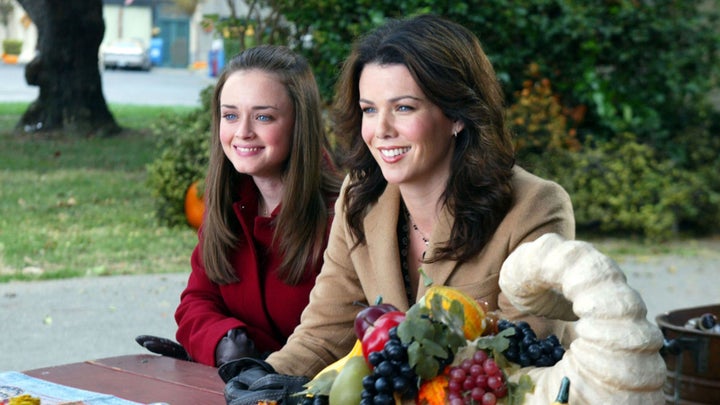
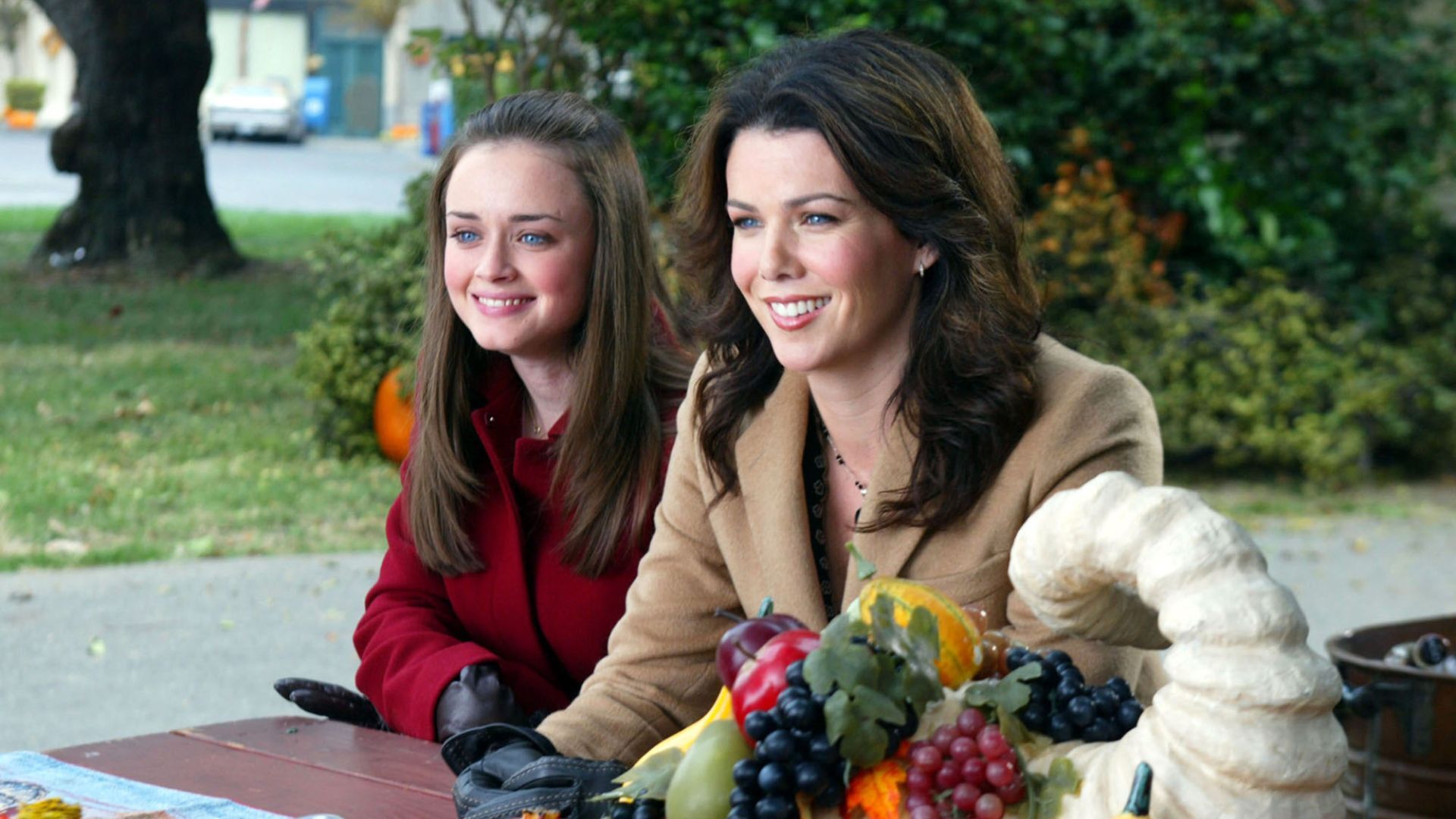
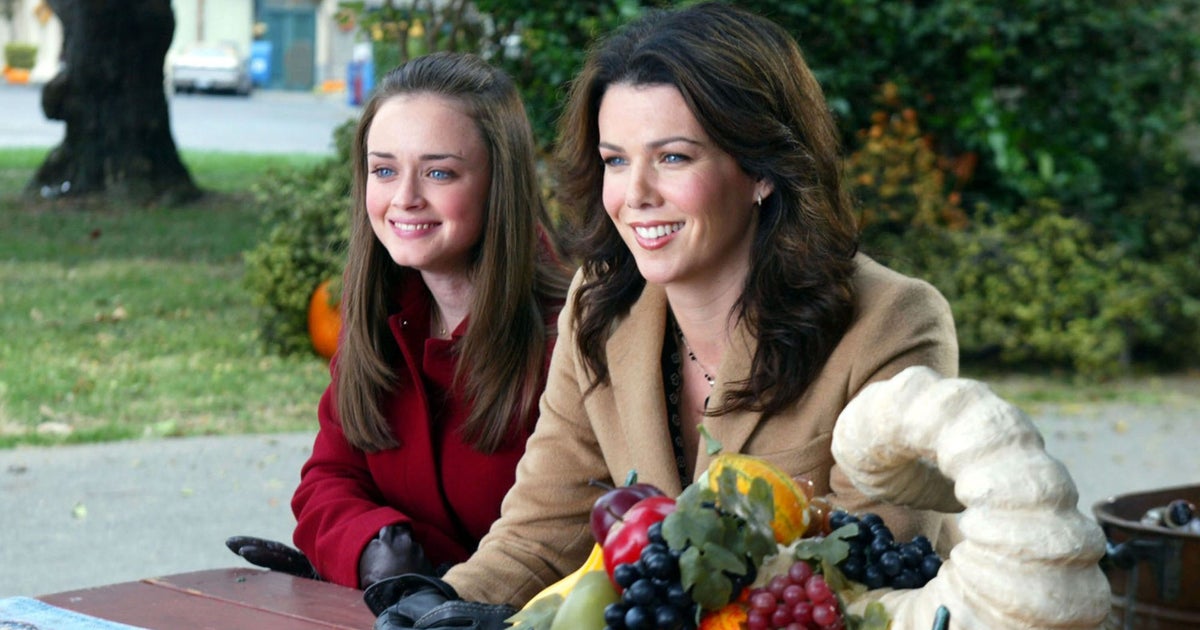
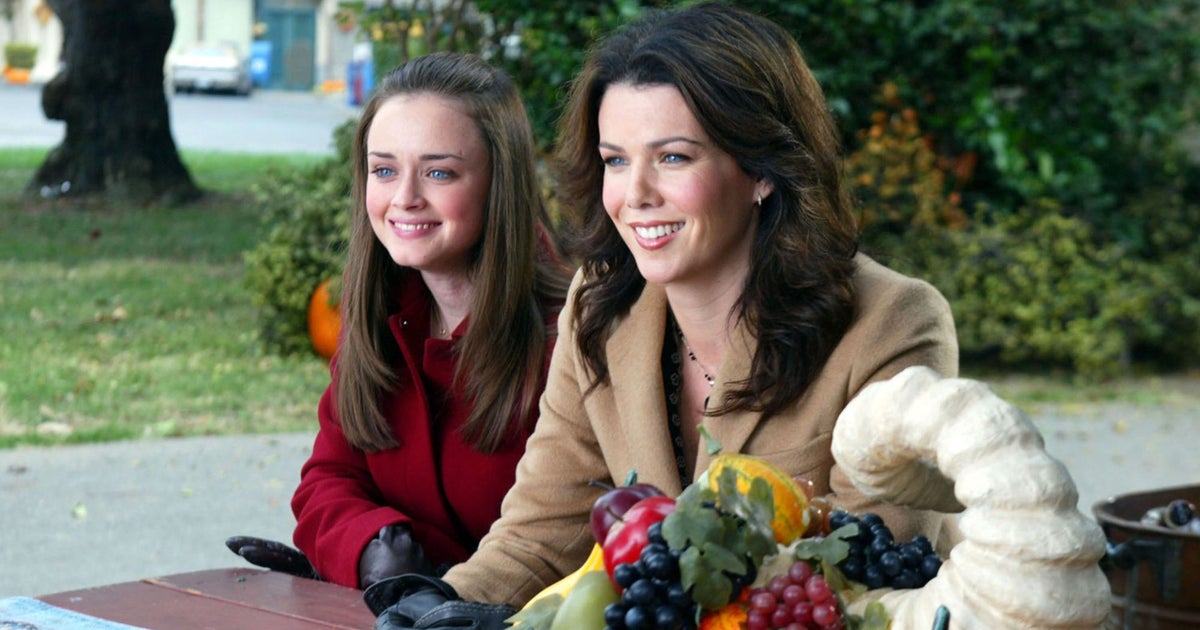
Does it get more autumnal than Gilmore Girls? Probably not. It follows the lives of Lorelai Gilmore and her daughter Rory as they navigate life and love in the small town Stars Hollow. It is seemingly permanently autumn in this town and you know what? I’m not complaining.
Advertisement
Gilmore Girls is available to stream on Disney Plus.
","type":"video","meta":{"author":"Netflix","author_url":"https://www.youtube.com/channel/UCWOA1ZGywLbqmigxE4Qlvuw","cache_age":86400,"description":"Love meets doubt. Fear meets joy. Boy meets boy. HEARTSTOPPER, an eight chapter story about life, love and everything in between. Based on the bestselling graphic novels from Alice Oseman.\r\n\r\nSUBSCRIBE: http://bit.ly/29qBUt7\r\n\r\nAbout Netflix:\r\nNetflix is the world’s leading streaming entertainment service with 222 million paid memberships in over 190 countries enjoying TV series, documentaries, feature films and mobile games across a wide variety of genres and languages. Members can watch as much as they want, anytime, anywhere, on any internet-connected screen. Members can play, pause and resume watching, all without commercials or commitments.\r\n\r\nHeartstopper | Official Trailer | Netflix\r\nhttps://youtube.com/Netflix\r\n\r\nTeens Charlie and Nick discover their unlikely friendship might be something more as they navigate school and young love in this coming-of-age series.","options":{"_cc_load_policy":{"label":"Closed captions","value":false},"_end":{"label":"End on","placeholder":"ex.: 11, 1m10s","value":""},"_start":{"label":"Start from","placeholder":"ex.: 11, 1m10s","value":""}},"provider_name":"YouTube","thumbnail_height":720,"thumbnail_url":"https://i.ytimg.com/vi/FrK4xPy4ahg/maxresdefault.jpg","thumbnail_width":1280,"title":"Heartstopper | Official Trailer | Netflix","type":"video","url":"https://www.youtube.com/watch?v=FrK4xPy4ahg","version":"1.0"},"flags":[],"enhancements":{},"fullBleed":false,"options":{"theme":"news","device":"desktop","editionInfo":{"id":"uk","name":"U.K.","link":"https://www.huffingtonpost.co.uk","locale":"en_GB"},"originalEdition":"uk","isMapi":false,"isAmp":false,"isMobile":false,"isAdsFree":false,"isVideoEntry":false,"isEntry":true,"isMt":false,"entryId":"6ad23d2be4b0bfd25657cdfd","entryPermalink":"https://www.huffingtonpost.co.uk/entry/cosy-autumn-shows-films_uk_6ad23d2be4b0bfd25657cdfd","entryTagsList":"uktv,ukfilm,autumn,@ai_seo_headline","sectionSlug":"entertainment","deptSlug":null,"sectionRedirectUrl":null,"subcategories":"","isWide":false,"isShopping":false,"headerOverride":null,"noVideoAds":false,"disableFloat":false,"isNative":false,"commercialVideo":{"provider":"custom","site_and_category":"uk.entertainment","package":null},"isHighline":false,"vidibleConfigValues":{"cid":"60afc140cf94592c45d7390c","disabledWithMapiEntries":false,"overrides":{"all":"60b8e525cdd90620331baaf4"},"whitelisted":["56c5f12ee4b03a39c93c9439","56c6056ee4b01f2b7e1b5f35","59bfee7f9e451049f87f550b","5acccbaac269d609ef44c529","570278d2e4b070ff77b98217","57027b4be4b070ff77b98d5c","56fe95c4e4b0041c4242016b","570279cfe4b06d08e3629954","5ba9e8821c2e65639162ccf1","5bcd9904821576674bc55ced","5d076ca127f25f504327c72e","5b35266b158f855373e28256","5ebac2e8abddfb04f877dff2","60b8e525cdd90620331baaf4","60b64354b171b7444beaff4d","60d0d8e09340d7032ad0fb1a","60d0d90f9340d7032ad0fbeb","60d0d9949340d7032ad0fed3","60d0d9f99340d7032ad10113","60d0daa69340d7032ad104cf","60d0de02b627221e9d819408"],"playlists":{"default":"57bc306888d2ff1a7f6b5579","news":"56c6dbcee4b04edee8beb49c","politics":"56c6dbcee4b04edee8beb49c","entertainment":"56c6e7f2e4b0983aa64c60fc","tech":"56c6f70ae4b043c5bdcaebf9","parents":"56cc65c2e4b0239099455b42","lifestyle":"56cc66a9e4b01f81ef94e98c"},"playerUpdates":{"56c6056ee4b01f2b7e1b5f35":"60b8e525cdd90620331baaf4","56c5f12ee4b03a39c93c9439":"60d0d8e09340d7032ad0fb1a","59bfee7f9e451049f87f550b":"60d0d90f9340d7032ad0fbeb","5acccbaac269d609ef44c529":"60d0d9949340d7032ad0fed3","5bcd9904821576674bc55ced":"60d0d9f99340d7032ad10113","5d076ca127f25f504327c72e":"60d0daa69340d7032ad104cf","5ebac2e8abddfb04f877dff2":"60d0de02b627221e9d819408"}},"connatixConfigValues":{"defaultPlayer":"16b0ecc6-802c-4120-845f-e90629812c4d","clickToPlayPlayer":"823ac03a-0f7e-4bcb-8521-a5b091ae948d","videoPagePlayer":"05041ada-93f7-4e86-9208-e03a5b19311b","defaultPlaylist":"2e062669-71b4-41df-b17a-df6b1616bc8f"},"topConnatixThumnbailSrc":"data:image/png;base64,iVBORw0KGgoAAAANSUhEUgAAAAEAAAABCAQAAAC1HAwCAAAAC0lEQVR42mNkYAAAAAYAAjCB0C8AAAAASUVORK5CYII=","customAmpComponents":[],"ampAssetsUrl":"https://amp.assets.huffpost.com","videoTraits":null,"positionInUnitCounts":{"buzz_head":{"count":0},"buzz_body":{"count":0},"buzz_bottom":{"count":0}},"positionInSubUnitCounts":{"article_body":{"count":12},"blog_summary":{"count":0},"before_you_go_content":{"count":0}},"connatixCountsHelper":{"count":0},"buzzfeedTracking":{"context_page_id":"6ad23d2be4b0bfd25657cdfd","context_page_type":"buzz","destination":"huffpost","mode":"desktop","page_edition":"en-uk"},"tags":[{"name":"uktv","slug":"uktv","links":{"relativeLink":"news/uktv","permalink":"https://www.huffingtonpost.co.uk/news/uktv","mobileWebLink":"https://www.huffingtonpost.co.uk/news/uktv"},"section":{"title":"Entertainment","slug":"entertainment"},"topic":{"title":"UK TV","slug":"uktv","overridesSectionLabel":false},"url":"https://www.huffingtonpost.co.uk/news/uktv/"},{"name":"ukfilm","slug":"ukfilm","links":{"relativeLink":"news/ukfilm","permalink":"https://www.huffingtonpost.co.uk/news/ukfilm","mobileWebLink":"https://www.huffingtonpost.co.uk/news/ukfilm"},"section":{"title":"Entertainment","slug":"entertainment"},"topic":{"title":"Film","slug":"ukfilm","overridesSectionLabel":false},"url":"https://www.huffingtonpost.co.uk/news/ukfilm/"},{"name":"autumn","slug":"autumn","links":{"relativeLink":"news/autumn","permalink":"https://www.huffingtonpost.co.uk/news/autumn","mobileWebLink":"https://www.huffingtonpost.co.uk/news/autumn"},"url":"https://www.huffingtonpost.co.uk/news/autumn/"}],"isLiveblogLive":null,"isLiveblog":false,"isLiveblogSlidePage":false,"signInUrl":"https://login.huffpost.com/login?dest=https%3A%2F%2Fwww.huffpost.com%2Fentry%2Fcosy-autumn-shows-films_uk_6ad23d2be4b0bfd25657cdfd%3Fhp_auth_done%3D1","cetUnit":"buzz_body","enableExcoPlayer":true,"enableIncontentPlayer":false,"bodyAds":["
A coming-of-age TV show based in the UK, Heartstopper follows the lives of Nick and Charlie as they slowly fall in love and face teenage hardships together. Heartstopper is real queer joy and in terms of autumn vibes? Well, there are animated falling leaves that appear throughout the show.
Over The Garden Wall is a cosy, slightly (SLIGHTLY) spooky animated show following brothers Wirt, voiced by Elijah Wood and Greg, who get lost in a timeless forest and must find their way home.
Over The Garden Wall is available to stream on Paramount.
","type":"video","meta":{"author":"Rotten Tomatoes TV","author_url":"https://www.youtube.com/channel/UCz1GPotHecuLngiLuY739QQ","cache_age":86400,"description":"Check out the new Only Murders in the Building Season 1 Trailer starring Selena Gomez! Let us know what you think in the comments below.\n► Learn more about this show on Rotten Tomatoes: https://www.rottentomatoes.com/tv/only_murders_in_the_building/s01?cmp=RTTV_YouTube_Desc\n\nWant to be notified of all the latest TV shows? Subscribe to the channel and click the bell icon to stay up to date.\n\nUS Air Date: August 31, 2021\nStarring: Selena Gomez, Steve Martin, Martin Short\nNetwork: Hulu\nSynopsis: Only Murders in the Building is a comedy that surrounds three strangers who share an obsession with true crime and suddenly find themselves wrapped up in one. When a murder occurs in their NYC apartment building, they are forced to work together to figure out what happened.\n\nWhat to Watch Next:\n► Certified Fresh TV: http://bit.ly/2FC8sQi\n► Top TV Dramas: http://bit.ly/2HSMnOs\n► Top TV Comedies: http://bit.ly/2ozqvP6\n► Most Anticipated Shows: http://bit.ly/2GQb8cq\n\nMore Rotten Tomatoes:\n► Subscribe to ROTTEN TOMATOES TV: http://bit.ly/2qTF6ZY\n► Subscribe to the ROTTEN TOMATOES NEWSLETTER: https://www.rottentomatoes.com/newsletter?cmp=RTYT_YouTube_Desc\n► Follow us on TWITTER: http://bit.ly/2mpschF\n► Like us on FACEBOOK: http://bit.ly/2COySMI\n► Follow us on INSTAGRAM: http://bit.ly/2FlxGC6\n\nRotten Tomatoes TV delivers Fresh TV at a click! Subscribe now for the best trailers, clips, sneak peeks, and binge guides for shows you love and the upcoming series and TV movies that should be on your radar.","options":{"_cc_load_policy":{"label":"Closed captions","value":false},"_end":{"label":"End on","placeholder":"ex.: 11, 1m10s","value":""},"_start":{"label":"Start from","placeholder":"ex.: 11, 1m10s","value":""}},"provider_name":"YouTube","thumbnail_height":720,"thumbnail_url":"https://i.ytimg.com/vi/uTtaNEy3PDw/maxresdefault.jpg","thumbnail_width":1280,"title":"Only Murders in the Building Season 1 Trailer | Rotten Tomatoes TV","type":"video","url":"https://www.youtube.com/watch?v=uTtaNEy3PDw","version":"1.0"},"flags":[],"enhancements":{},"fullBleed":false,"options":{"theme":"news","device":"desktop","editionInfo":{"id":"uk","name":"U.K.","link":"https://www.huffingtonpost.co.uk","locale":"en_GB"},"originalEdition":"uk","isMapi":false,"isAmp":false,"isMobile":false,"isAdsFree":false,"isVideoEntry":false,"isEntry":true,"isMt":false,"entryId":"6ad23d2be4b0bfd25657cdfd","entryPermalink":"https://www.huffingtonpost.co.uk/entry/cosy-autumn-shows-films_uk_6ad23d2be4b0bfd25657cdfd","entryTagsList":"uktv,ukfilm,autumn,@ai_seo_headline","sectionSlug":"entertainment","deptSlug":null,"sectionRedirectUrl":null,"subcategories":"","isWide":false,"isShopping":false,"headerOverride":null,"noVideoAds":false,"disableFloat":false,"isNative":false,"commercialVideo":{"provider":"custom","site_and_category":"uk.entertainment","package":null},"isHighline":false,"vidibleConfigValues":{"cid":"60afc140cf94592c45d7390c","disabledWithMapiEntries":false,"overrides":{"all":"60b8e525cdd90620331baaf4"},"whitelisted":["56c5f12ee4b03a39c93c9439","56c6056ee4b01f2b7e1b5f35","59bfee7f9e451049f87f550b","5acccbaac269d609ef44c529","570278d2e4b070ff77b98217","57027b4be4b070ff77b98d5c","56fe95c4e4b0041c4242016b","570279cfe4b06d08e3629954","5ba9e8821c2e65639162ccf1","5bcd9904821576674bc55ced","5d076ca127f25f504327c72e","5b35266b158f855373e28256","5ebac2e8abddfb04f877dff2","60b8e525cdd90620331baaf4","60b64354b171b7444beaff4d","60d0d8e09340d7032ad0fb1a","60d0d90f9340d7032ad0fbeb","60d0d9949340d7032ad0fed3","60d0d9f99340d7032ad10113","60d0daa69340d7032ad104cf","60d0de02b627221e9d819408"],"playlists":{"default":"57bc306888d2ff1a7f6b5579","news":"56c6dbcee4b04edee8beb49c","politics":"56c6dbcee4b04edee8beb49c","entertainment":"56c6e7f2e4b0983aa64c60fc","tech":"56c6f70ae4b043c5bdcaebf9","parents":"56cc65c2e4b0239099455b42","lifestyle":"56cc66a9e4b01f81ef94e98c"},"playerUpdates":{"56c6056ee4b01f2b7e1b5f35":"60b8e525cdd90620331baaf4","56c5f12ee4b03a39c93c9439":"60d0d8e09340d7032ad0fb1a","59bfee7f9e451049f87f550b":"60d0d90f9340d7032ad0fbeb","5acccbaac269d609ef44c529":"60d0d9949340d7032ad0fed3","5bcd9904821576674bc55ced":"60d0d9f99340d7032ad10113","5d076ca127f25f504327c72e":"60d0daa69340d7032ad104cf","5ebac2e8abddfb04f877dff2":"60d0de02b627221e9d819408"}},"connatixConfigValues":{"defaultPlayer":"16b0ecc6-802c-4120-845f-e90629812c4d","clickToPlayPlayer":"823ac03a-0f7e-4bcb-8521-a5b091ae948d","videoPagePlayer":"05041ada-93f7-4e86-9208-e03a5b19311b","defaultPlaylist":"2e062669-71b4-41df-b17a-df6b1616bc8f"},"topConnatixThumnbailSrc":"data:image/png;base64,iVBORw0KGgoAAAANSUhEUgAAAAEAAAABCAQAAAC1HAwCAAAAC0lEQVR42mNkYAAAAAYAAjCB0C8AAAAASUVORK5CYII=","customAmpComponents":[],"ampAssetsUrl":"https://amp.assets.huffpost.com","videoTraits":null,"positionInUnitCounts":{"buzz_head":{"count":0},"buzz_body":{"count":0},"buzz_bottom":{"count":0}},"positionInSubUnitCounts":{"article_body":{"count":12},"blog_summary":{"count":0},"before_you_go_content":{"count":0}},"connatixCountsHelper":{"count":0},"buzzfeedTracking":{"context_page_id":"6ad23d2be4b0bfd25657cdfd","context_page_type":"buzz","destination":"huffpost","mode":"desktop","page_edition":"en-uk"},"tags":[{"name":"uktv","slug":"uktv","links":{"relativeLink":"news/uktv","permalink":"https://www.huffingtonpost.co.uk/news/uktv","mobileWebLink":"https://www.huffingtonpost.co.uk/news/uktv"},"section":{"title":"Entertainment","slug":"entertainment"},"topic":{"title":"UK TV","slug":"uktv","overridesSectionLabel":false},"url":"https://www.huffingtonpost.co.uk/news/uktv/"},{"name":"ukfilm","slug":"ukfilm","links":{"relativeLink":"news/ukfilm","permalink":"https://www.huffingtonpost.co.uk/news/ukfilm","mobileWebLink":"https://www.huffingtonpost.co.uk/news/ukfilm"},"section":{"title":"Entertainment","slug":"entertainment"},"topic":{"title":"Film","slug":"ukfilm","overridesSectionLabel":false},"url":"https://www.huffingtonpost.co.uk/news/ukfilm/"},{"name":"autumn","slug":"autumn","links":{"relativeLink":"news/autumn","permalink":"https://www.huffingtonpost.co.uk/news/autumn","mobileWebLink":"https://www.huffingtonpost.co.uk/news/autumn"},"url":"https://www.huffingtonpost.co.uk/news/autumn/"}],"isLiveblogLive":null,"isLiveblog":false,"isLiveblogSlidePage":false,"signInUrl":"https://login.huffpost.com/login?dest=https%3A%2F%2Fwww.huffpost.com%2Fentry%2Fcosy-autumn-shows-films_uk_6ad23d2be4b0bfd25657cdfd%3Fhp_auth_done%3D1","cetUnit":"buzz_body","enableExcoPlayer":true,"enableIncontentPlayer":false,"bodyAds":["
More of a cosy crime kind of person? Look no further than Only Murders in The Building. The show follows three kooky strangers who are obsessed with true crime and start a podcast together to solve a murder, yes you guessed it, in their building.
Advertisement
The show has guest stars such as Paul Rudd, Meryl Streep and Kumail Nanjiani and some real hijinks fun.
Only Murders In The Building is available to stream on Disney Plus.
Research into menopause and perimenopause is vastly improving. This means that while we may have always associated mood swings and hot flushes with these life changes, we have learned that they can actually fundamentally change the body.
While this is very hopeful for future generations of women, a new survey conducted by Holland and Barrett in partnership with Menopause Mandate has found that 46% of women are still having perimenopause and menopause symptoms dismissed by other women.
Additionally, the research found an age disparity with younger women entering perimenopause feeling the most isolated. Over half (51% of 30–44-year-olds have reported symptom doubt, compared to 40 per cent of those aged 55 or over.
Advertisement
Women are dedicating an average of 2.3 hours a week to ‘menopause admin’
Beyond managing their symptoms, women are dedicating on average over two hours a week to menopause admin. This includes:
Menopause comes with a range of symptoms including difficulty concentrating, electric shocks on the skin, vaginal atrophy and recurring urinary tract infections (UTIs).
A full range of potential menopause symptoms can be found on The Menopause Charity’s website but it’s fair to say, we are likely dismissing one another’s symptoms because we simply don’t know the extent of the changes menopause can bring.
Laura Biggs, Founding Director at Menopause Mandate, comments: “Perimenopause and menopause can affect women in very different ways, and symptoms can change over time. It’s so important that women know what they might experience and can find help and support when they need it.
Advertisement
“Since launching in 2022, the Menopause Mandate nurse helpline has offered free advice from trained professionals.”
A frisson of excitement ran through Westminster this week.
After two opinion polls put Labour and the Conservatives in first and second place, the inevitable question followed: “Is two-party politics back?”
Just a year ago, the prospect of the next election being a straight shootout between the two traditional parties would have seemed fanciful.
Advertisement
Reform UK were still ahead with every pollster, while the Greens were continuing their resurgence under their new leader, Zack Polanski.
May’s local elections seemed to confirm that a new era of multi-party politics in the UK was here to stay.
Reform gained nearly 1,500 new councillors, while the Greens saw their town hall representation soar by more than 800 seats.
Advertisement
At the same time, Labour – who were still in the doldrums under the leadership of Keir Starmer – lost 1,498 councillors, and the Tories 563.
Since then, however, British politics has once again been turned on its head.
Labour’s decision to dump Keir Starmer and replace him with Andy Burnham has so far been vindicated, with the party enjoying the novelty of being led by someone that voters actually like.
At the same time, Reform have been hit by a series of scandals and controversies which have led to the party’s popularity plummeting.
Advertisement
Nigel Farage still awaits the result of the parliamentary standards commissioner’s investigation into his failure to declare a £5 million gift from crypto billionaire Christopher Harborne.
The Metropolitan Police is also investigating the outcome of an undercover Channel 4 documentary in which senior Reform officials appeared to be willing to break electoral law to get money from a foreign donor.
According to a poll of polls by Election Maps UK, Reform have slumped from 27.5% at the end of May to 22.7% now.
Advertisement
Over the same period, Labour’s own standings have soared from 19.6% to 27.7%. The last time they led Reform by 5 points was at the end of 2024.
As Farage and Polanski’s popularity has waned, Kemi Badenoch’s has continued to rise, and there are now signs that she is finally dragging the battered Tory brand with her.
Advertisement
Can Nigel Farage turn around Reform’s fortunes?
via Associated Press
But leading pollsters who spoke to HuffPost UK this week explained why it is too early to write off Reform and the Greens.
Luke Tryl, UK director of More in Common, said: “While the two-party system may not be dead and buried, it certainly remains in a weak state.
Advertisement
“An election held tomorrow would likely still produce the most fragmented results in history, and our latest poll suggests that no party would come close to a majority, and a coalition would be the most likely outcome.
“Trust in mainstream politics remains at a dire low. Unless the two major parties can reassure Britons that they are listening to their concerns, are trying to do something about them, and are actually capable of doing so, this will continue to be the case.”
Chris Hopkins, political research director at Savanta, said “any talk of a return to two-party politics remains premature”.
Advertisement
“The improvement in the standing of Labour and the Conservatives remains muted, rarely combining for more than 50% of the vote in the latest round of opinion polls,” he said.
“This remains a far cry from recent general elections, especially 2017, where the Conservatives and Labour received a whopping 82% of the overall vote.
“Of course, things can still change very quickly in British politics so only a fool would completely rule out a return to two-party politics.
Advertisement
“But if an election were tomorrow, Reform and the Greens would represent significantly greater challenges in constituencies up and down the country for the main two parties than ever before.
“That, coupled with the national strength of the SNP in Scotland and Plaid Cymru in Wales, means that multi-party politics is unlikely to be going anywhere anytime soon.”
Zack Polanski speaks with supporters during the Holborn and St Pancras by-election campaign.
SOPA Images SOPA Images/LightRocket via Gett
Advertisement
Keiran Pedley of Ipsos UK said “the battle for hearts and minds on the right” was yet to be won by either the Tories or Reform, who remain strong in the north of England and the Midlands.
“As long as Nigel Farage is around it is hard to see them going anywhere and what we don’t know is whether Reform today are at a low ebb that they recover from, or if the Conservative momentum continues,” Pedley said.
Advertisement
With a difficult Budget less than two weeks away, Burnham and Labour’s current popularity may well prove to be short-lived if energy bills soar and the economy takes a turn for the even worse.
Badenoch, meanwhile, still faces an enormous challenge in trying to make the Tories competitive come the next election, give their hammering last time around.
As Pedley pointed out: “We can hardly declare a return to the two party system when five parties are polling in double digits and nationalist parties are in government in Scotland and Wales.”
Advertisement
Listen to Commons People, the podcast that makes politics easy. Every week, Kevin Schofield and Kate Nicholson unpack the week’s biggest stories to keep you informed. Join us for straightforward analysis of what’s going on at Westminster.
I first saw the suggestion on TikTok, but it’s also on Instagram and X (formerly Twitter). In response to people who say they’d go vegan but love cheese too much to do so, plant-based creators have a simple response: “Then go vegan, except for cheese,” TikTokers like @Maggieeatsvegan advise.
Of course, cheese doesn’t actually fit into a vegan diet. But we know that eating more plant-based foods is good for both us and the planet, and that cutting down on meat and dairy consumption, but not eliminating it altogether, could still lower our bowel cancer risk and help us to meet sustainability goals.
“Vegan but cheese” might not feel like a 100% perfect answer. However, it’s a lot better than doing nothing.
Advertisement
And speaking to HuffPost UK, BACP-certified therapists Susie Masterson and Eve Menzes Cunningham said there are lessons to be learned here when setting other goals, too.
“An all-or-nothing mindset is actually quite punitive”
Menzes Cunningham, who is vegan herself, said she “LOVES” the vegan but cheese theory as a way to approach personal goals. She added that a lot of her clients have an “all or nothing” mindset regarding their aspirations, which might actually hold them back.
“Focusing on… the direction you want to move in rather than [the] fraction of [your goal] that isn’t for you at the moment… is still a huge move,” she advised.
Advertisement
For instance, the therapist explained, she ate food outside of her usual vegan diet a couple of Christmases ago. Menzes Cunningham said her younger self might have gone back to eating meat, having seen this apparent “lapse” as a total failure – but accepting it as a “human” mistake made returning to her established eating habits easier.
Masterson agreed, saying: “Goal setting is less about achieving an outcome and more about the process of working towards something. Anticipation and quests produce dopamine, which helps us feel good about ourselves and keep[s us] motivated”.
She called our obsession with perfection quite “punitive”, adding: “I’ve met so many people who have goals: marathon, house, kids, and they feel empty.
Advertisement
“Because the goals don’t mean anything to them. They were for other people or for social media. Goals are not stamps to collect.”
Being kinder to yourself could make you more resilient
A review of studies previously found that self-compassion – treating yourself as you would a friend – is linked to more success and better relationships.
Menzes Cunningham says she often reminds clients of toddlers, who naturally want to grow and improve without being yelled at to crawl or walk, when advising them on how to engage with self-talk.
Advertisement
“Remind yourself that you’re human, notice what else is going on in your life, see what additional supports you might be able to put in place” when aiming for a goal, she said.
“Recognise that progress is soooo much better than perfection (which doesn’t exist!)”.
Masterson, meanwhile, ended: “Scientists don’t fail; they learn and pivot. In sports we get injured, but that doesn’t mean we stop training or conditioning.
“I always recommend setting intentions rather than goals. To find a rhythm and practice that enhances our lives, rather than constantly looking for another peak to climb.”
The party’s leader was urged to sack Chris Parry last December after he said in a social media post that was where the then justice secretary’s “loyalties lie”.
Advertisement
However, the former Rear Admiral in the Royal Navy survived as Reform’s candidate to be mayor of Hampshire and the Solent.
An undercover ITV reporter who got a job as a Reform press officer recorded Ed Sumner, the director of communications, saying Parry would be sacked, but he was over-ruled by Farage.
Instead, the Reform leader said Parry should “apologise to Lammy… if David Lammy’s taken offence”.
Sumner told Farage: “You’re protecting him.”
Farage replies: “It’s showing a bit of sorrow … trouble is he’s a Rear Admiral, that’s the problem.”
Advertisement
After Farage leaves, Sumner is recorded saying “if it was up to me, I’d have kicked him (Parry) out months ago”.
Parry told ITV: “I would urge people to go back to the original contexts and tweets to see what was said and why. They related to reparations and failures by the police and government.
Advertisement
“They will see I always exercise my right to criticise anyone in power or the public eye, whom I judge to be acting against the interests of the British people.”
One councillor described Asian families as “parasites” and saying the government should “stick them on planes and fuck them off to Pakistan”.
Advertisement
Labour chair Bridget Phillipson said: “These latest shocking and deeply disturbing revelations go right to the top of Reform UK.
“Nigel Farage needs to wake up and realise the buck stops with him. He also must urgently explain why he allegedly stood by a blatant racist instead of kicking him out of his party.
“Time and again Farage has had every opportunity to demonstrate leadership and get Reform’s house in order and every single time he has failed.
Advertisement
“In Reform’s own words: they’re defending the indefensible. They are completely unfit for office.”
In a statement, Reform accused ITV and Hardcash Productions of “extreme methods of deception”.
“They have infiltrated our workplace including commissioning an undercover journalist to provide altered identification documents, a false address, and false credentials so that they could be given access to Reform’s headquarters , computer systems, and spy on its employees,” the party said.
“That same journalist did not limit themselves to recording candid conversations in the workplace. That journalist also sought to find out sensitive security information, travel arrangements, and financial information outside of the scope of this investigation.
“ITV have failed to address this in correspondence despite this conduct being drawn to their attention. This is at a time when Nigel Farage and other members of Reform are being targeted by individuals who wished them harm and caused a security issue which was documented during the course of the undercover investigation.
Advertisement
“They have not included this in their report, despite being on notice since March this year. There is currently an on-going police investigation relating to security breaches against Mr Farage as is well known.
“There is no room for racism in Reform UK. We always respect due process of investigations and whilst these are ongoing it would not be appropriate to comment on individual cases.”
Advertisement
Listen to Commons People, the podcast that makes politics easy. Every week, Kevin Schofield and Kate Nicholson unpack the week’s biggest stories to keep you informed. Join us for straightforward analysis of what’s going on at Westminster.
But that plan to woo voters and consolidate their base by presenting a strategy for their first 100 days in power fell apart before it had even begun.
Advertisement
Channel 4 News broadcast an undercover sting operation from investigative group Verbatim shortly before delegates began arriving.
The footage accused Reform of taking funds from a US company to commission three supposedly independent polls at £32,500 earlier this year, research which was then shared with the media.
Reform’s head of policy James Orr and Farage’s close aide Dan Jukes organised the donation. They were unaware the donors were actually undercover reporters.
Advertisement
British electoral law says political donations can only be made by someone eligible to vote in the UK or a UK-registered company.
But Jukes appeared to propose a work-around so that an American businessman could donate £500,000 to the party through his British son.
Reform initially called the documentary a “hoax”, and said it was guilty of no wrongdoing.
It then launched an internal investigation and both Jukes and Orr stepped down from their roles.
Farage, who was seen in some of the footage engaging with the undercover journalists when they were presented as donors, told the BBC: “I frankly wasn’t even listening.”
Advertisement
The Metropolitan Police and the Electoral Commission are now assessing reports into the donations.
Unsurprisingly, the conference ended up being a far-cry from the plan to look more professional.
There was also significant confusion over whether they would ever be able to return, even though Reform’s internal investigation is yet to conclude.
Reform’s chair Lee Anderson told broadcasters they were not coming back, while other party officials said it was too early to say.
Advertisement
In the month since the scandal first broke, Reform has cleared both aides of wrongdoing in an internal probe.
However, they made it clear they would not decide the future of Jukes and Orr until the Metropolitan Police had finished their own probe.
2. Richard Tice’s Speech Overshadowed By A Banner
A small sign depicting Farage as the Monopoly Man running off with a bag of cash amid a sea of flames appeared behind the deputy party leader during his speech.
Advertisement
It had the caption, “Collect £5 million, burn the planet,” in reference to the ongoing parliamentary probe into the undeclared lump sum Farage received before he became an MP.
The sign, unfurled by Greenpeace, was swiftly removed.
3. Farage’s Stage Delay
After the banner incident, Farage’s subsequent keynote speech was delayed by more than an hour.
Reform sources claimed it was due to a warning from Counter-Terror Police who “wouldn’t let him on stage yet”.
Advertisement
However, West Midlands Police said: “We can confirm that Counter Terrorism Policing have had no involvement in the delivery of the Reform UK Party Conference 2026.”
4. Protesters Disrupt Farage’s Speech
Multiple demonstrators were thrown out once the keynote speech got going.
Farage tried to downplay the disruptions, telling the crowd: “We’ve got a screamer. Oh dear.”
He added: “That poor young girl, she looked like she was going to do herself an injury.”
He then said: “Boring, boring, boring.”
Activist group Climate Resistance claimed responsibility for the protest.
5. The Violent Reaction To One Demonstrator
One woman was removed by security guards, only for members of the crowd to apparently grab at her face and hair, hitting her with a walking stick.
She told LBC: “I was hit and grabbed by the hair and by my jaw by attendees at the Reform UK conference after calling out Nigel Farage for being a conman during his keynote speech.”
Advertisement
She added: “Nigel Farage himself, as well as members of the audience, are inciting this violence by celebrating assaults like the one I experienced.”
West Midlands Police said in a statement they are aware of the video circulating online. They are yet to receive a complaint from the woman involved but urged anyone with information to come forward.
Reform UK’s home affairs spokesperson Zia Yusuf later said: “On the question of whether I condemn people punching people, yes, I condemn people punching people.”
Advertisement
6. A Toe-Curling Interview With Nadine Dorries
Nadine Dorries, formerly the Conservative culture secretary under Boris Johnson, defected to Reform after stepping down as an MP in 2024.
She tried furiously to defend Farage over the documentary, accusing it of being “very heavily edited”.
Advertisement
This was a car-crash interview with Nadine Dorries, but she always defended the indefensible. That’s why the Tories used to wheel her out whenever Boris Johnson broke the law. pic.twitter.com/8mAHbaUtoK
Reform’s candidate to be London mayor, Laila Cunningham, admitted to BBC Newsnight she had not watched the whole documentary.
Presenter Matt Chorley was stunned, replying: “What? Laila, you are a senior member of Reform UK, standing for election to be London mayor next year.
Advertisement
“This is the only story coming out of the Reform UK, serious allegations, which has got the Metropolitan Police and Electoral Commission assessing. And you’re coming on here to tell me everything is fine, no rules have been broken, and you’re telling me you haven’t watched the footage?”
Watch the spat here:
“I haven’t had time to watch the whole documentary”
“What?”
Matt Chorley quizzes Reform UK’s Laila Cunningham on what the party’s official response is to allegations broadcast by Channel 4 News that the party plotted to break electoral law#Newsnightpic.twitter.com/jkteJvAkIh
The Reform MP furiously defended his party leader after Channel 4’s documentary showed the Reform UK leader saying “thank you” to the fictitious donors.
Advertisement
He told Times Radio: “You can’t criticise a leader for saying thank you over lunch to someone. I know a lot of slings and arrows are thrown at Nigel Frage, but being polite is not a crime these days.”
Robert Jenrick says Nigel Farage’s “sole involvement” in the donation investigation was to “have lunch.”
9. Jenrick Offers To Resign (From A Job He Doesn’t Have)
Jenrick, Reform’s Treasury spokesperson, announced his plan to resign as chancellor if he did not deliver on his promises to cut taxes once in power.
Advertisement
However, the party is not in government. It is not even the shadow cabinet, because that name belongs to the second largest party in the Commons, the Conservatives.
10. Farage Reveals His Family Told Him To Get Out Of Politics
The party leader said his relatives urged him to quit over the summer amid safety concerns.
He told the BBC: “For the first time, really, in my political career, I haven’t got my family’s support. They would rather I packed it up and walked away. So yes it’s been difficult.”
Advertisement
11. Richard Tice Tops It All Off With A Strange Celebration
Despite all of this chaos, the deputy party leader posted some jubilant photos on Saturday showing him jumping for joy on stage…
Listen to Commons People, the podcast that makes politics easy. Every week, Kevin Schofield and Kate Nicholson unpack the week’s biggest stories to keep you informed. Join us for straightforward analysis of what’s going on at Westminster.