The 8 Worst Things You Can Do At The Hairdressers Or Barbers

While you may feel pretty comfortable at your regular salon or barbershop, sometimes clients can get a little too comfortable, and the professionals with the scissors just wish people would, well, cut it out.

There are certain actions people might not realise are rude, but they have a major impact on the hairstylist’s ability to perform their job or the experience of other customers and staff members in the salon. They can even negatively impact the rest of the stylist’s day long after you exit the premises.

To help everyone better understand the most respectful way to behave while getting their hair done, we interviewed six long-time hair pros from salons around the country to ask about the rudest behaviours they regularly witness from their clients.

1. Arriving Late

Among the stylists polled, the No. 1 complaint was customer tardiness. “A single late customer can create a domino effect on a whole day’s work schedule,” explained Viktor Holas, who has been a barber for eight years and currently works at San Diego’s Wise Barber.

“This means that other clients will be forced to wait despite being there on time. It also puts more pressure on the stylist to work as fast as possible to restore the original timeline.”

Furthermore, “lateness can end up denying your hairdresser their usual 5 to 10 minutes of much-deserved rest in between cuts,” Holas said.

If you’re unexpectedly running late, call your salon as soon as possible to let them know. And when you arrive, be mindful of helping the remainder of the appointment go as smoothly and quickly as possible to avoid a backlog.

2. Talking On Your Phone

“There are levels to this,” noted 12-year industry pro Yvey Valcin, who heads up Seattle’s Yvey Salon. If the call is important, such as regarding your children or work, try to make it quick and keep your voice low. “But if it’s just a casual conversation,” Valcin added, “that is not very respectful.”

If you do have to make a quick phone call during your appointment, don’t ignore your stylist in the process. “If [you are] asked questions about your cut or styling, reply right away” added Olya Iudina, a stylist for 15 years who is with New York City’s IGK NYC.

3. Wasting Time During The Appointment

“After arriving 15 minutes late, a client had a phone conversation for 10 minutes. When they hung up, I had to tell them I no longer had time to cut their hair and they were furious,” recalled hairstylist Andrea Cottin, who has 13 years of experience and works at Portland, Oregon’s Propaganda The Salon.

If you have to interrupt your service to step away for an emergency phone call, don’t expect to “resume full service as if nothing happened,” said Justin Kafando, a New York-based barber with the Barber Surgeons Guild who has over 20 years of experience. To avoid delaying subsequent clients’ appointments, your stylist may have to rush or might not be able to complete the same services as if there were an uninterrupted appointment.

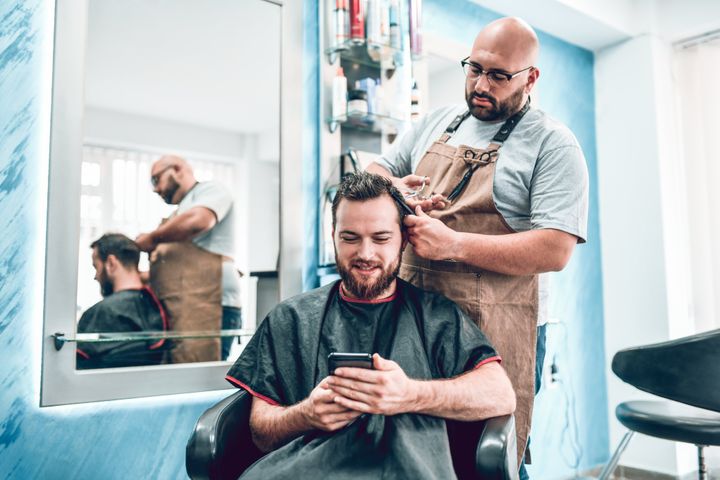
Keep still and as quiet as you can if you have to use your phone during an appointment.

AleksandarGeorgiev via Getty Images

Keep still and as quiet as you can if you have to use your phone during an appointment.

4. Coming To Your Appointment Sick

Stylists agree they would rather a client call in sick than sit in their chair while spreading germs. In coming in contagious, you not only put your hairstylist at risk of getting sick, but the other stylists, clients and staff as well.

“If anyone contracts the same sickness, they’ll be forced to take a sick leave, and you’ll have unintentionally taken them out of business for a couple of days,” Holas said. “This also means canceling several days’ worth of appointments, which will be more inconvenient for us, and the clients affected by the cancellations.”

5. Disrespecting Salon Property

When you’re at a hair salon, you should behave as if you’re a guest in someone’s home, which means respecting their property. Ricardo Rojas, a hairstylist for 30 years who has owned four salons including Ricardo Rojas Salon in New York City, recalled a time shortly after the salon was redecorated with beautiful new chairs.

“[A client] was eating a piece of cake with her hands,” Rojas said. “She put the cake down directly on the silk chair so she could shake my hand. I was appalled.”

Another absolute no: Touching the stylist’s equipment without permission. “We take pride and really good care of our tools as they are expensive and must be in perfect shape to offer a perfect cut,” Kafando explained.

6. Moving Around And Not Sitting Still

The way you sit in the stylist’s chair can impact their ability to do their job. A major pet peeve for hair professionals is when clients are “getting up every two seconds to look in the mirror,” Kafando said. “We know your hair doesn’t look great unfinished. We are getting there!”

Furthermore, a client who is “sitting crooked or constantly having their head down can make it difficult to cut and colour the hair,” Cottin noted. If you’re looking down at your phone during your appointment, try to ensure that it doesn’t affect your posture in a way that’s detrimental to the stylist.
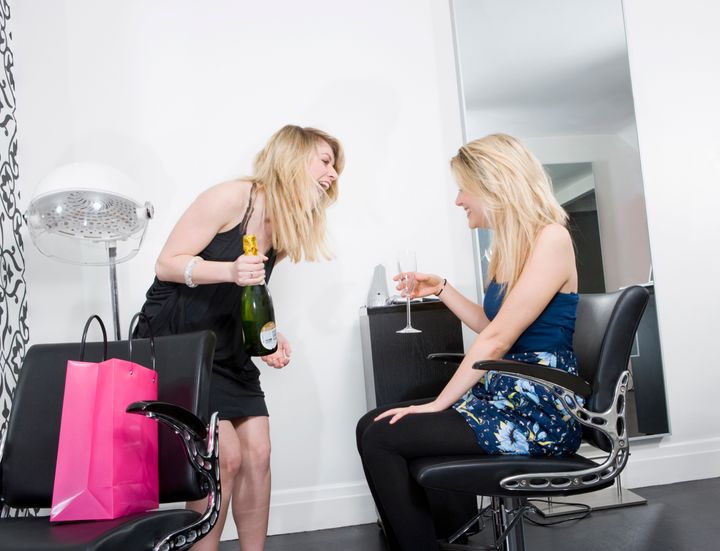
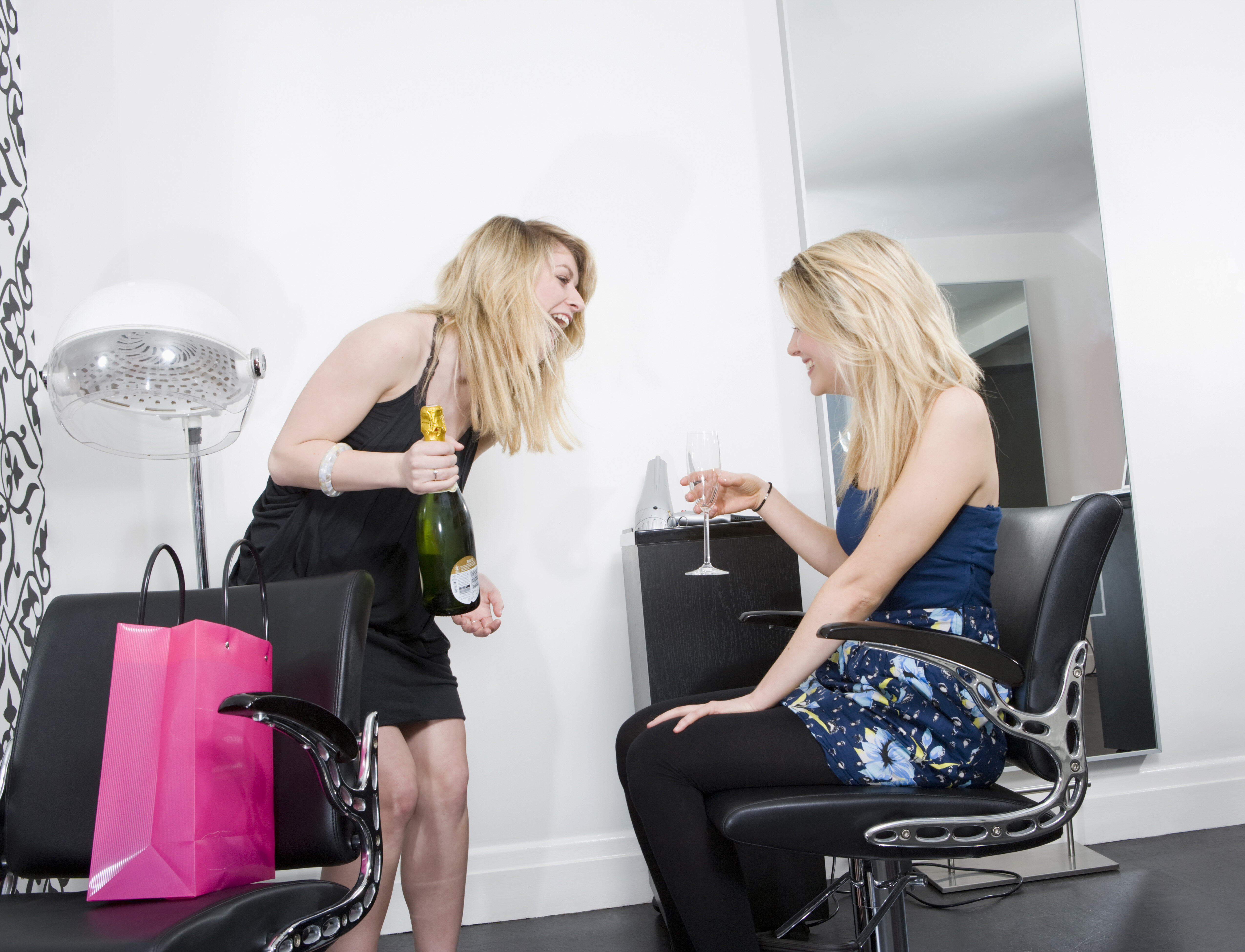
This isn't a hen party. Stylists prefer you to limit yourself to one of the complimentary alcoholic drinks.

Bill Sykes via Getty Images

This isn’t a hen party. Stylists prefer you to limit yourself to one of the complimentary alcoholic drinks.

7. Taking Advantage Of The Free Snacks And Drinks

Some salons provide complimentary refreshments such as coffee, tea, snacks or even alcoholic beverages. Of course, you may accept any refreshments you’re offered, but can you ask for refills? And is it OK to swing by the snack table more than once?

“More than one refill of alcoholic beverages is generally frowned upon,” Cottin advised.

“Refills aren’t usually on the initial budget and might end up being costly for your barber,” added Holas, who warned against “turning the refreshments corner into [your] own personal buffet.”

8. Not Being Prepared To Tip Everyone Who Served You

While cash tips are generally preferred, many salons offer alternatives if you don’t have bills handy such as money transfer apps, ATMs or tipping on a credit card. If you’re happy with the service you’ve received, the stylists polled agreed that 20% of the cost of service is an appropriate tip for your main stylist.

“You should tip your colourist, stylist and the assistants if they were helping wash or blow drying your hair,” noted Iudina.
Share Button

Putin’s Invasion Has Led To 200,000 Russian Casualties And A High Death Toll, UK Says

Russian forces have “likely” suffered up to 200,000 casualties since the war in Ukraine began a year ago, according to the latest UK intelligence.

While Moscow is expected to launch a renewed offensive on its European neighbour next week – in a symbolic act to honour the 12 months since the invasion – the UK’s ministry of defence has shone a bleak light on the human cost of the war.

According to the MoD, there have been between 175,000 and 200,000 Russian casualties in the last year, including between 40,000 and 60,000 deaths.

UK intelligence pointed to Russian president Vladimir Putin’s attempts to bolster up his forces six months ago, by introducing “partial mobilisation”.

It said: “The Russian casualty rate has significantly increased since September 2022, when ‘partial mobilisation’ was imposed.”

This was meant to introduce an extra 300,000 reservists to fight in his war.

At the time, it sparked widespread protests in Russia with more than 1,000 people detained, with many others trying to flee the country.

The MoD also warned at the time that this hastily mobilised group would have a “high attrition rate”.

Now, as it discusses the expected death rate among Russian ranks, the MoD claimed: “By modern standards these figures represent a high ratio of personnel killed compared to those wounded.

“This is almost certainly due to extremely rudimentary medical provision across much of the force.

“Artillery has almost certainly inflicted the majority of Russia’s casualties.”

The MoD also suggested there was a high death rate among the Wagner paramilitary group, which is a private Russian military company made up of mercenaries.

“Wagner PMC forces have deployed large number of convict-recruits,” the MoD said. “These have probably experienced a casualty rate of up to 50%.”

Casualty counts are exceptionally difficult to calculate during conflicts, and the numbers around the Russian injured or dead have varied throughout the war.

But, the Ukrainian defence ministry has similar estimates to the UK’s MoD.

It suggests that around 140,460 personnel have been “eliminated” along with an extra 690 unidentified individuals.

According to Ukraine, Russian soldiers are dying at their fastest rate since the first week of war, with 824 troops dying per day just in February.

Share Button

Great British Bake Off Boss Finally Admits What We Were All Thinking About Last Series

It’s fair to say that the latest series of the Great British Bake Off was met with a somewhat lukewarm response from fans of the long-running show.

Many felt the challenges the bakers were tasked with were too intense, and even the finalists were left struggling to do their best work in the last episode of the series.

Then, of course, there was all that controversy around Bake Off’s first ever “Mexican week” which some critics – particularly overseas – had a few issues with.

Well, it seems even the show’s boss agreed they missed the mark last year.

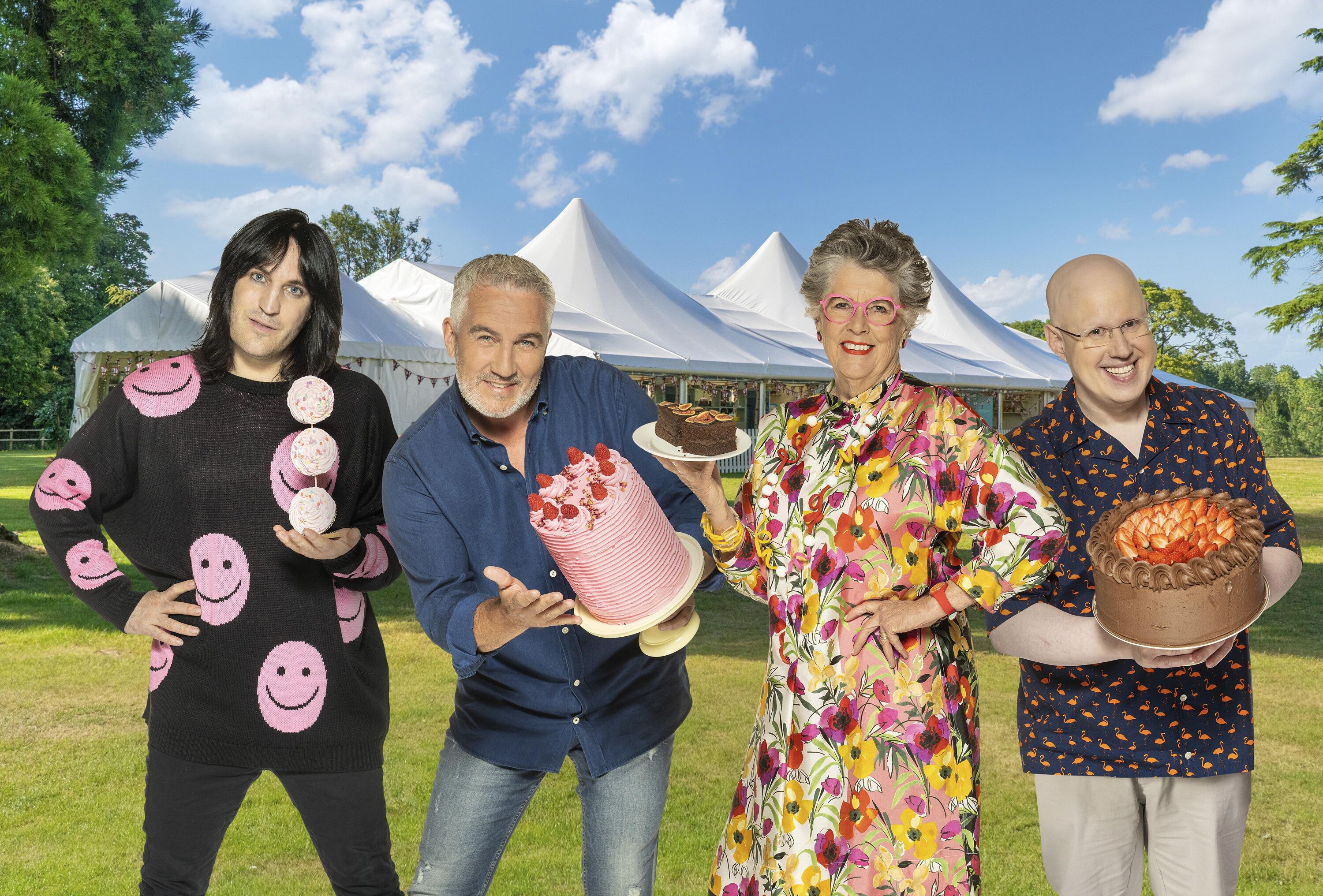
Bake Off winner Syabira Yusoff with judges Paul Hollywood and Prue Leith

Mark Bourdillon/Love Productions/Channel 4 via PA Media

Richard McKerrow, the chief executive of production company Love Productions, told The Media Podcast: “I’d be the first to hold up our hands and say that I feel that the last series was not our strongest.”

He continued: “You’ve got to take a look at it and go, ‘Shit, [are] the challenges too complicated?’ We’re looking very, very, very hard at making sure that it’s as good a series as it can be.

“You have to take very, very, very good care of it. So when people are criticising either the challenges have become too complicated or whatever, you know, that’s something we take seriously.”

This year’s series will see a new host joining Noel Fielding in the tent, after Matt Lucas announced last year that he was stepping down as co-host after three series.

The presenting and judging team of Bake Off pictured in 2021

via PA Features Archive/Press Association Images

Richard also revealed that Matt’s successor would be announced within a “few weeks”, with production on the next run getting underway in April.

“We are getting there. And I think well, given that we have to start filming in April, I would hope that we will have some news for you within the next few weeks,” he said.

“The most important thing is to find someone who realises that the real heart of Bake Off is – love the bakers, love the baking. Someone who’s curious and someone who cares and understands.”

A new series of Channel 4’s celebrity version of the Great British Bake Off is set to hit our screens next month.

Reality veteran Gemma Collins, Olympic diver Tom Daley, Loose Women panellist Judi Love and Little Mix singer Jesy Nelson will all be taking part, along with Friends legend David Schwimmer.

Check out the full line-up here.

Share Button

This Popular Spanish Holiday Destination Really Doesn’t Want You To Visit It

We’re a few months away from summer which means it’s time to start planning our holiday getaways.

For most Brits, Spain is a popular holiday destination – it’s just a few hours on the plane, close to home and it has several beaches to choose from.

This is why you’ll be sad to know that there’s a list of Spanish hotspots that are trying to keep tourists away this year. Barcelona is part of the latest catalogue of Spanish destinations to publicly share that they’re receiving too many visitors and that they’re taking action to combat over-tourism.

Ada Colau, mayor of the city says that she wants to limit the number of cruise ships going to Barcelona.

This comes after a series of restrictions were introduced to ward off tourists visiting the city. This included restricting the number of hotel beds and new hotels opening in Barcelona.

The mayor has also campaigned for the scrapping of airport extension plans.

“The great challenge is tourism. Barcelona is a very densely populated city, hemmed in between the mountains and the sea, with restricted space,” Colau told The Times.

“We can’t take infinite numbers of tourists. There has to be a sense of limits and order.”

27 million people visit Barcelona each year – a number that is an eye-watering 16 times more people than its full-time population.

Deputy mayor Jaume Collboni has said Barcelona wants to attract “quality over quantity” when it comes to tourists visiting the city – meaning fewer people coming, but spending more money when they do visit.

Barcelona isn’t the only Spanish destination trying to change the type of tourists that it attracts. Majorca, Menorca, and Ibiza announced earlier this month how they’re planning to stop a high number of Brits visiting.

They will have an “absolute ceiling” when it comes to tourist numbers in the future, the government of the Balearic Islands says.

They will try and limit the impact of tourism by encouraging holidaymakers to visit at different times of the year, tourists chiefs say.

Share Button

The Rudest Things People Can Say To Someone With Anxiety

People with anxiety tend to have persistent fear and worry about everyday situations. In most cases, these feelings are unwarranted — the result of considering “what ifs” that are unlikely to happen.

However, for those with anxiety, these concerns are very real and can be extremely distressing.

When someone comes to you with a worry they have, it’s important to know how to respond. But unfortunately, not many people know what to say in these situations, and they end up being unintentionally impolite.

“People say rude things to those with anxiety because they simply do not understand it, and society has not learned how to properly handle these conversations,” said Kelly McKenna, a licenced clinical social worker and anxiety expert.

“It might also make you feel uncomfortable when someone else shares their emotions and vulnerabilities with you, which could lead to comments that come off rudely.”

HuffPost spoke with a few therapists and mental health professionals to get insight on the impolite things you can tell someone with anxiety and why they aren’t helpful.

‘It’s All In Your Head – Stop Worrying So Much.’

Trust us when we say that the person with anxiety knows that it is in their head ― that’s one of the hardest parts. And those with anxiety can’t simply stop worrying so much. It’s not like they can flip a switch to make their anxiety magically disappear. If it was that easy, people wouldn’t feel so anxious all of the time.

“Although one might say this to help ease someone’s anxiety about a situation, it’s actually very dismissive and invalidating,” said Dr. Kristin Gill, a psychiatrist and the chief medical officer at Minded, an online psychiatry company designed for women. “It can come across like something is ‘wrong’ with the person experiencing anxiety and may cause more frustration.”

‘Calm Down’

Anyone with anxiety can tell you that they’ve been told to “calm down” before. (Trust us: If we could, we would.)

This kind of comment can be extremely invalidating, especially in moments of distress.

“It’s dismissive and communicates to the person experiencing anxiety that they are too much and are probably irritating whoever is saying this,” said Crystal Britt, a licensed clinical social worker and the founder of Get Psyched Therapy & Coaching. “Anxious people typically already feel like they’re burdening people, so this one just drives the point home.”

‘At Least You Don’t Have It As Bad As…’

You may be familiar with the saying “comparison is the root of all evil,” and a similar idea applies when talking about anxiety. While someone may not have the same set of issues as a friend or family member, that doesn’t make their problems any less valid — they are just different.

“Comparison to a perceived worse lived experience can belittle the emotional experience of the person you’re supporting,” said Leia Charnin, a licenced psychologist in North Carolina. “When comparisons like this are received, the listener may feel ashamed that they feel anxious. Thus, this feedback can make the receiver feel worse.”

Phrases like "calm down" and "just power through it" dismiss what someone with anxiety is going through.

AzmanL via Getty Images

Phrases like “calm down” and “just power through it” dismiss what someone with anxiety is going through.

‘Just Power Through It’

It can take a lot of courage to be vulnerable about anxiety with another person, and being met with this phrase can minimize what someone is actually going through.

“It’s not always possible to ‘power through it,’” Gill said. “Someone with a clinical anxiety disorder might not be able to get over it with the snap of a finger. They need support and encouragement to work through their anxiety and make steps towards progress.”

‘You Just Need To Sleep/Exercise/Pray More’

It’s true that sleeping and exercising may help improve symptoms associated with anxiety. However, when someone comes to you expressing concern and worry, this is one of the last things they want to hear.

“Listen, if one simple tweak in our day could fix our anxiety, we would have already done it,” Britt said. “This statement feels like a trump card, communicating that you’re done having a conversation about this. Mental health issues rarely have simple solutions.”

‘It’s Not A Big Deal’

While it may not seem like a big deal to you, the person feeling anxious would highly disagree. That’s one of the most challenging aspects about having anxiety — everything seems worrisome.

“‘It’s not that big of a deal’ is a form of emotional bypassing. While factually this response may make sense to the speaker, the receiver may feel ignored, misunderstood and even more alone,” Charnin said. “This type of message can unintentionally ignore what is important at that moment to the person with whom you’re speaking.”

Share Button

Is Fancy ‘Viral’ Olive Oil Really Worth The Hype?

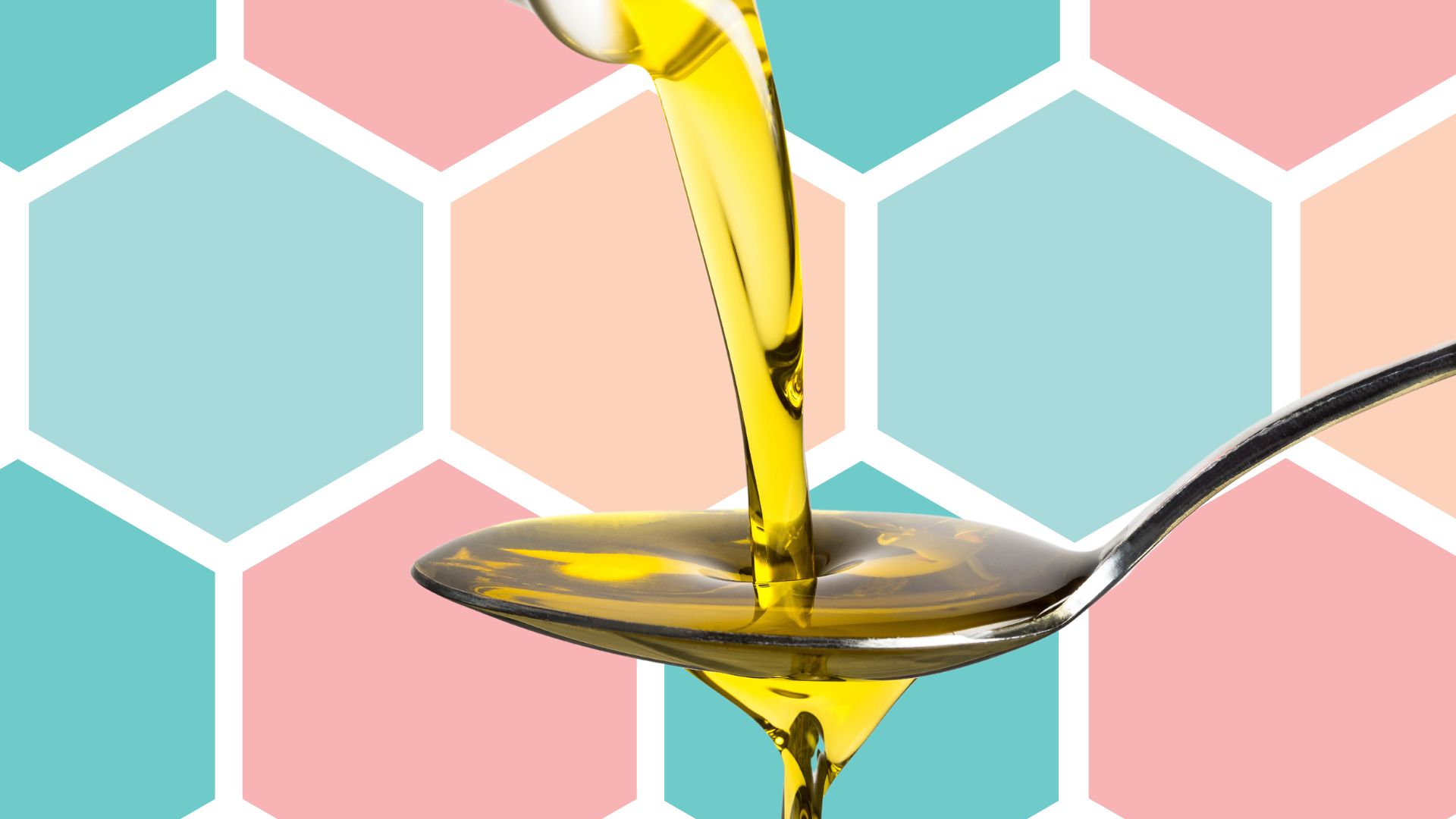
If you’ve spent any time on food TikTok or Instagram, you’ve likely noticed an onslaught of fancy olive oil brands, all featuring colourful, beautifully designed, photo-friendly bottles.

Influencers and social media-savvy chefs drizzle the golden liquid from these pretty containers on salads, meats, fish, hummus and much more, and their posts and videos make “status” olive oil seem like a necessary addition to any home cook’s arsenal.

But a bit of online searching will quickly show that on-trend olive oils (like Brightland, Graza, Fat Gold and other popular brands) command a higher retail price than the extra-virgin olive oil bottles sold at supermarkets (and a much higher price than the big under-the-sink olive oil vats sold at wholesale clubs like Costco).

This brand at Selfridges comes in at a whopping £126, while this aesthetically pleasing number will set you back £40.

So are these “fancy” olive oils worth the extra cash? When we asked professional chefs and olive oil experts to answer this question, they generally agreed that these oils are sometimes worth their splashy social media presence and their elevated cost.

That said, Christina McKeough, chef de cuisine of High Street in Philadelphia, pointed out that the “is it worth it?” question really comes down to personal preferences.

“Like any luxury product, it’s only worth it if you really want it, right?” McKeough asked. Shoppers need to remember that not all trendy oils are created equal and that a few important characteristics can help to determine whether hip olive oil brands qualify as smart purchases.

It’s up to shoppers to do a little research

When it comes to olive oils with a big social media presence, their (usually higher) price points can reflect a number of factors. According to Doug Psaltis, chef and co-owner of Andros Taverna in Chicago, shoppers should do a bit of digging to figure out exactly what they’re paying for.

“Are we buying the great packaging and marketing with inflated prices? I am not sure that price always correlates to quality. What would lead me to pay more for olive oil would be freshness ― a great raw product that is produced by great people with integrity,” Psaltis said.

In some cases, olive oil’s “viral” potential has more to do with its bottle’s aesthetic (and its ability to be marketed by influencers) than with its overall quality.

Lisa McManus, editor of America’s Test Kitchen Reviews, believes social media can encourage people to learn more about olive oil, which is a positive development: “If Instagram has gotten people interested in olive oil, that’s incredibly great.”

However, she advised against taking these Instagram or TikTok recommendations at face value, instead encouraging the olive-oil-curious among us to “take this opportunity to explore beyond the flashy promotional stuff.”

“Great olive oil does not necessarily come via the recommendations of Instagram stars. There are fantastic extra-virgin olive oil producers throughout California and the world who don’t have Instagram accounts,” she said, adding that “cute bottles and attractive promoters don’t translate automatically to great oil.”

‘Fancy olive oil can actually save you money’

Alexa Dombkoski, founder of Bellemille Extra Virgin Olive Oil, admits that “olive oil isn’t a very sexy product to sell, so putting it in Instagram-able packaging certainly helps.”

But she went on to explain that “with all the options on the market, you have to be able to distinguish between the pretty faces and the products that can stand on their own based on quality.”

Once you know what to look for and how to interpret the labels of the trendy viral olive oils out there (or the labels of your regular supermarket brands), then you’ll discover that, as Dombkoski said, “Fancy olive oil can actually save you money. It’s always best to use the highest quality ingredients across the board, but when that isn’t possible, you can lean on that fancy olive oil to add a little zip [to] ‘save’ the most basic or boring dish and bring it back to life.”

Essentially, Dombkoski believes that using a £30 olive oil made from olives harvested at their peak and cold-pressed for maximum flavor can balance out any negatives that come from purchasing a cheaper cut of meat or off-season produce. Also, because a little bit of olive oil goes a long way, spending more on a bottle gives you a high-quality product that can be used for countless recipes over the course of several months.

As the CEO and co-founder of Graza, one of the most ubiquitous “fancy” olive oil brands on social media these days, Andrew Benin acknowledges that “sometimes, when you are paying 38 bucks for 375 millilitres of olive oil, £9 of that is just to cover the cost of the fancy bottle.”

But in his view, olive oil that earns its higher price (and he counts the olive oil produced by Graza in this category) is “harvested and milled the right way, protected from light, never blended, [and] is a powerful flavour bomb.”

How to know if your pricey olive oil is worth the cash.

Chef Steven Jarczyk of Sfera Sicilian Street Food in Chicago recommends paying attention to what the label says about where and how it’s grown. “You have to start with beautiful olives,” he said. Psaltis also prioritises freshness: “[You should look for] a great raw product that is produced by great people with integrity. Are they choosing the best fruit to mill? Is the olive oil fresh and handled with care? I believe those are the most important factors that separate a good product from a great product.”

Dombkoski gave a clear breakdown of what to look for on a label: “Does it tell you where the oil comes from? Is that different than where the label says it was bottled? Is it blended with olive oil from somewhere else? A quality producer is going to want you to know where the olive oil is from, when it was produced, [and] how it was produced. The more information a brand is willing to volunteer about their production, the better off the consumer is to make an educated decision when purchasing olive oil.”

If you’re wondering what specific information you want to see, look out for the following before buying a new brand of olive oil:

  • “Extra virgin”: This term, commonly found on olive oil bottles, refers to oil that’s never been heated or treated with chemicals. Because the oil is cold pressed and unrefined, it retains more of the natural flavour of the olives and offers both aromatic notes and a smooth texture.
  • The phrases “single origin” and “single varietal”: “Single origin” means the olives used to make the oil are grown in the same location, while “single varietal” means only one type of olive is used. While blended olive oils aren’t inherently bad, there’s a lot more room for error in these bottles; different growing conditions and different olive types can clash and produce an oil with a less-than-smooth flavour profile. If your oil only includes one type of olive grown in the same place, then you’ll end up with a much higher rate of consistency.
  • Grown in Spain, Italy, Greece or California: Olives thrive in Mediterranean climates, so olive oils produced in actual Mediterranean countries benefit from the vibrant flavour of the olives grown there. In the U.S, Southern California’s Mediterranean-ish temperatures make this region the best area for domestic olive oil.

Make sure you’re using it for the right reasons

Some home cooks say olive oil (and especially “nicer” olive oils) shouldn’t be used for cooking, because the oil’s bright and mellow flavours can turn bitter and acrid. But our experts insist that, in the words of Dombkoski, “It is perfectly acceptable to cook with your fancy extra-virgin olive oil.” That said, Dombkoski warned that quality extra-virgin olive oil “will impart a distinct flavour into your dishes.” So if you don’t want to taste the grassy, botanical notes associated with olive oil, you may want to swap it out for a neutral-flavoured cooking oil like vegetable oil or canola oil.

To maximize the flavor potential of well-made olive oil, Ann Ziata, chef at the Institute of Culinary Education, suggests “using it as a finishing oil or a dressing oil rather than a cooking oil.”

“High-end olive oil will add great depth and richness when used as a seasoning, drizzled over pasta, vegetables or rice,” she added. “High-heat cooking like deep-frying or grilling may destroy the flavors of the oil, which are sensitive to heat, oxygen, and light.”

Mica Talmor, the chef and owner of Pomella in Oakland, California, likes to use olive oil for finishing, but she mentioned that “EVOO has very bold and distinct flavors, so I won’t use it if I want the dressing to have a specific flavor, like in a citrus vinaigrette or pomegranate vinaigrette. A less expensive neutral oil is much better for that.”

While lighter-weight neutral oils are a better bet for deep-frying and high-heat cooking, plenty of recipes still call for olive oil as a primary cooking fat, particularly when moderate or low stove or oven temperatures are involved. In these cases, “‘regular’ olive oils are still perfectly fine to use when cooking, and they have the added advantage of being extremely versatile and less expensive,” said Michael Murdy, the chef and food scientist behind the blog Robust Kitchen.

Check out the bottle itself (not just the label) before you buy

To get the best possible value out of a £30-plus bottle of olive oil, be sure to store the oil in conditions that will keep it fresh and flavourful for an extended period. “The enemies of olive oil are heat, air, light and time,” McManus said. “You want to keep it cool, covered, and tightly capped, away from heat and sunlight (so definitely do not store it next to your stove or in a window!).”

Michelle Spangler, the owner of Infused Oils & Vinegars in Dallas, said it’s also wise to “purchase oil that is packaged in dark glass or light-impermeable tins from a reputable dealer who has stored it in a temperature-controlled environment.” A darker container will prevent the oil from being affected by light.

Olive oil doesn’t “go bad” like other perishable groceries, but our experts generally agreed a bottle of “nice” olive oil will be at its best within six to nine months of opening. For optimal results, switch out your olive oil bottles at least that frequently.

Share Button

Here’s When The UK Could See Snow And Freezing Temperatures… And It’s Soon

Just as we were beginning to enjoy spring’s sudden warmer temperatures, it looks like they’re about to be pulled out from under us.

The Met Office has issued an update about March’s weather here in the UK and there’s an ‘increasing probability’ of a cold snap arriving soon.

It’s all thanks to a sudden stratospheric warming (SSW) in which the Arctic’s high-altitude air warms up and pushes a ferocious mass of low-level polar air towards the UK.

From March 2 to 16 (right in time for Mother’s Day on March 17), the Met Office predicts: “Temperatures will likely be around or slightly above average for the whole period, with perhaps colder conditions relative to average more likely later in the period. There remains a small but increasing probability of much colder weather developing as we move further into March.”

Oh good – just as we were ready to pack away our winter layers for another year.

In a blog post the forecaster added that “the latest forecasts are showing that a major SSW is now likely to take place” but added that “it is important to remember that the occurrence of an SSW does not always equate to a ‘Beast from the East’ type scenario.”

Either way, things are about to get chilly in March – pass the thermals.

Share Button

Should I Be Worried If My Cold Lasts Longer Than 2 Weeks?

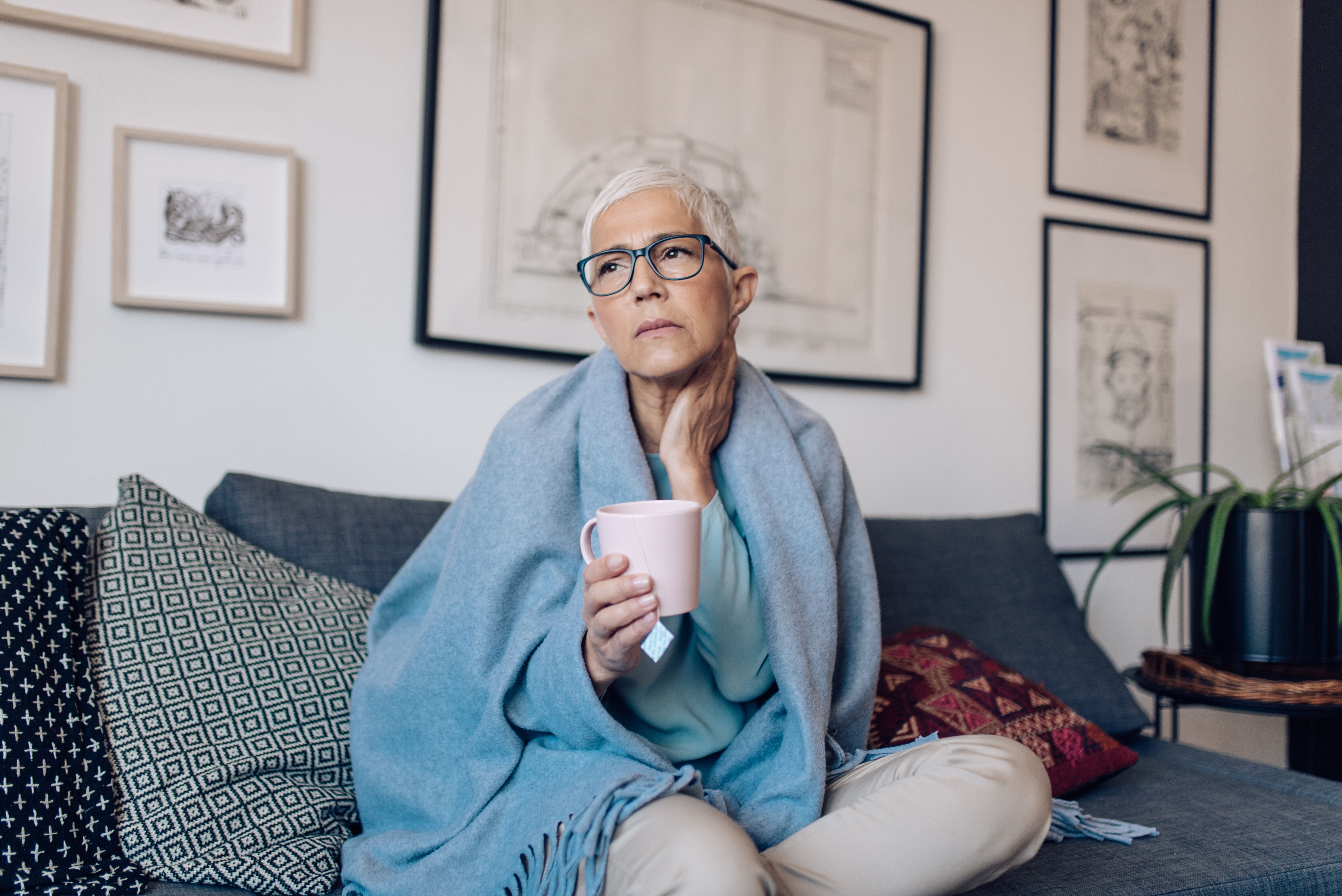
The common cold can be pretty uncomfortable. If you have one, you are likely experiencing a combo of miserable symptoms like a sore throat, stuffy nose and body aches that can feel like they go on forever.

Although many of us managed to avoid some rough bugs in the last few years due to restrictions like masking and social distancing, that is no longer the case. More and more people are getting sick with non-COVID illnesses that sometimes stretch on for weeks.

“Colds usually last three to ten days, but in some instances, you may be experiencing symptoms for three to four weeks,” said Dr. R. Peter Manes, an otolaryngologist at Yale Medicine.

While it is totally normal for a cold to hang on longer than two weeks, there are some things you should be aware of to make sure the prolonged symptoms aren’t a sign of something more serious. Here’s what to know if your sickness just won’t go away:

First, test to make sure your cold is not a sign of another illness

“COVID-19, influenza and respiratory syncytial virus (RSV) all spread in similar ways and have symptoms that overlap with those of the common cold,” said Dr. John Swartzberg, a clinical professor emeritus at the University of California, Berkeley’s School of Public Health.

By the time people reach their teen years, they have a sense of what a typical cold feels like, Manes said. However, the symptoms can be conflated with other illnesses like COVID. It’s always best to test to see what you’ve got.

While most people are familiar with at-home COVID tests, there’s also an option to request at-home kits where you send your sample off to a lab to test for the flu and RSV along with COVID-19. You can also visit your doctor, who can run the tests for you.

Pay attention to your symptoms

If you’ve ruled out other infections but your symptoms are progressively getting worse, this could be unrelated to your cold, experts said.

For instance, symptoms like prolonged shortness of breath, wheezing or chest pain are not associated with a cold. “These could be a sign of an asthma attack, pneumonia, or in the case of chest pain, even a heart attack,” Manes said. If you have any of these signs, it is important to not dismiss them and to get medical attention immediately.

Even though the common cold is caused by viruses, another possibility is that you could be having a bacterial infection ― like pneumonia or sinusitis ― following your viral infection as the body can be transiently weakened by a cold, said Dr. Marwan Azar, an infectious diseases physician at Yale Medicine.

Individuals who are immunocompromised are likely to be predisposed to a secondary bacterial infection after going through a cold. See a physician if you have any associated symptoms of a bacterial infection, such as a cough with thick phlegm, significant facial pain or swelling, Azar recommended.

Pay attention to your symptoms and how they progress when you're sick.

MixMedia via Getty Images

Pay attention to your symptoms and how they progress when you’re sick.

A long cold could be because of lingering inflammation

“If you have ongoing cold symptoms, such as a recurring cough or an irritated throat for longer than two weeks, it’s generally not because of a persistent infection but due to consequences of lingering inflammation from a cleared infection, specifically postnasal drip,” Azar said.

Postnasal drip occurs when your body produces mucus in the nasal and sinus cavities during a head cold and it drips down the back of your throat, leading to a tickle that prompts coughing. It takes time for your immune system to flush out all the mucus, so you may experience lasting congestion for a couple of days or even a week after the virus is no longer in your system.

This can get worse at night as the mucus can drip down more easily in a horizontal position, Azar said.

You also may not be giving yourself enough time to recover

Your symptoms may not go away if you’re not giving them a chance to resolve. Adhering to your normal, busy schedule ― one filled with long work hours, housework, exercise or social activities ― can prolong your symptoms. Make sure you’re adequately resting, hydrating, getting enough sleep and more.

If that’s a struggle for you, find one thing you can cross off your to-do list, like nixing your weekly workouts or forgoing a few chores for an extra hour of sleep. You can also try over-the-counter medications to help abate your symptoms so you can give yourself the best chance to recover.

See your doctor ASAP if you’re still not improving

If you’re treating your cold properly and your symptoms haven’t improved after three weeks, see a doctor.

Symptoms like wheezing with shortness of breath, lingering high fever, severe sore throat, and a cough that brings up considerable mucus, can be a sign of something serious if experienced for an extended period of time, so it’s important to get medical attention, Swartzberg said.

Your physician will be able to order tests for other illnesses (if you haven’t tested already) and conduct a physical exam to understand the severity of your symptoms. If left untreated, your symptoms can cause further complications and infection, so you’ll want to have it checked out.

Share Button

Scammers Are Using The Energy Price Crisis To Sell Dodgy Heaters

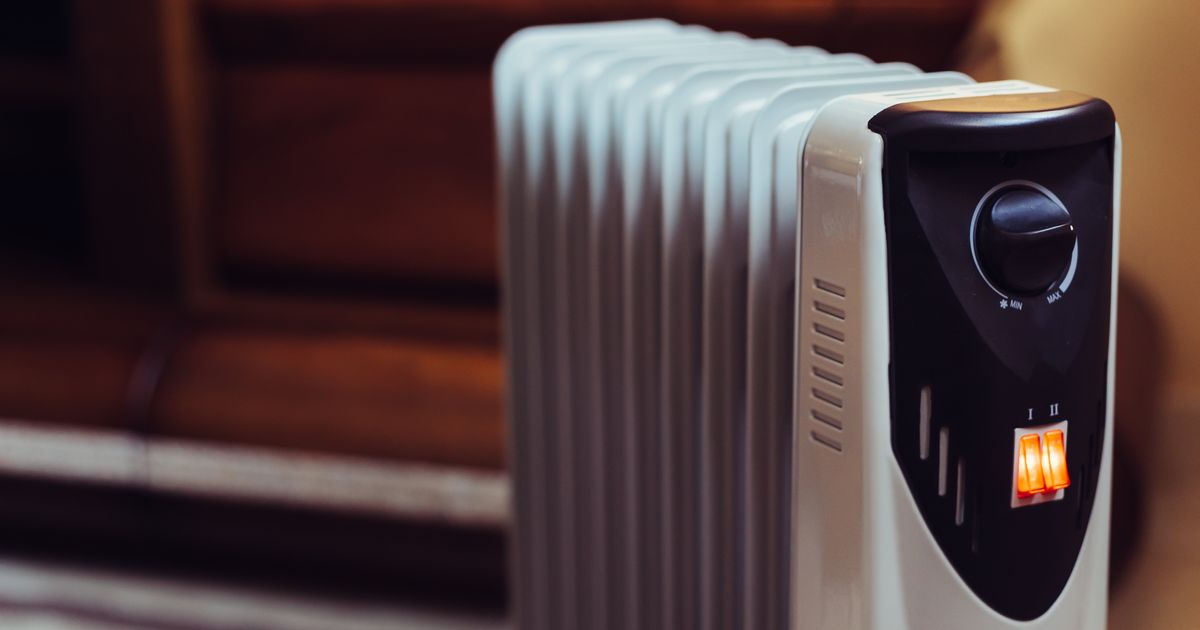
If you’ve had your eye on a brand new budget heater, you might want to check whether its low cost is actually too good to be true.

Why? According to one safety charity, the cost of living crisis is being used to sell dangerous heaters by online retailers.

Electrical Safety First found all three heaters it bought via links within online ads – branded Keilini, HeatPal and InstaHeat – posed a serious risk of electric shock, with mains plugs not meeting UK safety standards.

The heaters were tested by the charity after seeing ads that claimed they would help Brits save on their energy bills.

Two of the heaters had very poorly-made plugs there was a risk of the pins breaking off when plugged into a socket, putting the user at risk of an electric shock.

The Keilini heater had no UK plug whatsoever, instead being fitted with an EU mains plug and a highly dangerous, substandard UK travel adaptor with no fuse, which creates a fire risk.

Not just that – all three heaters were missing safety standard CE marks.

“Claims made about safety found on adverts for these heaters are highly misleading. We urge shoppers to stick to reputable high street stores or go directly to their online websites to ensure the product you’re purchasing is safe,” Lesley Rudd, Electrical Safety First chief executive.

“Consumers are handing over their hard-earned cash and in exchange receiving a product that puts their safety at risk, Rudd added.

The charity has reported its findings to the Government’s Office for Product Safety and Standards and the Advertising Standards Authority (ASA).

Last month, the ASA banned four advertisements for electric mini-heaters for misleadingly suggesting they could provide cheaper heating than gas and save householders money.

The ads, for the InstaHeat, Keilini, Heater Pro and Heater Pro X, all claimed they were a cheaper alternative to gas central heating and could rapidly warm a room.

Share Button

Nicola Sturgeon Resigns As Scottish First Minister Saying It’s Been A ‘Privilege’

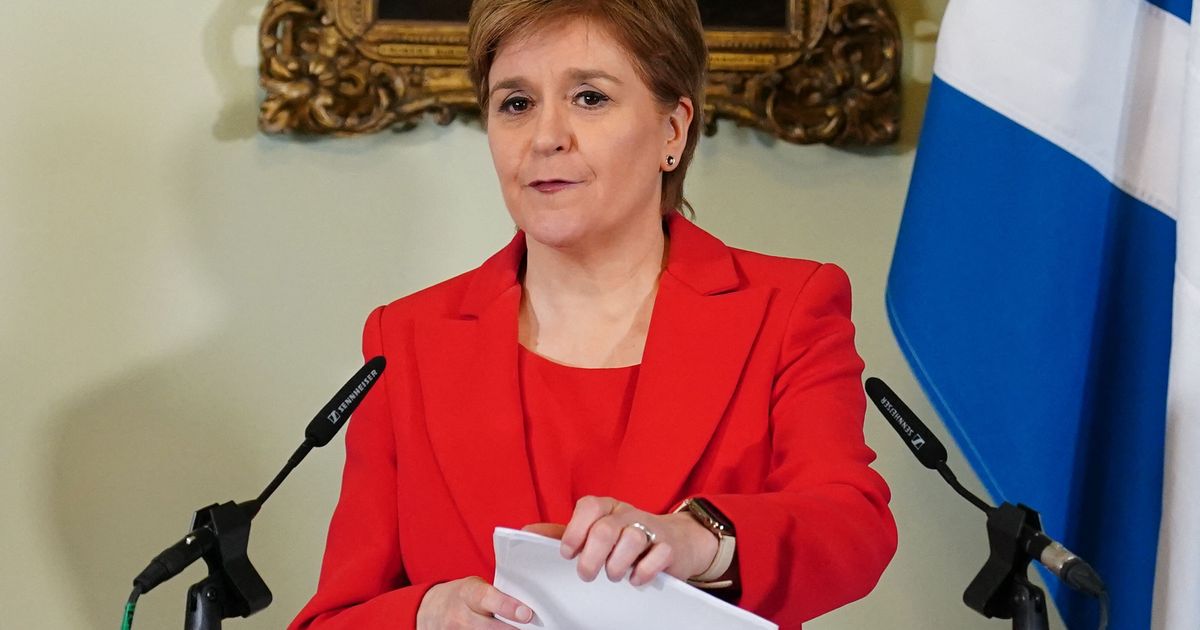
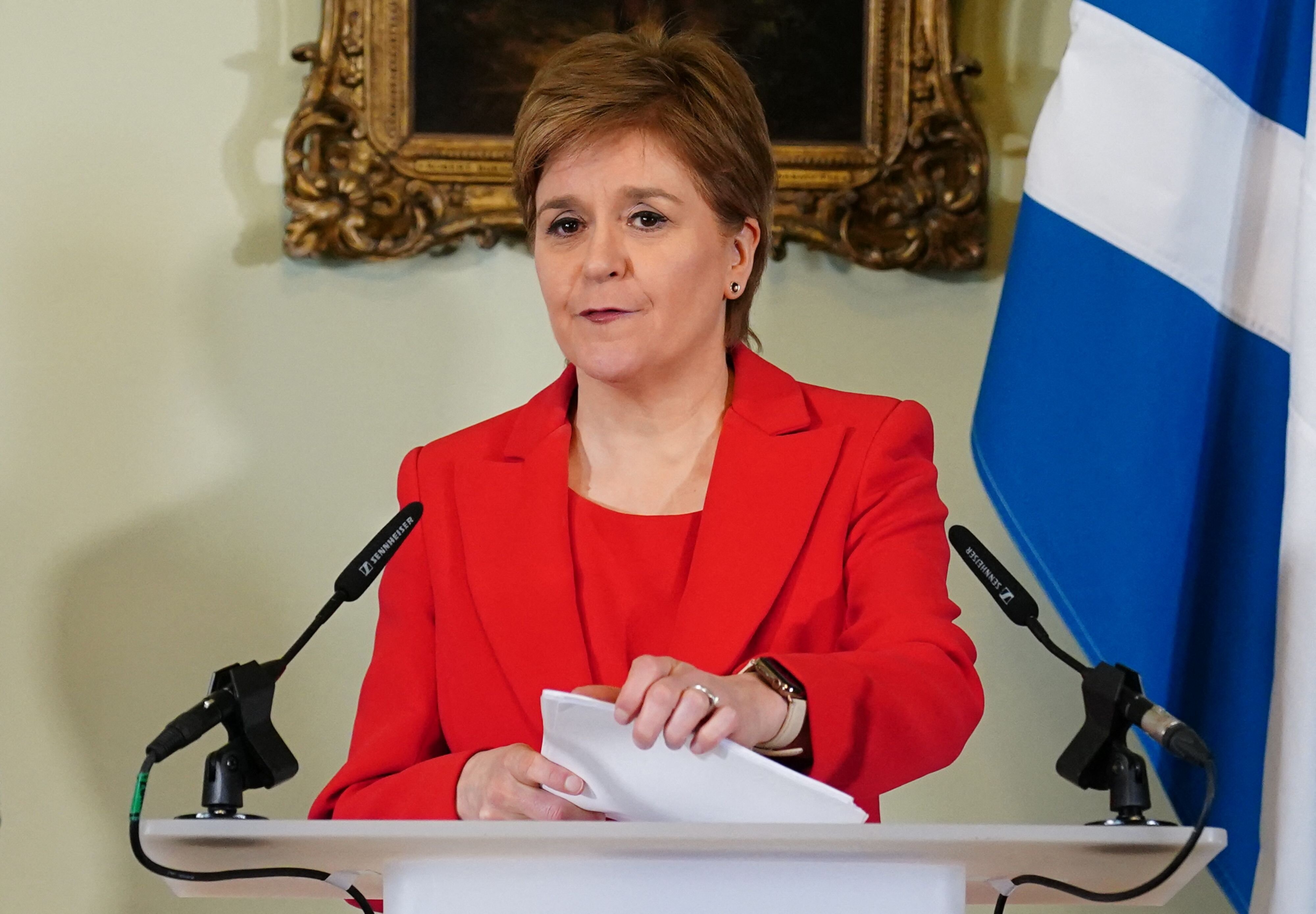
Nicola Sturgeon has resigned as Scotland’s first minister after more than eight years in the job.

The Scottish National Party leader said she will step down after her successor is elected.

Sturgeon made the announcement at a press conference in Edinburgh on Wednesday morning saying she had been “wrestling” with the question for some weeks.

“Part of serving well would be to know, almost instinctively, when the time is right to make way for someone else,” Sturgeon said.

“In my head and in my heart I know that time is now. That it is right for me, for my party and for the country.”

Sturgeon has been first minister since November 2014, when she took over from Alex Salmond following the independence referendum.

She has been the country’s longest-serving first minister.

The news came as a surprise after Sturgeon insisted just three weeks ago she was “nowhere near” ready to quit as Scotland’s first minister.

Sturgeon also told the BBC last month she would “like to think” she would be the leader to take Scotland out of the UK.

However, BBC chief political correspondent Nick Eardley reported a source close to her saying: “She’s had enough.”

Sturgeon has recently been embroiled in a row over her government’s attempt to make it easier for people to legally change gender.

The plans have now been blocked by Westminster but triggered a leadership crisis.

Internal dissent, almost unheard of in the SNP, broke out over Sturgeon’s handling of the affair.

Voters also started to make clear their dissatisfaction after a YouGov poll showed Sturgeon’s approval ratings had plummeted to negative territory.

However, during her speech Sturgeon said her decision to resign was “not a reaction to short-term pressures”.

“This decision comes from a deeper and longer-term assessment,” she said.

Pressed on the row surrounding transgender prisoners, Sturgeon insisted: “No, that issue wasn’t the final straw”.

Sturgeon also confirmed she was “not leaving politics”, adding that she will continue to fight for Scottish independence.

Alison Thewliss, the SNP MP for Glasgow Central and the party’s home affairs spokesperson, said she was “gutted”.

She tweeted: “Absolutely gutted about this. Nicola has been an incredible leader.”

SNP MP Stewart McDonald described Sturgeon as “the finest public servant of the devolution age”.

“Nicola Sturgeon is the finest public servant of the devolution age,” the MP for Glasgow South tweeted.

“Her public service, personal resilience and commitment to Scotland is unmatched, and she has served our party unlike anyone else. She will be an enormous loss as first minister and SNP leader. Thank you!”

Share Button