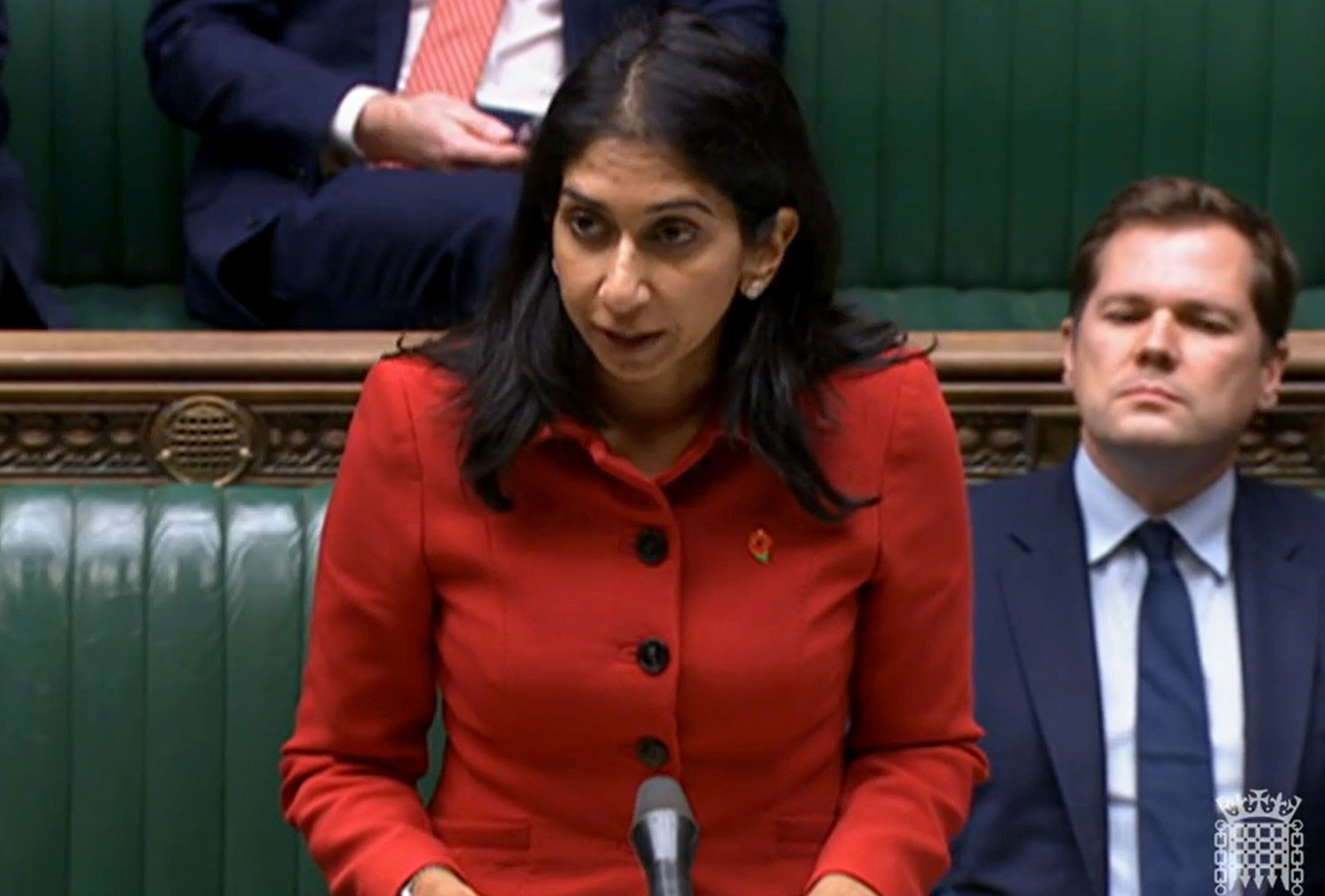
Suella Braverman has characterised the UK’s migration system as “broken” as she claimed “illegal immigration is out of control”.
The home secretary, facing questions in the Commons over the chaos at the Manston migrant holding centre in Kent, was reminded by a Labour MP that the Conservative Party had been in power for 12 years.
Advertisement
Braverman also claimed the southern coast of England is facing an “invasion” of migrants – a day after a holding centre in Dover was petrol bombed.
The home secretary’s fiery rhetoric came during a defiant address where she claimed to speak for the “patriotic majority of British people” who want safe and secure borders.
During questions, Braverman even audaciously accused a Labour MP of using “inflammatory language”.
It comes as the Channel crossing crisis deepened, amid growing concern over the conditions in which migrants are being held while waiting to be processed once they arrive in the UK, and after one of the sites in Dover was firebombed.
In the Commons, Braverman opted to go on the attack and make the issue party political as she accused the Labour Party of playing “political parlour games”.
Advertisement
She told MPs: “Let’s be clear about what is really going on here: the British people deserve to know which party is serious about stopping the invasion on our southern coast and which party is not.
“Some 40,000 people have arrived on the south coast this year alone. Many of them facilitated by criminal gangs, some of them actual members of criminal gangs.
“So let’s stop pretending that they are all refugees in distress. The whole country knows that is not true. It’s only the honourable members opposite who pretend otherwise.
“We need to be straight with the public. The system is broken. Illegal migration is out of control and too many people are interested in playing political parlour games, covering up the truth than solving the problem.”
Disgusted to hear Suella Braverman say there’s an “invasion on our southern coast”, just a day after a migrant detention centre was fire-bombed.
Language like this – portraying migrants as “invaders” – whips-up hate & spreads division.
Utterly despicable for Braverman to use the language of the far right and speak of an ‘invasion’. To choose this kind of inflammatory language a day after the attack on the Dover migrant centre makes it even worse. This is dangerous and unhinged. https://t.co/B2quVQgzpn
A mere day after a detention centre for refugees was bombed, Suella Braverman refers to refugees crossing the channel as an “invasion”. Attacks on refugees don’t come out of nowhere; they are the end result of hate and xenophobia whipped up by politicians and media outlets.
In another defiant comment, Braverman said “there are some people who would prefer to be rid of me”.
Braverman was heckled by Labour MPs, before adding: “Let them try. I know that I speak for the decent, law-abiding, patriotic majority of British people from every background that wants safe and secure borders.
“Labour is running scared that this party might just deliver them.”
Labour MP Zarah Sultana was among the first to condemn language that’s “whips-up hate and spreads division”. “She’s totally unfit to be home secretary,” she added.
So far this year close to 40,000 people have made the treacherous journey from France, crossing the world’s busiest shipping lanes in dinghies and other small boats, provisional government figures show.
Advertisement
On Sunday, police said two or three incendiary devices were thrown at a migrant processing centre in Dover and caused a fire.
The suspect, a 66-year-old man from High Wycombe, was identified and found dead at a nearby petrol station, Kent Police said.
Two people inside the centre at Western Jet Foil were left with minor injuries.
Although the site remained open, 700 people were moved to Manston for safety reasons.
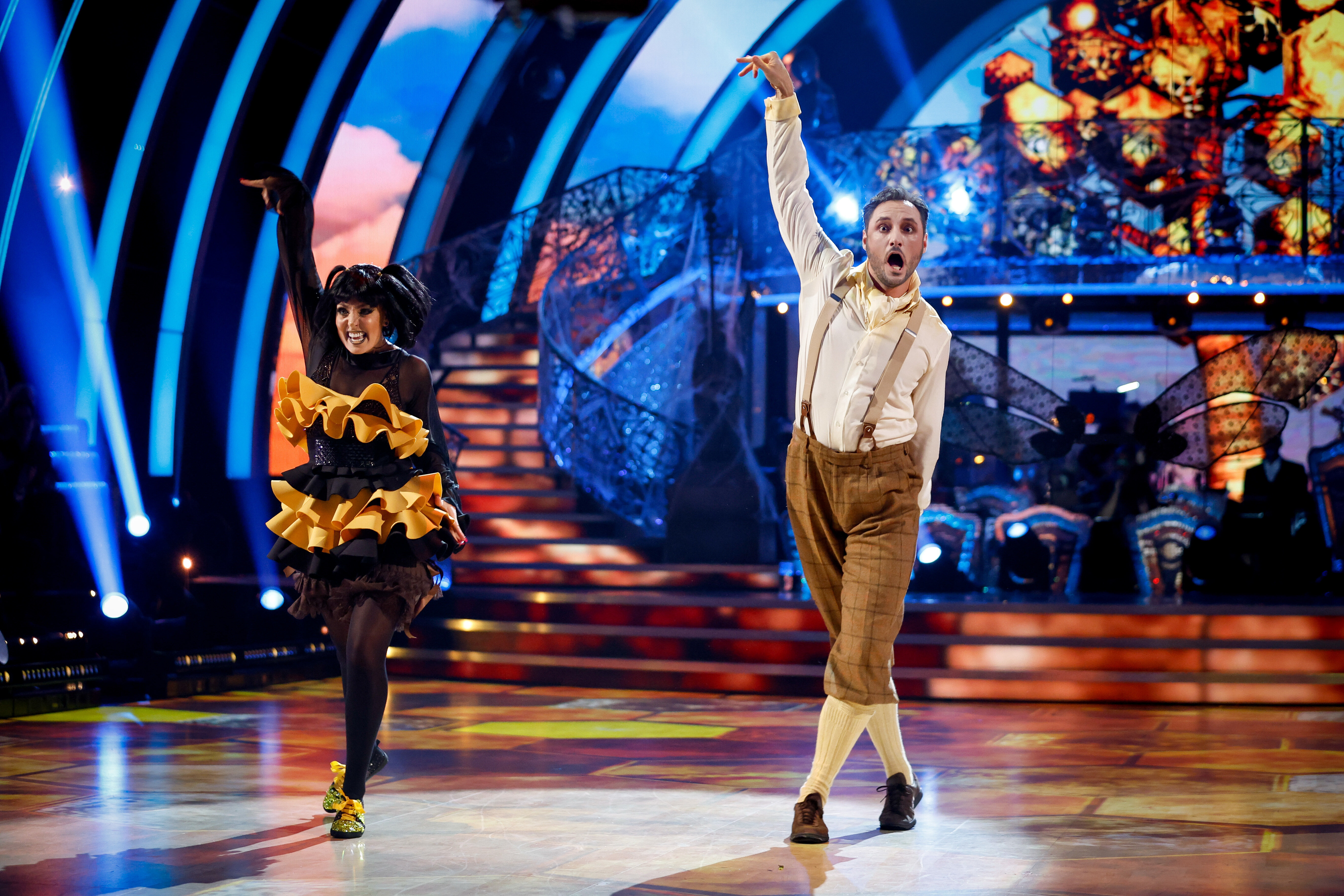
Both couples performed their routines again, with James and his dance partner Amy Dowden performing their Charleston and Fleur and her dance partner Vito Coppola performing their Salsa in a bid to impress the judges and remain in the competition.
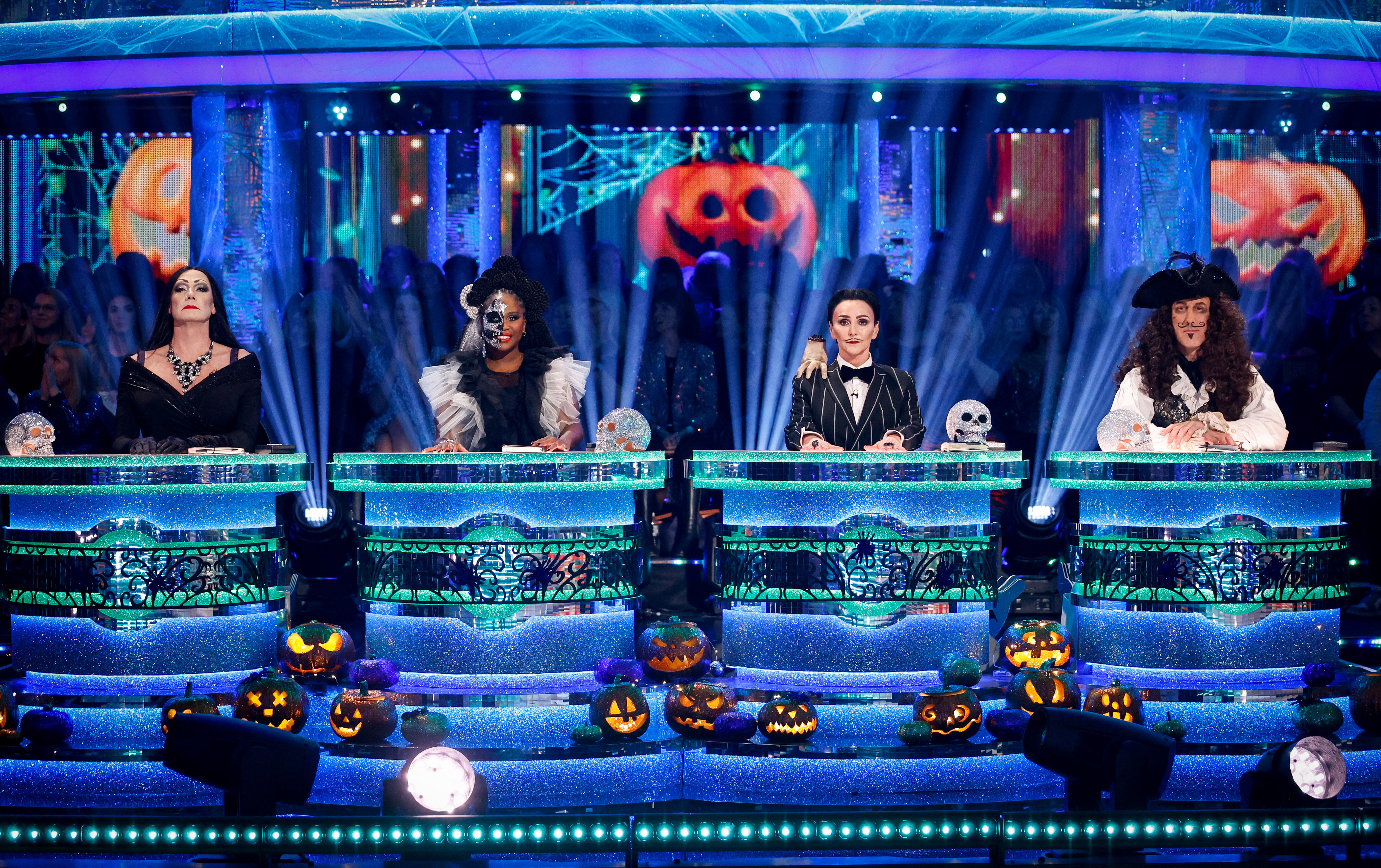
After both couples had danced a second time, the judges were unanimous in their choices, with all four choosing to save Fleur.
When asked by host Tess Daly about his time on the show, James said: “I’ve said this from the very beginning, all I can do is go out there and do my very best. I am dancing against Fleur East, I went and did my best but she is phenomenal.
“I’ve had the best time on this show and I have a friend for life [in Amy], all I can do is thank the family, and I have a new family now. It’s a competition but you don’t feel like that backstage, you honestly feel like everyone has each other’s backs and everyone is just willing everyone to do their best.”
Amy then told James: “You came on here to show your boys they can throw themselves into any challenge in life, and you are the best role model they could ever have as their daddy! I am so proud of you!”
The remaining ten couples will take to the dancefloor next Saturday when Strictly Come Dancing returns on 5 November at 7pm, with the results show following on Sunday 6 November at 7:15pm on BBC One.
When you’re pregnant, levels of worry can ramp up to never-before-seen levels.
Much of those nine months can be spent worrying obsessively about miscarriage, whether you’re eating or doing the right things to keep your baby healthy, whether your baby is moving enough, and the impending birth.
It’s a lot. So it’s perhaps no surprise then that one in 10 women will struggle with pregnancy anxiety, which can begin to rule their lives.
Advertisement
It’s the subject of Break Free From Maternal Anxiety, a new book penned by three NHS clinical psychologists: Dr Fiona Challacombe, Dr Catherine Green and Dr Victoria Bream.
The trio use cognitive behaviour therapy (CBT) techniques to explore how women can cope with persistent and distressing worries about pregnancy and becoming a mother. Here are some of the things we learned from it.
1. Pretty much every mum-to-be will feel anxious at some point during their pregnancy
If you’re pregnant and feeling anxious, know you’re not alone.
From worries about whether your baby is moving enough to how you’ll cope with the birth (and all of the uncertainty that surrounds that), pretty much every mum-to-be on the planet will experience anxious thoughts at some point.
“They aren’t pleasant or comfortable and they certainly aren’t spoken about enough,” write the authors, “but they are a near universal part of pregnancy and parenthood.”
Advertisement
In fact, research has shown that 100% of new mothers experience intrusive, unwanted thoughts about something bad happening to their newborn in the first weeks after birth.
If you have the odd worry here and there, you probably don’t need to read a book on pregnancy anxiety. But if worries seem to crop up daily and they’re stopping you from doing things, read on.
2. ‘Problematic worry’ is something to watch out for
There’s a difference between the odd anxious thought and problematic worry, where you get stuck in repeated loops of negative anxious thinking that feel hard to stop, control or turn away from.
It’s one of the most common problems in pregnancy and postnatally, according to the book, with about 8% of women experiencing it.
The authors share the story of one mum, Hestia, who was 32 weeks pregnant and constantly worrying about every decision she made about her baby. Some worries she had included: ‘What if I haven’t included everything on my birth plan?’ and ‘What if lose my job when I am on maternity leave?’.
Advertisement
While some people might have these kinds of thoughts and move on, she would find it difficult to move her attention to other things and would become irritable, unable to concentrate on work or reading books and then she became reluctant to leave her house.
When anxiety starts to impact your day-to-day life, it’s time to seek help. As Dr Fiona Challacombe explains: “The perinatal period is a time of big changes, emotionally, physically and socially, so it’s often assumed that anxiety is a normal part of this.
“However, when anxiety persists and is having an impact on your daily life and functioning then it is likely to be an anxiety problem.”
3. Tackling worry isn’t about what you worry about, but the way you think about it.
One of the things the book is keen to convey is that rather than trying to tackle the worry itself, you need to focus on solutions which tackle the way that worry works.
A strategy the authors advise is to ask yourself whether the worry you are having is actually important – ie. will anyone else care about this tomorrow? Or will you care it about it on your deathbed?
Advertisement
If it isn’t important – and you firmly believe that – they recommend trying to continue with what you are doing, and if your worries come back, to treat them as white noise in the background.
If it is an important worry, then they recommend defining what the problem is that underlies the worry – and then generating as many solutions as possible for that problem.
4. Setting a ‘worry-free zone’ or planning a time to worry could help
Another way to tackle worry is to set a worry zone, say the authors. This is basically where you make a conscious decision to put your worries to one side for a set time in the day.
One idea they suggest is that whenever you have a snack, you can “try to focus away from worry and enjoy every second of your crisps or chocolate”.
It’s a well-used technique in CBT for worry problems, they add, and as you get more practice, you can try to increase the worry-free zones and take control.
Advertisement
It sounds weird but the clinical psychologists also suggest planning a time when you will worry, and deliberately postponing worrying until that specific time.
“This is a useful strategy to free yourself from the relentless worrying, by setting a particular time when you can come back to worries you have noted in the day,” they say.
There are tonnes of strategies like this in the book, as well as advice on coping with intrusive thoughts and phobias.
Dr Fiona Challacombe says: “CBT is a very effective treatment for persistent anxiety and our own research trials show that it can be effective for maternal anxiety in various forms.
“We have seen many parents use the techniques described in the book to get control of and overcome their anxiety, with benefits to them and their families.”
Advertisement
Break Free from Maternal Anxiety: A Self-Help Guide for Pregnancy, Birth and the First Postnatal Year will be published October 27 by Cambridge University Press (£12.99).
Help and support:
Mind, open Monday to Friday, 9am-6pm on 0300 123 3393.
Samaritans offers a listening service which is open 24 hours a day, on 116 123 (UK and ROI – this number is FREE to call and will not appear on your phone bill).
CALM (the Campaign Against Living Miserably) offer a helpline open 5pm-midnight, 365 days a year, on 0800 58 58 58, and a webchat service.
The Mix is a free support service for people under 25. Call 0808 808 4994 or email help@themix.org.uk
Rethink Mental Illness offers practical help through its advice line which can be reached on 0808 801 0525 (Monday to Friday 10am-4pm). More info can be found on rethink.org.
On Friday’s episode of the BBC’s news and politics comedy panel show, guest presenter Steph referred to his TalkTV show Piers Morgan Uncensored as “Piers Morgan Unwatched”.
“What’s she been up to this week?,” Steph asked panellists Ian Hislop and Paul Merton.
Paul replied: “She took over Piers Morgan’s TV show. He’s been on holiday, and it didn’t go well.”
Steph then sarcastically told the audience: “Nadine Dorries has been sitting in on Piers Morgan’s ‘smash-hit’ TalkTV show, Piers Morgan: Unwatched!”
On Saturday, Piers fired back at Steph on Twitter, sharing a screenshot of a two-year-old story in the Sun that claimed Steph’s own Channel 4 show registered zero viewers when it first launched.
“Hear you were gobbing off about my @PiersUncensored ratings on #HIGFY last night @StephLunch – you sure you’re the best person to do that?” he tweeted.
Steph has yet to respond.
Despite it taking Dorries just 12 seconds to mess up during her presenting of Piers’ TalkTV show, she was a ratings hit.
The MP reportedly pulled in 26,000 viewers, while Piers averages 14,000-19,000 viewers.
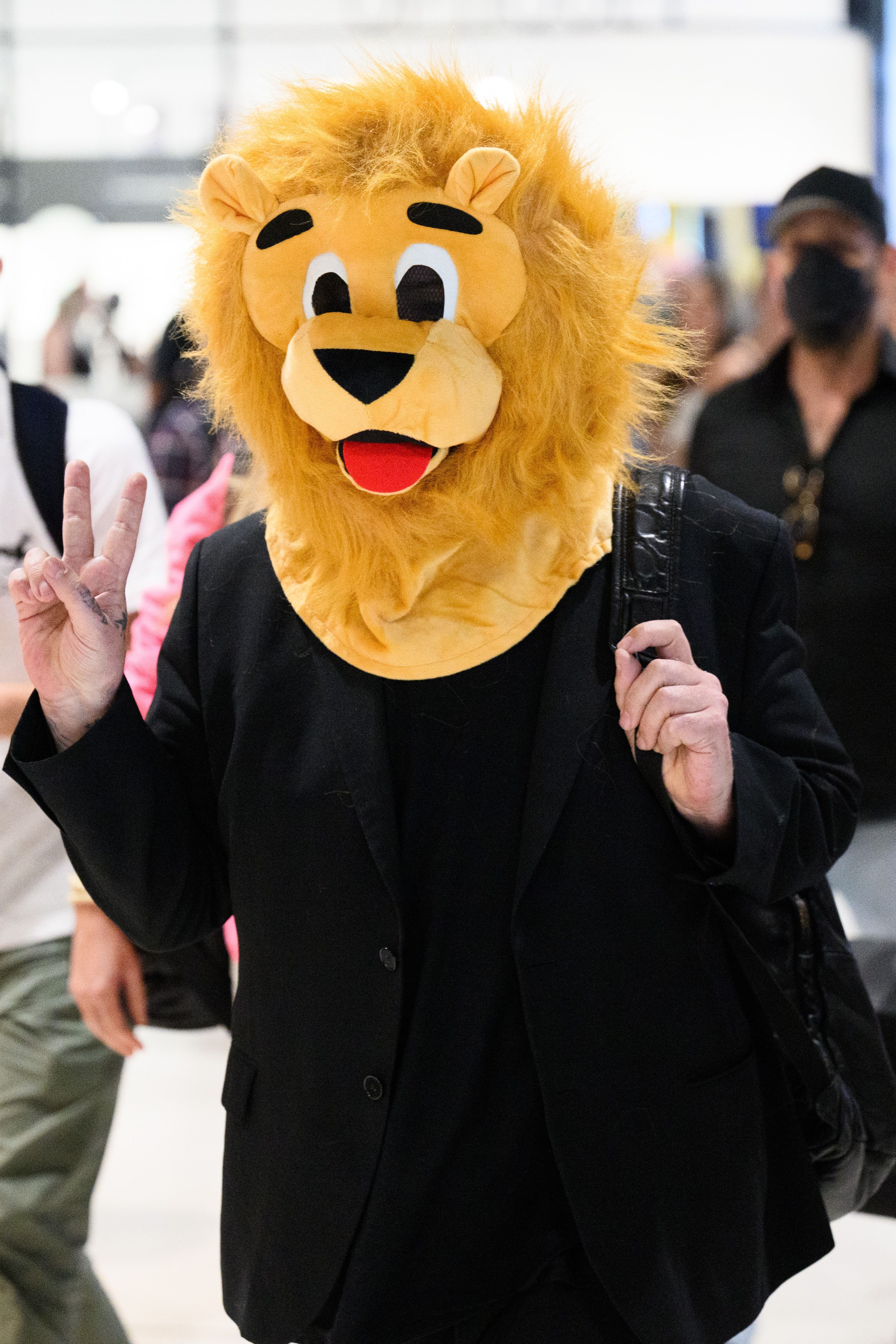
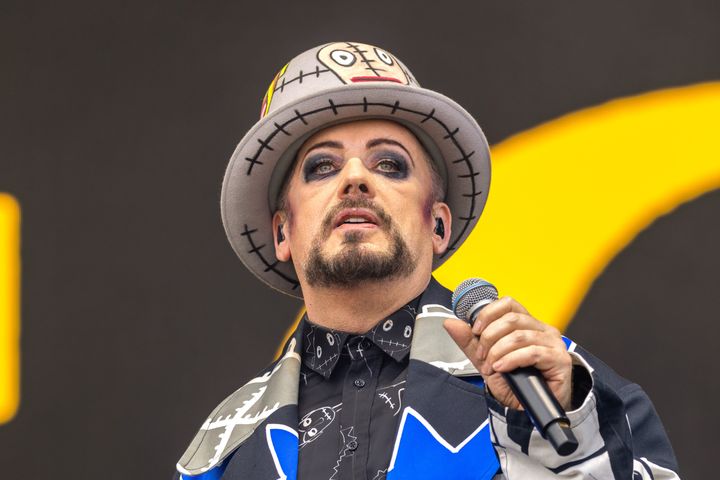
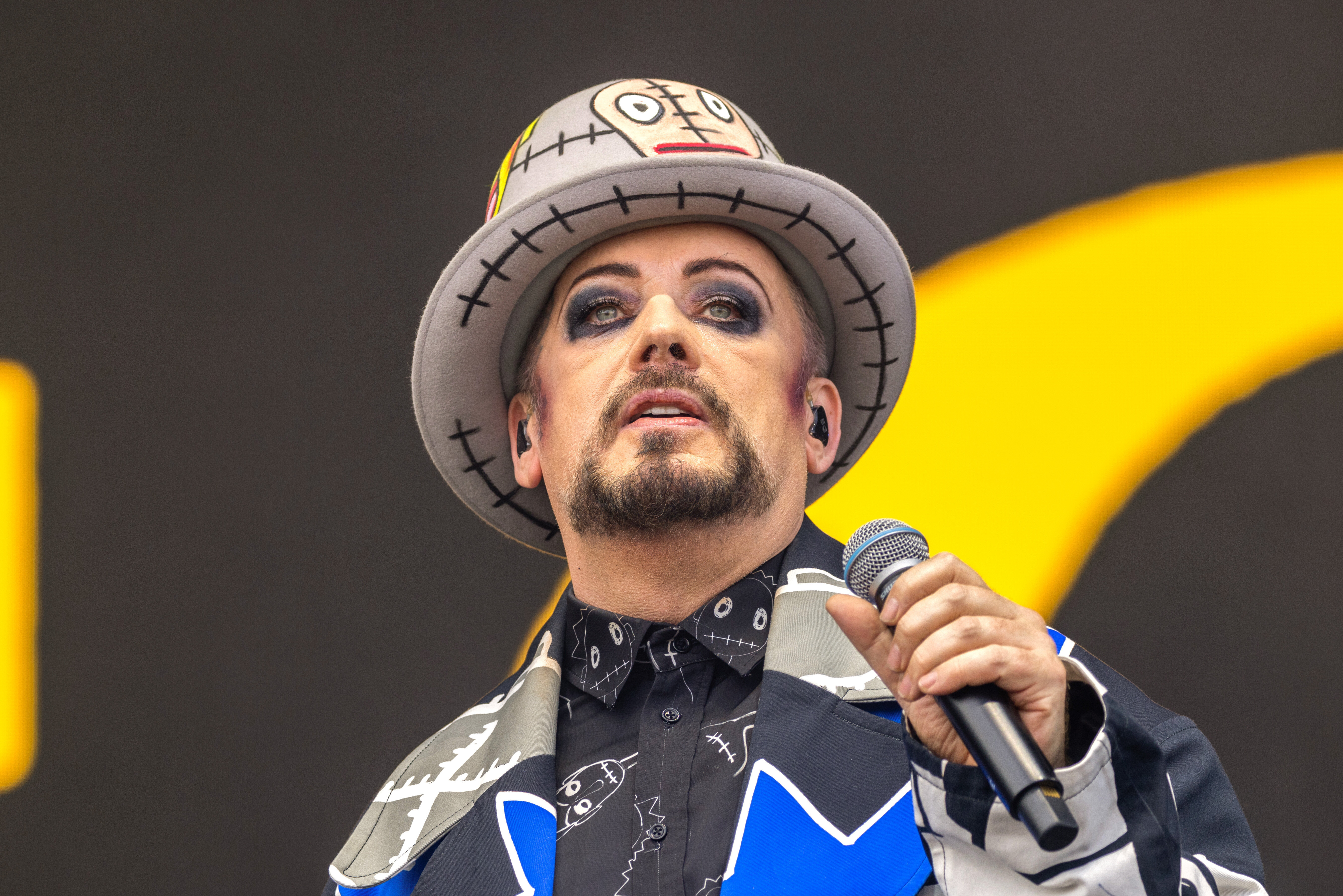
The legendary Culture Club singer dubbed himself the ‘Lion Queen’ as he walked through Brisbane airport wearing a huge lion mask.
Despite his attempts to go incognito, the singer’s hand tattoos gave him away as he made his way to his car.
Advertisement
When asked by reporters at the airport if he was heading to the jungle, the 61-year-old said: “I’m here to do a version of the Lion Queen.”
Boy George wore a Lion Mask as he arrived at Brisbane Airport, Australia.
James GourleyJames Gourley/Shutterstock
Asked if the mask will be staying on inside the camp, he said: “Let’s hope so.”
When the vegan star was pushed on whether he would eat any creepy crawlies in the jungle or if he was simply a “vegan lion”, he added: “I’m a Lion Queen, I have told you,” before adding: “I love all creatures.”
James GourleyJames Gourley/Shutterstock
Advertisement
The Karma Chameleon singer is the latest star to arrive Down Under ahead of this year’s I’m A Celeb, which kicks off on ITV on Sunday 6 November.
In a video clip posted on the pair’s social pages, the presenters discover which stars will be heading into the Australian jungle next week.
Boy George
Rick Kern via Getty Images
The Geordie duo, who have hosted the ITV reality show since 2004, exude a mixture of shock, excitement and approval as they find out the campmates’ identities – although these details are kept secret from fans.
Advertisement
Dec said of one celebrity: “She’s fun and feisty,” adding about another: “She would hate every minute of it.”
Meanwhile, Ant said: “We knew we’d get you on there one of these days,” with Dec adding: “We saw him and he never let on. Sneaky boy.”
Speaking of another male celebrity, Ant added: “Now I can’t believe we’ve got him. You don’t know what you’ve let yourself in for my friend.”
As well as George, a number of other celebrities have already touched down in Australia.
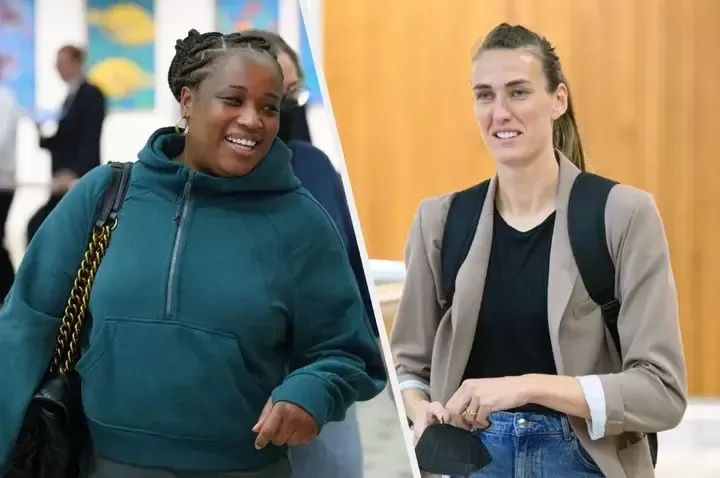
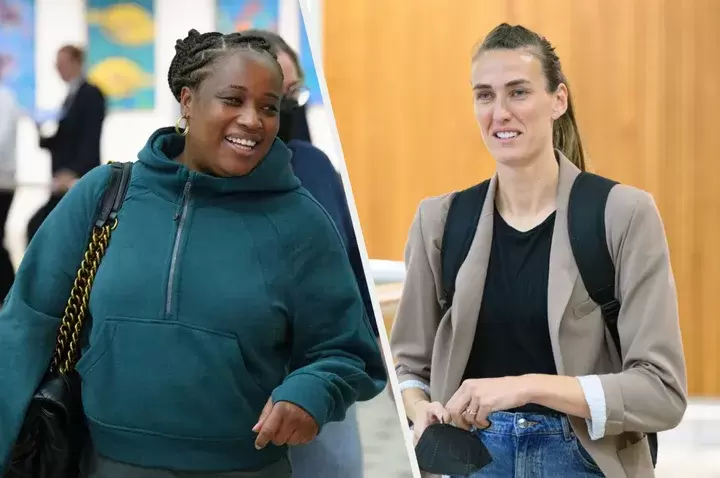
Charlene White and Jill Scott were spotted at Brisbane Airport
Among those also rumoured to be taking part in the series are former England rugby player Mike Tindall, comedian Seann Walsh and property presenter Scarlette Douglas.
This year’s celebrities will live together in the Australian outback, after the show relocated to Gwrych Castle in Wales for the last two series due to Covid travel restrictions.
Advertisement
ITV has officially announced this year’s series is earlier than previous years as bosses are avoiding the show clashing with World Cup, which kicks off at the end of next month.
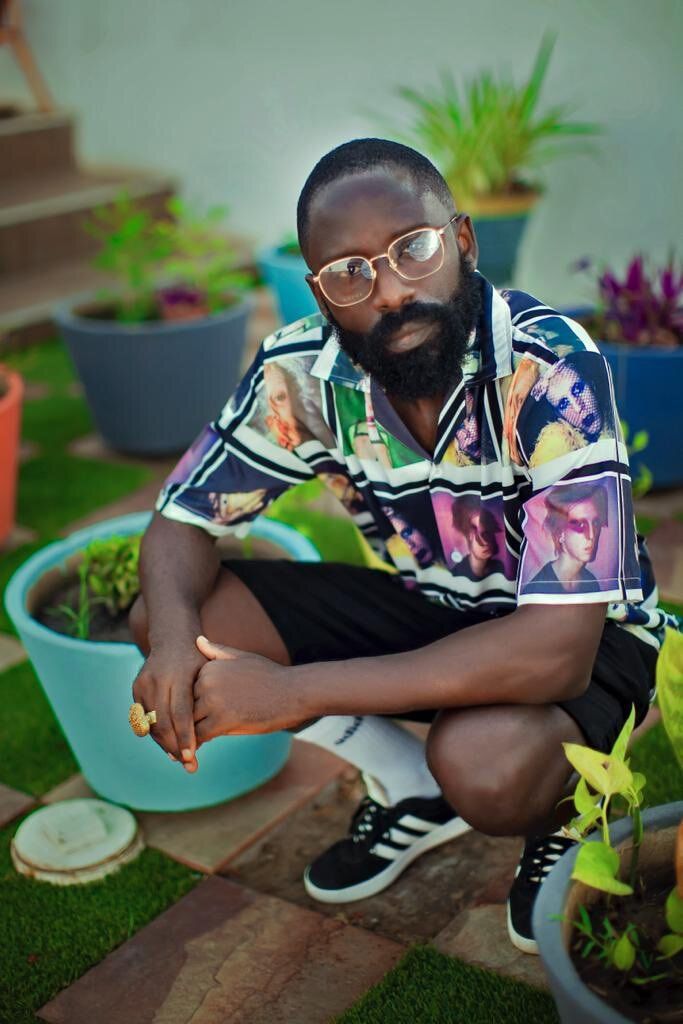
You’re reading Gen:Blxck, a series exploring Black culture, history, family and identity through the generations.
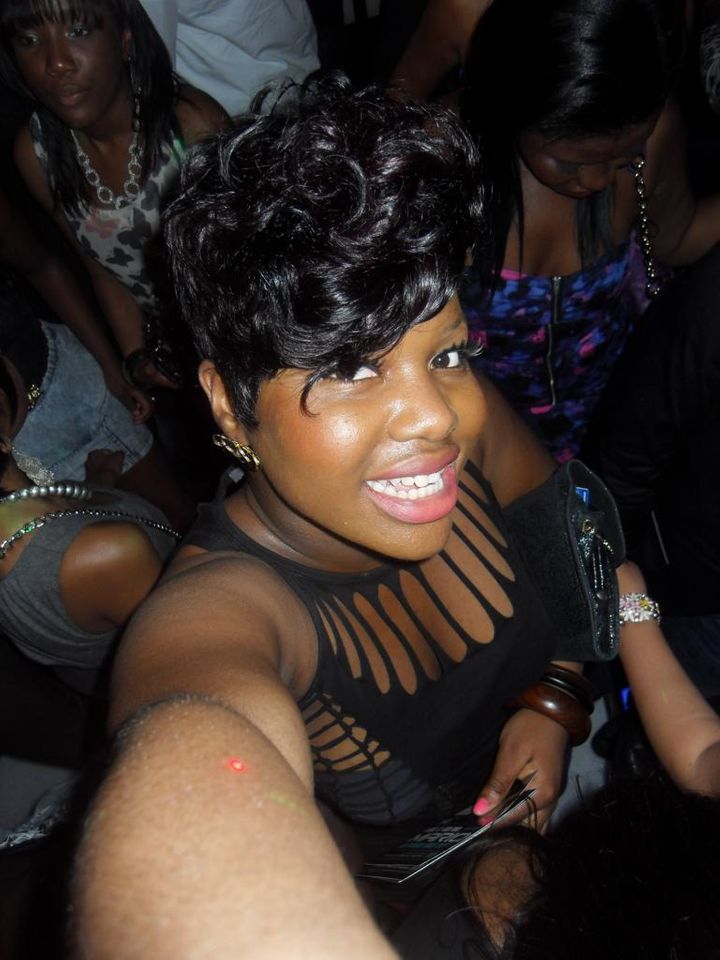
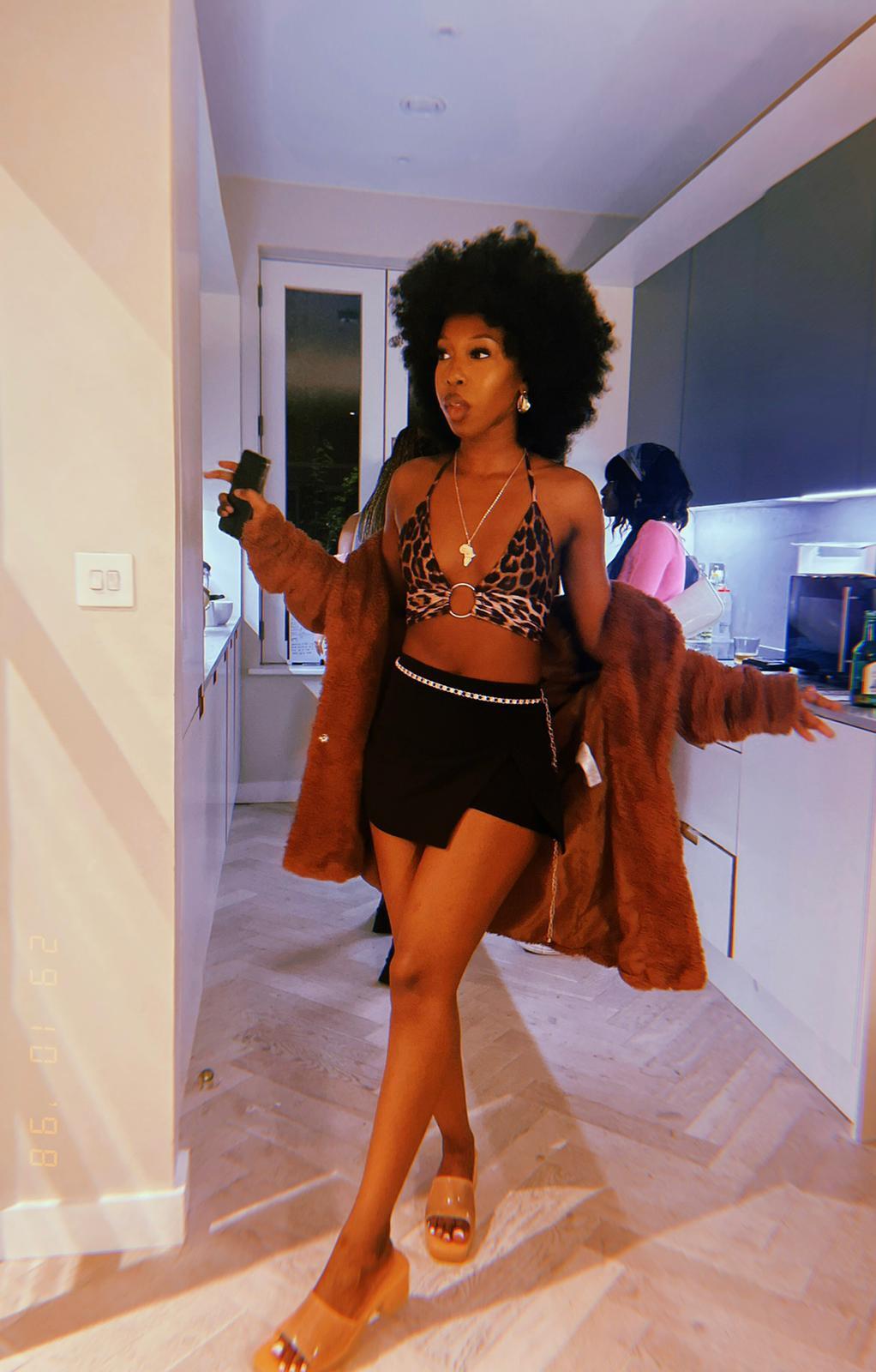
On a Friday, Saturday or even Sunday night, there’s one place and one place only where you’ll be able to find me: the dance. As a resident ‘out-out’ girl, partying is where I feel the most alive. It’s a time where I’m able to dress up, drink, be with my friends and dance until the early hours of the morning. The enjoyment is doubled when I’m in a space where hearing afrobeats isn’t rare, where I don’t have doubt if the colour of my skin will hinder my chances of getting inside, where I can be free.
Advertisement
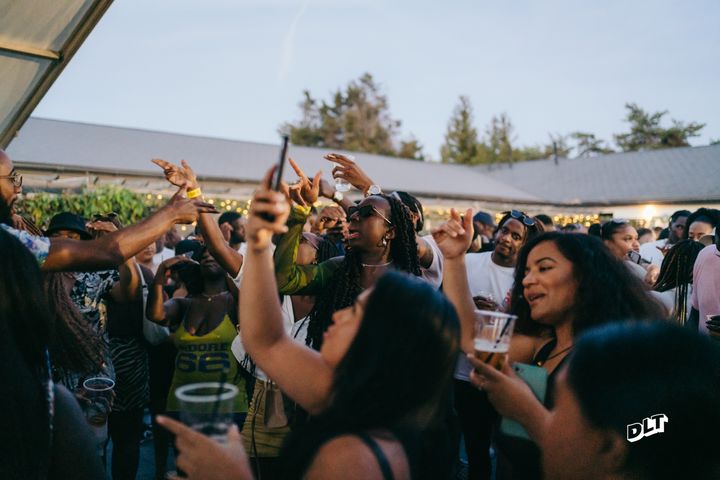
Note that I said ‘partying’ and not ‘clubbing’, as the Black club scene in London and other parts of the UK is pretty non-existent. Instead, almost all of us can be found at pop-up events from organisers like DLT, Recess, Pitch Sundays and Jay’s Link Up.
Today, these events make up for the lack of dedicated clubs catered to Black audiences – but it hasn’t always been this way.
In the 90s to the 2000s, Black clubs were on the rise. Playing music from garage, jungle, dancehall and grime, they were the places you wanted to be if you were Black and wanted to rave.
“It looked very much like a So Solid music video.”
– Alison Awoyera
Advertisement
Alison Awoyera, who a 34-year-old founder of Itsblackowned.com, found herself at her first rave at the tender age of 15. “I started going to under 18 raves, my first was at a night called ‘Final Conflict’ at a venue called Le Fez in New Cross, which is now closed,” she says.
“This was around 2003 and I remember feeling so grown, despite the crowd being mostly under 18. It was refreshing to hear the underground genres like grime and garage played on pirate stations on a night out.
“It was normal to have DJ sets in the rave too, with some MCs who went on to top the charts.”
She then started clubbing at a place called Yates in Lewisham nearly every week. Other clubs she frequented included Cameo’s, Silks & Spice and Rainforest Café, all located around south-east and central London.
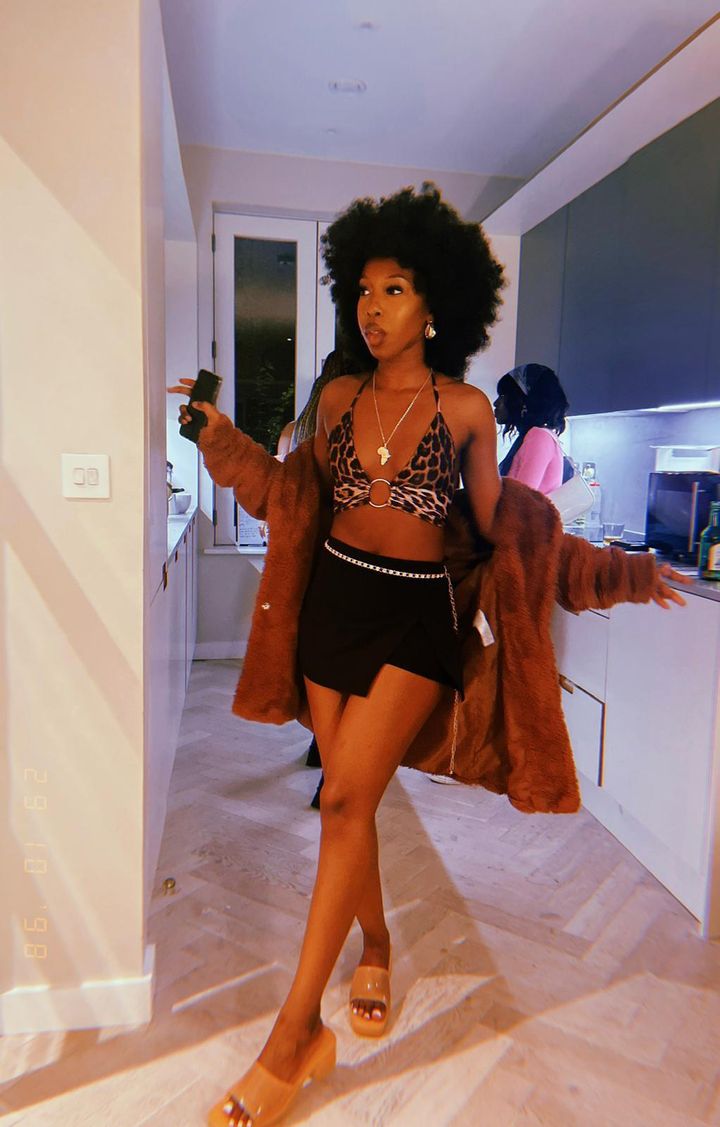
The attire was simple. She recalls going to raves in flat shoes because people didn’t bother with heels. “Skirts, well-greased legs, and a cute top. Hair gelled onto forehead, a trend I see has returned and is now dubbed ‘edges,’” she shares.
“Guys wore any brash designer piece they could get: Avirex jackets, Iceberg jeans, Moschino (with the logo branded all over), Nike 110s.
Advertisement
“It looked very much like a So Solid music video, which makes sense as they were topping the charts back then. As we moved into nights in central London, we had to go smarter. Heels, dresses, and much better makeup, whilst men wore smart shirts and jeans, as flyers often ran on a ‘no hats and no hoods’ policy.”
She recalls the feeling of having a night catered to a Black crowd as “unmatched”.
“At larger venues like Ministry, there were different rooms catered to genres, so you could go from old school dancehall to grime and garage, feeling so content,” she says.
“I remember if ladies got there before 11 sometimes you’d get a glass of bubbly – it felt so classy, though in hindsight it was likely the cheapest!”
Nana Adjei, who is also known as FrenchkissDj, is a 44-year-old DJ and producer who owned a club in Shoreditch called ‘FK bar’ in 2002. He started out as a DJ playing music in west-end clubs when he noticed a lack of diversity in the nightclub scene.
Nana Adjei
Nana Adjei
Advertisement
“There weren’t many Black clubs or bars or anywhere really that catered for our music. It’s always been a gap in the market so I wanted to tap into that and create a space for us,” he says.
“I started raving in the 90s but there weren’t many Black clubs then, more house parties. But coming into the 2000s, they started popping up.
“The vibe was lovely, we would play hip-life, bashment, dance but though the crowd was mainly Black, it was a mixed crowd.”
The venue would open every weekend from Friday to Sunday. He would promote the club through a mailing list or through text messages. “I used to get a friend of mine to just walk around with a clip and paper on the clipboard and take people’s numbers. So after that, we insert those numbers into the telephone box system,” he recalls.
“And then if we had events coming up, we’d pay for credit and text people with the relevant information.”
Advertisement
Eventually, the club closed as he experienced difficulty renewing the license. Since then, he’s moved to Ghana and opened the same club there.
“The rules weren’t as strict or stringent back then.”
– Naivasha Mwanji
When it came to going out, I learnt everything I need to know from my older sister. She started partying at the age of 13 (probably against my mother’s wishes) and would frequently attend under-age raves, eventually progressing to actual clubbing a few years later. It wasn’t uncommon in the community.
“The rules weren’t as strict or stringent back then and I think I went to my first nightclub when I was 15,” Naivasha Mwanji, a 32-year old partnerships and outreach manager, tells me.
Her go-to venues in the mid-00s were Club 19 in Forest Gate, Twilight in Canning Town, Cameos in Oxford Street and Guvna Bar which is now known as LA Lounge in Canning Town. Fast forward to today and nearly all of those clubs are closed.
Advertisement
Naivasha Mwanji
Naivasha Mwanji clubbing in uni
In the past decade, the British club scene has been shrinking across the board. Nightclubs in Britain fell by 21% between December 2017 and December 2018, compared to a 1% yearly decline between 2013 and 2017, according to an industry report by the International Music Summit (IMS).
The pandemic only exacerbated the problem. The latest IMS report shows 2021 ticket demand for clubs was at just 36% of 2019.
But Black-owned nightclubs – or clubs catering specifically for the Black community – have felt the impact acutely, due to already being fewer in number.
Technomaterialism, a platform formed by Black writers, musicians and club workers, produced a detailed analysis of Black representation in the industry and found that in 2021, it sat at just 4%.
Advertisement
The gentrification of certain areas – with sky high property prices pushing out clubs – and form 696 have both been blamed for the decline of Black nightclubs.
Form 696 was created by the London Metropolitan police in 2005. Anyone who owned or hosted a party was required to provide information about the type of event they were going to host, the music that played, and the target audience of the crowd – often including ethnicity. Critics of the form say it allowed police to target events that played Black genres, such as grime and hip-hop.
Though the ethnicity and music style clauses were removed from the form in 2008, it was still in use until 2017, when it was eventually abolished.
In that time, clubs that once allowed Black people to feel free, shut down.
“It’s a space for people to enter without fear, a place they can move without barriers.”
– Founders of DLT
Without the clubs, we needed something to plug the gap. And today, Black event companies run the partying scene.
Advertisement
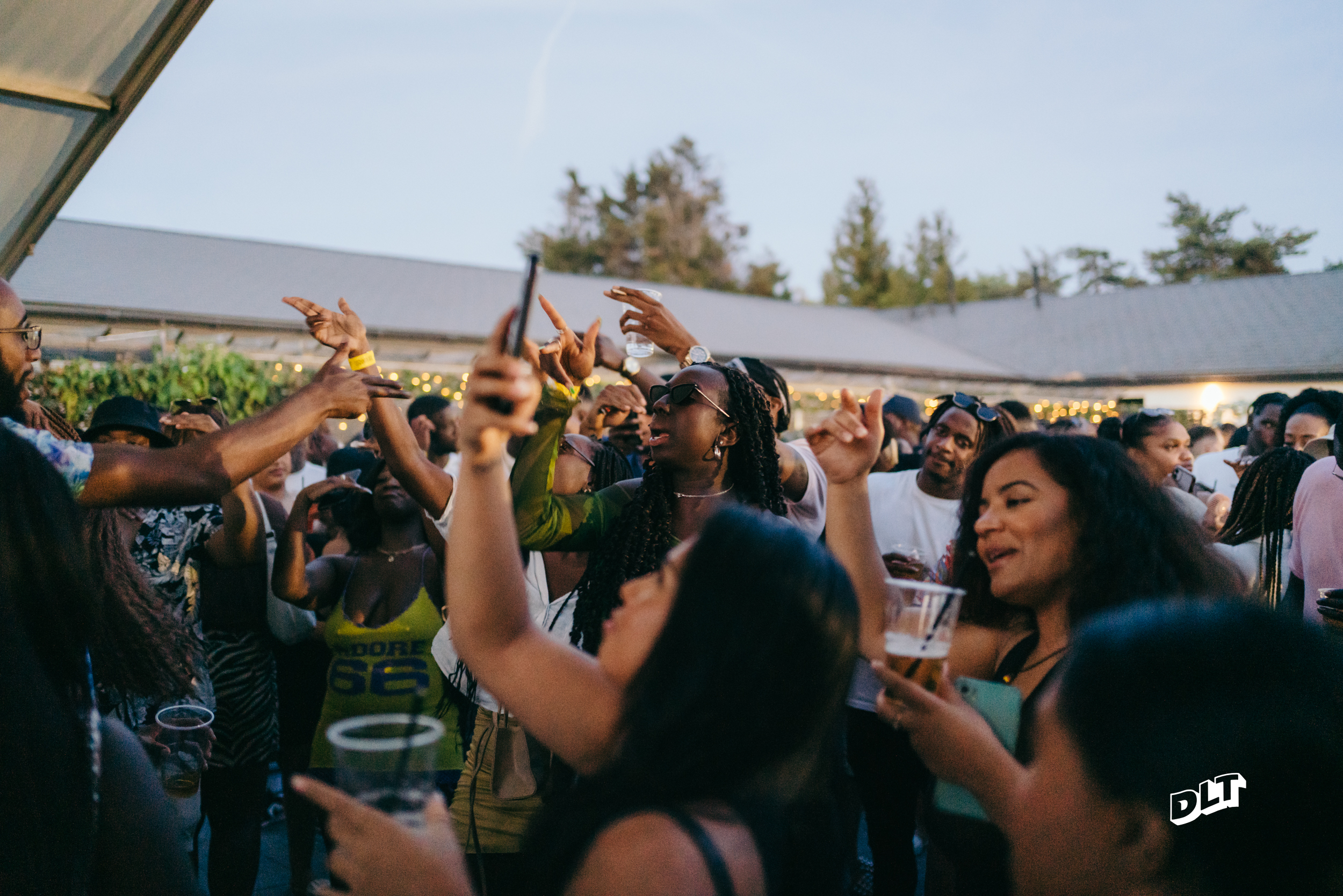
From Recess to DLT, Jay’s Link Up to Pitch Sundays, these groups are making a name for themselves hosting pop-up events at venues across the capital and beyond. Think you’ve found it hard to get tickets for Adele or Lizzo? Try getting tickets for DLT.
They started banning music genres and not allowing people in, we’ve created our own spaces now….they can have the crowds they wanted https://t.co/ylN0bglANS
I’m here for the for-us by-us events, day parties and brunches. It’s a guaranteed good time, with nice vibes and no weird behaviour. No racist doormen/ bar staff and you get fed. Night time raving is so ghetto in comparison 😭😭. https://t.co/G1BUsPPWi2
— 🇯🇲ISLAND PRINCESS 🇱🇨 Vibe Minister (@tiandemi) October 23, 2022
Days Like This, also known as DLT, was birthed in New York. “Our vision was to have fun with our people in the daytime with good music, food and vibes. After the success of our first few events, we realised how much the Black community needed something as joyous as DLT in London,” they told me.
Advertisement
“It then became our mission to be the standard and example for what positive and excellent Black events would look like.”
DLT want Black people to feel they have the freedom to experience their parties in whatever way they want to.
“Sometimes as Black people we go out to enjoy ourselves, but because of our surroundings, we may not feel we have the full ability to really experience the events as we’d like to – at DLT it’s very important for us for our attendees to feel that freedom in our space.
“We strive to create a space for like-minded people to fully enjoy our events. It’s a space for people to enter without fear, a place they can move without barriers.”
Kadir Gold
Advertisement
As well as DLT, there’s also a surge of smaller niche Black spaces making an appearance in London.
SSensational Sounds are a music collective, made up of DJs, producers and music lovers. Their mission is to push the EDM sound within the Black community. ”So music like Afro-house, Afro-tech, amapiano, funky, garage, anything under house music we want to push,” their spokesperson said.
Amapiano, a style of South African house music, has exploded in the last year with more amapiano raves flooding all over the world. As an amapiano lover myself, the music and the parties can’t be described – they have to be experienced. Anyone who listens to the genre will describe it as spiritual.
“One of the main reasons I created SSensational Sounds was because I’m a massive music head,” they told me. “I started hearing amapiano in 2019. So I was doing my research and trying to push the sound out.”
They would describe the atmosphere at SSensational Sounds as “intimate” as they’re smaller to the bigger names like Recess or DLT and their parties are called Ssensational Shoobz. “It’s for the people that wanna dance, have fun and hear new music,” they said.
Advertisement
“I go to a lot of house raves, and people there are so care-free, so I wanted to create this type of atmosphere whilst exposing people to new music.”
“You’re surrounded by people that look like you, whilst hearing music you like, dancing carelessly, it just feels like a community of joy.”
– Jasmine Akua
Pop-up parties for queer people of colour have also been on the rise, at a time when LGBTQ+ clubs are closing.
Organisations such as Reveur,Pxssy Palace, Fluid and Lick Events have created safe spaces for the Black LGBTQ community – a game-changer for people like Jasmine Lee-Zogbessou, a 26-year-old journalist from London.
“The one thing that makes these queer spaces better for me is the is the consistent emphasis on consent and ensuring that everything you’re doing in that space is welcomed,”Lee-Zogbessou says.
Advertisement
“The first ever queer event I went to was Lick Events and I’ve never felt such joy. As it’s a woman-only event i was able to dress the way I wanted without the fear of being harassed.”
Outside of queer events, she usually attends Black parties like recess and DLT. “The first time I went to Recess, I absolutely loved it. You’re surrounded by people that look like you, whilst hearing music you like, dancing carelessly, it just feels like a community of joy.”
Jasmine Akua
Jasmine Akua at a recess fancy dress party
But Jasmine notes an issue with these events – they’re not regular.
“If I want to go out on a random Friday night I can’t go, I have to wait until they have an event,” she says.
All this means the demand is high, tickets sell out in minutes and you can rarely buy tickets on the door. The solution is simple: more Black clubs, right? Unfortunately this isn’t a straight forward process.
Advertisement
Though form 696 has been scrapped, some club owners are still hostile to events catered to Black audiences.
So what does the future of Black parties look like?
DLT want more Black-owned club spaces that aren’t governed by harsher rules than their non-Black counterparts.
“In the future we need the larger venues to be more open to building better relationships with those on the rise as the space for Black parties is continually growing in demand,” they say.
As an out-out girl, I simply want these spaces to be the norm and not the exception, especially in areas outside of London where events are even more scarce.
These spaces aren’t created to alienate ourselves from ‘normal’ clubs, they’re born out of a clear lack of diversity and inclusion in the nightclub scene.
Advertisement
Now, Alexa, play ‘Heated’ by Beyonce, it’s time for me to get ready.
What does it mean to be Black and British? Well, it depends which generation you ask. This Black History Month, HuffPost UK has teamed up with BuzzFeed’s Seasoned and Tasty UK to find out. Read more from Gen:Blxck here.
The American musician, whose hits included Great Balls of Fire and Whole Lot of Shakin’ Going On, was one of the last survivors of rock ‘n’ roll’s golden age which included Elvis Presley and Little Richard.
Nicknamed The Killer, Lee Lewis was as well known for his controversial private life as his music.
He died at his home in Desoto County, Mississippi, south of Memphis with his wife Judith by his side.
Advertisement
His publicist Zach Farnum said: “Lewis, perhaps the last true, great icon of the birth of rock ‘n’ roll, whose marriage of blues, gospel, country, honky-tonk and raw, pounding stage performances so threatened a young Elvis Presley that it made him cry, has died.
“He was there at the beginning, with Elvis, Johnny Cash, Chuck Berry, Little Richard, Carl Perkins, Fats Domino, Buddy Holly, and the rest, and watched them fade away one by one till it was him alone to bear witness, and sing of the birth of rock ‘n’ roll.”
The musician suffered from various illnesses and injuries in the final years of his life, with doctors often telling him they should have taken him decades ago, Mr Farnum said.
He added that just before his death, Lewis’ wife Judith said: “He is ready to leave.”
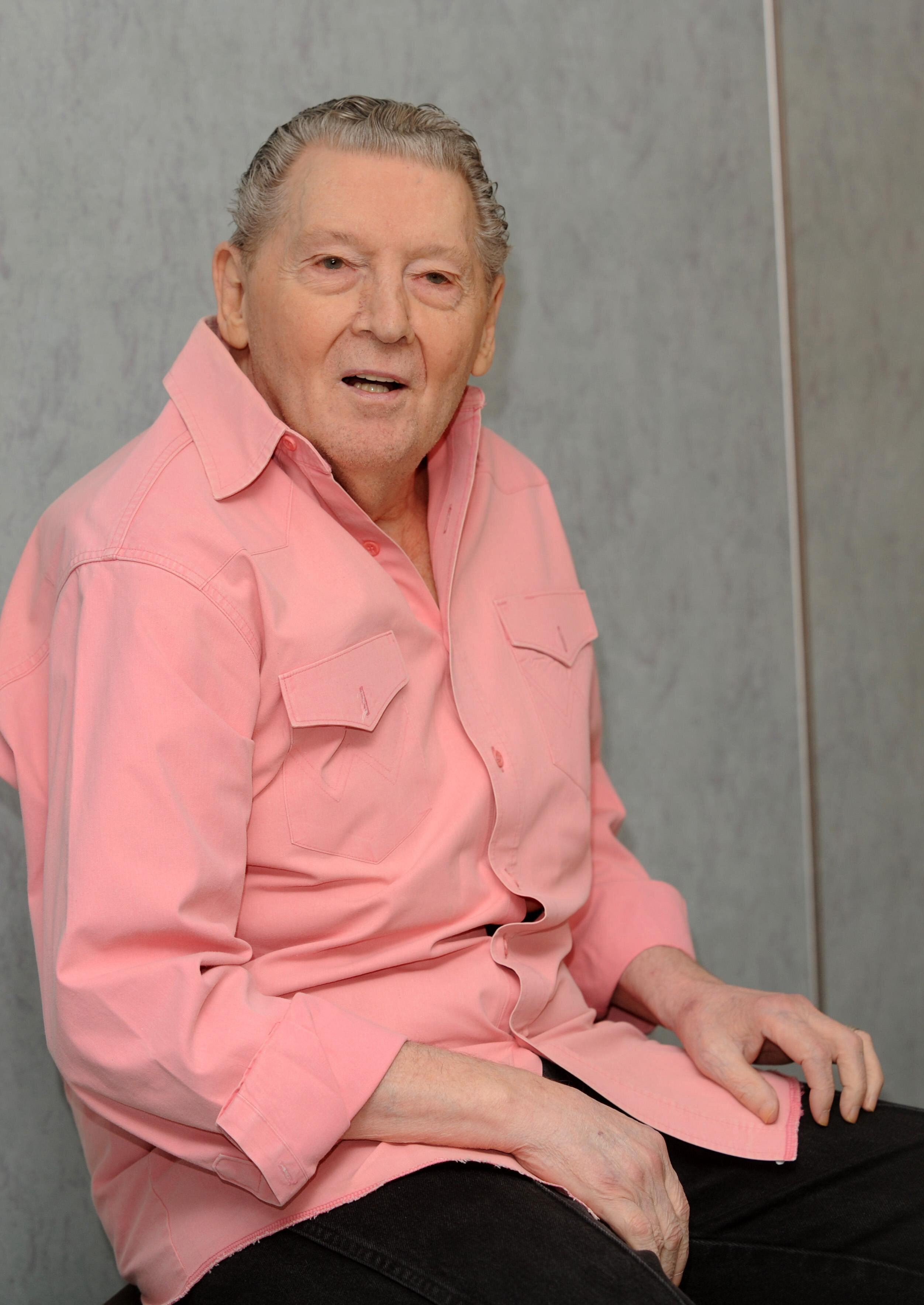
Jerry Lee Lewis pictured during a photocall and press conference at the Royal Garden Hotel in Kensington, west London, in 2008.
Zak Hussein via PA Wire/PA Images
Advertisement
Born in 1935 in Ferriday, Louisiana, Lewis later moved to Memphis, Tennessee where he found work as a studio musician for Sun Studios.
While working at Sun, he and Carl Perkins jammed with Presley and Johnny Cash in a session that would later be referred to as being played by the Million Dollar Quartet.
Across this career, his music became a hit in the pop, country and R&B charts.
He also became known for his famous stage antics, such as playing standing up and even lighting the occasional piano on fire.
Lewis enlisted the help of such admirers as Sir Mick Jagger, Keith Richards, Kris Kristofferson, Willie Nelson and Buddy Guy for his 2006 release Last Man Standing.
His last album was a gospel record with his cousin, lifetime televangelist Jimmy Swaggart, who had preached against his music when they were younger.
Advertisement
Lewis was inducted into the Rock & Roll Hall of Fame’s first class in 1986 and a few years later in 1989, he was honoured for his contribution to the recording industry with a star on the Hollywood Walk of Fame.
He also received a host of accolades including a lifetime achievement Grammy and two Grammy hall of fame awards, and he was inducted into the Country Music Hall of Fame earlier this year.
The Country Music Association tweeted: “It is with great sadness we’ve learned about the passing of Jerry Lee Lewis, who was just inducted into the Country Music Hall of Fame this month.
“We extend our heartfelt condolences to his family and loved ones during this difficult time.”
On Thursday his death was falsely reported before a representative for Lewis confirmed he was still alive.
Lewis is survived by his seventh wife, Judith Coghlan Lewis, his children Jerry Lee Lewis III, Ronnie Lewis, Phoebe Lewis and Lori Lancaster.
A previous version of this story said that Ye, the rapper formerly known as Kanye West, regained control of his Twitter account Friday after it was suspended following antisemitic remarks he made on several social media accounts.
However, it remains unclear if the rapper has access to post on the platform, or if the account was ever listed as “suspended” (meaning the tweets were not visible).
As of Friday afternoon, there had been no new posts on the account since Oct. 8.
PREVIOUSLY:
Ye, the rapper formerly known as Kanye West, regained control of his Twitter account Friday after it was suspended following antisemitic remarks he made on several social media accounts.
Earlier this month, Ye threatened on Twitter to “go death con 3 on JEWISH PEOPLE.”
Ye later told Piers Morgan he was “absolutely not” sorry for his comments. His lifted suspension from Twitter comes within a day of billionaire Elon Musk taking control of the website.
Following Ye’s remarks on Twitter, the rapper and fashion designer was dropped by several sponsors including Balenciaga,JPMorgan, Gap and Vogue. And just days after claiming he “can say antisemitic things and Adidas can’t drop me,” the shoe company ended its partnership with Ye, resulting in a $1.5 billion drop in his net worth and his removal from Forbes’ list of billionaires.
Advertisement
Hours before Ye’s Twitter account was reactivated, Musk tweeted “the bird is free” and “let the good times roll.”
The UK Health Security Agency (UKHSA) has identified two new Covid-19 variants circulating in England, named BQ.1 and XBB. Both appear to come from the Omicron variant.
“A number of Omicron variants are currently circulating in England, many of which have acquired mutations which may produce a degree of immune escape,” the agency said. “Omicron sublineages BQ.1 and XBB have been given UKHSA variant designations to facilitate continued studies.”
Advertisement
BQ.1 is a sub-lineage of the previous Omicron variant, BA.5. It has been “designated on the basis of rapid growth”, the UKHSA said.
XBB, meanwhile, is what’s known as a “recombinant lineage”, meaning it derives from two previous Omicron sublineages. It has been already been found in 17 countries.
The variant may be a factor in the recent spike in cases in Singapore. So far, it has successfully evaded drug therapies and vaccines by working around the body’s immune system – potentially making it a more potent strain than its predecessors.
But, the most damaging element of this sub-variant is that scientists expect it will be just one of many which could emerge at the same time this winter.
XBB is spreading rapidly in Singapore in particular, having pushed Covid cases from 4,719 on October 9, to 11,732 on October 10, according to data from Johns Hopkins’ Coronavirus Resource Centre.
However, the country expects this wave to be “short and sharp”, averaging at around 15,000 daily cases by mid-November – although it could peak at around 20,000 on some days.
Previously BA.5 was the dominant variant in the UK, nearly 78.7% of confirmed cases in England were BA.5 which was first identified in April and was designated as a Variant of Concern on May 18.
Both new variants are not a cause for concern for some scientists. “It is not unexpected to see new variants of SARS-CoV-2 emerge. Neither BQ.1 nor XBB have been designated as Variants of Concern and UKHSA is monitoring the situation closely, as always,” Dr Meera Chand, Director of Clinical and Emerging Infection at UKHSA said.
Chand continued: “Vaccination remains our best defence against future COVID-19 waves, so it is still as important as ever that people come take up all the doses for which they are eligible as soon as possible.”
Advertisement
While early signs suggest it is more resistant to antibody treatments, the world is starting to create more boosters which broader protection, by producing vaccines with half the original vaccine and half protection against the dominant strains BA.4 and BA.5.
Lead respiratory virus immunology specialist Natalie Thornburg at the US Centres for Disease Control and Prevention, also said in a webinar this week: “XBB is a chimera. I think there have been a couple of sequences identified in the US. But it’s way, way, way, way below that 1% threshold. I mean, it’s really like a handful of sequences.”