Rita Ora served up some hilarity as part of The Big Breakfast during a memorable appearance on the revived Channel 4 series on Saturday.
The singer and her “dusty apple” joined in the fun via video link from the US as Mo Gilligan and AJ Odudu fronted a new run of the classic 90s morning show.
There was some confusion during her interview, however, when Rita was distracted by something in her fruit bowl.
Picking up a piece of fruit and holding it to the camera, Rita said: “Look at this dusty apple! Can you see it?
“I don’t even think it’s an apple. I think it’s like a shrivelled pear,” she speculated.
“Rita, I’m sorry to break it to you,” AJ interjected, “but that’s a peach, not an apple.”
Laughter erupted in the studio, as Rita could then be seen looking rather confused down the line.
“Is it?!” she said. “Do you know what, it’s 3am guys, give me a break!”
Needless to say the hilarious moment didn’t go unnoticed online…
The Big Breakfast airs Saturday at 10am on Channel 4.
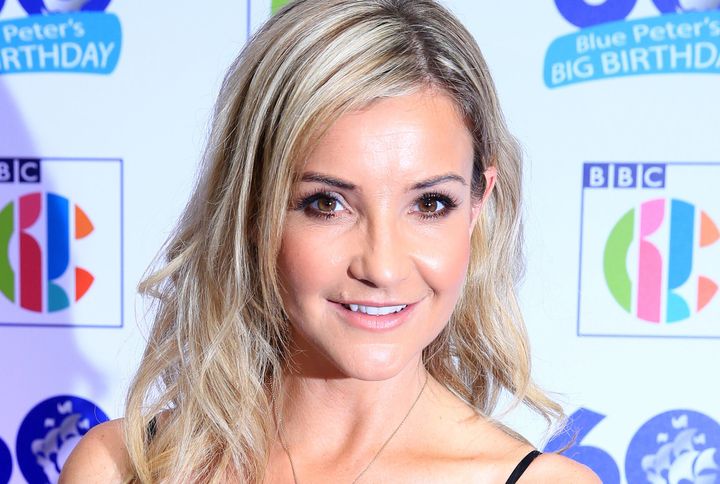
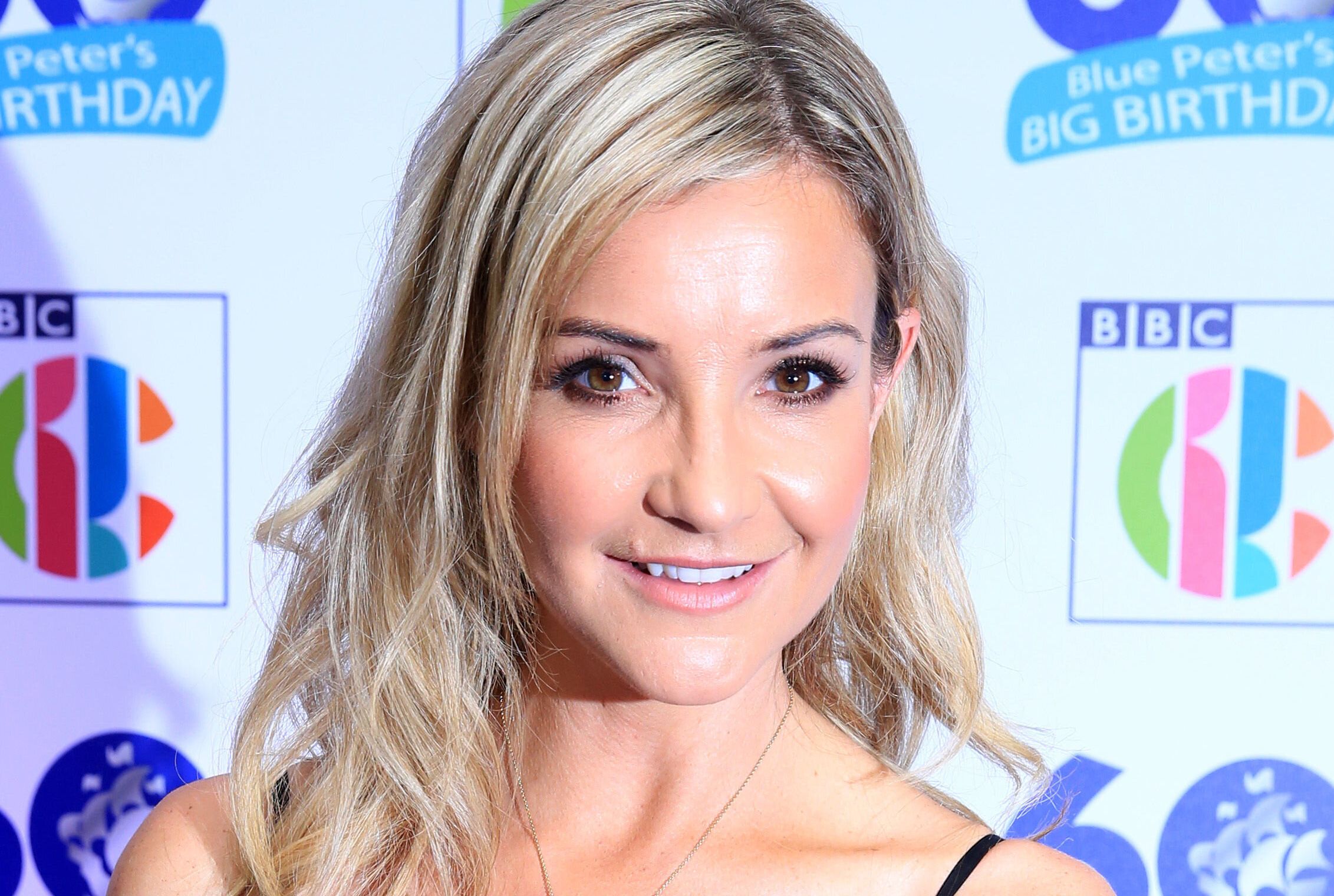
The former Blue Peter presenter is the final contestant to be confirmed for the new series of the BBC ballroom show, which returns next month.
The news was announced on Claudia Winkleman’s Radio 2 show on Saturday morning.
Helen said in a statement: “I’m really excited to get stuck into a fun adventure. My family and friends have always loved the show and can’t wait for me to get started.”
Advertisement
Helen began her broadcasting career hosting Blue Peter between 2008 and 2013, and is a regular face on Countryfile and BBC Sports coverage.
She was also recently confirmed as the new host of Radio 5 Live’s Sunday morning slot, after Laura Whitmore announced her departure.
Advertisement
Strictly Come Dancing returns to BBC One next month.
We’re at the half way point of the UK summer holidays, a time that is always testing to parents’ patience and bank balances. But when it comes to keeping children happy and occupied amid the escalating cost of living crisis, many families are feeling the pinch like never before this year.
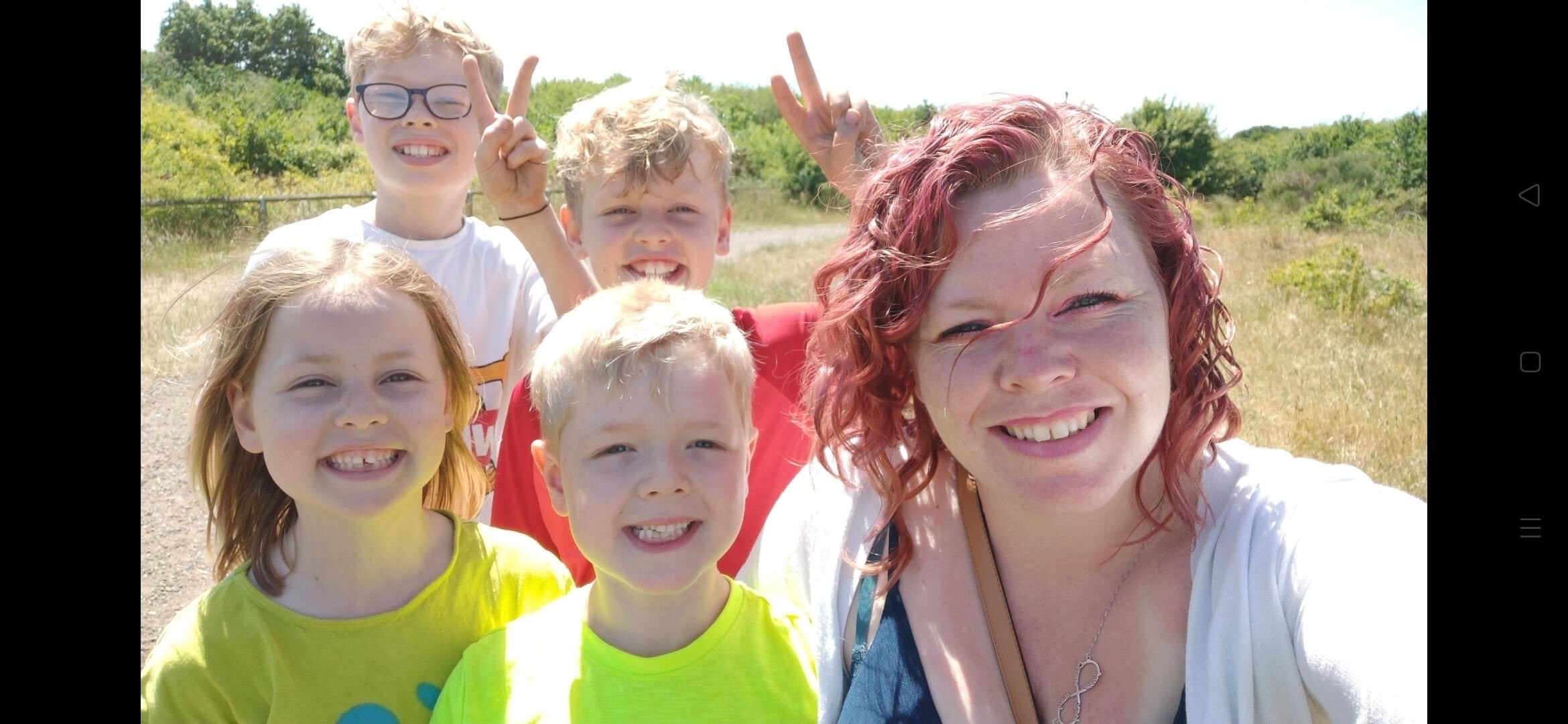
Sally Worrall, 31, has seen a drastic change in her circumstances.
“I can’t get through the month now without borrowing money,” says the Hampshire-based mum of four.
As a single parent to Chester 11, Rory, eight and twins Jenson and Molly, six, the self-employed painter and decorator says that she has to borrow money from her mother each month just to get by.
Advertisement
“I don’t have an extravagant lifestyle, I don’t smoke, drink, or have Sky. I have the cheapest mobile package and the most basic broadband service. But I really struggle,” she tells HuffPost UK.
“Food is especially a big thing. It’s gone up by about £50 a week for me and the children. It’s really difficult. I try not to think about it because the reality is after a shop, I’ve only got about £20 a week to live on,” says Worrall.
Even before schools broke up for the summer this year, the national poverty charity, Turn2US, warned that the financial squeeze was having a stark impact on many families in the UK.
The charity surveyed 2,730 of its service users in June and found that soaring food costs were pushing many into debt as they struggled to put food on the table. Almost half of the charity’s users reported they were left with nothing to live on each week after weekly food costs.
Advertisement
The survey also found that that over half of respondents planned to use the first £326 instalment of the government’s cost-of-living rescue package to help pay a debt for utility bill arrears – and with food and fuel prices only set to rise this autumn and winter, there is concern for how many will be plunged into poverty.
FatCamera via Getty Images
Michael Clarke, head of information programmes at Turn2us, said: “Every day we see more people struggling to afford life’s absolute basics as the cost-of-living continues to push millions of people onto the edge of a financial crisis.”
He added: “We are hearing from parents who are skipping meals to try and keep their children fed, or who are making impossible choices between paying rocketing energy bills or rent. This isn’t right.
“Many people using our services come to us when they are at their most desperate and we fear the worst is yet to come over the coming months.”
Advertisement
These statistics don’t surprise mum of two Kelly Williams, who lives in east London with her husband Marcel and six-year old son Quincy.
“It’s the world in which we now live in,” she tells HuffPost UK. “Everything has gone up and it’s simply not sustainable. I don’t understand how there is such a high rate of inflation and the salaries have not risen to coincide with that.”
Williams, who works as an accountant, added: “It’s creating a huge gap in the cost of living and people have got to find ways to survive.”
“We fear the worst is yet to come over the coming months.”
– Michael Clarke, Turn2Us charity
Certainly, it’s affecting middle-income families, too. “Since the crisis my husband and I are much more conscious of what we do now in terms of managing our money and one of the biggest changes we found was that we don’t go out as often as we used to,” says Williams.
Advertisement
The family are trying to change spending habits with as little impact on their son as possible. “We are both aware of how important it is to our wellbeing that we go out as a family and spend quality time together,” she says.
Williams is focused on giving Quincy a good summer holiday while staying within budget – even if that means a major juggle with work.

“I’m taking advantage of my working from home days. By being at home, I will not have to pay out any extra money to summer camps,” says Williams, who is making the most of free activities and vouchers provided by her local council.
“Picnics and play dates!” she says, citing her summer mantra. “This will just allow me to let my money stretch further.”
SolStock via Getty Images
Advertisement
When it comes to the food shop, Williams freely admits she’s no longer loyal to a particular supermarket and that her main quest is to get value for money.
“I’m loyal to brands, but not to supermarkets,” she tells HuffPost UK, adding that one of her biggest hacks is getting her petrol at supermarkets.
“When filling up, I tend to use supermarket petrol stations that offer loyalty rewards. Here you can transfer the reward points into vouchers for food. I’ve made huge savings by doing this,” she says.
Worrall, meanwhile, has started doing all her shopping at budget stores.
“I started shopping at B&M because it is so much cheaper than the larger supermarkets,” she says. “I’ve also had to shop at the Local Pantry.”
The Local Pantry, which operates in 70 neighbourhoods around the UK, sells on reduced items that supermarkets would normally throw in the bin. Shoppers using a branch pay £5 a trip, and receive £20 worth of food and groceries.
Advertisement
“Being in a single income household makes a hell of a difference to what we do when it comes to the summer holidays.”
– Catherine
“They have a coloured sticker policy,” explains Williams. “You get five red item stickers, which are meat and cheese and frozen fish. Then you get ten blue items, which is your pasta and tins of beans, etc, and toiletries. Then you get three items that are fruit, vegetables and bread.
“It’s a really good thing, but for a first world country nobody should be in this situation.”
Single parent Catherine Gilmore, who is mum to Arthur, six, says she’s been obsessing about how to stay within budget and keep her son occupied for the length of the summer holidays – and the worry starts earlier each year.
“Being in a single income household makes a hell of a difference to what we do when it comes to the summer holidays,” says the publishing assistant from Leyton, east London.
“Because of the financial squeeze, what I have had to do to ensure that Arthur gets to enjoy the summer is to save all year round, because, come July, financially it hits you hard.”
Advertisement
Meanwhile, hybrid worker Catherine, who preferred not to give her surname, says that in order to save money she is splitting the summer between her home in London and Derbyshire, where her mother lives.
“I get six weeks of holiday and I need to find childcare for four weeks of that time. So to keep costs down. I spend three weeks in London and then it’s up to Derbyshire for two weeks.”
Even factoring in travel costs, this hack makes life a lot easier, she says. “It’s cheaper up there, I pay between £35-£55 per week [on summer clubs] in London and in Derbyshire it’s between £20-£25 per week.”
One of the biggest problems Catherine found when looking for clubs in London was how quickly spaces got filled. In applying for cheaper camps and council-run activities, she said her son was often overlooked in favour of families in receipt of Universal Credit.
“It’s definitely is not a bad thing that families on benefits get priority, but there should be more available for middle-income families who are struggling to keep their families occupied during the summer,” she tells HuffPost UK.
Advertisement
Sally Worrall says she has taken advantage of similar provision in Hampshire to keep costs down and her kids occupied and happy throughout the holidays.
Her children’s school offers means-tested pupils the chance to attend a free summer camp, which runs during school hours. Each pupil enrolled on the camp is also given a free lunch and snacks throughout the day.
“I’ll only be using it three times a week to help me with food more than anything,” she says. “It also means I can work and I won’t have to worry about paying for childcare costs.”
Worrall has also been in touch with Gingerbread, a nationwide charity that offers support and help to single parent families. She says their team has been extremely helpful to families like hers, who are also struggling in the crisis.
“They have been great at bringing people together,” she says. “It has been nice to connect with families who are in similar situations. They have really great groups that you can lock in with.”
Advertisement
And despite all the challenges facing her family of five, she’s intent on giving her children a great summer. “I’m lucky because I live near the sea and near woodland. The days that I am not working we will spend them either on the beach or in the woods exploring and enjoying natural resources,” she says.
“We’ve just moved into a house from a flat so we will be spending a lot of time outside and taking advantage of the outdoor space. The garden is definitely a huge plus!”
Gingerbread runs a dedicated support service for single parents families – visit its website or call 0808 802 0925.
Salman Rushdie, whose writing led to death threats in the 1980s, has suffered an apparent stab wound to the neck and has been airlifted to hospital after he was attacked on stage as he was about to give a lecture in western New York, police have said.
The Indian-British author, 75, was attacked on Friday onstage at the Chautauqua Institution. Rushdie’s condition is not known.
Advertisement
Witnesses reported Rushdie falling to the floor when the man attacked him, and was then surrounded by a small group of people who held up his legs, seemingly to send more blood to his upper body, as the attacker was restrained.
Rabbi Charles Savenor was among the hundreds of people in the audience. Amid gasps, spectators were ushered outside.
“This guy ran on to platform and started pounding on Mr Rushdie. At first you’re like, ‘What’s going on?’ And then it became abundantly clear in a few seconds that he was being beaten,” Savenor said. He said the attack lasted about 20 seconds.
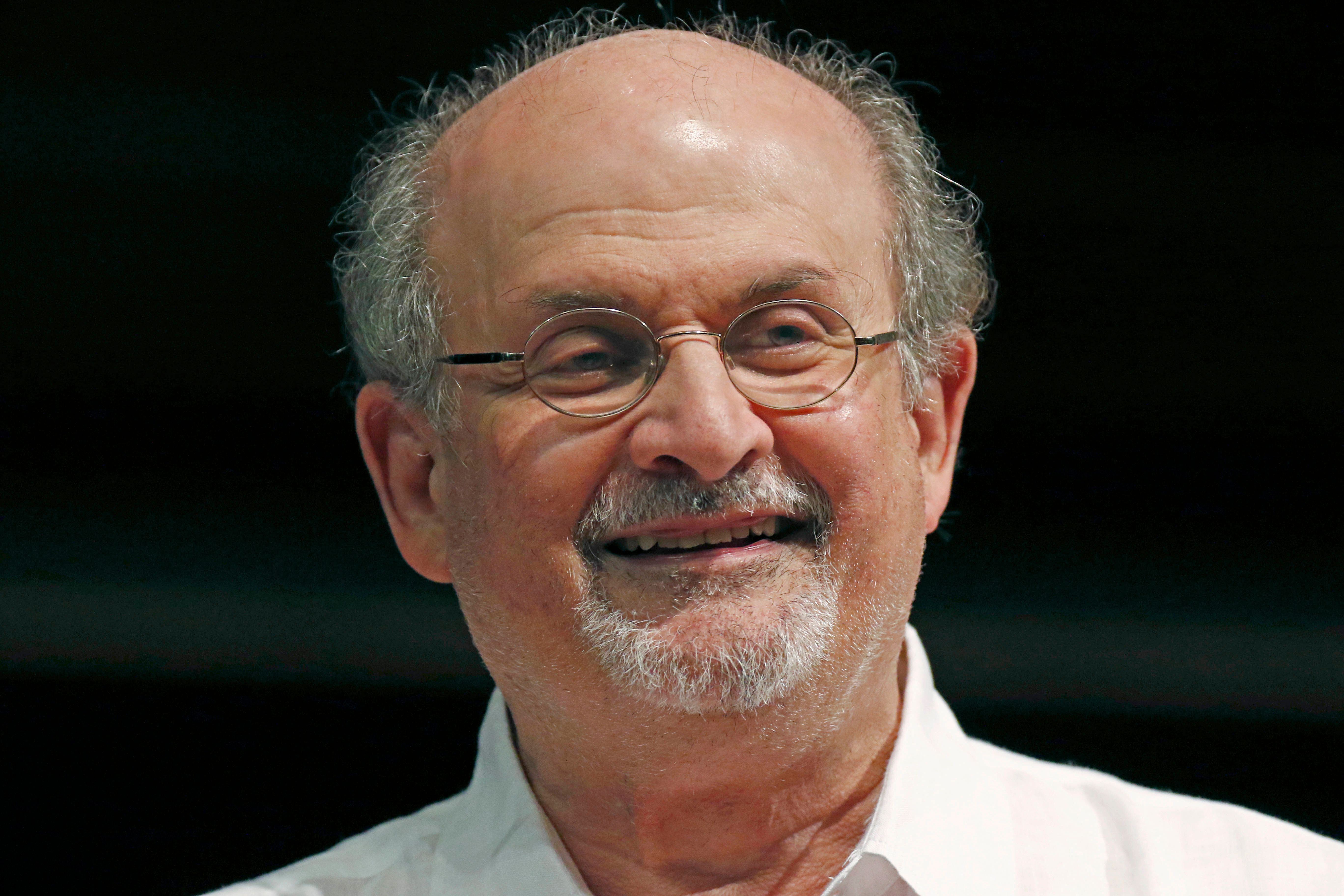
Author Salman Rushdie in 2018.
via Associated Press
Advertisement
The New York state police department has issued a statement confirming a male suspect ran onto the stage and attacked Rushdie and an interviewer.
The statement said: “State police are investigating an attack on author Salman Rushdie prior to a speaking event at the Chautauqua Institution in Chautauqua, NY.
“On August 12, 2022, at about 11am, a male suspect ran up onto the stage and attacked Rushdie and an interviewer.
“Rushdie suffered an apparent stab wound to the neck, and was transported by helicopter to an area hospital.
“His condition is not yet known.
“The interviewer suffered a minor head injury. A state trooper assigned to the event immediately took the suspect into custody.
Advertisement
“The Chautauqua County Sheriff’s Office assisted at the scene.”
Rushdie’s book The Satanic Verses has been banned in Iran since 1988, as many Muslims consider it to be blasphemous. A year later, Iran’s late leader Ayatollah Ruhollah Khomeini and issued a fatwa, calling for Rushdie’s execution.
A bounty of over $3 million has also been offered for anyone who kills Rushdie.
Iran’s government has long since distanced itself from Khomeini’s decree, but anti-Rushdie sentiment has lingered. In 2012, a semi-official Iranian religious foundation raised the bounty for Rushdie from $2.8 million to $3.3 million.
Rushdie dismissed that threat at the time, saying there was “no evidence” of people being interested in the reward.
That year, Rushdie published a memoir, Joseph Anton, about the fatwa. The title came from the pseudonym Rushdie had used while in hiding.
Rushdie rose to prominence with his Booker Prize-winning 1981 novel Midnight’s Children, but his name became known around the world after The Satanic Verses.
Advertisement
The Chautauqua Institution, about 55 miles southwest of Buffalo in a rural corner of New York, is known for its summertime lecture series. Rushdie has spoken there before.
This is a breaking news story and will be updated. Follow HuffPost UK on Twitter, Facebook and Instagram.
Salman Rushdie, whose writing led to death threats in the 1980s, was stabbed in the neck and abdomen by a man who rushed the stage as the author was about to give a lecture in western New York.
He is on a ventilator and may lose an eye, according to the New York Times, and sustained nerve damage to his arm and damage to his liver.
Advertisement
The Indian-British author, 75, was attacked on Friday onstage at the Chautauqua Institution.
Police identified the attacker as Hadi Matar, 24, of Fairview, New Jersey. He has been taken into custody.
Witnesses reported Rushdie falling to the floor when the man attacked him, and was then surrounded by a small group of people who held up his legs, seemingly to send more blood to his upper body, as the attacker was restrained.
According to the NYT, Rushdie’s agent Andrew Wylie said he is on a ventilator and unable to speak.
Wylie added the news was “not good” and the author will “likely lose one eye”.
He said the nerves in Rushdie’s arm were severed in the attack and his liver was “stabbed and damaged”.
Rabbi Charles Savenor was among the hundreds of people in the audience. Amid gasps, spectators were ushered outside.
Advertisement
“This guy ran on to platform and started pounding on Mr Rushdie. At first you’re like, ‘What’s going on?’ And then it became abundantly clear in a few seconds that he was being beaten,” Savenor said. He said the attack lasted about 20 seconds.
Author Salman Rushdie in 2018.
via Associated Press
Major Eugene Staniszweski of New York State Police said late on Friday: “Earlier today at approximately 10.47am, guest speaker Salman Rushdie, aged 75, and Ralph Henry Reese, age 73, had just arrived on stage at the institution.
“Shortly thereafter, the suspect jumped on to the stage and attacked Mr Rushdie, stabbing him at least once in the neck and at least once in the abdomen.
“Several members of the staff at the institution and audience members rushed the suspect and took him to the ground, and shortly thereafter, a trooper who was at the institution took the suspect into custody with the assistance of a Chautauqua County Sheriff’s deputy.
Advertisement
“Mr Rushdie was provided medical treatment by a doctor who was in the audience until EMS arrived on scene.
“Mr Rushdie was airlifted to a local trauma centre and is still currently undergoing surgery.”
Rushdie’s book The Satanic Verses has been banned in Iran since 1988, as many Muslims consider it to be blasphemous. A year later, Iran’s late leader Ayatollah Ruhollah Khomeini and issued a fatwa, calling for Rushdie’s execution.
<img class="img-sized__img landscape" loading="lazy" alt="Salman Rushdie holds up a copy of his book The Satanic Verses at Freedom Forum in Arlington, Virginia in March 1992.” width=”720″ height=”472″ src=”https://www.wellnessmaster.com/wp-content/uploads/2022/08/salman-rushdie-on-a-ventilator-and-could-lose-an-eye-after-new-york-attack-4.jpg”>
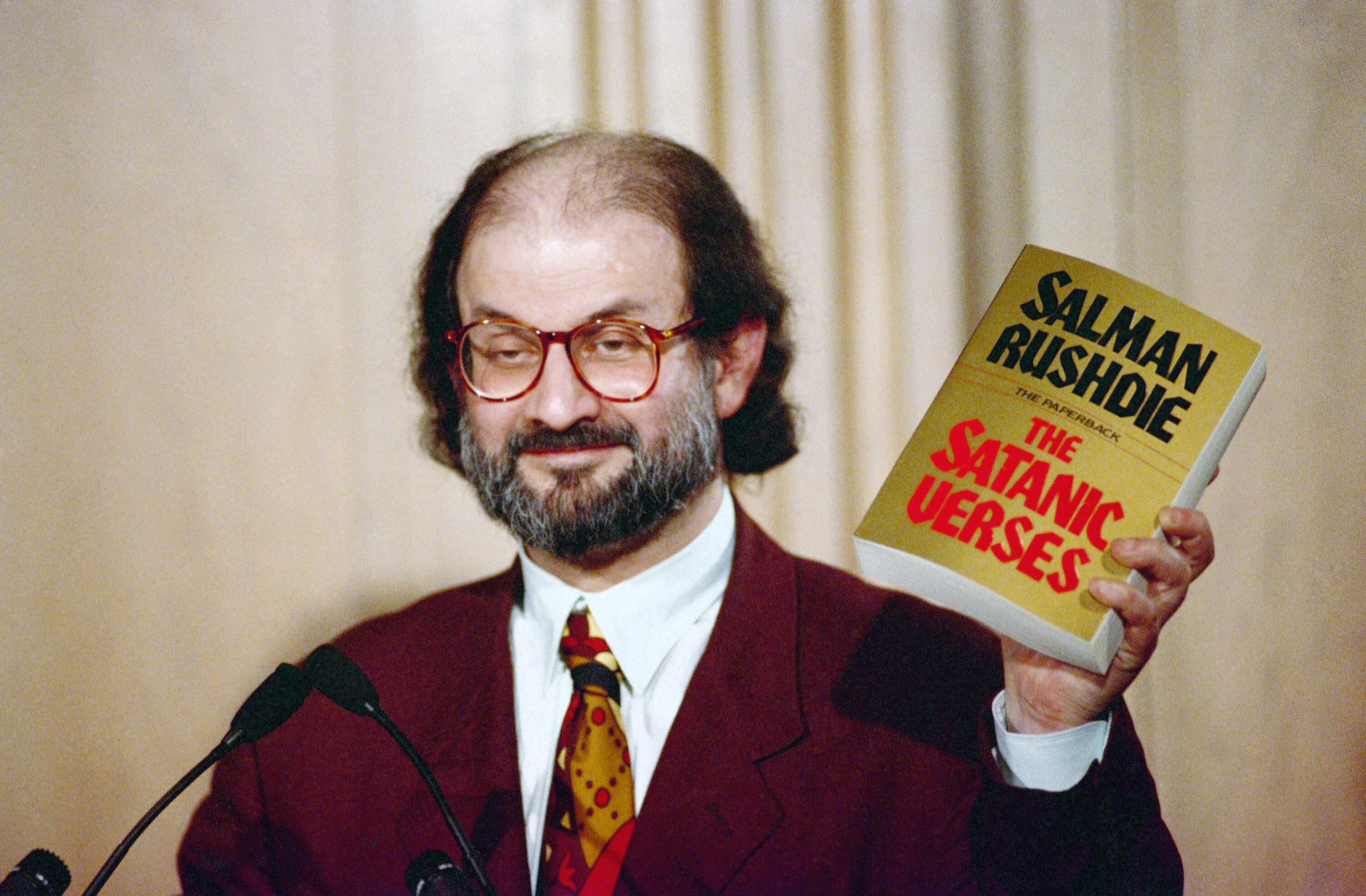
Salman Rushdie holds up a copy of his book The Satanic Verses at Freedom Forum in Arlington, Virginia in March 1992.
via Associated Press
A bounty of over $3 million has also been offered for anyone who kills Rushdie.
Iran’s government has long since distanced itself from Khomeini’s decree, but anti-Rushdie sentiment has lingered. In 2012, a semi-official Iranian religious foundation raised the bounty for Rushdie from $2.8 million to $3.3 million.
Rushdie dismissed that threat at the time, saying there was “no evidence” of people being interested in the reward.
Advertisement
That year, Rushdie published a memoir, Joseph Anton, about the fatwa. The title came from the pseudonym Rushdie had used while in hiding.
Rushdie rose to prominence with his Booker Prize-winning 1981 novel Midnight’s Children, but his name became known around the world after The Satanic Verses.
The Chautauqua Institution, about 55 miles southwest of Buffalo in a rural corner of New York, is known for its summertime lecture series. Rushdie has spoken there before.
This is a breaking news story and will be updated. Follow HuffPost UK on Twitter, Facebook and Instagram.
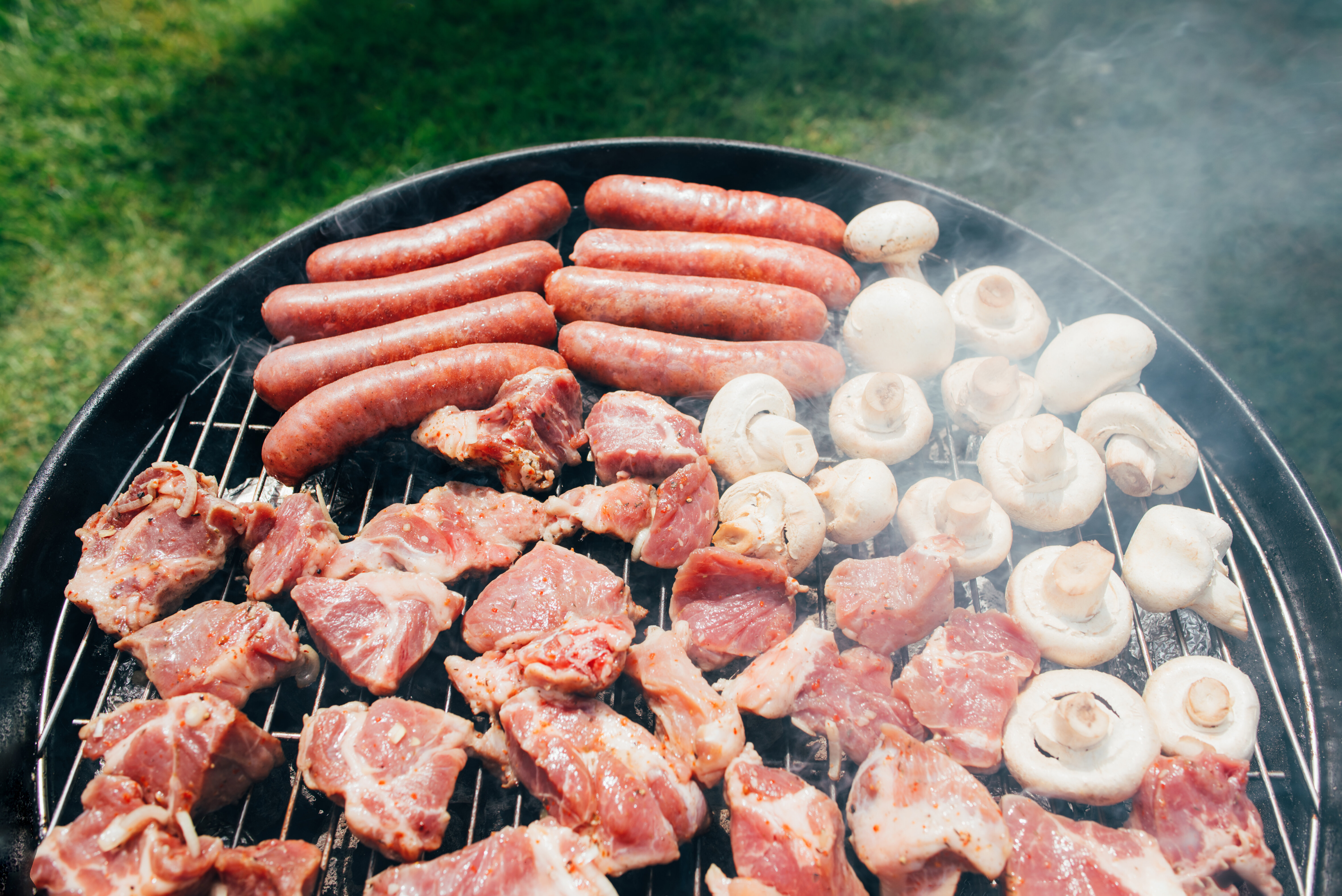
With extreme temperatures sweeping the UK, people have been urged not to use barbecues in parks, dunes and woodland, as well as on balconies, due to the massive fire risk.
A lack of rainfall in July and August means grass is bone dry and all it takes is a single spark from a barbecue to light up entire stretches of land – not to mention neighbourhoods.
Advertisement
During the first week of August alone, London Fire Brigade (LFB) mobilised thousands of firefighters to 340 grass, rubbish and open land fires – an eightfold increase on the 42 during the same week last year.
We’re incredibly sad to say that there was a fire at Morden Hall Park this weekend, caused by a disposable BBQ.
Everyone was safe, but it’s had a devastating effect, obliterating the meadow.
We urge you not to use BBQs onsite, as they can quickly become very dangerous. pic.twitter.com/GoGEdpSJXM
— Morden Hall Park NT (@MordenHallPkNT) July 25, 2022
To try and help ease the burden on fire brigades, some supermarkets have now stopped selling disposable barbecues due to the fire risk they pose in the hot weather. Sainsbury’s and Tesco are the latest stores to remove the items from sale, following in the footsteps of Marks and Spencer, Aldi and Waitrose.
LFB’s assistant commissioner Jonathan Smith has warned against barbecuing in open spaces or balconies. But what about barbecuing in your garden at home – is it safe?
Advertisement
It’s a tough question to answer.
There’s no advice explicitly telling you not to barbecue at home in your garden. Nobody wants to be a party pooper when it comes to people enjoying the nice weather, but realistically you do need to weigh up whether it’s worth the potential risk of setting your garden alight – and annoying your neighbours into the bargain, as the lack of wind means smoke tends to stick around.
If you are absolutely desperate to get grilling, you should take extra precautions. Your barbecue should be situated well away from your house and away from dry grass, shrubbery, bushes or trees, advises Andrew Chalk, a home insurance specialist at NFU Mutual.
If your barbecue is in need of a clean, make sure you do it. “Hot ashes or sparks are more likely if the barbecue hasn’t been cleaned since it was last used,” says Chalk, “so people should regularly clean their barbecues of ash and old grease.”
Maryna Terletska via Getty Images
Homes with a thatched roof are at particular risk of fire, so make sure any barbecues are positioned as far away as possible to ensure sparks can’t land on the thatch.
Advertisement
When you are cooking outside, Chalk recommends having a bucket of water on hand in case a spark does ignite anything nearby. Also consider wetting the area around the barbecue to make things a little less flammable.
It goes without saying that barbecues should always be operated outdoors, so don’t light one up indoors thinking you’ll reduce the risk of fire. This is incredibly dangerous due to the carbon monoxide fumes.
LFB also warns against using petrol, paraffin or any flammable liquids on your BBQ. Firelighters are a much safer option.
Once you’ve finished cooking, remember that your BBQ can remain hot for hours afterwards. You don’t want to put your still-smouldering-barbecue in your shed, for example, as you could inadvertently cause a blaze.
Liz Truss was today facing a backlash after she claimed that “woke” civil service culture “strays into antisemitism”.
The frontrunner in the race to replace Boris Johnson issued a press release vowing to protect Jews from “creeping antisemitism and wokeism”.
Advertisement
However, one part of the announcement, in which she launched an attack on civil servants, sparked fierce criticism.
Team Truss wrote: “She will change woke civil service culture that strays into antisemitism.”
“The civil service is the best workplace to be Jewish to be honest, everyone is so friendly, so it’s all quite strange.”
– A Jewish civil servant speaks to us anonymously
Reacting to the comments, a civil servant working in a major government department told HuffPost UK they had never once heard about an antisemitism problem.
The civil servant, who we are not naming, said: “Honestly, we’re used to ridiculous comments from ministers but to start throwing around that the civil service is antisemitic is such a baffling and odd attack and so offensive to civil servants.
Advertisement
“It’s also patently nonsensical to say ‘they’re so woke they’re antisemitic’. What on earth does that even mean? Every single day I consider leaving the civil service because of these people.”
Another civil servant, who is Jewish, told us there might have been some issues over diversity courses.
But they added: “I think she’s just vomited out a load of buzzwords and ended up with something objectionable.
“The civil service is the best workplace to be Jewish to be honest, everyone is so friendly, so it’s all quite strange.”
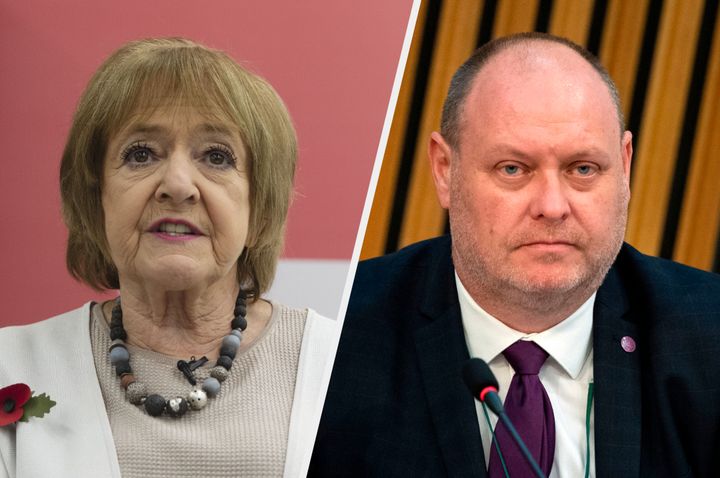
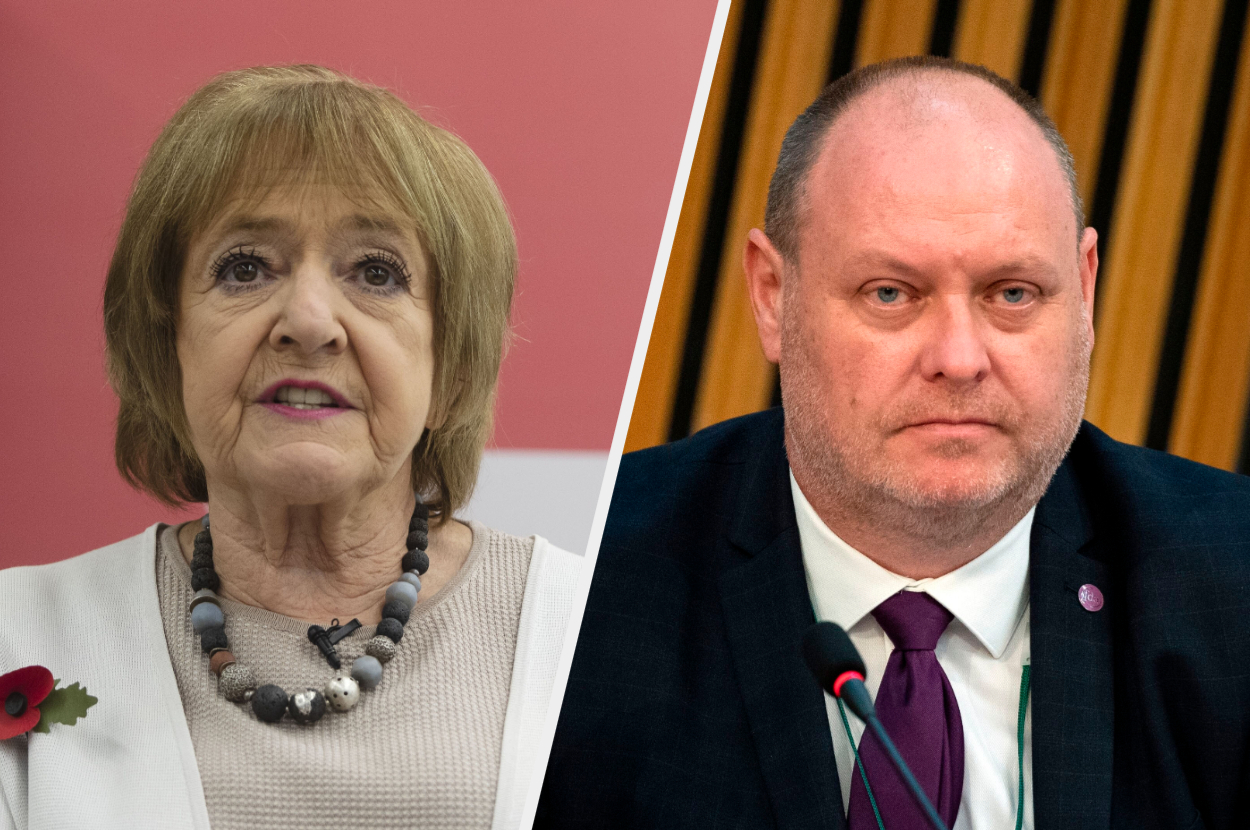
Dame Margaret Hodge and Dave Penman criticised Liz Truss’s comments.
Advertisement
A civil servant, who recently left for the private sector, said the “constant attacks” and lack of faith after partygate drove them to leave.
“I know of dozens of good civil servants who are leaving because of this negativity,” they added.
“How ministers, MPs, and leadership candidates can keep making unsubstantiated comments and threats, and still expect to have anyone who can actually deliver left, is beyond me.”
Dave Penman, general secretary of the FDA union for senior civil servants, said Truss’s accusations were a “little ironic” given the Tories had been in power for 12 years.
“Truss’s accusation of antisemitism goes further than the usual dog-whistle politics that has been on display during this leadership campaign when it comes to the civil service,” he added.
“She provides no evidence for her accusation that many civil servants will find both insulting and abhorrent.”
Advertisement
Message I received re Truss: “I’m a Jewish civil servant (grew up modern orthodox) and I have absolutely no idea what she’s referring to. What does ‘Woke civil service culture strays into antisemitism’ even mean? I’ve never worked in a more inclusive and diverse environment” /1
Veteran Labour MP Dame Margaret Hodge described the comments as “below the belt”.
The former cabinet minister, who is Jewish and has been outspoken about antisemitism in her own party, added: “Using antisemitism to peddle the right’s ‘anti-woke agenda’ is below the belt.
“The oldest form of racism is not a tool to use in the divisive culture war nonsense.”
Times journalist Hugo Rifkind commented: “This is baffling, but also grim. Equating Jews with rightwing reactionary politics is what leftwing antisemites do. Am pretty colossally unkeen on Tories doing it, too.”
This is baffling, but also grim. Equating Jews with rightwing reactionary politics is what leftwing antisemites do. Am pretty colossally unkeen on Tories doing it, too. https://t.co/Shqo0dZ9Bb
Sam Freedman, a senior fellow at the Institute for Government, said: “I worked in the civil service for three years and have worked with numerous officials on various things since then and have never once experienced any antisemitism. Bizarre comment.”
Advertisement
Journalist Etan Smallman tweeted: “Antisemitism is far too serious for anyone to be using it in the same sentence as ‘civil service wokeism’. Let alone our prospective prime minister.”
Dr Ruvi Ziegler, associate professor in international refugee law at the University of Reading, commented: “WTAF is ‘woke civil service culture’? Who comes up with this nonsense, and how on earth is this related to British Jews?”
Another Twitter user commented: “Attacking the civil service (who cannot respond in the media) is weak, pathetic and unbefitting someone seeking the highest office in the land.”
HuffPost UK contacted Truss’s team asking for evidence of an antisemitism problem in the civil service.
Her team referred us to an interview Truss gave to the Jewish Chronicle in which she pledged action to change civil service “woke” culture, including within the foreign office.
Advertisement
When discussing how she was committed to eradicating antisemitism in various bodies, she revealed she had to “overrule” foreign office officials who did not share her views.
The article did not outline what the issue was or what she specifically disagreed with civil servants on.
I was a Jew in the public sector for four years and engaged with the Civil Service on a daily basis.
I never once encountered anti-semitism. It was an exceptionally multicultural and tolerant environment.
The press release was issued after Truss spoke at a synagogue in Manchester.
In a written statement, hitting out at “civil service wokeism”, Truss said: “Every organisation has its culture, but it’s not fixed, it can be changed.
“That’s what ministerial leadership is about: it’s about making sure that the policies we represent, the values we stand for, are reflected in what we do. I’ve been very clear with our officials about the positions we take on Israel, and that will continue if I become prime minister.”
Advertisement
Truss also announced she would review whether schools are doing enough to educate about antisemitism, rid university campuses of antisemitism and work to secure a free trade agreement between the UK and Israel.
A Truss campaign source also appeared to link Labour’s antisemitism problem when Jeremy Corbyn was leader with Keir Starmer.
The source said: “The Labour Party under Sir Keir Starmer and his colleague Jeremy Corbyn has been a talking shop for antisemitism and antizionism.
“This has increased anxieties within the Jewish community.”
Jerry Seinfeld was all too happy to take some credit for the success of Friends, according to an anecdote from Lisa Kudrow. Luckily, she seems to agree with the comedian.
Lisa opened up about sharing time with the other iconic series of the ’90s, and told The Daily Beast in an interview that she didn’t feel competitive “at all” with Seinfeld. In fact, she explained how the series actually helped boost ratings and contribute to the incredible success of Friends.
Advertisement
“Not to take anything away from the writing on Friends, or the cast, or how good Friends really was, but the first season our ratings were just fine,” Lisa said.
“We held onto enough of [sitcom] Mad About You and starting building, but it was in the summer when we were in reruns after Seinfeld, where Seinfeld was our lead-in, where we exploded,” she added, before recalling an anecdote that screams Seinfeld.
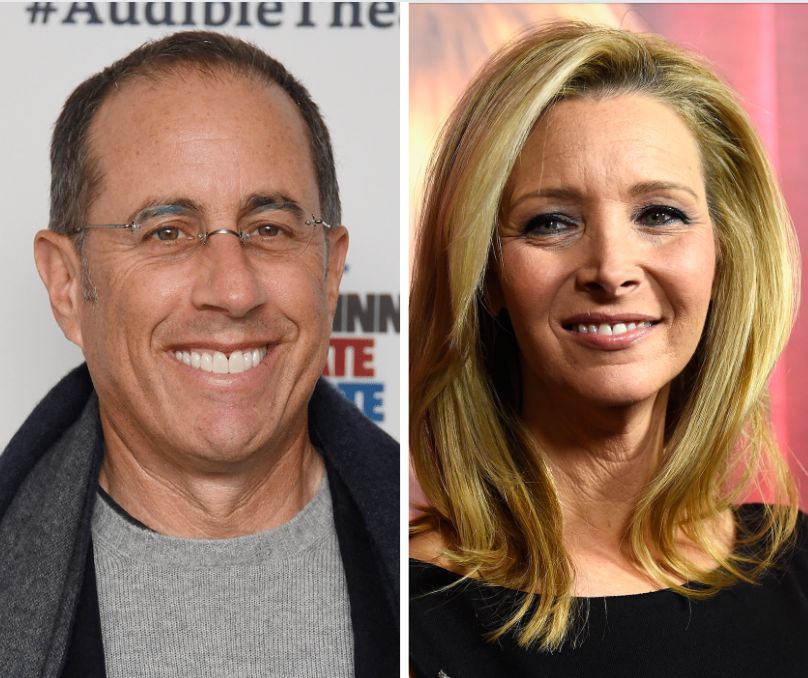
Jerry Seinfeld (left) once told Lisa Kudrow “You’re welcome” for the success of Friends.
“I remember going to some party and Jerry Seinfeld was there, and I said, ‘Hi,’ and he said, ‘You’re welcome,’” Lisa said. “I said, ‘Why, thank you … what?’” And he said, ‘You’re on after us in the summer, and you’re welcome.’ And I said, ‘That’s exactly right. Thank you.’”
Advertisement
But unlike Friends, which scored big with its reunion in 2021, Seinfeld is still holding off on getting the cast together – for now.
When the interviewer at the time suggested the Seinfeld cast and crew could put together something like Friends did for their reunion special, the comedian joked: “I don’t think you win Emmys for that stuff.”
Boris Johnson has been slammed after a crunch meeting with energy bosses ended with no new help for people struggling with the cost of living crisis.
The prime minister, chancellor Nadhim Zahawi and business secretary Kwasi Kwarteng held talks with energy and gas executives this morning amid dire warnings that energy bills could reach an eye-watering £5,000 next April.
Advertisement
But despite calls for government action, Johnson told the companies that any “significant fiscal decisions” would be for the next prime minister to take after they take office on September 6.
Shadow climate change secretary Ed Miliband said: “Britain faces a national emergency with rising energy bills and a cost of living crisis. Families are worried about how they will pay their bills.
“But instead of showing leadership, the Conservatives are missing in action. The prime minister and chancellor have gone AWOL, whilst the candidates for the leadership have no substantive ideas about how to help working people meet the challenges they face.”
Following today’s meeting, the PM said: “We will keep urging the electricity sector to continue working on ways we can ease the cost-of-living pressures and to invest further and faster in British energy security.”
Advertisement
The Treasury said that Zahawi and the energy firms agreed to “work closely” over the coming weeks to ensure that the public, including vulnerable customers, are supported in the face of rising costs.
“In the spirit of national unity, they agreed to work with us to do more to help the people who most need it,” Zahawi added.
In response, Liberal Democrat leader Ed Davey said it was “appalling that the Conservatives still haven’t announced any extra support for families and pensioners facing the hardest winter in decades”.
“The cruellest element of this chaos is that those who could actually help, Truss and Sunak, are more interested in speaking to their party than taking the action our country needs,” he added.
“Whether it’s Johnson or Zahawi, Truss or Sunak, not one of them has a big enough plan to help millions of families cope with soaring energy bills.
Advertisement
“That is why the Liberal Democrats are calling on the government to cancel the energy price hike to avoid a country-wide catastrophe.”
The meeting comes as forecasts released today by energy consultancy Auxilione predicted that the energy price cap could increase to £5,038 per year for the average household in the three months beginning next April.
It is an even worse than a forecast provided by Cornwall Insight earlier this week which said energy bills could hit £4,200 per year in January.
After years of progress, the number of stillbirths increased across England and Wales in 2021 – but it’s not the story you’ll read about elsewhere.
When the new ONS data was released this week, most newspapers focused on a jolly little fact: last year, more babies were born out of wedlock than among married couples for the first time since records began.
Advertisement
But the figures also show there were 2,597 stillbirths in 2021, an increase of 226 from 2020.
These statistics were barely a footnote in most national newspapers, something the baby loss charity, Tommy’s, was disappointed by.
Kath Abrahams, chief executive at the charity says the latest figures are “unacceptable”. She believes they reflect the “direct and indirect” impact Covid-19 had on pregnant women and people in 2021.
“Indirectly, the pandemic had a significant impact on maternity services, putting them under greater pressure,” she tells HuffPost UK. “There were higher rates of stillbirth in January 2021, which coincided with the peak of the second wave of Covid-19.”
Throughout the pandemic, HuffPost UK reported on the disproportionate impact on maternity services, with pregnant women saying they felt “forgotten” as lockdown restrictions eased. While pubs reopened, mums-to-be reported having routine antenatal appointments cancelled or conducted over the phone.
Advertisement
Though there’s no research to link these practices directly to stillbirth rates, the individual stories paint a picture of incomplete care, at a time of high-anxiety for pregnant women.
Pregnant women also faced misinformation regarding vaccine safety, with some even mistakingly told not to take the jab at vaccine centres. Data from October 2021 found just 15% of pregnant women were fully vaccinated amidst the fear and confusion.
Because of this, Tommy’s says Covid-19 infection is likely to have had a direct impact on the 2021 stillbirth rate.
“Our research has shown that getting Covid-19 during pregnancy could cause problems in the placenta, increasing the risk of pregnancy complications, which is why it’s important pregnant women and people get vaccinated if they can,” Abrahams says.
“Rates of stillbirth had been following a consistent decline over recent years, and we believe 2021’s increase is unacceptable. It highlights exactly why we need to increase efforts to meet NHS England’s aim of reducing stillbirth rates by 50% by 2025.”
Advertisement
The data also uncovered that stillbirth rates differed across the country last year, with more deprived areas, including the North East and Yorkshire, experiencing higher rates than the most affluent regions.
“It is unacceptable that who you are and where you live continues to have an impact on whether your baby is born healthy – and it’s vital that our government and health services continue to focus on tackling these inequalities,” Abrahams adds.
“Action to reduce stillbirth must be a national priority as health services recover following the Covid-19 pandemic, and more work must be done to understand the reasons for the increase in stillbirths and help improve care for pregnant women and people at risk.”
Commenting on the latest figures, Professor Asma Khalil, spokesperson for the Royal College of Obstetricians and Gynaecologists, said every stillbirth “is a tragedy for the families affected as well as the maternity staff involved”.
“Stillbirth rates are still higher in the UK than many other high-income countries and vary widely across the UK,” she said. “We continue to advise women who have concerns or worries about their or their baby’s health – including the baby’s movements – to seek medical advice from their midwife or hospital as soon as possible. We also advise pregnant women to ensure they are fully vaccinated against Covid as this can increase the risk of stillbirth.”
HuffPost UK contacted the Department of Health and Social Care about the increased stillbirth rates, sharing the concerns raised by Tommy’s about stretched maternity services.
In response, a DHSC spokesperson told us: “We are committed to making the NHS the best place in the world to give birth through personalised, high-quality support.
Advertisement
“Since 2010, the rate of stillbirths has reduced by 20.9%, the rate of neonatal mortality for babies born over 24 weeks has reduced by 36% and maternal mortality has reduced by 17%.
“The NHS is investing £127m into the maternity system in the next year to support the workforce and improve neonatal care – which is on top of £95m to recruit 1,200 more midwives and 100 more consultant obstetricians.”