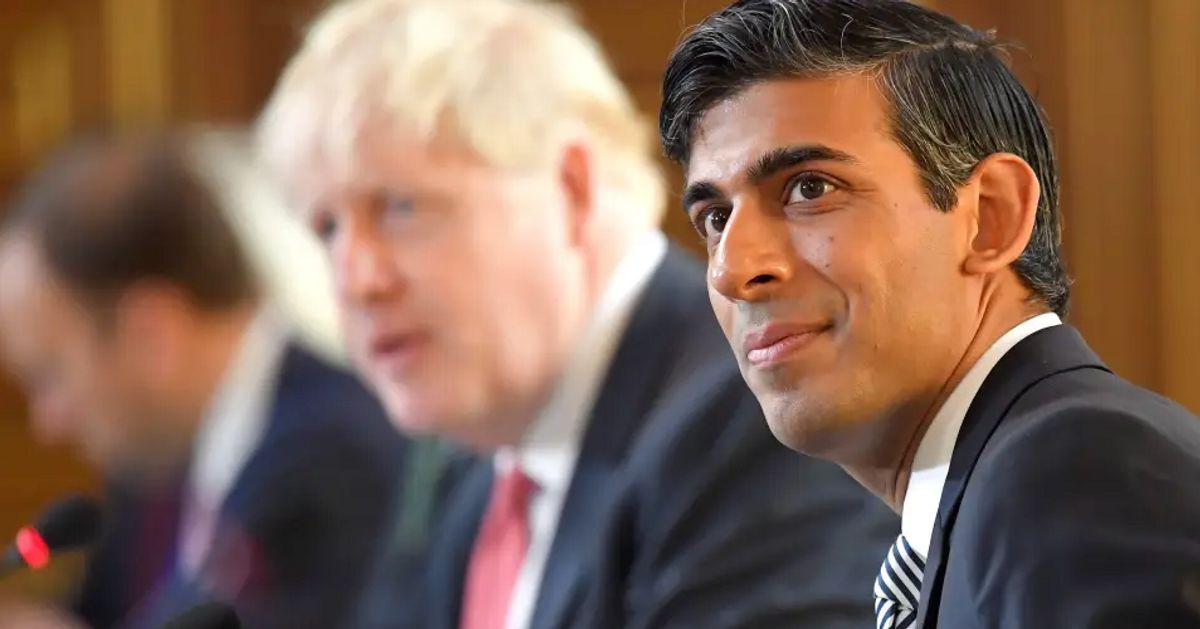
Rishi Sunak Says ‘More’ Financial Support To Come In Budget

Rishi Sunak has indicated he will extend emergency support packages as the coronavirus lockdown is unwound and did not deny he would first raise taxes before cutting them ahead of the election.

The chancellor insisted ahead of this week’s Budget that he is in favour of low taxes but said he needs to repair the public finances from the “shock” of the pandemic.

He did not deny telling Tory MPs in private that he would raise them now before cutting them in a pre-election Budget in the future.

Sunak said he must “level with people”, with Covid having had an “enormous hold on our economy” that will cause debt to “rise indefinitely” if borrowing continues after the recovery.

But he suggested current support packages for jobs and businesses, such as the furlough scheme, would continue as England comes out of the national lockdown in the coming months.

He said he wants to “support people and businesses along that path” to ending restrictions steadily until June 21, as set out by Boris Johnson.

“We went big, we went early and there’s more to come next week,” Sunak told Sky’s Sophy Ridge On Sunday.

The chancellor was pressed on whether he told Conservative MPs in private that he would seek to raise taxes now and then cut them before the election.

“I think in the short term what we need to do is protect the economy and keep supporting the economy through the road map, and over time what we need to do is make sure our public finances are sustainable,” Sunak said.

“That isn’t going to happen overnight, that’s going to be work that takes time given the scale of the shock that we’ve experienced but if you’re asking do I want to deliver low taxes for people, of course I do.”

Sunak said he cannot talk about tax outside the Budget and declined to say whether he would stick by the manifesto pledge not to raise the rate of income tax, VAT or national insurance.

Treasury sources did not deny a report suggesting the chancellor plans to raise £6 billion by freezing income tax thresholds for at least three years.

The Sunday Times said he would freeze the £12,500 point at which people start paying the basic rate of income tax and the £50,000 threshold where they begin paying the higher 40p rate, as he aims to raise £43 billion a year.

The move would allow Sunak to raise extra funds without breaking the manifesto pledge that guaranteed the Conservatives would not raise the “rate” of income tax.

But it was estimated the move would push an extra 1.6 million people into a higher tax bracket before the next general election is due in 2024.
Share Button

It’s Been One Year Since Trump Boasted 15 Covid Cases Would Soon Be ‘Close To Zero’

Drew Angerer via Getty Images

More than 500,000 people have now died of Covid-19 in the US alone. It’s Been 1 Year Since Trump Boasted 15 COVID-19 Cases Would Soon Be ‘Close To Zero’

The US hit a tragic anniversary Friday, exactly 12 months after then-president Donald Trump gloated that the nation was doing a “pretty good job” against the spread of Covid-19 and that the 15 reported cases would quickly be “down to close to zero.”

He declared the following day that “like a miracle, it will disappear.”

The US Covid-19 death toll has now surpassed 510,000, with cases in the country topping 28 million.

The New York Daily News used Trump’s quote on the front page when the US passed a half million Covid-19 deaths on Monday. “So Far From Zero” the headline said.

The day before Trump’s 2020 prediction, Dr Nancy Messonnier, director of the Centres for Disease Control and Prevention’s National Centre for Immunisation and Respiratory Diseases, warned: “We expect we will see community spread in this country. It’s not so much a question of if this will happen anymore but rather more a question of exactly when this will happen and how many people in this country will have severe illness.”

Trump threatened to fire Messonnier after her warning, The Wall Street Journal reported.

Yet Trump admitted to Washington Post journalist Bob Woodward weeks before he claimed Covid-19 would vanish that he knew it was far more dangerous than he had let on.

“You just breathe the air and that’s how it’s passed,” Trump said in a February 7 call with Woodward, who reported the conversation in his book “Rage.” “And so that’s a very tricky one. That’s a very delicate one. It’s also more deadly than even your … strenuous flus …. This is deadly stuff.′ 

He told Woodward in March: “I wanted to always play it down.”

Share Button

Only Fools And Horses Star Reveals The Comeback That Nearly Was But Never Happened

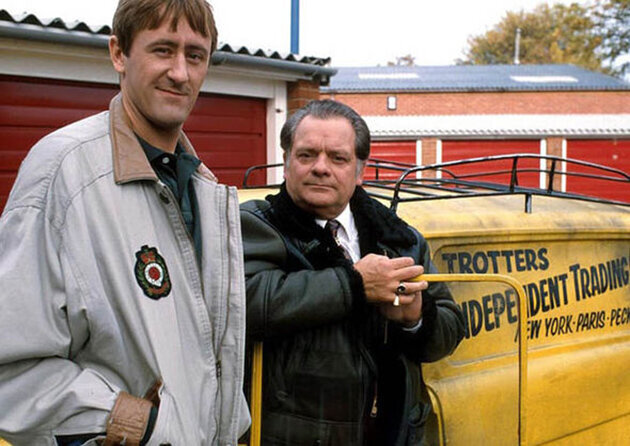
Only Fools and Horses fans were nearly granted a revival to celebrate the show’s 30th anniversary, one of its stars has revealed.

John Challis, who played Boycie in the hit BBC sitcom, said that writer John Sullivan was working on a comeback episode but died before completing the script. 

The episode would have seen Del Boy celebrate his retirement in the Nag’s Head.

BBC

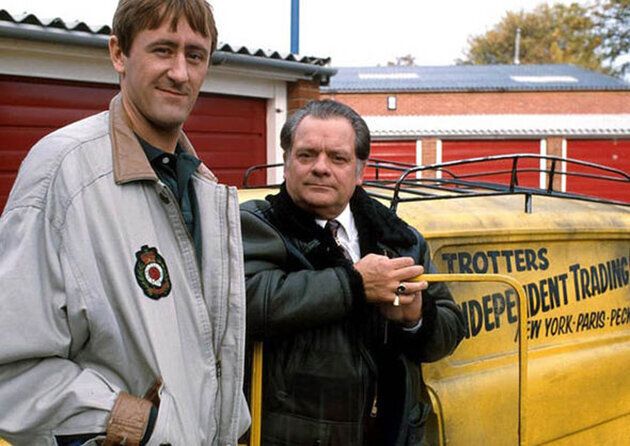
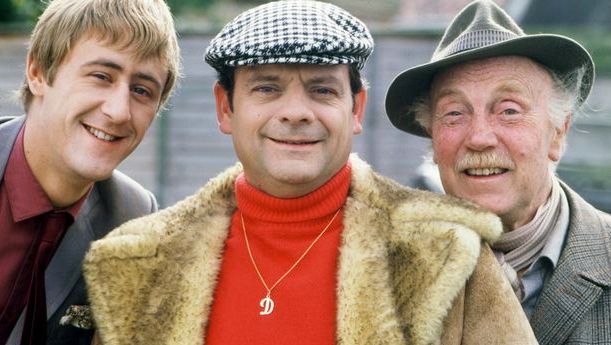
Only Fools And Horses stars Nicholas Lyndhurst and David Jason

Speaking to The Sun, Challis said: “The 30th anniversary was coming up and John was in the process of getting together a Christmas special or something.

“It was going to be Del Boy’s 65th birthday, he was going to retire and there was going to be a bit of a get-together in the Nag’s Head. But unfortunately he (John) got ill and didn’t come out of it.”

Sullivan died after contracting viral pneumonia in April 2011, five months before the 30th anniversary of Only Fools And Horses’ debut. 

Recalling his death, Challis said: “It was a complete shock to everybody. We got a phone call from the producers giving us the bad news.”

Radio Times via Getty Images

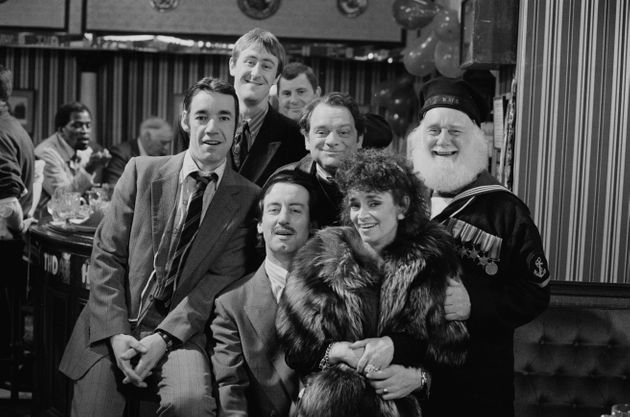
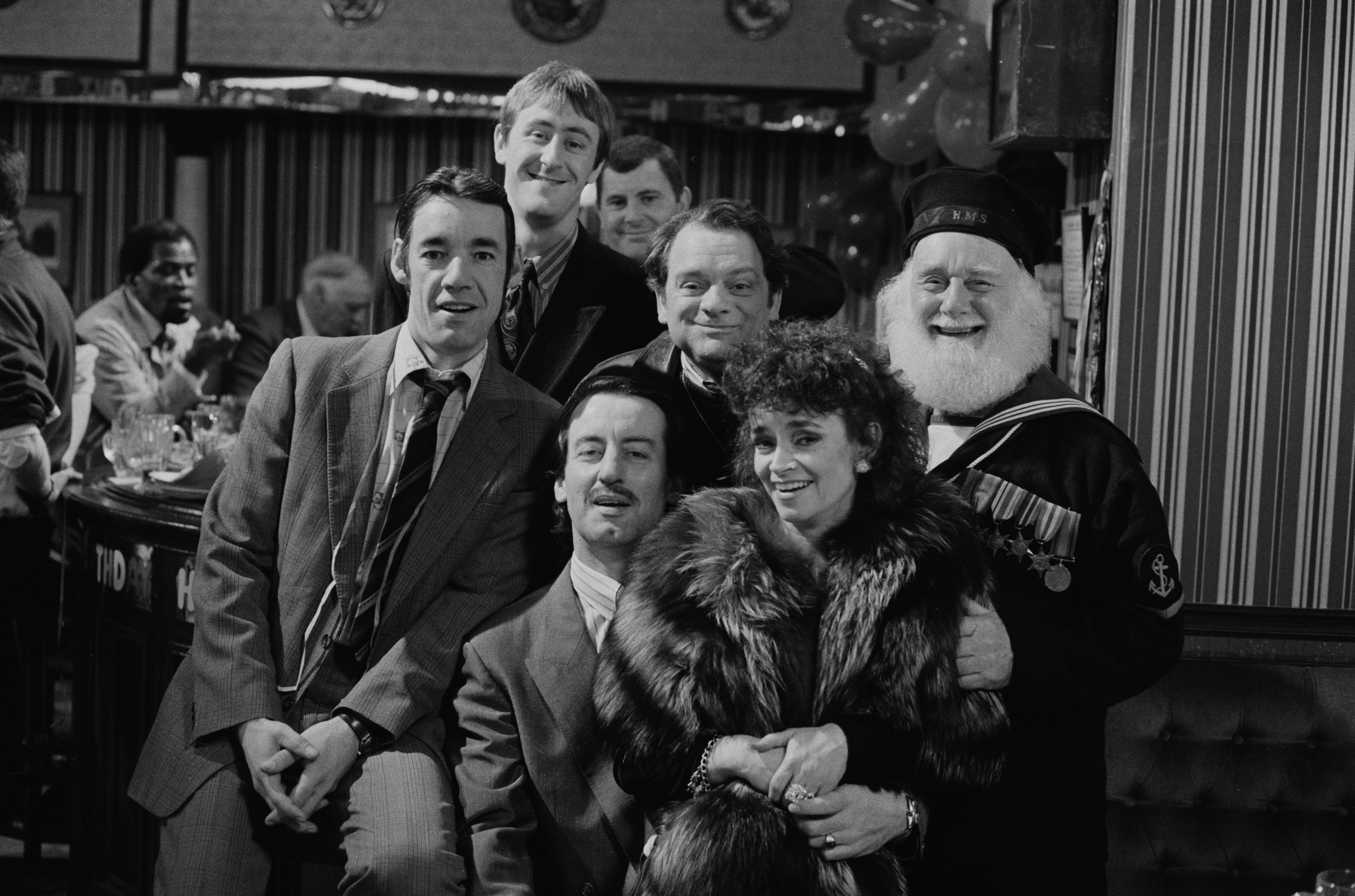
The cast during filming for the 1988 Christmas special of Only Fools and Horses

Sullivan wrote all 64 episodes of Only Fools And Horses, which ran between 1981 and 2003. 

Over 19 million people tuned in to see its final episode on Christmas Day in 2003. 

Sir David Jason, who played Del Boy in the show, recently admitted he had watched an old episode of Only Fools And Horses during lockdown, and was left in fits of giggles at the iconic moment when his character fell through a wine bar hatch. 

He told The Mirror: “It gave me great joy. The hatch scene still makes me laugh out loud. Normally I’m very critical of what I do, I don’t enjoy watching very much. But that one just works.”

Share Button

Healthy eating: One step at a time

Mayo Clinic does not endorse companies or products. Advertising revenue supports our not-for-profit mission.

Advertising & Sponsorship

Mayo Clinic Marketplace

Check out these best-sellers and special offers on books and newsletters from Mayo Clinic.

Share Button

Here’s What The Coronavirus R Rate Is Near You

The UK’s Covid R rate has remained between 0.6 and 0.9, scientists advising the government have said. 

R measures the number of people, on average, that each sick person will infect.

If R is greater than 1 the epidemic is generally seen to be growing; if R is less than 1 the epidemic is shrinking.

The estimate, published on Friday and provided by the Scientific Advisory Group for Emergencies (Sage) and the Department for Health and Social Care, is the same as last week.

Here’s what the R rate is in each region

In England as a whole, the R rate is 0.7 to 0.9, while regionally it is as follows:

East of England – 0.6 to 0.8 (last week 0.6 to 0.8)

London – 0.6 to 0.8 (0.6 to 0.8) 

Midlands – 0.7 to 0.9 (0.6 to 0.9) 

North-east and Yorkshire – 0.7 to 0.9 (0.7 to 1.0)

North-west – 0.7 to 0.9 (0.6 to 0.9)

South-east – 0.7 to 0.9 (0.6 to 0.8)

South-west – 0.6 to 0.8 (0.6 to 0.9)

In Scotland the latest figures estimate the R rate is between 0.7 and 0.9, the same as last week.  

In Wales the R rate has also remained the same, estimated to be between 0.7 and 0.9. 

And in Northern Ireland it is estimated to be between 0.8 and 1.5. 

It comes as the government announced it would accept the recommendation from its scientific advisers that the next phase of the vaccine rollout should continue to be based on age.

The Joint Committee on Vaccination and Immunisation (JCVI) said the under-50s should be give priority in this order:

  • All those aged 40-49 years
  • All those aged 30-39 years
  • All those aged 18-29 years

It rejected demands that key workers, such as teachers, be bumped up the list irrespective of age.

The JCVI said targeting occupational groups would be more complex to deliver and could slow down the vaccine programme, leaving some more vulnerable people at higher risk unvaccinated for longer. 

The latest official figures show 18,691,835 people have so far been offered at least one dose of a vaccine.

Share Button

These Pictures Of Spring Blossom Are The Weekend Vibe We Need

Blossom is coming to the UK – in a big way. The National Trust has announced it’ll be planting more blossoming tree circles in towns and cities across the country “to help signal reflection and hope” following the pandemic.

The conservation charity hopes to spark an annual marking of the season akin to Japan’s hanami – the ancient tradition of viewing and celebrating cherry blossom as the first sign of spring.

The hope is to extend our newfound appreciation of nature that got so many people through the first lockdown in spring 2020, and to give tourism a bit of a boost once it’s able to resume.

The first new blossom circle will be at the Queen Elizabeth Olympic Park in east London and will include 33 UK-grown trees, including cherry, plum, hawthorn and crab apple, to represent the 33 London boroughs.

It’ll be joined by more blossom-friendly green spaces in and around urban areas over the next five years, to connect more people to nature.

Can’t wait until then? Here’s some amazing blossom photos from around the world to get you in the mood for spring.

Share Button

Ministers Bury Government Research Into Why People Need Food Banks

Press Association

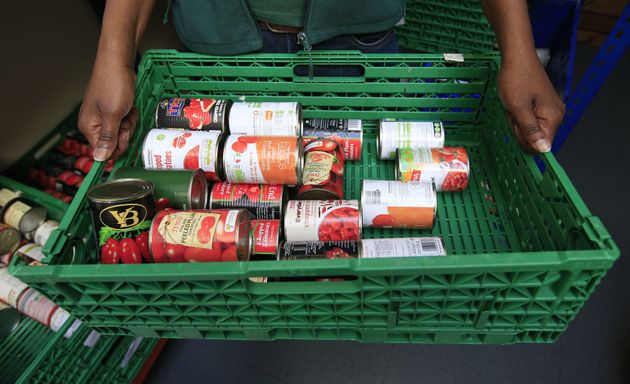
Food bank supplies

Boris Johnson’s government has buried an internal review into whether welfare policies like Universal Credit are driving historic levels of food bank use. 

The Department for Work and Pensions (DWP) began a study in 2018 investigating the impact of Universal Credit and other reforms were having on food poverty. 

Ministers were due to complete work in October 2019 but the snap general election campaign delayed the report, with MPs told it would be published in summer 2020. 

Now, the government appears to have shelved the report altogether.

Welfare minister Will Quince confirmed in a written statement that the DWP has “reallocated resources to prioritise work to help the Covid-19 effort”.

It comes after a Trussell Trust analysis found there had been a 61% increase in food bank use between October and December, and that families with children have been worst-hit by Covid uncertainty. 

Ministers have been under pressure to stamp out food poverty, with Manchester United footballer Marcus Rashford leading a high-profile campaign for free school meals. 

Press Association

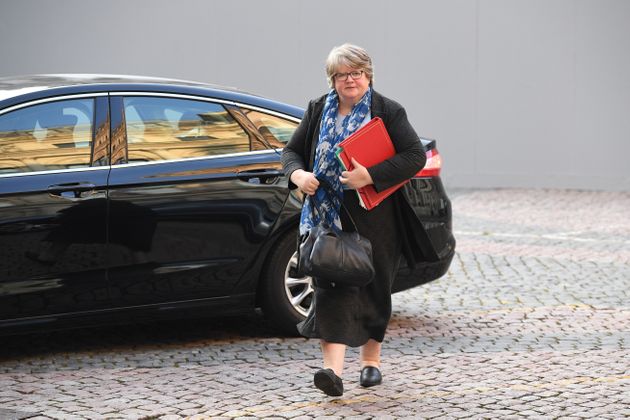
Work and pensions secretary Therese Coffey

Labour MP Neil Coyle, who uncovered that the research has been shelved, told HuffPost UK: “The government claims its policies are not responsible for the dramatic rise in food bank use and food poverty since it came to power a decade ago, but the DWP won’t even publish its own research into how Universal Credit causes food bank dependency.

“Ministers have sat on the findings of government research for a year and a half and appear in deep denial about the level of the problem and the direct impact of their policies.

“Until ministers admit the link between their policies and rising food bank dependency, they will continue to see campaigns like that of Marcus Rashford, expose the extent of the problem their policies have caused and be forced into more humiliating climb-downs and more reactive, stopgap measures which cost taxpayers more overall.” 

The £200,000 DWP study was set up to examine “policy or operational practice that may have contributed to a rise in demand for food bank services”. 

In 2019, UN special rapporteur Philip Alston found that poverty in the UK was “systemic” and “tragic”. 

Quince said in the statement that the government had been supporting families struggling during the pandemic with welfare payments and extra cash handed to councils. 

He said: “Throughout this pandemic, this government has delivered an unprecedented package of support to protect jobs and businesses and, for those in most need, injected billions into the welfare system.

“The new Covid Winter Grant Scheme builds on that support with an additional £170m for local authorities in England, to support families with children and other vulnerable people with the cost of food and essential utilities this winter.” 

Share Button

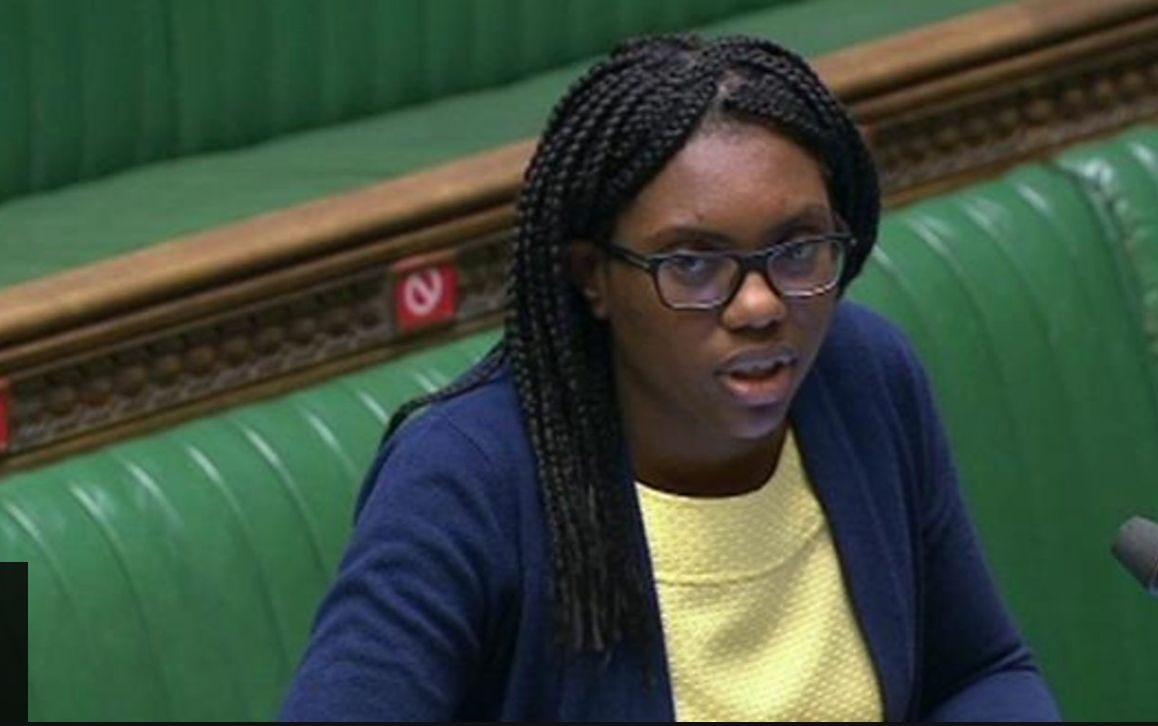
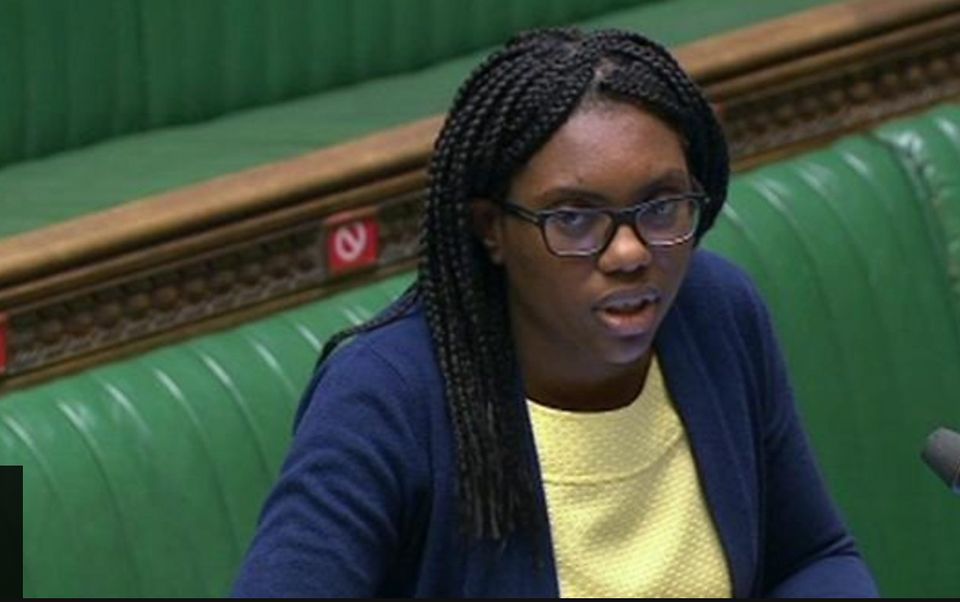
Who Is Accountable For Kemi Badenoch’s Public Attack On Our Journalist?

Some people call it “cancel culture”. Others call it accountability. Rightly or wrongly, your Twitter feed can get you in trouble at work, or worse. But we’ve now learned that members of our government are not held to the same standards as the rest of us.

It’s almost a month since Britain’s equalities minister posted an eight-tweet thread filled with false allegations about the conduct of HuffPost reporter Nadine White. Nadine had asked Kemi Badenoch, as one of parliament’s most senior Black MPs and the minister with the portfolio for race and inequality, why she hadn’t appeared in a video aimed at increasing uptake of the vaccine among Black people. She emailed the MP’s office, and the Treasury press team, where Badenoch also holds a ministerial role. Rather than respond via either of those channels, the minister fired off a Twitter tirade about how this routine press enquiry was a “sad insight into how some journalists operate”, describing it as “creepy and bizarre”. Nadine was forced to lock her Twitter account after she received abuse.

It took us a couple of hours to file a formal complaint with the Cabinet Office. It took them three and a half weeks to reply, but at last the government has seen fit to answer our complaint. 

Their letter is short and to the point. “I note that the tweets were not issued from a government Twitter account but instead from a personal Twitter account,” writes Cabinet Office permanent secretary Alex Chisholm. “The minister is personally responsible for deciding how to act and conduct herself, and for justifying her own actions and conduct. As such, this is a matter on which the minister would be best placed to offer a response.”

The ministerial code states that “ministers of the Crown are expected to maintain high standards of behaviour and to behave in a way that upholds the highest standards of propriety”. But not, it seems, on their ministerial Twitter accounts. 

We were not alone in mistakenly thinking that the minister’s verified Twitter account, in which she describes herself as “Treasury & Equalities Minister”, was in some way linked to her job

How stupid of us. It is cold comfort that we were not alone in mistakenly thinking that the minister’s verified Twitter account, in which she describes herself as “Treasury & Equalities Minister”, was in some way linked to her job. The National Union of Journalists called Badenoch’s original outburst about Nadine “frankly weird, completely out of order and an abuse of her privilege”. The Council of Europe’s Safety of Journalists Platform flagged the incident as a potential threat to media freedom under the European Convention on Human Rights. The European Centre for Press and Media Freedom, recorded the attack as a “violation of media freedom”. I wonder how many of Kemi Badenoch’s 40,000 followers are also under the impression that her Twitter account is a reflection of her professional role and work as an elected representative.

Also mistaken was No.10’s race adviser Samuel Kasumu, who was so upset about Kemi Badenoch’s behaviour that he handed in, but was then persuaded to withdraw, his resignation. Apparently unaware of that Kemi Badenoch’s official parliamentary Twitter account is only “personal”, he wrote: “I believe the Ministerial Code was breached. However, more concerning than the act was the lack of response internally. It was not OK or justifiable, but somehow nothing was said. I waited, and waited, for something from the senior leadership team to even point to an expected standard, but it did not materialise.”

Nadine is a reporter who has done crucial work for HuffPost UK on racial inequality in the UK, not least during the Covid pandemic. So it’s just as well that it was not in a ministerial capacity, but from her “personal Twitter account”, that the minister for equalities made a show of not understanding how news works. Had she only had her professional hat on, she might have remembered that journalists send literally hundreds of requests for comment every day to every institution in the UK in order to find out if a story is accurate. We don’t publish stories without doing this – indeed, no story was published in this case.

It is a little confusing that Kemi Badenoch published screenshots of messages sent to her professional address and the Treasury press office in a “personal” capacity. But it’s certainly a relief that, when she declared to her 39,000 followers that Nadine’s conduct was a “sad insight into how some journalists operate”, and accused HuffPost and Nadine of “looking to sow distrust”, she wasn’t speaking as a government minister – because these claims are not only unbecoming of a senior politician, but betray either an alarming ignorance of how the press fits into our democratic system or a cynical display of bad faith.

In the end, Kemi Badenoch broke her silence by contacting a journalist – not Nadine or anyone from HuffPost, but a reporter at her local paper, the Saffron Walden Reporter. In a statement, she repeated her defamatory allegations about Nadine, this time claiming we had “stoked” a “false story” on social media, claims that were withdrawn from publication when it was pointed out that there was no evidence for them.

This apparently did not trouble her ministerial employers in the Cabinet Office or No.10. Perhaps they might like to clarify whether someone is speaking in an official capacity when they begin a statement with the words “as Equalities Minister”. 

It is absurd to any reasonable person to suggest the words of a minister are somehow less accountable if they are written by them on Twitter than a press release, or were given in an interview.

So who is responsible for the actions of the government’s ministers, if not the government? The Cabinet Office was clear: “This is a matter on which the minister would be best placed to offer a response.” No.10 agreed, with the prime minister’s press secretary saying it was “a matter for Kemi Badenoch” –although she added: “That would not be how we in No.10 would deal with these things.” 

Kemi Badenoch’s office, however, does not agree that it her responsibility, telling Nadine this week: “She has nothing further to add beyond what is included in the letter sent earlier today from Alex Chisholm to your editor.” The same Alex Chisholm who made it very clear it was for her to respond.

This story is not just about a government machine that is out of touch with the realities of our digital lives. It is absurd to any reasonable person to suggest that the words of a minister are somehow less accountable if they are written by them on Twitter than if they appeared in a press release, or were given in an interview. If any member of the public were to tweet out emails sent to their work address, accompanied by a slew of false allegations, they would expect a swift call from HR. Indeed, someone might like to tell transport secretary Grant Shapps, who formally announces weekly updates to the government’s travel and quarantine policies through his own Twitter account, whose handle he literally read out in Parliament. 

The ministerial code, which the government concluded Kemi Badenoch had not breached with her public attack on a journalist doing her job, is built around the loftily-titled Seven Principles of Public Life. Hopefully ministers are asked to read it when they enter office. “Accountability,” reads one principle. “Holders of public office are accountable for their decisions and actions and must submit themselves to whatever scrutiny necessary to ensure this.”

We’re a long way from David Cameron’s famously cringeworthy comment that “too many tweets might make a twat” – ministers of Kemi Badenoch’s generation are all too aware of how useful a platform Twitter is for their political and personal profile. But where they are rightly accountable for their conduct as elected representatives elsewhere in their lives, this effectively allows them impunity online.

The Cabinet Office themselves “noted” to us in their response that “the prime minister’s press secretary has already provided comments on this matter”, suggesting a tacit endorsement of their belief that this is not how a minister should behave. But both institutions apparently felt it was not their place to get involved.

Like a parent banning their teenager’s laptop but leaving them with a phone, Whitehall feels dangerously out of touch in providing such an obvious loophole. Remember next time you see a prospective candidate or councillor cancelled online for tweets they sent at university – our government ministers are allowed to say whatever they like.

Jess Brammar is editor-in-chief of HuffPost UK. Follow her on Twitter @jessbrammar

Share Button

Exclusive: Government Blocking Covid Families’ Access To Justice Using Threat Of Costs

The government has been accused of using money as a way of blocking access to justice for bereaved Covid families.

Human rights lawyer Elkan Abrahamson says the government is using punitive costs orders to stymie the ability of thousands of grieving families to fight for a public inquiry into the handling of the pandemic.

“They’re opposing everyone who’s raising these issues and saying: ‘You’re going to have to pay us a fortune in costs if you lose,’” he said.

“They’re using money as a way of blocking access to justice. That’s what it boils down to.”

Abrahamson, who is head of major inquiries at Broudie Jackson Canter law firm, is acting for Covid-19 Bereaved Families for Justice in bringing legal action against the government.

The group of about 2,500 families is launching judicial review proceedings to try to compel the government to hold a public inquiry.

But before doing so they have been forced to raise substantial sums of money to cover the legal costs they could be forced to pay the government if the action is not successful.

Abrahamson said the government had refused to waive costs when asked by the campaign, but had also declined to tell the group how much it could seek to claim.

Covid-19 Bereaved Families for Justice began fundraising and has now got enough money to continue with its bid, which is expected to progress in the near future.

A separate case has shown the significant risks of bringing such legal challenges.

Earlier this month, the government asked for costs of up to £1m in a case brought by the Good Law Project for a judicial review over the award of contracts for personal protective equipment.

The action meant the small, not-for-profit organisation, which is funded by donations from the public, could have been liable for “eye-watering” costs if it lost the case.

“We cannot bear this kind of existential risk,” said Jolyon Maugham QC, director of Good Law Project.

The group applied to the High Court for a cost capping order to restrict the legal costs of both sides, which was granted on February 24.

It had asked for a cap of £100,000 but instead the order was granted at £250,000.

“If we lose the case, we are liable to pay a quarter of a million pounds to government, as well as needing to cover our own legal costs,” said Maugham. 

“Despite huge support from members of the public, generous individuals and organisations, we are still short.”  

Abrahamson said one compelling reason for holding a public inquiry into the pandemic is that the option of pursuing inquest proceedings has been effectively closed off to most families in relation to Covid-19 deaths.

“The coroners are very, very reluctant to actually look into anything more,” he said. “The guidance says if there’s an individual failing you can point to that leads to someone getting Covid, maybe they could look at it, but if it’s a generic failing, you can’t look at it.”

Deaths in relation to care home failings, failure to provide PPE, failings in the 111 system and delays in lockdown all fall outside this remit.

“The chief coroner has said there will be a [public] inquiry, but there isn’t one, that’s the problem,” said Abrahamson.

His firm is dealing with about 150 clients who want inquests to be held into the deaths of their loved ones.

But only five or six of these have actually moved forward to pre-inquest hearings, Abrahamson said.

HuffPost UK has approached the Cabinet Office for comment.

Share Button

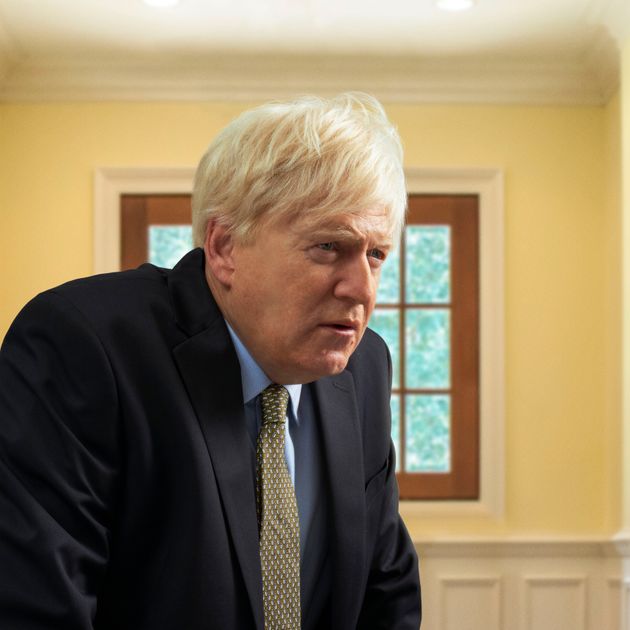
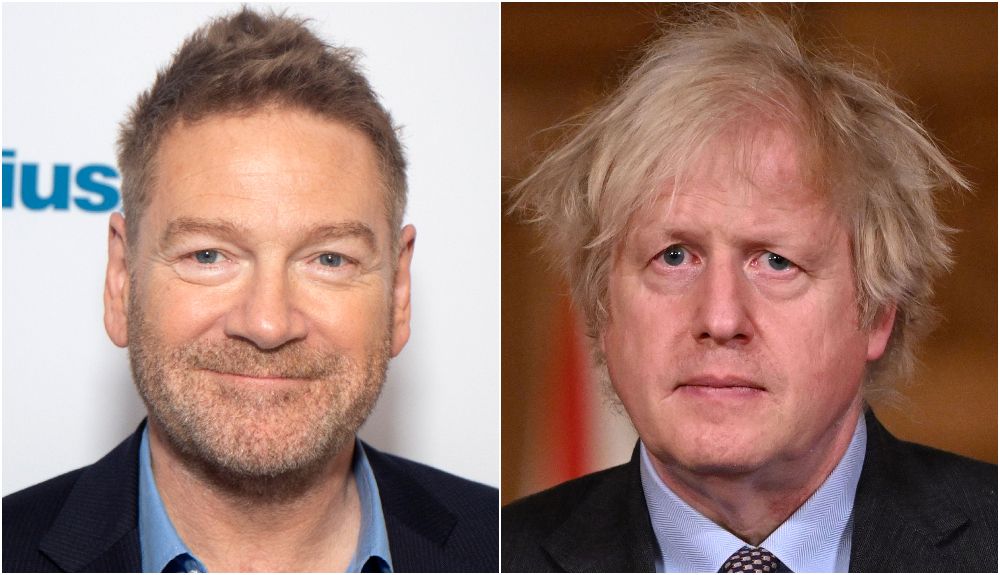
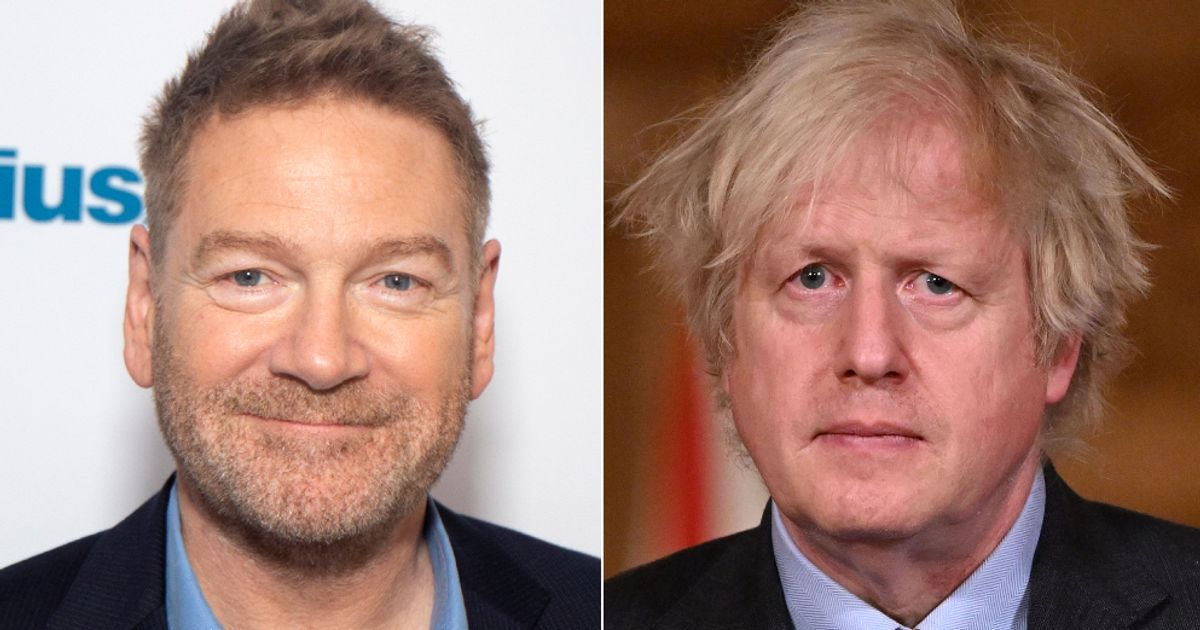
Kenneth Branagh’s First Picture In Character As Boris Johnson Is Spookily Uncanny

If you thought Boris Johnson’s Spitting Image puppet was uncanny, just wait until you see Kenneth Branagh as the prime minister. 


Sky has unveiled a picture of the actor in character as the PM for new drama This Sceptred Isle, and it’s fair to say he bears more than a passing resemblance to Boris. 

Admittedly, Kenneth’s blond wig looks a little less unkempt than the PM’s in recent weeks, thanks to the closure of hairdressers.

Sky

Kenneth Branagh as Boris Johnson

Filming has just commenced on This Sceptred Isle, which will focus on the events in government as the UK faced the first wave of the coronavirus pandemic. 

Written by Michael Winterbottom and Kieron Quirke, it is based on the first-hand testimony of people from all walks of life; from Number 10, the Department of Health, The Scientific Advisory Group for Emergencies (SAGE), and from hospitals and care homes across the country.

Getty

Kenneth and the real Boris Johnson

Speaking about the series, Winterbottom said: “The first wave of the Covid-19 pandemic will be remembered forever. A time when the country came together to battle an invisible enemy. A time when people were more aware than ever of the importance of community.

“Our series weaves together countless true stories – from Boris Johnson in Number 10 to front line workers around the country – chronicling the efforts of scientists, doctors, care home workers and policy makers to protect us from the virus.”

This Sceptred Isle is expected to premiere on Sky Atlantic and NowTV in the autumn. 

Share Button