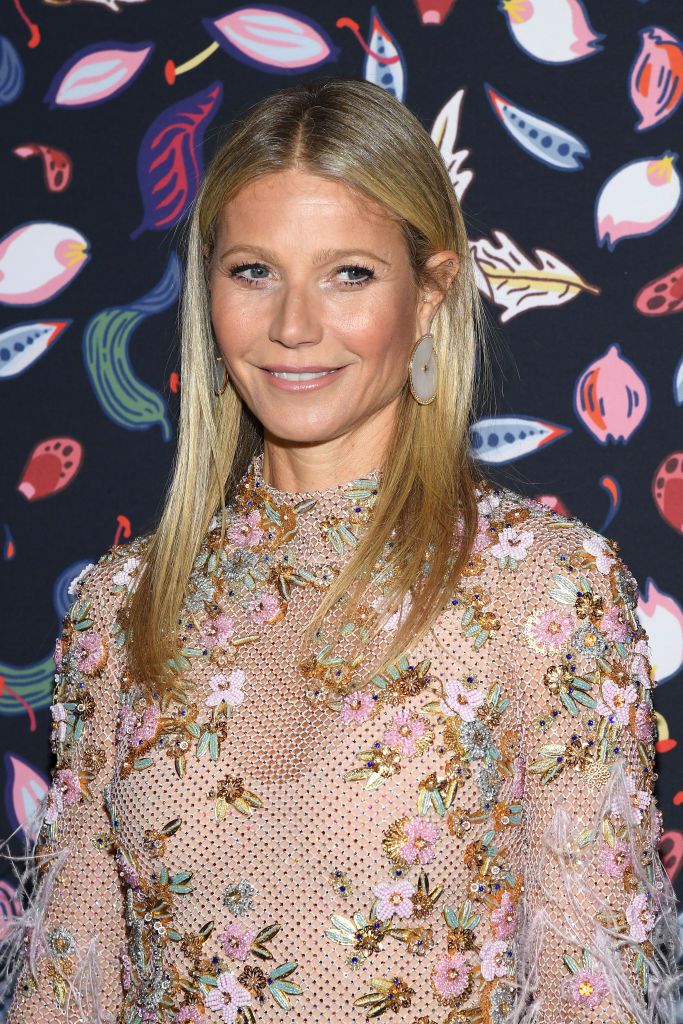
A NHS medical director has criticised Gwyneth Paltrow after she revealed her methods for tackling the long Covid symptoms she has been suffering from since contracting the disease last year.
She went on to disclose that she had been left with “long-tail fatigue and brain fog” and “high levels of inflammation” in her body.
The 48-year-old has since embarked on a “keto and plant-based” regime, with no sugar and alcohol, and fasts until 11am every day.
But Professor Stephen Powis, national medical director for the NHS in England, said that “serious science” should be applied and “influencers” have a responsibility after name-checking Gwyneth.
“Like the virus, misinformation carries across borders and it mutates and it evolves,” he told PA.
“So I think YouTube and other social media platforms have a real responsibility and opportunity here.
“In the last few days I see Gwyneth Paltrow is unfortunately suffering from the effects of Covid.
“We wish her well, but some of the solutions she’s recommending are really not the solutions we’d recommend in the NHS.
“We need to take long Covid seriously and apply serious science. All influencers who use social media have a duty of responsibility and a duty of care around that.”
Writing on her blog on her Goop website last month, the Hollywood star wrote: “So I turned to one of the smartest experts I know in this space, the functional medicine practitioner Dr. Will Cole. After he saw all my labs, he explained that this was a case where the road to healing was going to be longer than usual.”
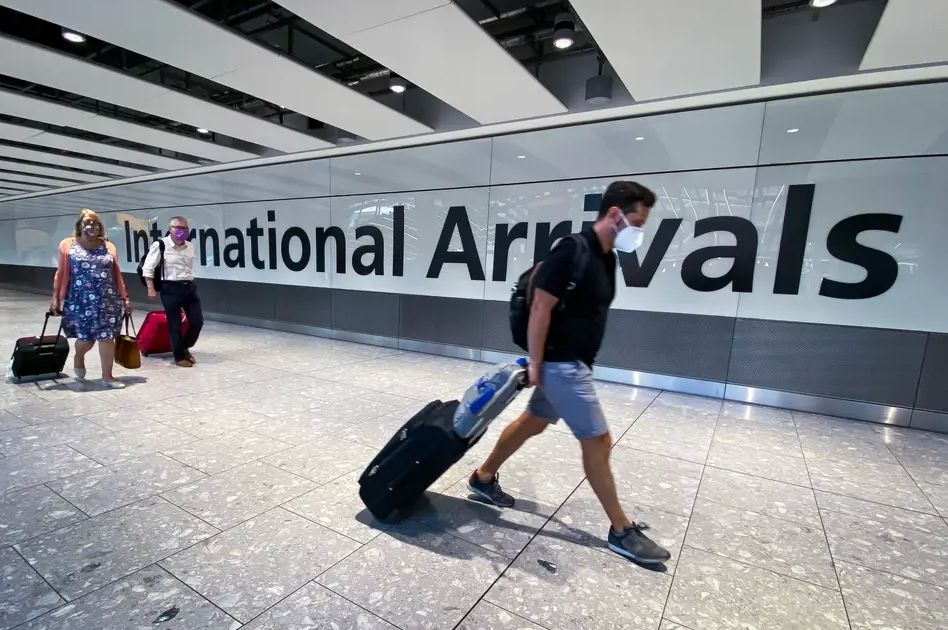
Only 1% of people arriving in the UK every day are required to quarantine in government-approved hotels, the Border Force director has revealed.
Speaking to the Commons home affairs committee on Wednesday, Paul Lincoln said “about” 14,000 or 15,000 people were coming into the country per day, which was “95% down” on the usual number for this time of year.
From February 15, people arriving from 33 “red list” countries including Portugal and South Africa have had to spend 10 days in isolation in hotels.
Lincoln said on average 150 people per day were being placed into the facilities.
Arrivals who are not required to quarantine in hotels must self-isolate at home. Lincoln told MPs the compliance with home isolation was “at least 85%”.
Amid concerns about new variants of Covid being imported into the UK, the Border Force director said the number of people arriving with coronavirus was “substantially lower” than 0.5% of the domestic case rate.
But Lincoln was unable to give a precise figure, saying Public Health England (PHE) would be publishing the number “in due course”.
Committee chair and Labour MP Yvette Cooper said the figures showed there was a “very leaky system” of quarantine.
Under England’s current national lockdown, international travel is illegal apart from in some limited circumstances.
It would need to be approved by a new “Global Travel Taskforce” that is being set up by the government to assess the risk of importing new variants of the virus from overseas.
Priti Patel, the home secretary, told the committee on Tuesday it was “far too early” for people to book holidays abroad.
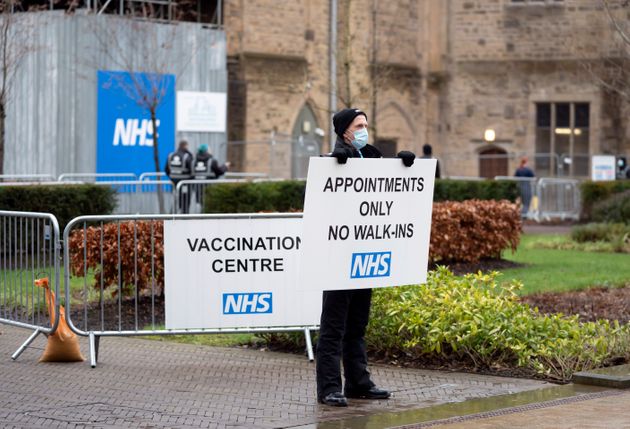
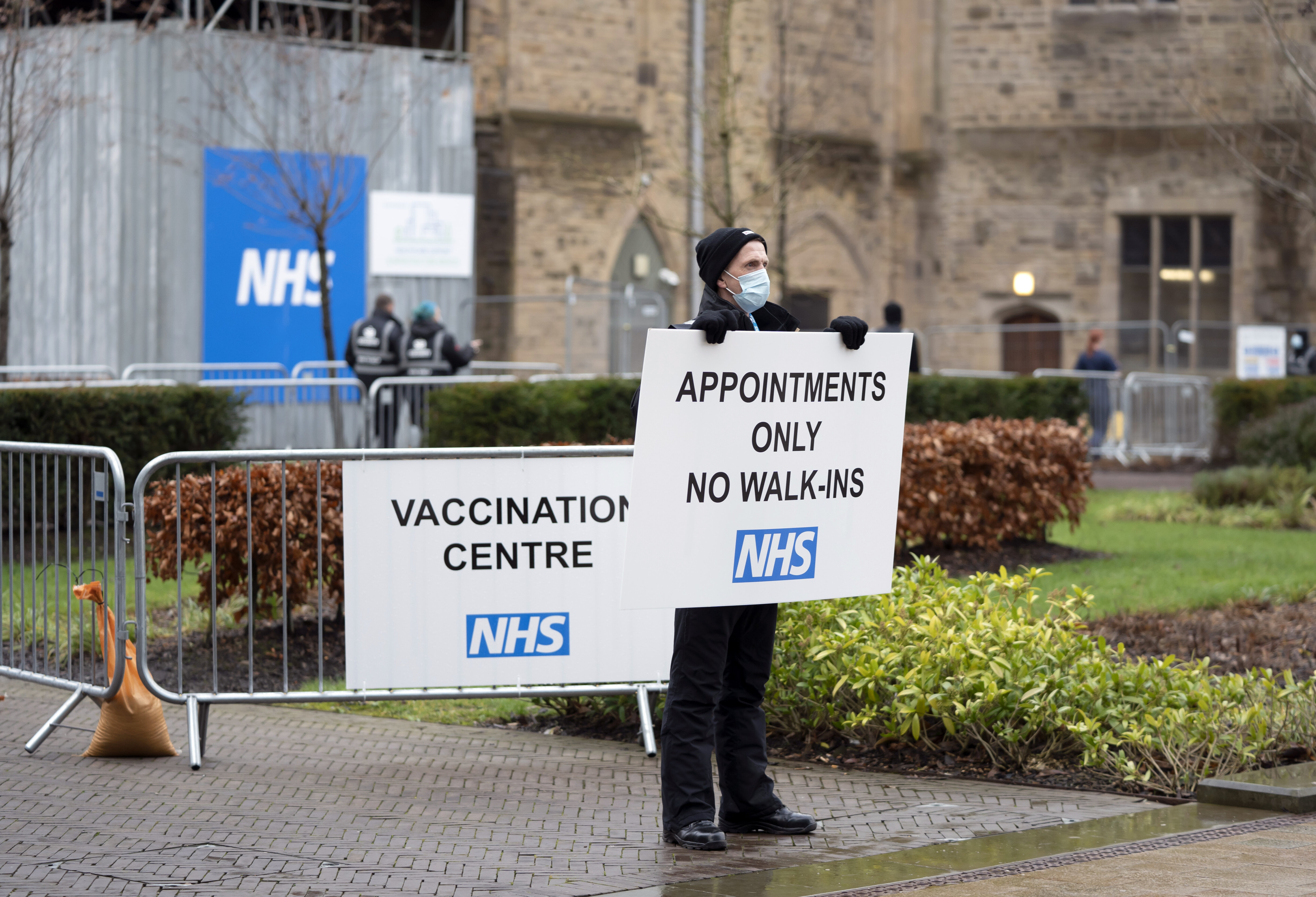
ASSOCIATED PRESSA security guard holds a sign at Blackburn Cathedral, which is being used as a mass vaccination center during the coronavirus outbreak in Blackburn.
Ending Covid lockdown restrictions too swiftly could run the risk of new vaccine-resistant variants taking hold, top expert Sarah Gilbert has said.
Speaking to MPs on Wednesday, Oxford University’s professor of vaccinology also warned relaxing restrictions too quickly could boost transmission of the virus.
It comes after Boris Johnson this week revealed his roadmap out of lockdown, with a pledge to end all social distancing by June 21.
Gilbert has urged caution, however, telling the Commons’ science and technology committee: “To make sure that we have the lowest chance possible of new variants arising we need to prevent the virus from transmitting between people and we’re now doing that very effectively with the vaccines.”
She added: “We cannot allow only the vaccines to do all the work of protecting the population, while at the current time in the UK we still have relatively high levels of transmission.
“And there is a danger that if measures are lifted too quickly that transmission could increase, and that puts us at a greater risk of selection of new variants that are not so well effectively neutralised by the virus.
“It wouldn’t be all or nothing but it could be a significant change, and we want to minimise the chances of that happening as much as we possibly can.”
Anthony Harnden, deputy chair of the Joint Committee on Vaccination and Immunisation (JCVI) agreed “it’s really, really important that we don’t rush this”.
He said: “I refer back to my original answer about vaccination not being the only way out pandemic.
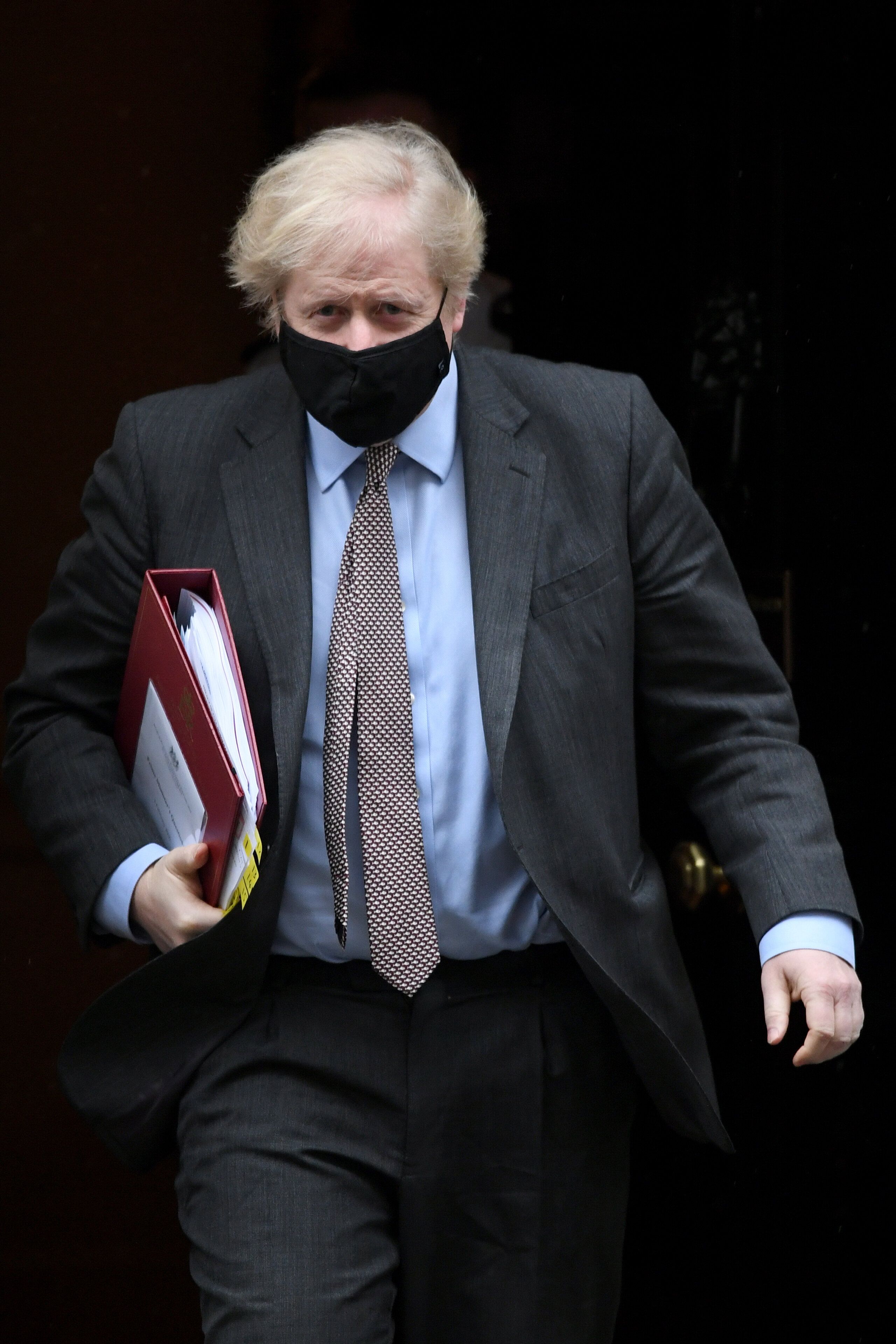
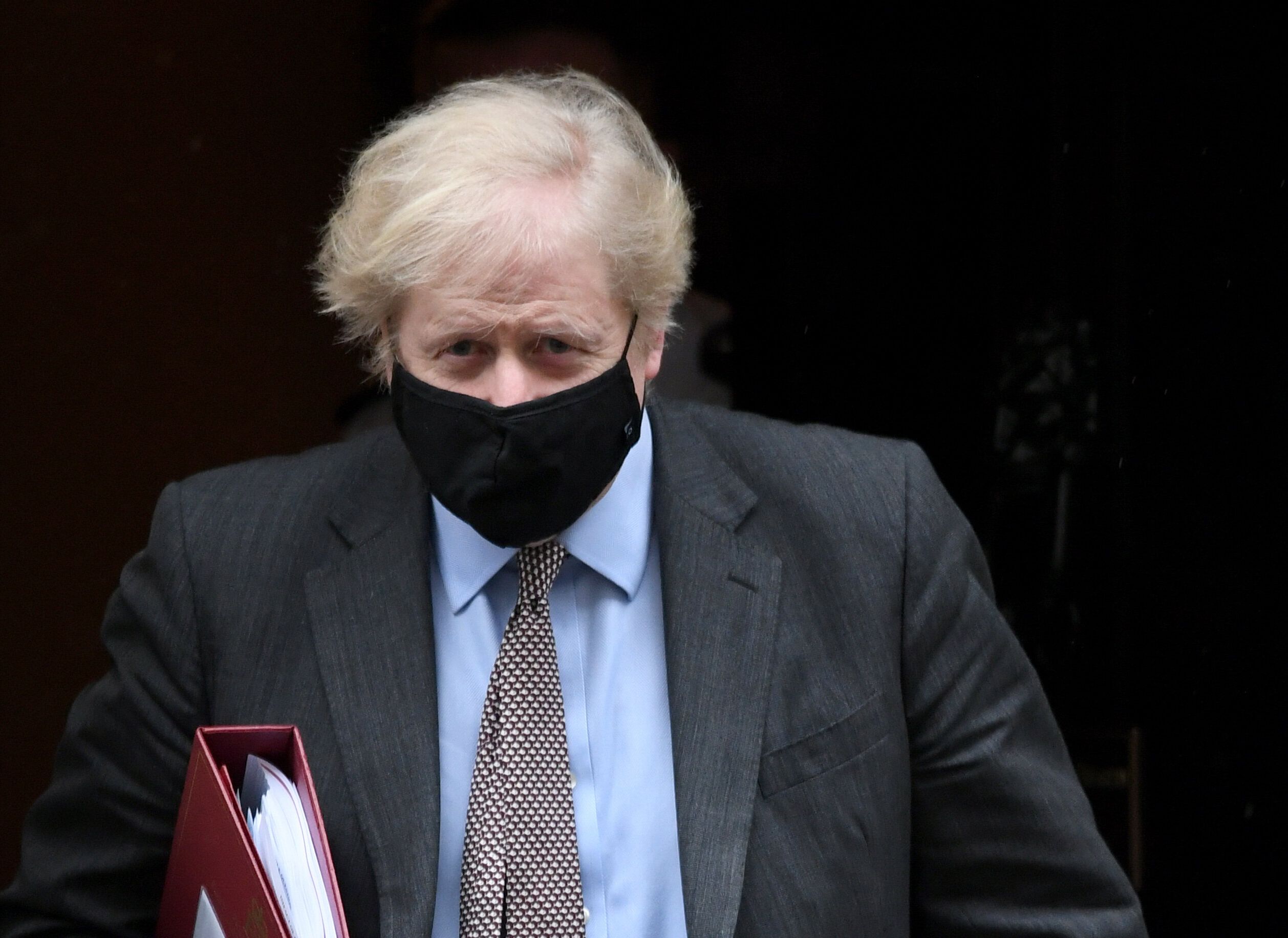
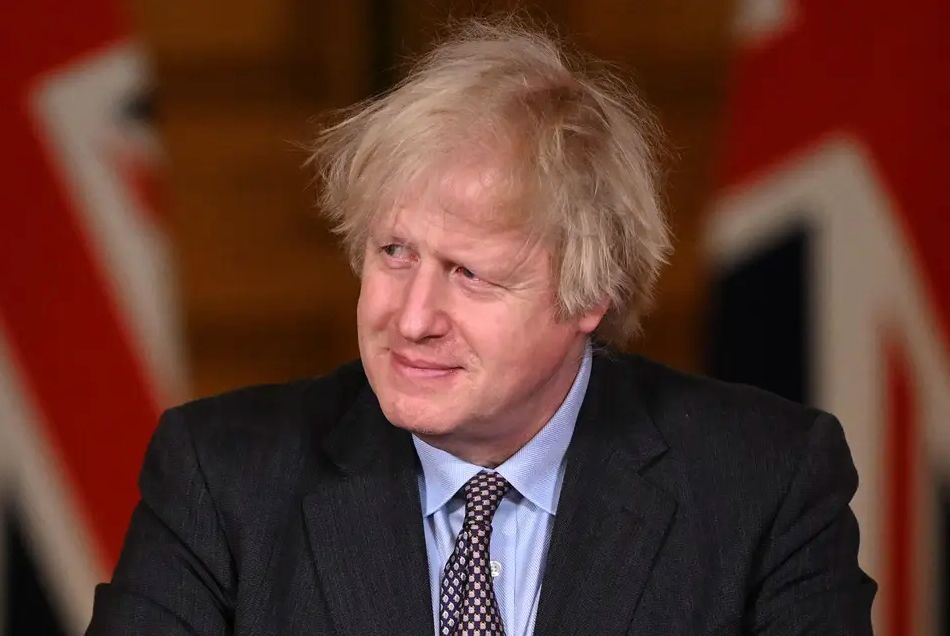
PAPrime minister Boris Johnson leaves 10 Downing Street
“We must go slowly, and the reason is because we want to keep transmission down and we want to keep infection rates down. And if we don’t, we will lose all the benefits of those vaccines that we’ve acquired and in the last few months because we will get the environment for new variant strains to emerge and have ‘vaccine escape’. So it’s really, really important that we don’t rush this.”
Schools are scheduled to reopen on March 8, followed by relaxations of some social distancing measures later in the month.
Johnson is under pressure from backbench Tory MPs in the Covid Recovery Group, who have been demanding the government speeds up the plan.
The PM has argued, however, that England is taking a “cautious but irreversible” path out of lockdown.
Scientists are still examining new data about how effective the vaccines are in reducing transmission and hospitalisations.
Philip Dormitzer, vice president and chief scientific officer of viral vaccines at Pfizer, said the company believes its vaccine will protect against the variants seen to date.
He told the committee: “From real world effectiveness data, both UK and in Israel where the UK variant is common, we’re starting to get our first direct evidence, and we are seeing protection against the UK variant that is equivalent to the protection we saw in controlled trials before that variant was circulating.
“For other variants at this point we have to rely more on laboratory data, and the laboratory data thus far, I would say are quite reassuring.
“We do see with the South African variant some reduction in the level of neutralisation.
“So yes these mutations can reduce the level of neutralisation, but they do not reduce the level of neutralisation anywhere near as low as neutralisation that was observed at the time that people were protected in the trial.
“So we think it is likely that the vaccine will protect against the variants that we have seen to date, but the way to be sure is of course the real world data because laboratory measures of immunity cannot be translated directly to known protection – that requires actually observing protection in the field.”
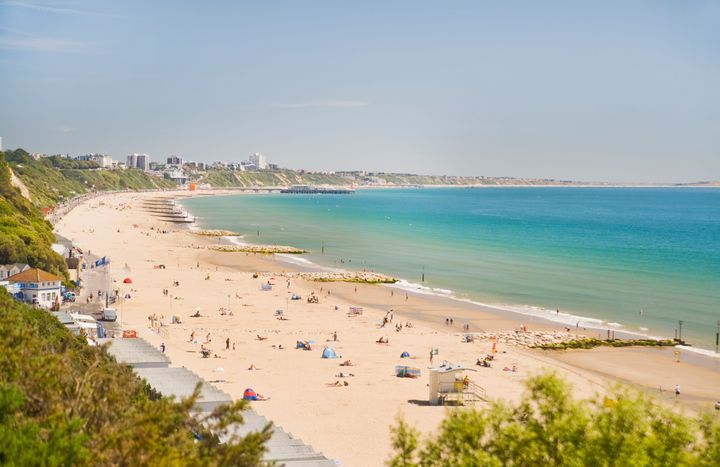
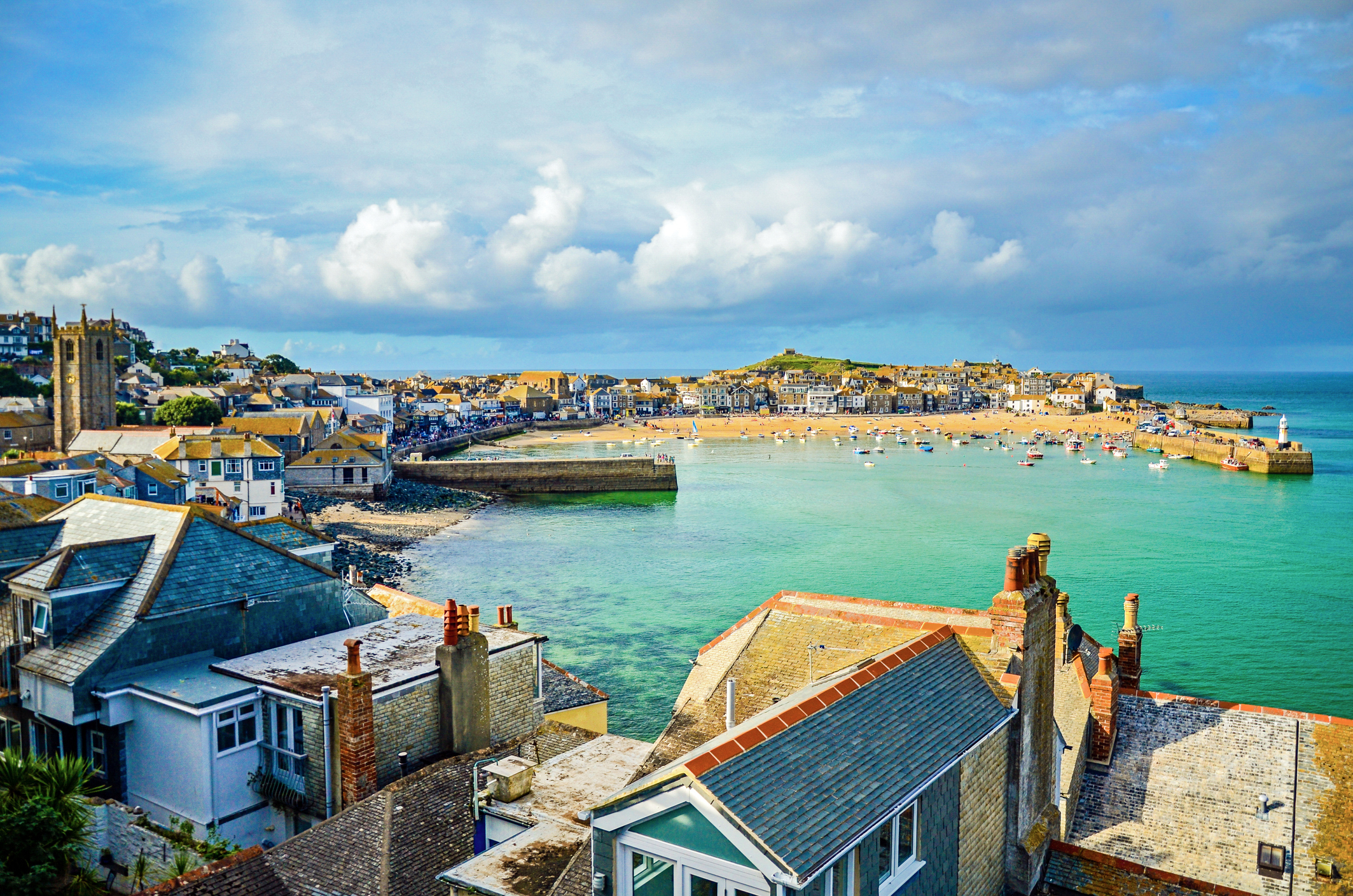
The 10 best beaches in Europe have been named – and two of them are in the UK.
Tripadvisor released its annual Travellers’ Choice Best of the Best awards for beaches, highlighting travellers’ favourite beaches across the globe.
The awards are based on the quality and quantity of reviews and ratings from Tripadvisor travellers for beaches, gathered over a 12-month period.
The list also takes into account the volume of “saves” for beaches on Tripadvisor, reflecting the position many of us were in for much of 2020 — unable to travel but dreaming of the beaches we wished we could visit.
Bournemouth beach in Dorset was the fifth best-rated beach in Europe and 20th in the world.
Europe’s number one goes to Spiaggia dei Conigli on the island of Lampedusa in Italy, followed by Playa de Cofete on the Spanish island of Fuerteventura.
Boris Johnson has said Michael Gove will lead a government review into the possible use of vaccine passports for entry into venues such as pubs and theatres.
The prime minister said Gove, the Cabinet Office minister, would ask for the “best scientific, moral, philosophical, ethical viewpoints” before reaching a conclusion.
But speaking to broadcasters on Tuesday, the day after unveiling his roadmap for ending England’s lockdown, Johnson said there were “deep and complex” ethical issues involved in introducing domestic vaccine passports.
“We’ve never thought in terms of having something that you have to show to go to a pub or a theatre,” he said.
“We can’t be discriminatory against people who for whatever reason can’t have the vaccine, there might be medical reasons why people can’t have a vaccine.”
He said when it came to foreign travel there was “no question” a lot of countries would demand proof people had received a Covid vaccine before being allowed entry.
“It’s going to come on the international stage whatever,” he said.
In December, Gove ruled out the introduction of vaccine passports. “I certainly am not planning to introduce any vaccine passports, and I don’t know anyone else in government who is,” he told Sky News.
Asked if there was a possibility they could be introduced, he added: “No.”
But he said “nothing can be guaranteed” and warned the date could slip if people were not “prudent and continue to follow the guidance in each stage”.
“Some people will say that we’re going to be going too fast, some people will say we’re going too slow,” he added.
“I think the balance is right, I think it is a cautious but irreversible approach, which is exactly what people want to see.”
The relaxing of rules is heavily dependent on the progress of the vaccination programme.
Matt Hancock, the health secretary, told BBC Radio 4′s Today programme the government is working “incredibly hard” to ensure as many people as possible receive a jab.
“We want to see that vaccine uptake go as high as possible. But it’s absolutely on all of us to come forward and get the vaccine. It’s the right thing to do,” he said.
Approaching the one-year anniversary of the coronavirus pandemic, I’m struck by the irony of how the pandemic has brought to the forefront such an underappreciated, yet vitally important, sense: our sense of smell.
In turn, that means an increasing number of people are turning to ‘smell training’ to regain their lost or altered sense of smell. The training doesn’t have any harmful effects, doesn’t require a prescription, and can be done inexpensively at home. And while there’s no guarantee that smell training will restore your sense of smell, many people have seen positive results.
The practice itself involves consistently smelling four distinct odours – clove, rose, lemon and eucalyptus – twice daily with the aim that, over time, the sense of smell is restored. There’s no evidence that you have to use these particular smells – some choose four scents that they have a connection to and are familiar with, from a time when they could smell normally. The idea is that the repeated short-term exposure to familiar smells might help make new neural connections in the brain.
My goal as a smell coach is to provide guidance on doing the smell training the right way, from the start, for the best possible outcome. That includes showing people what to buy, teaching them the proper technique when smelling the jars, helping them identify the right time to do the smelling sessions so the training actually becomes a habit, and coaching them on having the right mindset to see it out for the long term.
“I felt a deep sense of responsibility to help and support those who’ve lost their sense of smell.”
When I started working with anosmia charity Fifth Sense, I felt a deep sense of responsibility to help and support those who’ve lost their sense of smell. I spent most of my career in the fragrance industry, where I worked with many talented perfumers, and where I trained to smell properly. And then, becoming a certified aromatherapist, I learned to work with essential oils safely and mindfully for wellbeing. Combining these skills has allowed me to help set those smell training up for the greatest chance of success.
Unfortunately, there are a lot of misconceptions about what smell training is – the biggest being the belief that your sense of smell will easily come back in a few weeks. When it doesn’t, many people are frustrated and give up, but the harsh truth is that it’s important to make smell training a habit, like brushing your teeth twice a day. Studies have shown that long-term smell training seems to be associated with the most success, so sticking it out is key.
Smell training, I say to the people I work with, is as much a psychological endeavour as a physical exercise. Plenty of people aren’t ready to commit to doing smell training right away – the sense of loss is still too great. They’re grieving for something that they used to take for granted, that they now realise gave them so much pleasure, and which, sadly, they’re now living without.
You have to be in the right frame of mind to do smell training. It’s a real commitment to smell four scents twice a day, every day, sometimes for many months, most of the time smelling nothing at all and with no guarantee that your sense of smell will return. Often they get into a rut and give up, believing there’s no point, that it’s not going to work anyway. Not being able to smell the odours day after day can, understandably, feel like a constant reminder of what they’ve lost.
“While many regain their sense of smell, I gain more from the experience than they’ll ever know.”
The training can be a very isolating experience too. Generally in life, you’re surrounded by people who can smell and don’t really understand what you’re going through. It can feel very frustrating and demotivating to be the only one. My recommendation is to find a Facebook group, an organisation like Fifth Sense, or a smell training program like mine, which includes an aspect of community. Smell training with others gives you accountability to show up, to stay committed and to stay encouraged along the way.
Even before the pandemic, I’ve seen how smell training can make a real difference in people’s lives. Many get their sense of smell back, but even those still on the journey tell me with bright smiles about glimpses of smells they were able to detect, which encourages them to keep going, and stay focused. It’s been incredibly rewarding to hear people tell me, proudly, how they’ve set up their routine, or when they share pictures and journal entries to show me they’re still going strong after many months.
But, honestly, I have to say that witnessing the courage and determination required to smell train has been nothing short of humbling to me. While many regain their sense of smell, I gain more from the experience than they’ll ever know. I have nothing but the utmost admiration and respect for their difficult journey.
Frauke Galia is founder of FALK Aromatherapy and an ambassador for Fifth Sense
Sarah Harding has said that the support of her fans following her cancer diagnosis has helped her “so much”, in an update posted on her Twitter page.
Last August, Sarah revealed that she had been diagnosed with breast cancer earlier in the year, which she was then informed had spread to other parts of her body.
The Girls Aloud star has now told her fans she has been able to finish writing her autobiography “in between treatments and hospital visits” for the disease.
GettySarah Harding
In a Twitter post on Monday, Sarah wrote: “I know I’m not really that present on here which I promise I’ll try to get a bit better at, as honestly it means the world to me when I come on and see all your well wishes.
“Thank you for the love and support, on bad days it helps me so much.”
She continued: “Mum, the dogs and I had a really lovely but quiet Christmas together, which was different to my usual, but seemed a fitting way to end such a strange year. And since then, in between treatments and hospital visits I’ve managed to finish my book!
“I can’t believe I’ve actually gone and done it and it’s now at the printers! I’m so excited for it to come out.”
Hi everyone! I hope you are keeping safe and as well as possible with everything that’s going on. I know I’m not really that present on here which I promise I’ll try to get a bit better at, as honestly it means the world to me when I come on and see all your well wishes. pic.twitter.com/GQ3Ylc8QFh
Thank you for the love and support, on bad days it helps me so much. So here’s a little update from me… Mum, the dogs and I had a really lovely but quiet Christmas together, which was different to my usual, but seemed a fitting way to end such a strange year.
And since then, in between treatments and hospital visits I’ve managed to finish my book! I can’t believe I’ve actually gone and done it and it’s now at the printers! I’m so excited for it to come out.
Sarah said she hoped her upcoming book – titled Hear Me Out – would “show people the real me, or perhaps remind them”.
“Because, somewhere – amongst the nightclubs, the frocks and hairdos, the big chart hits, and the glamour of being a popstar – the other Sarah Harding got utterly lost,” she said.
“She’s the one who’s been forgotten. And all I want is for you to hear her out.”
‘I can’t rewrite history; all I can do is be honest and wear my heart on my sleeve. It’s really the only way I know. I want to show people the real me. Or perhaps remind them. Because, somewhere – amongst the nightclubs, the frocks and hairdos, the big chart hits…
…and the glamour of being a popstar – the other Sarah Harding got utterly lost. She’s the one who’s been forgotten. And all I want is for you to hear her out.’
I called the book ‘Hear Me Out’ because it’s the title of the song I wrote on the second Girls Aloud album and I’ve always really loved it. The lyrics have always meant a lot to me.
It’s been lovely revisiting our songs, looking back over photos and writing down memories from my last 39 years. I really hope you might enjoy reading about them too. Here’s a link if you’d like to order a copy, there’s some signed ones available too: https://t.co/JiLCMjcfSB
Sarah also noted that her book had been named after a song she wrote for Girls Aloud’s second album, as the lyrics had always “meant a lot” to her.
“It’s been lovely revisiting our songs, looking back over photos and writing down memories from my last 39 years,” she said. “I really hope you might enjoy reading about them too.”
Sarah’s diagnosis came as a shock to fans, with the star saying at the time she was “fighting as hard as I possibly can” to beat the disease.
The singer is best known as a member of the Brit Award-winning band Girls Aloud, who rose to fame on Popstars: The Rivals in 2002 and went on to score four UK number one singles.
Following the band’s split in 2013, Sarah launched a short-lived solo career, as well as appearing on reality TV shows like The Jump, Tumble and Celebrity Big Brother, which she won in 2017.
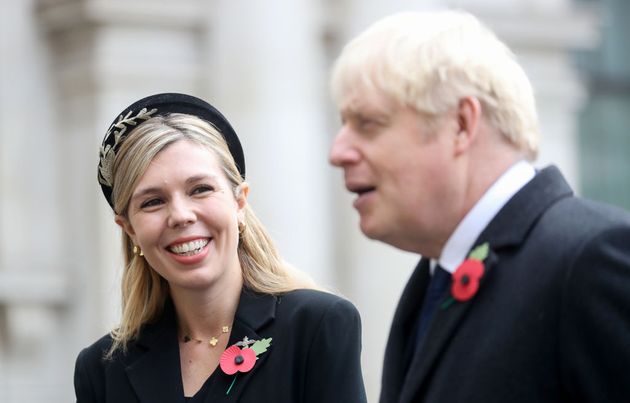
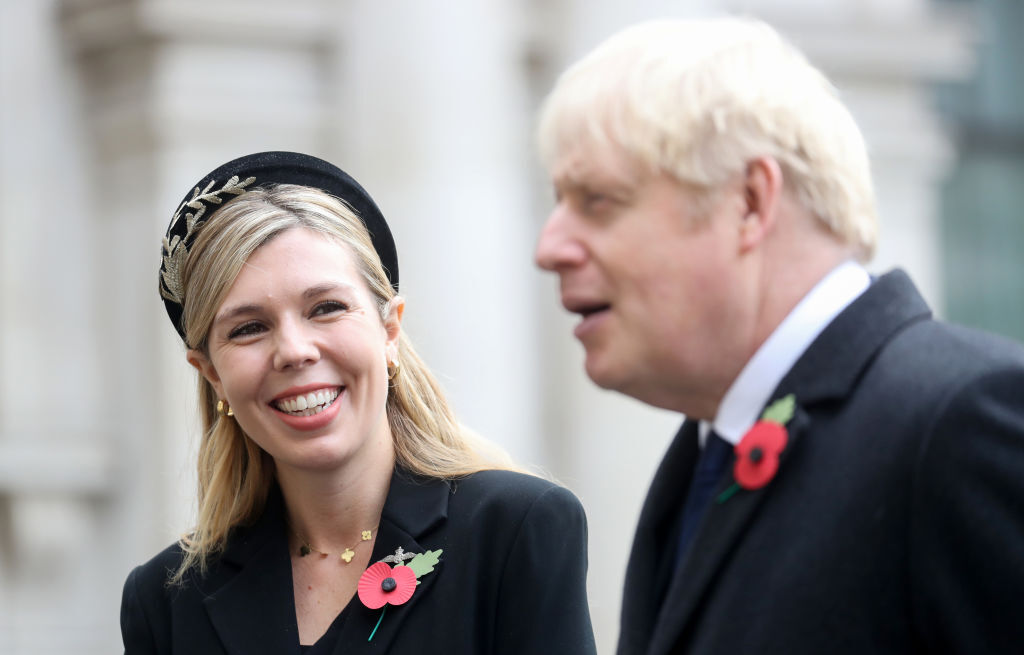
Photo by Chris Jackson – WPA Pool/Getty ImagesBritain’s prime minister Boris Johnson with partner Carrie Symonds
Downing Street has dismissed suggestions that Boris Johnson’s fiancée Carrie Symonds is playing a “central role” in governing the country.
The prime minister’s press secretary Allegra Stratton described such claims as “incorrect”, pointing out that Symonds is on maternity leave and is due to take up a new job as head of communications for the Aspinall Foundation.
It came after the Bow Group, a Tory think-tank, called for an inquiry to determine her role in “governing” the UK, amid concern over her influence in No.10.
Symonds has become embroiled in a storm of briefings about a power struggle between competing factions inside No.10 after two of her allies, Baroness Finn and Henry Newman, were appointed as key Downing Street advisers.
Their appointments were followed by the resignation last week of former Vote Leave staffer and Dominic Cummings ally Oliver Lewis as head of No.10’s union unit, amid claims that the PM accused him of briefing journalists against Symonds’ ally Newman.
Key Johnson adviser Lord Frost, who worked closely with Lewis on Brexit negotiations, was also given a surprise promotion to the cabinet as the power struggle played out last week.
Some anonymous sources have briefed newspapers claiming Symonds’ influence hung over the wrangling.
But Stratton dismissed the claims.
Asked about the Bow Group’s suggestion that Symonds was playing a “central role in running the country, without any authority or accountability to do so”, Stratton told reporters: “It’s incorrect. The PM’s fiancée is on maternity leave, she’s raising their son Wilf and shortly she will be taking up a new role at wildlife charity the Aspinall Foundation.”
Stratton also stressed that the prime minister’s focus has been on the road map to lifting the coronavirus lockdown, which he will unveil on Monday.
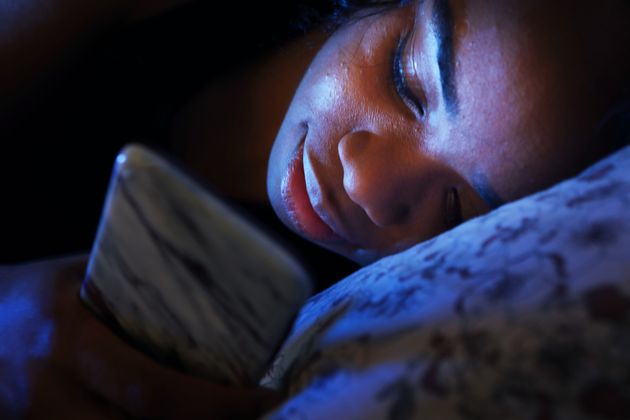
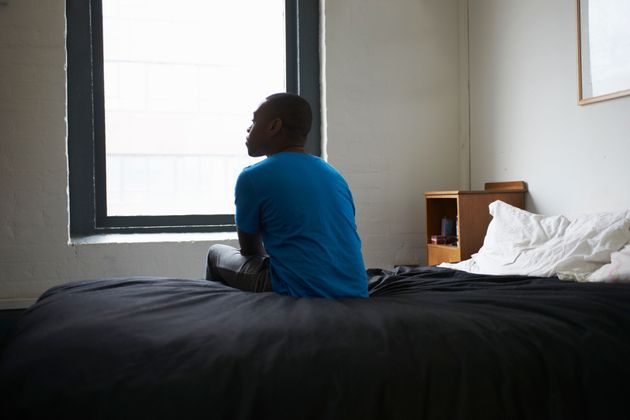
Black LGBT+ young people’s mental health has been severely impacted by the pandemic according to groundbreaking new research, HuffPost UK can reveal.
While LGBT+ young people are more than twice as likely to be worried about the state of their mental health than their non-LGBT+ peers since the pandemic began, a new survey by charity Just Like Us has shown that Black young people within this cohort face increased struggles.
Black LGBT+ young people are more likely to be concerned about their mental health with almost two-thirds (61%) worrying about this on a daily basis, compared to just over half (51%) of white LGBT+ young people.
Chief Executive of Just Like Us, Dominic Arnall, says the pandemic is the “biggest risk to the mental health of LGBT+ young people since Section 28” and is calling for greater awareness of the unique issues that young Black people in this group particularly face.
“It’s devastating to see that Black LGBT+ young people have been particularly impacted by the pandemic.
“There needs to be much more awareness around the issues that Black LGBT+ young people are facing, and an intersectional approach needs to be taken to inclusive education in schools and mental health care for young people.
“It’s so important that if you are celebrating LGBT+ History month or School Diversity Week, make sure you include a diverse range of LGBT+ people including Black LGBT+ people and engage with organisations that do specific work in this area.”
Peter Cade
Black LGBT+ young people are also more likely to be experiencing depression, anxiety disorder, panic attacks, and alcohol or drug dependence.
For white LGBT+ pupils, the likelihood of experiencing these are significantly lower: just under half of those surveyed say they have or are experiencing depression, an anxiety disorder, and fewer were enduring panic attacks, alcohol or drug dependence.
Black LGBT+ young people are also significantly more likely to be experiencing difficulties at home in lockdown, with a third (29%) reporting daily tension in the place they’re living, compared to a quarter (25%) of white LGBT+ young people.
Last year’s heightened racial tensions around Black Lives Matter protests have also compounded feelings of isolation among young, queer Black people.
Tara Moore
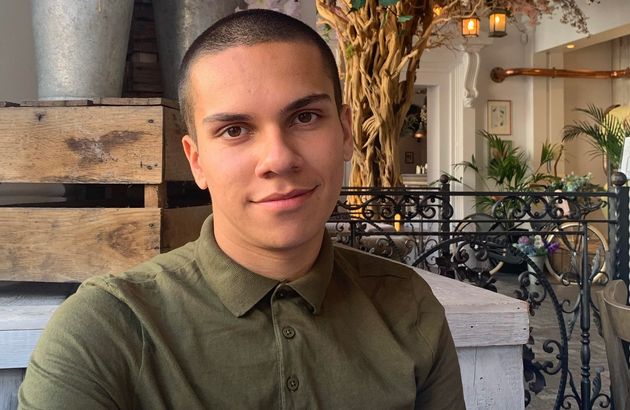
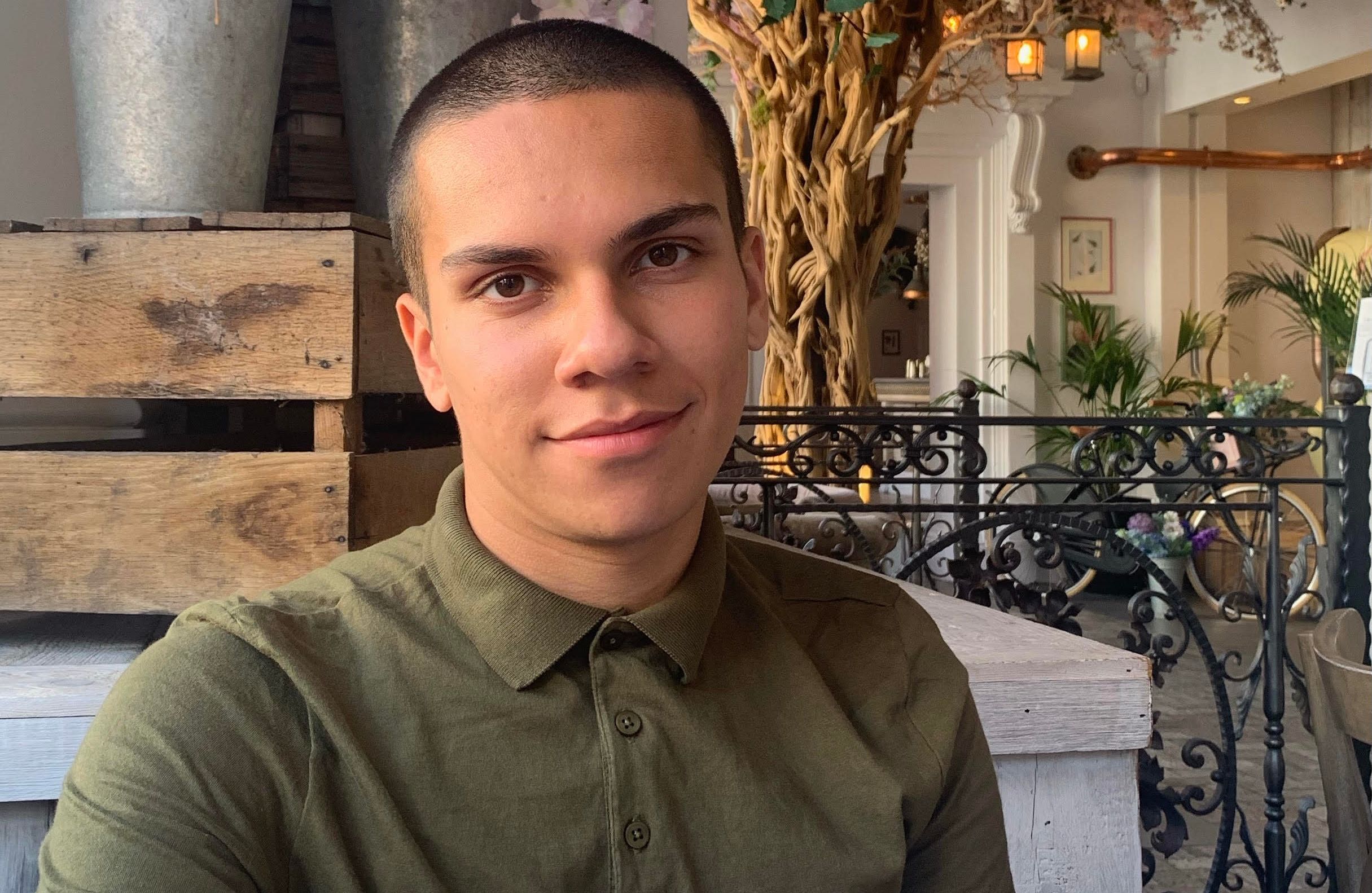
Samuel Picton, 20, who’s of dual ethnicity – white and Black Caribbean – said growing up in a small, predominantly white northern town can be quite isolating, due to limited understanding of being Black and LGBT+.
Speaking to HuffPost UK, he said: “I have friends who, like myself, are Black or mixed race and feel the same. I also know from my experience that the momentum that Black Lives Matter gained last summer had it’s challenges because of the pandemic. The protests were being blamed for a potential rise in Covid-19 cases, and the general experience of being on social media during this time – during a national lockdown – was very draining.”
Supplied
The Yorkshire-based student – who’s cisgender and gay – said while some young people have found an outlet through social media during the lockdown – it can be a toxic place that’s rife with negativity and, in his case, homophobia.
“I was removing people from my social media daily because of negative views. Social media in general can be so damaging to your mental health but I know many will have found an outlet in it during lockdown.
“To complicate things, seeing homophobic tweets from within the Black community then evokes the feeling of being othered within your own community. I’ve definitely been worried about my mental health over the past year because of these things […].”
Picton is a youth ambassador for Just Like Us ambassador and regularly speaks in schools – virtually at the moment – about being LGBT+ to help tackle the issues of isolation these pupils are facing.
Educational institutions need to do more, he said, and in this case use of technology could create safe spaces for students who require it.
“I think that a very small silver lining of this pandemic is that platforms such as Zoom have made it easier to create remote communities and this should definitely be utilised in the future in order to create safe spaces for young Black LGBT+ people,” Picton added.
“Having support groups in the local community would obviously be great, but certain communities may not have the funding, facilities or simply enough openly black LGBT+ people within them to make these groups up. Using Zoom to host groups, workshops, or just general chats with young Black LGBT+ people would definitely help to tackle these issues of isolation.”
Paula Abu
Speaking to the mental and emotional challenges faced by young LGBT+ people more generally, Dominic Arnall from Just Like Us said: “This is the biggest risk to the mental health of LGBT+ young people since Section 28.”
Section 28 of the Local Government Act, enacted in May 1988, prohibited “the promotion of homosexuality by local authorities”
“The pandemic has been a difficult period for everyone, but our research clearly demonstrates the impact of coronavirus and lockdown has not fallen evenly,” the chief executive added.
Moreover, the pandemic has particularly impacted the mental health of LGBT+ young people eligible for free school meals, transgender young people, and LGBT+ young people with a disability – 65% of these groups report are worrying on a daily basis for their mental health.
One secondary school pupil, 14-year-old Matthew, is pansexual and from Coventry. He said: “It has been a really scary time for everyone. I definitely feel less motivated and it’s very quiet.
“I also have had some panic attacks and am worried about being forgotten. If you don’t have a home life where people are accepting of being LGBT+, you need it to be accepted at school so you know it’s OK.”
Just Like Us surveyed 2,934 secondary school pupils (including 1,140 LGBT+ young people) in Years 7-13 (ages 11 to 18) across 375 schools and colleges in December 2020 and January 2021.
The data forms part of a larger report into inclusive education and the experiences of LGBT+ young people that charity Just Like Us is due to publish in June 2021.
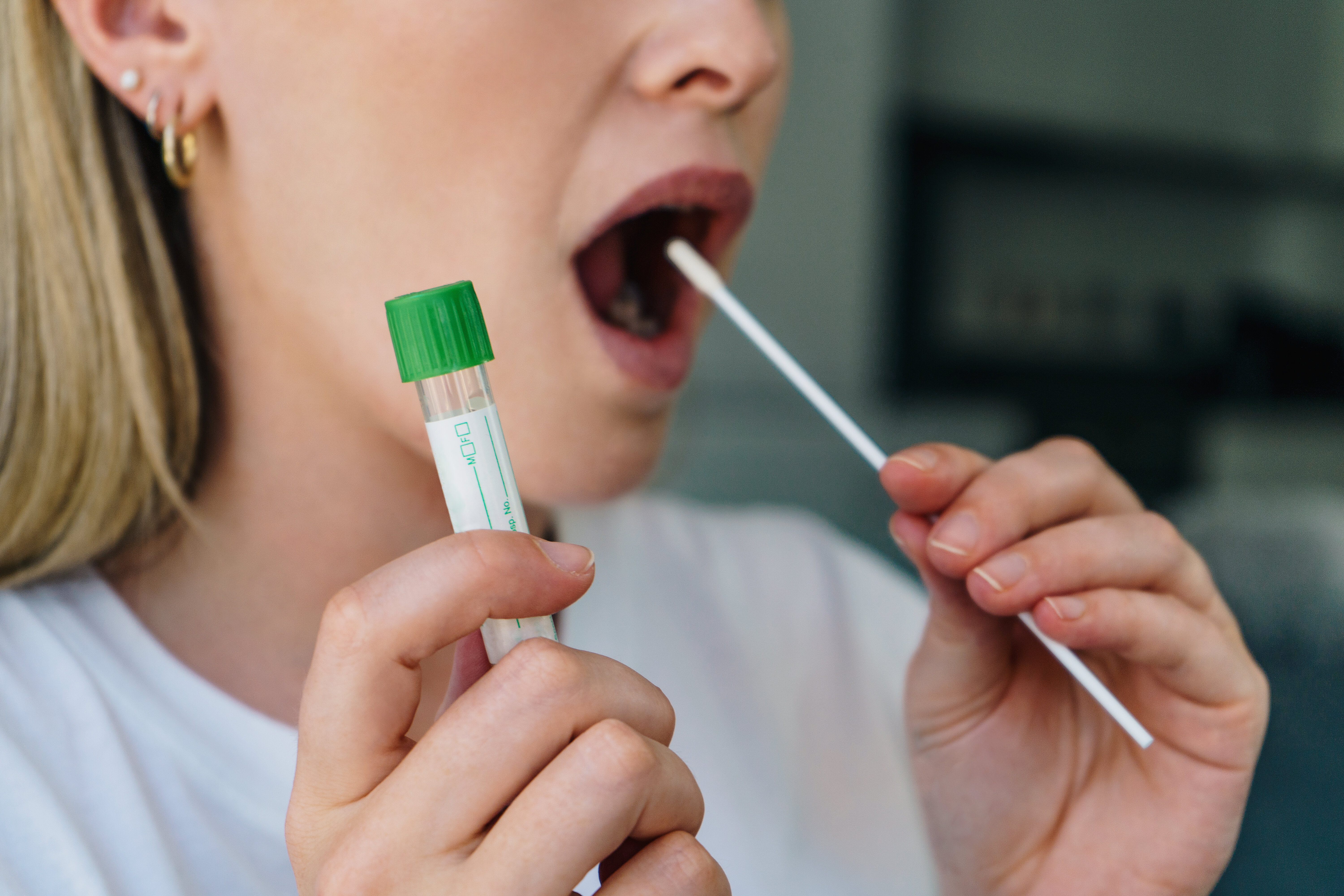
Circle Creative Studio via Getty ImagesYoung woman holds a swab into her mouth and holding a medical tube for the coronavirus / covid19 home test
Surge testing is being rolled out in an area of Essex after a case of the South Africa coronavirus variant was found, the Department of Health has announced.
The increased surveillance will be undertaken in the CM13 postcode in Brentwood.
People living in the postcode area are “strongly encouraged” to take a test when offered, whether or not they have any symptoms of the virus.
A spokesman for the Department of Health said: “Working in partnership with the local authority, additional testing and genomic sequencing is being deployed to the CM13 postcode in Brentwood, Essex, where a single case of the Covid-19 variant first identified in South Africa has been found.”
The variant in question – also known as 501Y.V2 – was first detected in two people who arrived in the UK from South Africa in December 2020. ]
However, new cases have now been identified in people who haven’t travelled to the country, suggesting this variant could be spreading in the community.
The South African variant is thought to be far more transmissible, but not more lethal, than other variants of the coronavirus. There’s also emerging evidence to suggest it is less susceptible to immunity induced by the Covid-19 vaccines.
Surge testing has now been deployed in specific locations across numerous areas in England.
Sequencing of positive PCR tests – swabs that are processed in a laboratory – can take around two weeks, according to Public Health England.
The DHSC has said data on surge testing will be provided “in due course”.