Baby Dies ‘After HMP Bronzefield Inmate Gives Birth Alone In Cell’

HuffPost is part of Verizon Media. Verizon Media and our partners need your consent to access your device and use your data (including location) to understand your interests, and provide and measure personalised ads. Verizon Media will also provide you with personalised ads on partner products. Learn more.

Select ‘OK’ to continue and allow Verizon Media and our partners to use your data, or select ‘Manage options’ to view your choices.

Share Button

Miracle cure or marketing scam?

Mayo Clinic does not endorse companies or products. Advertising revenue supports our not-for-profit mission.

Advertising & Sponsorship

Mayo Clinic Marketplace

Check out these best-sellers and special offers on books and newsletters from Mayo Clinic.

Share Button

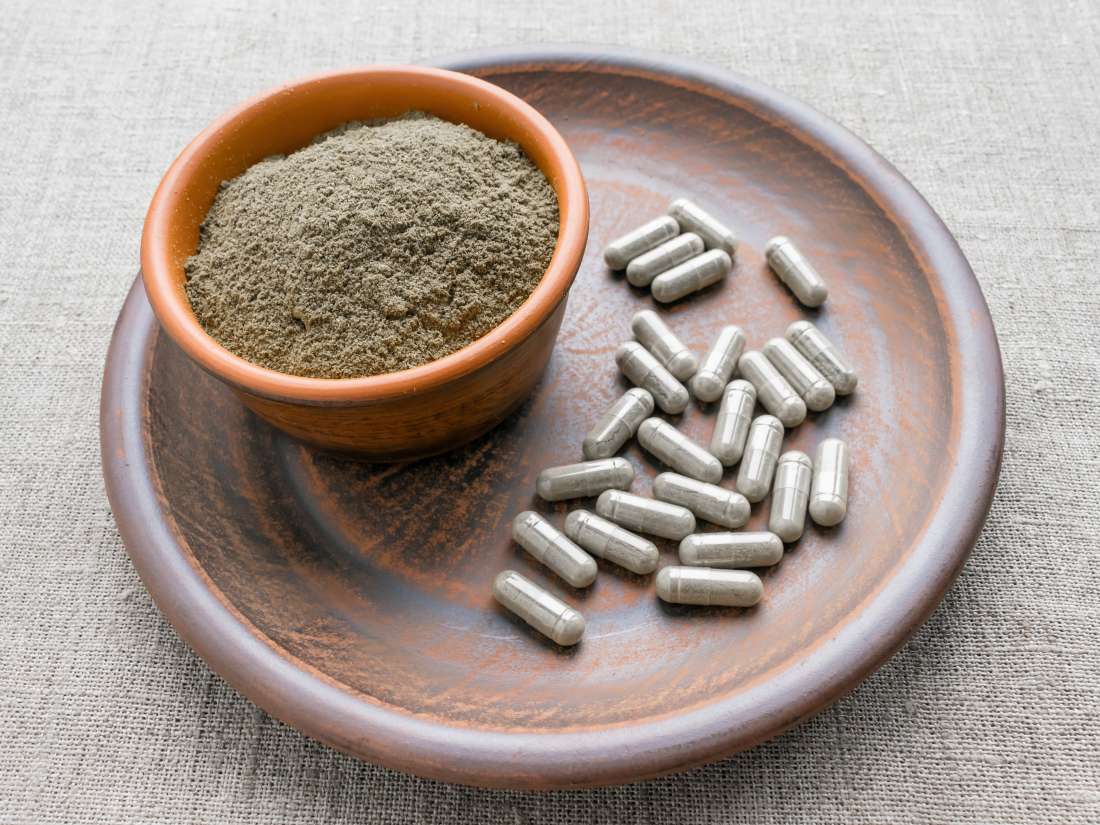
What are the health benefits of triphala?

You have chosen to share the following article:

How elderberries can help you fight the flu

To proceed, simply complete the form below, and a link to the article will be sent by email on your behalf.
Note: Please don’t include any URLs in your comments, as they will be removed upon submission.

We do not store details you enter into this form. Please see our privacy policy for more information.

Message sent successfully

The details of this article have been emailed on your behalf.

Click here to return to the Medical News Today home page.

Share Button

Everything You Wanted To Know About Period Sex (But Were Afraid To Ask)

HuffPost is part of Verizon Media. Verizon Media and our partners need your consent to access your device and use your data (including location) to understand your interests, and provide and measure personalised ads. Verizon Media will also provide you with personalised ads on partner products. Learn more.

Select ‘OK’ to continue and allow Verizon Media and our partners to use your data, or select ‘Manage options’ to view your choices.

Share Button

‘Rosie Speaks Truth’ – 4 Women Explain Why MP’s Domestic Abuse Speech Was So Powerful

HuffPost is part of Verizon Media. Verizon Media and our partners need your consent to access your device and use your data (including location) to understand your interests, and provide and measure personalised ads. Verizon Media will also provide you with personalised ads on partner products. Learn more.

Select ‘OK’ to continue and allow Verizon Media and our partners to use your data, or select ‘Manage options’ to view your choices.

Share Button

Extinction Rebellion Spray The Treasury With Red Paint In Protest

HuffPost is part of Verizon Media. Verizon Media and our partners need your consent to access your device and use your data (including location) to understand your interests, and provide and measure personalised ads. Verizon Media will also provide you with personalised ads on partner products. Learn more.

Select ‘OK’ to continue and allow Verizon Media and our partners to use your data, or select ‘Manage options’ to view your choices.

Share Button

High blood pressure: Herbal remedies may inspire future treatments

People have used herbs as medicine for thousands of years. Today, with medical researchers continually hunting for better alternative treatments, some are revisiting these remedies. A recent study looks at herbs that people believe can treat hypertension.
Field of lavender
Lavender was one of the plants that the scientists tested in the recent study.

Currently, hypertension affects an estimated 1 in 3 adults in the United States.

Although dietary and lifestyle changes can sometimes be sufficient, medication is necessary in some cases.

Antihypertensive medications work well for some people but not for others, and the side effects can be unpleasant.

For these reasons, researchers are keen to find innovative ways to tackle the growing issue of hypertension.

Some scientists are turning back the clock and looking to ancient herbal remedies. Humans have been self-medicating with the herbs that they find since before history began.

The fact that people have used these treatments for millennia is certainly not evidence that they are effective, but they are surely worth a second look.

Researchers from the University of California, Irvine recently zeroed in on a group of plants that have, historically, been a treatment for hypertension. They published their findings in Proceedings of the National Academy of Sciences.

Diverse plants

The scientists took herbal extracts from a diverse range of unrelated plants, including lavender, fennel seed extract, basil, thyme, marjoram, ginger, and chamomile.

Under the leadership of Prof. Geoff Abbott, Ph.D., they identified a bioactive trait that all of the extracts shared. This trait, the scientists believe, might help explain why some herbs appear to have mild antihypertensive properties.

Specifically, they found that these herbs activate a particular potassium channel called KCNQ5. This potassium channel and others are present in the vascular smooth muscles — the muscles that line blood vessels.

When vascular smooth muscles contract, blood pressure increases; when they relax, blood pressure drops. The activation of KCNQ5 results in the relaxation of these muscles. The authors think that this might help explain some herbs’ antihypertensive properties.

“We found KCNQ5 activation to be a unifying molecular mechanism shared by a diverse range of botanical hypotensive folk medicines.”

Prof. Geoff Abbott, Ph.D.

The researchers also tested a range of other plants that research has not shown to reduce blood pressure, such as wheatgrass and parsley. In these cases, they found no activation of KCNQ5.

Not all herbs are equal

When they compared plant species, the researchers found differing levels of KCNQ5 activity. “Lavandula angustifolia, commonly called lavender, was among those we studied,” Prof. Abbot explains. “We discovered it to be among the most efficacious KCNQ5 potassium channel activators, along with fennel seed extract and chamomile.”

Next, the scientists drilled down to determine which plant compound is responsible for activating the potassium channel.

They isolated a chemical called aloperine, which is an alkaloid. In a further set of experiments, they demonstrated that aloperine opens KCNQ5 by binding to the foot of the potassium channel.

Interestingly, current medications do not target the KCNQ5 channel. Spotting this gap in the drug market, Prof. Abbott hopes that the “discovery of these botanical KCNQ5-selective potassium channel openers may enable development of future targeted therapies for diseases including hypertension.”

Of course, the road that runs between identifying a mechanism and getting a drug to market is long. It is also worth noting that the KCNQ group of receptors are relative newcomers and, as such, scientists do not yet know the full range of their functions.

However, because hypertension is so widespread, and because it increases the risk of cardiovascular diseases, such as stroke, there is likely to be significant interest in taking these ideas to the next stage.

For now, though, people should not switch their current hypertension treatments for herbal remedies.

Share Button

Omega-3 fish oil supplements may lower heart attack risk

Taking omega-3 fish oil supplements every day may reduce the risk of heart attack and other cardiovascular events, including death. However, it may not protect against stroke.
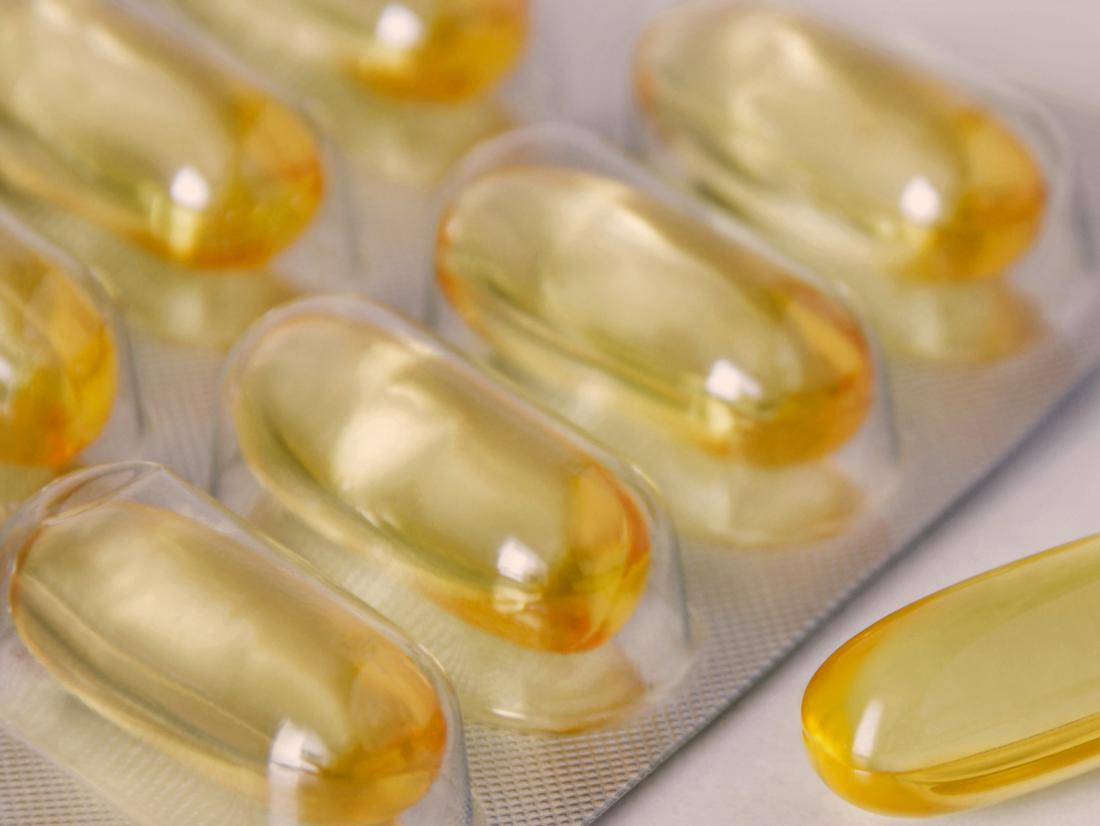
pack of fish oil supplements
According to a new meta-analysis of recent clinical trial data, taking daily omega-3 supplements could protect against heart attacks.

These were the findings of an updated meta-analysis that pooled data from 13 trials involving more than 125,000 participants.

Previously pooled analyses have yielded mixed results on whether daily omega-3 fish oil supplements can reduce heart risks.

However, the new study included data from three large scale recently completed trials, which increased the number of participants by 64%.

The inclusion of the new data had a “substantial influence on the available evidence,” note the authors in a recent Journal of the American Heart Association paper about the study.

“This meta-analysis,” says first study author Yang Hu, Ph.D., of the Department of Nutrition at Harvard T.H. Chan School of Public Health in Boston, MA, “provides the most up-to-date evidence regarding the effects of omega-3 supplementation on risk of multiple [cardiovascular disease] outcomes.”

An 8% reduction in risk of heart attack and other cardiovascular events may seem modest to individuals.

However, Hu and colleagues point out that since these events affect millions of people worldwide every year, even a modest risk reduction can mean hundreds of thousands fewer heart attacks and premature deaths.

Role and sources of omega-3 fatty acids

Omega-3 fatty acids are one of the two main types of polyunsaturated fatty acids (PUFAs), the other being omega-6.

Fatty acids have many vital roles in the body. They are essential components of the fat molecules that form cell walls. They also help to produce energy and make molecules called eicosanoids that perform signaling functions in many body processes, including the cardiovascular system.

In research, scientists focus on three types of omega-3: alpha-linolenic acid (ALA), docosahexaenoic acid (DHA), and eicosapentaenoic acid (EPA).

The body cannot make ALA and has to obtain what it needs from dietary sources, such as soybean, flaxseed, and canola oil.

Although the body can make DHA and EPA from ALA in the liver, the amounts are small and, therefore, it must get them from the diet, too.

Fish and fish oils are rich sources of DHA and EPA. The fish do not produce these two omega-3s but get them from eating phytoplankton that have ingested the microalgae that produce DHA and EPA.

Dietary supplements can contain a range of omega-3 fatty acids, including ALA, DHA, and EPA. Fish oil is the main source of DHA and EPA, although there are vegetarian products that source these from algal oil.

It is important to check labels on dietary supplements as their formulations of omega-3s can vary widely.

New study used much larger dataset

In their study background, the researchers review how the evidence stood before their recent analysis.

Whether omega-3 supplements reduce the risk of cardiovascular disease “is the subject of intense debate,” they note.

While observational studies have consistently tied higher fish consumption to a reduced risk of heart disease, these benefits have not surfaced in randomized clinical trials.

These clinical trials have tested marine, or fish derived, omega-3 supplementation — primarily as a moderate dose of EPA and DHA compared with placebo — and produced “largely null results.”

The new study is different in that, by adding data from three new large scale clinical trials, it increases the sample size by more than half across all 13 datasets.

The new analysis pooled data on a total of 127,477 participants of average age 64 years at baseline and 60% male. The average body mass index (BMI) was 28, and the average duration of supplementation was 5 years.

Although the omega‐3 supplementation dose ranged from 376 to 4,000 milligrams per day (mg/d), most of the trials used doses of 850 mg/d or higher. However, the “relative proportion of EPA and [DHA] varied among different trials,” note the authors.

‘Dose-response’ effect

The analysis revealed that those who took omega-3 fish oil supplements every day had a lower risk for most cardiovascular disease conditions compared with those taking a placebo. There was no benefit, however, for stroke.

The conditions that omega-3 supplements appeared to protect against include heart attack, death from coronary heart disease, and death from cardiovascular disease. The risk fell by 8% for heart attack and death from coronary heart disease.

The researchers observed that there was a link between higher doses of omega-3 fish oil supplements and greater reductions in risk.

These results may suggest that taking omega-3 fish oil supplements above the 840 mg/d that most of the randomized clinical trials tested could lead to an even more significant reduction in risk of cardiovascular disease.

“We found significant protective effects of daily omega-3 supplementation against most [cardiovascular disease] outcome risks, and the associations appeared to be in a dose response manner.”

Yang Hu, Ph.D.

Share Button

Tips on how to sleep when pregnant

You have chosen to share the following article:

How elderberries can help you fight the flu

To proceed, simply complete the form below, and a link to the article will be sent by email on your behalf.
Note: Please don’t include any URLs in your comments, as they will be removed upon submission.

We do not store details you enter into this form. Please see our privacy policy for more information.

Message sent successfully

The details of this article have been emailed on your behalf.

Click here to return to the Medical News Today home page.

Share Button

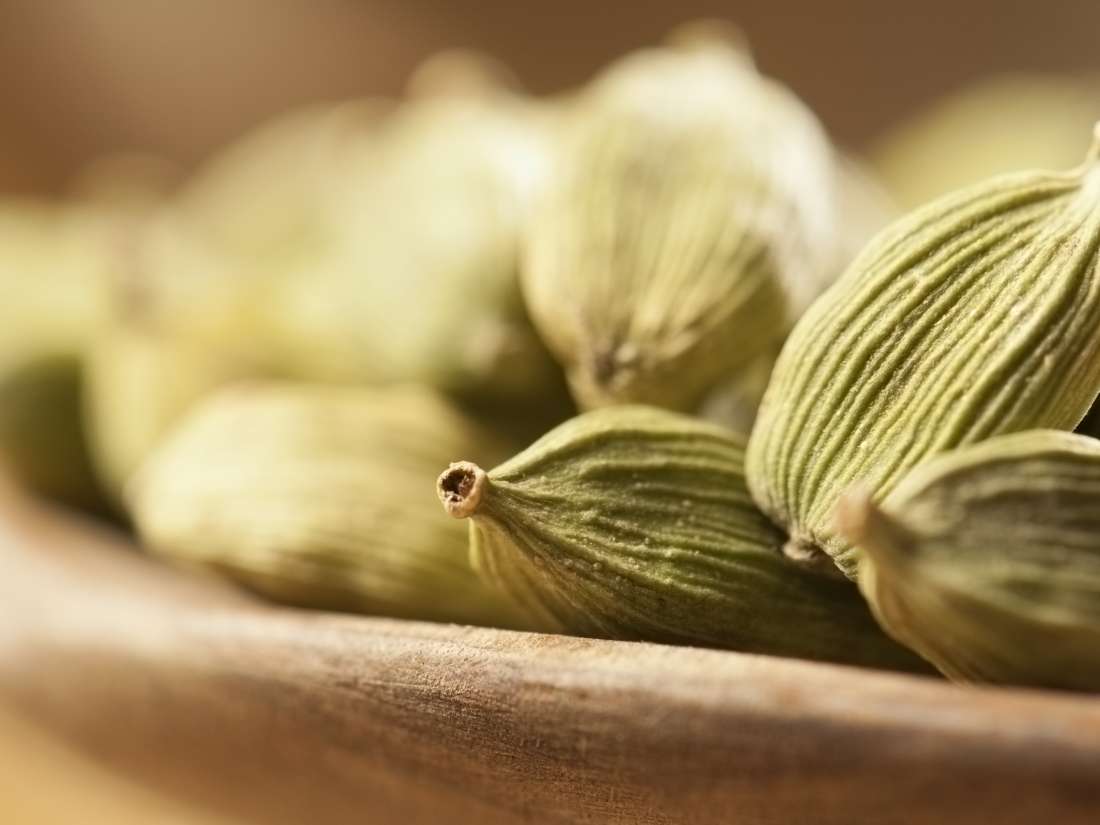
What are the health benefits of cardamom?

You have chosen to share the following article:

How elderberries can help you fight the flu

To proceed, simply complete the form below, and a link to the article will be sent by email on your behalf.
Note: Please don’t include any URLs in your comments, as they will be removed upon submission.

We do not store details you enter into this form. Please see our privacy policy for more information.

Message sent successfully

The details of this article have been emailed on your behalf.

Click here to return to the Medical News Today home page.

Share Button