We All Need An ‘Everyday Best Friend’ – The One You Count As Family

HuffPost is part of Oath. Oath and our partners need your consent to access your device and use your data (including location) to understand your interests, and provide and measure personalised ads. Oath will also provide you with personalised ads on partner products. Learn more.

Select ‘OK’ to continue and allow Oath and our partners to use your data, or select ‘Manage options’ to view your choices.

Share Button

Do your sunglasses get the job done?

Mayo Clinic does not endorse companies or products. Advertising revenue supports our not-for-profit mission.

Advertising & Sponsorship

Mayo Clinic Marketplace

Check out these best-sellers and special offers on books and newsletters from Mayo Clinic.

Share Button

This Cute Little Buzzy Fella Is Nearly Extinct And Desperately Needs Your Help

HuffPost is part of Oath. Oath and our partners need your consent to access your device and use your data (including location) to understand your interests, and provide and measure personalised ads. Oath will also provide you with personalised ads on partner products. Learn more.

Select ‘OK’ to continue and allow Oath and our partners to use your data, or select ‘Manage options’ to view your choices.

Share Button

Donald Trump Has Compared The Irish Border To The Wall Between The US And Mexico

HuffPost is part of Oath. Oath and our partners need your consent to access your device and use your data (including location) to understand your interests, and provide and measure personalised ads. Oath will also provide you with personalised ads on partner products. Learn more.

Select ‘OK’ to continue and allow Oath and our partners to use your data, or select ‘Manage options’ to view your choices.

Share Button

What to know about kidney cleanses

Properly functioning kidneys are vital for a person’s overall health. Consuming certain foods, drinks, and herbs may help cleanse the kidneys.

The kidneys perform essential functions that keep the body healthy. These two small, bean-shaped organs filter toxins from the blood, balance mineral levels, and help regulate blood pressure.

Most people can keep their kidneys healthy by staying hydrated and eating a balanced, healthful diet.

In this article, we examine what a kidney cleanse is and whether it works. We also look at how to cleanse the kidneys, an example 2-day plan, and risks and considerations.

What is a kidney cleanse?

Woman holding liver cleanse or detox smoothie juice.
A kidney cleanse involves consuming specific foods to aid the removal of toxins and waste from the kidneys.

The kidneys act as a natural filtration system for the body, removing waste, toxins, and excess water from the blood. The kidneys even cleanse themselves when the body takes in enough fluid.

Kidney cleanses involve consuming specific foods and herbs that may help remove toxins from the body and promote better kidney health.

Kidney cleansing programs vary, but they typically involve consuming a restricted diet for several days. This diet may include smoothies, juices, teas, herbs, and foods that people believe help detoxify the body and improve overall health.

Do cleanses work?

Proponents of kidney cleansing say that certain foods, beverages, and diets can detoxify the kidneys and body. However, there is currently little scientific research to support these claims.

The National Center for Complementary and Integrative Health (NCCIH) state that “there isn’t any convincing evidence that detox or cleansing programs actually remove toxins from your body or improve your health.”

Most people can keep their kidneys healthy by staying hydrated and eating a balanced, healthful diet. However, some herbs and foods that are popular in kidney cleansing programs may have properties that help promote kidney health.

How to cleanse the kidneys

Cleansing the kidneys may aid the removal of toxins from the body. The following tips may help improve kidney health and reduce the risk of kidney disease:

Drink more water

Drinking enough fluid every day is essential to a person’s overall health. Water is crucial for digesting food, absorbing nutrients, getting rid of waste and toxins, keeping the skin healthy, and performing a wide range of other bodily functions. Consuming enough water can also help prevent kidney problems, such as kidney stones.

According to the National Institute of Diabetes and Digestive and Kidney Diseases (NIDDK), many healthcare professionals recommend drinking six to eight 8-ounce (oz) glasses of water a day.

Reduce sodium intake

The body needs salt, or sodium, but consuming too much can raise blood pressure, which can increase a person’s risk of kidney failure, heart disease, and stroke.

The NIDDK recommend that people limit their sodium consumption to less than 2,300 milligrams a day to reduce the risk of chronic kidney disease. People can reduce their sodium intake by eating fewer processed foods and choosing low-sodium or sodium-free options.

Make dietary changes

People can make some simple dietary changes to improve both their kidney health and general health, but it is important to note that the following lists are not for people with preexisting kidney disease.

Consider limiting or avoiding the following foods and beverages:

  • processed foods
  • refined carbohydrates
  • sugar and artificial sweeteners
  • animal proteins, such as beef, pork, and organ meat
  • high-sodium foods
  • alcohol
  • caffeine

A person can also try adding these kidney-friendly foods to their diet:

  • berries
  • citrus fruits, such as lemons, limes, and oranges
  • apples
  • low-fat dairy products
  • vegetables
  • whole grains, such as barley, brown rice, and oatmeal
  • lean meats, including chicken and seafood

An example 2-day kidney cleanse plan

A person should consult a doctor before starting a kidney cleanse or detox regimen, particularly if they have kidney stones or kidney disease. Limiting the duration of cleansing programs to a few days can help reduce the risk of adverse health effects.

People who do not have kidney problems may wish to try the following 2-day kidney cleanse plan:

Day 1

Tofu salad with seeds, spinach, and cucumber.
A tofu salad is a typical meal to help cleanse the kidneys.

On the first day of the cleanse, people can prepare the following three meals:

Morning

Start the day with an 8-oz glass of warm water containing 1 tablespoon (tbsp) of fresh lemon juice.

Breakfast

For breakfast, blend the following ingredients to make a 12-oz smoothie:

Lunch

Eat a large, mixed green salad containing:

  • grilled chicken or tofu
  • half a red onion
  • 1 cup chopped apple
  • one-quarter cup grapes

Top the salad with sliced almonds. For the dressing, combine:

  • one-third cup low-fat Greek yogurt
  • 1 tbsp Dijon mustard
  • 1 teaspoon (tsp) lemon juice
  • salt and pepper to taste

Dinner

For dinner, make an 8-oz smoothie containing:

  • 1 cup coconut water
  • 1 cup blueberries
  • one-half cup mango
  • 1 cup kale
  • 1 tbsp lemon juice
  • 1 tbsp ground flaxseed

Day 2

On the second day, people can eat a more substantial lunch and dinner:

Morning

Start the morning with a cup of green tea containing 1 tbsp of fresh lemon juice.

Breakfast

Blend the following ingredients to make an 8-oz smoothie:

Lunch

Combine the following ingredients and then saute together in olive oil:

  • 1 cup cooked brown rice
  • one-half cup cooked beans
  • one-quarter cup green beans
  • one-quarter cup chopped carrots
  • 1–2 tsp minced garlic

Dinner

Make a vegetable soup using the following ingredients:

Begin by heating the vegetable broth over medium heat. Chop all of the vegetables and add them to the broth. After cooking the vegetables completely, stir in parsley. Add salt and pepper according to taste.

Risks and considerations

Drinking too much can cause low sodium levels.

Kidney cleanse programs generally encourage people to consume more healthful foods, such as fruits and vegetables. However, although proponents of kidney cleanses say that they offer many health benefits, there is little scientific research to support these claims.

According to the NCCIH, the Food and Drug Administration (FDA) have taken action against several companies offering detox and cleansing products because they made false therapeutic claims about their products or the products contained illegal and potentially harmful ingredients.

For example, the FDA filed a warning letter in 2018 to Ozark Country Herbs, a company that produce a range of herbal products that promise to treat everything from depression and migraine to flu and kidney stones.

Although drinking enough water is essential for health, too much fluid can reduce mineral concentrations in the body and lead to health complications.

A 2018 case study, for instance, reports that a 67-year-old man developed severe hyponatremia, or low sodium levels in the blood, while performing a kidney cleanse. Hyponatremia is a serious medical condition that can lead to potentially life-threating complications, such as swelling of the brain.

The man followed a strict program that involved consuming nothing but large volumes of water and herbal tea for 5 consecutive days. On the final day, he went to the emergency department after experiencing weakness, fatigue, nausea, tremor, and restlessness. Due to a severe electrolyte imbalance, the man’s body was unable to expel the excess fluid.

Many kidney cleanses and detox programs also require a person to fast or severely restrict their calorie intake, which can lead to headaches, fatigue, and nutritional imbalances.

People who wish to try a kidney cleanse should consult a doctor first and ensure that they are consuming enough calories and electrolytes to support their metabolism.

Summary

Kidney cleansing programs can vary considerably, but they often involve restricted diets, consuming only water, smoothies, and teas for several days, and taking herbal supplements.

Proponents claim that these programs detoxify the body and promote better kidney health. However, there is little scientific evidence to support these claims.

Most people can keep their kidneys healthy by eating a healthful, balanced diet and drinking enough fluid.

People wishing to try a kidney cleanse or detox program should speak with their doctor first, particularly if they have kidney problems or other health conditions. When following a cleanse program, it is important for a person to make sure that they are getting enough calories and electrolytes to support their body’s needs.

Share Button

‘Alarming’ Rise In Self-Harm Rates Among Young Women, Study Shows

HuffPost is part of Oath. Oath and our partners need your consent to access your device and use your data (including location) to understand your interests, and provide and measure personalised ads. Oath will also provide you with personalised ads on partner products. Learn more.

Select ‘OK’ to continue and allow Oath and our partners to use your data, or select ‘Manage options’ to view your choices.

Share Button

Donald Trump Puts America First, UK Second As He Plans Life After Theresa May

HuffPost is part of Oath. Oath and our partners need your consent to access your device and use your data (including location) to understand your interests, and provide and measure personalised ads. Oath will also provide you with personalised ads on partner products. Learn more.

Select ‘OK’ to continue and allow Oath and our partners to use your data, or select ‘Manage options’ to view your choices.

Share Button

Boris Johnson Says Tories Face ‘Extinction’ If They Fail To Deliver Brexit

HuffPost is part of Oath. Oath and our partners need your consent to access your device and use your data (including location) to understand your interests, and provide and measure personalised ads. Oath will also provide you with personalised ads on partner products. Learn more.

Select ‘OK’ to continue and allow Oath and our partners to use your data, or select ‘Manage options’ to view your choices.

Share Button

Can homeopathy help with asthma?

Many practitioners claim that homeopathic medicine can help with asthma. Does homeopathy help, and is it safe to use with asthma?

Asthma is a chronic condition that can cause the airways in the lungs to become inflamed and narrow. This makes it hard for the person to breathe. Asthma can cause symptoms that included shortness of breath, coughing, and wheezing.

To date, no studies prove that homeopathic remedies work for asthma. Nonetheless, it may be safe to try homeopathy in combination with traditional asthma treatment if a healthcare provider approves it.

People should not use homeopathic remedies to treat asthma attacks. There is no evidence that they will work, and this could lead to a life-threatening situation.

In this article, we look at the types of homeopathy people use for asthma, their effectiveness, and possible risks.

Homeopathy and asthma

A variety of homeopathic remedies which may be used for asthma
Homeopathic treatments may help manage asthma symptoms.

The American Lung Association say more than 26 million people in the United States have asthma, including more than 6 million children.

While there is no cure for asthma, traditional treatment is effective for managing symptoms when a person is under the care of a qualified health practitioner.

However, some people are interested in natural remedies, such as homeopathic medicine, to help manage and treat their asthma symptoms.

Homeopathy, also called homeopathic medicine, is a holistic or natural treatment that people use for a variety of diseases and conditions.

Active ingredients in homeopathic remedies are usually natural substances, such as flowers, herbs, or minerals.

Homeopathy uses the concept of “like cures like,” which means that the remedy consists of a diluted substance that, when taken in a higher dose, can potentially cause symptoms similar to the person’s condition or other symptoms.

The amount of active ingredient in a homeopathic remedy is very small.

Homeopathic remedies are made by diluting the amount of active ingredient several times until it is miniscule or undetectable. Homeopathic principles state that a higher dilution makes the remedy more powerful.

In homeopathic treatment for asthma, a person takes a minute amount of a substance that causes asthma-like symptoms.

What does the research say?

Many studies have looked into the effectiveness of homeopathy for asthma symptoms, and the results are mixed.

In a 2004 Cochrane review of research into homeopathy and asthma, the researchers concluded that there is “not enough evidence to reliably assess the possible role of homeopathy in asthma.”

Individual studies have suggested that homeopathy can have some benefits, however.

A 2018 double-blind study on 140 adults with bronchial asthma found that adding homeopathic remedies to usual asthma treatment was more effective than the usual treatment with a placebo.

In a review of studies that researchers did in India, participants had used one or more of the following homeopathic remedies or plant extracts:

  • Arsenicum album
  • Tuberculinum
  • Natrum sulphuricum
  • Sulfur
  • Pulsatilla
  • Phosphorus
  • Nux vomica
  • Lycopodium
  • Kali carbonicum

Other research shows unclear or inconclusive results about whether homeopathy can help with asthma.

A 2019 review found that studies on homeopathic treatment for asthma had bias, incomplete reporting, and small sample sizes.

However, a 2015 review said that homeopathy did appear to help with reducing the frequency and intensity of asthma attacks but the authors could not draw firm conclusions.

The authors stated that these results did not come from randomized controlled trials but from observational studies that looked at the subjects’ symptoms.

Many medical experts believe that homeopathy is not effective. The National Center for Complementary and Integrative Health (NCCIH) state that there is little evidence to support homeopathic remedies as effective treatments for health problems.

Nonetheless, people do use homeopathic remedies, with 2.1% of the United States population reporting the use of homeopathy in a 2012 national survey. Respiratory conditions, such as asthma, were one of the most common ailments for which people used homeopathic remedies.

Risks of homeopathy

The Food and Drug Administration (FDA) have warned people “not to rely on asthma products labeled as homeopathic that are sold over the counter (OTC).” This is because the FDA has not evaluated these products for safety and effectiveness.

According to the NCCIH, many products labeled as homeopathic are highly diluted, but others can contain large amounts of active ingredients. Some of these ingredients could cause side effects or interact with drugs a person is taking for medical conditions.

For these reasons, people should always speak to a doctor before taking any homeopathic medications.

Traditional asthma treatment

young boy using an inhaler after sport
As part of their treatment, a person should find out what causes asthma flares.

Traditional asthma treatment may involve taking certain medicines and avoiding asthma triggers. A person and their healthcare practitioner can decide what treatments work best.

A person may need to keep track of asthma symptoms and triggers by using a journal. Finding out what causes asthma flares is an important part of treatment.

Common asthma triggers include:

  • allergens, such as pollen, dust mites, mold, cockroaches, or animal dander
  • irritants in the air, such as smoke, fragrances, perfumes, or chemicals
  • illnesses, including the flu, colds, or a sinus infection
  • strenuous exercise
  • extreme weather, especially very cold and dry air
  • high levels of stress or intense emotions that lead to hyperventilation with rapid breathing

Some people with asthma may need to take medicines that can help keep asthma under control and prevent asthma attacks. A person must take these medicines regularly, even if they are not having symptoms of asthma. These are known as long-term control medicines.

Another part of asthma treatment involves rescue medicines, also known as quick-relief medicines. A person uses quick-relief medicines during an asthma attack. These are usually in the form of an inhaler or nebulized solution.

Sometimes, a person may also need oral or injectable corticosteroid therapy or other medications to treat an asthma attack. If severe, hospitalization may be required.

When to see a doctor

If a person cannot quickly get their asthma attack under control, they should seek emergency medical care. During an asthma attack, quick-relief medicine should allow them to breathe freely again within 15 minutes or less.

If the person does not have quick-relief medicine and is having an asthma attack, they or someone with them should call 911 or go to the nearest emergency room. It is also an emergency when the person:

  • has blue lips or nails
  • takes 30 or more breaths per minute, which a stopwatch can count
  • cannot talk or walk normally
  • has flared nostrils when breathing
  • has a chest that “pulls in” between the rib spaces when they breathe in

In addition, the American Lung Association say a person should call their healthcare provider if they:

  • feel dizzy, faint, or weak
  • cannot do daily activities because they are not breathing normally
  • have a cough that does not go away
  • wheeze or have changes in breathing
  • continue wheezing after taking quick-relief medicine

People who have asthma should see a doctor regularly and at least once a year to be sure their symptoms are under control. They should not try to use homeopathic remedies or other treatments on their own without a doctor’s care.

People who have frequent asthma attacks, for instance, may need to try a different long-term control medicine regimen with guidance from their doctor. They may also need to look at triggers and determine whether they have any new ones or need to take different steps to avoid their triggers.

Outlook

Many people with asthma lead healthy lives with proper management of their asthma. Following a doctor’s plan with medication and avoiding triggers means people with asthma can carry on with normal daily activities.

Most activities, including sports and exercise, are possible for people who have asthma. In fact, the American Lung Association recommend exercise for those with asthma, as long as they are working with a doctor to keep their condition well controlled. Exercise improves overall health and the well-being of the lungs, which benefits people with this condition.

If a person wishes to try homeopathic remedies or other natural treatments, they should discuss it with a doctor.

Although evidence is limited, homeopathy may be safe to try in combination with traditional asthma care for some people. It should not replace traditional, proven medications or the advice of a healthcare practitioner.

Share Button

Can acupuncture help with psoriasis?

Many practitioners say that acupuncture can help relieve the symptoms of psoriasis and psoriatic arthritis. What does the research say?

Acupuncture is the ancient practice of inserting thin needles into the skin. People have used it as a complementary treatment for thousands of years.

Some studies have suggested that acupuncture can help with pain relief, stress management, immune system response, and inflammation. However, researchers need to conduct more large-scale, double-blind studies before they can prove this.

Scientists have also studied the effects of acupuncture in psoriasis and psoriatic arthritis (PsA).

Although they have not yet confirmed its alleged benefits, receiving acupuncture from a licensed and qualified provider has very few risks, so it may be worth a try for people who have psoriasis or PsA.

In this article, we review the evidence around acupuncture for psoriasis, what the procedure involves, and possible risks.

Acupuncture and psoriasis

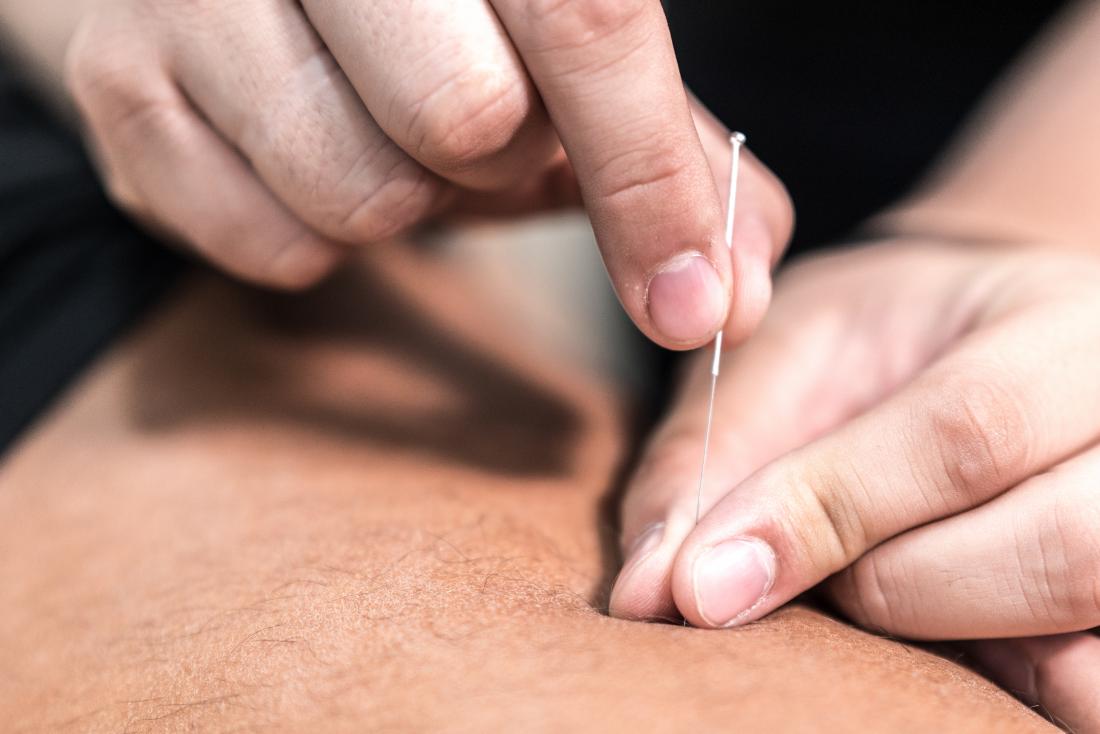
man having acupuncture for psoriasis
Acupuncture may help with inflammation and immune system response.

Psoriasis is an autoimmune condition that causes red or purple scaly patches on the skin that may peel, itch, and bleed.

PsA, which affects some people who have psoriasis, can cause joint pain, swelling, and stiffness.

Traditional treatments for these conditions include:

  • taking medicines to calm the immune system reaction
  • using skin creams to help control the peeling and buildup of scales
  • taking prescription anti-inflammatory medicines
  • having steroid injections
  • avoiding triggers, such as stress or alcohol

Acupuncture could also be a helpful treatment for psoriasis. Some research has suggested that acupuncture may be worth considering:

  • A 2015 systematic review found “some evidence of benefit” in treating psoriasis. However, its authors explain that they based their conclusions on a small number of studies, and that there were some conflicting results.
  • A 2017 overview of the literature on acupuncture for psoriasis was more optimistic. The authors claim that acupuncture treatment for psoriasis is “simple, convenient, and effective,” with minimal side effects and little risk of toxicity.
  • A 2017 review of 13 randomized trials states that acupuncture-related treatments “could be considered” as an alternative therapy for the short-term treatment of psoriasis, and that more well designed studies would be helpful.

Injury to the skin, such as a cut or scrape, is a trigger for psoriasis flares. However, acupuncture needles are very thin, sterile, and single-use, so they should cause little to no injury to the skin.

Acupuncture and joint pain

Although evidence for acupuncture as a treatment for PsA specifically is lacking, many studies have shown that acupuncture works well in relieving other types of joint pain:

  • A 2018 study found that acupuncture reduced joint pain in postmenopausal women who were undergoing treatment for early-stage breast cancer.
  • A 2019 study found that acupuncture had some benefit for people with rheumatoid arthritis (RA) in the hand. The treatment helped reduce pain and improved strength in the hand.
  • A 2018 review of acupuncture treatment for RA concluded that acupuncture alone or combined with other treatments is “worth trying.” The authors explain that acupuncture has anti-inflammatory and antioxidative effects, and that it helps regulate immune system function. These three factors are important in treating PsA.

Acupuncture and anxiety

Both psoriasis and PsA can cause stress and anxiety due to pain, itching, swelling, the skin’s appearance, and other factors.

Acupuncture may be one way to help treat that anxiety and improve quality of life for people with psoriasis and PsA.

Evidence suggests that acupuncture can help with anxiety symptoms, which could be beneficial for people with psoriasis and PsA:

  • A 2018 clinical trial found that ear acupuncture was effective in reducing exam-related stress in college students.
  • A small-scale 2016 study found that acupuncture helped reduce anxiety levels in people with anxiety disorders. Changes in part of the brain called the prefrontal cortex showed that acupuncture could induce a relaxation effect.
  • A 2017 review found that acupuncture was helpful in relieving anxiety in women with infertility.

Although these studies do not prove that acupuncture can help with psoriasis or PsA-related anxiety specifically, the anxiety-relieving effects of acupuncture could be helpful for people living with these conditions.

Procedure

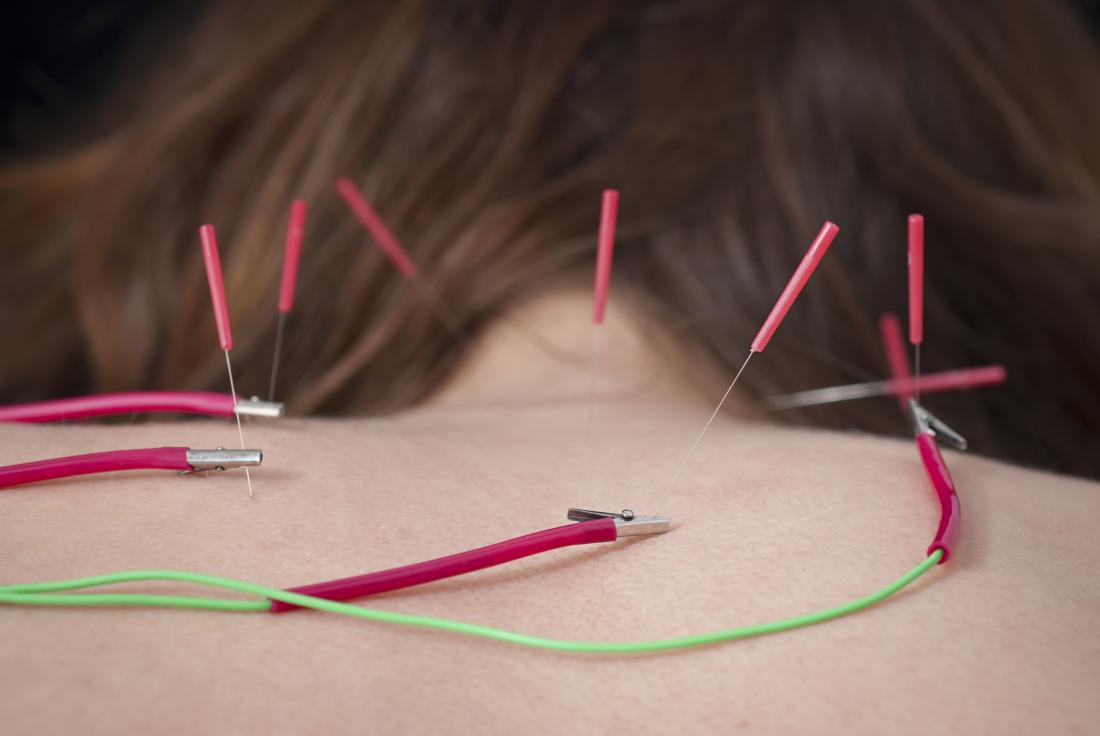
woman having electrical stimulation acupuncture on neck and shoulders
An acupuncturist may use electrical stimulation on the needles to increase their effect.

Acupuncture is a traditional Chinese medicine (TCM) practice that involves placing tiny needles in the skin.

The needles stimulate acupuncture points on the body. They are thinner than those that doctors use to draw blood or give injections, as they only enter the surface of the skin.

Acupuncturists generally believe that stimulating certain points of the body helps its energy, or qi, flow freely. in turn, this can help treat or prevent certain health conditions.

During an acupuncture appointment, a person may need to remove some of their clothing so that the acupuncturist can access certain parts of the body, such as the abdomen, ankles, neck, back, or wrists.

Usually, the person will lie down on a bed and use a sheet or blanket to cover up and keep warm.

The acupuncturist may use an alcohol wipe to clean the areas that they intend to stimulate. Then, they lightly tap the needles into the specified points on the body. In some cases, the acupuncturist may use heat or electrical stimulation on the needles to enhance their effect.

At this point, the acupuncturist may leave the person alone to rest while the needles stay on the skin. Some practitioners use soft music, heat lamps, or other comfort measures during this time.

After several minutes, the practitioner will return to the room, remove the needles, and dispose of them in a sharps container.

Acupuncture may not be a quick fix, however. It may require several visits before a person sees results.

For example, one case report found that a woman underwent acupuncture once per week for 13 weeks and only then experienced an improvement in her psoriasis symptoms.

Another case report had a similar outcome, with people reporting improvements in their psoriasis symptoms after 14 weeks of the treatment.

Risks

When a person receives acupuncture from a licensed provider, the risks are very low, according to the National Center for Complementary and Integrative Health.

The Food and Drug Administration (FDA) regulate acupuncture needles as medical devices. This means that only licensed providers should use them, always ensuring that they are sterile, nontoxic, and have only one use before disposal.

However, if a person receives acupuncture from an unlicensed or nonqualified provider, or if the needles are not sterile and single-use, there are risks of infection, injury, and serious effects such as punctured organs.

Before receiving acupuncture, check that the provider is licensed or certified and is educated in TCM and acupuncture. The National Certification Commission for Acupuncture and Oriental Medicine list board-certified acupuncture providers on their website.

Summary

People who have psoriasis or PsA may find that an alternative treatment such as acupuncture can help them keep their condition under control.

Acupuncture can also help relieve stress, which could help prevent some psoriasis flares.

People who have psoriasis and PsA should still see a medical practitioner regularly. This can help ensure that their condition remains under control.

They should also tell their healthcare provider about acupuncture and any other complementary treatments they are trying.

Share Button