Sadiq Khan Accuses Tory Leadership Candidates Of ‘Ignoring’ Climate Change

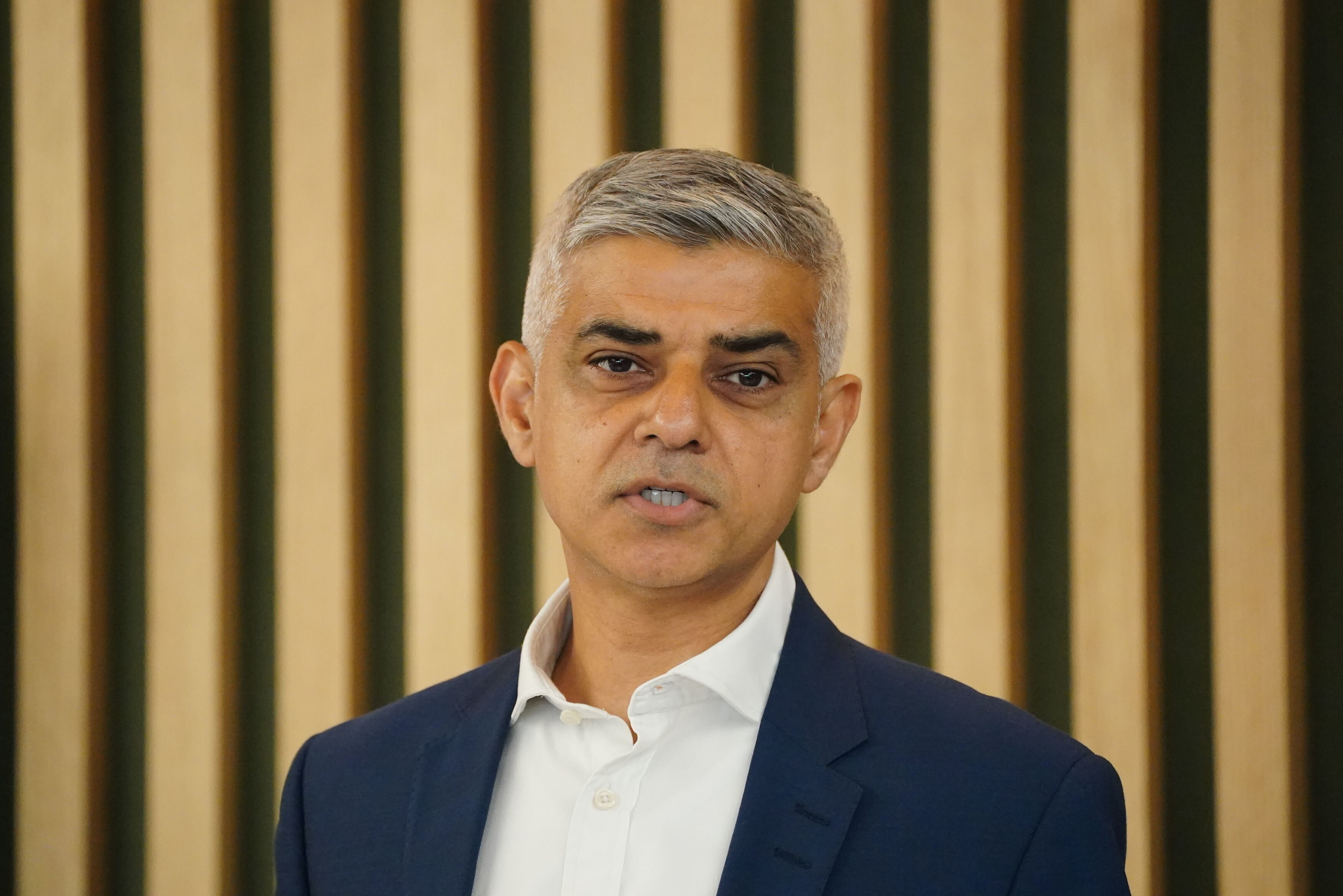
Sadiq Khan today accused the Tory leadership candidates of “ignoring” climate change as Britain sizzles in record temperatures.

The mayor of London said the country needed a “brave generation of politicians” in parliament, in an interview with HuffPost UK.

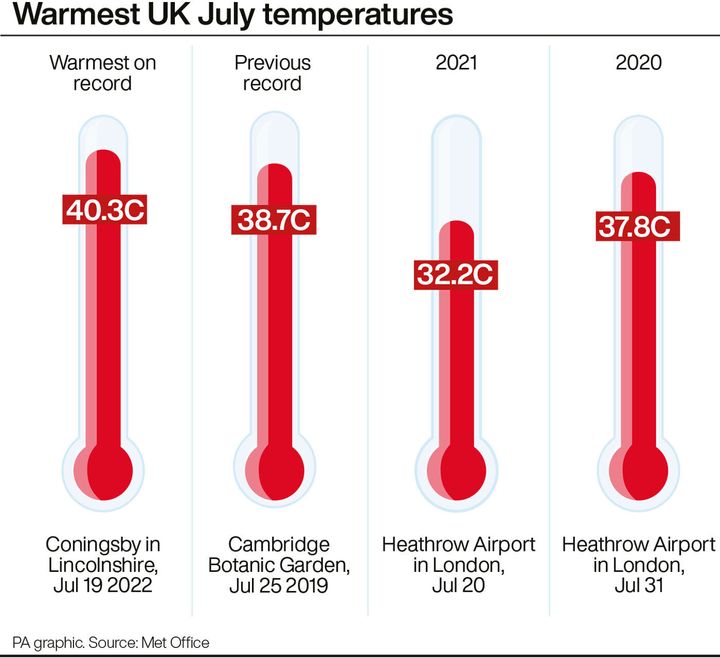
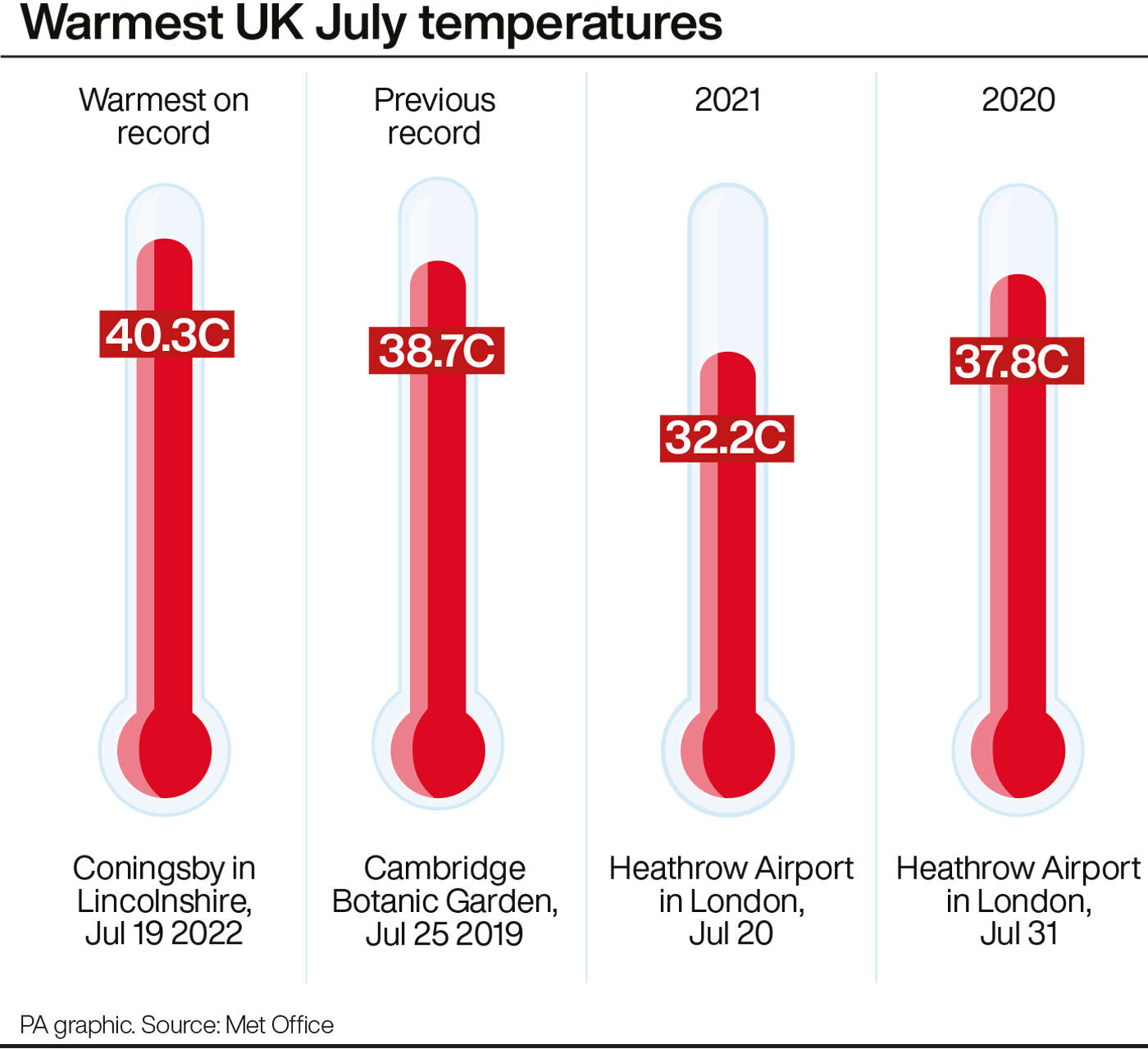
“This heatwave is directly linked with the consequences of climate change,” Khan said as the UK hit its hottest temperature on record of 40.2C at Heathrow.

“So rather than tiptoeing around this issue and ignoring it, as those running to be the Tory leader have done, we should be talking about it more with a sense of urgency.”

The criticism falls as the Tory leadership debate has focused on tax cuts and culture war issues, rather than the climate.

Cabinet minister Alok Sharma, who led last year’s landmark Cop26 UN climate summit, intervened in the Tory leadership race, suggesting to The Observer he might resign if the incoming PM fails to commit to a strong agenda on the climate crisis.

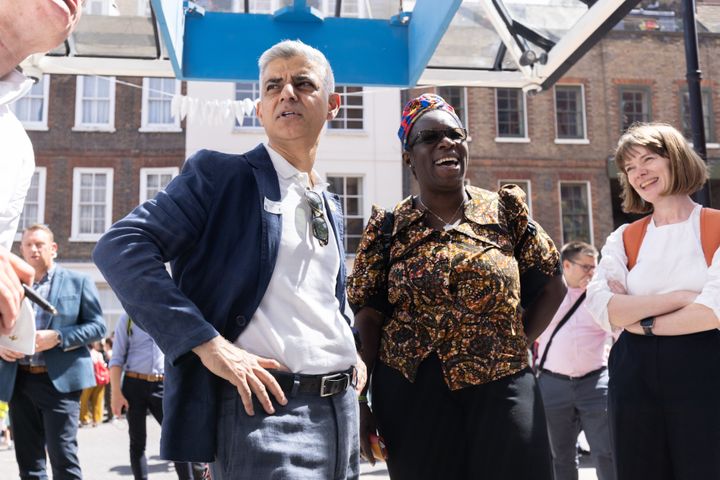
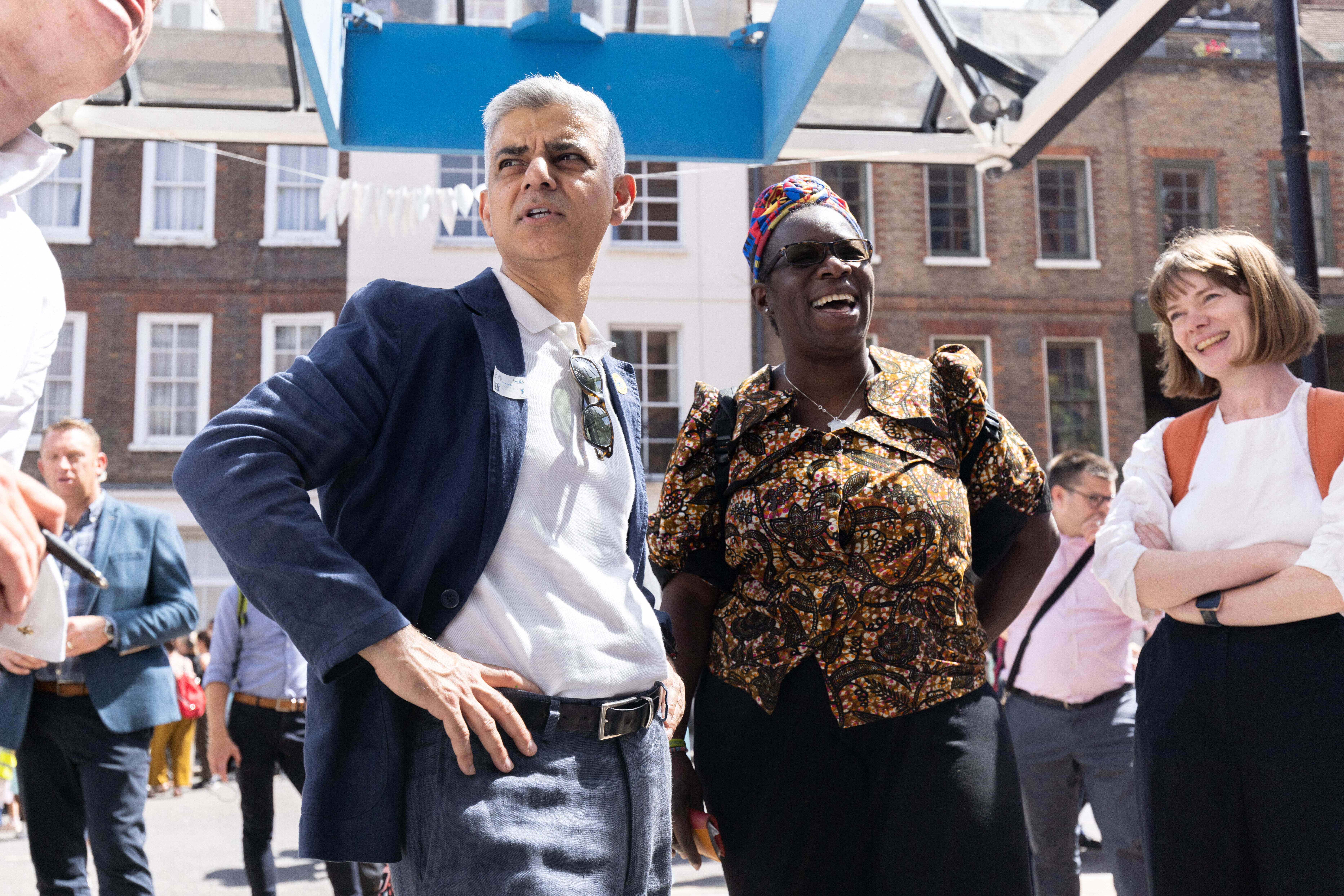
Mayor of London Sadiq Khan with Rosamund adoo-kissi-debrah, CEO of the Ella Roberta Family Foundation.

James Manning – PA Images via Getty Images

Meanwhile, Conservative MP Chris Skidmore has suggested Tory party members care little about hitting “net zero” carbon emissions by 2050 “because 90 per cent of them will be dead”.

Skidmore admitted a survey which put the climate emergency at the bottom of the list for the people who will choose the next prime minister is “rather depressing” in the Independent.

Leadership candidate Kemi Badenoch has previously branded the 2050 net zero commitment “unilateral economic disarmament” and vowed to axe it if elected.

At a hustings event on Monday she appeared to reverse her view before performing another U-turn on TalkTV that evening suggesting there were “circumstances” she would delay it. The three other remaining leadership candidates have all backed net zero.

Rosamund Adoo-Kissi-Debrah, whose daughter Ella was nine years old when she suffered a fatal asthma attack in 2013 linked to severe air pollution, has also criticised Conservative leadership hopefuls for dismissing green issues.

Khan added: “I break down politicians into three areas: climate change deniers, climate change delayers and climate change doers.

“And this heatwave should make us all want to be climate change doers, rather than delayers or deniers.”

He added: “This heatwave, caused by climate change, should be a wake up call for all of us – including those running to be the leader of the Conservative Party.

“It’s heartbreaking, in my view, to see the Tories being in denial about this issue.

“I mean, just to think about one of the candidates talking about 2060, 2070, the other candidates being lukewarm at best about the issue of tackling climate change. That is not the sort of leadership we need.”

He added: “It was Conservative politicians in the 1950s during the Great Smog who made the brave decision to close down power stations in the centre of our cities – think of Battersea Power station, think of the Tate Modern, because then you could see the poison.

“The problem is you can’t see the invisible killer, but you can feel the heat.

“What we want to see is a brave generation of politicians in parliament now, tackling climate change and air quality.”

The mayor made the comments as he hosted a climate solutions summit in London’s City Hall.

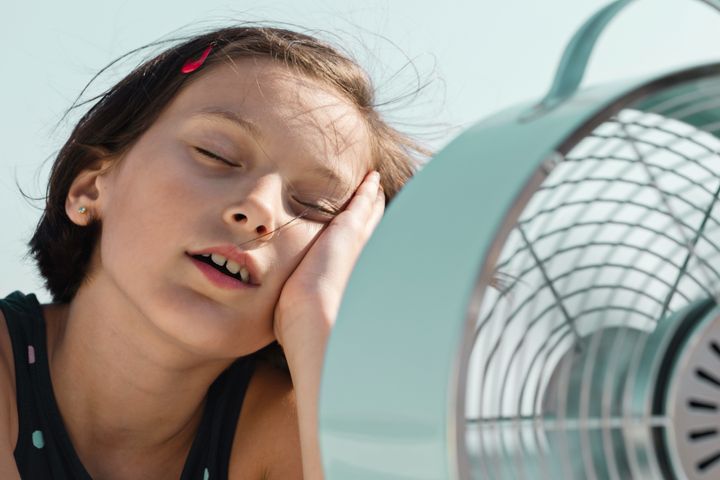
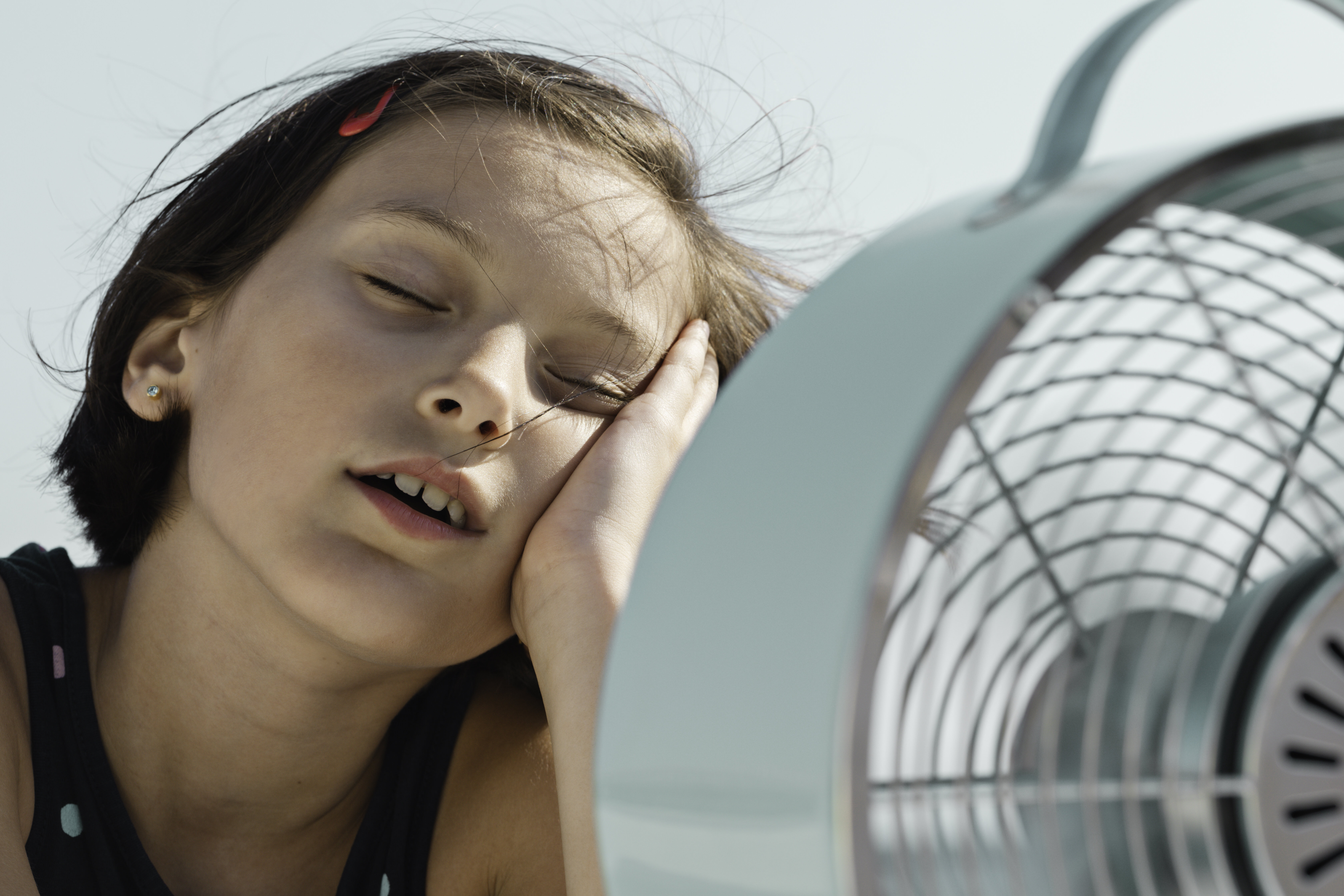
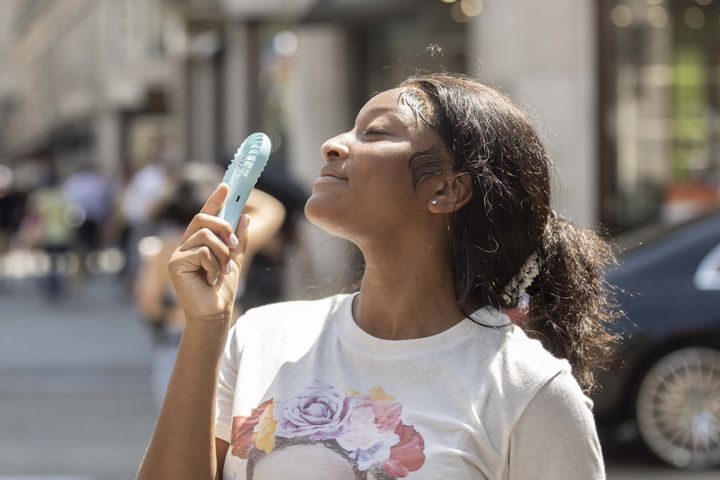
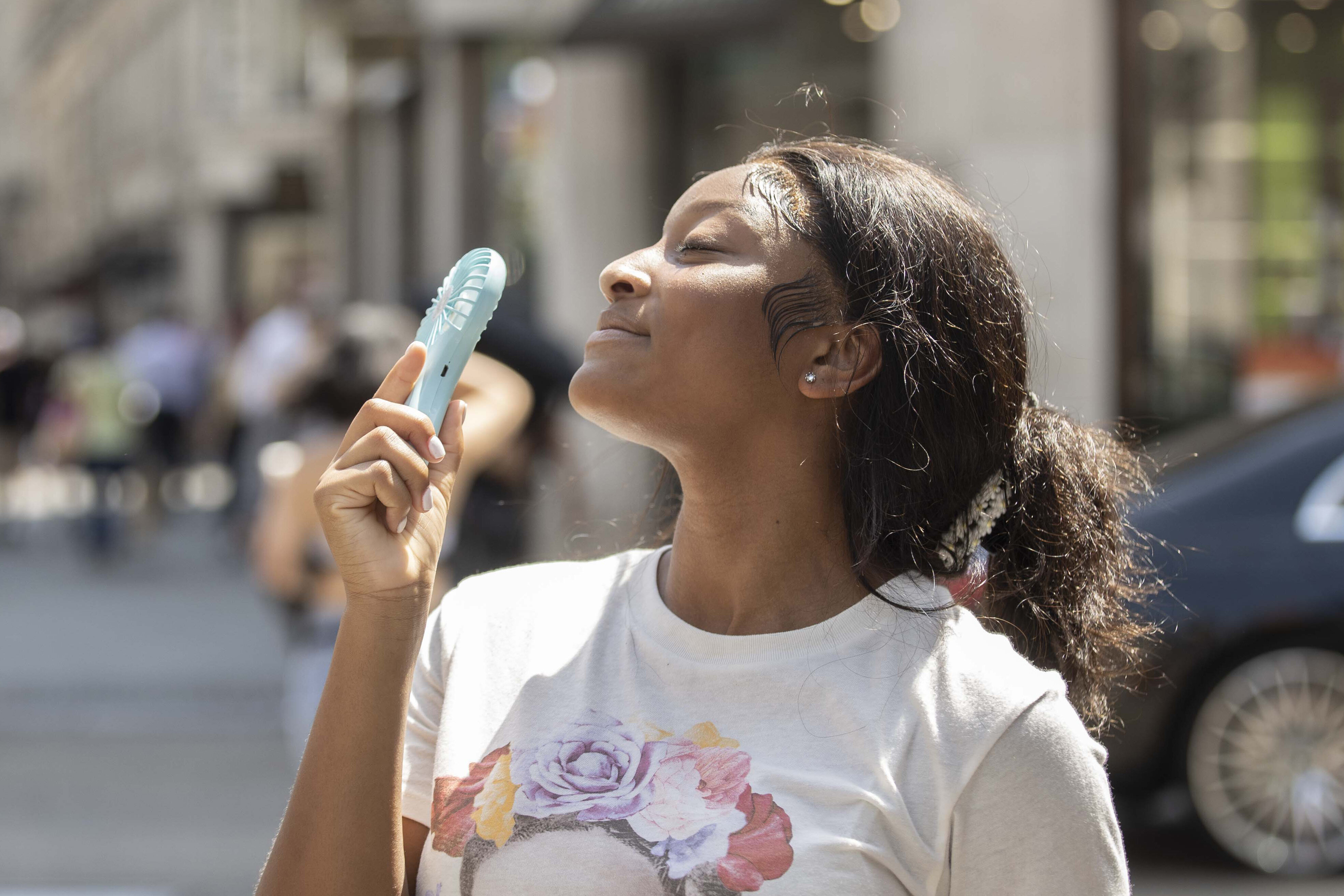
A woman use portable fan as heatwave hits London, United Kingdom on July 18, 2022.

Anadolu Agency via Getty Images

Transport for London released figures that show the expansion of Khan’s ultra-low emission zone appears to have reduced toxic air levels in the suburbs.

They found that roadside levels of nitrogen dioxide in central London were now 44 per cent lower than they would have been had the Ulez not been introduced.

However, the Evening Standard suggested the bulk of the benefits were attributable to the original central London zone which launched in April 2019.

Share Button

So, Should You Actually Close Your Windows During A Heatwave?

The UK is baking, and with temperatures set to top 40°C in some parts of the country, an emergency weather warning has been introduced by the government.

Let’s be honest – Brits really aren’t used to temperatures this high at home and work, so everyone is looking for hacks to make our days a bit more bearable.

There’s lots of good advice for dealing with a heatwave, from how to look after yourself, your home, your kids and your pets to how to spot the signs of dehydration and heatstroke in yourself and others. Key is drinking lots of water and investing in a handy fan if you can.

But what of your windows? Should you be opening them or keeping them shut? And how about your curtains and blinds – should they be closed, too?

We asked the experts to find out.

Windows: open or shut in a heatwave?

When it’s hot, it’s our natural reaction to open the windows to get some fresh air, but is this making us hotter?

If the air is cooler outside, you should open your windows to let the air in. But when temperatures start to rise outside, keep your windows shut to avoid letting hot air in your home and making yourself warmer. If you’re not sure how to check if it’s hotter inside or outside, use a thermometer in both places.

Chris Nye, from Your Overseas Home, says: “It might seem counterintuitive, but if the air outside is hotter than the air in your home, keeping your windows closed could help your home stay a little cooler.”

However, at night, you might want to open them a bit. “After the sun goes down, the outside air will start to cool down,” says Dr Lindsay Browning, sleep expert at, And So To Bed. “At this point, it is a great idea to open the windows to let in a breeze of cool external air into the bedroom, helping cool the room and to provide needed air circulation.”

This works particularly well if you have windows on both sides of your room or home. Just remember to close them first thing the morning again.

Tascha Rassadornyindee / EyeEm via Getty Images

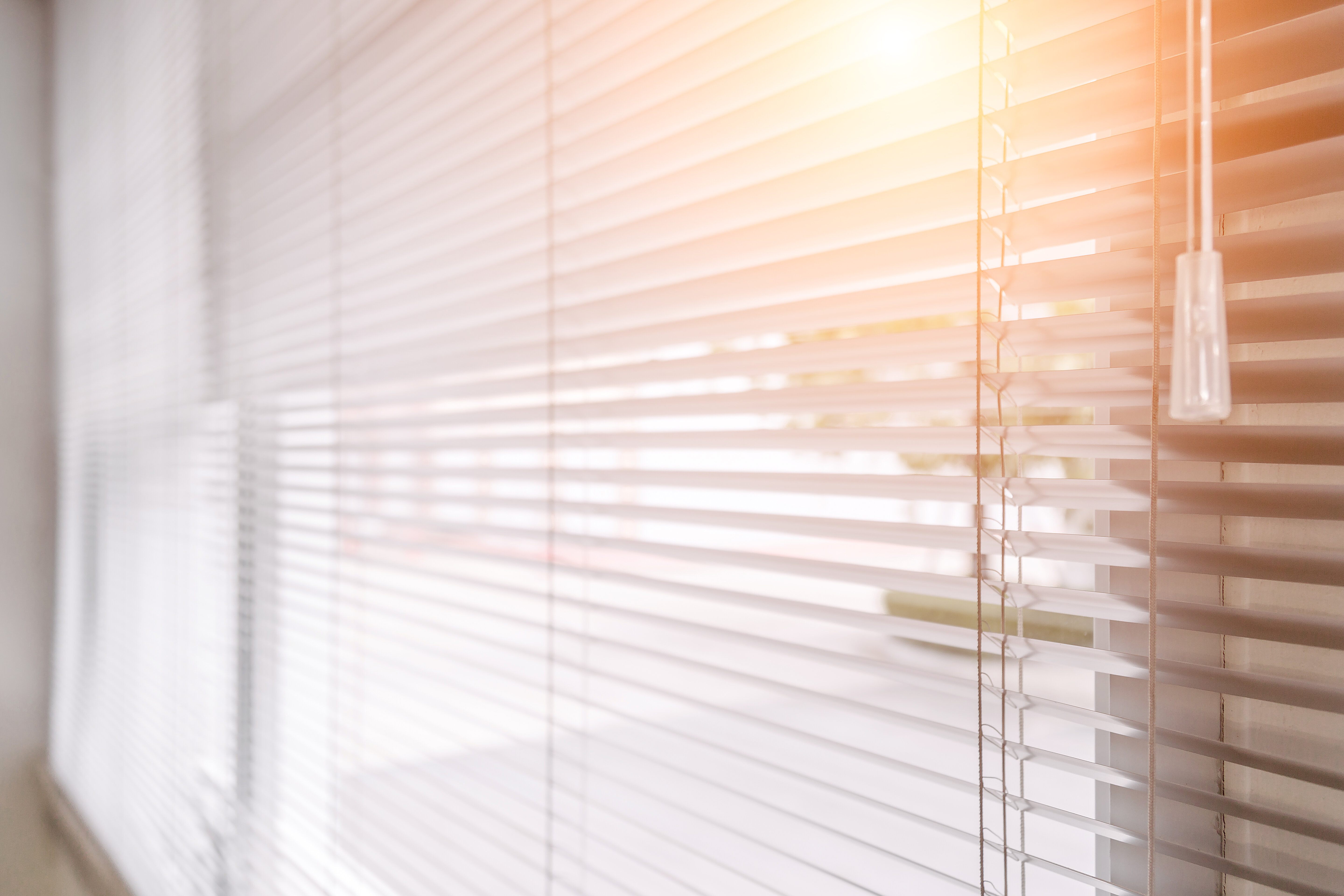
Curtains and blinds: closed or not?

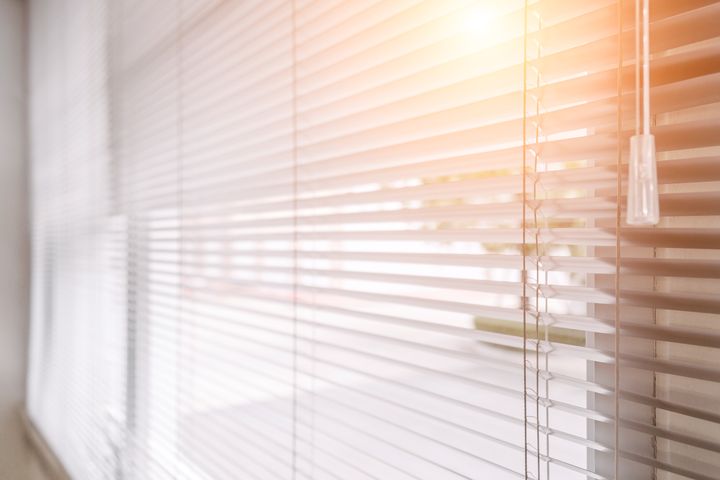
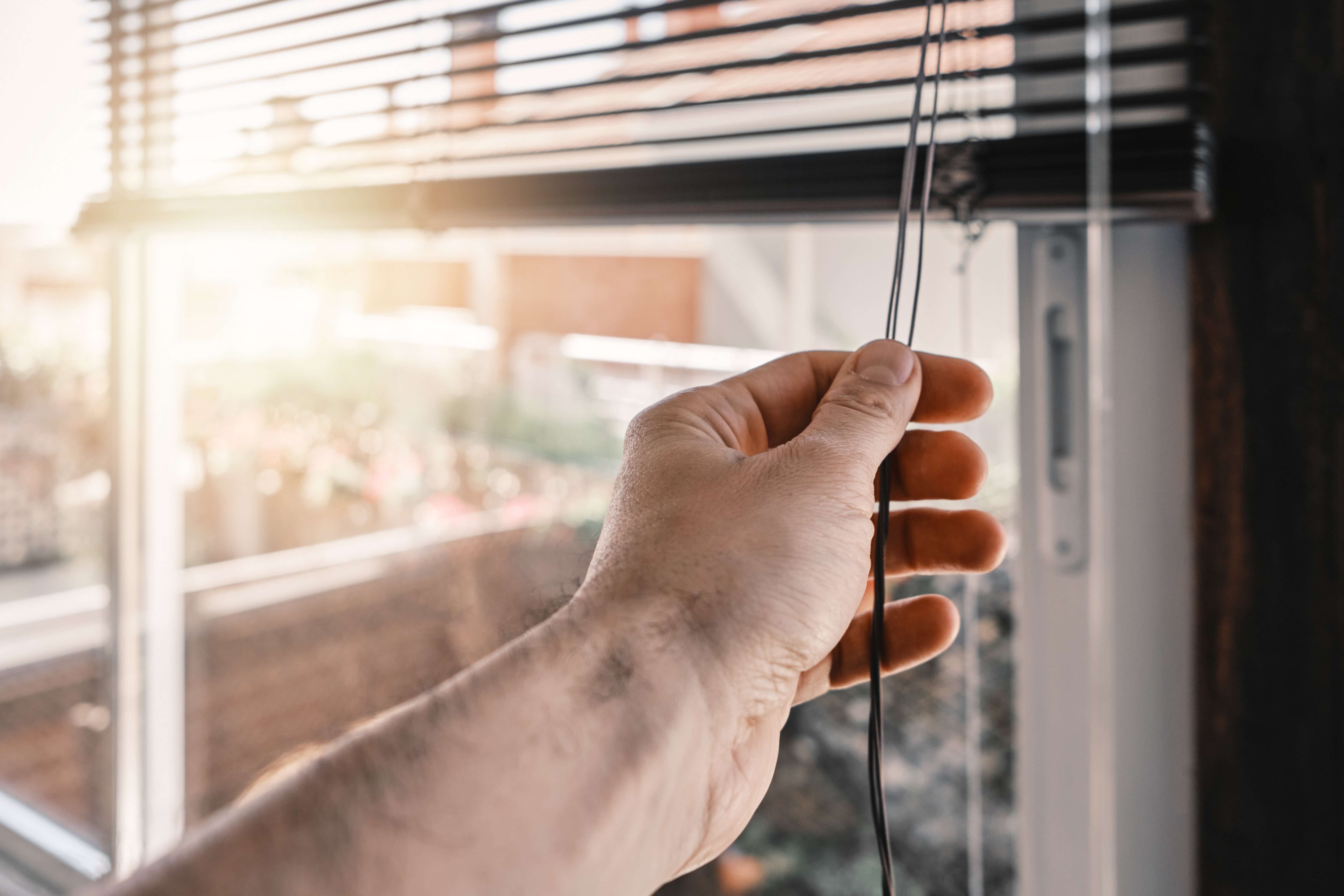
If the sun shines directly into your home, you should close your curtains to try and keep rooms as cool as possible on the hottest days of the year.

“If your house does experience more sunlight throughout the day, it’s recommended you keep your curtains, shutters and blinds shut to stop the sunlight from beaming into your home,” Lucy Askew, a spokesperson for Hillarys blinds previously told HuffPost UK.

“This will keep things marginally cooler and slightly more bearable during heatwaves.”

Nye adds: “You may even want to opt for blackout curtains to keep windows covered and block the sunlight out completely.”

Should you put foil on your windows?

Putting foil on your windows is the latest heatwave hack doing the rounds on TikTok.

Sunlight usually shines through a window which increases the heat of the sun and makes your house warm. But this hack can help you limit the amount of sunlight that get into your home.

Simply roll out some kitchen foil and apply it on your windows to block out direct sunlight.

This hack is popular in America where some states experience high temperatures all year round. In the video below, @americanredcross suggest cutting cardboard and adding it to the window after you applied to the foil.

And if your home has heated up a bit too much? It may actually be cooler to get outdoors for a bit – though do avoid the hottest part of the day. And if you are heading out, stick to shady spots such as under trees or a sun parasol.

Stay cool, everyone!

Share Button

GB News Anchor Makes Don’t Look Up A Reality With Her Reaction To ‘Lethal Weather’

A GB News anchor appeared to channel the characters from the hit film Don’t Look Up in a bizarre exchange with an actual expert on Thursday.

Adam McKay’s stark sci-fi, starring Leonardo DiCaprio and Jennifer Lawrence, followed two scientists trying – and failing – to warn the world that a meteor was approach the Earth, soon to destroy it.

It was clearly a thinly-veiled reference to the warnings the world has had over the climate crisis.

One of the scenes then seemed to play out in real life on GB News, when anchor Bev Turner appeared to dismiss the serious implications of the heatwave which has already descended on the UK, and may hit highs of 40C next week.

Addressing John Hammond, a meteorologist, on Wednesday, she said: “See John, you’re outside enjoying the sunshine. It’s not too hot, is it?”

He replied that the weather was much more mild – before issuing a stark reminder that “by earliest next week, you could scrap 20C, as it could well be 40C”.

″I think there will be hundreds if not thousands of excess deaths early next week.”

He said the charts he could see in front of him are “frightening”, adding that this will not be “nice weather”.

“This will be potentially lethal weather for a couple of days. It will be brief but it will be brutal.

“Oh John,” the anchor cut across. “I want us to be happy about the weather!

“I don’t know if something has happened to meteorologists to make you all a little bit fatalistic and harbingers of doom, but broadcasters – particularly on the BBC – every time I’ve turned on, anyone is talking about the weather and they’re saying there’s going to be tons of fatalities.

“But haven’t we always had hot weather, John?

“Wasn’t the summer of 76 – that was as hot as this, wasn’t it?”

“Er, no,” the expert replied. “And we are seeing more and more records, more and more frequently, and more more severely, so yes some people always hark back to the summer of 1976, which was a freak event, over 40 years ago.

″But heatwaves are becoming more extreme, this is yet another one that is coming down the tracks towards us and I don’t think we should be too lighthearted over the fact that many are going to die over the next week because of the heat. Forty degrees [Celsius] – the sort of temperature, I’m afraid, that this country is just not geared up to cope with.”

He urged employers to consider their workers’ safety on the way to work, and for employees to think about their own commutes.

This clip was also released online a day before the the UKHSA confirmed that the UK was in a national heat emergency.

The highest temperature ever recorded in the UK is 38.7C in 2019 – and temperatures are set to surpass that next week.

Share Button

Heat-Related Deaths in UK Could Triple In The Next 30 Years

Heat-related deaths in the UK could triple in the next 30 years, according to a new report by the British Red Cross.

The charity’s Feeling The Heat report looks at how prepared the UK is for rising temperatures and more frequent heatwaves, and warns of a dangerous perception gap when it comes to awareness of the risks posed by heat.

Heatwaves – defined as a period of extreme heat lasting three days or more – have increased in the UK, with 84 registered between 2000 and 2020, and will continue to do so, the report says, both in intensity and length.

“The average length of warm spells have more than doubled in length in the last few decades, and by 2050 the UK will be 50% more likely to experience hot summers, while heat-related deaths could more than triple, to around 7,000 per year,” the charity’s briefing says.

The report, which surveyed 2,000 UK adults in June, comes after another period of weather in the UK that prompted extreme heat warnings, and found the risks that can come from heatwaves are not matched by the level of public concern.

A man sunbathing in St James's Park, London on the hottest day of the year so far.

A man sunbathing in St James’s Park, London on the hottest day of the year so far.

Even the word heatwave has positive connotations for the public, and is seen as bringing good weather, with a survey suggesting more than a quarter (26%) of people see heatwaves as a good thing. Meanwhile, more than a third (37%) believe heatwaves will be a problem in the future, but not now.

However, August 2020 heatwaves caused a record 2,556 excess deaths in England, as well as significant disruption across the UK, it warns. A severe water shortage led to more than 300 households in West Sussex having no water for five days, and there were an estimated five million staff days lost, at a cost of approximately £770m to the UK economy.

The survey suggests the majority (60%) of UK adults have experienced at least one adverse effect of hot weather in the UK, most commonly headaches (33%), dizziness or feeling faint (22%), or heat rash (21%). However it found that 40% of adults have never seen information on how to protect themselves during a heatwave, and 9% said they’ve never had advanced warning of a heatwave.

People who are more vulnerable to heatwaves

Hot weather can impact us all, but the following groups can be more vulnerable, the report says:

  • Older people and people who live in care homes
  • Babies and children
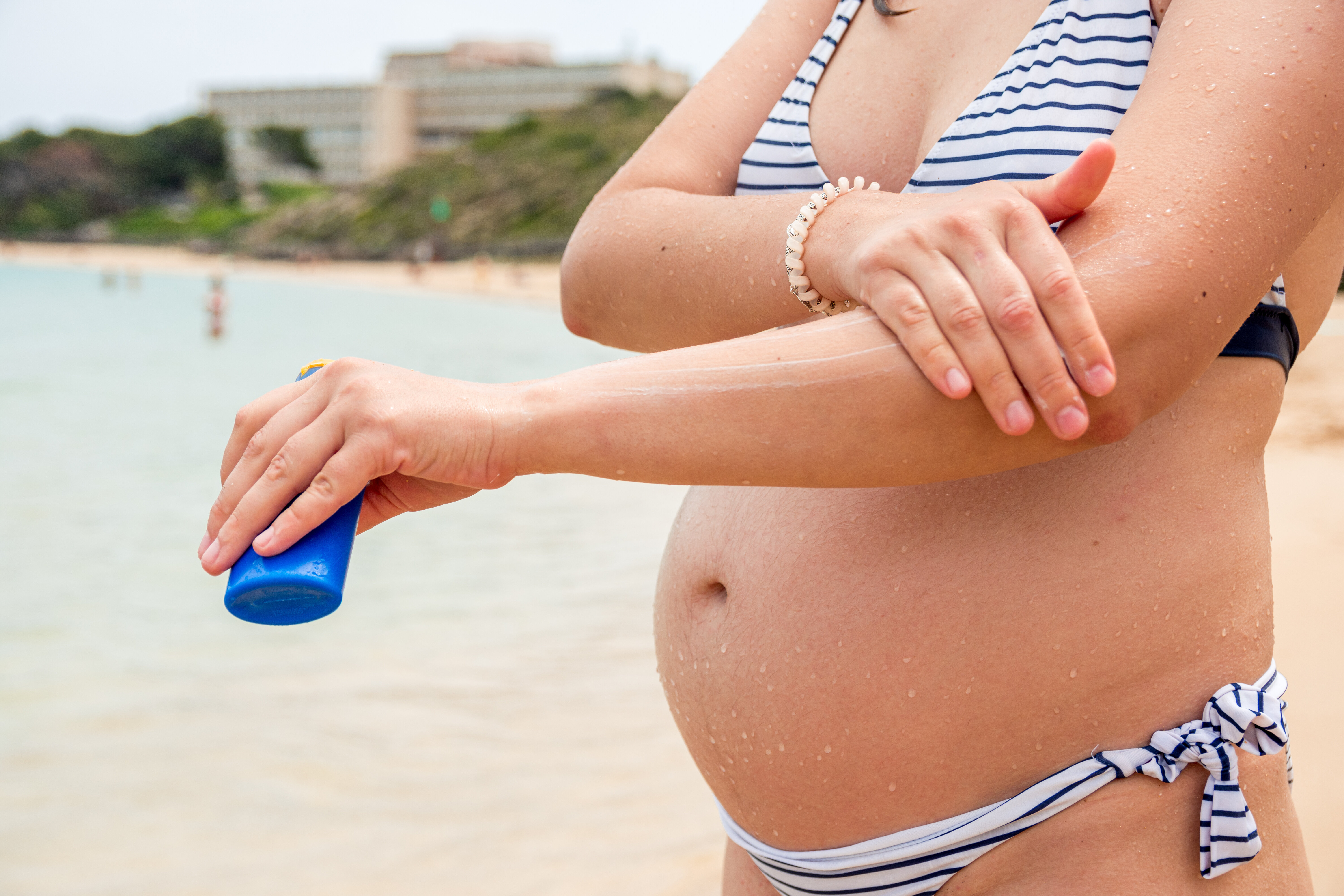
  • People who are pregnant
  • People with chronic health conditions
  • People with mental health conditions
  • Those drinking to much or taking recreational drugs
  • People who live alone or are socially isolated
  • Homeless people and marginalised groups
  • Refugees and migrants
  • Outdoor workers

Despite those aged 75 and above being at high risk form these effects, more than half of this age group surveyed said they do not consider themselves as vulnerable to the impact of heatwaves, the research found.

“Through the British Red Cross’s work responding to emergencies here in the UK and abroad, we are already seeing the devastating impact of climate change, including hot weather,” the report says. “But we also know that extreme weather emergencies don’t need to be disasters.”

The charity is calling on the government to ensure the most vulnerable to heat have access to adequate information and support. Former TV weather presenter Sian Lloyd has joined the call for greater awareness and understanding of the risks associated with rising temperatures.

“The UK is getting hotter,” she says. “As a result of climate change, heatwaves are becoming longer and more extreme, and many people’s health and wellbeing will continue to suffer as a result.

“We already know that certain groups are more at risk from extreme heat, including people aged over 75, adults with underlying health conditions, children and babies, as well as people living in top floor flats and in built-up urban areas where temperatures are higher.”

Matthew Killick, director of crisis response and community resilience at British Red Cross, said: “Despite what many think, UK heatwaves can impact us all.

“But heatwaves don’t need to be deadly. From checking on your neighbours to providing first aid, simple early actions can keep you, your family and friends safe and well during hot weather.”

Share Button

Pacific Heatwave Threatens Hawaii’s Coral Reefs

HuffPost is part of Oath. Oath and our partners need your consent to access your device and use your data (including location) to understand your interests, and provide and measure personalised ads. Oath will also provide you with personalised ads on partner products. Learn more.

Select ‘OK’ to continue and allow Oath and our partners to use your data, or select ‘Manage options’ to view your choices.

Share Button

9 Innovative Ways To Survive A Heatwave With Small Children

HuffPost is part of Oath. Oath and our partners need your consent to access your device and use your data (including location) to understand your interests, and provide and measure personalised ads. Oath will also provide you with personalised ads on partner products. Learn more.

Select ‘OK’ to continue and allow Oath and our partners to use your data, or select ‘Manage options’ to view your choices.

Share Button