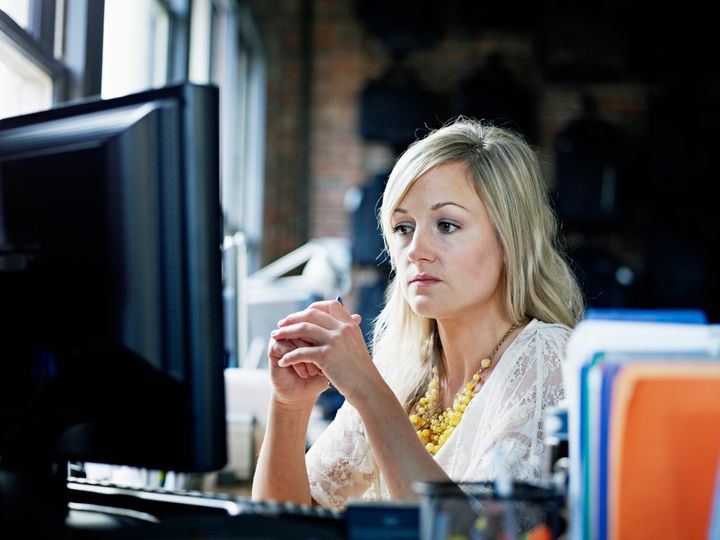
Seven in 10 disabled women say they have been sexually harassed at work, increasing to almost eight in 10 among those aged 18 to 34.
These shocking statistics, which compare to 52% of women in general, are from a new report published by the the TUC that surveyed 2,003 disabled women about their careers. Of those, 1,162 respondents agreed to answer questions about their experiences of sexual harassment at work.
Advertisement
It’s been more than four years since the #MeToo movement took over our social media feeds, but this is the first major study into the sexual harassment of disabled women at work in Great Britain. As the report highlights, “the voices and experiences of disabled women have too infrequently been highlighted”.
Common experiences shared by those surveyed included unwanted sexual advances (38%), unwanted touching (36%), and unwanted sexual touching/sexual assault (18%).
Advertisement
One in 25 said they had experienced a serious sexual assault or rape at work.
Thomas Barwick via Getty Images
The research also suggests that many disabled women experience multiple forms of harassment in the workplace, with more than half of respondents (54%) saying they had experienced two or more types of sexually harassing behaviour, and 45% saying they had experienced three or more. “This points to workplace cultures where sexual harassment is a frequent and normalised occurrence rather than an isolated incident,” the authors said.
Advertisement
The report identified great hesitancy among disabled women in reporting harassment at work. Two thirds (67%) of those who had experienced it did not report the harassment to their boss the most recent time it happened, with 39% saying this was because they did not believe they would be taken seriously.
Some said they were worried it would have a negative impact on their career or work relationships. Other reasons included not thinking they would be believed or thinking they would be blamed if they reported the incident.
And unfortunately, of those who did report the most recent instance of sexual harassment, more than half (53%) said it was not dealt with satisfactorily.
Unsurprisingly, this is having a huge impact on the wellbeing of women.
Advertisement
Around one in three (34%) of those who disclosed harassment in the survey said their experiences had a negative impact on their mental health and more than one in five (21%) said it negatively affected their relationships with colleagues.
The experiences caused one in eight (12%) to leave their job or employer entirely. This is particularly troubling given disabled women already face significant barriers to getting into work and getting paid the same as non-disabled workers.
TUC research in October 2020 found that disabled women earned 36% less than non-disabled men. The analysis also found a huge unemployment gap; disabled women were 32.6% more likely to be unemployed when compared to non-disabled men.
“Four years on from the explosion of #MeToo on a global scale, employers still aren’t doing enough to make sure women are safe at work. It’s time for every employer to take responsibility for protecting their staff from sexual harassment,” said TUC General Secretary Frances O’Grady.
“Ministers must change the law to make employers protect workers from sexual harassment specifically, and from all forms of harassment by customers and clients. Anyone worried about sexual harassment at work should get in touch with their union.”
One in four women who experience a severe injury during birth regret having their child. It’s taboo to admit, but with more than 600,000 women giving birth in England and Wales alone each year, we need to talk about this.
A new survey of mothers affected by birth injuries lays bare the physical and psychological impact on women, which can last years into their child’s life.
Advertisement
The overwhelming majority (85%) of mothers who suffered severe injuries say their experience damaged their relationship with their child, with 14% saying this harm was permanent. One in three (34%) said they saw their child as the cause of the injury while, heartbreakingly, three in 10 (31%) thought their child would be better off without them.
The research, from birth injury charity The MASIC Foundation, surveyed 325 women who self-identified as having suffered severe perineal trauma when giving birth. The sample size may be small, but the research adds to growing concern about women’s health outcomes after giving birth in the UK.
Advertisement
While it’s important to acknowledge that millions of women around the world give birth each year without problems, it’s equally important to say this isn’t always the case – and women are increasingly talking about their negative experiences and demanding better care.
HuffPost UK has previously reported on the gaps in NHS postpartum care that widened during the pandemic. In a separate survey of mums, the majority (91%) said they were not given enough advice during pregnancy about postpartum recovery.
Advertisement
We also know that Black women are five times more likely to die during childbirth than white women. A controversial proposal to tackle this – inducing labour at 39 weeks for pregnant black, Asian and minority ethnic women as a matter of course – has been called “racist” by some doctors and midwives.
In the latest research, 78% of women surveyed said they have traumatic memories of birth and 52% said they face embarrassment due to symptoms of their injury.
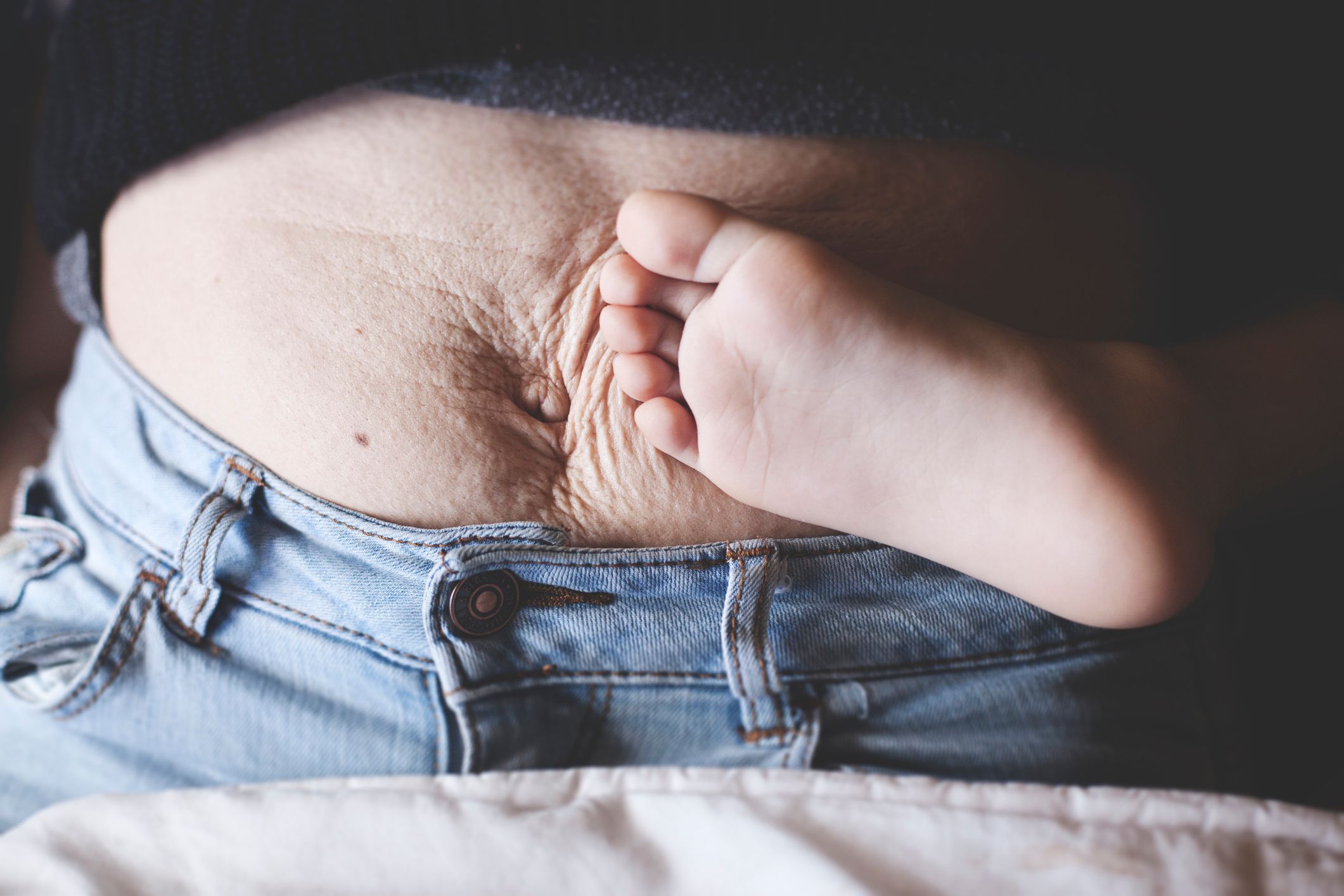
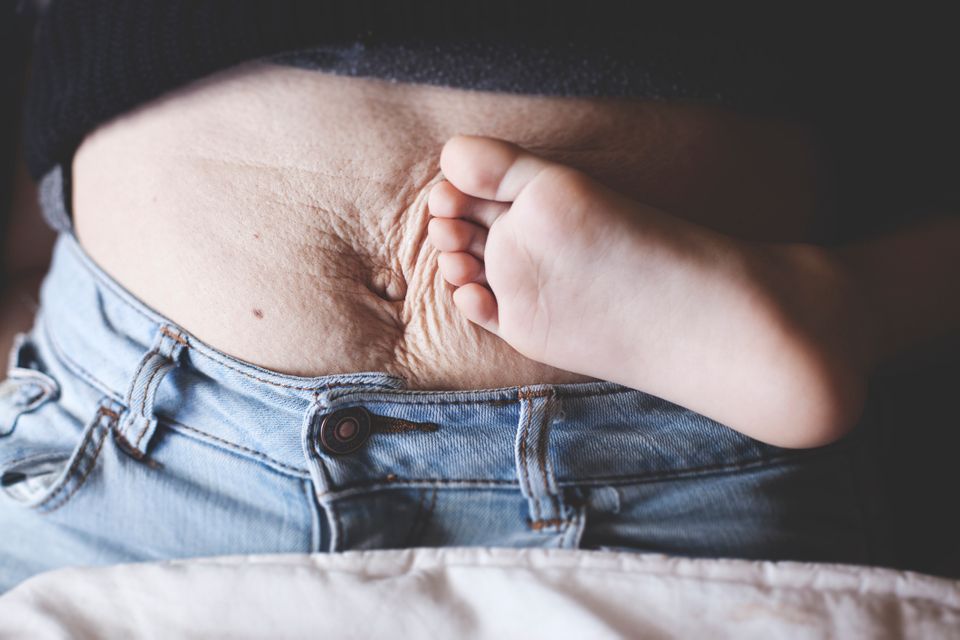
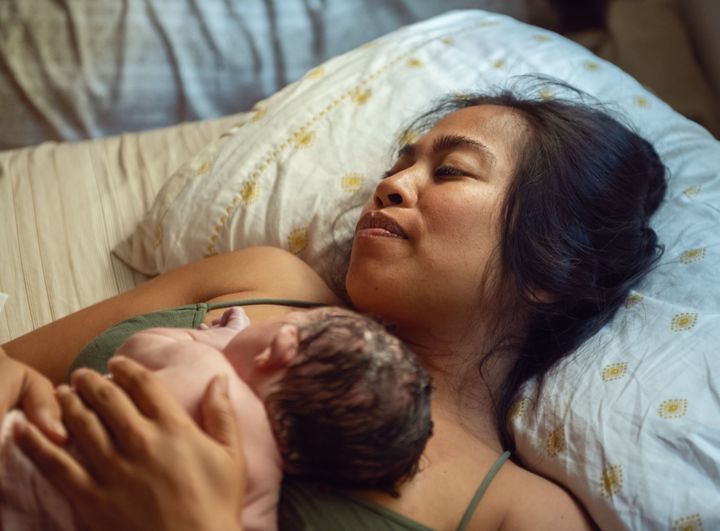
Estersinhache fotografÃa via Getty Images
This rings true for Catherine*, who had a prolonged labour following induction with her son, which then required an episiotomy and ventouse (vacuum delivery).
She had a third-degree tear (defined as a tear that extends into the anal sphincter), but it was initially misdiagnosed as a second-degree tear, meaning she wasn’t offered the correct treatment. Her undiagnosed injury left her in too much pain to sit down or attend mother and baby groups, leaving her “essentially house-bound” for her maternity leave. After a year – and hitting a brick wall with the NHS – she accessed help at a private clinic.
Advertisement
The damage has been permanent, though, and she’s still prone to toilet urgency and accidents. Catherine now carries pads, wipes, Imodium and spare underwear everywhere she goes. She quit a job she loved as she was struggling to manage her condition, and has been diagnosed with PTSD.
““My confidence, my me-ness, the essence of who I am, has been destroyed.”
– Catherine, 44, Bristol
“My confidence, my me-ness, the essence of who I am, has been destroyed,” says the 44-year-old, from Bristol. “My relationships with my child and my partner have suffered.”
Catherine has struggled to talk to friends about her experience – or even watch programmes when childbirth is mentioned – and has counselling each year in the run-up to her son’s birthday.
“With my son, I love him dearly, he is the best thing in my life, but his birth caused the injury and it is difficult to square the two,” she says.
“Every year I dread his birthday and the reminders of my traumatic experience. It is not fair on him or on me – his birthdays are not a happy occasion, but every year I have to pretend it is.”
While her partner has been understanding, Catherine says “he also carries his own guilt about what happened”. Their physical relationship has also been impacted hugely. “I feel like a shell of my former self at times,” she adds.
Like Catherine, 69% of mothers surveyed said the impact of a birth injury was both physical and emotional. Almost half (45%) said they have had postnatal depression as a result and 29% said it has affected their ability to breastfeed their baby, with 18% stopping earlier than planned.
Elizabeth*, who now has a 10-year-old daughter, describes the period after birth as the “worst time of [her] entire life” and is still impacted by her birth injury a decade later.
Aged 30, she had a fourth-degree tear (a tear that extends further into the lining of the anus). Six days after delivery, she passed faeces vaginally and was in extreme pain. She was then readmitted to hospital and found to have a recto-vaginal fistula, causing an infection in her vagina and bowel.
““I am ashamed to say that at times I wished I had never become a mother and I grieved for the life I had before.””
– Elizabeth, 40, Hampshire
Although she’s had further treatment, she still experiences rectal incontinence, which has affected her ability to socialise and work. “I often avoid eating out as this stimulates my bowel,” says the now 40-year-old, from Hampshire. “I always need to know where the toilets are.”
Advertisement
Her birth injury meant Elizabeth was forced to give up her beloved hobbies of horse riding and swimming. For a long time, she was in too much pain to even walk her dog. “I am ashamed to say that at times I wished I had never become a mother and I grieved for the life I had before,” she says. “I paid such a high price to have a baby.”
Jen Hall, a MASIC spokesperson, is sadly unsurprised by Catherine and Elizabeth’s stories, after having a “brutal forceps delivery” that left her with physical and psychological damage herself.
“Nobody warns you that having a child can leave you with life-changing injuries and no woman should have to go through this without support and proper medical care,” she says.
Most of these injuries are “entirely preventable”, she adds – the result of something going wrong during birth or a failure to identify risk factors beforehand, according to MASIC. The charity is calling on the government and the NHS to roll out a programme of training for medical professionals.
The Obstetric Anal Sphincter Injury (OASI) care bundle – a package of training which has been praised by the Royal College of Midwives – has been trialled in 16 maternity units across the NHS and is being extended to a further 20, but this still leaves three in four (76%) maternity units yet to be reached.
The charity is calling for it to be rolled out nationwide. They’ve also set out a seven-point plan for better care, calling for:
Improved identification, diagnosis and treatment of birth injuries in the NHS.
An education programme for obstetricians and midwives so that severe injuries are recognised at birth and treated in line with best evidence.
A primary care education programme so that all women are asked at contacts following birth about signs and symptoms of OASI/incontinence, with appropriate referral pathways for those with symptoms in line with the NHS long-term plan.
Information about the risks of OASI given to all women antenatally.
Women’s concerns to be listened to and not dismissed as “normal” postnatal experiences.
Specialised psychological treatment and support for women after OASI injury and an end to the stigma and taboo of talking about these injuries.
Dedicated OASI clinics nationwide.
HuffPost UK has contacted NHS England and the Department for Health and Social Care for a response. We’ll update this article if they provide a statement.
Without change, women like Catherine do not feel like they can have a second child. “I feel like I was someone the birth just happened to,” she says. “At the time I was happy to place my faith in the medical professionals dealing with me; I had no reason not to. Whilst birth is normal, natural and inevitable, and women’s bodies are designed to do it, unfortunately as we all know it isn’t always that simple. The people who were meant to help me through it let me down.”
• Surnames have been omitted to offer anonymity to interviewees.
Advertisement
Useful websites and helplines
Mind, open Monday to Friday, 9am-6pm on 0300 123 3393.
Samaritans offers a listening service which is open 24 hours a day, on 116 123 (UK and ROI – this number is FREE to call and will not appear on your phone bill).
CALM (the Campaign Against Living Miserably) offer a helpline open 5pm-midnight, 365 days a year, on 0800 58 58 58, and a webchat service.
The Mix is a free support service for people under 25. Call 0808 808 4994 or email help@themix.org.uk
Rethink Mental Illness offers practical help through its advice line which can be reached on 0808 801 0525 (Monday to Friday 10am-4pm). More info can be found on rethink.org.
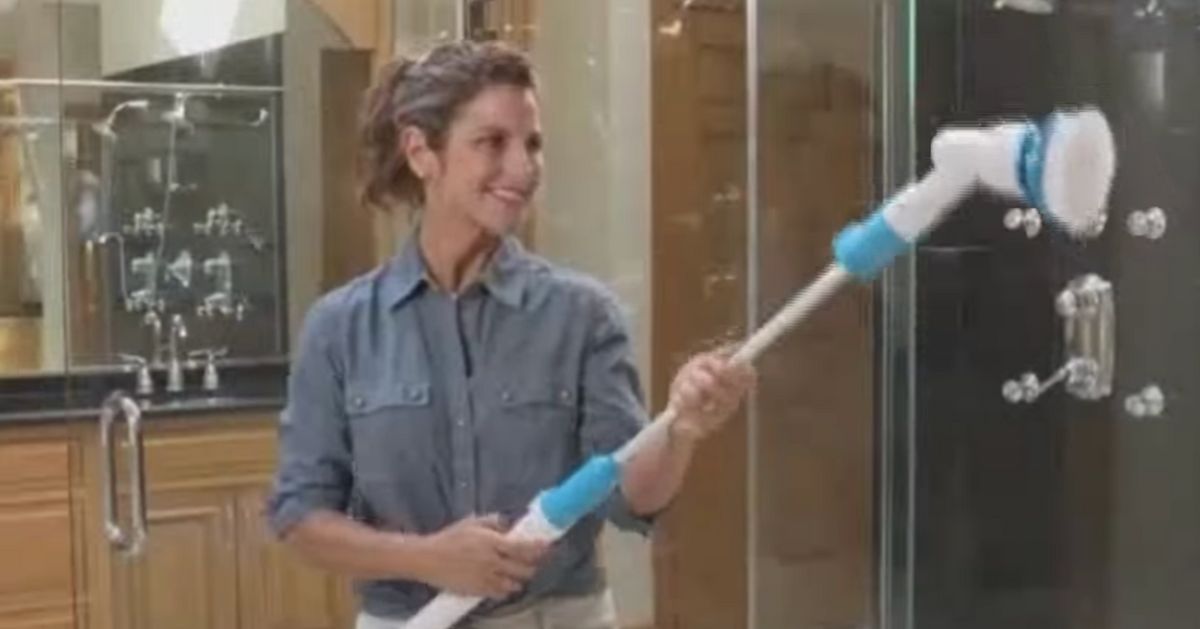
A television ad for a scrubbing device has been banned for suggesting cleaning the home is a responsibility uniquely associated with women.
Cue major eye rolls.
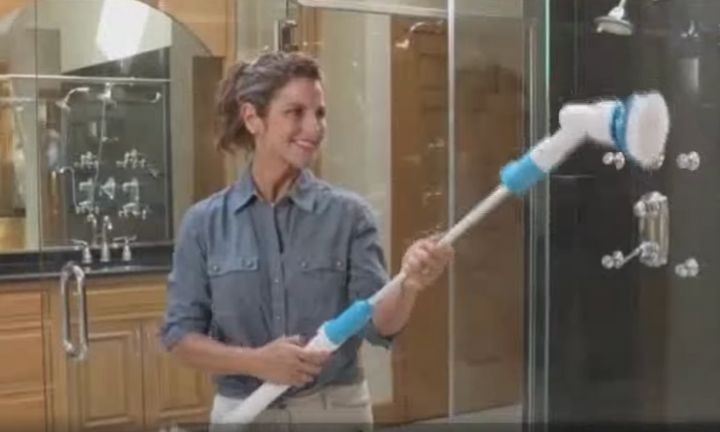
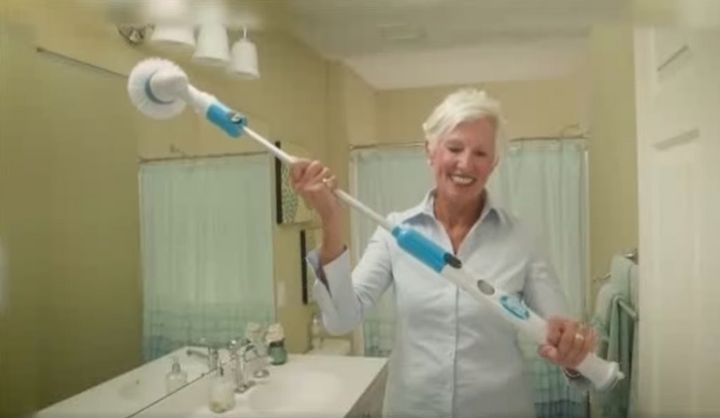
The three-minute television ad for the JML Hurricane Spin Scrubber, seen in March, depicted several women using the cleaning tool in the bathroom, kitchen and elsewhere in the home.
In the ad, four women describe their experiences with the tool, saying: “I have a very busy household. People are in and out of my shower all the time”, “I love using the extension pole to get the rings out of the bathtub”, and “I’ve given this to my mother as a gift, and it’s changed the way she cleans. I don’t have to worry about her slipping and falling”.
A screenshot of the advert, provided to HuffPost UK by the ASA
In the banned ad for the Hurricane Spin Scrubber, one woman said she had previously been “embarrassed” to have people over to her house because of limescale deposits but no longer worried after using the product.
“I love having people over to come inspect my kitchen and my bathrooms,” she said, before a male voiceover concluded: “To get your hands on the Hurricane Spin Scrubber and a sparkling clean home call now…”.
A viewer complained to the Advertising Standards Agency (ASA) on the grounds the ad perpetuated harmful gender stereotypes by depicting women in a role that was stereotypically female and implying only women cleaned or were interested in cleaning products.
John Mills Ltd, trading as JML, said the ad had been broadcast since 2017, focused on the functionality of the product and featured two shots of men.
The firm said the ad did not suggest cleaning was only associated with women or that a man was unable to undertake any of the featured tasks.
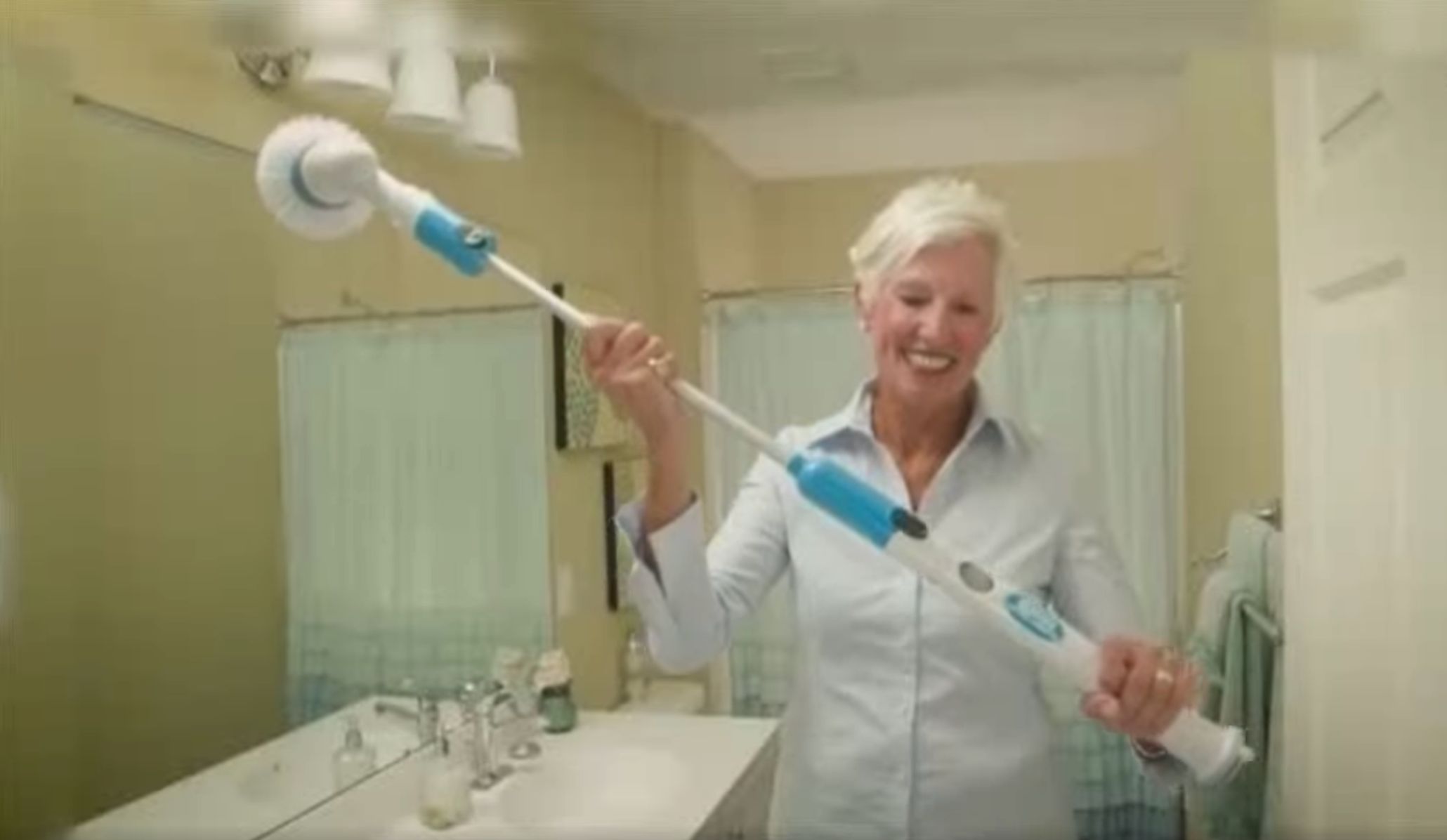
Provided by the ASA
A screenshot of the advert, provided to HuffPost UK by the ASA
Advertising clearance agency Clearcast said the ad did not at any point suggest that cleaning was associated with women only.
However, upholding the complaint, the ASA noted that ads may feature people undertaking gender-stereotypical roles, such as showing women cleaning, but they should take care to avoid suggesting that stereotypical roles or characteristics were always uniquely associated with one gender.
The ASA said the four women’s testimonials “contained a number of explicit references to cleaning up after other people and implied feelings of shame at other people seeing an unclean home”. There was no implication that the men briefly featured in the ad would share such responsibilities or feelings.
“We considered the cumulative effect of the four testimonials, the prominence of people cleaning who were easily identifiable as women, and the lack of easily identifiable men, perpetuated the stereotype that it was a woman’s responsibility to take pride in the appearance and cleanliness of their home, and to clean up after other people,” said the ASA. “It also perpetuated the idea that women should be judged on the cleanliness of their home.”
The ASA ruled that the ad must not appear again in its current form, adding: “We told JML to ensure their advertising did not present gender stereotypes in a way that was likely to cause harm, including by suggesting that cleaning the home was a responsibility uniquely associated with women.”
The Covid-19 vaccines by Pfizer and Moderna are “highly effective” in producing antibodies against the coronavirus in pregnant and breastfeeding individuals, according to new research.
In the largest study of its kind to date, researchers at Massachusetts General Hospital, Brigham and Women’s Hospital and the Ragon Institute demonstrated the vaccines are not just effective in protecting pregnant women, but they pass on protective immunity to newborn babies through breastmilk and the placenta.
This is because there’s a lack of safety data from trials of the jabs. The Joint Committee on Vaccination and Immunisation (JCVI), which is responsible for prioritising who gets the vaccine, says although available data doesn’t indicate safety concerns or harm to pregnancy, there’s insufficient evidence to recommend routine use of Covid-19 vaccines during pregnancy.
Women are, however, able to have the jab if they’re breastfeeding.
In the US, women can choose to have the vaccine. The study, published in the American Journal of Obstetrics and Gynaecology (AJOG), looked at 131 women of reproductive age – 84 were pregnant, 31 were lactating and 16 were not pregnant. All of the women received one of two new mRNA vaccines: Pfizer/BioNTech or Moderna.
Scientists discovered that in all three groups, antibody levels were present and similar – and, reassuringly, side effects after vaccination were rare and comparable across the study participants.
The news of “excellent vaccine efficacy” is “very encouraging” for pregnant and breastfeeding women, who were left out of the initial Covid-19 vaccine trials, said Dr Andrea Edlow, a maternal-foetal medicine specialist at Massachusetts General Hospital and co-senior author of the new study.
“Filling in the information gaps with real data is key,” she said, “especially for our pregnant patients who are at greater risk for complications from Covid-19.”
The study is important because we know individuals who are pregnant are more vulnerable to Covid-19. Research led by the University of Birmingham and the World Health Organisation (WHO) suggests the risk of pregnant women being admitted to intensive care or needing ventilation is higher than non-pregnant reproductive-aged women with the virus.
Pregnant women are also at increased risk of severe Covid-19 if they’re from ethnic minority backgrounds, or if they have pre-existing conditions like obesity, high blood pressure and diabetes.
For the latest study on antibodies in pregnant people, the team also compared vaccination-induced antibody levels to those induced by natural infection with Covid-19 in pregnancy, and found significantly higher levels of antibodies from vaccination.
Vaccine-generated antibodies were also present in all umbilical cord blood and breastmilk samples taken from the study, showing the transfer of antibodies from mothers to newborns.
“We now have clear evidence the Covid vaccines can induce immunity that will protect infants,” said Galit Alter, of the Ragon Institute and co-senior author of the study.
Layland Masuda via Getty Images
A new study has found the vaccines are effective at producing antibodies in pregnant women – and these antibodies have been found to pass on to their newborns too.
The research was also able to provide an insight into potential differences between the immune response elicited by the Pfizer vaccine compared to the Moderna vaccine. Levels of mucosal (IgA) antibodies were higher after the second dose of Moderna compared to the second dose of Pfizer.
The finding is important for all individuals, since SARS-CoV-2 is acquired through mucosal surfaces like the nose, mouth and eyes, said Kathryn Gray, an obstetrician at Brigham and Women’s Hospital and another author of the study.
“It also holds special importance for pregnant and lactating women because IgA is a key antibody present in breastmilk,” she added.
The most popular songs to give birth to have been revealed – and Salt-N-Pepa’s Push It is shockingly absent.
Instead, mums-to-be seem to favour a chilled vibe, with Jack Johnson’s Better Together taking the top spot. The 2005 hit featured in more than half of the birth-related playlists analysed, with 460,197,498 plays on Spotify.
I Won’t Give Up by Jason Maraz came in second, featuring on 26 of the playlists with 530,386,616 plays overall. Meanwhile Make You Feel My Love by Adele took the third spot with 613,094,614 plays and appearing on 25 playlists.
Although he failed to make the top three, Ed Sheeran was the most popular birthing partner artist overall, with two of his songs making an appearance in the top 10.
Supplement Place
The researchers, working with Supplement Place, collated a list of 16,000 songs using playlists created by users that included the words “childbirth”, “birthing”, “birth”, “labour”, “birthing at home” and “hypnobirthing”.
As well as looking at which songs and artists appeared most often, they looked at the average beats per minute (BPM) across all of the songs.
The average BPM was 118, which is around the same speed as Alicia Keys, If I Ain’t Got You, Mae Robinson’s What a Wonderful World and Patricia by Florence and The Machine.
The research follows previous analysis, which identified Jeremih’s All The Time as the most popular track to have sex to, with Often by The Weeknd and Genuine’s Pony also making the top 10.
The outpouring of pain and anger following the death of Sarah Everard is because women “have had enough”, says Mandu Reid, the leader of the Women’s Equality Party.
“We’ve had enough of the violence perpetrated against us by men, and we’ve had enough of police and politicians not taking it seriously,” the London Mayoral candidate tells HuffPost UK.
“We want to be free to walk the streets without fear of harassment or violence.”
Reid’s comments come ahead of a planned vigil on London’s Clapham Common on Saturday evening that thousands are anticipated to attend, and which organisers say is to “reclaim these streets and our public spaces”.
Because while we may not know Sarah Everard personally, many of us feel that we – or those we know – could easily be Sarah Everard: a woman who was simply walking home after meeting a friend.
The disturbing case has seen women share their own experiences of being followed home, as well as other forms of street harassment, intimidation and violence, both on social media and in private messages and conversations among friends.
I am devastated for Sarah Everard’s family. I was followed home when I lived in Balham & only just made it into my flat block before the guy repeatedly shoulder barged the door, watching me through the port hole window. It’s ingrained in women to be on guard, to expect it.
I got followed home by a man who tried to touch me on a bus journey when I was in my teens and I haven’t felt comfortable at night since. That’s over a decade of fear.
I know very few women who haven’t had some form of harassment whilst out in public. From the guy who put my hand down his pants in a nightclub when I was 18, to the man who got off the train and followed me home in 2019. I’m so sad and sorry to Sarah, her family, and friends.
I’ve been followed home before and the fear is very real that it consumes you. we’re told to not walk home in the dark. and if you do, don’t have earphones in, have your keys ready in hand. but all this doesn’t stop it from happening again and again
Amid the public outpouring, one criminology expert warned women not to “get hysterical” in relation to Everard’s case.
Talking on BBC Radio 4′s Today programme, Professor Marion Fitzgerald of Kent University, said: “Women account for about a third of all murders. Men are far more likely to be murdered. Men are far more likely to be murdered by someone they don’t know. Men are far more likely to be murdered in a public place, and that hasn’t changed.
“I think I’m entitled to say as a woman, we shouldn’t pander to stereotypes and get hysterical.”
But the clear distress expressed on social media in recent days shows “just how differently women experience public space compared to men,” stresses Andrea Simon, director of End Violence Against Women (EVAW).
“The fact that the public conversation has for so long revolved around what actions women must take to ‘keep themselves safe’ rather than what drives perpetrators is really worrying,” she tells HuffPost.
Saturday’s vigil will take place around the bandstand on Clapham Common at 6pm, following reports that police knocked on doors in the area and told women “not to go out alone”.
“We believe that streets should be safe for women, regardless of what you wear, where you live or what time of day or night it is. We shouldn’t have to wear bright colours when we walk home and clutch our keys in our fists to feel safe,” the organisers wrote on Facebook.
“It’s wrong that the response to violence against women requires women to behave differently. In Clapham, police told women not to go out at night this week. Women are not the problem.”
Thousands online have been detailing the many ways women are taught to adjust their behaviour from a young age – stick to the main path, carry your keys, wear bright clothes and text a friend your whereabouts – in a moment reminiscent of #MeToo.
If you haven’t…
– text a mate ‘I’m home’ – crossed a road to avoid someone – called & said ‘chat to me for 5’ – noted a cab/car reg – got your keys out in prep – locked your car door immediately – held your breath until you’re past someone
I just got the BBC News notification while out walking myself. Headphones at lowest volume, keys clenched in my hand, rape alarm in my pocket, fearful of the dark at 8.30pm. Fuck this, women shouldn’t have to put up with it. And yet we accept that we have to. #SarahEverard 💔 pic.twitter.com/FXrzGGtH55
So many thoughts come to mind when considering what has happened to #SarahEverard. Like being told to carry keys in your hand when walking alone as a potential weapon, then being told that we shouldn’t do that because we could be prosecuted for assault.
As if me scratching an attacker with my keys is worse than what might happen to me. Thinking about routes home, which buses to catch, don’t sit upstairs, don’t wear headphones, ring me when you get in so I know you’re safe. These things are our normal. They shouldn’t be.
Although the recent social media conversation has been sparked by Everard’s case, women with many different stories have been stepping up to tell them.
Maya Tutton, co-founder of the campaign group Our Streets Now, points out that “public sexual harassment is universal” among women and girls – but the way it plays out is often more pronounced among discriminated groups.
“Not all experiences of public sexual harassment are the same. Sexism is often combined with racism, transphobia, ableism and fatphobia. These incidents are not only more common, but can escalate into racist, Islamophobic or homophobic hate crimes,” she says.
“Harassment doesn’t happen to one kind of body, and yet in our conversations it is so often the white, cisgendered heteronormative experience that is shared.”
When I lived as a man and was assaulted by a stranger walking home at night, I got nothing but sympathy from people I told about it. Now I’m an out trans woman, whether or not that assault would be my own fault is a function of the speaker’s politics.
The vigil is “for and about women, but open to all,” say the organisers, who urge participants to observe Covid-19 safety guidelines including wearing a mask, social distancing, downloading the NHS contact tracing app and turning their Bluetooth on.
Participants are invited to bring a light for those who’ve died at the hands of violent men, with a strong stance against victim-blaming – a rhetoric that has increased in the wake of Everard’s story.
Women on Twitter have been sharing historic examples, as well as incidents that show some men do not register the magnitude of the issue.
18 months ago I was randomly attacked by a man on the street when I was five minutes from my home, before midnight. I was lucky to escape. The police came & took my statement, then told me they would do nothing. My (male) therapist’s first question was why I was walking home.
Our Streets Now is currently pushing for street harassment to be made illegal, through its #CrimeNotCompliment campaign, which demands a clear law that criminalises public sexual harassment.
Research conducted by the campaign group alongside Plan International UK found 76% of girls who have experienced harassment have never reported it to the police.
“As it stands, there is no UK law that fully criminalises public sexual harassment, leaving the perpetrators free to get away with it. As one of the girls we work with put it, you can be fined for dropping litter in the UK, but not for harassing a woman in public,” Tutton says. “The girls we work with tell us that they fear they won’t be taken seriously, or believed, if they report harassment, or that anything will be done.”
The group is also working in schools and higher education institutions to get public sexual harassment into the curriculum – for girls and boys. Simon would also like to see the narrative shift to focus on the behaviour of perpetrators.
“We’re always talking about how women ‘safety plan’ – text their friends in advance, walk with their keys in their hands, avoid empty tube carriages or poorly lit areas. But we rarely hear about what drives perpetrators to harm women and what needs to be put in place to stop this behaviour,” she says.
“Like with all acts of violence against women, we need solutions that target the behaviour of perpetrators and not risk blaming victims when they are attacked for simply going about their daily lives.”
Reid is hopeful this week will mark a “turning point” because “women won’t stay silent”.
“We need justice for Sarah and for all the women who have been killed, raped or abused. We need this to be a political and policing priority,” she says. “We need sufficient funding for prevention and support services. And we need equality, because violence against women is both the cause and consequence of women’s inequality.”
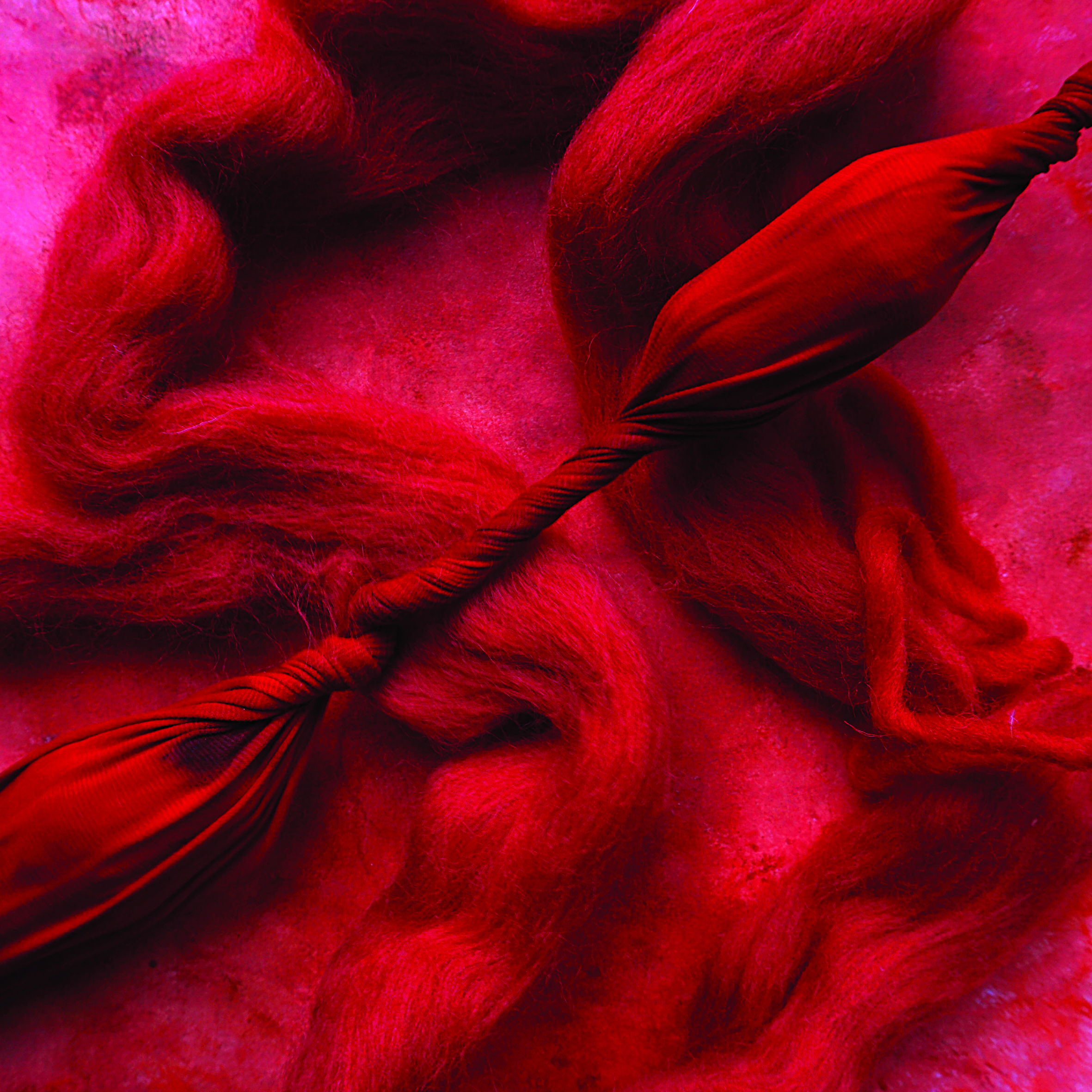
Like “tightening barbed wire” or “a womb full of nails and daggers” – these are just two ways women describe the debilitating pain of endometriosis, in a new “pain dictionary” that aims to reduce diagnosis times for the condition.
One in 10 women are thought to experience endometriosis – which equates to 176 million women globally – yet astonishingly, it still takes an average of seven and a half years to be diagnosed.
Endometriosis occurs when tissue similar to the lining of the womb grows outside the womb. This tissue bleeds monthly, but there’s nowhere for this blood to go.
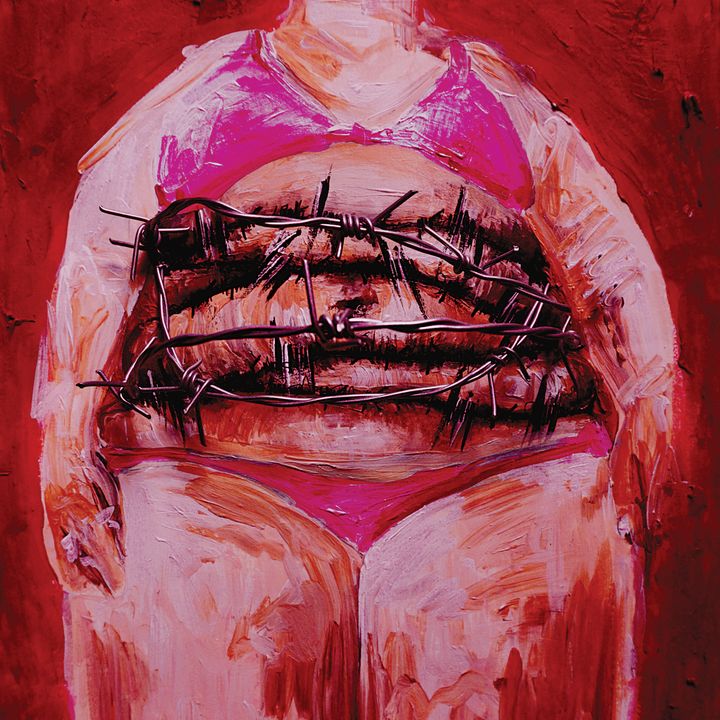
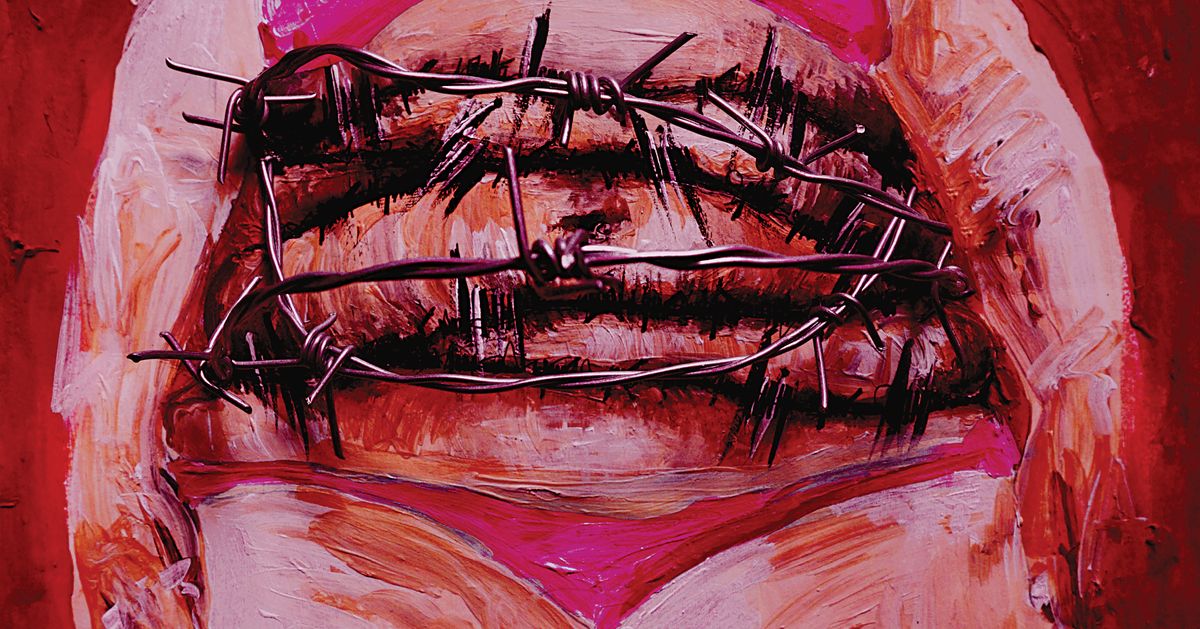
It can cause excruciating pain, like “organs wrapped in slowly-tightening barbed wire, followed by sudden intense tightening pain which can be so intense it’s almost difficult to breathe”, says Emma Sutt, one of the illustrators involved in the project, who has endo herself.
Emma Sutt
Barbing, by Emma Sutt
Many women experience delays in diagnosis and treatment due to perceptions that even severe period pain is ‘normal’. Over half (51%) of women and men (52%) think period pain is something women should endure, according to research by Bodyform.
It means many endometriosis sufferers are shamed into silence, while medical professionals underestimate the impacts of living with the condition.
In reality, endo can destroy women’s confidence, sex lives, careers and mental health. In one study of 7,000 women across 52 countries, over 40% had given up or lost their job because of endometriosis.
Augustine Cerf
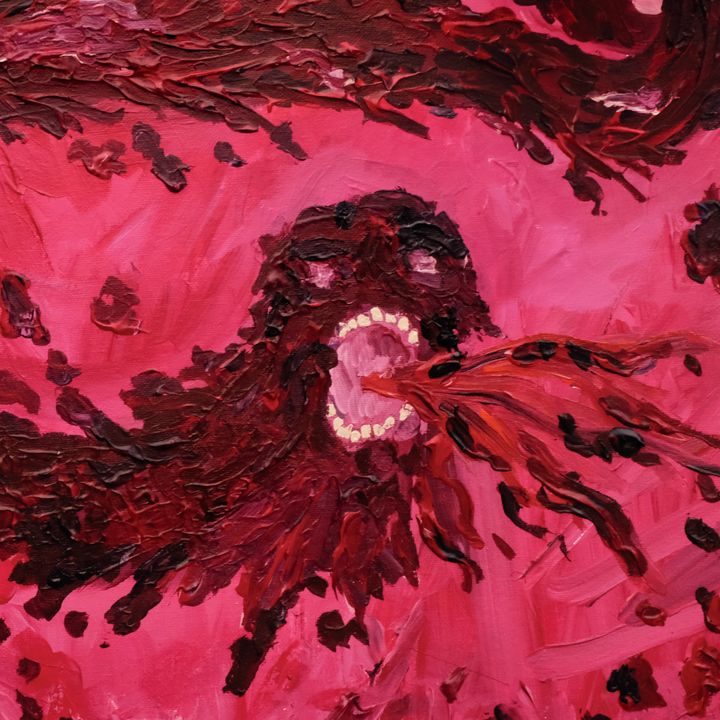
Monster, by Augustine Cerf.
The pain dictionary is now available as an e-book and in hard copy for GPs who want to gain a better understanding of the condition. It’s hoped it will also give women “new language” to describe their pain.
Currently, healthcare professionals tend to ask patients to describe their pain on a scale of one to 10, but the experience of pain is often highly individual – and often can’t be reduced to a number.
The dictionary is part of #PainStories, a campaign by Essity, the creator of Libresse and Bodyform, designed to tackle the gender pain gap.
“A lot of women think painful periods is normal but actually, it’s not, particularly when the periods are starting to affect activities in your daily life,” says Dr Shireen Emadossadaty, a GP and women’s health specialist who has worked on the campaign.
“Opening up the conversation around period pain will encourage women to see their GP, to be persistent about their symptoms and hopefully we can bring down that diagnosis time. You’re not alone, period pain is common but it’s not normal and it’s not something you should be suffering with.”
Bodyform
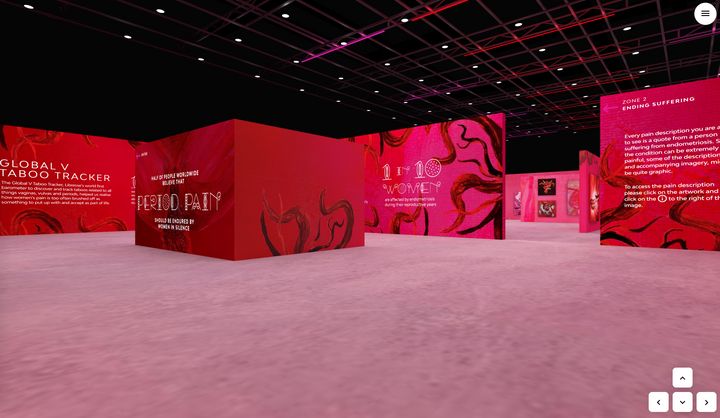
Bodyform’s digital museum.
People with endometriosis were asked to describe their pain, and their testimonials were then turned into striking illustrations.
These illustrations appear in the book, as well as a new digital ‘Pain Museum’, an exhibition offering more information about endometriosis.
Here are just some of the artworks, coupled with quotes about how it really feels to live with endometriosis.
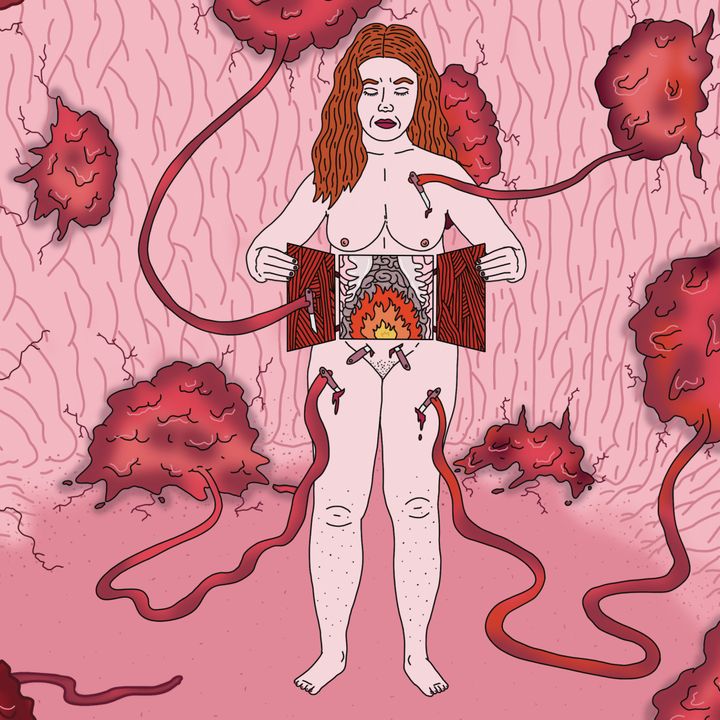
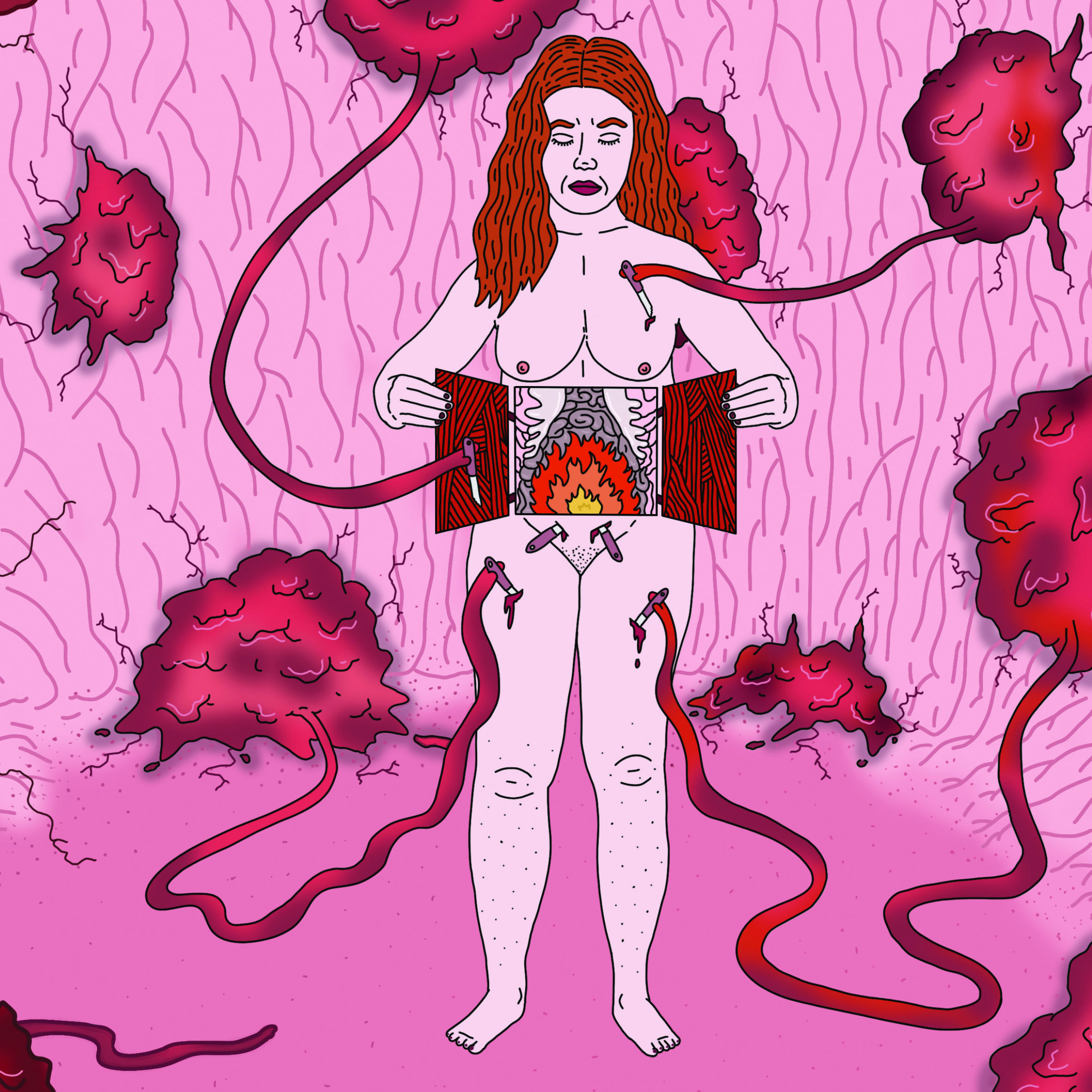
Fire sickness, by Venus Libido
“The pain burns, stings and aches sometimes all at once. I feel it build up in my lower body like fire, and hot knives pushing from the inside out. The pain travels from my uterus across my stomach and around my sides, down through my legs and up my back until it starts all over again from the source. I feel sick and exhausted from the pain overriding every part of me.”
Venus Libido
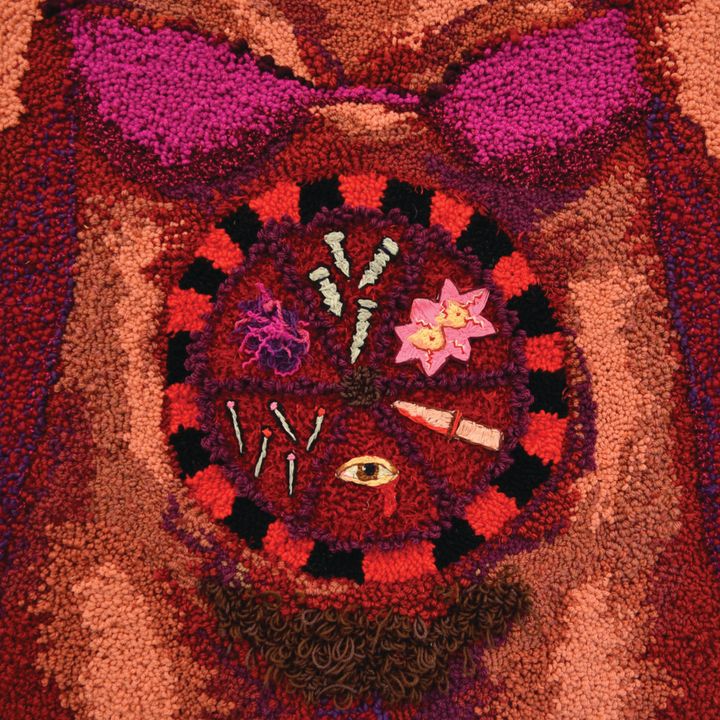
Misery Roulette, by Selby Hurst
“It’s a fun-sponge roulette of misery. Cramps that stop me moving, yo-yoing emotions, gut-wrenching nausea, being sick, wanting to eat nothing and then everything, back pain, breast pain, alarmingly painful constipation, diarrhoea so bad you can’t leave the house, headaches, migraines, worsening depression, fatigue, anxiety, stress and a whole heap more.”
Selby Hurst
Misery Roulette by
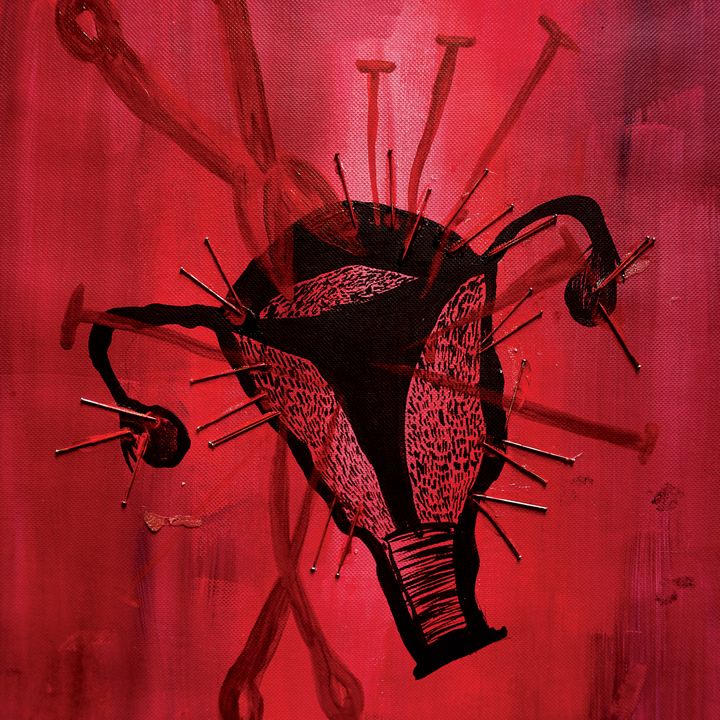
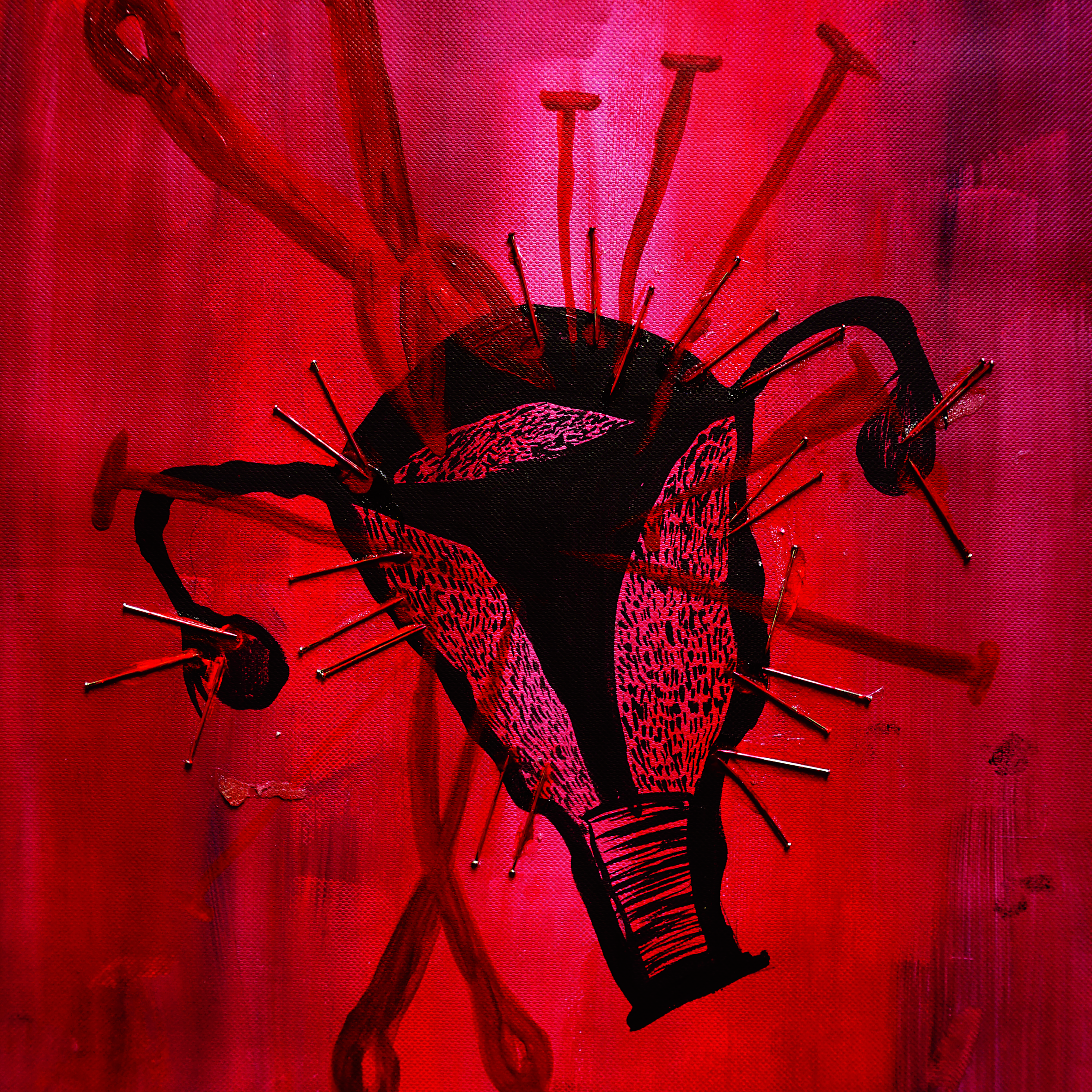
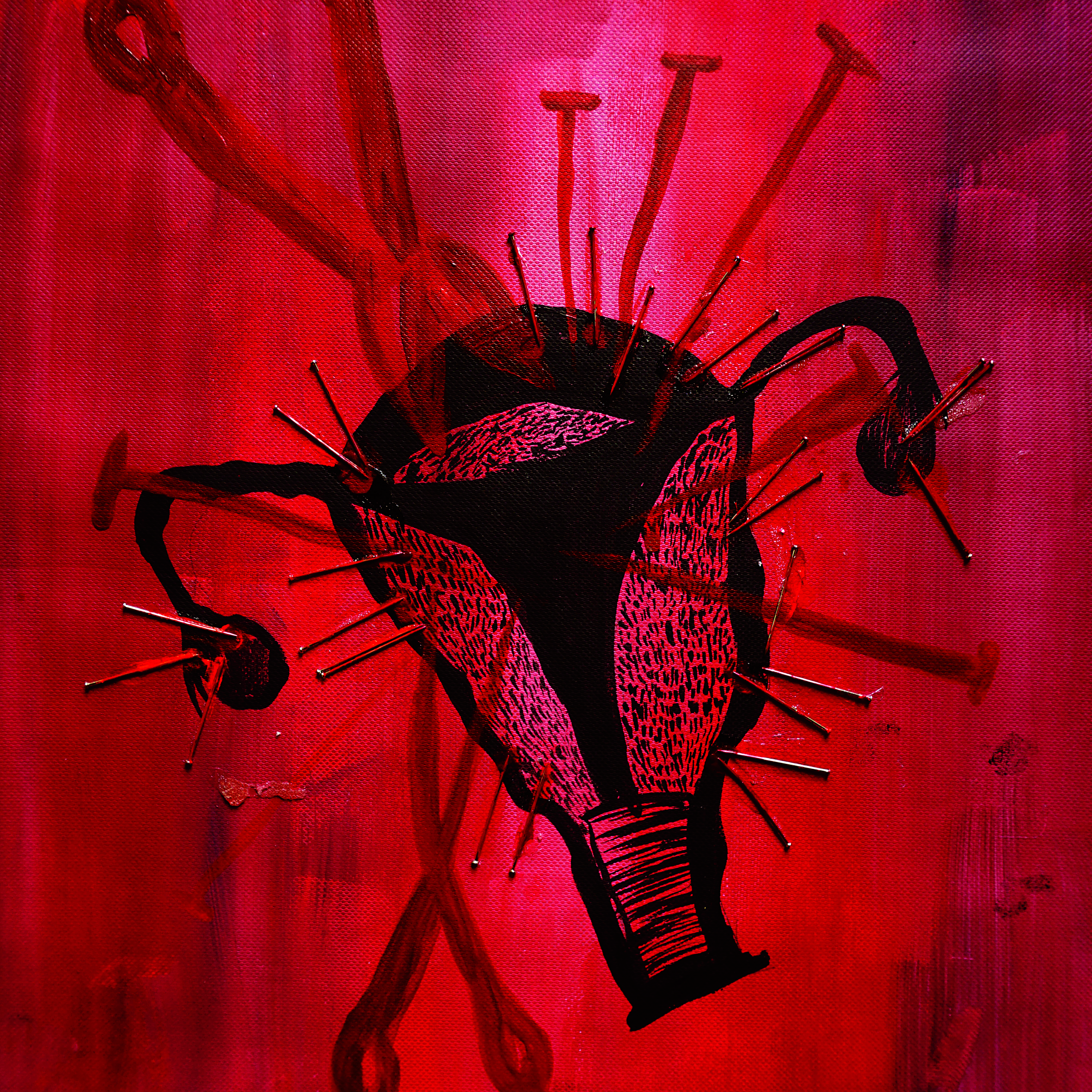
Inner Nails, by Augustine Cerf
“Hundreds of nails piercing my uterus, my whole pelvis in agony. The pain radiates down my legs, and through my whole body. From one second to the next, I can’t stand up.”
Augustine Cerf
Torture Grips, by Em Cooper
“Like torture. Like somebody is gripping, squeezing, cutting, prodding, stabbing you inside, and won’t let go. The waves of pain last for so long you can only take some painkillers, curl into a ball, and cry yourself to sleep.”
Em Cooper
Torture Grips, by
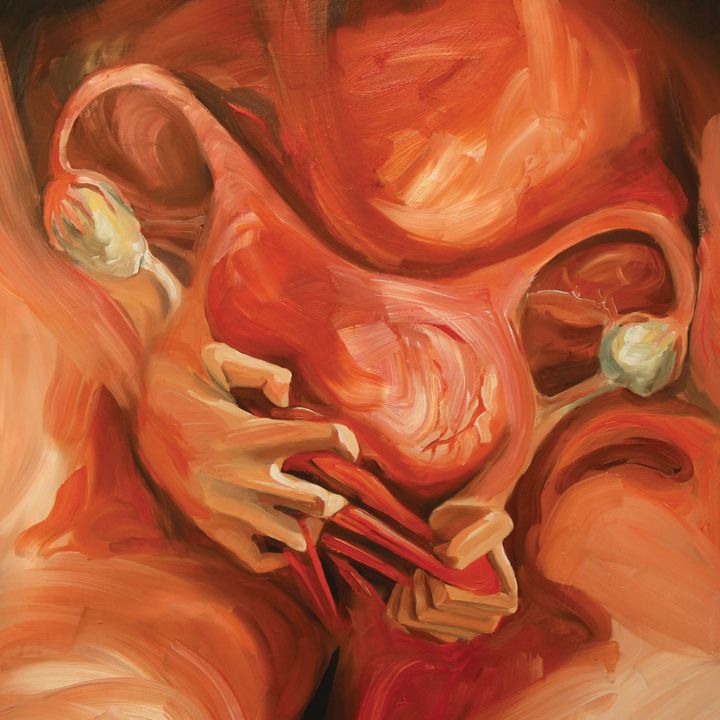
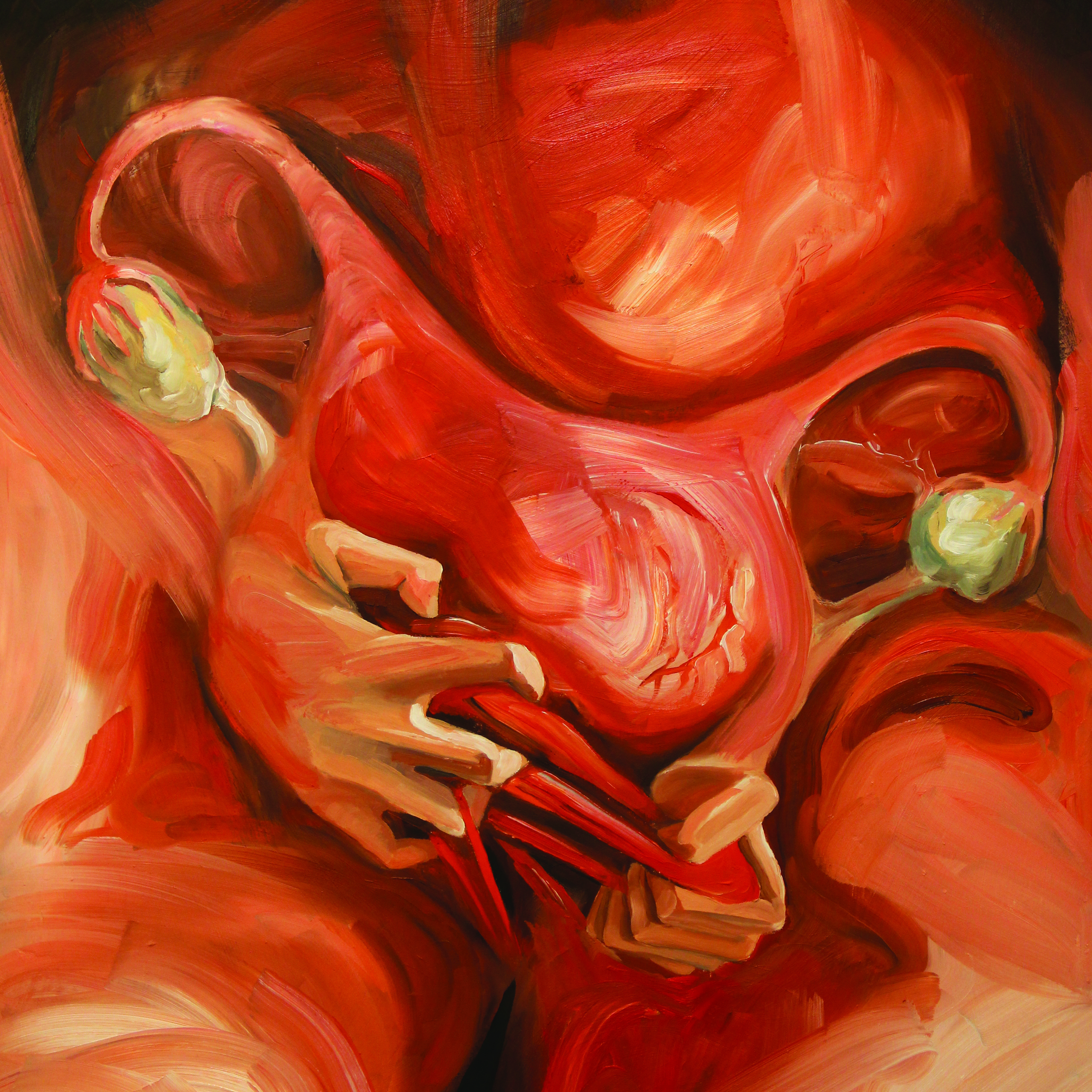
Inner Wringing by Augustine Cerf
“It’s like someone’s wringing my organs. And unbelievable tugging.”
HuffPost is part of Verizon Media. We and our partners will store and/or access information on your device through the use of cookies and similar technologies, to display personalised ads and content, for ad and content measurement, audience insights and product development.
Your personal data that may be used
Information about your device and internet connection, including your IP address
Browsing and search activity while using Verizon Media websites and apps
To enable Verizon Media and our partners to process your personal data select ‘I agree‘, or select ‘Manage settings‘ for more information and to manage your choices. You can change your choices at any time by visiting Your Privacy Controls.
HuffPost is part of Verizon Media. We and our partners will store and/or access information on your device through the use of cookies and similar technologies, to display personalised ads and content, for ad and content measurement, audience insights and product development.
Your personal data that may be used
Information about your device and internet connection, including your IP address
Browsing and search activity while using Verizon Media websites and apps
To enable Verizon Media and our partners to process your personal data select ‘I agree‘, or select ‘Manage settings‘ for more information and to manage your choices. You can change your choices at any time by visiting Your Privacy Controls.
HuffPost is part of Verizon Media. We and our partners will store and/or access information on your device through the use of cookies and similar technologies, to display personalised ads and content, for ad and content measurement, audience insights and product development.
Your personal data that may be used
Information about your device and internet connection, including your IP address
Browsing and search activity while using Verizon Media websites and apps
To enable Verizon Media and our partners to process your personal data select ‘I agree‘, or select ‘Manage settings‘ for more information and to manage your choices. You can change your choices at any time by visiting Your Privacy Controls.