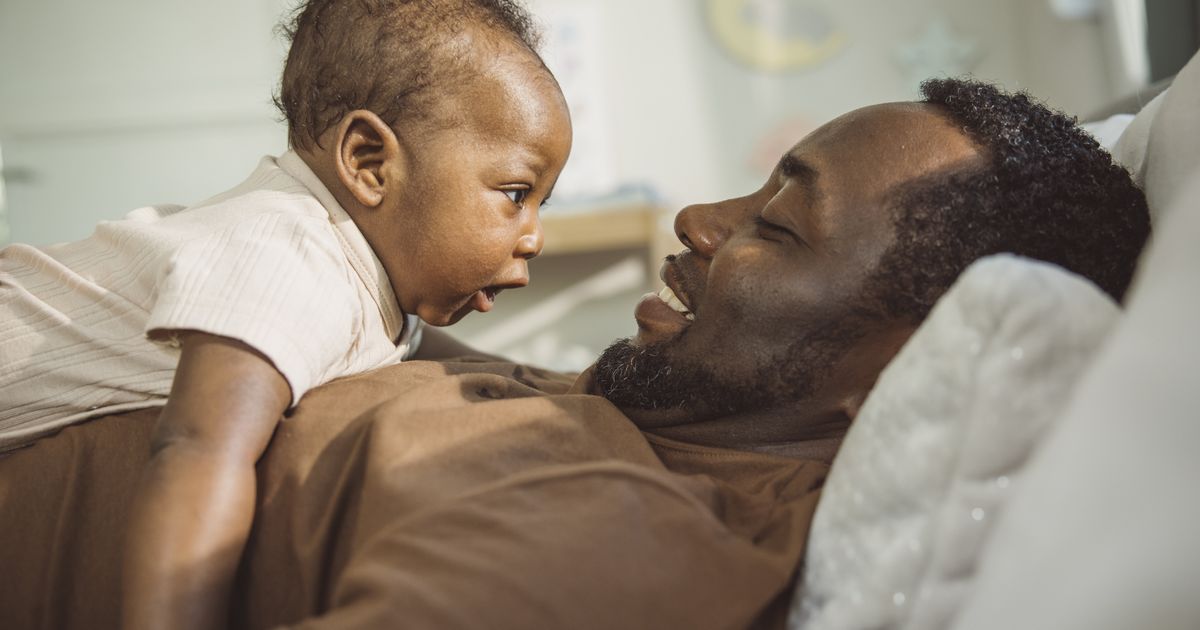
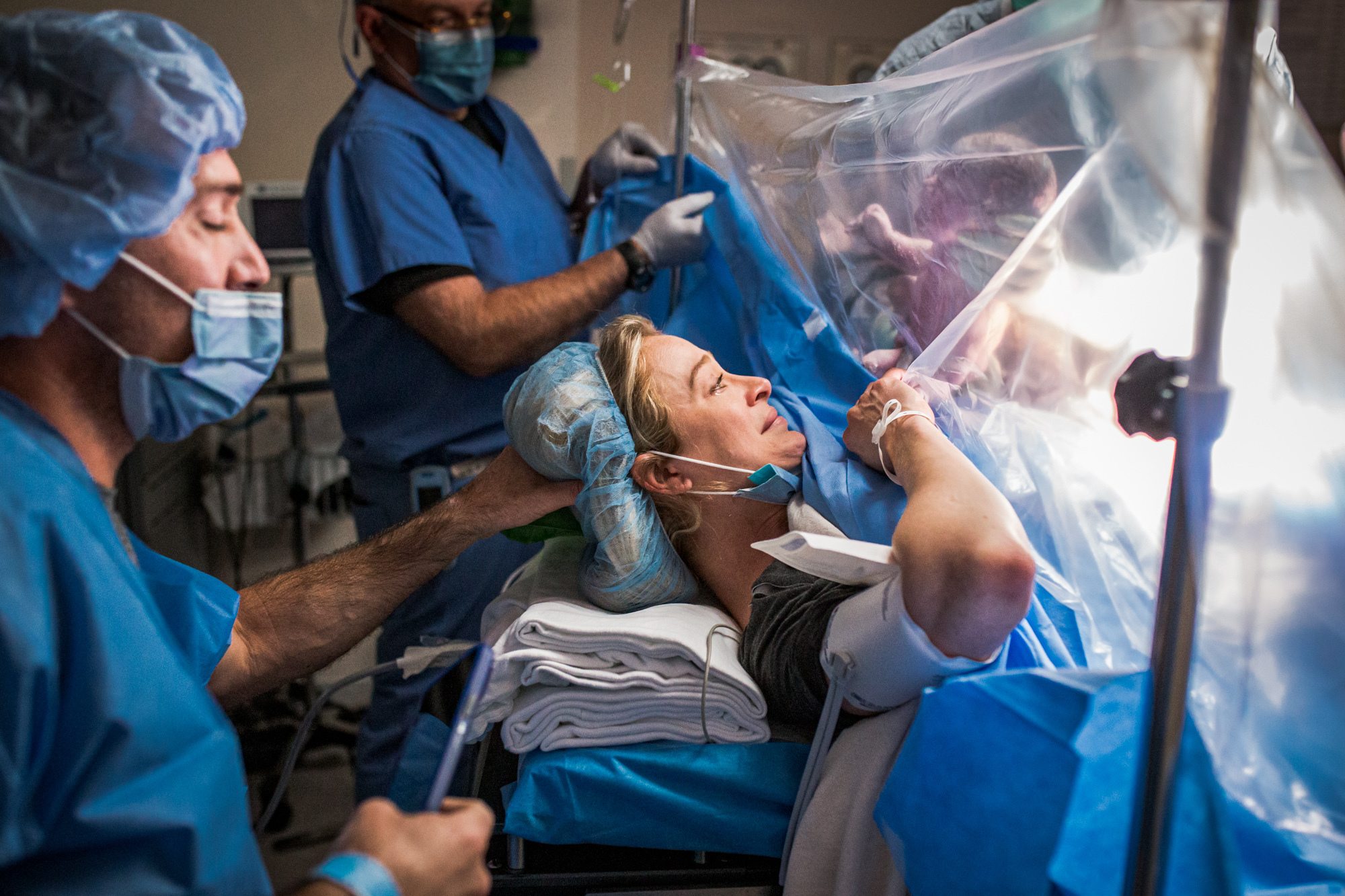
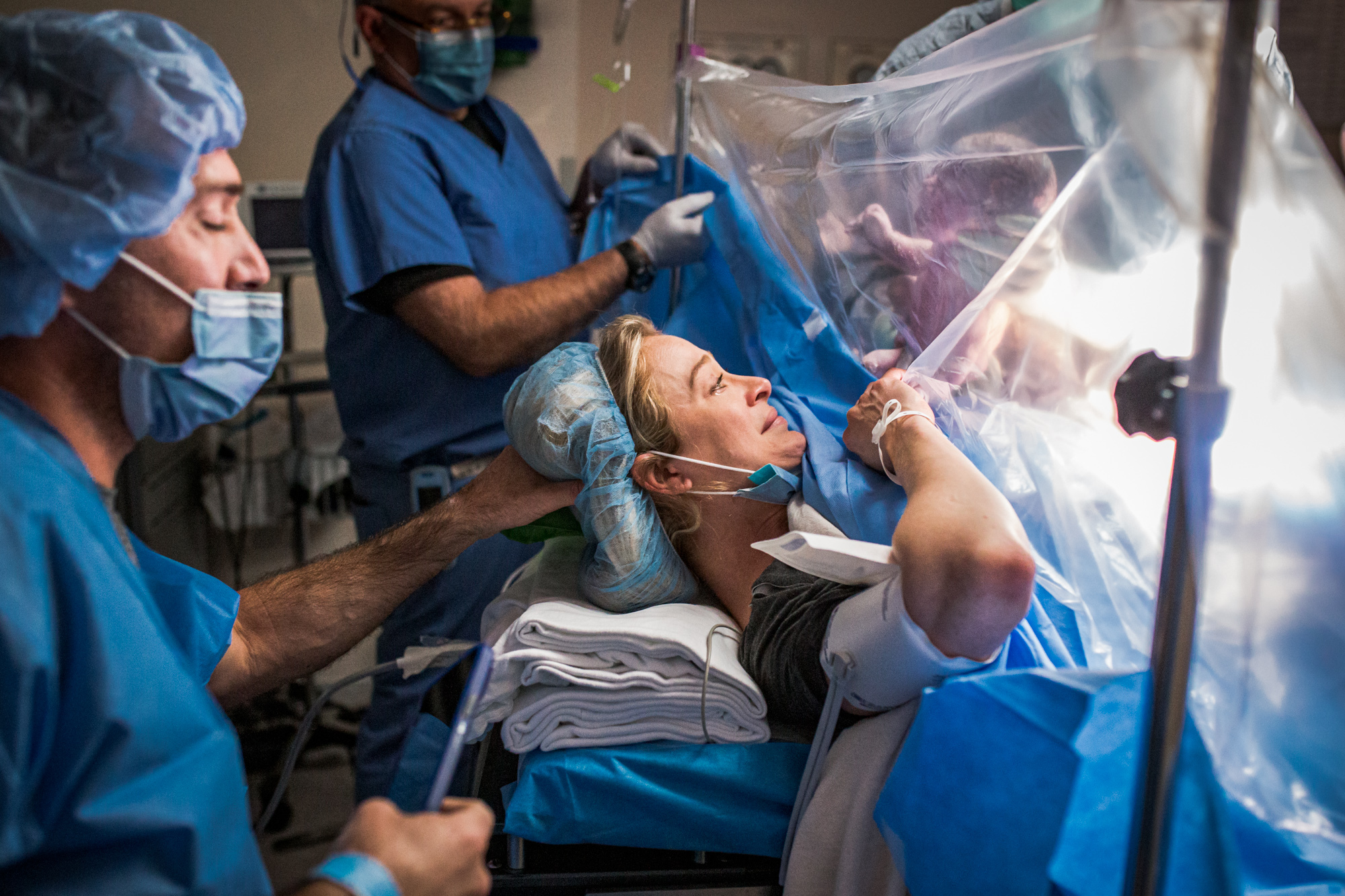
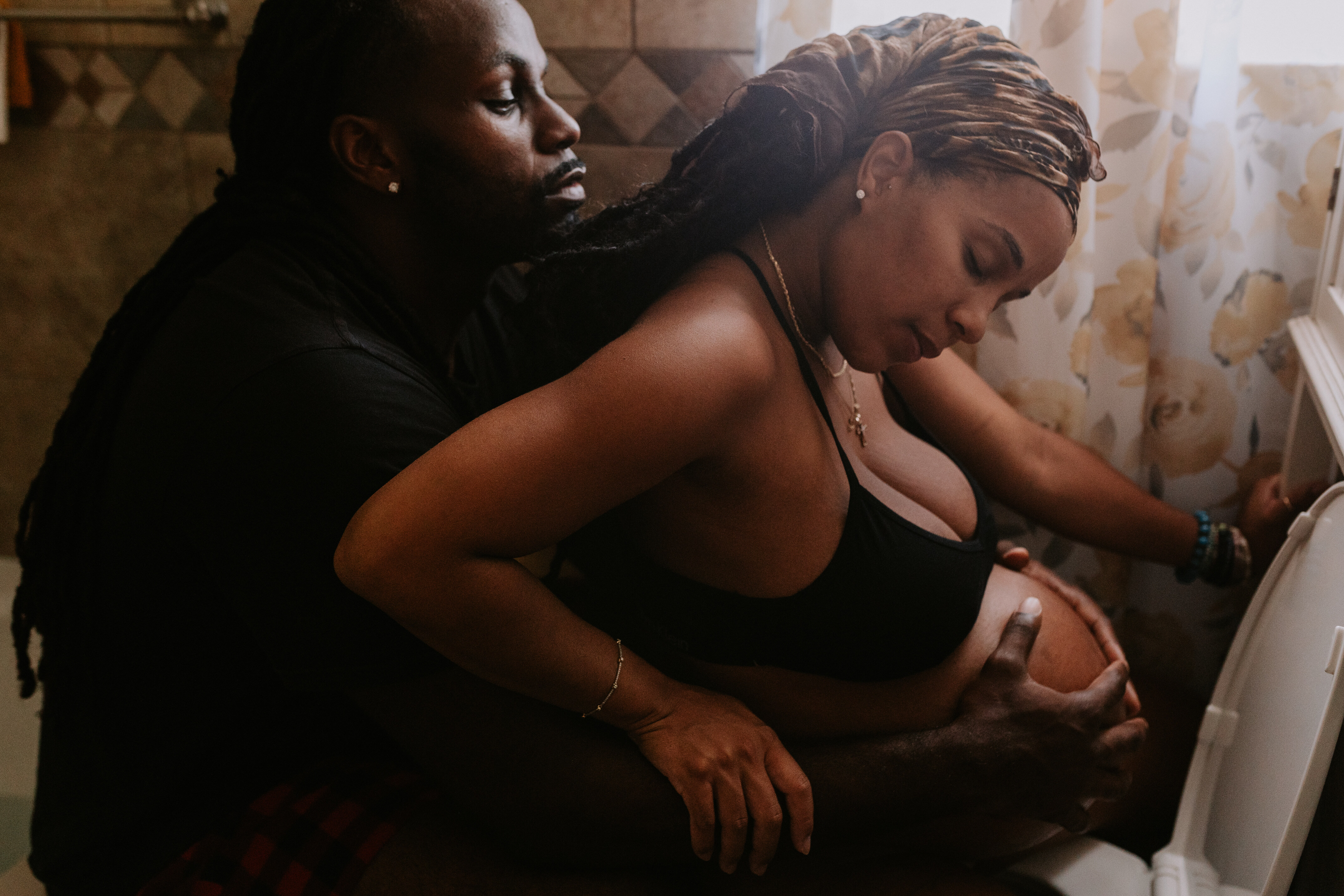
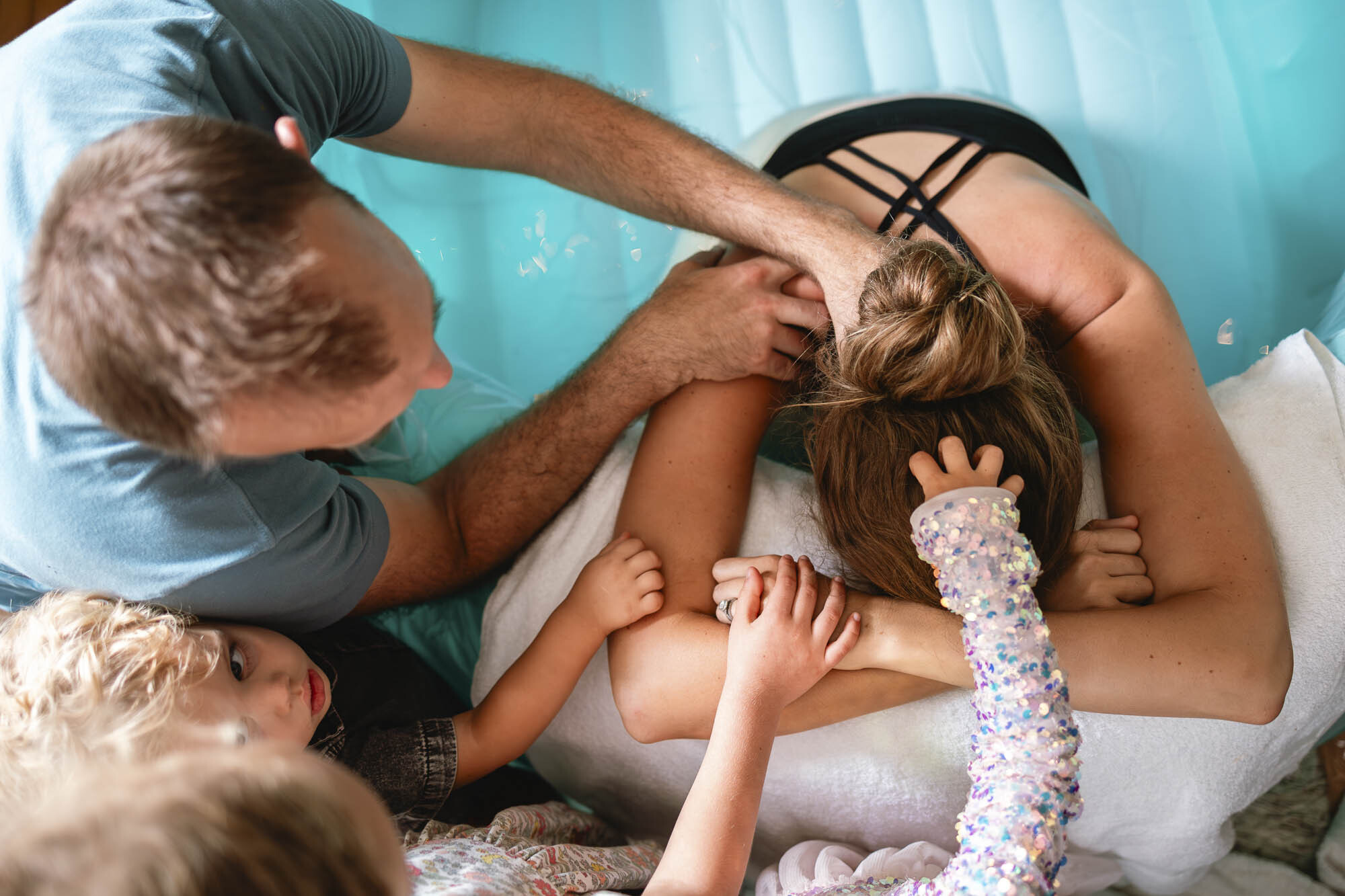
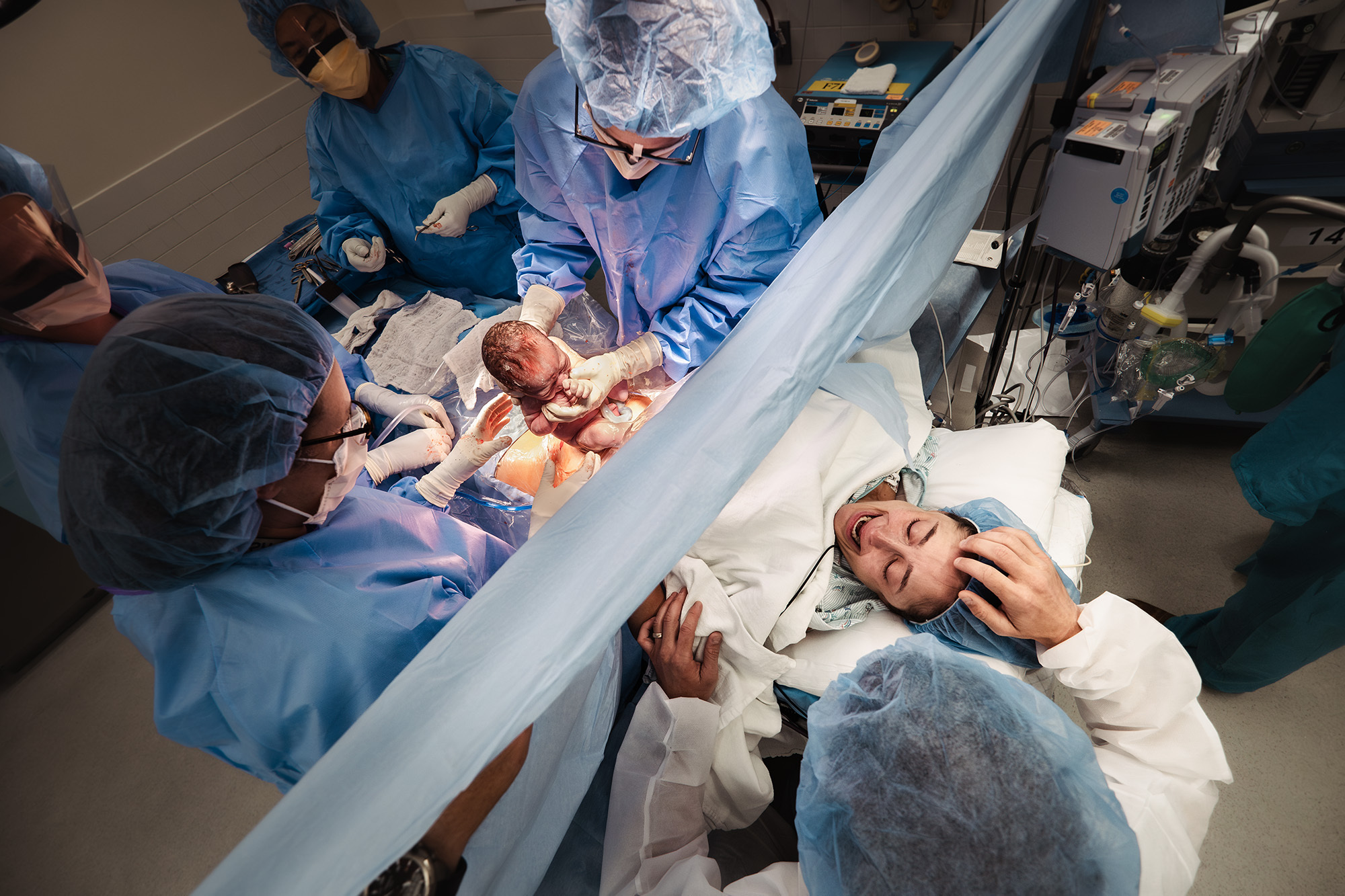
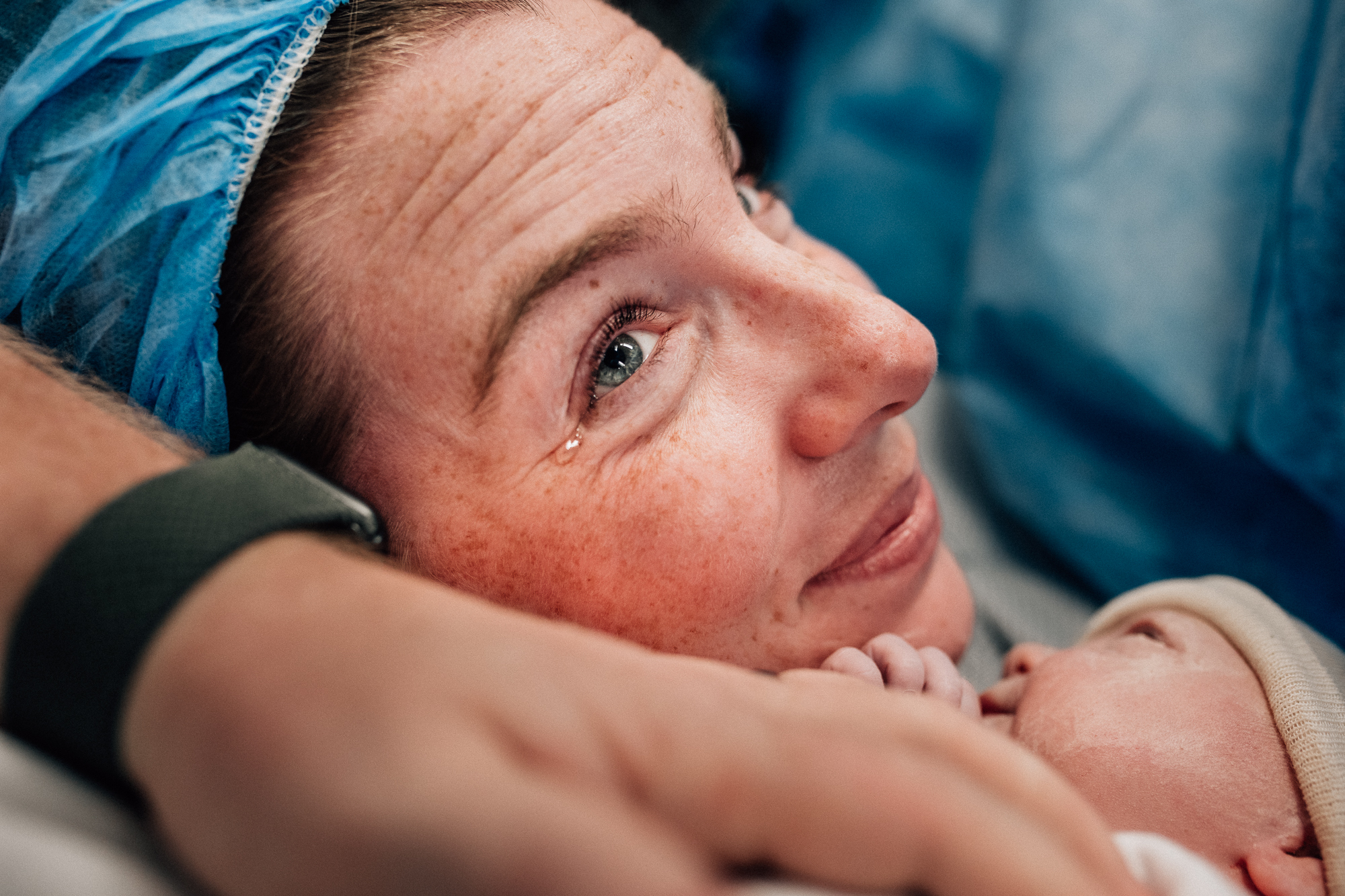
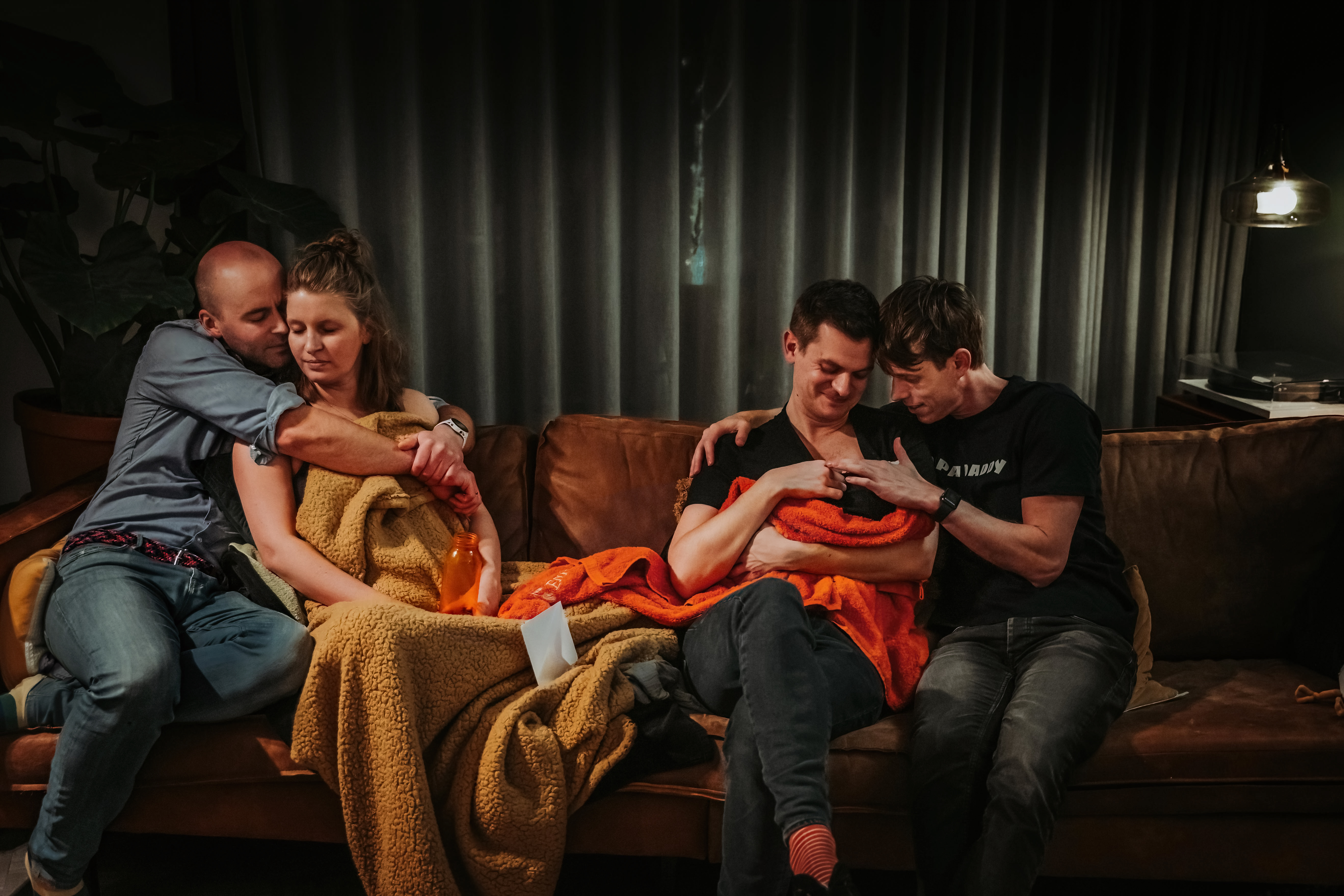
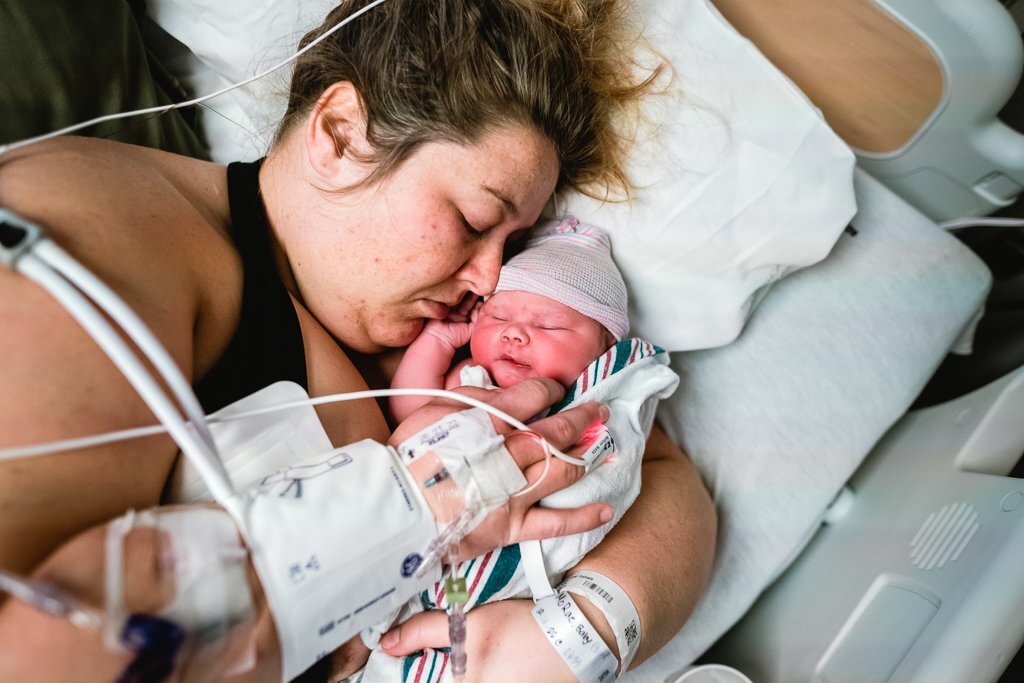
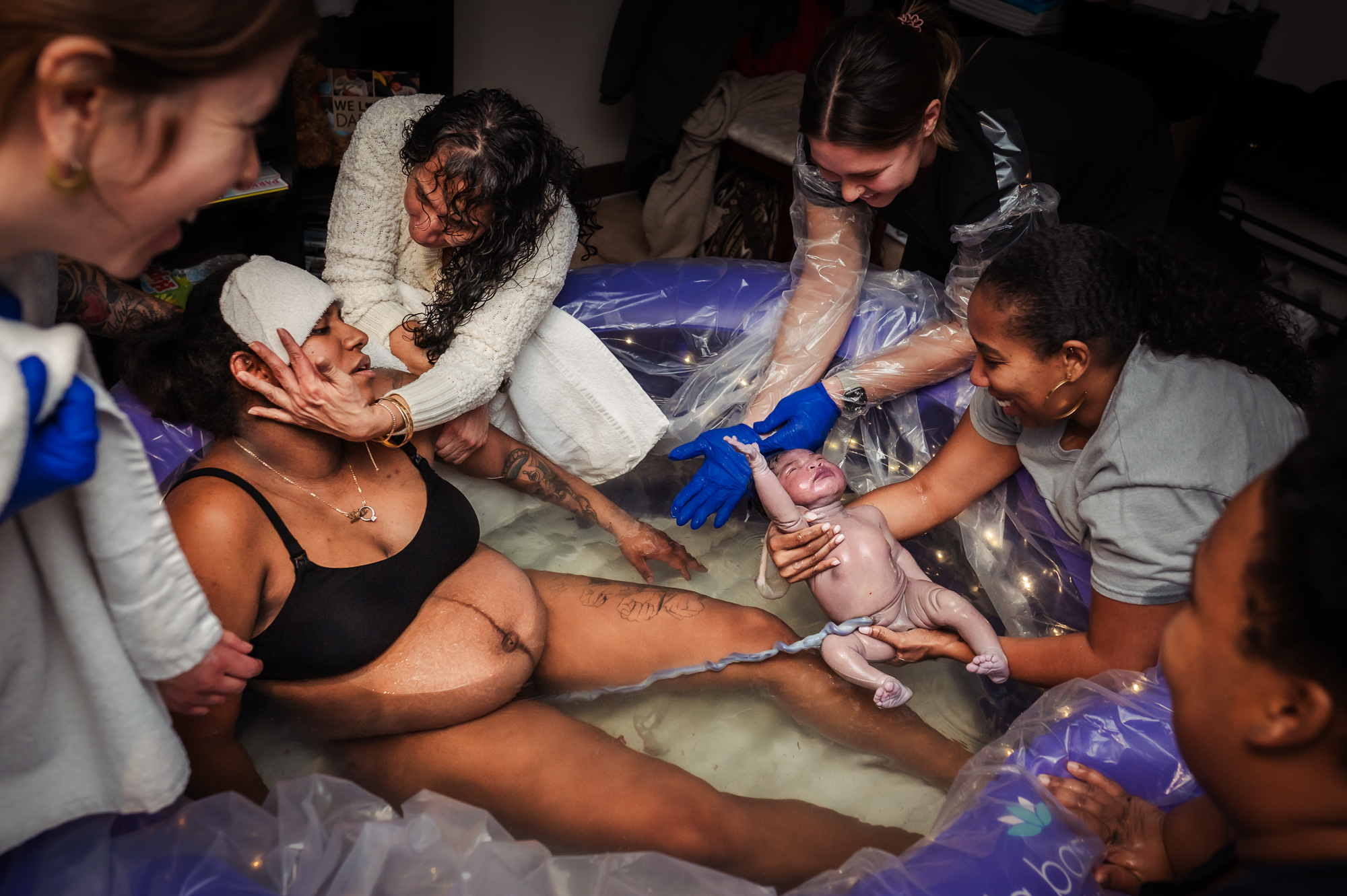
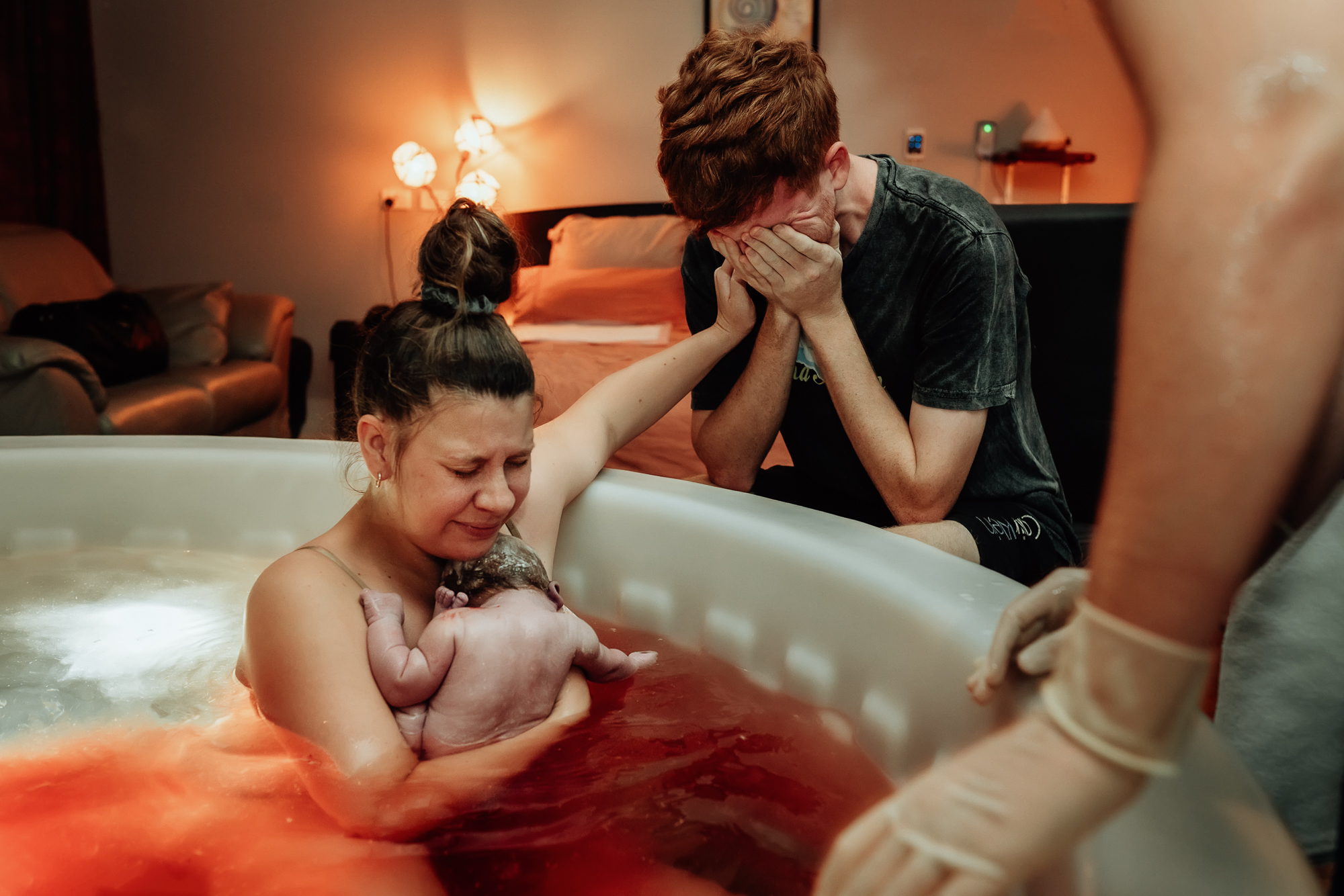
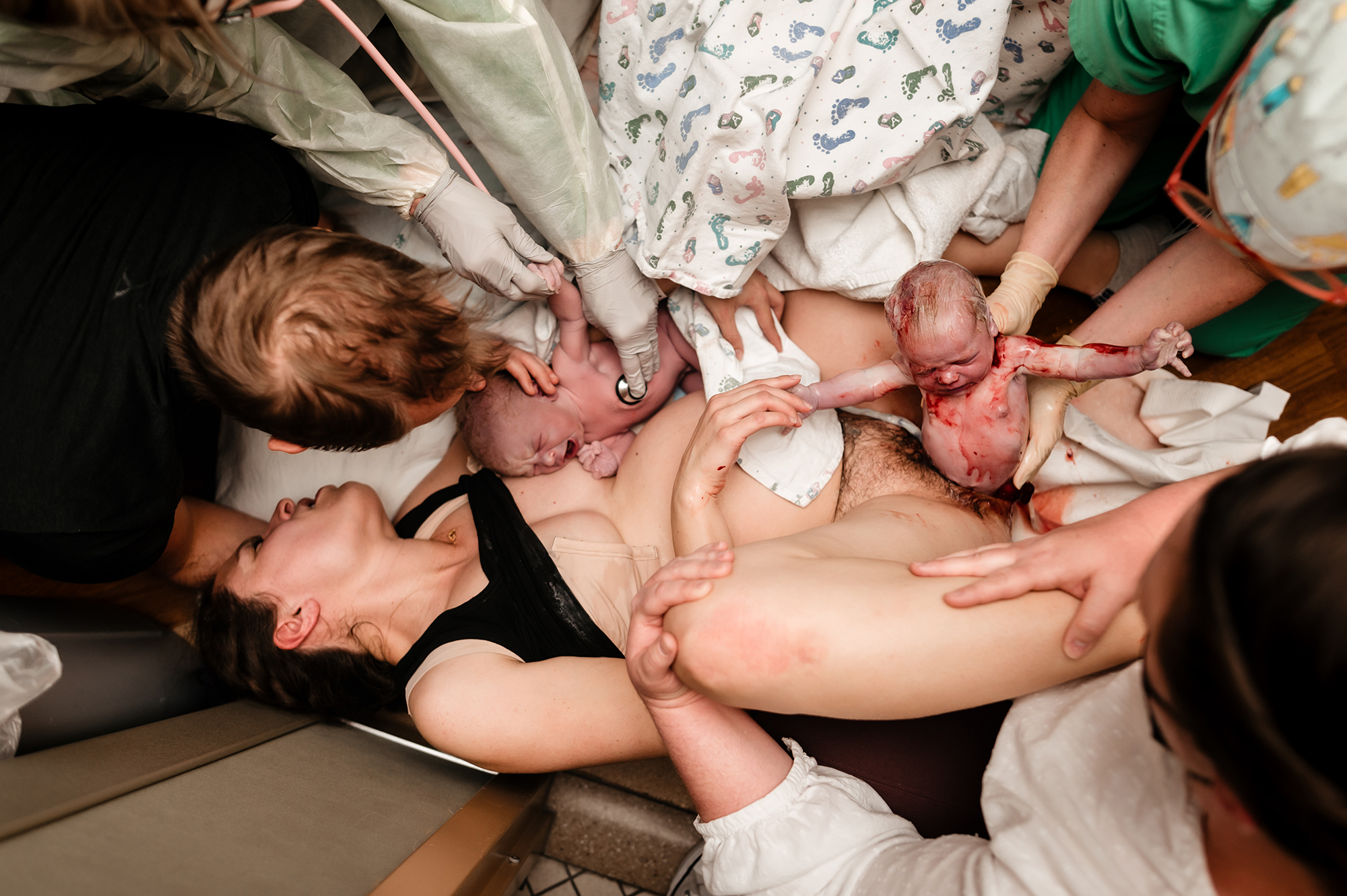
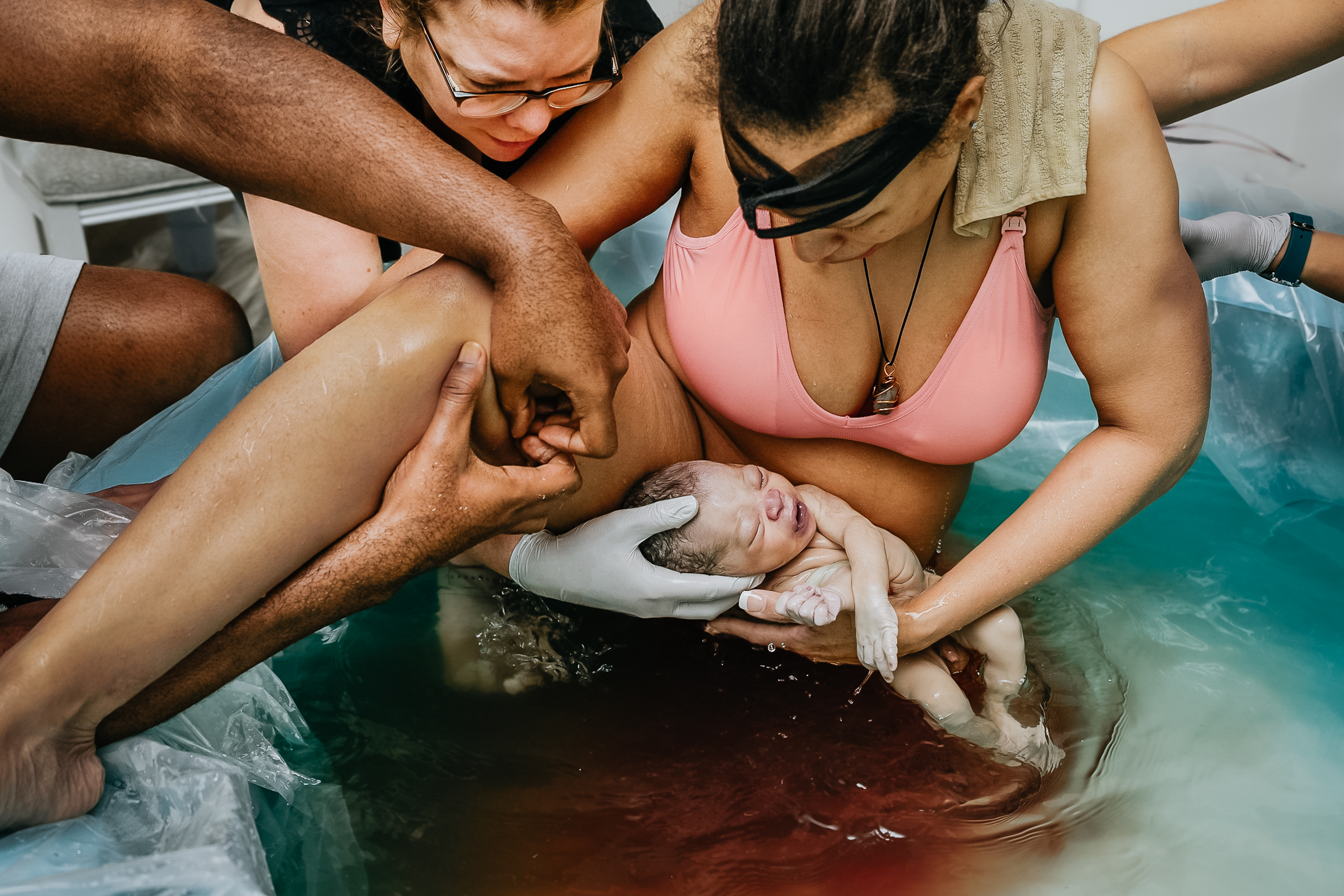
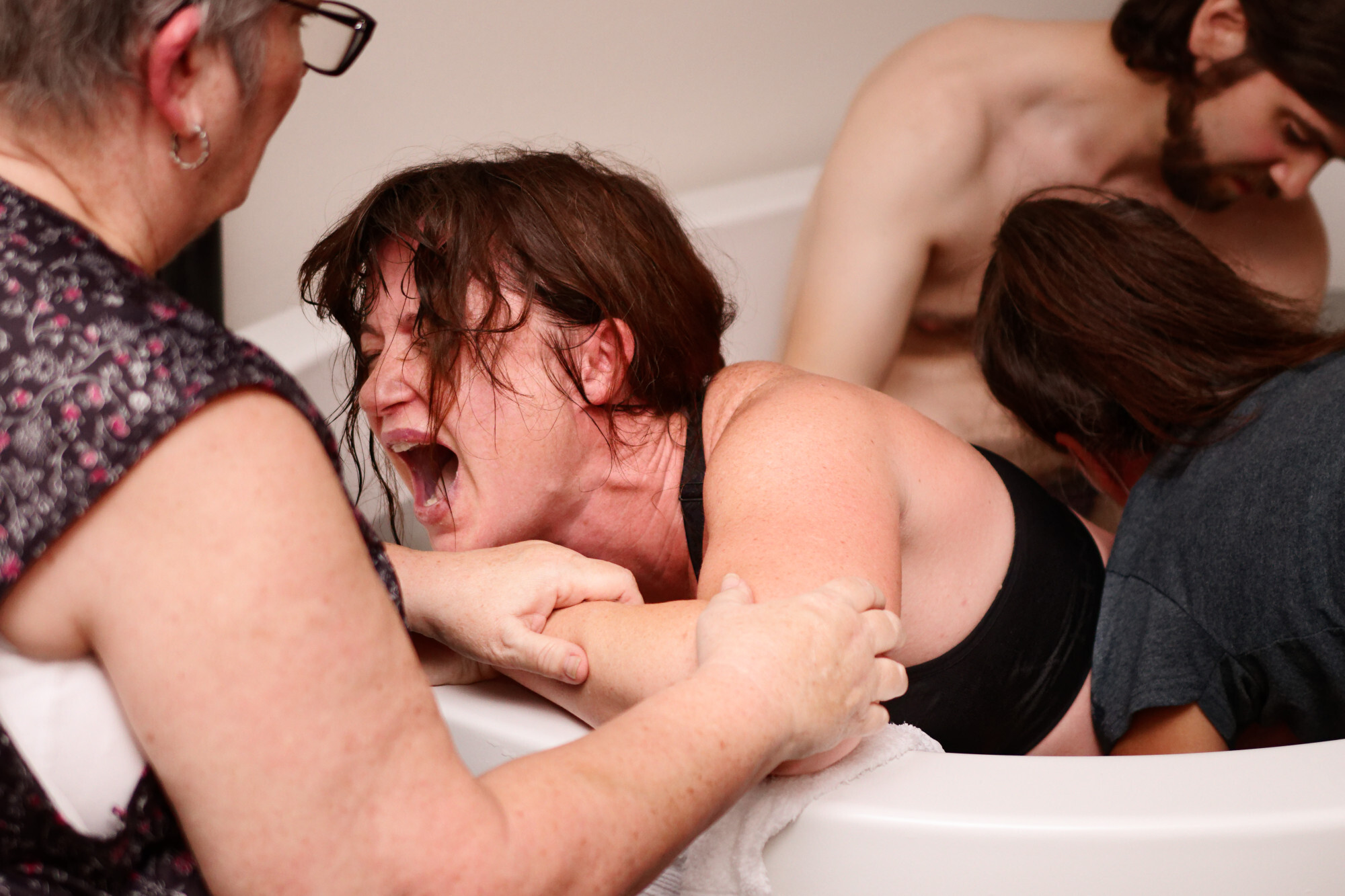
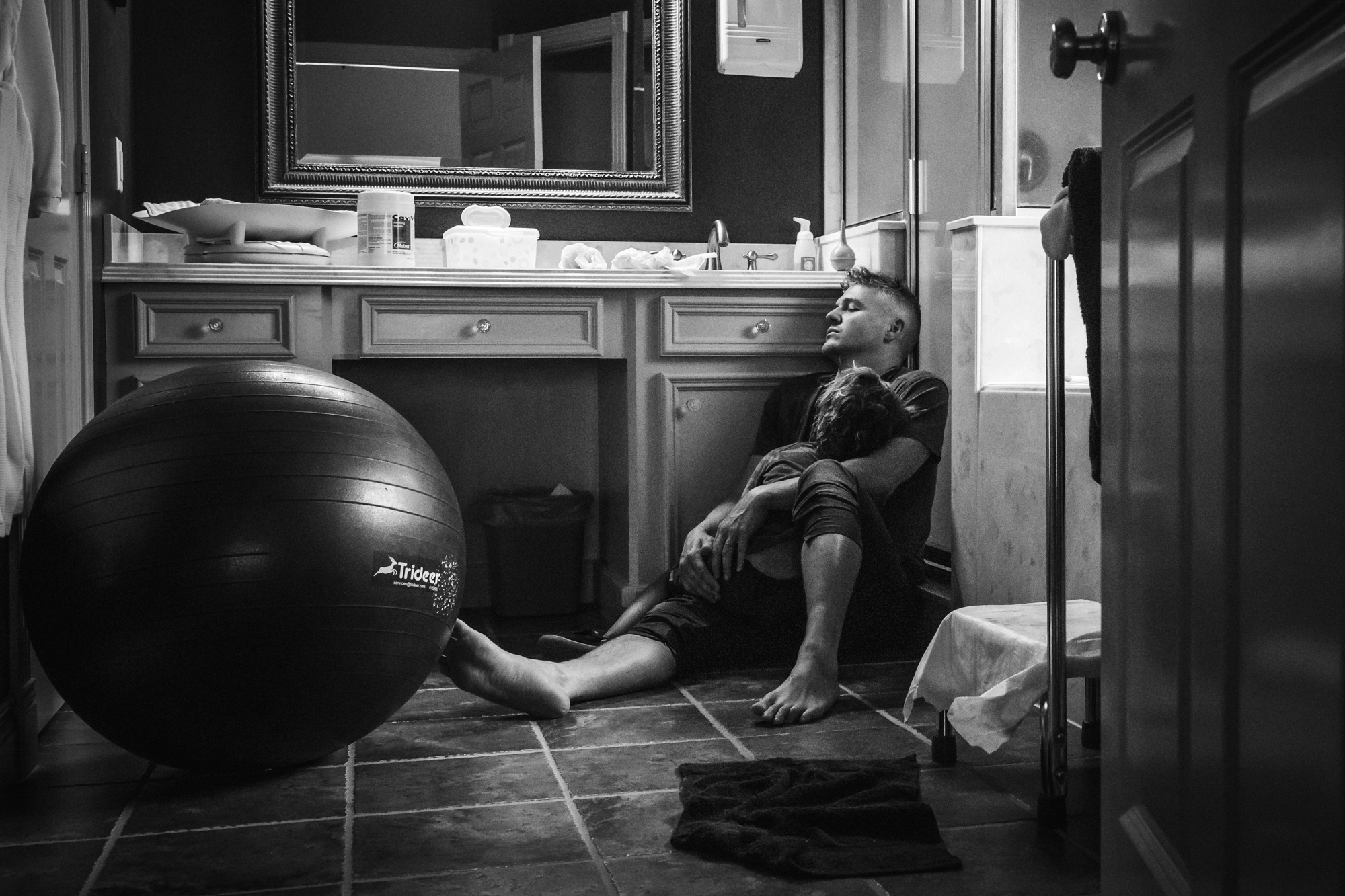
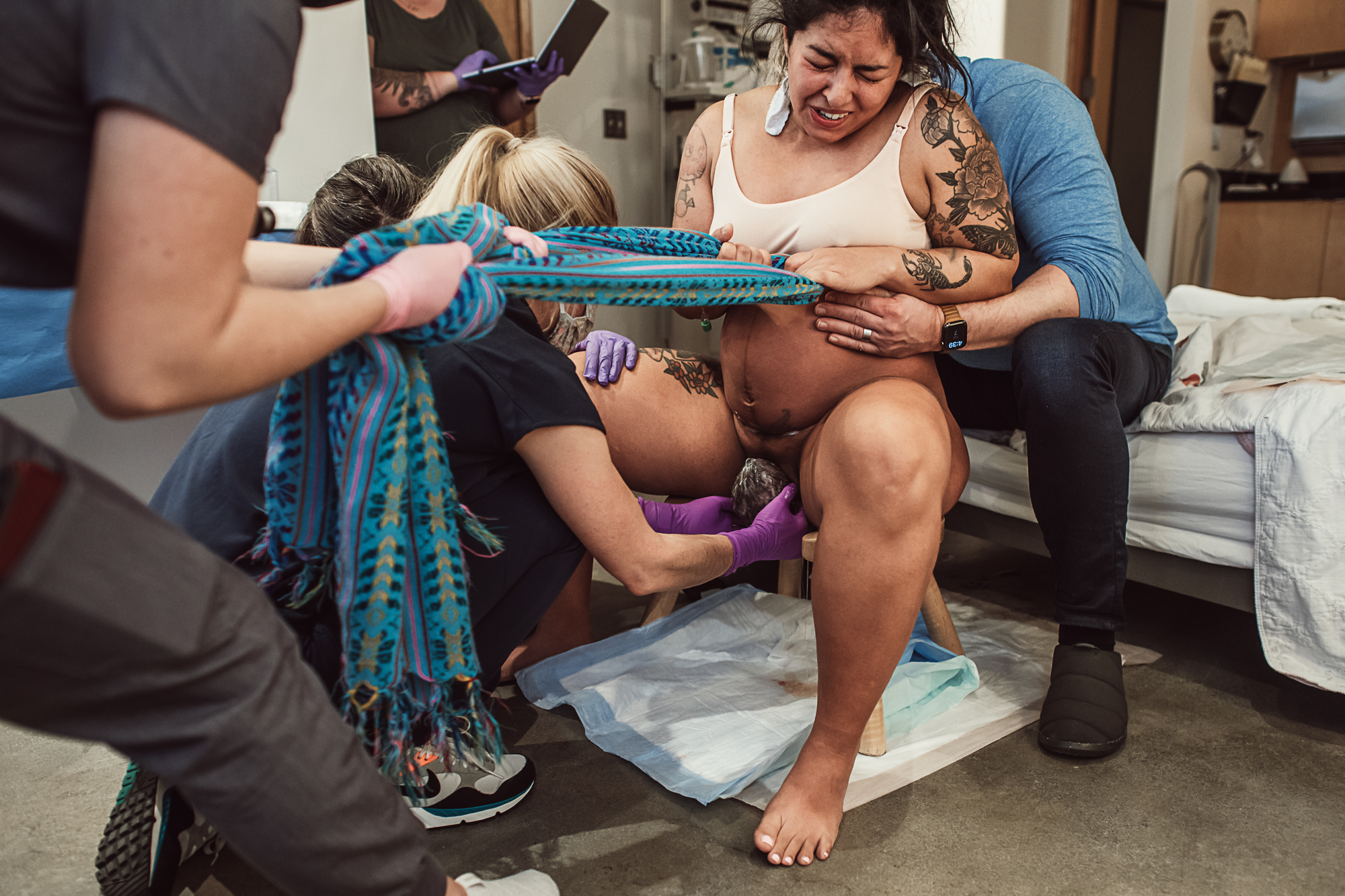
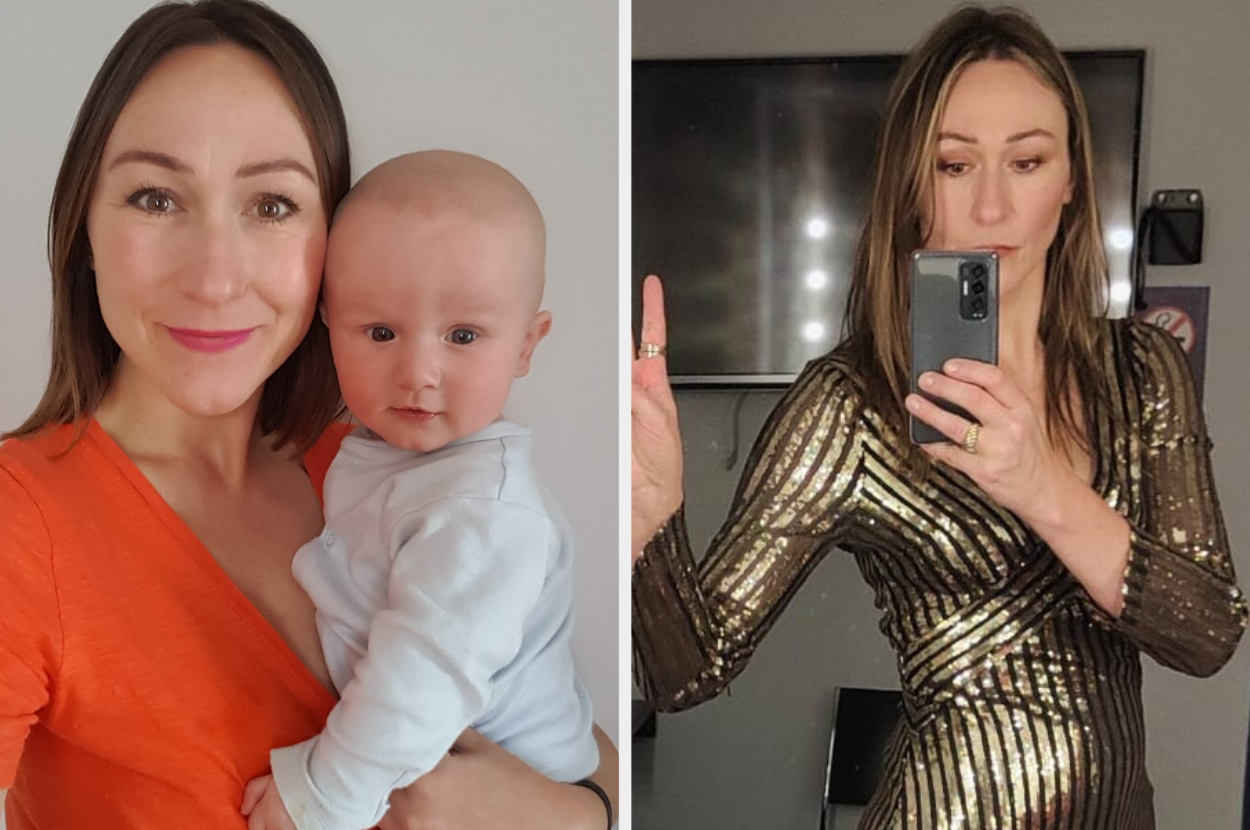
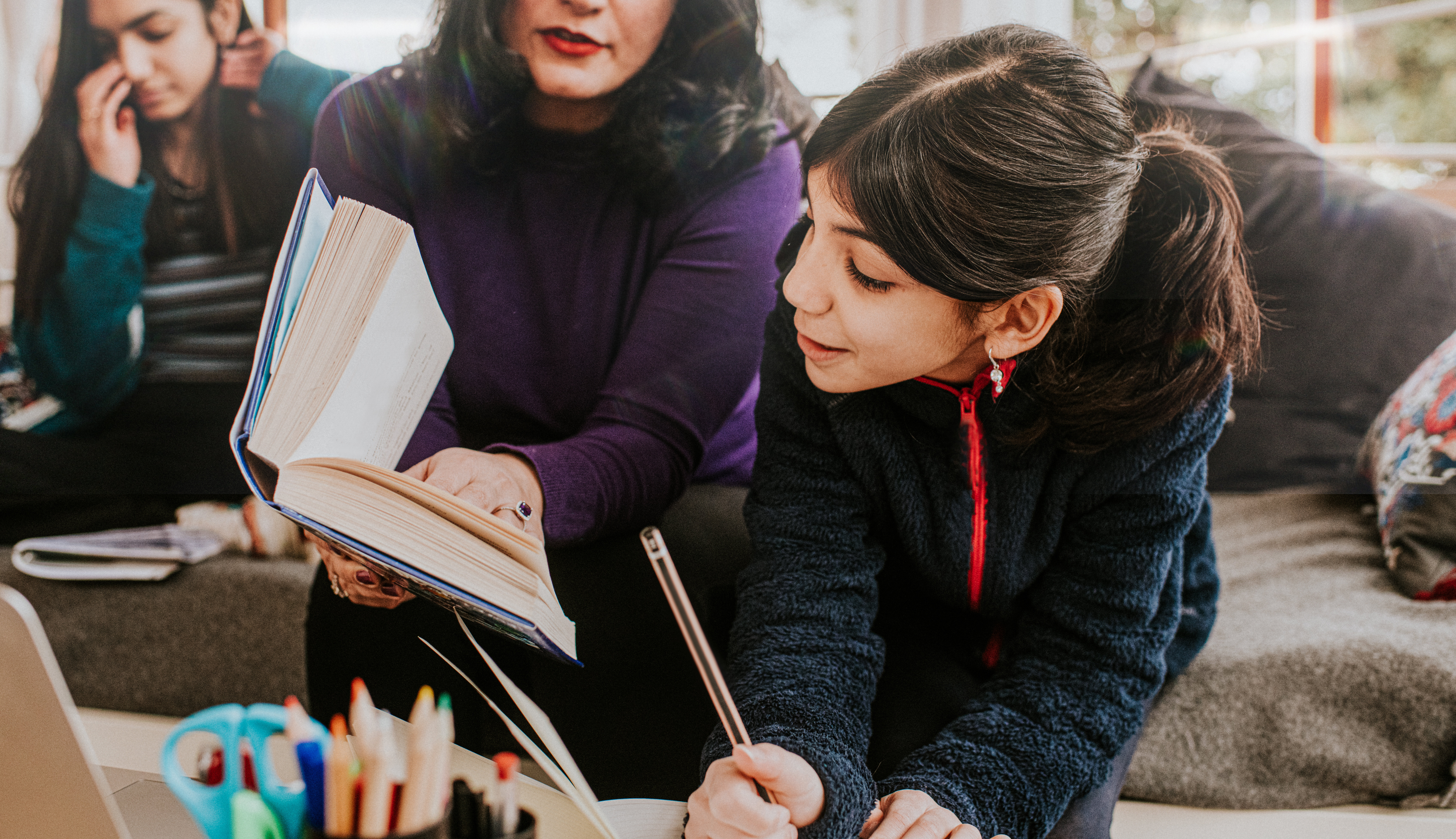
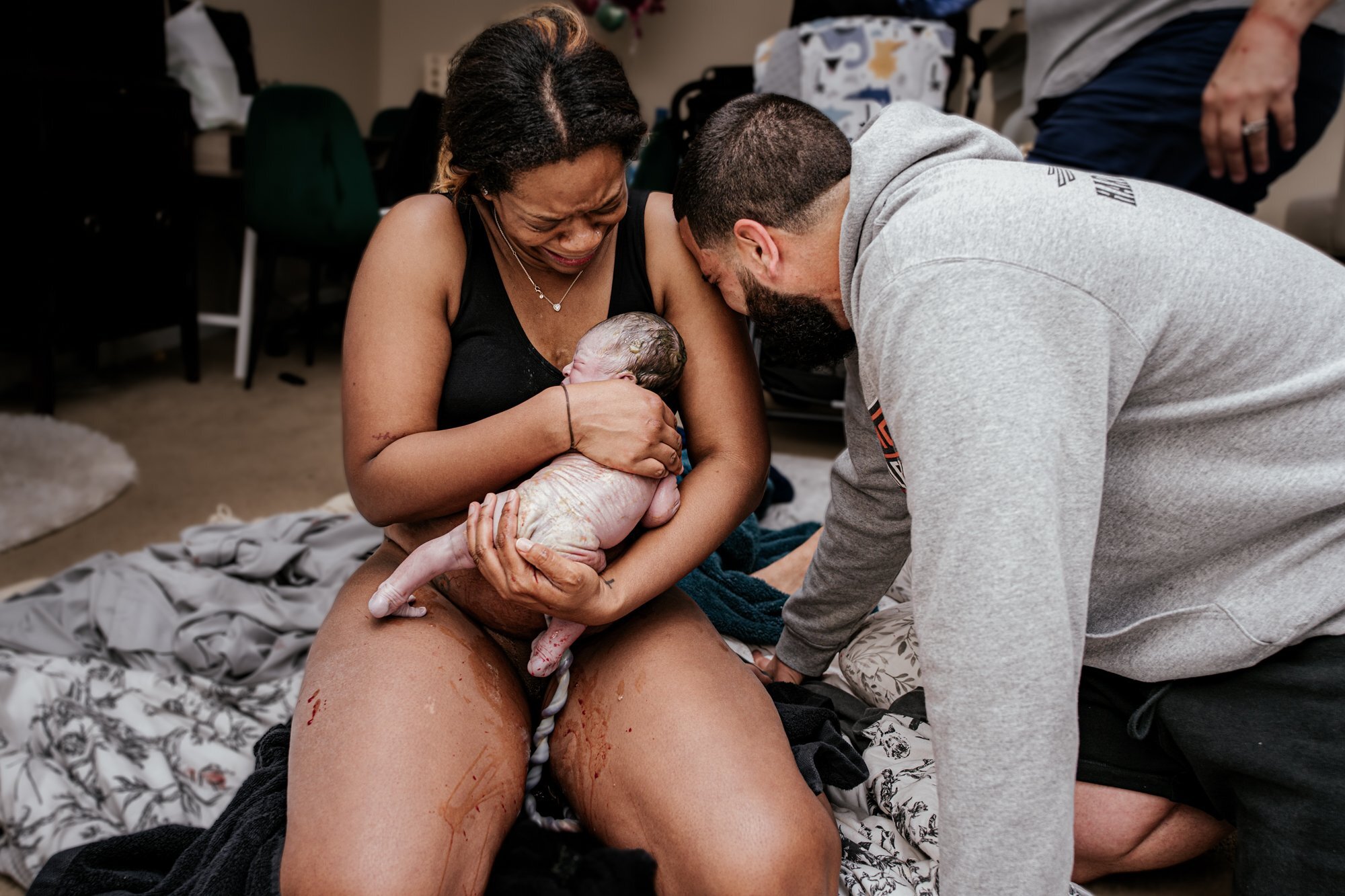
A mum has revealed how just six months after giving birth, she can’t remember the pain of labour. And it’s something many – but not all – can relate to.
“My husband thinks this is crazy. But I didn’t know if anyone else experienced this,” revealed the parent. “I gave birth almost six months ago and I don’t remember the pain.”
Advertisement
The phenomenon is not uncommon. Lots of women report not quite remembering the sensations of labour, even though they recall it was painful for them at the time.
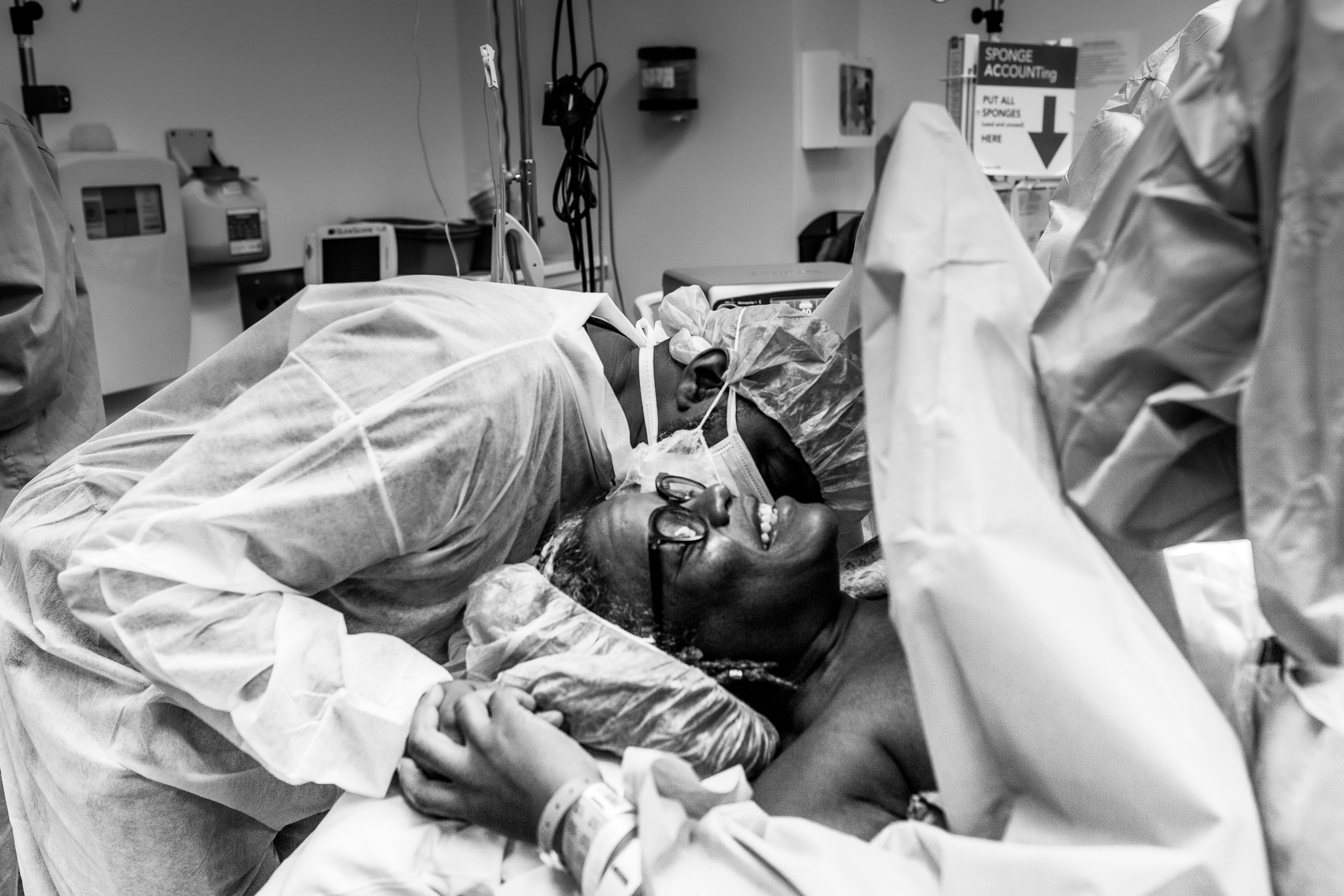
“I vividly remember being in pain, and clutching the hospital bed rails with all my might, but the actual pain, [I] can’t recall it for anything,” said the mum, taking to Reddit.
“It blows my mind. Like I know I had contractions for hours, but I couldn’t even tell you what they felt like.”
Other parents were equally baffled and shared their own experiences of not remembering the sensations of birth. “I remember between (screaming through) contractions I said to my husband, ‘how do siblings exist?!’” said one.
Advertisement
“Two weeks later I’m picking out sibling names.”
But not everyone shared the reduced memory recall, as far as pain was concerned. “I can vividly recall every single pain and I’ve already decided to never do it again,” said one parent.
Another added: “Can’t relate. The pain haunts me daily.”
So, why is this?
Unsurprisingly it’s not a well-studied area, but one study of women’s memory of labour pain – from two months to five years after birth – found memory of labour pain did decline in a lot of women over a period of time.
But for those who had a negative overall experience of childbirth, the memory of labour pain didn’t decline. What’s more, women who had an epidural – suggesting they experienced extreme pain during birth – reported higher pain scores at all time points, suggesting that these women remember the ‘peak pain’ of labour.
In a piece for the Conversation, Monique Robinson, of the Telethon Institute for Child Health Research at The University of Western Australia, suggested lots of other factors can play a part in how a birth is remembered. So things like: satisfaction with care-providers, choice of pain relief, level of medical intervention, complications, outcomes for the baby, and other personal factors.
All of these would add up to either form a positive or negative birth experience. Positive experiences are less likely to be associated with pain, whereas negative ones are.
Advertisement
Discussing why some people might forget the pain of birth, Jennifer Conti, clinical professor of obstetrics and gynaecology at Stanford University, told Self her theory is that from an evolutionary perspective, the survival of our species could depend on women forgetting the pain of labour and birth.
“If you can’t remember how intense your [birth experience] was, maybe you’re more likely to do it again and reproduce,” she said.
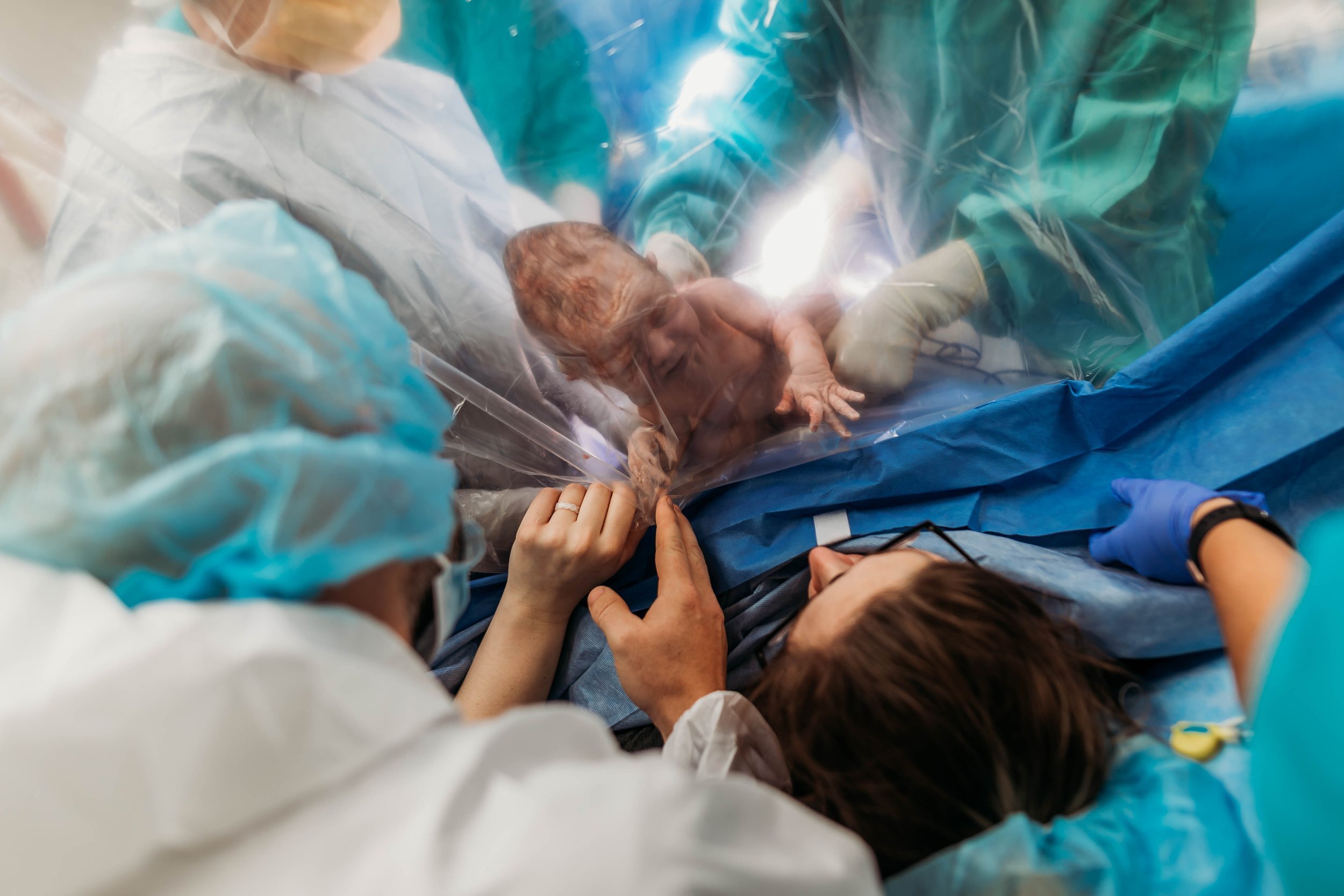
“I often hear women say that they can remember that they were in pain during labour, but can’t actually recall the perception or intensity that well. On the other hand, there are women who swear they remember the event like it happened yesterday.”
When it comes to quintessential British family holidays, Center Parcs is up there – between the cute log cabins, wealth of things to do and picturesque settings, it’s got a lot going for it, especially as far as parents are concerned.
But one thing that can put some families off – especially given the current financial climate – is the price tag that comes with a week-long break.
Advertisement
Consumer champion Which? recently found that, on average, the cost of a UK Center Parcs stay is roughly £1,274. And that’s for a family of four to stay at a site for four nights during a peak period like half term.
But if you’re after a cheaper way to enjoy Center Parc’s outdoor adventure vibes, it might just be worth looking further afield.
A new report from Which? found families could more than halve the cost of a Center Parcs break by booking in Europe instead of the UK.
Oh, really?
Yup. The consumer group compared the cost of a four-night stay for a family of four at 16 Center Parcs sites across England, France and Belgium during four peak periods.
Advertisement
It found a UK stay came in at £1,274 on average, compared to £833 in France and £701 in Belgium.
Which? said the biggest price differences could be found for bookings over October half-term and Easter, partly due to differences between the school calendars here and in Europe.
On average, a family could save 55% opting for a Center Parcs resort in Belgium rather than the UK over October half term, with a four night break costing just £613, compared to £1,369 in the UK.
And the savings in France were almost as good, with the same stay costing £868 on average.
But don’t the travel costs make it more expensive?
Of course, with any trip abroad you need to factor in travel costs – and these can really rack up when the kids are off school, especially if you choose to fly.
That said, when Which? factored in travel costs – like taking a ferry and then driving – they still found families could save hundreds of pounds overall.
For example, Dunkirk is less than an hour’s drive from Center Parcs’ Park de Haan, in Belgium.
At the time of writing, a return ferry trip for a family of four from Dover to Dunkirk could be booked for approximately £170 during the October half-term.
Advertisement
Similarly, a return car ferry for a family of four from Dover to Calais could be booked for £125 return during October half term, and over Easter weekend a return journey via Le Shuttle can be booked for £179.
Venturing to European Center Parcs sites is something more and more parents are wising up to. One mum previously told The Sun how she took her family to Center Parcs in the Netherlands during the Easter holidays and saved hundreds of pounds.
For £680 she managed to bag a week in a three-bed cottage. She also suggested activities were cheaper in the Netherlands than in the UK.
And Which? also found this. Its analysis found archery costs between £19 and £26.50 at the UK’s Whinfell Forest park, while it costs £14 at Belgium’s Park de Haan. Similarly, Laser Battle games range in price from £24.50 to £34.50 at Whinfell Forest, and cost £15 at Park de Haan.
Jo Rhodes, deputy editor of Which? Travel, said: “Our research found that it’s well-worth casting your eye beyond the Channel to snap up some significant savings
Being pregnant and birthing a baby can be stressful enough, but getting pregnant and going into labour without even knowing about it? Well, that’s unlocked a new fear.
Some people are taking to TikTok to share their accounts of ‘cryptic’ or ‘invisible’ pregnancies.
Doctors swiftly realised she was crowning and she was rushed to the labour ward where, in 15 minutes, she’d given birth to a baby girl.
“Throughout my so-called pregnancy I had lost 30lbs, was the flattest I had ever been and had my period every month,” Simpson recalled.
What is a cryptic pregnancy?
In short, it’s where you don’t realise you’re pregnant because your body doesn’t really give you any of the tell-tale signs.
While for a very small amount of people they might not realise they’re pregnant until labour, a cryptic pregnancy can also apply to people who don’t realise they’re pregnant until at least 20 weeks.
Advertisement
Some people might not experience any symptoms, or very mild symptoms of pregnancy; others might blame their pregnancy symptoms on issues, like stress; and some might not grow a baby bump at all.
Why do some women not get a baby bump?
TikTok creator Nikki Salazer shared a video of her story. While she knew she was pregnant, it didn’t take away from the fact that not getting a bump felt a bit strange.
“As the months went by, I still had nothing,” she explained. “But I still had all the symptoms and felt kicking regularly. At eight months, I started to feel very heavy – but still, no bump.
“No-one could believe I was pregnant – even at the hospital. Thankfully, I had a healthy birth and delivery.”
Dr Karan Raj stitched Salazer’s video with some commentary of his own to explain just why these hidden bump pregnancies occur. “There are a number of factors that could contribute to this,” he said.
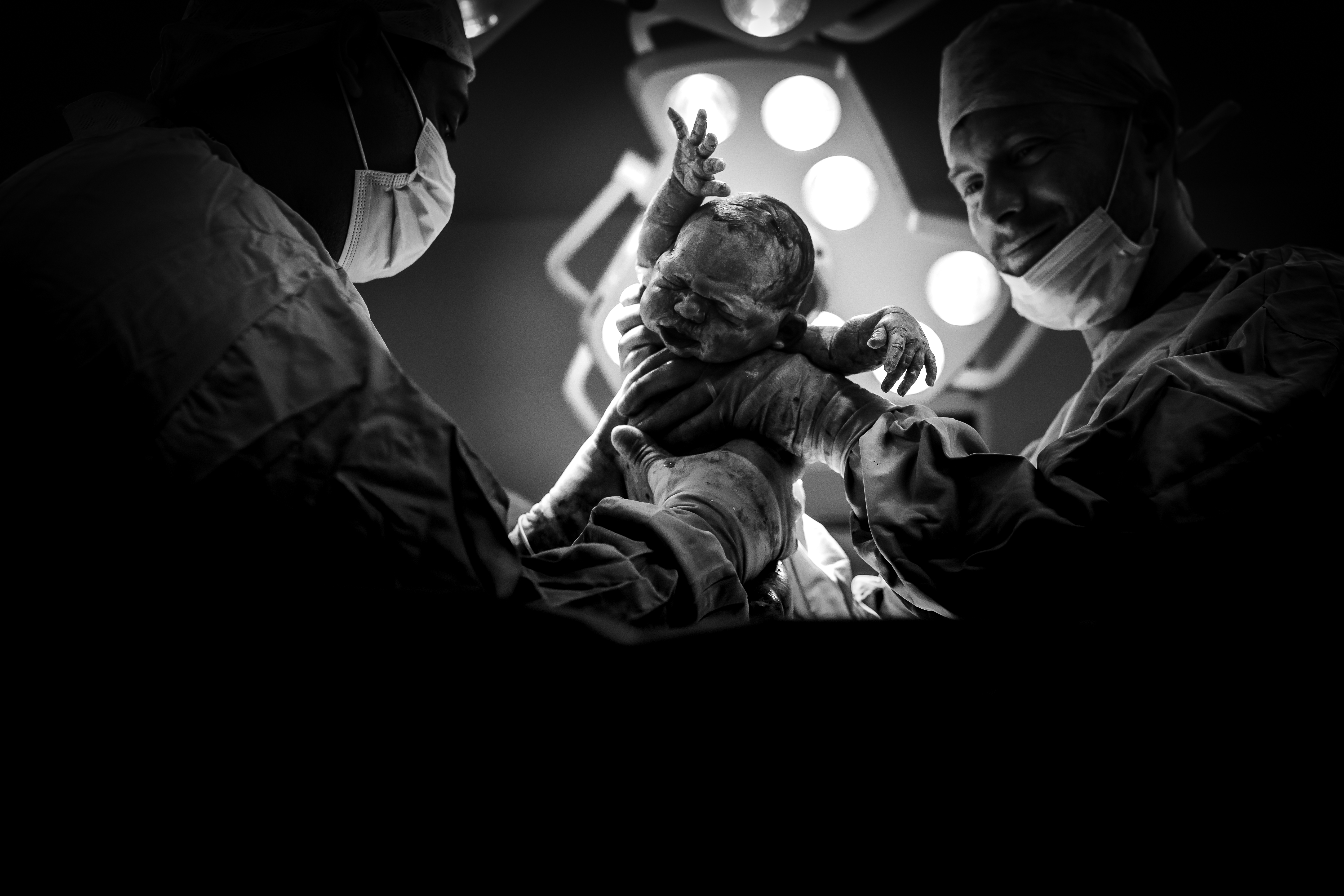
Advertisement
Apparently, it’s all to do with the shape of your uterus – and if you have a retroverted uterus, it’s easier for your baby to hide.
“Most women have an ‘anteverted’ uterus where it’s slightly tilted forwards,” said Dr Raj.
“But one in five have a backwards tilt towards the spine. For some women, it may remain tilted backwards for the duration of the pregnancy. This backwards growth could hide any bump.”
He explained that previous surgery, endometriosis and other gynaecological conditions could scar what’s known as the uterosacral ligaments, which “keep the uterus fixed to the spine and inside the pelvic cavities”.
“If these are stiff because of scarring, these ligaments can literally hold the uterus back and stop it from protruding too far out,” he said, which will result in a tiny little bump, or no bump at all.
Advertisement
And bad news if you’re tall… “If you’re taller, you’ll have a longer torso, so there’ll be more space for the uterus to develop upwards rather than just outwards,” added Dr Raj.
Gym bunnies should be wary, too, as a super strong stomach could have the same effect.“If you have well-developed rectus abdominal muscles, the uterus may develop closer to your core, rather than protruding out,” he said.
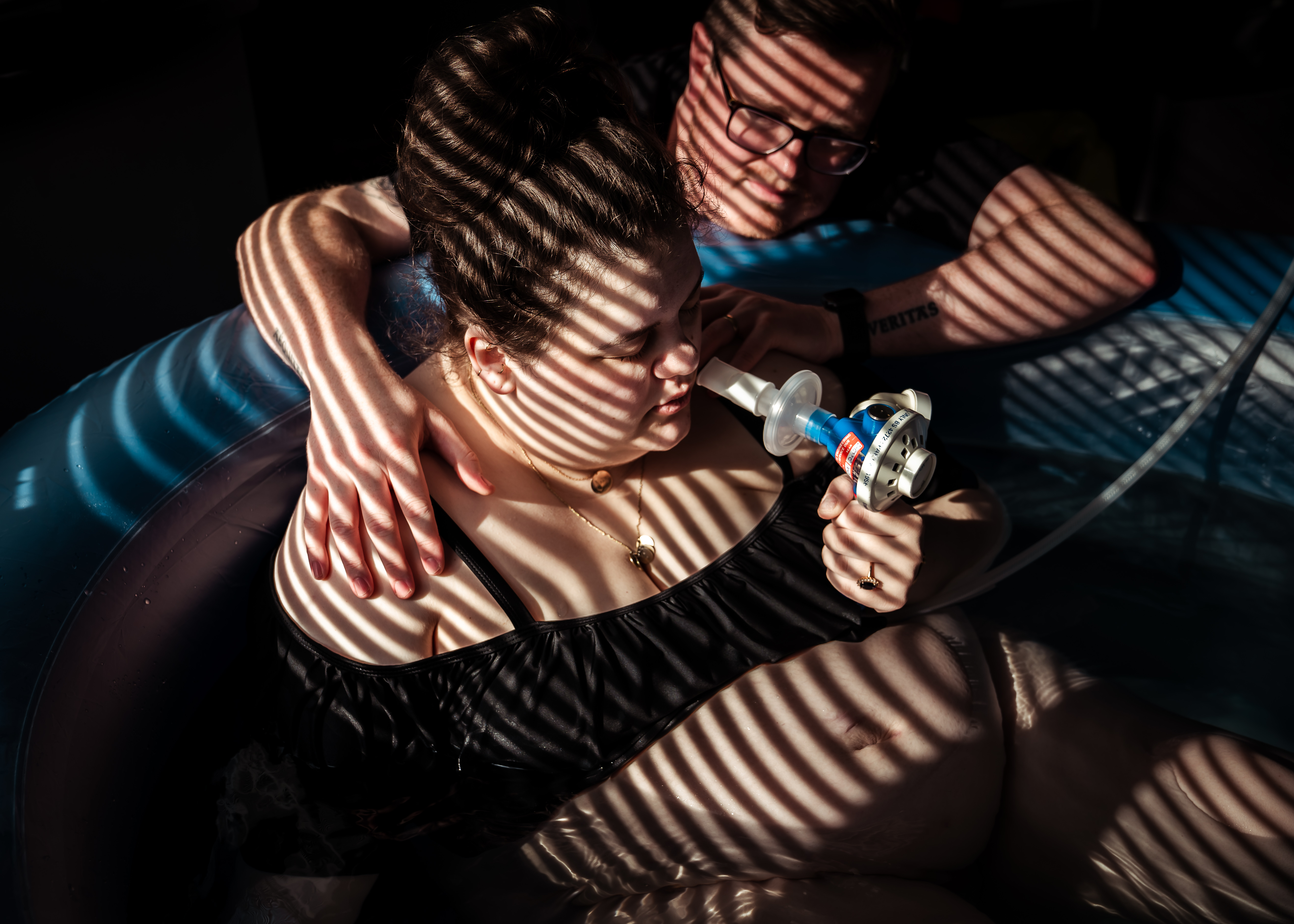
Other causes can include:
Having recently given birth,
PCOS,
Peri-menopause.
How common are cryptic pregnancies?
The good news is cryptic pregnancies are relatively rare. Studies suggest that around one in 475 pregnancies aren’t noticed until about 20 weeks gestation, which is halfway into the pregnancy.
And around one in 2,500 pregnancies go completely unnoticed until delivery.
On the upside, not having a huge bump getting in the way of tying your shoes, picking things up and generally moving around can be super beneficial.
But the emotional trauma of suddenly going into labour must be… well, a lot.
Although as Kayla Simpson said: “Within those 15 minutes my life changed forever – and now I can say for the better … Obviously I was in shock but I do think that things happen for a reason.”
Tens of thousands of children are set to receive hospital-level care at home as part of an expansion of virtual wards on the NHS.
The announcement is set to come from NHS chief executive Amanda Pritchard on the 75 anniversary of the health service.
Advertisement
The ‘hospital at home’ service will cover children in every region of England from this month, after successfully treating more than 6,400 children in a pilot scheme over the last year.
Pritchard said the NHS virtual wards programme has “provided peace of mind” to parents who have used them during trials, including in Blackpool, Dudley and Dorset.
What is a virtual ward and how does it work?
Virtual wards allow patients to get hospital-level care at home safely and in familiar surroundings, helping speed up their recovery while freeing up hospital beds.
Children on a virtual ward would be cared for by a multi-skilled team who can provide a range of tests and treatments, including blood tests, prescribing medication or administering fluids through an intravenous drip.
Advertisement
They would be reviewed daily by the clinical team and the ‘ward round’ may involve a home visit or take place through video calls.
Many virtual wards use technology like apps, wearables and other medical devices enabling clinical staff to easily check in and monitor patients’ recovery.
Children will be treated for a range of conditions like respiratory illness, such as asthma, and heart conditions, but from the comfort of their homes.
How is it helping children?
In Blackpool, almost 200 children have been treated on a paediatric virtual ward.
Hope Ezard, who is 21 months old, is one of them. She was born prematurely at just 29-weeks and has a rare neurodevelopmental disorder, GNB5, as well as chronic lung disease and feeding issues.
Hope has been in and out of hospital for most of her life to be treated for recurring respiratory infections, and to receive high-pressure oxygen and antibiotics.
Advertisement
The introduction of the virtual ward meant Hope could be moved home sooner.
Hope’s mum, Sarah, 39, said being able to receive care at home “is so beneficial to Hope, and our other children”.
“We know that in general, Hope doesn’t sleep very well when she’s in hospital and is more vulnerable to hospital infections, so there is peace of mind when she’s being cared for at home, on the virtual ward,” she said.
“She’s less likely to pick up anything that might make her more poorly, and she’s relaxed and comfortable in her own bed.
“And the fact that the brilliant community nurses are just a phone call away reduces any anxieties that we might have had.”
In Dudley, mum Anum Shazady praised the virtual ward for keeping her son out of hospital, with twice daily calls from NHS staff.
Advertisement
Anum said: “Now my son is on the virtual ward I can record his observations as many times as I want throughout the day, recording them onto the virtual ward pad and a member of staff calls me twice daily which reassures me that he is safe in our home environment.
“The new virtual ward is great for me and my family as it stops my son staying in hospital longer than he needs.”
Why are they expanding the scheme?
The ultimate aim is to free up hospital beds – especially ahead of winter.
NHS chief executive Amanda Pritchard said: “Virtual wards are already providing excellent care to families when their children are sick, and this expansion will enable thousands more to receive high quality care from home.
“Being treated at home can have a hugely positive impact on patients – it means they receive hospital-level care, but it also means they are not separated from their families – providing peace of mind for loved ones.
“As we look to the next 75 years of the NHS, we will continue to embrace the latest technologies and innovations to meet the changing needs of patients while ensuring that care is as convenient as possible.”
Teigen announced the arrival of their son, Wren Alexander Stephens, in a thoughtful Instagram post on Wednesday, sharing how their baby boy was born on Monday, June 19, via surrogate.
In her post, the cookbook author detailed her unique experience being pregnant at the same time as her “incredible, loving, compassionate surrogate”, Alexandra, who gave birth to Wren just five months after the star welcomed daughter Esti in January.
Advertisement
Teigen decided to pursue IVF while working with her surrogate in hopes of achieving her dream of having four kids. The star and Legend already shared daughter Luna, 7, and son Miles, 5, at the time.
Five months into Teigen’s pregnancy, she learned Alexandra was expecting their baby boy.
They celebrated by watching reality TV “with our growing bellies, our families blending into one for the past year”, she said.
“Just minutes before midnight on June 19th, I got to witness the most beautiful woman, my friend, our surrogate, give birth amidst a bit of chaos, but with strength and pure joy and love,” Teigen continued.
Advertisement
“We want to say thank you for this incredible gift you have given us, Alexandra,” she added. “And we are so happy to tell the world he is here, with a name forever connected to you, Wren Alexander Stephens.”
Chrissy Teigen and John Legend attend the 2023 Vanity Fair Oscar Party on March 12, 2023. The couple recently announced their fourth child, a son named Wren Alexander Stephens.
Amy Sussman via Getty Images
“Our hearts, and our home, are officially full,” she added.
Teigen also remembered their late son Jack writing, “We know both their angel kisses are from you.”
The model and her EGOT husband lost Jack in October 2020 after she experienced complications while pregnant.
Teigen wrote about her experience on Instagram at the time, sharing, “We are shocked, and in the kind of deep pain you only hear about, the kind of pain we’ve never felt before. We were never able to stop the bleeding and give our baby the fluids he needed, despite bags and bags of blood transfusions. It just wasn’t enough.”
Though Teigen’s pregnancy loss was widely reported as a miscarriage, she later revealed she had a life-saving abortion as the doctors told her she was carrying a “baby that had absolutely no chance” of surviving birth.
Advertisement
“Let’s just call it what it was,” Teigen said during a talk in September 2022. “It was an abortion.”
Swabbing newborn babies with their mum’s vaginal bacteria might boost their early development, according to new research.
Known as vaginal seeding, the process involves transferring vaginal bacteria to a baby after a caesarean section, with a view to improving their gut bacteria.
Advertisement
The process reportedly originated in Australia, however over the years has become increasingly popular in the UK, too – with more and more mums asking for vaginal seeding after a C-section birth.
But there are risks attached – specifically the risk of passing on an infection from mother to child.
What is vaginal seeding all about then?
Previous research has found babies born by C-section tend to have different gut bacteria to those born vaginally.
Vaginally born babies receive their early gut bacteria from the mother’s birth canal, while C-section babies’ microbiota are dominated by bacteria found on the mums’ skin, in breastmilk and in the environment.
Advertisement
While the difference tends to disappear as they age, researchers suggest early gut microbiota is associated with the development of baby’s immune system and could affect their disease risk later in life.
This has led to practices like vaginal seeding – basically, mums (or dads) would rub newborns with a gauze swab containing their mother’s vaginal fluids after birth via C-section.
But there is limited clinical evidence that vaginal seeding is safe and effective.
What are the risks of vaginal seeding?
Doctors have previously warned that the process could put babies at risk of infection – particularly from group B strep (GBS), which can prove deadly in some cases. And according to Jane Plumb, chief executive of Group B Strep Support, testing for group B strep “is rarely available in the NHS”.
“[GBS] is carried by around one in four pregnant women, and although it poses no risk to the mother it can cause fatal infections in babies,” Dr Aubrey Cunnington, a clinical senior lecturer from Imperial College London, wrote in the BMJ.
“There are also other conditions that cause no symptoms in the mother, such as chlamydia, gonorrhoea and herpes simplex virus, that could be transferred on the swab.”
Advertisement
He spoke about how one colleague had to intervene when a mother with genital herpes, who had undergone a C-section and was about to undertake the process.
“Swabbing would have potentially transferred the herpes virus to the baby,” said Dr Cunnington.
What does the new study say?
Researchers rubbed the lips, skin and hands of 32 newborns delivered via C-section with a gauze soaked with their mothers’ vaginal fluids and another 36 newborns with a gauze soaked with saline as blind controls.
Because of the risks attached, the mothers were tested in advance to make sure they were free of infections, such as sexually transmitted diseases and group B strep.
The team found that newborns who received the microbiota had more gut bacteria found in maternal vaginal fluid six weeks after birth, suggesting that maternal vaginal bacteria successfully reached and colonised babies’ guts.
Compared with C-section newborns who received saline gauze, babies with microbial transfer had more mature bacteria in their guts at six weeks old, similar to babies born vaginally.
Advertisement
And no infants experienced severe adverse events during the experiment, according to the study which was published in the journal Cell Host & Microbe.
It could also boost development
The team also evaluated the babies’ neurodevelopment at three months and six months after birth, using a questionnaire.
They asked the mothers if their babies were able to make simple sounds or perform movements like crawling on their hands and knees.
Babies who had been swapped with vaginal fluid scored significantly higher in neurodevelopment at both ages, and their scores were comparable to those of vaginally born babies.
Study author Yan He, of Southern Medical University in Guangzhou, China, said they now want to determine if vaginal microbiota seeding has the potential to reduce the risk of neurodevelopmental disorders in children, such as ADHD, ASD, and intellectual disabilities.
Advertisement
“It is somewhat like faecal microbiota transplantation,” continued He.
“We need more data to understand this intervention and make it more precise. We may eventually uncover what exactly is beneficial in maternal vaginal microbiota, which could enable us to design therapeutics for all infants born via C-section in the future.”
I turned 51 this year, and one of the many things I’ve learned over the course of five decades on this planet is that our dreams rarely manifest exactly as we envisioned them. We can spend years and years longing for something and then, when it finally arrives, we either don’t realise it or we’re disappointed because it doesn’t look quite the way we expected it to.
I never dreamed that a “normal” family was in the cards for me. It was something that happened to other people. People who were better at finding themselves in the right places at the right times. People who weren’t so guarded with their hearts. People who were unbroken. But a part of me yearned for it. I remember thinking that a loving family must feel like the safest place in the world.
Advertisement
I’d been told, my entire adult life, by a battery of soft-spoken doctors and specialists, that I would never conceive a child naturally. While there were times when I considered alternative avenues to motherhood, ultimately I felt content in my child-free life. I was a dog mom and an auntie, and I relished those roles. I was also a mountain girl: adventuring into the alpine each weekend in my Jeep or on foot to leap into remote crystalline lakes. I loved my adventurous single gal existence and my freedom. I had plans to travel, continue building my creative business so I could work from anywhere, and collect stories that I would one day, just maybe, compile into a book.
One month after my 46th birthday, I missed a period. Though I’d been casually dating someone, I assumed, considering my history, that this was menopause rearing its head at last. A couple more weeks passed and I started to have some other symptoms that were unusual for me. I figured these were further indications that my hormones were changing. But — maybe on a whim, maybe at the urging of my best friend, maybe in a burst of intuition — I bought a pregnancy test at my local drugstore and went into the bathroom at the adjacent Whole Foods to take it.
I sat there in the stall staring in disbelief at a very crisp, clear blue line in the little window on the test stick. Surely this was an error — yet another artefact of my hormones gone awry. I immediately consulted Dr. Google and learned there is a kind of ovarian cyst that can release hormones that mimic the signs of pregnancy. That was it. I was certain I had one of those cysts. I just needed to get the confirmation from my doctor.
That confirmation wouldn’t come. What would arrive was a phone call from a jovial nurse, the announcement that my HCG levels were so high it was in fact possible I was pregnant with twins, and a referral for an ultrasound that would reveal what was now undeniable: I was pregnant. PREGNANT. Impossibly. At 46. With a man who was certain about few things in life save for the fact that he didn’t want to be a father.
Advertisement
Courtesy of Natasha Dworkin
The author and her partner, unwitting parents at midlife, in 2023.
He was a performing circus artist — an aerial acrobat seven years my junior. We’d dated briefly several years prior and had at this point been rekindled for a few months. Our connection was mostly physical and it was far from serious. On our first date, I texted my best friend, “I’m not gonna spend the rest of my life with him, but he sure is cute.” He told me on many occasions that he didn’t want to have kids, and I thought I couldn’t conceive, so we were well-matched, in that regard at least.
Now I had to bestow on him a piece of news that could forever alter the course of his life. I remember driving to his apartment the evening I planned to tell him, half in a daze, almost numb with uncertainty. We had already made plans for that particular night — get pho and hang out at his place listening to podcasts — so I remember him opening the door with a smile, then ducking back inside to grab his coat. I recall that, as usual, he was warm when he hugged me, warm and strong. And he seemed happy to see me. My heart was leaden in my chest as I asked him if we could sit down for a minute before we left. As soon as we did, I began to cry. He put his hand on my knee and looked at me in a way that said, “Hey, whatever it is, I’m here.” You have no idea, I thought.
I managed to utter the words, and he managed to receive them, setting in motion a period that was both miraculous and fraught. I felt stunned, terrified, sad, thrilled, hopeful and humbled all at once. He felt disempowered, grieving for a future he’d envisioned that might not come to fruition in the ways he’d hoped. I think back on that time as both a whirring blur and a slow-motion free-fall.
We attended therapy together, spent hours and hours talking about all the possible scenarios. He promised he’d be there for me no matter what I decided to do, but he also begged me not to have our baby. I came close so many times to assuring him that I wouldn’t, but I always, inexplicably, stopped short. I wondered: If I chose to have an abortion, would I have regrets? And would that experience, and those regrets, leave me forever heartbroken? I also thought about how I’d be in my mid-60s when this child graduated high school, and about the end of those solo summer days high in the mountains, the travels, and the book.
Advertisement
While I’ve always vehemently supported a woman’s right to determine what she does with her own body — and while I was very clear about the choice in front of me — the gravity of that choice, now that it was mine to make, was almost too much to bear. I felt crushed under the weight of making it for the both of us. For the three of us. Crushed and paralysed. In my state, in-clinic abortion is legal into the second trimester, and other options are available until a foetus is viable. I would need every single minute, hour, day, week and month I could get to process my own conflicting emotions, to be counselled, to get clear with myself, to gain some level of certainty that I was making a decision that was truly right for me, that was pure of heart, that was mine.
Ultimately, my choice was to meet my child.
Courtesy of Natasha Dworkin
The author and her family.
When I finally knew what I was going to do, and when I eventually began telling my friends and family about the decision I’d made, what stood out to them was the unlikeliness of my story. I got pregnant naturally at midlife, after decades of infertility. Their faces lit up with the news that perennially single me would now, along with my soon-to-arrive babe and his inadvertent father, have a family. Congratulatory texts arrived from people I hadn’t spoken to in years, cards came in the mail, packages appeared containing hand-knitted baby blankets and wise, loving notes. People used words like “miracle,” “wonder,” “blessing,” “full circle.” And so much of that was true. It was a wonder. My son was a tiny miracle.
But the journey of the midlife mother is rarely so black and white. No matter which road leads us to motherhood, we each end up in a place where we have to reconcile the woman we spent half our lifetimes becoming with the mother we’ll spend the rest of our lives being. Even after my son was born, big and healthy after an uneventful pregnancy, I found that my identity was still firmly rooted in the soil — for lack of a better word — of childlessness. I still felt like the woman at the party who couldn’t relate to the moms in the corner swapping milestones, like the auntie whose nieces confide in her things they’d never tell their moms, like the single gal sneaking peeks at the handsome dad in the grocery store wearing his baby, wondering about the partner waiting at home, and if it would ever be me.
I still felt like her because I still was her. But I was a mom now, too. This clumsy dance of identities is one of the more profound grapplings of later-in-life motherhood: straddling adjacent chapters, one just beginning, the other not yet closed, attempting in real time to bridge the two. It’s disorienting to lose access to things we’ve always known. But we also get the thrill and delight of peeking into new places in our hearts that we didn’t know were there before and of discovering new pieces of ourselves in the process.
Four years later, I’m a mother and partner, fully immersed in a family of my own. It doesn’t look like the family I imagined. My son’s father and I stumbled from non-exclusive dating into sudden partnership and parenting in a matter of months. Our road to becoming parents together, and eventually a family, has been a winding one, but we are a family nonetheless. We rallied to bring our child into an environment of love and laughter and kindness and mutual respect. Along the way we had to get to know ourselves, each other, and a new vision for what the rest of our lives would look like. We are still growing and fumbling and learning every day but we are among the most devoted parents you’ll ever meet.
And now, I find myself planning different travels, collecting different stories, working on a different book.
One recent weekend, my partner packed me up and sent me off to my cabin in the country on my own so I could write, refresh and connect with the land where I grew up. While I was there, a neighbour invited me to pick apples from her tree. I picked a huge bag full and then brought them back to the city, to my boys, and made a lovely apple tart. It was an offering of thanks for these two magical souls who have become my accidental dream come true.
Courtesy of Natasha Dworkin
The author and her son in 2023.
Advertisement
Natasha Dworkin is an agency founder, strategic storyteller, and midlife mama. For more than 20 years, she has helped her purpose-driven clients tell their stories, amplify their impact, and change the world. She now leverages her professional expertise with her personal experience becoming a first-time mom at the age of 46, to help other midlife women make transformative change in their own lives and communities. Connect with her through her website, natasha-dworkin.com, on Substack at natashadworkin.substack.com, and on Instagram at @midlife.mama.
Tennis great Serena Williams can still serve up entertainment – and now she’s doing it at home.
The 23-time Grand Slam singles champion shared a video this week of her telling daughter Olympia that she’s pregnant.
The five-year-old, whom Williams was carrying when she won the Australian Open in 2017, had been worrying about Serena’s weight gain, the athlete explains in the video.
“Remember how you’ve been praying/planning for a little sister or brother?” Williams says to her daughter. “Well, we went to the doctor, and it turns out I’m not getting fat, but I have a baby in my belly.”
“Are you kidding me?” Olympia replies.
“You’re gonna be a big sister,” confirms Alexis Ohanian, Williams’ husband and Olympia’s father.
Olympia shrieks and hugs her mum.
“Oh, my god! I’m so excited!” she says.
She screams again as she sprints out of the room ― where she apparently falls.
“I’m OK!” Olympia yells off-camera.
Williams, 41, has ostensibly been retired since last year’s U.S. Open, and one of the reasons she cited was to grow her family.
But the new video shows the funny exchange in full:
The actor famous for playing the littlest Weasley sibling is now expecting a child of her own.
Bonnie Wright, who portrayed Ginny Weasley in the wildly popular Harry Potter movies, said Friday on Instagram that she and husband Andrew Lococo “can’t wait to meet our baby later this year and become parents.”
“So excited to share this beautiful land with them,” she wrote in the caption of her post, which included photos of the pair posing in front of a lush mountainous landscape. “What a wild and humbling journey pregnancy is, transforming to make space for new life.”
The British actor and environmental activist married Lococo last year at The Ecology Center, an organic farm and ecological education nonprofit in California. Their wedding was featured on the website Brides, which described the event on Instagram as a “celebration of love, community, and sustainability.”
Wright is set to become at least the second Harry Potter alum to welcome a newborn this year. In March, Daniel Radcliffe and his longtime girlfriend, fellow actor Erin Darke, announced that they were expecting a child. Earlier this week, the couple confirmed that their baby has now arrived.
We hope you love the products we recommend – all of them were independently selected by our editors. Just so you know, HuffPost UK may collect a share of sales or other compensation from the links on this page. Prices accurate and items in stock at time of publication.
April marks C-section Awareness Month, and Lola&Lykke has pulled out all the stops to honour the delivery method many welcome their children into the world via.
Advertisement
Mums who have undergone a Caesarean section, as well as those who have had a vaginal birth, can now save on all the essentials they need to look after themselves and their bodies during their pregnancy, and postpartum, with the popular parenting brand.
For the duration of April, Lola&Lykke is offering shoppers the chance to get 20% off select items.
Lola&Lykke – which was was founded in 2018 by parents Laura and Kati, after they experienced problems during their pregnancies – offers a range of products to see parents before and after their pregnancy.
The Postpartum Support Band in particular is a must have as it provides medical-grade compression on the weakened core muscles, and aims to speed up recovery from childbirth and pregnancy. It was also designed by Finnish physiotherapists, so is safe to use.
Advertisement
Not only does it provide support around the stomach to heal diastasis recti, which is when your growing uterus expands causing your muscles to separate, but also to alleviate any back pain.
The Postpartum Support Band, which is also suitable for those recovering after a natural births, has been designed with comfort in mind, as the band fits to your body without inhibiting any movements.
The Postpartum Support Band is super simple to wear too, all you have to do is wrap around the target area of your stomach, and secure with the double velcro fastening.
It is free from latex, hypoallergenic and breathable, which means it is super delicate on fragile areas of the body.
<img class="img-sized__img portrait" loading="lazy" alt="The Postpartum Support Band provides medical-grade compression on the weakened core muscles.” width=”720″ height=”1079″ src=”https://www.wellnessmaster.com/wp-content/uploads/2023/04/new-parents-you-can-grab-20-off-postpartum-essentials-with-lolalykke-2.jpg”>
While those who want to secure the Maternity Support 2-Pack, which features the Pregnancy Band and Postpartum Support Band to see you through all stages of pregnancy, can do so at a more purse-friendly £171 down from £180.
Advertisement
With glowing reviews, support from medical experts, and super affordable price tags, these bargain buys are not to be missed.
While on the Lola&Lykke website, you will also find tool kits, tips and tricks, expert advice from professionals, as well as real life stories from fellow parents, so rest assured you are in a safe space to share your concerns or product recommendations.
The maternity label also has a blog about all subject matters, including in-depth detail on C-sections, so you can be well informed about the surgical procedure prior to giving birth, preparation to help in advance, as well as tips on recovery, and everything in between.